

Creating truly realistic vehicle physics in Unreal Engine is one of the most challenging yet rewarding aspects of developing automotive simulations, racing games, or interactive visualization projects. It’s about more than just making a car move; it’s about conveying the feeling of weight, momentum, grip, and the intricate dance between tires and tarmac. A poorly implemented physics system can break immersion, while a finely tuned one can elevate a project from good to exceptional, offering an authentic driving experience that captivates users.
Whether you’re an aspiring game developer, an automotive visualization artist, or an architect creating interactive walkthroughs, mastering Unreal Engine’s Chaos Vehicle physics system is paramount. This comprehensive guide will take you on a deep dive into the technical intricacies, best practices, and advanced techniques required to achieve compelling vehicle dynamics. We’ll explore everything from model preparation and core Chaos setup to engine calibration, suspension tuning, input handling, and crucial optimization strategies. By the end, you’ll have a robust understanding of how to bring your high-quality 3D car models, perhaps sourced from 88cars3d.com, to life with incredibly realistic physics within Unreal Engine.
Laying the Foundation: Project Setup & Model Preparation
Before you even think about complex physics, a solid foundation is essential. This begins with properly setting up your Unreal Engine project and meticulously preparing your 3D vehicle model. Neglecting these initial steps can lead to countless headaches down the line, from incorrect scaling to unpredictable physics behavior. A well-structured workflow ensures a smoother development process and more accurate results.
Initial Project Configuration & Plugin Activation
Start by creating a new project, typically using the “Games” or “Automotive, Product Design, and Manufacturing” template, though a blank project is perfectly fine. The critical first step is to ensure Unreal Engine’s Chaos physics engine is active. Navigate to Edit > Plugins and search for “Chaos Vehicles” and “Chaos Physics.” Make sure both are enabled. You might also want to enable “Enhanced Input” for a more robust and flexible input system, which we’ll discuss later. After enabling, restart the editor when prompted. For detailed information on plugin management, refer to the official Unreal Engine documentation at https://dev.epicgames.com/community/unreal-engine/learning.
Next, consider your project settings. Go to Edit > Project Settings. Under the “Physics” section, you can review global physics settings. While Chaos Vehicle handles much of its internal physics, understanding these global parameters can sometimes help diagnose unexpected behavior. Ensure the world gravity is set appropriately for your desired simulation (default is typically fine for Earth-like gravity). Also, under “Maps & Modes,” set a default GameMode and PlayerController if you haven’t already, as these will eventually manage your vehicle’s spawning and input.
Importing & Preparing Your Vehicle Model for Chaos
The quality of your 3D model is paramount. When sourcing automotive assets from marketplaces such as 88cars3d.com, you’re generally guaranteed high-quality, clean topology, which is ideal for physics simulation. However, even the best models require specific preparation steps before they can become a Chaos Vehicle. Import your model (preferably as an FBX or USD file) into Unreal Engine. During import, ensure “Skeletal Mesh” is selected, as Chaos Vehicles require a skeletal mesh for wheel movement and suspension articulation. Also, select “Import Mesh” for the chassis and “Import Materials” if you want to bring in your PBR textures.
Once imported, open your Skeletal Mesh asset. The key to successful Chaos Vehicle setup lies in correctly defining the skeletal hierarchy and collision geometry. Your vehicle should have a root bone (e.g., “Chassis_Root” or “Car_Root”), and each wheel should be a separate bone, parented to the chassis or an intermediate axle bone. The pivot points of these wheel bones are crucial, as they define the center of rotation for each wheel. They should ideally be at the center of the wheel’s rotation axis. The vehicle’s overall scale in Unreal Engine should represent real-world dimensions (e.g., 1 unit = 1cm is common, so a 4-meter car would be 400 units long). Incorrect scaling will drastically impact physics calculations.
- Separate Meshes: Ensure your wheels are separate meshes linked to their respective bones. This is crucial for their independent rotation and suspension travel.
- Collision Geometry: Open the “Physics Asset” (PhAT) for your skeletal mesh. Simplify the collision for the chassis as much as possible using convex hulls or simple box primitives. Complex collision geometry for the chassis will significantly impact performance. For the wheels, capsules or spheres are generally sufficient. Ensure collision is properly assigned to the correct bones.
- Orientation: Verify the vehicle is facing forward along the X-axis in Unreal Engine and standing upright. Incorrect orientation can lead to input and physics issues.
Diving into Chaos: The Core Vehicle Physics System
Unreal Engine 5 fully embraces Chaos Physics, providing a robust and highly customizable system for vehicle dynamics. Unlike previous iterations that relied on PhysX, Chaos offers more flexibility and better performance, especially with complex simulations. Getting your vehicle Blueprint set up correctly with the Chaos Vehicle Movement Component is the critical next step after model preparation.
Setting Up a Chaos Vehicle Blueprint
To begin, right-click in your Content Browser and create a new Blueprint Class. Search for “Vehicle” and select “Wheeled Vehicle Pawn” (or “Wheeled Vehicle” for a non-pawn actor, if preferred). Name it appropriately, e.g., “BP_MyCar.” Open this Blueprint. The first thing you’ll notice is the “Mesh” component in the Components panel. Replace the default placeholder mesh with your prepared Skeletal Mesh from the previous step. Ensure its transform is reset to (0,0,0) relative to the Blueprint’s root component.
Below the Mesh component, you’ll find the “Chaos Vehicle Movement Component.” This is the heart of your vehicle’s physics. Select it, and in the Details panel, you’ll see a plethora of settings organized under categories like “Wheel Setup,” “Engine,” “Transmission,” “Suspension,” and “Tires.” These settings directly control how your vehicle interacts with the environment. Initially, many values will be at their defaults. The goal is to progressively tune these parameters to achieve realistic behavior. For a deeper dive into the component’s structure, consult the Chaos Vehicle documentation.
A crucial early step is to assign your vehicle’s wheel bones to the corresponding wheel setups within the Chaos Vehicle Movement Component. Under “Wheel Setup,” expand the “Wheels” array. For each element, select your skeletal mesh’s wheel bone (e.g., “FL_Wheel,” “FR_Wheel,” “RL_Wheel,” “RR_Wheel”) from the “Bone Name” dropdown. This links the physics simulation directly to the visual representation of your wheels. Also, ensure the “Steer Angle” and “Drive” properties are correctly assigned to your front and rear wheels respectively, defining which wheels steer and which receive engine power.
Configuring Wheels and Suspension
The “Wheel Setup” array in the Chaos Vehicle Movement Component is where you define the physical properties of each individual wheel. Each wheel entry has its own “Wheel Class” and “Tire Config” asset. While you can use the default “ChaosWheeledVehicleWheel,” it’s highly recommended to create custom “Vehicle Wheel” Blueprint classes for your front and rear wheels respectively. Right-click in the Content Browser, go to Physics > Vehicle Wheel, and create two: “VW_FrontWheel” and “VW_RearWheel.” Assign these to the appropriate wheel entries in your vehicle Blueprint.
Open your custom “Vehicle Wheel” Blueprints. Here, you’ll find parameters specific to the wheel’s physical dimensions and suspension. Key settings include:
- Radius: The actual radius of your tire. Ensure this matches your 3D model.
- Width: The width of your tire.
- Mass: The individual mass of the wheel.
- Offset: The offset from the bone origin, used to fine-tune the wheel’s position.
- Suspension Max Raise/Drop: Defines the maximum compression and extension of the suspension. These values directly affect how much your car can squat, dive, and roll.
- Suspension Damping/Spring Rate: These control the stiffness of your suspension and how quickly it returns to its equilibrium. A higher spring rate means a stiffer ride; higher damping reduces oscillation.
- Lat/Long Friction Scalar: These values are crucial for tire grip and will interact with your “Tire Config” asset. We’ll delve into tire config more in a later section.
Adjusting these parameters requires an iterative process of testing and tweaking. Start with realistic values based on real-world car specifications if possible. The interaction between spring rate, damping, and the vehicle’s overall mass (set in the Chaos Vehicle Movement Component) determines how responsive and stable your suspension feels. Don’t be afraid to experiment with small increments, as changes can have a significant impact on vehicle behavior.
Mastering Engine, Transmission & Input
With your vehicle’s physical structure and wheels defined, the next crucial step is to breathe life into it by configuring its engine, transmission, and control inputs. These elements dictate how the vehicle accelerates, shifts gears, and responds to player commands, directly impacting the driving experience.
Calibrating Engine Power & Torque Curves
The “Engine” section within the Chaos Vehicle Movement Component is where you define your vehicle’s power delivery. This isn’t just a simple horsepower number; it involves a torque curve, which describes the engine’s torque output at various RPMs. Unreal Engine uses a torque curve asset (right-click in Content Browser > Physics > Torque Curve) to allow for detailed customization. Create one (e.g., “TC_MyCarEngine”) and assign it to your vehicle Blueprint.
Open your Torque Curve asset. It consists of an array of points, each defining a specific RPM and the corresponding torque output (in Nm). Realistic torque curves typically start low, peak in the mid-range, and then gradually drop off at higher RPMs. You’ll also set:
- Max RPM: The engine’s redline.
- Idle RPM: The engine’s RPM at rest.
- Max Torque RPM: The RPM at which the engine produces its maximum torque.
- Engine Brake Effect: How much the engine resists rotation when no throttle is applied (engine braking).
The “Engine Torque Curve” section within the Chaos Vehicle Movement Component allows you to define these points graphically. Start with a relatively flat curve to understand its effect, then add more points to simulate a realistic power band. The “Max RPM” and “Idle RPM” within the Torque Curve asset should align with the “Max RPM” and “Idle RPM” in the main Chaos Vehicle Movement Component. Fine-tuning this curve, along with the transmission’s gear ratios, is key to achieving believable acceleration and top speed.
Implementing Transmission Logic & Drivetrain
The “Transmission” settings govern how engine power is delivered to the wheels. Within the Chaos Vehicle Movement Component, you can configure:
- Gear Ratios: An array defining the ratio for each forward and reverse gear. Lower numbers mean more torque, higher numbers mean less torque but higher speed. This is crucial for acceleration and top speed characteristics.
- Differential Type: Common options are “Limited Slip” (for performance cars) or “Open Differential.” This affects how power is distributed between wheels on an axle, especially during turns or when one wheel loses traction.
- Clutch Strength: How quickly the clutch engages or disengages.
- Automatic Gearbox: A boolean toggle. If enabled, you define “Up Shift RPM” and “Down Shift RPM” to determine when the car shifts gears automatically. For manual transmissions, you’d handle gear shifting via Blueprints.
- Final Drive Ratio: A multiplier applied after all other gear ratios, influencing overall acceleration and top speed.
Choosing between an automatic or manual gearbox largely depends on your project’s goals. For most simulations or arcade-style games, an automatic gearbox simplifies player interaction. For more realistic driving experiences or racing games, implementing manual shifting via Blueprints can add significant depth. When setting up gear ratios, consider the car’s real-world specifications. A sports car will have different ratios than a heavy truck. The goal is to create a progression that feels natural, with smooth transitions between gears and appropriate acceleration for each.
Crafting Interactive Input with Enhanced Input System
To control your vehicle, you’ll utilize Unreal Engine’s Enhanced Input System, which offers a robust and flexible way to manage player controls. First, ensure the “Enhanced Input” plugin is enabled. Create three core assets in your Content Browser:
- Input Action (IA_Throttle, IA_Steer, IA_Brake, IA_Handbrake, IA_GearUp, IA_GearDown): These define a specific action. For steering, choose “Value Type: Axis1D (Float)” or “Axis2D (Vector 2D)” if you want to handle left/right input separately. For throttle/brake, use “Axis1D (Float)”.
- Input Mapping Context (IMC_VehicleControls): This maps input actions to specific physical keys/gamepad buttons. Open IMC_VehicleControls and add your Input Actions. For each action, add a mapping and select the key/button. For `IA_Steer`, you’ll likely map A/D keys or Left Thumbstick X-axis. For `IA_Throttle`, W key or Right Trigger. For `IA_Brake`, S key or Left Trigger. You can also add modifiers (e.g., “Negate” for the ‘A’ key on steering to reverse its direction).
Now, in your “BP_MyCar” Event Graph:
- On “BeginPlay,” get your PlayerController and cast it to “PlayerController,” then get the “Enhanced Input Local Player Subsystem.” Add your `IMC_VehicleControls` to the subsystem.
- For each Input Action, search for its event (e.g., “IA_Throttle” > “Enhanced Input Actions” > “Input Action IA_Throttle”).
- From the “Triggered” or “Started/Completed” pin of these events, use nodes like “Set Throttle Input,” “Set Steering Input,” “Set Brake Input,” and “Set Handbrake Input” found on your Chaos Vehicle Movement Component. Pass the Action Value from the Input Action event into these Set Input nodes.
- For manual gears, use “Shift Up” and “Shift Down” nodes on the Chaos Vehicle Movement Component, triggered by your gear shift Input Actions.
This setup provides granular control over your vehicle, allowing you to quickly iterate and test different input schemes.
Fine-Tuning Dynamics: Handling & Stability
Achieving realistic vehicle handling goes beyond basic engine and suspension settings. It requires meticulous fine-tuning of subtle parameters that influence stability, responsiveness, and grip. This is where your vehicle truly begins to feel like a real machine, reacting authentically to steering, braking, and varying road surfaces.
The Art of Suspension Tuning
Suspension tuning is an iterative process that dramatically impacts how your vehicle handles bumps, corners, and weight shifts. Beyond the basic spring rate and damping discussed earlier in the Wheel Blueprints, consider these aspects:
- Center of Mass: The “Center of Mass Override” setting in the Chaos Vehicle Movement Component is incredibly important. By default, Unreal Engine calculates this based on your mesh, but often this is too high. Lowering the Z-value of the center of mass will generally make the vehicle more stable and less prone to rolling over. Experiment with moving it slightly forward or backward to influence weight transfer during acceleration and braking.
- Anti-Roll Bars: While not directly exposed as a single parameter, you can simulate anti-roll bars by subtly adjusting the spring and damping rates of the left and right wheels in tandem. A stiffer suspension setup overall can mimic the effect of anti-roll bars in reducing body roll during cornering.
- Suspension Force Scaling: Located in the Chaos Vehicle Movement Component, this allows you to scale the overall suspension forces. If your vehicle feels too bouncy or too rigid, this can be a global adjustment before diving into individual wheel settings.
- Camber, Caster, Toe: These advanced alignment settings are typically part of a more custom vehicle system, but their effects can be indirectly simulated. For instance, increasing the negative camber (top of the wheel leans inward) can improve cornering grip at the expense of straight-line stability, and you can mimic this by adjusting tire friction properties based on steering angle in Blueprints.
When tuning, pay close attention to how the vehicle behaves under various conditions: hard braking (does it dive?), hard acceleration (does it squat?), and aggressive cornering (how much body roll and tire slip?). Record your changes and test them thoroughly.
Tire Friction & Material Interactions
Tire grip is perhaps the most critical factor in realistic vehicle handling. Unreal Engine’s Chaos Vehicle system handles this through Tire Config assets. Create a new Tire Config asset (e.g., “TC_DefaultRoad”) by right-clicking in the Content Browser > Physics > Tire Config. Assign this to your Vehicle Wheel Blueprints.
Inside the Tire Config asset, you’ll find an array of curves, most notably:
- Friction Scale Curve: This is a powerful curve that defines how much friction your tire has at different slip angles (the angle between the wheel’s direction and its actual movement direction). A typical curve will peak at a certain slip angle (e.g., 5-10 degrees) and then gradually drop off, simulating tire break-away and sliding.
- Longitudinal Friction Multiplier: Scales the friction in the forward/backward direction (acceleration/braking).
- Lateral Friction Multiplier: Scales the friction in the sideways direction (cornering grip).
Additionally, you can create multiple Tire Configs for different surface types (e.g., “TC_WetRoad,” “TC_Gravel”). In your vehicle Blueprint, you can then use a Line Trace (or other collision detection) to determine the underlying physical material of the ground. Based on this, you can dynamically swap the “Tire Config” asset used by your wheels in real-time, simulating changing grip levels. For instance, if the car drives onto a patch of ice, you’d switch to a Tire Config with very low friction multipliers. This creates a highly immersive and reactive driving experience.
Braking Systems and Handbrake
Effective braking is as important as powerful acceleration for realistic vehicle dynamics. In the Chaos Vehicle Movement Component, you can adjust:
- Max Brake Torque: This value determines the maximum braking force applied to the wheels. A higher value means stronger brakes.
- Max Handbrake Torque: Similar to brake torque, but specifically for the handbrake. Typically, the handbrake only affects the rear wheels and has a different feel, often used for drifting or sharp turns.
When implementing input for braking, ensure your brake input (e.g., ‘S’ key or Left Trigger) directly feeds into the “Set Brake Input” node on the Chaos Vehicle Movement Component. For the handbrake, use “Set Handbrake Input.” Realistic braking involves understanding weight transfer; as you brake hard, weight shifts to the front, increasing front tire grip and decreasing rear tire grip. While Chaos Vehicle handles much of this inherently, a very high “Max Brake Torque” without proper suspension tuning can lead to excessive nose-diving or rear-wheel lock-up. You can also implement a basic Anti-lock Braking System (ABS) in Blueprint by monitoring wheel slip and dynamically reducing brake input if a wheel is about to lock up, further enhancing realism and control.
Enhancing Realism: Visuals, Sound & Performance
Realistic physics is only half the battle. To truly immerse players, you need to complement those dynamics with compelling visual and audio feedback, all while ensuring optimal performance. This integrated approach makes the simulation feel complete and believable.
Visual Feedback: Skid Marks & Particle Effects
Visual cues like tire smoke and skid marks are essential for conveying the intensity of driving.
- Skid Marks: These are typically implemented using Decal Actors or a custom mesh-based system. In your vehicle Blueprint, for each wheel, you can perform a Line Trace downwards to detect if the wheel is touching the ground and if it’s slipping (by comparing the wheel’s rotational velocity with its ground speed). If slip is detected, you can dynamically spawn a Decal Actor (with a smoky, dark material) that adheres to the ground, or add vertices to a procedural mesh that follows the wheel. Managing these decals (e.g., fading them out after a certain time or distance) is crucial for performance.
- Tire Smoke: Unreal Engine’s Niagara particle system is perfect for this. Create a Niagara system that emits small, wispy smoke particles. Attach these emitters to your wheel bones in the vehicle Blueprint. Similar to skid marks, activate the emitter when significant wheel slip is detected. You can scale the emission rate and particle velocity based on the intensity of the slip to create more dynamic and realistic smoke effects during burnouts, drifts, and hard braking. Ensure the particle count and overdraw are optimized to prevent performance bottlenecks.
These visual effects, when tied directly to the physics simulation, provide immediate and satisfying feedback to the player, reinforcing the feeling of control and interaction with the vehicle.
Integrating Realistic Audio
Sound design plays a crucial role in creating an immersive vehicle experience. Engine sounds, tire squeals, and impact noises all contribute to the sense of realism.
- Engine Audio: Create an Audio Component in your vehicle Blueprint. Use a “Sound Cue” or “MetaSound” asset that blends different engine samples based on the vehicle’s RPM and load. You can have separate samples for idle, low RPM, mid RPM, high RPM, and even turbo spool. Drive the pitch and volume of these sounds using the vehicle’s current engine RPM and throttle input from the Chaos Vehicle Movement Component. For example, higher RPM increases pitch and volume.
- Tire Audio: Implement separate Audio Components for tire screeching. Trigger these sounds when significant lateral or longitudinal slip is detected on a wheel (similar logic to skid marks). The volume and pitch of the screech can be scaled by the amount of slip, making gentle slides sound subtle and extreme drifts sound intense.
- Impact Sounds: Attach an Audio Component that plays impact sounds (e.g., scraping, thudding) based on collision events. The Chaos Vehicle Movement Component provides collision callbacks that you can use in Blueprint to detect hits and play appropriate sounds, scaled by impact force.
Blending these various audio elements dynamically creates a rich and convincing soundscape that complements the visual and physical feedback.
Performance Optimization for Vehicles
High-fidelity vehicle physics, combined with detailed models from platforms like 88cars3d.com and numerous visual effects, can be demanding. Optimization is key to maintaining a smooth frame rate.
- LODs for Meshes: Implement Level of Detail (LOD) for your vehicle’s skeletal mesh. At a distance, simpler meshes with fewer polygons and lower texture resolutions will be used, significantly reducing rendering overhead.
- Collision Complexity: As mentioned, simplify collision geometry for both the chassis and wheels in the Physics Asset. Avoid using “Use Complex As Simple” collision unless absolutely necessary, as it’s very expensive.
- Physics LODs: While Chaos Vehicle is optimized, for very distant vehicles not controlled by a player, you can potentially reduce the complexity of their physics simulation. For player-controlled vehicles, always use full physics.
- Blueprint Optimization: Be mindful of the number of calculations in your Event Graph. Use “Branch” nodes to prevent unnecessary code execution, and use “Timers” or “Tick Intervals” to reduce how often certain less critical calculations (like complex visual effects updates) are performed.
- Niagara System Optimization: Keep particle counts low and material complexity simple for your particle effects. Use GPU particles where appropriate.
- Network Replication: If your project is multiplayer, ensure that only necessary data (position, rotation, velocity, input state) is replicated over the network. Over-replicating data is a significant performance killer. Unreal Engine’s built-in replication for the Chaos Vehicle Movement Component is generally efficient, but custom solutions need careful consideration.
Regular profiling with Unreal Engine’s built-in profilers (e.g., Stat Commands, Session Frontend) will help identify bottlenecks and guide your optimization efforts.
Advanced Applications & Workflow Insights
Beyond the core physics, realistic vehicle simulations open doors to a multitude of advanced applications, from interactive configurators to virtual production, each requiring specific workflows and optimizations.
Creating Interactive Vehicle Configurators with Blueprint UI
Interactive configurators are a prime use case for high-fidelity 3D car models and realistic physics, especially for automotive visualization. Here, the vehicle physics might run in the background, subtly responding to UI changes, but the primary focus is visual customization.
- Modular Vehicle Assets: Ensure your 3D models are modular. For instance, separate meshes for wheels, body kits, interior trims, and accessories. Assets from 88cars3d.com are often structured in a way that facilitates this modularity.
- Blueprint-Driven Swaps: Use Unreal Engine’s Blueprint visual scripting to drive material swaps and mesh changes. Create UMG (Unreal Motion Graphics) widgets for your UI buttons (e.g., “Change Color,” “Select Rim Style”). When a UI button is pressed, use Blueprint to:
- Dynamically change the material on specific parts of your vehicle mesh (e.g., using “Set Material” nodes).
- Swap out skeletal mesh components (e.g., “Set Skeletal Mesh” for different wheel models).
- Modify the Chaos Vehicle Movement Component parameters based on selected options (e.g., adjusting wheel radius if different rim sizes are chosen).
- Real-time Reflection & Lighting: Utilize Lumen for dynamic global illumination and reflections, ensuring that material and color changes update instantly and realistically under various lighting conditions. Add a “Post Process Volume” to fine-tune visual fidelity for presentation.
- Camera & Animation: Use Unreal Engine’s Sequencer to create cinematic camera movements that highlight different aspects of the vehicle as the user configures it. You can also drive simple animations, like opening doors or turning on lights, via Blueprint.
These configurators provide a powerful, immersive way for customers or designers to explore vehicle options in real-time 3D.
Simulating Damage & Destruction with Chaos Physics
While the focus has been on vehicle motion, Unreal Engine’s Chaos Physics also excels at destruction, which can be applied to vehicles to simulate damage.
- Chaos Destructible Meshes: Convert parts of your vehicle model (e.g., bumpers, fenders) into Chaos Destructible Meshes. This process involves fracturing the mesh into smaller pieces within the editor.
- Collision-Driven Damage: In your vehicle Blueprint, detect collision events and their impact force. If the force exceeds a certain threshold, trigger the destruction of the corresponding destructible mesh component. This can be as simple as hiding the pristine mesh and showing the fractured one, or more complex, involving dynamically spawned debris.
- Visual & Physics Response: Ensure that the visual damage is accompanied by appropriate physical responses. For example, a crumpled fender might impede wheel rotation, or a shattered headlight might extinguish its light source.
Implementing dynamic damage adds another layer of realism and interactivity, especially valuable for game development or highly detailed simulation scenarios.
AR/VR Considerations for Vehicle Physics
Bringing realistic vehicle physics into Augmented Reality (AR) and Virtual Reality (VR) environments presents unique challenges and opportunities.
- Performance Budget: VR demands extremely high frame rates (e.g., 90 FPS or higher) to prevent motion sickness. This means aggressive optimization is critical. Prioritize performance over visual fidelity where necessary. Lower polygon counts (even for hero assets if needed), simpler materials, and highly optimized physics calculations are paramount.
- Input & Immersion: In VR, traditional gamepad inputs might break immersion. Consider using VR motion controllers for steering (e.g., mimicking a steering wheel) or gaze-based interactions for configurators. Haptic feedback can significantly enhance the sense of driving, providing subtle vibrations for road feel or gear shifts.
- Scale & Presence: The accurate scale of your vehicle models from platforms like 88cars3d.com is vital for maintaining presence in VR. Ensure your Unreal Engine world scale matches your real-world expectations.
- Locomotion & Comfort: For vehicle-based VR experiences, ensuring comfortable locomotion is key. Smooth camera movement, gentle accelerations, and minimizing sudden jerky movements will reduce the likelihood of motion sickness.
AR scenarios might involve placing a virtual car in a real-world environment. Here, accurate scaling, seamless blending with real-world lighting (using tools like ARKit/ARCore’s light estimation), and the ability for the virtual vehicle to interact realistically with real-world surfaces become critical. The robust Chaos Vehicle system provides the physics foundation, but the integration with AR/VR platforms requires careful attention to performance and user experience.
Conclusion
Creating realistic vehicle physics in Unreal Engine is a journey that intertwines art and science, demanding patience, an eye for detail, and a deep understanding of both automotive mechanics and Unreal Engine’s powerful tools. We’ve explored the entire spectrum, from meticulous model preparation and the intricate setup of the Chaos Vehicle Movement Component to the fine-tuning of engine torque curves, suspension dynamics, tire friction, and the integration of immersive visual and audio feedback.
The key takeaway is that realism stems from an iterative process of experimentation and refinement. Start with a solid foundation, leveraging high-quality 3D car models from trusted sources like 88cars3d.com, and systematically work through each parameter. Utilize Unreal Engine’s Blueprint system for dynamic control, Niagara for stunning particle effects, and always keep performance optimization at the forefront, especially for demanding applications like AR/VR or high-fidelity simulators.
Now, equipped with this comprehensive knowledge, it’s time to put theory into practice. Dive into Unreal Engine, experiment with the Chaos Vehicle system, and start crafting the next generation of incredibly realistic and immersive automotive experiences. The road to mastery is long, but the journey of creating a truly believable virtual vehicle is an incredibly rewarding one.
Featured 3D Car Models
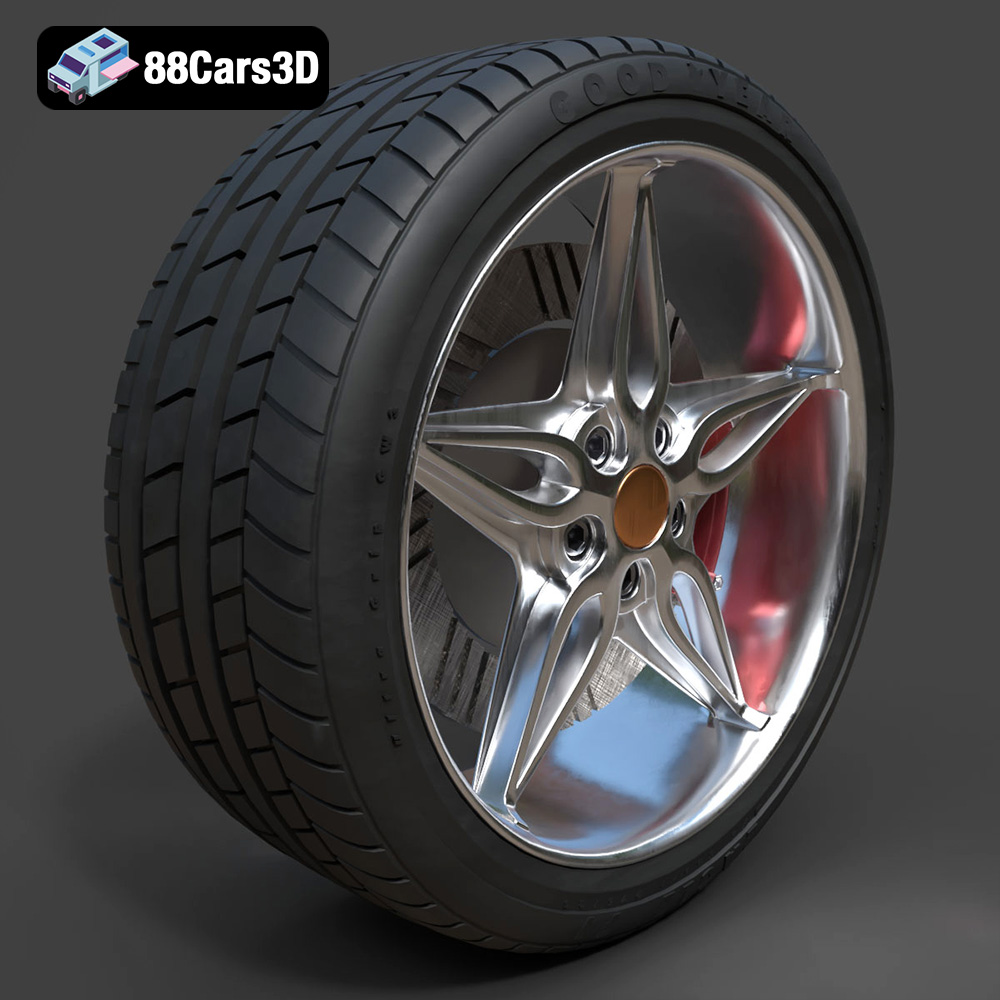
Wheel-001 Component 3D Model
Texture: Yes
Material: Yes
Download the Wheel-001 Component 3D Model featuring clean geometry, realistic detailing, and a fully modeled interior. Includes .blend, .fbx, .obj, .glb, .stl, .ply, .unreal, and .max formats for rendering, simulation, and game development.
Price: $10.99
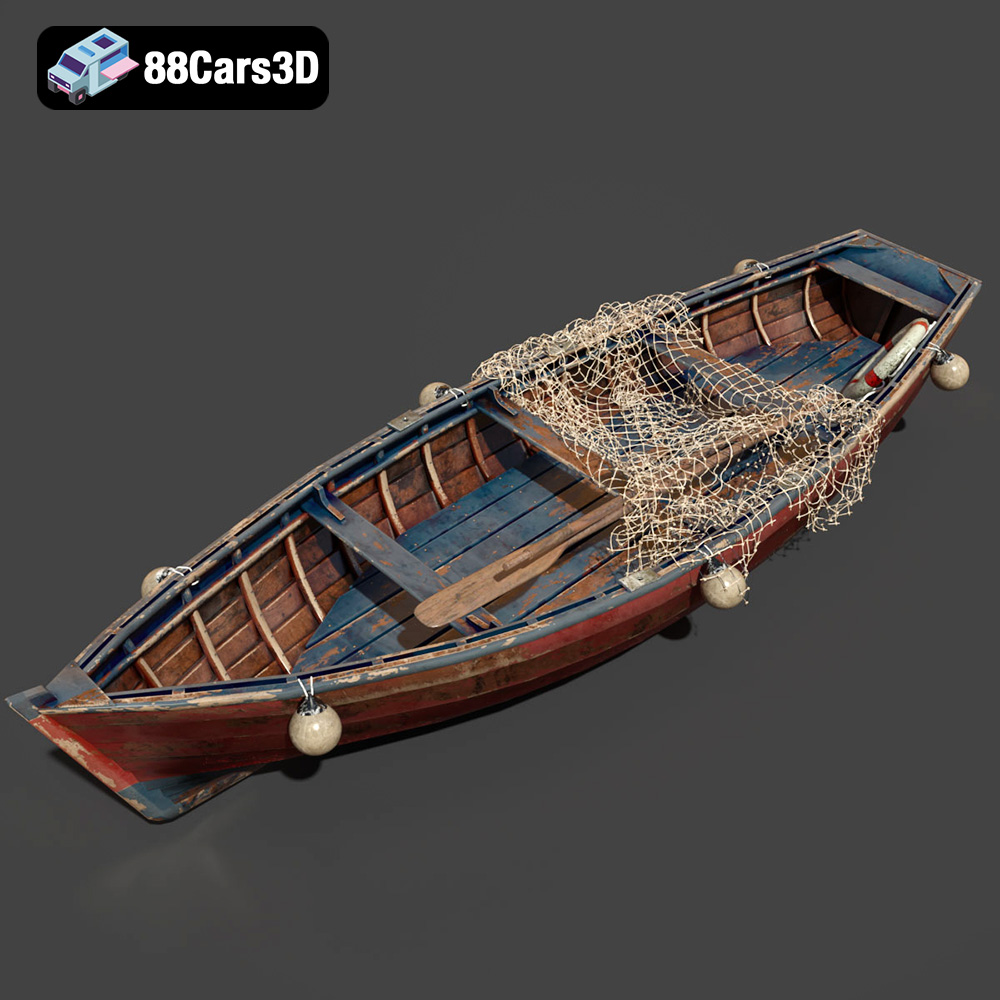
Old Fishing Boat 2014 3D Model
Texture: Yes
Material: Yes
Download the Old Fishing Boat 2014 3D Model featuring clean geometry, realistic detailing, and a fully modeled interior. Includes .blend, .fbx, .obj, .glb, .stl, .ply, .unreal, and .max formats for rendering, simulation, and game development.
Price: $9.99
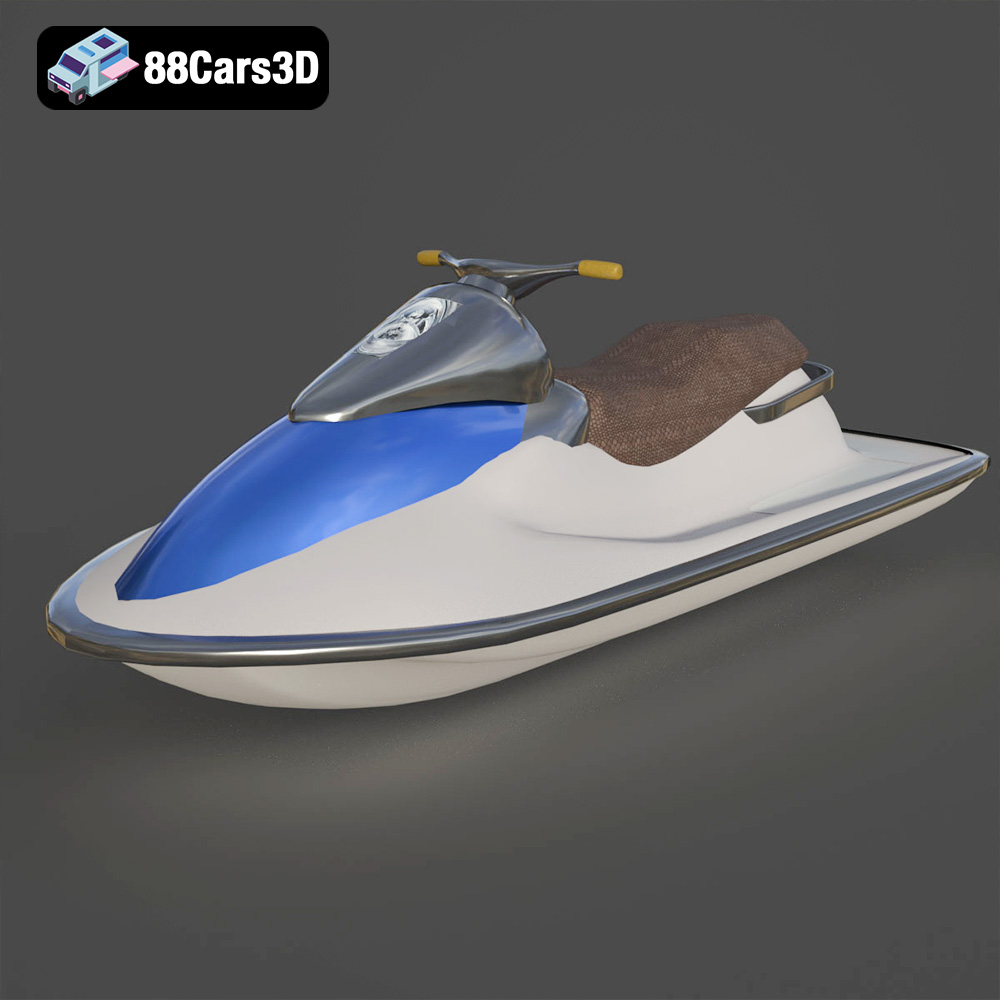
Jet Ski Yamaha 3D Model
Texture: Yes
Material: Yes
Download the Chevrolet Corvette Stingray 2023 3D Model featuring clean geometry, realistic detailing, and a fully modeled interior. Includes .blend, .fbx, .obj, .glb, .stl, .ply, .unreal, and .max formats for rendering, simulation, and game development.
Price: $10
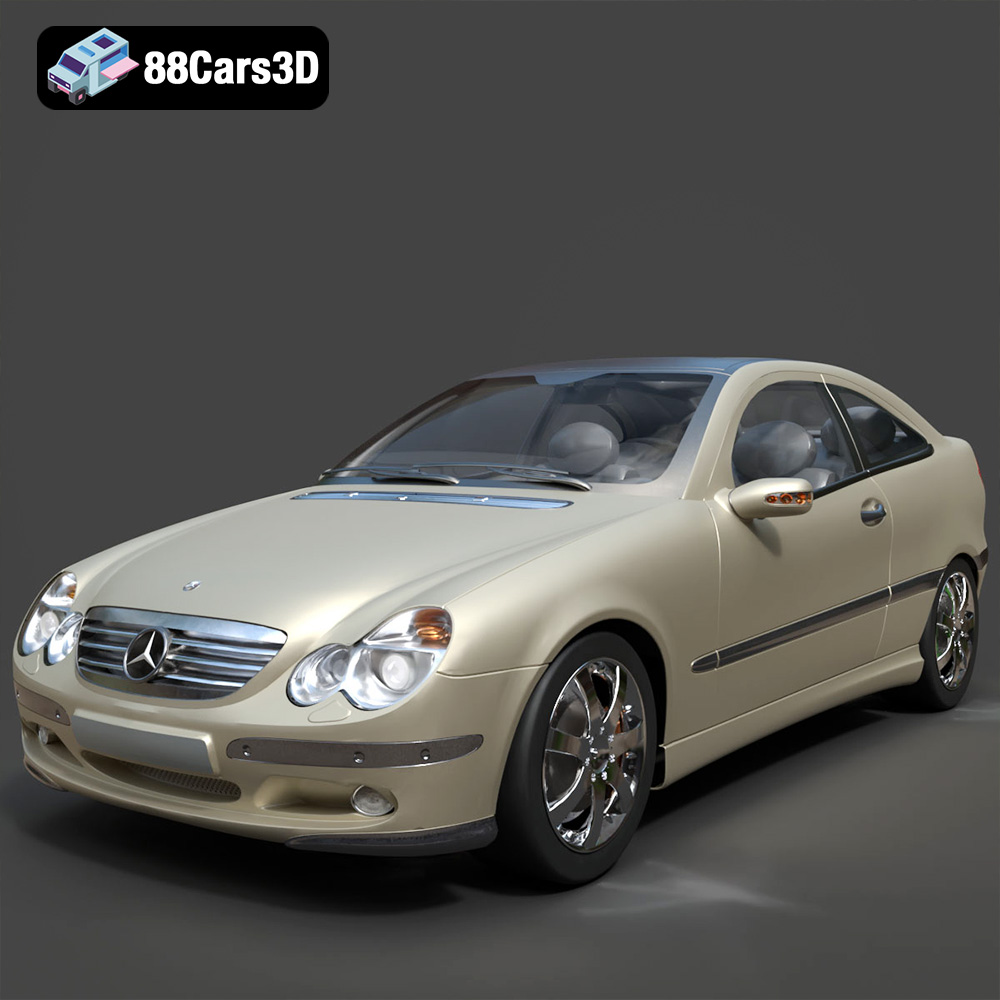
Mercedes Benz C230 3D Model
Texture: Yes
Material: Yes
Download the Mercedes Benz C230 3D Model featuring clean geometry, realistic detailing, and a fully modeled interior. Includes .blend, .fbx, .obj, .glb, .stl, .ply, .unreal, and .max formats for rendering, simulation, and game development.
Price: $14.99
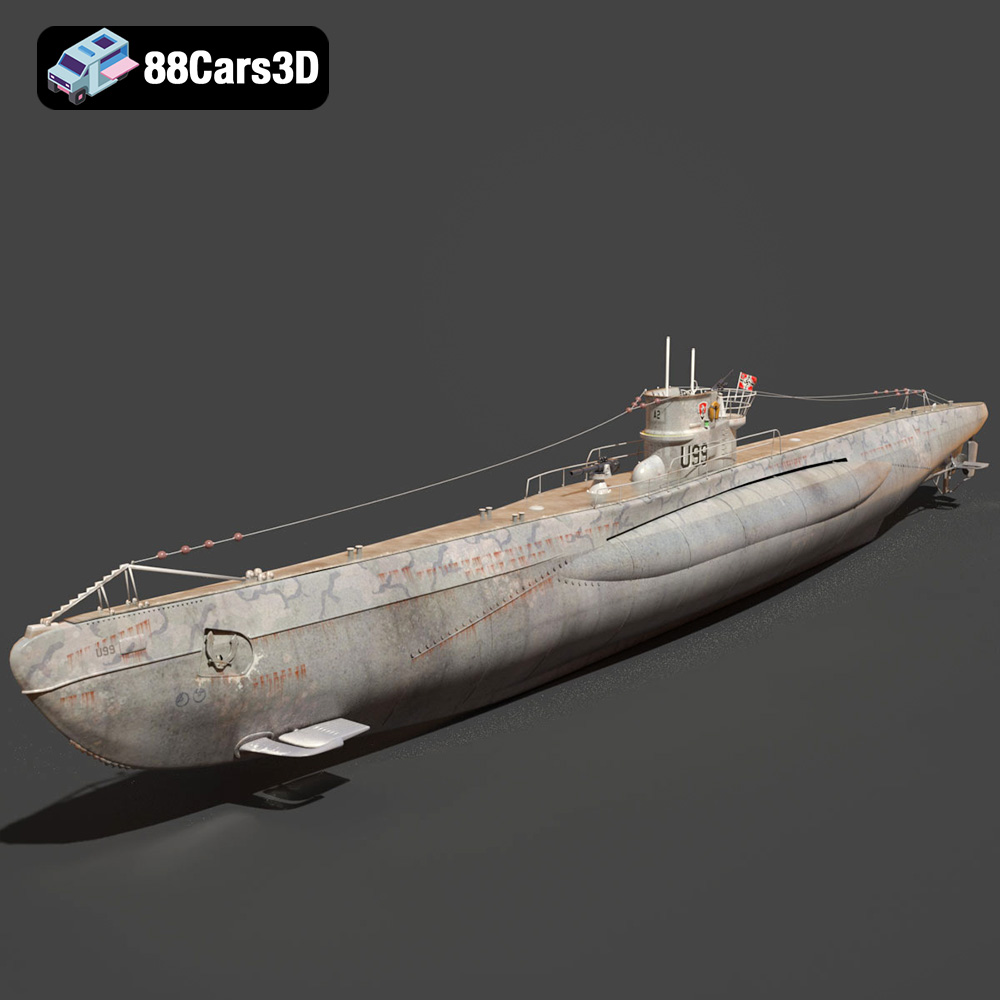
German U-Boat U-99 Submarine 1940 3D Model
Texture: Yes
Material: Yes
Download the German U-Boat U-99 Submarine 3D Model featuring clean geometry, realistic detailing, and a fully modeled interior. Includes .blend, .fbx, .obj, .glb, .stl, .ply, .unreal, and .max formats for rendering, simulation, and game development.
Price: $10
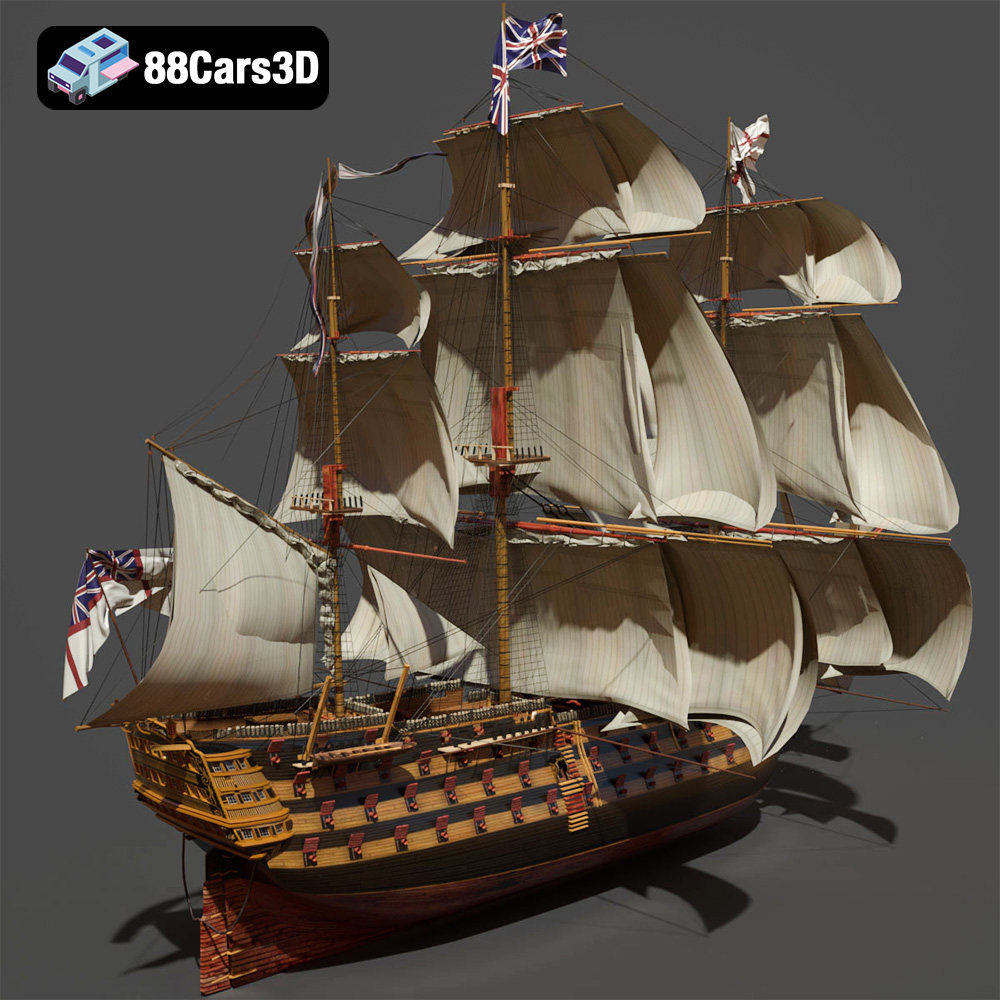
KEMA ELKANLI-001 3D Model
Texture: Yes
Material: Yes
Download the KEMA ELKANLI-001 3D Model featuring clean geometry, realistic detailing, and a fully modeled interior. Includes .blend, .fbx, .obj, .glb, .stl, .ply, .unreal, and .max formats for rendering, simulation, and game development.
Price: $9.99

Soviet aircraft carrier Kiev 3D Model
Texture: Yes
Material: Yes
Download the Carrier 006 3D Model featuring a robust design and detailed components. Includes .blend, .fbx, .obj, .glb, .stl, .ply, .unreal, and .max formats for rendering, simulation, and game development.
Price: $10.79
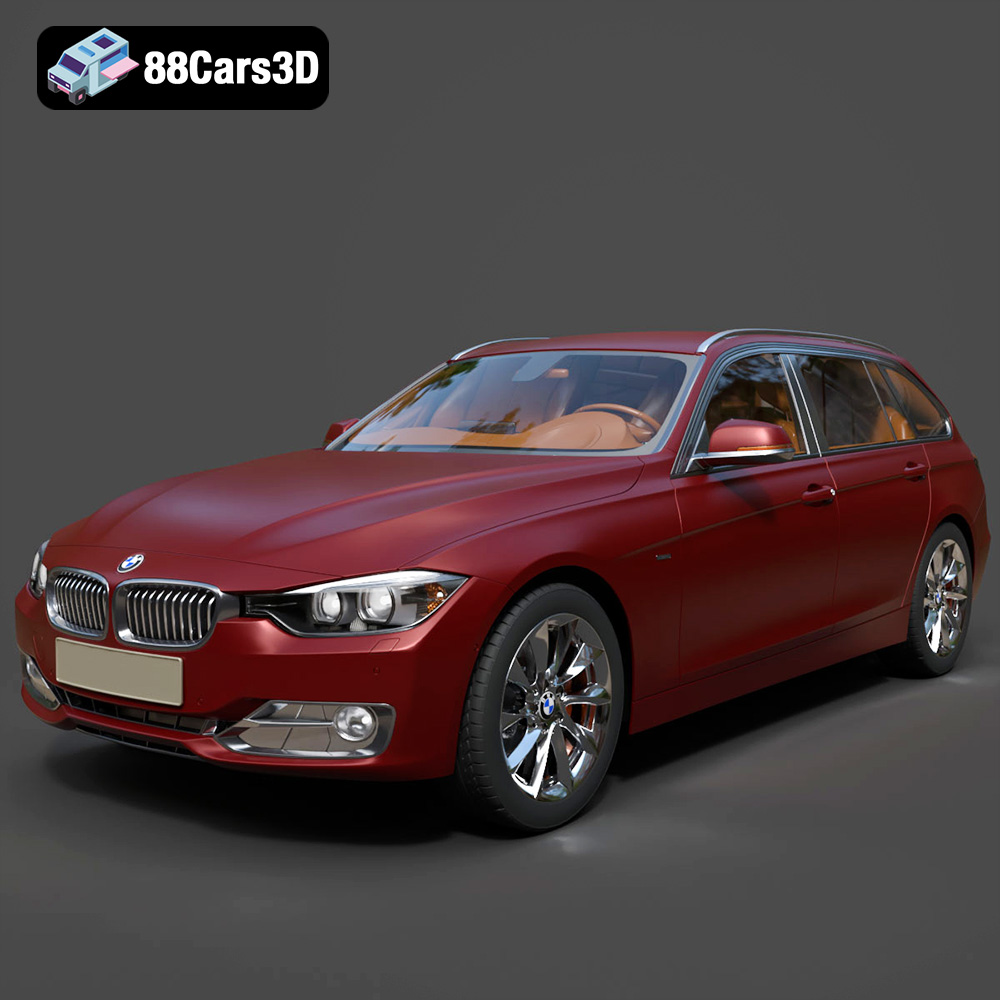
BMW 3 series Touring 335i (F31) 2013 3D Model
Texture: Yes
Material: Yes
Download the BMW 3 series Touring 335i (F31) 2013 3D Model featuring a highly detailed exterior, realistic interior, and modular design. Includes .blend, .fbx, .obj, .glb, .stl, .ply, .unreal, and .max formats for rendering, simulation, and game development.
Price: $30.79
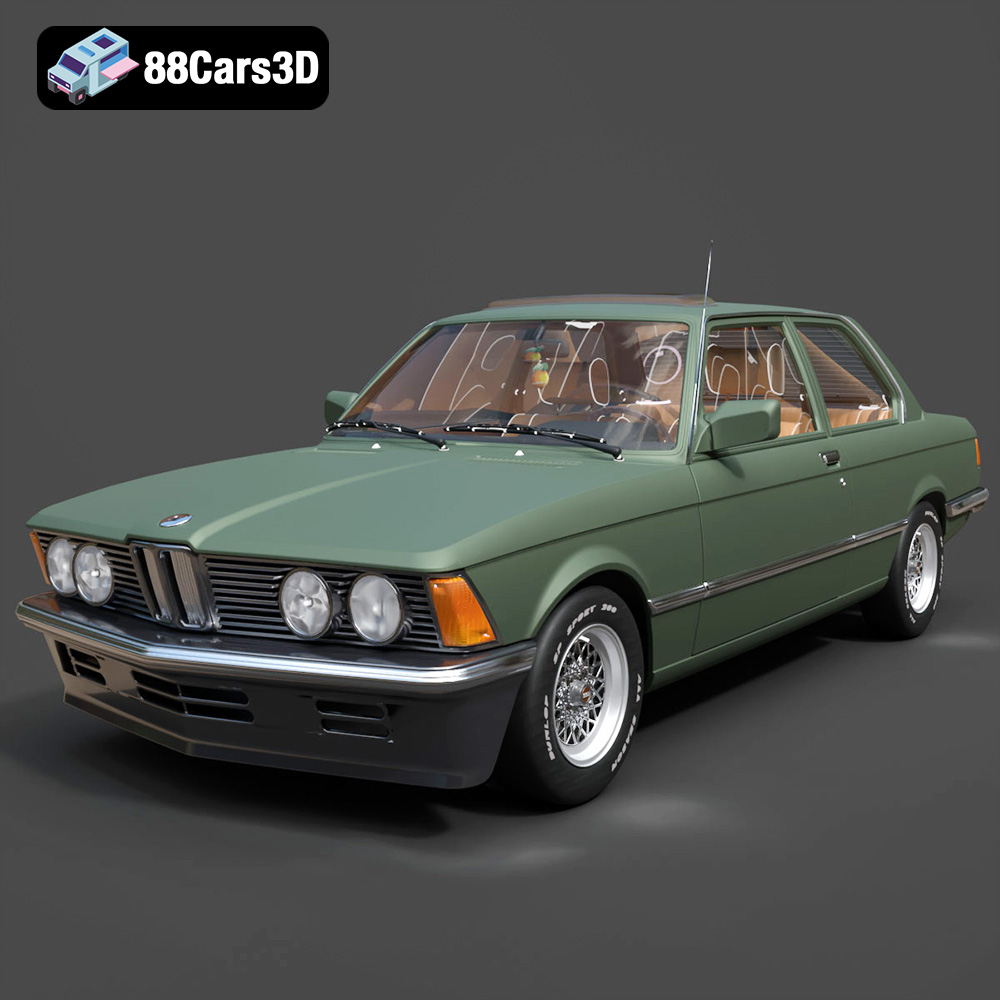
BMW 3 Series E21 3D Model
Texture: Yes
Material: Yes
Download the BMW 3 Series E21 3D Model featuring authentic exterior design, detailed interior, and accurate proportions. Includes .blend, .fbx, .obj, .glb, .stl, .ply, .unreal, and .max formats for rendering, simulation, and game development.
Price: $20.79
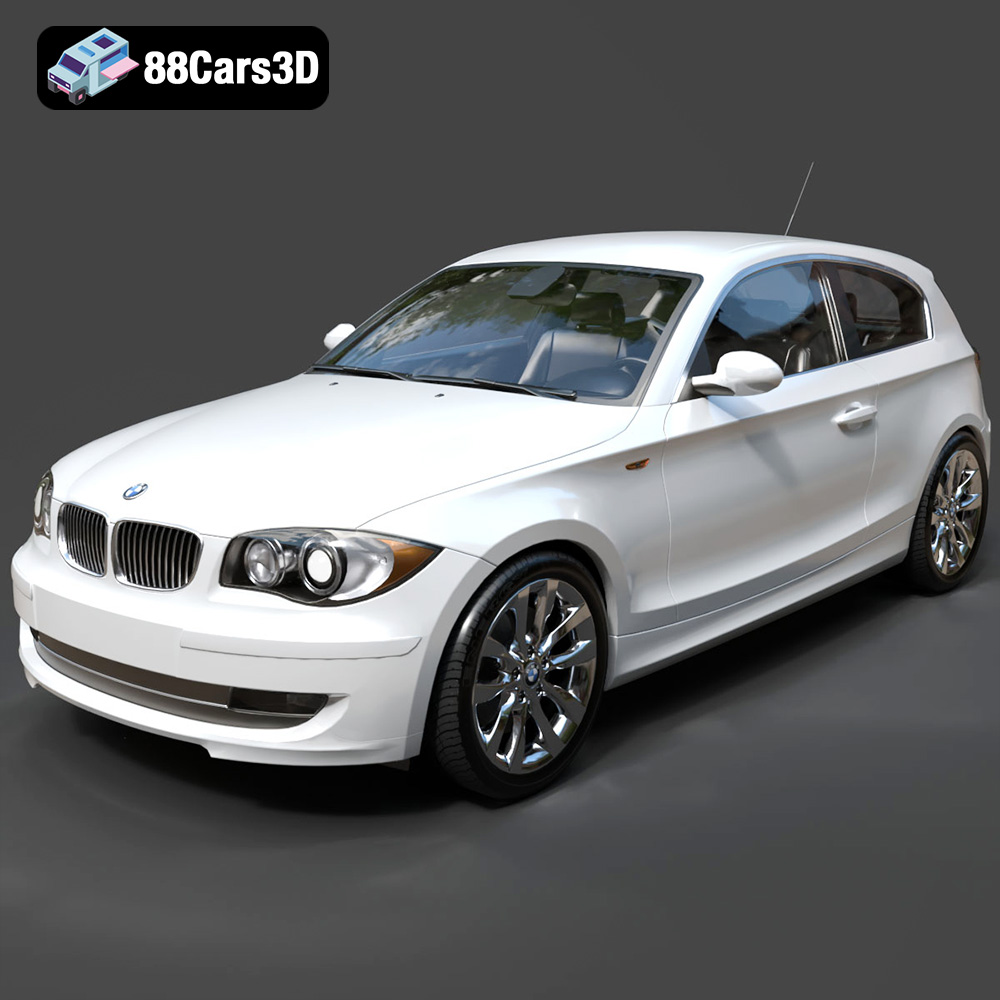
BMW 1 Series 3-Door E81 3D Model
Texture: Yes
Material: Yes
Download the BMW 1 Series 3-Door E81 3D Model featuring a detailed exterior, functional interior elements, and clean geometry. Includes .blend, .fbx, .obj, .glb, .stl, .ply, .unreal, and .max formats for rendering, simulation, and game development.
Price: $14.79
