

Choosing the Right 3D Printer: Essential Features for Model Makers
The world of 3D printing has exploded, offering hobbyists, enthusiasts, and professionals alike unprecedented access to creating intricate physical objects from digital designs. For model makers, particularly those passionate about automotive replicas like the stunning printable car models found on 88cars3d.com, the choice of 3D printer is paramount. A printer’s capabilities directly influence the quality, detail, and success of your projects. From replicating the sleek lines of a classic sports car to the complex underpinnings of a modern supercar, achieving a perfect print requires more than just a good STL file. It demands a printer with specific features tailored to the demands of detailed model making. This guide will delve deep into the critical features that matter most for model makers, ensuring your next 3D printed creation is a masterpiece, not a mess. We’ll explore everything from resolution and material compatibility to build volume and user-friendliness, providing you with the technical knowledge to make an informed decision.
Understanding these features will not only help you select the ideal printer but also empower you to optimize your printing process. Whether you’re a seasoned maker exploring new technologies or a beginner taking your first steps into additive manufacturing, this comprehensive overview will equip you with the insights needed to bring your 3D automotive visions to life with stunning accuracy and detail. We’ll cover the nuances of FDM and resin printing relevant to model making, discuss crucial slicing parameters, and touch upon essential file preparation techniques that are indispensable when working with complex STL files.
Resolution and Detail: Capturing the Finer Points
For model makers, the ability to reproduce fine details is arguably the most critical factor in selecting a 3D printer. Whether it’s the intricate grille of a vintage car, the subtle curves of a spoiler, or the delicate spokes of a wheel, high resolution translates directly to a more realistic and visually appealing model. This is where the choice between Fused Deposition Modeling (FDM) and Stereolithography (SLA) or Digital Light Processing (DLP) resin printing becomes most pronounced.
Layer Height and XY Resolution
In FDM printing, resolution is primarily determined by two factors: the nozzle size and the achievable layer height. Smaller nozzle sizes (e.g., 0.2mm or 0.1mm) allow for finer extrusion of filament, leading to smoother surfaces and the capture of more delicate features. However, using smaller nozzles can significantly increase print times. Equally important is the layer height, which is the thickness of each individual layer deposited by the printer. For highly detailed models, layer heights of 0.05mm to 0.1mm are often preferred. While some FDM printers can achieve these layer heights, they may struggle with extreme overhangs and intricate details compared to resin printers. The XY resolution, referring to the precision in the horizontal plane, is determined by the printer’s stepper motor control and mechanics. Higher precision here means sharper edges and finer geometric fidelity.
When downloading complex models from marketplaces such as 88cars3d.com, understanding the intended resolution of the model’s design is crucial. A highly detailed model designed for resin printing might not translate perfectly to an FDM printer with a standard 0.4mm nozzle and 0.2mm layer height without significant adjustments or compromises in detail. Always check the model’s description for recommended print settings and intended print technology.
Resin Printing’s Advantage in Detail
Resin printers (SLA/DLP) excel in delivering incredibly fine details due to their printing mechanism. Instead of extruding filament, they cure liquid resin layer by layer using a UV light source. SLA printers use a laser to trace the shape of each layer, while DLP printers use a projector to expose an entire layer at once. Both technologies offer significantly higher XY resolution than most FDM printers, often in the range of 25-75 microns. The layer height in resin printing can also be incredibly small, sometimes down to 10-25 microns. This level of detail allows for the reproduction of features that are simply impossible on many FDM printers, making resin the go-to technology for enthusiasts seeking the highest fidelity in their miniature car models. For example, recreating the fine lettering on a tire sidewall or the tiny rivets on a chassis is far more achievable with a resin printer.
Material Versatility and Compatibility
The choice of material significantly impacts the final appearance, durability, and post-processing capabilities of your 3D printed models. Different materials offer unique properties, and the printer’s ability to handle them is a key consideration for model makers.
FDM Materials: A Wide Spectrum
FDM printers work by melting and extruding thermoplastic filaments. The most common and beginner-friendly material is PLA (Polylactic Acid), known for its ease of printing, low warping, and wide range of colors. For more robust models that might require sanding or painting, PETG (Polyethylene Terephthalate Glycol) offers better heat resistance and durability than PLA. ABS (Acrylonitrile Butadiene Styrene) is another popular choice, offering excellent strength and temperature resistance, but it can be more challenging to print due to warping and the need for an enclosed build chamber and heated bed. For highly detailed automotive models, advanced FDM materials like ABS-CF (Carbon Fiber reinforced ABS) or specialized high-detail PLA filaments can offer enhanced aesthetics and structural integrity. Ensuring your FDM printer has a heated bed is essential for printing these materials reliably, and an all-metal hotend can allow for higher printing temperatures needed for some engineering-grade filaments.
Resin Types and Their Properties
Resin printers use photopolymer resins that harden when exposed to UV light. The variety of resins available for SLA/DLP printing is extensive, each with unique properties relevant to model making. Standard resins are excellent for general-purpose, high-detail printing. Tough resins mimic the properties of ABS, offering increased durability and impact resistance, which is beneficial for car models that might be handled frequently. Flexible resins can be used for creating parts like tires or flexible suspension components. There are also specialized resins like clear or transparent resins for replicating glass canopies or headlights, and even high-temperature resins for parts that might be exposed to heat. Selecting a resin printer that is compatible with a broad range of third-party resins can offer greater flexibility and cost savings compared to proprietary resin systems.
When considering materials, also think about post-processing. PLA is easy to sand and paint, but ABS and PETG can withstand more aggressive sanding and filling techniques. Resin prints, once washed and cured, offer a smooth surface that is ideal for painting, but requires careful handling and ventilation due to uncured resin being a potential irritant.
Build Volume and Print Orientation
The size of the object you can print and how you orient it on the build plate are crucial for model makers, impacting both the feasibility and quality of your prints.
Determining Your Scale
The build volume, or build area, of a 3D printer dictates the maximum size of a single-piece object you can print. For model makers, this is particularly important. If you intend to print 1:18 scale car models, a printer with a modest build volume might suffice. However, for larger scales (e.g., 1:10 or even 1:8), or if you plan to print multiple components of a complex model simultaneously, a larger build volume is necessary. It’s also worth considering that while a printer might have a large build volume, printing very large objects can take an exceptionally long time, and success rates can decrease with longer prints. Often, large models are designed to be split into multiple parts, which can then be assembled after printing. This allows smaller printers to tackle larger projects, but requires careful consideration of the slicing and assembly process.
Optimizing Print Orientation
Print orientation, or how you position the STL file on the build plate, is a critical factor for achieving successful prints and minimizing post-processing. For FDM printers, orientation affects how well overhangs are supported and how visible layer lines will be. Generally, orienting a model to minimize the need for support structures is ideal. Steep overhangs and bridges can lead to print failures or require extensive support removal, which can damage delicate details. For resin printers, orientation is even more critical, especially concerning the direction of the layer lines relative to the peel forces during printing. Models should ideally be oriented at an angle (e.g., 15-45 degrees) to the build plate to reduce the surface area that adheres to the FDM resin vat, minimizing peel forces and the risk of print detachment or deformation. The placement of supports is also heavily influenced by orientation.
Platforms like 88cars3d.com often provide models that are pre-oriented and optimized for common printing technologies, but understanding how to adjust this yourself in slicing software (like Cura, PrusaSlicer, or Lychee Slicer for resin) is a vital skill for any model maker.
Software Ecosystem and User Experience
While the hardware is essential, the software that drives your 3D printer and the overall user experience can significantly enhance your workflow and the quality of your prints.
Slicing Software Capabilities
Slicing software is the bridge between your 3D model (typically an STL file) and your 3D printer. It translates the 3D geometry into layer-by-layer instructions (G-code for FDM, specific file formats for resin). Feature-rich slicers offer advanced control over settings like layer height, print speed, infill patterns, retraction settings (for FDM), support structure generation, and raft/brim options for improved bed adhesion. For model makers, the ability to precisely control support structures is crucial. Many slicers allow for manual placement of supports, island detection, and tree-like support structures, which are easier to remove and leave fewer marks on the model. Familiarity with software like Cura, PrusaSlicer, or ChiTuBox (for resin) is indispensable.
When working with complex STL files downloaded from sources like 88cars3d.com, the ability of your slicer to handle potential mesh imperfections is also important. While models from reputable sources are usually clean, sometimes minor repairs might be needed. Advanced slicers or dedicated mesh editing software like Meshmixer or Netfabb can be invaluable for repairing non-manifold geometry, closing holes, or simplifying meshes before slicing.
User Interface and Calibration
The user interface of the printer’s control software and its overall ease of use can greatly affect the learning curve and enjoyment of 3D printing. For beginners, intuitive menus, guided setup processes, and features like automatic bed leveling (for FDM) can be incredibly beneficial. For more experienced users, access to advanced settings and the ability to fine-tune parameters is key. Printer calibration is another critical aspect. A well-calibrated printer produces consistent and accurate prints. This includes calibrating extruder E-steps (FDM), ensuring the build plate is perfectly level, and fine-tuning retraction settings. Resin printers require calibration of the Z-axis and exposure times for optimal layer adhesion and detail reproduction. A printer that offers straightforward calibration routines or reliable auto-calibration features will save you a lot of time and frustration.
Post-Processing and Finishing
The journey of a 3D printed model doesn’t end when it comes off the build plate. Post-processing is a vital stage for achieving professional-looking results, especially for detailed automotive models.
Support Removal and Surface Finishing
Removing support structures cleanly and efficiently is a skill in itself. For FDM prints, this might involve careful use of pliers, flush cutters, or hobby knives. For resin prints, supports are often attached to less visible areas, but still require careful removal. The goal is to minimize damage to the underlying model surface. Once supports are removed, sanding is typically the next step. Different grits of sandpaper, from coarse to very fine (e.g., 120-grit up to 2000-grit or higher), are used to smooth out layer lines and imperfections. For resin prints, which often have a smoother initial surface, aggressive sanding might not be necessary, but light sanding can still improve paint adhesion. Filler primers can be used on both FDM and resin prints to fill small gaps or smooth out remaining imperfections before painting.
Assembly and Painting Techniques
Many complex 3D printable car models, especially those found on 88cars3d.com, are designed to be printed in multiple parts for easier printing and to allow for intricate details like separate wheels, interiors, or chassis components. This necessitates a good understanding of assembly techniques, which might involve using adhesives like super glue (cyanoacrylate) or specialized plastic cement. For a professional finish, painting is often the final step. This can range from simple spray painting to complex airbrushing techniques for achieving realistic finishes, weathering effects, or custom paint jobs. Using primer is essential to ensure paint adheres properly and to reveal any remaining surface imperfections. Decals can be applied for realistic badging and livery. The choice of printer and material can influence the painting process; some materials may require specific primers or paints to ensure proper adhesion and avoid chemical reactions.
Having a printer that produces consistently high-quality prints with minimal surface defects will greatly reduce the time and effort required for post-processing, allowing you to focus more on the creative aspects of model making.
Conclusion: Empowering Your Model-Making Endeavors
Selecting the right 3D printer for model making is a strategic decision that hinges on several key factors, each contributing to the fidelity and success of your projects. Understanding the importance of resolution, whether it’s the fine layer heights and XY precision of resin printers or the achievable detail with smaller nozzles and careful slicing on FDM printers, is fundamental. The material versatility of a printer opens up a world of possibilities, from the ease of PLA to the toughness of PETG or the specialized properties of various resins. Furthermore, considering the build volume and how to effectively orient your models for optimal print quality and minimal support needs can make or break a complex project. Don’t underestimate the impact of the software ecosystem and user experience; intuitive slicing software and straightforward printer operation can dramatically improve your workflow and reduce frustration.
Finally, remember that the journey doesn’t end with the print. The ability to perform effective post-processing, including support removal, sanding, assembly, and painting, is crucial for achieving professional-looking results. Whether you’re downloading intricate car models from platforms like 88cars3d.com or designing your own, a printer that excels in these areas will be your most valuable asset. By carefully evaluating these features against your specific needs and budget, you can invest in a 3D printer that not only meets your current requirements but also grows with your passion for detailed model making. Arm yourself with this knowledge, experiment with different settings and materials, and embark on creating your own stunning collection of 3D printed automotive masterpieces.
Featured 3D Car Models
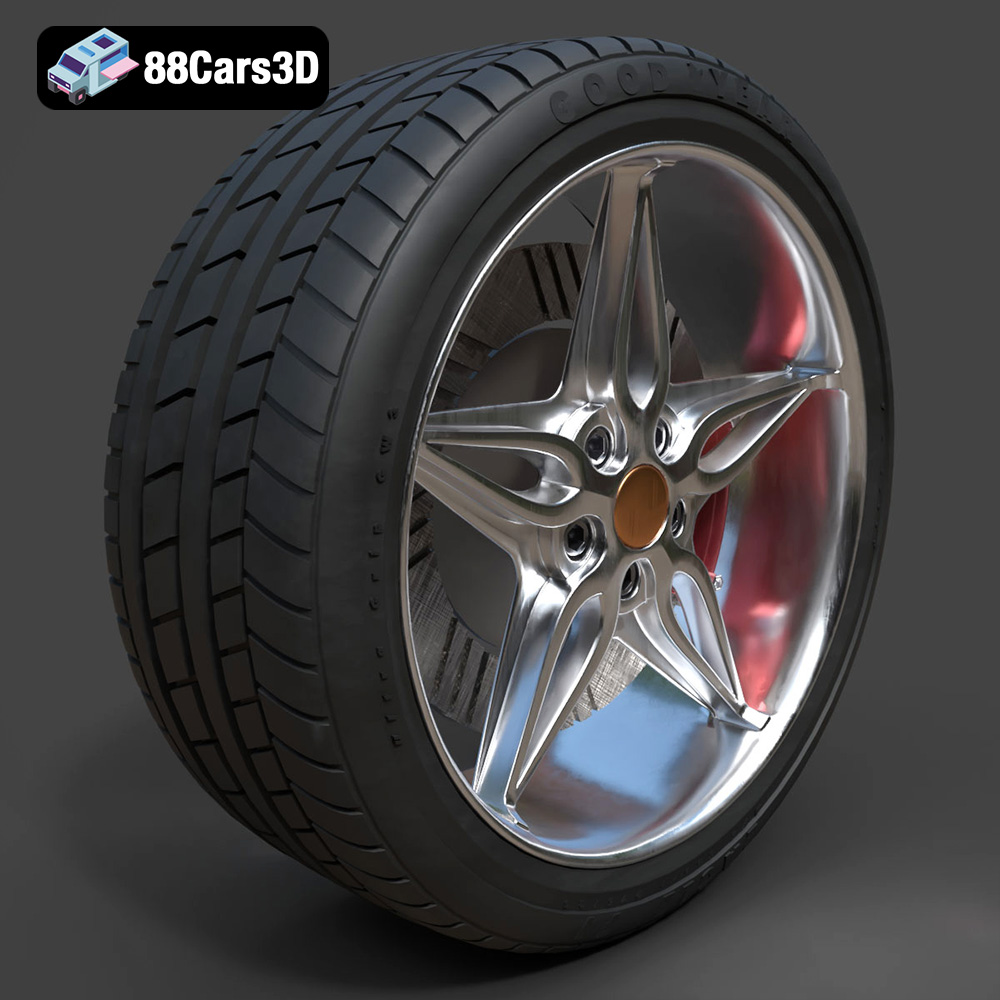
Wheel-001 Component 3D Model
Texture: Yes
Material: Yes
Download the Wheel-001 Component 3D Model featuring clean geometry, realistic detailing, and a fully modeled interior. Includes .blend, .fbx, .obj, .glb, .stl, .ply, .unreal, and .max formats for rendering, simulation, and game development.
Price: $10.99
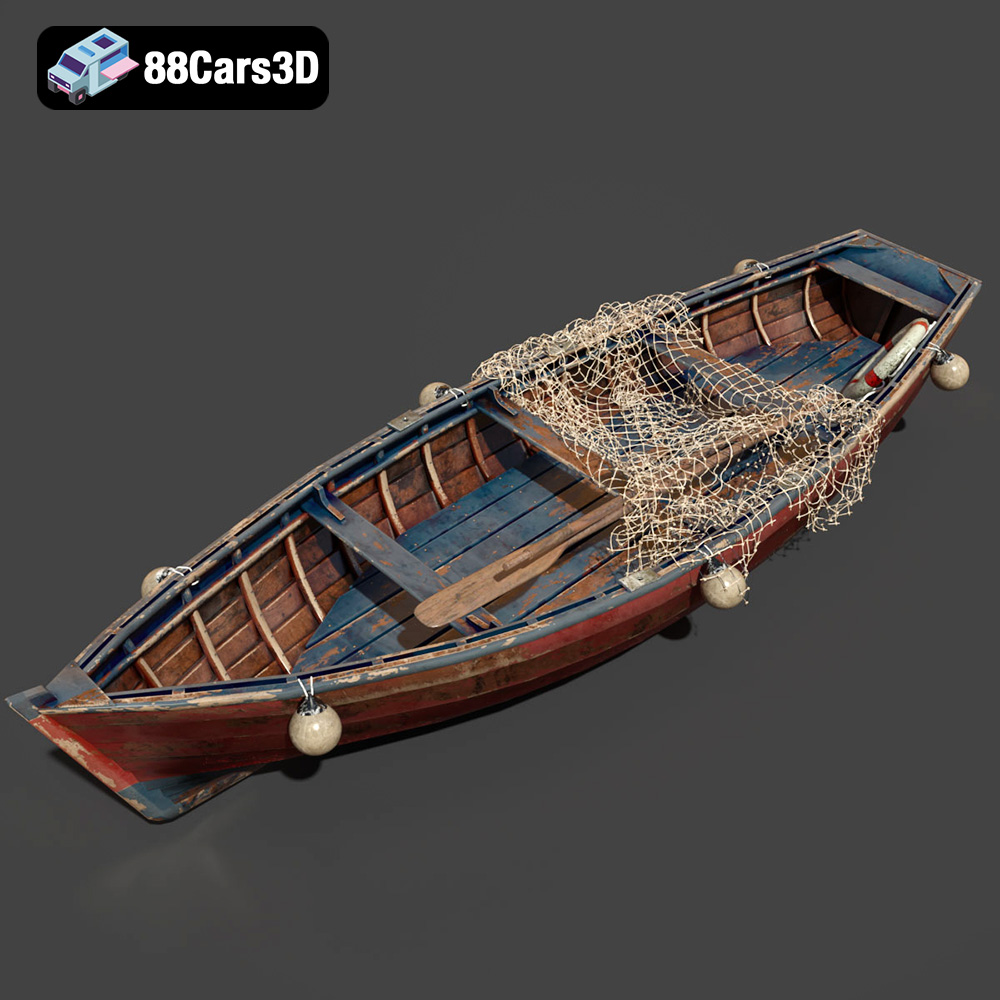
Old Fishing Boat 2014 3D Model
Texture: Yes
Material: Yes
Download the Old Fishing Boat 2014 3D Model featuring clean geometry, realistic detailing, and a fully modeled interior. Includes .blend, .fbx, .obj, .glb, .stl, .ply, .unreal, and .max formats for rendering, simulation, and game development.
Price: $9.99
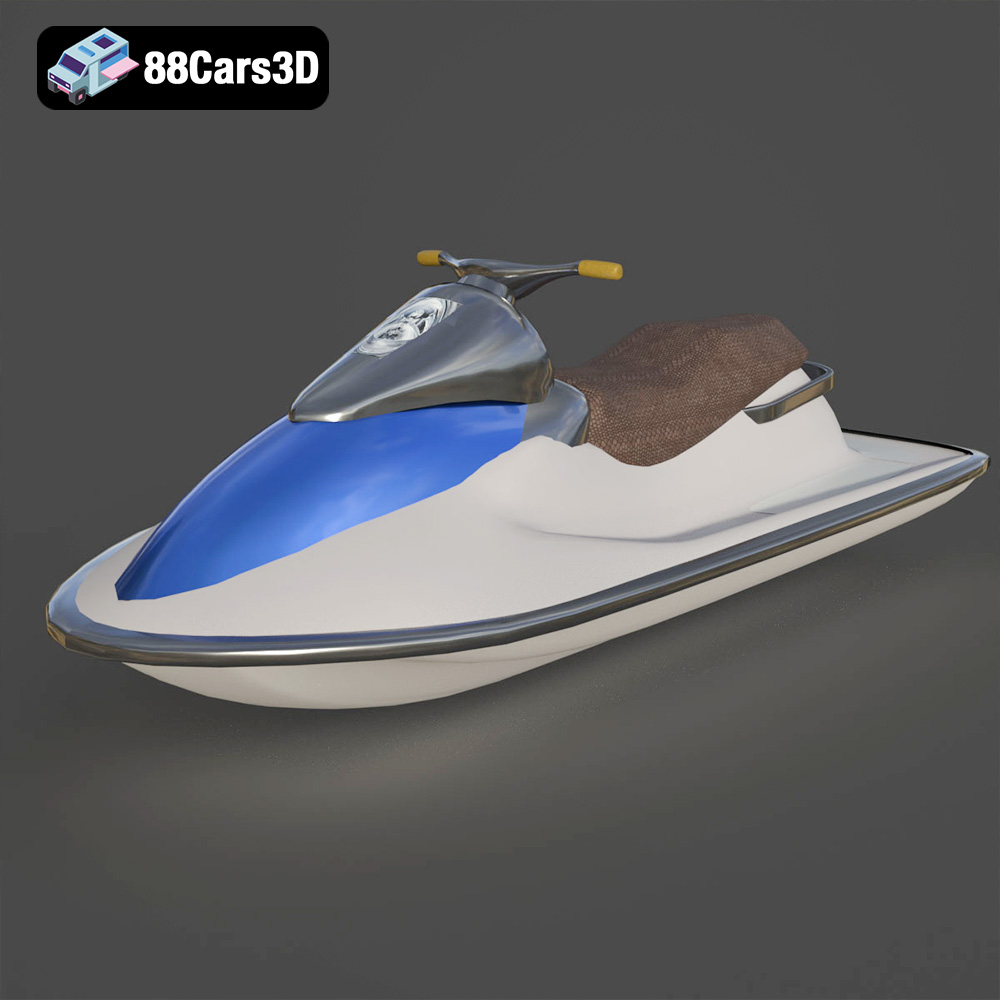
Jet Ski Yamaha 3D Model
Texture: Yes
Material: Yes
Download the Chevrolet Corvette Stingray 2023 3D Model featuring clean geometry, realistic detailing, and a fully modeled interior. Includes .blend, .fbx, .obj, .glb, .stl, .ply, .unreal, and .max formats for rendering, simulation, and game development.
Price: $10
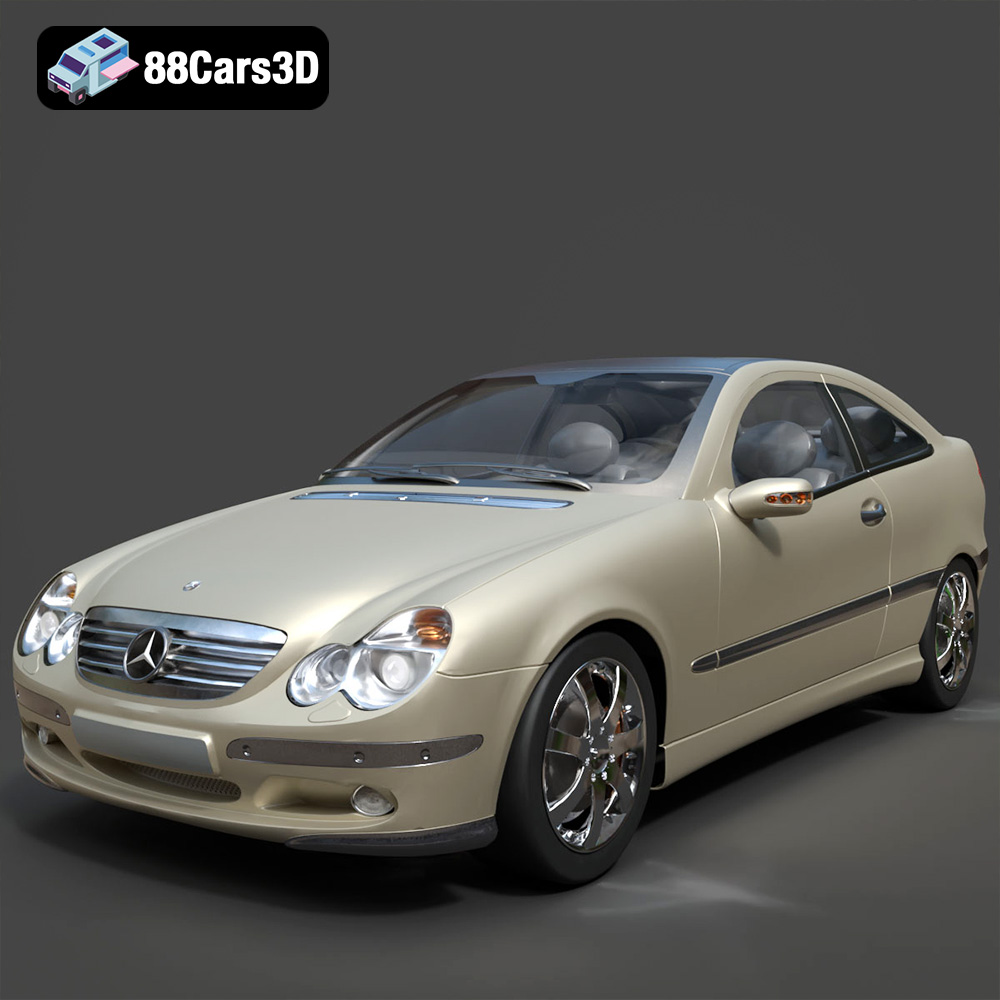
Mercedes Benz C230 3D Model
Texture: Yes
Material: Yes
Download the Mercedes Benz C230 3D Model featuring clean geometry, realistic detailing, and a fully modeled interior. Includes .blend, .fbx, .obj, .glb, .stl, .ply, .unreal, and .max formats for rendering, simulation, and game development.
Price: $14.99
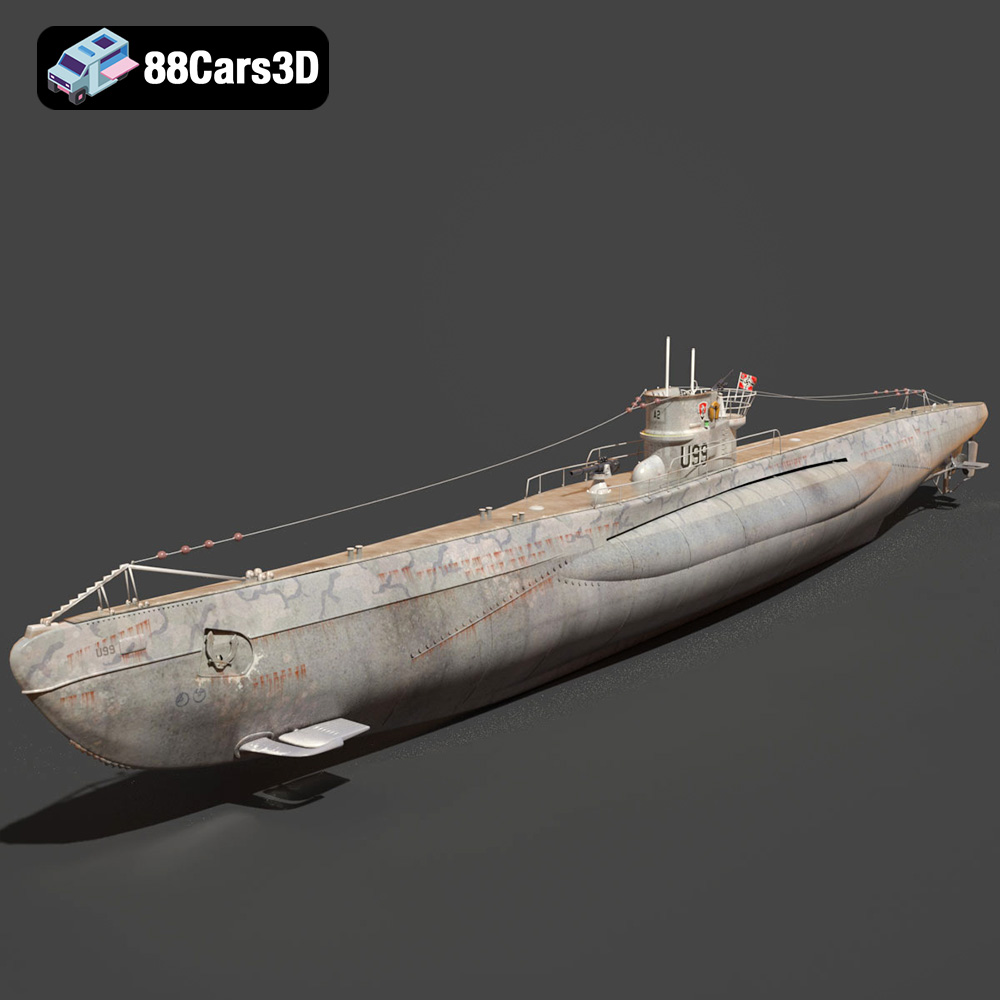
German U-Boat U-99 Submarine 1940 3D Model
Texture: Yes
Material: Yes
Download the German U-Boat U-99 Submarine 3D Model featuring clean geometry, realistic detailing, and a fully modeled interior. Includes .blend, .fbx, .obj, .glb, .stl, .ply, .unreal, and .max formats for rendering, simulation, and game development.
Price: $10
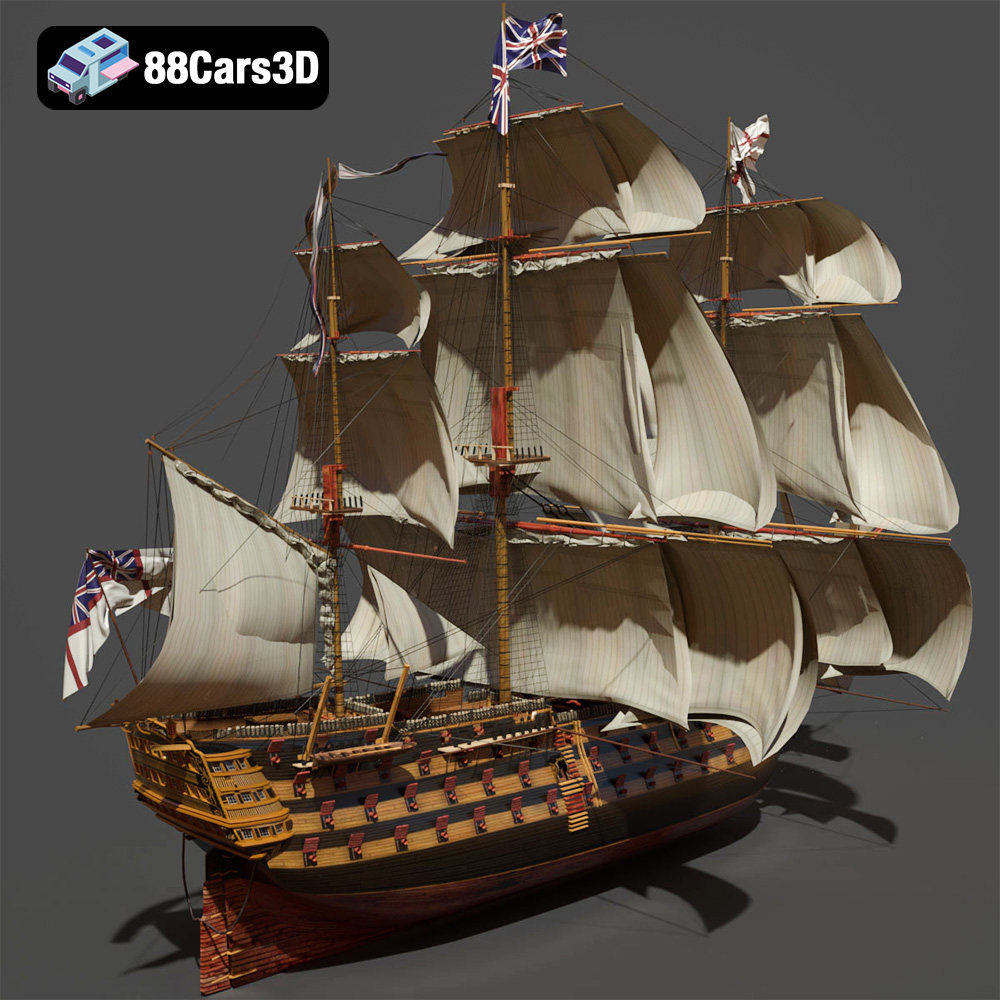
KEMA ELKANLI-001 3D Model
Texture: Yes
Material: Yes
Download the KEMA ELKANLI-001 3D Model featuring clean geometry, realistic detailing, and a fully modeled interior. Includes .blend, .fbx, .obj, .glb, .stl, .ply, .unreal, and .max formats for rendering, simulation, and game development.
Price: $9.99
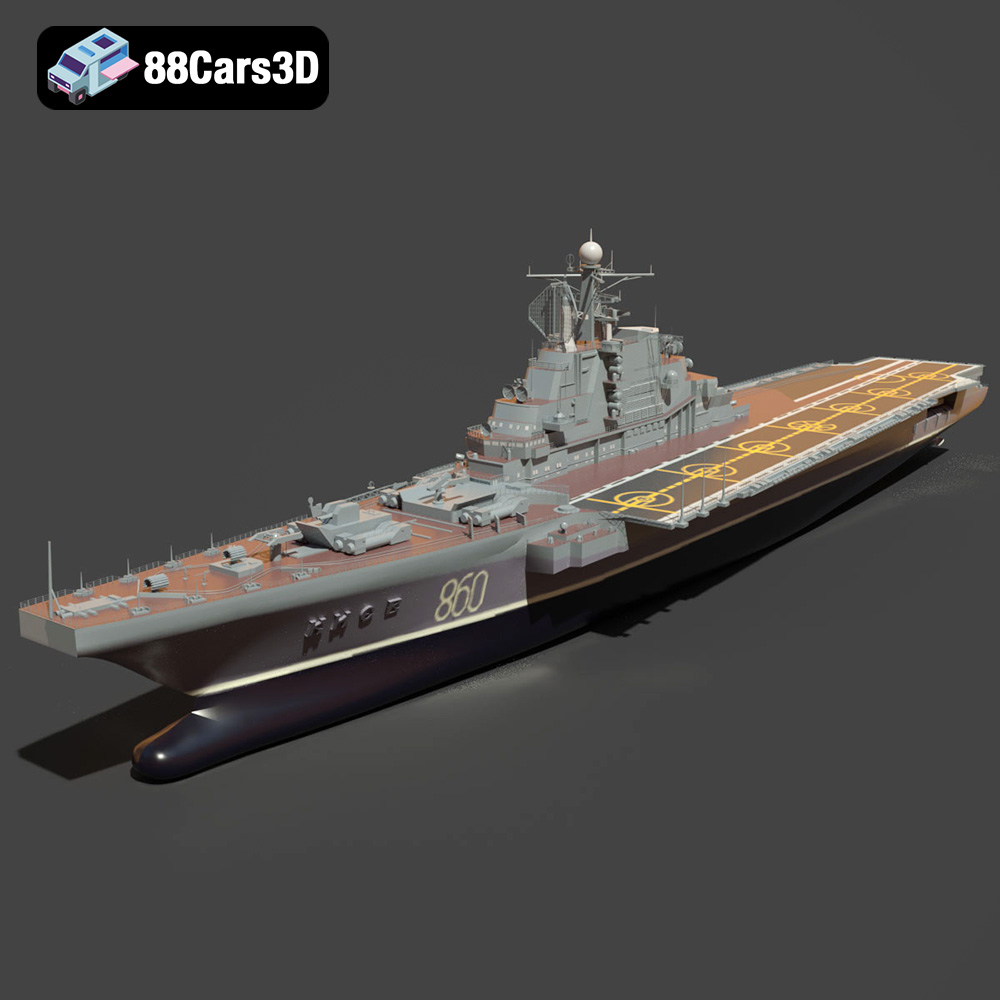
Soviet aircraft carrier Kiev 3D Model
Texture: Yes
Material: Yes
Download the Carrier 006 3D Model featuring a robust design and detailed components. Includes .blend, .fbx, .obj, .glb, .stl, .ply, .unreal, and .max formats for rendering, simulation, and game development.
Price: $10.79
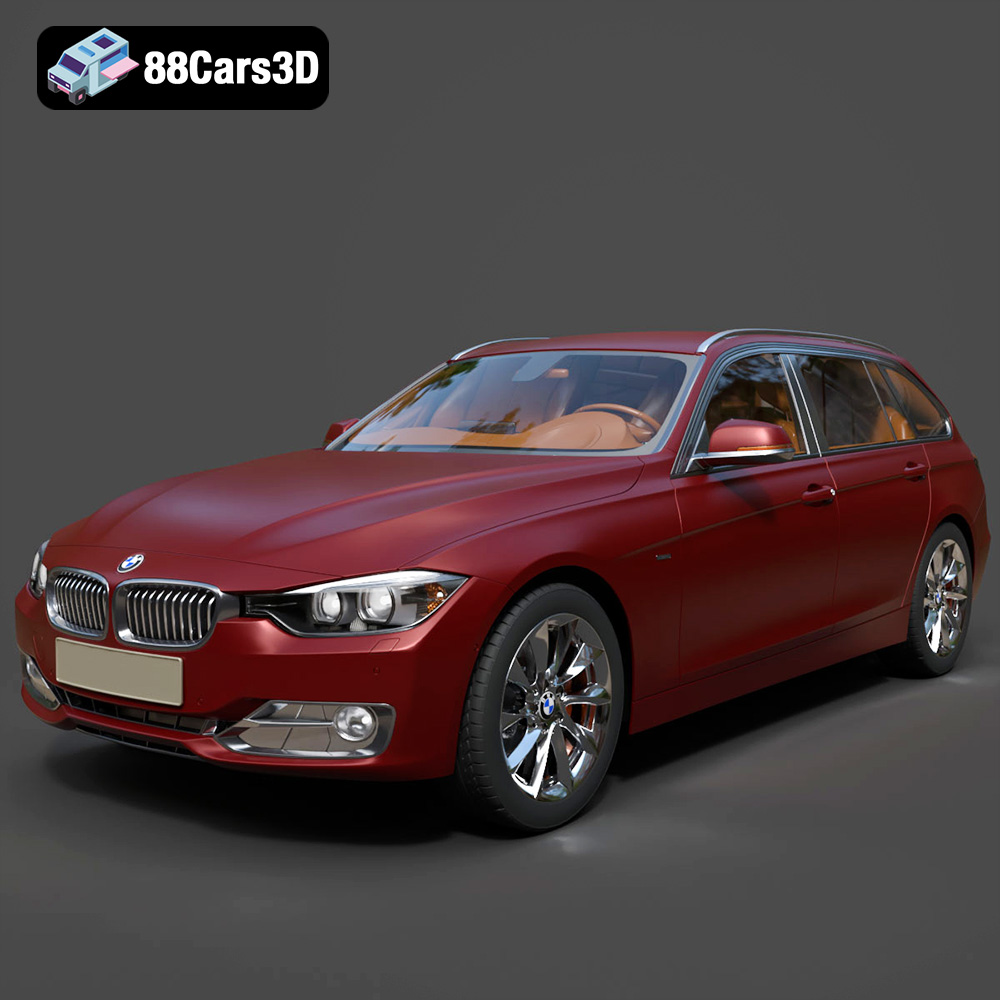
BMW 3 series Touring 335i (F31) 2013 3D Model
Texture: Yes
Material: Yes
Download the BMW 3 series Touring 335i (F31) 2013 3D Model featuring a highly detailed exterior, realistic interior, and modular design. Includes .blend, .fbx, .obj, .glb, .stl, .ply, .unreal, and .max formats for rendering, simulation, and game development.
Price: $30.79
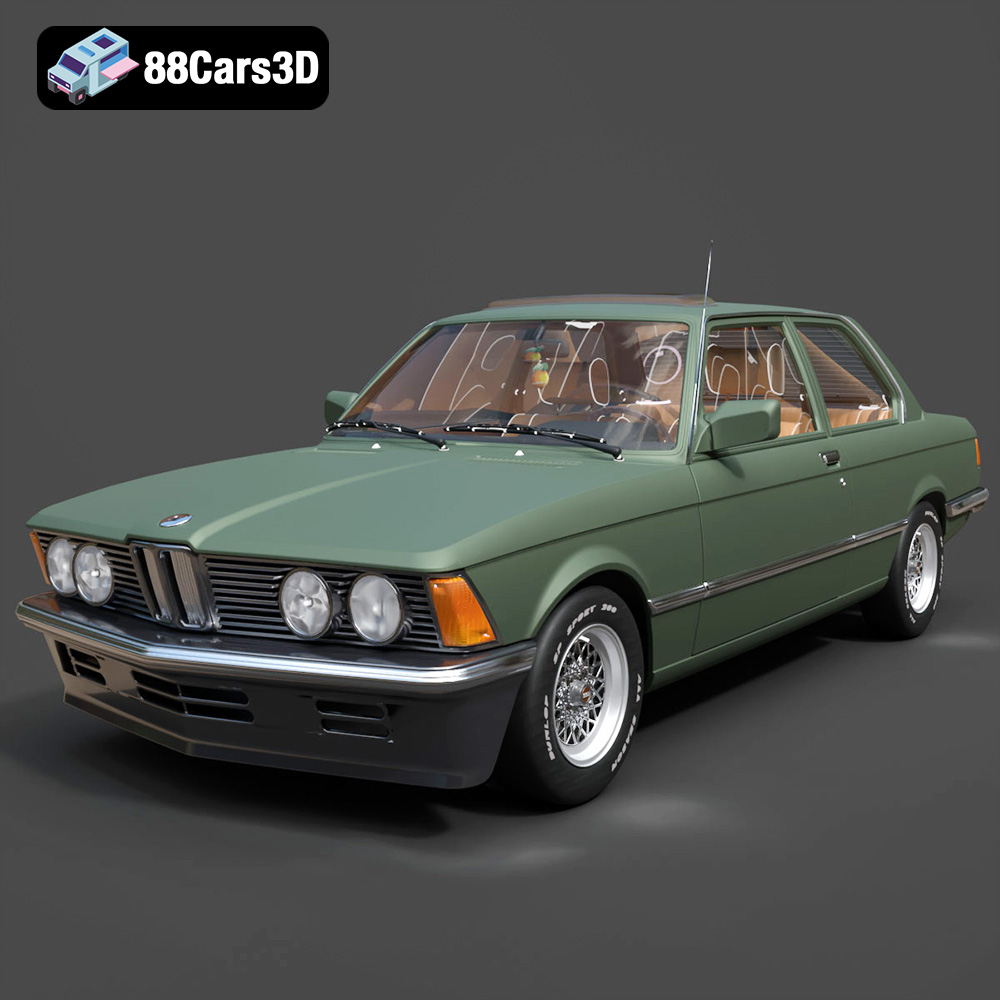
BMW 3 Series E21 3D Model
Texture: Yes
Material: Yes
Download the BMW 3 Series E21 3D Model featuring authentic exterior design, detailed interior, and accurate proportions. Includes .blend, .fbx, .obj, .glb, .stl, .ply, .unreal, and .max formats for rendering, simulation, and game development.
Price: $20.79
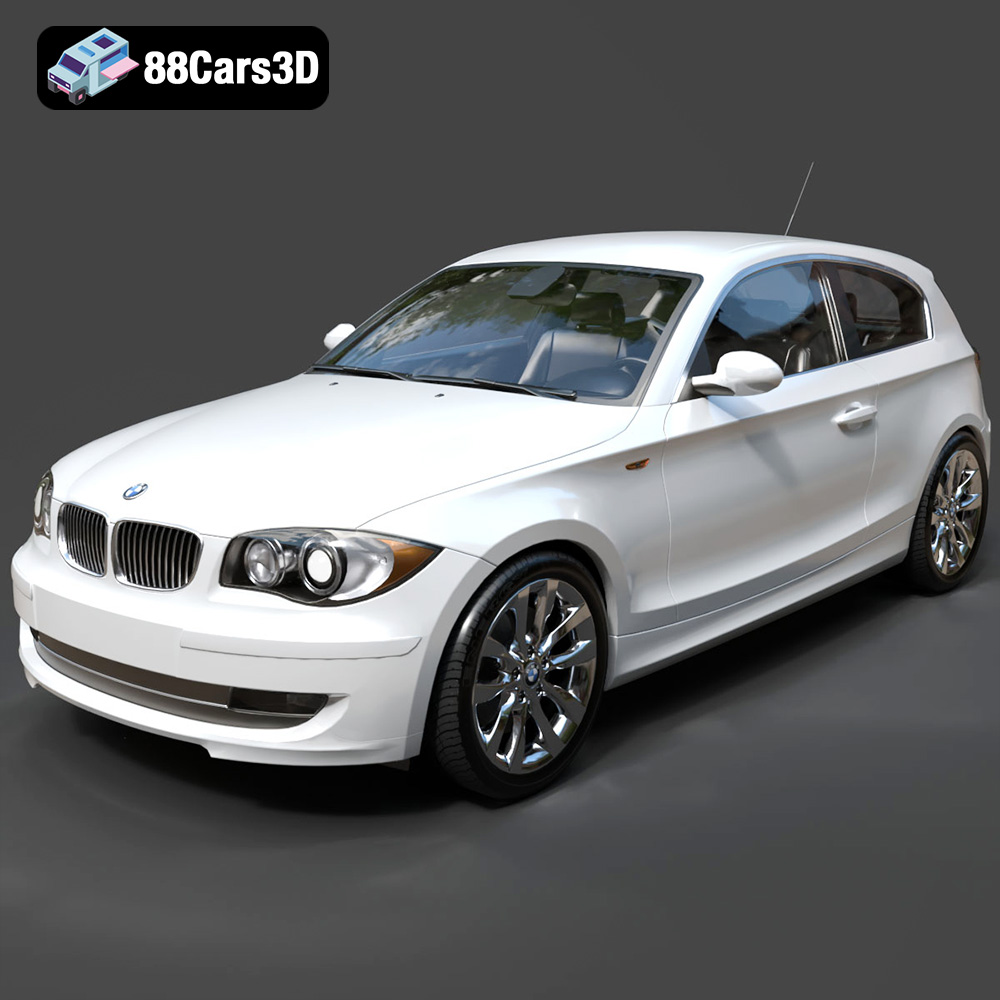
BMW 1 Series 3-Door E81 3D Model
Texture: Yes
Material: Yes
Download the BMW 1 Series 3-Door E81 3D Model featuring a detailed exterior, functional interior elements, and clean geometry. Includes .blend, .fbx, .obj, .glb, .stl, .ply, .unreal, and .max formats for rendering, simulation, and game development.
Price: $14.79
