

In the expansive world of Unreal Engine, crafting stunning automotive visualizations or immersive game experiences often goes beyond just showcasing meticulously detailed vehicles. While platforms like 88cars3d.com provide an unparalleled foundation with high-quality 3D car models, bringing a scene truly to life demands dynamic characters and interactive elements. This is where Unreal Engine’s Animation Blueprints become an indispensable tool, acting as the central nervous system for all skeletal mesh animations within your project.
Animation Blueprints are visual scripting graphs specifically designed to control the playback and blending of animations for skeletal meshes. They empower artists and developers to define complex animation logic, manage transitions between different states (like idling, walking, driving, or interacting with a car), and integrate real-time data to drive dynamic poses. Whether you’re aiming to animate a driver entering a vehicle, a passenger reacting to acceleration, or simply populating an automotive showroom with realistic human figures, mastering Animation Blueprints is crucial. This comprehensive guide will delve deep into the essentials, advanced techniques, and optimization strategies, enabling you to inject unparalleled realism and interactivity into your Unreal Engine projects.
The Foundation: Skeletal Meshes, Animation Assets, and Retargeting
Before diving into the intricacies of Animation Blueprints, it’s vital to understand their fundamental building blocks: skeletal meshes and animation sequences. A skeletal mesh is a 3D model rigged with a hierarchical ‘skeleton’ of bones, allowing it to be deformed and animated. Without a skeletal mesh, there’s nothing for an Animation Blueprint to control. These meshes are typically created in external Digital Content Creation (DCC) tools like Maya, Blender, or 3ds Max and then imported into Unreal Engine, often alongside their corresponding animations.
Animation sequences are individual clips, such as ‘Idle,’ ‘Walk,’ or ‘Run,’ that define how a skeletal mesh moves over a period. These sequences are the raw data that an Animation Blueprint manipulates, blends, and orchestrates to create seamless, lifelike motion. The quality and variety of your initial animation assets significantly impact the realism you can achieve. Understanding how to properly import, manage, and retarget these assets is the first step towards robust character animation.
Understanding Skeletal Meshes and Skeletons
Every animated character in Unreal Engine starts with a skeletal mesh. This asset consists of the visual geometry (the mesh itself) and the underlying skeleton (a hierarchy of bones). The skeleton defines the points around which the mesh can deform. When you import a skeletal mesh, Unreal Engine creates a ‘Skeleton’ asset that can be shared across multiple skeletal meshes and animations, provided they share a compatible bone structure. This sharing is fundamental for animation retargeting, allowing you to reuse animations on different characters, which is a massive time-saver for projects involving multiple character models alongside your high-fidelity car models from sources like 88cars3d.com.
Professional Tip: When exporting from your DCC tool, ensure that the skeletal mesh, its bind pose, and all associated animations are exported with consistent units and coordinate systems to avoid scaling or orientation issues in Unreal Engine. Use the FBX format, which is Unreal Engine’s preferred interchange format for skeletal animation, and verify your export settings carefully.
Importing Animations: From DCC to Unreal
Importing animations into Unreal Engine is typically done via FBX files. When you import an FBX containing animation data, Unreal will prompt you to specify the target skeleton. This is crucial for correctly associating the animation with your character. You can import individual animation sequences or multiple sequences within a single FBX file. Once imported, these animation sequences appear as individual assets in your Content Browser, ready to be used within an Animation Blueprint.
Unreal Engine also provides powerful animation retargeting tools. If you have animations for one skeleton (e.g., the UE Mannequin) and a different character with a similar but not identical skeleton, retargeting allows you to adapt those animations. This involves setting up a ‘Retarget Source’ on the source skeleton and configuring bone mappings on the target skeleton. This process is invaluable for maintaining consistent animation quality across diverse character models, ensuring that your animated figures look as polished as your 3D car models.
Animation Sequences: The Building Blocks
An Animation Sequence is a direct representation of a single animation clip. Within the Animation Sequence editor, you can preview the animation, adjust its playback speed, define animation notifies (events triggered at specific points in the animation), and set up root motion. Root motion is particularly important for character movement, as it allows the animation itself to drive the character’s translation and rotation, rather than relying solely on engine physics or character movement components. This leads to more physically accurate and visually appealing character motion, essential for realistic scene composition.
Crafting Behavior with the Animation Blueprint
The Animation Blueprint is where all the magic happens. It’s a special type of Blueprint that operates on a skeletal mesh, continuously evaluating its internal logic to determine the current pose of the character. Unlike regular Actor Blueprints, Animation Blueprints have a distinct structure optimized for animation control, comprising two primary graphs: the Event Graph and the Anim Graph. Together, these graphs allow you to define everything from simple idle loops to complex, data-driven character behaviors, ensuring your characters interact realistically within scenes featuring high-fidelity car models.
Setting up an Animation Blueprint involves associating it with a specific Skeleton asset. Once created, it provides a powerful visual scripting environment where you can blend animations, manage state transitions, apply IK solvers, and drive animation parameters based on game data. This modularity allows for highly scalable and maintainable animation systems, crucial for both large-scale game development and intricate visualization projects.
The Anim Graph: Driving Pose Logic
The Anim Graph is the heart of the Animation Blueprint. This is where you define how animation sequences are blended, layered, and transformed to generate the final pose of your skeletal mesh each frame. It uses a node-based system where inputs are animation poses and outputs are a modified pose. Common nodes include:
- State Machines: For managing complex animation states and transitions (e.g., Idle -> Walk -> Run).
- Blend Spaces: For smoothly interpolating between multiple animations based on input parameters (e.g., walking speed and direction).
- Layered Blends: For blending animations on different parts of the skeleton (e.g., upper body gestures while walking).
- IK Solvers: To apply Inverse Kinematics for realistic foot placement or hand interaction.
- Modify Bone: To directly manipulate bone transforms for procedural adjustments.
The final node in the Anim Graph is always the ‘Output Pose,’ which sends the calculated pose to the skeletal mesh component. This graph is evaluated every frame, providing real-time control over character movement and expression.
The Event Graph: Logic and Variables
Complementing the Anim Graph is the Event Graph, which functions much like a standard Blueprint Event Graph. Here, you define the logic that retrieves relevant game data and updates variables that the Anim Graph then uses. Common events in an Animation Blueprint’s Event Graph include ‘Event Blueprint Update Animation’ (which fires every frame) and ‘Event Blueprint Initialize Animation’ (fired once on creation). You can cast to the owning pawn or character to fetch information like movement speed, whether the character is jumping, or even custom states like ‘IsDriving’ or ‘IsEnteringCar’.
Variables updated in the Event Graph (e.g., ‘Speed,’ ‘Direction,’ ‘IsJumping’) are then exposed as inputs to nodes in the Anim Graph, allowing the animation logic to react dynamically to changes in the game world. For instance, an ‘IsDriving’ boolean variable, set in the Event Graph based on the character’s interaction with an 88cars3d.com car model, could drive a State Machine to transition the character into a driving animation state.
Setting Up the Animation Blueprint for Your Character
To use an Animation Blueprint, you first create it in the Content Browser and assign it to the target Skeleton. Then, in your character’s Blueprint (typically a Character Blueprint or Pawn Blueprint), you select the Skeletal Mesh Component and, under the ‘Animation’ section, set the ‘Animation Mode’ to ‘Use Animation Blueprint’ and choose your newly created Animation Blueprint asset. This links the character’s skeletal mesh to your animation logic. Any variables you want to expose from your character’s movement component or other game logic to the Animation Blueprint should be fetched and updated in the Animation Blueprint’s Event Graph, ensuring a seamless flow of data to drive the character’s movements and interactions within your rich automotive environments.
State Machines: Orchestrating Complex Animations
State Machines are perhaps the most powerful and intuitive feature within the Anim Graph for managing complex animation behaviors. They allow you to define distinct animation states (e.g., “Idle,” “Walking,” “Running,” “SittingInCar”) and the rules that govern transitions between them. This approach promotes clear organization and robust control over how your character’s animations play out, making it indispensable for creating believable character interactions within realistic scenarios, such as entering or exiting one of the premium vehicles from 88cars3d.com.
Each state in a State Machine typically contains an animation sequence, a blend space, or even another nested State Machine. The transitions between these states are controlled by ‘Transition Rules,’ which are conditions evaluated every frame. When a condition becomes true, the character smoothly transitions from the current state to the next, often blending between the outgoing and incoming animations to avoid jarring cuts. This system makes it straightforward to manage sophisticated character behaviors without writing a single line of code in C++.
Defining States and Transitions
Within the Anim Graph, you can add a ‘State Machine’ node. Double-clicking this node opens the State Machine graph, where you can drag and drop new ‘States.’ Each state can be named descriptively (e.g., ‘Locomotion’, ‘Driving’, ‘Sitting’). Inside each state, you define the animation logic for that particular context, which could be a simple animation sequence, a Blend Space for nuanced movement, or even another State Machine for hierarchical control. For example, a ‘Locomotion’ state might contain a Blend Space controlling walk/run animations based on speed, while a ‘Driving’ state might contain an animation loop of the character driving a car.
Once states are defined, you draw transition lines between them. These lines represent possible paths between states. A character in an ‘Idle’ state might transition to ‘Walk’ when ‘Speed > 0’, and back to ‘Idle’ when ‘Speed == 0’. You can also have multiple outgoing transitions from a single state, each with its own set of rules. Unreal Engine handles the blending between states automatically based on parameters you define, ensuring smooth and natural-looking transitions.
Transition Rules and Conduits
Transition Rules are the conditions that must be met for a character to move from one state to another. When you double-click a transition line, it opens a mini-graph where you can build logic using boolean variables, comparisons, and other Blueprint nodes. For instance, a transition from ‘Walk’ to ‘Run’ might have a rule like ‘Speed > RunThreshold’, while a transition from ‘Any State’ to ‘Death’ might simply check an ‘IsDead’ boolean variable. These rules are continuously evaluated in the Event Graph.
Conduits are another powerful feature within State Machines. They act as “pass-through” states that allow for complex routing of transitions. Instead of drawing multiple identical transitions from several states to a common destination state, you can route them all through a single Conduit. This simplifies graph organization and reduces complexity, especially in scenarios with many overlapping animation states, such as a character having multiple interactions with different parts of a detailed vehicle interior.
Practical Example: Basic Character Movement
Let’s consider a practical example for a driver character. Your State Machine might have:
- Idle State: Plays an ‘Idle’ animation sequence.
- Walk State: Uses a 1D Blend Space for walking forward, backward, left, and right, driven by ‘Speed’ and ‘Direction’ variables from the Event Graph.
- Run State: Similar to Walk, but with ‘Run’ animations, entered when ‘Speed’ exceeds a ‘RunThreshold’.
- Driving State: An animation loop of sitting and operating the vehicle, activated when an ‘IsDriving’ boolean is true.
Transitions would be set up:
- Idle <-> Walk: Based on ‘Speed > 0’ and ‘Speed == 0’.
- Walk <-> Run: Based on ‘Speed > RunThreshold’ and ‘Speed < RunThreshold’.
- Any State <-> Driving: Based on the ‘IsDriving’ variable, ensuring the character seamlessly transitions into and out of the car, complementing the realism of your 3D car model.
This modular approach allows for robust, maintainable, and easily expandable animation systems, making it straightforward to add new actions or interactions as your project evolves.
Dynamic Animation with Blend Spaces and Montages
Beyond simple state transitions, Unreal Engine’s Animation Blueprints offer powerful tools for creating nuanced and dynamic animation playback. Blend Spaces and Animation Montages are two such features that allow you to smoothly interpolate between animations and control specific, triggered actions respectively. These tools are critical for adding a layer of polish and responsiveness to your animated characters, whether they are interacting with the environment or navigating around your high-quality car models.
Using Blend Spaces, you can create a continuous range of motion from a limited set of animation clips, driven by real-time parameters. Animation Montages, on the other hand, provide precise control over short, discrete actions, allowing you to layer them over existing locomotion animations without interrupting the character’s primary movement. Mastering both unlocks a vast potential for expressive and believable character animation.
Blend Spaces: Smooth Transitions for Movement
A Blend Space is an asset that allows you to blend between multiple animation sequences based on one or more input parameters. The most common use case is a 1D or 2D Blend Space for character locomotion, interpolating between idle, walk, and run animations, and different directions.
- 1D Blend Space: Blends along a single axis, typically for speed (e.g., Idle <-> Walk <-> Run).
- 2D Blend Space: Blends along two axes, often for speed and direction (e.g., Idle, Walk Forward, Walk Back, Strafe Left, Strafe Right).
To create one, you define axis parameters (e.g., ‘Speed’ from 0 to 600, ‘Direction’ from -180 to 180) and place your animation sequences at various points on the grid. Unreal Engine then intelligently interpolates between these animations based on the current values of the input parameters, producing incredibly smooth and responsive movement. This is ideal for ensuring a character’s movement always feels natural, even when dynamically changing speeds or directions in an open-world automotive simulation.
Animation Montages: Controlling Actions and Reactions
Animation Montages are assets designed for playing single, discrete animation sequences that often need to interrupt or layer over existing animation logic. They are perfect for actions like attacking, casting spells, opening a door, or performing a specific gesture. Unlike State Machines, Montages are typically triggered from your character’s Blueprint (or another Actor Blueprint) using the ‘Play Montage’ node, allowing for precise control over when and how these actions occur.
Key features of Montages include:
- Animation Slots: Montages use ‘slots’ that allow them to play specific animations on particular bone groups, without affecting other parts of the body. For example, a ‘Reload’ animation might play only on the upper body, while the lower body continues its locomotion.
- Sections: You can divide a Montage into sections, allowing you to jump between different parts of the animation based on game logic.
- Notifies: Just like animation sequences, Montages support notifies, enabling you to trigger events (e.g., playing a sound, spawning a particle effect, or calling a function in your character Blueprint) at precise moments during the animation.
For automotive visualization, Montages could be used for a character entering or exiting a car, adjusting a seat, or performing a specific inspection gesture. Their ability to precisely control timing and layering makes them indispensable for interactive character animations.
Combining Blend Spaces and Montages for Rich Interaction
The true power of Animation Blueprints emerges when you combine these features. For instance, your character’s primary locomotion (walking, running, strafing) can be handled by a State Machine utilizing Blend Spaces to ensure fluid movement based on input from the character’s movement component. Then, a separate Animation Montage could be triggered when the character approaches a car and presses an ‘Interact’ key. This Montage could contain the ‘Enter Car’ animation, which plays on an ‘Upper Body’ slot, allowing the character’s legs to continue a subtle idle animation while the upper body performs the entry sequence. This layering technique prevents the character from abruptly snapping into a new animation, leading to much more believable and immersive experiences. This level of detail elevates scenes featuring cars from 88cars3d.com to cinematic quality.
Advanced Animation Techniques and Optimization
As you delve deeper into creating more complex and lifelike character animations, you’ll encounter advanced techniques that push the boundaries of realism and optimize performance. Inverse Kinematics (IK), animation retargeting, and various optimization strategies are crucial for delivering high-quality, performant animated characters that seamlessly integrate with other high-fidelity assets like 3D car models in your Unreal Engine projects.
These techniques allow for greater artistic control, enabling you to address common animation challenges such as foot sliding, unnatural hand placement, and inefficient use of animation data. By understanding and implementing these methods, you can achieve a level of fidelity and responsiveness that truly sets your interactive experiences and visualizations apart, all while maintaining acceptable frame rates.
Inverse Kinematics (IK) for Realistic Interaction
Forward Kinematics (FK) involves rotating individual bones down the hierarchy to achieve a pose. Inverse Kinematics (IK), conversely, allows you to determine the desired position and orientation of an end effector (e.g., a foot or hand), and the IK solver automatically calculates the rotations for all intermediate bones in the chain to reach that target. This is incredibly powerful for:
- Foot Placement: Preventing foot sliding and ensuring feet are accurately planted on uneven terrain. Unreal Engine’s ‘Two Bone IK’ and ‘Full Body IK’ nodes in the Anim Graph are invaluable here. You can trace downwards from the foot to find the ground, then adjust the leg bones to match.
- Hand Interaction: Making a character’s hands naturally grasp objects, like a steering wheel, door handle, or gear stick. By setting IK targets to match the object’s components, you can ensure precise and believable interaction with your automotive assets.
- Look At: Making a character’s head or eyes follow a target, adding a layer of responsiveness.
Implementing IK significantly enhances the realism of character interactions with their environment, making the difference between a character floating over terrain and one that feels grounded and connected.
Animation Retargeting: Reusing Assets Efficiently
We touched on retargeting briefly, but its importance for efficiency cannot be overstated. Unreal Engine’s retargeting system allows you to reuse animation assets across characters with different bone proportions but similar skeletal hierarchies. This is done through a ‘Retarget Source’ (on the source skeleton) and ‘Retargeting Options’ (on the target skeleton). You can specify how each bone should be handled during the retargeting process (e.g., ‘Animation’ for direct transfer, ‘Skeleton’ for scaling to match target skeleton, ‘Animation Scaled’ for a blend).
The process involves:
- Setting up an IK Rig for both source and target skeletons, defining IK chains for retargeting.
- Creating an IK Retargeter asset, linking the source and target IK Rigs.
- Mapping source IK chains to target IK chains, and adjusting settings to fine-tune the retargeting.
This workflow is a game-changer for projects needing multiple character variations (e.g., different drivers or passengers) or leveraging marketplace animation packs. It allows you to maintain animation consistency and quality without having to re-animate every character from scratch, saving immense development time and resources.
Performance Optimization for Animated Characters
High-fidelity animations, especially for multiple characters, can be performance-intensive. Optimizing your Animation Blueprints is crucial for maintaining smooth frame rates:
- Animation LODs (Level of Detail): Similar to static mesh LODs, you can define different levels of detail for skeletal meshes and animations. Lower LODs can use fewer bones, fewer animation frames, or even simpler animation logic (e.g., entirely disabling upper body animations for distant characters). Unreal Engine allows automatic LOD generation or manual setup.
- Animation Budget: In the Project Settings, you can set an ‘Animation Budget’ which tells Unreal to prioritize animation updates for closer or more important characters, culling updates for distant or less critical ones.
- Bone Reduction: For simpler characters or distant LODs, reducing the number of bones can significantly improve performance.
- Culling: Ensure skeletal meshes are properly culled when off-screen.
- Event Graph Efficiency: Avoid complex calculations in the Event Graph that run every frame. Cache frequently used data and only update variables when necessary.
- Anim Graph Optimization: Use ‘Copy Pose From Mesh’ for complex hierarchies or ‘Pose Caching’ nodes to reuse calculated poses.
By implementing these optimizations, you can ensure that your realistic character animations, complementing the exceptional vehicle models from 88cars3d.com, run smoothly even in demanding real-time environments.
Integrating Animation Blueprints into Automotive Visualization
For professionals working on automotive visualization, the role of Animation Blueprints extends beyond just game characters. They are pivotal in creating immersive, narrative-driven experiences, from interactive configurators to virtual production shoots. Integrating believable character animations with high-fidelity vehicle assets elevates a static render into a living, breathing scene, providing context, scale, and emotional resonance. The cars themselves, sourced from marketplaces such as 88cars3d.com, can be further enhanced by believable human interaction.
This integration involves not only animating drivers and passengers but also leveraging Blueprint scripting for interactive sequences, choreographing cinematic content with Sequencer, and adapting animations for AR/VR platforms. The synergy between character animation and vehicle visualization creates truly compelling and engaging digital experiences.
Animating Drivers and Passengers: Bringing Life to the Interior
One of the most impactful applications of Animation Blueprints in automotive visualization is animating vehicle occupants. A static car, no matter how detailed, gains immense realism with a driver and passengers.
- Entry/Exit Sequences: Use Animation Montages to choreograph characters smoothly entering and exiting the vehicle. These can be triggered via interaction events in your car Blueprint.
- Driving Poses: Create a ‘Driving’ state in your Animation Blueprint’s State Machine. This state will play a looping animation of the character sitting, holding the steering wheel, and perhaps subtly shifting in their seat.
- Steering Wheel Interaction: Employ IK solvers to ensure the driver’s hands realistically grip and follow the steering wheel as it turns. Similarly, use IK for foot placement on pedals.
- Passenger Reactions: Develop subtle ‘idle’ variations for passengers, perhaps looking around, checking their phone, or reacting to vehicle movement (e.g., a slight lean into turns, driven by vehicle velocity data).
Synchronizing these animations with the vehicle’s state (e.g., car speed, door open/close events) is key and can be achieved by casting from the Animation Blueprint’s Event Graph to the owning vehicle or a controller Blueprint. This transforms a simple car model into a dynamic scene element.
Interactive Experiences: Leveraging Blueprints for Custom Actions
Animation Blueprints are at the core of creating interactive automotive experiences. Imagine a virtual showroom where a user can not only change car colors but also see a virtual salesperson interact with the vehicle.
- Configurators: A character could walk around the car, point out features, or even open a door to showcase the interior, all driven by user input and Animation Blueprint logic.
- Maintenance Simulations: For training purposes, an animated technician could demonstrate how to perform specific maintenance tasks on a vehicle, with each step triggered interactively.
- Demonstrations: Showcase safety features with animated crash test dummies or demonstrate autonomous driving with a character monitoring the system.
These interactions are typically orchestrated by a master Blueprint that sends instructions (e.g., ‘PlayOpenDoorMontage’, ‘SetIsDrivingTrue’) to the character’s Animation Blueprint, making complex sequences manageable and responsive.
Virtual Production and Cinematic Storytelling with Sequencer
For cinematic content, virtual production, or high-end advertisements, Unreal Engine’s Sequencer tool works hand-in-hand with Animation Blueprints. Sequencer is a multi-track editor for creating non-linear cinematics. You can place your animated characters (which use Animation Blueprints) into a sequence and directly override or blend their animation logic.
- Direct Animation Tracks: You can drag animation sequences directly onto a character’s track in Sequencer to play specific animations at precise times, bypassing the Animation Blueprint’s State Machine if needed.
- Control Rig: For even finer control in Sequencer, you can create a Control Rig from your skeletal mesh. This allows animators to directly pose and animate characters within Sequencer, with changes layered over the Animation Blueprint’s output.
- Keyframing Blueprint Variables: You can keyframe variables within the Animation Blueprint from Sequencer, effectively driving the Animation Blueprint’s internal logic over time (e.g., keyframing ‘Speed’ to transition a character from walk to run).
This powerful combination enables directors and artists to choreograph intricate scenes involving both high-fidelity vehicle models and expressive character performances, pushing the boundaries of real-time storytelling for automotive brands.
Conclusion
Unreal Engine’s Animation Blueprints are a cornerstone of creating compelling, dynamic, and realistic experiences, especially when integrating animated characters into sophisticated environments, such as those built around the exquisite 3D car models available on platforms like 88cars3d.com. From the foundational understanding of skeletal meshes and animation assets to the intricate dance of State Machines, Blend Spaces, and Montages, you now possess the knowledge to bring your digital inhabitants to life.
We’ve explored how these powerful visual scripting tools enable you to orchestrate complex animation logic, ensuring smooth transitions, responsive interactions, and expressive performances. Furthermore, by embracing advanced techniques like Inverse Kinematics and strategic optimization, you can achieve both high fidelity and strong performance, a critical balance for real-time rendering. Whether you’re animating a nuanced driver interaction, a dynamic showroom configurator, or a cinematic automotive narrative, mastering Animation Blueprints is an investment that pays dividends in realism and immersion.
The journey into Animation Blueprints is an iterative one, filled with experimentation and continuous learning. We encourage you to delve into your Unreal Engine projects, experiment with the concepts discussed, and explore the extensive documentation available at dev.epicgames.com/community/unreal-engine/learning. The ability to craft believable character animations alongside your stunning vehicle assets will undoubtedly elevate your projects and captivate your audience, transforming static scenes into vibrant, interactive realities.
Featured 3D Car Models
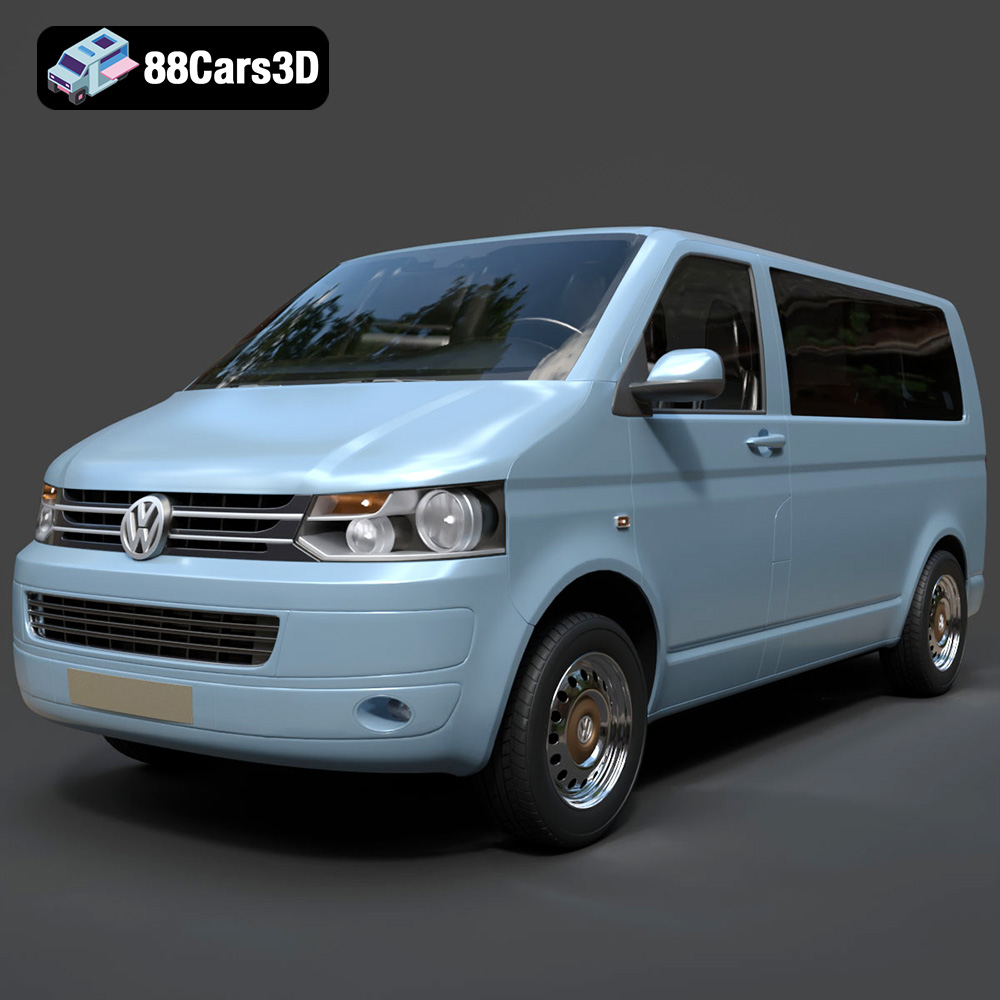
Volkswagen Transporter T5 FL 2010 3D Model
Texture: Yes
Material: Yes
Download the Volkswagen Transporter T5 FL 2010 3D Model featuring clean geometry, realistic detailing, and a fully modeled interior. Includes .blend, .fbx, .obj, .glb, .stl, .ply, .unreal, and .max formats for rendering, simulation, and game development.
Price: $22.99
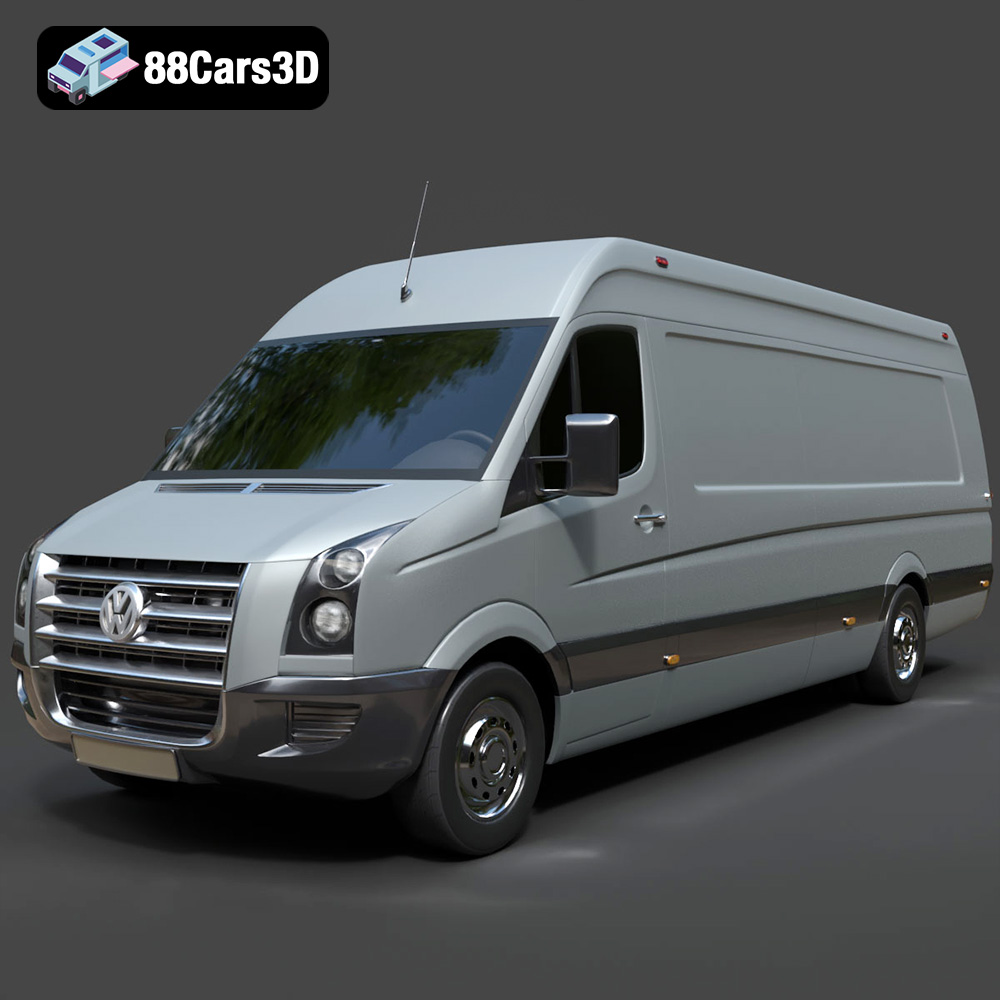
Volkswagen Crafter 2020 3D Model
Texture: Yes
Material: Yes
Download the Volkswagen Crafter 2020 3D Model featuring clean geometry, realistic detailing, and a fully modeled interior. Includes .blend, .fbx, .obj, .glb, .stl, .ply, .unreal, and .max formats for rendering, simulation, and game development.
Price: $22.99
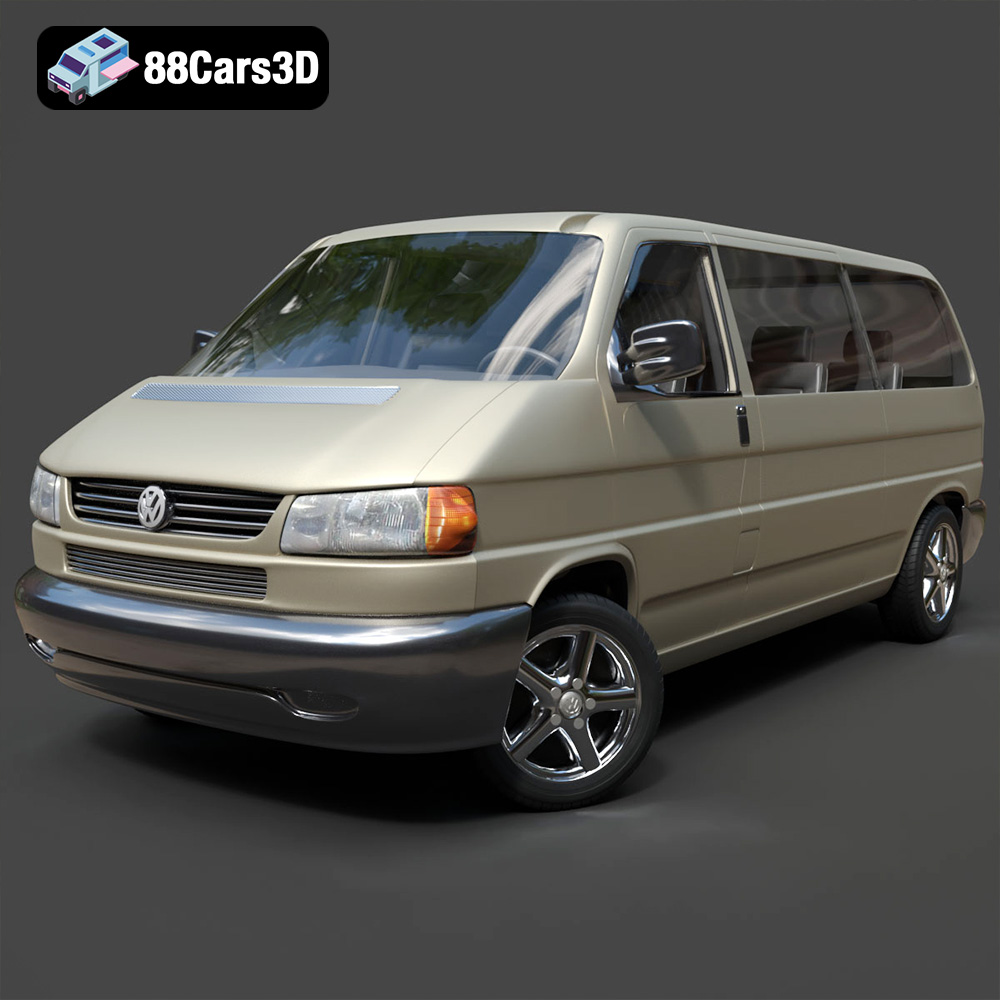
Volkswagen Caravelle 2020 3D Model
Texture: Yes
Material: Yes
Download the Volkswagen Caravelle 3D Model featuring a detailed exterior, functional interior, and optimized topology. Includes .blend, .fbx, .obj, .glb, .stl, .ply, .unreal, and .max formats for rendering, simulation, and game development.
Price: $23.99
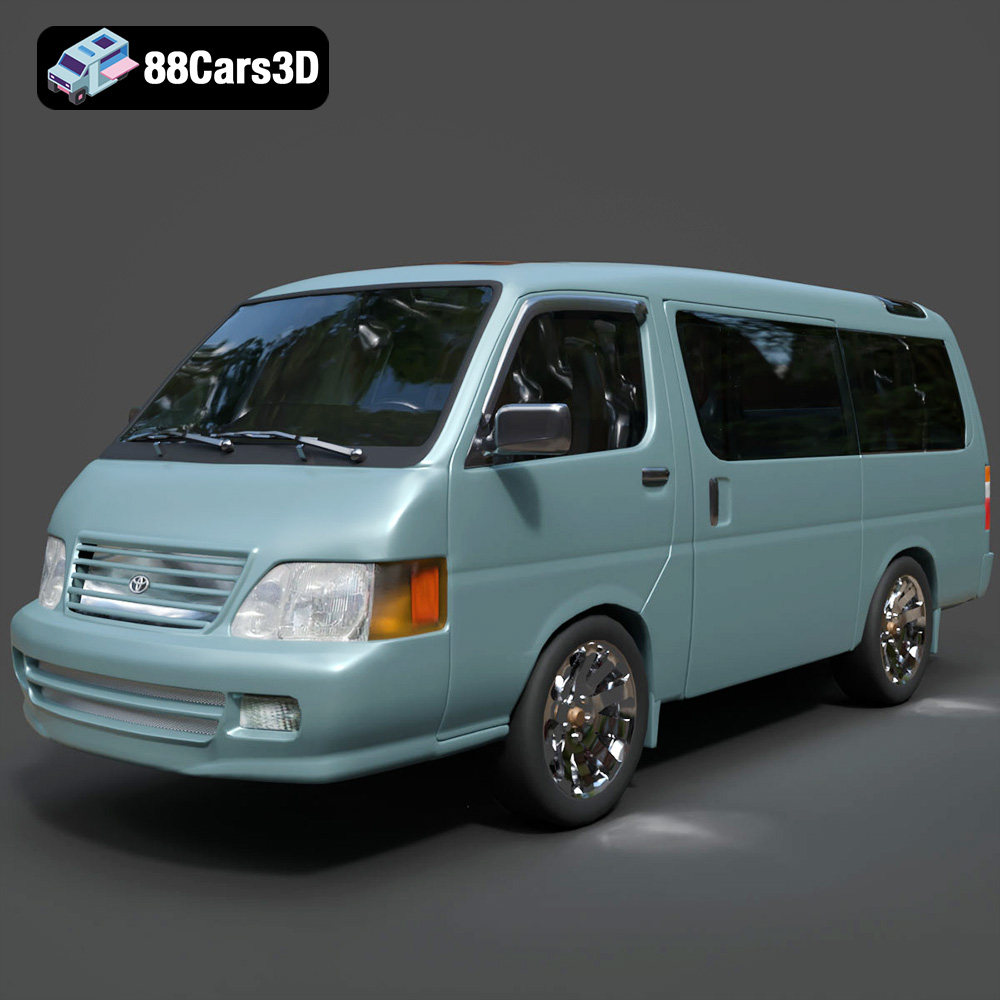
Toyota Hiace 3D Model
Texture: Yes
Material: Yes
Download the Toyota Hiace 3D Model featuring versatile design and detailed exterior. Includes .blend, .fbx, .obj, .glb, .stl, .ply, .unreal, and .max formats for rendering, simulation, and game development.
Price: $21.99
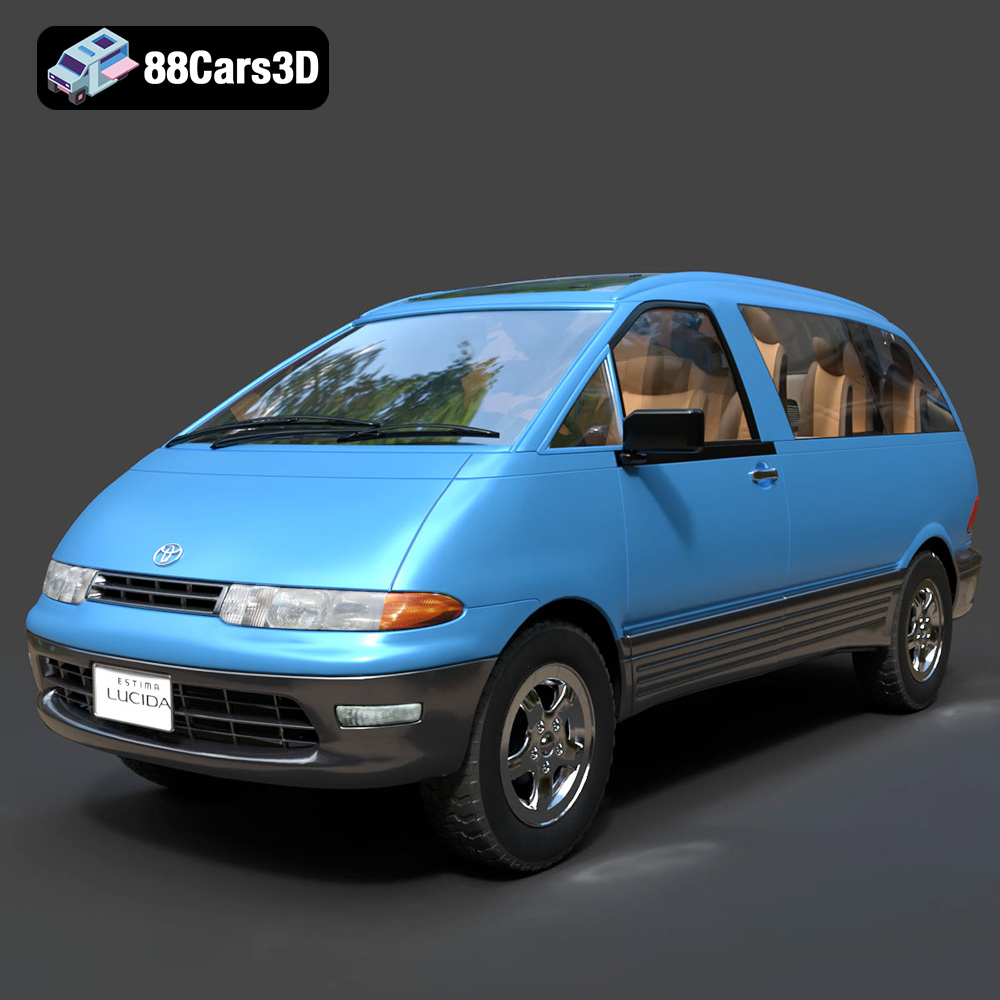
Toyota Estima Lucida 3D Model
Texture: Yes
Material: Yes
Download the Toyota Estima Lucida 3D Model featuring its iconic compact MPV design, versatile interior, and accurate exterior details. Includes .blend, .fbx, .obj, .glb, .stl, .ply, .unreal, and .max formats for rendering, simulation, and game development.
Price: $24.99

Toyota Alphard 3D Model
Texture: Yes
Material: Yes
Download the Toyota Alphard 3D Model featuring a detailed luxury minivan design with an accurate exterior and interior. Includes .blend, .fbx, .obj, .glb, .stl, .ply, .unreal, and .max formats for rendering, simulation, and game development.
Price: $21.99
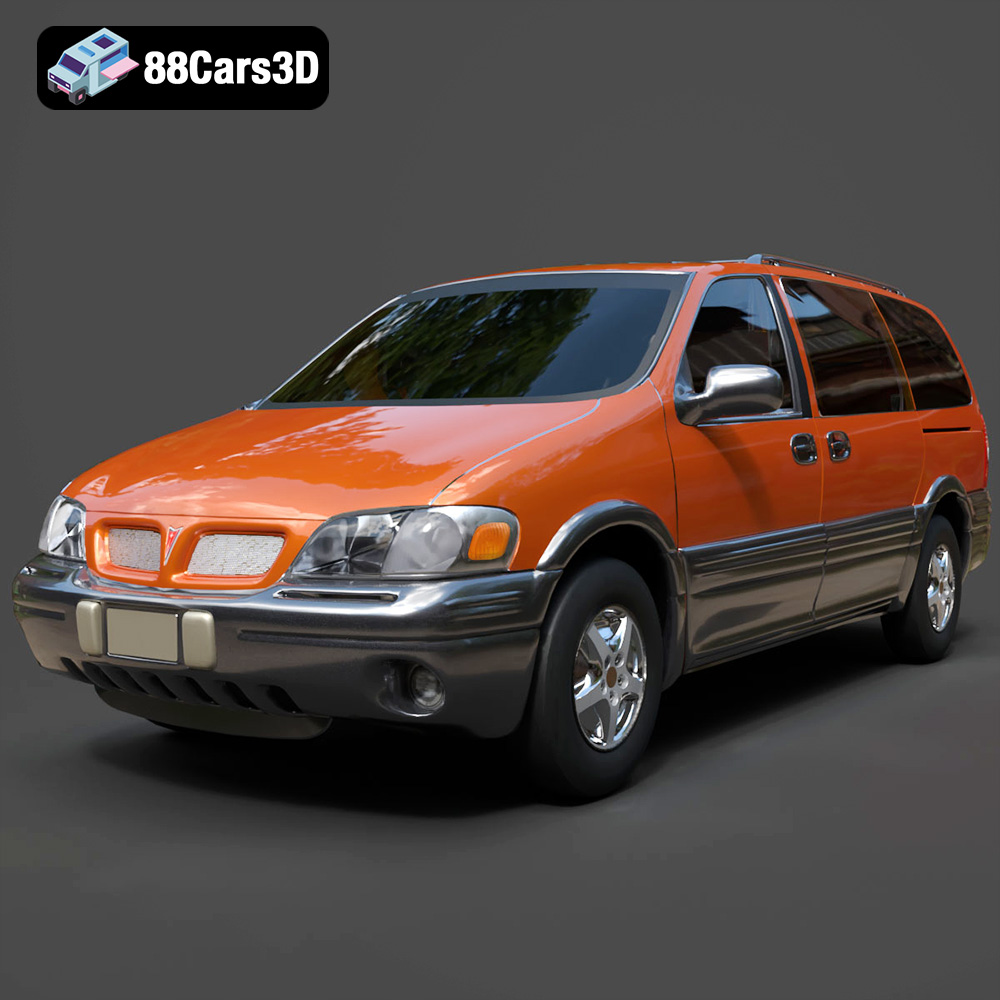
Pontiac Montana 1998 3D Model
Texture: Yes
Material: Yes
Download the Pontiac Montana 1998 3D Model featuring a detailed exterior, functional interior, and optimized mesh. Includes .blend, .fbx, .obj, .glb, .stl, .ply, .unreal, and .max formats for rendering, simulation, and game development.
Price: $21.99
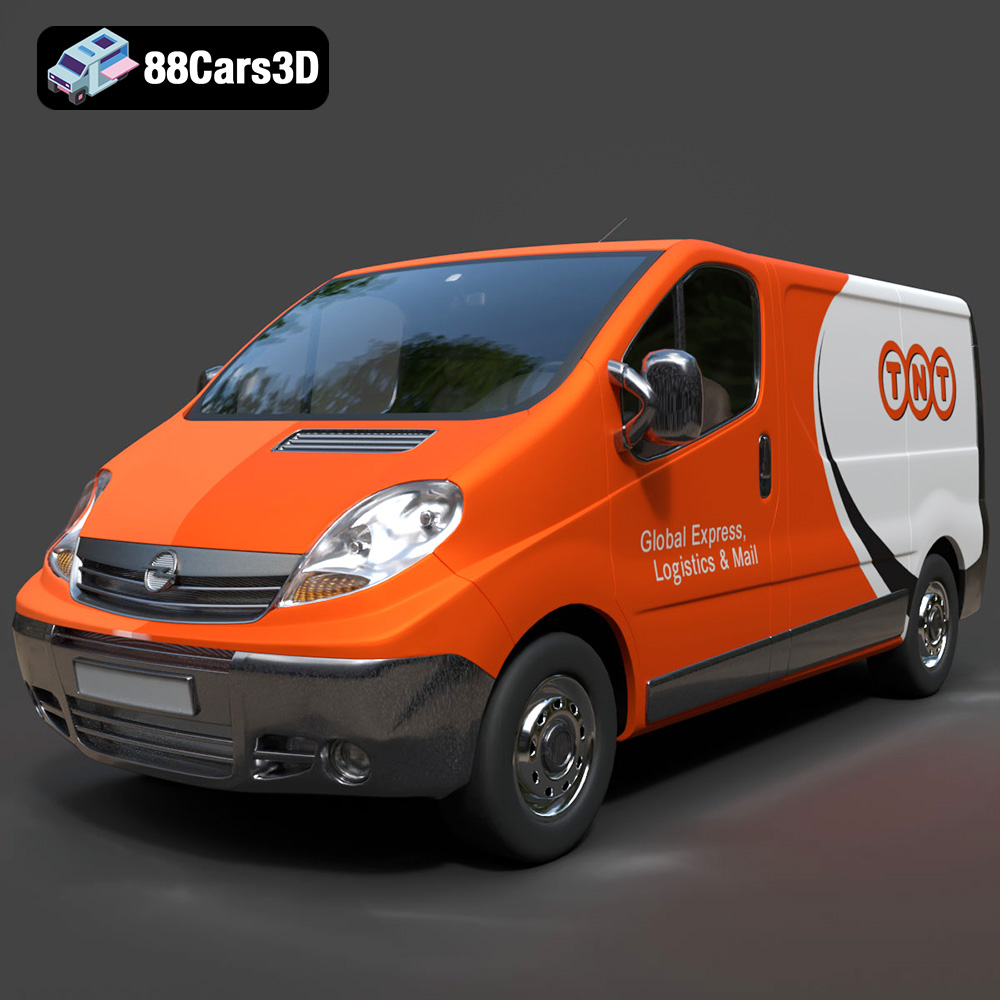
Opel Vivaro 3D Model
Texture: Yes
Material: Yes
Download the Opel Vivaro 3D Model featuring a versatile commercial van design with balanced detailing. Includes .blend, .fbx, .obj, .glb, .stl, .ply, .unreal, and .max formats for rendering, simulation, and game development.
Price: $21.99
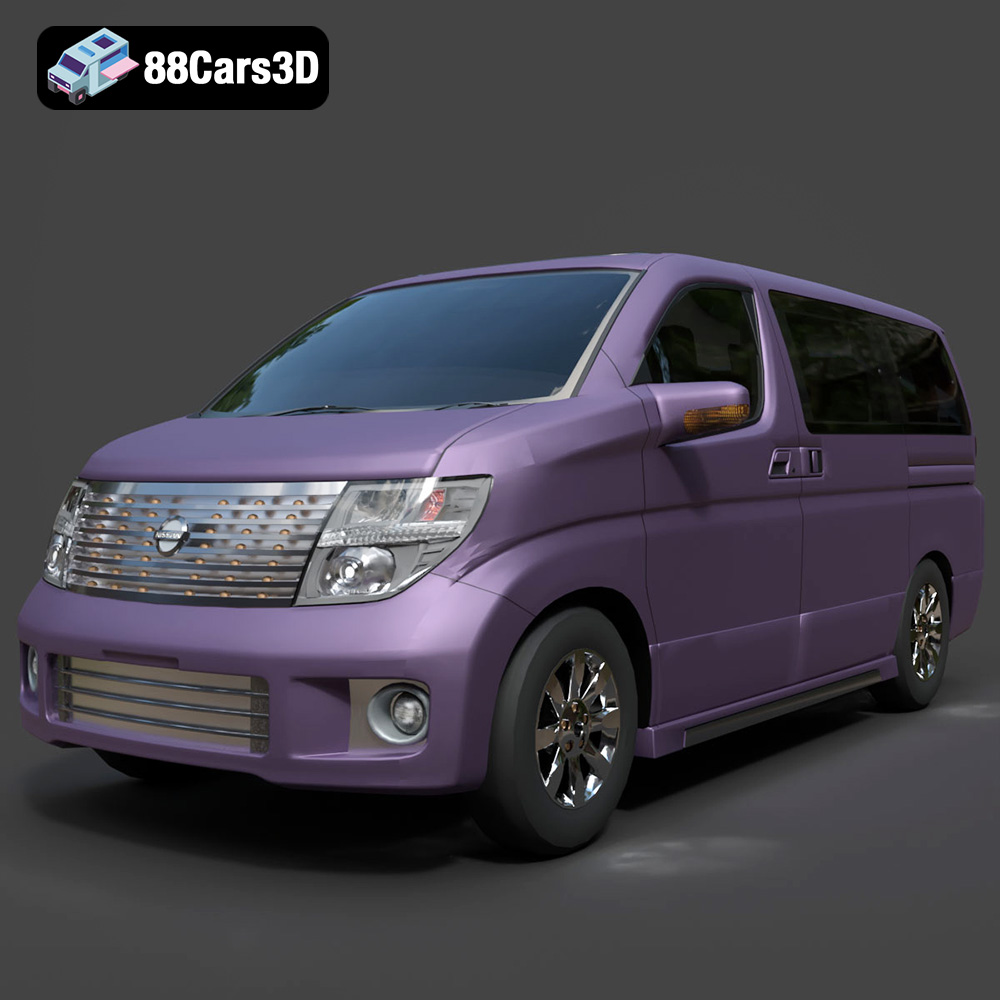
Nissan Elgrand 3D Model
Texture: Yes
Material: Yes
Download the Nissan Elgrand 3D Model featuring a versatile minivan design. Includes .blend, .fbx, .obj, .glb, .stl, .ply, .unreal, and .max formats for rendering, simulation, and game development.
Price: $21.99
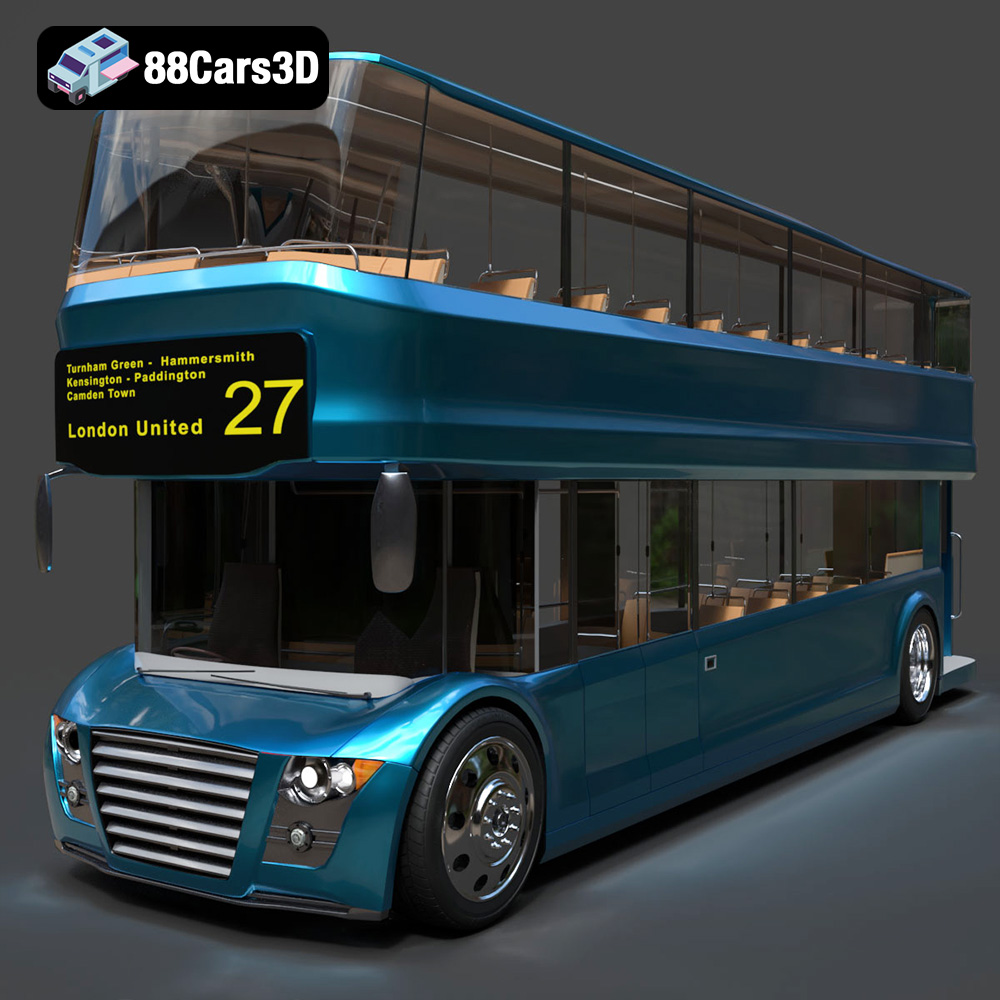
New Bus For London 3D Model
Texture: Yes
Material: Yes
Download the New Bus For London 3D Model featuring a detailed exterior and interior, optimized for rendering and animation. Includes .blend, .fbx, .obj, .glb, .stl, .ply, .unreal, and .max formats for rendering, simulation, and game development.
Price: $21.99
