

In the vast and intricate world of 3D automotive rendering, few elements command as much attention and present as significant a challenge as realistic glass and chrome. These materials are not just shiny surfaces; they are storytellers of light, environment, and craftsmanship. The interplay of transparency, reflection, and refraction on a sleek car body can elevate a render from merely good to absolutely breathtaking. For 3D artists, game developers, automotive designers, and visualization professionals, mastering these two material types is paramount to achieving unparalleled realism and visual fidelity in their projects. Whether you’re working on a high-fidelity visualization, crafting detailed game assets, or preparing a model for AR/VR experiences, the principles of creating authentic glass and chrome remain foundational.
This comprehensive guide delves into the technical intricacies of creating truly convincing glass and chrome shaders. We’ll explore the underlying physics that governs their appearance, walk through practical setup workflows in popular 3D software like Blender, 3ds Max, and Maya, discuss rendering considerations, and reveal advanced optimization strategies crucial for performance in real-time applications. By the end of this article, you’ll have a profound understanding of how to make your 3D car models gleam with the authenticity demanded by today’s cutting-edge automotive rendering industry.
Understanding the Physics of Light: The PBR Foundation
At the heart of creating any realistic material in 3D, especially those as reflective and refractive as glass and chrome, lies a deep understanding of Physically Based Rendering (PBR). PBR is a rendering paradigm that aims to simulate the way light interacts with surfaces based on real-world physics. This approach ensures that materials react realistically to any lighting environment, leading to more consistent and believable results across various scenes and renderers. Without a solid PBR foundation, achieving truly convincing glass and chrome is an uphill battle.
Core PBR Principles
Two fundamental principles define PBR materials: Energy Conservation and the Fresnel Effect. Energy conservation dictates that a surface cannot reflect more light than it receives. This means that if a material is highly reflective, it will be less diffuse (i.e., it will absorb less light). For metals like chrome, almost all light is reflected, while for dielectrics like glass, some light is reflected and some is refracted or absorbed. The Fresnel effect describes how the amount of light reflected from a surface changes with the viewing angle. Light hitting a surface head-on (at a perpendicular angle) is reflected less than light hitting it at a grazing angle. This is why you see strong reflections on car windows when looking at them from a side angle, but you can see through them more clearly when looking straight on. Understanding these concepts is critical for fine-tuning your shaders.
Key PBR Texture Maps for Glass and Chrome
To accurately represent glass and chrome using PBR workflows, several key texture maps are utilized, each controlling a specific aspect of how the material interacts with light:
- Base Color/Albedo: For metals, this map defines the color of the reflected light. For dielectrics, it defines the color of the surface when lit diffusely. For chrome, it will typically be a bright white or very light gray, possibly with a subtle color tint for specific metallic alloys. For clear glass, the base color is usually black, as it doesn’t reflect diffuse light.
- Metallic: This map defines whether a surface is metallic or dielectric. For chrome, this value should be set to 1.0 (pure white) to indicate it’s a metal. For glass, it should be 0.0 (pure black).
- Roughness: This map controls the micro-surface detail, determining how blurry or sharp reflections appear. A value of 0.0 (black) means perfectly smooth and mirror-like, while 1.0 (white) means completely rough and diffuse. Highly polished chrome will have a very low roughness value, approaching 0.0. Glass, especially automotive glass, also has a very low roughness, often with subtle variations to simulate microscopic dust or wear.
- IOR (Index of Refraction): This value is crucial for transparent and translucent materials like glass. It dictates how much light bends when passing through the material. Each real-world material has a specific IOR (e.g., air is ~1.0, water is ~1.33, common glass is ~1.5 to 1.8, diamond is ~2.4). Accurate IOR values are essential for realistic refractions in glass.
- Normal Map: While not strictly a PBR parameter in the same way as metallic or roughness, normal maps simulate fine surface detail (like subtle scratches or imperfections) without adding extra geometry. For glass, a very subtle normal map can add imperfections, and for chrome, it can enhance the appearance of brushed surfaces or minor wear.
These maps, when correctly applied and tuned within a PBR shader, allow for photorealistic results that hold up under diverse lighting conditions, a crucial aspect when showcasing high-quality 3D car models from marketplaces like 88cars3d.com.
Crafting Realistic Glass Materials
Automotive glass, from the expansive windshield to the subtle tint of side windows and headlights, plays a critical role in the overall realism of a 3D car model. It’s more than just a transparent surface; it reflects the environment, distorts objects seen through it, and subtly absorbs light. Achieving this complexity requires careful attention to a few core parameters.
Basic Glass Shader Setup (General Approach)
The foundation of a good glass shader involves balancing transparency, refraction, and subtle reflections.
- Transparency: This is the most obvious characteristic of glass. In most PBR shaders, this is controlled by a ‘Transmission’ or ‘Opacity’ parameter. For clear glass, this should be set to 1 (fully transparent).
- Refraction (IOR): The Index of Refraction (IOR) is arguably the most critical parameter for glass. It defines how much light bends as it passes through the material. For standard automotive glass, an IOR value of around 1.52 is a good starting point. Different types of glass or acrylics might have slightly different values (e.g., plexiglass is around 1.49, thick safety glass might be closer to 1.7-1.8). Experimentation within this range will yield the best visual results for your specific car model.
- Color (Subtle Tinting): While often perceived as clear, most automotive glass has a very subtle tint, especially when viewed from certain angles or through thick sections. This can be achieved by adding a slight color to the ‘Transmission Color’ or ‘Absorption Color’ parameter of your shader. A faint green, blue, or even a very desaturated gray can enhance realism.
- Roughness: Even perfectly clean glass isn’t absolutely 0 roughness. Microscopic dust, fingerprints, or manufacturing imperfections can introduce a very subtle amount of roughness. A value between 0.01 and 0.05 can add a touch of realism without making the glass appear frosted. For headlights or aged glass, this value might be slightly higher.
Advanced Glass Techniques (Caustics, Thickness, Volumetrics)
To push the realism of glass even further, especially for high-end automotive rendering, these advanced techniques become invaluable:
- Caustics: These are the patterns of light created by light rays focusing or scattering after passing through transparent objects. Think of light ripples at the bottom of a swimming pool or the bright spots from a magnifying glass. Caustics are notoriously computationally expensive to render but add an incredible layer of photorealism. Many modern renderers have specific settings for enabling and optimizing caustics.
- Thickness: Real-world glass has thickness, and light interacts with both its front and back surfaces. Simulating this thickness in your 3D model (using actual geometry with a slight extrusion, rather than a single plane) allows for more accurate refraction and reflection. This is especially important for windshields and curved windows, where the varying thickness impacts the light’s path.
- Volumetric Absorption: For colored glass or when rendering thick sections of glass, light absorption within the volume of the material becomes noticeable. This can be simulated using volumetric properties in your shader, where you define a ‘Volume Absorption’ color and density. This makes the glass appear darker and more saturated with color the thicker it is, mimicking real-world physics.
Software-Specific Tips for Glass Materials
- Blender: The Principled BSDF shader in Cycles and EEVEE (Blender 4.4, as documented at Blender 4.4 Manual – Shader Nodes) is excellent for glass. Set Metallic to 0, Roughness to a very low value (0.0-0.05), and Transmission to 1. The IOR is directly controllable. For pure, physically accurate glass, you can also use the dedicated Glass BSDF node, though Principled often offers more flexibility. Remember to enable “Screen Space Refractions” and “Refraction Depth” in EEVEE render settings for accurate real-time results.
- 3ds Max (V-Ray/Corona): In V-Ray, use a V-Ray Material. Set Diffuse to black, Reflection to white, and Refraction to white. Adjust the ‘IOR’ (typically 1.52) and a very low ‘Glossiness’ (high reflection sharpness). For Corona Renderer, the CoronaMtl works similarly. Set ‘Diffuse Level’ to 0, ‘Reflect Level’ to 1 (white), ‘Refract Level’ to 1 (white), and then adjust the ‘IOR’ and ‘Glossiness’ for refraction and reflection respectively. Volumetric effects can be achieved with ‘Fog Color’ and ‘Fog Multiplier’ in both renderers.
- Maya (Arnold/Redshift): For Arnold, the aiStandardSurface shader is your go-to. Set Base Weight to 0, Specular Weight to 1 (with low roughness), and Transmission Weight to 1. Adjust the ‘IOR’ and consider adding a subtle ‘Transmission Color’ for tint. For Redshift, the Redshift Standard Material offers similar parameters. Focus on ‘Refraction Weight’, ‘IOR’, and ‘Refraction Roughness’, along with a subtle ‘Tint’ color for realistic glass.
Sculpting Perfect Chrome Materials
Chrome trim, badging, and wheels are iconic elements of automotive design, instantly conveying luxury, speed, and precision. The mirror-like reflections and crisp highlights of perfectly rendered chrome can dramatically enhance the visual appeal of any 3D car model. Unlike glass, chrome is an opaque metallic material, meaning it reflects all incident light and doesn’t allow light to pass through.
Fundamentals of Metallic Shaders
The key to realistic chrome lies in correctly implementing metallic PBR principles:
- Pure Metallic: For chrome, the ‘Metallic’ parameter in your PBR shader should always be set to 1.0 (pure white). This tells the renderer that the material behaves as a metal, reflecting light primarily based on its base color and roughness.
- Base Color: For metals, the Base Color channel defines the color of the reflections. For traditional polished chrome, this will be a very bright, almost white color, often with a subtle, cool blue or silver tint to emulate the real metal’s inherent coloration. Avoid using dark or saturated colors here, as pure metals don’t have a ‘diffuse’ color in the traditional sense; their color comes from the wavelength of light they reflect.
- Roughness: Polished chrome is characterized by its incredibly sharp, mirror-like reflections. Therefore, the ‘Roughness’ value for chrome should be extremely low, often around 0.0 to 0.05. Even the slightest increase in roughness will quickly dull the reflections, transitioning towards a brushed or satin metal look.
Achieving Flawless Reflections and Micro-Scratches
While the basic setup provides a good starting point, true realism comes from adding subtle imperfections and details:
- Roughness Maps: Instead of a uniform roughness value, use a subtle greyscale roughness map. This map, usually a very dark grey with tiny lighter specks, can introduce minuscule variations that break up perfect reflections, simulating microscopic scratches or dust accumulation. This adds organic realism and prevents the chrome from looking too “perfect” and CG. A resolution of at least 2K for detail work is recommended.
- Anisotropy: For brushed metals, anisotropy is crucial, creating elongated reflections in a specific direction (think of brushed aluminum). While less prominent for highly polished chrome, it can still be used very subtly if you want to hint at a directional buffing or manufacturing process. Most PBR shaders include an ‘Anisotropy’ and ‘Anisotropy Rotation’ parameter to control this effect.
- Normal Maps: For extremely fine surface details that are too small to be modeled geometrically, normal maps are indispensable. These can simulate very shallow scratches, swirl marks, or even the subtle texture of electroplating without increasing polygon counts. When using normal maps for chrome, ensure they are subtle; overly strong normal maps can quickly make the surface look rough or bumpy instead of polished.
Software-Specific Tips for Chrome Materials
- Blender: With the Principled BSDF shader (Blender 4.4, check the Shader Nodes documentation for updates), set Metallic to 1.0. Set Roughness to a very low value (e.g., 0.01-0.03). The ‘Base Color’ should be a bright, slightly desaturated color (e.g., a light gray or very faint blue). For added realism, connect a subtle noise texture to the roughness input for surface imperfections.
- 3ds Max (V-Ray/Corona): In V-Ray, a V-Ray Material should have ‘Diffuse Color’ set to black, ‘Reflection Color’ set to white (or a very light grey/blue tint), ‘IOR’ to 999 (to simulate infinite reflection, common practice for metals), and ‘Glossiness’ to a high value (e.g., 0.95-0.99) for polished chrome. For Corona Renderer, the CoronaMtl also starts with ‘Diffuse Level’ at 0, ‘Reflect Level’ at 1, and ‘Fresnel IOR’ typically set high (e.g., 8-10 or even higher for a perfect mirror). A very high ‘Reflect Glossiness’ is key.
- Maya (Arnold/Redshift): Using Arnold’s aiStandardSurface, set Base Weight to 0, Specular Weight to 0 (as metal reflections are handled by Base Color with Metallic set to 1), and Metallic to 1. The ‘Base Color’ then defines the chrome’s hue. Keep ‘Roughness’ very low. For Redshift, the Redshift Standard Material follows similar logic: ‘Metalness’ to 1, ‘Reflections Color’ to a bright value, and ‘Reflections Roughness’ very low.
Lighting and Environment for Automotive Materials
No matter how meticulously crafted your glass and chrome materials are, their true brilliance can only be revealed by a thoughtful and realistic lighting setup. For automotive rendering, the environment is not merely background; it is an integral part of how these reflective and refractive surfaces appear. The quality and character of your lighting directly dictate the realism of your 3D car models.
The Role of HDRIs
High Dynamic Range Images (HDRIs) are the cornerstone of realistic automotive lighting. An HDRI is a 360-degree panoramic image that captures an entire environment’s lighting information, including intensity and color. When used as an environment map, it provides:
- Realistic Reflections: The HDRI’s detailed environment is reflected accurately in your car’s glossy paint, glass, and chrome, giving an immediate sense of placement and realism.
- Accurate Global Illumination: HDRIs provide natural indirect lighting, mimicking how light bounces around in a real environment. This creates subtle color casts and soft shadows that are crucial for believability.
- Varied Lighting Conditions: You can choose from a vast library of HDRIs (studio setups, cityscapes, forest scenes, industrial environments) to instantly change the mood and presentation of your car model without needing to place individual lights.
When selecting an HDRI, consider the type of scene you’re aiming for. A studio HDRI with softboxes will emphasize the car’s form and reflections, while an outdoor HDRI will place it in a real-world context, showcasing how light interacts with the environment. High-resolution HDRIs (8K or 16K) are essential for crisp reflections, especially on highly polished chrome surfaces.
Complementary Lighting Setups
While HDRIs provide the ambient lighting, supplementing them with artificial lights offers greater control and artistic flair:
- Key Lights: These are your primary light sources, defining the main direction and intensity of light on your car. Often large area lights or directional lights, they create prominent highlights.
- Fill Lights: Softer and less intense than key lights, fill lights reduce harsh shadows and even out the lighting, revealing more detail in shadowed areas.
- Rim Lights: Placed behind and to the sides of the car, rim lights create bright outlines that separate the car from the background, adding depth and definition to its silhouette.
- Area Lights for Soft Reflections: For specific, aesthetically pleasing reflections on curved surfaces like car bodies, glass, and chrome, large, soft area lights are invaluable. Position them to catch the edges and curves of the car, emphasizing its design language.
Pay close attention to light temperatures (warm or cool) and intensities. Subtle variations in color and brightness can drastically impact the perceived material properties of glass and chrome. For instance, a warmer fill light might bring out the subtle tint of glass, while a cooler rim light can enhance the metallic sheen of chrome.
Studio vs. Outdoor Scenarios
The choice between a studio and an outdoor environment dictates your lighting strategy:
- Studio Setup: Often utilizes a dominant HDRI of a studio environment (e.g., a seamless white cyclorama with softbox reflections) augmented by carefully placed area lights to emphasize specific contours. The goal is often to showcase the vehicle’s design and material quality in a controlled, flattering light. The chrome will show crisp, defined reflections of the studio light shapes, and the glass will subtly reflect the studio environment while maintaining clarity.
- Outdoor Scenario: Here, the HDRI becomes even more critical, acting as the primary light source for both direct sunlight and global illumination. Complementary lights might be used to enhance specific details or mimic practical lights like streetlights. In outdoor scenes, chrome will reflect the sky, trees, and buildings, dynamically changing its appearance with the camera angle. Glass will also pick up these reflections, and its transparency will reveal the background elements with realistic distortion. The realism of high-quality 3D car models from 88cars3d.com truly shines in these dynamic environments.
Optimization for Performance
Creating photorealistic glass and chrome materials is one thing; making them perform efficiently, especially in interactive applications like game development or AR/VR, is another. Highly complex shaders and high-resolution textures can quickly bog down real-time performance. Striking a balance between visual fidelity and optimization is a skill every 3D artist needs.
Balancing Realism and Performance for Game Assets and AR/VR
For game engines (Unity, Unreal Engine) and AR/VR platforms, every millisecond of render time counts. While offline renders can afford extremely detailed materials, real-time applications demand intelligent compromises:
- LODs (Level of Detail) for Materials: Just as you create different mesh resolutions for varying distances, consider creating simplified material versions. For distant car models, reflections on glass and chrome might be simplified, using cubemaps or less intricate shader networks. As the camera gets closer, higher-fidelity materials can be swapped in.
- Baking Complex Reflections: One of the most effective optimization techniques is baking complex reflections. Instead of calculating real-time reflections, you can render out static reflection probes or cubemaps from key viewpoints around your car and apply these as texture maps to your glass and chrome materials. While less dynamic, this drastically reduces runtime overhead. Modern game engines offer robust systems for reflection probes to ensure a level of dynamism.
- Shader Complexity: Keep your shader node networks as streamlined as possible. Avoid overly complex calculations or too many texture samples where simpler solutions suffice. Each additional operation adds to the shader’s computational cost.
Texture Resolution and File Format Considerations
Texture maps are a significant contributor to memory usage and loading times:
- Texture Resolution:
- 2K (2048×2048): Often a good balance for many assets, providing decent detail without excessive memory usage.
- 4K (4096×4096): Ideal for prominent elements like the main body, wheels, and interior components, where fine details on chrome and glass are clearly visible.
- 8K (8192×8192): Generally reserved for hero assets or specific close-up shots where absolute maximum detail is required. For most game and AR/VR applications, 8K textures for every material are overkill and will lead to performance issues.
Strategically allocate higher resolutions to critical parts of the 3D car models where details on glass and chrome will be most noticeable, and use lower resolutions for less prominent areas.
- Efficient File Formats:
- PNG: Good for general-purpose textures, especially those requiring alpha channels.
- JPG: Excellent for color maps where some compression artifacts are acceptable, offering smaller file sizes.
- EXR (OpenEXR): Essential for HDR environment maps and any data maps (like normal maps or displacement maps) that require high bit depth for accurate color or vector information.
- GLB/USDZ: These are optimized formats for AR/VR and real-time applications, often embedding textures and streamlining material data for efficient loading and rendering. When sourcing models from marketplaces such as 88cars3d.com, pay attention to the provided file formats and their suitability for your target platform.
Render Engine Specific Optimizations
Different renderers have different strengths and weaknesses when it comes to reflective and refractive materials:
- Blender Cycles vs. EEVEE:
- Cycles: A physically accurate path tracer, Cycles provides superior quality for reflections and refractions, including true caustics. However, it’s computationally intensive and slower. Optimization involves increasing render samples judiciously and utilizing denoising.
- EEVEE: Blender’s real-time renderer is incredibly fast but relies on screen-space effects for reflections and refractions. For glass, ensure “Screen Space Refractions” are enabled in render settings, and adjust “Refraction Depth” for accurate results. Reflections can be enhanced with “Reflection Cubemaps” and “Irradiance Volumes.” EEVEE provides a great balance for game asset preview and quick renders. See the official Blender 4.4 documentation for details on EEVEE render settings.
- V-Ray/Corona Render Settings: For these powerful production renderers, fine-tune settings like ‘Subdivisions’ for reflections and refractions, ‘Noise Thresholds’, and ‘Global Illumination’ parameters. High glossy reflections/refractions often require more samples to resolve cleanly. Utilize render passes to isolate and denoise specific elements during compositing.
Post-Processing and Refinement
Even with perfectly crafted materials and expert lighting, the final touch of realism in automotive rendering often comes down to post-processing. This stage is where you can subtly enhance the visual impact of your glass and chrome, add atmospheric elements, and ensure your image communicates the desired mood and aesthetic. Think of it as the polishing stage after all the heavy lifting of 3D modeling and texturing.
Enhancing Reflections and Refractions
Post-processing offers powerful tools to emphasize the qualities of glass and chrome:
- Chromatic Aberration (Subtle): Real-world lenses often introduce a slight chromatic aberration, where colors separate slightly at high-contrast edges. A very subtle amount of chromatic aberration in post-processing can add a touch of photographic realism, especially around the edges of glass and strong chrome highlights. Overuse, however, can quickly make the image look fake or cheap.
- Depth of Field (DOF): Introducing a shallow depth of field can draw the viewer’s eye to specific details on your car model, such as a gleaming chrome emblem or the intricate refraction through a headlight lens. DOF simulates the optical effect of real cameras, where only a certain range of distance is in sharp focus, blurring the foreground and background. This helps guide composition and adds a cinematic quality to your automotive renders.
- Lens Distortion/Vignetting: Subtle lens distortion can replicate the look of a real camera lens, and vignetting (darkening at the image corners) can further focus attention on the car. These effects should be used sparingly to maintain realism.
Color Grading and Tonal Adjustments
Color grading is crucial for setting the mood and enhancing the visual appeal of your render:
- Bringing Out Highlights and Deep Shadows: Use curves or levels adjustments to deepen the shadows and brighten the highlights, increasing the overall contrast. This will make your chrome pop and give your glass more definition. Be careful not to crush blacks or blow out whites, preserving dynamic range.
- Global Color Balance: Adjusting the color balance can unify the image and correct any color shifts introduced during rendering. For automotive shots, a slightly cooler tone might emphasize the metallic nature of chrome, while a warmer tone could suggest a sunset environment. Fine-tuning saturation and vibrance can also make colors more impactful.
- Local Adjustments: Sometimes, specific areas need more attention. Masking and applying local adjustments to reflections on the glass or the sheen on chrome can dramatically improve their appearance without affecting the entire image. For instance, a slight increase in exposure on a chrome bumper can make it stand out.
Common Compositing Techniques
Compositing allows you to combine various render passes and effects to build the final image. Many 3D artists use dedicated compositing software like Adobe Photoshop, Nuke, or Blender’s own Compositor for this stage:
- Adding Glare and Bloom: These effects simulate the scattering of light around bright areas, often seen around intense reflections on chrome or light sources through glass. Subtle glare can add a sense of brilliance and atmosphere.
- Ambient Occlusion (AO): While often rendered as a separate pass, adding a subtle AO pass in compositing can enhance contact shadows and give objects more weight and definition. This is particularly useful for the intricate details of a car, where chrome meets the body or glass meets the frame.
- Reflection and Refraction Passes: Modern renderers allow you to output specific passes for reflections, refractions, diffuse color, and more. By adjusting these passes individually in compositing, you have granular control over the final look of your glass and chrome. For example, you can selectively increase the intensity or blur of reflections without altering the underlying diffuse properties.
- Sharpening: A final, subtle sharpening pass can make the details of your car model, including the crispness of chrome and the clarity of glass, appear more defined. Again, moderation is key to avoid over-sharpening artifacts.
The post-processing stage is where you can infuse your artistic vision into the technical render, transforming raw output into a polished, professional automotive visualization that captivates your audience. Whether you are showcasing detailed 3D car models from 88cars3d.com or your own creations, this final step ensures they look their absolute best.
Conclusion
Creating realistic glass and chrome materials for 3D car models is a challenging yet incredibly rewarding endeavor. It demands not only a solid grasp of technical parameters but also a keen eye for observational detail and an understanding of how light behaves in the real world. From the fundamental PBR principles of energy conservation and the Fresnel effect to the specific texture maps like Metallic, Roughness, and IOR, every parameter contributes to the final convincing result.
We’ve traversed the journey from basic shader setups to advanced techniques like simulating caustics and volumetric absorption for glass, and mastering subtle roughness maps and anisotropy for chrome. The importance of strategic lighting with HDRIs and complementary light sources cannot be overstated, as the environment is fundamentally reflected in these highly interactive surfaces. Furthermore, we delved into critical optimization strategies, such as LODs and texture baking, essential for bringing these stunning materials into performance-sensitive applications like game engines and AR/VR without sacrificing visual quality.
Finally, we explored the art of post-processing, where subtle chromatic aberration, depth of field, and meticulous color grading refine your renders, making them truly photorealistic. The journey to mastering these materials is continuous, requiring practice, experimentation, and a persistent pursuit of excellence.
To apply these techniques and truly bring your projects to life, start with high-quality base models. Platforms like 88cars3d.com offer a wide array of professionally crafted 3D car models, providing the perfect canvas for you to experiment with these advanced material creation workflows. Begin your rendering journey today, pay attention to every reflection, every glint, and every subtle refraction, and watch your automotive visualizations transform into stunning works of art. The road to realism is paved with meticulous material work, and with these insights, you’re well-equipped to drive your renders to the next level.
Featured 3D Car Models
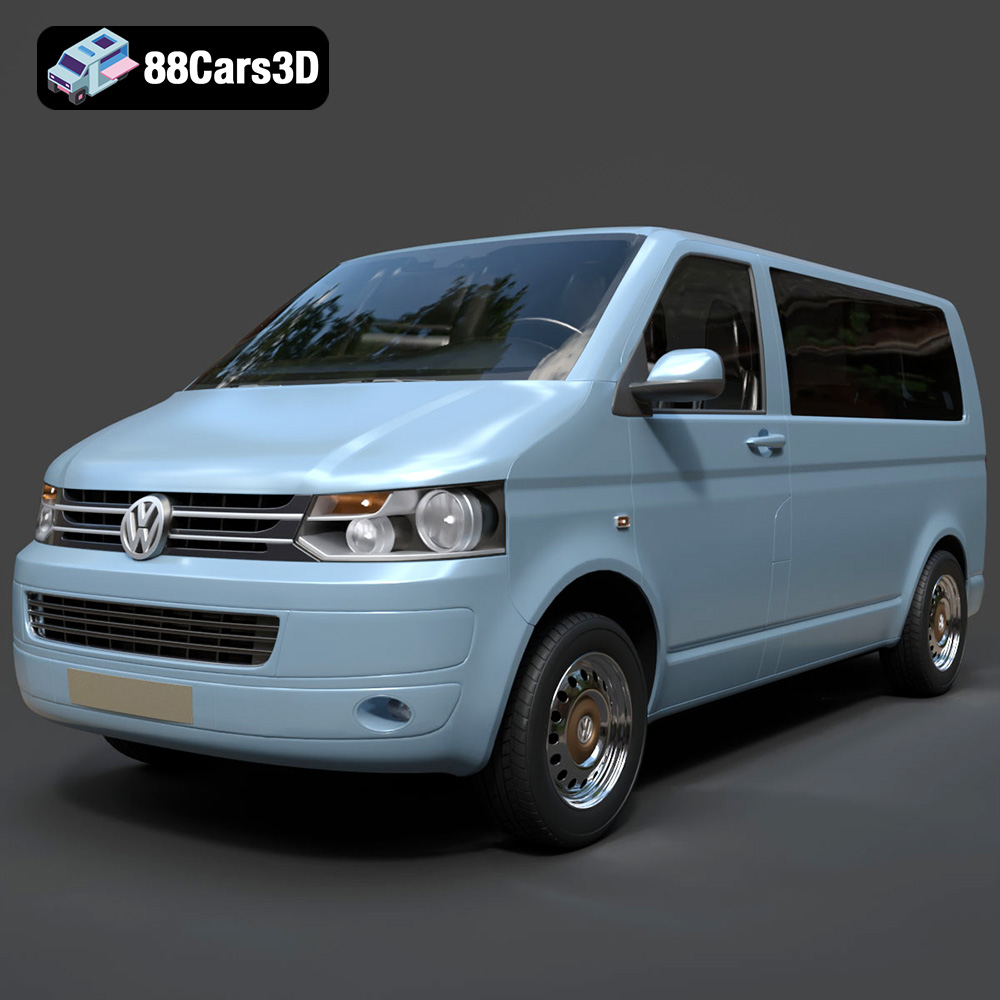
Volkswagen Transporter T5 FL 2010 3D Model
Texture: Yes
Material: Yes
Download the Volkswagen Transporter T5 FL 2010 3D Model featuring clean geometry, realistic detailing, and a fully modeled interior. Includes .blend, .fbx, .obj, .glb, .stl, .ply, .unreal, and .max formats for rendering, simulation, and game development.
Price: $22.99
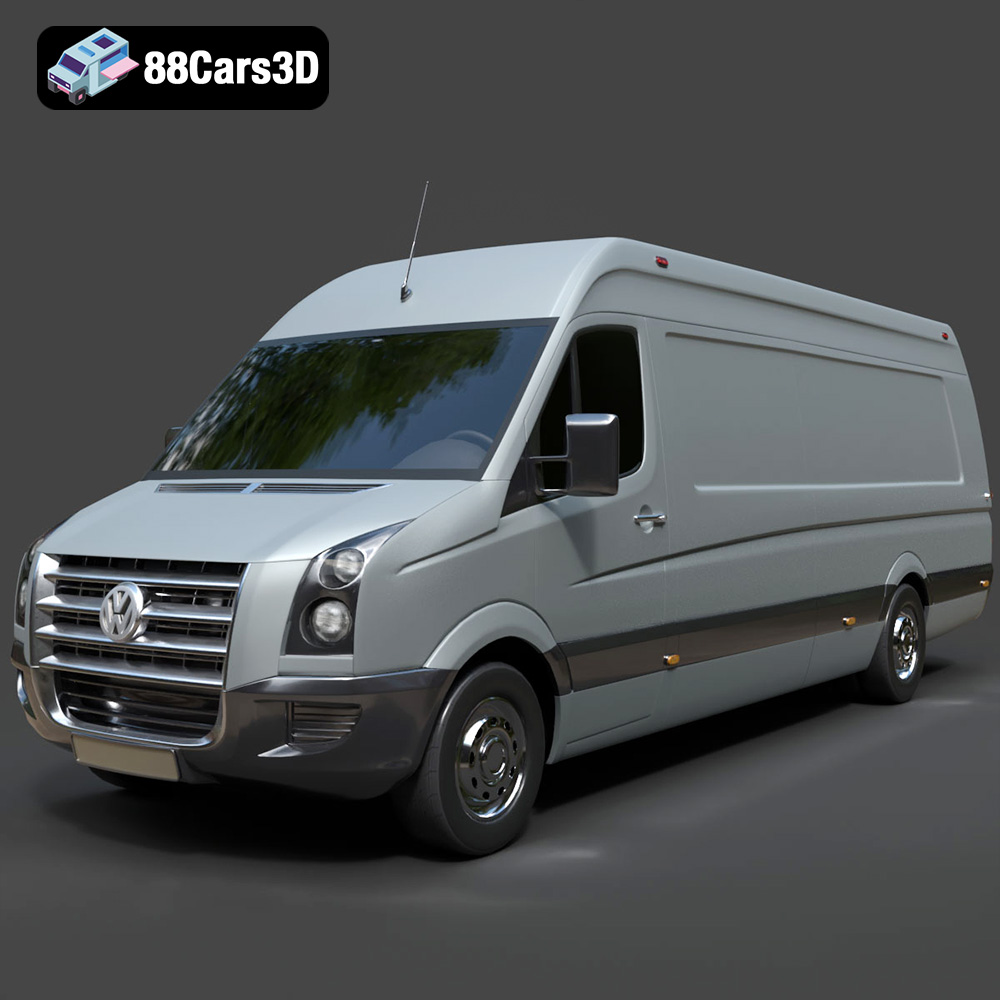
Volkswagen Crafter 2020 3D Model
Texture: Yes
Material: Yes
Download the Volkswagen Crafter 2020 3D Model featuring clean geometry, realistic detailing, and a fully modeled interior. Includes .blend, .fbx, .obj, .glb, .stl, .ply, .unreal, and .max formats for rendering, simulation, and game development.
Price: $22.99
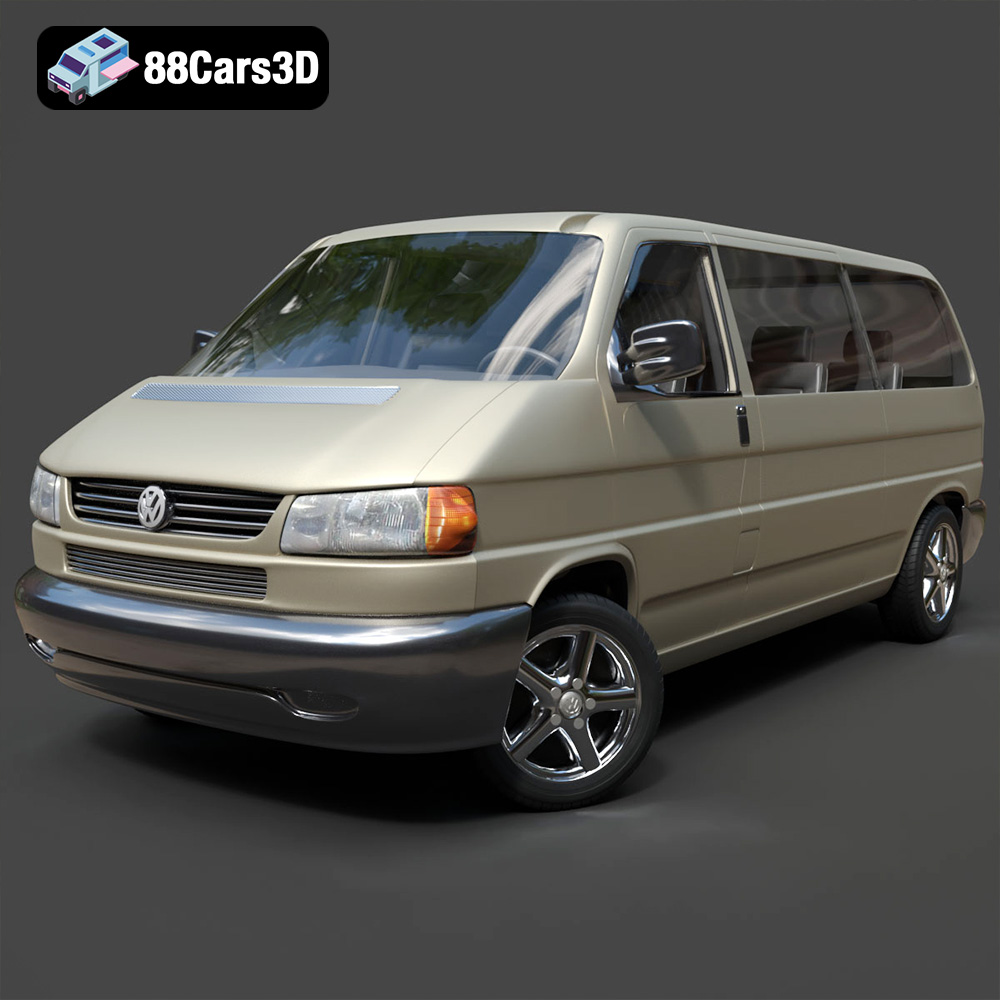
Volkswagen Caravelle 2020 3D Model
Texture: Yes
Material: Yes
Download the Volkswagen Caravelle 3D Model featuring a detailed exterior, functional interior, and optimized topology. Includes .blend, .fbx, .obj, .glb, .stl, .ply, .unreal, and .max formats for rendering, simulation, and game development.
Price: $23.99
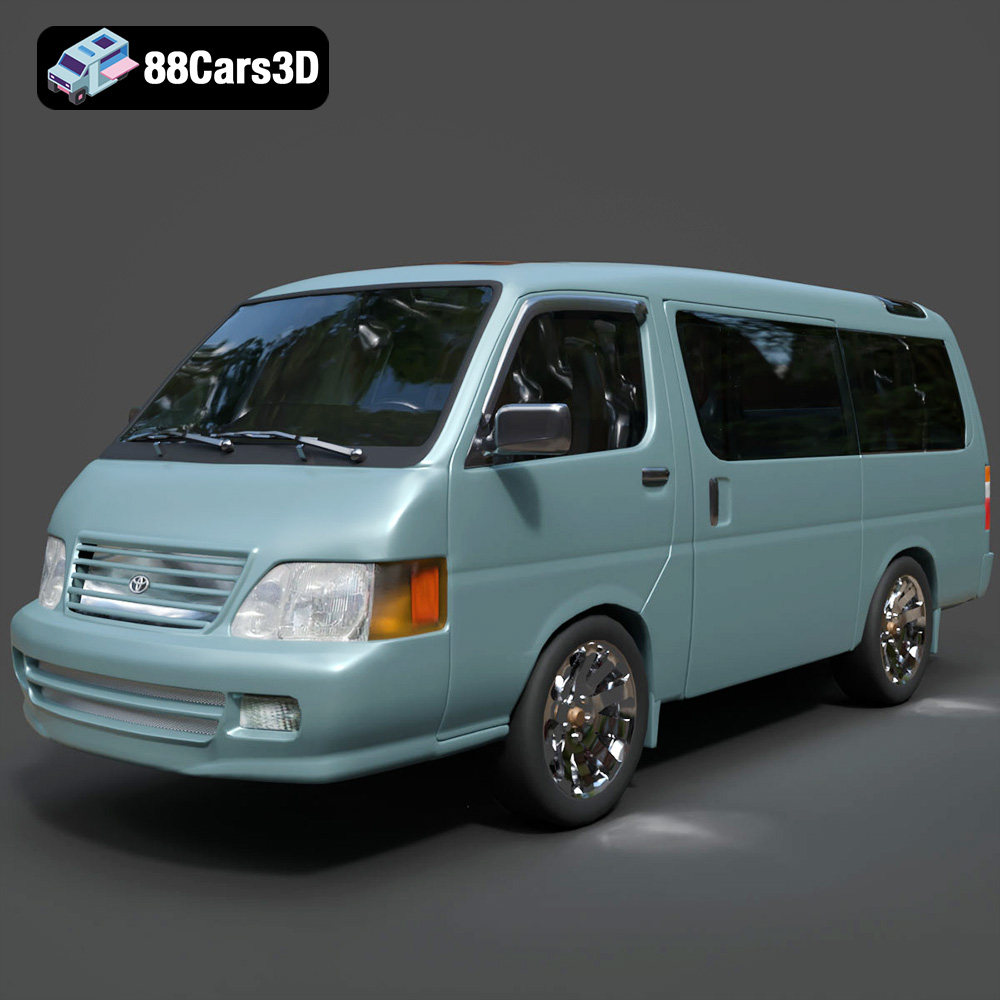
Toyota Hiace 3D Model
Texture: Yes
Material: Yes
Download the Toyota Hiace 3D Model featuring versatile design and detailed exterior. Includes .blend, .fbx, .obj, .glb, .stl, .ply, .unreal, and .max formats for rendering, simulation, and game development.
Price: $21.99
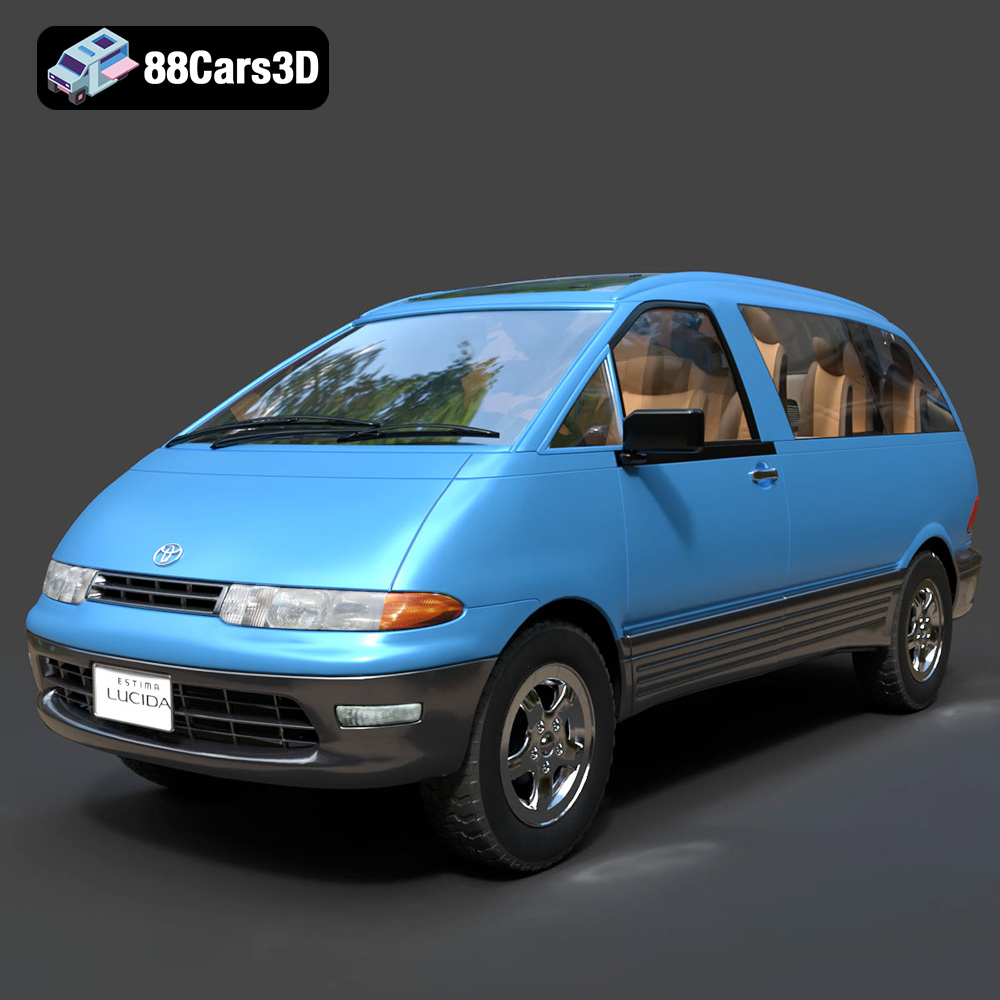
Toyota Estima Lucida 3D Model
Texture: Yes
Material: Yes
Download the Toyota Estima Lucida 3D Model featuring its iconic compact MPV design, versatile interior, and accurate exterior details. Includes .blend, .fbx, .obj, .glb, .stl, .ply, .unreal, and .max formats for rendering, simulation, and game development.
Price: $24.99

Toyota Alphard 3D Model
Texture: Yes
Material: Yes
Download the Toyota Alphard 3D Model featuring a detailed luxury minivan design with an accurate exterior and interior. Includes .blend, .fbx, .obj, .glb, .stl, .ply, .unreal, and .max formats for rendering, simulation, and game development.
Price: $21.99
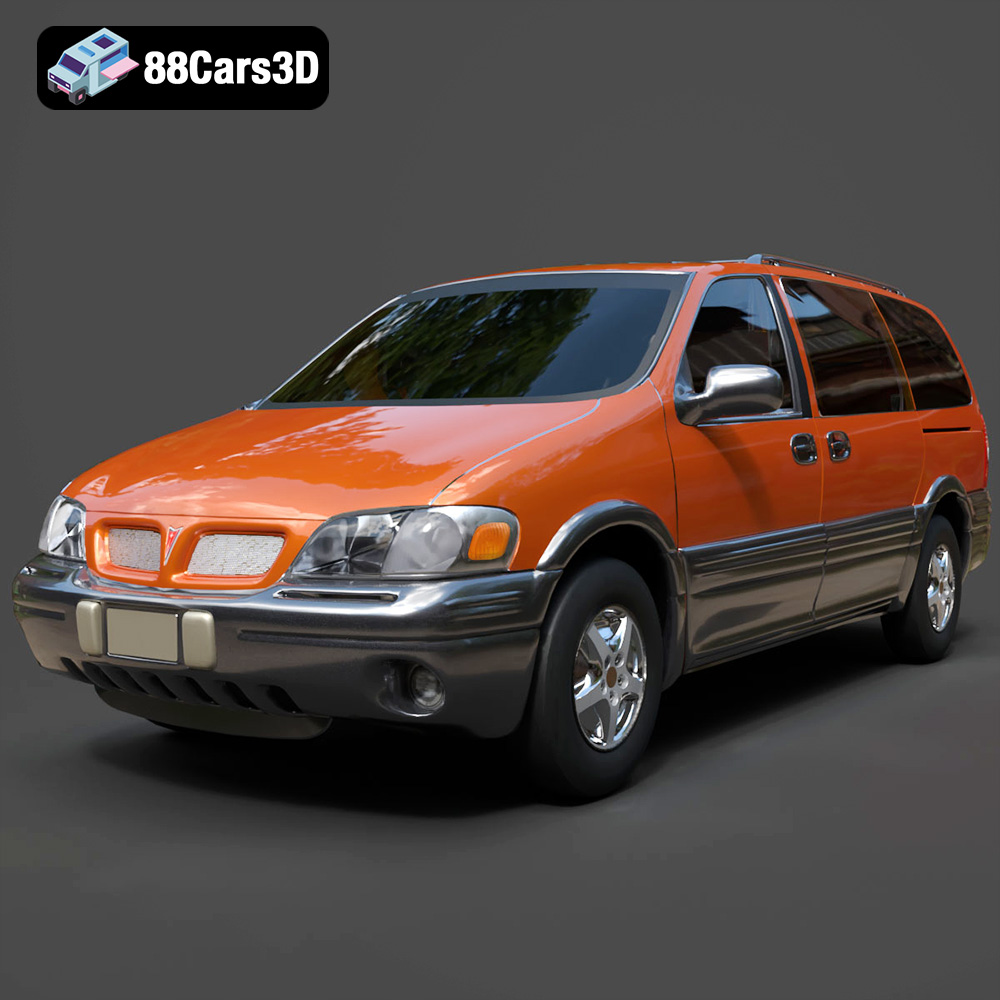
Pontiac Montana 1998 3D Model
Texture: Yes
Material: Yes
Download the Pontiac Montana 1998 3D Model featuring a detailed exterior, functional interior, and optimized mesh. Includes .blend, .fbx, .obj, .glb, .stl, .ply, .unreal, and .max formats for rendering, simulation, and game development.
Price: $21.99
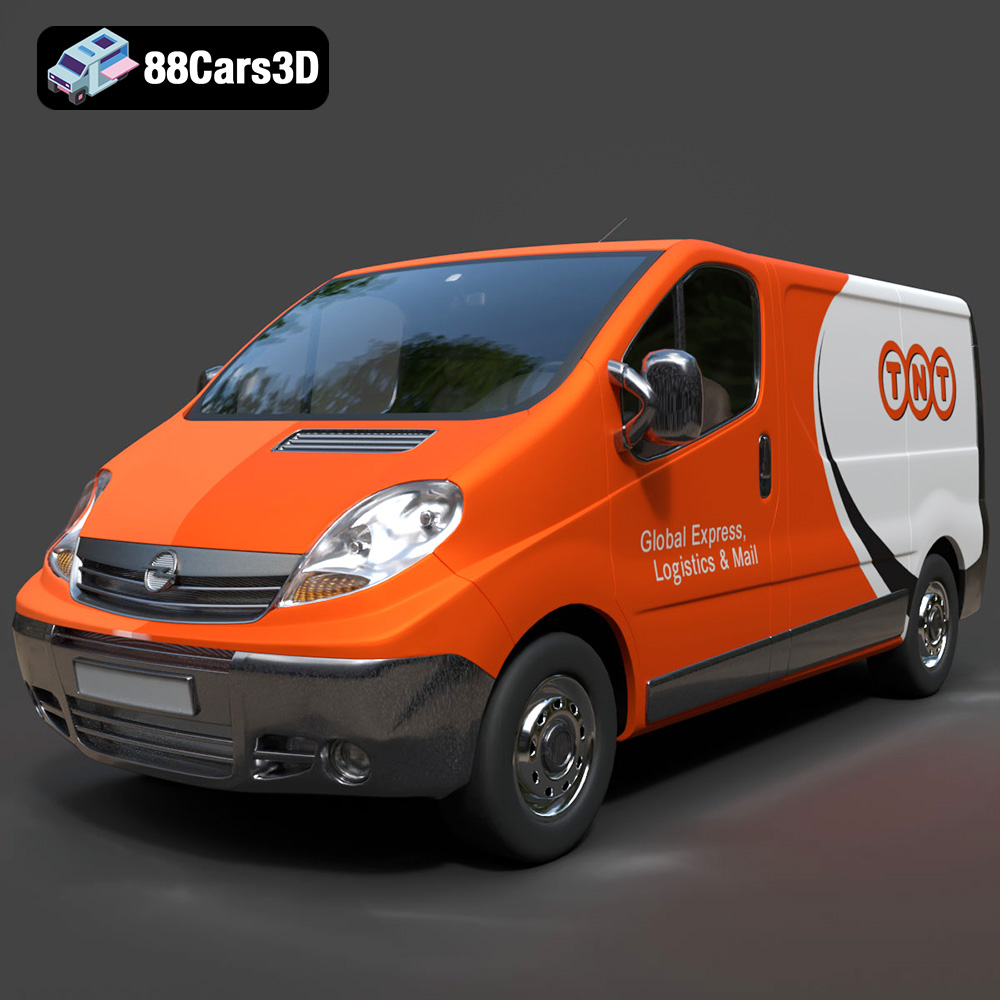
Opel Vivaro 3D Model
Texture: Yes
Material: Yes
Download the Opel Vivaro 3D Model featuring a versatile commercial van design with balanced detailing. Includes .blend, .fbx, .obj, .glb, .stl, .ply, .unreal, and .max formats for rendering, simulation, and game development.
Price: $21.99
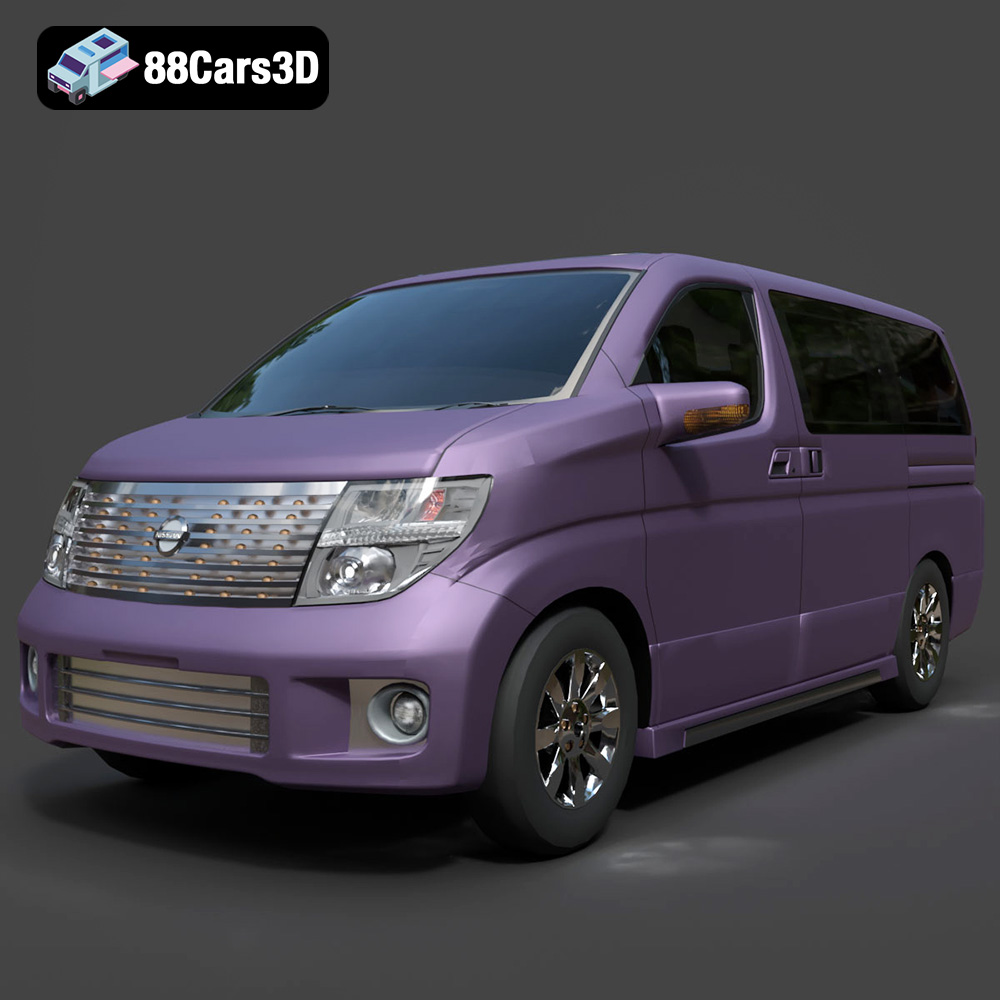
Nissan Elgrand 3D Model
Texture: Yes
Material: Yes
Download the Nissan Elgrand 3D Model featuring a versatile minivan design. Includes .blend, .fbx, .obj, .glb, .stl, .ply, .unreal, and .max formats for rendering, simulation, and game development.
Price: $21.99
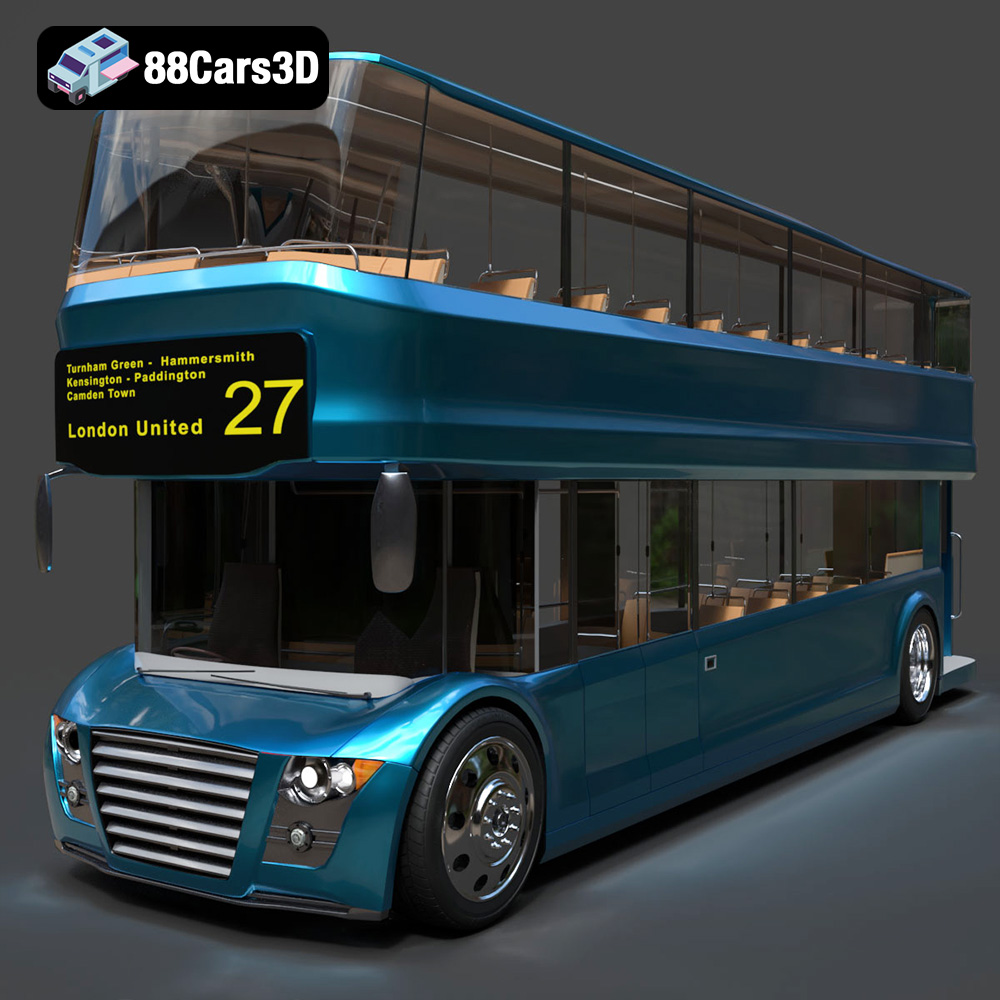
New Bus For London 3D Model
Texture: Yes
Material: Yes
Download the New Bus For London 3D Model featuring a detailed exterior and interior, optimized for rendering and animation. Includes .blend, .fbx, .obj, .glb, .stl, .ply, .unreal, and .max formats for rendering, simulation, and game development.
Price: $21.99
