

“`html
Mastering the Art of 3D Printing Realistic Car Models from STL Files
The allure of classic cars, futuristic concepts, and rally-ready machines has long captivated enthusiasts. Today, the intersection of automotive passion and cutting-edge technology offers an unprecedented way to bring these dreams to life: 3D printing. Transforming a digital STL file into a tangible, high-fidelity replica of your favorite vehicle is an incredibly rewarding process. However, achieving truly realistic results requires more than just hitting ‘print’. This comprehensive guide will delve deep into the intricate world of 3D printing car models, from understanding STL file intricacies and mastering your 3D printer settings to perfecting slicing techniques, generating effective support structures, and executing flawless post-processing. Whether you’re a seasoned maker or just beginning your additive manufacturing journey, by the end of this article, you’ll possess the knowledge and confidence to create stunning, collectible automotive masterpieces.
Decoding the STL File: The Blueprint of Your 3D Model
At the heart of every 3D printable car model lies the STL file. Understanding its structure is paramount to successful printing. STL (STereoLithography) represents a 3D model as a collection of triangular facets. Imagine building a complex car body entirely from tiny, flat triangles – that’s essentially what an STL does. The orientation and connectivity of these triangles define the surface geometry. While seemingly simple, the quality of this mesh directly impacts printability. A poorly constructed STL can lead to holes, non-manifold edges, and inverted normals, all of which are recipes for printing failure. Therefore, the first crucial step is to ensure the integrity of your STL file.
Mesh Topology and Manifold Geometry
A “manifold” mesh is essential for 3D printing, meaning it represents a watertight, solid object with no holes or internal faces. Think of it like a sealed container – you can’t pour liquid through the walls because it’s solid. In 3D printing, this translates to a model that the slicer software can interpret as a single, continuous volume. Non-manifold geometry, on the other hand, includes issues like edges shared by more than two triangles, faces with inward-facing normals, or holes in the surface. For automotive models, where smooth curves and precise panel gaps are critical, even minor topological errors can manifest as printing artifacts. Software like Meshmixer, Blender, or Netfabb are invaluable tools for diagnosing and repairing these mesh issues. They offer functions to automatically detect and fix common problems, ensuring your model is print-ready.
File Formats and Their Implications
While STL is the most common format for 3D printing, it’s not the only one. OBJ and FBX files are also frequently encountered, especially when downloading complex models or game assets. OBJ files can store color and texture information, which is beneficial for later stages of texturing and painting but doesn’t directly impact the slicing process itself. FBX files, often used in animation and game development, can contain even more complex data. However, for direct slicing and printing, the STL format remains the industry standard due to its simplicity. When acquiring models from platforms like 88cars3d.com, you’ll typically find them provided as high-quality STL files, often pre-checked for common errors, saving you significant preparation time.
Optimizing STL for Printing: Detail vs. File Size
High-detail car models can result in very large STL files with millions of triangles. While more triangles can capture finer details, excessively dense meshes can overwhelm slicer software, slow down processing, and even lead to memory errors. Conversely, too few triangles can result in a faceted, blocky appearance, especially on curved surfaces like a car’s bodywork. Finding the right balance is key. For most FDM printers, a resolution that captures essential details without creating an unmanageable file size is ideal. Decimation tools in modeling software can reduce the triangle count while attempting to preserve the overall shape and critical features. Platforms such as 88cars3d.com focus on providing optimized STL files that balance detail with printability, ensuring a smooth workflow for their users.
Slicing Mastery: Translating STL to Printer Instructions
The slicer is your digital intermediary, converting your 3D model’s geometry into layer-by-layer instructions (G-code) that your 3D printer can understand and execute. Choosing the right slicer and configuring its parameters correctly is crucial for achieving high-quality prints, especially for intricate models like cars. Popular slicers include Ultimaker Cura, PrusaSlicer, and Simplify3D. Each offers a vast array of settings, and understanding how they interact is key to success. For car models, we’re often aiming for fine details, smooth surfaces, and structural integrity, which requires careful tuning of these parameters.
Layer Height: The Tradeoff Between Detail and Time
Layer height is one of the most significant factors affecting print quality and duration. It determines the thickness of each individual layer deposited by the printer. For highly detailed automotive models, a smaller layer height (e.g., 0.08mm to 0.12mm for FDM, or even 0.025mm to 0.05mm for resin) will yield smoother surfaces and finer features, reducing the visible “stair-stepping” effect on curved areas. However, printing at lower layer heights dramatically increases print time. For example, printing a car body at 0.1mm might take 20 hours, while dropping to 0.05mm could push it to 40 hours or more. A good starting point for FDM printing car models is often 0.15mm, balancing detail and speed. For parts where speed is more critical or detail is less paramount, 0.2mm or 0.25mm might be acceptable. Resin printers naturally offer much finer detail at lower layer heights.
Infill: Strength, Weight, and Material Savings
Infill refers to the internal structure printed within the outer walls of your model. For decorative car models, high infill density is often unnecessary and wastes material and print time. A low infill percentage (e.g., 5% to 15%) is usually sufficient for structural support. The infill pattern also plays a role; a 3D honeycomb or gyroid pattern can offer good strength with less material compared to rectilinear patterns. For functional parts or models that will undergo significant handling, increasing infill density (20-50%) may be necessary for added durability. Consider the specific part of the car model; wheels might benefit from higher infill than a car door.
Print Speed and Acceleration: Finding the Sweet Spot
Printing too fast can lead to poor layer adhesion, ringing artifacts, and reduced detail. Printing too slow can excessively increase print time and may even cause issues like heat creep in the extruder. For detailed car models, reducing print speed, especially for outer walls and small features, is often beneficial. A common starting point for outer walls on FDM printers is around 30-50 mm/s, while inner walls can be printed faster. Acceleration settings also influence how quickly the print head changes direction; lower acceleration values can reduce vibrations and ghosting, leading to cleaner prints. Experimentation is key here, as optimal speeds vary significantly between different printer models, nozzle sizes, and filament types.
The Art of Support Structures: Holding It All Together
Many car models feature overhangs, bridges, and complex geometries that cannot be printed without support. Supports are temporary structures printed beneath these unsupported sections to ensure they solidify correctly before the next layer is added. Their generation, placement, and subsequent removal are critical for achieving a clean, professional finish on your 3D printed car. Improperly designed or difficult-to-remove supports can damage delicate features or leave unsightly marks on the model’s surface.
Automatic vs. Manual Support Generation
Most slicers offer automatic support generation, which is a convenient starting point. You can typically choose between ‘touching buildplate’ or ‘everywhere’ supports. For car models, ‘touching buildplate’ is often preferred to avoid supporting parts of the car’s body that are already self-supporting. However, automatic supports aren’t always perfect. They might place supports in inaccessible locations or fail to adequately support critical overhangs. Manual support placement allows you to precisely control where supports are generated, ensuring they are placed strategically on less visible areas or can be easily removed. Tools like Cura and PrusaSlicer allow for custom support placement.
Support Settings: Fine-Tuning for Easy Removal
Several key settings influence support quality and ease of removal:
- Support Density: Lower density (e.g., 10-15%) makes supports easier to break away.
- Support Z Distance: This is the gap between the support structure and the model. A slightly larger Z distance (e.g., 2-3x layer height) makes removal easier, but too large a gap can lead to poor surface quality on the overhang.
- Support XY Distance: The gap between the support and the model horizontally. A small XY distance ensures good contact for stability, but can make removal trickier.
- Support Interface: Printing a dense interface layer at the top of the support structure where it meets the model can improve the surface finish of the overhang, though it can make removal more difficult.
- Support Pattern: Grid or zig-zag patterns are common, offering good support.
For delicate automotive parts, consider using tree supports if your slicer offers them; they often use less material and are easier to remove than traditional supports.
Support Removal Techniques
Patience and the right tools are essential for clean support removal. Start by gently wiggling the support structures to loosen them. Small needle-nose pliers, flush cutters, hobby knives (X-Acto blades), and dental picks are excellent tools for carefully removing supports. For FDM prints, heating the model slightly (e.g., with a hairdryer on a low setting) can sometimes make supports more brittle and easier to break off cleanly. Always remove supports carefully, working slowly to avoid damaging the printed model. For resin prints, supports are typically removed after washing and before final curing, often with pliers or cutters, and then the small contact points are sanded smooth.
Print Orientation and Bed Adhesion: The Foundation of Success
How you position your 3D car model on the print bed and ensuring it sticks reliably are fundamental to a successful print. The orientation affects how supports are generated, the direction of layer lines (which impacts surface finish), and the overall strength of the printed part. Proper bed adhesion prevents the print from detaching during the printing process, which is a common cause of catastrophic print failures.
Optimizing Print Orientation
When orienting a car model in your slicer, consider several factors:
- Minimize Overhangs: Try to position the model so that the most significant overhangs are minimized or can be supported efficiently. For instance, printing a car body upright often requires extensive supports for the undercarriage and wheel wells. Laying the car on its side or back might reduce the need for supports on key visible surfaces.
- Maximize Surface Quality: Layer lines are most visible on upward-facing surfaces. If you want a perfectly smooth hood or roof, orient the model so these surfaces are either horizontal or have minimal exposure to layer lines.
- Strength Considerations: For parts that might experience stress, orient them so that layer lines are perpendicular to the primary stress direction.
- Support Access: Consider how easily supports can be placed and removed. Orienting parts so critical details are facing upwards can reduce the need for supports on those surfaces.
For complex models like those found on 88cars3d.com, it’s often beneficial to print individual components (body, chassis, wheels) separately and then assemble them, allowing for optimal orientation of each piece.
Bed Adhesion Techniques for FDM Printing
A strong first layer is the cornerstone of a successful FDM print. Several methods can ensure reliable bed adhesion:
- Leveling the Print Bed: An accurately leveled bed ensures consistent nozzle distance across the entire surface, crucial for that perfect first layer squish.
- Bed Surface Preparation: Cleaning the print bed with isopropyl alcohol removes oils and dust. For particularly stubborn adhesion issues, consider using a glue stick, hairspray, or specialized build surface adhesives like Magigoo.
- Build Plate Materials: Glass, PEI (Polyetherimide) sheets, and BuildTak offer different adhesion properties. PEI is often favored for its excellent balance of adhesion and ease of part removal.
- Brims and Rafts: A brim adds a single layer of material around the base of your print, increasing surface area for adhesion. A raft prints a disposable base layer beneath your model, providing a stable foundation but consuming more material and potentially leaving marks on the bottom surface. For car models, a brim is often sufficient and preferred to avoid marring the underside.
- First Layer Settings: Print the first layer slower (e.g., 15-20 mm/s) and potentially at a slightly higher temperature (5-10°C hotter) to promote better adhesion. Ensure your initial layer height is set appropriately (often slightly thicker than subsequent layers).
For resin printing, a clean and level build plate, along with proper exposure settings for the initial layers, are key to successful adhesion.
Material Selection and Printer Calibration: The Building Blocks
The choice of printing material and the calibration of your 3D printer significantly influence the final quality and appearance of your automotive models. Different materials offer unique properties, and a well-calibrated printer ensures that your settings translate accurately into physical reality.
Common Filament Types for Car Models (FDM)
For FDM printing of car models, several filaments are popular:
- PLA (Polylactic Acid): The most common and easiest filament to print with. It offers good detail, a wide range of colors, and is rigid. However, it can be brittle and has a lower heat resistance, making it less suitable for models that will be exposed to high temperatures or significant stress. Ideal for display models.
- PETG (Polyethylene Terephthalate Glycol): Offers a good balance of strength, flexibility, and temperature resistance compared to PLA. It’s slightly more challenging to print but can produce durable parts. Good for models that might see more handling.
- ABS (Acrylonitrile Butadiene Styrene): Known for its strength, impact resistance, and higher temperature resistance. However, it’s prone to warping and requires a heated enclosure for successful printing, making it more difficult for beginners. Often used for functional prototypes.
- Specialty Filaments: Wood-filled, metal-filled, or carbon fiber-filled filaments can add unique aesthetic qualities to car models, mimicking the look of wood interiors or metallic components.
For resin (SLA/DLP/MSLA) printing, standard or tough resins are commonly used. Tough resins mimic ABS properties, offering increased durability and reduced brittleness, which is excellent for detailed car parts.
Printer Calibration Essentials
A properly calibrated printer is non-negotiable for high-quality prints. Key calibration steps include:
- E-Step Calibration: Ensures your extruder pushes out the correct amount of filament.
- PID Tuning: Stabilizes nozzle and bed temperatures, preventing fluctuations that affect print quality.
- Flow Rate/Extrusion Multiplier: Fine-tunes the amount of filament extruded to match your specific filament and printer, crucial for dimensional accuracy and eliminating over/under-extrusion.
- Retraction Settings: Calibrating retraction distance and speed minimizes stringing and oozing, especially important for detailed car models with intricate features.
- Bed Leveling and Z-Offset: As discussed earlier, this is critical for the first layer.
Regularly performing these calibrations, especially when changing filaments or noticing print quality degradation, will save you countless hours of troubleshooting.
Resin vs. FDM for Car Models
Both FDM and resin printing have their strengths for automotive models:
- FDM: Generally more affordable, larger build volumes are common, and a wider range of materials are available. It’s excellent for larger models or when cost-effectiveness is a priority. Layer lines are more visible, requiring more post-processing for a perfectly smooth finish.
- Resin: Offers significantly higher detail and smoother surface finishes right off the printer, making it ideal for small-scale, highly detailed models where surface quality is paramount. Build volumes are often smaller, and resins can be messier and more expensive to work with, requiring careful handling and post-processing (washing and curing).
For the absolute finest details, like intricate grilles, badges, or interior components, resin printing often excels. For larger, more robust models, or when budget is a concern, FDM is a strong contender, especially with careful slicing and post-processing.
Post-Processing: Bringing Your 3D Printed Car to Life
The journey doesn’t end when the print is finished. Post-processing is where a raw 3D print is transformed into a polished, realistic model. This involves cleaning, refining, and finishing the printed parts to achieve the desired aesthetic and build quality. For intricate car models, meticulous post-processing can elevate the final result from a mere print to a display-worthy piece.
Cleaning and Support Removal
The first step after printing is careful cleaning and support removal. For FDM prints, this involves breaking away support structures as described earlier, using pliers, cutters, and potentially sanding tools. For resin prints, it typically involves washing the print in isopropyl alcohol (IPA) or a specialized resin cleaner to remove uncured resin, followed by support removal while the part is still slightly flexible or after initial curing. Ensure all uncured resin is washed away, as it can remain sticky and toxic.
Sanding and Surface Smoothing
Layer lines are a common characteristic of FDM prints. To achieve a smooth surface finish:
- Sanding: Start with a coarser grit sandpaper (e.g., 120-220 grit) to remove major imperfections and layer lines, then progressively move to finer grits (400, 600, 800, 1000, and even higher). Wet sanding (using water or soapy water) can help reduce dust and achieve a smoother finish.
- Filler Primers: Automotive filler primers (available in spray cans) are excellent for filling small gaps and smoothing surfaces before painting. Multiple light coats with sanding in between can yield fantastic results.
- Solvent Smoothing (Use with Caution): For ABS prints, acetone vapor smoothing can create an incredibly smooth, glossy finish. However, this process requires significant safety precautions and careful execution to avoid damaging the print.
Resin prints typically require less sanding due to their inherently smoother finish, primarily focusing on sanding down the small nubs left by support contact points.
Assembly and Painting
Many complex car models are designed to be printed in multiple parts for easier printing and assembly.
- Assembly: Use appropriate adhesives such as super glue (cyanoacrylate), plastic cement, or epoxy for joining parts. Ensure clean mating surfaces for a strong bond. Clamps or masking tape can help hold parts together while the adhesive cures.
- Painting: For the best results, use modeling paints (acrylics or enamels) and apply them using an airbrush or spray cans for a uniform finish. Apply a primer coat first to ensure paint adhesion and reveal any remaining surface imperfections. Multiple thin coats are better than one thick coat. Decals and weathering effects can further enhance realism.
Taking your time with assembly and painting is crucial for a professional-looking replica. The level of detail available in downloadable models from sources like 88cars3d.com provides an excellent canvas for detailed painting and customization.
Troubleshooting Common Printing Issues
Even with careful preparation, 3D printing can present challenges. Understanding common problems and their solutions will save you time and frustration when printing intricate car models.
Warping and Poor Bed Adhesion
As discussed, this is often caused by uneven cooling of the plastic, leading to shrinkage and detachment from the build plate. Solutions include ensuring proper bed leveling, cleaning the build surface, using adhesives, adjusting first layer settings, and potentially using a heated enclosure for materials prone to warping like ABS.
Stringing and Oozing
Fine strands of filament left between printed sections. This is typically caused by filament oozing from the nozzle during non-printing travel moves. Solutions involve calibrating retraction settings (distance and speed), reducing nozzle temperature slightly, and ensuring filament is dry.
Layer Shifting
Layers are misaligned, resulting in a “shifted” appearance. This usually indicates a mechanical issue. Check that belts are tensioned correctly, that stepper motor drivers are not overheating (consider adding heatsinks or a fan), and that the print head can move freely without obstruction.
Under-Extrusion or Over-Extrusion
Prints appear thin, weak, and have gaps (under-extrusion), or look blobby and dimensions are off (over-extrusion). This points to issues with filament flow. Recalibrate your E-steps, check for nozzle clogs, ensure the extruder gear is gripping the filament properly, and fine-tune your flow rate setting in the slicer.
Failed Supports
Supports break or detach during printing, causing overhangs to collapse. This can be due to insufficient support density, incorrect support settings (e.g., too large a Z-distance), poor bed adhesion of the support structures themselves, or printing too fast on unsupported sections.
By systematically diagnosing these issues and applying the appropriate fixes, you can overcome most printing hurdles and ensure your 3D printed car models turn out perfectly. Resources like online forums, printer manufacturer support pages, and communities dedicated to 3D printing are invaluable for seeking advice.
Creating realistic 3D printed car models is a rewarding fusion of art and technology. By thoroughly understanding the nuances of STL files, mastering your slicer’s capabilities, meticulously generating and removing support structures, ensuring solid bed adhesion, selecting the right materials, and dedicating time to post-processing, you can achieve breathtaking results. Whether you’re printing for a personal collection, a hobby project, or even for educational demonstrations, the principles outlined here provide a robust foundation. Platforms like 88cars3d.com are dedicated to providing high-quality, print-ready STL files that simplify the initial stages, allowing you to focus on the exciting process of bringing these automotive icons to life layer by layer. Embrace the challenge, experiment with settings, and enjoy the incredible satisfaction of holding your own meticulously crafted 3D printed car model in your hands.
“`
Featured 3D Car Models
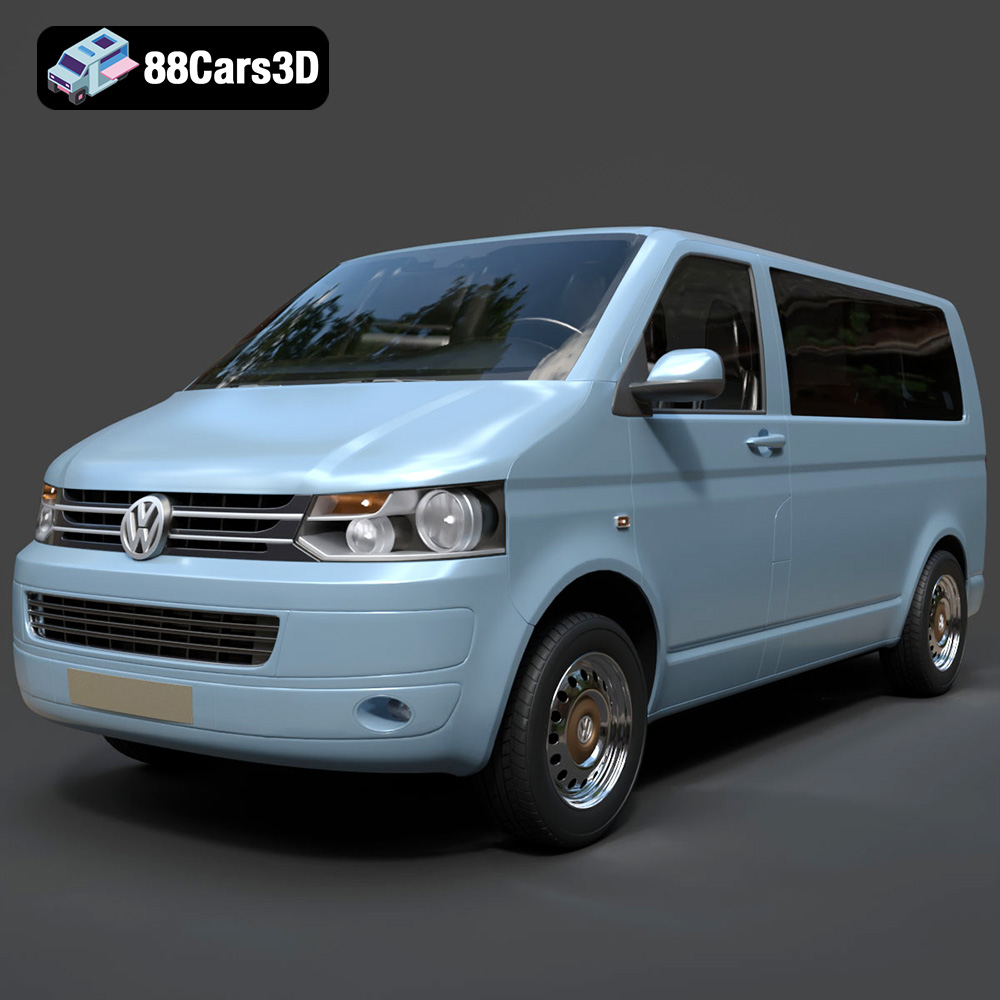
Volkswagen Transporter T5 FL 2010 3D Model
Texture: Yes
Material: Yes
Download the Volkswagen Transporter T5 FL 2010 3D Model featuring clean geometry, realistic detailing, and a fully modeled interior. Includes .blend, .fbx, .obj, .glb, .stl, .ply, .unreal, and .max formats for rendering, simulation, and game development.
Price: $22.99
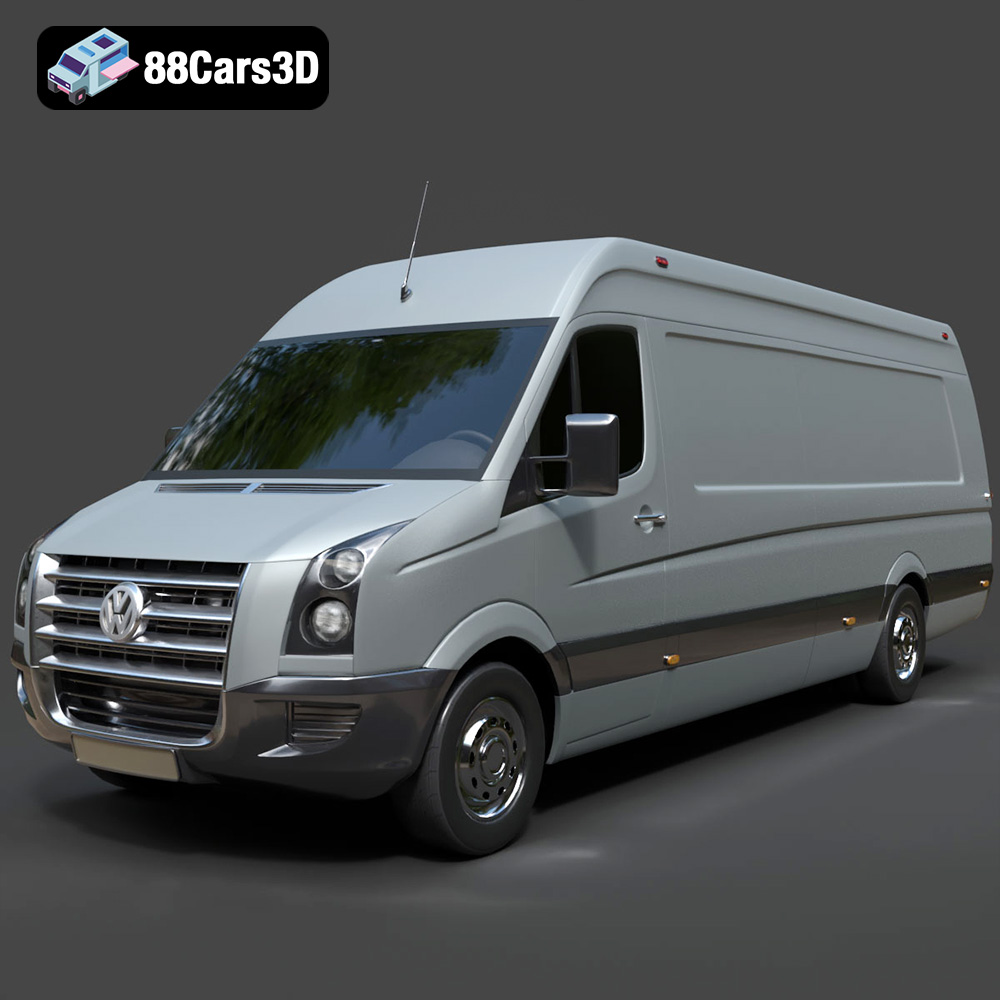
Volkswagen Crafter 2020 3D Model
Texture: Yes
Material: Yes
Download the Volkswagen Crafter 2020 3D Model featuring clean geometry, realistic detailing, and a fully modeled interior. Includes .blend, .fbx, .obj, .glb, .stl, .ply, .unreal, and .max formats for rendering, simulation, and game development.
Price: $22.99
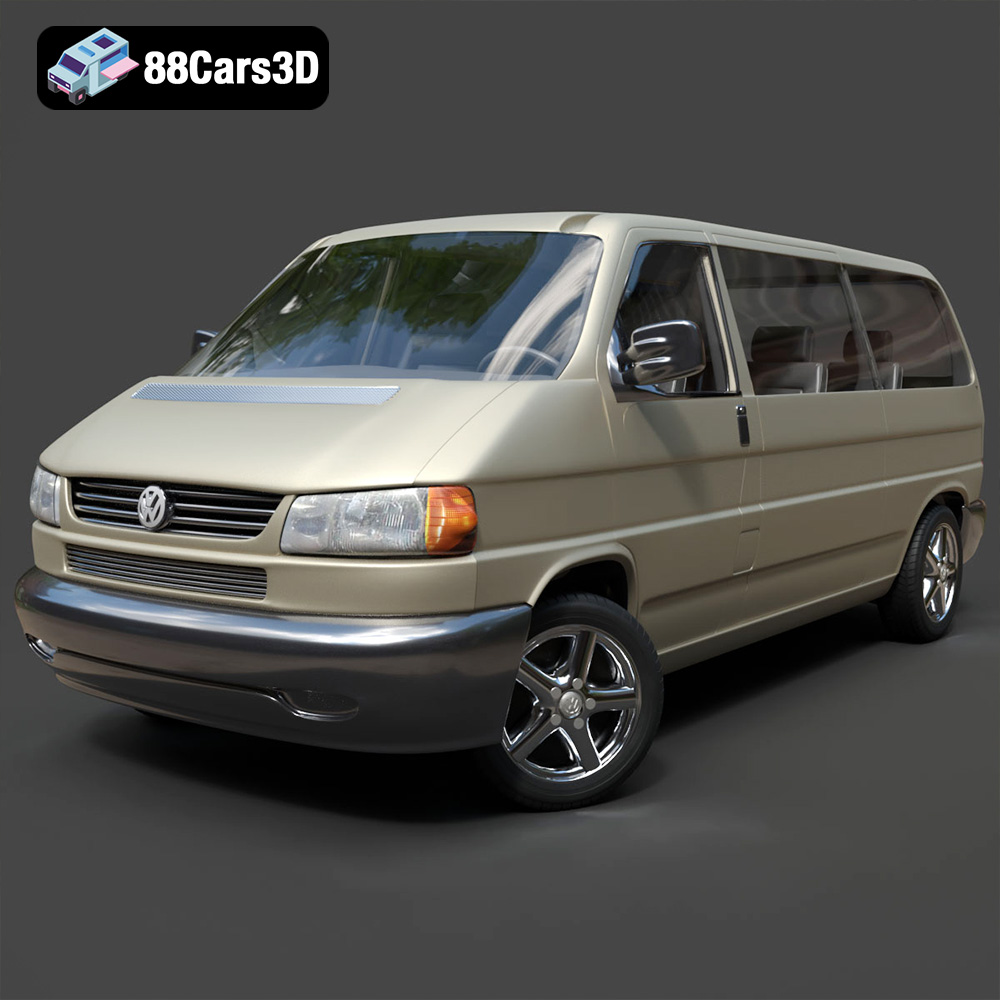
Volkswagen Caravelle 2020 3D Model
Texture: Yes
Material: Yes
Download the Volkswagen Caravelle 3D Model featuring a detailed exterior, functional interior, and optimized topology. Includes .blend, .fbx, .obj, .glb, .stl, .ply, .unreal, and .max formats for rendering, simulation, and game development.
Price: $23.99
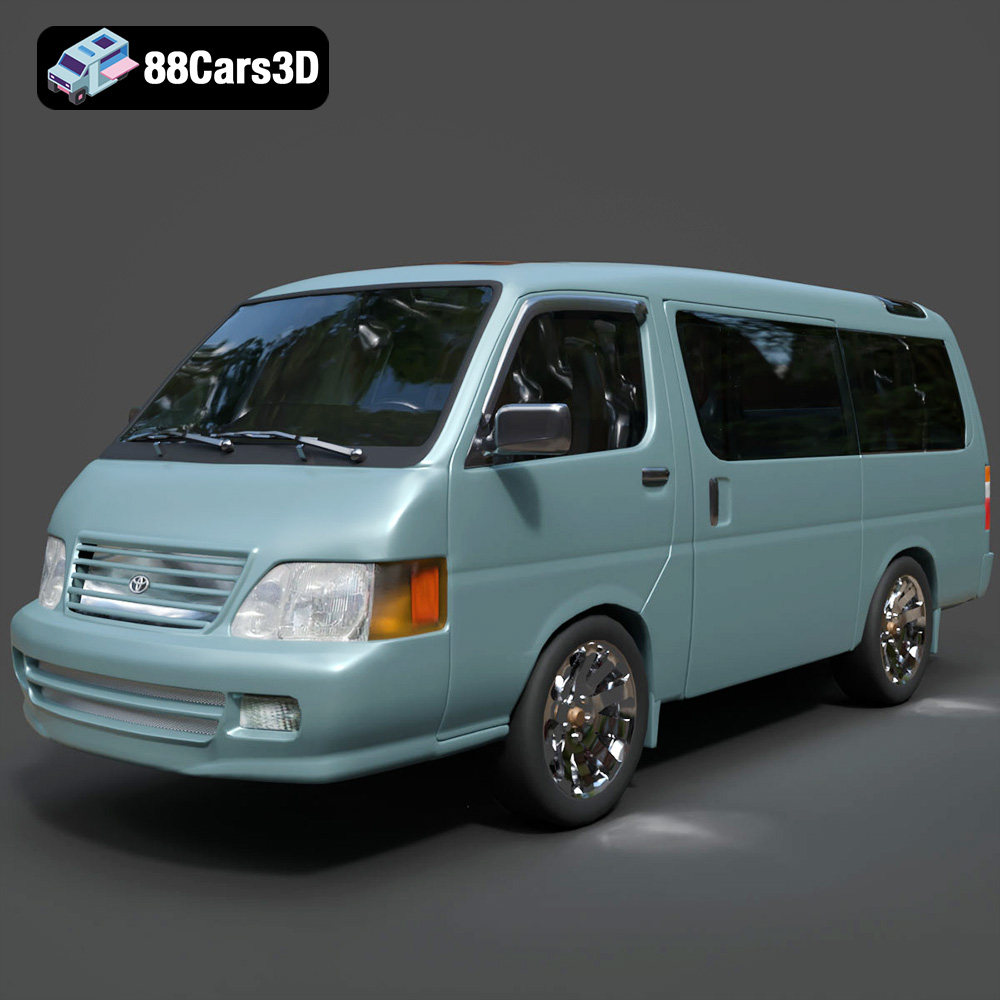
Toyota Hiace 3D Model
Texture: Yes
Material: Yes
Download the Toyota Hiace 3D Model featuring versatile design and detailed exterior. Includes .blend, .fbx, .obj, .glb, .stl, .ply, .unreal, and .max formats for rendering, simulation, and game development.
Price: $21.99
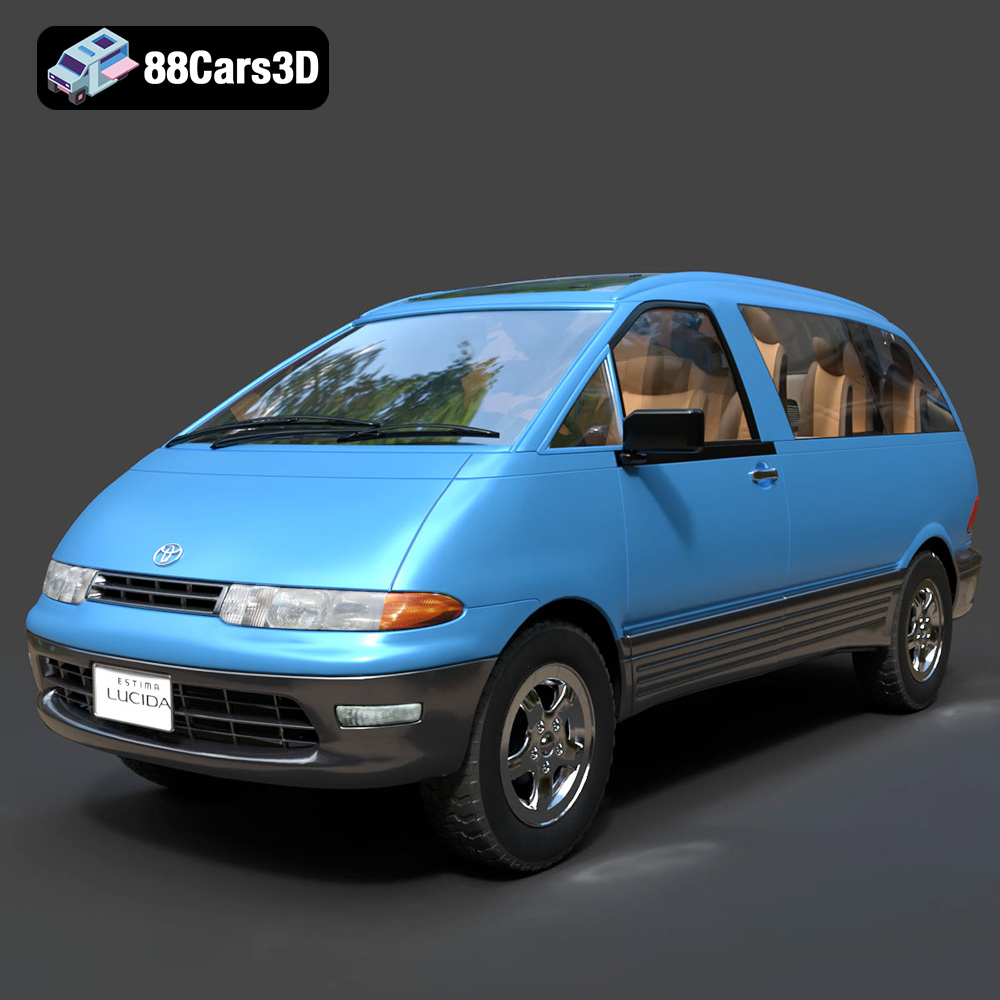
Toyota Estima Lucida 3D Model
Texture: Yes
Material: Yes
Download the Toyota Estima Lucida 3D Model featuring its iconic compact MPV design, versatile interior, and accurate exterior details. Includes .blend, .fbx, .obj, .glb, .stl, .ply, .unreal, and .max formats for rendering, simulation, and game development.
Price: $24.99

Toyota Alphard 3D Model
Texture: Yes
Material: Yes
Download the Toyota Alphard 3D Model featuring a detailed luxury minivan design with an accurate exterior and interior. Includes .blend, .fbx, .obj, .glb, .stl, .ply, .unreal, and .max formats for rendering, simulation, and game development.
Price: $21.99
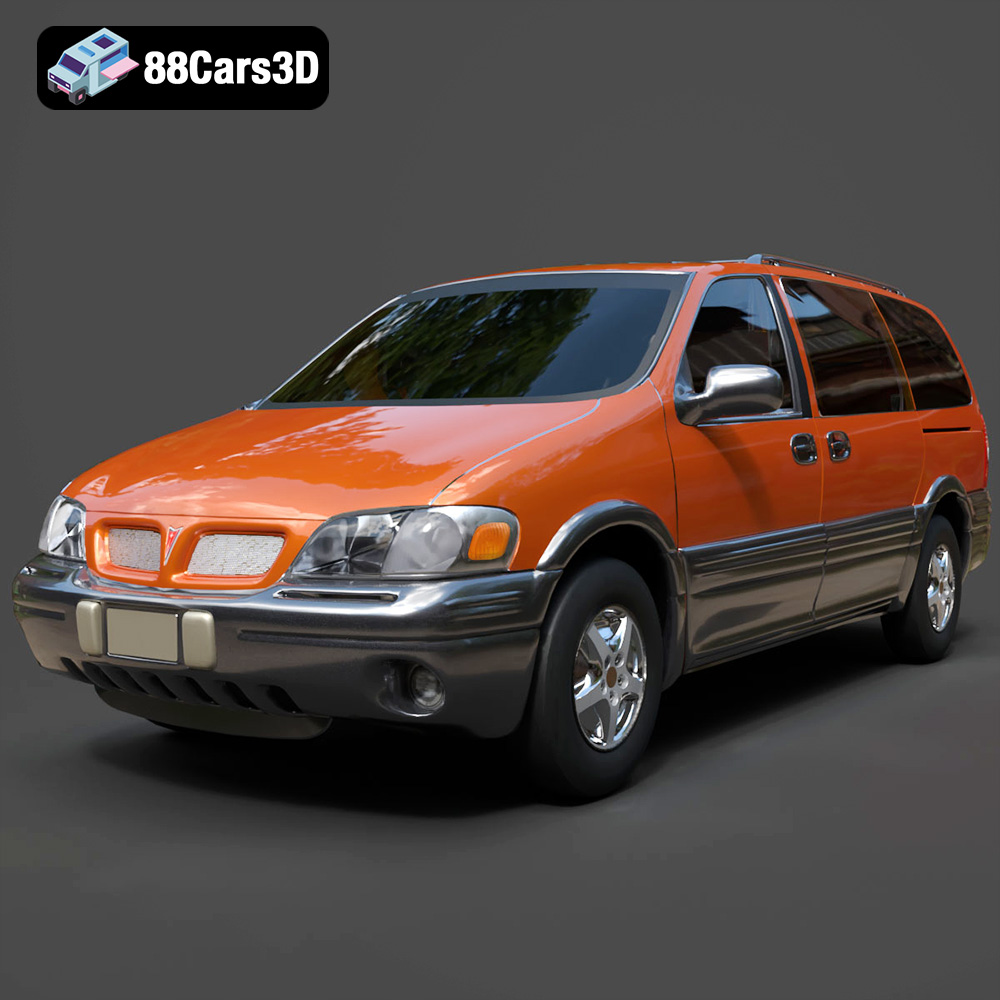
Pontiac Montana 1998 3D Model
Texture: Yes
Material: Yes
Download the Pontiac Montana 1998 3D Model featuring a detailed exterior, functional interior, and optimized mesh. Includes .blend, .fbx, .obj, .glb, .stl, .ply, .unreal, and .max formats for rendering, simulation, and game development.
Price: $21.99
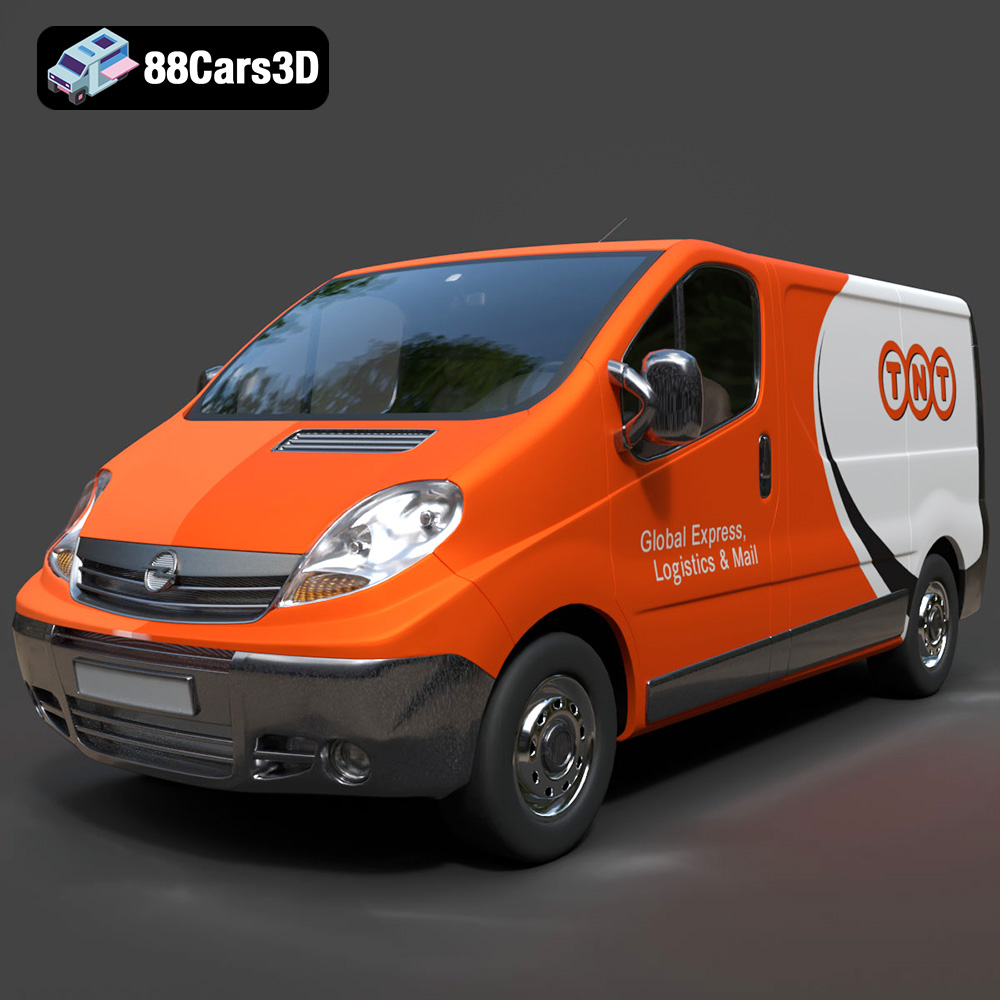
Opel Vivaro 3D Model
Texture: Yes
Material: Yes
Download the Opel Vivaro 3D Model featuring a versatile commercial van design with balanced detailing. Includes .blend, .fbx, .obj, .glb, .stl, .ply, .unreal, and .max formats for rendering, simulation, and game development.
Price: $21.99
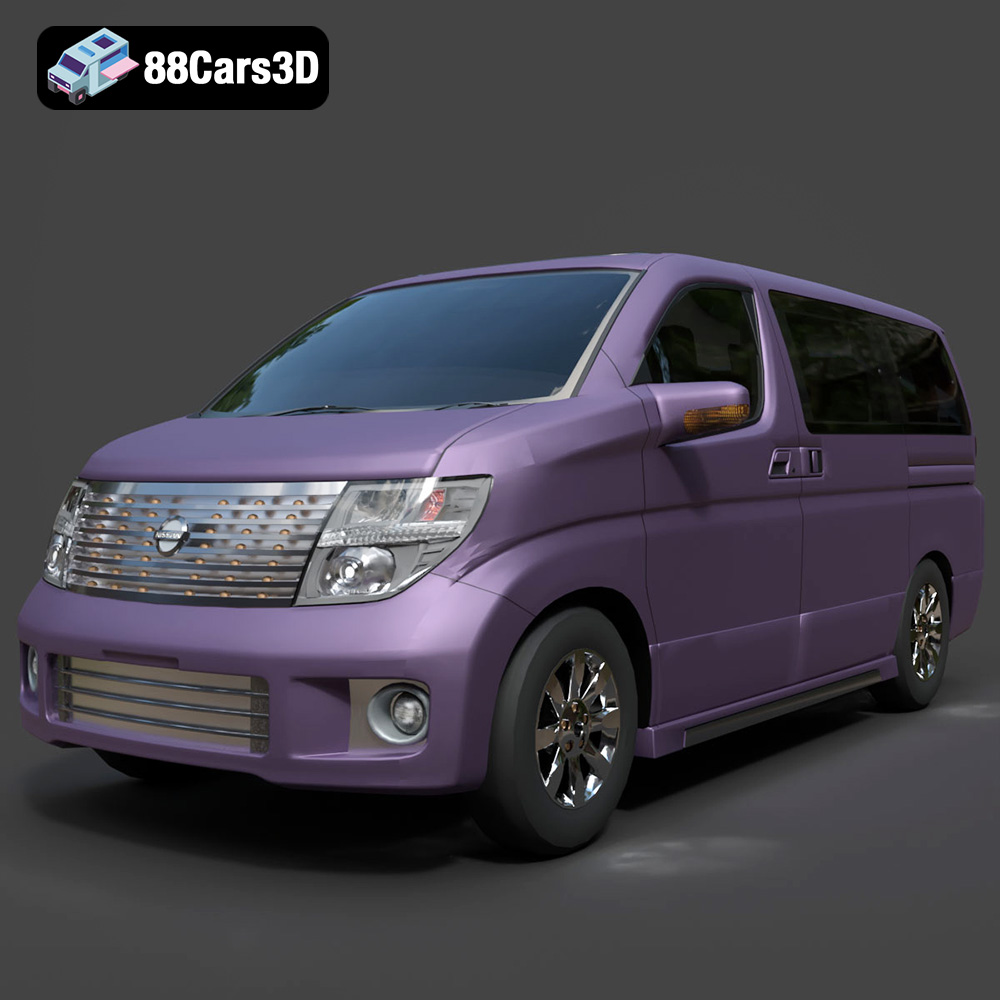
Nissan Elgrand 3D Model
Texture: Yes
Material: Yes
Download the Nissan Elgrand 3D Model featuring a versatile minivan design. Includes .blend, .fbx, .obj, .glb, .stl, .ply, .unreal, and .max formats for rendering, simulation, and game development.
Price: $21.99
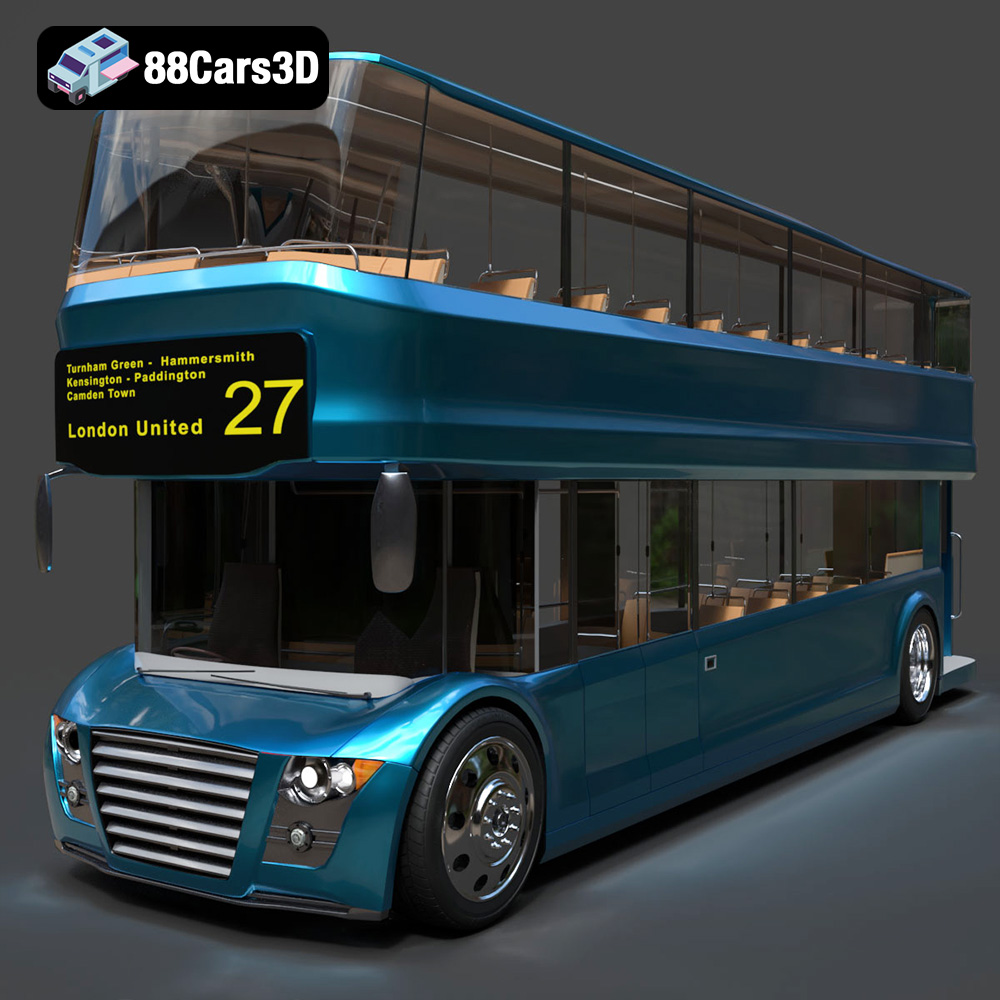
New Bus For London 3D Model
Texture: Yes
Material: Yes
Download the New Bus For London 3D Model featuring a detailed exterior and interior, optimized for rendering and animation. Includes .blend, .fbx, .obj, .glb, .stl, .ply, .unreal, and .max formats for rendering, simulation, and game development.
Price: $21.99
