

Creating truly immersive automotive experiences in Unreal Engine demands more than just visually stunning 3D car models; it requires a deep understanding of vehicle physics. While a beautifully rendered vehicle can captivate an audience, it’s the way it handles, accelerates, brakes, and reacts to the environment that truly brings it to life. For game developers, automotive configurator designers, and virtual production specialists, mastering realistic vehicle physics is paramount to delivering believable and engaging simulations.
The journey from a static 3D model to a dynamic, drivable asset involves a complex interplay of engine mechanics, suspension dynamics, tire friction, and input mapping. Fortunately, Unreal Engine provides robust tools and systems, primarily its Chaos Vehicle Physics system, to tackle this challenge. Coupled with high-quality, pre-optimized 3D car models—such as those found on 88cars3d.com—you can significantly streamline your development process and focus on fine-tuning the intricate behaviors that define a realistic driving experience.
In this comprehensive guide, we’ll delve into the technical intricacies of setting up and optimizing realistic vehicle physics within Unreal Engine. We’ll explore everything from collision geometry and drivetrain configuration to advanced Blueprint controls, visual feedback, and performance optimization. By the end, you’ll have a solid foundation to transform your static automotive assets into dynamic, responsive, and utterly convincing virtual vehicles, ready for demanding real-time applications.
Foundations of Vehicle Physics in Unreal Engine: Setting Up Your Drivable Assets
The first step in bringing a 3D car model to life in Unreal Engine is laying a robust foundation for its physical simulation. This involves preparing your 3D asset, configuring its collision properties, and understanding the core components of Unreal’s vehicle physics system. Accuracy and efficiency in these initial stages are crucial for a smooth development process and realistic results.
Physics Assets and Collision Setup
For any object to interact physically within Unreal Engine, it needs a collision representation. For complex objects like vehicles, a dedicated Physics Asset is essential. While skeletal meshes typically have simplified collision primitives generated automatically, vehicles require more precision, especially for wheel-ground interaction and body collisions.
When you import a 3D car model, particularly an optimized one from platforms like 88cars3d.com, it usually comes with a well-structured skeletal mesh. Each wheel should be a separate bone in the skeletal hierarchy, allowing for independent rotation and suspension travel. To create a Physics Asset, right-click your Skeletal Mesh and choose “Create Physics Asset.” In the Physics Asset Editor, you’ll need to generate simple collision shapes (capsules, spheres, boxes) for the main body and, critically, for each wheel. For the main body, a convex hull or multiple box primitives often provide a good balance between accuracy and performance. For wheels, simple capsules are ideal, providing accurate contact points and roll behavior.
Pro Tip: Ensure your collision geometry is not overly complex. Too many collision primitives can be a performance bottleneck. Aim for a simplified but accurate representation that covers the main interaction surfaces. You can adjust the “Complexity” setting for static meshes to “Use Complex as Simple” if needed for detailed environments, but for moving vehicle bodies, simpler collision is generally better for performance.
Introduction to Chaos Vehicle Physics
Unreal Engine 5 and later versions primarily utilize the Chaos physics engine, which offers a robust and highly customizable framework for vehicle simulation, replacing the legacy PhysX system. Chaos provides enhanced flexibility, better performance scaling, and a more modular approach to physics, making it ideal for creating diverse vehicle types and behaviors. For detailed documentation on Chaos, refer to the official Unreal Engine learning resources: dev.epicgames.com/community/unreal-engine/learning.
The Chaos Vehicle system is driven by a component called ChaosWheeledVehicleMovementComponent. This component manages all the underlying physics calculations, including engine torque, transmission, suspension, and tire interaction. It provides a wide array of configurable parameters exposed directly in the Blueprint editor, allowing artists and designers to tweak vehicle behavior without diving into C++ code.
Key advantages of Chaos Vehicles include:
- Scalability: Better performance with a large number of simulated vehicles.
- Modular Design: Easier to extend and customize for unique vehicle mechanics.
- Improved Stability: More robust simulation across various scenarios.
Understanding the component’s structure and the parameters it exposes is fundamental to configuring your vehicle’s physical properties effectively.
The Wheeled Vehicle Blueprint Class
To bring together your skeletal mesh, Physics Asset, and Chaos Vehicle component, you’ll create a Blueprint class based on WheeledVehiclePawn or WheeledVehiclePawn_C. This Blueprint acts as the container for your vehicle, enabling you to add logic and define its behavior.
- Create a new Blueprint class and search for WheeledVehiclePawn (or WheeledVehiclePawn_C).
- Open the newly created Blueprint. In the Components panel, you’ll see a SkeletalMeshComponent and a ChaosWheeledVehicleMovementComponent.
- Select the SkeletalMeshComponent and assign your imported car’s skeletal mesh to its “Skeletal Mesh” property.
- Ensure the “Physics Asset” is correctly assigned, and crucially, enable “Simulate Physics” on the Skeletal Mesh Component.
- Navigate to the ChaosWheeledVehicleMovementComponent and expand the “Vehicle Setup” category. Here, you’ll define the number of wheels, assign the correct bones from your skeletal mesh to each wheel slot, and configure their radius, width, and offset. This precise mapping is vital for accurate wheel-ground contact and visual alignment.
This Blueprint will serve as the central hub for all your vehicle’s physical and interactive properties. Spend time ensuring the wheel setup is correct, as this will prevent numerous headaches down the line related to steering, suspension, and traction.
Crafting Realistic Drivetrain and Suspension: The Heart of Vehicle Dynamics
With the foundational setup complete, the next critical phase involves configuring the engine, transmission, suspension, and tires. These elements are the core drivers of a vehicle’s behavior, dictating everything from its acceleration and top speed to its handling characteristics and ride comfort. Achieving realism here requires a detailed understanding of how each parameter influences the overall driving experience.
Engine and Transmission Configuration
The engine and transmission settings directly control how power is generated and delivered to the wheels. Within the ChaosWheeledVehicleMovementComponent, under the “Engine” and “Transmission” categories, you’ll find parameters that define your vehicle’s performance envelope.
- Engine Torque Curve: This is arguably the most important engine parameter. It defines the engine’s torque output at different RPMs. Instead of a single maximum torque value, you’ll define a curve using FInterpCurves, allowing for realistic power delivery that peaks at certain RPMs and tapers off. A well-designed torque curve mimics real-world engine characteristics, where power delivery isn’t linear.
- Max RPM: The maximum rotational speed the engine can achieve.
- Idle RPM: The engine’s RPM when at rest.
- Max Torque (Multiplier): A global multiplier for the torque curve.
- Gear Ratios: Define the ratio for each forward and reverse gear. Accurate gear ratios are essential for realistic acceleration and top speed. More gears generally mean smoother acceleration and better fuel efficiency in real life, translating to a more nuanced driving experience in a simulation.
- Differential Type:
- Open: Standard differential, allows wheels to spin independently, good for cornering but can lead to single-wheel spin on low traction surfaces.
- Limited Slip: Prevents excessive difference in wheel spin, improving traction, especially on slippery surfaces.
- Locked: Both wheels spin at the same rate, excellent for off-roading but poor for turning.
- Final Drive Ratio: Multiplies the gear ratio and affects the overall torque delivered to the wheels.
Balancing these parameters requires experimentation, often referencing real-world vehicle specifications to get a good starting point. Adjusting the torque curve and gear ratios will significantly impact how “punchy” or “smooth” your vehicle feels.
Suspension System Parameters
A vehicle’s suspension system dictates how it handles bumps, turns, and weight transfer. Realistic suspension behavior is key to a believable ride. In the ChaosWheeledVehicleMovementComponent, under the “Suspension” category for each wheel, you’ll configure several critical values:
- Spring Rate (Stiffness): How much force is required to compress the spring. Higher values mean stiffer suspension.
- Damping (Compression and Rebound):
- Compression Damping: Resistance to the spring compressing.
- Rebound Damping: Resistance to the spring extending back to its original position.
Damping prevents the car from bouncing excessively after hitting a bump. A well-tuned damping system provides stability and control.
- Suspension Travel: The maximum distance the wheel can move vertically from its rest position. This defines the range of motion for the suspension.
- Anti-Roll Bar Force: Connects opposite wheels to reduce body roll during turns. A higher force means less body roll but can make the vehicle feel less independent over uneven terrain.
- Suspension Max Raise/Drop: Defines the maximum extension and compression of the suspension from its rest state.
Tuning suspension is an art form. Start with symmetrical settings for front and rear, then adjust to achieve desired handling characteristics. For instance, a stiffer front suspension might lead to oversteer, while a stiffer rear might cause understeer. Observe the vehicle’s behavior over various terrains and during turns to fine-tune these values.
Tire Frictions and Material Setup
The tires are the only part of the vehicle that directly contacts the ground, making their interaction with the surface paramount to realistic handling. Unreal Engine’s Chaos Vehicle system allows for detailed tire configuration, including friction models and physical materials.
- Tire Configuration: Within the ChaosWheeledVehicleMovementComponent, each wheel has a “Tire Config” property. Here you can define a unique UVehicleWheelTireConfig asset for each wheel, allowing for different tire properties (e.g., front vs. rear, or different types of tires like racing slicks vs. off-road tires).
- Friction Scale (Longitudinal & Lateral): These curves define how much grip the tire has along its direction of travel (longitudinal, for acceleration/braking) and perpendicular to it (lateral, for cornering). They are typically defined using “Slip vs. Force” curves, where increasing slip angle or longitudinal slip generally increases force up to a peak, then drops off as the tire loses grip.
- Physical Materials: To simulate different surface types (asphalt, dirt, ice, grass), you’ll assign Physical Materials to your landscape or static meshes. Each Physical Material has a “Friction” and “Restitution” property. The Chaos Vehicle system can then use these properties to dynamically adjust tire friction based on the surface currently being driven on. For example, a “Dirt” Physical Material would have a lower friction value, causing the vehicle to slide more.
Creating custom Tire Configs and carefully setting up Physical Materials for different environments is essential for a diverse and believable driving experience. Experiment with different friction curves to simulate various tire compounds and environmental conditions. Remember, PBR materials define visual properties, but Physical Materials define collision and friction properties.
Input, Control, and Interaction: Bringing the Driver into the Equation
Once the vehicle’s core physics are established, the next step is to enable player interaction and ensure the vehicle responds realistically to input. This involves mapping controls, implementing advanced driver aids, and ensuring seamless interaction with the environment.
Player Input and Steering Logic
Connecting player input to the vehicle’s movement component is fundamental. Unreal Engine’s Input Action System (Enhanced Input in UE5) provides a robust way to map keyboard, gamepad, or even custom inputs to vehicle controls.
- Input Mapping Contexts (IMC) and Input Actions (IA): Create an IMC and define Input Actions for “Throttle,” “Brake,” “Steering,” “Handbrake,” etc. Map these actions to your desired input devices.
- Event Graph in Vehicle Blueprint: In your Wheeled Vehicle Blueprint’s Event Graph, bind these Input Actions. For “Throttle” and “Brake,” use the “Set Throttle Input” and “Set Brake Input” nodes on the ChaosWheeledVehicleMovementComponent. These nodes typically take a float value from 0.0 to 1.0.
- Steering: “Set Steering Input” takes a float value typically ranging from -1.0 (full left) to 1.0 (full right). You might want to implement a “steering curve” or “steering assist” in Blueprint to make steering feel more natural, especially for keyboard input. For example, at low speeds, apply more steering angle for a given input, and at high speeds, reduce it for stability. This can be achieved using a FInterpCurveFloat or a simple ‘Lerp’ based on current speed.
Example Steering Logic Blueprint Snippet:
On Input Action Steering (Value is Axis 1D):
- Get Vehicle’s Current Speed.
- Map Speed to a Steering Multiplier (e.g., use a curve that outputs a high multiplier at low speeds and a low multiplier at high speeds).
- Multiply the Input Action Value by this Steering Multiplier.
- Pass the result to Set Steering Input on the ChaosWheeledVehicleMovementComponent.
This simple logic can dramatically improve the driving feel, making it less twitchy at high speeds and more maneuverable at low speeds.
Advanced Vehicle Control Blueprints: ABS, TCS, ESC
For even greater realism and a more forgiving driving experience, you can implement advanced driver assistance systems (ADAS) using Blueprint scripting. These systems typically work by reading vehicle state (wheel speed, lateral acceleration, slip angles) and dynamically adjusting throttle, brake, or steering inputs.
- Anti-lock Braking System (ABS): Prevents wheel lock-up during hard braking. Detect if a wheel’s rotation speed is significantly lower than the vehicle’s body speed (indicating lock-up). If so, momentarily release brake pressure to that wheel. This involves monitoring Wheel Current Rotational Speed and comparing it to the Vehicle Speed (available on the Movement Component).
- Traction Control System (TCS): Prevents excessive wheel spin during acceleration. If a driven wheel’s rotational speed exceeds the vehicle’s body speed by a certain threshold, reduce the engine throttle input or apply a small amount of brake to that wheel. This ensures maximum traction during acceleration.
- Electronic Stability Control (ESC): Helps maintain vehicle stability during aggressive cornering or loss of control. It typically involves detecting excessive yaw rates or slip angles and selectively applying brakes to individual wheels to correct the vehicle’s trajectory. This is the most complex to implement and often requires more advanced physics understanding.
Implementing these systems requires continuous monitoring of vehicle state and applying calculated countermeasures. While complex, they significantly enhance the realism and playability of your vehicle, especially for automotive visualization where precise and controlled maneuvers are often required.
Interacting with the Environment: Terrain and External Forces
Realistic vehicles don’t just drive on perfectly flat, uniform surfaces. They encounter slopes, rough terrain, and various physical obstacles. Unreal Engine’s physics system handles these interactions seamlessly, but you can further enhance realism:
- Terrain Slopes: The Chaos Vehicle system naturally reacts to inclines and declines, applying gravity and affecting acceleration and braking. Ensure your physical materials are properly set up for friction on sloped surfaces.
- Rough Terrain: For detailed terrain interaction, utilize tessellation or displacement mapping on your landscape materials, which will provide actual geometry for the wheels to interact with, rather than just a flat collision plane. The suspension system, when properly tuned, will absorb these bumps realistically.
- External Forces: You can apply external forces to your vehicle using Blueprint nodes like “Add Force” or “Add Impulse” to the Skeletal Mesh Component. This is useful for simulating collisions, wind, or other environmental effects. When designing interactive elements like ramps or deformable objects, ensure their collision settings and physical materials are configured to interact correctly with your vehicle’s Physics Asset.
Consider the interplay between your vehicle’s suspension tuning and the detail of your environment’s collision. Highly detailed environments will benefit from well-damped, long-travel suspension, while smoother surfaces might prefer stiffer setups.
Visual Feedback and Immersion: Bringing the Experience to Life
A realistic physics simulation is only half the battle; the other half is visually conveying that realism to the user. Visual feedback, from accurate wheel animations to dynamic particle effects and intelligent camera systems, completes the immersive experience. Unreal Engine offers powerful tools like Niagara and Sequencer to achieve this.
Wheel and Suspension Animation
The visual animation of wheels and suspension is critical for conveying the vehicle’s interaction with the ground and its speed. The ChaosWheeledVehicleMovementComponent automatically handles wheel rotation and steering based on physics calculations. However, animating the suspension travel requires a bit more setup.
Since each wheel bone is part of the skeletal mesh, its position can be offset based on the suspension compression and extension. In your Vehicle Blueprint’s Event Graph, typically on the Tick event:
- For each wheel, get the Suspension Compression Ratio from the ChaosWheeledVehicleMovementComponent. This ratio indicates how much the suspension is compressed (0.0 for fully extended, 1.0 for fully compressed).
- Based on this ratio and the maximum suspension travel you defined, calculate the vertical offset for the wheel bone.
- Use a Set Skeletal Mesh Bone Transform (or similar node for modifying bone transforms) to adjust the Z-axis (up/down) position of the corresponding wheel bone. Ensure “Local Space” is selected.
This method ensures that the visual representation of the wheel and suspension accurately reflects the physics simulation, adding a layer of authenticity to the driving experience. Pay close attention to the pivot points of your wheel bones in your 3D modeling software, as this will affect how the suspension animation looks in Unreal.
Particle Systems for Effects (Niagara)
Dynamic visual effects significantly enhance immersion. Unreal Engine’s Niagara particle system is incredibly powerful for creating realistic smoke, dust, water splashes, and tire marks, which can be dynamically triggered by vehicle behavior.
- Tire Smoke/Dust: Spawn a Niagara particle system at each wheel’s contact point when the wheel’s slip angle or longitudinal slip exceeds a certain threshold (indicating loss of traction). You can adjust the intensity and color of the smoke based on the surface material (e.g., brown dust for dirt, white smoke for asphalt).
- Tire Marks: Implement a decal system or a spline mesh generator that draws tire marks on the ground based on wheel slip and rotation. This can be done by getting the wheel’s hit location and normal from the ChaosWheeledVehicleMovementComponent and spawning a decal actor or extending a spline mesh segment.
- Water Splashes: Detect when a wheel enters a water volume (e.g., using overlap events) and trigger a splash particle system. Adjust the splash intensity based on vehicle speed.
Integrating these effects involves reading data directly from the ChaosWheeledVehicleMovementComponent (e.g., Get Wheel RPM, Get Wheel Contact Surface Material, Get Wheel Slip) and using Blueprint logic to control the spawning and parameters of your Niagara systems. For example, a larger slip value should result in more intense smoke. For more on Niagara, refer to the official Unreal Engine documentation.
Camera Systems for Driving Experiences
A well-designed camera system is crucial for a compelling driving experience, whether for a game, an automotive configurator, or a virtual production sequence. Unreal Engine offers various ways to implement dynamic cameras.
- Follow Camera: A common setup involves a Spring Arm Component attached to the vehicle’s body, with a Camera Component attached to the Spring Arm. The Spring Arm provides a smooth lag effect and automatically adjusts its length to avoid collisions. You can dynamically adjust the Spring Arm’s target arm length and rotation based on vehicle speed, offering a more distant view at high speeds and a closer, more engaged view at low speeds or when reversing.
- Cockpit Camera: Attach a Camera Component directly to a socket inside the vehicle’s cockpit. This provides a first-person perspective, highly immersive for detailed interior models often found in high-quality assets.
- Cinematic Cameras with Sequencer: For pre-rendered sequences or virtual production, Unreal Engine’s Sequencer is indispensable. You can keyframe camera movements, cuts, and focal lengths, and even attach cameras to the vehicle itself, following specific paths or reacting to vehicle events. Sequencer allows for precise control over the camera, creating Hollywood-grade automotive cinematics.
Consider implementing camera shake effects during collisions or intense acceleration/braking to further enhance the sense of speed and impact. This can be achieved using Camera Shake Blueprints, triggered by physics events.
Optimization and Advanced Techniques: Refining Performance and Versatility
While realism is a primary goal, maintaining optimal performance in real-time applications is equally important. This section explores strategies for optimizing your vehicle setup and delves into advanced techniques for greater versatility and professional-grade simulations.
Performance Considerations for Vehicles
Vehicles, especially those with complex physics, skeletal meshes, and high-resolution PBR materials (like the detailed models available on 88cars3d.com), can be performance-intensive. Optimization is key to smooth real-time rendering and simulation.
- LODs (Levels of Detail): Ensure your skeletal mesh for the car body and wheels has multiple LODs. Unreal Engine can automatically switch to lower-polygon versions when the vehicle is further away from the camera, significantly reducing polygon count and draw calls. For example, a high-detail LOD0 might have 100k+ triangles, while LOD3 could be as low as 5-10k.
- Physics Sub-Stepping: In Project Settings > Physics, enable “Substepping.” This allows the physics simulation to run at a higher frequency than the rendering framerate, improving stability and accuracy of collisions without necessarily increasing rendering costs. Tune the “Max Substep Delta Time” and “Max Substeps” carefully.
- Collision Complexity: As mentioned earlier, keep collision geometry simple. For wheels, capsules are perfect. For the main body, a few convex hulls or boxes are usually sufficient. Avoid “Use Complex As Simple” for dynamic, physics-driven actors where simple collision is critical for performance.
- Texture Resolutions: While high-resolution textures are great for close-ups, ensure your texture streaming settings are optimized. Use appropriate texture resolutions (e.g., 2K for body, 1K for wheels, 512 for interior details) and ensure MIP maps are generated correctly.
- Nanite and Lumen: While Nanite (virtualized geometry) is excellent for visual fidelity of static meshes in Unreal Engine 5, skeletal meshes, including vehicle meshes, generally do not currently support Nanite. Therefore, traditional LODs remain crucial for skeletal mesh optimization. Lumen, Unreal’s global illumination system, can be performance-intensive, so fine-tune its settings (e.g., quality, ray tracing vs. software Lumen) to balance visual quality with frame rate.
Regular profiling with Unreal Insights is essential to identify performance bottlenecks related to physics, rendering, or CPU overhead caused by your vehicle Blueprints.
Data-Driven Vehicle Systems
Managing multiple vehicles, each with unique physics properties, can quickly become unwieldy if all parameters are hardcoded within individual Blueprints. A data-driven approach using Data Tables or Data Assets offers a highly flexible and scalable solution.
- Create a Struct: Define a Blueprint Struct (e.g., FVehicleConfigData) that contains all the configurable physics parameters (engine torque curve, gear ratios, spring rates, damping, tire friction scales, etc.).
- Create a Data Table: Create a Data Table asset based on this Struct. Each row in the Data Table will represent a unique vehicle configuration. You can then populate this table with parameters for a sports car, a truck, an off-roader, etc.
- Load Data in Blueprint: In your Wheeled Vehicle Blueprint, on BeginPlay, query the Data Table using a specific “Row Name” (e.g., “SportsCar_Config”). Extract the relevant parameters from the chosen row and apply them to the ChaosWheeledVehicleMovementComponent at runtime.
This approach allows designers to easily balance and iterate on vehicle characteristics by simply modifying rows in a spreadsheet-like Data Table, without ever opening the Blueprint. It also makes adding new vehicles much faster, as you only need to create a new Data Table row. This is particularly valuable for projects with a large fleet of vehicles or those requiring frequent adjustments.
Bridging to Real-World Data and Professional Simulation
For high-fidelity automotive visualization and professional-grade simulations, you might need to integrate real-world vehicle data. Unreal Engine offers various avenues for this:
- External Data Integration: Import real-world engine torque curves, suspension kinematics, and tire data (e.g., Pacejka models) into your Data Tables or directly into C++ code for highly accurate simulation. This often requires custom C++ components that extend the Chaos Vehicle system to leverage these advanced models.
- Hardware-in-the-Loop (HIL) Simulation: For advanced use cases like driver training simulators or vehicle development, Unreal Engine can be integrated with external hardware (steering wheels, pedals, motion platforms) and even real-time telemetry data from physical vehicles or external simulation software. This often involves networking solutions or custom plugins to bridge the data.
- Virtual Production and LED Walls: In virtual production, accurate vehicle physics combined with high-quality models (like those from 88cars3d.com) ensures that on-set vehicles behave convincingly on LED volumes. This demands extreme real-time performance and visual fidelity, often leveraging technologies like nDisplay. The vehicle physics directly influences how the virtual environment scrolls on the LED wall, creating seamless motion for in-camera VFX.
These advanced techniques push the boundaries of what’s possible, transforming Unreal Engine from a game engine into a powerful platform for professional automotive R&D, virtual prototyping, and immersive experiences.
Conclusion: Driving Realism Home in Unreal Engine
Creating realistic vehicle physics in Unreal Engine is a multi-faceted endeavor, combining careful asset preparation, meticulous configuration of physics parameters, robust Blueprint scripting, and strategic optimization. From the initial setup of physics assets and the power of the Chaos Vehicle system to the nuanced tuning of engine torque and suspension dynamics, every detail contributes to the overall authenticity of your virtual vehicles.
We’ve traversed the essential steps: understanding Chaos Vehicle components, configuring drivetrains and suspension, implementing responsive input, crafting engaging visual feedback with Niagara and Sequencer, and optimizing for peak performance. The journey underscores the importance of a holistic approach, where high-quality 3D assets – such as the meticulously crafted models available on 88cars3d.com – form the perfect starting point, allowing you to focus your efforts on the intricate physics and interactive elements.
Ultimately, a compelling automotive experience in Unreal Engine is one where the vehicle not only looks stunning but also feels profoundly real. By applying the principles and techniques outlined in this guide, you gain the power to craft vehicles that are not just models, but dynamic characters in your simulations, games, or visualization projects. The road to realism is paved with iteration and experimentation, so dive in, tweak those parameters, and watch your automotive creations truly come alive in Unreal Engine.
Featured 3D Car Models
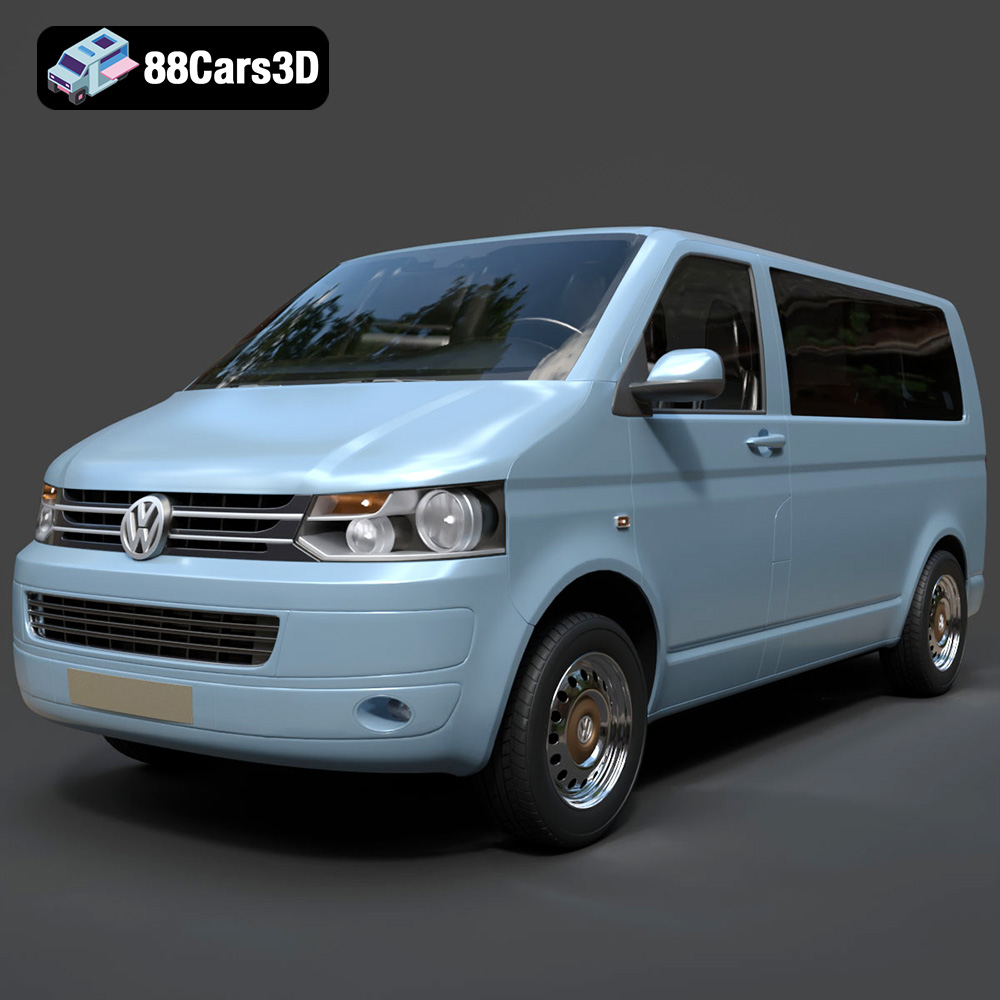
Volkswagen Transporter T5 FL 2010 3D Model
Texture: Yes
Material: Yes
Download the Volkswagen Transporter T5 FL 2010 3D Model featuring clean geometry, realistic detailing, and a fully modeled interior. Includes .blend, .fbx, .obj, .glb, .stl, .ply, .unreal, and .max formats for rendering, simulation, and game development.
Price: $22.99
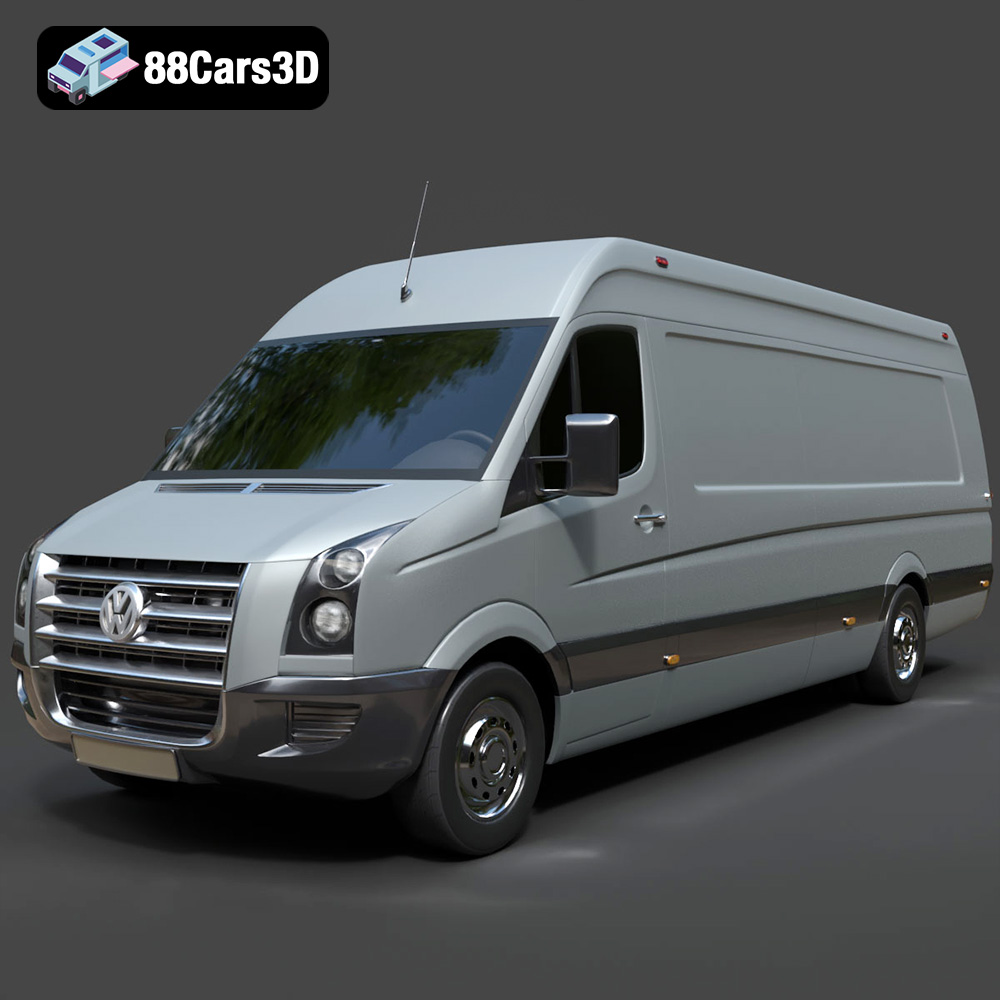
Volkswagen Crafter 2020 3D Model
Texture: Yes
Material: Yes
Download the Volkswagen Crafter 2020 3D Model featuring clean geometry, realistic detailing, and a fully modeled interior. Includes .blend, .fbx, .obj, .glb, .stl, .ply, .unreal, and .max formats for rendering, simulation, and game development.
Price: $22.99
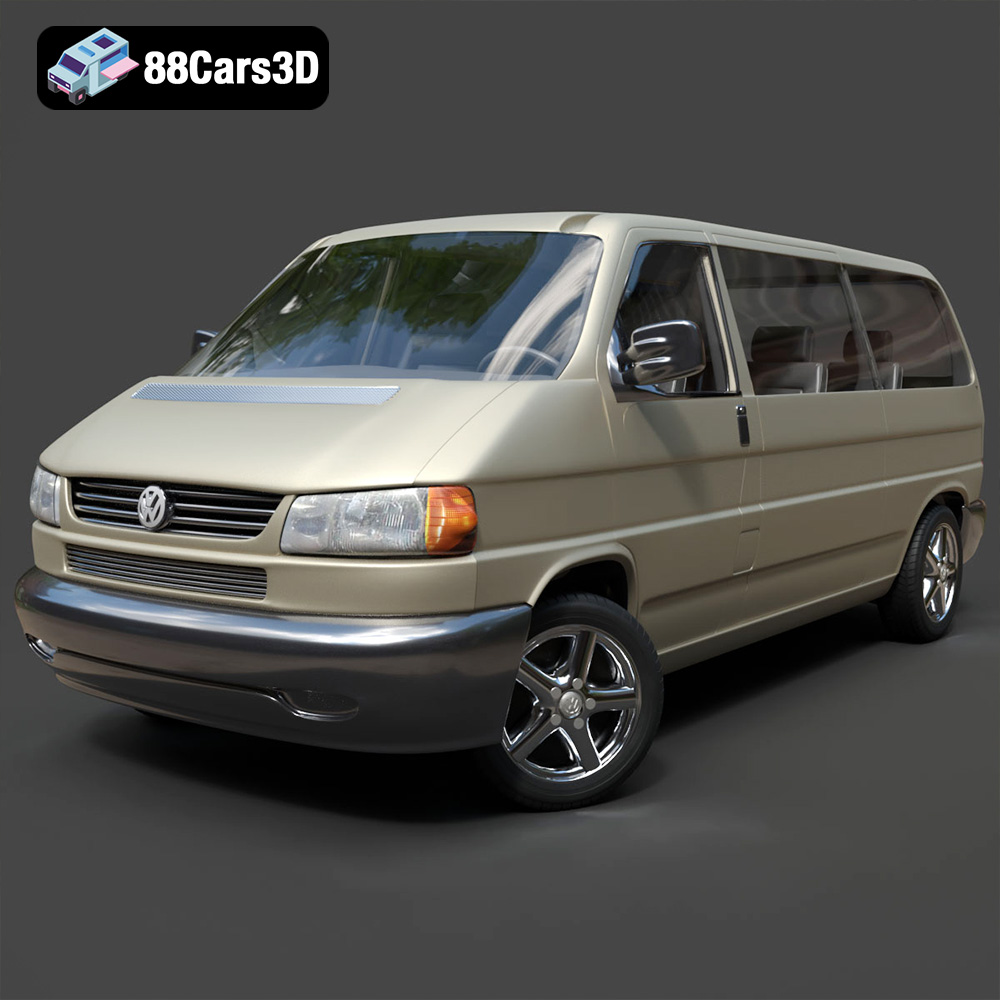
Volkswagen Caravelle 2020 3D Model
Texture: Yes
Material: Yes
Download the Volkswagen Caravelle 3D Model featuring a detailed exterior, functional interior, and optimized topology. Includes .blend, .fbx, .obj, .glb, .stl, .ply, .unreal, and .max formats for rendering, simulation, and game development.
Price: $23.99
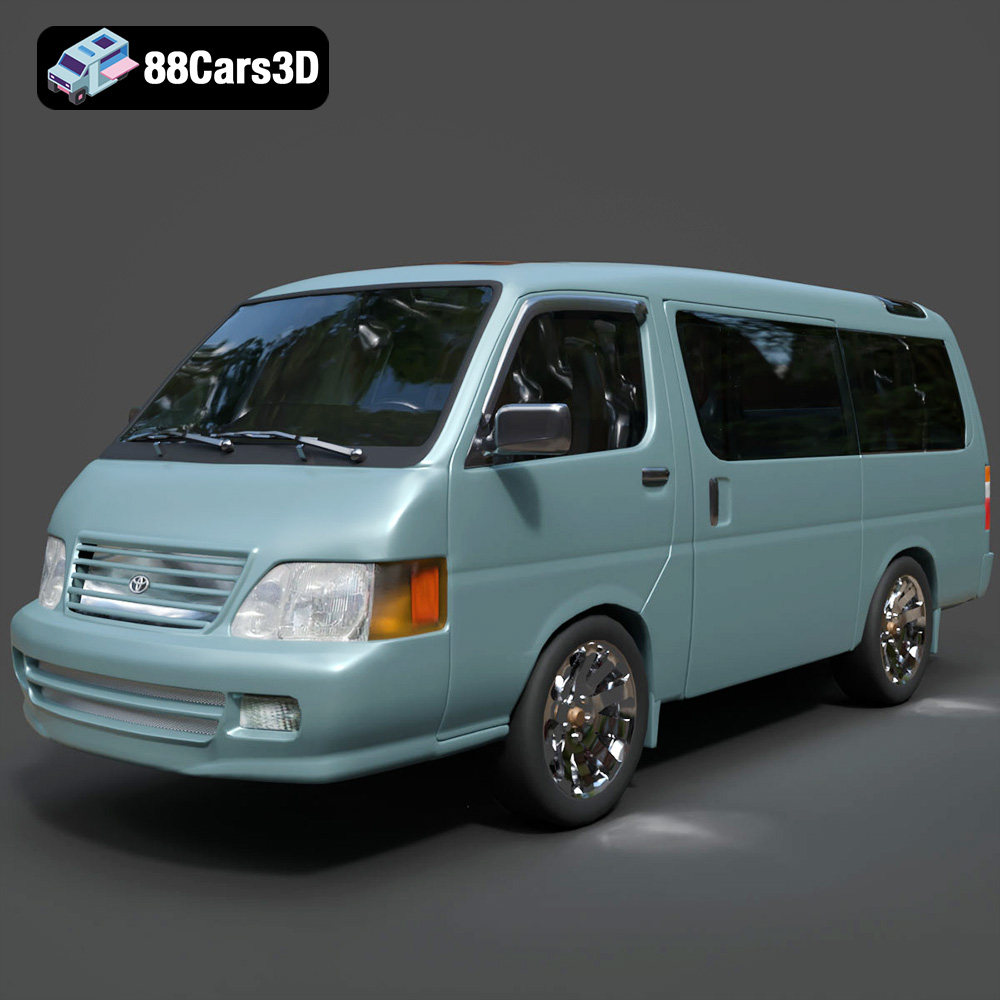
Toyota Hiace 3D Model
Texture: Yes
Material: Yes
Download the Toyota Hiace 3D Model featuring versatile design and detailed exterior. Includes .blend, .fbx, .obj, .glb, .stl, .ply, .unreal, and .max formats for rendering, simulation, and game development.
Price: $21.99
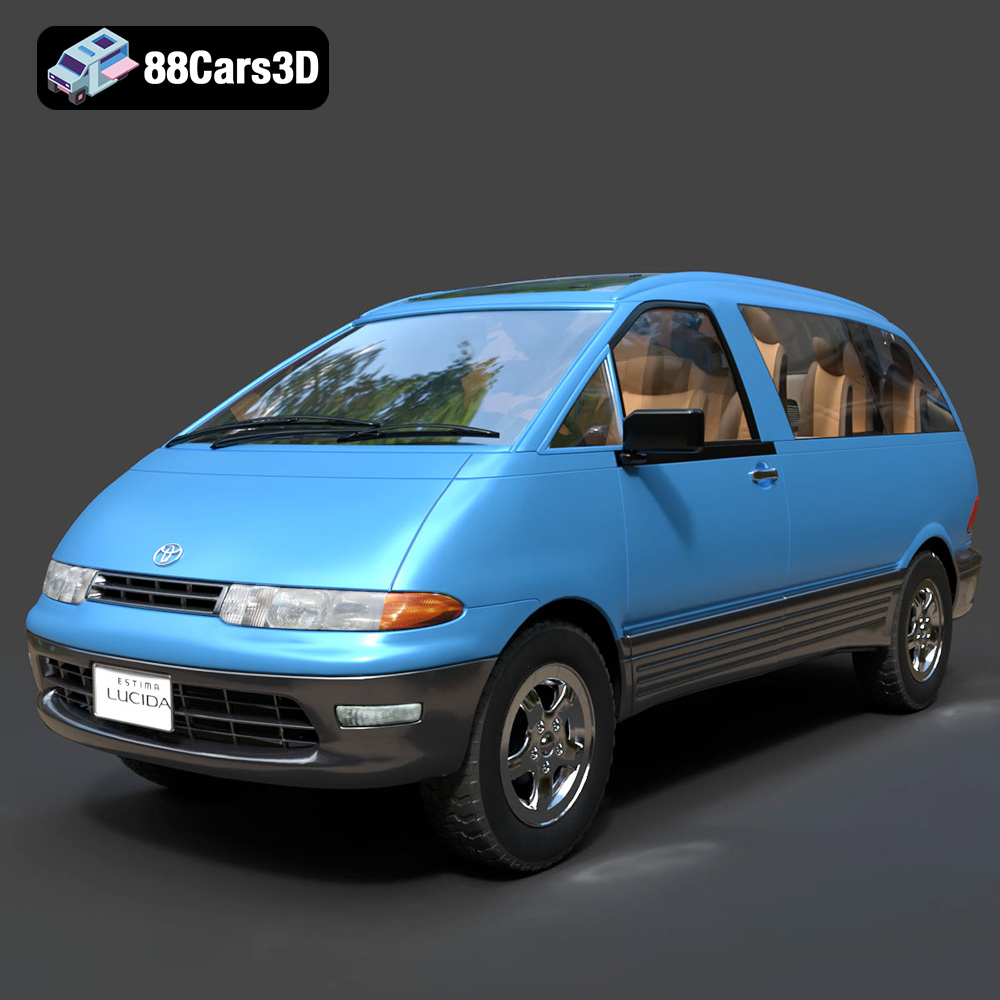
Toyota Estima Lucida 3D Model
Texture: Yes
Material: Yes
Download the Toyota Estima Lucida 3D Model featuring its iconic compact MPV design, versatile interior, and accurate exterior details. Includes .blend, .fbx, .obj, .glb, .stl, .ply, .unreal, and .max formats for rendering, simulation, and game development.
Price: $24.99

Toyota Alphard 3D Model
Texture: Yes
Material: Yes
Download the Toyota Alphard 3D Model featuring a detailed luxury minivan design with an accurate exterior and interior. Includes .blend, .fbx, .obj, .glb, .stl, .ply, .unreal, and .max formats for rendering, simulation, and game development.
Price: $21.99
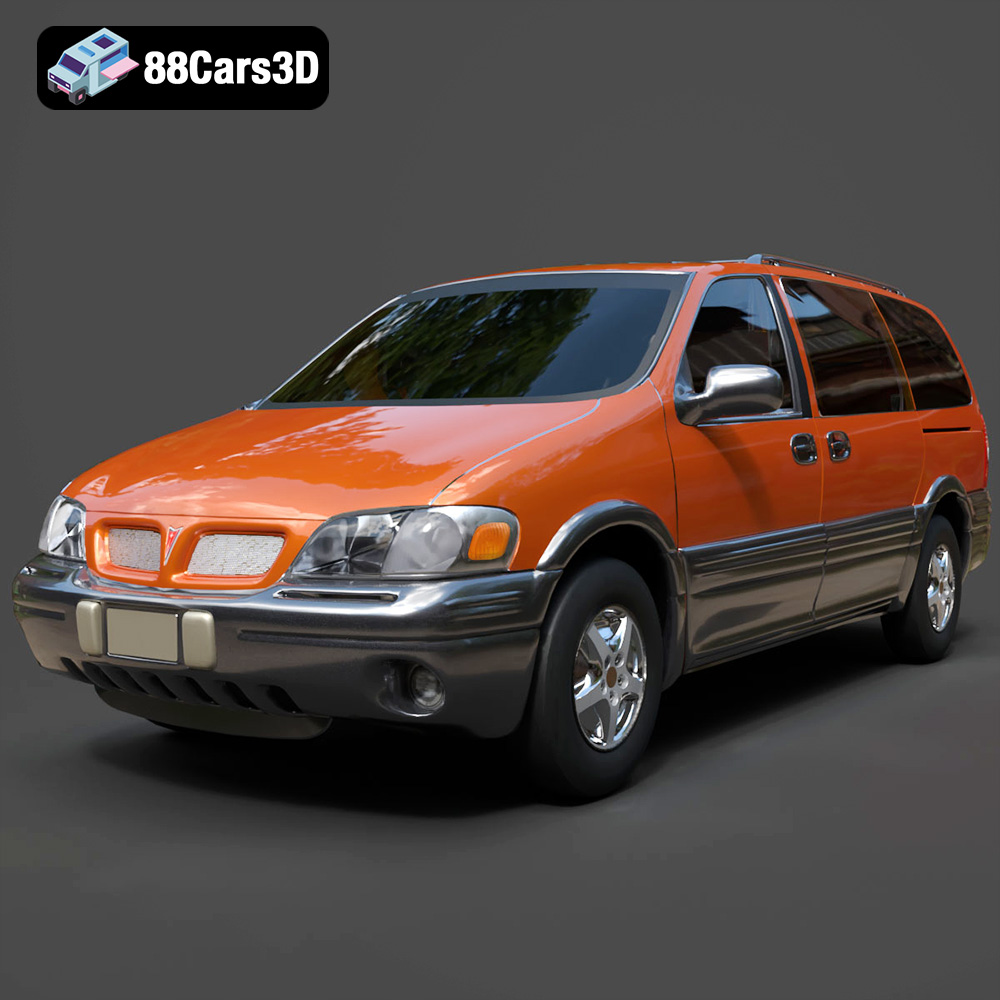
Pontiac Montana 1998 3D Model
Texture: Yes
Material: Yes
Download the Pontiac Montana 1998 3D Model featuring a detailed exterior, functional interior, and optimized mesh. Includes .blend, .fbx, .obj, .glb, .stl, .ply, .unreal, and .max formats for rendering, simulation, and game development.
Price: $21.99
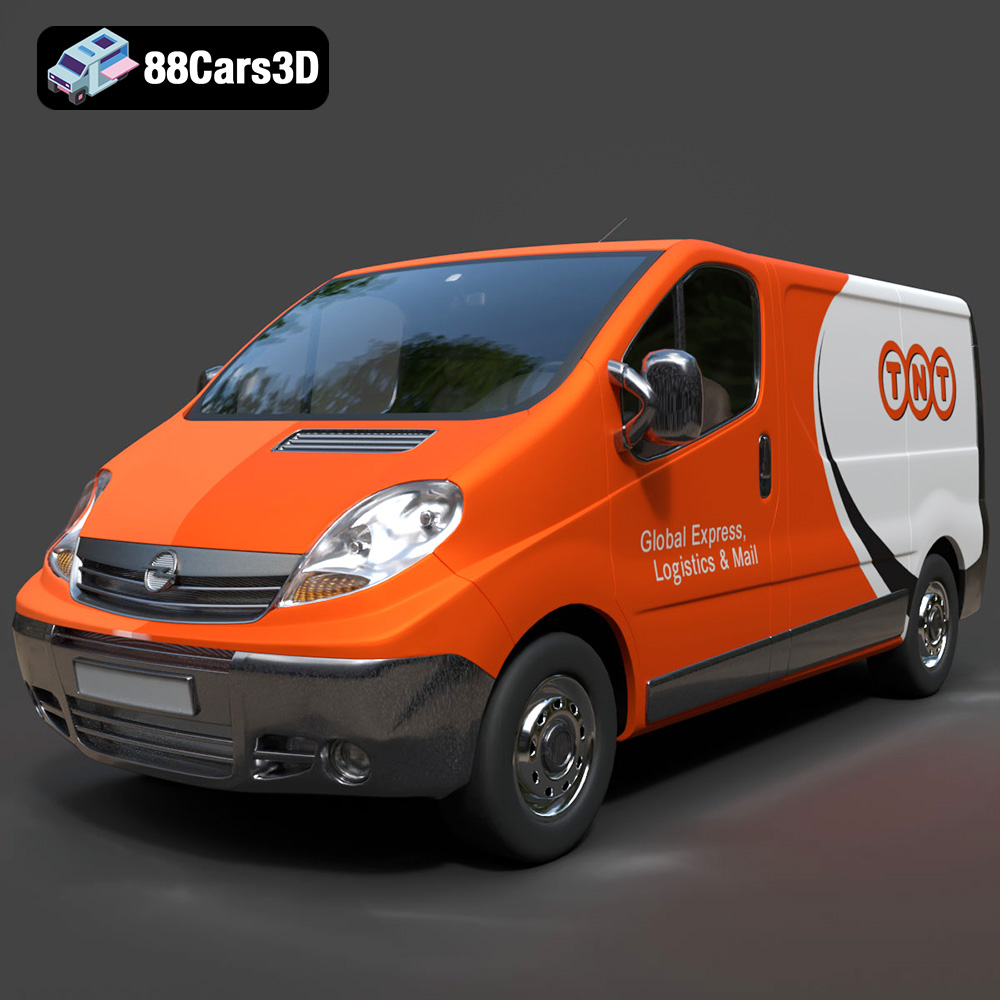
Opel Vivaro 3D Model
Texture: Yes
Material: Yes
Download the Opel Vivaro 3D Model featuring a versatile commercial van design with balanced detailing. Includes .blend, .fbx, .obj, .glb, .stl, .ply, .unreal, and .max formats for rendering, simulation, and game development.
Price: $21.99
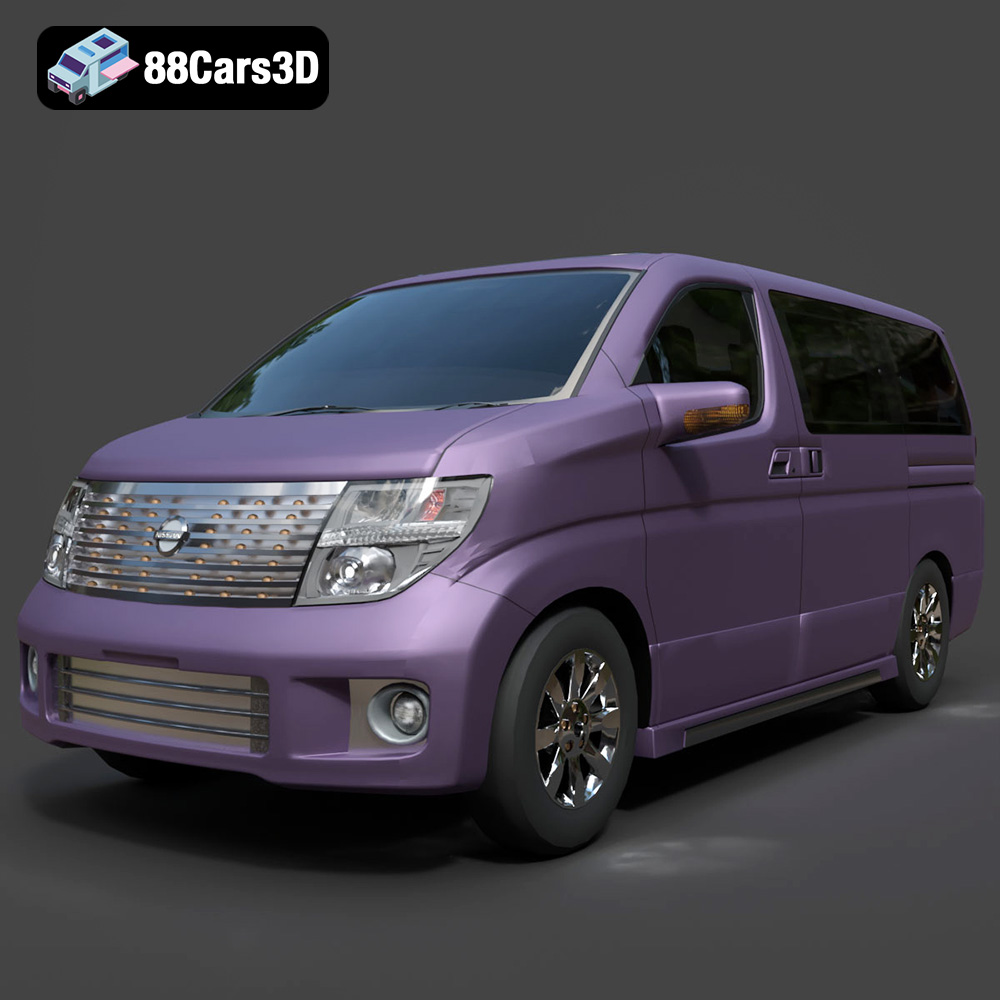
Nissan Elgrand 3D Model
Texture: Yes
Material: Yes
Download the Nissan Elgrand 3D Model featuring a versatile minivan design. Includes .blend, .fbx, .obj, .glb, .stl, .ply, .unreal, and .max formats for rendering, simulation, and game development.
Price: $21.99
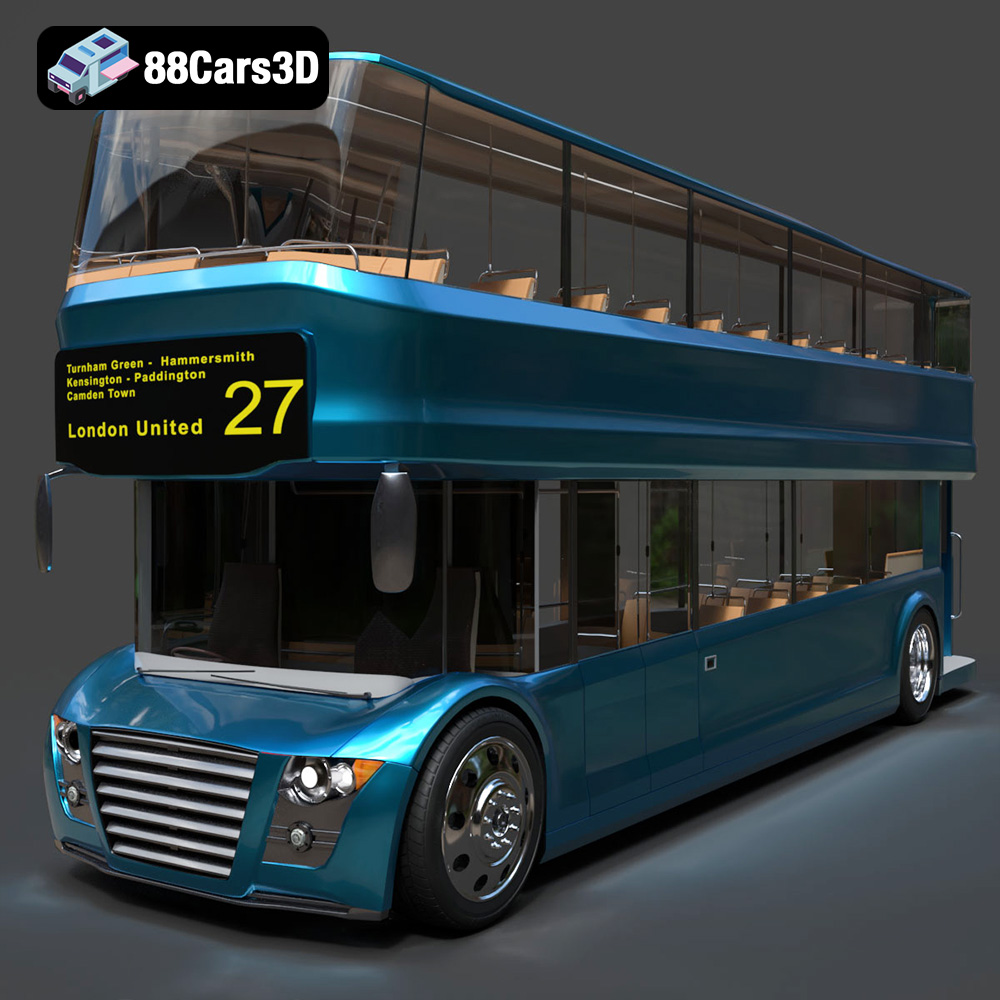
New Bus For London 3D Model
Texture: Yes
Material: Yes
Download the New Bus For London 3D Model featuring a detailed exterior and interior, optimized for rendering and animation. Includes .blend, .fbx, .obj, .glb, .stl, .ply, .unreal, and .max formats for rendering, simulation, and game development.
Price: $21.99
