

In the dynamic world of real-time production, animation stands as a cornerstone for bringing virtual worlds to life. From compelling cinematic sequences to immersive interactive experiences, well-executed character animation elevates engagement and storytelling. For professionals leveraging Unreal Engine, Epic Games has delivered a powerful, in-engine rigging and animation solution that revolutionizes workflows: Control Rig. This feature empowers animators and technical artists to create, modify, and animate characters directly within the engine, fostering unparalleled iteration speed and flexibility.
While 88cars3d.com specializes in providing high-quality 3D car models for stunning automotive visualization and interactive projects, the environments and scenarios where these vehicles thrive often require compelling characters. Whether you’re showcasing a new car model with an interactive character demonstration, developing a game featuring drivable vehicles and pedestrians, or creating a virtual production scene where actors interact with digital sets and cars, mastering Control Rig is an invaluable skill. This comprehensive guide will deep dive into Unreal Engine Control Rig, exploring its technical underpinnings, practical implementation for character animation, and best practices to unlock its full potential for any real-time project.
You’ll learn how to set up robust character rigs, leverage advanced animation techniques, integrate with other Unreal Engine systems like Sequencer and Blueprint, and optimize your workflows for peak performance. Prepare to transform your animation pipeline and create more dynamic, interactive experiences.
Understanding Control Rig and its Place in Unreal Engine’s Animation Toolkit
Control Rig is Unreal Engine’s answer to the demand for a flexible, procedural, and non-destructive rigging and animation solution directly within the engine. Unlike traditional animation workflows that often require round-tripping between a DCC (Digital Content Creation) application like Maya or Blender and Unreal Engine, Control Rig enables artists to build and manipulate animation controls and apply complex logic entirely within the Unreal Editor. This dramatically speeds up iteration times and allows for real-time adjustments, which is crucial in fast-paced production environments, from game development to virtual production.
At its core, a Control Rig asset is a Blueprint-like graph that operates on a Skeletal Mesh’s hierarchy. It uses a node-based visual scripting interface, familiar to anyone who has worked with Unreal Engine Blueprints, to define how controls influence bones, implement inverse kinematics (IK), forward kinematics (FK), constraints, and even custom procedural animation logic. This live, interactive setup means that animators can pose characters, refine movements, and preview results immediately in the engine’s viewport, leading to a much more integrated and efficient workflow.
Control Rig seamlessly integrates with other powerful Unreal Engine features. It can be instantiated within an Animation Blueprint to layer animations or apply dynamic adjustments. It’s fully supported by Sequencer, Unreal Engine’s cinematic editor, allowing animators to keyframe Control Rig controls directly on animation tracks. This synergy makes it a formidable tool for creating everything from simple pose adjustments to complex, interactive character behaviors that might involve interacting with a high-quality 3D car model from 88cars3d.com.
The Power of Procedural Animation Workflows
One of the most significant advantages of Control Rig is its embrace of procedural animation. Instead of relying solely on baked keyframes, Control Rig allows animators to define animation logic that can react to various inputs or parameters. This means you can create reusable modules of animation logic – such as an IK foot solver that automatically adjusts to ground height, or a look-at system that targets an arbitrary object – and apply them across multiple characters or animation sequences. For example, a character rig might include procedural controls to adjust posture dynamically based on environmental factors or character state, enriching the realism of any scene, be it an action-packed game level or a serene automotive visualization showcase.
The non-destructive nature of Control Rig graphs is also a huge benefit. Animators can make iterative changes to a rig or animation logic without affecting the original source animation data. This allows for quick experimentation and refinement, ensuring that creative ideas can be tested and implemented rapidly. This iterative loop is invaluable in projects requiring high fidelity and constant adjustments, like those seen in professional game development.
Control Rig’s Role in Modern Real-Time Production
In modern real-time production, particularly for virtual production and AAA game titles, efficiency and flexibility are paramount. Control Rig directly addresses these needs. For virtual production, it allows live-action performers to drive virtual characters with motion capture data, while technical directors can make real-time adjustments to the character’s pose, expression, or even a prop interaction, all on set. This capability transforms the traditional animation pipeline into a dynamic, collaborative process.
For interactive experiences, such as an automotive configurator where a virtual assistant character might walk around and highlight features of a premium car, Control Rig allows for highly responsive and context-aware animation. Imagine a character extending their hand to open a car door, with the Control Rig seamlessly adjusting the arm IK to match the door handle’s position. This level of dynamic interaction enhances immersion and believability, making the presentation of assets like detailed game assets from marketplaces like 88cars3d.com truly stand out.
Setting Up Your First Character with Control Rig
Embarking on your Control Rig journey begins with a properly prepared character asset. Before you can build an advanced rig, you need a solid foundation: a Skeletal Mesh with a well-defined Skeleton. This usually comes from your 3D modeling software, exported as an FBX file. The quality of your imported Skeletal Mesh and Skeleton directly impacts the ease of rigging and the final animation quality. Clean topology, appropriate bone naming conventions, and a sensible bone hierarchy are critical starting points for any character destined for animation in Unreal Engine.
Once your character is imported, creating a Control Rig asset is straightforward. You right-click in the Content Browser, navigate to Animation, and select Control Rig. This generates a new graph where you will define your rig’s behavior. The initial setup involves importing the bones from your Skeletal Mesh into the Control Rig graph. This step establishes the connection between your character’s skeleton and the nodes you’ll create to control it. Subsequently, you’ll begin adding controls – visual manipulators that animators will use to pose the character. These controls can be simple spheres, boxes, or custom shapes, placed strategically around joints to provide intuitive manipulation points. Common rig nodes, such as FK (Forward Kinematics) for direct bone rotation, IK (Inverse Kinematics) for target-driven movement, and Parent Constraint nodes for hierarchical relationships, form the building blocks of most character rigs. Mastering these fundamental nodes is essential for building a robust and animator-friendly rig.
Importing Skeletal Meshes and Preparing the Asset
The process starts with importing your character’s FBX file into Unreal Engine. It’s crucial to select the correct import settings. Ensure ‘Skeletal Mesh’ is checked, and if your model includes animations, import them as well. Pay attention to ‘Import Uniform Scale’ to maintain correct proportions, and ‘Bake Pivot in Vertex’ if your DCC tool handles pivots uniquely. For characters that will interact with environments or vehicles, consistent scaling across all assets, including those from 88cars3d.com, is paramount for believable interactions.
Once imported, review your Skeletal Mesh and Skeleton assets. Verify the bone hierarchy in the Skeleton Editor and ensure all bones have sensible names. For characters that might share animations or utilize motion capture, considering retargeting is key. Unreal Engine’s IK Retargeter system allows you to adapt animations from one skeleton to another, provided they have a similar structure. This is incredibly powerful for reusing animation data across different characters or adapting existing animations to new character models, potentially even to animate a generic character to open the door of a specific 3D car model.
Building a Basic FK/IK Rig Graph
Let’s consider a simple arm setup as an example for building a basic rig graph. An arm typically uses both FK and IK. For the FK chain, you’d add ‘Get Transform’ nodes for each bone (e.g., upperarm, lowerarm, hand) and connect them to ‘Set Transform’ nodes via ‘Rerooted’ controls. This allows direct rotation of each bone. For IK, you’d define an IK chain (e.g., from upperarm to hand) and create an IK control for the hand. Using an ‘IK Bone’ node (specifically ‘Two Bone IK’) for the arm, you connect the effector (hand) to the IK control’s transform. A pole vector control is often added to manage the elbow’s direction, preventing unnatural bending or flipping.
The core concept is to draw lines (or connections) between nodes representing bones, controls, and logical operations within the graph. Each node performs a specific function, from retrieving a bone’s current transformation to solving complex IK chains. Understanding the flow of data through these connections is fundamental. As you progress, you’ll learn to create modular graphs, breaking down complex rigs into manageable components, which is a common best practice for larger projects and contributes to robust game development pipelines.
Advanced Control Rig Techniques for Expressive Animation
Once you’ve mastered the fundamentals of creating basic FK and IK controls, Control Rig truly shines with its advanced capabilities for crafting expressive and nuanced character animations. Beyond simple bone manipulation, understanding how to manage spaces, hierarchies, and implement custom logic opens up a world of possibilities for animators. Effective use of spaces—whether local, global, or a custom transform—is critical for ensuring controls behave predictably and consistently. Animators often struggle with “popping” or unexpected behavior, which can often be traced back to incorrect space transformations within the rig graph. Defining clear parent-child relationships and using parent constraints wisely ensures that moving one control correctly influences others in the hierarchy, providing an intuitive and stable rigging experience.
Offset controls and animation layering are powerful techniques for adding secondary motion and fine-tuning animations without directly altering the primary motion. An offset control, for instance, allows an animator to make subtle adjustments to a character’s hand position relative to an object it’s holding, or to add slight variations to a walk cycle. Animation layering within Control Rig, often combined with Animation Blueprints, enables animators to blend different animation sources, apply corrective poses, or add procedural animation on top of baked animation data. For instance, a character’s base walk animation could be layered with a Control Rig-driven “look at” system, ensuring the character’s head always follows a specific target, like a moving camera or a prominent 3D car model during a presentation. Implementing custom logic, such as a “foot roll” system or a spine IK setup with intelligent twisting, can significantly enhance the realism and flexibility of a character rig, moving beyond generic templates towards truly bespoke animation solutions.
Leveraging Control Rig for Performance and Optimization
While Control Rig offers immense flexibility, managing its performance is vital, especially for real-time rendering applications like games or AR/VR experiences. Complex Control Rig graphs with numerous nodes and intricate calculations can introduce performance overhead if not optimized. One key strategy is to consider the trade-off between live rig manipulation and baked animation. For frequently repeated animations or those with little interactive requirement, baking the Control Rig animation data down to a traditional animation sequence can significantly reduce runtime computational cost. This allows the Control Rig to be used for the initial creation and refinement, then disabled for performance during gameplay.
Optimizing rig graphs involves techniques such as caching intermediate results where possible, simplifying mathematical operations, and avoiding redundant calculations. Using the ‘Sequence’ node to control the execution flow and only running necessary branches of the graph can also yield performance gains. Furthermore, the relationship between Control Rig and Level of Detail (LOD) management for characters is important. While Control Rig itself doesn’t directly create LODs, simpler versions of a character’s skeletal mesh (lower poly counts) often require less complex deformation calculations, which can indirectly benefit from a well-optimized rig. Considering the target platform’s specifications is always crucial; mobile AR/VR platforms demand much more stringent optimization than high-end PC or console applications, necessitating simpler rigs or pre-baked animations.
Integrating Control Rig with Physics and Dynamics
Beyond traditional animation, Control Rig can play a powerful role in blending static animation with dynamic simulations. By driving physics assets or interacting with Unreal Engine’s Niagara particle system, Control Rig enables more organic and reactive character behaviors. For instance, a Control Rig could be used to set up initial poses or keyframes for a character’s cape or hair, with Niagara handling the secondary motion and physics simulation. This hybrid approach allows animators to maintain artistic control over primary movement while offloading complex secondary motion to the physics engine, leading to more believable and less labor-intensive animations.
A simple example could involve a character’s necklace or a piece of armor that needs to react dynamically. While the main character is animated via Control Rig, the accessory’s bones could be driven by a physics constraint or a custom Control Rig node that blends between animator-controlled input and a physics-based simulation. This integration is particularly useful in scenarios where a character might be exposed to external forces, like wind, or is interacting with complex environments. For instance, animating a character’s hair to react to the wind created by a passing sports car (modeled meticulously from 88cars3d.com‘s collection) could be achieved by blending Control Rig poses with dynamic simulations, adding an extra layer of realism to the scene.
Animating with Control Rig in Sequencer and Blueprint
Unreal Engine’s Sequencer is its powerful multi-track editor for creating cinematic sequences, gameplay events, and complex animations. Control Rig seamlessly integrates into Sequencer, allowing animators to directly manipulate and keyframe the controls of a Control Rig asset on a dedicated track. This direct manipulation workflow within the cinematic editor eliminates the need to export and re-import animation, greatly streamlining the iterative process. Animators can create intricate poses, define complex movement paths, and precisely time actions, blending multiple animation layers and takes within Sequencer. The ability to see immediate feedback on timing, pacing, and interaction with other elements in the scene—such as dynamic lighting from Lumen or volumetric effects—is a game-changer for producing high-quality cinematic content.
Keyframing in Sequencer with Control Rig works similarly to traditional animation software. You select a control, move it, and set a keyframe. Sequencer then interpolates between keyframes, providing smooth motion. For more complex animations, you can layer animations by adding multiple Control Rig tracks or blending with existing animation sequences. This approach allows for a non-destructive workflow where you can experiment with different poses or timing without committing to permanent changes on the base animation. Beyond cinematic uses, driving Control Rig parameters via Blueprint opens up exciting possibilities for interactive experiences, such as allowing players to customize character poses in a game, or enabling a character to dynamically react to user input in an automotive configurator demo.
Character Interaction with Environments (and vehicles)
Control Rig truly excels when it comes to enabling characters to interact realistically with their environment and specific props, including highly detailed 3D car models. Imagine a scenario where a character needs to open a car door, lean against the fender, or sit inside the vehicle. Using Control Rig, you can create IK goals for the character’s hands and feet that snap to specific locations on the car model. Through Blueprint scripting, these IK targets can be dynamically updated based on the car’s position, the door’s state (open/closed), or player input. This allows for incredibly precise and believable interactions, where a character’s hand perfectly grasps a door handle, or their feet adjust to uneven ground near the vehicle.
For example, you could set up a Blueprint that detects when a character is near a car door. Upon interaction, a Control Rig can be activated, positioning the character’s hand IK control to the door handle’s location. The arm and body then adjust procedurally. This level of dynamic interaction enhances realism in game development and creates more engaging visual narratives for automotive visualization projects. Blueprint can also be used to drive specific Control Rig parameters, such as a procedural gaze system for a character’s head and eyes to track an object of interest, like a spinning wheel on a car from 88cars3d.com.
Virtual Production Workflows with Control Rig
In the realm of virtual production, Control Rig is an indispensable tool. It facilitates real-time interaction with virtual characters driven by live motion capture data. Using Unreal Engine’s Live Link plugin, performance capture data from actors can be streamed directly onto a Skeletal Mesh. Control Rig can then be layered on top of this live data to provide real-time adjustments and refinements. For instance, a director might want to slightly adjust a character’s hand pose, exaggerate an expression, or correct a joint’s rotation on the fly, directly from the virtual production control room. This capability drastically reduces post-production time and allows for creative decisions to be made collaboratively and interactively on set.
Furthermore, Control Rig can be used to drive virtual camera operators or prop manipulators in a virtual set. This means a technical artist can create a rig for a virtual jib arm or a dolly, and then a camera operator can use a physical controller (like an Xbox controller) mapped through Blueprint to manipulate the virtual camera rig in real-time, capturing cinematic shots within the virtual environment. This flexibility extends to any riggable asset, not just characters, making Control Rig a versatile asset for broader virtual production needs, including complex car rig setups for cinematic sequences involving vehicles.
Troubleshooting and Best Practices for Control Rig Development
Developing robust and animator-friendly Control Rigs requires not just technical skill, but also adherence to best practices and an understanding of common pitfalls. As with any complex system, issues can arise, from IK popping and gimbal lock to unexpected bone transformations and performance bottlenecks. One of the most common challenges is managing the transform spaces of controls and bones. If a control’s space isn’t correctly defined (e.g., using local space when global is needed), it can lead to erratic behavior, particularly when manipulating controls that have parented children. Gimbal lock, a phenomenon where two axes align, causing a loss of rotational freedom, can often be mitigated by intelligent control orientation, using different rotation orders, or implementing quaternion-based rotations for critical joints.
Unreal Engine provides several debugging tools to help diagnose Control Rig issues. The Rig Hierarchy panel within the Control Rig editor allows you to visualize the parent-child relationships and current transforms of all bones and controls. The Node Graph itself can display values flowing through connections, helping identify where an incorrect value might be propagating. Furthermore, using ‘Draw Debug’ nodes within your graph can overlay visual cues in the viewport, such as lines or spheres, to represent bone directions, control positions, or IK goals, offering invaluable visual feedback during development. Adopting strict naming conventions for bones, controls, and rig nodes, as well as developing modular and reusable rig components, are crucial for maintaining clarity, scalability, and collaboration on larger projects within game development studios.
Optimizing Control Rig for Real-Time Performance
For optimal real-time rendering performance, especially in performance-sensitive applications like AR/VR, profiling your Control Rig graphs is essential. Unreal Engine’s built-in profiler tools can highlight areas where the Control Rig calculation is consuming significant CPU cycles. Identifying and optimizing these hotspots might involve simplifying complex mathematical expressions, reducing the number of nodes in a critical path, or restructuring the graph to avoid redundant calculations. For example, if a specific calculation is only needed once per frame, ensure it’s not re-evaluated multiple times. Caching intermediate results with ‘Cache Transform’ nodes can also prevent recalculations of transforms that haven’t changed.
Another crucial optimization technique is baking animation. For any animation that is not truly interactive or dynamically driven by game logic, consider baking the Control Rig animation into a standard animation sequence. This process converts the live, procedural rig calculations into static keyframes, dramatically reducing runtime overhead. While this loses the real-time flexibility, it’s a trade-off often made for final game assets or linear cinematic sequences where performance is paramount. When developing for mobile AR/VR, these optimization steps become non-negotiable, requiring leaner rigs and often relying heavily on baked animations to achieve smooth frame rates. Even when displaying highly detailed 3D car models in an interactive scene, ensuring the character animation is optimized will prevent performance dips.
The Future of Character Animation with Unreal Engine
The landscape of character animation in Unreal Engine is continuously evolving. With ongoing advancements in areas like machine learning, physics-based animation, and more intuitive rigging interfaces, the future promises even more sophisticated and accessible tools for animators. Epic Games consistently pushes the boundaries, integrating features that enhance realism, efficiency, and artistic control. Future iterations of Control Rig might see even deeper integration with physics simulations (like Niagara), more advanced procedural generation tools, and potentially AI-assisted animation features that can intelligently generate or refine motion based on context.
These developments will further empower artists and developers in fields like game development, virtual production, and automotive visualization to create unparalleled experiences. Imagine characters capable of truly understanding and reacting to dynamic environments, or procedural animations that adapt seamlessly to various body types and interact with complex machinery, such as demonstrating features of a luxury vehicle. The iterative potential of in-engine rigging and animation, spearheaded by Control Rig, ensures that Unreal Engine remains at the forefront of real-time content creation. By mastering Control Rig today, you are not just learning a tool; you are embracing a methodology that prepares you for the exciting innovations yet to come in digital character performance.
Conclusion
Unreal Engine’s Control Rig represents a transformative leap in character animation, offering animators and technical artists an unprecedented level of control and flexibility directly within the engine. We’ve explored its core functionalities, from setting up basic FK/IK chains to leveraging advanced procedural workflows and integrating seamlessly with Sequencer for cinematic output. Control Rig’s real-time, non-destructive nature empowers rapid iteration, enabling artists to bring characters to life with intricate detail and dynamic interactivity, whether they’re populating a vast open world or presenting a state-of-the-art vehicle.
By understanding how to optimize your Control Rig graphs, integrate with physics, and utilize Blueprint for interactive behaviors, you can unlock a vast array of possibilities for your projects. This mastery extends beyond traditional character animation, offering valuable skills for virtual production, interactive experiences, and enhancing any scene that benefits from compelling character presence. Even for those focused on automotive visualization, a character animated with Control Rig can provide context, demonstrate features of a 3D car model from 88cars3d.com, or simply populate a scene with believable human elements.
We encourage you to experiment with Control Rig, build your own character rigs, and integrate them into your Unreal Engine projects. The journey of mastering this powerful tool is continuous, but the rewards—more efficient workflows, higher quality animation, and truly engaging real-time experiences—are well worth the effort. Dive into the official Unreal Engine documentation at dev.epicgames.com/community/unreal-engine/learning to further expand your knowledge, and remember that platforms like 88cars3d.com offer the perfect high-quality game assets and 3D car models to complement your animated characters and bring your virtual worlds to their fullest potential.
Featured 3D Car Models
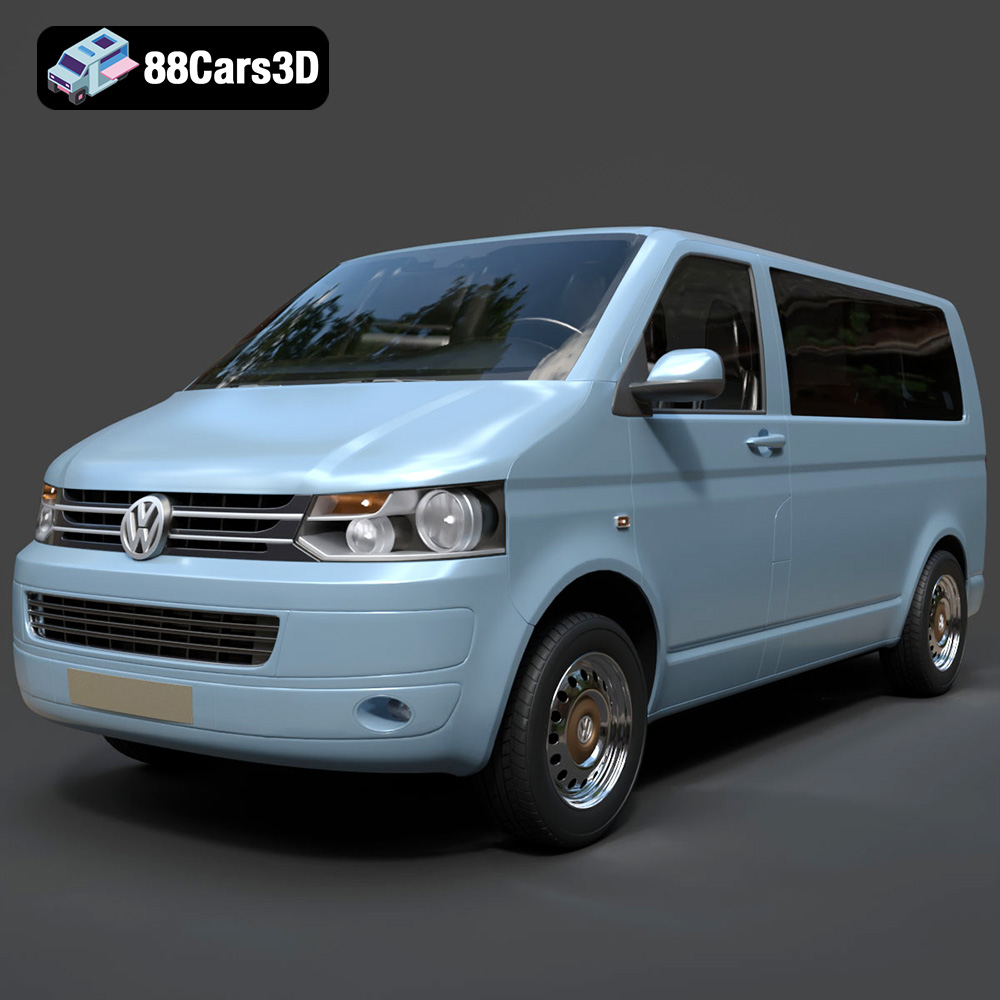
Volkswagen Transporter T5 FL 2010 3D Model
Texture: Yes
Material: Yes
Download the Volkswagen Transporter T5 FL 2010 3D Model featuring clean geometry, realistic detailing, and a fully modeled interior. Includes .blend, .fbx, .obj, .glb, .stl, .ply, .unreal, and .max formats for rendering, simulation, and game development.
Price: $22.99
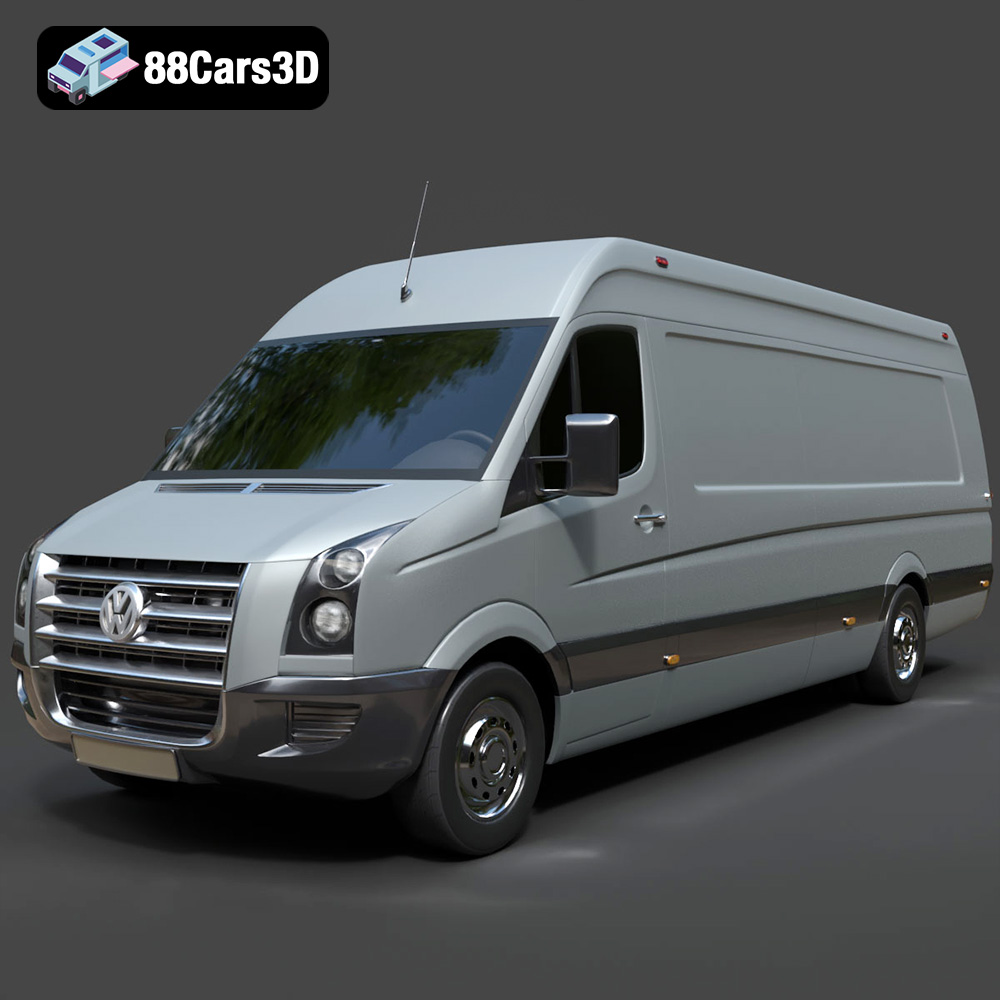
Volkswagen Crafter 2020 3D Model
Texture: Yes
Material: Yes
Download the Volkswagen Crafter 2020 3D Model featuring clean geometry, realistic detailing, and a fully modeled interior. Includes .blend, .fbx, .obj, .glb, .stl, .ply, .unreal, and .max formats for rendering, simulation, and game development.
Price: $22.99
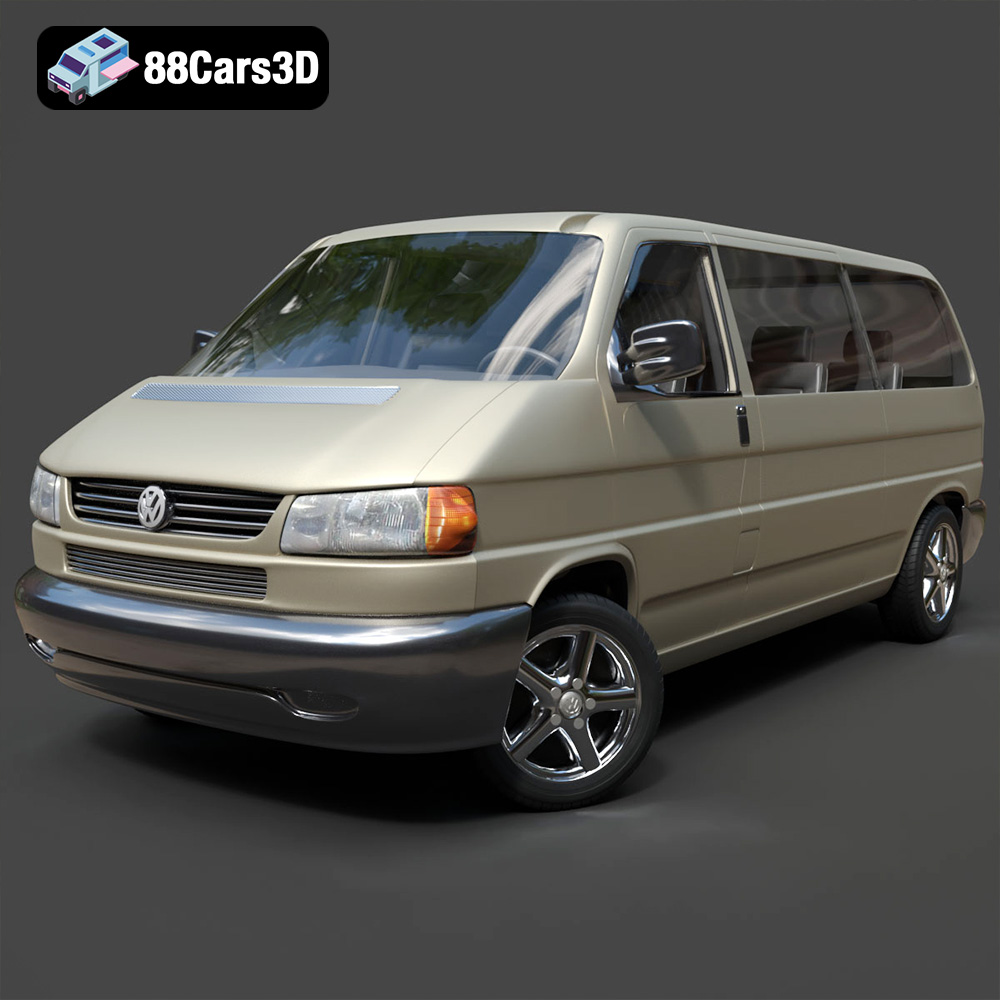
Volkswagen Caravelle 2020 3D Model
Texture: Yes
Material: Yes
Download the Volkswagen Caravelle 3D Model featuring a detailed exterior, functional interior, and optimized topology. Includes .blend, .fbx, .obj, .glb, .stl, .ply, .unreal, and .max formats for rendering, simulation, and game development.
Price: $23.99
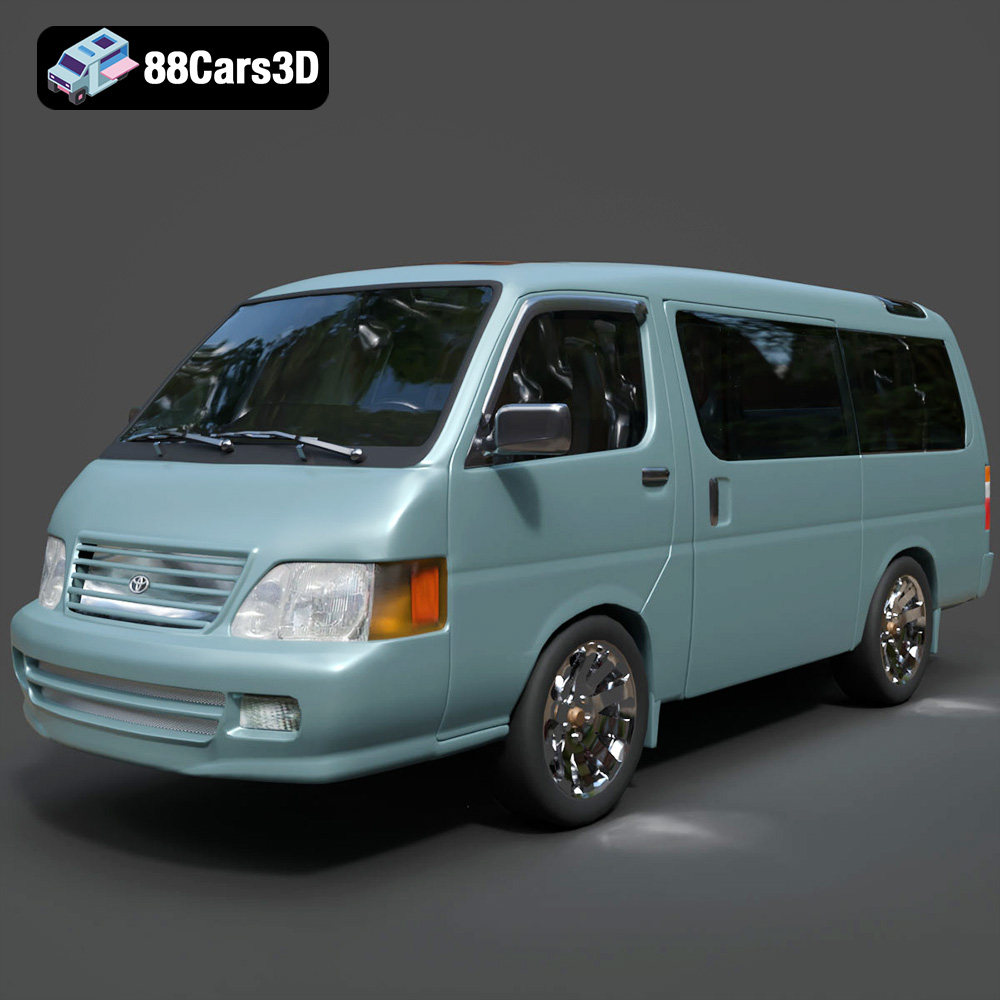
Toyota Hiace 3D Model
Texture: Yes
Material: Yes
Download the Toyota Hiace 3D Model featuring versatile design and detailed exterior. Includes .blend, .fbx, .obj, .glb, .stl, .ply, .unreal, and .max formats for rendering, simulation, and game development.
Price: $21.99
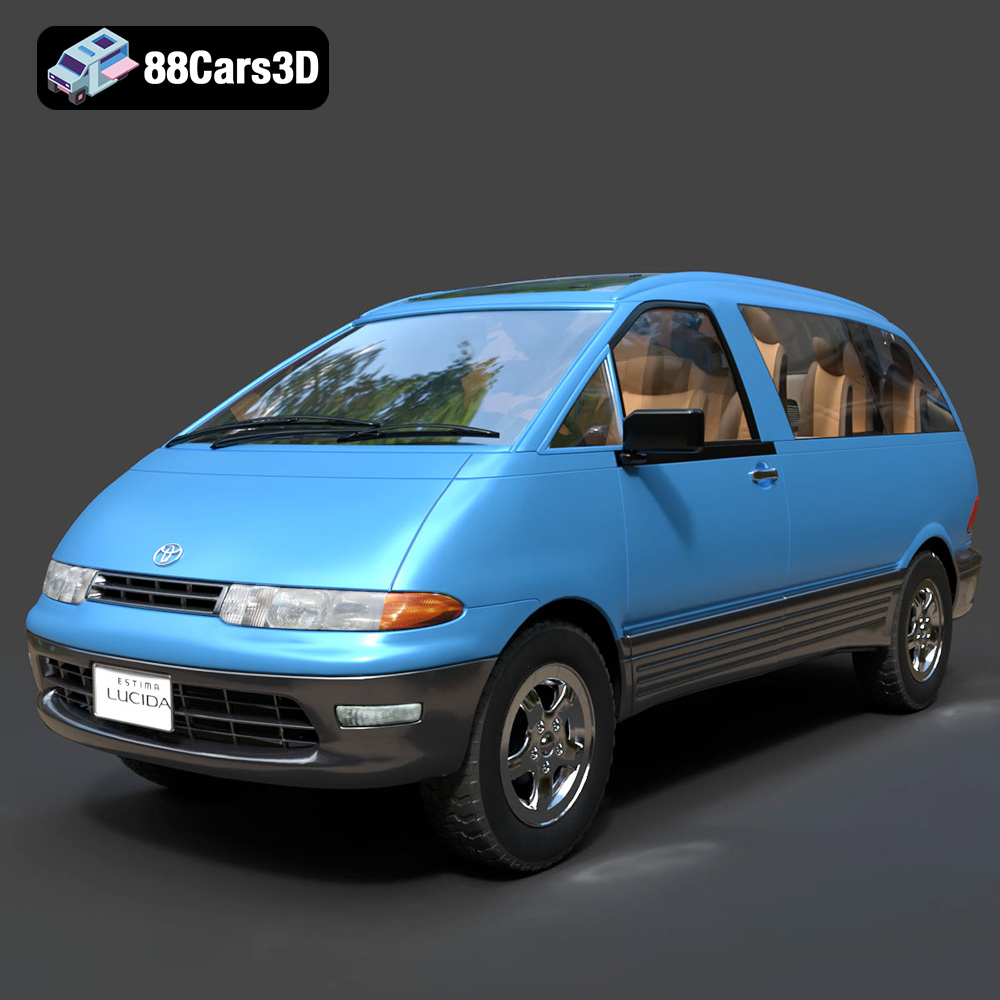
Toyota Estima Lucida 3D Model
Texture: Yes
Material: Yes
Download the Toyota Estima Lucida 3D Model featuring its iconic compact MPV design, versatile interior, and accurate exterior details. Includes .blend, .fbx, .obj, .glb, .stl, .ply, .unreal, and .max formats for rendering, simulation, and game development.
Price: $24.99

Toyota Alphard 3D Model
Texture: Yes
Material: Yes
Download the Toyota Alphard 3D Model featuring a detailed luxury minivan design with an accurate exterior and interior. Includes .blend, .fbx, .obj, .glb, .stl, .ply, .unreal, and .max formats for rendering, simulation, and game development.
Price: $21.99
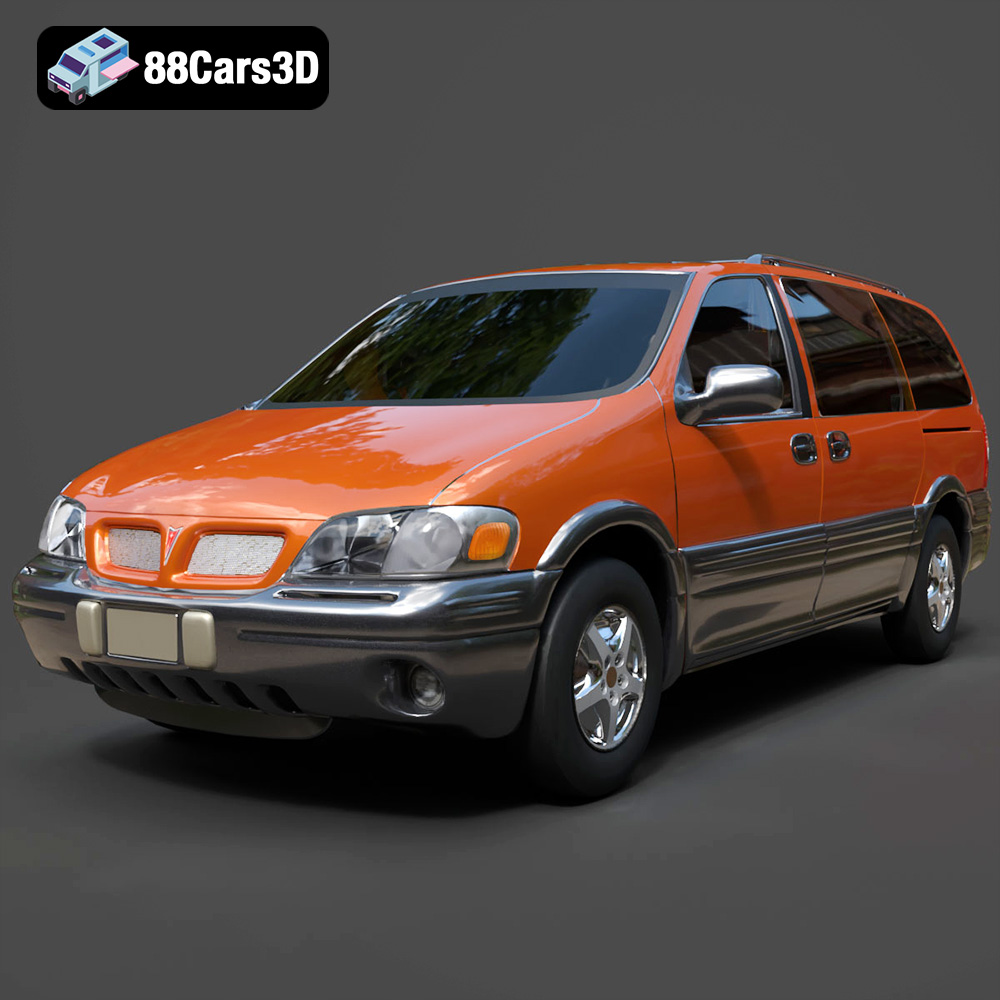
Pontiac Montana 1998 3D Model
Texture: Yes
Material: Yes
Download the Pontiac Montana 1998 3D Model featuring a detailed exterior, functional interior, and optimized mesh. Includes .blend, .fbx, .obj, .glb, .stl, .ply, .unreal, and .max formats for rendering, simulation, and game development.
Price: $21.99
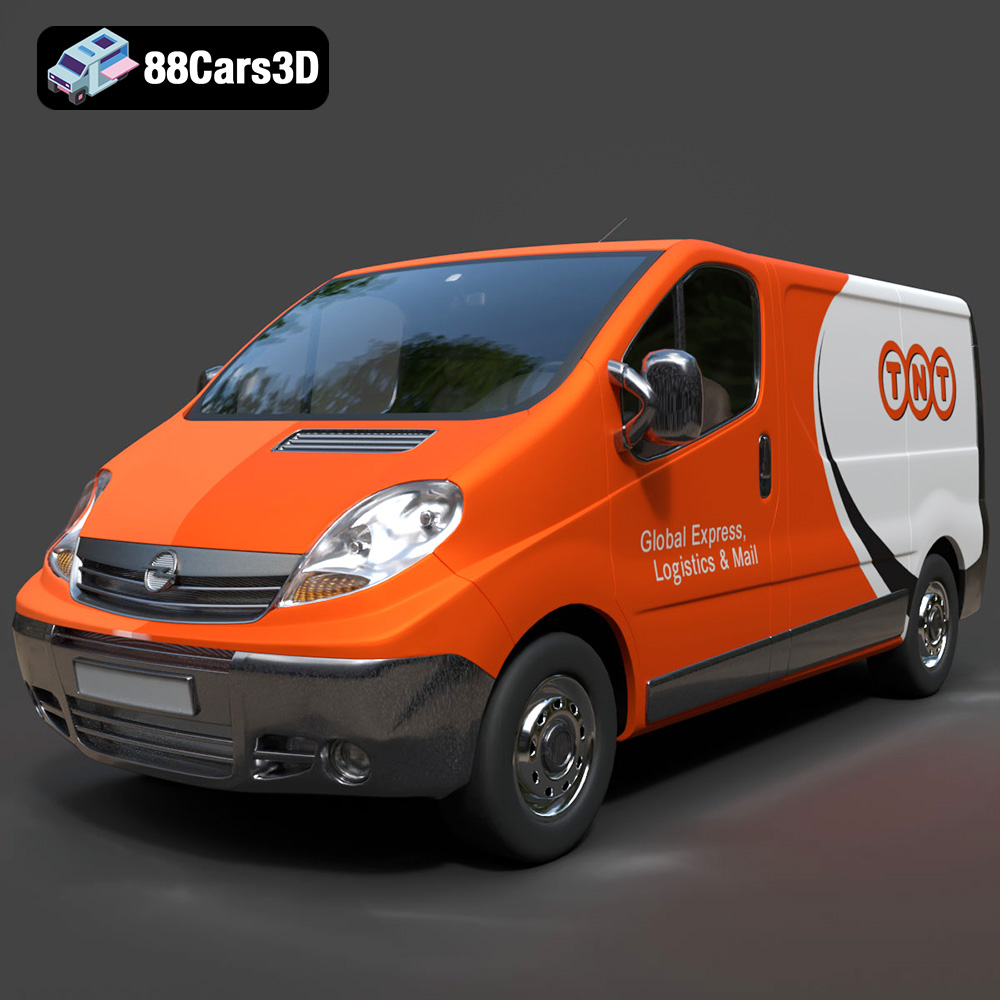
Opel Vivaro 3D Model
Texture: Yes
Material: Yes
Download the Opel Vivaro 3D Model featuring a versatile commercial van design with balanced detailing. Includes .blend, .fbx, .obj, .glb, .stl, .ply, .unreal, and .max formats for rendering, simulation, and game development.
Price: $21.99
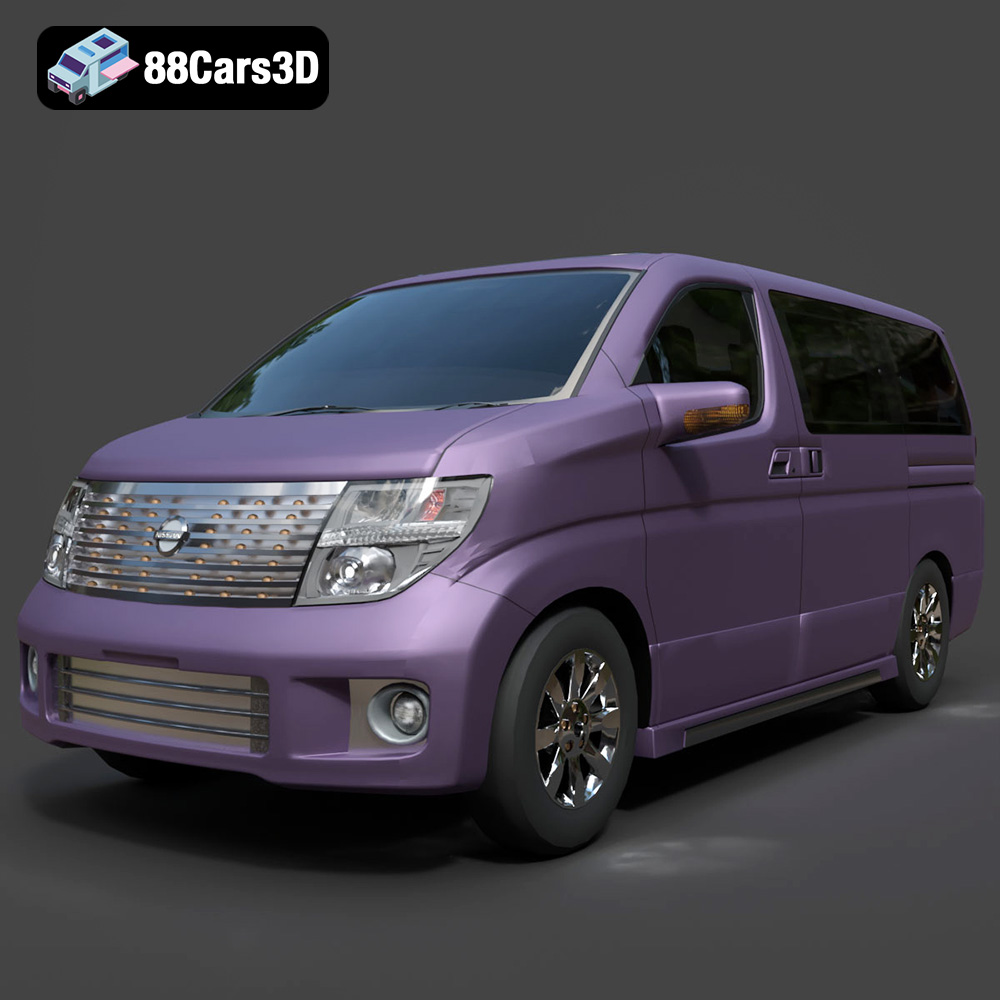
Nissan Elgrand 3D Model
Texture: Yes
Material: Yes
Download the Nissan Elgrand 3D Model featuring a versatile minivan design. Includes .blend, .fbx, .obj, .glb, .stl, .ply, .unreal, and .max formats for rendering, simulation, and game development.
Price: $21.99
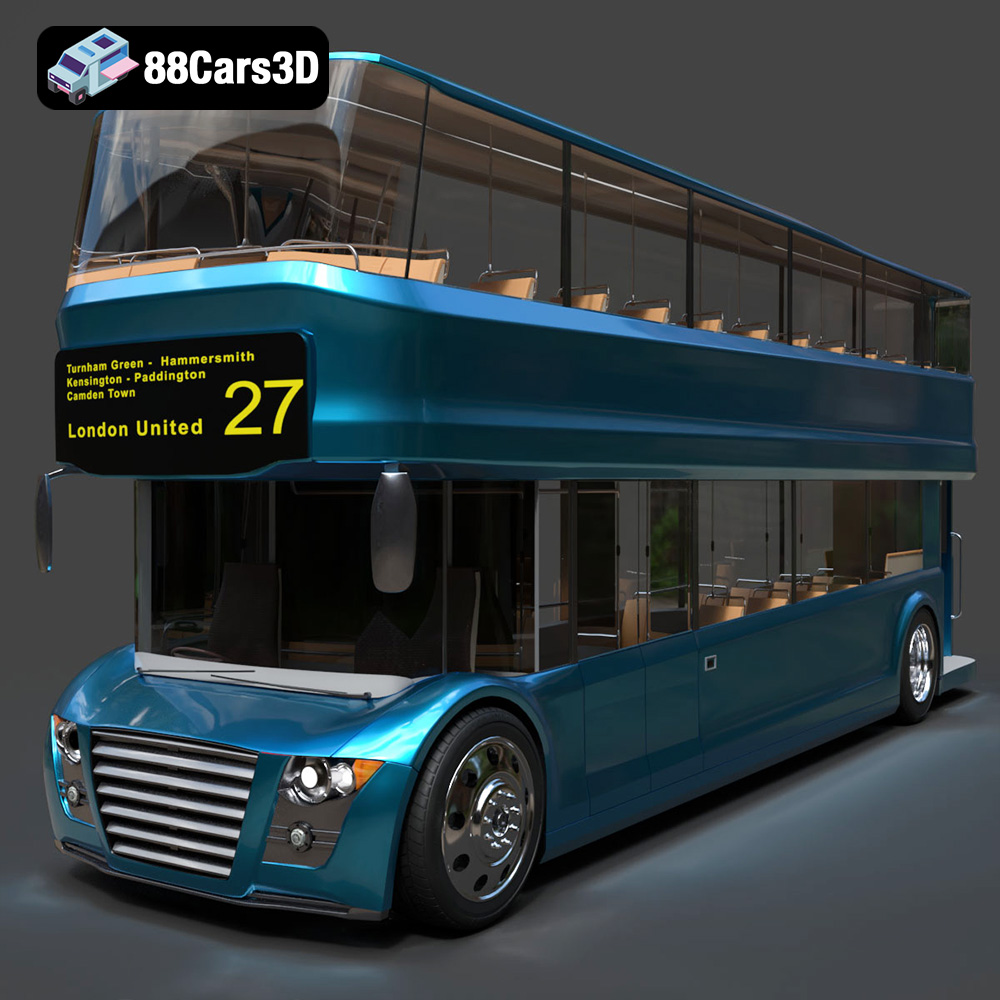
New Bus For London 3D Model
Texture: Yes
Material: Yes
Download the New Bus For London 3D Model featuring a detailed exterior and interior, optimized for rendering and animation. Includes .blend, .fbx, .obj, .glb, .stl, .ply, .unreal, and .max formats for rendering, simulation, and game development.
Price: $21.99
