

The quest for realism and immersion in digital environments has never been more intense. From sprawling open-world games to sophisticated automotive visualization experiences and large-scale virtual production sets, creators are pushing the boundaries of what’s possible. However, building and managing these vast, highly detailed worlds presents significant technical challenges. Traditional content streaming and world management systems often buckle under the weight of gigabytes of assets and intricate geometry, leading to performance bottlenecks, cumbersome workflows, and limitations on scope.
Enter Unreal Engine’s World Partition system – a revolutionary approach designed from the ground up to address these very challenges. Introduced in Unreal Engine 5, World Partition is a game-changer for anyone aspiring to create truly expansive, seamless, and performant open worlds. For professionals in automotive visualization, game development, and real-time rendering, particularly those working with high-fidelity assets like the stunning 3D car models available on 88cars3d.com, understanding and mastering World Partition is no longer optional; it’s essential.
In this comprehensive guide, we’ll dive deep into the intricacies of Unreal Engine’s World Partition. We’ll explore its core principles, walk through the setup and optimization processes, and discuss how it seamlessly integrates with other cutting-edge Unreal Engine features like Nanite and Lumen. You’ll learn how to leverage World Partition to build massive, detailed automotive environments, facilitate collaborative development, and ensure optimal performance for your real-time projects, whether it’s an interactive driving simulator, a cinematic virtual production sequence, or a next-generation open-world racing game. Prepare to unlock the true potential of scale and detail in your Unreal Engine projects.
The Evolution to World Partition: Scaling Up for Automotive Realism
For years, creating vast open worlds in Unreal Engine relied heavily on the World Composition system. While functional, World Composition had inherent limitations that became increasingly apparent as hardware advanced and expectations for visual fidelity skyrocketed. Developing immense, seamless environments for detailed automotive projects – think expansive test tracks, realistic cityscapes, or dynamic natural landscapes for driving simulations – often became an exercise in compromise and complex manual management. World Partition was conceived to overcome these hurdles, offering a fundamentally different and more robust approach to large-scale world management.
Limitations of World Composition
World Composition operated by segmenting a large world into individual Level assets, which were then streamed in and out based on player proximity. While it allowed for worlds larger than a single map file, its architecture had several drawbacks. Firstly, it often led to a bottleneck known as the “streaming bubble,” where a large contiguous chunk of the world would need to be loaded, impacting performance, especially on less powerful hardware. Asset management was cumbersome, requiring manual splitting and merging of levels. Collaboration was particularly challenging; multiple artists couldn’t easily work on the same geographical area concurrently without complex source control merges, as entire Level files were locked. Furthermore, the overall file size of these subdivided worlds could still be immense, making iteration times slow and project sizes unwieldy. These limitations made it difficult to scale projects involving numerous high-poly car models and detailed environments to truly unprecedented sizes while maintaining fluid real-time performance.
The Core Philosophy of World Partition
World Partition introduces a paradigm shift. Instead of manually dividing your world into levels, it treats the entire world as a single, persistent space. The magic happens under the hood: World Partition automatically divides the world into a grid of cells. At runtime, only the necessary cells within a specific streaming distance of the player (or any designated streaming source) are loaded into memory and rendered. This on-demand, granular streaming ensures that your project only ever loads the data it needs, significantly reducing memory footprint and improving loading times. This is particularly beneficial for automotive visualization, where high-resolution 3D car models and their surrounding environments, often sourced from platforms like 88cars3d.com, demand efficient resource management. The system leverages an actor-centric approach, meaning individual actors (like a specific tree, a building, or a car) are tracked and streamed based on their location, rather than entire Level files. This enables true multi-user collaborative editing, as different artists can simultaneously work on distinct areas or even individual assets within the same overarching world map, dramatically accelerating development for large-scale automotive game or visualization projects.
Establishing Your Automotive Open World with World Partition
Getting started with World Partition is a straightforward process, whether you’re embarking on a brand-new project or migrating an existing one. The system is designed to be intuitive, yet offers deep configuration options to precisely tailor your world’s streaming behavior and optimization strategies. For those aiming to build expansive automotive scenarios – be it a realistic urban driving environment or an endless desert for vehicle testing – understanding the initial setup and the World Partition Editor is crucial for a smooth development pipeline.
Enabling World Partition
For new projects in Unreal Engine 5, World Partition is enabled by default for specific templates, such as the Open World template. If you’re starting from scratch, selecting such a template will automatically set up your project with World Partition. However, you can also manually enable it for any new map by going to File > New Level and choosing the “World Partition” option. For existing projects that might have been created with World Composition or without any specific world management system, conversion is also an option. The process involves using the World Partition Conversion utility (found under Tools > Convert Level) within the editor. This utility analyzes your existing levels and converts them into a single World Partition map, migrating all existing actors into the new system. It’s a powerful tool, but always remember to back up your project before performing any major conversion. Once converted, your world becomes a single, cohesive entity managed by World Partition, ready for expansive growth with high-fidelity car models and environments.
Understanding the World Partition Editor
The World Partition Editor is your primary interface for visualizing and managing the streaming aspects of your large world. Accessible via Window > World Partition, it presents a birds-eye view of your entire map, overlaid with a dynamic grid. This grid represents the “cells” that World Partition uses for streaming. You’ll typically see two main grid types:
- Streaming Grid: This visible grid defines the size of the runtime streaming cells. You can adjust the “Cell Size” in the World Settings to fine-tune how large or small these individual loaded chunks of your world will be. A smaller cell size means more granular streaming but potentially more overhead; a larger size means less frequent streaming but larger memory spikes. Finding the right balance is key for automotive applications where smooth traversal is paramount.
- Runtime Grid: This is the area around your player (or designated streaming source) that actively loads and unloads cells. The “Runtime Streaming Distance” in World Settings determines the radius of this area. For open-world driving games, you’ll want to ensure this distance is large enough to prevent pop-in of distant terrain or objects, especially when moving at high speeds.
The World Partition minimap also allows you to select and activate/deactivate specific cells, which is invaluable for testing streaming behavior and debugging. Additionally, it provides a visual representation of your Data Layers, which we’ll discuss next, giving you a comprehensive overview of your world’s logical and physical organization. This editor becomes an indispensable tool for visualizing how your high-resolution road networks and surrounding environments, populated with assets from 88cars3d.com, will be efficiently loaded and rendered.
Streamlined Performance: Integrating 88cars3d.com Assets with World Partition
One of World Partition’s greatest strengths lies in its ability to manage incredibly detailed environments and assets without overwhelming system resources. When combined with other Unreal Engine 5 features, it creates a powerful pipeline for real-time automotive visualization. Integrating high-quality 3D car models and intricate scene elements from marketplaces like 88cars3d.com into these vast, streamed worlds requires careful planning, and World Partition provides the framework for efficient management.
Data Layers for Scene Management
Data Layers are a powerful organizational tool within World Partition that allow you to logically group actors together, regardless of their physical location in the world. Imagine you’re building a vast city for an automotive simulator. You might have a “Road Network” data layer, a “Buildings_Day” layer, a “Buildings_Night” layer (for dynamic time-of-day changes), a “Traffic_AI” layer, or even specific layers for interactive elements like “Car_Showroom_Props.” These layers can be loaded or unloaded independently at runtime, providing incredible flexibility for scene complexity and performance. For instance, if you’re creating an interactive configurator where a user can drive various vehicles from 88cars3d.com, you could have separate data layers for different vehicle models or customization options, only loading what’s currently active. This modular approach is invaluable for managing the complexity of large automotive environments, allowing you to fine-tune performance by only streaming in the specific content relevant to the player’s current experience. You can also define which Data Layers are “always loaded” or “initially loaded” when the world starts, giving you precise control over your project’s startup sequence and memory footprint.
High-Poly Assets and Virtualized Geometry (Nanite)
The advent of Nanite, Unreal Engine’s virtualized geometry system, perfectly complements World Partition, making the creation of hyper-detailed automotive scenes truly feasible. High-fidelity 3D car models, often featuring intricate details, PBR materials, and complex geometries (like those found on 88cars3d.com), can have polygon counts ranging from hundreds of thousands to several millions. Traditionally, such models would be performance killers, demanding extensive LOD setup and manual optimization. Nanite fundamentally changes this by allowing you to import and render film-quality assets with virtually no polygon budget. It intelligently streams only the necessary detail in real-time, based on screen-space resolution.
When you combine Nanite with World Partition, the synergy is profound. World Partition handles the streaming of large chunks of the world (cells) and their contained actors, while Nanite takes over the efficient rendering of individual high-poly meshes within those loaded cells. This means you can populate your expansive open world with highly detailed buildings, dense vegetation, and, most importantly, incredibly realistic Nanite-enabled vehicles without fear of exceeding performance targets. The system automatically manages the LODs for Nanite meshes, further simplifying your workflow. For automotive visualization professionals, this combination frees you from tedious optimization tasks, allowing you to focus on artistic quality and design, knowing that your detailed environments and premium car models will render efficiently at runtime, even across vast distances.
Collaborative Power: Building Expansive Worlds Together
Developing a truly massive and detailed open world is rarely a solo endeavor. It requires the coordinated effort of multiple artists, designers, and developers. Traditional level management systems often create bottlenecks in collaborative workflows, forcing teams to divide tasks geographically or endure lengthy merge conflicts. Unreal Engine’s World Partition, however, was designed with collaboration at its core, introducing features that streamline parallel development and empower teams to build expansive automotive worlds with unprecedented efficiency.
One File Per Actor (OFPA) System
Central to World Partition’s collaborative strength is the “One File Per Actor” (OFPA) system. In essence, OFPA means that instead of storing all actors within a single monolithic map file, each individual actor (e.g., a tree, a street light, a building, a specific car model) is saved as its own separate .uasset file. This fundamental change revolutionizes source control and team workflows. Previously, if two artists made changes in the same general area of a map, even on different actors, a merge conflict would often arise, requiring manual resolution and potentially leading to lost work or extended downtime. With OFPA, as long as two artists are not editing the exact same actor simultaneously, their changes can be committed to source control independently and merged seamlessly. One artist can be detailing a specific section of a road network, another can be placing foliage, and a third can be setting up interactive elements for a custom car model from 88cars3d.com, all within the same World Partition map at the same time. This dramatically reduces friction, speeds up iteration, and allows large teams to scale their development efforts more effectively when building complex automotive driving environments or expansive virtual production sets.
Level Instancing and Hierarchical LODs (HLODs)
While World Partition and Nanite handle streaming and high-poly geometry beautifully, optimizing distant objects remains critical for maintaining high frame rates in vast open worlds. This is where Level Instancing and Hierarchical LODs (HLODs) come into play, working in concert with World Partition to provide robust performance optimization. Level Instancing allows you to group multiple static mesh actors into a single, more efficient instance, reducing draw calls and rendering overhead. This is particularly useful for repeated patterns like a street full of lampposts or a forest of trees, significantly improving performance for expansive automotive landscapes.
HLODs take this concept a step further. They are an automated system that generates simplified representations of groups of actors for distant viewing. Instead of rendering hundreds of individual distant buildings or foliage elements, HLODs can combine them into a single, lower-resolution mesh with a simplified material. World Partition automatically manages when these HLODs are streamed in and out based on distance from the camera. For an open-world driving simulator, this means that as you speed down a highway, the distant cityscape or surrounding terrain will be rendered using highly optimized HLODs, while the immediate environment streams in full detail. The HLOD system helps to maintain smooth frame rates and manage memory usage without requiring manual LOD setup for every individual asset, ensuring that even large, highly detailed scenes built with high-quality car models and environments remain performant. This automated optimization is essential for realizing truly expansive and visually rich automotive experiences in real-time.
Dynamic Worlds: Lighting, Interaction, and Physics for Automotive Experiences
Beyond simply managing assets, a truly immersive open world needs dynamic lighting, interactive elements, and realistic physics. Unreal Engine’s World Partition ensures that these critical components function seamlessly across vast, streamed environments, providing a consistent and compelling experience for automotive visualization and interactive driving applications. Integrating these systems requires careful consideration to maintain performance while delivering high fidelity.
Global Illumination with Lumen and World Partition
Lumen, Unreal Engine’s fully dynamic global illumination and reflections system, brings unprecedented realism to real-time scenes. It simulates how light bounces around the environment, creating incredibly convincing indirect lighting, soft shadows, and reflective surfaces. When combined with World Partition, Lumen ensures that this dynamic global illumination is consistent and performant across your entire expansive world. As World Partition streams in new cells, Lumen dynamically updates the global illumination for those areas, providing a seamless transition without noticeable pops or glitches. For automotive visualization, this means that a car from 88cars3d.com will look stunningly realistic, reflecting its environment and being subtly lit by bounced light, whether it’s parked under a bridge in a city or driving through a forest at sunset. Configuring Lumen for large worlds often involves adjusting settings like “Scene Lighting Quality” and “Indirect Lighting Resolution” in the Post Process Volume or Project Settings to balance visual quality with performance. The system is highly optimized to work with streamed content, ensuring that your vast environments maintain consistent and beautiful lighting, crucial for showcasing the intricate details and PBR materials of modern car models.
Blueprint Interaction and Vehicle Physics
Interactive elements are vital for engaging automotive experiences. Whether it’s a dynamic gate that opens as a car approaches, traffic lights that change, or interactive objects within an automotive configurator, World Partition ensures that Blueprint visual scripting can drive these interactions across streamed boundaries. Actors with Blueprint logic will activate and function correctly once their containing World Partition cell is loaded. For example, you can use Blueprint to detect when a player vehicle enters a specific zone, triggering events like objective updates, spawning AI vehicles, or modifying environment states, all of which are managed by World Partition’s streaming. This allows for complex game logic and interactive scenarios to unfold seamlessly in a truly open world.
Furthermore, realistic vehicle physics, powered by Unreal Engine’s Chaos Physics system, is paramount for automotive projects. Chaos seamlessly integrates with World Partition. As new terrain and collision meshes are streamed in, the physics system dynamically incorporates them. This means that your high-fidelity car models will interact realistically with the environment, whether it’s navigating complex road networks, driving over uneven terrain, or colliding with other objects. Challenges might arise if objects are moving very fast across cell boundaries, but proper streaming distance settings and pre-loading important areas can mitigate these. By carefully designing your Blueprint logic and configuring Chaos Physics, you can create believable and highly interactive automotive experiences within even the most sprawling World Partition-enabled environments, offering unparalleled immersion for users interacting with detailed vehicle models and dynamic surroundings.
Beyond Games: World Partition in Automotive Visualization and Virtual Production
While World Partition shines in game development, its capabilities extend far beyond. For professionals in automotive visualization and virtual production, World Partition unlocks new possibilities for creating expansive, detailed, and highly flexible environments. The ability to manage massive scenes with unparalleled efficiency transforms how high-end automotive content is produced, enabling real-time workflows that were once considered impossible.
Virtual Production Stages with Large Environments
Virtual Production, particularly with LED volume stages, is revolutionizing filmmaking and commercial production. World Partition plays a pivotal role in enabling these cutting-edge workflows for automotive shoots. Imagine a scenario where a real car is driven on a physical stage, surrounded by high-resolution LED screens displaying a vast, photorealistic digital environment. With World Partition, that digital environment can be a truly massive, intricate landscape – a sprawling city, an endless desert, or a dynamic futuristic world – all rendered in real-time by Unreal Engine. World Partition efficiently streams the necessary cells to the LED wall display based on the camera’s position and movement, ensuring that the background remains crisp, detailed, and consistent without performance hitches. This allows for seamless “driving” through incredibly complex scenes, providing immediate feedback for directors and cinematographers, and eliminating the need for expensive location shoots or extensive green screen keying. The ability to populate these vast, streamed virtual sets with meticulously crafted 3D car models from 88cars3d.com further elevates the visual fidelity and creative possibilities for high-end automotive commercials and cinematic sequences.
Building Interactive Automotive Configurators and Driving Simulators
The demand for interactive, real-time automotive experiences continues to grow. From sophisticated configurators that allow potential buyers to explore every detail and customization option of a vehicle in a realistic setting, to highly accurate driving simulators used for training or entertainment, World Partition is an enabler of scale. Instead of confining a configurator to a static, small showroom, World Partition allows you to place a vehicle from 88cars3d.com within a sprawling, lifelike environment – perhaps a dynamic city street, a picturesque coastal road, or a detailed off-road track. Users can not only customize the car but also “drive” it through this vast, streamed world, seeing their choices reflected in real-time lighting and environments. For professional driving simulators, World Partition facilitates the creation of accurately scaled, complex road networks and diverse terrains that seamlessly load as the user drives, providing an uninterrupted and highly immersive training or entertainment experience. This allows for unparalleled realism and interactivity, pushing the boundaries of what’s possible in automotive training, marketing, and entertainment.
Tips for Optimal World Partition Setup:
- Sensible Cell Size: Experiment with “Cell Size” in World Settings. Smaller cells offer more granular streaming but higher overhead. Balance this with your project’s content density and target platforms.
- Streaming Distance: Adjust “Runtime Streaming Distance” to prevent pop-in, especially for high-speed scenarios in automotive applications. Consider different distances for different actor types (e.g., closer for small props, further for large terrain features).
- Strategic Data Layers: Use Data Layers extensively to organize your content. Group props, foliage, specific gameplay elements, and even different lighting setups onto separate layers for efficient management and runtime loading.
- Leverage Nanite & HLODs: Ensure high-poly meshes, especially vehicles and detailed environment props (like those from 88cars3d.com), are Nanite-enabled where appropriate. Utilize the HLOD system to automatically generate optimized representations for distant objects, reducing draw calls and memory.
- Precomputation & Caching: For lighting, ensure Lumen has adequate time to cache its global illumination data, especially after major scene changes. This helps maintain consistent lighting across streamed cells.
- Profile Regularly: Use Unreal Engine’s profiling tools (e.g., Stat Unit, Stat Streaming, Stat Engine, Stat RHI) to identify performance bottlenecks related to streaming, rendering, or physics. Adjust World Partition settings or optimize assets accordingly. For more in-depth profiling, consult the official Unreal Engine documentation at https://dev.epicgames.com/community/unreal-engine/learning.
Conclusion: Building Unprecedented Automotive Realities with World Partition
Unreal Engine’s World Partition system marks a monumental leap forward in the ability to create and manage truly vast, detailed, and performant open worlds. We’ve explored how this innovative system addresses the historical challenges of scale, transforming the landscape for game developers, 3D artists, and professionals in automotive visualization and virtual production. From its robust actor-centric streaming and collaborative One File Per Actor system to its seamless integration with cutting-edge features like Nanite and Lumen, World Partition empowers creators to push the boundaries of realism and immersion.
By leveraging World Partition, you can construct expansive driving environments, intricate cityscapes, and photorealistic virtual production sets without being hampered by performance constraints or cumbersome workflows. The ability to manage high-fidelity assets, like the premium 3D car models from 88cars3d.com, within these enormous, streamed worlds opens up unparalleled creative opportunities for interactive configurators, advanced driving simulators, and cinematic automotive content. World Partition isn’t just a technical feature; it’s a creative enabler, freeing you to focus on design, artistry, and storytelling, confident that your massive worlds will perform beautifully in real-time.
The journey to mastering World Partition is an investment that yields immense returns, allowing you to craft experiences that truly stand apart. Start experimenting with World Partition in your next Unreal Engine project, embrace the power of its collaborative workflows, and watch as your vision for unprecedented automotive realities comes to life. The future of large-scale, real-time world-building is here, and it’s more accessible and powerful than ever before.
Featured 3D Car Models
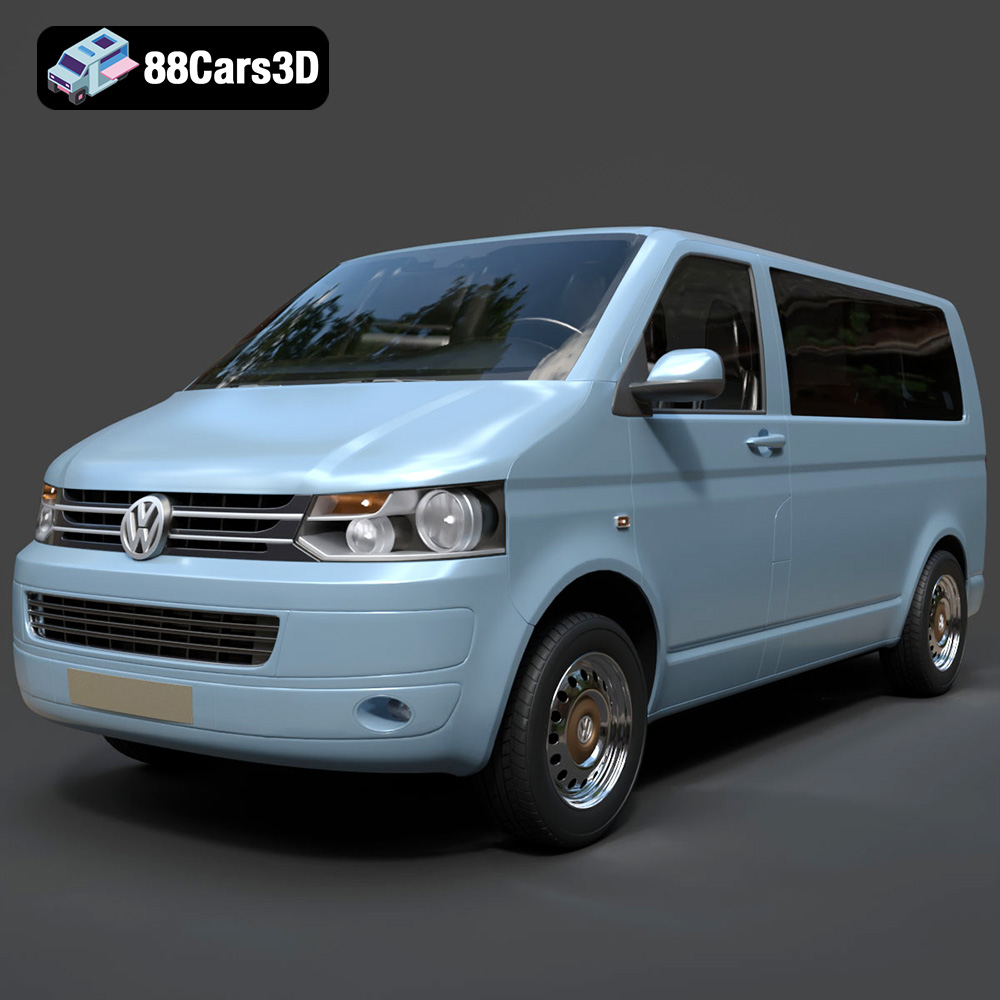
Volkswagen Transporter T5 FL 2010 3D Model
Texture: Yes
Material: Yes
Download the Volkswagen Transporter T5 FL 2010 3D Model featuring clean geometry, realistic detailing, and a fully modeled interior. Includes .blend, .fbx, .obj, .glb, .stl, .ply, .unreal, and .max formats for rendering, simulation, and game development.
Price: $22.99
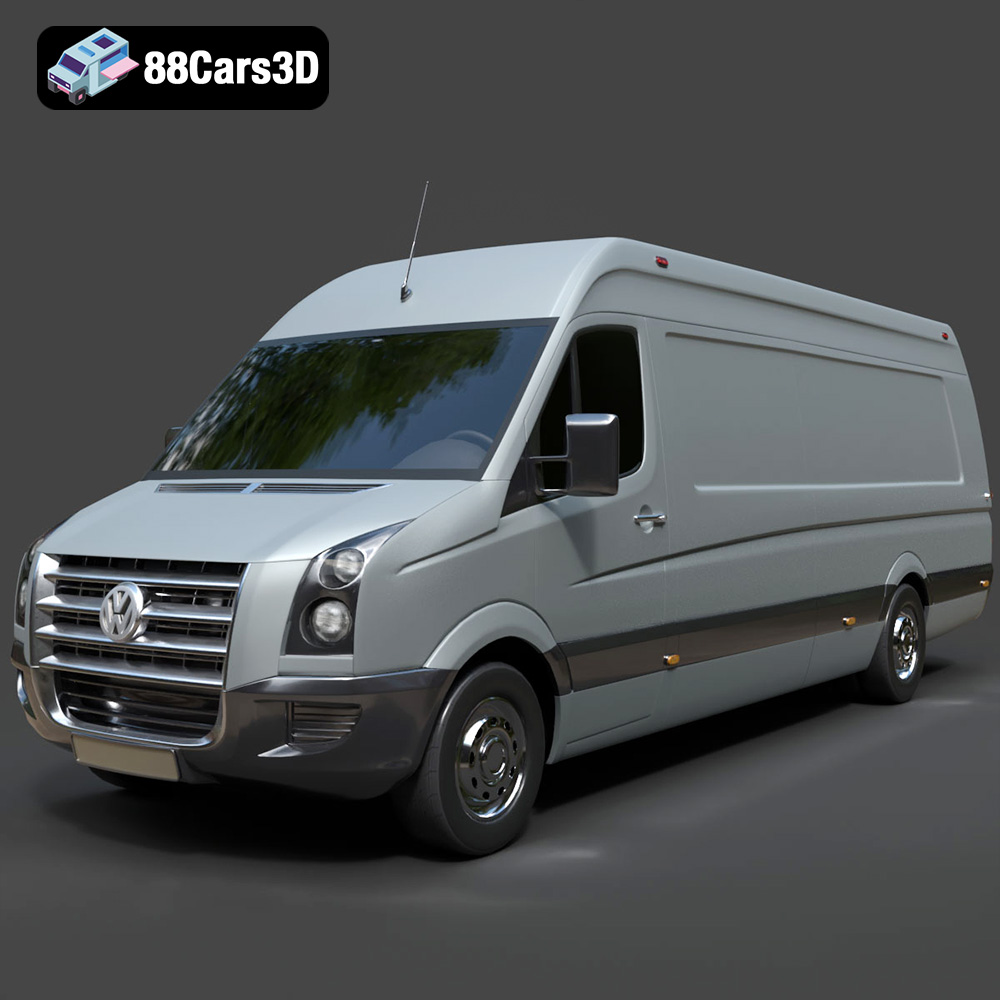
Volkswagen Crafter 2020 3D Model
Texture: Yes
Material: Yes
Download the Volkswagen Crafter 2020 3D Model featuring clean geometry, realistic detailing, and a fully modeled interior. Includes .blend, .fbx, .obj, .glb, .stl, .ply, .unreal, and .max formats for rendering, simulation, and game development.
Price: $22.99
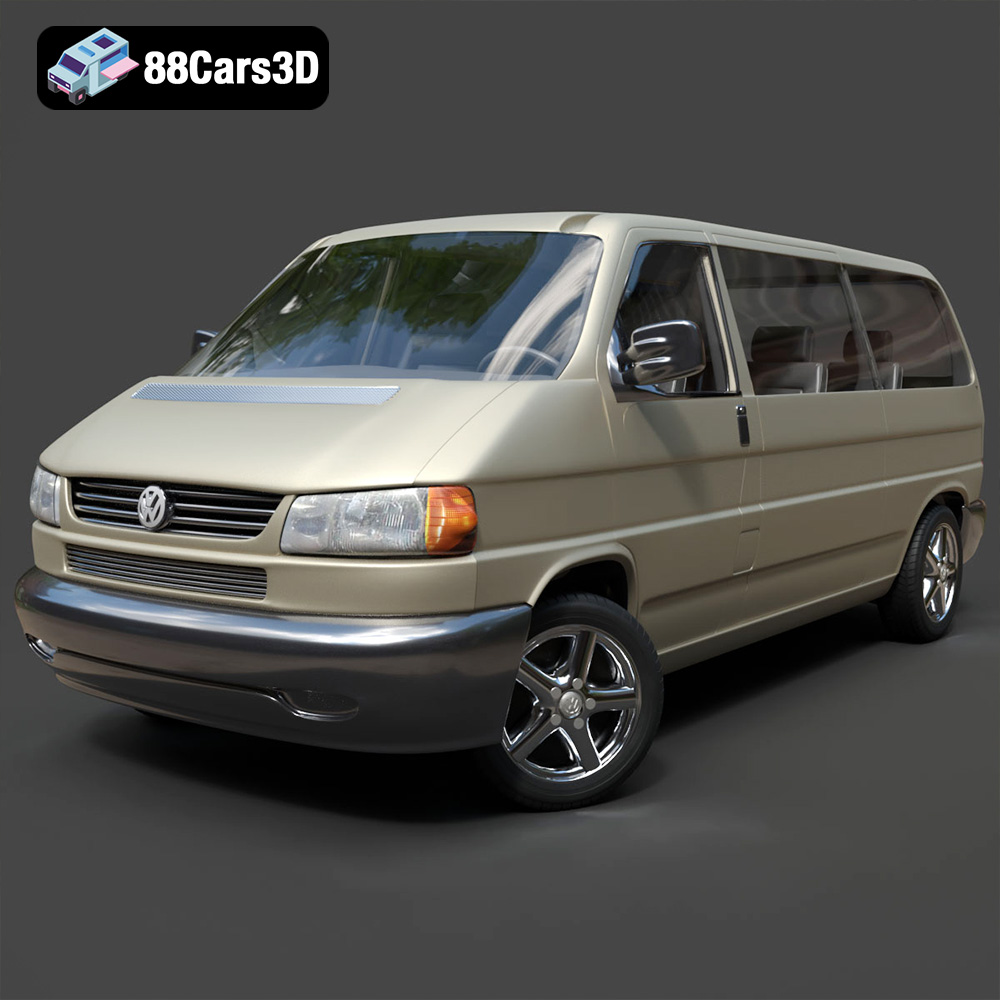
Volkswagen Caravelle 2020 3D Model
Texture: Yes
Material: Yes
Download the Volkswagen Caravelle 3D Model featuring a detailed exterior, functional interior, and optimized topology. Includes .blend, .fbx, .obj, .glb, .stl, .ply, .unreal, and .max formats for rendering, simulation, and game development.
Price: $23.99
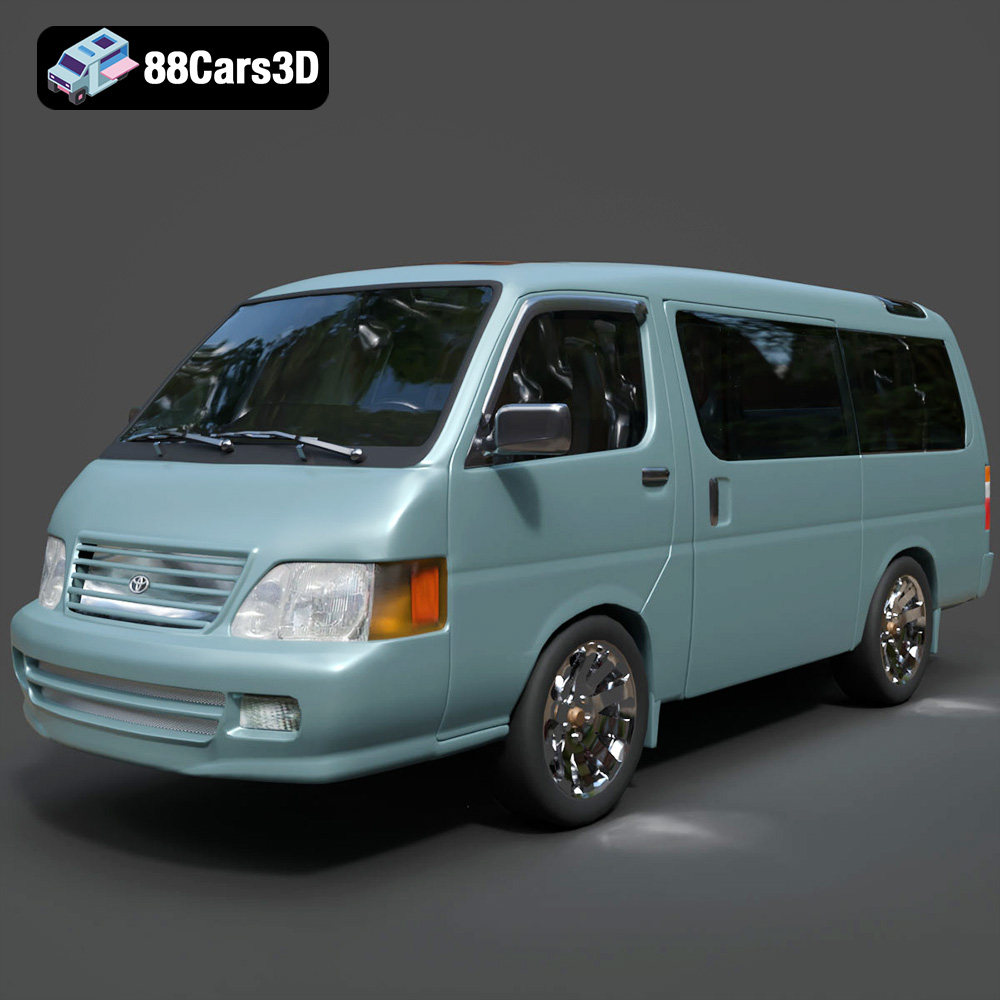
Toyota Hiace 3D Model
Texture: Yes
Material: Yes
Download the Toyota Hiace 3D Model featuring versatile design and detailed exterior. Includes .blend, .fbx, .obj, .glb, .stl, .ply, .unreal, and .max formats for rendering, simulation, and game development.
Price: $21.99
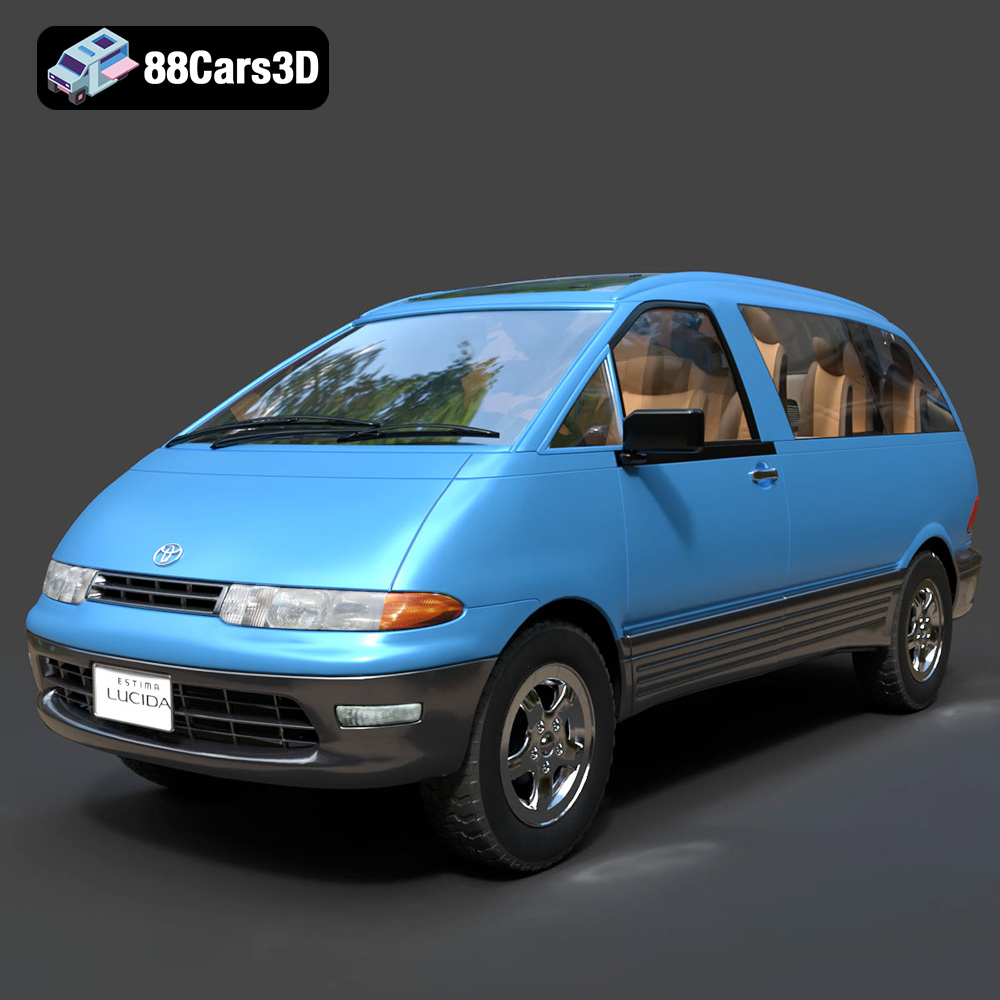
Toyota Estima Lucida 3D Model
Texture: Yes
Material: Yes
Download the Toyota Estima Lucida 3D Model featuring its iconic compact MPV design, versatile interior, and accurate exterior details. Includes .blend, .fbx, .obj, .glb, .stl, .ply, .unreal, and .max formats for rendering, simulation, and game development.
Price: $24.99

Toyota Alphard 3D Model
Texture: Yes
Material: Yes
Download the Toyota Alphard 3D Model featuring a detailed luxury minivan design with an accurate exterior and interior. Includes .blend, .fbx, .obj, .glb, .stl, .ply, .unreal, and .max formats for rendering, simulation, and game development.
Price: $21.99
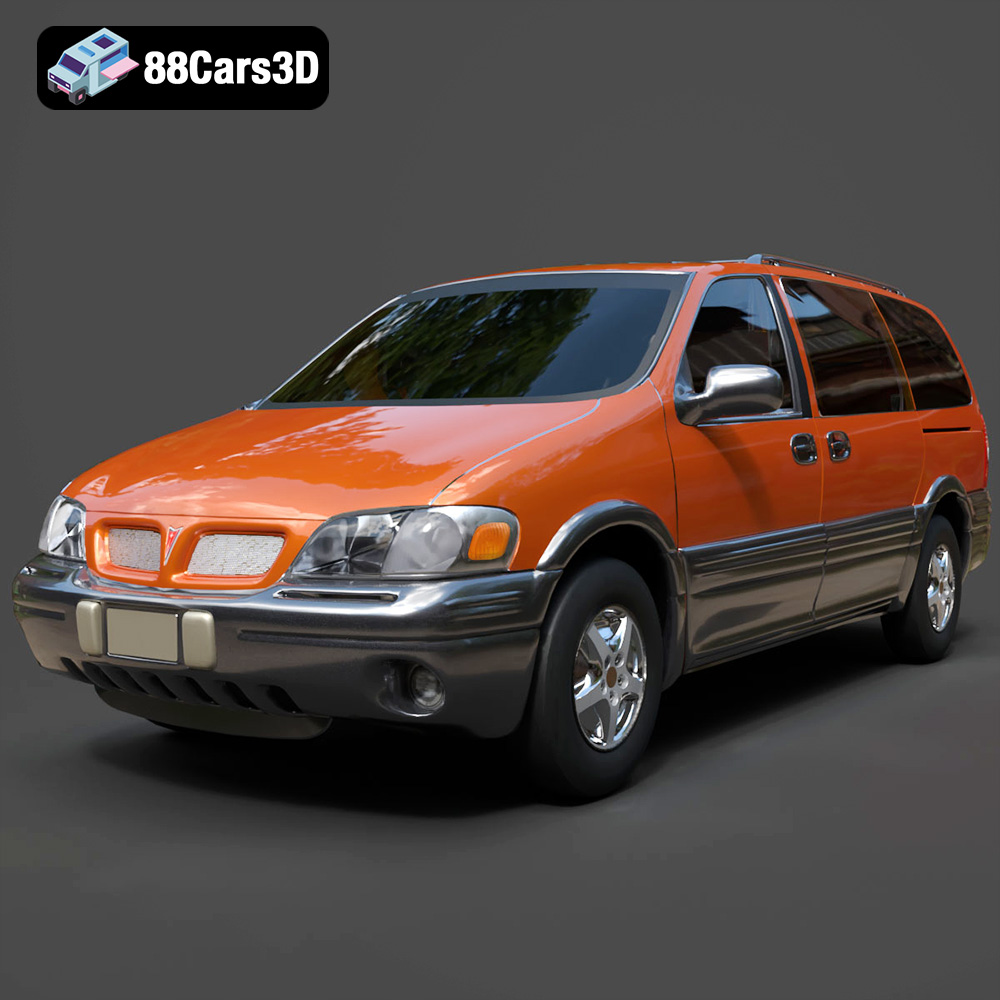
Pontiac Montana 1998 3D Model
Texture: Yes
Material: Yes
Download the Pontiac Montana 1998 3D Model featuring a detailed exterior, functional interior, and optimized mesh. Includes .blend, .fbx, .obj, .glb, .stl, .ply, .unreal, and .max formats for rendering, simulation, and game development.
Price: $21.99
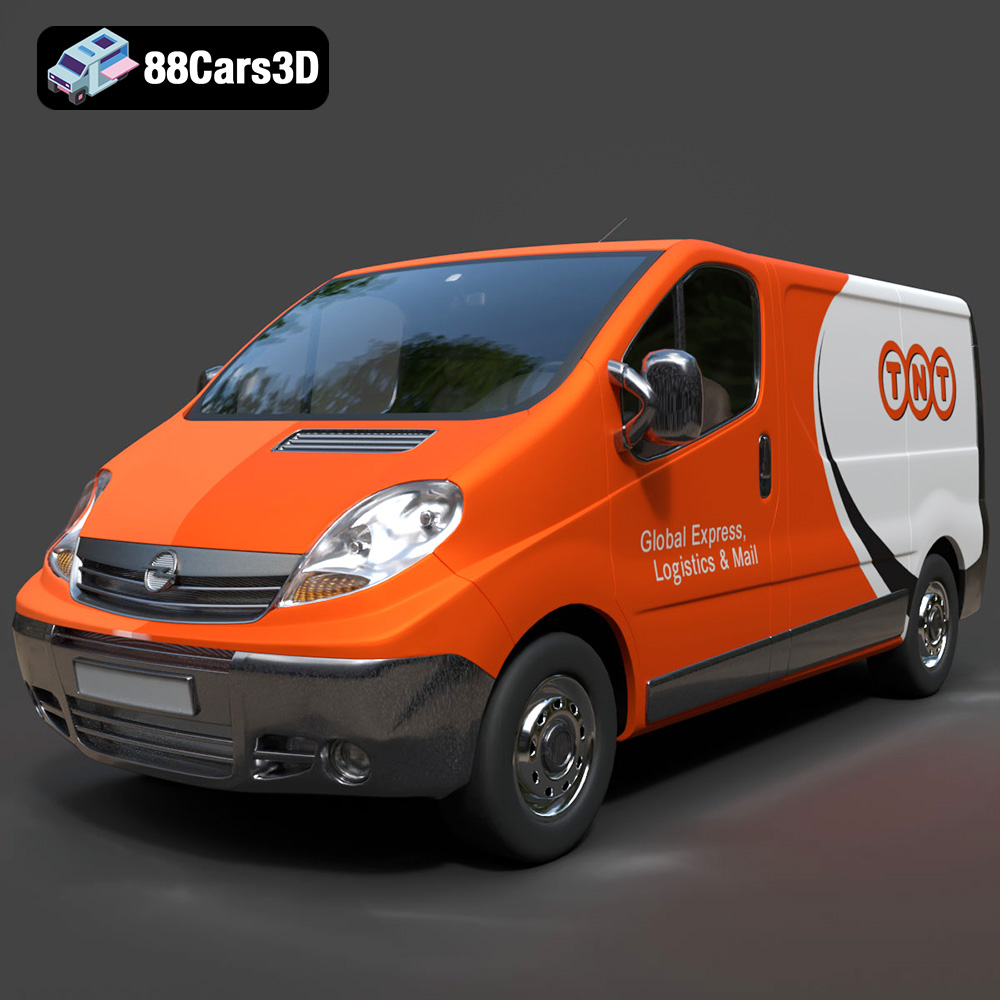
Opel Vivaro 3D Model
Texture: Yes
Material: Yes
Download the Opel Vivaro 3D Model featuring a versatile commercial van design with balanced detailing. Includes .blend, .fbx, .obj, .glb, .stl, .ply, .unreal, and .max formats for rendering, simulation, and game development.
Price: $21.99
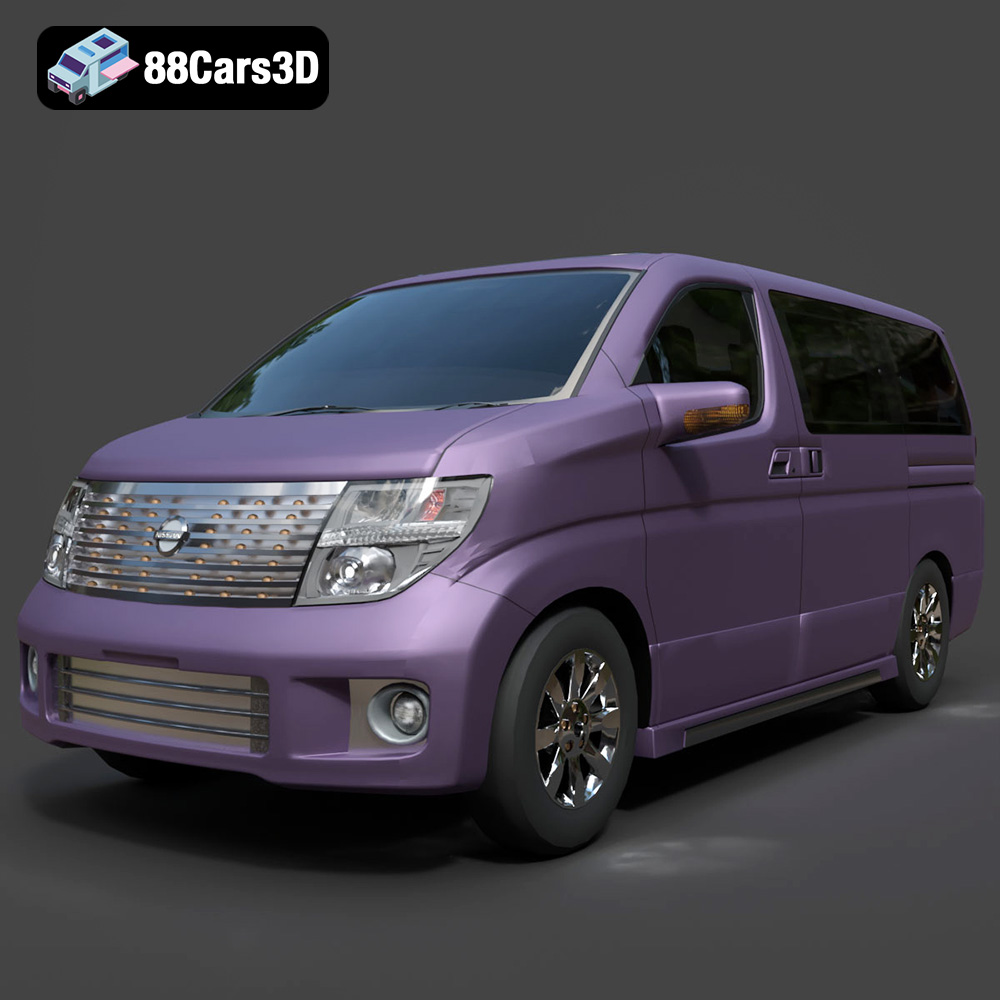
Nissan Elgrand 3D Model
Texture: Yes
Material: Yes
Download the Nissan Elgrand 3D Model featuring a versatile minivan design. Includes .blend, .fbx, .obj, .glb, .stl, .ply, .unreal, and .max formats for rendering, simulation, and game development.
Price: $21.99
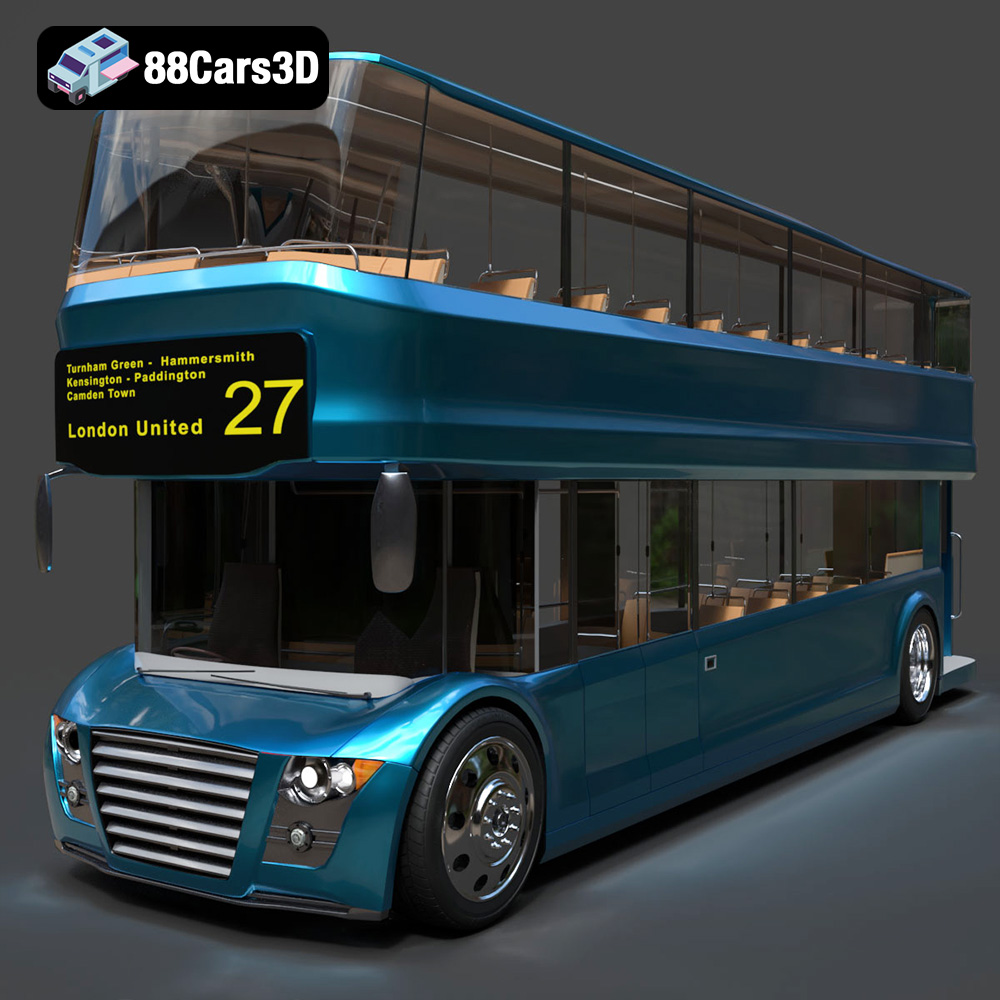
New Bus For London 3D Model
Texture: Yes
Material: Yes
Download the New Bus For London 3D Model featuring a detailed exterior and interior, optimized for rendering and animation. Includes .blend, .fbx, .obj, .glb, .stl, .ply, .unreal, and .max formats for rendering, simulation, and game development.
Price: $21.99
