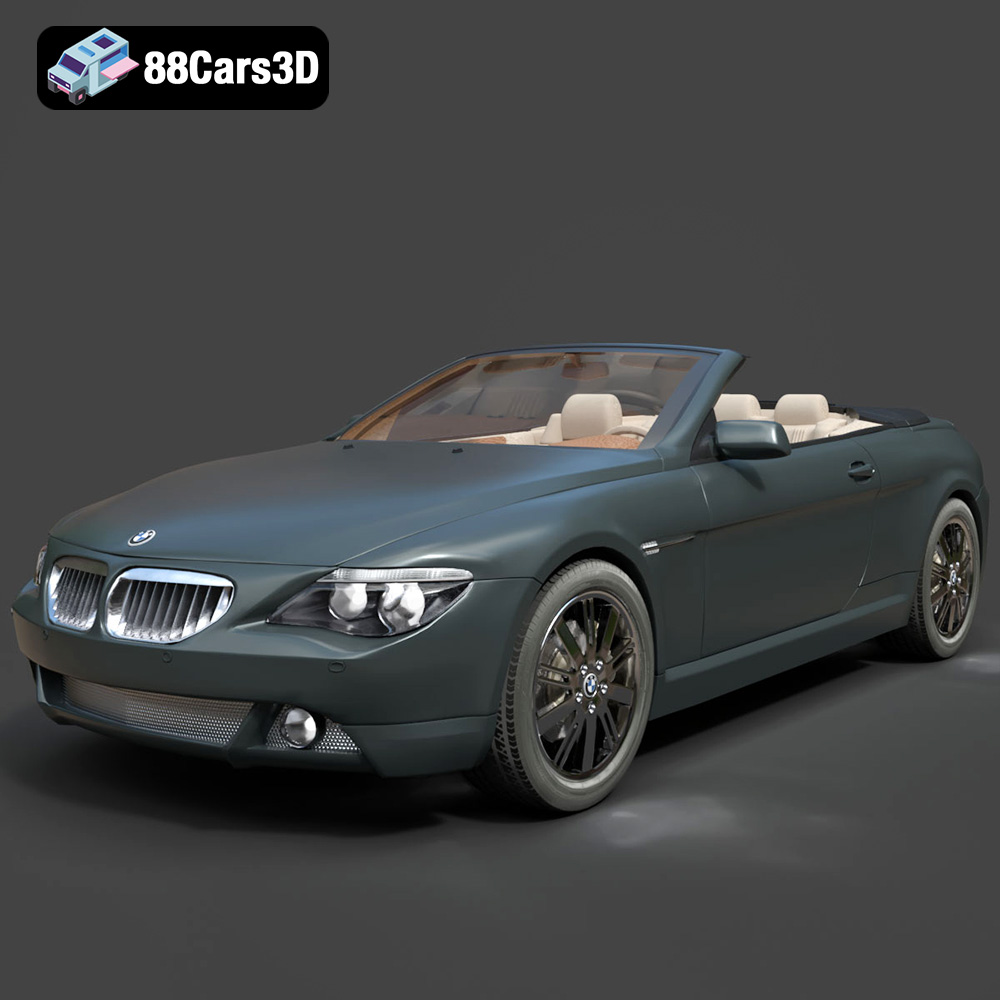
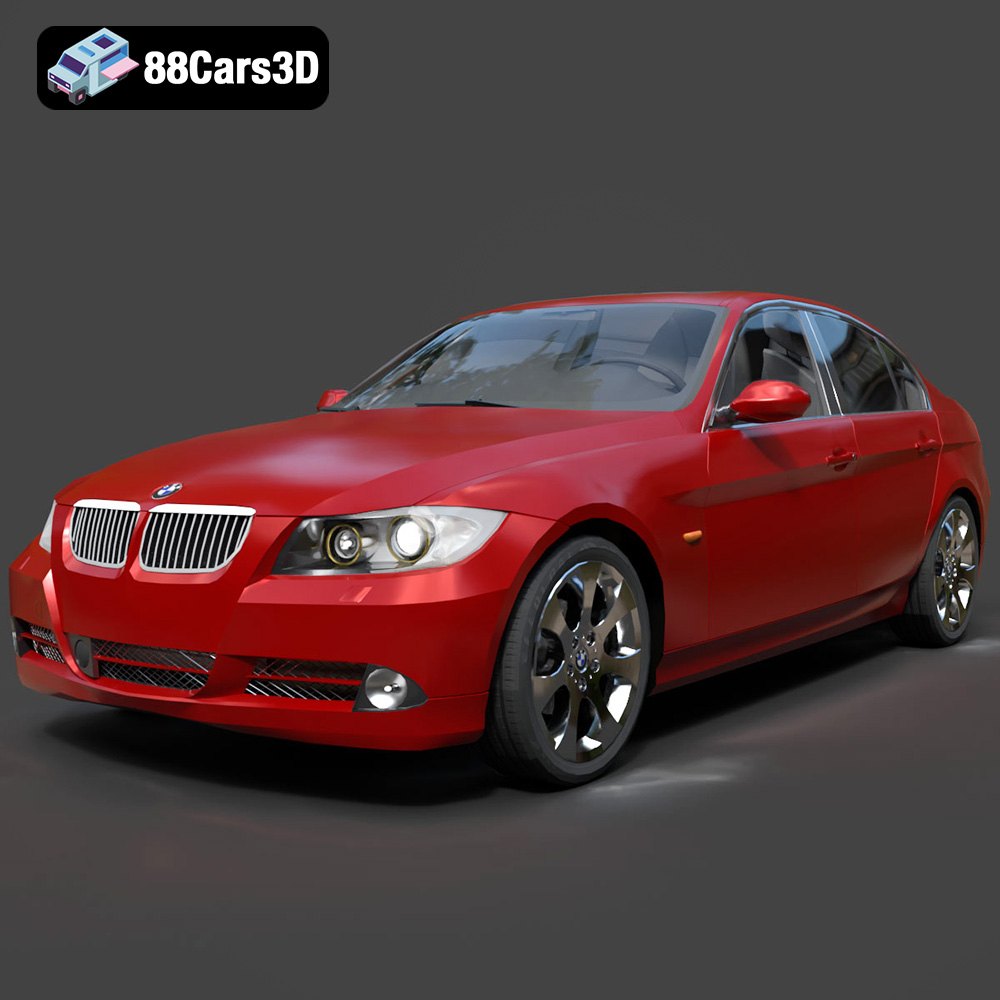
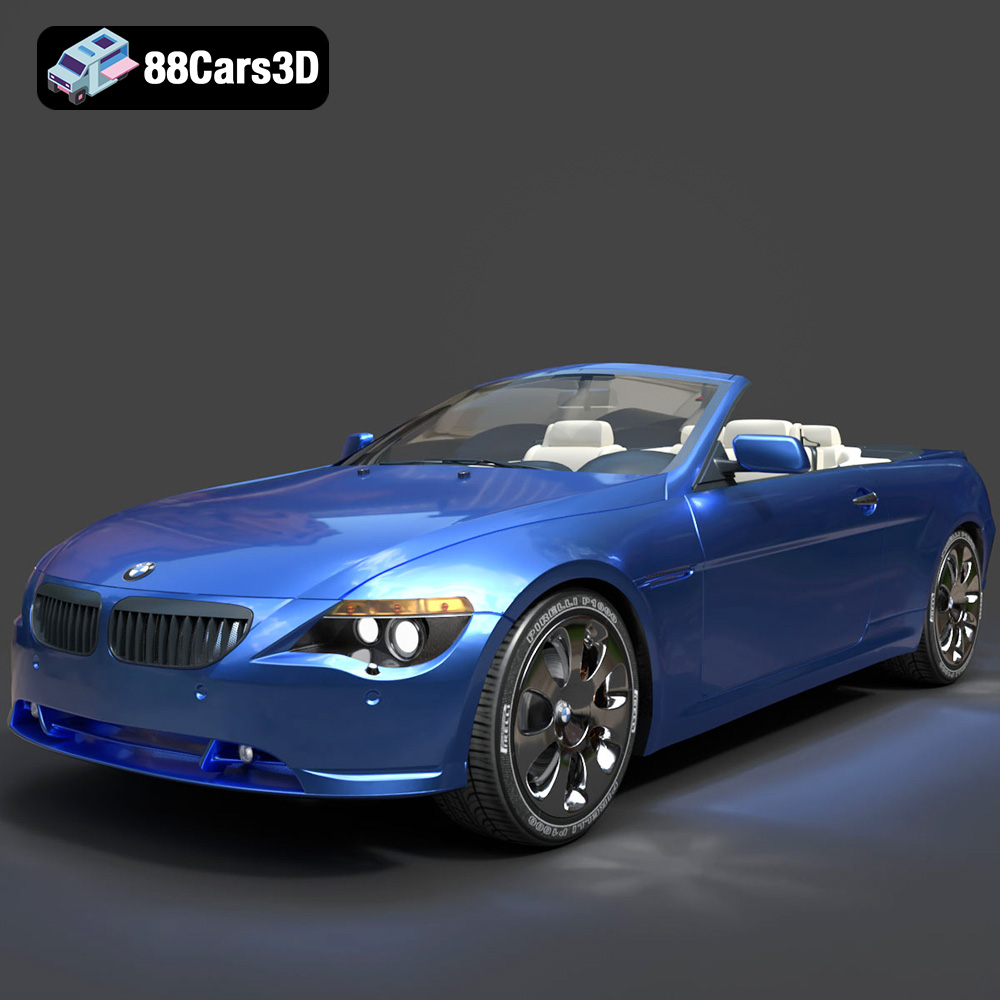
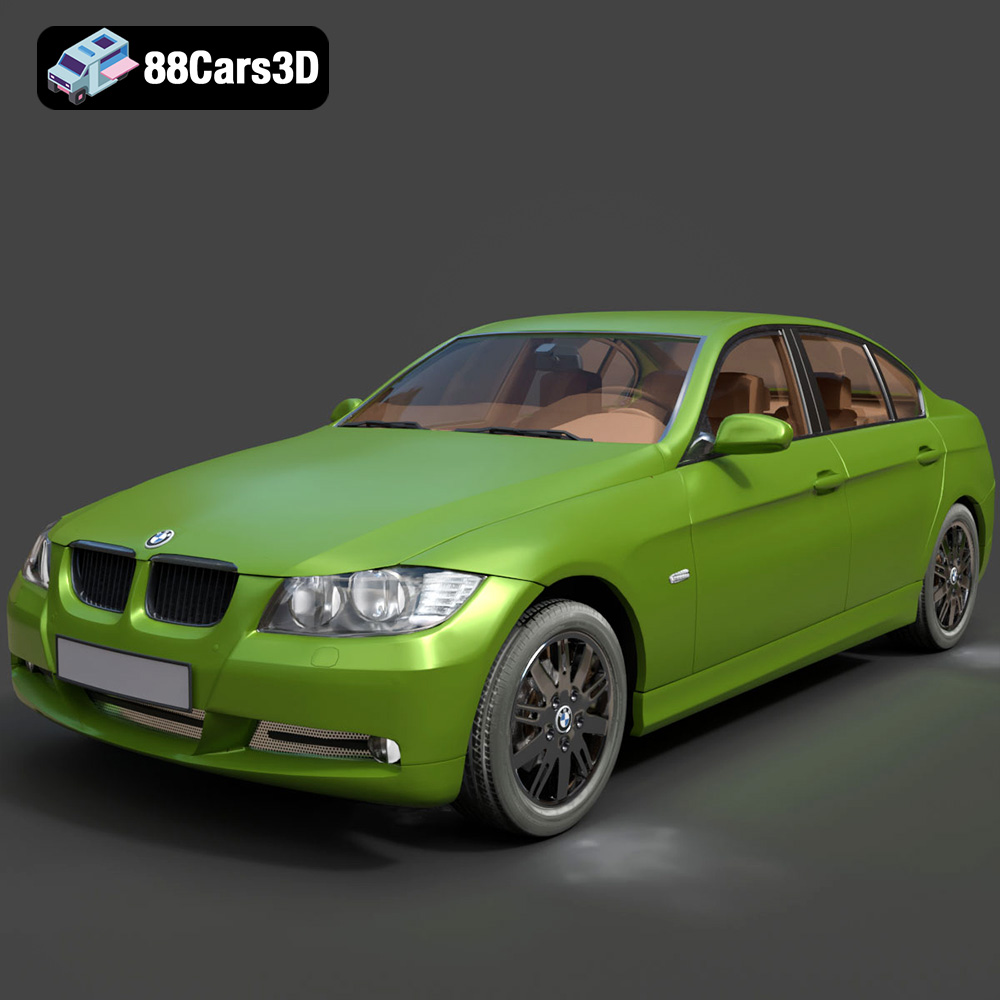
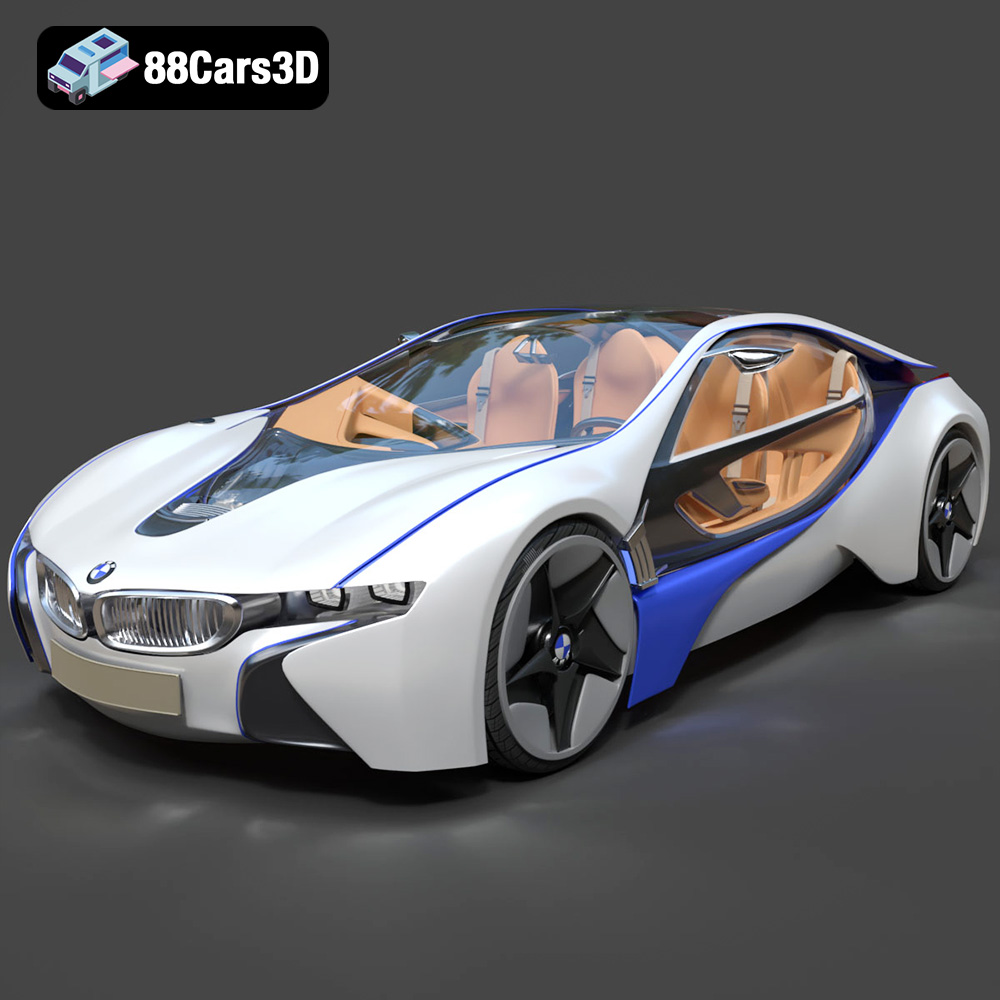
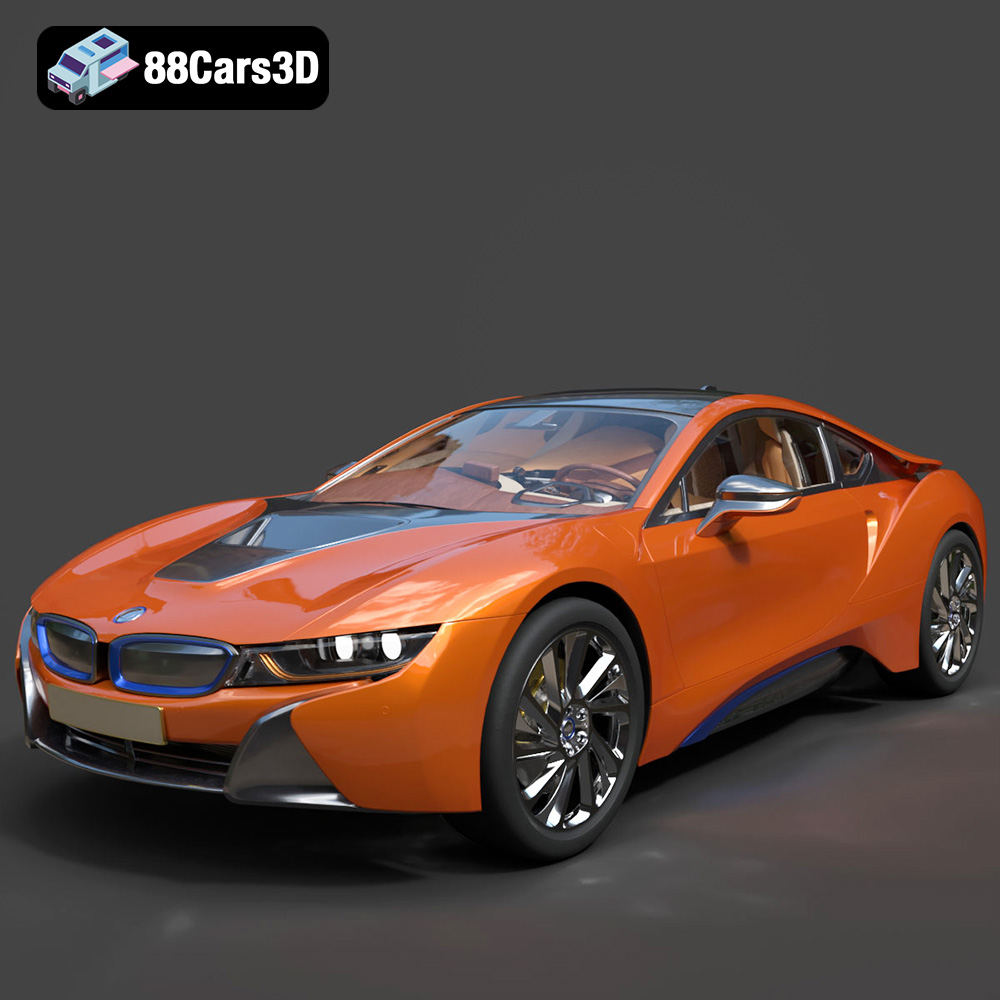
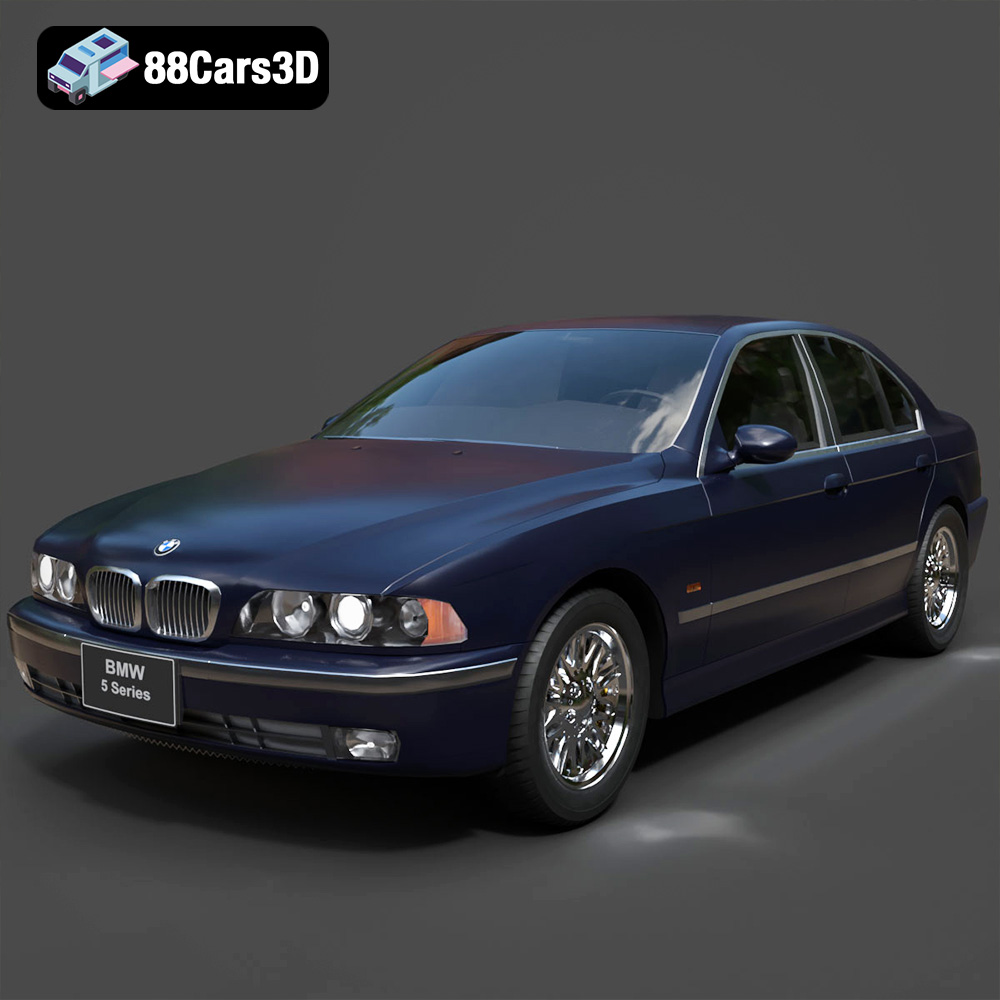
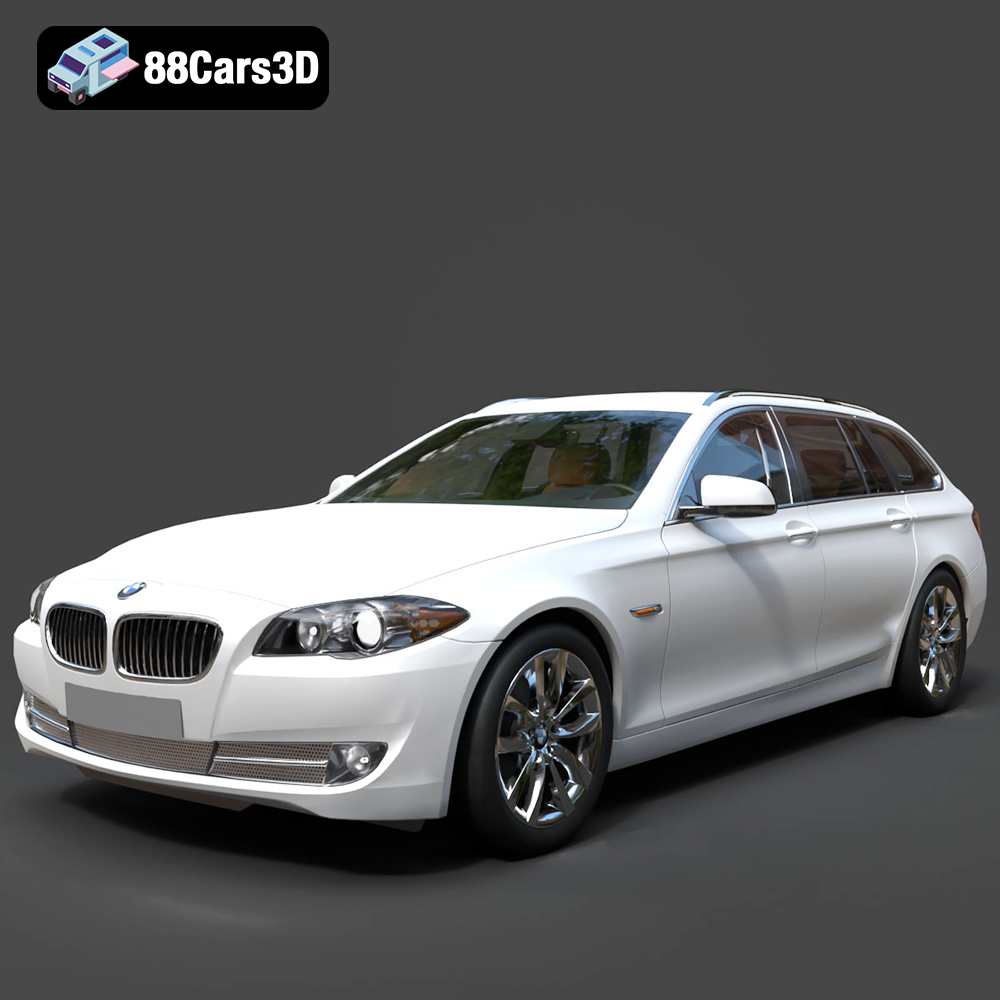
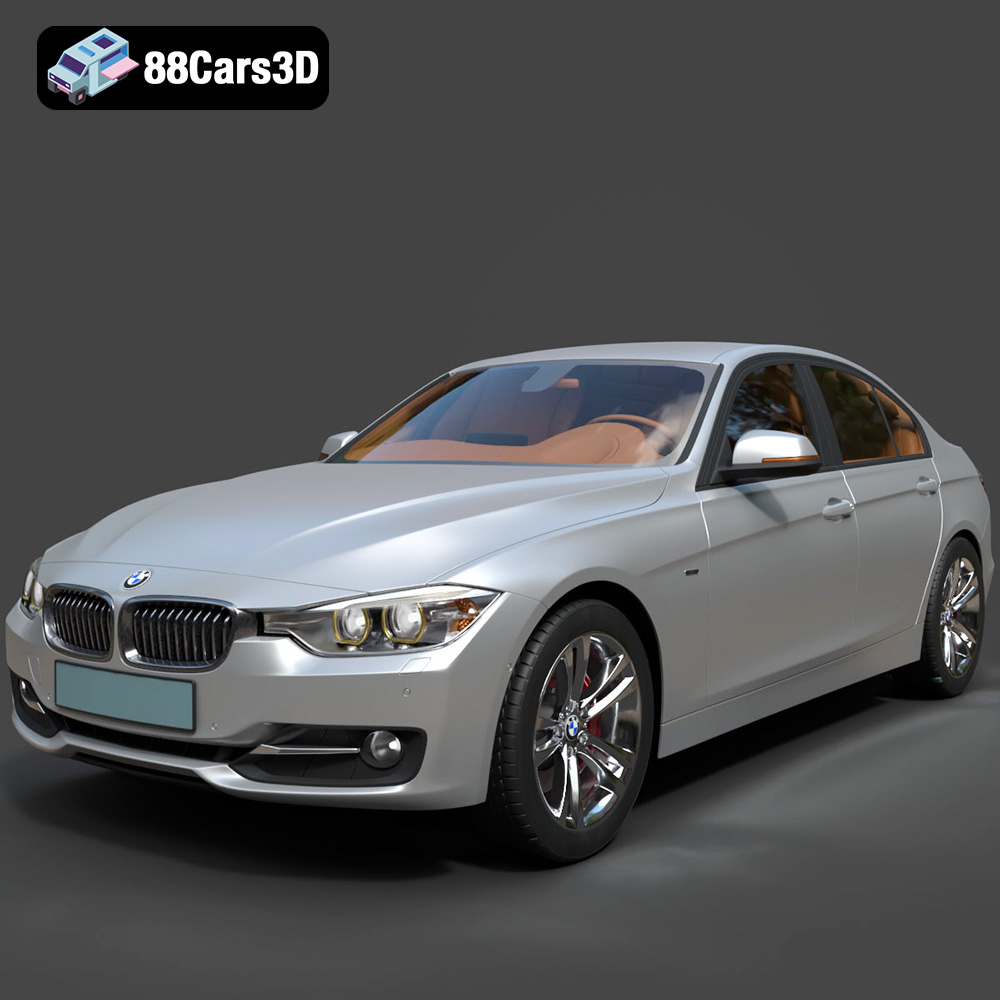
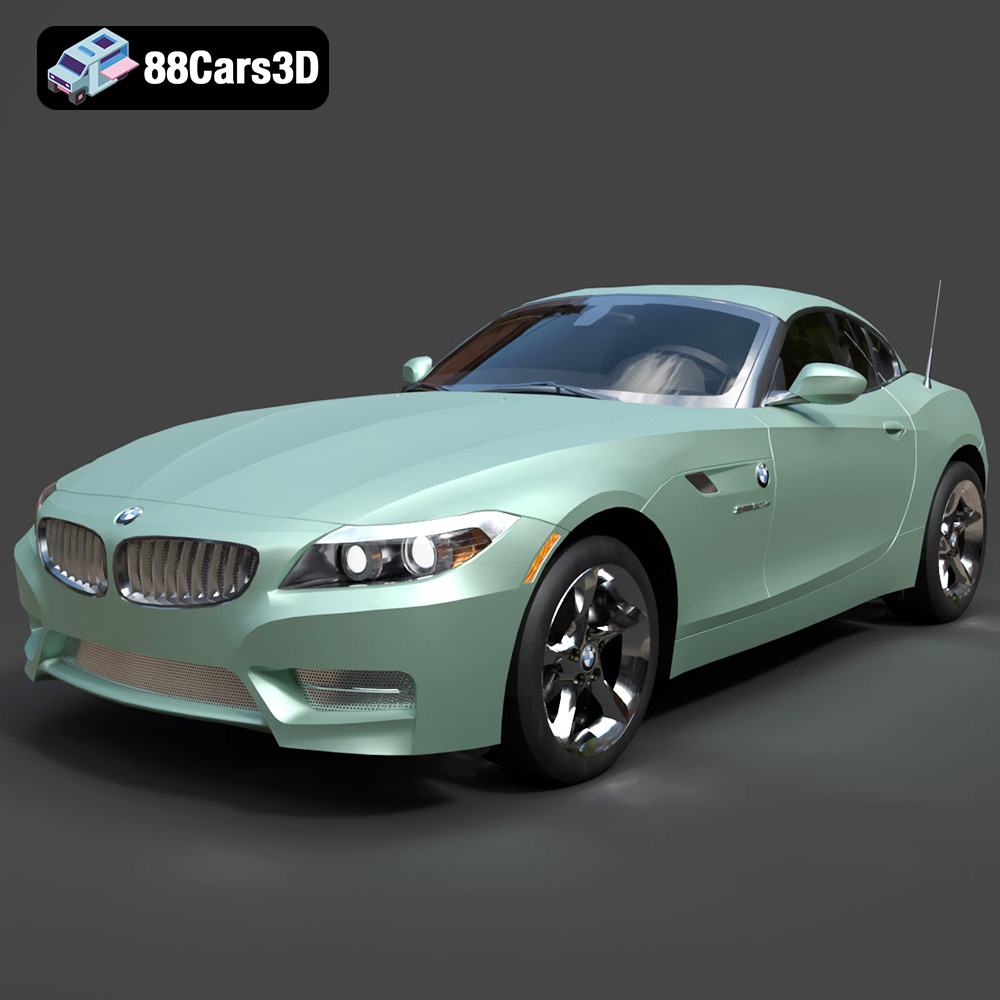
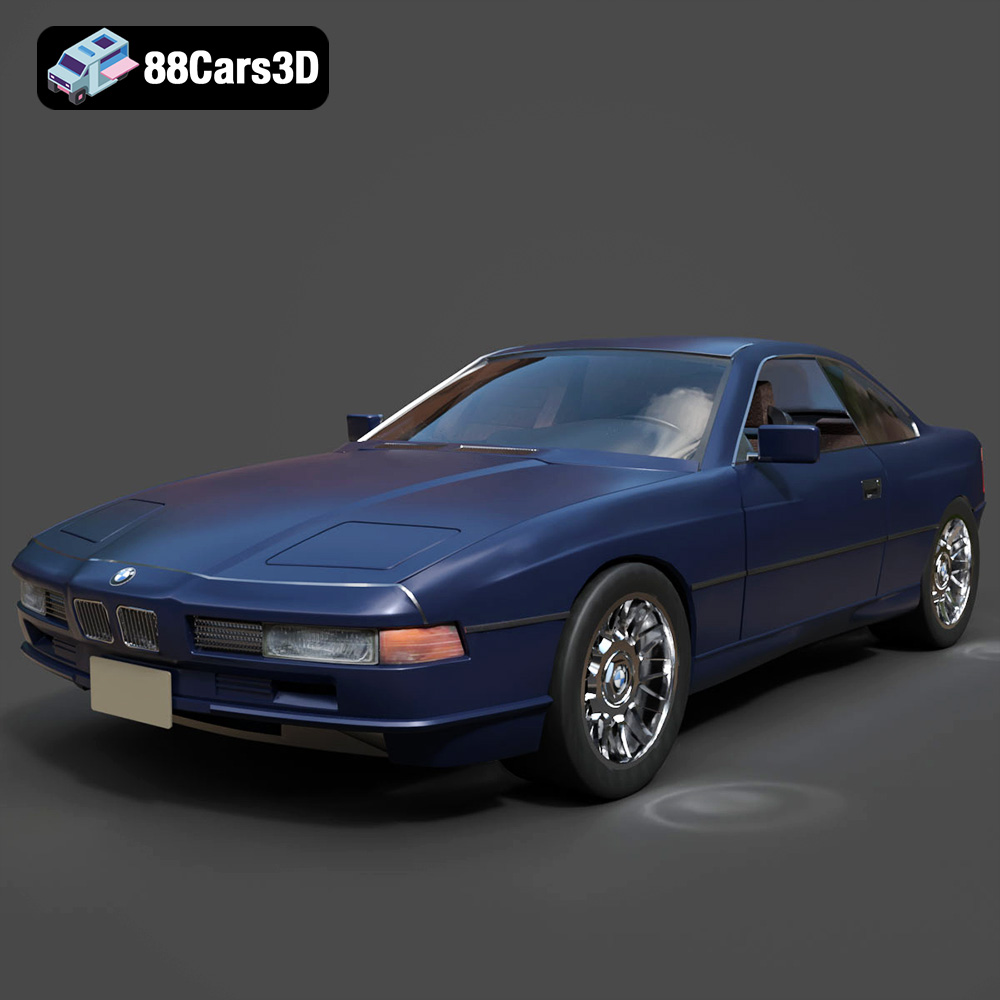
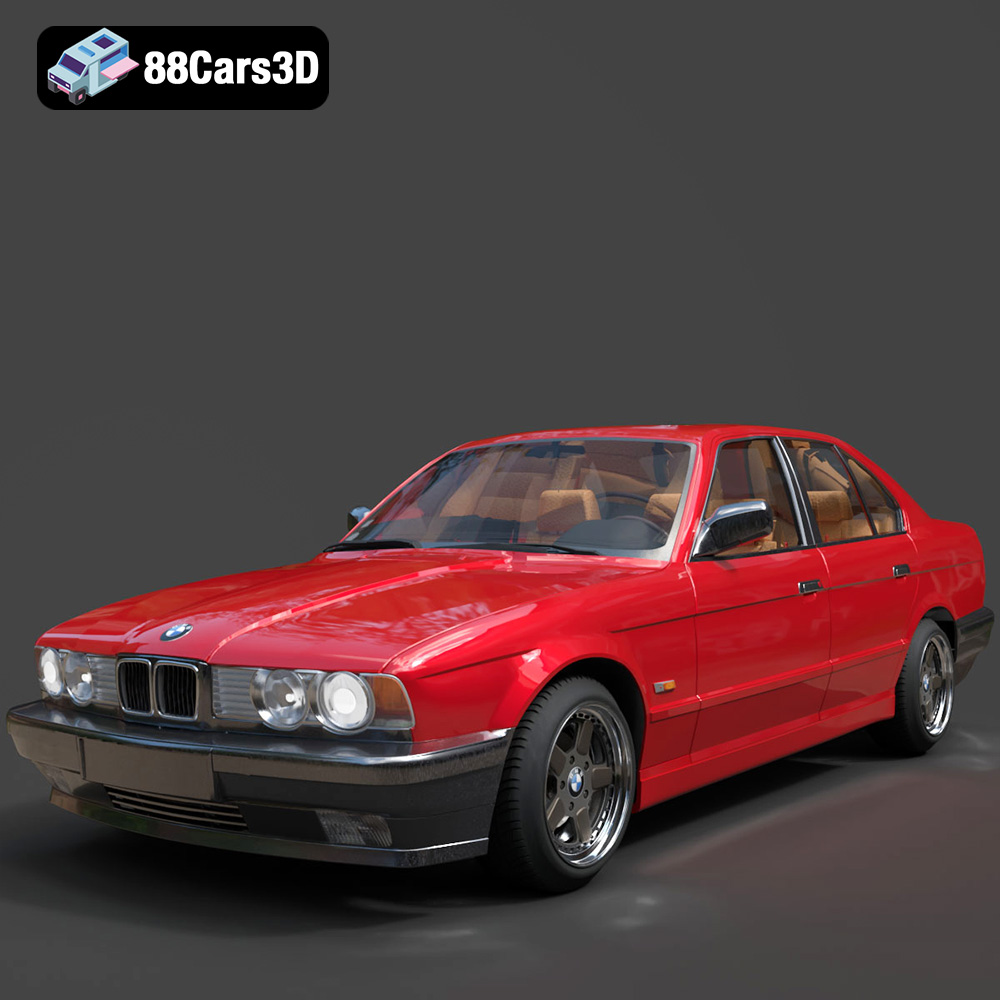
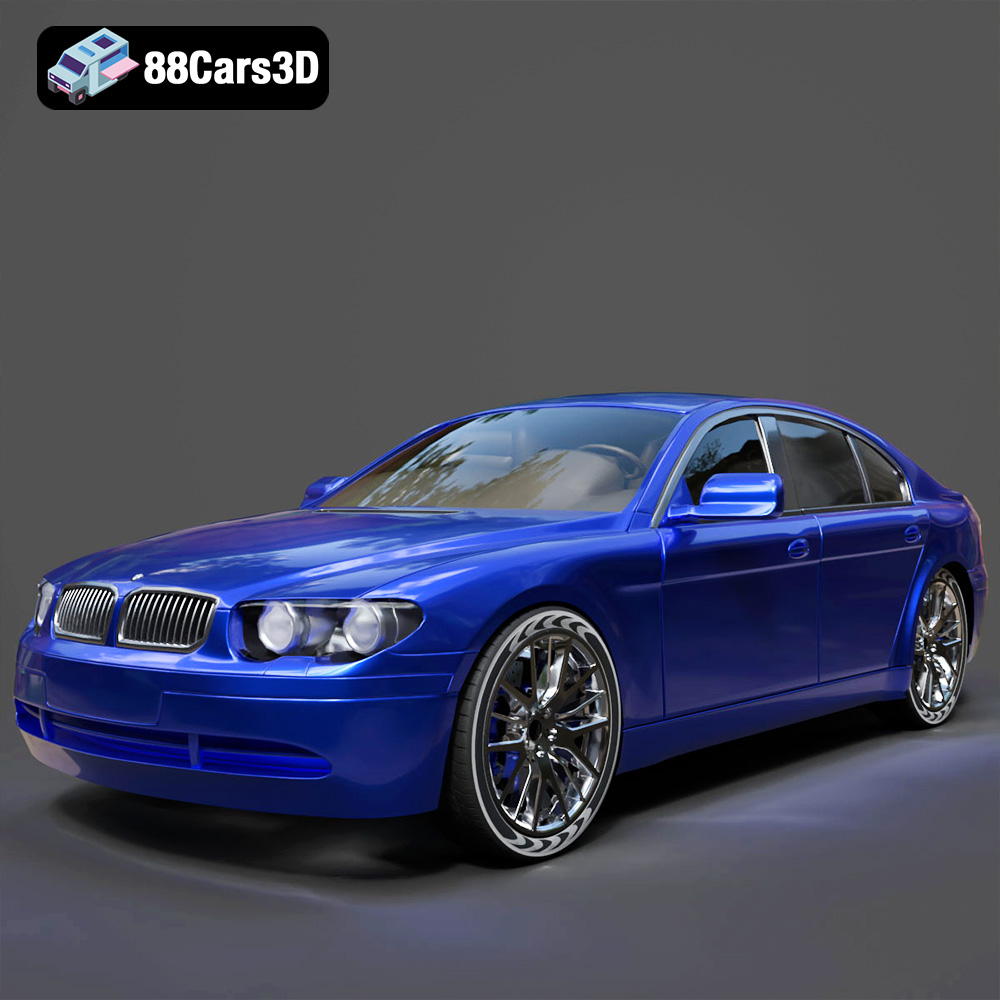
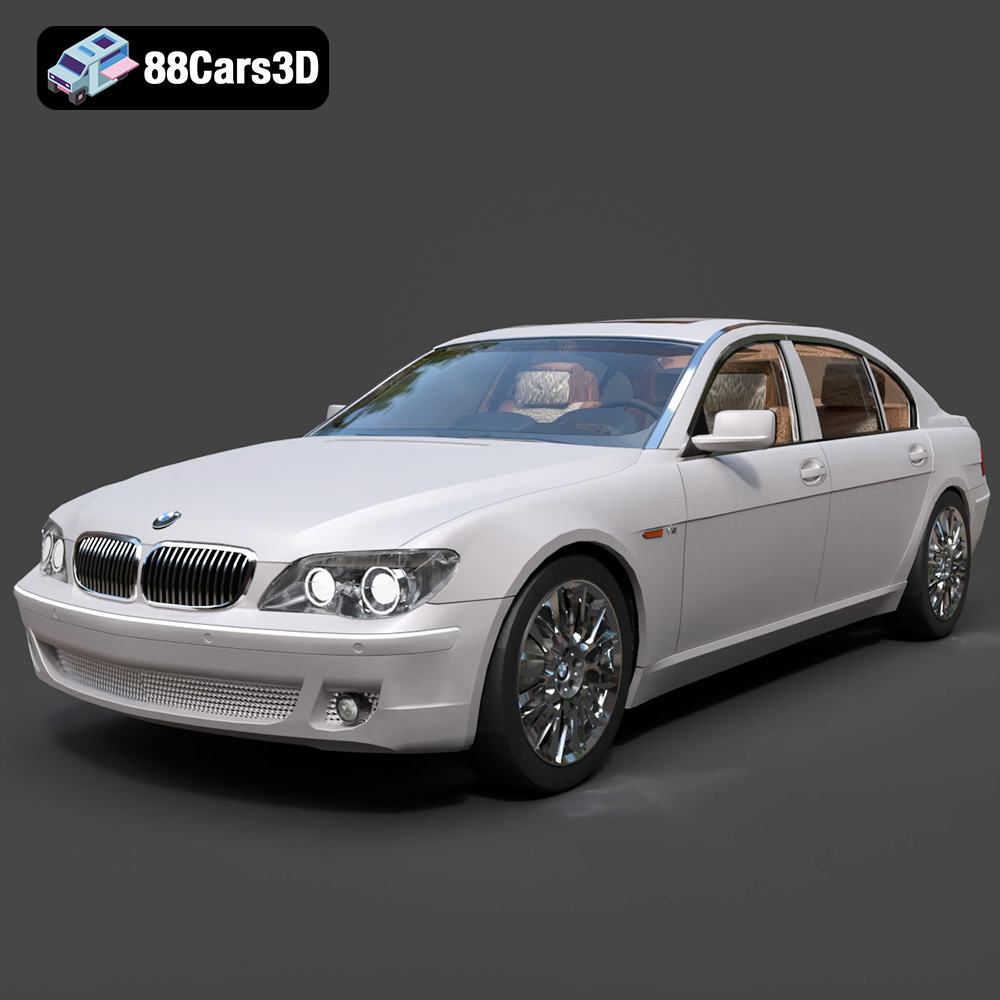
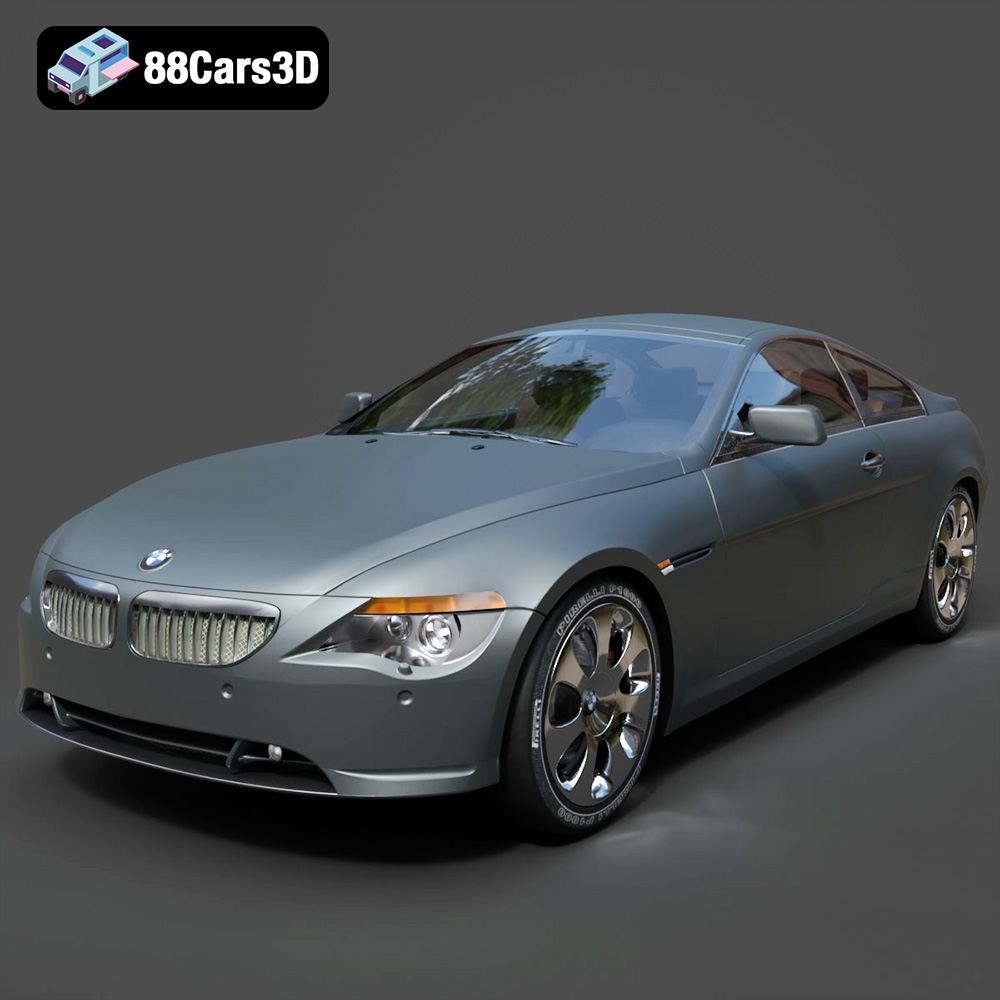
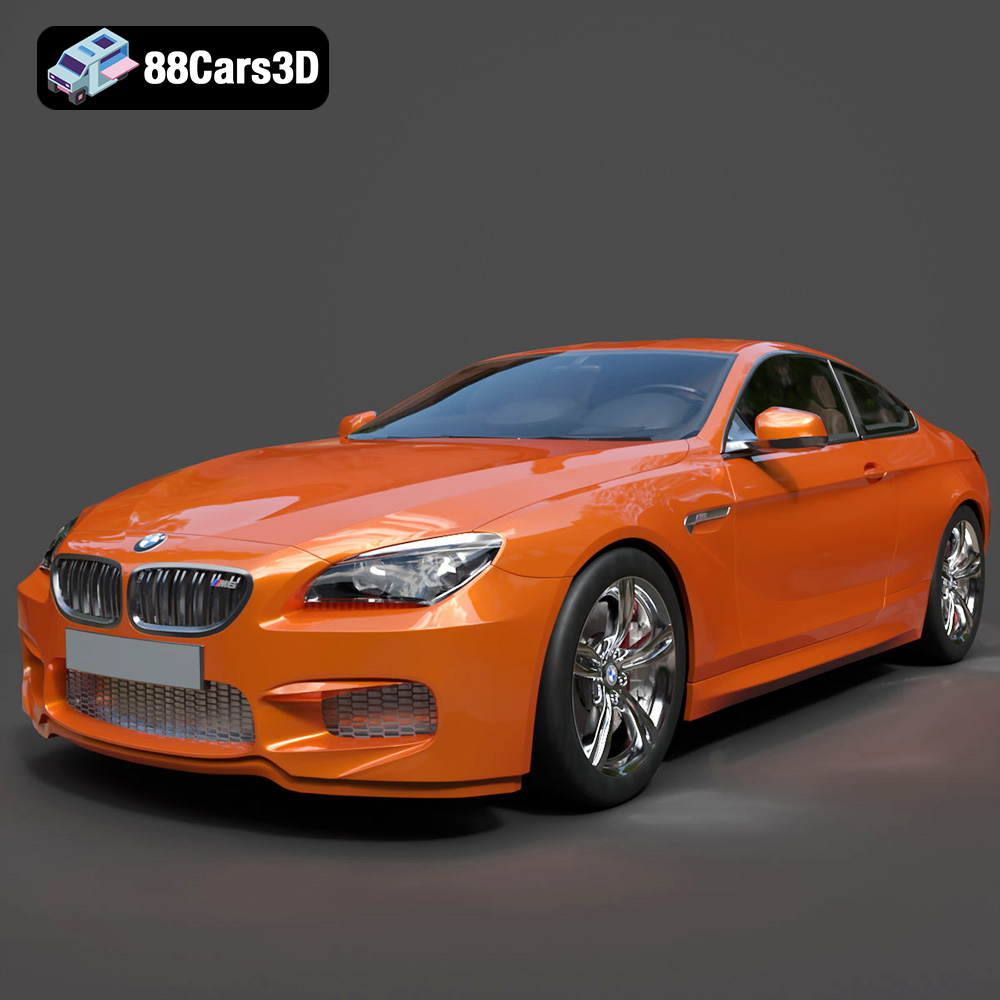
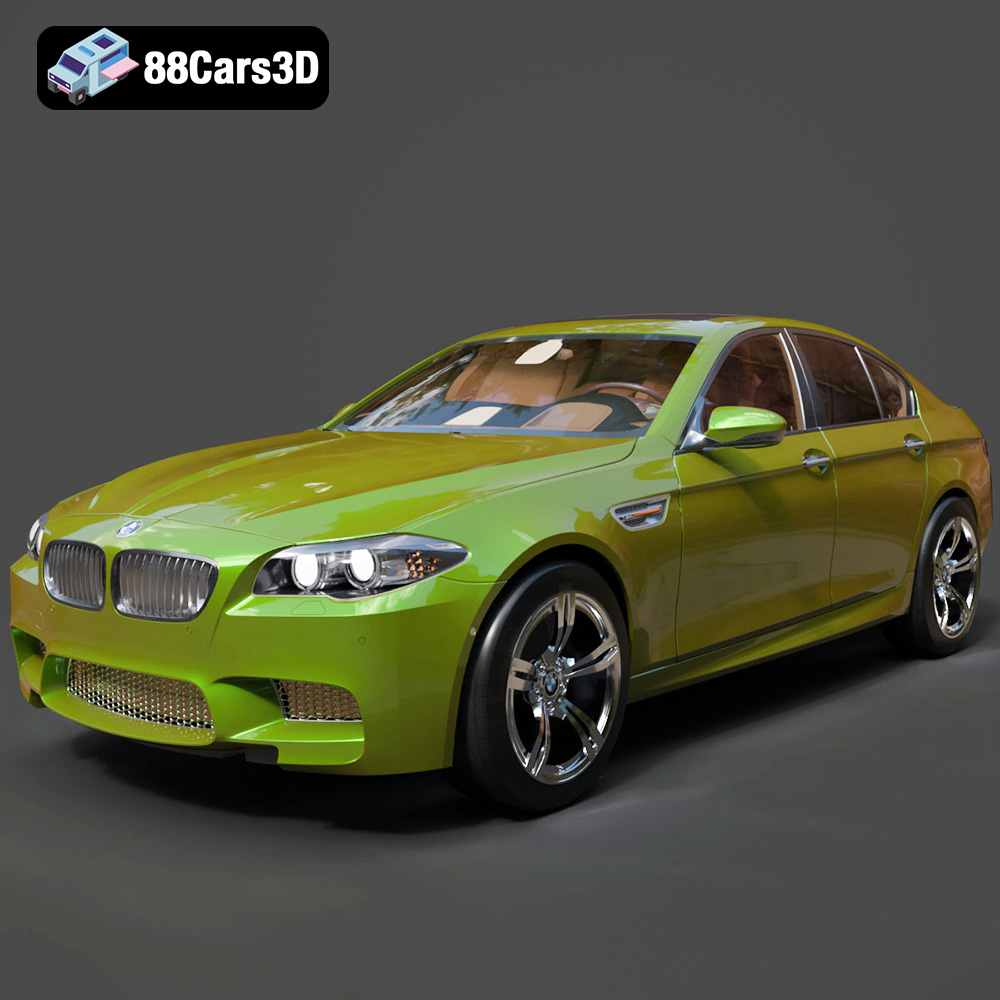
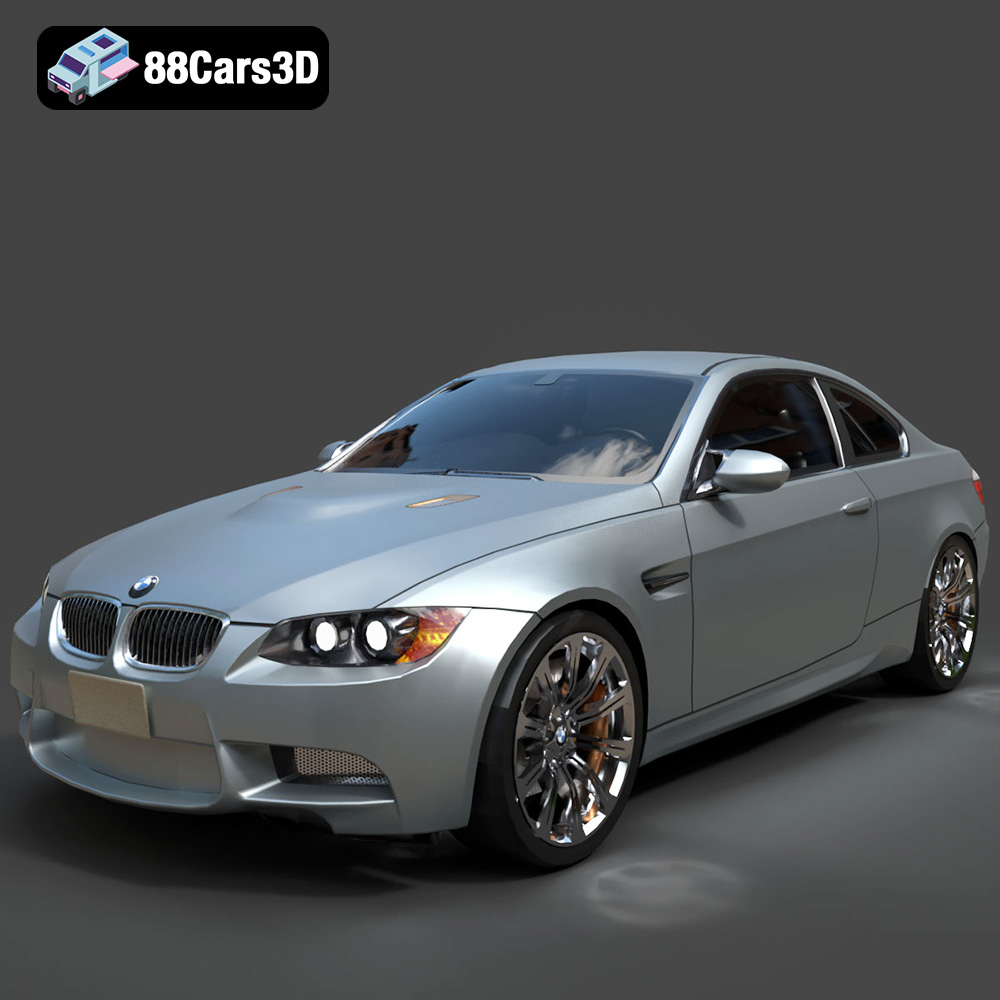
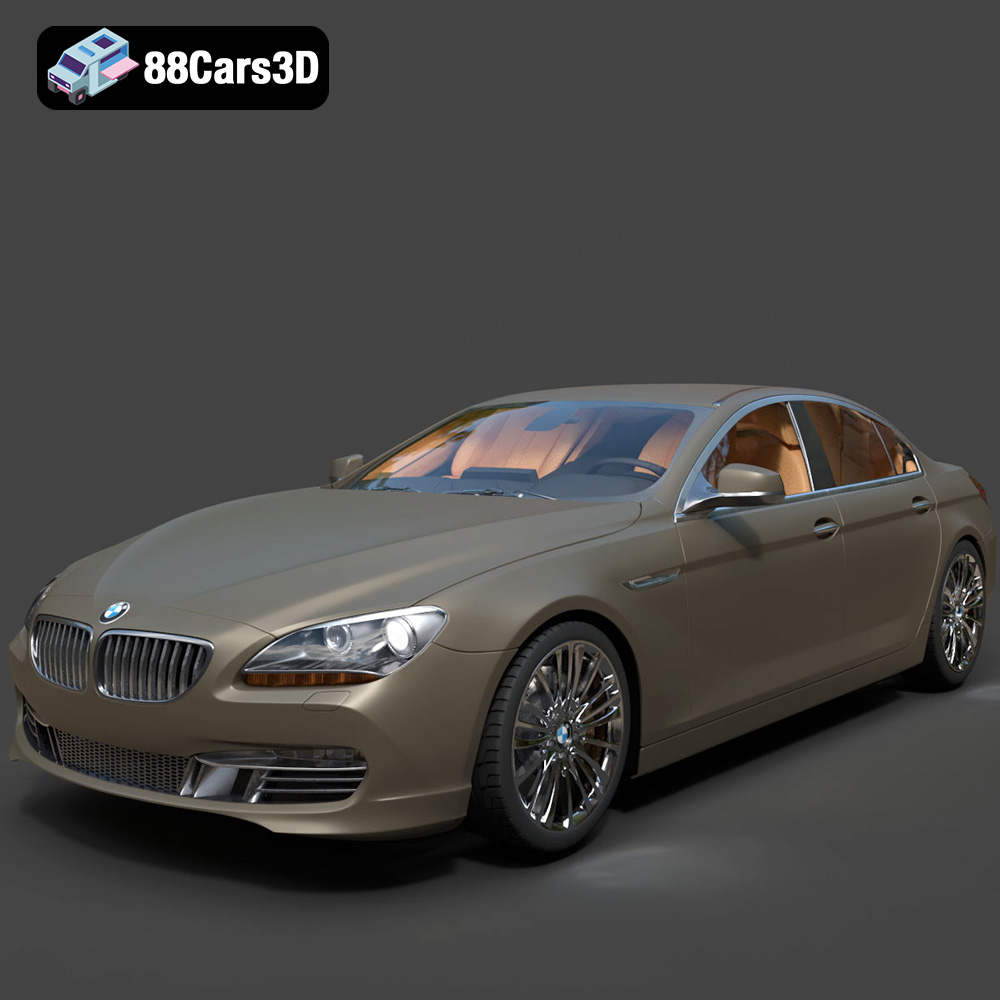
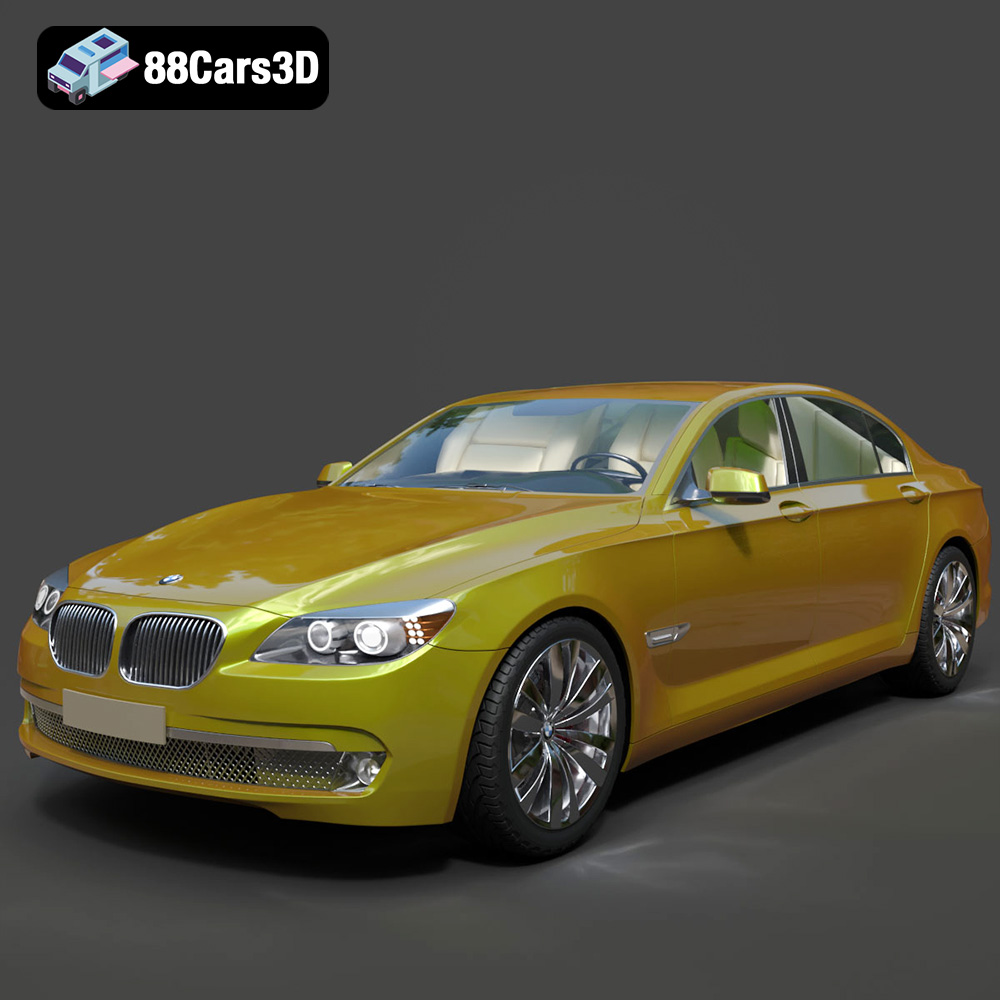
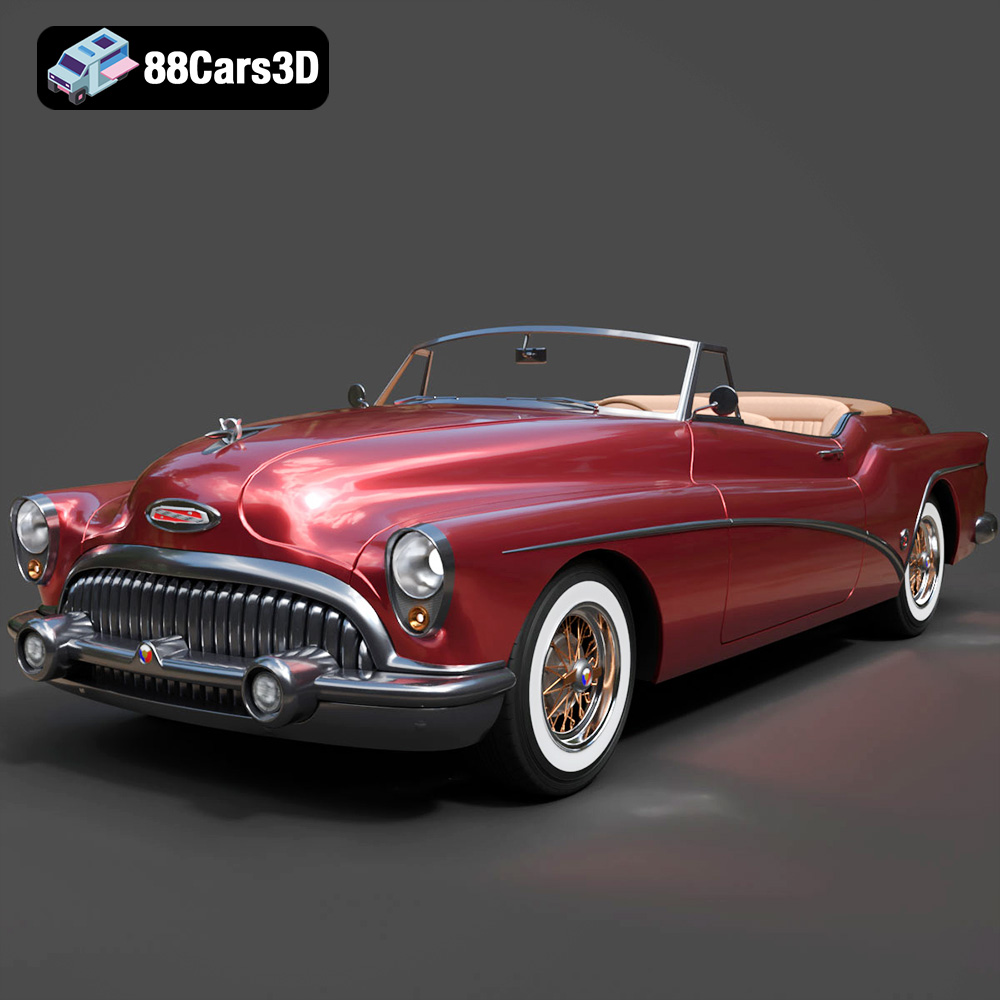
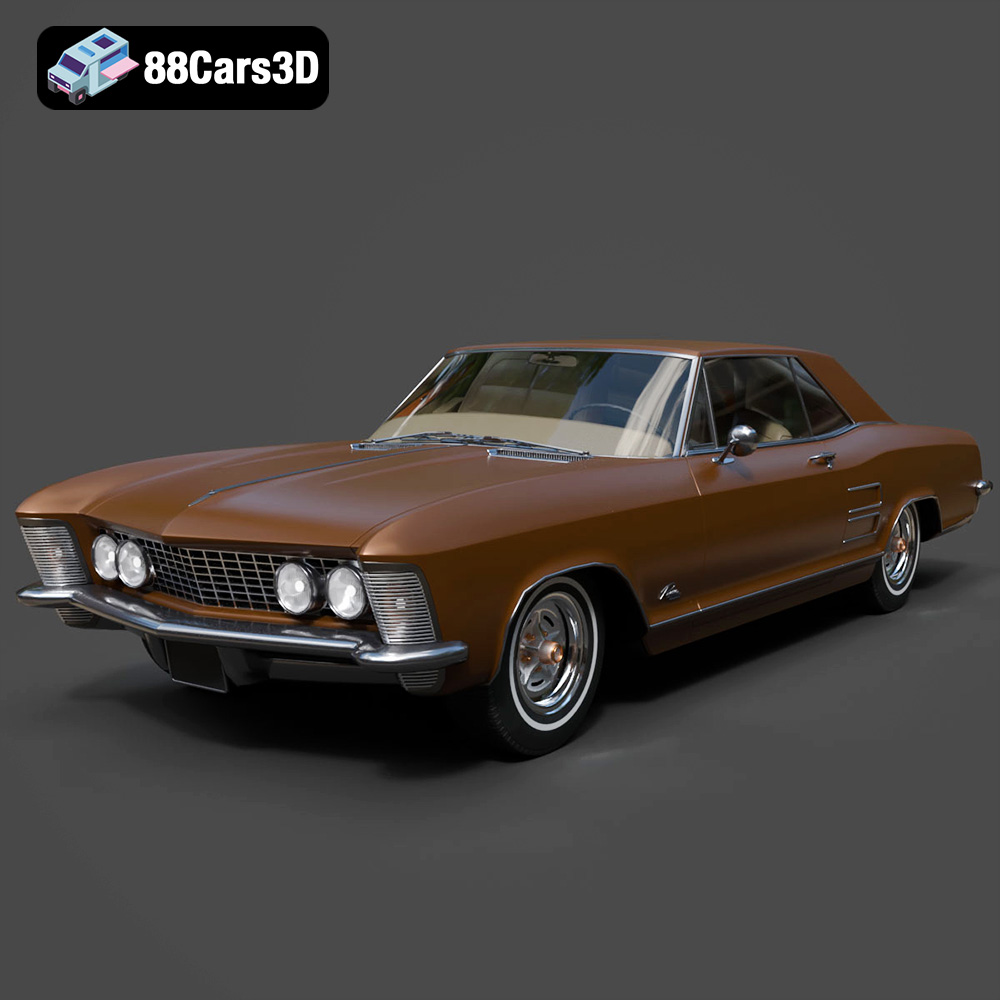
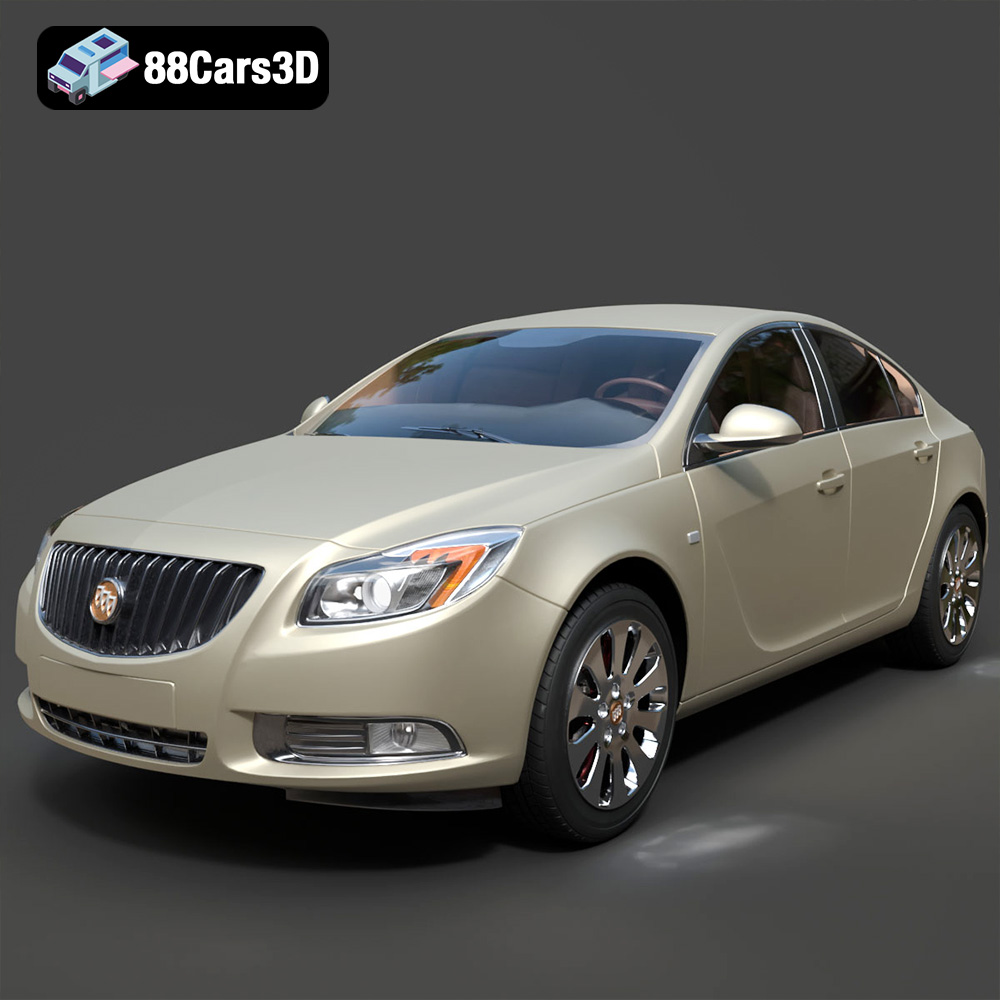
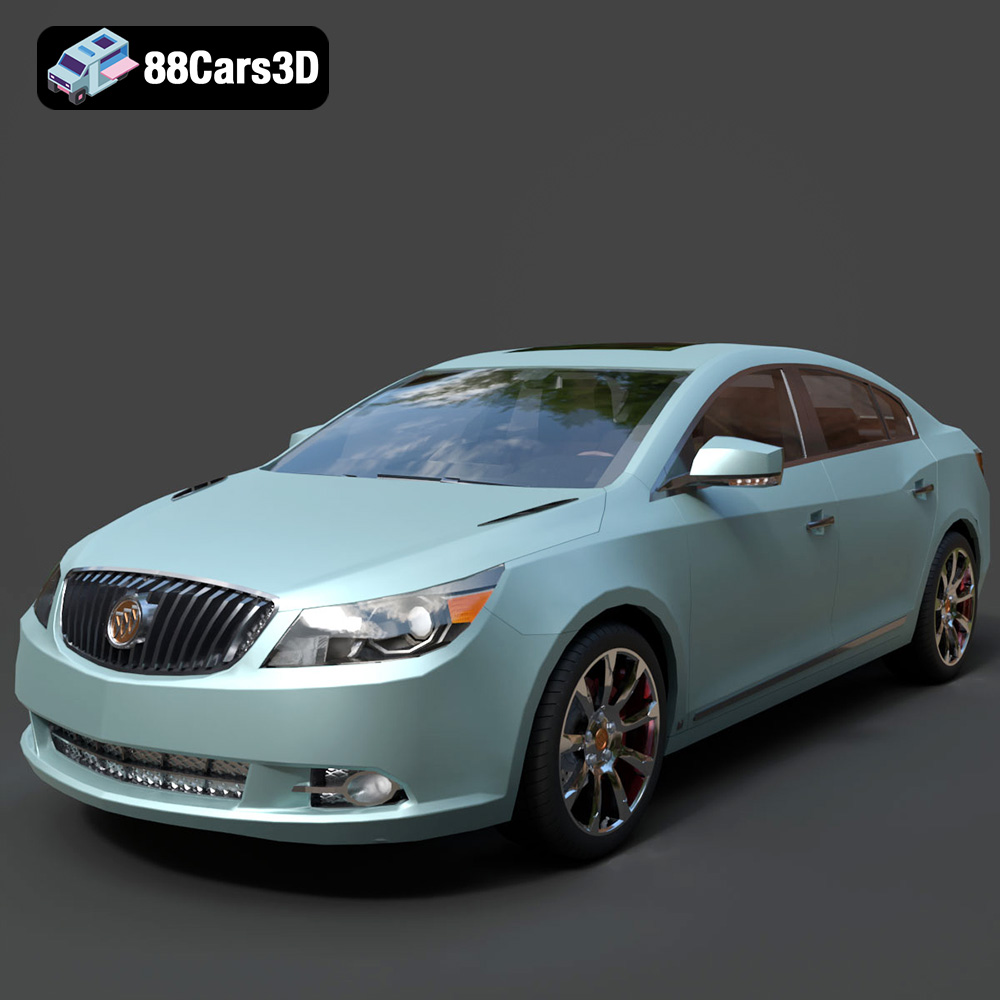
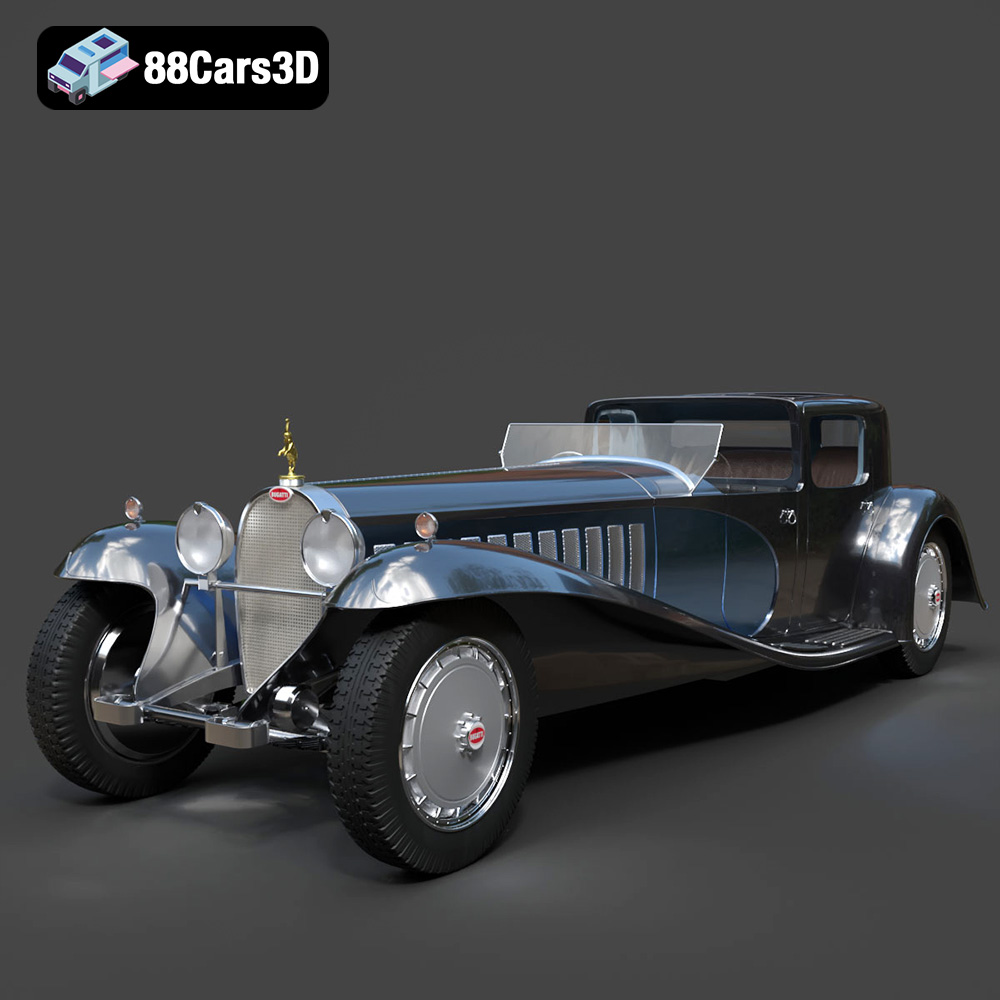
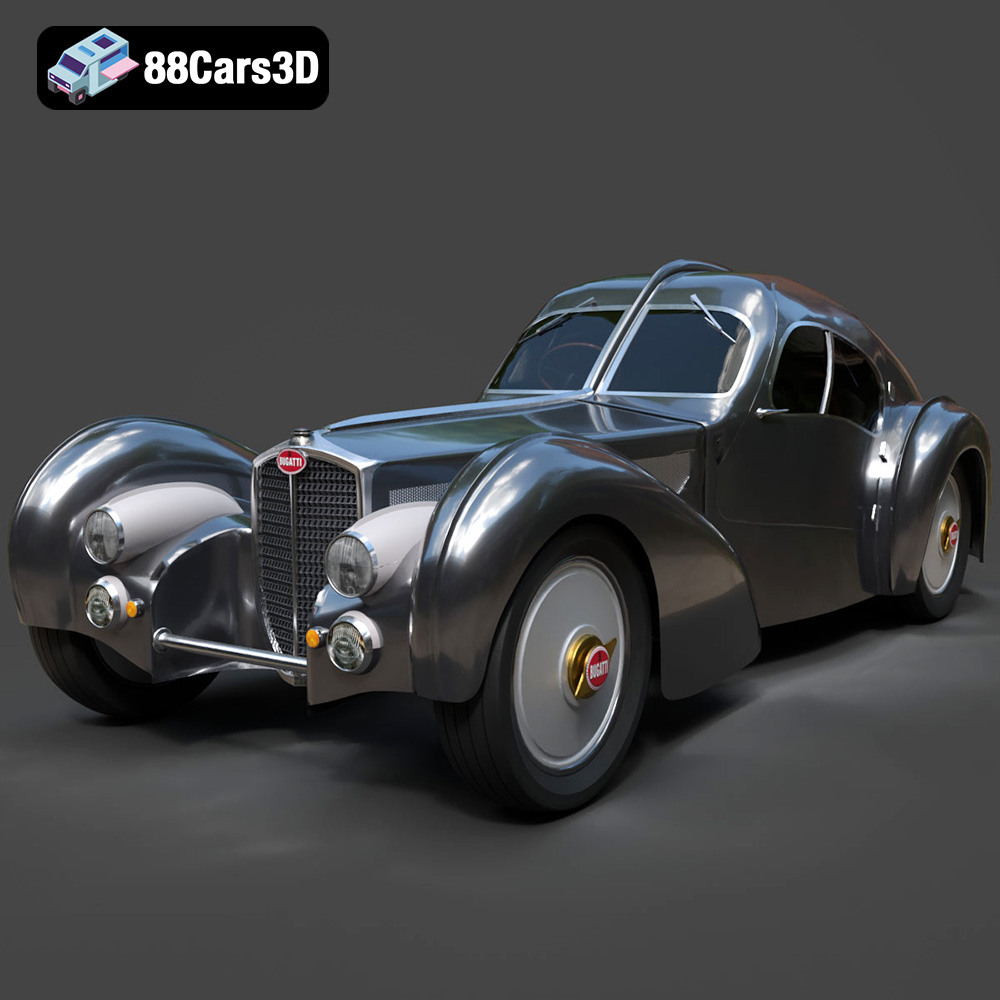
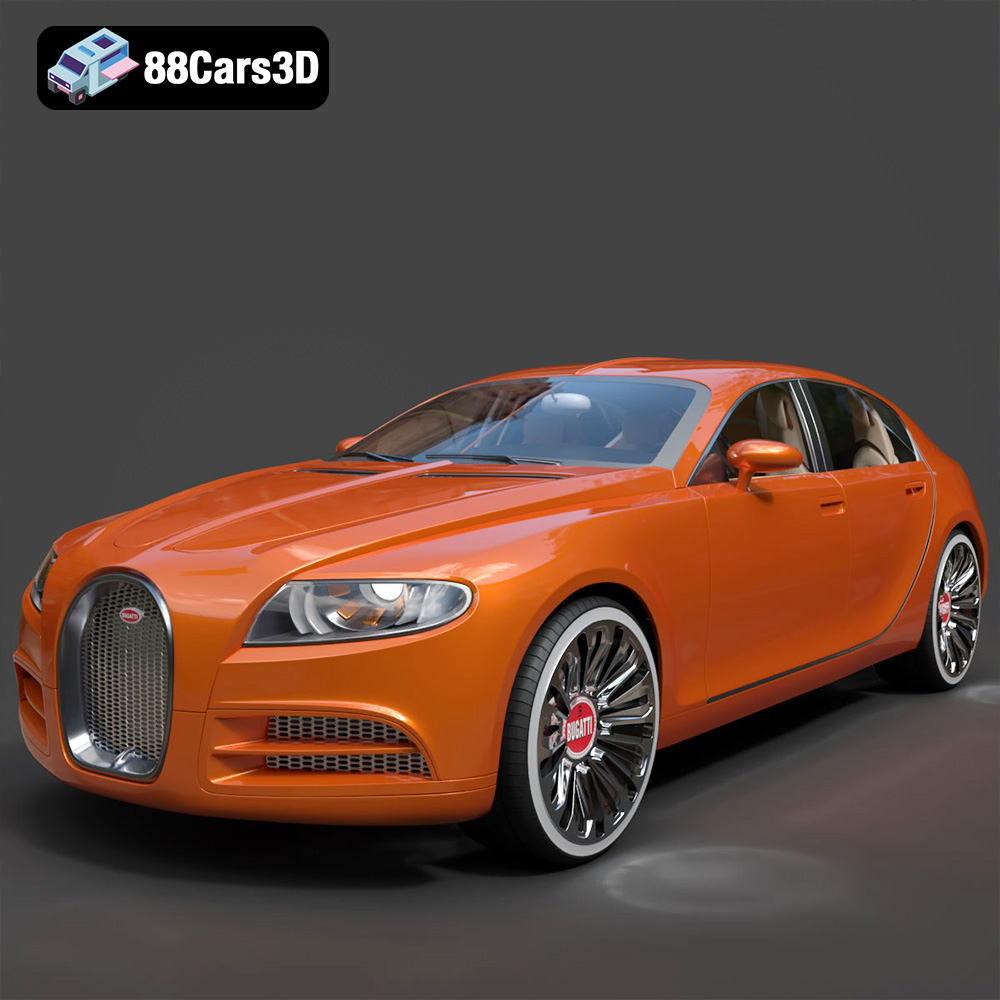
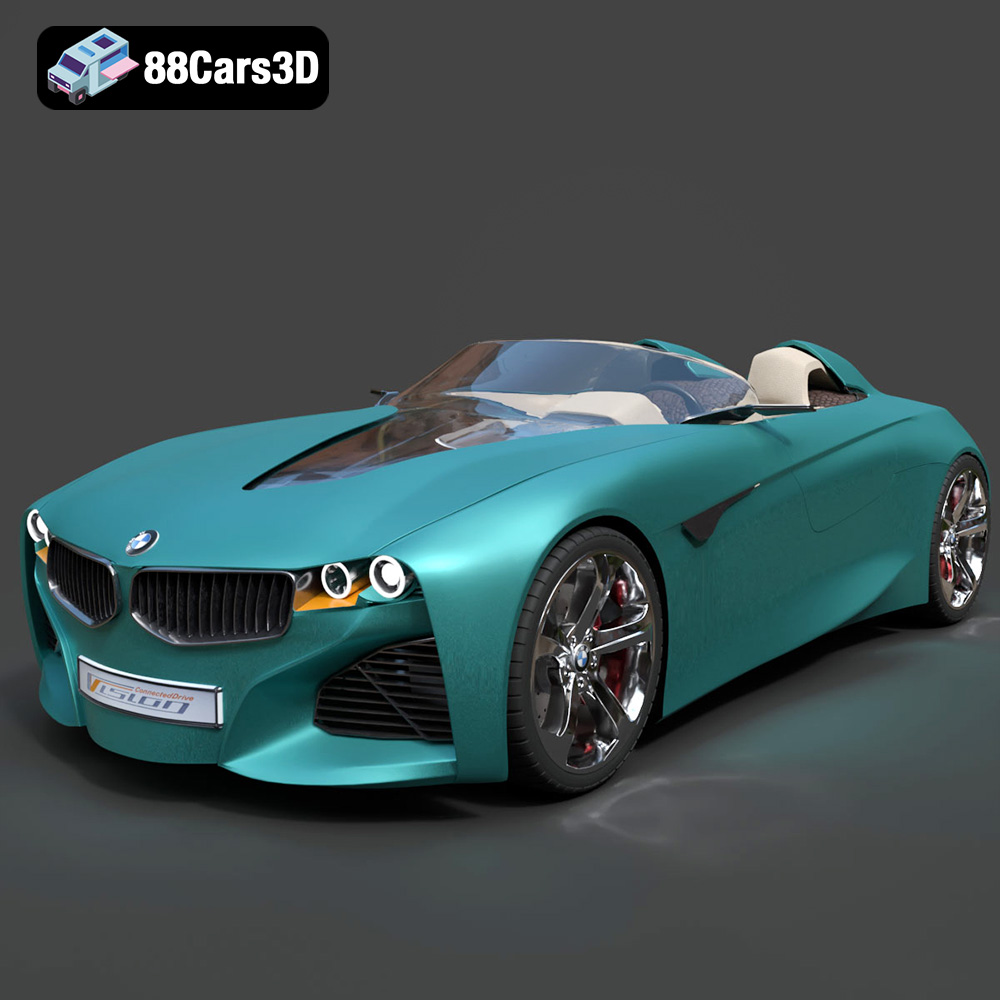
The Precision Artistry: Unlocking Potential with High-Quality 3D Car Models
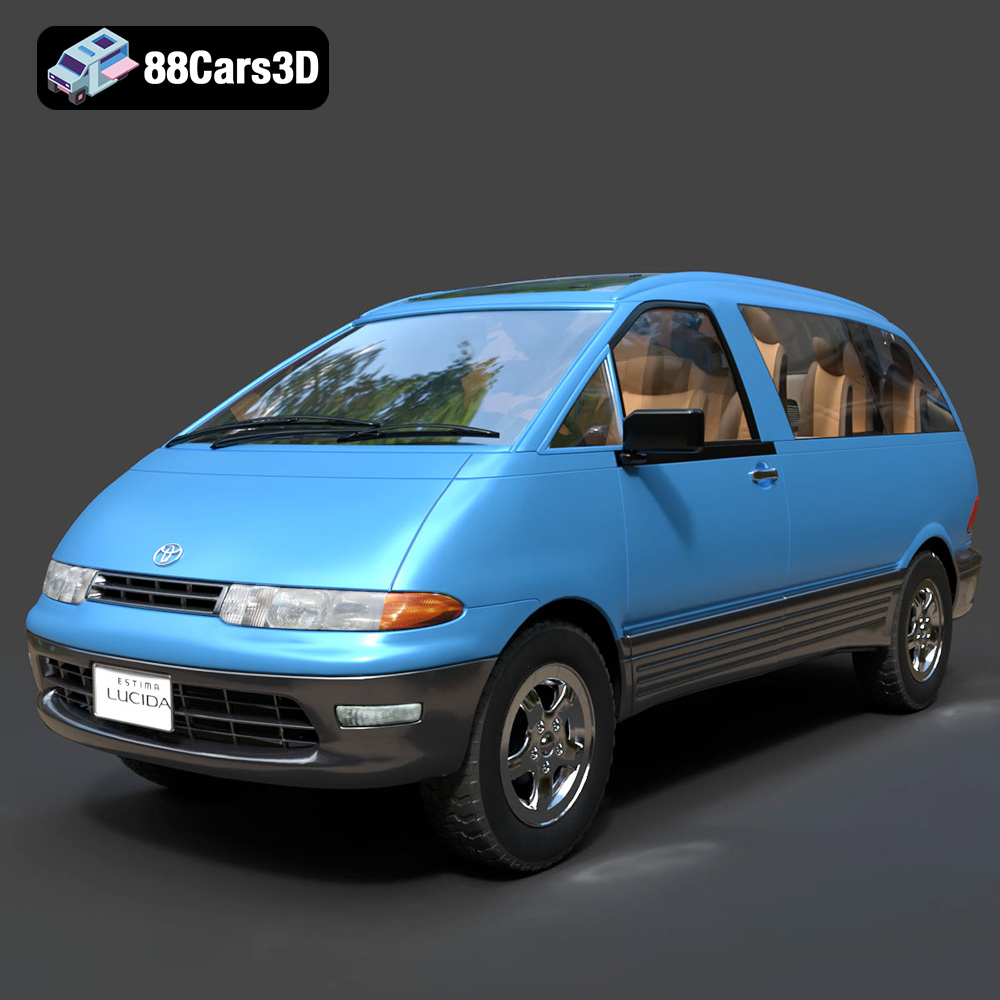
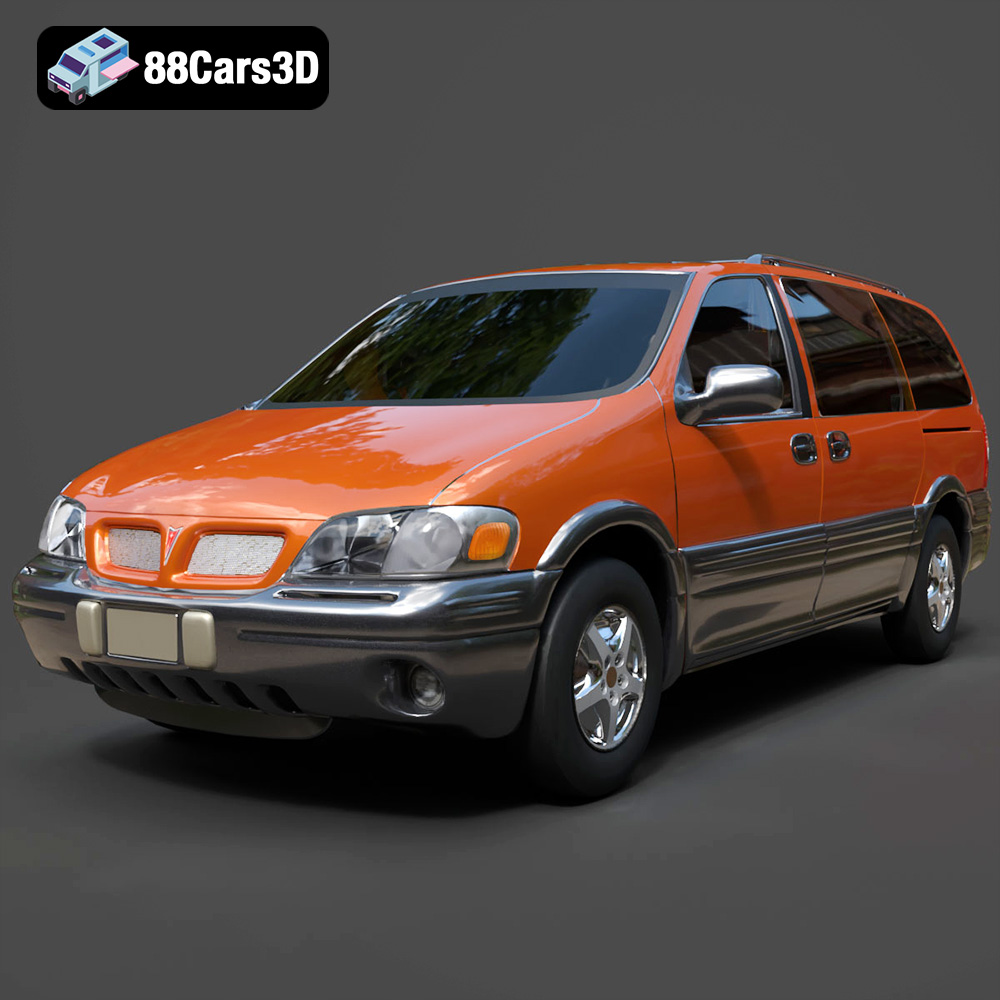
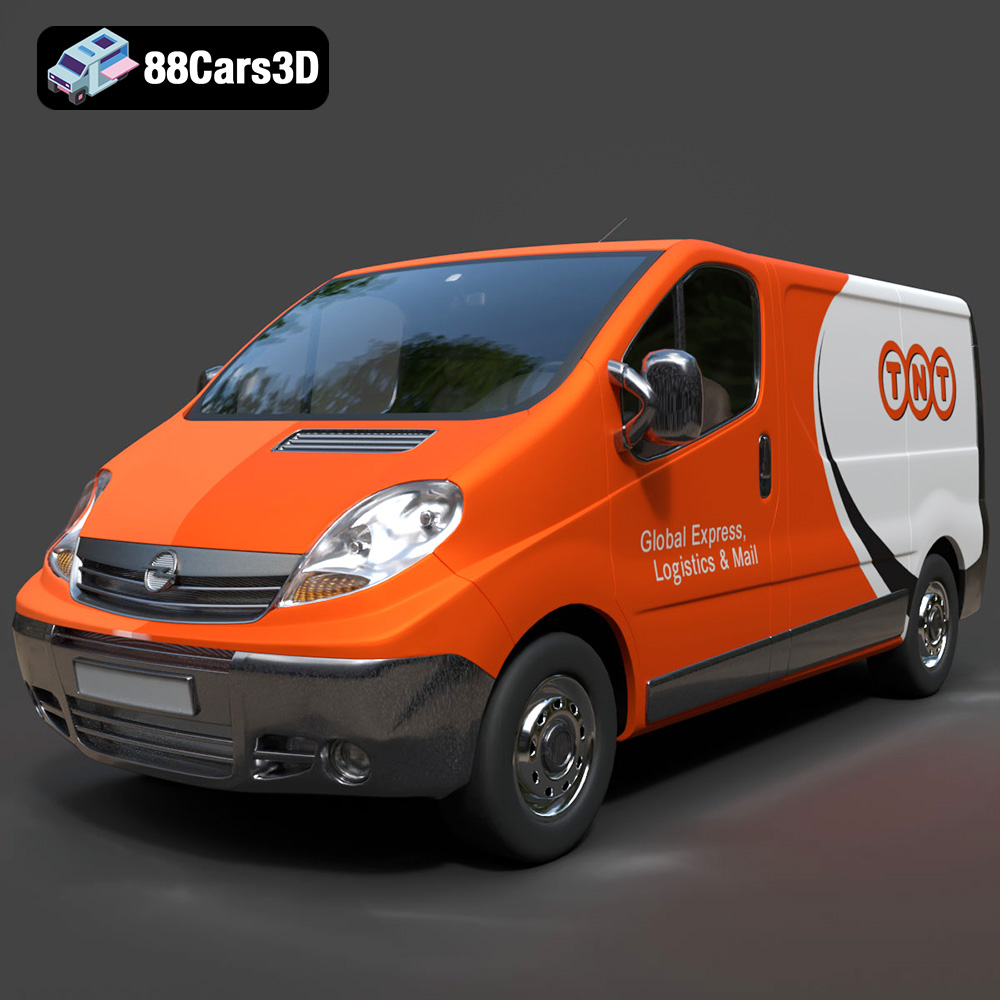
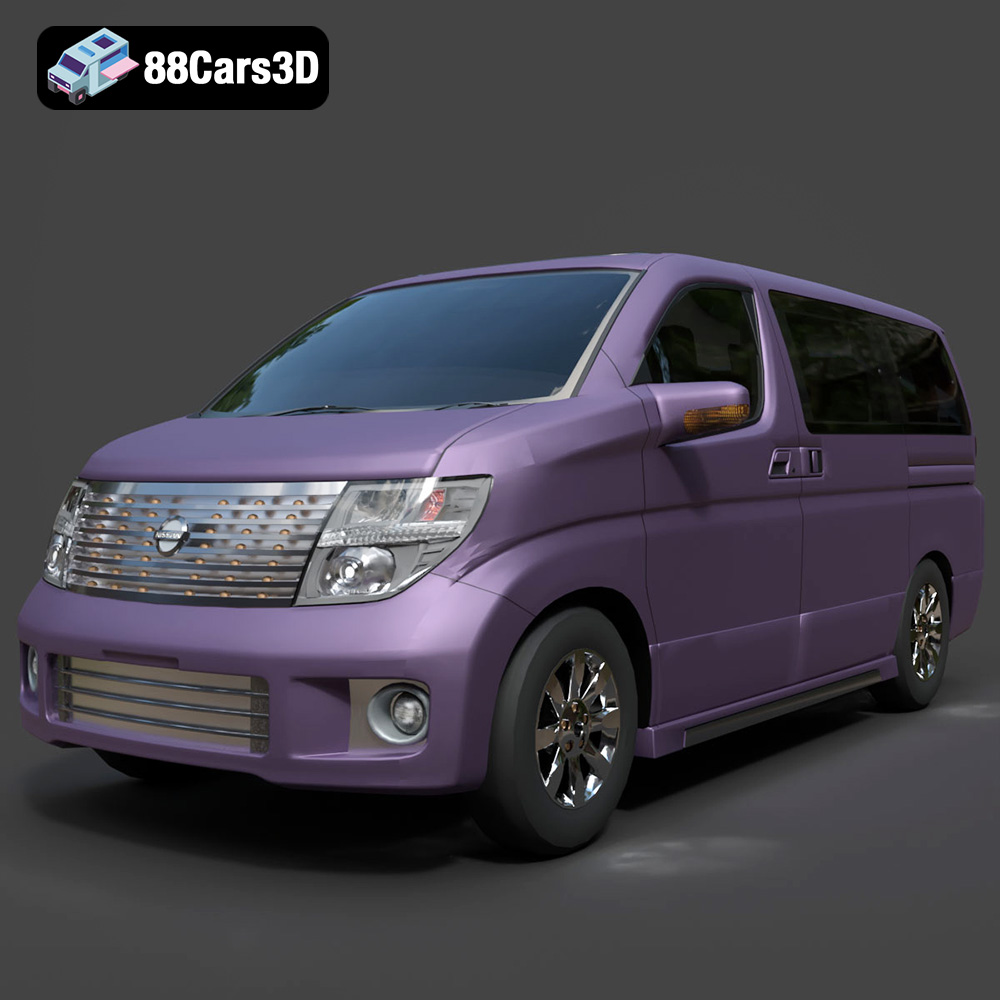
The automotive industry has always been at the forefront of design and engineering innovation. In the digital age, this innovation extends into the realm of 3D visualization, where photorealistic 3D car models are indispensable tools for everything from conceptual design and marketing to immersive game development and virtual reality experiences. Creating or sourcing these digital assets requires a deep understanding of technical specifications, software workflows, and artistic principles to achieve truly stunning results.
Whether you’re an automotive designer seeking to visualize a new concept, a game developer needing high-performance vehicle game assets, or an architect integrating vehicles into a scene for impressive automotive rendering, the quality of your 3D car model is paramount. This comprehensive guide delves into the intricate world of digital automotive assets, exploring the technical nuances that elevate a simple model into a powerful design tool, and how resources like 88cars3d.com can provide the foundational assets you need.
The Foundation of Digital Automotive Design: Why 3D Car Models Matter
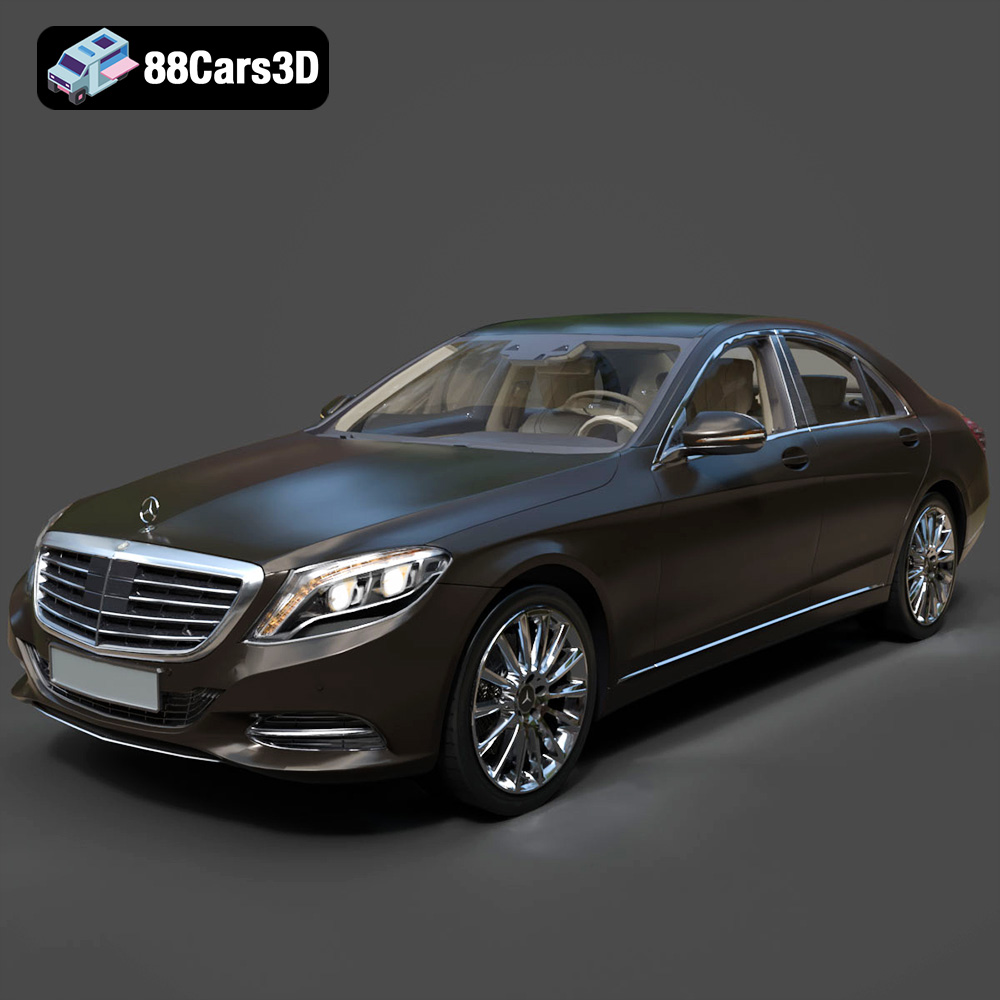
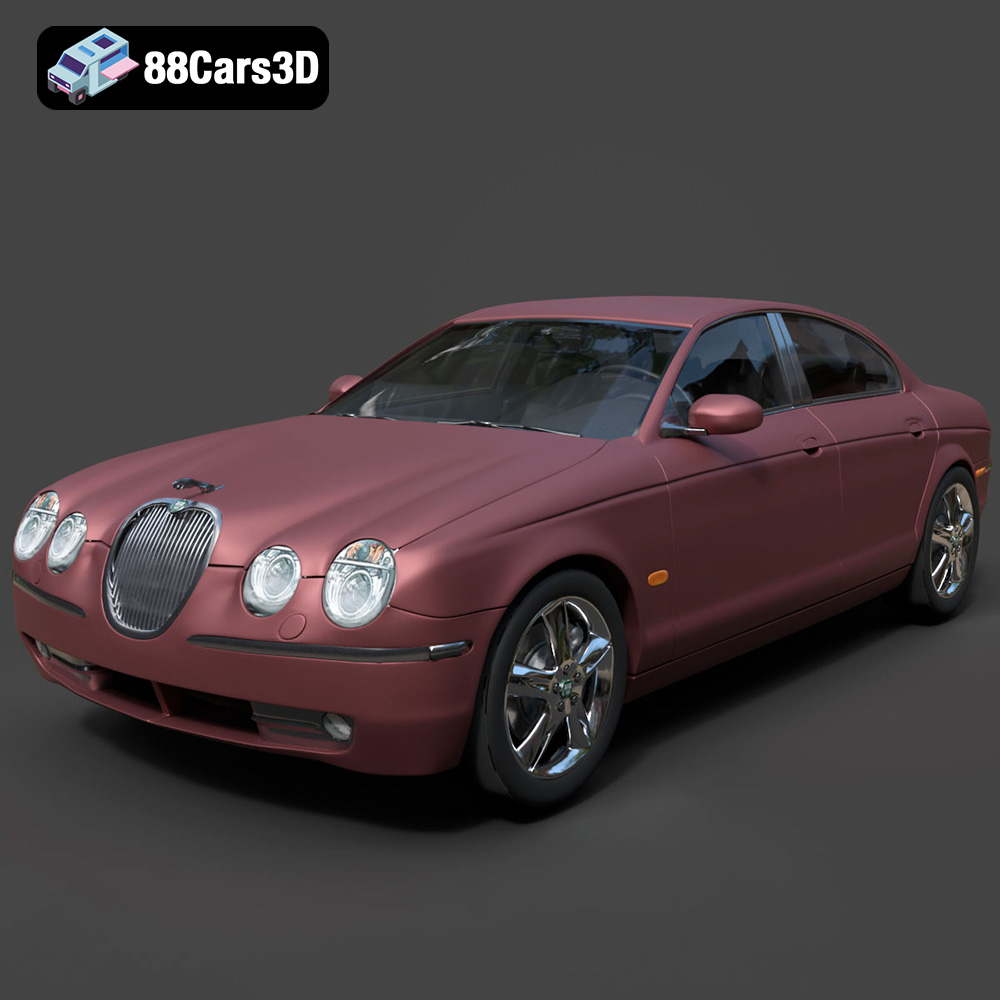
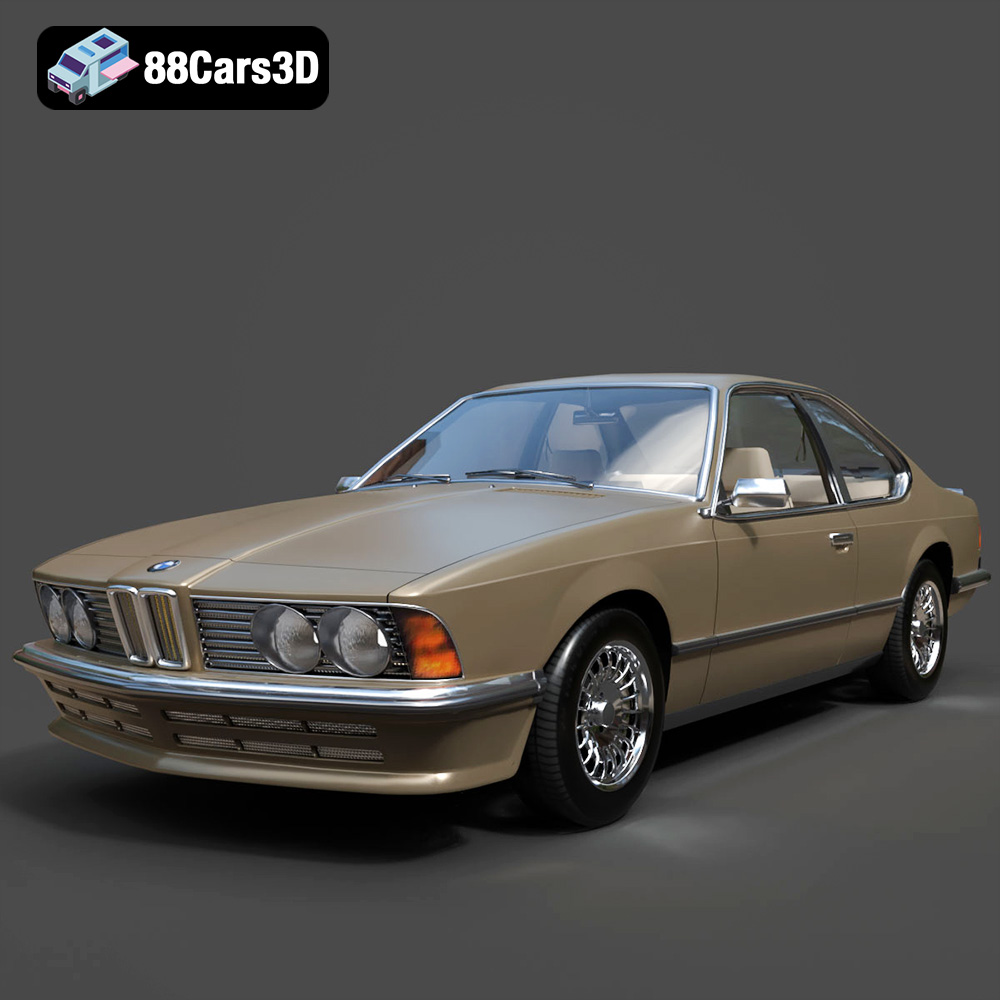
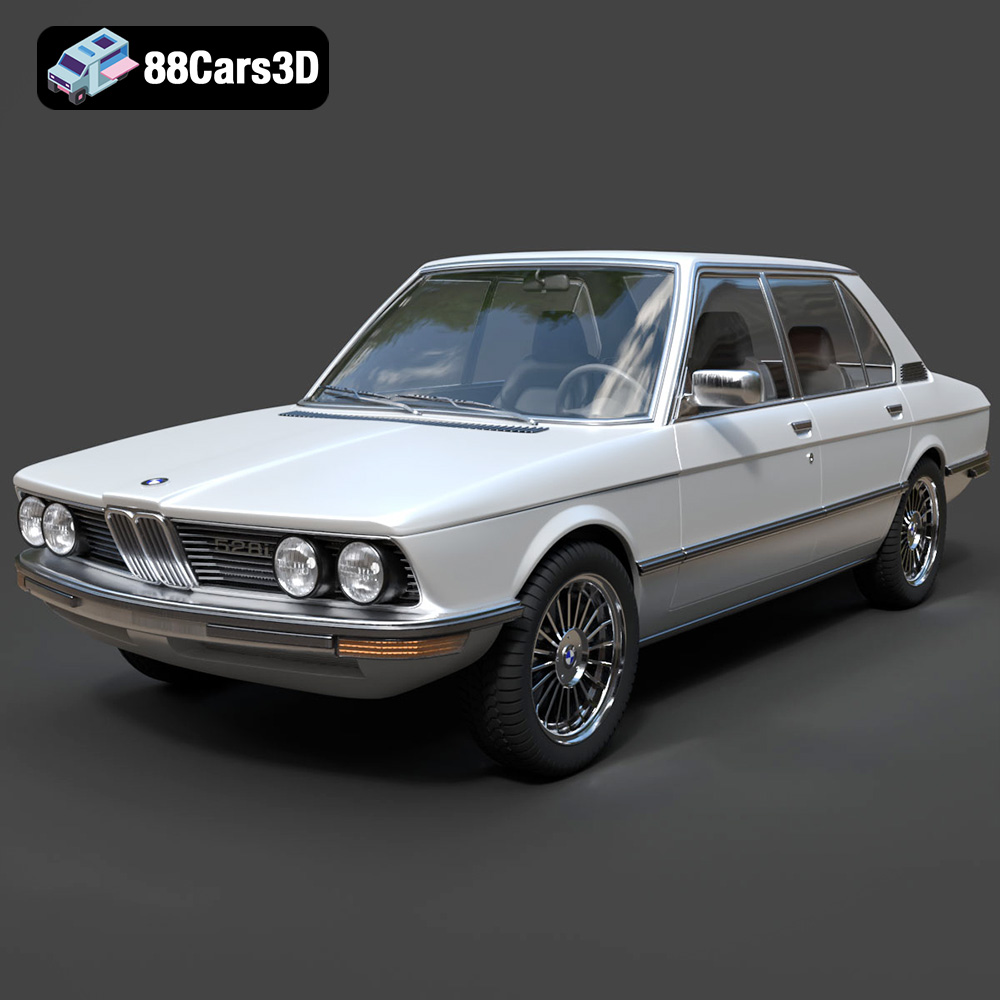
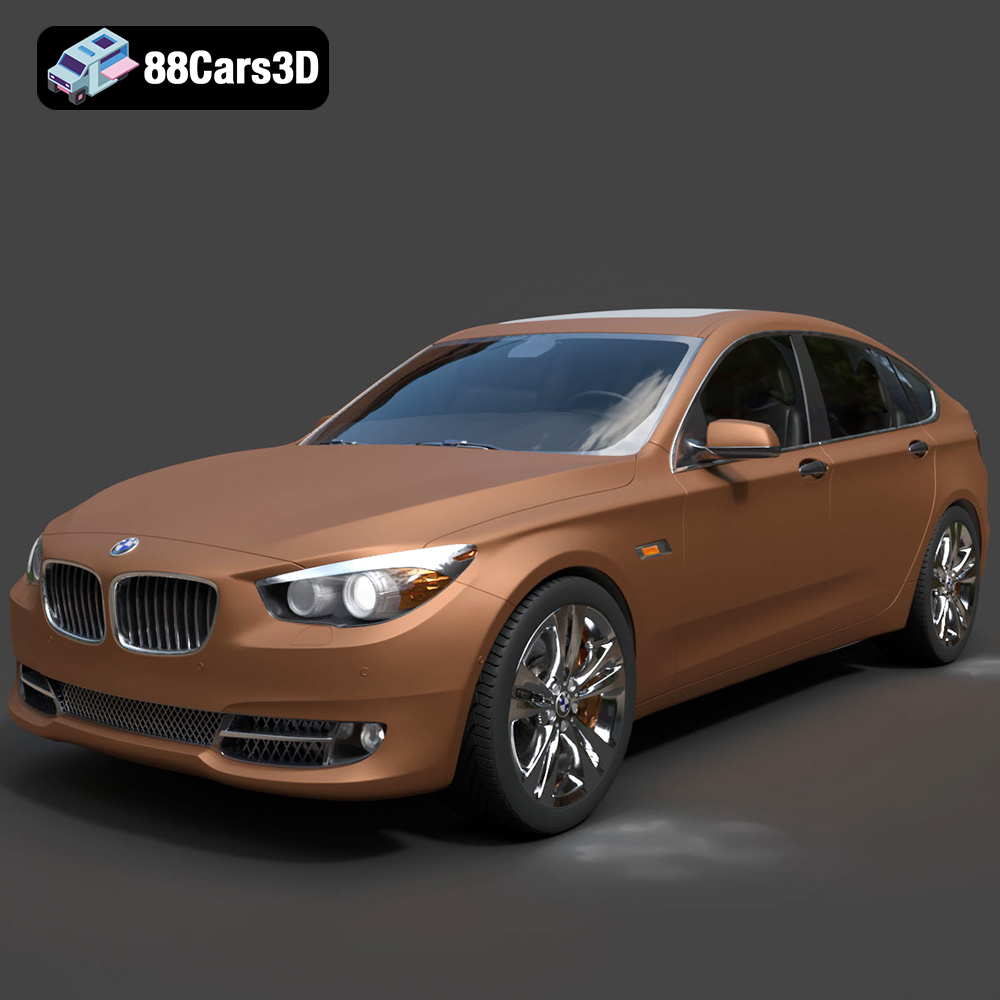
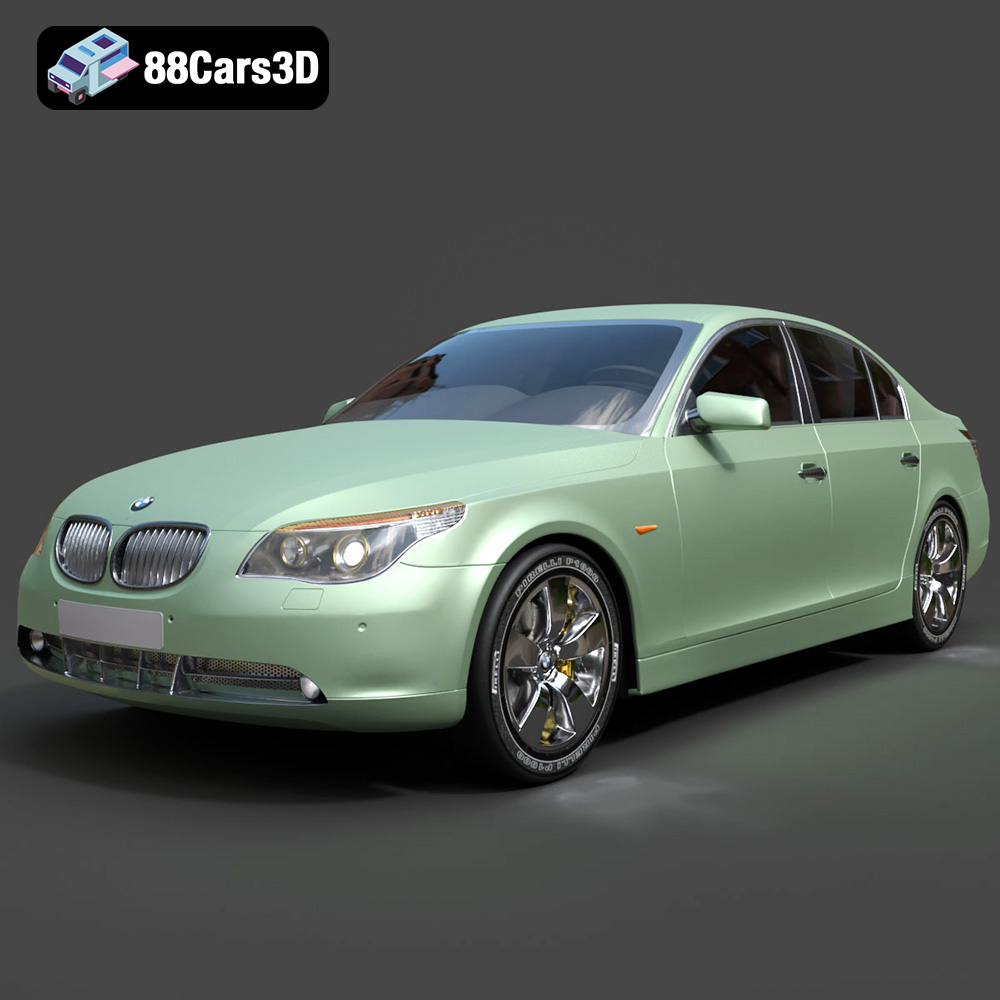
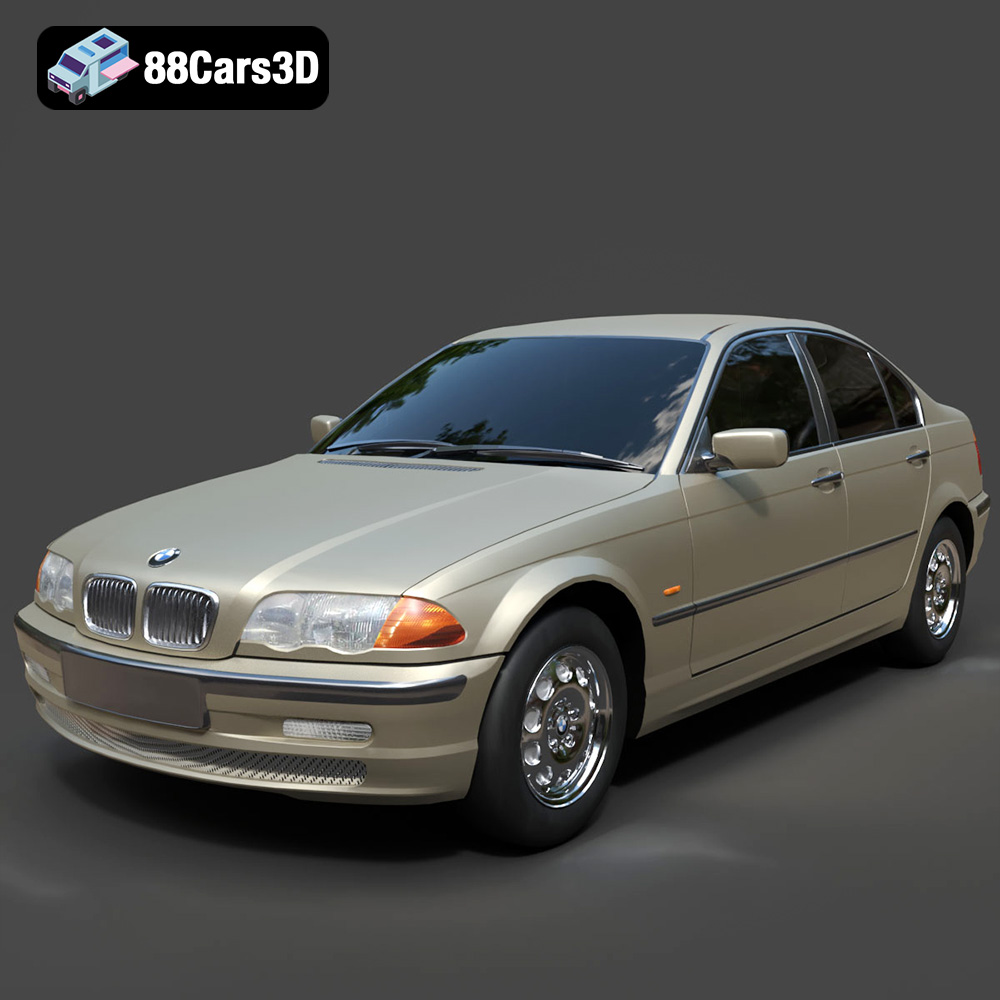
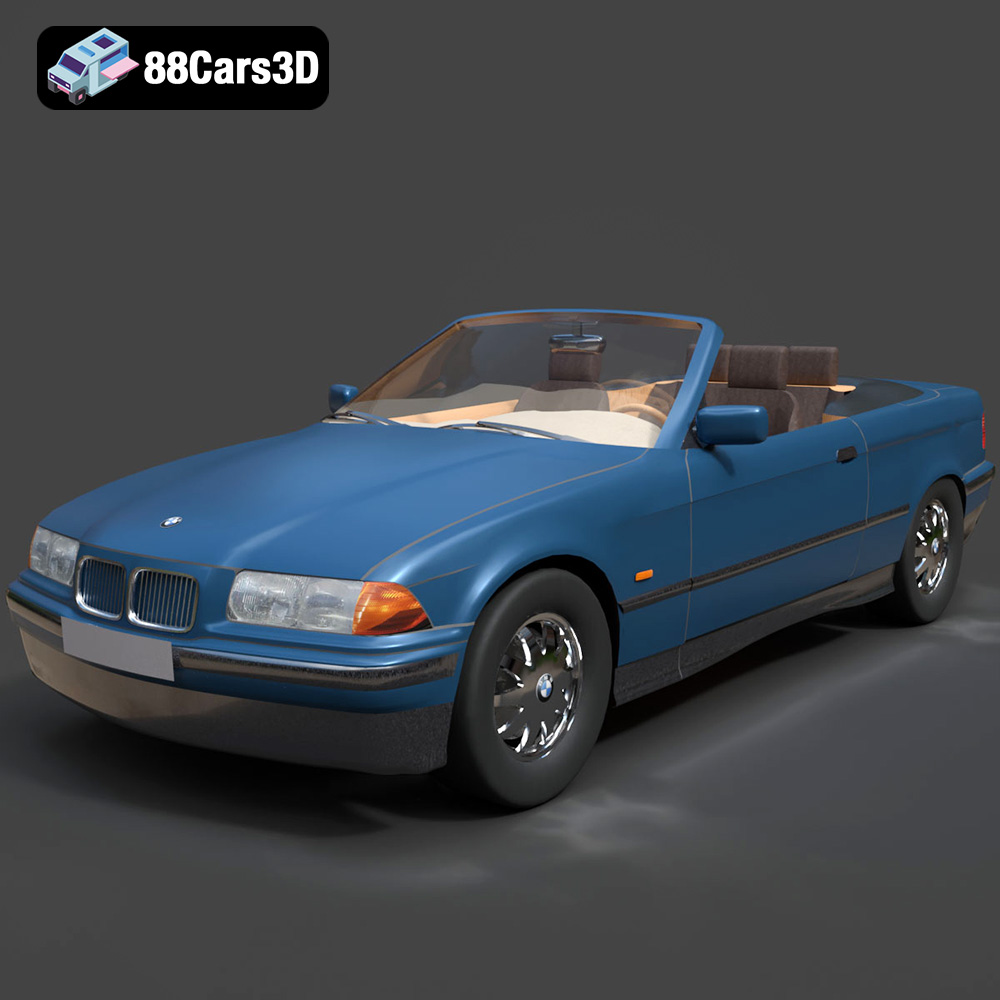
In today’s visually-driven world, digital representations of vehicles are more than just pretty pictures; they are critical components in a myriad of professional applications. High-fidelity 3D car models serve as the bedrock for compelling visual content, driving engagement and facilitating decision-making across diverse industries.
Bridging Concept to Reality: From Sketch to Screen
The journey of a new vehicle often begins with a designer’s sketch. However, to truly understand its proportions, aesthetics, and spatial dynamics, a three-dimensional representation is essential. 3D car models allow designers to iterate rapidly, explore different color schemes, material finishes, and lighting conditions long before any physical prototype is built. This virtual prototyping saves immense amounts of time and resources, enabling a more agile and experimental design process. From initial clay models translated into digital meshes to intricate CAD data forming the basis of highly detailed visualization models, the digital realm offers unparalleled flexibility.
Diverse Applications Across Industries
The utility of high-quality 3D car models spans far beyond the automotive design studio. In advertising and marketing, they enable agencies to create breathtaking campaigns without the logistical challenges and costs of physical photoshoots. For film and animation, these models become believable characters in cinematic sequences. Architectural visualization leverages them to bring urban scenes to life, while product configurators empower customers to personalize vehicles virtually. Furthermore, simulation and training platforms rely on accurate models to create realistic environments for driving instruction or autonomous vehicle development. The demand for technically robust and visually stunning automotive assets continues to grow, underpinning innovation in many sectors.
Understanding 3D Model File Formats
Navigating the ecosystem of 3D car models often begins with understanding the various file formats available, each tailored for specific workflows, software, and end-use cases. Choosing the correct format is crucial for seamless integration, optimal performance, and preserving the integrity of your digital assets. Here’s a detailed look at the most common formats you’ll encounter and their technical nuances.
.blend: Native Power for Blender Users
The .blend file is Blender’s native format, renowned for its comprehensiveness. When you acquire a .blend file, you’re not just getting the mesh data; you’re typically receiving a complete Blender scene. This includes all geometry, materials (often PBR setups for Cycles or Eevee), textures, lighting, cameras, animation data, and even modifiers or rigging information. This format offers maximum editability within Blender, making it ideal for artists who primarily work within the Blender ecosystem and wish to dissect or further modify the model’s construction. Its self-contained nature ensures that all scene elements are preserved, offering a robust starting point for advanced customization and rendering.
.fbx: The Industry Workhorse for Interoperability
Autodesk’s .fbx (Filmbox) format has become the industry standard for interchanging 3D data between different software applications, especially popular for real-time pipelines like Unreal Engine and Unity. It excels at transferring geometry, UVs, materials (though PBR material definitions might need re-setup in the target application), textures, skeletal animations, and even basic lighting. FBX files can be either ASCII (text-based) or Binary, with binary being more compact and faster to process. Its versatility makes it the go-to choice for game developers, animators, and visualizers who need to move assets efficiently between modeling software (e.g., 3ds Max, Maya, Blender) and game engines, ensuring that most critical asset properties are retained.
.obj: Universal Compatibility for Basic Meshes
The .obj (Wavefront OBJ) format is one of the oldest and most universally supported 3D formats. It’s a simple, text-based format primarily used for transferring geometry (vertices, normals, UV coordinates, and faces) and material references (via an accompanying .mtl file). While it doesn’t support advanced features like animation, rigging, or complex material node setups, its widespread compatibility makes it an excellent choice for straightforward mesh exchange across virtually any 3D software. When you need a clean, basic mesh to start from, .obj is a reliable option, though you’ll typically need to re-apply advanced materials and set up lighting in your target application.
.glb: Streamlined for Web and AR/VR
.glb (GLB format, derived from glTF) is quickly gaining traction as the standard for 3D content on the web, augmented reality (AR), and virtual reality (VR) applications. It’s an optimized, self-contained binary format that bundles models, textures, animations, and PBR materials into a single file. This efficiency makes .glb perfect for fast loading times and deployment in browser-based viewers, mobile AR experiences, and lightweight VR scenes. Its support for physically-based rendering (PBR) materials ensures consistent visual quality across different platforms, making it an excellent choice for interactive product showcases or metaverse environments.
.stl: Precision for Physical Fabrication
The .stl (Stereolithography) format is the cornerstone of 3D printing and rapid prototyping. It represents 3D surfaces as a series of connected triangles (a tessellation) without any color, texture, or material information. Each triangle is defined by its three vertices and a normal vector indicating which way is “out.” The simplicity of the .stl format makes it universally accepted by 3D printers and CAD software for manufacturing. While not suitable for rendering or animation, it’s indispensable when a digital model needs to be physically brought to life. Ensure your .stl model is “manifold” (watertight) for successful printing.
.ply: High-Fidelity Scan Data and Analysis
The .ply (Polygon File Format) is often used for storing 3D scanner data. Unlike .stl, it can store properties like color, transparency, and even normal vectors for each vertex or face. It supports both polygon meshes and point clouds, making it versatile for capturing and analyzing complex real-world objects. While less common for general-purpose 3D model exchange, .ply is a robust format for scientific visualization, heritage preservation, and applications where raw scan data fidelity is paramount. It provides a higher level of detail per vertex than .obj in some cases.
.unreal: Engine-Ready Asset for Real-Time Environments
While not a standalone general 3D model format in the traditional sense, “.unreal” refers to assets that are fully optimized and packaged specifically for the Unreal Engine. This typically means models imported via .fbx or other formats have undergone significant processing within Unreal, including LOD generation, collision mesh creation, material instance setup, and static mesh consolidation. When a vendor like 88cars3d.com offers .unreal assets, it signifies that the models are pre-configured for direct use within the engine, minimizing setup time and ensuring optimal performance and visual fidelity within Unreal Engine projects. This format is a testament to the specific pipeline optimizations required for real-time rendering.
.max: Native 3ds Max Project Files for Advanced Workflows
The .max file is the native project format for Autodesk 3ds Max. Similar to .blend files for Blender, a .max file contains the entire scene data, including geometry, modifiers, intricate material setups (e.g., V-Ray, Corona), lighting, cameras, animation, and even specific plugin data. This format provides the highest level of editability and preservation of all 3ds Max-specific features. It is ideal for users who operate primarily within 3ds Max and require full control over every aspect of the model, from rigging to complex rendering setups. When purchasing high-end assets for professional rendering or animation projects that demand the capabilities of 3ds Max, a .max file is often the preferred choice.
Crafting Perfection: Technical Aspects of High-Quality 3D Car Models
Beyond choosing the right file format, the intrinsic quality of a 3D car model hinges on several critical technical aspects. These elements define a model’s visual fidelity, performance, and versatility across different applications.
Topology and Poly Count: The Balance of Detail and Performance
Topology refers to the arrangement of polygons (usually quads or triangles) that make up a 3D mesh. Good topology is clean, uniform, and follows the contours of the object, facilitating smooth deformations for animation and efficient UV unwrapping. For automotive rendering, high-poly models (often millions of polygons) are desired to capture every subtle curve and reflection without relying too heavily on normal maps for surface detail. These models are typically meticulously sculpted or subdivided to achieve photorealism.
Conversely, for game assets, a balance must be struck. Low-poly models (thousands of polygons) are essential for real-time performance, utilizing techniques like normal mapping to “bake in” high-resolution details onto a lower-resolution mesh. An optimized model will have judiciously distributed polygons, with more detail where it’s seen most and less in flat, less critical areas. This balance is a cornerstone of creating performant and visually appealing assets.
UV Mapping and Texturing: Bringing Surfaces to Life
UV mapping is the process of flattening the 3D surface of a model onto a 2D plane, creating a UV layout that allows 2D textures to be applied accurately without stretching or distortion. For 3D car models, precise UV mapping is crucial for realistic decals, panel gaps, and material transitions. High-quality models feature clean, non-overlapping UVs that maximize texture resolution and prevent visual artifacts.
Texturing then applies the visual surface details. This includes everything from paint layers and carbon fiber patterns to tire treads and interior upholstery. Modern workflows heavily rely on Physically Based Rendering (PBR) textures, which simulate how light interacts with surfaces in the real world, producing highly convincing results. A comprehensive set of PBR maps typically includes Albedo (base color), Normal (for surface detail), Roughness (for shininess), Metallic (for reflectivity), and Ambient Occlusion (for subtle shadowing).
Material Shaders and PBR Workflows
Material shaders define how a surface appears when light hits it, determining its color, shininess, transparency, and other optical properties. In the world of high-quality 3D car models and automotive rendering, Physically Based Rendering (PBR) workflows are the gold standard. PBR materials use a set of textures and parameters that accurately represent real-world material properties, ensuring consistent and realistic rendering across different lighting conditions and rendering engines (e.g., V-Ray, Cycles, Unreal Engine). Understanding how to set up car paint, chrome, glass, rubber, and leather materials using PBR principles is essential for achieving photorealism.
Mastering Automotive Rendering: Bringing Cars to Photorealism
Rendering is where all the meticulous work on 3D car models truly shines. Achieving photorealistic automotive rendering requires more than just a good model; it demands a sophisticated understanding of lighting, camera work, and post-processing techniques.
Lighting Techniques for Dynamic Presentation
Lighting is the single most important factor in bringing a 3D car model to life. For product showcases, studio lighting setups often involve multiple area lights, softboxes, and HDRI (High Dynamic Range Image) environment maps to simulate real-world studio conditions, creating elegant reflections and minimizing harsh shadows. For outdoor scenes, a combination of a dominant sun/sky light and environmental HDRI maps (e.g., cityscapes, natural landscapes) can produce incredibly realistic results, capturing ambient light and reflections accurately. Techniques like global illumination (GI) and caustics are often employed in rendering software like V-Ray for 3ds Max, or Cycles in Blender, to simulate light bounces and refractions, adding depth and realism to materials like car paint and glass.
Camera Settings and Composition for Impact
Just like in traditional photography, camera settings and composition are crucial for impactful automotive rendering. Careful consideration of focal length, depth of field, and aperture can draw the viewer’s eye to key design elements. A wide-angle lens might emphasize the aggressive stance of a sports car, while a telephoto lens could highlight intricate details. Strategic camera angles, rule of thirds, leading lines, and negative space all contribute to a visually engaging image that effectively showcases the vehicle’s design and features. Motion blur is also a powerful tool for conveying speed and dynamism in rendered animations.
Post-Processing for Cinematic Polish
Even the most perfectly rendered image can benefit from post-processing. Tools like Photoshop or Nuke are used to add subtle effects that enhance the cinematic quality of the final output. This can include color grading to set the mood, adding lens flares or glints, depth of field adjustments, vignette effects, and fine-tuning contrast and sharpness. For real-time automotive rendering in engines like Unreal Engine, post-processing volumes offer similar control, allowing artists to apply cinematic effects directly within the engine, making it possible to achieve stunning visual fidelity for interactive experiences and virtual productions.
Optimizing 3D Car Models for Game Development and Real-Time Applications
While photorealism is the goal for cinematic rendering, game assets and other real-time applications prioritize performance without sacrificing too much visual quality. This requires a specific set of optimization techniques tailored for interactive environments.
LODs (Levels of Detail) for Performance Scaling
Levels of Detail (LODs) are crucial for managing performance in games and real-time simulations. An LOD system generates multiple versions of a 3D car model, each with a progressively lower polygon count. When the car is close to the camera, the highest detail model is displayed. As it moves further away, lower-resolution versions are automatically swapped in. This ensures that the engine only renders the necessary level of detail, significantly reducing the computational load and maintaining smooth frame rates. Effective LOD generation is a hallmark of high-quality, game-ready assets.
Collision Meshes and Physics Integration
For a car to interact realistically within a game or simulation, it needs proper collision meshes. These are simplified, often invisible, meshes that define the physical boundaries of the vehicle. Instead of using the high-detail visual mesh for physics calculations, which would be computationally expensive, the game engine uses these simpler collision meshes. These can range from primitive shapes (boxes, spheres) for basic interactions to custom convex hulls for more accurate collisions, defining how the car impacts other objects and the environment. Correct physics integration, including parameters for weight, friction, and suspension, brings the car’s handling dynamics to life.
Rigging and Animation for Interactive Experiences
Beyond static models, interactive experiences often require 3D car models that can be animated. This involves rigging, where a skeletal structure (bones) is created and linked to the mesh, allowing parts like doors, wheels, steering wheels, and suspension components to move realistically. For game assets, specific animations for driving, turning, opening doors, or even damage states can be implemented. In Unreal Engine, vehicle blueprints and animation controllers manage these interactions, allowing artists and developers to define complex behaviors and reactions, making the car a dynamic and responsive element within the virtual world.
Real-World Applications and Case Studies
The impact of sophisticated 3D car models resonates across a vast array of industries, revolutionizing how products are designed, marketed, and experienced. Let’s explore some key real-world applications.
Automotive Marketing and Visualization
The modern automotive industry relies heavily on digital visualization to showcase new vehicles. High-fidelity 3D car models are used to create stunning promotional videos and images, often indistinguishable from real photography. Car configurators, a common feature on automotive manufacturer websites, leverage real-time automotive rendering to allow customers to customize a vehicle’s color, trim, and features, visualizing their dream car instantly. This interactive experience, powered by engines like Unreal Engine, enhances customer engagement and drives sales. 88cars3d.com provides assets perfect for these high-stakes marketing scenarios.
Film, Animation, and Special Effects
In the realm of entertainment, 3D car models are indispensable. From creating breathtaking chase sequences in blockbuster films where physical stunts are impossible or too dangerous, to crafting entire animated movies featuring talking cars, digital vehicles play starring roles. Special effects artists utilize detailed models for realistic destruction, complex transformations, or historical recreations, seamlessly integrating them into live-action footage. The ability to control every aspect of the vehicle’s appearance and movement in a virtual environment offers unparalleled creative freedom.
Interactive Simulations and Training
Beyond entertainment, 3D car models are vital for serious applications like training and simulation. Driving simulators, used for training new drivers, testing autonomous vehicle algorithms, or even preparing emergency responders, require highly accurate and performant vehicle models. These simulations offer a safe and controlled environment to practice critical skills and test complex scenarios. The detailed geometry, realistic physics, and optimized game assets found in professional 3D car models enable these advanced training platforms to provide immersive and effective learning experiences.
Conclusion
The journey from a conceptual sketch to a fully realized, photorealistic, or game-ready 3D car model is a testament to the intersection of artistry and technical mastery. High-quality 3D car models are not just digital representations; they are fundamental tools that empower designers, artists, and developers across diverse industries to innovate, visualize, and create truly immersive experiences. Understanding the nuances of file formats, the intricacies of topology and PBR materials, the art of automotive rendering, and the science of optimization for game assets is key to unlocking the full potential of these digital creations.
Whether you are building the next generation of virtual worlds, crafting compelling marketing visuals, or pushing the boundaries of interactive design, investing in technically sound and visually stunning 3D car models is a decision that pays dividends. Resources like 88cars3d.com stand as a testament to the availability of such high-caliber assets, providing a gateway to elevate your projects with precision-crafted digital vehicles. Embrace the power of 3D and drive your creative visions forward.
Featured 3D Car Models