

Mastering Photorealistic Automotive Renders: A Deep Dive into HDRI Lighting for 3D Car Models
The quest for photorealism in 3D automotive rendering is an endless pursuit of perfection, where every detail, from the curve of the body panel to the gleam of the chrome, must perfectly mimic reality. At the heart of this intricate dance between art and technology lies lighting – the single most critical element that breathes life into a static 3D model. Without proper illumination, even the most meticulously crafted 3D car model remains lifeless and unconvincing. This is where High Dynamic Range Imaging (HDRI) steps in as a game-changer, offering a powerful, efficient, and incredibly realistic solution for lighting your automotive scenes.
HDRI lighting isn’t just another rendering technique; it’s a fundamental shift in how we approach environmental illumination. By capturing the full spectrum of light intensities from a real-world location, HDRIs provide an unparalleled level of realism in reflections, shadows, and overall scene illumination. Whether you’re a seasoned 3D artist, a game developer pushing visual boundaries, or an automotive designer aiming for breathtaking visualizations, understanding and mastering HDRI lighting is indispensable. In this comprehensive guide, we will explore everything you need to know about harnessing the power of HDRI, from selecting the perfect environment map to advanced integration techniques across various software, ensuring your 3D car models achieve stunning, lifelike renders.
The Science Behind HDRI: Capturing Reality’s Light Spectrum
At its core, HDRI stands for High Dynamic Range Imaging, a photographic technique that allows for a far greater dynamic range of luminosity between the lightest and darkest areas of an image than standard digital imaging techniques. While a typical JPEG image records an 8-bit color depth per channel, offering 256 levels of brightness, HDRIs are often 32-bit images, capturing millions of levels of brightness. This vast difference means that an HDRI can accurately represent the intensity of direct sunlight, the subtle nuances of shadows, and the ambient bounce light all within a single image.
For automotive rendering, this capability is revolutionary. Instead of manually placing numerous lights to simulate an environment – a labor-intensive and often inaccurate process – an HDRI acts as an all-encompassing light source. It projects its captured light and reflections onto your 3D car model from every direction, simulating how light would naturally interact with the vehicle in that specific real-world location. The result is instant, geographically accurate lighting, with realistic color temperatures, soft shadows, and, critically, breathtakingly authentic reflections that dance across the car’s paintwork and chrome. This simplification of the lighting setup, combined with superior realism, makes HDRI an indispensable tool in modern automotive visualization pipelines.
Technical Specifications of HDRI Files
Understanding the technical backbone of HDRIs is crucial for optimal use. Most HDRIs come in either .EXR (OpenEXR) or .HDR (Radiance RGBE) formats. OpenEXR, developed by Industrial Light & Magic, is generally preferred due to its superior features, including support for higher bit depths (typically 32-bit float), multi-channel data, and efficient compression without loss of dynamic range. This 32-bit floating-point precision is what enables the capture of extreme light values, from the blinding sun to deep shadows, with incredible detail.
The resolution of an HDRI also plays a significant role in its quality and performance. A higher resolution HDRI (e.g., 16K, 20K) provides sharper reflections and more detailed environmental illumination. However, this comes at the cost of increased file size and memory usage, potentially impacting render times. For backgrounds that will be visible, a higher resolution is often warranted, but for pure lighting and reflections where the background isn’t seen, a moderately high resolution (e.g., 8K) can strike a good balance. The dynamic range itself, often measured in exposure values (EVs), indicates how much brighter the brightest part of the image is compared to the darkest. A higher EV range translates to more realistic contrast and punch in your lighting.
Types of HDRI Environments and Their Applications
HDRIs are incredibly versatile and come in a vast array of environments, each suited for different automotive rendering scenarios. Studio HDRIs, often featuring clean, gradient backgrounds and carefully controlled softboxes, are perfect for showcasing the car’s design in a pristine, focused manner. They eliminate environmental distractions and emphasize the vehicle’s form and finish. These are excellent for product launches or design studies.
For more evocative and realistic renders, Outdoor HDRIs are paramount. These can range from urban street scenes with bustling city lights, providing complex and interesting reflections, to serene natural landscapes with soft, diffused daylight. Think about matching the HDRI to the narrative of your render: a sports car might look best against an open road or a modern city skyline, while an off-road vehicle could thrive in a rugged, natural environment. Other types include industrial settings, garages, showrooms, or even abstract light arrays. Platforms like 88cars3d.com often feature models that are designed to shine in specific environmental contexts, making HDRI selection even more critical to their presentation.
Selecting and Integrating the Right HDRI for Your Automotive Scene
Choosing the perfect HDRI is an art form in itself, demanding a keen eye for detail and an understanding of how light influences mood and realism. The primary criteria for selection revolve around the desired mood, color temperature, background context (if visible), and the overall quality of reflections it imparts. For instance, a bright, clear sky HDRI will yield sharp shadows and cool reflections, ideal for showcasing chrome and metallic paints. Conversely, a cloudy day or twilight HDRI will produce softer, more diffused lighting and warmer tones, suitable for a more dramatic or elegant presentation.
Always prioritize HDRIs with high resolution and a significant dynamic range. Low-resolution HDRIs, especially when used for reflections, can introduce noticeable pixelation and blur, detracting from the realism of your automotive render. Similarly, an HDRI with a limited dynamic range might result in flat, uninspired lighting, failing to capture the punch and contrast of real-world illumination. Once selected, the integration process varies slightly across different 3D software, but the core principle remains consistent: mapping the HDRI onto your scene’s environment.
Integrating HDRI in Popular 3D Software
Let’s look at how to integrate HDRIs in some industry-standard software:
-
Blender: In Blender, you typically set up an HDRI in the World Properties tab. You’ll navigate to the “Surface” panel, change the “Color” type from “Background” to “Environment Texture,” and then open your HDRI file. For more advanced control, you can utilize the Shading workspace, specifically the World shader nodes. Here, you can add a “Mapping” node and a “Texture Coordinate” node to control the rotation, scale, and location of the HDRI.
For detailed steps on setting up environment textures and utilizing nodes, refer to the official Blender 4.4 documentation on Background Node and World Settings. This resource provides an in-depth look at using environment textures as part of your world shader, offering insights into manipulating coordinates and understanding the various settings for optimal results. - 3ds Max (V-Ray/Corona): In 3ds Max, when using renderers like V-Ray or Corona, the most common approach is to use a “V-Ray Dome Light” or “Corona Light (Sphere/Dome)” respectively. You would then load your HDRI into the texture slot of this dome light. This method provides excellent control over intensity, rotation, and other parameters specific to the renderer. Alternatively, you can place the HDRI in the Environment slot (rendering > environment) but the dome light approach offers more targeted control.
- Maya (Arnold): For Maya users employing the Arnold renderer, the “aiSkyDomeLight” is the go-to solution. Create an aiSkyDomeLight, then load your HDRI into its “Color” attribute. The SkyDomeLight offers controls for exposure, rotation, and resolution, making it very versatile for HDRI-based lighting.
Evaluating HDRI Quality for Automotive Reflections
For automotive renders, reflections are paramount. The quality of your HDRI is immediately evident in how reflections behave on the car’s surface. Look for HDRIs that offer sharp, crisp reflections, especially in metallic and glossy areas. Examine whether specular highlights from strong light sources (like the sun) are accurately represented. A high-quality HDRI will also prevent unwanted artifacts or blurry areas from appearing in reflections, which can instantly break the illusion of realism.
Another often overlooked aspect is the horizon line. A clean, undistorted horizon line in the HDRI is crucial, especially if your car is positioned on a flat ground plane and the HDRI is serving as both light source and background. Any noticeable seams or distortions in the HDRI’s projection will translate directly into your reflections and background, requiring tedious post-processing to fix.
Initial Setup and Scale Considerations
Upon initial integration, it’s vital to ensure that the scale of your HDRI environment roughly matches the scale of your 3D car model. While HDRIs don’t have a literal “scale” in the same way 3D objects do, their projection and perceived size in relation to your scene can greatly affect the realism of the lighting and reflections. Incorrect scaling can lead to reflections that appear too large or too small, or light sources that seem disproportionate to the scene.
Basic rotation and positioning of the HDRI are also critical. The goal is to align the primary light source within the HDRI (e.g., the sun) to generate appealing highlights and shadows on your car. Most 3D software provides a rotation control for the HDRI, allowing you to spin the environment until the lighting falls just right. Experimentation is key here – small rotations can dramatically alter the mood and visual impact of your render, revealing the car’s form in different ways and emphasizing its design lines.
Advanced HDRI Lighting Techniques for Photorealism
While basic HDRI integration provides a solid foundation, achieving true photorealism in automotive renders often requires a deeper dive into advanced techniques. Fine-tuning your HDRI goes beyond simple placement; it involves manipulating its properties to extract maximum visual impact and sculpt the light precisely to your artistic vision. The beauty of HDRI lies in its flexibility, allowing artists to make subtle yet powerful adjustments that elevate a render from good to exceptional.
One of the most powerful adjustments is the rotation and offset of the HDRI. By subtly rotating the environment map, you can shift the direction of the key light, repositioning specular highlights on the car’s body panels. This allows you to emphasize specific design features, create dramatic reflections, or simply find the most flattering angle of light. Offset controls, if available, can slightly pan the HDRI, further refining the placement of environmental elements and their reflections without altering the main light direction. Furthermore, manipulating the brightness and contrast of the HDRI can dramatically alter the mood of your scene. Increasing brightness can simulate a sunnier day, while reducing it might evoke a more overcast or late afternoon feel. Contrast adjustments can add punch or soften the overall lighting, making the car pop or blend more subtly into the background.
Color temperature manipulation is another sophisticated technique. While HDRIs capture real-world color temperatures, you might want to subtly adjust them to match a specific artistic intent or to correct for slight discrepancies. For example, a slightly warmer HDRI might enhance the luxurious feel of a car, while a cooler tone could emphasize its sleek, modern design. Most renderers provide color correction nodes or parameters for the HDRI texture, allowing for precise control over hue, saturation, and overall color balance.
Combining HDRI with Additional Light Sources
While an HDRI can provide all the general illumination for a scene, combining it with targeted, artificial light sources is a common practice to achieve even greater control and artistic flair. Think of the HDRI as your foundation – the ambient fill and primary reflections – and additional lights as your sculpting tools. For instance, a subtle area light placed strategically can act as a fill light to brighten up shadowed areas under the car or within the wheel wells, revealing intricate details that the HDRI might not fully illuminate. A carefully positioned rim light can create a glowing outline around the car, separating it from the background and adding depth. Sometimes, a strong, directional area light might be added to simulate a very specific sun angle that isn’t pronounced enough in the chosen HDRI, or to create a dramatic spotlight effect on a particular feature.
This hybrid approach allows artists to enhance certain aspects of the car model without losing the natural realism provided by the HDRI. The key is subtlety; these additional lights should augment, not overpower, the natural illumination from the HDRI. Their intensity and color should be carefully balanced to seamlessly blend with the overall lighting environment, ensuring a cohesive and believable result.
Lighting Specific Car Materials (Paint, Glass, Chrome)
Different automotive materials react uniquely to light, and understanding these interactions is paramount for realism. HDRI lighting excels at showcasing PBR (Physically Based Rendering) materials, which are designed to react to light in a physically accurate manner. For car paint, the HDRI will beautifully render metallic flakes, the clear coat’s glossy reflections, and the subtle variations in hue caused by different viewing angles. A good HDRI will make the paint feel deep and rich, with reflections accurately distorting across the car’s curves.
Glass materials, such as windows and headlights, will benefit immensely from accurate HDRI reflections and refractions. The environment captured in the HDRI will reflect off the glass surfaces, contributing to the sense of depth and transparency. Reflections of the surrounding environment within the glass can reveal details about the scene that might otherwise be missed. For highly reflective surfaces like chrome or polished metals, the HDRI is the star of the show. It will provide the intricate, mirror-like reflections that define these materials, showcasing every detail of the environment in a stunning, high-fidelity manner. Experiment with the sharpness and intensity of reflections to achieve the desired level of polish and realism for these critical components.
Optimizing HDRI for Performance and Production Workflows
While the visual benefits of HDRI lighting are undeniable, effectively managing these high-resolution, high-dynamic-range images is crucial for maintaining efficient production workflows and reasonable render times. Unoptimized HDRIs can quickly become memory hogs, slowing down viewport performance and extending rendering cycles significantly. Striking the right balance between visual quality and performance is a key skill for any professional 3D artist or game developer.
One of the primary considerations is the **resolution of the HDRI**. For hero shots where the background provided by the HDRI is clearly visible, a higher resolution (e.g., 16K or 20K) might be justified to prevent pixelation. However, if the HDRI is solely used for lighting and reflections, and the background is replaced by a backplate or a different environment, a lower resolution HDRI (e.g., 4K or 8K) can often suffice without a noticeable loss in reflection quality, leading to significant memory savings. Many renderers and software packages offer options for pre-filtering HDRIs or using importance sampling. Pre-filtering essentially blurs the HDRI to simulate different levels of roughness for reflections, which can be computationally intensive if not handled efficiently. Importance sampling, on the other hand, directs more rendering samples to brighter areas of the HDRI, focusing computational power where it matters most for accurate lighting, thereby speeding up convergence and reducing noise.
In the realm of **game engines** like Unity and Unreal Engine, real-time HDRI implementation requires different strategies. Game engines typically use **Image-Based Lighting (IBL)** probes or reflection captures. These probes bake or capture the environmental lighting and reflections from an HDRI into a cubemap or spherical map texture that can be quickly sampled by the game engine in real-time. This allows for realistic reflections and global illumination without the need for constant ray tracing. Artists often place multiple reflection probes throughout a scene to accurately represent changes in environment, such as moving from an outdoor setting to an indoor showroom. Baked lighting, where the HDRI’s contribution to diffuse lighting is calculated and stored in lightmaps, is another common optimization for static scenes, providing realistic global illumination at minimal runtime cost.
HDRI for AR/VR Visualization and Real-time Applications
The demands of AR/VR visualization and other real-time applications push optimization even further. In these immersive experiences, every millisecond of performance counts. For AR/VR, lightweight yet high-quality HDRIs are paramount. **Pre-computation of reflection probes** becomes even more critical, ensuring that reflections update smoothly and realistically as the user moves through the virtual space. Light baking is extensively used for static elements to offload real-time lighting calculations. Specialized HDRI compression techniques and streaming solutions are often employed to deliver high-fidelity environments without taxing device memory or processing power. The goal is to provide a convincing sense of presence and realism, where the car model integrates seamlessly with the virtual environment, powered by optimized HDRI lighting. When sourcing high-quality, optimized 3D car models for AR/VR applications, platforms like 88cars3d.com often provide models specifically prepared for these demanding environments.
File Format Compatibility and Conversion for HDRI
As discussed, **EXR (OpenEXR)** and **HDR (Radiance RGBE)** are the most prevalent HDRI file formats. EXR is generally preferred for its floating-point precision, wider dynamic range, and support for additional channels (e.g., alpha, depth). HDR, while older, is still widely supported and performs well for many applications, though it uses a different encoding scheme. Understanding the differences is important, especially when dealing with various software compatibility. For instance, some older software might have better native support for HDR, while modern renderers fully embrace EXR.
Tools like Photoshop, Krita, and specialized HDRI utilities (e.g., HDRI-Studio, HDR Light Studio) allow for conversion between formats, as well as optimizing HDRIs. This optimization might involve reducing bit depth (though this is rarely recommended for HDRIs), downsampling resolution, or applying specific compression algorithms to reduce file size. Always be mindful that any conversion or optimization should preserve the core dynamic range and fidelity of the original HDRI to ensure accurate lighting and reflections in your final renders. It’s important to choose the right format and optimization strategy depending on the specific renderer, game engine, and the intended use of your 3D car model.
Troubleshooting Common HDRI Issues and Achieving Consistency
Even with the most advanced techniques, artists inevitably encounter challenges when working with HDRI lighting. Identifying and rectifying common issues is a crucial skill for producing consistent, high-quality automotive renders. One frequent complaint is **flat lighting**, where the HDRI fails to create sufficient contrast or directional emphasis, leaving the car looking dull. This often stems from an HDRI with a low dynamic range or one that lacks a strong primary light source. The solution involves either selecting a more dynamic HDRI, increasing its overall intensity, or combining it with subtle, directional lights as discussed earlier.
**Incorrect reflections** are another tell-tale sign of issues. This could manifest as blurry, pixelated reflections (often due to a low-resolution HDRI), or reflections that don’t match the apparent environment (misaligned HDRI or incorrect projection mapping). Rotating the HDRI to align reflections with a visible background or adjusting its projection method can resolve these issues. **Noisy renders**, especially in shadowed or reflective areas, can be a symptom of insufficient samples from the HDRI. Increasing the light samples for your dome light or environment texture in your renderer settings, or enabling importance sampling for the HDRI, can significantly reduce noise, though at the cost of increased render time.
**Mismatched backgrounds and HDRIs** also frequently break realism. If your HDRI provides the lighting but a separate backplate image is used for the background, ensuring both share consistent perspective, color temperature, and light direction is paramount for seamless integration. Otherwise, the car will appear composited rather than naturally placed in the scene.
Post-Processing and Compositing with HDRI Renders
The journey to photorealism doesn’t end with the render button. Post-processing and compositing are indispensable steps that can significantly enhance renders achieved with HDRI lighting. Software like Adobe Photoshop, Affinity Photo, Nuke, or Fusion are powerful tools for this stage. After rendering, you’ll typically have various render passes (e.g., beauty, reflection, diffuse, specular, Z-depth, ambient occlusion, normal). HDRI lighting contributes heavily to the reflection and diffuse passes, and these can be carefully manipulated in post.
Techniques such as **color grading** can unify the car with its environment, adjusting the overall mood and tone. Adding subtle **bloom** or **glare** to bright highlights (often stemming from strong HDRI light sources) can enhance realism. Lens effects, such as **vignetting** or subtle **chromatic aberration**, can further mimic real-world camera optics. Compositing allows for precise control: you can subtly adjust the intensity of reflections from the HDRI, enhance shadows, or even integrate the car onto a new backplate more effectively. Leveraging the depth pass can help simulate depth of field, blurring distant elements and drawing focus to the car. The key is to refine and polish without overdoing it, preserving the natural lighting provided by the HDRI while enhancing its visual impact.
Maintaining Consistent Lighting Across Multiple Automotive Renders
For studios, designers, or anyone producing a series of automotive renders, **consistency** is vital. Establishing a standardized HDRI library and workflow is the bedrock of achieving this. Curating a collection of high-quality HDRIs, categorizing them by environment type (studio, urban, natural), light conditions (day, night, overcast), and mood, ensures that artists can easily select the appropriate lighting setup for any project. Furthermore, creating **scene templates** that pre-load a specific HDRI, ground plane, camera settings, and a basic material setup can dramatically streamline the workflow and guarantee repeatable results across different projects or even different artists.
This systematic approach is particularly beneficial when creating variations of a car model, such as different colors or trim levels, and needing them all to appear under the same lighting conditions. Such consistency not only enhances the professionalism of your work but also builds trust and brand recognition. When you start with high-quality, cleanly modeled 3D assets from reputable sources like 88cars3d.com, you lay a strong foundation for consistent, professional output. These models are often built with clean topology and UV mapping, ready to receive and perfectly reflect the sophisticated lighting provided by well-managed HDRIs.
Conclusion
HDRI lighting stands as a cornerstone in the pursuit of photorealistic automotive renders. Its ability to accurately capture and project real-world lighting environments offers an unparalleled level of realism, transforming static 3D car models into vibrant, lifelike visualizations. We’ve explored the fundamental science behind HDRIs, delved into practical integration techniques across leading software, uncovered advanced artistic controls, addressed critical optimization strategies for various applications, and learned how to troubleshoot common pitfalls.
From meticulously selecting an HDRI that matches your artistic vision to fine-tuning its rotation, brightness, and color temperature, every step contributes to the final masterpiece. The power of combining HDRIs with supplementary light sources, optimizing them for game engines and AR/VR, and polishing renders through post-processing are all essential tools in the modern 3D artist’s arsenal. By understanding the interplay between HDRI and the complex materials of an automotive model, you can sculpt light to emphasize form, reveal detail, and evoke emotion, truly breathing life into your creations.
Ultimately, mastering HDRI lighting is a journey of continuous learning and experimentation. Practice these techniques, observe how light behaves in the real world, and apply those observations to your digital scenes. The result will be renders that captivate and convince, pushing the boundaries of what’s possible in 3D automotive visualization. To kickstart your next stunning project, explore the extensive collection of high-quality 3D car models available on 88cars3d.com, ready to be illuminated by your newfound HDRI expertise.
Featured 3D Car Models
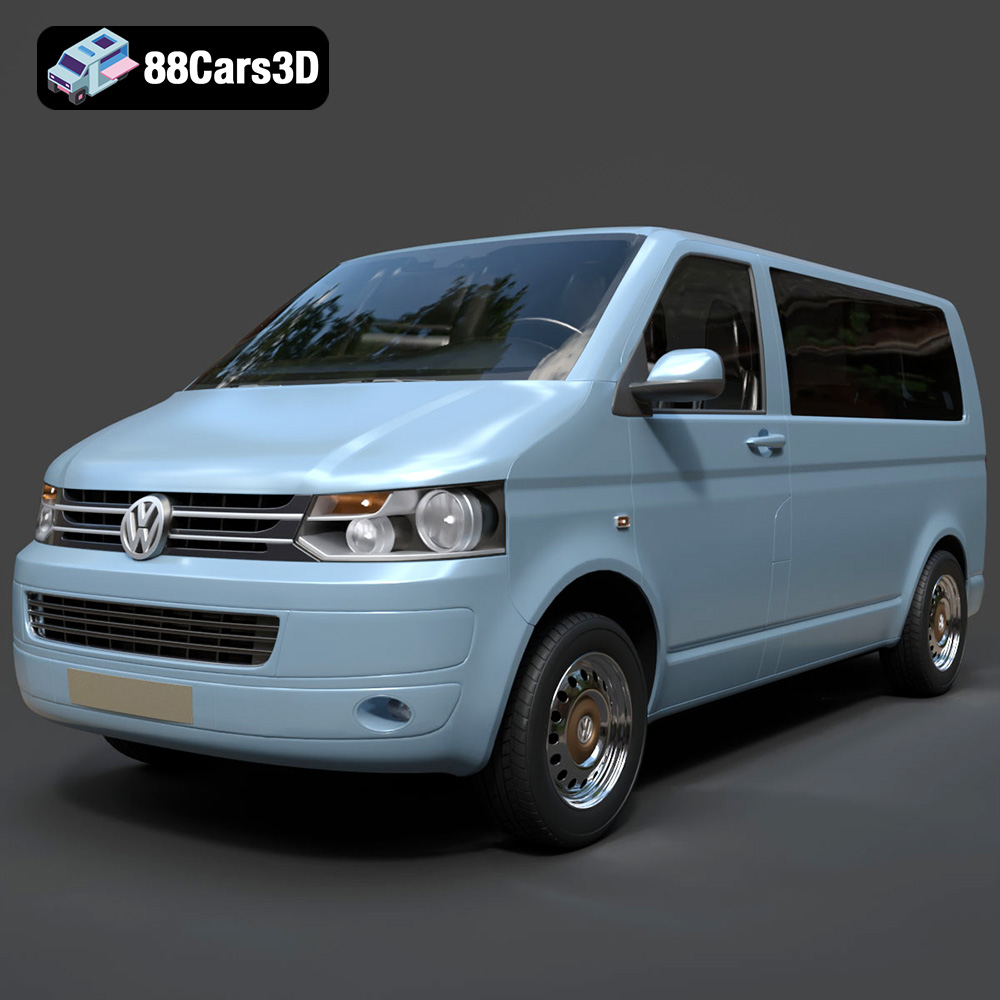
Volkswagen Transporter T5 FL 2010 3D Model
Texture: Yes
Material: Yes
Download the Volkswagen Transporter T5 FL 2010 3D Model featuring clean geometry, realistic detailing, and a fully modeled interior. Includes .blend, .fbx, .obj, .glb, .stl, .ply, .unreal, and .max formats for rendering, simulation, and game development.
Price: $22.99
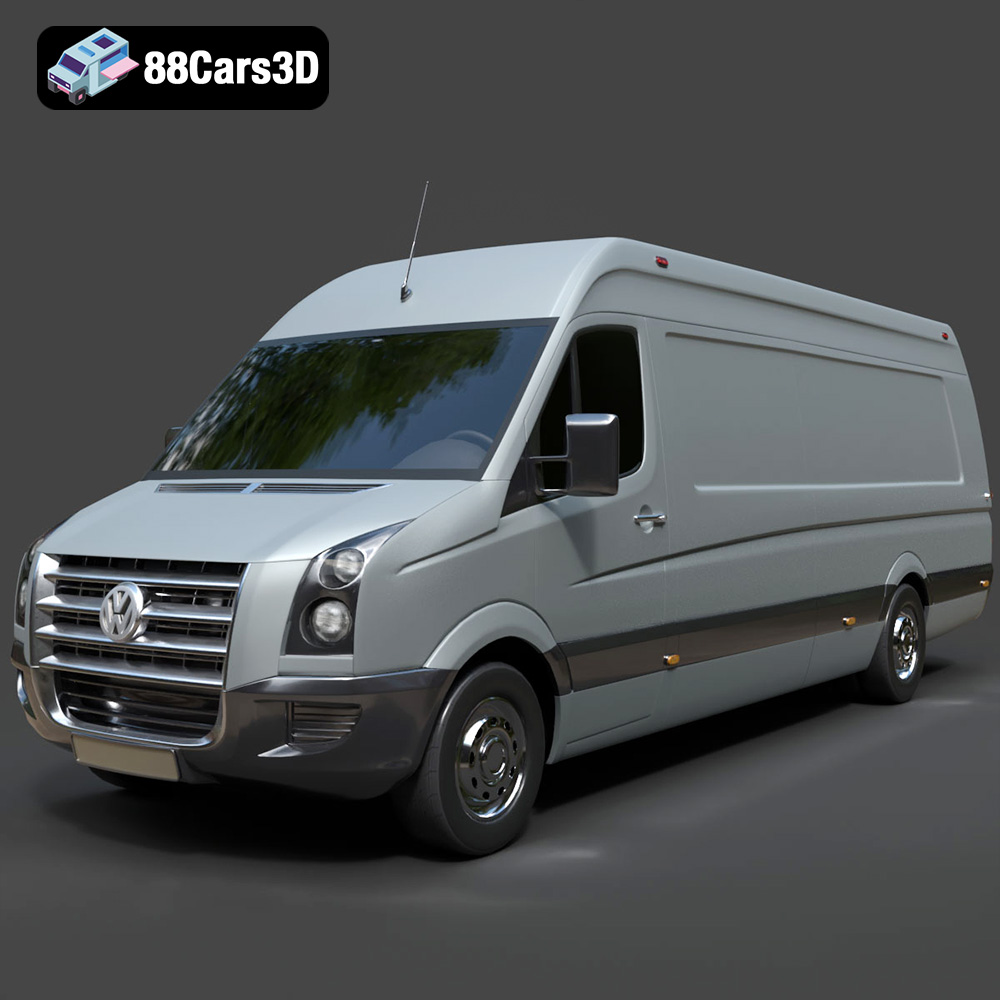
Volkswagen Crafter 2020 3D Model
Texture: Yes
Material: Yes
Download the Volkswagen Crafter 2020 3D Model featuring clean geometry, realistic detailing, and a fully modeled interior. Includes .blend, .fbx, .obj, .glb, .stl, .ply, .unreal, and .max formats for rendering, simulation, and game development.
Price: $22.99
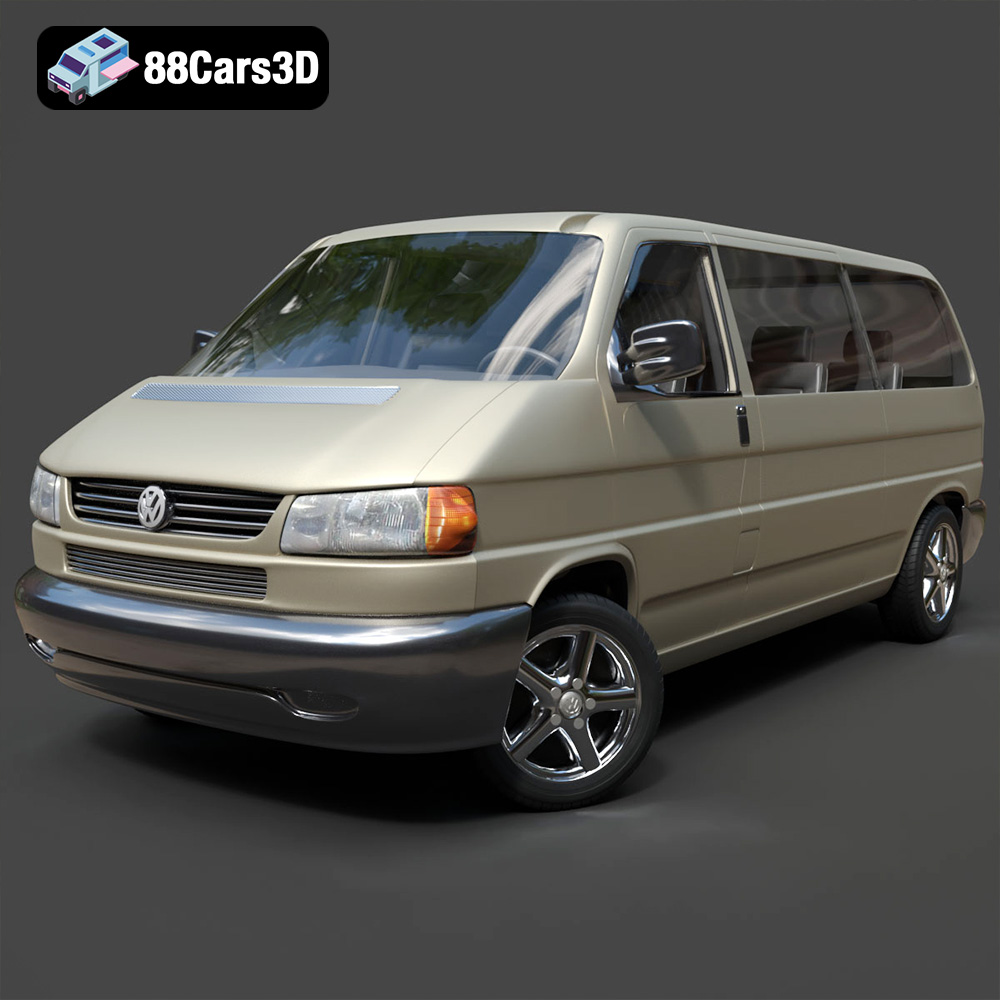
Volkswagen Caravelle 2020 3D Model
Texture: Yes
Material: Yes
Download the Volkswagen Caravelle 3D Model featuring a detailed exterior, functional interior, and optimized topology. Includes .blend, .fbx, .obj, .glb, .stl, .ply, .unreal, and .max formats for rendering, simulation, and game development.
Price: $23.99
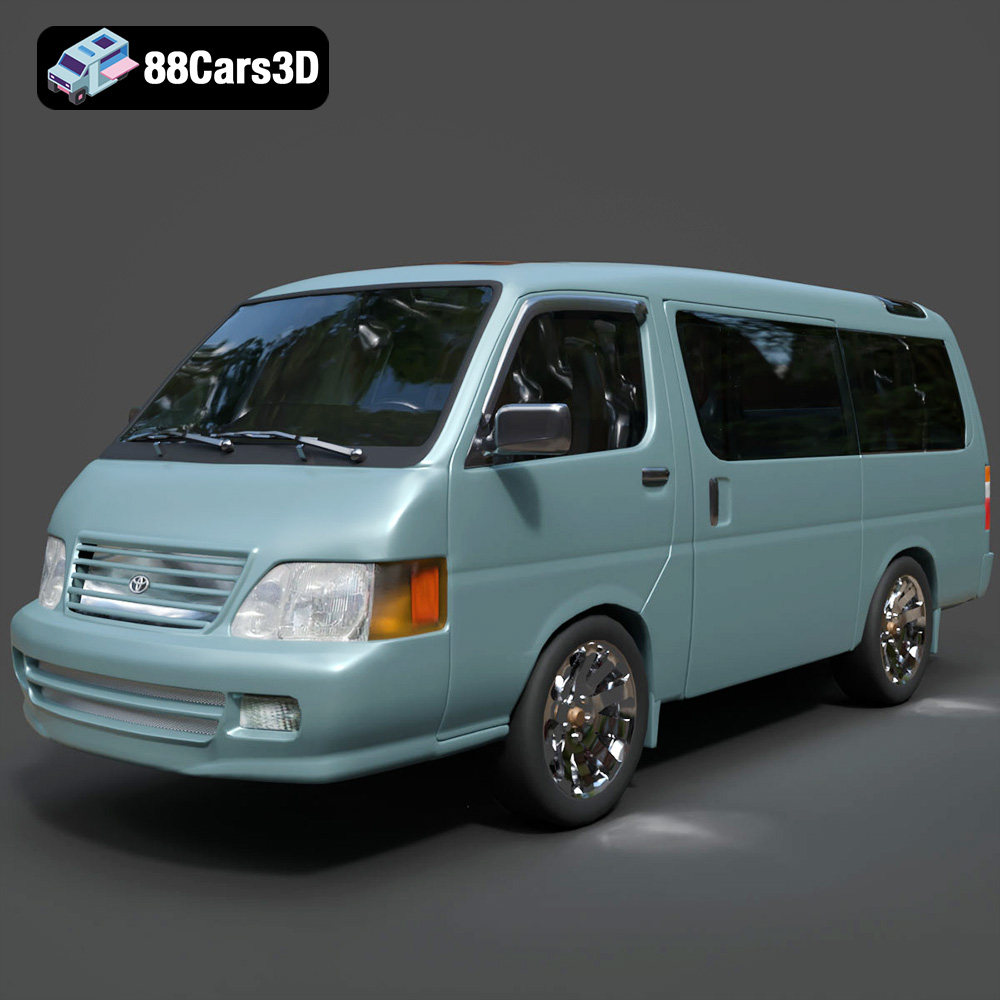
Toyota Hiace 3D Model
Texture: Yes
Material: Yes
Download the Toyota Hiace 3D Model featuring versatile design and detailed exterior. Includes .blend, .fbx, .obj, .glb, .stl, .ply, .unreal, and .max formats for rendering, simulation, and game development.
Price: $21.99
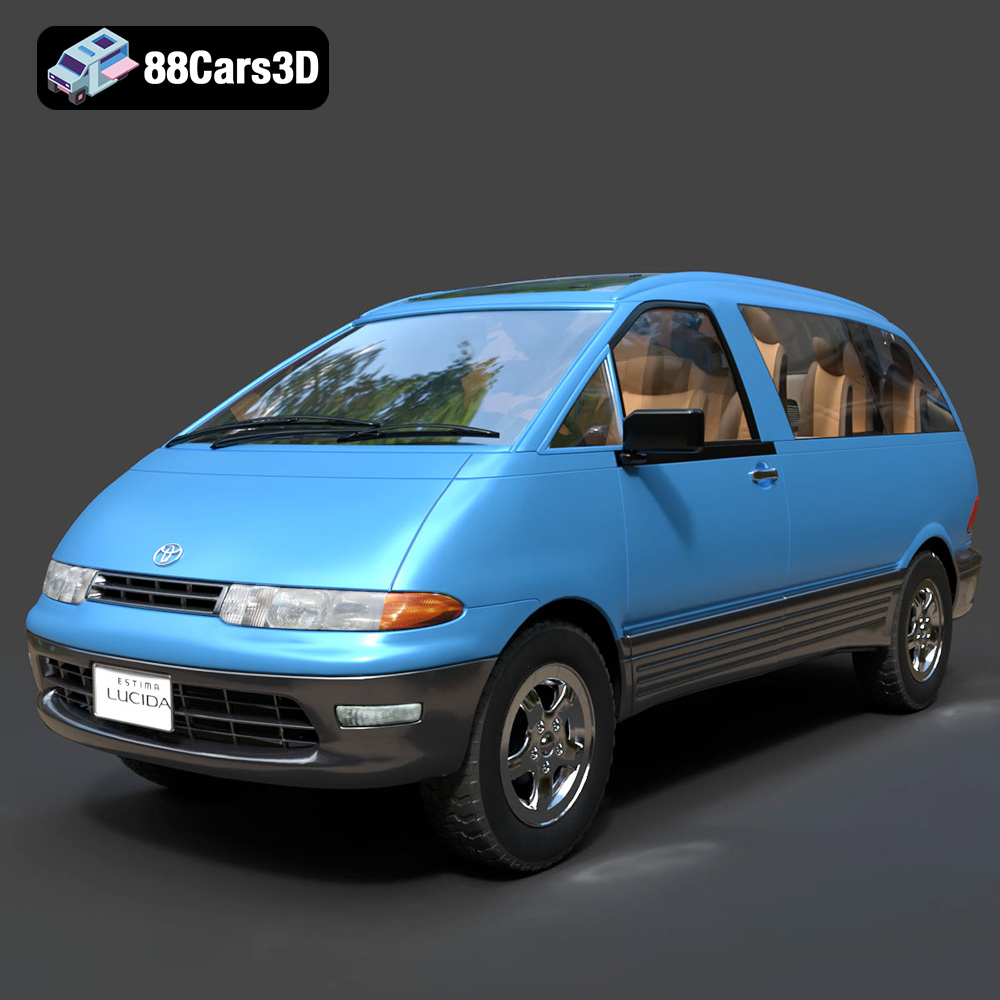
Toyota Estima Lucida 3D Model
Texture: Yes
Material: Yes
Download the Toyota Estima Lucida 3D Model featuring its iconic compact MPV design, versatile interior, and accurate exterior details. Includes .blend, .fbx, .obj, .glb, .stl, .ply, .unreal, and .max formats for rendering, simulation, and game development.
Price: $24.99

Toyota Alphard 3D Model
Texture: Yes
Material: Yes
Download the Toyota Alphard 3D Model featuring a detailed luxury minivan design with an accurate exterior and interior. Includes .blend, .fbx, .obj, .glb, .stl, .ply, .unreal, and .max formats for rendering, simulation, and game development.
Price: $21.99
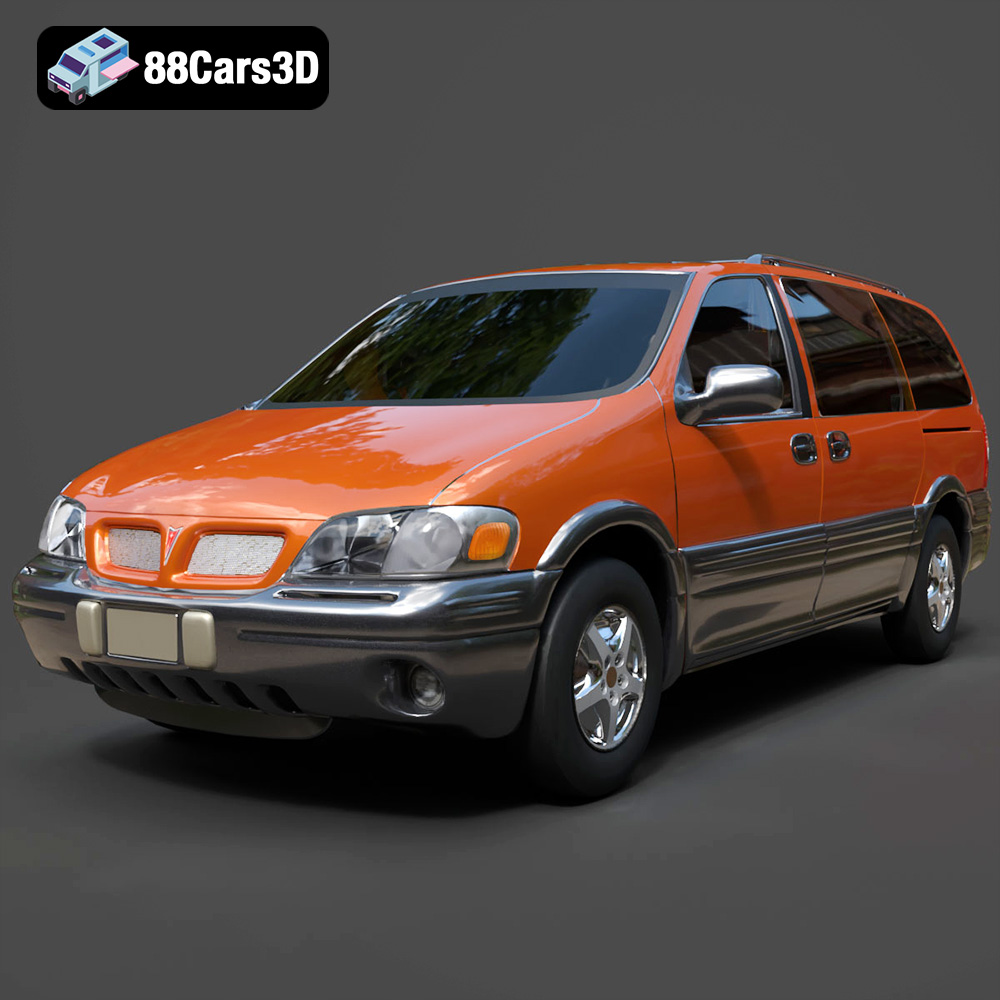
Pontiac Montana 1998 3D Model
Texture: Yes
Material: Yes
Download the Pontiac Montana 1998 3D Model featuring a detailed exterior, functional interior, and optimized mesh. Includes .blend, .fbx, .obj, .glb, .stl, .ply, .unreal, and .max formats for rendering, simulation, and game development.
Price: $21.99
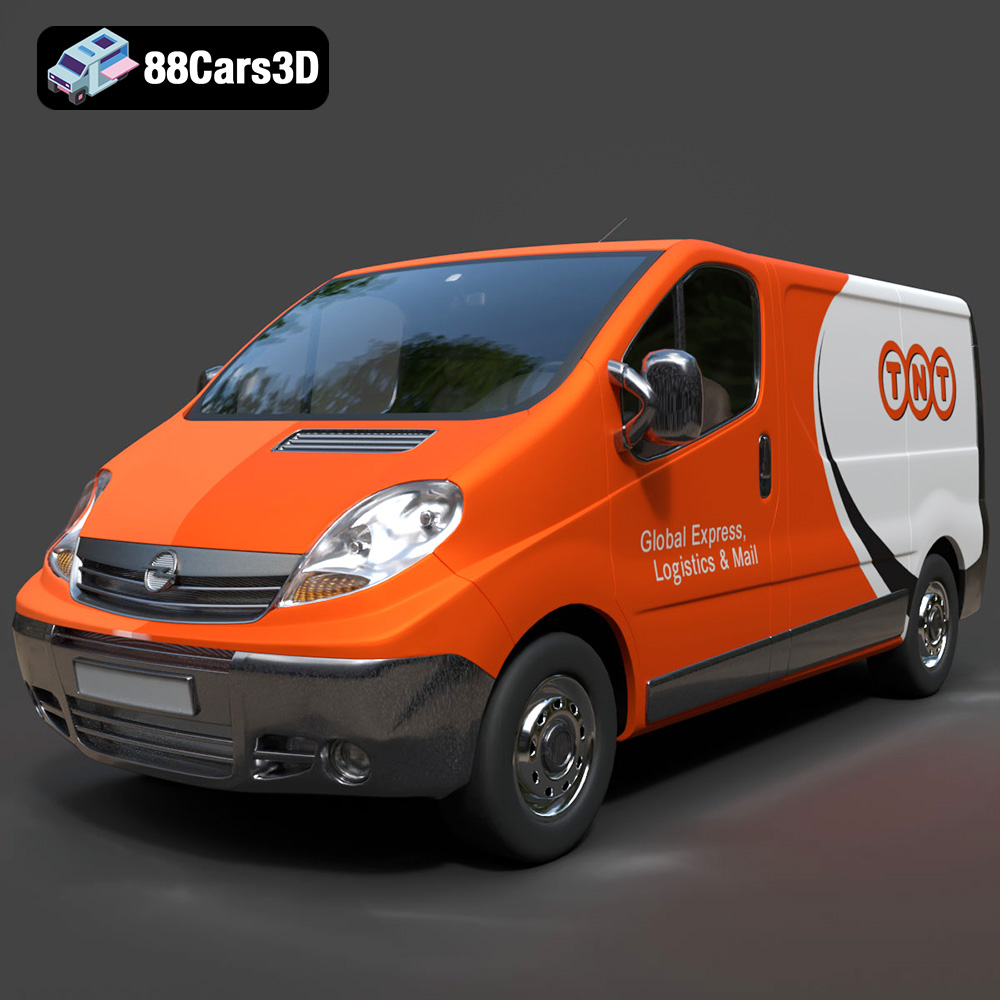
Opel Vivaro 3D Model
Texture: Yes
Material: Yes
Download the Opel Vivaro 3D Model featuring a versatile commercial van design with balanced detailing. Includes .blend, .fbx, .obj, .glb, .stl, .ply, .unreal, and .max formats for rendering, simulation, and game development.
Price: $21.99
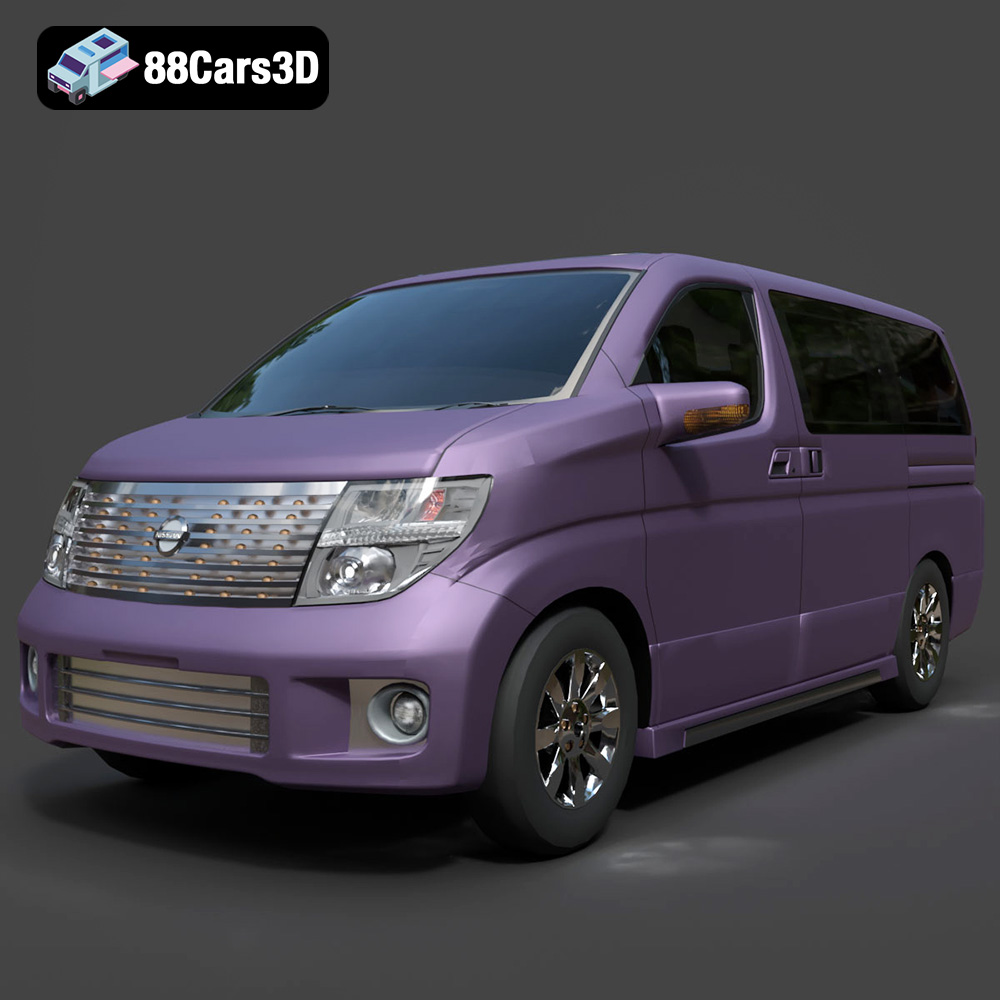
Nissan Elgrand 3D Model
Texture: Yes
Material: Yes
Download the Nissan Elgrand 3D Model featuring a versatile minivan design. Includes .blend, .fbx, .obj, .glb, .stl, .ply, .unreal, and .max formats for rendering, simulation, and game development.
Price: $21.99
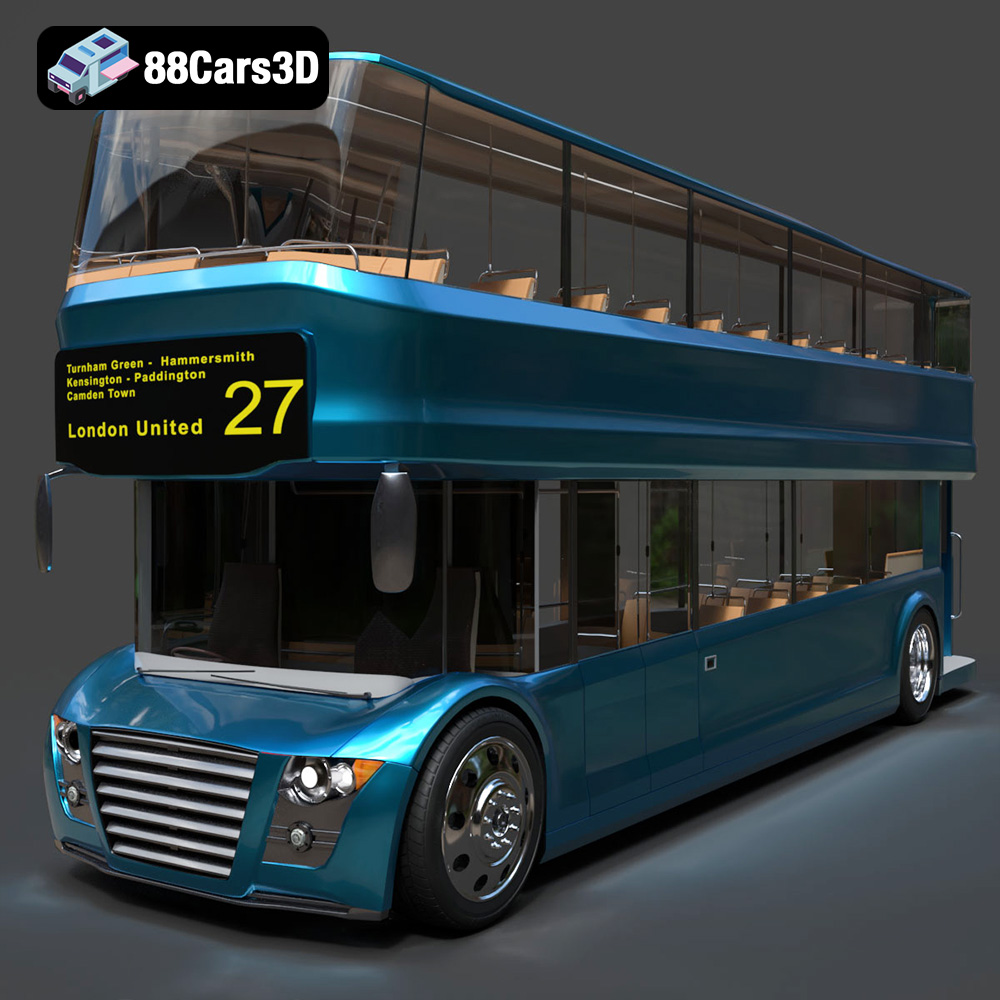
New Bus For London 3D Model
Texture: Yes
Material: Yes
Download the New Bus For London 3D Model featuring a detailed exterior and interior, optimized for rendering and animation. Includes .blend, .fbx, .obj, .glb, .stl, .ply, .unreal, and .max formats for rendering, simulation, and game development.
Price: $21.99
