

The world of architectural visualization has undergone a profound transformation. Gone are the days when static renders and pre-rendered animations were the sole means of showcasing design. Today, Unreal Engine stands at the forefront of a revolution, empowering architects, designers, and visualization artists to create stunning, interactive, and truly immersive architectural walkthroughs. This real-time paradigm shift not only elevates the client experience but also streamlines design processes, allowing for dynamic iteration and unparalleled engagement.
Unreal Engine’s robust feature set, including its photorealistic rendering capabilities, advanced lighting systems like Lumen and Ray Tracing, powerful Blueprint visual scripting, and optimization tools such as Nanite, makes it an indispensable tool for bringing architectural visions to life. From demonstrating intricate building details to allowing clients to virtually step inside and explore a future space, Unreal Engine provides the canvas for limitless creative expression. This comprehensive guide will walk you through the essential steps and advanced techniques required to master Unreal Engine for your architectural walkthroughs, transforming your static CAD models into breathtaking, interactive experiences.
Laying the Foundation: Project Setup and Importing Architectural Assets
Beginning any Unreal Engine project starts with meticulous preparation. For architectural walkthroughs, this means setting up your project correctly from the outset and understanding the best practices for importing your 3D models. A solid foundation ensures smooth development, optimal performance, and stunning visual fidelity.
Initial Project Configuration for Archviz
When creating a new project in Unreal Engine, selecting the right template and configuring key settings is crucial. A “Blank” project is often preferred for maximum control, though the “Architecture, Engineering, and Construction (AEC)” template provides a good starting point with some relevant plugins enabled. After creating your project, navigate to Edit > Project Settings and then Engine > Rendering to enable critical features:
- Lumen Global Illumination and Reflections: Essential for realistic indirect lighting and reflections. Set “Global Illumination Method” and “Reflection Method” to “Lumen.”
- Hardware Ray Tracing: For even more accurate reflections, shadows, and global illumination. Enable “Ray Tracing” and ensure “Support Hardware Ray Tracing” is checked. This requires a compatible GPU.
- Virtual Textures: Can help manage large texture data efficiently, especially with highly detailed architectural models.
It’s also advisable to enable the Datasmith Importer plugin (Edit > Plugins) if you plan to import scenes directly from CAD software like Revit, SketchUp, or 3ds Max, as Datasmith offers a highly optimized and intelligent workflow for architectural data.
Importing and Preparing Your 3D Architectural Models
The quality of your source 3D models directly impacts the final walkthrough. Architectural models typically originate from CAD or BIM software and need careful preparation before importing into Unreal Engine, usually via FBX or USD formats. Datasmith, however, offers a more streamlined pipeline by converting native scene files and preserving scene hierarchy, materials, and metadata.
- Clean Geometry: Ensure your models have clean, optimized topology. Remove unnecessary polygons, consolidate meshes where appropriate (e.g., walls of a room), and check for flipped normals. For complex, highly detailed architectural elements, Nanite (discussed later) can handle higher polygon counts, but good base geometry is always beneficial.
- Modular Assets: Break down your architecture into modular, reusable components (walls, floors, windows, doors, furniture). This improves performance, reduces draw calls, and makes iteration easier.
- UV Mapping: Every mesh needs proper UV mapping for textures and lightmaps. Overlapping UVs are acceptable for material textures but are problematic for lightmaps (if you plan to bake static lighting). Ensure sufficient padding between UV islands to prevent texture bleeding.
- Scale and Pivot Points: Maintain consistent real-world scale (Unreal Engine uses 1 Unreal Unit = 1 cm by default). Set pivot points logically for modular assets (e.g., at the base center for a chair, at the hinge for a door) to facilitate easy placement and animation within Unreal Engine.
Once your models are prepared, you can import them via File > Import Into Level… or drag and drop FBX files directly into the Content Browser. When importing, pay attention to options like “Combine Meshes” (often useful for static architectural elements), “Generate Missing Collision” (for walkability), and “Create New Materials” (to quickly get started with basic PBR setups).
Mastering Materials: Realistic PBR for Architectural Surfaces
Materials are the skin of your architectural models, defining how light interacts with surfaces and contributing significantly to realism. Unreal Engine’s Physically Based Rendering (PBR) system is designed to simulate real-world material properties accurately, ensuring consistent and believable results under any lighting conditions.
Core PBR Principles in Unreal Engine
PBR materials are built upon a set of texture maps, each controlling a specific aspect of a surface’s interaction with light. Understanding these maps is fundamental:
- Base Color (Albedo): Represents the diffuse color of the surface without any lighting information. For metals, this map also conveys their color, while for non-metals, it’s typically desaturated.
- Metallic: A grayscale map (0 to 1) indicating whether a material is metallic (1) or non-metallic (0). Values in between are generally avoided.
- Roughness: Another grayscale map (0 to 1) controlling the microscopic surface imperfections that scatter light. A value of 0 is perfectly smooth (like polished chrome), while 1 is completely rough (like matte paint).
- Normal Map: Uses RGB data to simulate surface detail without adding actual geometry. The red, green, and blue channels correspond to X, Y, and Z normal vectors, giving the illusion of bumps, grooves, and textures.
- Ambient Occlusion (AO): A grayscale map representing areas where ambient light would be occluded, typically in crevices and corners, adding depth and contact shadows. This map is often multiplied with the Base Color.
By accurately defining these properties, you can create materials that respond realistically to light, whether it’s a rough concrete wall, a highly reflective glass pane, or a matte wooden floor.
Building Complex Architectural Materials
Unreal Engine’s Material Editor is a node-based system that allows for incredible flexibility and complexity in material creation. While simple materials might only use a few texture samples, architectural visualization often demands more sophisticated setups:
- Material Instances: This is a cornerstone of efficient material management. Create a master material with all the necessary logic and parameters (e.g., texture slots, scalar values for roughness/metallic, color tint). Then, create Material Instances from this master material. Each instance can have its parameters overridden without recompiling the shader, allowing for rapid iteration and significant performance savings, especially for variations of the same material (e.g., different wood finishes, various paint colors).
- Layered Materials: For complex surfaces like weathered concrete with moss, or a painted wall with peeling sections, layered materials allow you to blend multiple material functions based on masks. This approach enhances realism without requiring multiple unique meshes.
- Trim Sheets: Highly effective for architectural details, trim sheets consolidate multiple small detail textures (like window frames, molding, or paneling) into a single texture atlas. Artists then use specific UV regions of this sheet on different parts of their models, saving texture memory and draw calls.
- Seamless Textures and World-Aligned Materials: Ensure your textures tile seamlessly to avoid visible repetition. For very large surfaces or procedural elements, consider using World-Aligned Textures, which project textures based on world coordinates, avoiding UV stretching and scaling issues on complex geometry.
Sourcing high-quality PBR textures is also paramount. Quixel Megascans, now integrated directly with Unreal Engine, provides an extensive library of scanned real-world assets and surfaces, offering unparalleled realism. For adding a vehicle to contextualize your architectural scene, marketplaces like 88cars3d.com offer professionally modeled, PBR-ready assets optimized for Unreal Engine, ready to drop into your scene and elevate its realism.
Illuminating Spaces: Real-Time Lighting with Lumen and Ray Tracing
Lighting is arguably the most critical element in architectural visualization. It defines mood, highlights design features, and breathes life into a scene. Unreal Engine’s advanced real-time lighting systems offer unprecedented control and realism, allowing you to create dynamic and breathtaking environments.
Unleashing Lumen for Dynamic Global Illumination
Lumen is Unreal Engine 5’s fully dynamic global illumination and reflections system, replacing static lightmaps for most real-time applications. It calculates diffuse inter-reflection with infinite bounces and indirect specular reflections, giving light a realistic bounce around your scene, propagating color bleed, and reacting instantly to changes in lighting or geometry. This means:
- Instant Iteration: Move a light source, open a door, or change a material, and Lumen instantly updates the indirect lighting, eliminating lengthy light bake times.
- Realistic Light Propagation: Experience physically accurate light distribution, shadows, and color bleeding from surfaces.
- Dynamic Environments: Perfect for walkthroughs where time of day changes, or interactive elements alter the lighting.
To enable Lumen, ensure it’s set as the Global Illumination and Reflection method in Project Settings. Key settings to tweak include “Lumen Scene Lighting Quality” and “Lumen Reflections Quality” in the Post Process Volume, which control visual fidelity versus performance. For exterior scenes, Lumen combines effectively with a Sky Light, which captures distant sky and cloud textures to provide convincing ambient lighting.
Strategic Lighting for Visual Impact
Beyond Lumen, traditional light sources are essential for shaping your architectural scene. A combination of different light types is often used to achieve desired artistic and realistic effects:
- Directional Light: Simulates the sun. Adjust its rotation to control the time of day and shadow direction. A strong directional light with Lumen can create dramatic long shadows and bright highlights.
- Sky Light: Captures the ambient light from the sky and environmental reflections. Crucial for both interior and exterior scenes. It should be set to “Movable” for Lumen to fully utilize it.
- Point Lights: Emit light in all directions from a single point, ideal for interior ceiling lights, lamps, or general ambient fill.
- Spot Lights: Emit light in a cone shape, perfect for accentuating architectural details, wall washers, or desk lamps. You can import IES profiles (Illuminating Engineering Society photometric data) to simulate specific light fixtures’ realistic light distribution patterns.
- Rect Lights: Simulate planar light sources, commonly used for windows, light panels, or softbox-like illumination.
For each light, properties like Intensity (in Lumens or Candelas), Color, and Attenuation Radius are crucial. Don’t forget to use Lightmass Portals (even with Lumen, they can help improve interior lighting by guiding the Sky Light), and leverage Post Process Volumes to fine-tune exposure, color grading, bloom, and other visual effects to achieve a cinematic look. By carefully orchestrating these lighting elements, you can guide the viewer’s eye, create mood, and enhance the overall realism of your architectural walkthrough.
Bringing Architecture to Life: Interactivity with Blueprint and Sequencer
A truly immersive architectural walkthrough isn’t just about passive viewing; it’s about interaction. Unreal Engine’s powerful tools like Blueprint visual scripting and Sequencer enable you to transform static models into dynamic, engaging experiences.
Blueprinting Interactive Elements
Blueprint is Unreal Engine’s visual scripting system, allowing designers and artists to create complex gameplay and interactive functionalities without writing a single line of code. For architectural walkthroughs, Blueprint can power a wide range of interactive features:
- Door Operations: Create a Blueprint Actor for a door that opens or closes when the player approaches it or presses a key. This involves using collision volumes (e.g., Box Collision), Event Overlap nodes, and Timeline nodes to animate the door’s rotation or translation.
- Light Switches: Allow users to toggle lights on and off. A Blueprint for a light switch could use a Line Trace (raycast) from the player’s camera to detect interaction with the switch, then toggle the visibility or intensity of associated light actors.
- Material and Furniture Configurators: Develop interactive panels where users can switch between different material finishes (e.g., wood floor patterns, paint colors) or swap out furniture models. This typically involves using Material Instance Parameters and setting new static mesh components via Blueprint. Imagine an interactive architectural configurator where clients can not only change finishes but also place different cars in the driveway, perhaps even choosing from a curated selection of vehicle models from resources like 88cars3d.com, to truly visualize their future space.
- Information Hotspots: Add interactive text panels or multimedia displays that pop up when the player approaches specific architectural features, providing more context or design details.
These interactions provide a sense of agency and personalize the walkthrough experience, making it far more engaging than a passive video.
Crafting Cinematic Walkthroughs with Sequencer
While real-time interaction is vital, a polished cinematic walkthrough can also serve as a powerful marketing tool. Unreal Engine’s Sequencer is a multi-track editor for creating stunning in-engine cinematics, perfect for showcasing your architectural designs in a controlled, narrative-driven manner.
- Camera Animation: Use Sequencer to animate virtual cameras along paths, defining smooth, elegant fly-throughs or close-up shots of architectural details. You can keyframe camera positions, rotations, and focal lengths.
- Object and Material Animation: Animate objects (e.g., a curtain gently swaying, a plant growing) or material parameters (e.g., a sunshade slowly extending, materials fading in or out) over time to add subtle realism and dynamism to your cinematic.
- Lighting and Environmental Changes: Keyframe the intensity of lights, the color of the Sky Light, or the rotation of the Directional Light to simulate time-of-day changes or emphasize different moods throughout the cinematic.
- Post-Process Effects: Integrate and animate post-process volume settings (like depth of field, vignette, color grading, bloom, and exposure) within Sequencer to achieve a desired cinematic look and feel.
Sequencer allows for precise timing and orchestration of all these elements, enabling you to tell a compelling story about your architectural design. Once created, these sequences can be rendered out as high-quality video files for presentations, marketing campaigns, or virtual reality experiences.
Optimizing for Performance: Scalability and Immersion
Creating beautiful architectural visualizations in Unreal Engine is only half the battle; ensuring they run smoothly and efficiently is equally important. Optimization is key to delivering a seamless, immersive experience, especially for interactive walkthroughs, AR/VR, or large, complex architectural projects.
Leveraging Nanite and LODs for Geometric Detail
Architectural models are often dense with geometric detail, from intricate moldings to detailed furniture. Managing this complexity efficiently is paramount:
- Nanite Virtualized Geometry: Unreal Engine 5’s Nanite system is a game-changer for high-fidelity architectural models. It allows artists to import and render meshes with millions or even billions of polygons without significant performance loss. Nanite intelligently streams and processes only the necessary detail at render time, eliminating the need for manual LODs (Level of Detail) on Nanite-enabled meshes. This means you can import high-res CAD models or photogrammetry scans directly, preserving all geometric detail without tedious optimization work. For highly detailed statues, ornamental features, or complex building facades, Nanite is invaluable.
- Traditional LODs: While Nanite handles geometric complexity for static meshes, traditional LODs are still crucial for non-Nanite meshes (like skeletal meshes, foliage, or older imported assets) and especially for AR/VR applications where performance budgets are tighter. Create multiple versions of a mesh at varying levels of detail (e.g., 5,000 polys, 2,000 polys, 500 polys). Unreal Engine’s built-in LOD Generation tool can automate this process, creating simpler versions of your mesh that are swapped in as the camera moves further away, significantly reducing polygon count and improving frame rates.
Carefully balance Nanite usage with traditional LODs. Nanite is excellent for static, high-poly environments, while traditional LODs remain important for dynamic or animated elements and compatibility with platforms that don’t fully support Nanite.
Texture, Shader, and Draw Call Optimization
Beyond geometry, textures, materials, and the number of render calls (draw calls) significantly impact performance:
- Texture Resolutions and Streaming: Use appropriate texture resolutions (e.g., 4K for hero assets, 2K for medium-distance, 1K for distant objects). Enable texture streaming in Unreal Engine (Content Browser > right-click texture > Asset Actions > Bulk Edit via Property Matrix) to ensure only visible textures are loaded at full resolution, saving memory.
- Material Instances and Shared Materials: As discussed earlier, use Material Instances extensively. Consolidate similar materials into a single master material to reduce shader compilation time and memory footprint. Avoid overly complex shaders with too many instructions, as these can be computationally expensive.
- Reduce Draw Calls: Each unique mesh and material combination typically results in a separate draw call, which can bottleneck performance. Merge static meshes where possible (e.g., multiple small architectural components into a single larger mesh), use atlased textures (trim sheets), and ensure Instanced Static Meshes are used for repetitive elements like railings or windows. The Static Mesh Editor allows you to combine meshes easily.
Utilize Unreal Engine’s built-in profilers (stat fps, stat unit, stat rhi, stat gpu) to identify performance bottlenecks and guide your optimization efforts.
AR/VR Considerations for Architectural Demos
When targeting AR/VR devices for architectural walkthroughs, optimization becomes even more critical due to the high frame rate requirements (often 90 FPS or more) and the need to render two separate views (one for each eye):
- Aggressive LODs: Manual LODs are crucial for VR. Aim for significant polygon reduction at even close distances.
- Forward Shading: For mobile VR (e.g., Oculus Quest), consider using the Forward Renderer, which can be more performant than the Deferred Renderer for certain scenarios, especially with fewer dynamic lights.
- Reduced Post-Processing: Minimize expensive post-processing effects like screen-space reflections, complex bloom, or intense anti-aliasing.
- Fixed Foveated Rendering (FFR): For supported headsets, FFR renders the periphery of the user’s vision at a lower resolution, saving significant GPU resources.
- Instanced Stereo Rendering: Unreal Engine automatically uses this for VR, rendering both eyes simultaneously in a single draw call, but ensuring your content benefits from it (e.g., by minimizing unique materials per object) is important.
- Profile on Target Hardware: Always test and profile your project directly on the target AR/VR device to get accurate performance metrics and identify bottlenecks.
By implementing these optimization strategies, you can ensure your architectural walkthroughs are not just visually stunning but also run smoothly across various platforms, delivering an exceptional user experience.
Advanced Applications: Configurators, Virtual Production, and Data Integration
Unreal Engine’s capabilities extend far beyond simple walkthroughs, offering advanced features that transform architectural visualization into powerful tools for design, sales, and collaborative workflows.
Developing Interactive Architectural Configurators
Interactive configurators are a game-changer for architects and real estate developers. These tools allow potential clients to customize aspects of a design in real-time, significantly enhancing engagement and accelerating decision-making. Using Unreal Engine, you can create highly sophisticated configurators:
- Blueprint-Driven Customization: Leverage Blueprint to create user interface (UI) elements (using Unreal Motion Graphics, UMG) that control material swaps, furniture layouts, color schemes, or even structural elements. This involves creating data tables for easy management of options, and then using Blueprint logic to apply chosen parameters to Material Instance Parameters or replace Static Mesh Components.
- Dynamic Layouts: Allow users to toggle between different room layouts, add or remove walls, or rearrange furniture. This requires careful modular design of your architectural models and robust Blueprint logic to manage component visibility and collision.
- Cost Estimation Integration: For a truly powerful sales tool, integrate real-time cost estimation. As users select different options, a Blueprint system can tally the associated costs from a data table and display an updated total, giving immediate feedback on budget implications.
- Real-time Feedback: Ensure every user interaction provides immediate visual feedback. For example, clicking a floor material swatch should instantly update the floor’s texture in the 3D view.
These configurators empower clients to become co-designers, making them feel more invested in the project and providing architects with valuable insights into client preferences. This same approach can be used for things like adding different car models from a library of assets to a driveway or garage, making it easy for clients to visualize their preferred vehicle in their future space.
Integrating Real-Time Data and Collaborative Design
Unreal Engine is increasingly becoming a hub for collaborative design reviews and data integration:
- Datasmith for Live-Sync: With the Datasmith plugin, you can establish a live link between your CAD/BIM software (like Revit or SketchUp Pro) and Unreal Engine. Any changes made in the source application are instantly reflected in your Unreal Engine project, allowing for real-time design iteration and review sessions. This significantly shortens feedback loops and reduces the time spent on re-importing models.
- Multi-User Editing: Unreal Engine’s Multi-User Editing plugin enables multiple stakeholders (designers, clients, engineers) to connect to the same Unreal Engine session from different locations. They can collaboratively explore the architectural model in real-time, make annotations, and discuss changes, fostering a truly interactive and efficient review process. This is particularly valuable for large-scale projects or geographically dispersed teams.
- Data Visualization: Beyond visual aesthetics, Unreal Engine can visualize data associated with your architectural models. For instance, you could display real-time energy consumption data, sun path analysis, or simulate pedestrian flow within a building, transforming the walkthrough into an analytical tool.
These advanced integrations bridge the gap between design and visualization, making Unreal Engine a powerful platform not just for showcasing completed projects, but for actively participating in the design process itself.
Conclusion: The Future of Architectural Visualization is Real-Time
Unreal Engine has definitively reshaped the landscape of architectural visualization, moving it from static imagery to dynamic, interactive, and truly immersive experiences. By mastering the workflows outlined in this guide – from meticulous project setup and material creation to advanced lighting, interactive Blueprint scripting, and critical performance optimization – you unlock the full potential of your architectural designs.
The ability to harness features like Lumen’s dynamic global illumination, Nanite’s boundless geometric detail, and Blueprint’s interactive capabilities means you can present architectural visions with unprecedented realism and engagement. Whether you’re creating a captivating cinematic walkthrough for a presentation, an interactive configurator for client customization, or an optimized AR/VR experience for on-site immersion, Unreal Engine provides the tools to achieve it. Embrace the power of real-time rendering, continue exploring the ever-evolving features of Unreal Engine, and elevate your architectural visualization projects to new, breathtaking heights. The future of architecture is not just seen; it’s experienced.
Featured 3D Car Models
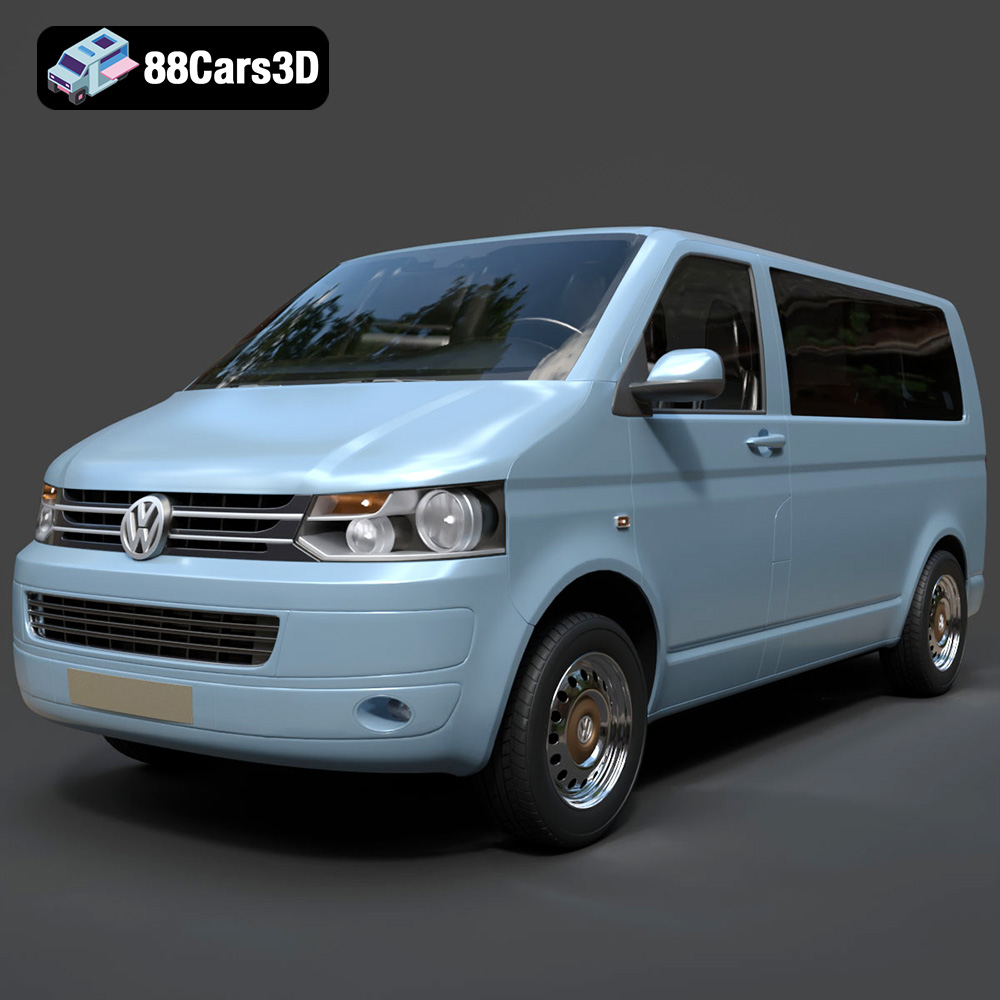
Volkswagen Transporter T5 FL 2010 3D Model
Texture: Yes
Material: Yes
Download the Volkswagen Transporter T5 FL 2010 3D Model featuring clean geometry, realistic detailing, and a fully modeled interior. Includes .blend, .fbx, .obj, .glb, .stl, .ply, .unreal, and .max formats for rendering, simulation, and game development.
Price: $22.99
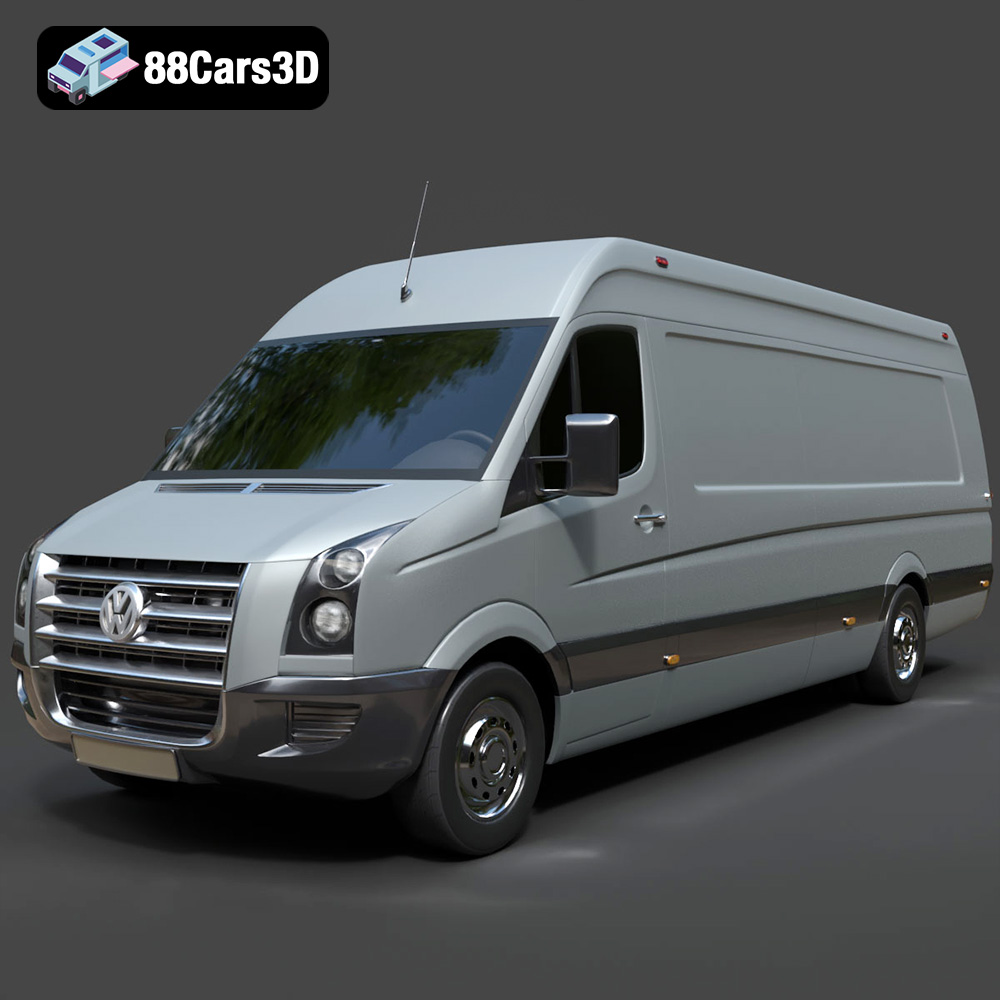
Volkswagen Crafter 2020 3D Model
Texture: Yes
Material: Yes
Download the Volkswagen Crafter 2020 3D Model featuring clean geometry, realistic detailing, and a fully modeled interior. Includes .blend, .fbx, .obj, .glb, .stl, .ply, .unreal, and .max formats for rendering, simulation, and game development.
Price: $22.99
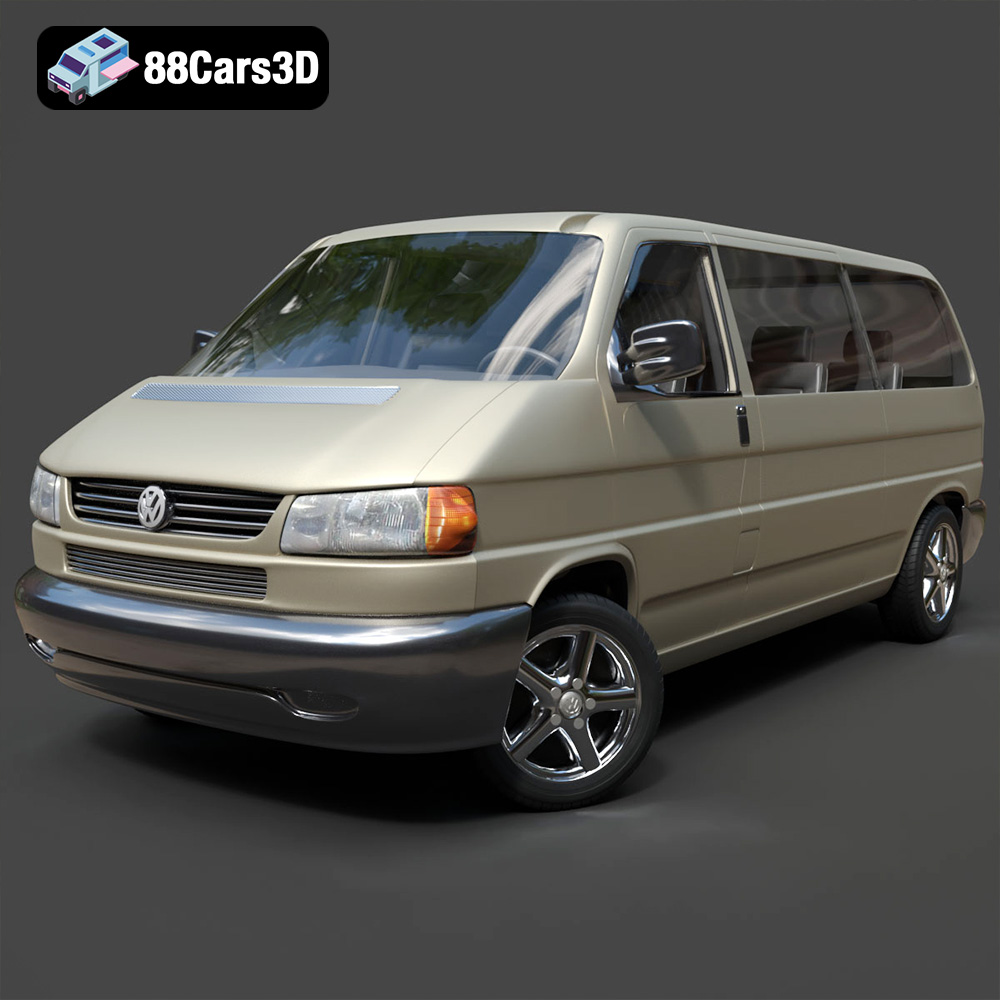
Volkswagen Caravelle 2020 3D Model
Texture: Yes
Material: Yes
Download the Volkswagen Caravelle 3D Model featuring a detailed exterior, functional interior, and optimized topology. Includes .blend, .fbx, .obj, .glb, .stl, .ply, .unreal, and .max formats for rendering, simulation, and game development.
Price: $23.99
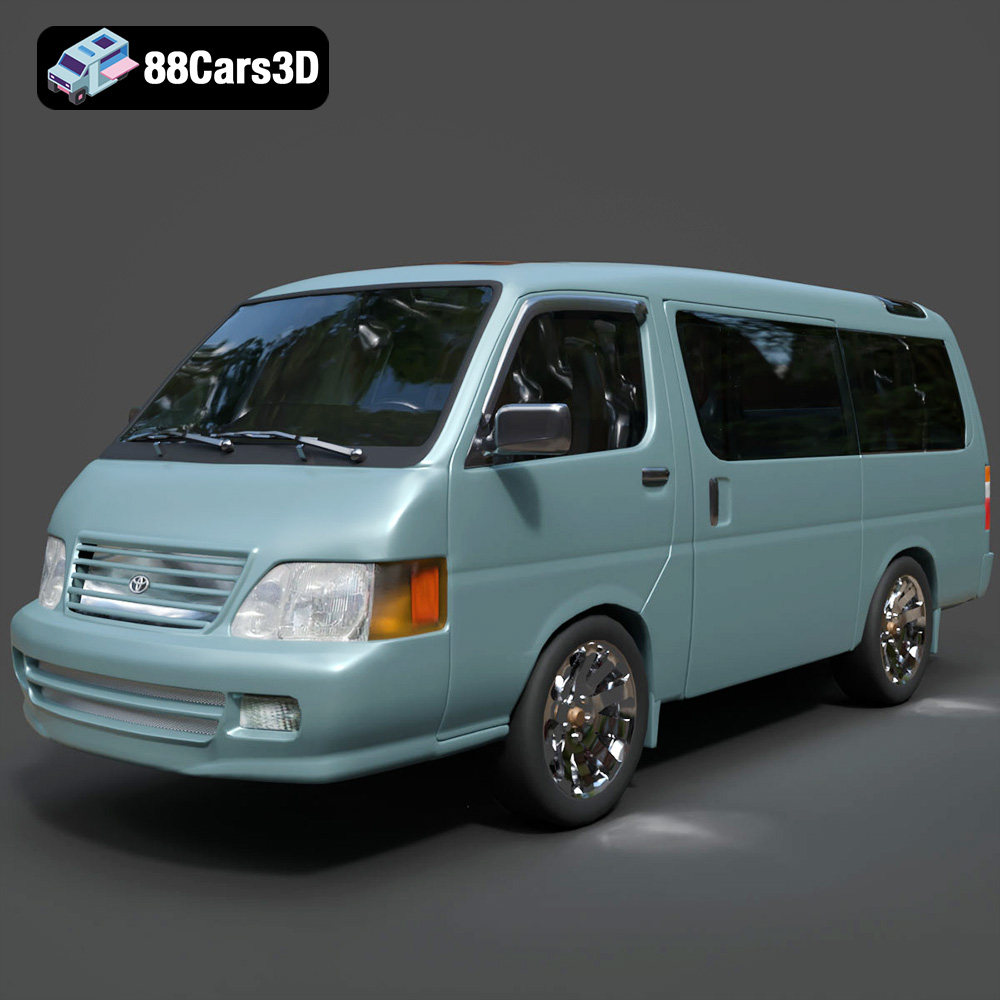
Toyota Hiace 3D Model
Texture: Yes
Material: Yes
Download the Toyota Hiace 3D Model featuring versatile design and detailed exterior. Includes .blend, .fbx, .obj, .glb, .stl, .ply, .unreal, and .max formats for rendering, simulation, and game development.
Price: $21.99
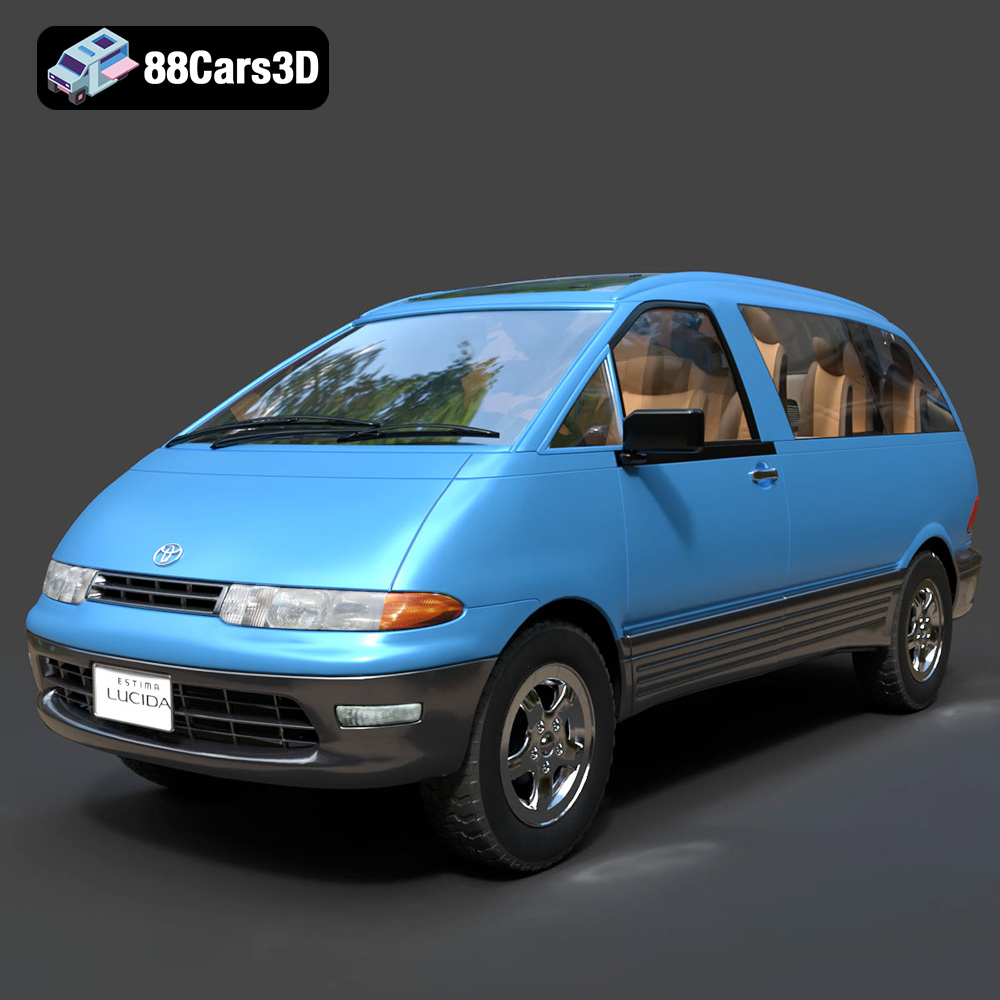
Toyota Estima Lucida 3D Model
Texture: Yes
Material: Yes
Download the Toyota Estima Lucida 3D Model featuring its iconic compact MPV design, versatile interior, and accurate exterior details. Includes .blend, .fbx, .obj, .glb, .stl, .ply, .unreal, and .max formats for rendering, simulation, and game development.
Price: $24.99

Toyota Alphard 3D Model
Texture: Yes
Material: Yes
Download the Toyota Alphard 3D Model featuring a detailed luxury minivan design with an accurate exterior and interior. Includes .blend, .fbx, .obj, .glb, .stl, .ply, .unreal, and .max formats for rendering, simulation, and game development.
Price: $21.99
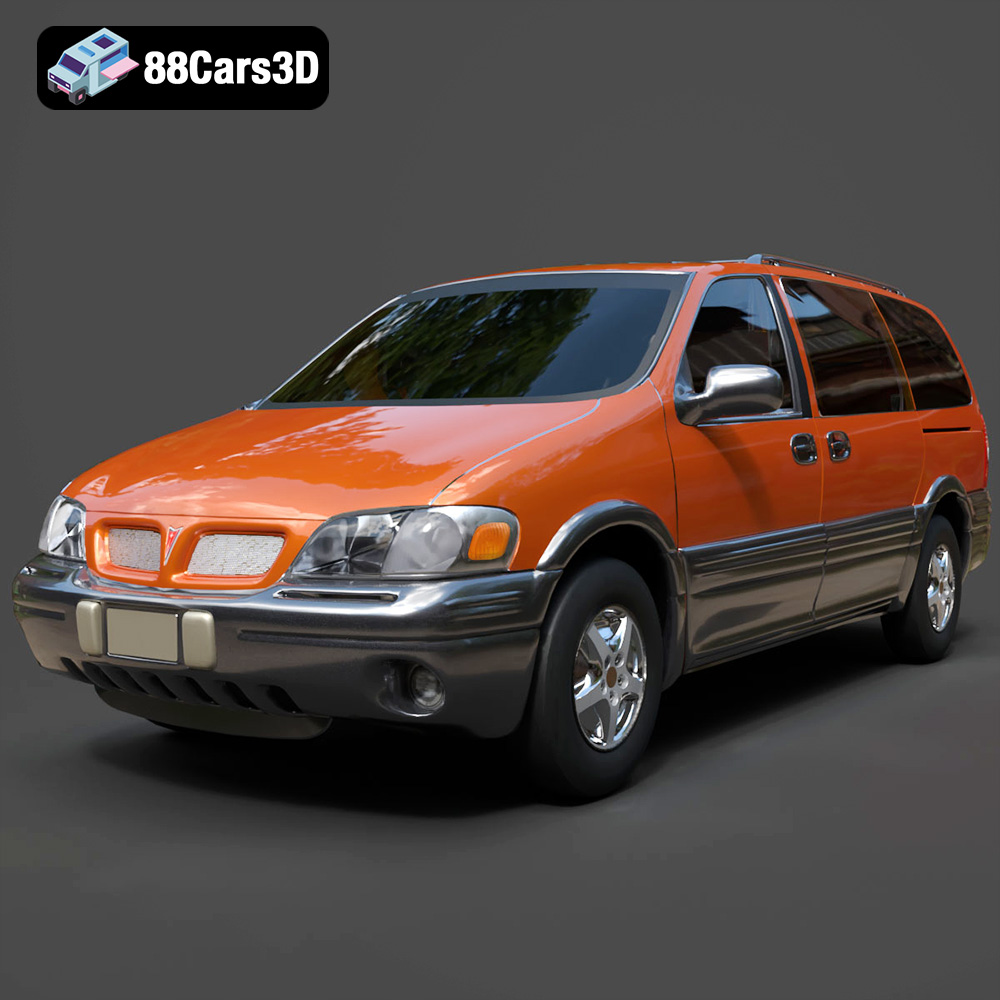
Pontiac Montana 1998 3D Model
Texture: Yes
Material: Yes
Download the Pontiac Montana 1998 3D Model featuring a detailed exterior, functional interior, and optimized mesh. Includes .blend, .fbx, .obj, .glb, .stl, .ply, .unreal, and .max formats for rendering, simulation, and game development.
Price: $21.99
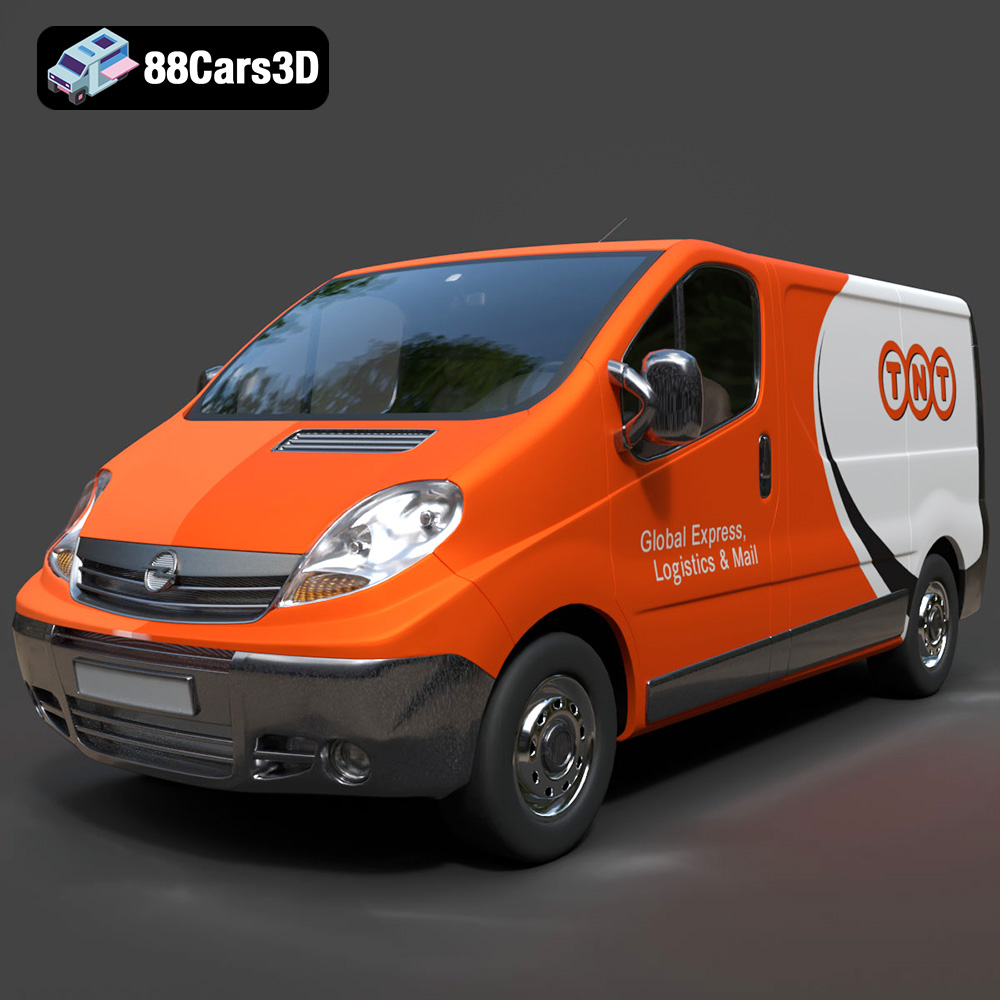
Opel Vivaro 3D Model
Texture: Yes
Material: Yes
Download the Opel Vivaro 3D Model featuring a versatile commercial van design with balanced detailing. Includes .blend, .fbx, .obj, .glb, .stl, .ply, .unreal, and .max formats for rendering, simulation, and game development.
Price: $21.99
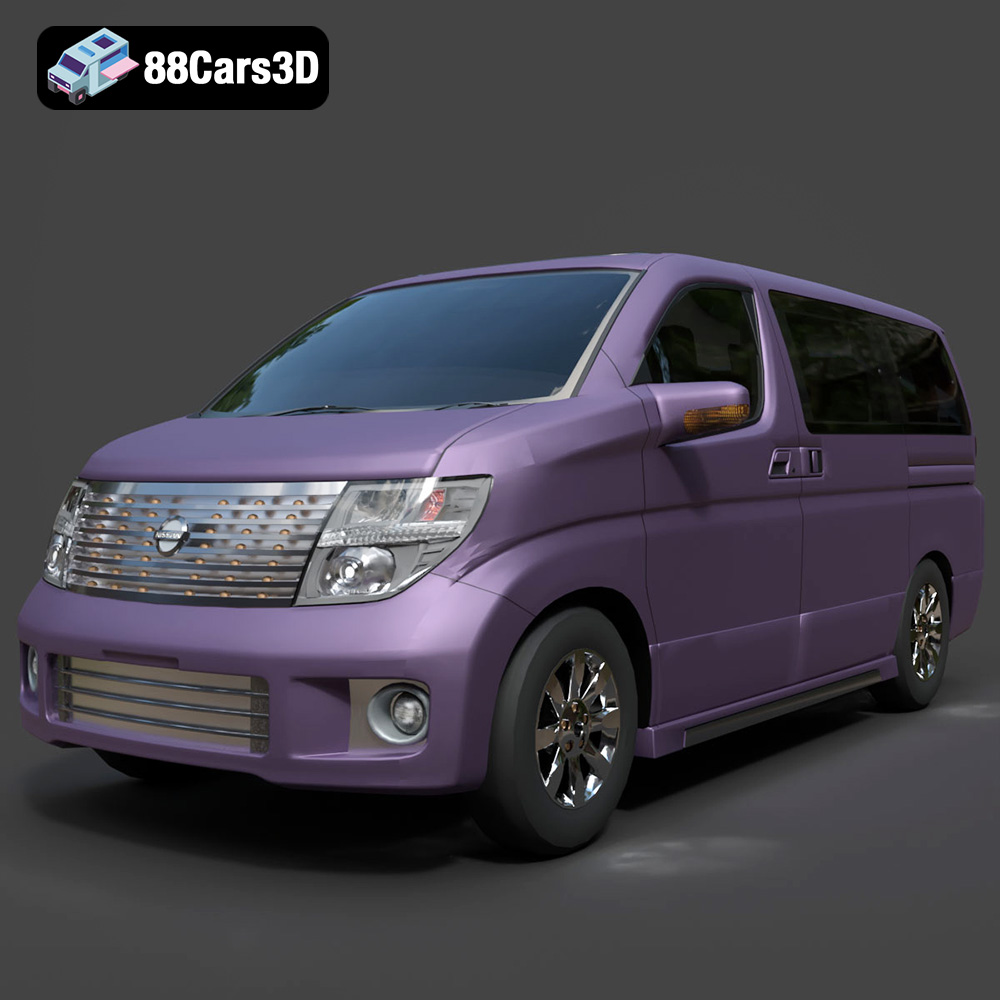
Nissan Elgrand 3D Model
Texture: Yes
Material: Yes
Download the Nissan Elgrand 3D Model featuring a versatile minivan design. Includes .blend, .fbx, .obj, .glb, .stl, .ply, .unreal, and .max formats for rendering, simulation, and game development.
Price: $21.99
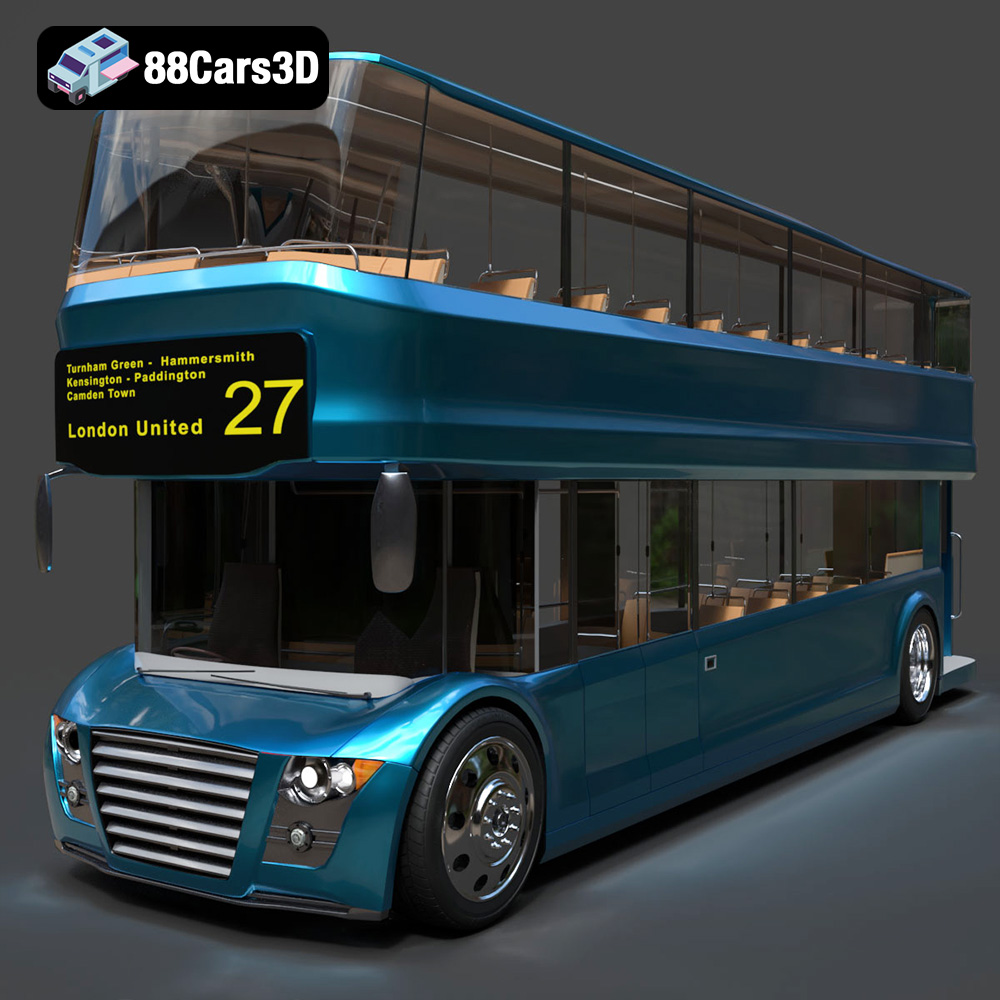
New Bus For London 3D Model
Texture: Yes
Material: Yes
Download the New Bus For London 3D Model featuring a detailed exterior and interior, optimized for rendering and animation. Includes .blend, .fbx, .obj, .glb, .stl, .ply, .unreal, and .max formats for rendering, simulation, and game development.
Price: $21.99
