The Art and Science of High-Fidelity 3D Car Models: From Concept to Real-Time Reality
In today’s visually-driven world, the demand for exceptionally realistic 3D car models transcends traditional boundaries. From blockbuster video games and immersive virtual reality experiences to cutting-edge automotive marketing and precision engineering simulations, high-quality digital vehicles are indispensable. Crafting these assets is a complex blend of artistic skill and technical mastery, requiring a deep understanding of everything from polygon topology and PBR materials to advanced rendering techniques and real-time optimization. This comprehensive guide delves into the intricate processes, essential file formats, and diverse applications that define the landscape of professional 3D car modeling, illustrating how truly spectacular automotive visuals are brought to life. For professionals seeking top-tier assets, resources like 88cars3d.com offer a curated selection of models ready for integration into any project.
The Foundation of Automotive 3D Modeling: Design Principles and Workflow
Creating a compelling 3D car model begins long before a single polygon is placed. It’s a meticulous process rooted in understanding design, form, and the nuances of real-world vehicle construction.
Concept to CAD: The Blueprint for Digital Cars
Every digital car starts with a vision. This typically involves extensive research, gathering reference images, and studying the automotive design language of a specific vehicle or brand. Designers begin with sketches, ideation, and often physical clay models to explore form and proportion. Once the overall aesthetic is established, the design transitions into Computer-Aided Design (CAD) software like Autodesk Alias, Rhino, or SolidWorks. These tools allow for the creation of precise, mathematically defined surfaces (NURBS – Non-Uniform Rational B-Splines). NURBS models offer unparalleled accuracy, ensuring that curves are smooth, uninterrupted, and perfectly reflect the designer’s intent. This CAD data forms the pristine blueprint from which all subsequent polygon models will be derived, guaranteeing real-world scale and accurate proportions.
From NURBS to Polygons: Optimizing for Digital Environments
While CAD data is perfect for engineering, it’s often too dense and complex for real-time rendering or game engines. The next critical step is converting these precise NURBS surfaces into an optimized polygon mesh. This process, often called retopology or surfacing, involves creating a clean, quad-dominant mesh that accurately represents the vehicle’s form while maintaining efficient poly counts. Key considerations include:
- Topology: Ensuring clean edge flow that follows the contours of the car, which is crucial for smooth subdivision surfacing (e.g., using a “sub-d” modifier in 3ds Max or Blender) and for future deformations or animations.
- Polygon Distribution: Strategically adding more polygons to areas of high curvature or detail (e.g., wheel arches, headlights) and fewer in flatter areas to maintain visual fidelity without unnecessary computational load.
- Manifold Geometry: Ensuring the mesh is “watertight” with no open edges or non-manifold geometry, which is vital for rendering, 3D printing, and simulations.
A well-structured polygon mesh is the bedrock for successful texturing, rigging, and rendering.
Detailing and Authenticity: Capturing the Nuances
True photorealism in 3D car models lies in the meticulous attention to detail. This involves going beyond the primary form to sculpt and model intricate components. Panel gaps must be precisely modeled to reflect manufacturing tolerances. Interior elements – dashboards, seats, steering wheels – require significant effort to match their real-world counterparts. Even subtle elements like tire treads, brake calipers, and exhaust pipes contribute immensely to the overall believability. Utilizing high-resolution reference photography, engineering diagrams, and even laser scans of real vehicles allows artists to capture these minute details, ensuring that every rivet, seam, and emblem contributes to an authentic and immersive experience.
Understanding 3D Model File Formats
The choice of file format is a critical technical decision when working with 3D car models, impacting compatibility, features, and target applications. Each format serves a specific purpose, offering unique advantages for different stages of a project, from initial modeling to final deployment.
The Core Formats for Editing and Exchange
- .blend (Blender): This is Blender’s native file format, providing a fully editable Blender scene. It’s ideal if you plan to continue developing, animating, or rendering your car model within Blender. A .blend file encapsulates not just the geometry but also materials, textures, lighting, cameras, rigging, and even entire animation sequences. Its comprehensive nature makes it perfect for artists working exclusively or primarily within the Blender ecosystem, offering maximum flexibility and control over all scene elements.
- .max (3ds Max): Similar to .blend, .max is the native file format for Autodesk 3ds Max. It stores a complete 3ds Max project, including all geometry, modifiers, materials (V-Ray, Corona, Arnold, etc.), textures, lighting, cameras, and animation data. This format is prevalent in professional architectural visualization, automotive rendering studios, and complex animation pipelines where 3ds Max is the primary DCC (Digital Content Creation) tool. It ensures full editability and access to all of 3ds Max’s powerful features.
- .obj (Wavefront OBJ): Considered a universal format, .obj is excellent for geometry exchange across virtually any 3D software. It stores polygon mesh data (vertices, normals, UV coordinates) and can reference external .mtl (material) files for basic material properties like diffuse color and texture maps. While highly compatible and robust for transferring static meshes, .obj does not support animations, rigging, or advanced material setups, making it best suited for simple model transfers between different applications when fidelity to complex scene data isn’t required.
Real-Time and Interactive Ecosystems
- .fbx (Filmbox): Developed by Autodesk, .fbx is the industry standard for transferring 3D data between DCC applications and game engines like Unreal Engine and Unity. It’s incredibly versatile, supporting not only geometry but also animations, skinning (bone-based deformations), blend shapes, cameras, and lights. Its robust support for complex scene data makes it indispensable for real-time pipelines where animated or interactive 3D car models are crucial. When exporting for games, careful consideration of scale, pivot points, and triangulation is essential.
- .glb (GL Transmission Format Binary): As the binary version of glTF, .glb is highly optimized for performance-critical applications, particularly AR (Augmented Reality), VR (Virtual Reality), and browser-based 3D displays. A .glb file is self-contained, embedding all textures and animation data directly within a single file. This makes it incredibly efficient for quick loading and rendering on various platforms, simplifying asset distribution and ensuring consistent visual quality across different web and mobile environments.
- .unreal (Unreal Engine Asset): While not a direct export format from DCC software, .unreal represents an asset specifically prepared for and stored within an Unreal Engine project. Typically, 3D car models are imported into Unreal Engine via .fbx, where they are then processed, optimized, and saved as native Unreal assets. This means they’ve been configured with Unreal-specific materials, LODs (Level of Detail), collision meshes, and potentially physics assets, making them engine-ready for real-time environments and maximizing performance within the engine. When purchasing a file with this extension from 88cars3d.com, you are often getting a pre-configured, optimized asset ready for immediate use.
Specialized Formats for Manufacturing and Analysis
- .stl (Stereolithography): This format is the de facto standard for 3D printing. An .stl file represents the surface geometry of a 3D model using a tessellation of triangular facets, without any color, texture, or material information. It’s a simple, robust format that is universally supported by 3D printers and slicing software. When preparing a 3D car model for 3D printing, ensuring the mesh is “manifold” (watertight with no gaps or self-intersections) is paramount for a successful print.
- .ply (Polygon File Format): Often used for storing 3D scanner data, CAD models, and scientific analysis, .ply is a versatile format capable of storing a wide range of properties beyond just geometry. It can include information such as color, transparency, normals, texture coordinates, and even reliability information for each vertex or face. This precision makes it valuable for applications requiring highly detailed and accurately attributed mesh data, such as reverse engineering or quality control.
Mastering Automotive Rendering: Crafting Photorealism
Once a 3D car model is meticulously built, the next challenge is to illuminate and materialize it in a way that creates stunning, photorealistic imagery. This is where the art and science of automotive rendering truly shine.
Shading and Material Science for Car Paint
The single most defining element of a car’s appearance is its paintwork. Achieving a believable car paint shader requires a deep understanding of Physically Based Rendering (PBR) principles. A car paint shader is not a single material but a complex stack, typically comprising:
- Base Coat: The underlying color, often with a metallic flake layer that responds to light with subtle glints and shifts in hue. Parameters like metallicness, roughness, and IOR (Index of Refraction) are crucial here.
- Clear Coat: A transparent, highly reflective layer applied over the base coat, providing depth and gloss. This layer usually has a high specular value and low roughness to simulate the smooth, protective finish. Anisotropy, which simulates microscopic scratches or brush strokes that reflect light directionally, is also vital for many metallic paints.
- Dirt/Grime Layers: Often added as blend layers to break up perfect surfaces, introducing subtle imperfections that enhance realism.
Modern renderers like V-Ray, Corona Renderer, Octane Render, and Blender’s Cycles engine provide robust tools for crafting these intricate materials, allowing artists to replicate everything from iridescent pearls to matte finishes with remarkable fidelity.
Lighting Setups for Dramatic Automotive Shots
Lighting is the soul of any render. For automotive visuals, it dictates mood, emphasizes design lines, and brings out the material properties of the car.
- Studio Lighting: Often involves large, soft light sources (softboxes, light domes) to create gentle, even illumination, complemented by rim lights to define edges and accent lights to highlight specific features. HDRI (High Dynamic Range Image) domes are frequently used to provide realistic reflections and global illumination, simulating a professional photo studio environment.
- Environmental Lighting: For outdoor scenes, HDRI backplates combined with matching 3D environments (or projected onto simple geometry) provide hyper-realistic reflections and ambient light. Sun and sky systems are carefully positioned to create dramatic shadows and highlights, showcasing the car in a natural context.
- Compositional Lighting: Strategic placement of lights to guide the viewer’s eye, emphasizing the car’s most appealing angles and features. Understanding how light interacts with the complex curved surfaces of a car is paramount for achieving professional-grade results.
Post-Processing and Composition: The Final Polish
Even the most perfectly rendered image benefits from a thoughtful post-processing stage. This is where the image is refined to cinematic quality.
- Color Grading: Adjusting hue, saturation, and contrast to establish a specific mood and visual style.
- Lens Effects: Adding realistic camera artifacts like depth of field (bokeh), bloom (light glow), lens flare, and subtle chromatic aberration enhances the photographic feel.
- Atmosphere: Introducing volumetric effects like fog, haze, or dust particles can add depth and realism to environmental shots.
- Composition: Applying photographic principles such as the rule of thirds, leading lines, and negative space to create a balanced and visually compelling image that tells a story and effectively presents the 3D car model.
3D Car Models for Game Development: Performance and Immersion
Integrating 3D car models into game engines presents a unique set of challenges, prioritizing real-time performance, interactivity, and player immersion without sacrificing visual quality.
Optimization Techniques for Real-Time Environments
Game assets, particularly vehicles, must be highly optimized to run smoothly across various hardware.
- Poly Count Management: One of the most critical aspects. Developers create multiple Levels of Detail (LODs) for each car model. A high-poly “hero” model is used when the car is close to the camera, gradually transitioning to lower-poly versions as the car moves further away. This dramatically reduces the computational load without noticeable visual degradation.
- Draw Call Reduction: Combining multiple small textures into a single “atlas” texture and minimizing the number of separate materials helps reduce draw calls, a significant performance bottleneck in real-time rendering.
- Collision Meshes: Simplified, often convex, geometries are created specifically for physics calculations and collision detection, distinct from the visual mesh. This prevents the physics engine from having to calculate collisions against the complex high-resolution model.
Texturing and Shading for Game Engines
Game engines predominantly rely on PBR (Physically Based Rendering) workflows for realistic materials.
- PBR Textures: Metallic/Roughness workflow is common, where dedicated texture maps define base color (albedo), metallic properties, roughness, normal details, and ambient occlusion. These maps are carefully baked from high-resolution source models or created from scratch.
- UV Mapping: Efficient and clean UV unwrapping is crucial for maximizing texture resolution and minimizing distortion. Artists meticulously pack UV islands to make the most of texture space and avoid seams where possible.
- Baking Normal Maps: High-polygon details (like panel gaps, screws, badges) are “baked” onto a normal map, which is then applied to a lower-polygon model. This gives the illusion of high detail without the performance cost of a dense mesh.
Rigging and Animation for Dynamic Driving Experiences
Beyond static models, interactive car models require sophisticated rigging and animation.
- Wheel Rigging: Independent rotation for each wheel, often with suspension systems that react to terrain and driving physics.
- Damage Models: Progressive damage states, from minor dents to major deformation, often achieved through blend shapes, vertex morphs, or dynamic mesh destruction systems integrated with the game engine’s physics.
- Interior Functionality: Animations for opening doors, hoods, trunks, and interactive dashboards enhance immersion, particularly in first-person perspectives or VR.
- Integration with Physics Engines: Game assets are designed to interface seamlessly with physics engines (e.g., Unreal Engine’s Chaos, Unity’s built-in physics, Nvidia PhysX) to simulate realistic vehicle dynamics, handling, and collision responses.
Real-World Applications and Case Studies
The versatility of high-quality 3D car models extends far beyond entertainment, impacting various industries and creating innovative solutions.
Automotive Marketing and Configurators
The automotive industry was an early adopter of 3D visualization, leveraging it for pre-production marketing. Today, 3D car models are central to interactive online configurators, allowing potential buyers to customize vehicles with different colors, rims, and interior options in real-time, often in photorealistic quality. These models also eliminate the need for costly physical prototypes for photography, enabling brands to generate stunning marketing visuals, commercials, and virtual showrooms for new car launches before a single vehicle rolls off the assembly line. The ability to render a car in any environment, under any lighting condition, provides unparalleled flexibility and cost savings.
Simulation, Training, and AR/VR Experiences
Precision 3D car models are vital for high-fidelity simulation and training. Driver training simulators, from basic driving schools to advanced professional racing simulations, rely on accurate vehicle physics and visual models to create realistic scenarios. In the realm of AR/VR, car models are used for immersive maintenance and assembly training, allowing technicians to interact with virtual components in a safe, controlled environment. Furthermore, virtual showrooms and interactive VR experiences provide customers with unparalleled access to vehicles, enabling them to explore interiors, exteriors, and features as if standing right next to the car. High-quality assets from sources like 88cars3d.com provide the perfect foundation for these demanding interactive applications, ensuring visual excellence and technical readiness.
3D Printing and Prototyping
The .stl file format, as discussed, is a cornerstone of 3D printing. Architects and designers use 3D car models to rapidly prototype scaled-down physical models for presentations or wind tunnel testing. Engineers can 3D print individual car components for form and fit analysis, accelerating the design iteration process. From concept to physical manifestation, 3D printing allows for quick, tangible feedback, bridging the gap between digital design and real-world manufacturing. The ability to transform a complex digital model into a physical object highlights the immense power and utility of expertly crafted 3D assets.
Sourcing High-Quality 3D Car Models: What to Look For
For many projects, creating a 3D car model from scratch is not feasible due to time, budget, or specialized skill requirements. Sourcing pre-made assets is a common solution, but knowing what constitutes a “high-quality” model is crucial.
Evaluating Model Quality: Beyond Just Poly Count
While poly count is often a superficial metric, true quality lies in several often-overlooked technical details:
- Clean Topology: Look for quad-dominant meshes with logical edge flow. This indicates the model is well-constructed, easy to subdivide, and will deform correctly if animated. Avoid models with excessive triangles (unless specifically for games and optimized), n-gons, or messy, overlapping geometry.
- Proper UV Unwrapping: High-quality models will have clean, non-overlapping UVs that maximize texture space and minimize distortion. This ensures textures appear crisp and can be easily modified or re-textured.
- Accurate Scale and Proportions: The model should be built to real-world scale, which is essential for integration into scenes, physics simulations, and accurate rendering.
- High-Resolution PBR Textures: Check for physically accurate textures (Albedo/Base Color, Metallic, Roughness, Normal, Ambient Occlusion) at appropriate resolutions (e.g., 4K or 8K).
- Included File Formats: A professional asset will typically include multiple file formats (like .max, .blend, .fbx, .obj, .glb) to ensure broad compatibility with various software and pipelines, directly addressing the diverse needs discussed earlier.
- Render-Ready: The model should ideally come with configured PBR materials and basic lighting setups for immediate rendering in common engines.
The Benefits of Professional-Grade Assets
Investing in professionally developed 3D car models offers significant advantages:
- Time and Resource Savings: Eliminates the extensive time and expertise required for modeling, texturing, and optimizing from scratch.
- Consistent Quality: Ensures a high standard of realism and technical fidelity across projects, vital for brand consistency or complex productions.
- Diverse Selection: Provides access to a wide range of vehicles, from classic cars to futuristic concepts, suitable for varied applications.
- Reliability: Professional assets are usually tested and optimized, reducing potential issues during integration and production.
This is precisely why platforms like 88cars3d.com focus on providing meticulously crafted 3D car models that meet these rigorous standards, empowering artists and developers to achieve their creative visions with efficiency and excellence.
Conclusion
The journey from a conceptual sketch to a fully realized, photorealistic 3D car model is an intricate path paved with technical challenges and artistic triumphs. It demands a comprehensive understanding of design principles, sophisticated modeling techniques, a mastery of diverse file formats, and an acute awareness of rendering and real-time optimization. Whether destined for breathtaking cinematic renders, immersive game environments, or precise engineering simulations, the pursuit of high-fidelity automotive assets remains a critical endeavor in the digital age. By appreciating the complexities involved and leveraging resources that prioritize quality and technical excellence, creators can continue to push the boundaries of visual realism and interactive experiences. The blend of artistry and technical precision is what truly brings these digital machines to life, driving innovation across countless industries.
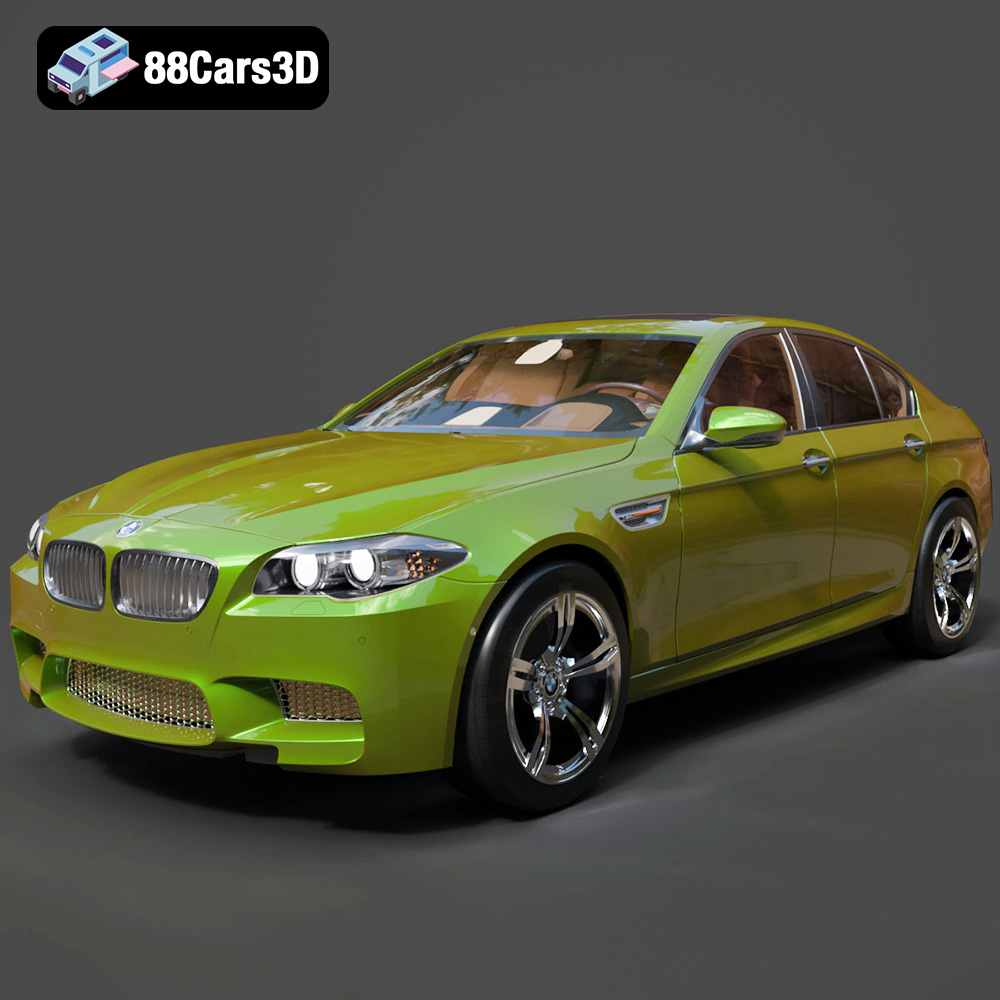
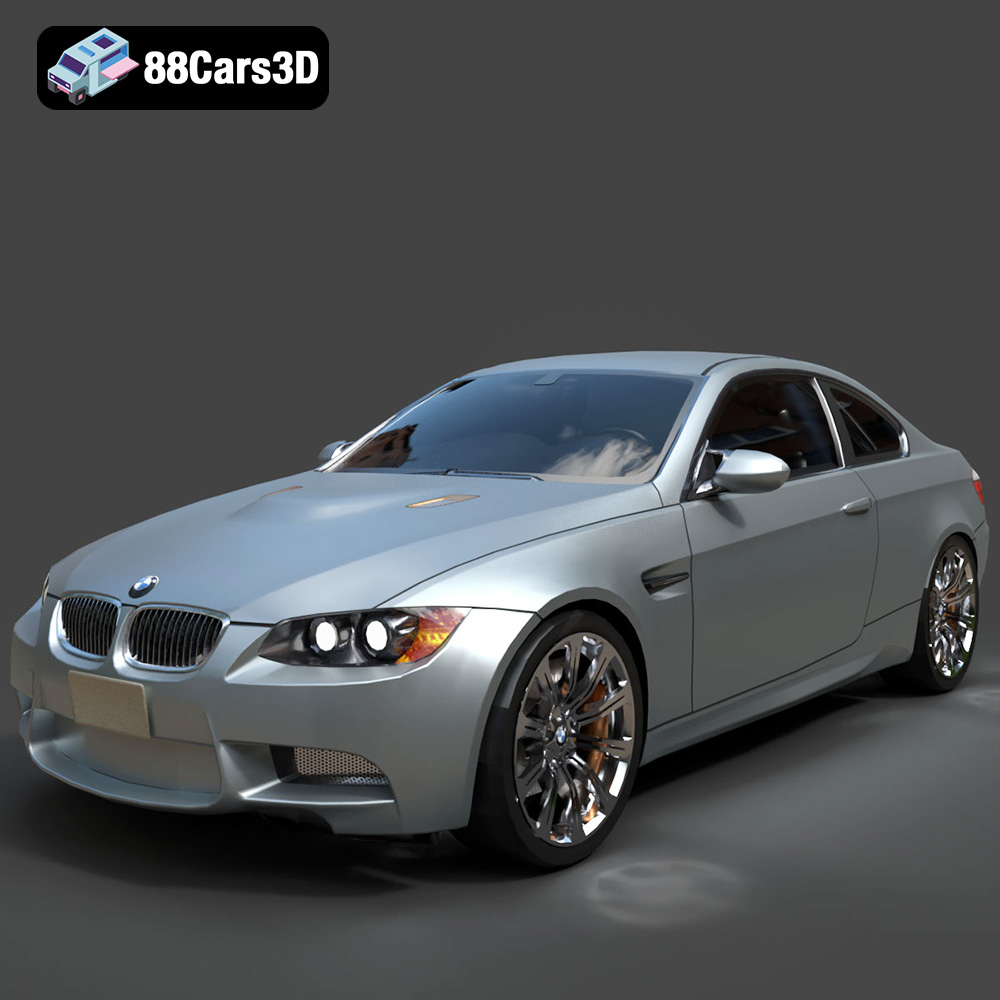
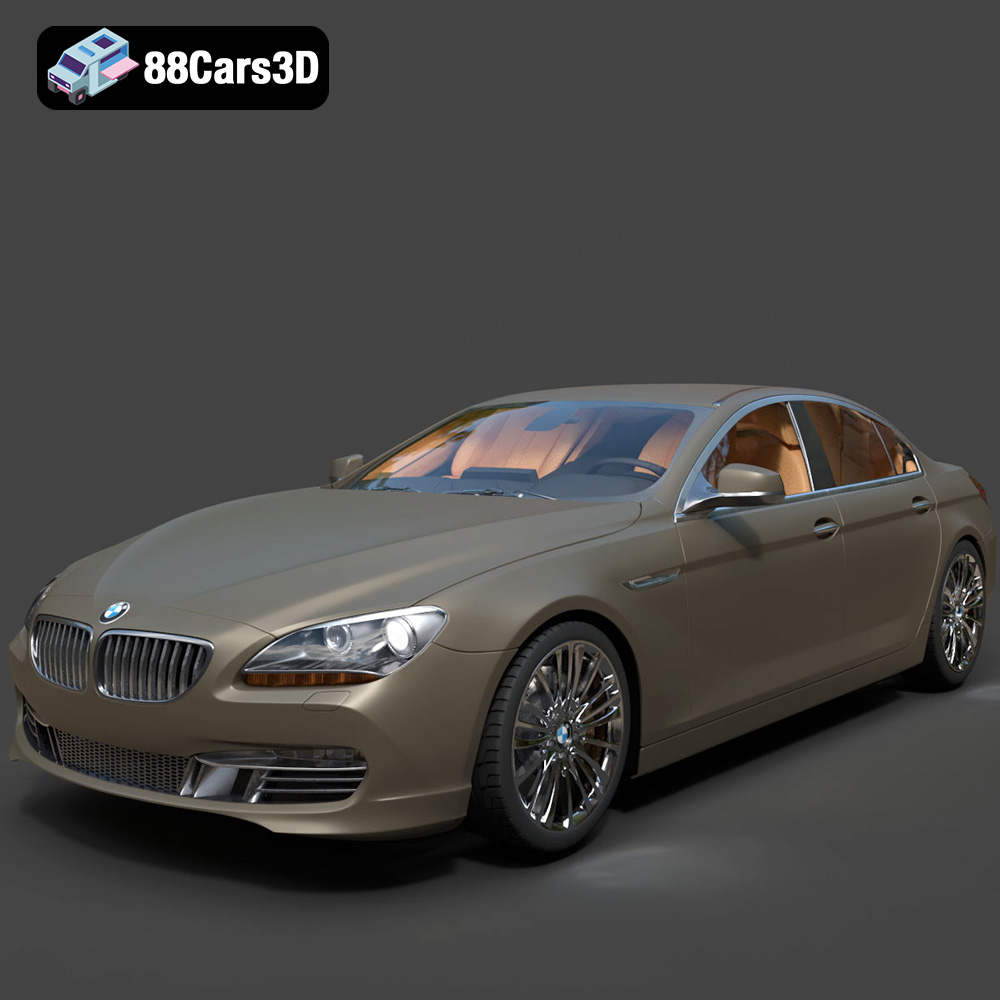
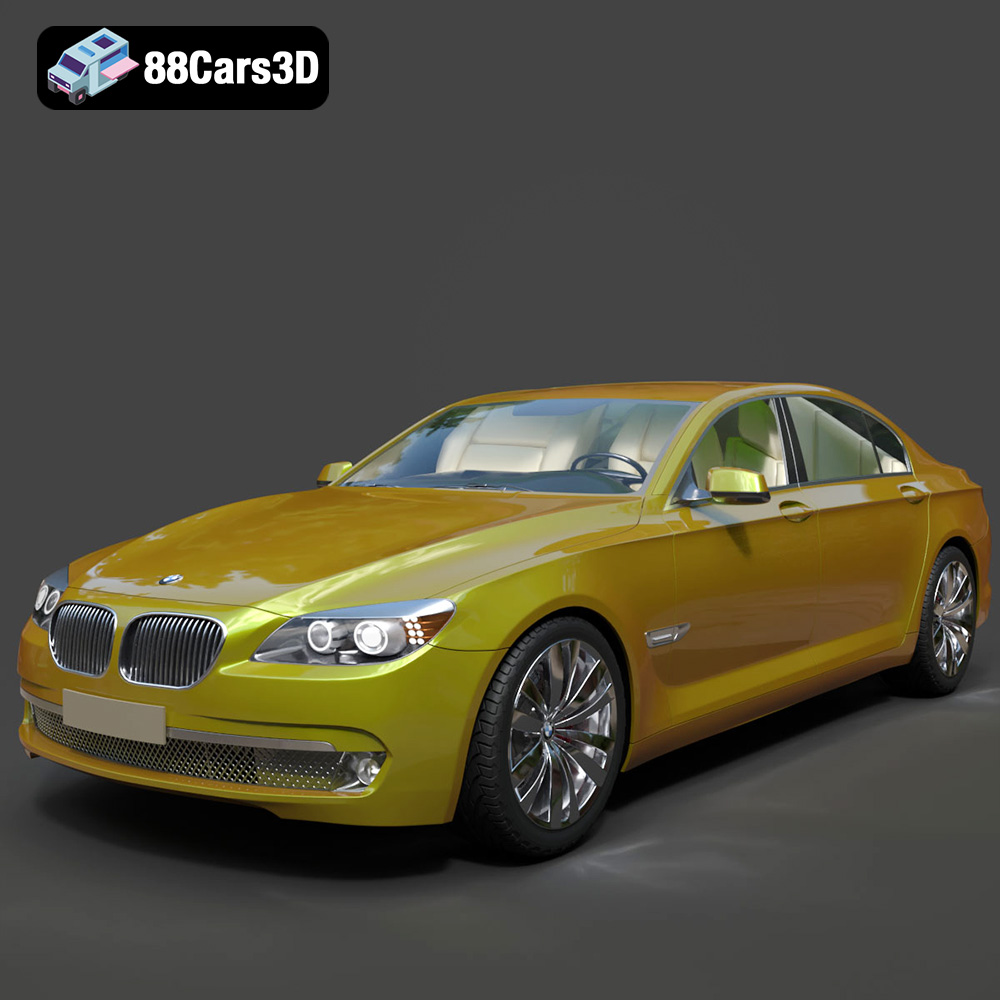
Featured 3D Car Models