Beyond the Blueprint: Mastering 3D Car Models for Automotive Rendering, Game Development, and Visualization
In today’s visually-driven digital landscape, the demand for high-quality 3D car models spans an incredible breadth of industries. From captivating automotive advertisements and immersive game environments to realistic architectural visualizations and cutting-edge AR/VR experiences, meticulously crafted 3D vehicles are the bedrock of stunning visuals. The intricate details, precise proportions, and realistic material definitions of a well-made 3D car model are paramount to achieving authenticity and engaging an audience.
However, simply having a 3D model isn’t enough. Understanding the technical nuances behind these assets – their file formats, polygon counts, UV layouts, and material properties – is crucial for artists, developers, and designers to leverage them effectively across different pipelines. This comprehensive guide will delve deep into the technical aspects of selecting, preparing, and utilizing 3D car models, ensuring optimal results whether your goal is a photorealistic render, a high-performance game asset, or an interactive visualization. If you’re looking for a reliable source for top-tier assets, 88cars3d.com provides a diverse collection designed for professional use across these very applications.
The Foundation: Why High-Quality 3D Car Models Matter
The quality of your core 3D asset dictates the ceiling of your project’s visual fidelity. A low-quality model, regardless of how skilled the renderer or engine artist, will always present limitations. Conversely, a high-fidelity 3D car model provides a robust foundation for diverse creative endeavors.
Realism and Immersion in Automotive Rendering
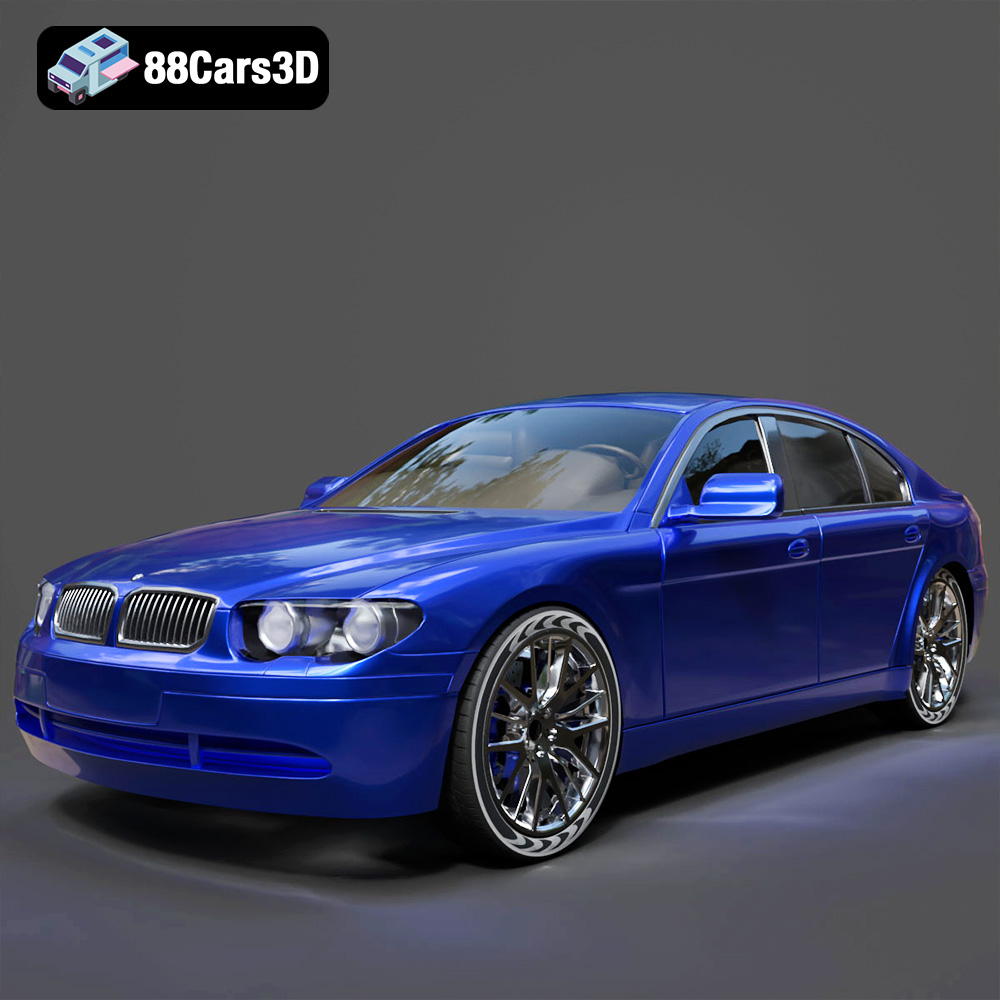
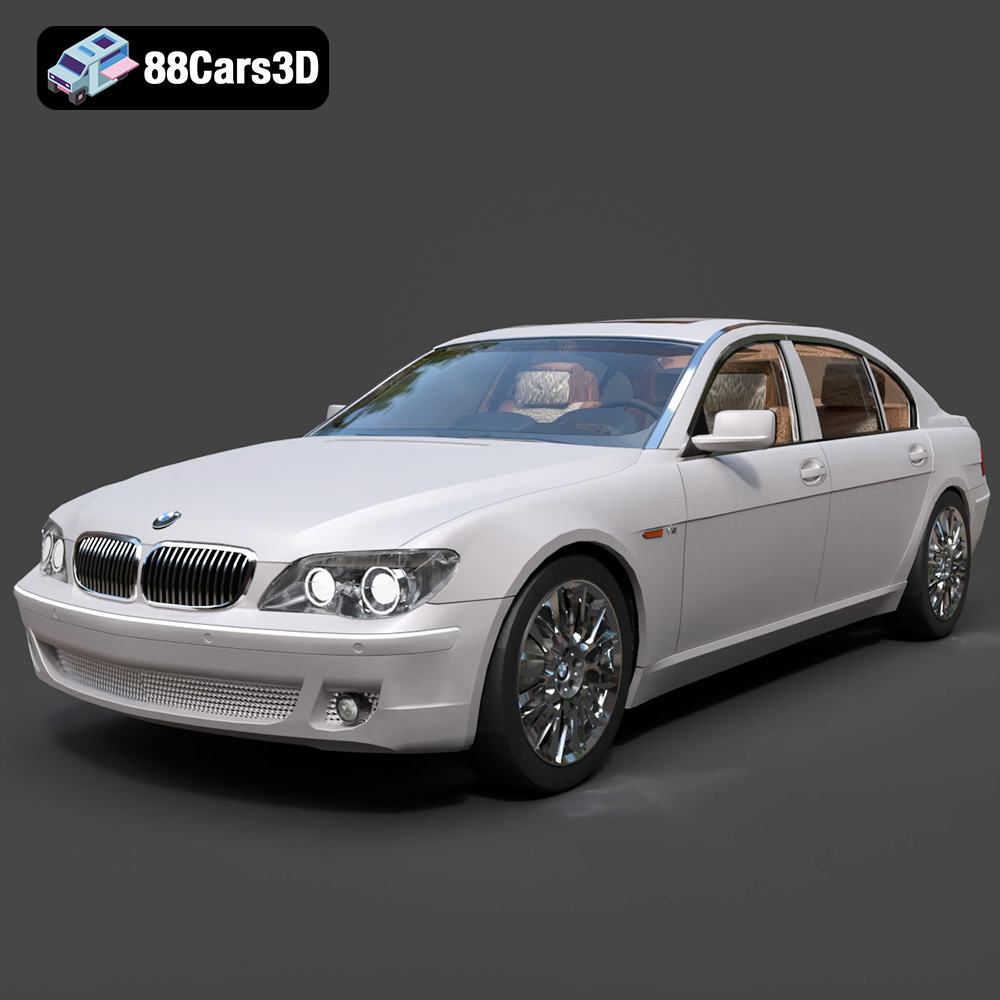
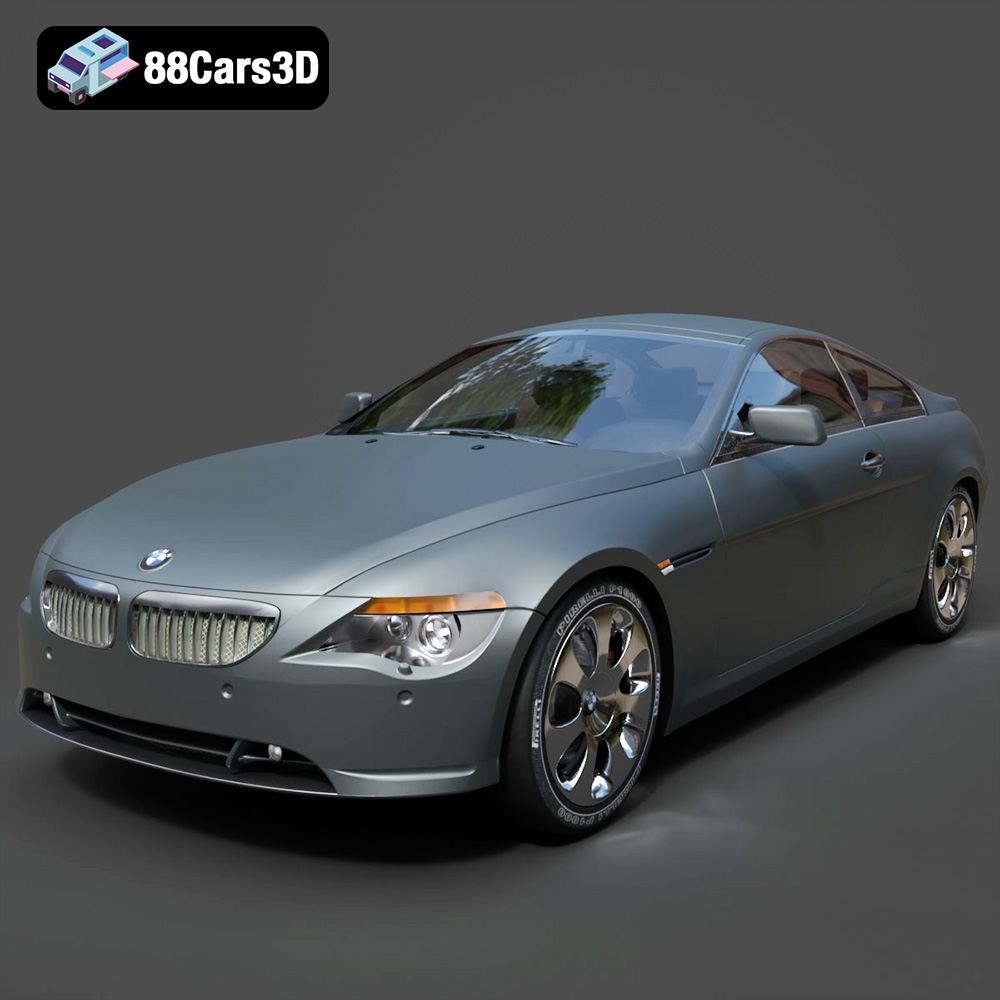
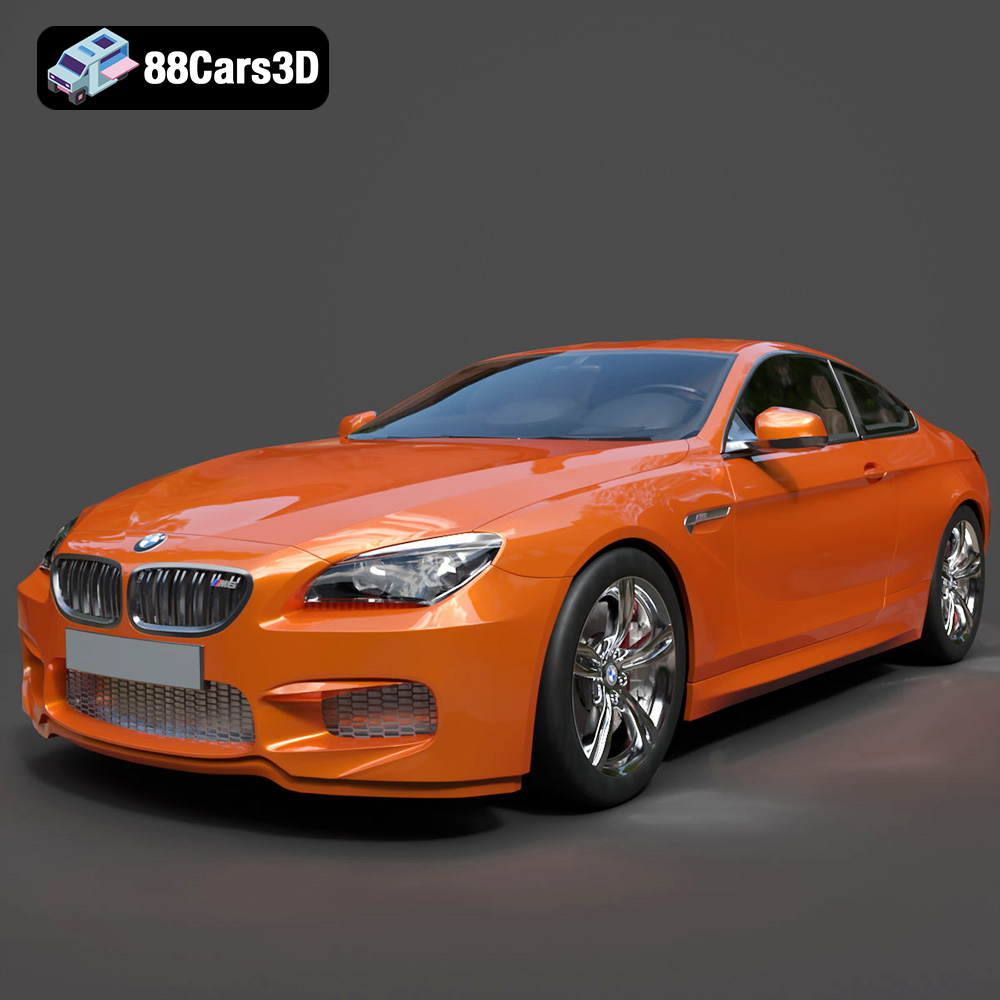
For automotive rendering, absolute realism is often the primary objective. This demands 3D car models that accurately represent every curve, panel gap, and interior detail. High polygon counts are often acceptable, even desirable, to capture subtle surface variations and allow for smooth subdivision during rendering. Material definitions must be precise, replicating the nuances of car paint, chrome, glass, leather, and fabric with physical accuracy. This level of detail enables breathtaking visualizations for marketing campaigns, product showcases, and design reviews, where every reflection and highlight contributes to the perception of a real-world vehicle. Render engines like V-Ray, Corona Renderer, Arnold, and Octane thrive on well-structured, detailed geometry and robust PBR materials.
Performance and Detail in Game Development
Game development presents a unique set of challenges, requiring a delicate balance between visual fidelity and real-time performance. While high detail is desired, it must be achieved efficiently. Game-ready 3D car models are meticulously optimized with specific polygon budgets, clean topology suitable for deformation, and efficient UV mapping. Level of Detail (LOD) models are essential, allowing the engine to swap between higher and lower poly versions of the car based on distance from the camera, thereby conserving resources without sacrificing visual quality up close. Efficient texture atlases, optimized PBR materials, and careful consideration of collision meshes are all vital components of a high-performance game asset that still looks impressive within an interactive environment.
Versatility Across Industries (AR/VR, Visualization, 3D Printing)
Beyond traditional rendering and gaming, high-quality 3D car models find applications in burgeoning fields. For Augmented Reality (AR) and Virtual Reality (VR), models must be lightweight enough for real-time interaction on various devices, yet detailed enough to withstand close inspection in an immersive environment. Visualization projects, from urban planning to architectural walkthroughs, benefit from realistic vehicle assets to populate scenes and add contextual realism. Even 3D printing relies on accurate, watertight meshes to produce physical prototypes or scale models. Each application requires specific technical considerations, reinforcing the need for versatile and adaptable 3D car models.
Understanding 3D Model File Formats
Choosing the correct file format is a critical first step when acquiring or exporting 3D car models. Each format serves distinct purposes, offering varying levels of compatibility, data retention, and optimization for specific workflows. Understanding their strengths and limitations is key to a smooth production pipeline.
Native and Interchange Formats for Editing
- .blend (Blender Scene File): This is Blender’s native project file format, offering a complete, fully editable scene. When you receive a .blend file, it typically includes not just the raw mesh data, but also all modifiers, materials, textures, lighting setups, camera positions, animations, and even physics simulations. This makes it incredibly powerful for Blender artists who need to dive deep into a model’s construction, make extensive modifications, or simply use it as a starting point for their own scene. The primary benefit is the full retention of Blender-specific features, allowing for non-destructive workflows. Its use is generally confined to Blender users, and while other software can import some data, full compatibility is not guaranteed.
- .max (3ds Max Project File): Similar to .blend for Blender, .max is the native project file format for Autodesk 3ds Max. It encapsulates an entire 3ds Max scene, including all geometry, materials (especially those specific to V-Ray, Corona, or Mental Ray), modifiers, animation data, lighting, and camera setups. This format is a staple in professional studios utilizing 3ds Max for architectural visualization, automotive design, and high-end rendering. It provides maximum flexibility for 3ds Max users to modify any aspect of the model or scene. Like .blend, its full utility is realized within its native application, and cross-software compatibility is typically achieved by exporting to interchange formats.
Universal and Real-time Optimized Formats
- .fbx (Filmbox): Developed by Autodesk, FBX is arguably the most widely used interchange format, especially for real-time pipelines like Unreal Engine and Unity. It excels at transferring not just geometry (meshes, polygons, vertices), but also materials (with PBR map assignments), textures, skeletal animations, blend shapes, cameras, and lights between different 3D applications. Its robust support for animation and hierarchy makes it indispensable for game development and cinematics. While it can carry complex data, it’s often used after significant optimization in a DCC application, making it “game-ready.”
- .obj (Wavefront OBJ): This is a universal geometry definition file format, one of the oldest and most widely supported. .obj files primarily store vertex positions, UV coordinates, and normal vectors, defining the shape of the 3D model. Material definitions are typically referenced in a separate .mtl file. Its strength lies in its simplicity and ubiquitous compatibility across almost every 3D software. However, .obj does not support animation, rigging, or scene hierarchies, making it less suitable for complex animated scenes or real-time game development where animation is key. It’s excellent for static model exchange.
- .glb (GL Transmission Format Binary): .glb is the binary version of glTF (GL Transmission Format), designed to be a compact, efficient, and extensible format for the transmission of 3D scenes and models. It packages the model, textures, and animations into a single file, making it highly optimized for web-based 3D, AR, and VR applications. It’s becoming the “JPEG of 3D” due to its efficiency and widespread adoption for real-time, browser-based, and mobile deployments. 88cars3d.com often provides models in .glb for ease of integration into these evolving platforms.
Specialized Formats for Precision and Fabrication
- .stl (Standard Tessellation Language): The de facto standard for 3D printing. An .stl file represents a 3D model as a series of connected triangles (a triangulated mesh) without any color, texture, or material information. It defines only the surface geometry of an object. While simple, its universal acceptance by 3D printers and slicing software makes it essential for additive manufacturing workflows. Models intended for 3D printing must be “watertight” (manifold) to ensure successful fabrication.
- .ply (Polygon File Format / Stanford Triangle Format): This format is often used for storing 3D data from 3D scanners, CAD software, and reverse engineering applications. It can store a variety of properties including color per vertex, surface normals, transparency, and even texture coordinates. While .obj is more common for general mesh exchange, .ply is valued for its precision and ability to retain additional data points, making it useful for scientific analysis, point cloud data, and specific CAD workflows.
- .unreal (Unreal Engine Asset): This isn’t a standalone 3D model format in the traditional sense, but rather refers to assets specifically configured and optimized for direct import into Unreal Engine. When a model is provided in an “Unreal” ready package, it often means it’s an FBX file pre-configured with materials, LODs, collision meshes, and sometimes even basic Blueprint setups for vehicle physics. This significantly streamlines the integration process for developers working in Unreal, minimizing the setup time within the engine itself.
Crafting Perfection: The Technical Deep Dive into Automotive Rendering
Achieving photorealistic automotive rendering is an art form heavily reliant on technical precision. Every facet of the 3D model, from its core geometry to its material properties and environmental lighting, must be meticulously handled.
Geometry and Topology: The Building Blocks of Realism
The underlying mesh of a 3D car model is its skeleton. For high-end rendering, models often feature significant polygon counts, especially for hero shots or close-ups. This allows for smooth, detailed curves and complex forms without relying excessively on subdivision surfaces, though clean quad-based topology is still preferred for predictable deformation and consistent shading. Experienced modelers avoid n-gons and ensure consistent edge flow to prevent rendering artifacts and facilitate UV mapping. Panel gaps must be accurately modeled, and intricate components like headlights, grilles, and badges require precise geometry to hold up under scrutiny.
Materials and Textures: Bringing Cars to Life
Materials are where the true magic of realism happens. Modern rendering relies heavily on Physically Based Rendering (PBR) workflows, which mimic how light interacts with real-world surfaces. Key PBR maps include:
- Albedo/Base Color: The inherent color of the surface, stripped of lighting information.
- Metallic: Defines which parts of the surface are metallic (0 or 1, or grayscale for mixed materials).
- Roughness/Glossiness: Controls how blurry or sharp reflections are.
- Normal Map: Adds surface detail without increasing polygon count, simulating bumps and grooves.
- Ambient Occlusion (AO): Simulates soft shadows where surfaces are close together.
Car paint shaders are particularly complex, often involving multiple clear coat layers, metallic flakes, and intricate reflection properties. Interiors require a diverse array of materials, from realistic leather and fabric to plastics, metals, and intricate display screens. High-resolution textures (e.g., 4K, 8K) are essential for close-up detail, and efficient UV mapping ensures textures are applied accurately without stretching or distortion.
Lighting and Environment: Setting the Scene
Even the most perfect 3D car model will fall flat without compelling lighting. High Dynamic Range Images (HDRIs) are a staple, providing realistic environmental lighting and reflections that instantly ground the car in a believable space. These can range from studio backdrops to outdoor environments. Complementary light sources, such as area lights or directional lights, are used to highlight specific features, create dramatic shadows, or simulate studio setups. Understanding global illumination, caustics, and volumetric effects further enhances realism, ensuring that light interacts with the car’s surfaces in a physically accurate manner.
Driving Performance: Optimizing 3D Car Models for Game Development
While cinematic renders can afford virtually unlimited polygons and textures, game development demands strict optimization to maintain interactive frame rates. The goal is to maximize visual quality within stringent performance budgets.
Level of Detail (LODs) and Asset Budgeting
Level of Detail (LOD) models are fundamental for game performance. This technique involves creating multiple versions of a single 3D car model, each with a progressively lower polygon count. The game engine then automatically switches between these LODs based on the camera’s distance to the object. For instance, LOD0 might be the full-detail model (e.g., 80,000-150,000 polygons for a hero car), used only when the car is very close to the player. LOD1 might reduce the count to 30,000-50,000 polygons, and LOD2 might drop to 10,000-20,000 polygons, used at medium distances. Distant cars might use even simpler LODs (e.g., 1,000-5,000 polygons) or even imposters (2D representations). This hierarchical approach ensures that resources are allocated efficiently, rendering high detail only when it’s perceptible.
Efficient UV Mapping and Texture Atlases
Efficient UV mapping is paramount in game development. UV space should be utilized maximally, minimizing wasted areas to ensure texture memory is used effectively. Overlapping UVs for symmetrical parts (e.g., car doors, tires) can save texture space, but care must be taken to avoid noticeable seams. Texture atlases, where multiple smaller textures are combined into a single, larger texture sheet, are crucial for reducing draw calls. Fewer draw calls mean less CPU overhead, leading to better performance. Trim sheets, which consolidate frequently used details like bolts, vents, and panel lines into a single texture, are another powerful optimization technique.
Collision Meshes and Physics Assets
For vehicles in games, the visual mesh is often too complex and inefficient for physics calculations. Instead, simpler, custom collision meshes are created. These are low-polygon representations of the car’s basic shape, used by the physics engine to calculate collisions, impacts, and interactions with the environment. Separating the visual mesh from the physics mesh prevents unnecessary computational overhead. Additionally, a detailed physics asset, defining mass distribution, wheel colliders, suspension parameters, and chassis rigidity, is essential for a believable driving experience, especially in engines like Unreal’s Chaos Vehicle System.
Workflow Integration: From Purchase to Project
Integrating a 3D car model into a complex project requires a structured approach, regardless of the target application. Understanding the typical workflow stages ensures a smooth transition from a purchased asset to a fully realized scene.
Selecting the Right Model from 88cars3d.com
The first step is choosing a model that aligns with your project’s technical requirements and artistic vision. When browsing a marketplace like 88cars3d.com, consider the following:
- Polygon Count: Does it match your target platform’s performance budget (for games) or rendering fidelity needs (for cinematic renders)?
- File Formats: Is the model available in formats compatible with your primary software (e.g., .fbx for Unreal, .max for 3ds Max, .blend for Blender, .glb for web)?
- Texture Quality: Are the PBR textures high-resolution and well-authored?
- Topology: Does the model have clean, quad-based geometry, especially if you plan to subdivide or animate it?
- Licensing: Ensure the licensing terms permit your intended use.
88cars3d.com offers a range of models, often with multiple LODs and format options, explicitly catering to these diverse professional needs, providing the flexibility required for various pipelines.
Preparing Models in 3ds Max or Blender
Once a model is acquired, it often requires a degree of preparation in a Digital Content Creation (DCC) application like 3ds Max or Blender before final integration. This typically involves:
- Import and Scaling: Ensuring the model imports correctly and is scaled to real-world units.
- Pivot Points: Adjusting pivot points for wheels, doors, and the main chassis for accurate rotation and animation.
- Scene Cleanup: Removing unnecessary geometry, cameras, or lights from the imported scene.
- Material Assignment: Verifying that PBR textures are correctly assigned to the respective material slots (Albedo, Normal, Roughness, Metallic, etc.).
- Basic Rigging: For animations, simple bone setups for wheels and doors might be added, or existing rigs adjusted.
- Optimization: Creating LODs if not already provided, or further optimizing meshes and textures for specific targets.
- Export: Exporting the model in the appropriate format (e.g., .fbx) for your target engine or renderer, ensuring all necessary data (meshes, materials, animations) is included.
Integrating into Unreal Engine for Real-time Applications
Unreal Engine provides a powerful environment for real-time visualization and game development. Integrating a 3D car model involves:
- Importing Assets: Importing the optimized .fbx (or pre-configured .unreal asset) directly into Unreal. Ensure proper import settings for materials and LODs.
- Material Setup: Creating or applying Master Materials and Material Instances. Master Materials are reusable templates containing complex shader logic (e.g., car paint with clear coat, metallic flakes), while Material Instances allow for quick variations (e.g., different car colors) without recompiling shaders.
- Blueprint Setup for Vehicle Physics: Utilizing Unreal’s Chaos Vehicle System to set up realistic vehicle physics. This involves defining the car’s physical mesh, suspension, engine parameters, and wheel configurations. Blueprints can then be used to create drivable vehicles with input controls.
- Lighting and Post-processing: Integrating the car into the scene’s lighting environment, ensuring accurate reflections and shadows. Applying post-processing effects (e.g., bloom, depth of field, color grading) to achieve cinematic quality renders or enhance the overall aesthetic of the game.
Case Studies and Best Practices
Understanding the theoretical and technical aspects is important, but seeing how 3D car models are applied in real-world scenarios brings it all together.
Automotive Advertising and Visualization
Consider a major automotive manufacturer commissioning a new advertising campaign for their latest electric vehicle. They would require an exceptionally high-polygon 3D car model, often starting from CAD data for absolute precision. The workflow would involve importing this data into 3ds Max or Maya, meticulously applying PBR materials (focusing on intricate car paint shaders, reflective chrome, and detailed interior textures), and setting up studio-quality lighting environments. The final output would be photorealistic images and animations, showcasing the vehicle’s design and features in stunning detail, often rendered with V-Ray or Corona to achieve unparalleled visual fidelity. Every panel gap, every reflection, and every stitching detail on the interior must be perfect.
Open-World Racing Game Development
Imagine a game development studio building a vast open-world racing title. For each vehicle, they would source or create a base 3D car model, then rigorously optimize it. This includes developing multiple LODs (e.g., 5-7 levels) to cater to varying distances and target platforms, ensuring efficient UV layouts, and baking down high-detail normal maps from high-poly sculpts onto game-ready meshes. Texture atlases would consolidate materials, and custom collision meshes would be created for precise physics. The models, often provided as .fbx from 88cars3d.com, would then be imported into Unreal Engine or Unity, configured with robust physics assets, and integrated into the game’s shader system, designed for performance across hundreds of vehicles on screen simultaneously.
VR Showroom Experience
A car dealership wants to offer customers an interactive VR showroom experience, allowing them to explore and customize vehicles. For this, models need to be highly optimized for real-time VR headsets, often leveraging formats like .glb for efficient loading and display. The challenge is maintaining visual quality while staying within strict VR performance budgets. This involves careful poly count management, often using instancing for interior components, and simplifying materials where possible without sacrificing realism. Interactive elements, such as opening doors or changing paint colors, would be driven by scripts within the VR environment, ensuring a smooth and immersive user experience with minimal latency.
Conclusion
The world of 3D car models is a dynamic and technically demanding arena, crucial for myriad industries that rely on visual excellence. Whether you’re crafting a cinematic masterpiece, developing a high-octane racing game, or building an interactive visualization, the quality and technical integrity of your 3D car assets are paramount. From understanding the nuanced differences between file formats like .blend, .fbx, and .glb, to mastering the intricacies of PBR materials and real-time optimization techniques such as LODs and efficient UV mapping, a deep technical knowledge empowers creators to achieve truly exceptional results.
As digital visualization continues to evolve, the demand for sophisticated, meticulously detailed, and versatile 3D car models will only grow. By applying these technical insights and choosing reliable sources for high-quality assets, such as the curated selection available at 88cars3d.com, artists and developers can confidently bring their automotive visions to life, pushing the boundaries of realism and immersion in every project.
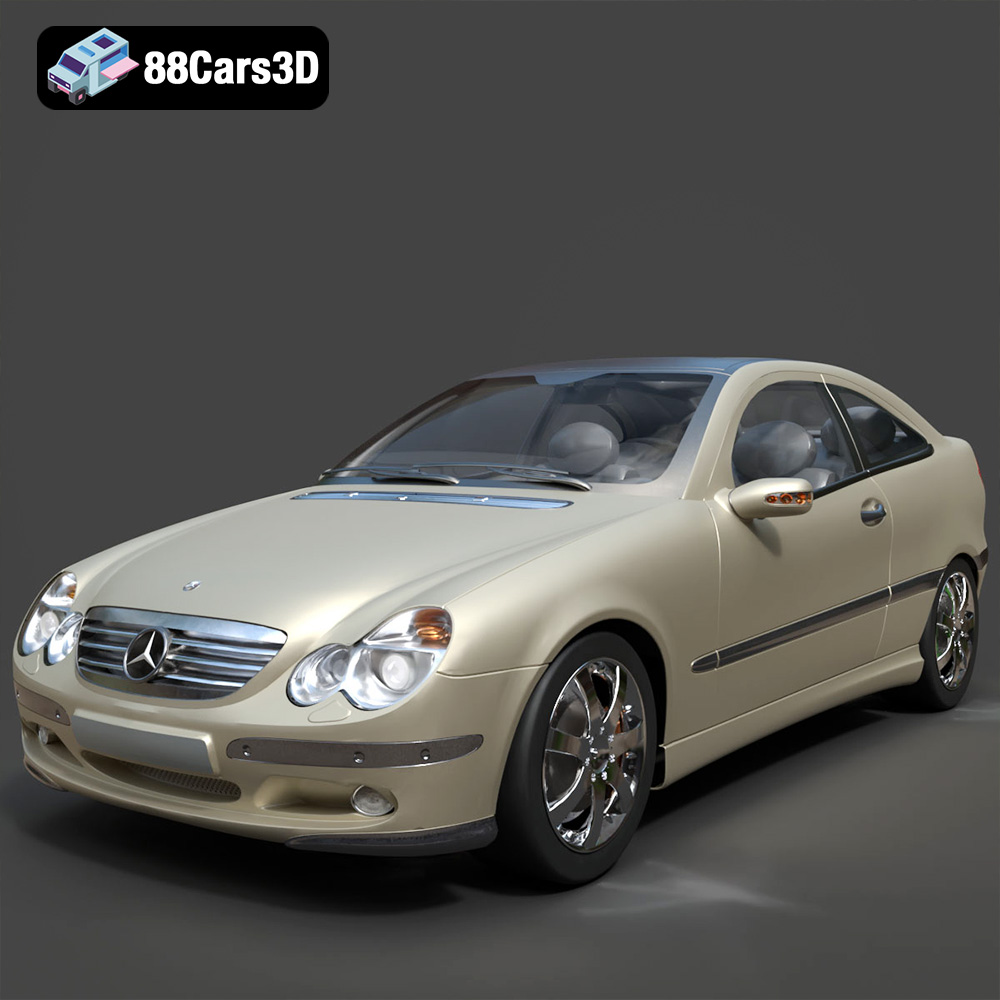
Featured 3D Car Models