

Unreal Engine for Immersive Automotive Visualization: Crafting Real-Time Experiences & Interactive Walkthroughs with 88cars3d.com Models
The automotive industry is in a constant state of innovation, not just in vehicle design and engineering, but also in how cars are presented, marketed, and experienced. Gone are the days when static renders and pre-rendered animations were the only options for showcasing a vehicle’s beauty and features. Today, the demand for real-time, interactive experiences is paramount. This is where Unreal Engine steps in, transforming the landscape of automotive visualization and allowing artists, designers, and marketers to create breathtakingly realistic and fully interactive environments where cars truly shine.
Unreal Engine’s powerful rendering capabilities, combined with its intuitive tools for interactivity and cinematic sequencing, make it the go-to platform for creating everything from virtual car configurators and interactive showrooms to high-fidelity marketing assets and virtual production content. This comprehensive guide will take you through the essential steps and advanced techniques for leveraging Unreal Engine to produce stunning automotive visualizations. We’ll cover everything from project setup and asset optimization to advanced lighting, material creation, and interactive Blueprint scripting, ensuring your vehicles—especially high-quality 3D car models sourced from platforms like 88cars3d.com—look their absolute best and perform flawlessly in a real-time environment. Prepare to unlock the full potential of real-time rendering and redefine how the world interacts with automotive design.
Setting Up Your Unreal Engine Project for Automotive Excellence
Embarking on an automotive visualization project in Unreal Engine requires a meticulous setup to ensure optimal performance and visual fidelity. The foundation you lay here will dictate the quality and efficiency of your entire workflow. Choosing the right project template and configuring essential settings from the outset can save significant time and prevent headaches down the line.
Project Templates & Initial Configuration
When creating a new project, Unreal Engine offers several templates. For automotive visualization, the “Blank” template is often preferred as it provides a clean slate, allowing you to build your environment and lighting from scratch. However, the “Automotive” template can be a good starting point as it includes some pre-configured settings and assets relevant to vehicles. If you choose the “Blank” template, remember to enable “Ray Tracing” in the project creation window if your hardware supports it, as it’s crucial for achieving photorealistic reflections and global illumination.
Once your project is created, navigate to Edit > Project Settings. Here, several adjustments are critical:
* Engine > Rendering:
* Ray Tracing: Ensure “Support Hardware Ray Tracing” is enabled. This unlocks advanced features like Lumen’s full potential and high-quality ray-traced reflections, shadows, and ambient occlusion.
* Global Illumination: Set “Dynamic Global Illumination Method” to “Lumen” for stunning real-time indirect lighting.
* Reflections: Set “Reflection Method” to “Lumen” or “Screen Space Reflections + Ray Tracing” for superior reflection quality.
* Virtual Shadow Maps: Enable “Virtual Shadow Maps” for high-resolution, performant shadows, especially important for large, detailed scenes.
* Nanite: Ensure “Support Nanite” is enabled to take advantage of virtualized geometry for high-polygon assets.
* Engine > Collision: For accurate vehicle physics, ensure “Support UVs for Collision” is enabled if your collision meshes rely on UV data.
* Platforms > Windows (or your target platform): Set “Default RHI” to “DirectX 12” for optimal performance with Lumen and Ray Tracing.
Remember, these settings are demanding. Ensure your development hardware meets the recommended specifications for real-time ray tracing and Lumen to get the best experience. For more detailed information on setting up rendering features, refer to the official Unreal Engine documentation at https://dev.epicgames.com/community/unreal-engine/learning.
Essential Plugins & Project Settings
Beyond the core rendering settings, several plugins and project configurations enhance an automotive visualization workflow. Access plugins via Edit > Plugins.
* Modeling Tools Editor Mode: Essential for quickly fixing meshes, simplifying geometry, or generating basic collision meshes directly within Unreal Engine.
* Datasmith: If you’re importing CAD data or complex scenes from other DCC applications, Datasmith is invaluable for maintaining scene hierarchy, materials, and metadata.
* Variant Manager: Crucial for creating interactive configurators, allowing you to define different permutations of your car models (e.g., color options, wheel types) and switch between them at runtime.
* OpenXR (or relevant XR plugin): If targeting AR/VR experiences, activate the appropriate XR plugin for your hardware (e.g., OpenXR for most headsets, or specific plugins for Oculus/SteamVR).
Finally, consider your desired frame rate and visual fidelity. For high-end cinematic renders or marketing materials, you might prioritize visual quality over absolute real-time performance, potentially targeting 30 FPS. For interactive configurators or AR/VR applications, a smooth 60 FPS (or higher for VR) is often the target, which might necessitate more aggressive optimization strategies. Always use the “Scalability Settings” (found under the “Settings” dropdown in the main editor toolbar) to quickly adjust visual quality presets and gauge performance on different hardware levels.
Importing and Optimizing 3D Car Models from 88cars3d.com
The visual fidelity of your automotive visualization begins with the quality of your 3D assets. Sourcing high-quality 3D car models, such as those available on 88cars3d.com, provides a solid foundation with clean topology and optimized UVs. However, even the best models require specific import and optimization steps within Unreal Engine to ensure they perform efficiently and look their best.
Seamless Model Import & Pre-Optimization
When importing 3D car models, the most common file formats are FBX and USD (Universal Scene Description). USD is increasingly popular due to its ability to handle complex scene hierarchies, material assignments, and variations efficiently. Unreal Engine provides robust importers for both.
* Import Process: To import, simply drag your FBX or USD file directly into the Content Browser, or right-click in the Content Browser and select “Import.”
* Import Options:
* Skeletal Meshes vs. Static Meshes: For non-animated vehicles, import as “Static Mesh.” If your model includes articulated parts (doors, wheels, suspension) that you intend to animate or simulate physics on, consider importing relevant parts as separate static meshes or a skeletal mesh if a full rig is present.
* Combine Meshes: Often, it’s beneficial to import the entire car as a single asset with multiple material slots rather than hundreds of individual meshes, which can increase draw calls. However, for interactive configurators where parts like wheels or mirrors need to be swapped, keep them as separate meshes.
* Generate Missing Collision: For simple collision, Unreal can generate a basic collision mesh. For precise physics and interactions, it’s always better to create custom simplified collision geometry in your 3D modeling software and import it alongside the visual mesh.
* Import Materials: Enable this to automatically import and set up basic Unreal Engine materials based on your source file’s material assignments. You’ll typically refine these significantly later.
* Import Textures: Ensures any embedded or referenced textures are imported.
Once imported, inspect your model in the Static Mesh Editor. Check for proper scaling, orientation, and pivot points. Unreal Engine works best with real-world scale (1 unit = 1 cm). If your car model isn’t at the correct scale, adjust the “Import Uniform Scale” during import or use the “Modeling Tools” to resize it. Models from professional marketplaces like 88cars3d.com are typically provided with clean topology and correct scaling, minimizing post-import adjustments.
Level of Detail (LOD) Management for Performance
High-fidelity car models often come with millions of polygons, which can be taxing on real-time performance, especially for interactive experiences. Level of Detail (LOD) is a critical optimization technique that swaps out high-resolution meshes for simpler versions as the camera moves further away.
* Automatic LOD Generation: Unreal Engine can automatically generate LODs for your static meshes. In the Static Mesh Editor, under “LOD Settings,” you can specify the number of LODs and the “Reduction Settings” (e.g., “Percent Triangles” or “Max Deviation”). A typical setup might involve 3-4 LODs, reducing polygon count by 50-70% for each subsequent LOD.
* Manual LOD Creation: For critical assets like your primary car model, manually creating optimized LOD meshes in your 3D modeling software offers superior control and quality. You can then import these custom LODs and assign them in the Static Mesh Editor.
* Nanite Integration: For models with extremely high polygon counts (millions or even billions of triangles), Unreal Engine 5’s Nanite virtualized geometry system revolutionizes LOD management. Nanite streams only the necessary detail, allowing you to import film-quality assets directly without manual LODs. To enable Nanite on a mesh, right-click the static mesh in the Content Browser, select “Nanite,” and then “Enable Nanite.” This is a game-changer for automotive visualization, letting you maintain incredible detail even up close. While Nanite largely removes the need for manual LODs for the base mesh, non-Nanite components (like animated parts or transparent elements) still benefit from traditional LODs.
Always monitor performance using the console commands `stat fps` and `stat unit` while navigating your scene. If your frame rate drops, LODs and Nanite are among the first optimizations to check.
Crafting Realistic PBR Materials and Textures
The realism of a 3D car model in Unreal Engine hinges significantly on its materials and textures. Physically Based Rendering (PBR) is the industry standard, ensuring that your digital materials react to light in a way that mimics real-world physics, resulting in highly believable surfaces. Understanding and implementing PBR correctly is essential for achieving photorealistic automotive visualization.
Deep Dive into PBR Car Paint & Glass Materials
Creating convincing car paint is one of the most challenging yet rewarding aspects. Modern car paints are complex, featuring multiple layers, metallic flakes, and clear coats.
* Car Paint Base: Start with a `Material` in the Content Browser. The core PBR channels are:
* Base Color (Albedo): This map defines the diffuse color without any lighting information. For car paint, this will be your base color (e.g., solid red, metallic blue).
* Metallic: A value of 1 for metallic surfaces, 0 for dielectrics. Car paint typically uses a value between 0.8 and 1 for the metallic layer under the clear coat.
* Roughness: Controls how rough or smooth a surface is, affecting light scattering. A value of 0 is perfectly smooth (like polished chrome), while 1 is completely rough. For car paint, the base metallic layer might have a low roughness, which is then covered by a clear coat.
* Specular: For metallic surfaces, this is typically handled by the Base Color and Metallic values. For non-metals, it controls the intensity of specular reflections.
* Normal Map: Provides fine surface detail, simulating bumps and dents without adding actual geometry. For car paint, a subtle normal map might be used to simulate subtle surface imperfections or flakes.
* Clear Coat Layer: Unreal Engine’s standard Material node includes a dedicated “Clear Coat” input, which is vital for car paint.
* Clear Coat: Enable this by setting its value to 1.
* Clear Coat Roughness: This controls the glossiness of the top clear coat layer. A very low value (e.g., 0.05-0.15) simulates a highly polished car finish.
* Clear Coat Normal: Allows for a separate normal map for the clear coat, ideal for micro-scratches or orange peel effects.
* Advanced Flake Effect: To simulate metallic flakes within car paint, you can use a subtle noise texture connected to a `Fresnel` node, multiplied by a slight color tint, and blended with the base color and/or metallic input. This creates a shimmering effect that changes with the viewing angle.
Glass Materials: Creating realistic glass for car windows involves transparency, refraction, and reflections.
* Set the Material’s “Blend Mode” to `Translucent` or `Additive` for simple glass. For more advanced, physically accurate glass with proper refraction and specular reflections, set “Blend Mode” to `Masked` and “Shading Model” to `Thin Translucent` or `Clear Coat` if you want a clear coat over the glass, or a custom `Two Sided Clear Coat` material.
* Use a low `Roughness` value (0.01-0.05) and adjust `Refraction` (often 1.5-1.6 for glass, based on Snell’s Law).
* For realistic opacity, use a `Fresnel` node to drive the `Opacity` input, making the glass more transparent when viewed head-on and more opaque at glancing angles.
Advanced Material Techniques & Instances
Beyond the basic setup, several techniques elevate the realism and efficiency of your materials.
* Material Functions: Encapsulate complex material logic (like the car paint flake effect) into reusable Material Functions. This promotes modularity and reduces complexity in your main material graphs.
* Material Layering: For intricate surfaces with multiple effects (e.g., dirt over paint, scratches), consider using Material Layer assets. This allows you to stack materials non-destructively, similar to Photoshop layers.
* Material Instances: Once your master material is complete, create `Material Instances` from it. This allows you to quickly adjust parameters (like `Base Color` for different car colors, `Roughness` values, `Normal Map` intensity) without recompiling the entire shader. This is absolutely crucial for car configurators, enabling real-time color and trim changes. Expose relevant parameters in your master material as `Parameters` so they can be tweaked in the instances.
* Texture Resolution: Use high-resolution textures (4K or 8K) for critical components like car paint, interior surfaces, and tires. For less prominent details or distant objects, 2K or 1K textures suffice to save memory. 88cars3d.com provides models with optimized UVs, making texture application straightforward.
The Material Editor in Unreal Engine is incredibly powerful. Experiment with different nodes like `Lerp`, `Multiply`, `Power`, and `Fresnel` to create nuanced and dynamic surfaces. For in-depth guides on specific material types, consult the official Unreal Engine material documentation at https://dev.epicgames.com/community/unreal-engine/learning.
Dynamic Lighting and Reflection with Lumen & Ray Tracing
Lighting is the cornerstone of any realistic visualization, and in Unreal Engine, the combination of Lumen and Hardware Ray Tracing offers unparalleled opportunities for photorealistic automotive scenes. These technologies allow for dynamic, interactive lighting that reacts realistically to changes in the environment or vehicle, far surpassing traditional baked lighting methods.
Harnessing Lumen for Next-Gen Global Illumination
Lumen is Unreal Engine 5’s fully dynamic global illumination and reflection system. It provides believable indirect lighting without the need for lightmaps, enabling completely dynamic time-of-day changes, moving objects, and interactive lighting adjustments.
* Enabling Lumen: As mentioned in project setup, ensure “Dynamic Global Illumination Method” and “Reflection Method” are set to “Lumen” in your Project Settings > Rendering.
* Lumen Scene Setup:
* Directional Light: Represents the sun. Ensure “Cast Shadows” is enabled. For realistic sunlight, experiment with its intensity, color, and angle.
* Sky Light: Captures the distant environment and contributes ambient illumination and reflections. Make sure “Source Type” is set to “SLS Captured Scene” for Lumen to effectively calculate indirect lighting from the sky. For higher quality, consider using an `HDRI Backdrop` asset from the `Place Actors` panel, which combines a static mesh dome with an HDRI texture to provide both sky visuals and accurate environmental lighting via the Sky Light.
* Post Process Volume: Place a `Post Process Volume` in your scene and enable “Infinite Extent (Unbound)” so it affects the entire scene. Here, you’ll control Lumen’s behavior. Under “Global Illumination,” set “Intensity” and “Quality” to higher values for better results, and experiment with “Lumen Scene Lighting Mode” (e.g., `Surface Cache` vs. `High Quality`).
* Performance Considerations: While powerful, Lumen is performance-intensive. Optimize your scene geometry, especially interior spaces. Ensure meshes have proper UVs for Lumen’s software ray tracing aspect. In the Post Process Volume, reducing Lumen’s “Detail Tracing” distance or “Max Trace Distance” can improve performance in large environments.
Lumen’s dynamic nature is perfect for automotive configurators where you want to instantly switch environments or car colors, and the lighting adapts seamlessly.
Achieving Photorealistic Reflections with Ray Tracing
Reflections are crucial for automotive visualization, especially on highly reflective surfaces like car paint, chrome, and glass. Hardware Ray Tracing provides pixel-perfect reflections that are far superior to traditional screen-space reflections or static reflection captures.
* Enabling Ray Tracing: Ensure “Support Hardware Ray Tracing” is enabled in Project Settings > Rendering.
* Ray-Traced Reflections (RTR):
* In your Post Process Volume, navigate to the “Reflections” section.
* Set “Type” to `Ray Tracing`.
* Adjust “Max Roughness” (typically 0.6-0.8 for most automotive applications) to control which surfaces receive ray-traced reflections based on their material roughness.
* Increase “Samples Per Pixel” for smoother, less noisy reflections, but be mindful of performance.
* Ray-Traced Shadows: In your directional light and other lights, enable “Use Ray Traced Shadows” for highly accurate, soft shadows with correct penumbras. Adjust “Samples Per Pixel” for shadow quality.
* Ray-Traced Ambient Occlusion (RTAO): Also in the Post Process Volume, enable RTAO for realistic contact shadows and depth cues, adding significant realism around panel gaps and under the car.
* Reflection Captures: While Lumen and Ray Tracing handle most reflections, `Reflection Capture Actors` (Sphere or Box) can still be useful for static environments as a fallback or to provide more localized reflections for specific areas if Lumen/Ray Tracing isn’t fully enabled or optimized for those spots. They can be particularly useful in mixed-fidelity projects.
For optimal performance with Ray Tracing, ensure your graphics card drivers are up-to-date and leverage NVIDIA’s DLSS or AMD’s FSR (via plugins) for AI-upscaling, which can significantly boost frame rates without a noticeable drop in visual quality. Lighting is an art form; spend time experimenting with different light angles, intensities, and HDRI environments to bring out the best in your 88cars3d.com models.
Bringing Interaction to Life with Blueprint & Sequencer
Beyond stunning visuals, Unreal Engine empowers you to create engaging, interactive experiences and cinematic presentations for your automotive projects. Blueprint visual scripting allows you to build complex functionalities without writing a single line of code, while Sequencer provides a powerful, non-linear editor for crafting breathtaking cinematic sequences.
Interactive Car Configurators with Blueprint
A car configurator is an essential tool for automotive visualization, allowing users to customize a vehicle in real-time. Blueprint makes this process intuitive and accessible.
* Core Logic:
* Actor Blueprint: Create an `Actor Blueprint` (e.g., `BP_CarConfigurator`) that will manage your car model and its configurable elements.
* Referencing Components: Within this Blueprint, add your car model as a `Static Mesh Component`. For swappable parts (wheels, interior trims), ensure these are separate Static Mesh Components, or use `Child Actor Components` if they are complex sub-Blueprints.
* Material Swapping: To change car paint colors, expose a `Material Parameter Collection` or individual material parameters. When a user selects a new color (e.g., via a UI button), use the `Set Scalar Parameter Value` or `Set Vector Parameter Value` nodes on the relevant material instance to update the color dynamically.
* Mesh Swapping: For changing wheels or body kits, use the `Set Static Mesh` node on the relevant `Static Mesh Component` to swap out the current mesh with a new one.
* User Interface (UMG): Create a User Widget (`Widget Blueprint`) for your configurator interface. This typically includes buttons for color options, dropdowns for wheel types, and perhaps sliders for environmental settings.
* Event Dispatchers: When a UI element is clicked, use an `Event Dispatcher` within your Widget Blueprint to communicate that selection back to your `BP_CarConfigurator` Actor, which then executes the material or mesh swap logic.
* Camera Controls: Implement camera movement (e.g., orbiting the car, predefined camera angles) using Blueprint. You can use `Set View Target with Blend` to smoothly transition between different `Camera Actor` positions in your scene or use `Spring Arm Components` attached to the car for orbiting.
* Animation: For interactive elements like opening doors or hood, import basic skeletal animations or use Unreal Engine’s `Level Sequence` to animate these parts, which can then be triggered via Blueprint.
Blueprint offers immense flexibility. You can add logic for different lighting presets, environmental changes, or even simple driving mechanics by integrating Chaos Vehicle Physics (if your project demands it). The beauty is in connecting these interactive elements seamlessly for a compelling user experience.
Cinematic Storytelling with Sequencer
For marketing, product launches, or design reviews, high-quality cinematic sequences are invaluable. Unreal Engine’s Sequencer is a robust, non-linear editor for creating these polished presentations.
* Creating a Sequence: Right-click in the Content Browser, select `Animation > Level Sequence`.
* Adding Actors: Drag your car model, camera actors, and any other relevant scene elements into the Sequencer timeline.
* Camera Animation: Animate `Camera Actors` by setting keyframes for their position, rotation, and focal length (using Cine Camera Actors). Use the `Camera Rig Rail` or `Camera Rig Crane` for complex, smooth camera movements.
* Vehicle Animation: If you have animated vehicle parts (doors opening, wheels turning, suspension compression), you can add these animations to the Sequencer. You can also manually keyframe transformations for static meshes.
* Material Parameter Animation: Animate material parameters (e.g., changing car paint color over time, adjusting reflectivity) directly within Sequencer.
* Lighting Animation: Animate `Directional Light` rotation for dynamic time-of-day transitions, or animate `Light Intensity` for creative lighting effects.
* Post-Processing: Keyframe `Post Process Volume` settings (e.g., depth of field, color grading, exposure) to enhance the mood and visual impact of different shots.
* Rendering: Once your sequence is complete, use the `Movie Render Queue` (Window > Cinematics > Movie Render Queue) to export high-quality video files. This tool offers advanced features like temporal anti-aliasing, render passes, and support for high-bitrate codecs, ensuring professional-grade output for your automotive marketing.
Combining Blueprint for interactive elements and Sequencer for polished cinematic content allows you to create a comprehensive automotive visualization package. From a user exploring different color options in an interactive configurator to a stunning cinematic showcasing the car’s design, Unreal Engine provides all the tools you need.
Advanced Optimization & Next-Gen Features for Performance
Achieving photorealistic visuals in real-time, especially with complex 3D car models and intricate environments, demands careful optimization. Unreal Engine 5 introduces revolutionary features like Nanite and Lumen that simplify aspects of this, but understanding broader optimization strategies remains crucial for delivering smooth, high-performance experiences across various platforms.
Leveraging Nanite for Unprecedented Detail
Nanite virtualized geometry is arguably Unreal Engine 5’s most impactful feature for artists, enabling the use of film-quality assets with billions of polygons directly in real-time. This eliminates traditional workflow bottlenecks like manual LOD creation and normal map baking for high-poly details.
* How Nanite Works: Nanite intelligently streams and processes only the pixel-relevant detail of geometry. It automatically generates and manages LODs on the fly, rendering only the necessary triangles for what’s visible on screen. This means you can import incredibly detailed car models from 88cars3d.com without worrying about polygon count budget.
* Enabling Nanite: As mentioned, enable Nanite support in Project Settings. Then, for individual static meshes, right-click the asset in the Content Browser and select “Nanite > Enable Nanite.” You’ll see a small Nanite icon on the asset thumbnail.
* Benefits for Automotive:
* Detail Preservation: Showcase every panel gap, subtle curve, and intricate interior detail of your car model without performance compromise.
* Simplified Workflow: Spend less time on LOD generation and more time on artistic refinement.
* Scalability: Nanite helps maintain high fidelity even in complex scenes with multiple detailed vehicles.
* Considerations:
* Non-Static Meshes: Nanite currently only supports static meshes. Skeletal meshes (for animated parts), transparent materials, and complex particle systems still require traditional optimization.
* Material Complexity: While Nanite handles geometry, complex PBR materials with many texture lookups or intricate shader graphs can still impact performance. Optimize your materials using shared textures, material functions, and instances.
* Virtual Textures: Pair Nanite with Virtual Textures for massive texture sets (e.g., 16K, 32K) that are streamed efficiently, complementing the geometric detail.
Performance Profiling and AR/VR Optimization
Even with Nanite and Lumen, effective performance profiling and targeted optimizations are essential, particularly for demanding applications like AR/VR.
* Unreal Engine Profiling Tools:
* `stat fps`: Displays current frame rate.
* `stat unit`: Shows milliseconds spent on Game, Draw, GPU, and RHI, helping identify bottlenecks.
* `stat gpu`: Provides a detailed breakdown of GPU costs.
* `profilegpu`: Captures a frame and displays a hierarchical breakdown of rendering passes.
* `r.Lumen.Visualize 1`: Visualizes Lumen’s internal workings for debugging.
* `r.Nanite.Visualize 1`: Visualizes Nanite clusters and culling.
* `Show > Visualize > Out Of Viewport`: Highlights objects not visible to the camera but still being rendered.
* General Optimization Strategies:
* Culling Distances: Set appropriate `Cull Distance Volumes` for distant, non-critical objects to prevent them from rendering.
* Texture Streaming: Ensure texture streaming is enabled and optimize texture groups to manage memory efficiently.
* Draw Calls: Minimize draw calls by combining static meshes where possible (`Merge Actors` tool) or using instanced static meshes for repetitive elements (e.g., trees, rocks in a background environment).
* Shadow Optimization: Adjust shadow map resolutions, disable shadow casting for small or distant objects, and use `Rect Lights` instead of `Spot Lights` for area lighting where possible.
* Post-Processing Cost: Be mindful of expensive post-processing effects. Reduce `Bloom`, `Vignette`, `Chromatic Aberration`, and `Depth of Field` if not critically needed or for lower-end targets.
* AR/VR Specific Optimizations:
* Forward Rendering: For VR, `Forward Shading` (enabled in Project Settings > Rendering) can often provide better performance and anti-aliasing compared to deferred rendering, though it has some limitations with certain post-processing effects.
* Instanced Stereo Rendering: Essential for VR, it renders both eyes in a single draw call, significantly improving performance. Enable “Instanced Stereo” in Project Settings > VR.
* Shader Complexity: Keep material shader complexity as low as possible. Use the `Shader Complexity` view mode (Lit > Optimization Viewmodes > Shader Complexity) to identify expensive materials.
* Static Lighting: While Lumen is great, for truly constrained AR/VR scenarios, consider baking some static lighting where dynamic changes aren’t essential, though this sacrifices Lumen’s core benefits.
* Target Frame Rate: VR typically requires a consistent 90 FPS or higher to prevent motion sickness. This often means more aggressive optimization than for desktop experiences.
Profiling regularly and applying targeted optimizations will ensure your Unreal Engine automotive visualizations deliver a smooth and engaging experience for your audience, regardless of their hardware or platform.
Real-World Applications & Future of Automotive Visualization
Unreal Engine’s capabilities extend far beyond simple renders, enabling a myriad of real-world applications that are reshaping how the automotive industry operates. From design iterations to marketing campaigns, interactive experiences powered by Unreal Engine are becoming indispensable tools.
Virtual Production & Interactive Showrooms
The rise of virtual production has found a significant foothold in the automotive sector. Unreal Engine plays a central role in creating immersive, real-time virtual environments for filming cars on LED walls, allowing filmmakers and advertisers to capture stunning footage without ever leaving the studio.
* LED Wall Workflows:
* In-Camera VFX: With Unreal Engine powering the virtual background on large LED volumes, directors can see the final composite in real-time, making creative decisions on the fly. This eliminates green screens and allows for realistic reflections and lighting interactions between the physical car and the digital environment.
* Pixel-Perfect Environments: High-resolution 3D environments, often leveraging Nanite for intricate detail, are rendered on the LED walls, wrapping around the physical vehicle. This creates convincing outdoor scenes, futuristic cities, or stylized backdrops where the car truly belongs.
* Dynamic Changes: Changes to the virtual environment (time of day, weather, background objects) can be made instantly in Unreal Engine, offering unparalleled flexibility during shoots.
* Interactive Showrooms & Configurators:
* Customer Engagement: Car dealerships and manufacturers can offer interactive experiences where customers explore vehicles in photorealistic virtual showrooms. Users can walk around, open doors, inspect interiors, and change configurations (colors, wheels, trim) in real-time, providing a deeper level of engagement than traditional methods.
* Remote Sales: These virtual showrooms facilitate remote sales, allowing potential buyers to experience a car from anywhere in the world, personalizing it to their exact specifications.
* Design Review: Automotive designers can use these interactive environments for internal design reviews, exploring new models and iterations in a dynamic, collaborative virtual space.
The photorealistic fidelity of Unreal Engine, especially with features like Lumen and Ray Tracing, combined with the precision of 3D car models from resources like 88cars3d.com, makes these applications not just feasible but incredibly impactful.
Integrating Physics and Advanced Interactivity
Beyond static interactions, Unreal Engine offers robust physics simulation to bring cars to life, catering to driving experiences and more dynamic visualization needs.
* Chaos Vehicle Physics: Unreal Engine’s Chaos physics engine provides a sophisticated framework for simulating realistic vehicle dynamics.
* Setup: Utilize `Chaos Wheeled Vehicle Blueprints` to quickly set up a drivable car. This involves configuring parameters like engine torque curves, transmission ratios, suspension settings, and tire friction.
* Interactive Driving: For marketing activations or simulator experiences, integrating Chaos Physics allows users to get behind the wheel, experiencing the vehicle’s handling and performance in a virtual test drive.
* Destruction & Damage: While complex, Chaos can also be used to simulate vehicle damage or destruction, though this is less common in pure visualization and more in game development.
* AR/VR for Design and Marketing:
* Augmented Reality: Place virtual car models in real-world environments using AR apps developed with Unreal Engine. Designers can review concepts overlaid on physical prototypes, or customers can see a new car parked in their driveway before it’s even manufactured.
* Virtual Reality: Offer fully immersive VR experiences where users can explore car interiors with true-to-scale perception, interact with infotainment systems, and even take virtual test drives. Optimizing for AR/VR requires careful consideration of frame rates and draw calls, as discussed earlier.
* AI and Autonomous Driving Simulation: For research and development, Unreal Engine can simulate complex traffic scenarios and autonomous driving systems. Car models can be endowed with AI behaviors, interacting with their environment and other vehicles, providing a safe and cost-effective platform for testing.
The evolution of Unreal Engine, particularly with its continuous improvements in real-time rendering, physics, and extensibility via Blueprint, positions it as the definitive tool for the present and future of automotive visualization. As hardware capabilities advance, so too will the possibilities, leading to even more immersive, interactive, and indistinguishable-from-reality experiences.
Conclusion
The journey through Unreal Engine for automotive visualization reveals a landscape rich with possibilities, transcending traditional methods to deliver truly immersive and interactive experiences. From the meticulous project setup and the art of importing and optimizing high-quality 3D car models from sources like 88cars3d.com, to crafting photorealistic PBR materials, mastering dynamic lighting with Lumen and Ray Tracing, and bringing interactivity to life with Blueprint and cinematic finesse with Sequencer, every step is crucial in achieving unparalleled realism.
We’ve seen how cutting-edge features like Nanite revolutionize detail management, allowing artists to work with film-quality assets without compromise, while robust optimization strategies ensure smooth performance across various platforms, including the demanding realms of AR/VR. The real-world applications of these techniques are vast, spanning virtual production for dynamic advertising, interactive showrooms for enhanced customer engagement, and sophisticated design review processes.
Unreal Engine is more than just a rendering tool; it’s a comprehensive platform that empowers artists and developers to create the next generation of automotive experiences. By combining technical precision with artistic vision, you can leverage its power to build compelling configurators, breathtaking cinematics, and engaging interactive walkthroughs that truly showcase the beauty and innovation of automotive design. Embrace these workflows, continue to explore the extensive Unreal Engine documentation at https://dev.epicgames.com/community/unreal-engine/learning, and start crafting your own photorealistic automotive masterpieces today. The future of automotive visualization is real-time, interactive, and waiting for you to create it.
Featured 3D Car Models
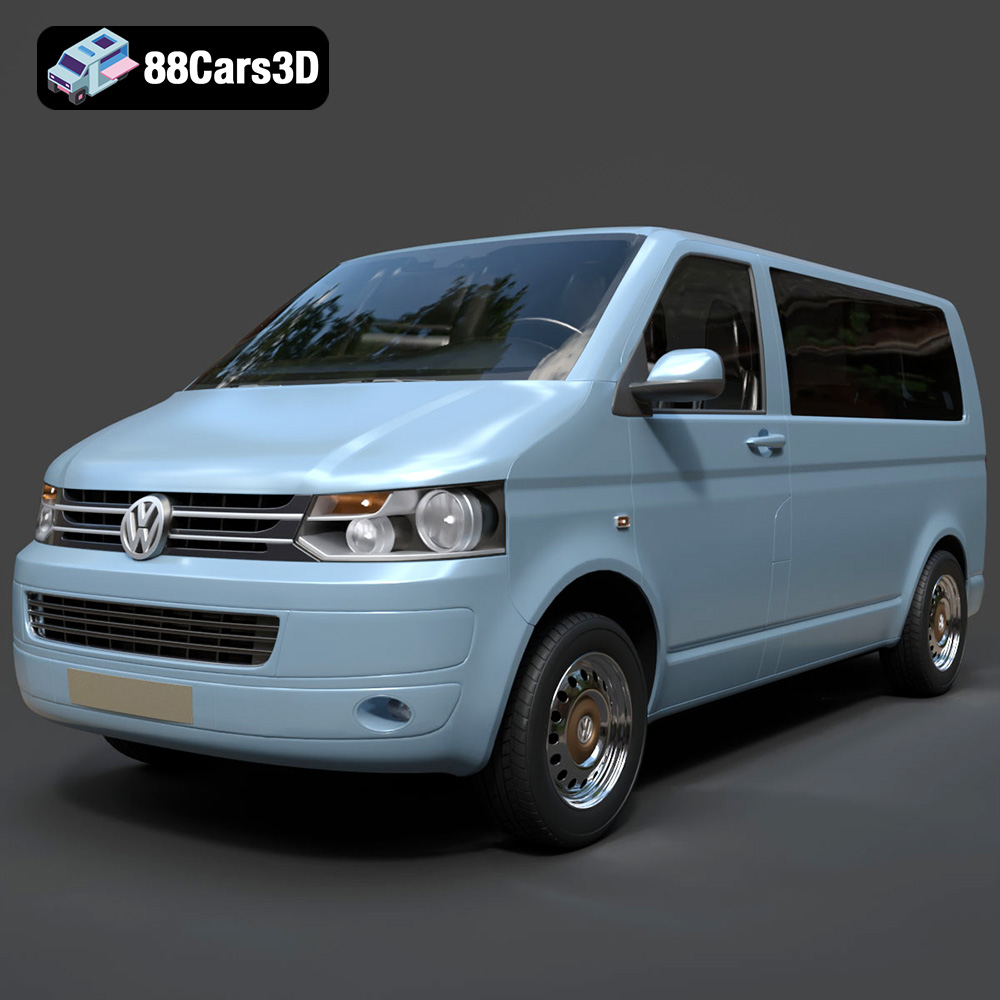
Volkswagen Transporter T5 FL 2010 3D Model
Texture: Yes
Material: Yes
Download the Volkswagen Transporter T5 FL 2010 3D Model featuring clean geometry, realistic detailing, and a fully modeled interior. Includes .blend, .fbx, .obj, .glb, .stl, .ply, .unreal, and .max formats for rendering, simulation, and game development.
Price: $22.99
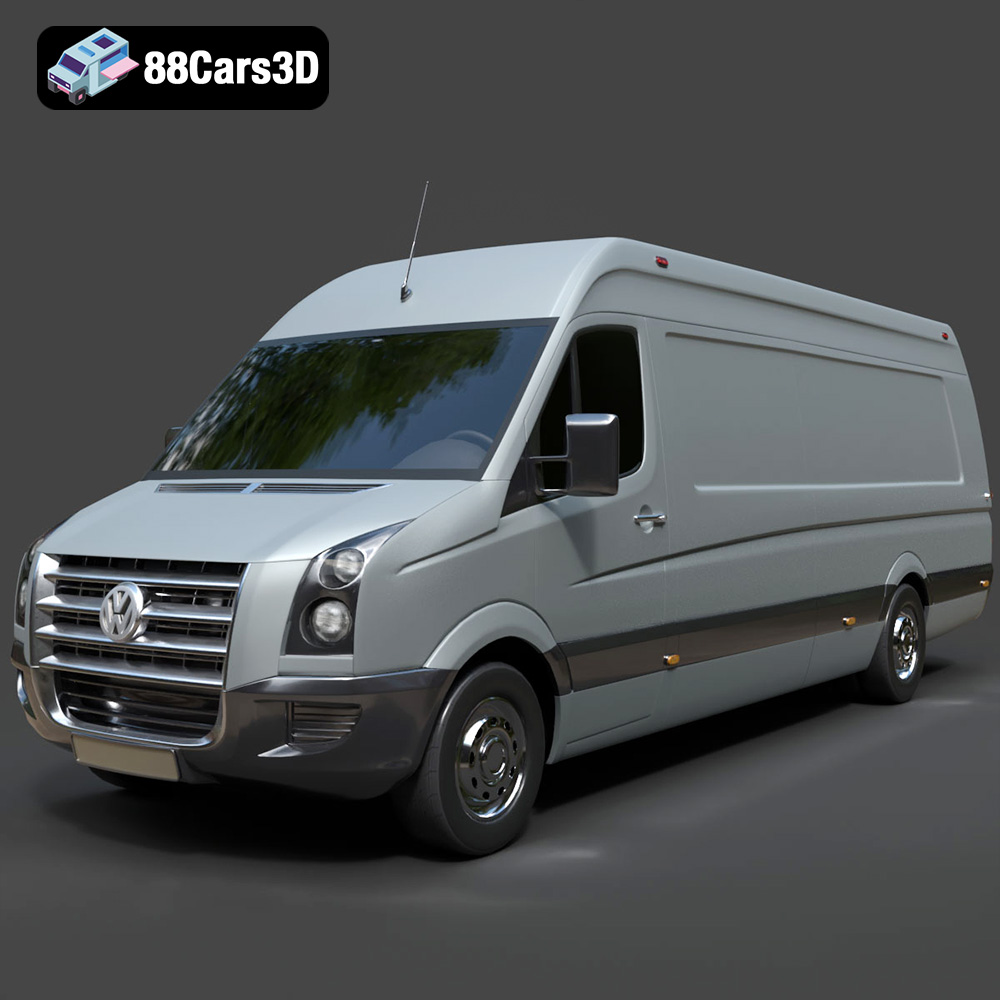
Volkswagen Crafter 2020 3D Model
Texture: Yes
Material: Yes
Download the Volkswagen Crafter 2020 3D Model featuring clean geometry, realistic detailing, and a fully modeled interior. Includes .blend, .fbx, .obj, .glb, .stl, .ply, .unreal, and .max formats for rendering, simulation, and game development.
Price: $22.99
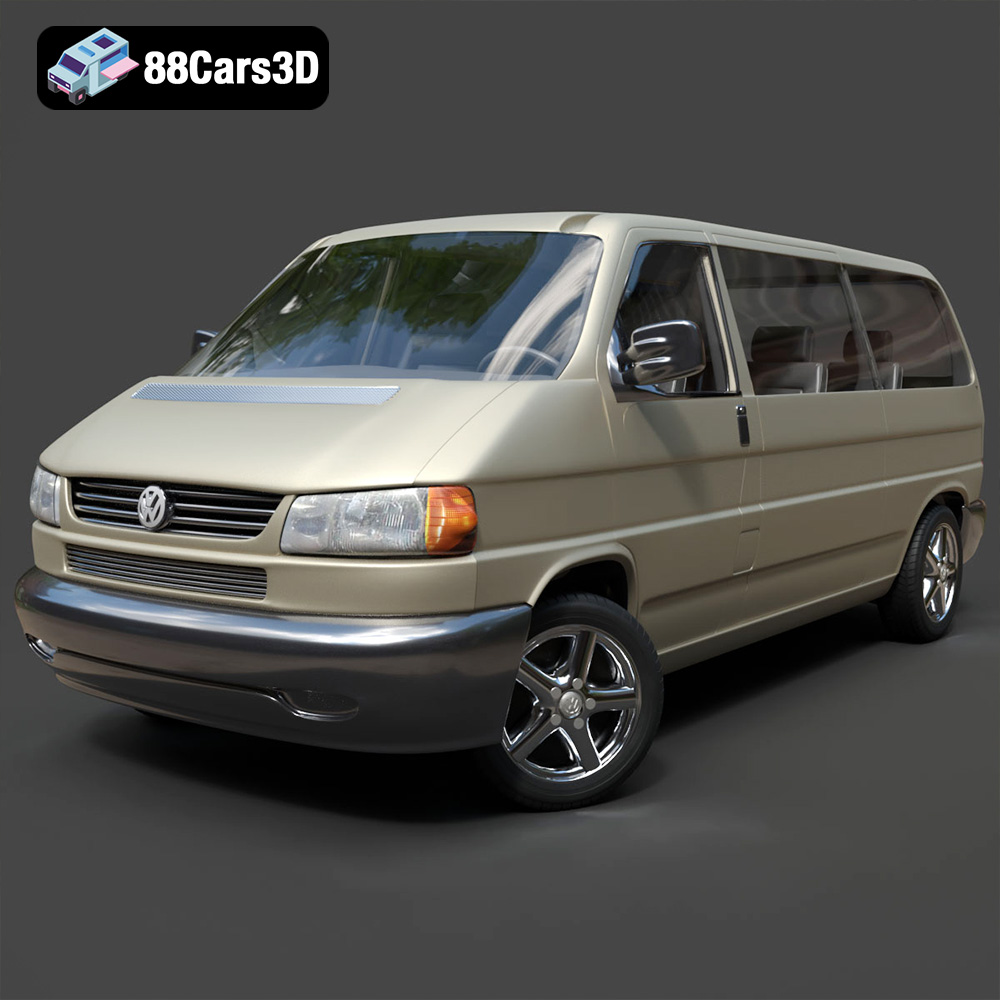
Volkswagen Caravelle 2020 3D Model
Texture: Yes
Material: Yes
Download the Volkswagen Caravelle 3D Model featuring a detailed exterior, functional interior, and optimized topology. Includes .blend, .fbx, .obj, .glb, .stl, .ply, .unreal, and .max formats for rendering, simulation, and game development.
Price: $23.99
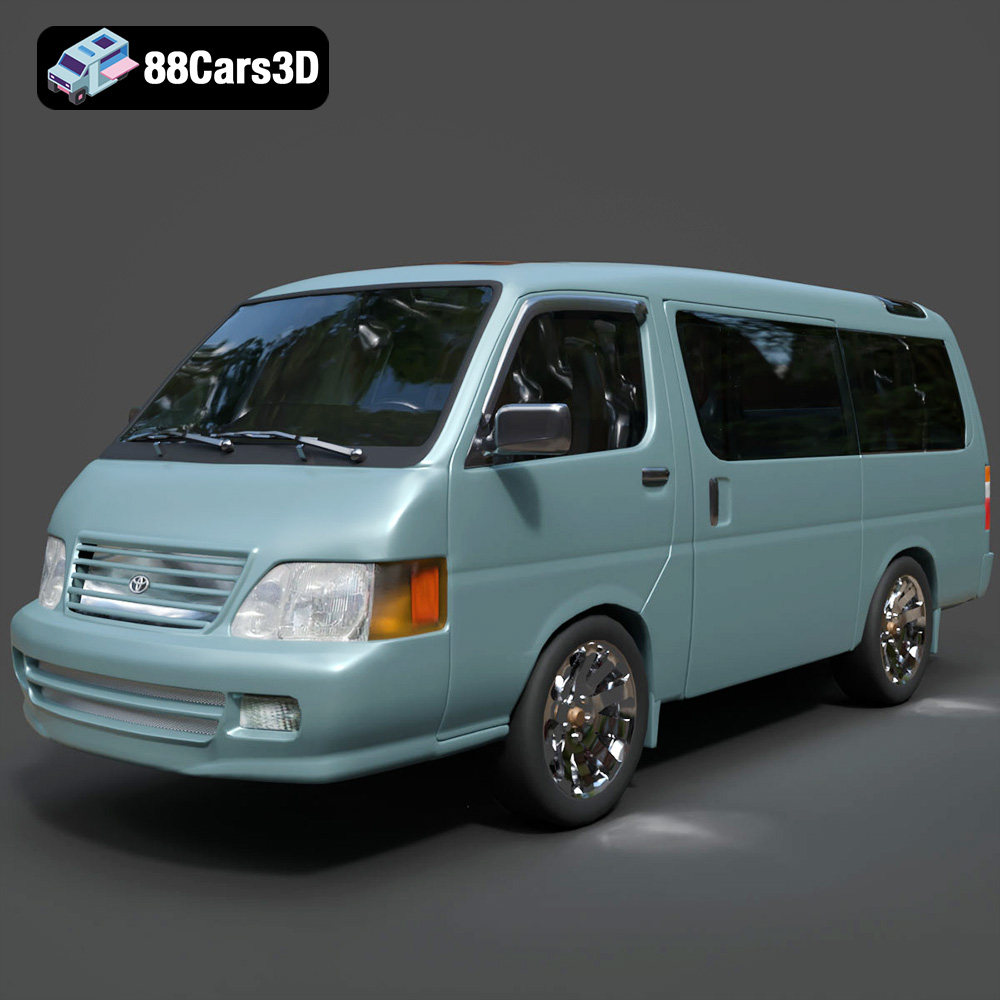
Toyota Hiace 3D Model
Texture: Yes
Material: Yes
Download the Toyota Hiace 3D Model featuring versatile design and detailed exterior. Includes .blend, .fbx, .obj, .glb, .stl, .ply, .unreal, and .max formats for rendering, simulation, and game development.
Price: $21.99
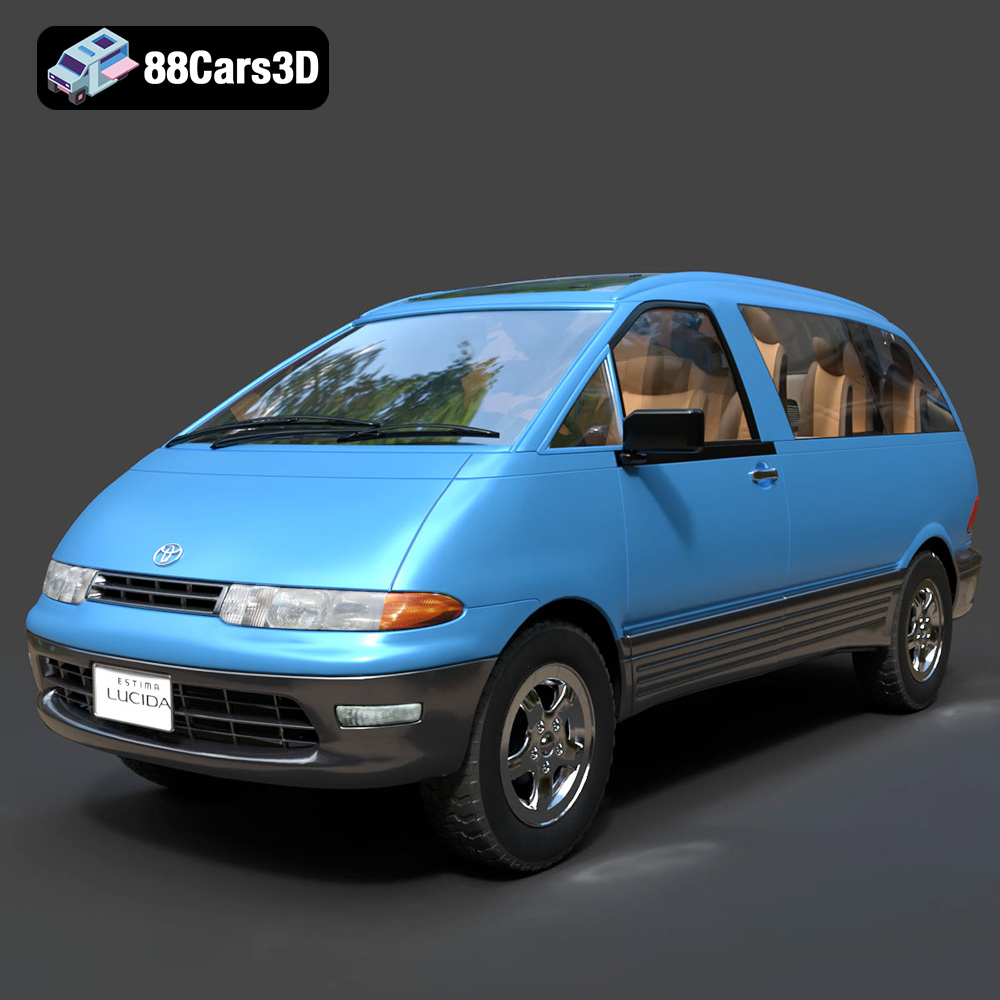
Toyota Estima Lucida 3D Model
Texture: Yes
Material: Yes
Download the Toyota Estima Lucida 3D Model featuring its iconic compact MPV design, versatile interior, and accurate exterior details. Includes .blend, .fbx, .obj, .glb, .stl, .ply, .unreal, and .max formats for rendering, simulation, and game development.
Price: $24.99

Toyota Alphard 3D Model
Texture: Yes
Material: Yes
Download the Toyota Alphard 3D Model featuring a detailed luxury minivan design with an accurate exterior and interior. Includes .blend, .fbx, .obj, .glb, .stl, .ply, .unreal, and .max formats for rendering, simulation, and game development.
Price: $21.99
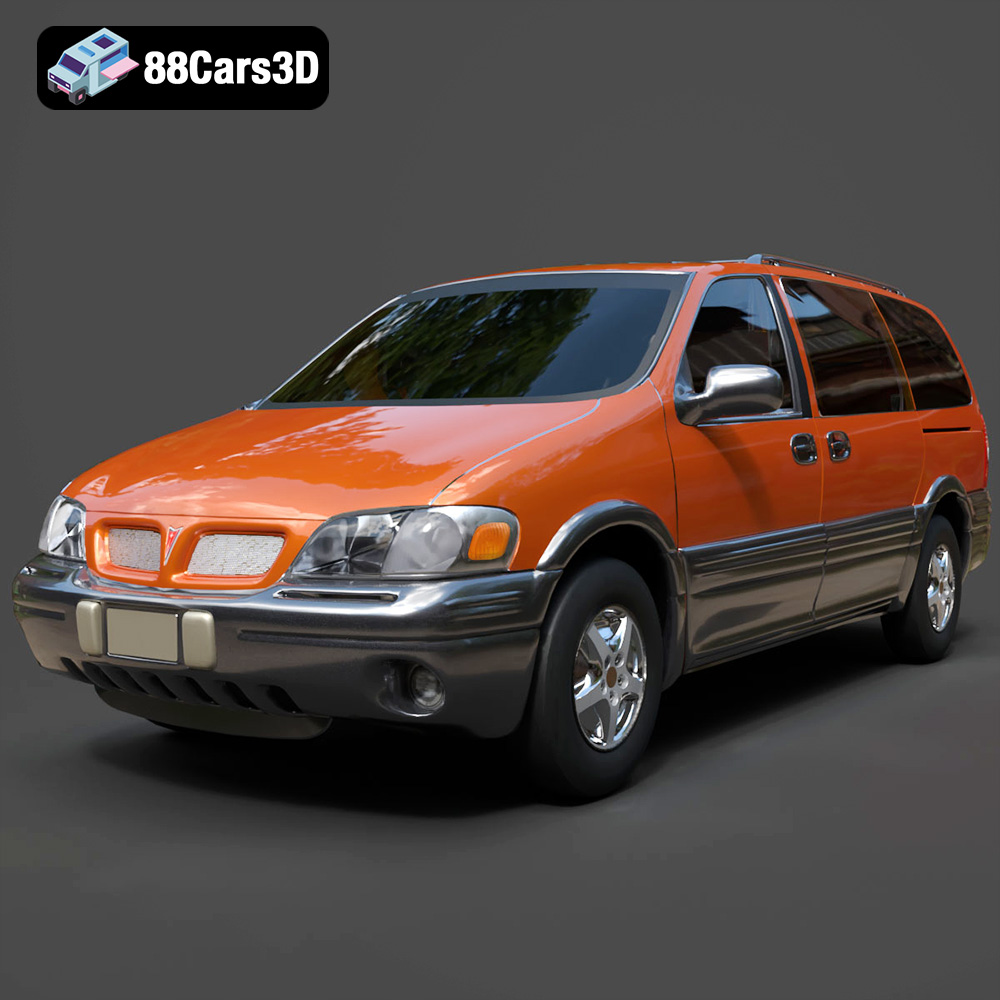
Pontiac Montana 1998 3D Model
Texture: Yes
Material: Yes
Download the Pontiac Montana 1998 3D Model featuring a detailed exterior, functional interior, and optimized mesh. Includes .blend, .fbx, .obj, .glb, .stl, .ply, .unreal, and .max formats for rendering, simulation, and game development.
Price: $21.99
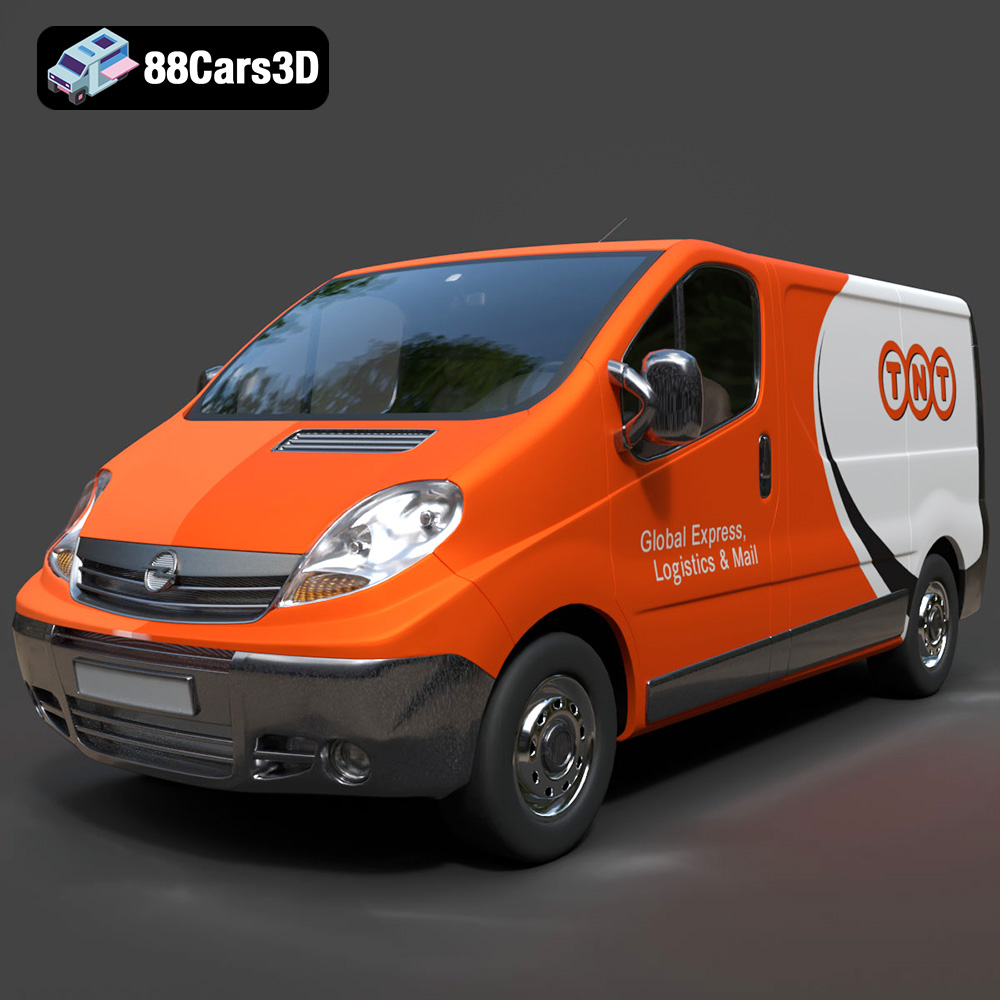
Opel Vivaro 3D Model
Texture: Yes
Material: Yes
Download the Opel Vivaro 3D Model featuring a versatile commercial van design with balanced detailing. Includes .blend, .fbx, .obj, .glb, .stl, .ply, .unreal, and .max formats for rendering, simulation, and game development.
Price: $21.99
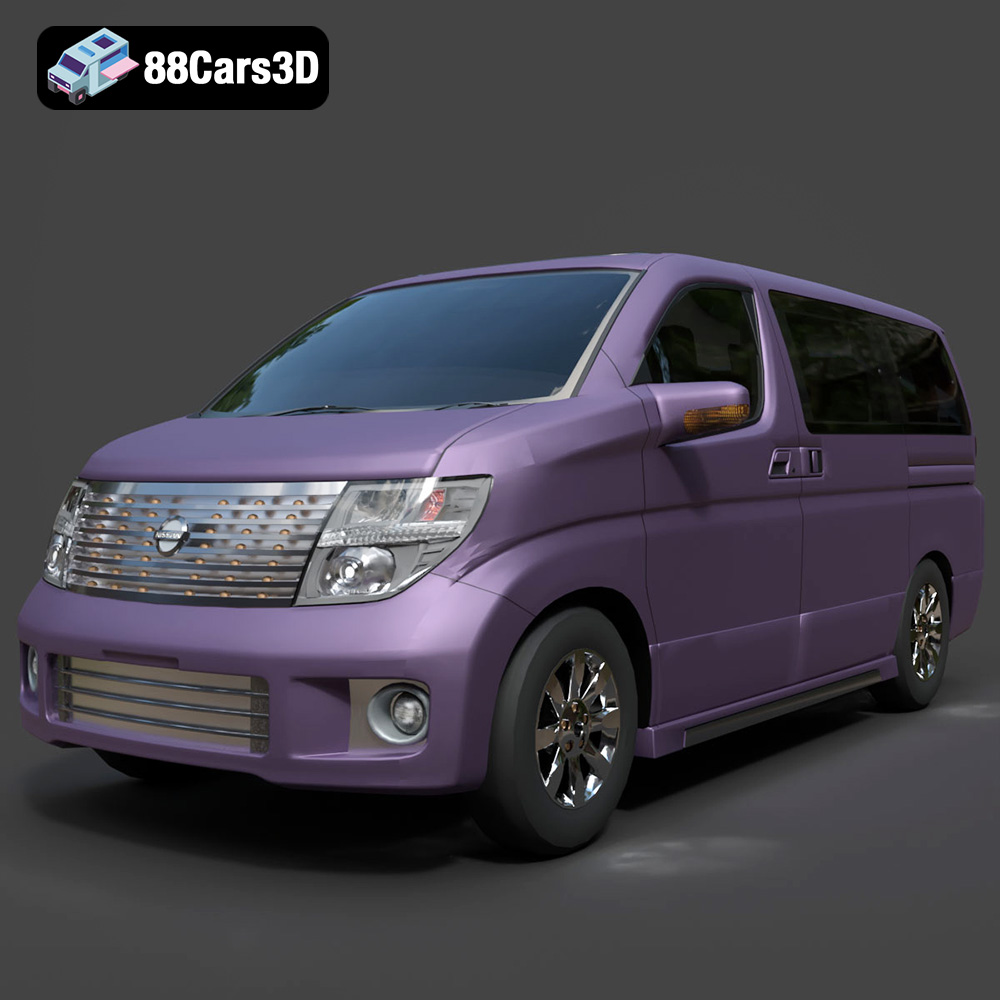
Nissan Elgrand 3D Model
Texture: Yes
Material: Yes
Download the Nissan Elgrand 3D Model featuring a versatile minivan design. Includes .blend, .fbx, .obj, .glb, .stl, .ply, .unreal, and .max formats for rendering, simulation, and game development.
Price: $21.99
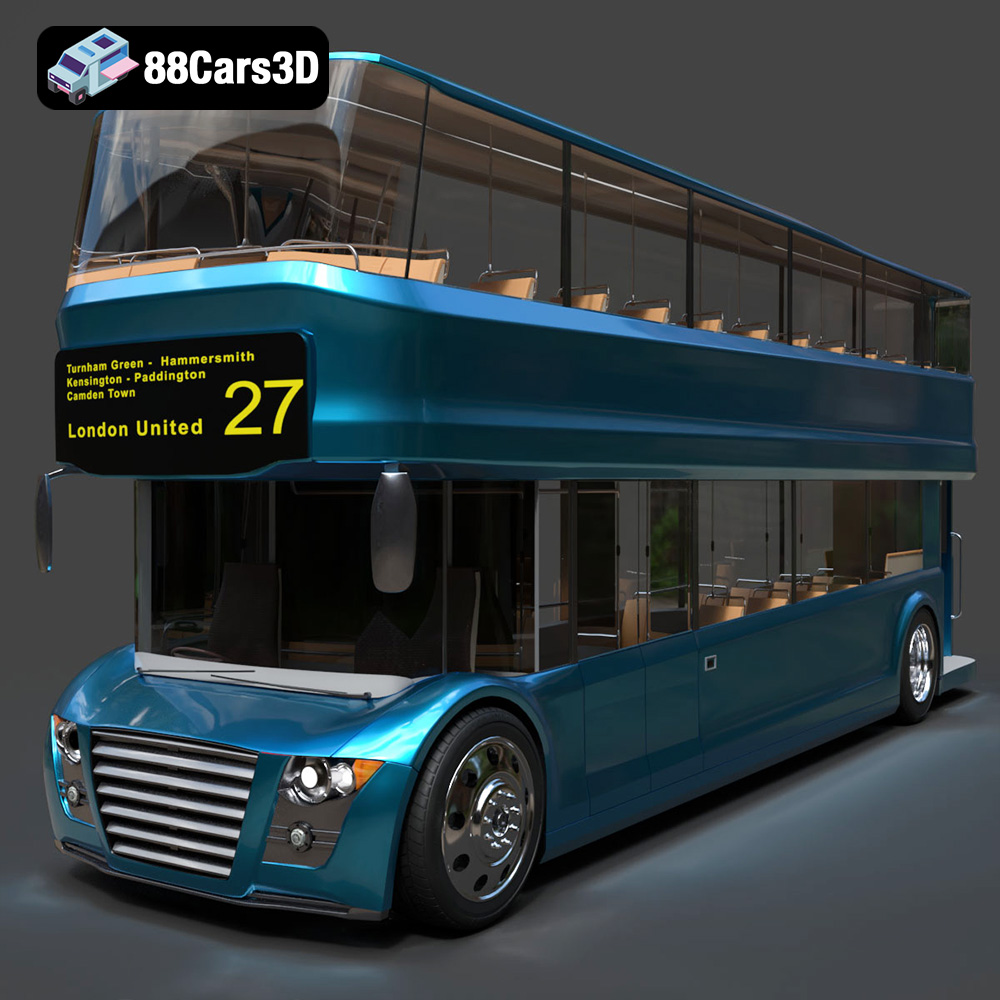
New Bus For London 3D Model
Texture: Yes
Material: Yes
Download the New Bus For London 3D Model featuring a detailed exterior and interior, optimized for rendering and animation. Includes .blend, .fbx, .obj, .glb, .stl, .ply, .unreal, and .max formats for rendering, simulation, and game development.
Price: $21.99
