Driving Urban Immersion: The Indispensable Role of High-Quality 3D Public Transport Models
In the vibrant tapestry of modern 3D visualization, from breathtaking architectural renders to expansive open-world game environments, the details truly define the experience. While sports cars and luxury vehicles often grab the spotlight, the unsung heroes of urban landscapes are undoubtedly public transport. City buses, in particular, serve as dynamic elements, bringing realism and life to virtual street scenes. They are not merely props but critical components for conveying the flow of a metropolis, the rhythm of daily life, and the efficiency of an urban infrastructure. For designers, developers, and animators aiming for unparalleled authenticity, a high-quality 3D bus model is an indispensable asset.
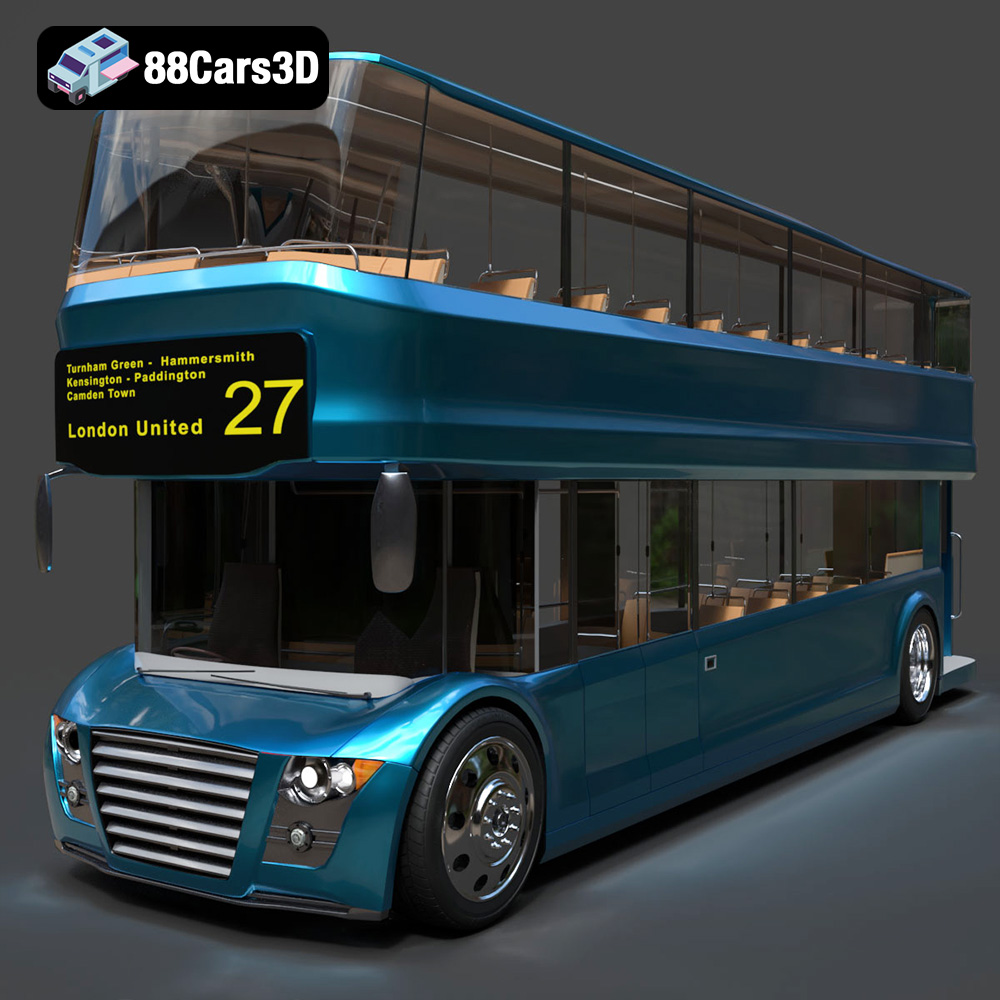
Imagine a meticulously crafted street scene: towering skyscrapers, bustling sidewalks, and intricate road networks. What truly grounds this scene in reality? The sight of a familiar public transport vehicle, like the iconic New Bus For London, gracefully navigating its route. This isn’t just about aesthetics; it’s about context, narrative, and establishing a tangible connection with the audience. Professional-grade 3D car models, especially those representing public transport, elevate projects from generic to genuinely immersive. The New Bus For London 3D model, available on 88cars3d.com, epitomizes this level of detail and utility, offering an exceptional foundation for any project demanding urban realism.
Understanding 3D Model File Formats: The Backbone of Your Workflow
When procuring or working with 3D assets, understanding the various file formats is paramount. Each format is designed with specific use cases and compatibilities in mind, directly impacting your workflow, software choice, and the final output quality. The New Bus For London 3D model, for instance, comes with a comprehensive suite of formats, ensuring maximum versatility across different professional pipelines. Let’s delve into the technical nuances of these essential file types.
.blend – The Native Blender Powerhouse
The .blend format is the native project file for Blender, the powerful open-source 3D creation suite. When you receive a .blend file, you’re not just getting the mesh; you’re getting a complete Blender scene. This includes all materials, textures (often packed within the file or referenced externally), lighting setups, cameras, animation data, and even modifiers. For users entrenched in the Blender ecosystem, this format offers the highest degree of editability and flexibility. You can dissect the model, modify its topology, tweak materials, adjust UVs, and animate components directly within the environment it was likely created in. Its comprehensive nature makes it ideal for artists who need to deeply customize or integrate the model into a larger Blender project without any data loss from conversion.
.fbx – The Industry Standard for Interoperability
.fbx (Filmbox) stands as one of the most widely adopted interchange formats in the 3D industry. Developed by Autodesk, it excels at transferring 3D data between different software applications and game engines, making it a cornerstone for pipelines involving Unreal Engine, Unity, 3ds Max, Maya, and Cinema 4D. An .fbx file can encapsulate geometry, materials (with basic properties), textures (referenced), animations, rigging, cameras, and lights. Its strength lies in its ability to preserve complex hierarchical data and animation curves, making it the go-to choice for game development where animated assets are crucial. When importing an .fbx, it often brings over PBR material setups, though specific shader graphs might need recreation in the target engine or software.
.obj – The Universal Geometry Carrier
The .obj (Wavefront OBJ) format is a venerable and universally supported file type, known for its simplicity and robustness in storing 3D geometry. Primarily, .obj files contain vertex positions, UV coordinates, normals, and face information. They typically reference an accompanying .mtl (material) file for basic material properties like color and texture maps. While .obj is excellent for transferring static mesh data between virtually any 3D software without compatibility issues, it generally does not support animations, rigging, or complex material networks. It’s the perfect format when you need a clean mesh to start with, especially for traditional modeling, texturing, or even for direct import into CAD applications where complex scene data is not required.
.glb – Optimized for AR, VR, and Web
.glb (GL Transmission Format Binary) is the binary version of glTF, specifically designed for efficient transmission and loading of 3D scenes and models by applications. It’s quickly becoming the standard for 3D content on the web, in AR (Augmented Reality), and VR (Virtual Reality) experiences. A .glb file is self-contained, embedding all geometry, textures, animations, and PBR material data into a single binary file. This makes it incredibly streamlined for quick display in browsers, mobile AR apps, and immersive platforms, minimizing file sizes and loading times. Its optimization for real-time engines and web-based interactivity makes it invaluable for showcasing 3D models in an accessible, high-performance manner.
.stl – The Standard for 3D Printing
.stl (Stereolithography) is the de facto standard file format for 3D printing. Unlike other formats that store color, texture, or animation, .stl files represent a 3D model as a collection of unconnected triangular facets, defining only the surface geometry of the object. It’s a “dumb” format in the sense that it doesn’t carry design intent or advanced data, but its simplicity is its strength for manufacturing. Most 3D printers and slicing software accept .stl files directly. When preparing a model for 3D printing, ensuring it’s a “watertight” mesh (no holes or non-manifold geometry) is crucial, and the .stl format is perfect for this final output stage.
.ply – Precision Mesh for CAD or Analysis
The .ply (Polygon File Format, or Stanford Triangle Format) is a versatile format often used for storing 3D data from 3D scanners, CAD applications, and scientific analysis. Like .obj, it stores geometric data, but it can also store a wider range of properties, including color, transparency, surface normals, texture coordinates, and even reliability information for each vertex and face. It’s particularly favored in fields requiring precise mesh data and often supports both ASCII and binary encodings. For projects requiring high-fidelity geometric analysis or direct integration into CAD environments, .ply offers a robust solution for preserving detailed mesh attributes.
.unreal – Engine-Ready Asset for Real-Time Environments
The presence of an .unreal file type typically implies a project or asset specifically prepared and optimized for Unreal Engine. This isn’t a single file extension in the same way .fbx or .obj are, but rather denotes an asset (or a collection of assets) pre-imported, configured, and often set up within an Unreal Engine project structure. This might mean a specific folder containing the imported FBX, textures, materials, and Blueprints, all ready to be dropped into an existing Unreal project. This level of preparation saves immense development time, as materials are likely PBR-ready, meshes are scaled correctly, and collision models may already be generated, streamlining the process of getting the New Bus For London directly into a real-time simulation or game environment.
.max – The Versatile 3ds Max Project File
Finally, the .max format is the native scene file for Autodesk 3ds Max, another industry-leading 3D modeling, animation, and rendering software. Similar to .blend files for Blender, a .max file contains the entire scene data, including geometry, complex material setups (V-Ray, Corona, Arnold), lighting, cameras, animation, and any modifiers or procedural effects applied. For professionals working in architectural visualization or high-fidelity cinematic rendering with 3ds Max, having the model in its native .max format ensures complete control and access to all the original scene features and parameters. This allows for deep customization, re-texturing with specific renderers, and integrating the bus into complex animated sequences with ease.
The availability of such a diverse array of formats for the New Bus For London 3D model underscores its professional-grade quality and adaptability. Whether you’re an architect, a game developer, or a simulation engineer, having these options ensures a smooth transition into your preferred software or engine, saving valuable time and effort.
The Anatomy of a Professional 3D Car Model: Deconstructing the New Bus For London
What sets a professional 3D car model apart from a generic one? It’s a combination of meticulous detail, clean technical execution, and thoughtful optimization. The New Bus For London 3D model exemplifies these principles, making it an ideal asset for demanding projects. Let’s break down its core components.
Exterior Fidelity: Capturing the Iconic Design
The first impression of any 3D vehicle comes from its exterior. For a recognized public transport vehicle like the New Bus For London, accurate representation is crucial. This model achieves high fidelity through:
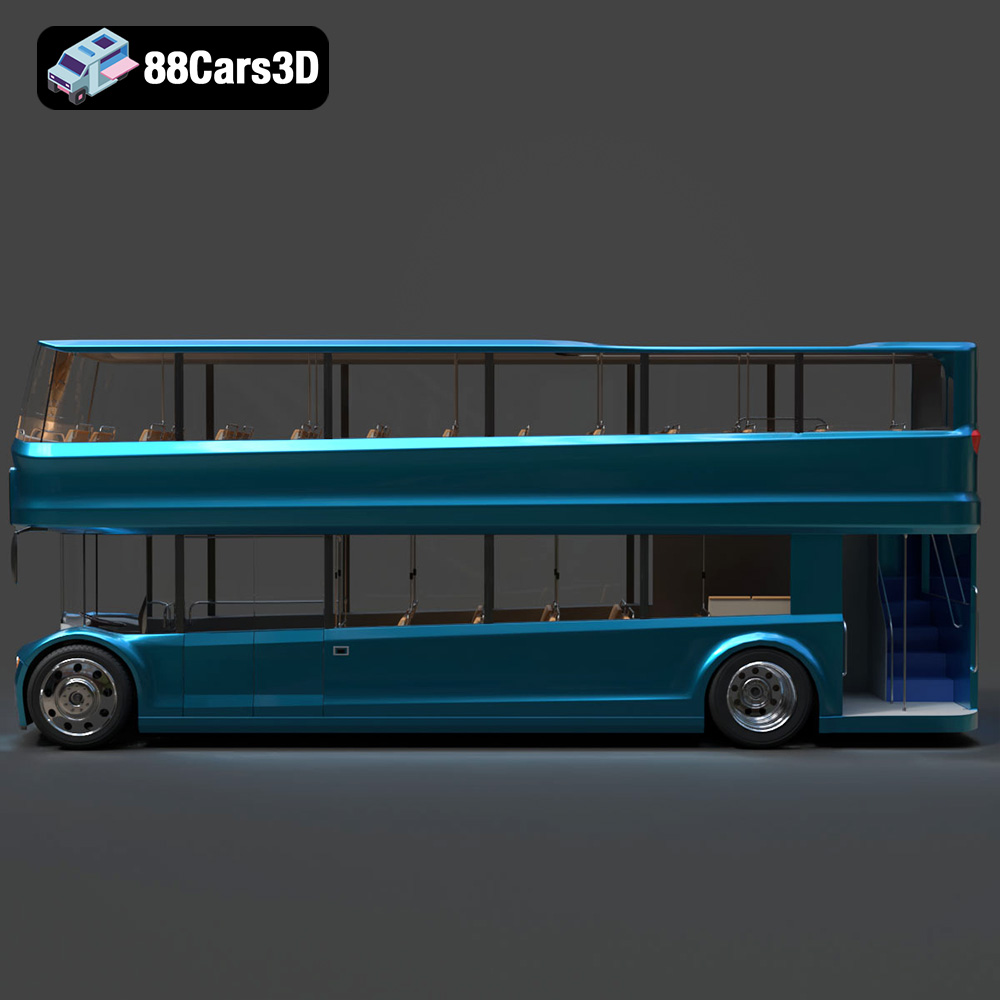
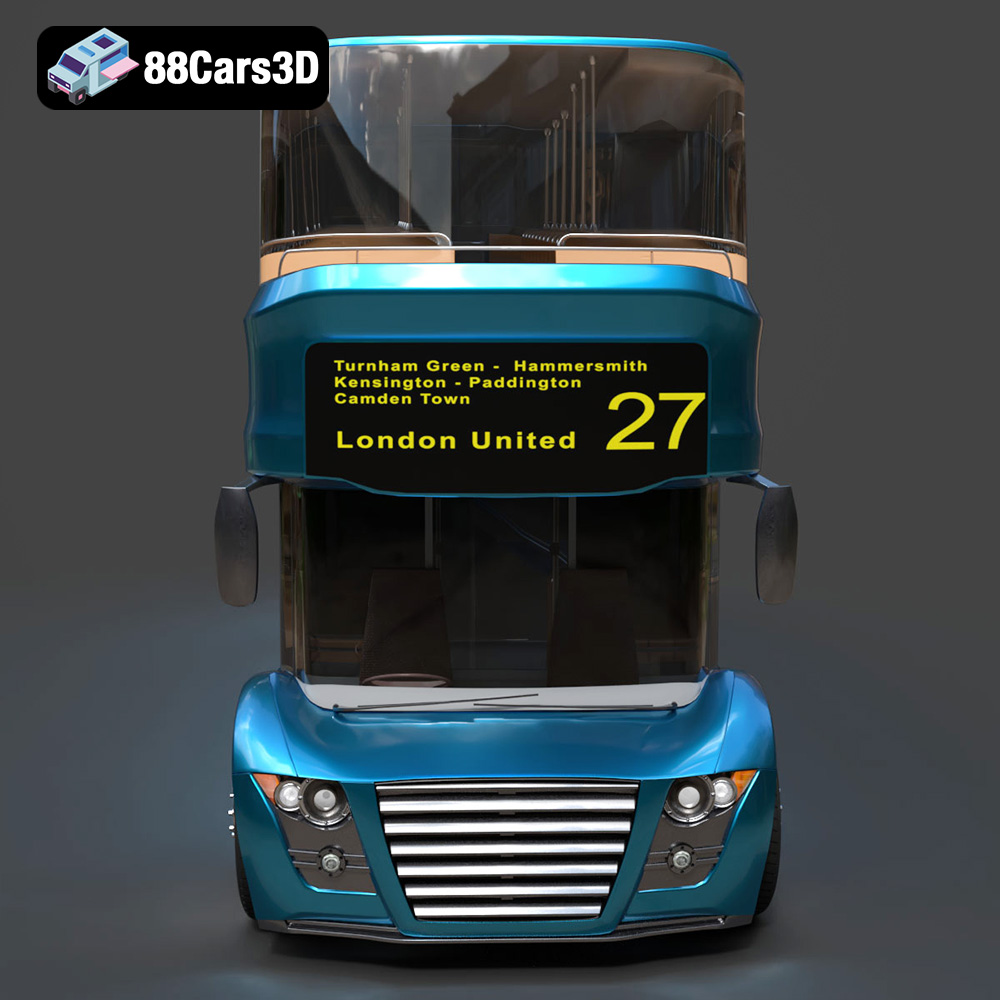
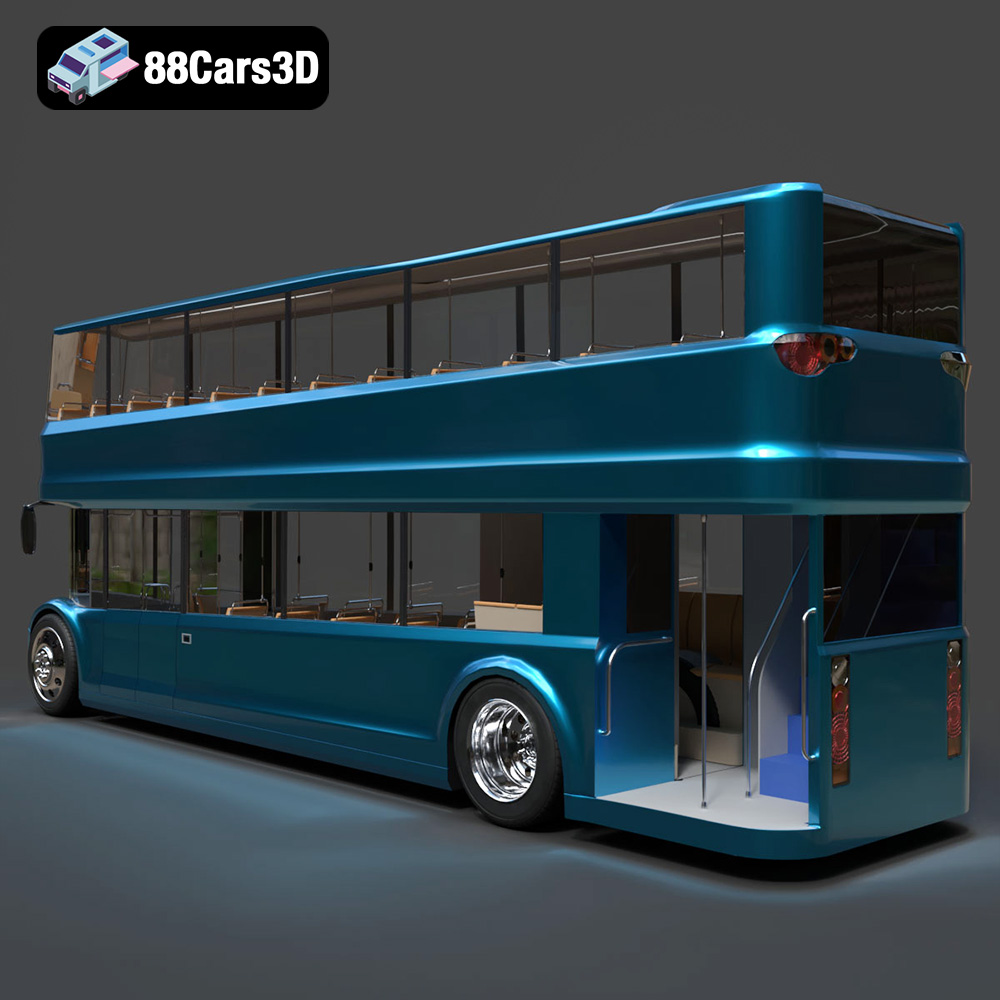
- Accurate Chassis and Body Panels: The distinctive lines and curves, including the double-deck layout and modern aesthetic, are precisely replicated. This isn’t just about visual accuracy; it ensures the model sits correctly in any urban scene and reacts realistically to environmental lighting.
- Detailed Lighting Elements: Headlights, taillights, and indicators aren’t merely textured; they are modeled with appropriate geometry and assigned realistic materials, including clear and transparent glass. This attention to detail allows for convincing nighttime renders or dynamic lighting in real-time environments.
- Wheels and Tires: Often overlooked, wheels and tires can make or break a vehicle model. This model features precisely replicated wheels and tires, complete with tread patterns and appropriate material definitions for rubber and metal, enhancing visual authenticity for close-up shots or animated motion.
- Separated and Optimized Components: Doors and destination displays are modeled as separate, animatable elements. This is critical for interactive simulations, game mechanics (e.g., opening and closing doors for passenger boarding), and cinematic animations, demonstrating foresight in its design for broad application.
Interior Immersion and Mechanical Integrity
While the exterior catches the eye, the interior and underlying mechanical structure provide depth and versatility. The New Bus For London model doesn’t stop at a shell:
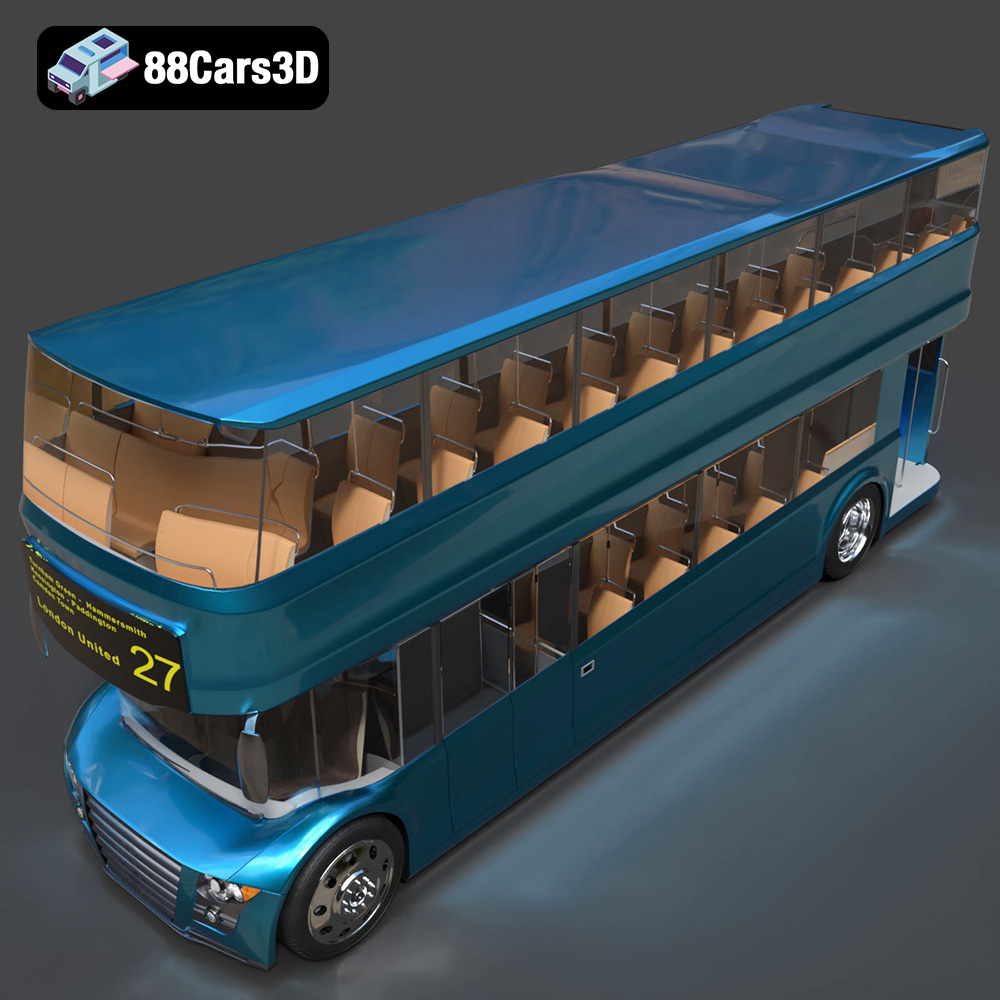
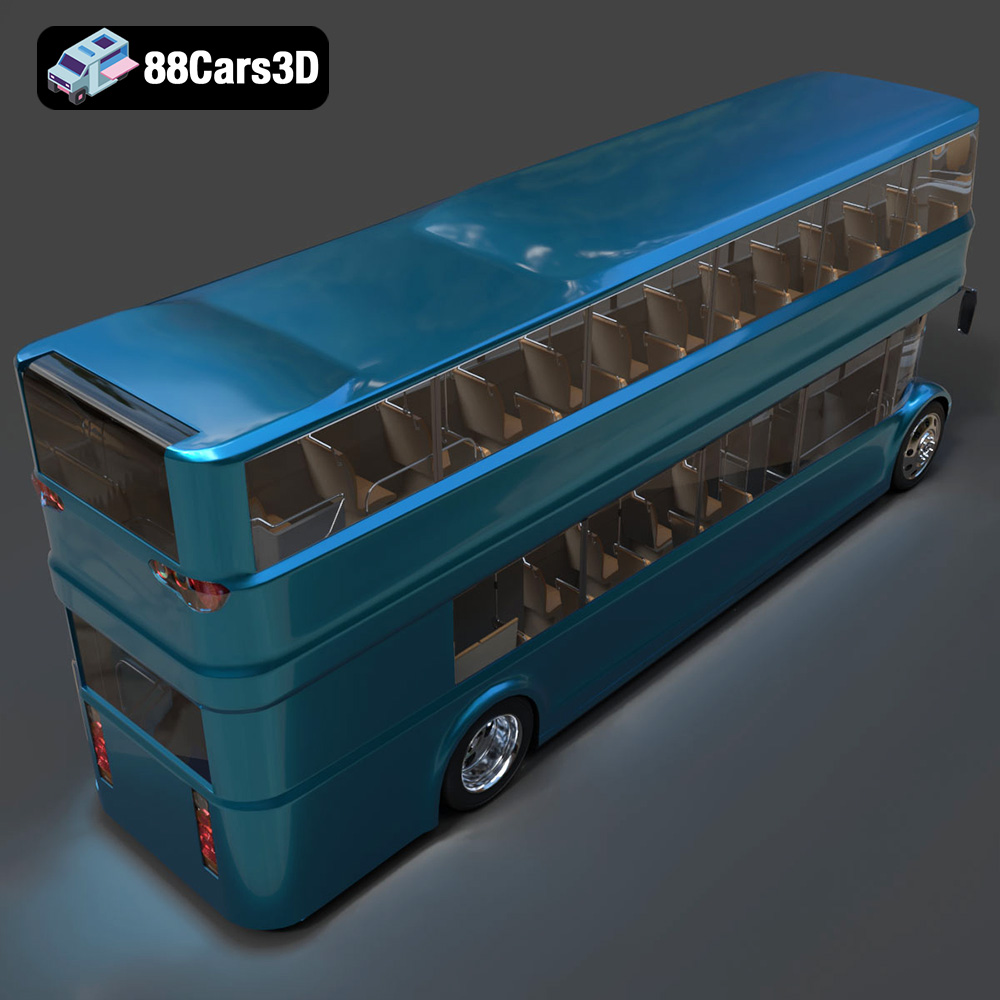
- Comprehensive Interior Detailing: From passenger seating and grab rails to standing areas and realistic floor textures, the interior is fully modeled. This allows for stunning interior renders, walkthroughs, or even first-person perspectives in game simulations, offering a complete passenger experience.
- Detailed Driver’s Cockpit: A functional-looking driver’s cockpit, complete with dashboard instruments, steering wheel, and controls, adds another layer of realism. This is vital for driver training simulations or cinematic shots focusing on the operator.
- Optimized Mesh for Mechanical Components: While not fully exposing a detailed engine, critical mechanical components are modeled with an optimized mesh quality. This ensures that the model maintains visual fidelity for simulations or animations where parts might be visible, without burdening render times or real-time performance with unnecessary poly counts.
Technical Advantages for Seamless Integration
Beyond visual detail, the true mark of a professional 3D asset lies in its technical underpinnings. This model boasts:
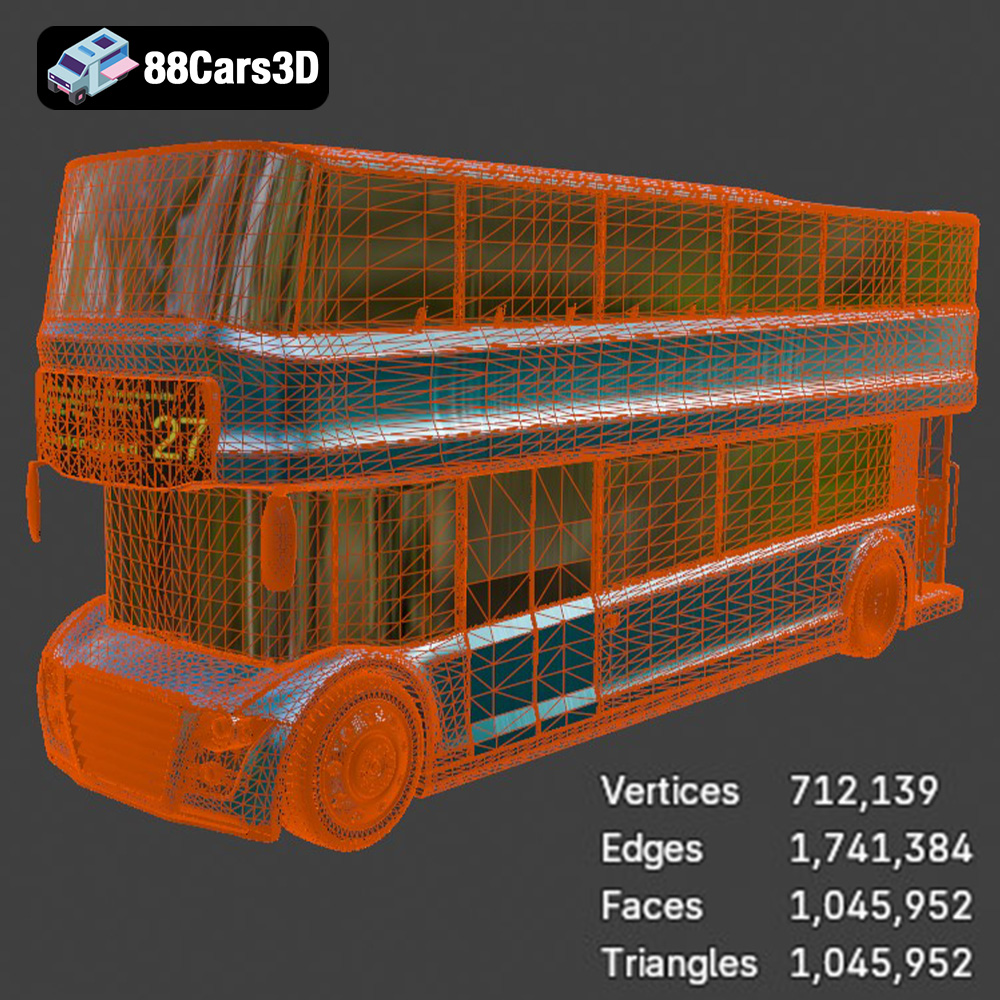
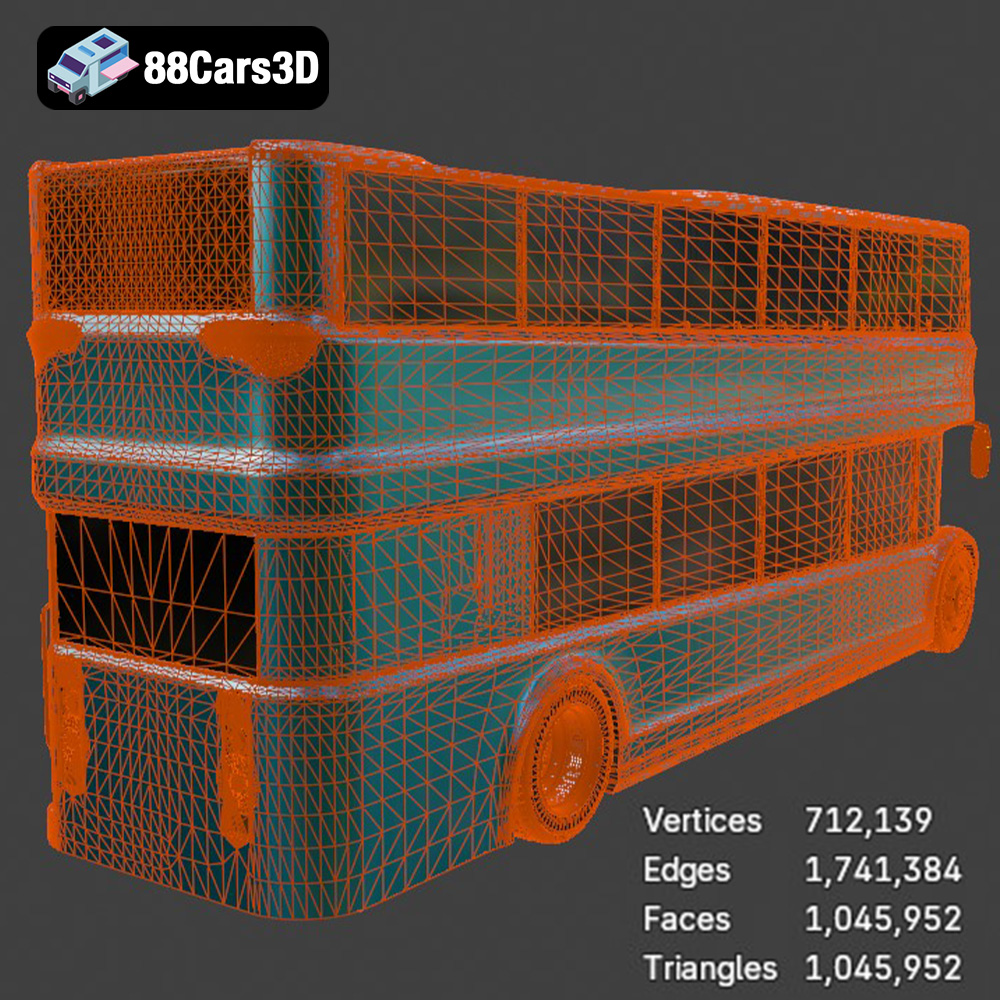
- Clean, Quad-Dominant Topology: This ensures smooth subdivisions, predictable deformation during animation, and ease of editing. It’s a hallmark of good modeling practice that prevents rendering artifacts and allows for flexible workflow adjustments.
- Accurate Real-World Scale: Seamless integration into any existing scene is guaranteed because the model adheres to real-world dimensions. No guesswork or scaling adjustments are needed, saving valuable production time.
- Organized Hierarchy and Pivots: A well-structured hierarchy with properly set pivots is crucial for rigging and animation. Doors open correctly, wheels rotate on their axes, and the bus can be easily manipulated within any 3D software or game engine.
- Optimized UV Layouts: Efficient UV mapping is essential for high-quality texturing and material application. Clean UVs prevent texture stretching and allow for easy customization of liveries, signage, or branding.
- Professionally Prepared Materials: The model includes materials tailored for various rendering engines, often leveraging Physically Based Rendering (PBR) principles. This means that, regardless of your chosen renderer, the bus will look realistic and consistent under different lighting conditions with minimal setup.
Integrating the Bus: Workflow Across Key 3D Software and Engines
The real value of a high-quality 3D asset like the New Bus For London 3D model lies in its adaptability across diverse professional workflows. Thanks to its comprehensive file format support, integrating this model into various software packages and game engines is a streamlined process.
Leveraging in 3ds Max for High-Fidelity Rendering and Animation
For professionals in architectural visualization, automotive rendering, or cinematic animation, 3ds Max remains a powerhouse. The inclusion of the native .max file means immediate readiness:
- Direct Scene Integration: Open the .max file, and the New Bus For London is there, complete with its original materials, hierarchy, and scale. This bypasses import/export issues and allows for instant placement into your urban scenes.
- Advanced Material Shading: Utilize 3ds Max’s robust material editors with renderers like V-Ray, Corona, or Arnold to fine-tune the existing materials or create new, hyper-realistic shaders. Adjust reflections on glass, metallic sheen on body panels, or wear and tear on textures to perfectly match your scene’s aesthetic.
- Animation Workflows: With its organized hierarchy and properly set pivots, animating the bus is straightforward. Rig doors for opening/closing, simulate suspension compression, or create complex path animations for traffic flow. The clean topology also ensures smooth deformations.
- Scene Population: Duplicate and modify the bus model to populate entire city blocks with diverse public transport, creating a sense of scale and realism for urban planning or architectural visualization projects.
Blender: Open-Source Powerhouse for Customization and Indie Development
Blender users benefit immensely from the dedicated .blend file. This isn’t just an import; it’s a fully editable project:
- Full Customization Control: Access every aspect of the model, from its mesh geometry to its node-based materials. Modify textures, create custom liveries, or even re-sculpt elements if your project demands a unique variant.
- Eevee and Cycles Rendering: The included materials are likely optimized for Blender’s native renderers, Cycles (for photorealism) and Eevee (for real-time PBR rendering). This allows for stunning renders directly within Blender without extensive material setup.
- Game Asset Preparation: For indie game developers, preparing the New Bus For London for export to game engines like Unity or Unreal from Blender is efficient. The clean mesh and optimized UVs make LOD (Level of Detail) generation and collision mesh creation much simpler.
Unreal Engine and Unity: Powering Real-Time Simulations and Game Worlds
Game developers and simulation specialists rely on game engines for interactive experiences. The New Bus For London model is excellently suited for this through its .fbx and dedicated .unreal assets:
- Direct Unreal Engine Integration: The .unreal asset typically provides a ready-to-use package, with the model already imported, scaled, and often with collision meshes and PBR materials configured. This dramatically accelerates development time.
- FBX for Unity and Unreal: For Unity users, or those preferring a direct import, the .fbx file is the go-to. It reliably transfers geometry, basic PBR material information, and animation data. Post-import, you’d typically set up your specific material instances, collision profiles, and potentially create Blueprints or C# scripts for interactive functionality (e.g., driveable bus, passenger system).
- Performance Optimization: The model’s “balanced level of detail” and “optimized mesh quality” are critical for real-time applications. These attributes help maintain high frame rates while still delivering visual fidelity, a delicate balance essential for immersive game environments and complex simulations like urban transport simulators.
- AR/VR Ready with .glb: For creating augmented or virtual reality experiences of urban environments, the .glb format is invaluable. Its optimized, single-file nature allows for quick loading and efficient rendering on AR/VR devices, making the bus a central feature in interactive virtual city tours or educational applications.
Regardless of your chosen platform, the professional preparation of the New Bus For London 3D model from 88cars3d.com ensures that you can spend less time on asset preparation and more time on creative development, animation, or scene composition.
Real-World Applications and Case Studies: Beyond the Render
The versatility of the New Bus For London 3D model extends far beyond static renders. Its technical design makes it suitable for a multitude of professional applications, serving as a dynamic and functional asset in diverse industries.
Architectural Visualization and Urban Planning
Case Study: Redefining Cityscapes with Dynamic Elements
An architectural firm is presenting a proposal for a new urban development, featuring a sprawling city square surrounded by high-rises. A static image, no matter how detailed, often lacks the vitality of a living city. By integrating the New Bus For London 3D model into their visualizations, the firm can achieve:
- Enhanced Realism: Populating street scenes with moving buses immediately brings a sense of activity and purpose. The bus acts as a visual cue, indicating scale and the presence of human movement, making the proposed development feel more lived-in and realistic.
- Traffic Flow Simulations: Beyond aesthetics, the bus can be used in traffic flow simulations to analyze congestion points, optimize road designs, and demonstrate the efficiency of public transport routes within the new development.
- Contextual Storytelling: A bus stopping at a virtual bus stop, with its doors animated to open and close, tells a story of an accessible, integrated public transport system, vital for attracting investment and public approval.
The model’s accurate real-world scale and animatable components are crucial here, allowing architects to present not just buildings, but functioning urban ecosystems.
Game Development: From Open-World Exploration to Realistic Simulators
Case Study: Immersive Urban Simulators and Interactive Gameplay
A game studio is developing an open-world city simulation where players can experience life as a public transport driver. The New Bus For London 3D model is a perfect fit:
- High-Fidelity Game Asset: Optimized for game engines like Unreal and Unity, the bus serves as a visually stunning and performant vehicle. Its detailed exterior and interior allow for both third-person cinematic views and immersive first-person driving experiences.
- Interactive Elements: With separated doors, the model facilitates interactive gameplay where players manage passenger boarding and alighting. The detailed driver’s cockpit allows for realistic control interfaces and instrument displays.
- Environmental Storytelling: In a grand theft auto style open-world game, the bus can contribute to the ambient traffic, making the city feel alive and bustling, while also potentially serving as an objective or a means of transportation for NPCs. Its iconic design adds a layer of authenticity specific to a London-inspired setting.
The model’s clean topology and optimized UVs simplify the process of applying different liveries or damage states, further enhancing game variability.
AR/VR Experiences: Bringing the City to Life
Case Study: Virtual City Tours and Training Modules
A travel company wants to offer immersive AR/VR tours of London, or a public transport authority seeks to create a virtual training environment for new drivers. The New Bus For London model proves invaluable:
- Realistic Virtual Environments: In a VR tour, users can walk around, or even “ride” inside, a perfectly rendered bus, experiencing the city from a unique perspective. The .glb format ensures optimal performance on headsets and mobile AR devices.
- Driver Training Simulations: For training, a virtual cockpit allows new drivers to familiarize themselves with controls and procedures in a safe, controlled environment. Scenarios involving passenger interaction, route navigation, and emergency responses can be simulated with high fidelity, leveraging the model’s detailed interior.
- Interactive Public Information: Imagine an AR app that overlays information about bus routes and schedules onto a real-world view, with the 3D model appearing dynamically on the street. This bridges the gap between digital information and physical reality.
The model’s real-world scale and professional materials ensure a convincing and consistent experience across different AR/VR platforms.
3D Printing: Tangible Prototypes and Collectibles
Case Study: From Digital Model to Physical Object
A design enthusiast or a transport museum might want a physical miniature of the New Bus For London. The inclusion of the .stl format makes this straightforward:
- Rapid Prototyping: Convert the digital model into a tangible prototype for design review or as a collectible. The .stl format is universally accepted by 3D printers, allowing for direct fabrication.
- Educational Models: Create physical models for educational purposes, teaching about bus design, urban transport, or even as part of a miniature city diorama.
The inherent quality of the digital mesh, particularly its clean geometry, translates into a higher quality physical print, free from common printing artifacts.
These diverse applications highlight how a single, well-crafted 3D asset like the New Bus For London can serve as a cornerstone across multiple creative and technical industries. Its robust design and varied file formats ensure it’s not just a beautiful render, but a truly functional tool for innovation.
Optimizing Your Pipeline with High-Quality 3D Assets
In the demanding world of 3D production, time is a precious commodity. Sourcing high-quality 3D assets, particularly complex ones like 3D car models or public transport vehicles, can be a game-changer for optimizing your workflow and achieving superior results. The New Bus For London 3D model is a prime example of how pre-made, professional assets streamline development.
Reducing Development Time and Costs
Creating a detailed 3D vehicle from scratch is an incredibly time-consuming and labor-intensive process. It requires expertise in modeling, texturing, UV mapping, rigging, and material setup. For a large project, diverting resources to build every prop and asset can quickly inflate budgets and extend deadlines. By acquiring a ready-to-use model like the New Bus For London from a reputable marketplace like 88cars3d.com, studios and individual artists can:
- Bypass the Modeling Phase: Instantly integrate a fully formed model, saving hundreds of hours of design and modeling work.
- Leverage Pre-Optimized Assets: The model’s clean topology, optimized UVs, and balanced poly count mean less time spent on optimization for performance.
- Utilize Pre-Configured Materials: Materials are professionally prepared, often for multiple renderers, drastically reducing the time needed for material creation and tweaking.
This efficiency allows artists to focus on higher-level creative tasks, such as scene composition, animation, or interactive logic, rather than foundational asset creation.
Ensuring Consistency and Quality
Maintaining a consistent level of quality across all assets in a large-scale project can be challenging. By integrating professionally made assets, you establish a benchmark of quality that elevates the entire project:
- Guaranteed Technical Standards: High-quality assets adhere to industry best practices, such as quad-dominant topology, real-world scale, and clean hierarchies. This consistency prevents rendering artifacts, ensures proper deformation during animation, and simplifies integration into existing pipelines.
- Visual Cohesion: When all assets meet a certain standard, the overall visual cohesion of your scene improves dramatically. A detailed bus model, for instance, won’t look out of place next to high-resolution buildings or character models.
- Reduced Iteration Cycles: With fewer technical issues arising from subpar assets, teams experience shorter iteration cycles, leading to faster project completion and more polished final products.
The investment in a premium asset like the New Bus For London 3D model translates directly into a more robust and visually compelling final product.
Unlocking Creative Potential: Customization and Future-Proofing
A professional 3D model doesn’t just offer an off-the-shelf solution; it provides a flexible foundation for boundless creative exploration. The New Bus For London model is designed with customization in mind, ensuring it remains a valuable asset for years to come.
Tailoring to Specific Project Needs
The ability to easily modify and adapt an asset is crucial for diverse project requirements:
- Paint Finishes and Branding: The optimized UV layouts and clean material separation make it simple to apply custom paint schemes, company branding, advertising wraps, or specific regional liveries. This means one model can represent countless variations, enhancing the realism and individuality of different city zones or fleets.
- Material Property Adjustments: Artists can fine-tune material properties for various components – the reflectivity of glass, the roughness of plastic interiors, the worn look of rubber tires, or the metallic flakes in the body paint. This level of control allows the bus to seamlessly integrate into different lighting environments or artistic styles, from photorealistic to slightly stylized.
- Configuring Lighting Setups: Beyond the model itself, the asset’s detailed construction (e.g., proper headlights and interior lights) supports dynamic lighting. You can simulate different times of day, weather conditions, or emergency lighting scenarios, bringing the bus to life within any scene.
This inherent flexibility transforms the New Bus For London from a mere static object into a dynamic and adaptable component of your creative toolkit.
Future-Proofing Your Asset Library
In a rapidly evolving technological landscape, investing in assets that endure is key. The New Bus For London 3D model is built with longevity in mind:
- Clean Topology for Future Software: Its quad-dominant topology and clean mesh ensure compatibility with future versions of 3D software and rendering engines. It’s a robust foundation that can be easily re-textured or re-shadered as new technologies emerge.
- Multi-Format Availability: The provision of multiple industry-standard file formats (.fbx, .obj, .glb, .max, .blend, .unreal, .stl, .ply) ensures that the model can be used across various pipelines and platforms, adapting to changing project requirements or software preferences.
- High Detail for High-End Renders: While optimized for efficiency, the “balanced level of detail” ensures it can hold up in high-resolution renders, VR experiences, and cinematics, future-proofing its visual quality against increasing demands for realism.
By investing in such a versatile and technically sound 3D model, you’re not just acquiring an asset for your current project, but a reliable, adaptable tool that will continue to serve your creative needs for years to come.
Conclusion: Powering Your Projects with Unrivaled Urban Detail
The journey through the intricate world of 3D modeling reveals that truly exceptional assets are defined by a fusion of aesthetic accuracy, technical excellence, and practical versatility. The New Bus For London 3D model embodies these qualities, standing out as an indispensable asset for anyone seeking to inject unparalleled realism and dynamic energy into their urban-themed projects.
From the meticulous replication of its iconic exterior and comprehensive interior detailing to its clean topology, optimized UVs, and multiple industry-standard file formats, every aspect of this model is crafted for professional-grade utility. Whether you are an architectural visualizer crafting a compelling urban proposal, a game developer building an immersive city simulator, an AR/VR innovator creating interactive experiences, or a simulation engineer developing training modules, this model provides the robust foundation you need.
It’s more than just a bus; it’s a testament to the power of high-quality 3D assets in streamlining workflows, reducing development costs, and ultimately, unlocking new creative possibilities. By choosing assets of this caliber, available through marketplaces like 88cars3d.com, you are investing in efficiency, quality, and the capacity to bring your virtual worlds to life with authentic detail. Elevate your next project and let the New Bus For London 3D model drive your creative vision forward.
Featured 3D Model
New Bus For London 3D Model
Experience the essence of modern public transport with this highly detailed 3D model of the New Bus For London. This professional-grade model captures the iconic design and functional elegance of the contemporary city bus, built with clean geometry and a balanced level of detail. It is perfectly suited for a wide range of applications, including high-fidelity rendering, realistic animations, complex simulations, and immersive game development projects.
$21.99
Product Image Gallery