

Unleashing Automotive Brilliance: Mastering Unreal Engine for Real-time Visualization with 3D Car Models
The automotive industry is in a perpetual state of innovation, not just in vehicle design and engineering, but also in how cars are presented, visualized, and experienced. Gone are the days when static renders and physical prototypes were the only means of showcasing a new vehicle. Today, Unreal Engine stands at the forefront of this revolution, empowering designers, marketers, and developers to create breathtakingly realistic, interactive, and real-time automotive visualizations. From immersive virtual showrooms and configurators to cutting-edge virtual production and AR/VR experiences, Unreal Engine’s capabilities, combined with high-fidelity 3D car models, are redefining what’s possible.
This comprehensive guide delves deep into the technical workflows and artistic principles required to leverage Unreal Engine for unparalleled automotive visualization. We’ll explore everything from efficient project setup and optimizing your 3D car models, to crafting physically accurate materials, illuminating your scenes with dynamic lighting, and implementing interactive experiences using Blueprint. Whether you’re a seasoned Unreal Engine developer, a 3D artist transitioning into real-time, or an automotive professional seeking to elevate your presentations, you’ll gain actionable insights and best practices to transform your vision into stunning interactive realities. Prepare to unlock the full potential of real-time rendering and bring your automotive projects to life with unparalleled detail and performance.
Laying the Foundation: Project Setup and Integrating High-Quality 3D Car Models
Embarking on any Unreal Engine project, especially one as demanding as high-fidelity automotive visualization, begins with a robust foundation. Proper project setup ensures optimal performance and a streamlined workflow, preventing headaches down the line. The quality of your source assets, particularly the 3D car models themselves, is paramount. Platforms like 88cars3d.com offer meticulously crafted models, optimized for real-time engines, providing an excellent starting point for any professional project.
Initial Project Configuration and Scene Scale
When you create a new Unreal Engine project, selecting the correct template is crucial. For automotive visualization, starting with a “Blank” or “Architectural Visualization” template often provides a clean slate or relevant tools. Immediately after creation, navigate to **Edit > Project Settings** and configure essential parameters. Ensure your **World Settings** (found under Window > World Settings) align with real-world scales. Unreal Engine uses centimeters as its default unit, so verify that your imported assets respect this scale (1 unit = 1cm). A common pitfall is incorrect scale, leading to lighting and physics inconsistencies. For example, a car model meant to be 4.5 meters long should import as 450 units. Activating necessary plugins like “Datasmith Importer” (for CAD data) or “Chaos Vehicles” (for physics) is also essential at this stage. Additionally, setting up **Gamma Correction** and ensuring **Linear Color Space** is standard practice for accurate PBR material representation.
Importing and Optimizing High-Quality 3D Car Models
The quality of your 3D car models directly dictates the final visual fidelity. When sourcing models from marketplaces such as 88cars3d.com, look for assets featuring clean topology, proper UV mapping, and a PBR material pipeline. Most professional 3D car models come in **FBX** or **USD** formats, both widely supported by Unreal Engine.
To import, simply drag and drop your `FBX` or `USD` file into the Content Browser, or use the “Import” button. Key import settings to consider:
* **Mesh Import Options:**
* **Scale:** Verify the import uniform scale matches your scene (often 1.0, but adjust if your DCC tool uses different units).
* **Combine Meshes:** Decide whether to import the car as a single static mesh or multiple meshes (e.g., body, wheels, interior). For configurators, separating components is essential.
* **Normal Import Method:** Choose “Import Normals” or “Compute Normals” if your source data isn’t perfectly clean. Ensure tangents and binormals are also computed.
* **Generate Lightmap UVs:** Always enable this. Unreal Engine needs a dedicated UV channel (usually UV Channel 1) for static lightmaps.
* **Build Adjacency Buffer:** Important for correct mesh rendering and physics collision.
* **Material Import Options:** Typically, you’ll want to “Import Materials” and “Import Textures” as a starting point, then refine them in Unreal Engine’s Material Editor.
* **Collision:** For non-interactive parts, “Auto Generate Collision” can work, but for vehicle physics, custom collision meshes are often required for accuracy.
After import, scrutinize the model’s pivot points. For wheels, the pivot should be at the center for proper rotation. For the entire vehicle, the pivot usually resides at the center bottom for easy ground placement. Adjust pivots within the Static Mesh Editor if needed. Performance optimization for real-time rendering also begins here; even high-quality game assets may require polygon reduction or LODs for specific use cases, which we’ll discuss later.
Achieving Visual Fidelity: PBR Materials and Texturing Excellence
The realism of an automotive visualization hinges significantly on its materials. Physically Based Rendering (PBR) is the cornerstone of modern real-time graphics, enabling artists to create materials that react to light in a predictable and physically accurate manner. Mastering PBR materials in Unreal Engine’s Material Editor is crucial for bringing the metallic sheen of a car paint, the subtle texture of leather, or the reflective qualities of glass to life.
Crafting Realistic PBR Materials for Automotive Surfaces
Unreal Engine’s Material Editor is a node-based system where you define the properties of your surfaces. For PBR, the core inputs are:
* **Base Color (Albedo):** Defines the diffuse color of the surface. For metals, this is typically darker and less saturated.
* **Metallic:** A grayscale value (0 to 1) indicating how metallic a surface is. 0 = dielectric (non-metal), 1 = metal. Car paint is a dielectric with a clear coat, while chrome trim is metallic.
* **Roughness:** A grayscale value (0 to 1) controlling the microscopic surface imperfections, directly impacting reflectivity. 0 = perfectly smooth (mirror-like), 1 = completely rough (matte).
* **Normal Map:** Adds surface detail without increasing polygon count, simulating bumps and grooves.
* **Ambient Occlusion (AO):** Defines areas that should receive less ambient light, adding depth.
For car paint, you’ll often use a standard PBR setup but might layer effects. A base layer defines the primary color and metallic flakes, while a separate clear coat layer simulates the glossy protective finish. This often involves using a “Clear Coat” input in the material or blending multiple materials. For detailed guidance on PBR material workflows, the official Unreal Engine documentation at https://dev.epicgames.com/community/unreal-engine/learning offers extensive resources.
Leveraging Advanced Material Features (Clear Coat, Anisotropy)
Beyond the core PBR channels, Unreal Engine offers advanced material features essential for automotive realism:
* **Clear Coat:** This dedicated input in the Unreal Engine material allows you to simulate a separate reflective layer over a base material, perfect for car paint. It has its own Roughness and Normal inputs, enabling incredible realism by simulating the lacquer layer over the metallic base coat. You can even add a “Clear Coat Roughness Map” to simulate wear and tear.
* **Anisotropy:** Crucial for materials like brushed metal, carbon fiber, or some specific car paints, anisotropy simulates directional reflections based on the surface’s microscopic grooves. It typically uses an Anisotropy Tangent map to define the direction of these grooves. This feature is more computationally intensive but offers a significant visual upgrade for specific materials.
* **Subsurface Scattering (SSS):** While less common for the main car body, SSS can be vital for materials like headlights (simulating light scattering within the plastic lens) or interiors (e.g., fabric or rubber that allows some light to penetrate and scatter).
* **Material Instances:** Once you create a master material, leverage **Material Instances**. These allow you to expose parameters (like Base Color, Roughness values, texture assignments) and create variations without recompiling the shader, leading to faster iteration and better performance. This is indispensable for automotive configurators where users can change colors or finishes instantly.
Achieving realistic materials requires high-resolution textures (e.g., 2K or 4K for hero assets), meticulous UV unwrapping to avoid stretching, and a keen eye for real-world material properties. Experiment with different roughness values and normal map strengths to find the perfect balance for each surface.
Illuminating the Scene: Real-time Lighting with Lumen and Beyond
Lighting is the ultimate sculptor of realism, transforming basic geometry and materials into believable scenes. Unreal Engine 5’s **Lumen** global illumination system has revolutionized real-time lighting, delivering dynamic, high-quality indirect lighting and reflections previously only achievable with baked solutions or costly ray tracing. Mastering lighting techniques in Unreal Engine is critical for showcasing the intricate details and exquisite finishes of your 3D car models.
Dynamic Global Illumination with Lumen
Lumen is Unreal Engine 5’s default global illumination and reflections system, providing truly dynamic, infinitely bouncing light in real-time. For automotive visualization, Lumen means:
* **Instantaneous Light Updates:** Move a light source, change the time of day, or open a car door, and Lumen instantly updates the indirect lighting, creating incredibly realistic reactions.
* **High-Quality Global Illumination (GI):** Light bounces off surfaces and colors other objects, creating soft, natural illumination and color bleed. This is essential for showcasing metallic paint and intricate interior details.
* **Software Ray Traced Reflections:** Lumen provides accurate reflections across all surfaces, even non-planar ones, which is vital for the highly reflective surfaces of a car body.
To leverage Lumen, ensure it’s enabled in **Project Settings > Rendering > Global Illumination** and **Reflections**. Use a **Sky Light** for ambient sky illumination, a **Directional Light** for sun/moon, and various **Point Lights** or **Spot Lights** to highlight specific features or create studio setups. Lumen works synergistically with these lights to provide realistic indirect contributions. For detailed Lumen configuration and optimization, refer to the official documentation on dev.epicgames.com.
Complementary Lighting Techniques (HDRI, Ray Tracing, and Studio Setups)
While Lumen handles global illumination beautifully, other lighting techniques enhance the overall realism:
* **HDRI Backdrops:** High Dynamic Range Images (HDRIs) are indispensable for environmental lighting. An HDRI loaded into a Sky Light provides realistic ambient light and reflections based on a real-world environment (e.g., a studio, a forest, a city street). Using the “HDRI Backdrop” actor in Unreal Engine can quickly set up an immersive environment. For convincing reflections on a car’s body, a high-quality HDRI is a must.
* **Screen Space Reflections (SSR):** As a lower-cost alternative or complement to Lumen reflections, SSR provides reflections based on what’s visible on screen. While fast, it suffers from occlusions. Lumen typically supersedes SSR for most automotive uses, but understanding its role is still valuable.
* **Hardware Ray Tracing:** For the absolute highest fidelity reflections, shadows, and global illumination, hardware ray tracing can be enabled (requires compatible RTX/RDNA2 GPU). While more demanding on performance, it delivers unparalleled visual accuracy, especially for complex automotive materials and intricate environments. You can selectively enable ray-traced shadows, reflections, or GI in Project Settings to balance quality and performance.
* **Studio Lighting Setups:** For cinematic renders or product showcases, emulate professional photography studios. Use **Area Lights** to simulate softboxes, create rim lights to define contours, and add fill lights to lift shadows. These are often combined with **Light Functions** to project specific patterns or Gobos.
A well-lit scene can reveal the subtle curves and elegant design of a 3D car model. Experiment with light temperatures, intensities, and angles to evoke different moods and highlight specific design elements. Always consider how light interacts with the car’s materials, especially its paint finish, to create that signature automotive “pop.”
Performance and Detail: Nanite, LODs, and Optimization Strategies
Achieving photorealism in real-time, especially with complex 3D car models, presents a constant challenge: balancing visual fidelity with performance. Unreal Engine offers powerful tools like **Nanite** and robust **LOD (Level of Detail)** management to tackle this. Strategic optimization ensures your automotive visualization runs smoothly, whether deployed on a high-end workstation, a game console, or a mobile VR headset.
Unleashing Detail with Nanite Virtualized Geometry
Nanite is Unreal Engine 5’s groundbreaking virtualized geometry system. It allows artists to import film-quality assets with millions or even billions of polygons directly into Unreal Engine without performance degradation. For 3D car models, this is transformative:
* **Unprecedented Detail:** Import CAD-level geometry directly, retaining every subtle curve, chamfer, and bolt. Polygon counts of 500,000 to several million for a single car are no longer an issue.
* **Automatic LODs:** Nanite automatically handles LOD generation and streaming, rendering only the necessary triangles for each pixel, eliminating the need for manual LOD creation for static meshes.
* **Performance:** Drastically reduces CPU draw calls and GPU vertex processing, freeing up resources for other systems like lighting and post-processing.
* **Workflow Simplification:** Artists can focus on detail without worrying about poly budgets for static meshes.
To enable Nanite for a static mesh, simply open the Static Mesh Editor and check the “Enable Nanite” checkbox under the General settings. For highly detailed automotive models, Nanite should be enabled for the main body, wheels, interior elements, and any other high-polygon parts. However, Nanite currently doesn’t support skinned meshes (skeletal meshes), so dynamic parts like opening doors might still require traditional LODs if they are skinned. It also doesn’t support WPO (World Position Offset) or tessellation, which are typically not critical for static automotive geometry.
Manual LODs, Occlusion Culling, and General Optimization for Broader Scenarios
While Nanite is excellent for static geometry, a comprehensive optimization strategy requires additional techniques:
* **Manual LODs (Level of Detail):** For skeletal meshes (like car doors that animate open) or for non-Nanite environments, manual LODs remain crucial. LODs are simplified versions of a mesh that switch based on screen size. Unreal Engine can generate these automatically (Static Mesh Editor > LOD Settings > Generate LODs), but manual refinement or custom LODs from your DCC tool offer better control. Aim for 3-5 LOD levels, with reductions of 50-75% per step.
* **HLODs (Hierarchical Level of Detail):** For large environments (e.g., open-world driving simulations), HLODs group multiple static meshes into a single, simplified mesh at a distance, dramatically reducing draw calls.
* **Occlusion Culling:** Unreal Engine automatically culls (doesn’t render) objects that are hidden behind other objects. Ensure your scene geometry is well-defined to take advantage of this.
* **Texture Optimization:** Use appropriate texture resolutions (e.g., 4K for hero car textures, 2K for environment, 1K/512 for distant details). Compress textures using formats like BC7 (for normal maps) or BC1/BC3 (for color/roughness) to reduce memory footprint.
* **Material Complexity:** Keep your material graphs as efficient as possible. Use Material Instances to avoid redundant shader compilation. Avoid excessive instructions, especially in frequently drawn materials.
* **Draw Call Reduction:** Combine static meshes where possible (e.g., small details on an engine) to reduce the number of draw calls, which is a major performance bottleneck.
* **Engine Scalability Settings:** Leverage Unreal Engine’s built-in scalability settings (**Settings > Engine Scalability Settings**) to quickly adjust render quality and performance targets during development or for end-user options.
* **Profiling Tools:** Use Unreal Engine’s built-in profilers (e.g., `stat fps`, `stat unit`, `stat gpu`, `stat rhi`) to identify performance bottlenecks. This data-driven approach is key to effective optimization.
A balanced approach combining Nanite for high-detail core assets and traditional optimization for dynamic elements and broad environments ensures a smooth, high-fidelity experience.
Bringing Cars to Life: Interactivity and Cinematics
Visualizing a car is one thing; making it interactive and telling a story with it is another. Unreal Engine excels at both, offering powerful tools like **Blueprint** for sophisticated interactivity and **Sequencer** for crafting stunning cinematic presentations. These features elevate a mere 3D car model into an engaging experience or a compelling narrative.
Blueprint Scripting for Interactive Automotive Configurators
**Blueprint Visual Scripting** is Unreal Engine’s node-based scripting system, allowing developers and artists to create complex gameplay and interactive logic without writing a single line of C++ code. For automotive visualization, Blueprint is invaluable for creating:
* **Interactive Configurators:** Allow users to change paint colors, wheel designs, interior trim, and even open/close doors in real-time. This involves connecting UI elements (buttons, sliders) to Blueprint logic that modifies material parameters (e.g., Base Color in a Material Instance) or replaces static meshes (e.g., swapping wheel models).
* **Showroom Interactions:** Trigger animations (e.g., lowering car on a pedestal), activate lighting sequences, or display information overlays when the user interacts with specific parts of the car or environment.
* **Vehicle Controls:** Implement basic drive functionality for simple virtual test drives or navigation within a showroom. The Chaos Vehicle Plugin integrates well with Blueprint for this.
A typical configurator workflow might involve:
1. Creating a **Master Material** for car paint with exposed parameters (e.g., `PaintColor`, `Roughness`).
2. Creating **Material Instances** for each color option, setting the `PaintColor` parameter accordingly.
3. In a Blueprint Actor for the car, creating an array of these Material Instances.
4. Adding functions or Custom Events to change the car’s paint material dynamically based on user input (e.g., a button click).
5. Similar logic applies to swapping static meshes for wheels or interior components.
Blueprint empowers non-programmers to build sophisticated interactive demos, significantly reducing development time and fostering rapid iteration.
Crafting Cinematic Sequences with Sequencer
**Sequencer** is Unreal Engine’s powerful multi-track editor for creating and rendering cinematic sequences. Whether for marketing trailers, design reviews, or an in-game cutscene, Sequencer provides granular control over cameras, actors, animations, and visual effects.
* **Camera Animation:** Create smooth, dynamic camera movements to highlight the car’s design. Keyframe camera position, rotation, focal length, and aperture for depth-of-field effects. Use Cine Cameras for realistic photographic properties.
* **Actor Animation:** Animate car components like doors opening, trunks lifting, or even the car driving along a path. This can be done by keyframing transformations or by triggering pre-existing animations created in other software.
* **Lighting and Material Changes:** Keyframe light intensities, colors, or even switch entire lighting setups to create dramatic reveals or simulate time-of-day changes. Material parameters can also be keyframed, allowing paint colors to shift over time for effect.
* **Audio and Visual Effects:** Add sound effects (engine roar, door close), music, and visual effects (e.g., Niagara particle systems for exhaust smoke or dust).
* **Post-Process Effects:** Adjust color grading, bloom, lens flares, and vignette effects directly within Sequencer to achieve a polished, cinematic look.
Once your sequence is complete, you can render it out as high-quality video (e.g., EXR image sequences for maximum flexibility in post-production) using the **Movie Render Queue**. This tool offers advanced rendering features like anti-aliasing (temporal and spatial), custom output resolutions, and render passes, ensuring your cinematic output is of the highest possible quality for professional presentation. From showcasing a car’s sleek lines to narrating its design philosophy, Sequencer is an indispensable tool for automotive storytellers.
Advanced Applications: AR/VR, Virtual Production, and Physics
The power of Unreal Engine extends beyond traditional screen-based visualization, pushing into cutting-edge immersive and production workflows. From interactive augmented and virtual reality experiences to real-time virtual production stages and realistic physics simulations, Unreal Engine enables a new era of automotive engagement and development.
Optimizing for Immersive AR/VR Experiences
Deploying interactive automotive visualizations in **AR (Augmented Reality)** or **VR (Virtual Reality)** offers unparalleled immersion for design reviews, customer engagement, and training. However, the performance demands are significantly higher, requiring meticulous optimization:
* **Performance Budget:** AR/VR, especially on mobile or standalone headsets, has a much tighter performance budget. Aim for a consistent framerate (e.g., 90 FPS for VR) to prevent motion sickness. This often means reducing polygon counts further (even for Nanite meshes, if they’re part of a larger, more complex scene where other elements contribute heavily to performance cost), optimizing material complexity, and reducing texture resolutions.
* **Forward Rendering:** For VR, switching to **Forward Rendering** (Project Settings > Rendering > Default Settings) can provide a performance boost compared to the default deferred renderer, though it has some limitations regarding material features.
* **VR-Specific Optimizations:**
* **Instanced Stereo Rendering:** Renders both eyes in a single pass, improving performance.
* **Foveated Rendering:** (Hardware dependent) Renders the center of the viewport at full resolution and the periphery at a lower resolution, mirroring how human vision works.
* **Occlusion Culling:** Ensure robust occlusion culling is enabled to avoid rendering objects not visible to the user.
* **AR Implementation:** For AR, tools like **ARCore** (Android) and **ARKit** (iOS) plugins in Unreal Engine allow you to place 3D car models into real-world environments via smartphone cameras. Ensure models are properly scaled and have accurate shadow casters to integrate seamlessly with the real world. Optimize for mobile chipsets by focusing on poly budget and draw calls.
* **Interaction Design:** Design intuitive AR/VR interactions, such as gaze-based selection, hand tracking (if supported), or simple controller inputs, for changing car colors, opening doors, or exploring interiors. Avoid complex UI elements that might be difficult to interact with in an immersive environment.
The key to successful AR/VR automotive experiences is to prioritize performance and comfort without sacrificing essential visual detail.
Automotive Virtual Production and Real-time Physics
**Virtual Production** with Unreal Engine is revolutionizing filmmaking and advertising, allowing real-time interaction between physical actors/props and virtual environments. For automotive, this means placing a real car on an LED stage surrounded by a virtual world, all rendered in real-time.
* **LED Wall Workflows (nDDisplay):** Unreal Engine’s **nDDisplay** framework is central to virtual production. It distributes rendering across multiple GPUs and displays (e.g., LED walls, projectors) to create seamless, immersive environments that react to camera tracking. This allows directors to shoot a real car inside a virtual landscape, with correct parallax and reflections.
* **Camera Tracking Integration:** Integrate real-world camera tracking systems (e.g., Mo-Sys, Stype) with Unreal Engine to synchronize the virtual camera with the physical one, ensuring perfect perspective for on-set monitoring and final shots.
* **Real-time Compositing:** Utilize Unreal Engine’s compositing tools to layer physical elements (actors, car) over virtual backgrounds, providing instant feedback and final pixel results on set. This greatly accelerates production timelines for automotive commercials and films.
Beyond visuals, **Physics Simulation and Vehicle Dynamics** are crucial for realistic driving experiences, whether in a game, a simulator, or an interactive configurator that includes a test drive.
* **Chaos Vehicle Physics:** Unreal Engine 5 uses the **Chaos Physics Engine**, which includes a dedicated vehicle system. This allows for detailed configuration of wheels, suspension, engine torque, gearing, and braking. You can define various properties like tire friction, spring stiffness, and damping to simulate different vehicle types (e.g., sports car vs. off-road).
* **Blueprint Integration:** All Chaos Vehicle parameters are exposed to Blueprint, enabling artists and designers to tweak vehicle behavior without C++ coding. This is ideal for creating different driving profiles or integrating vehicle control into interactive demos.
* **Environmental Interaction:** Simulate how the vehicle interacts with different surfaces (e.g., asphalt, dirt, snow) by adjusting tire friction and other material-specific parameters. Integrate Niagara particle systems for realistic dust, water splashes, or tire smoke.
The combination of sophisticated real-time rendering, robust physics, and advanced production tools positions Unreal Engine as an indispensable platform for the future of automotive visualization and development.
Conclusion: Driving Innovation with Unreal Engine and High-Fidelity 3D Car Models
The landscape of automotive visualization has been fundamentally transformed by the advent of real-time rendering, and **Unreal Engine** stands as its undisputed leader. From meticulously crafting photorealistic **3D car models** from platforms like 88cars3d.com to illuminating them with the dynamic power of Lumen and imbuing them with interactivity through Blueprint, Unreal Engine offers an unparalleled suite of tools for artists, designers, and developers. We’ve explored the critical steps, from initial project setup and material creation with PBR, to optimizing performance with Nanite and delivering captivating experiences through Sequencer and AR/VR.
The ability to iterate rapidly, visualize designs with unprecedented fidelity, and create engaging, interactive experiences in real-time empowers the automotive industry to push boundaries further. Whether you’re developing the next-generation game, designing concept cars, or revolutionizing marketing campaigns with virtual showrooms and immersive configurators, mastering these Unreal Engine workflows is key. The journey from a static mesh to a living, breathing automotive experience is complex, but with the techniques and best practices outlined here, you are well-equipped to navigate it successfully. Embrace the power of Unreal Engine, unleash your creativity, and drive the future of automotive visualization forward.
Featured 3D Car Models
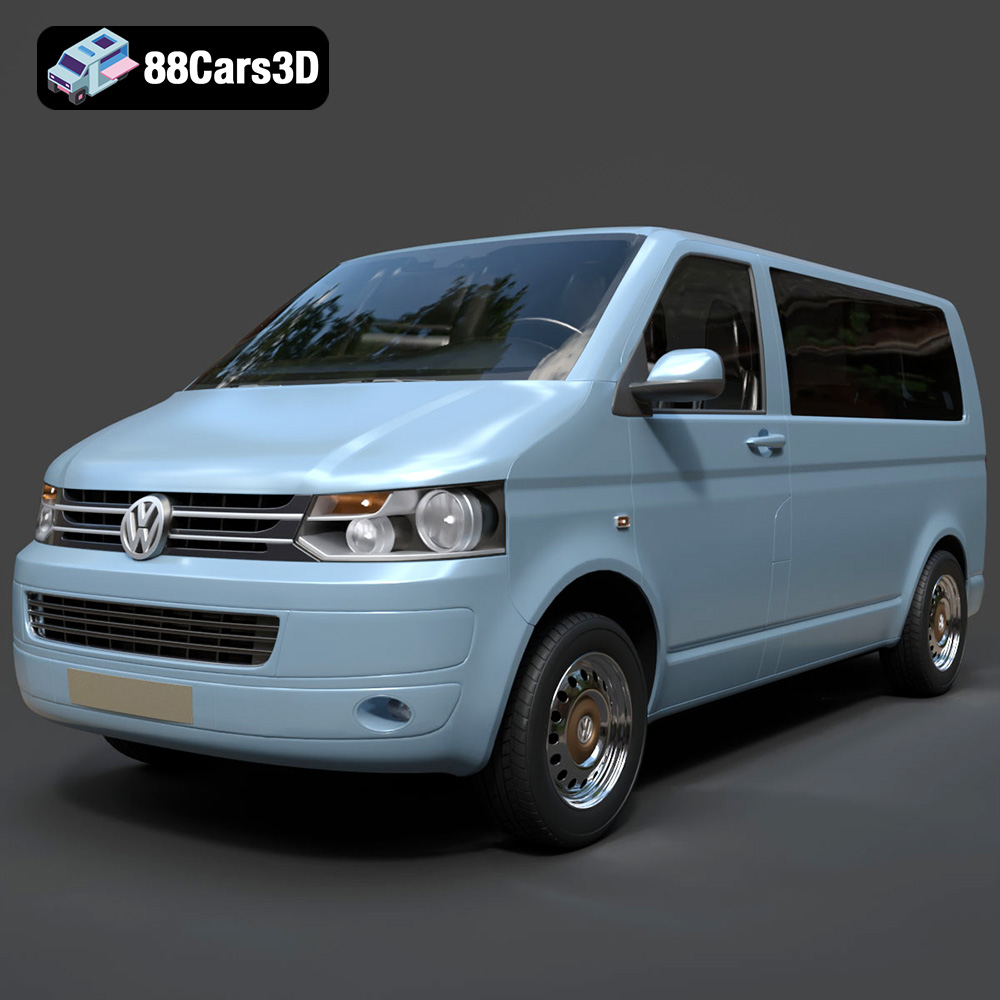
Volkswagen Transporter T5 FL 2010 3D Model
Texture: Yes
Material: Yes
Download the Volkswagen Transporter T5 FL 2010 3D Model featuring clean geometry, realistic detailing, and a fully modeled interior. Includes .blend, .fbx, .obj, .glb, .stl, .ply, .unreal, and .max formats for rendering, simulation, and game development.
Price: $22.99
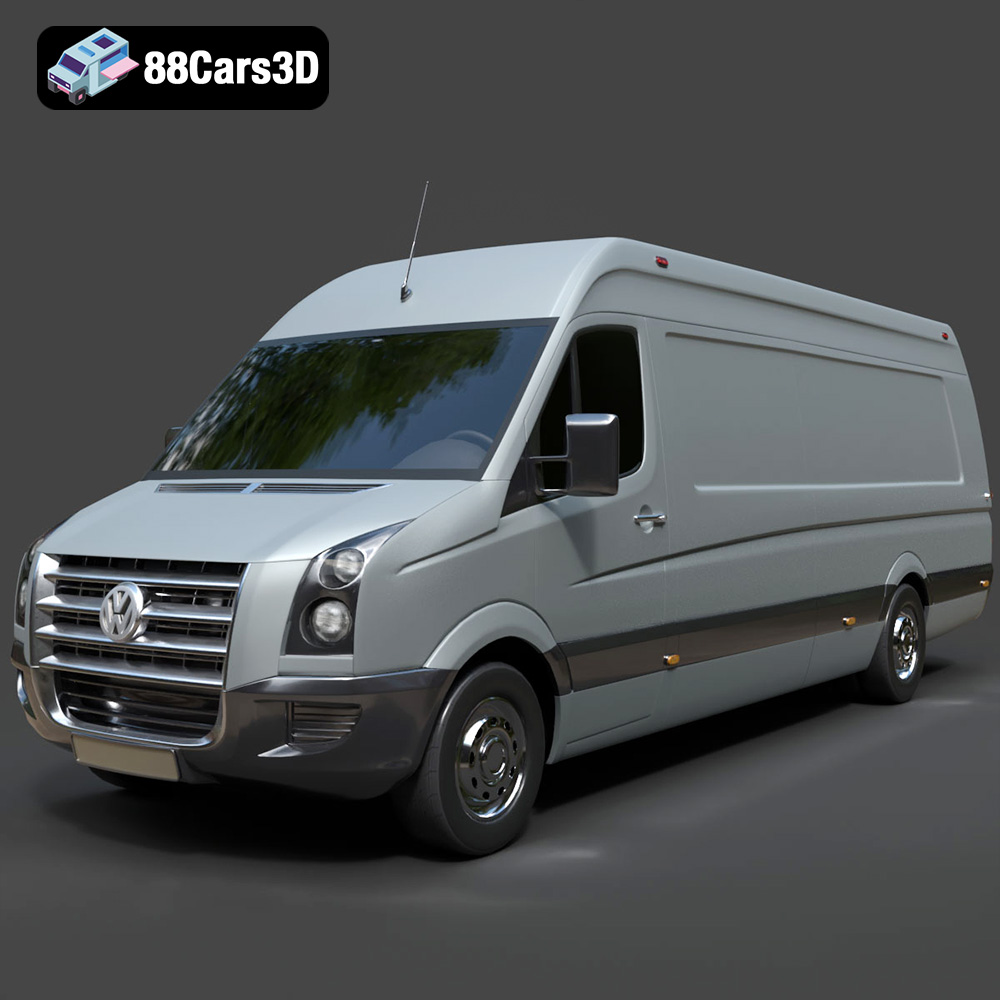
Volkswagen Crafter 2020 3D Model
Texture: Yes
Material: Yes
Download the Volkswagen Crafter 2020 3D Model featuring clean geometry, realistic detailing, and a fully modeled interior. Includes .blend, .fbx, .obj, .glb, .stl, .ply, .unreal, and .max formats for rendering, simulation, and game development.
Price: $22.99
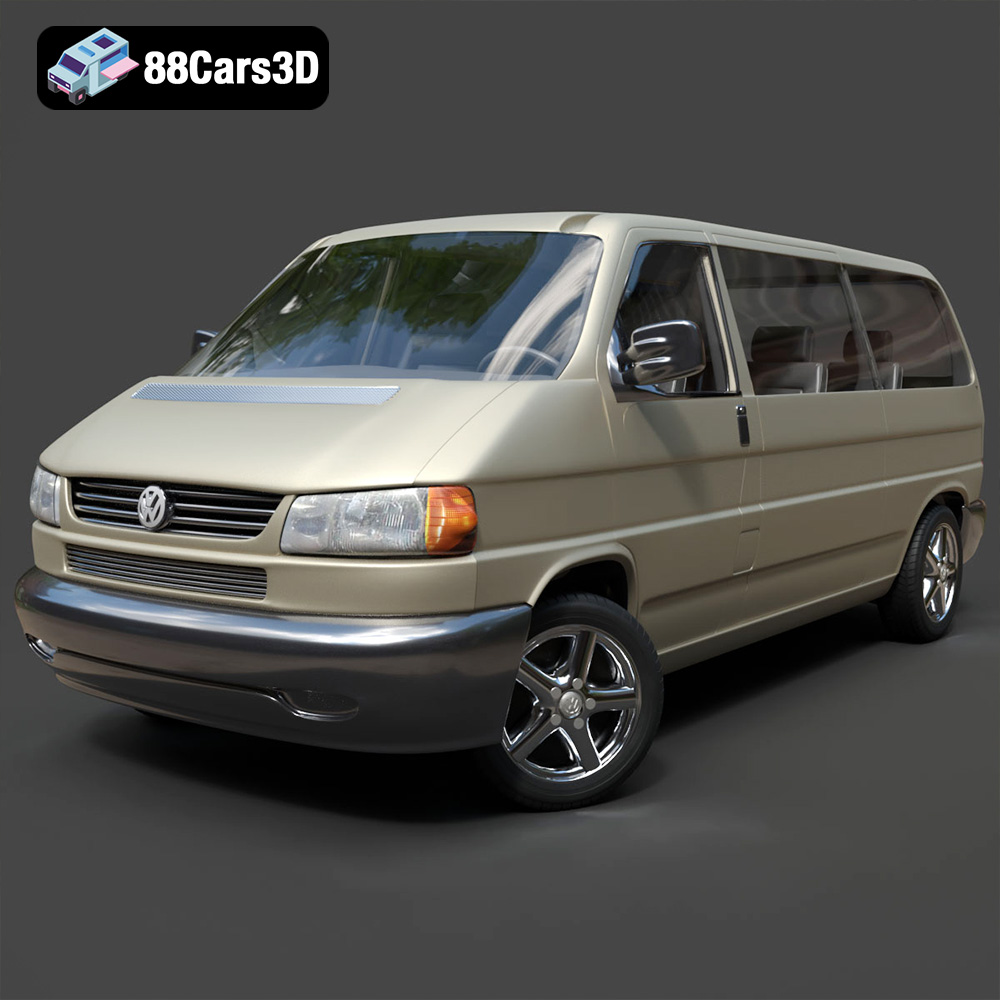
Volkswagen Caravelle 2020 3D Model
Texture: Yes
Material: Yes
Download the Volkswagen Caravelle 3D Model featuring a detailed exterior, functional interior, and optimized topology. Includes .blend, .fbx, .obj, .glb, .stl, .ply, .unreal, and .max formats for rendering, simulation, and game development.
Price: $23.99
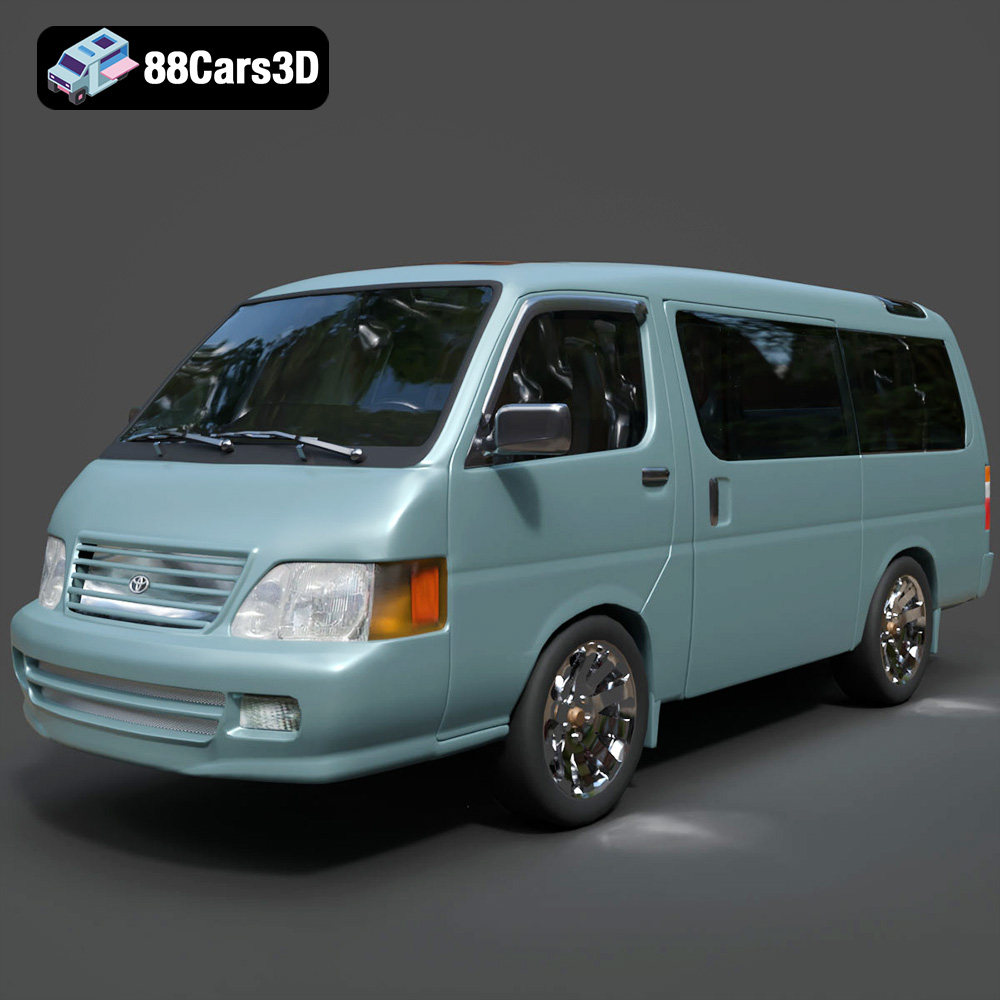
Toyota Hiace 3D Model
Texture: Yes
Material: Yes
Download the Toyota Hiace 3D Model featuring versatile design and detailed exterior. Includes .blend, .fbx, .obj, .glb, .stl, .ply, .unreal, and .max formats for rendering, simulation, and game development.
Price: $21.99
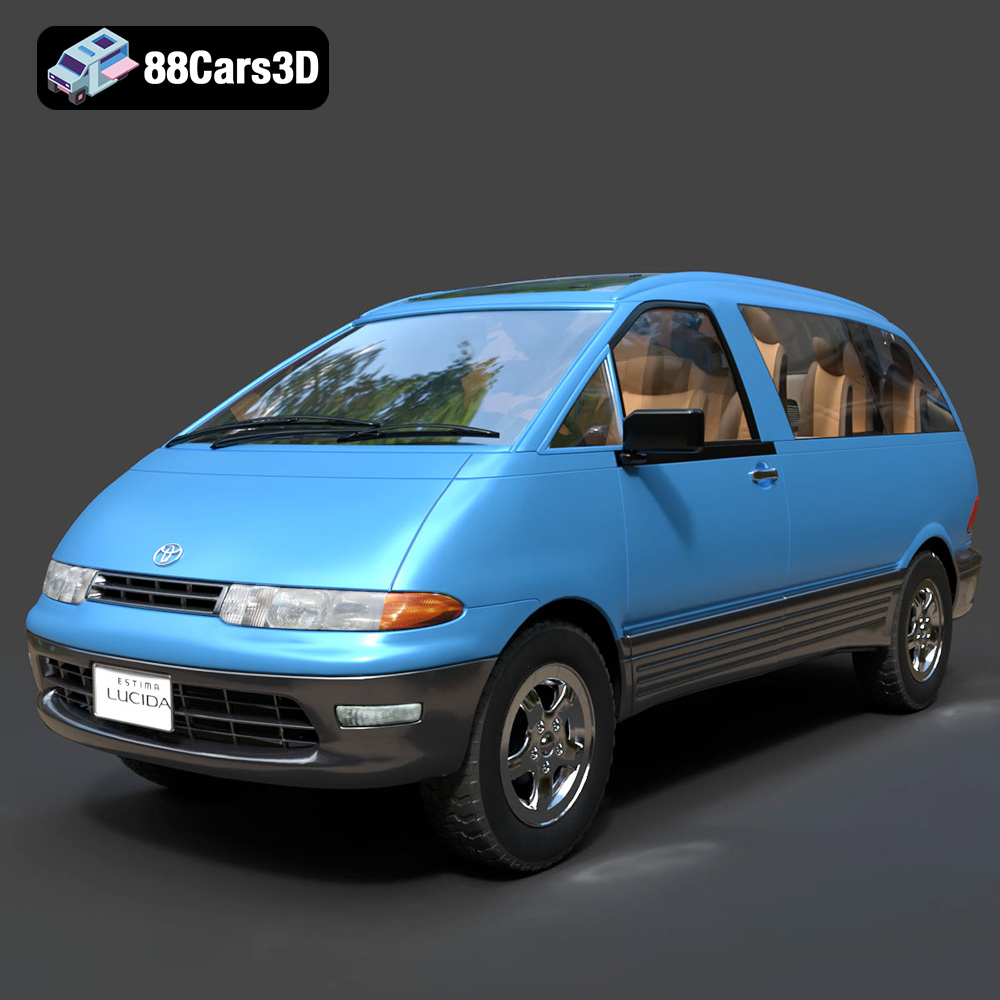
Toyota Estima Lucida 3D Model
Texture: Yes
Material: Yes
Download the Toyota Estima Lucida 3D Model featuring its iconic compact MPV design, versatile interior, and accurate exterior details. Includes .blend, .fbx, .obj, .glb, .stl, .ply, .unreal, and .max formats for rendering, simulation, and game development.
Price: $24.99

Toyota Alphard 3D Model
Texture: Yes
Material: Yes
Download the Toyota Alphard 3D Model featuring a detailed luxury minivan design with an accurate exterior and interior. Includes .blend, .fbx, .obj, .glb, .stl, .ply, .unreal, and .max formats for rendering, simulation, and game development.
Price: $21.99
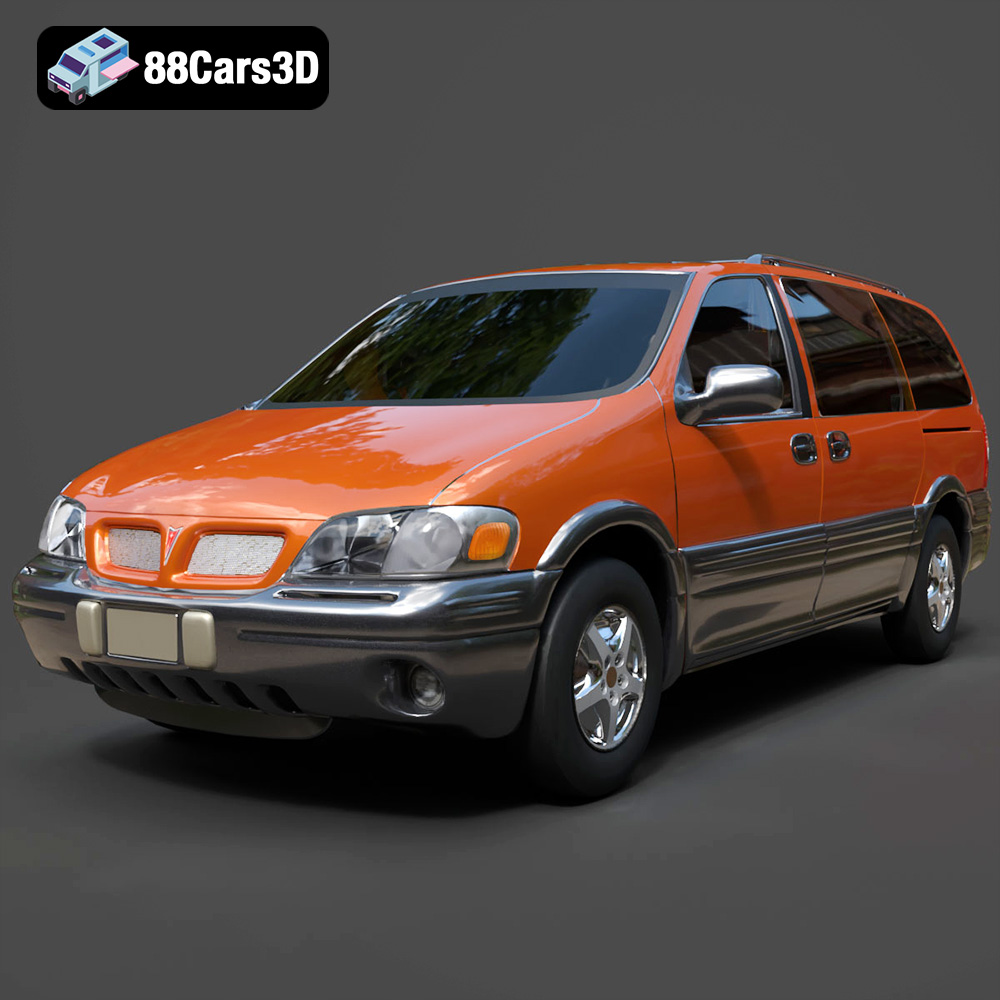
Pontiac Montana 1998 3D Model
Texture: Yes
Material: Yes
Download the Pontiac Montana 1998 3D Model featuring a detailed exterior, functional interior, and optimized mesh. Includes .blend, .fbx, .obj, .glb, .stl, .ply, .unreal, and .max formats for rendering, simulation, and game development.
Price: $21.99
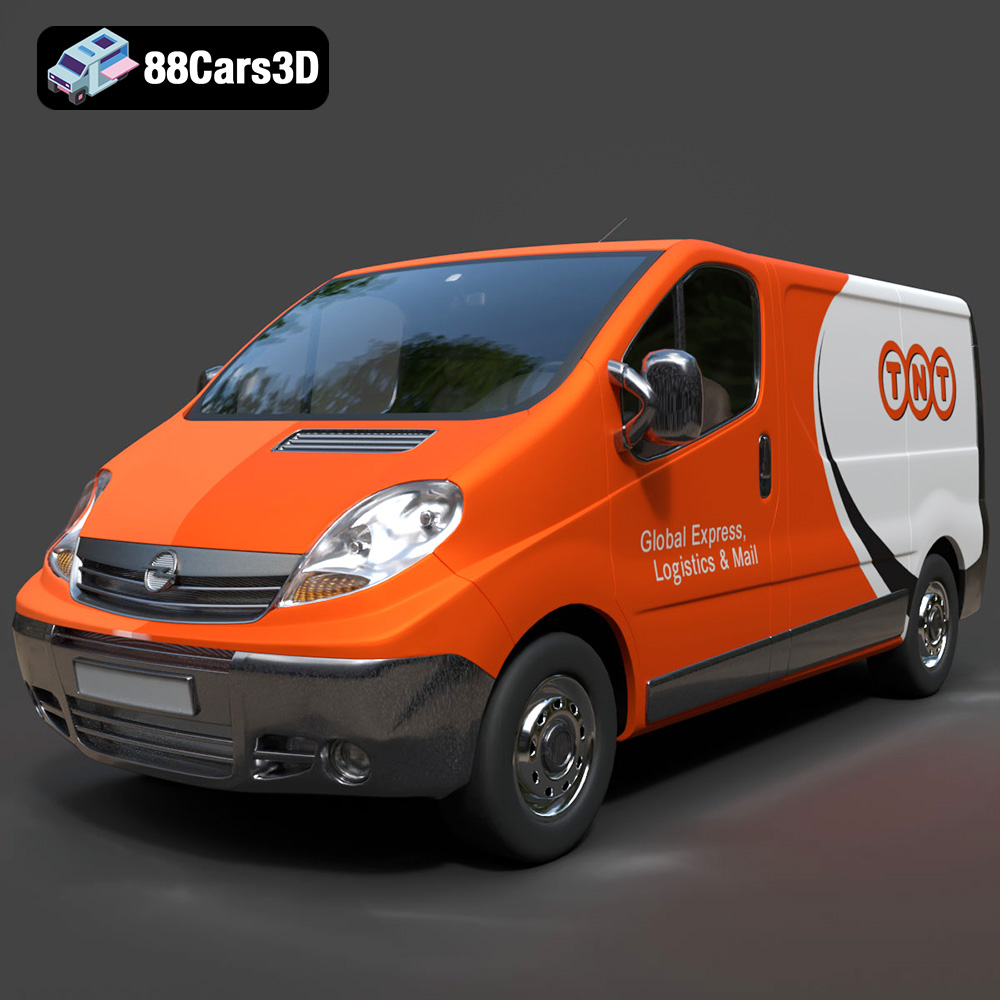
Opel Vivaro 3D Model
Texture: Yes
Material: Yes
Download the Opel Vivaro 3D Model featuring a versatile commercial van design with balanced detailing. Includes .blend, .fbx, .obj, .glb, .stl, .ply, .unreal, and .max formats for rendering, simulation, and game development.
Price: $21.99
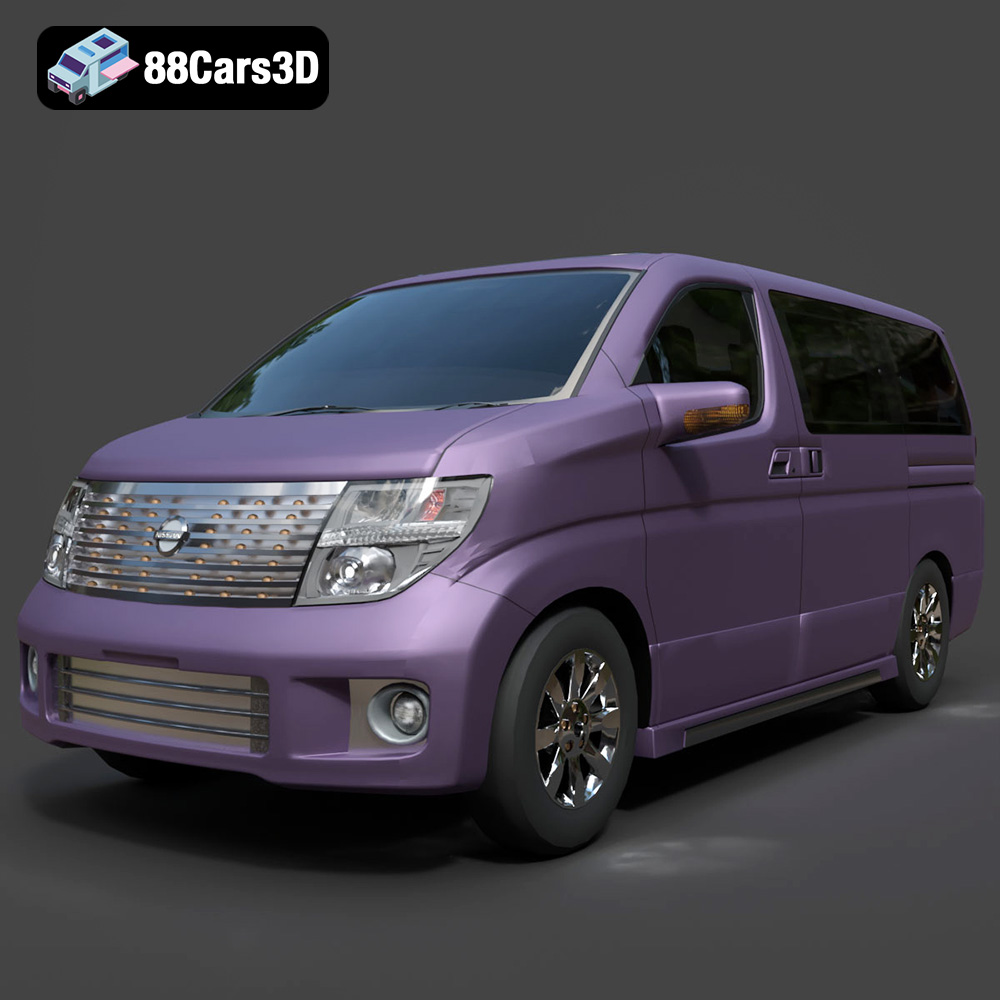
Nissan Elgrand 3D Model
Texture: Yes
Material: Yes
Download the Nissan Elgrand 3D Model featuring a versatile minivan design. Includes .blend, .fbx, .obj, .glb, .stl, .ply, .unreal, and .max formats for rendering, simulation, and game development.
Price: $21.99
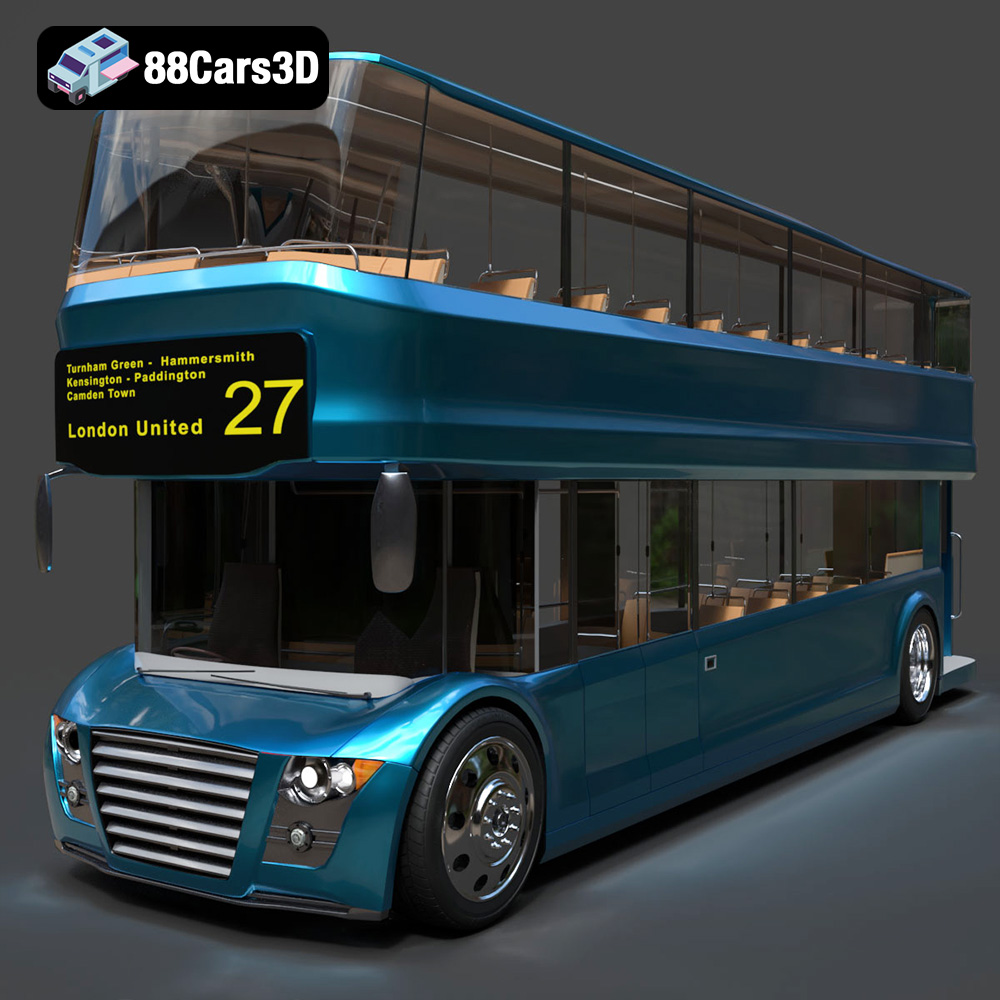
New Bus For London 3D Model
Texture: Yes
Material: Yes
Download the New Bus For London 3D Model featuring a detailed exterior and interior, optimized for rendering and animation. Includes .blend, .fbx, .obj, .glb, .stl, .ply, .unreal, and .max formats for rendering, simulation, and game development.
Price: $21.99
