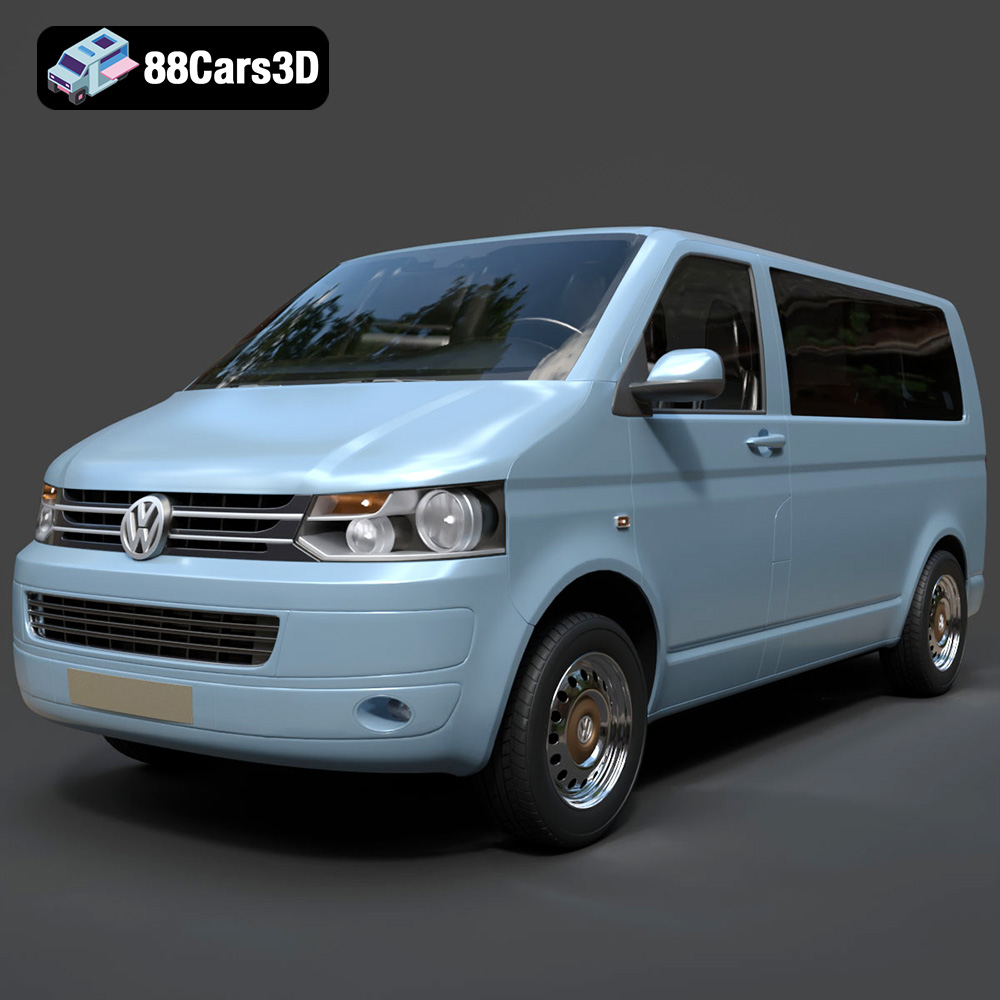
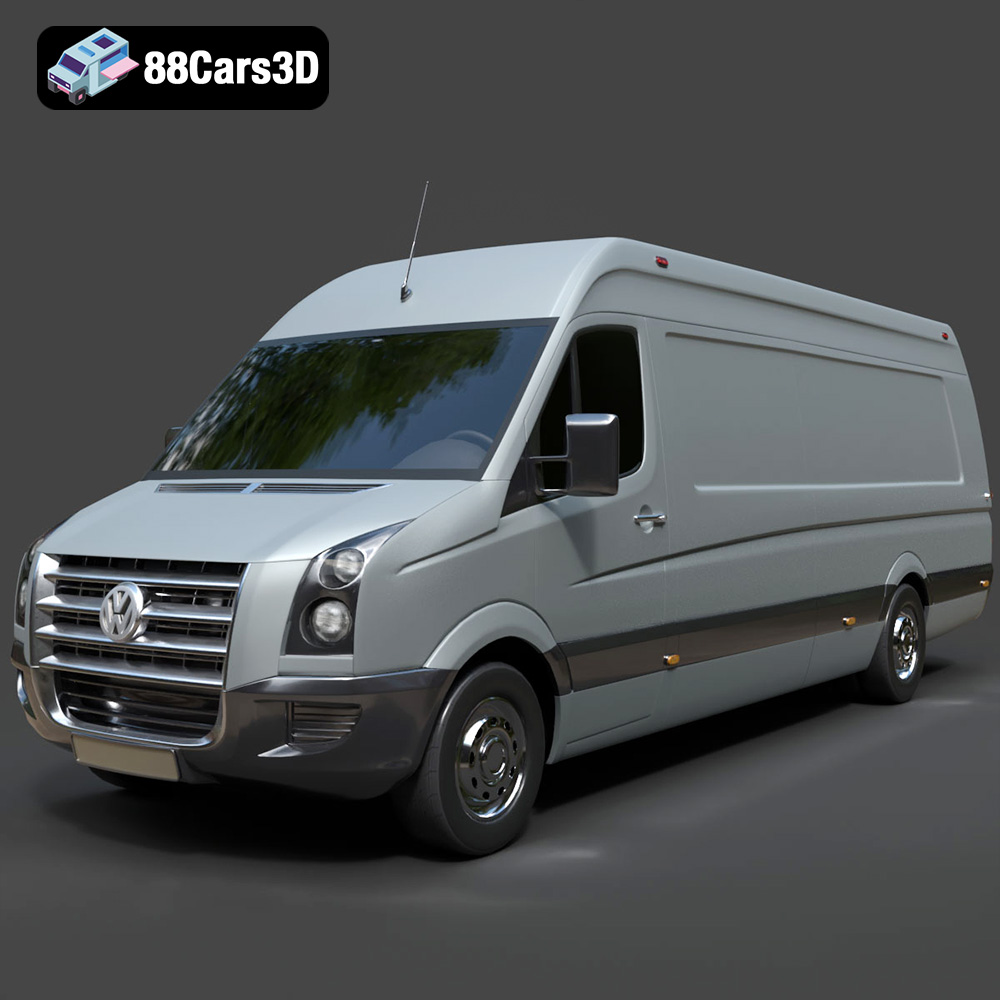
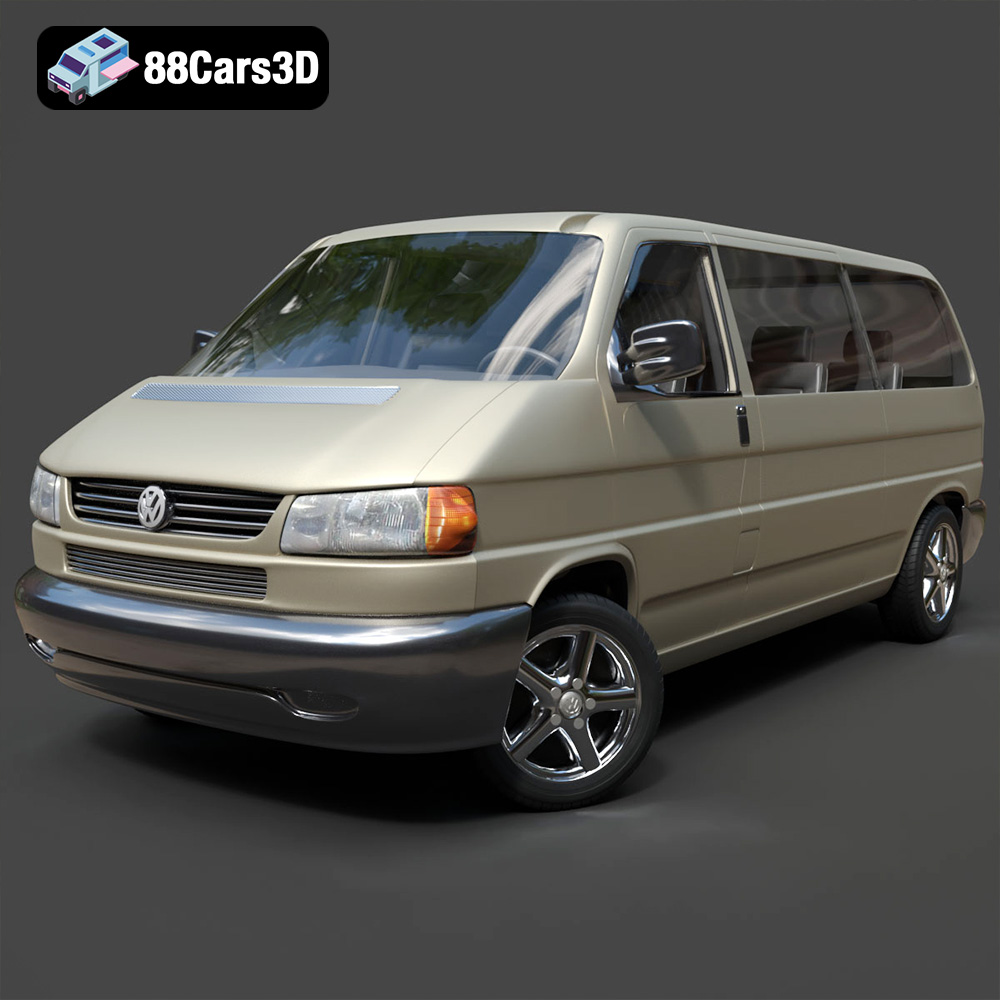
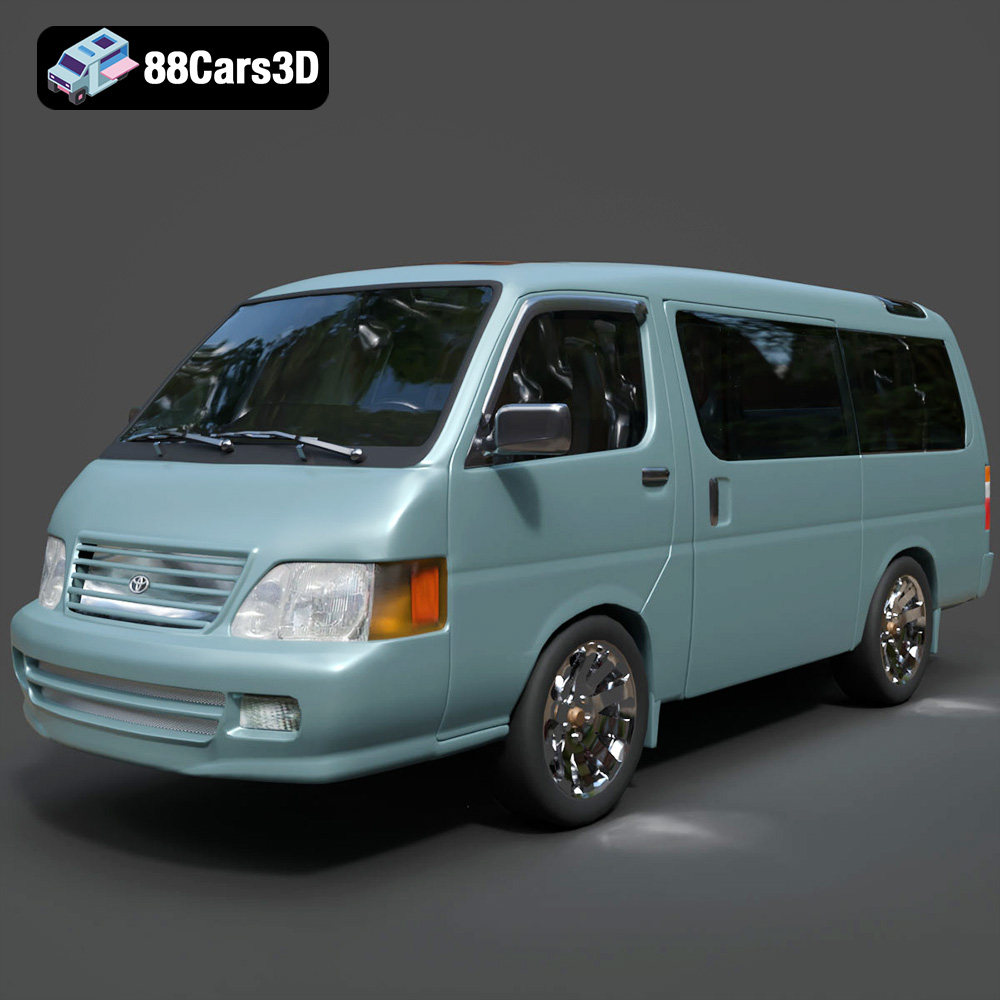
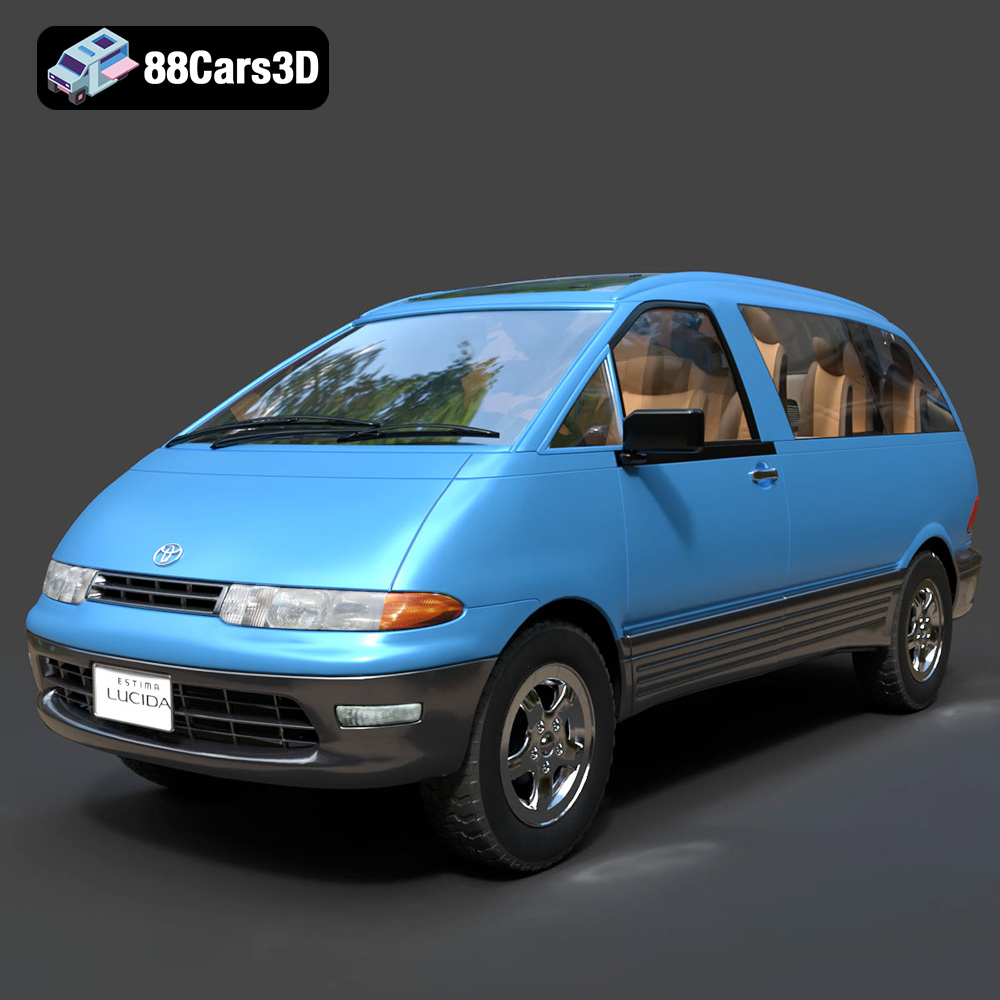
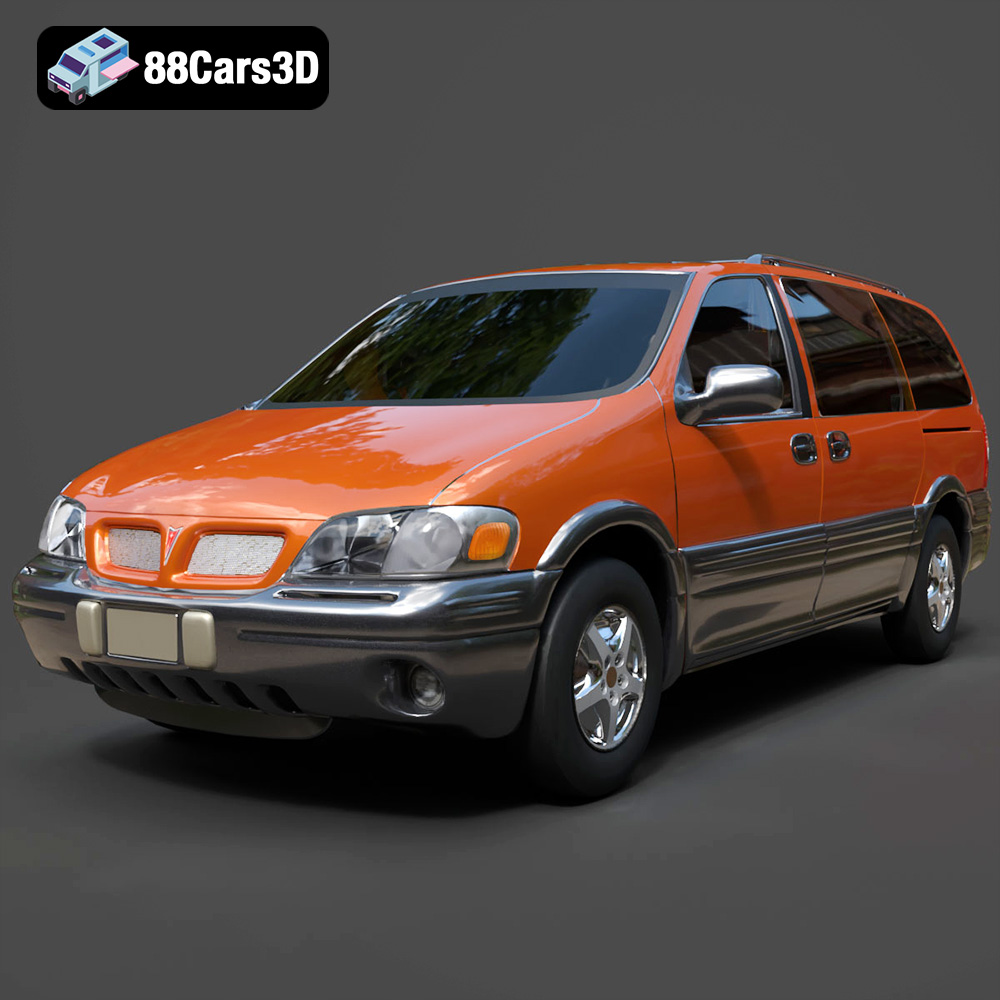
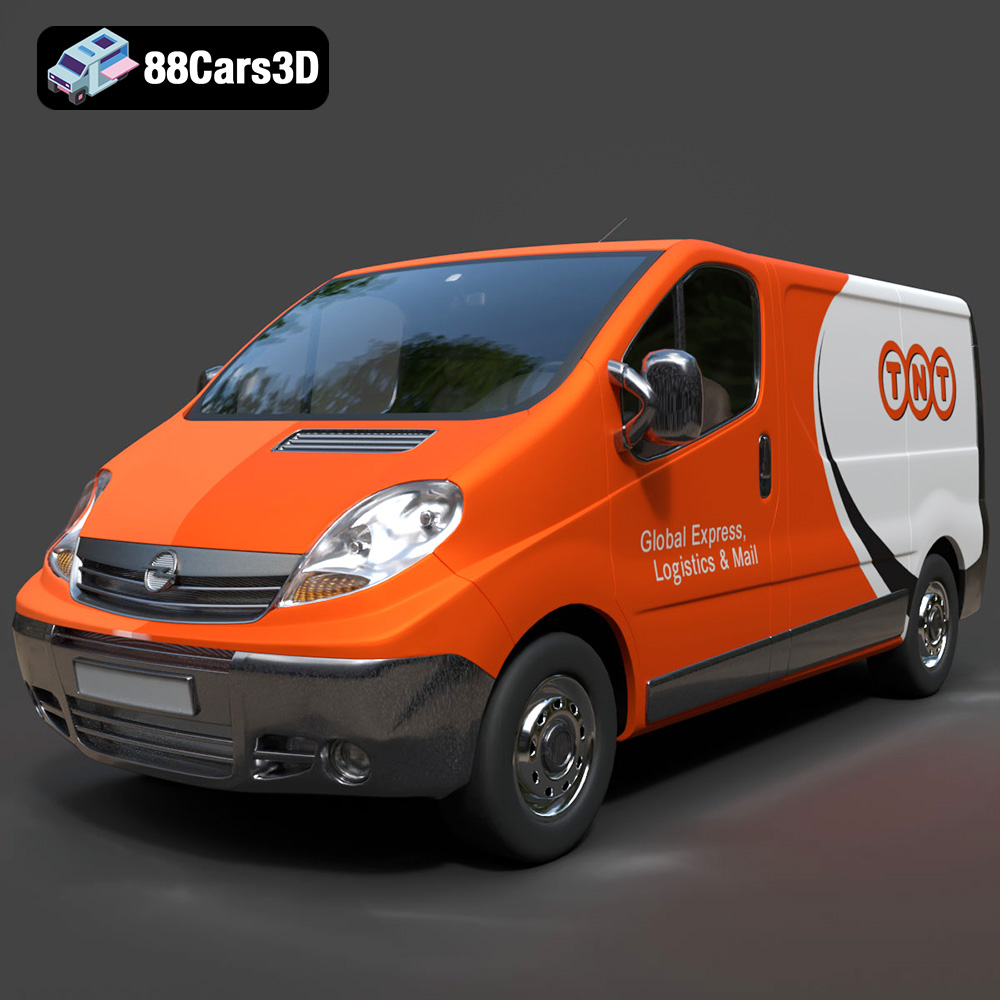
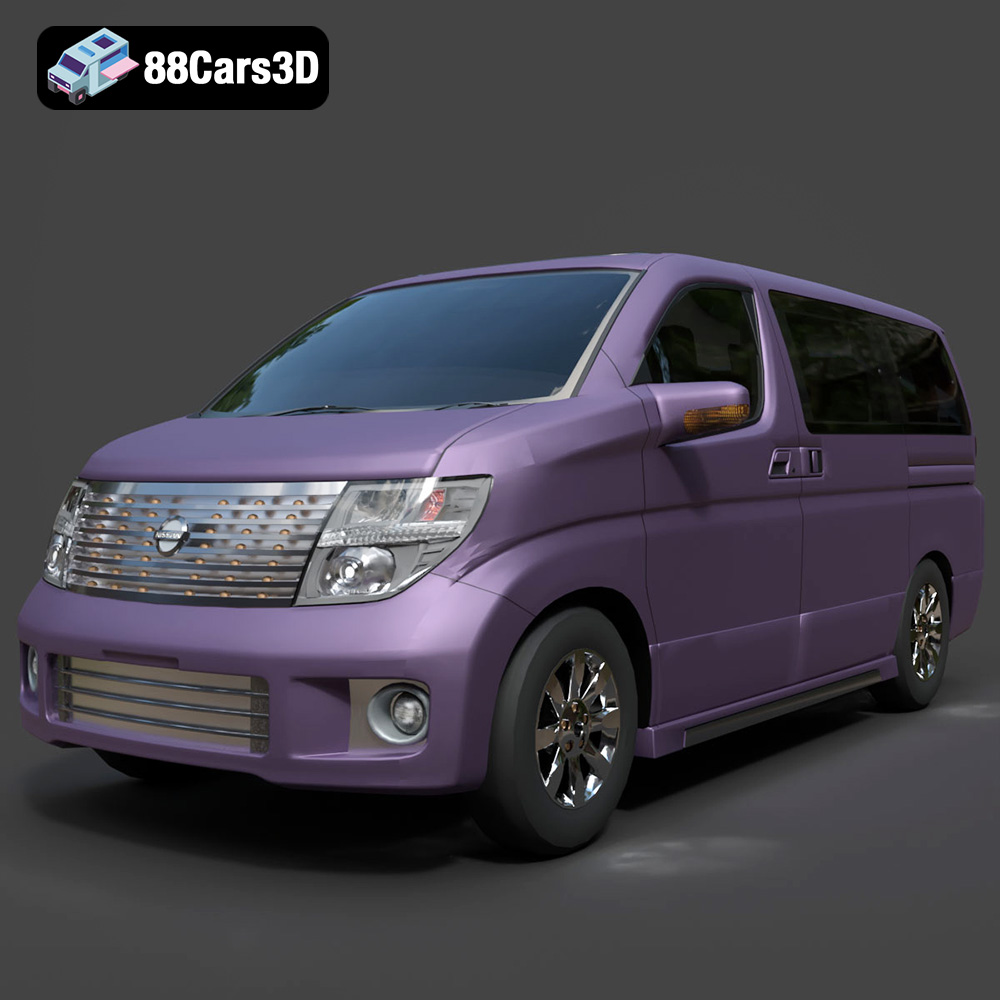
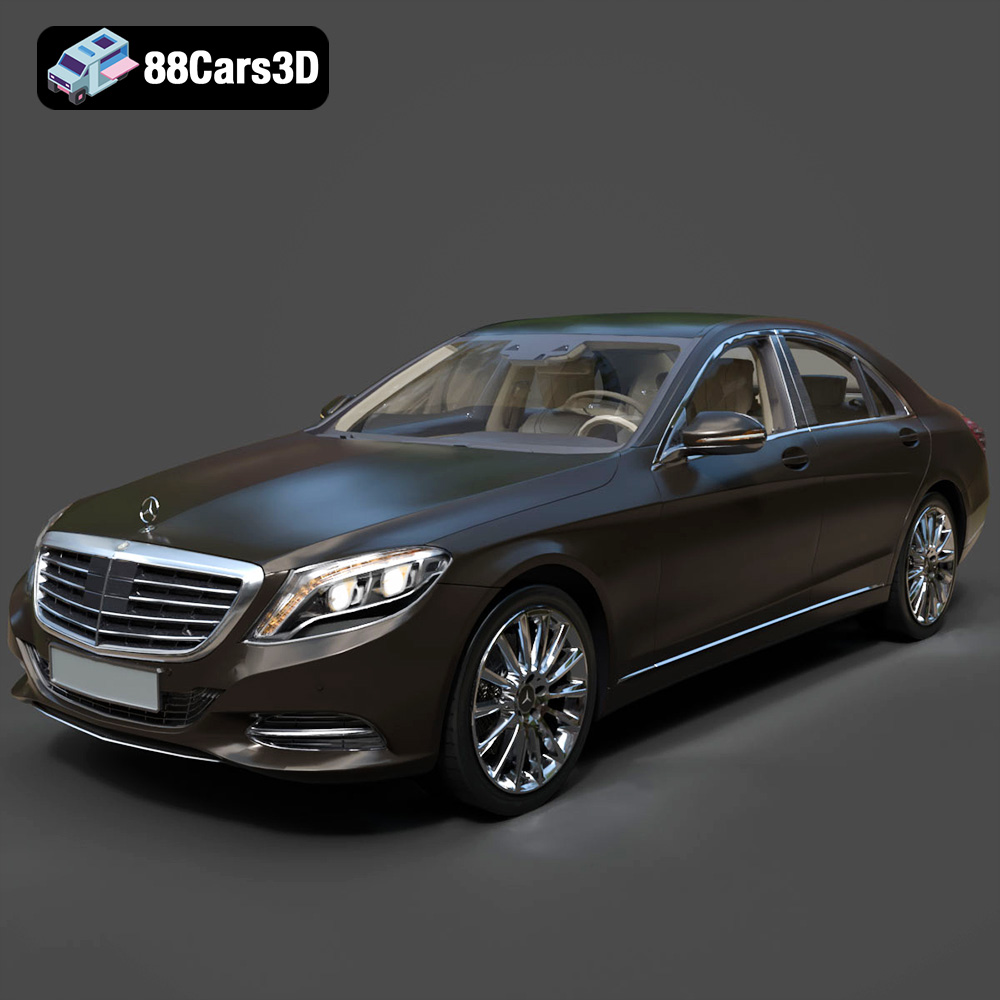
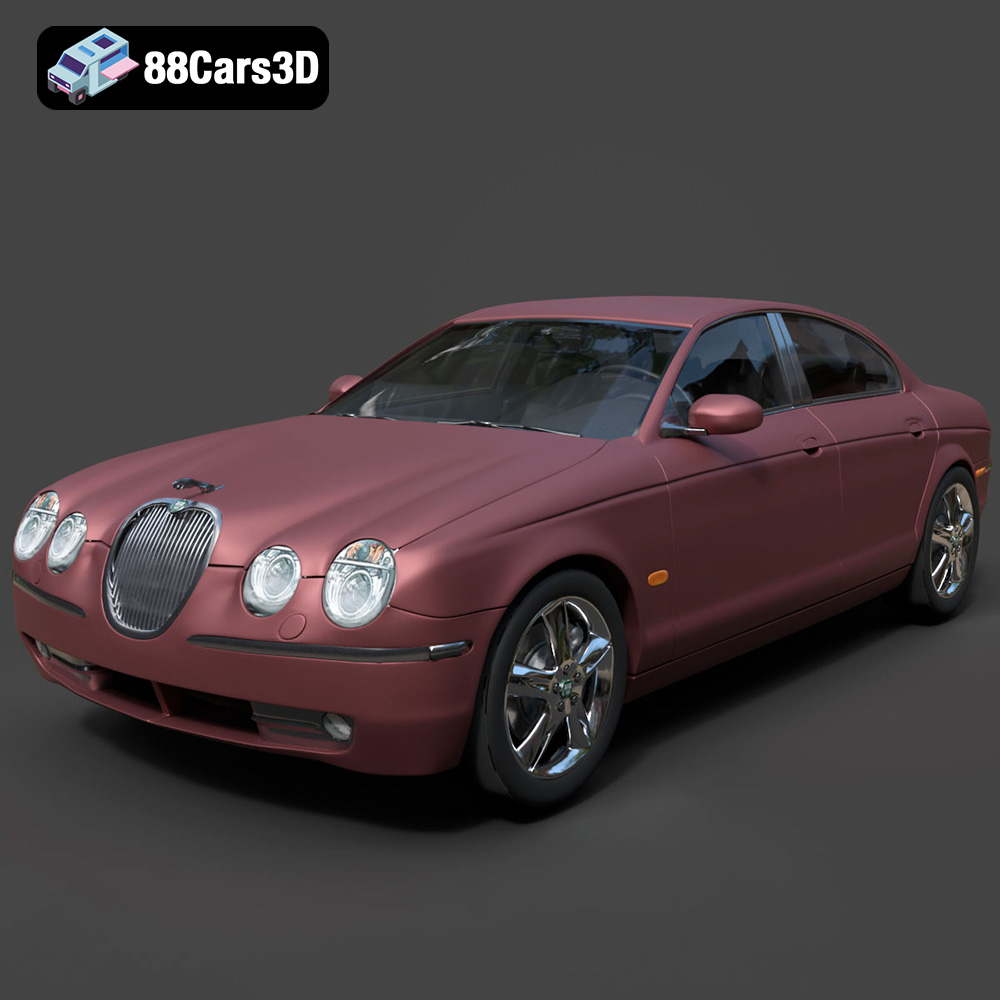
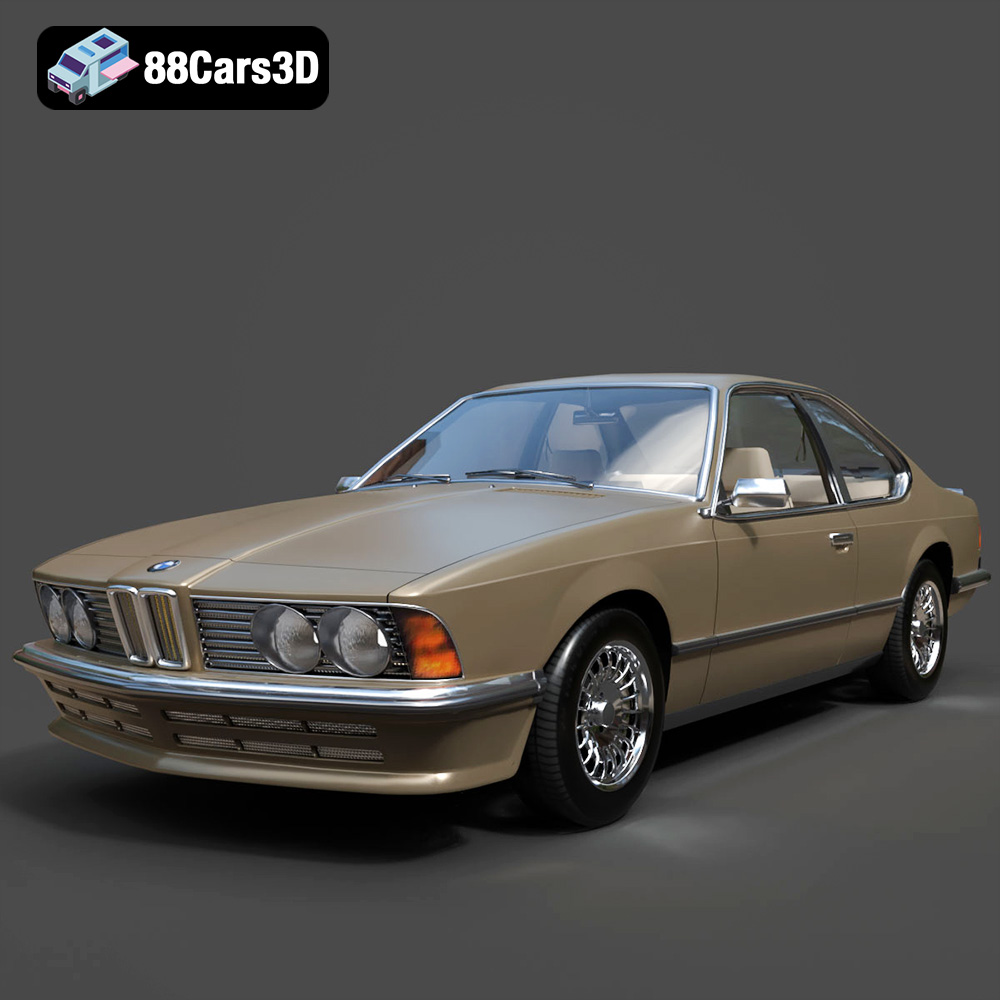
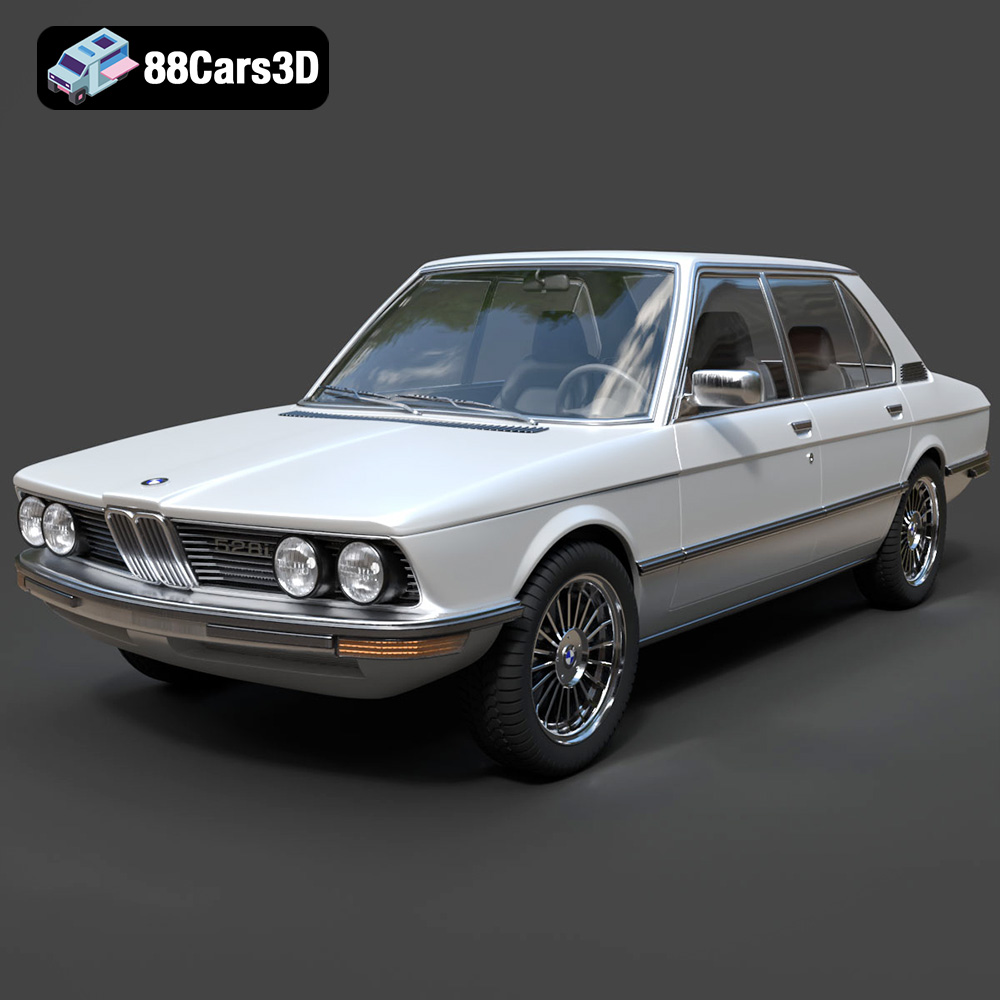
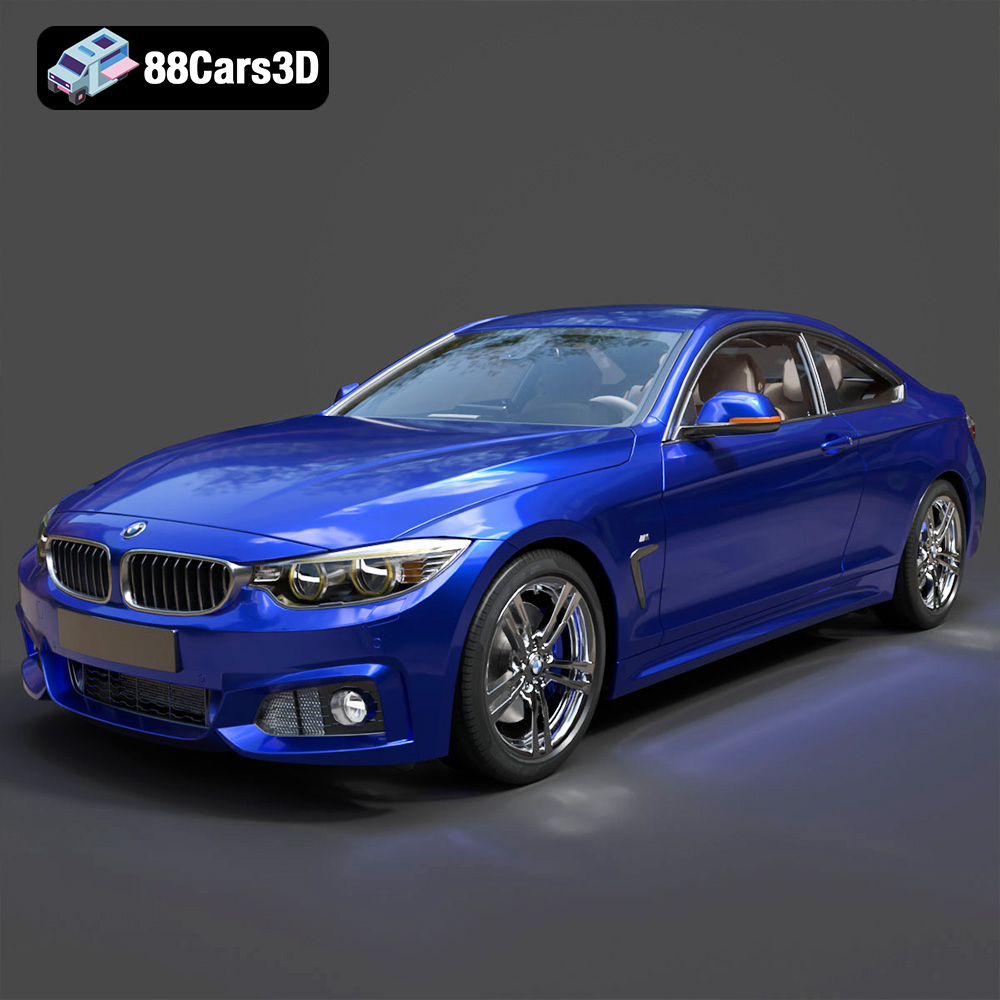
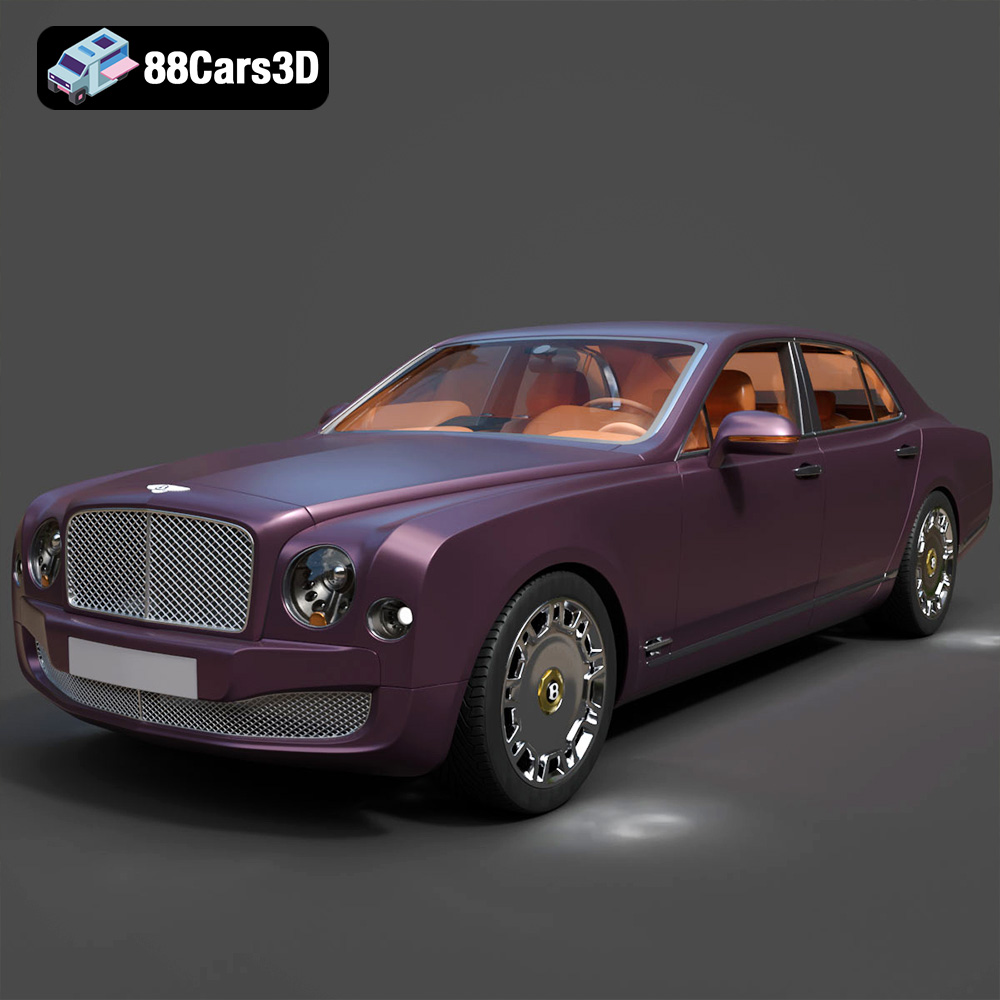
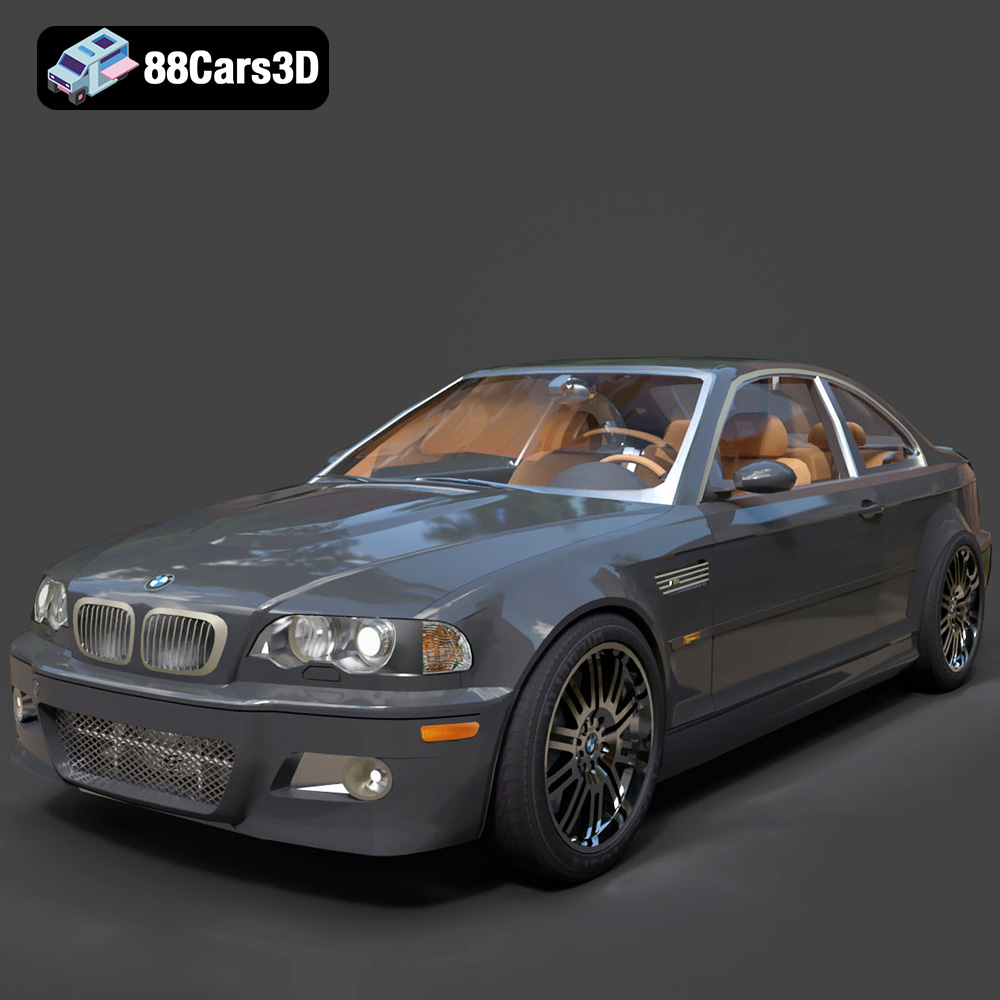
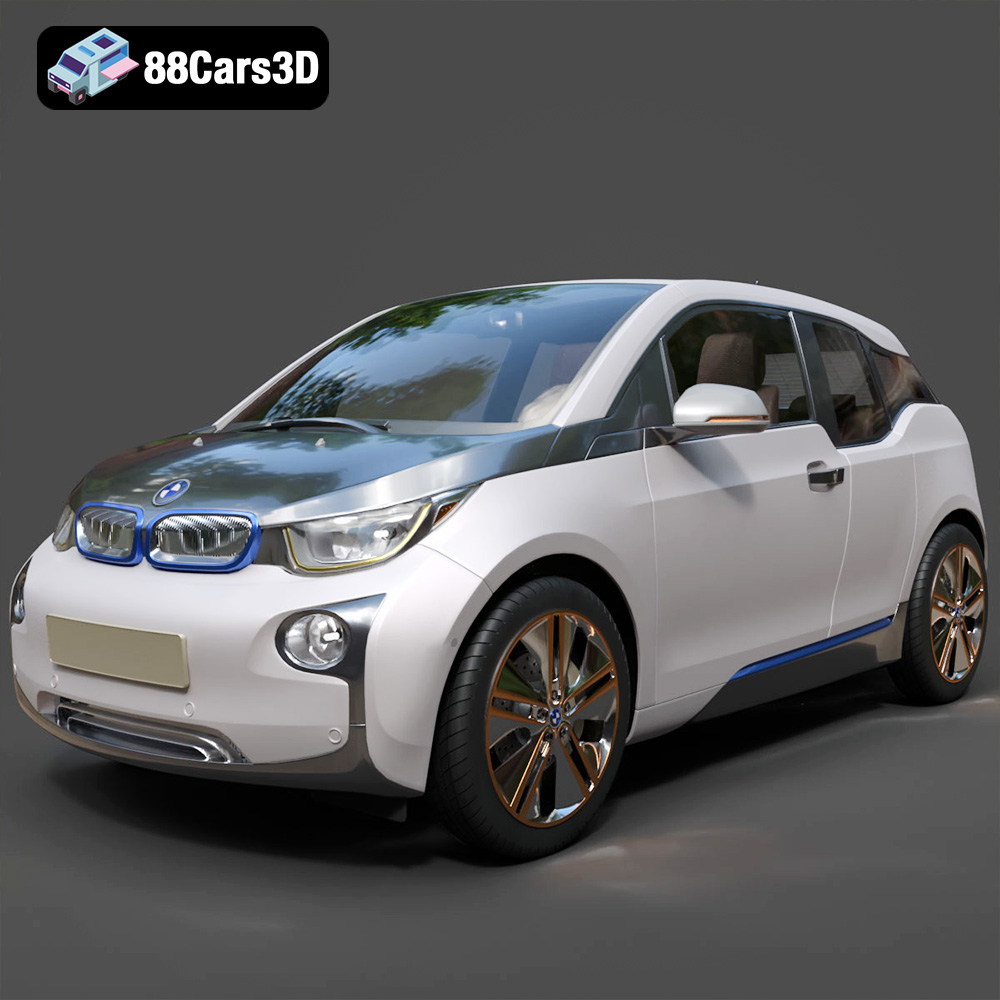
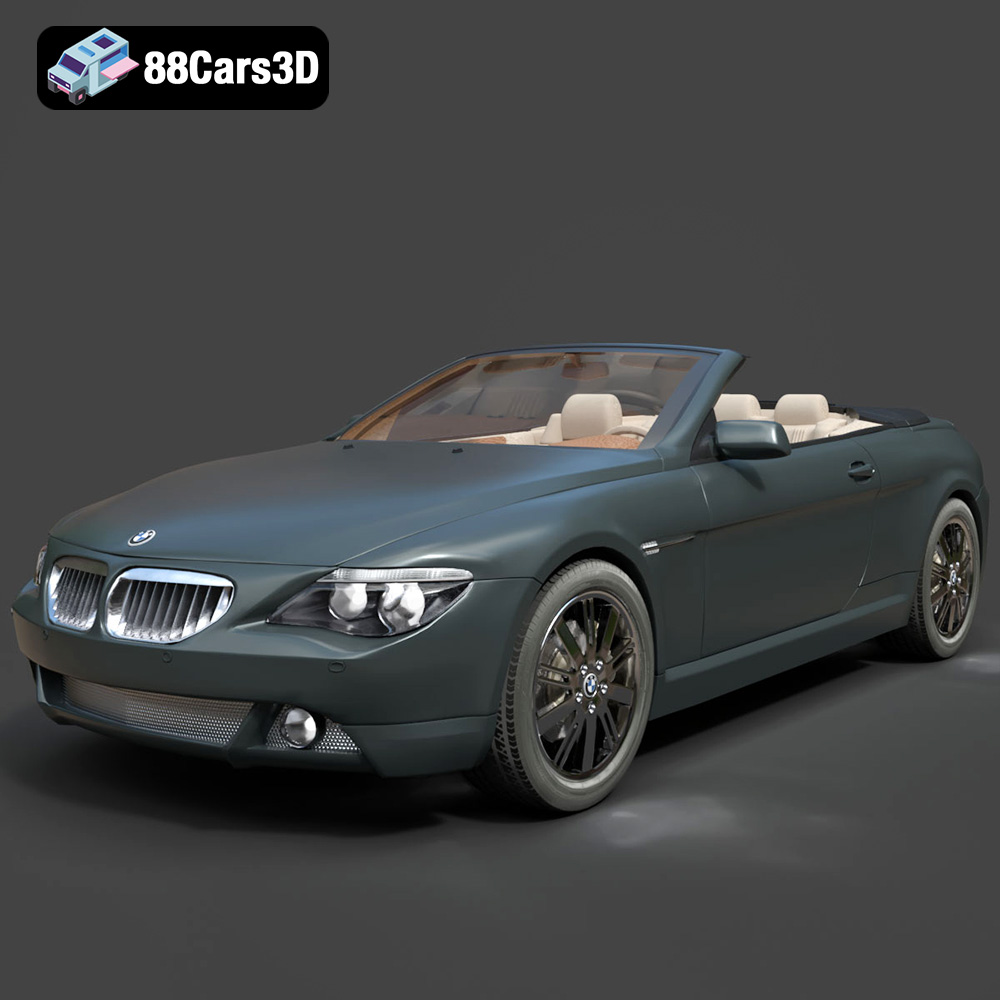
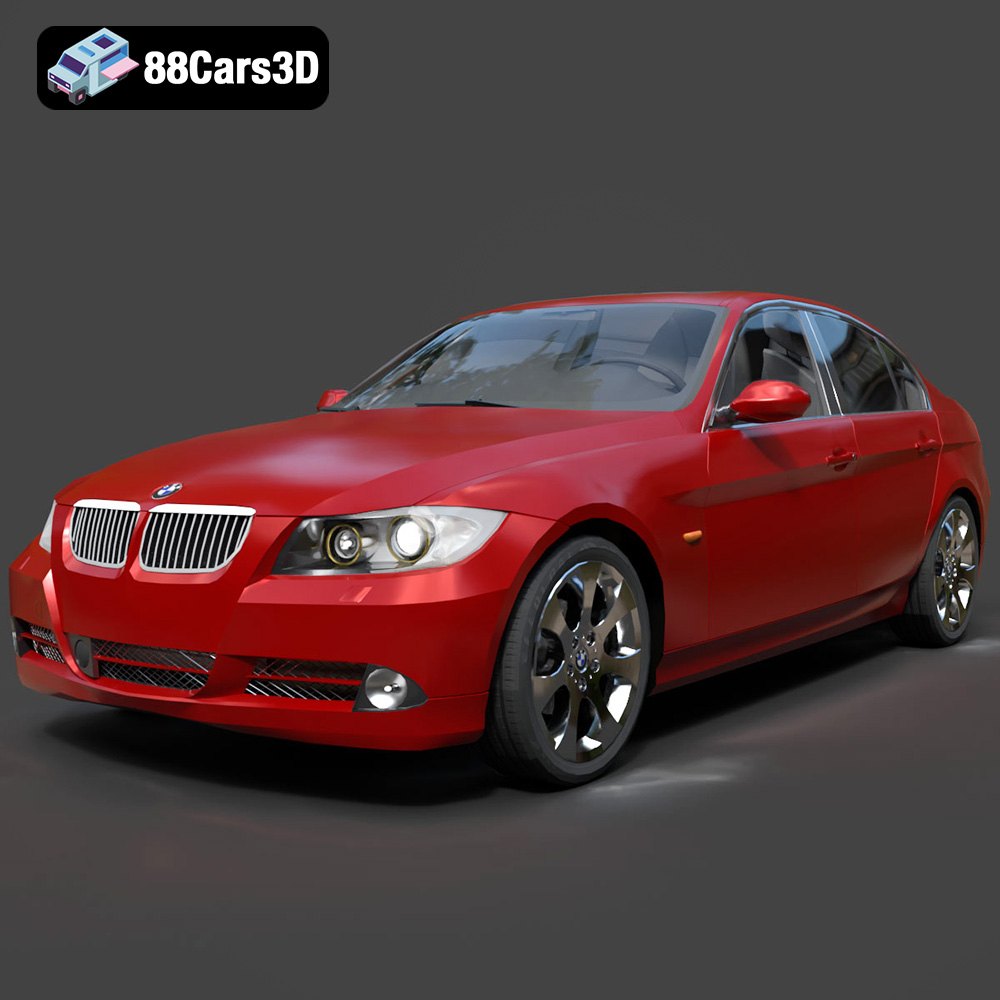
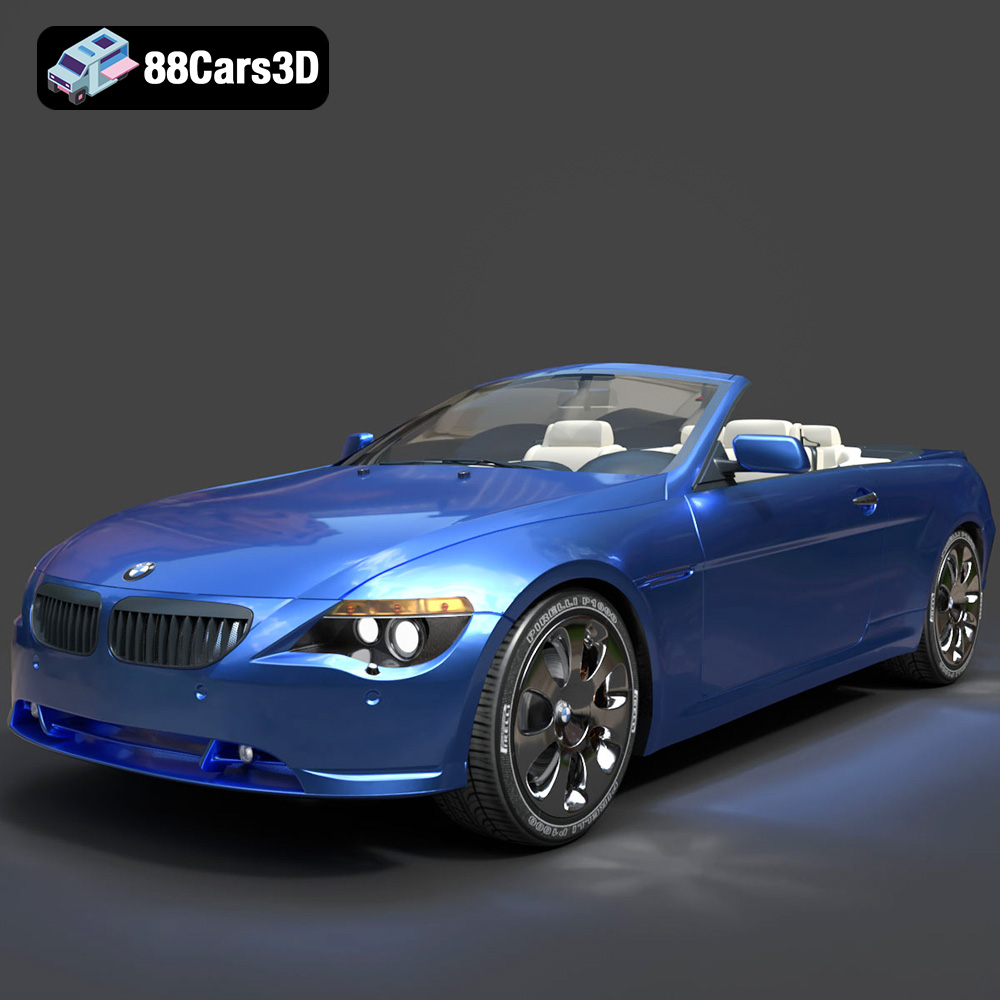
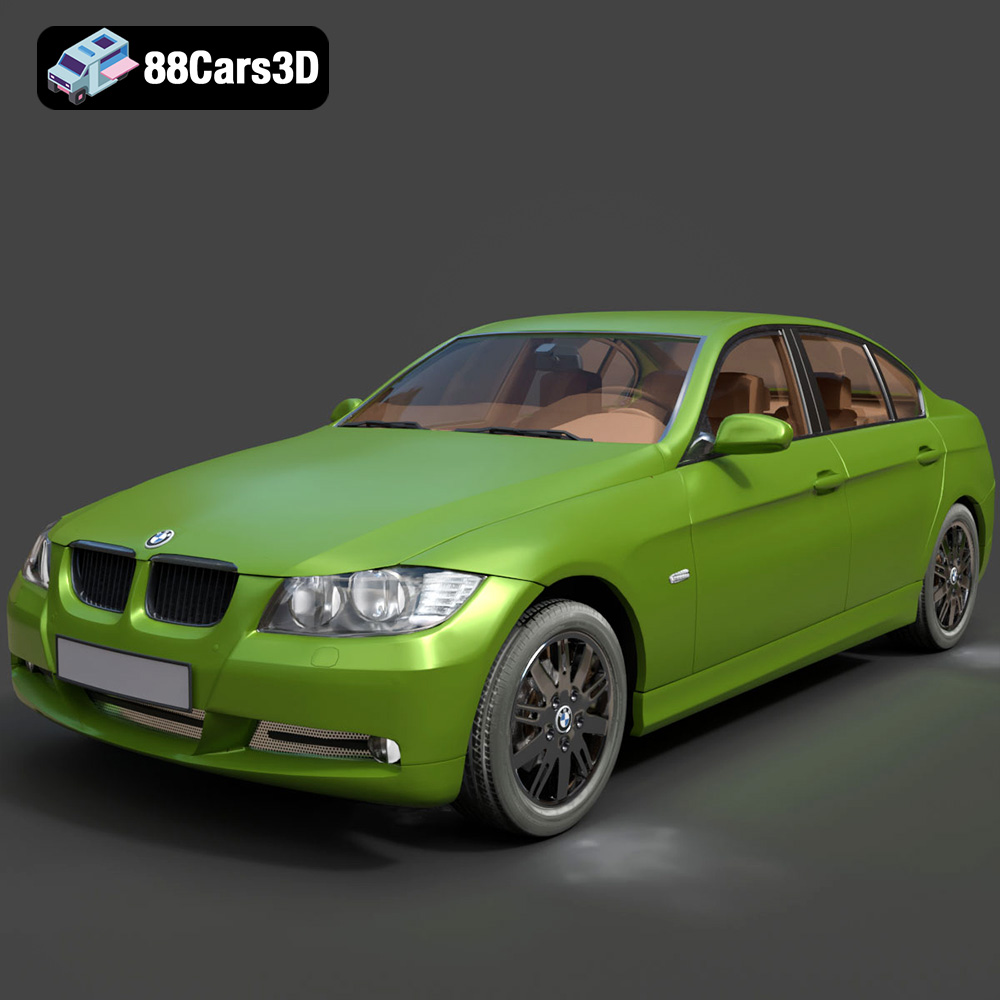
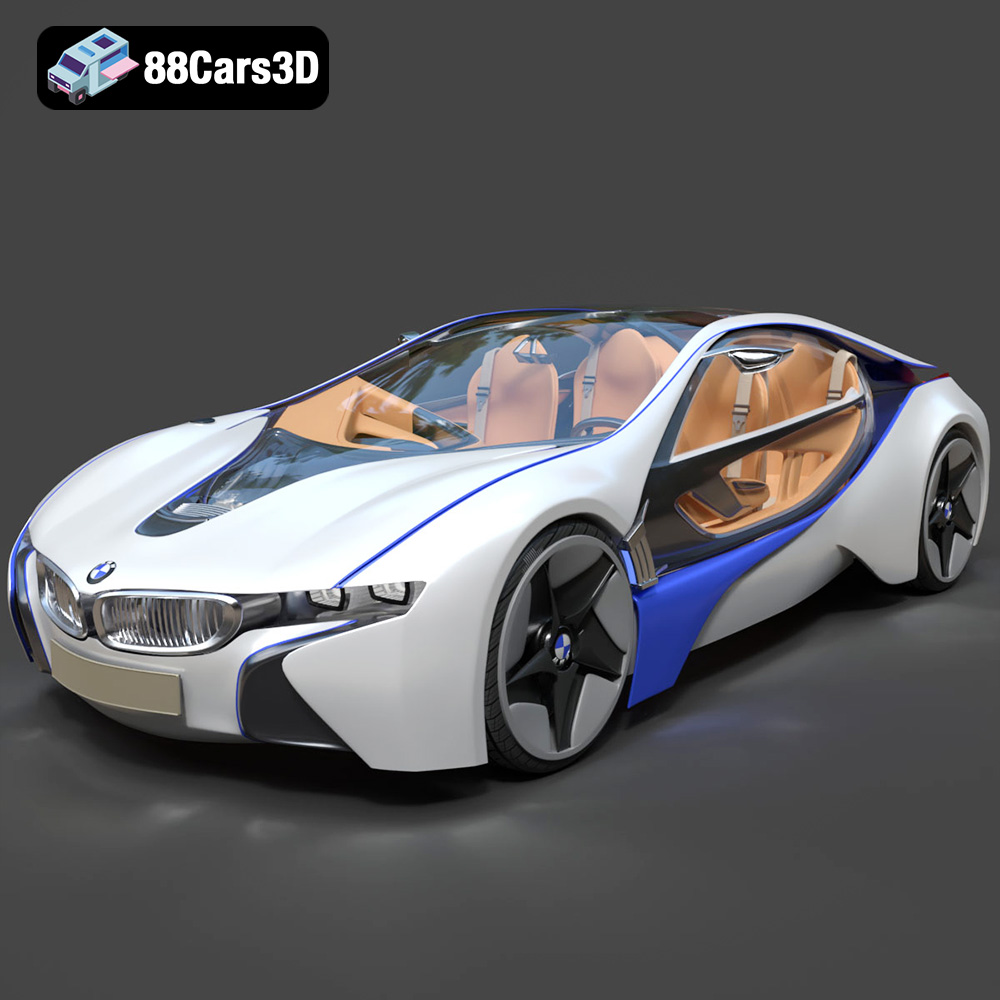
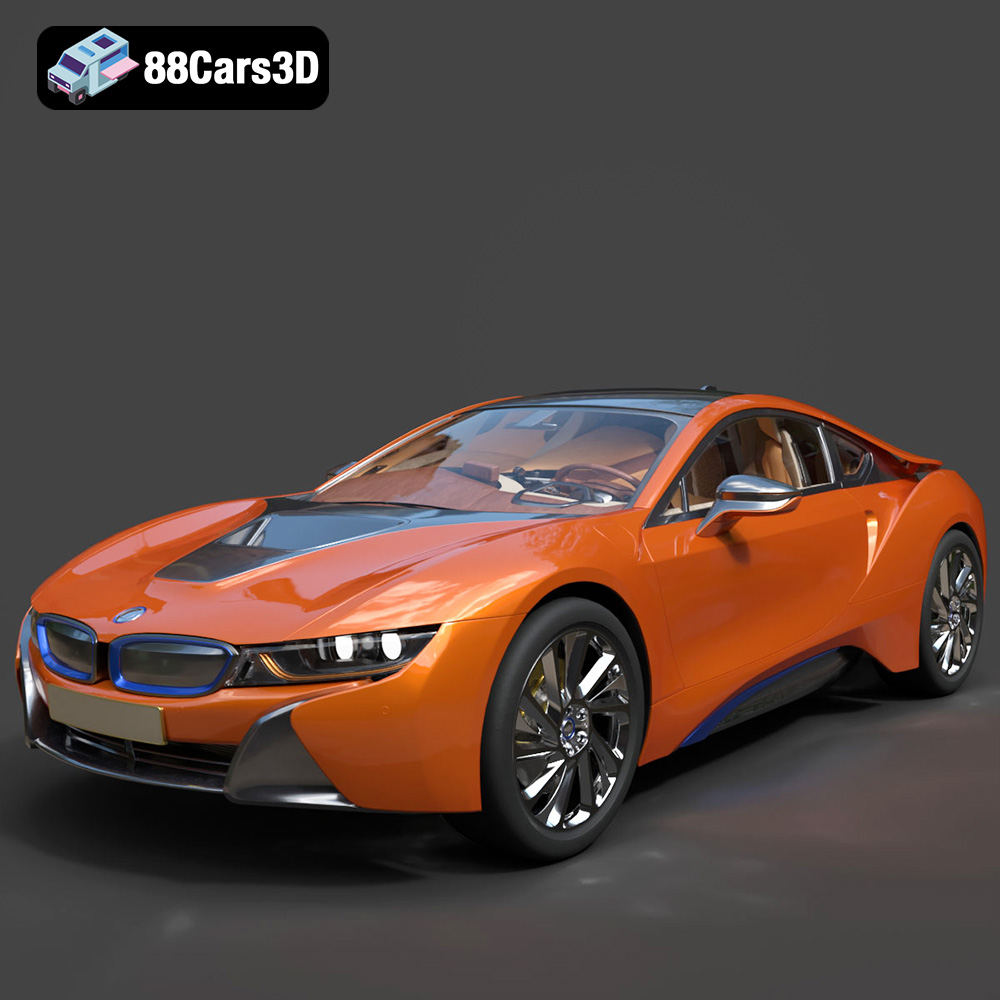
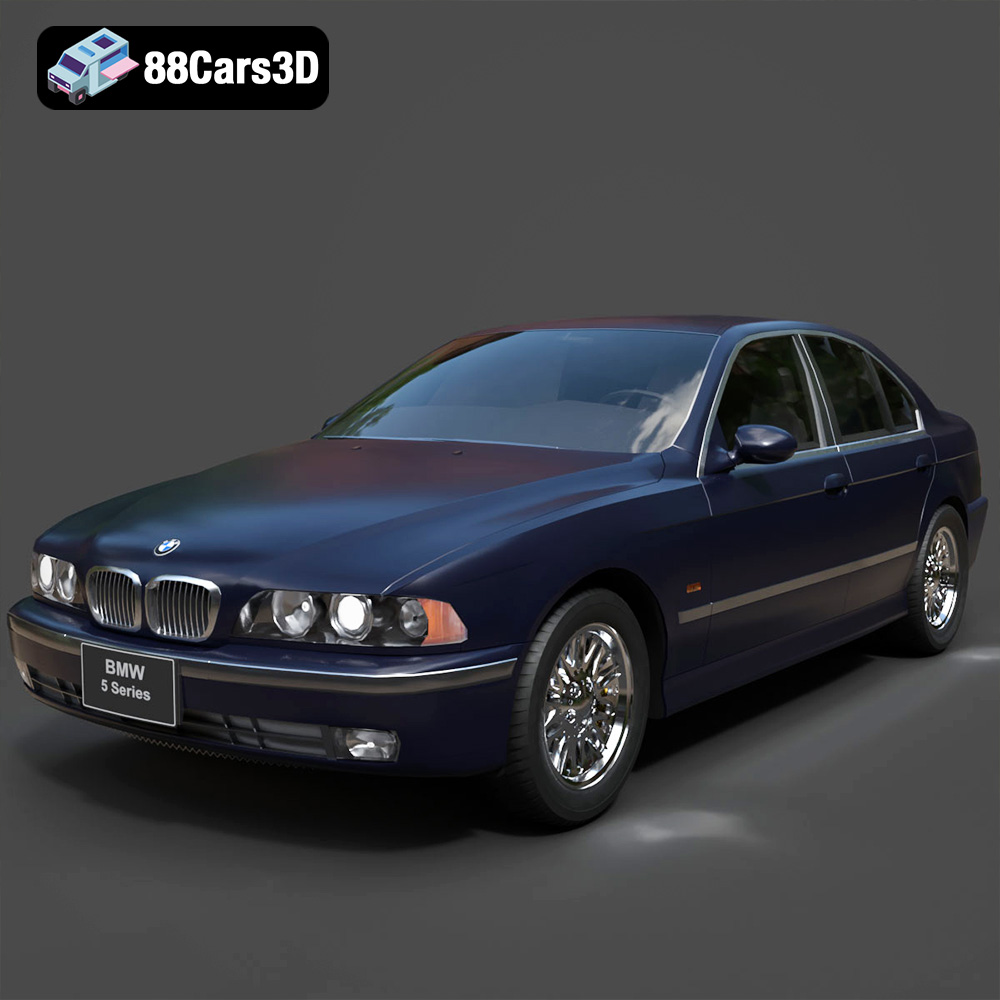
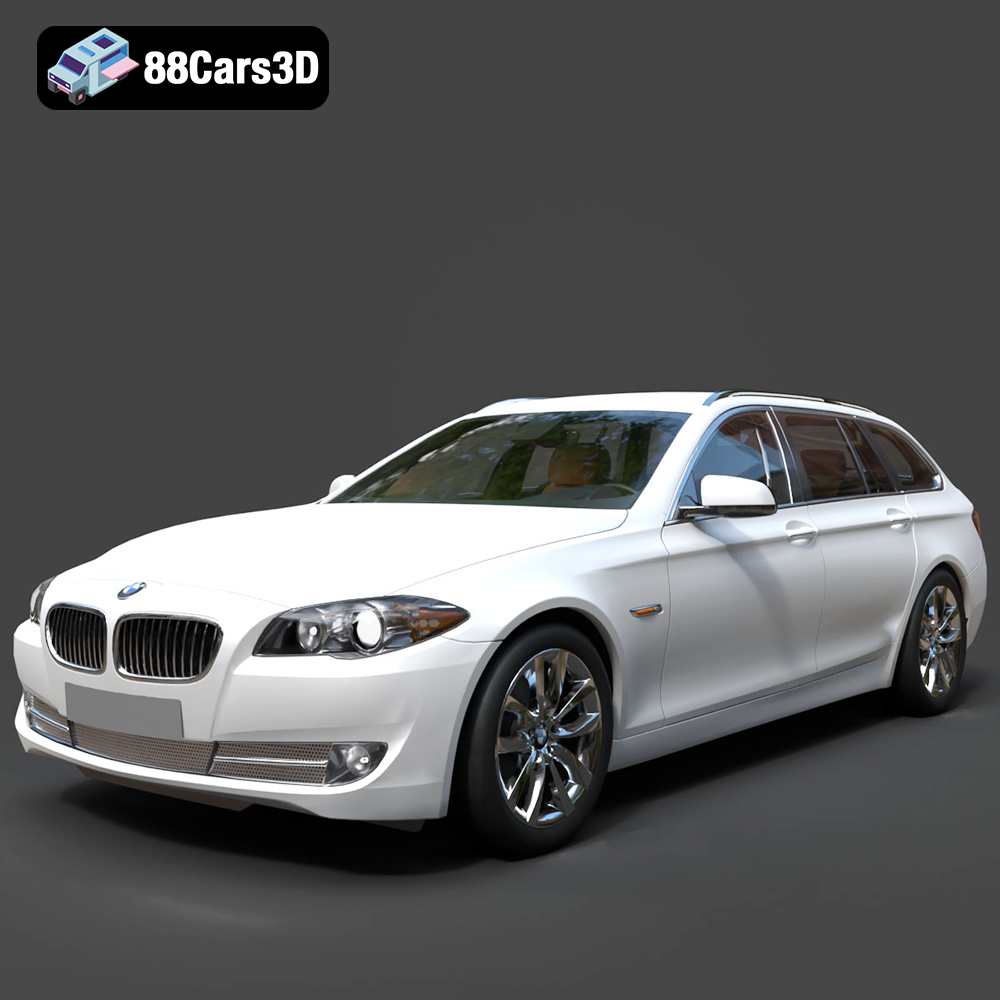
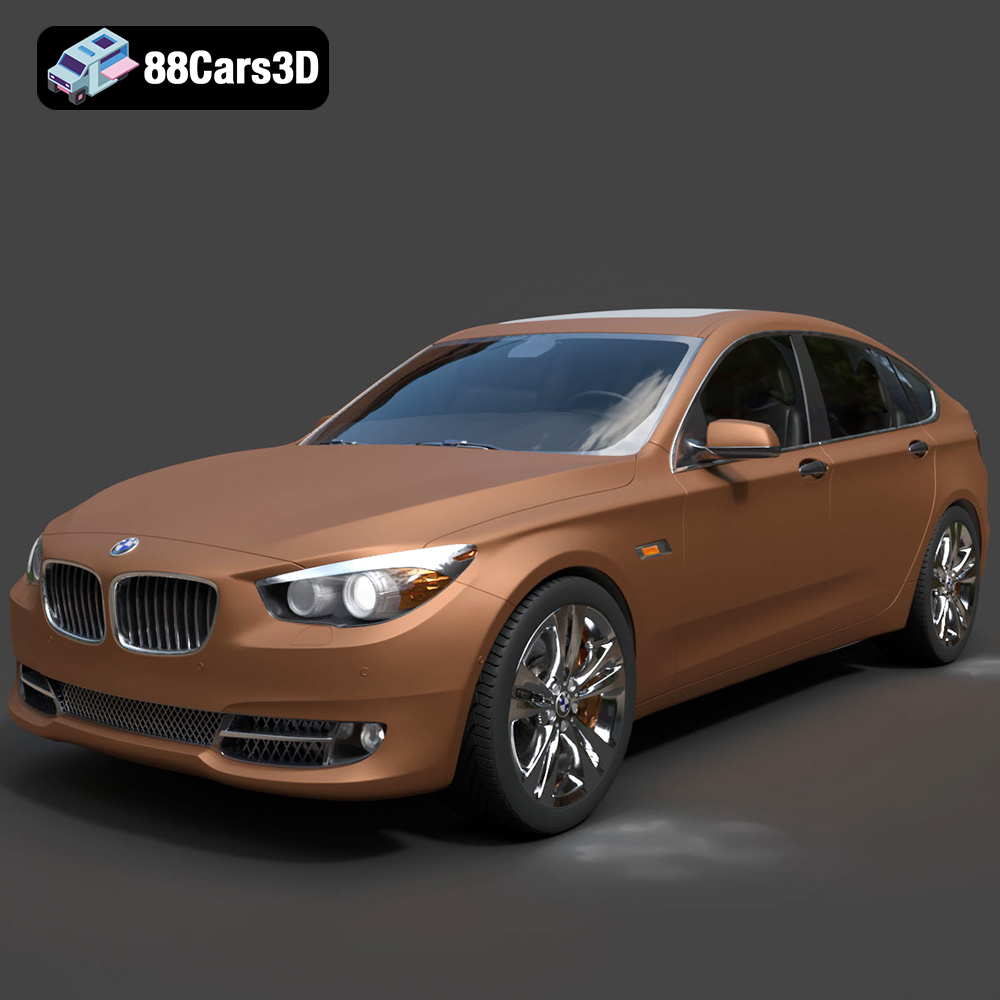
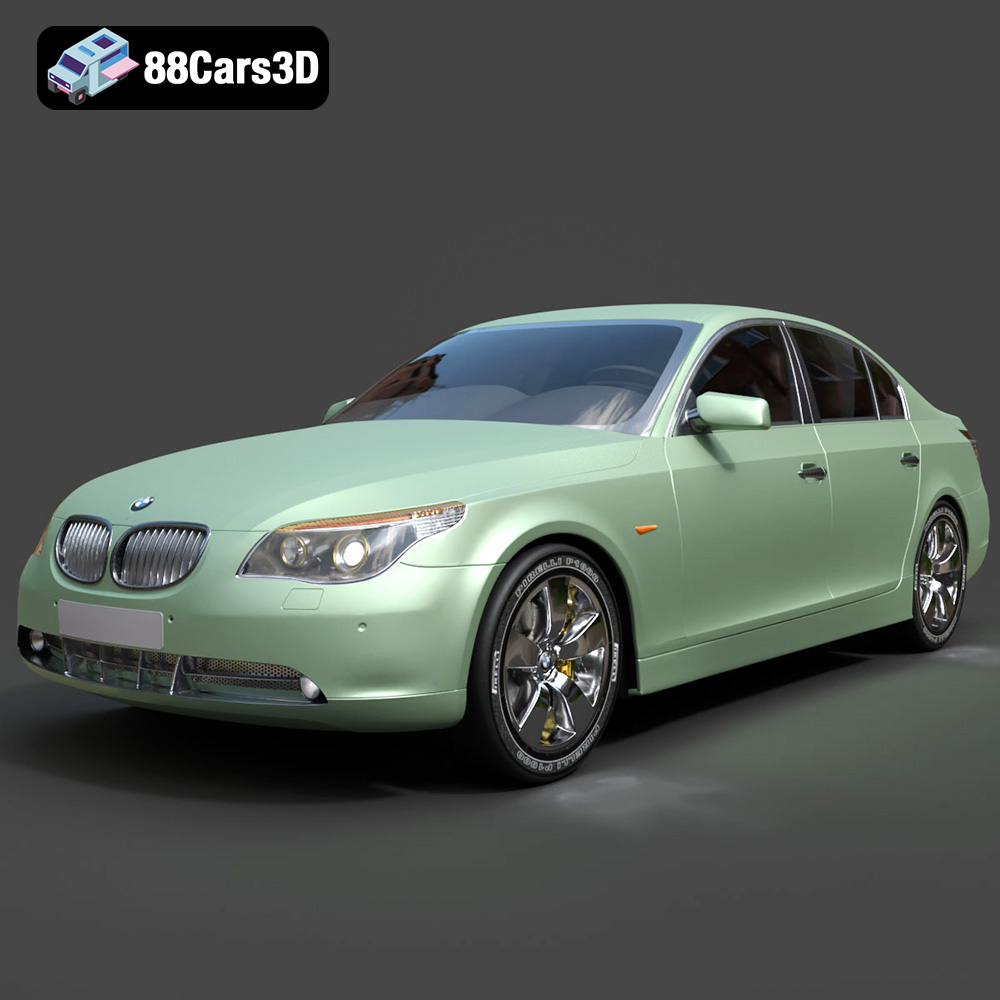
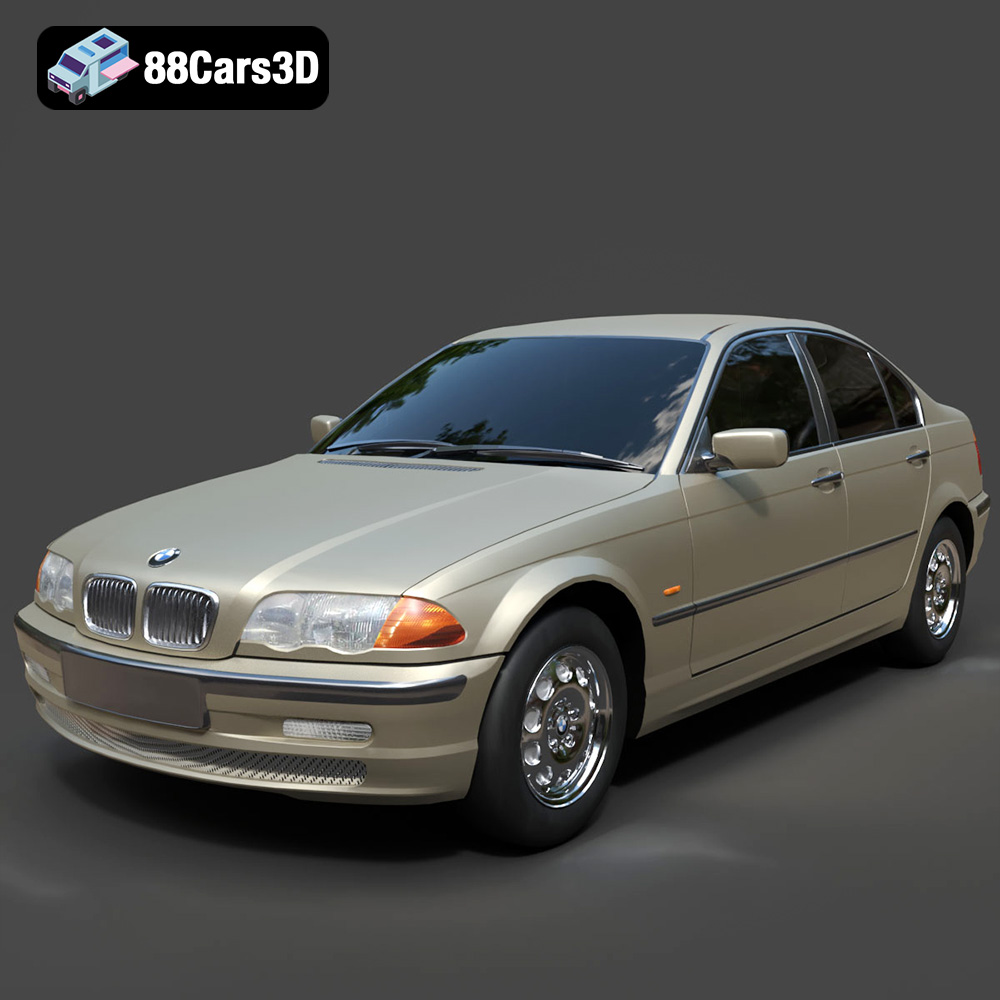
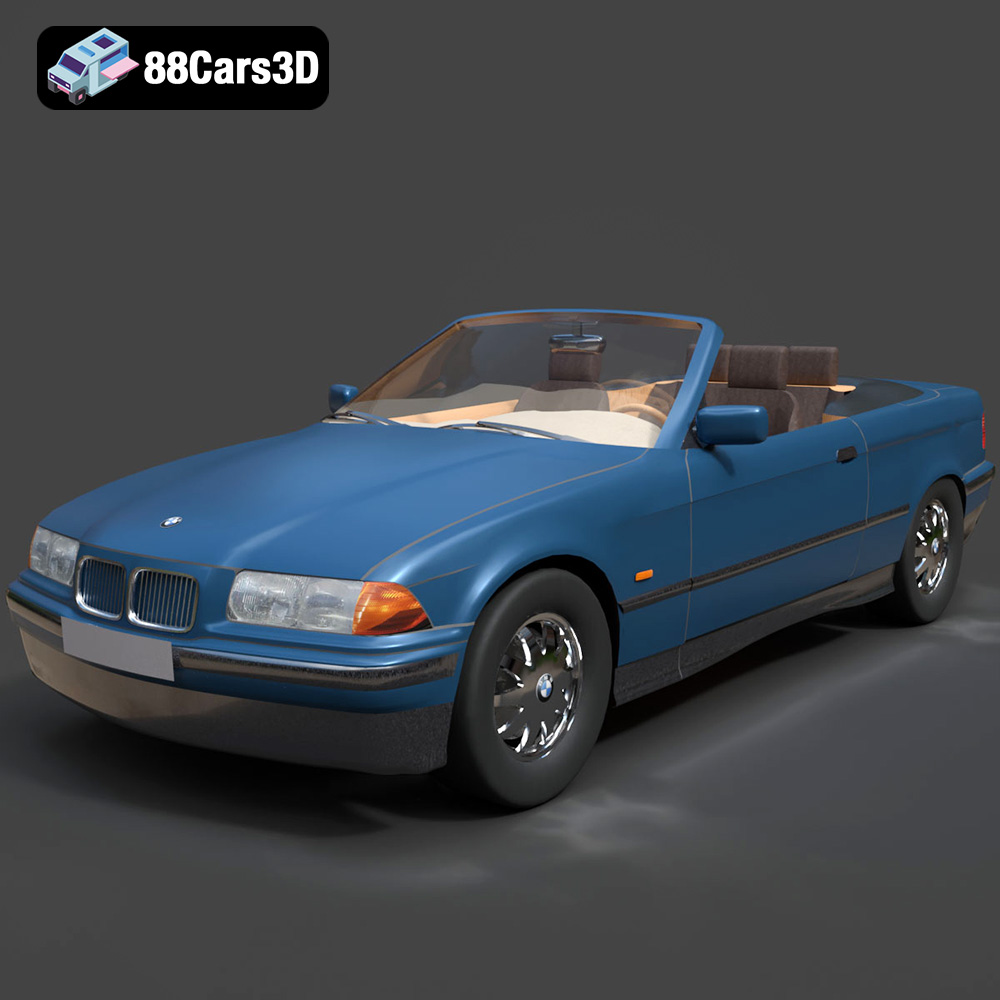
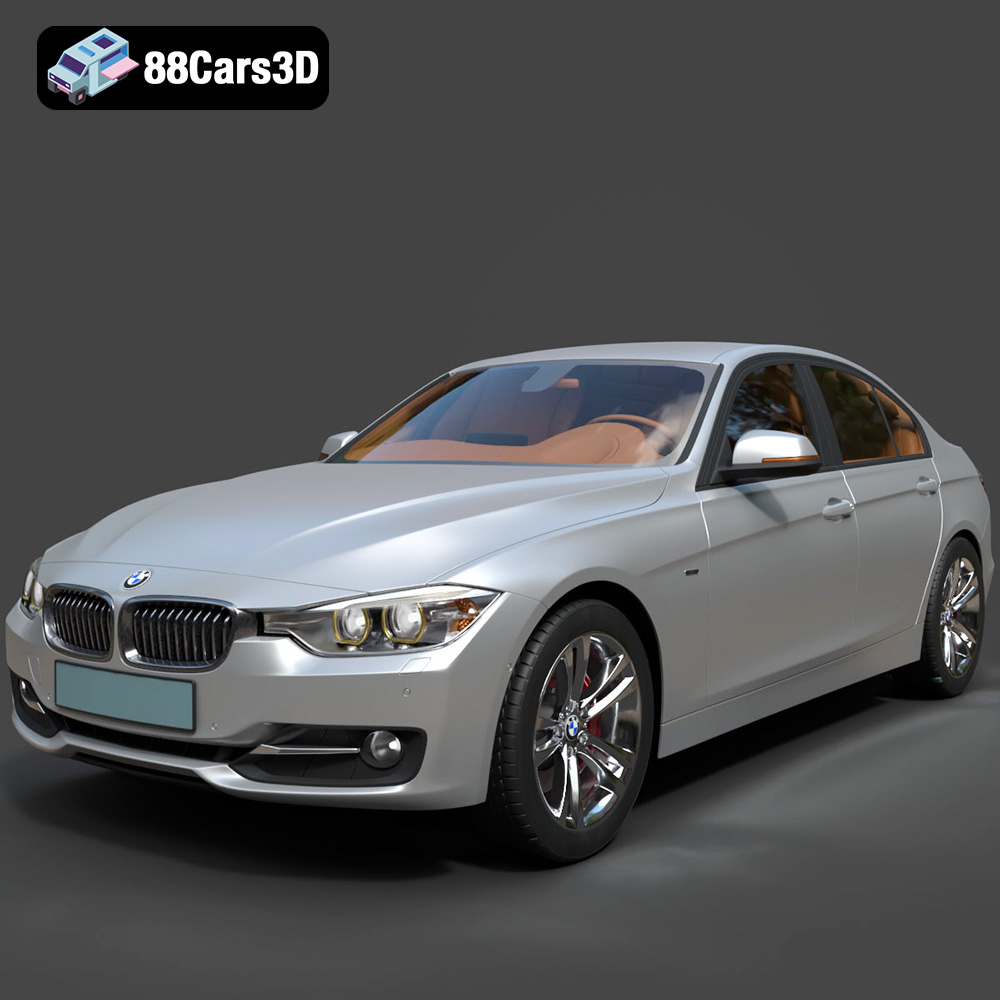
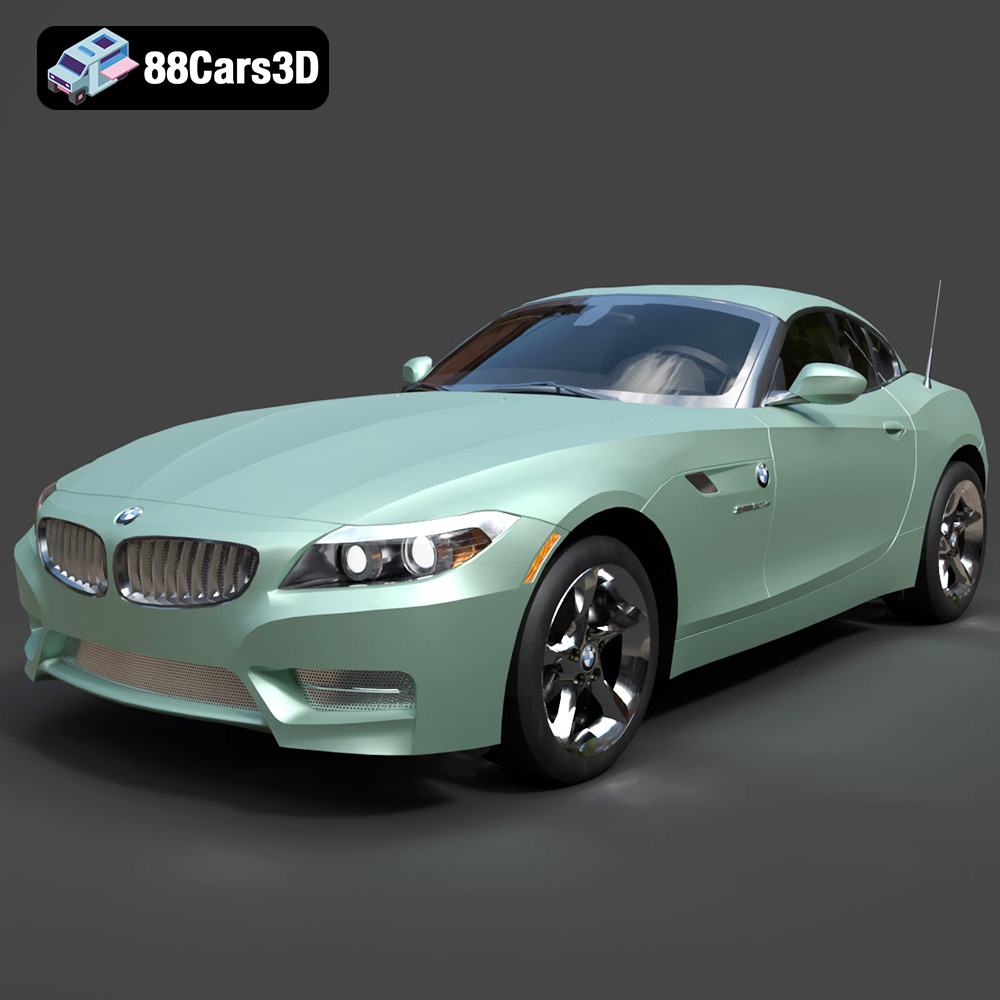
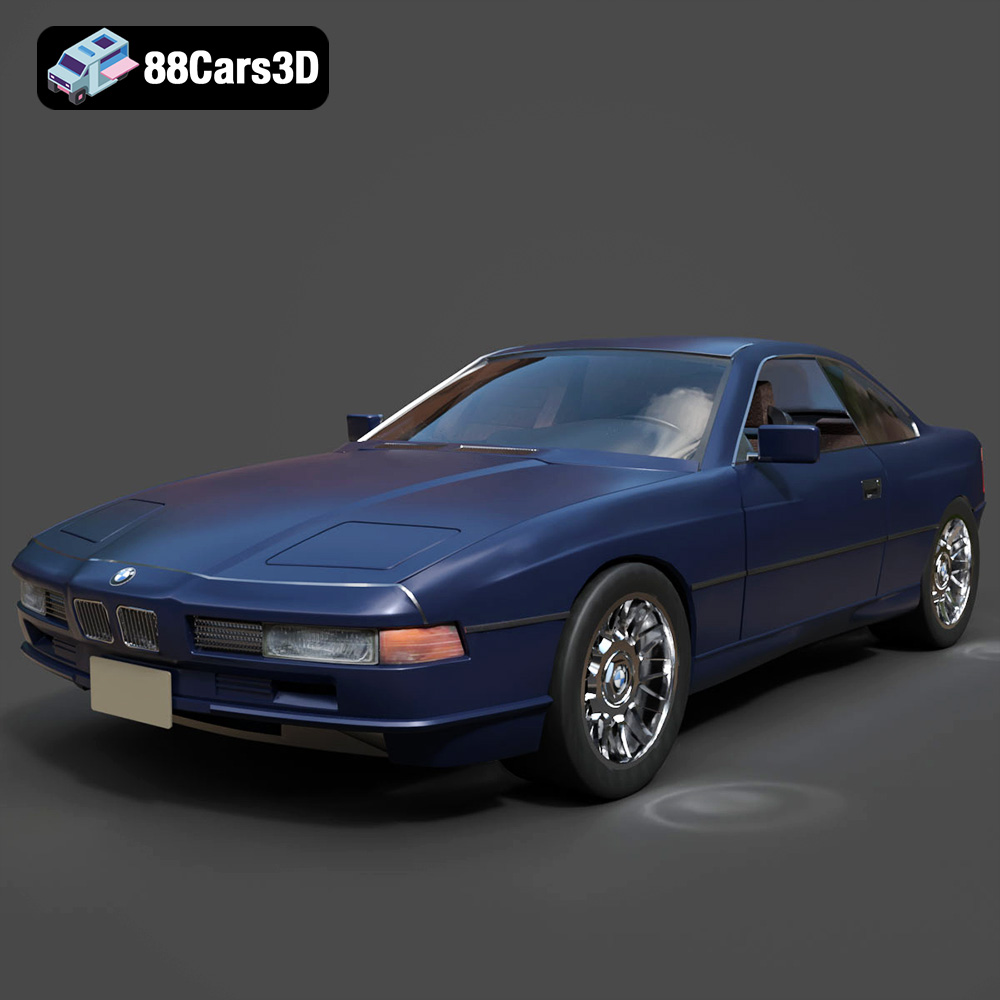
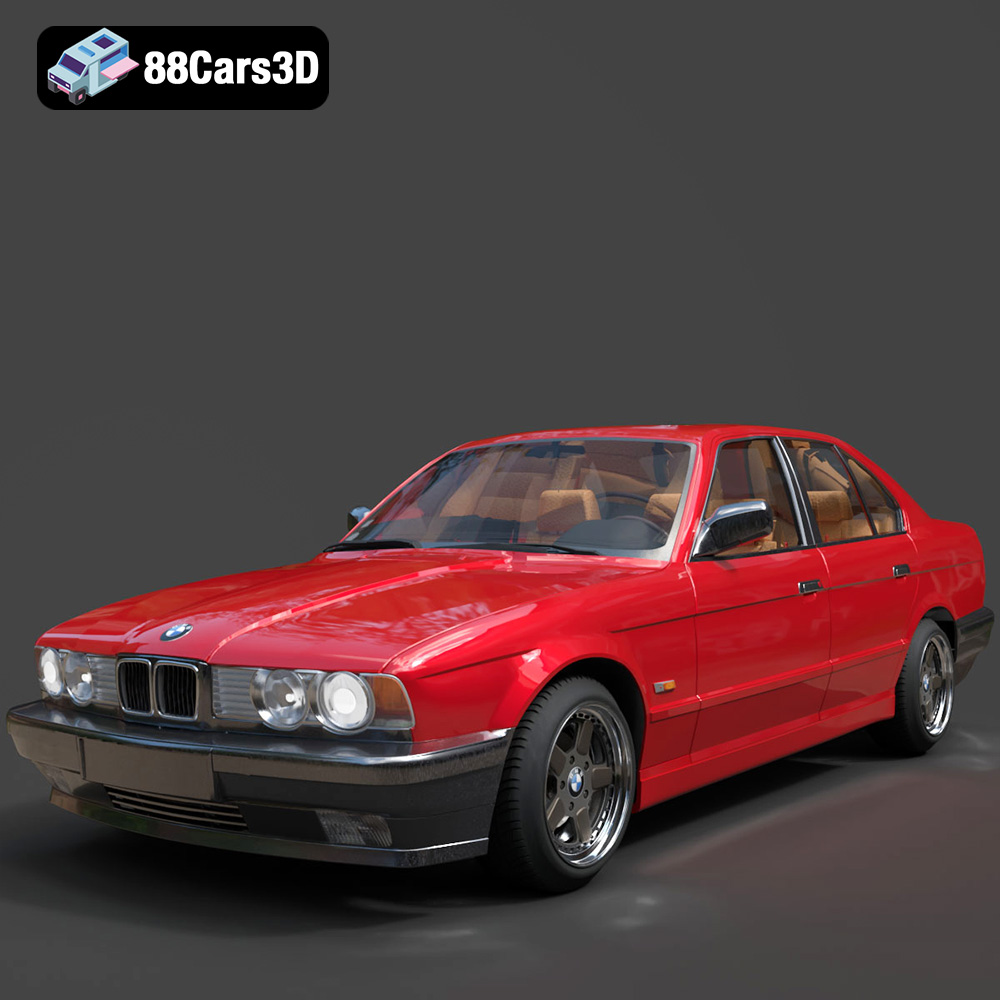
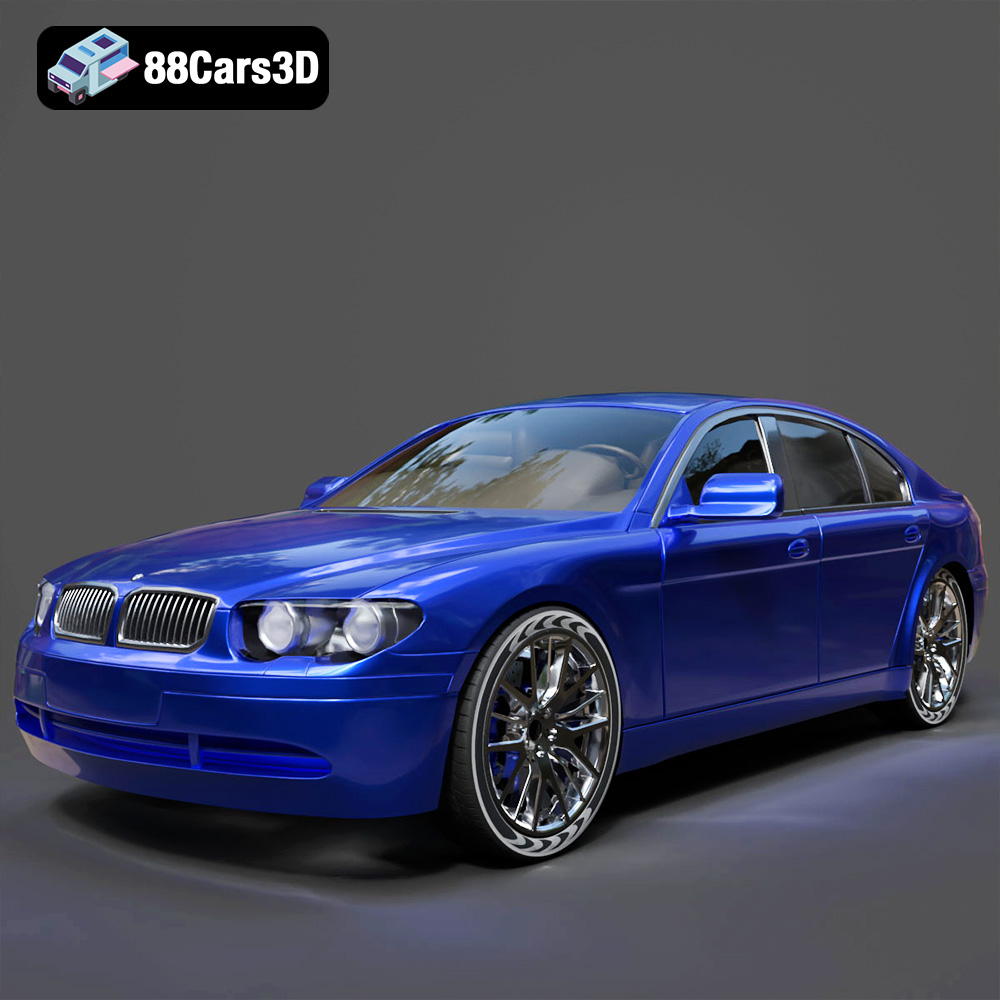
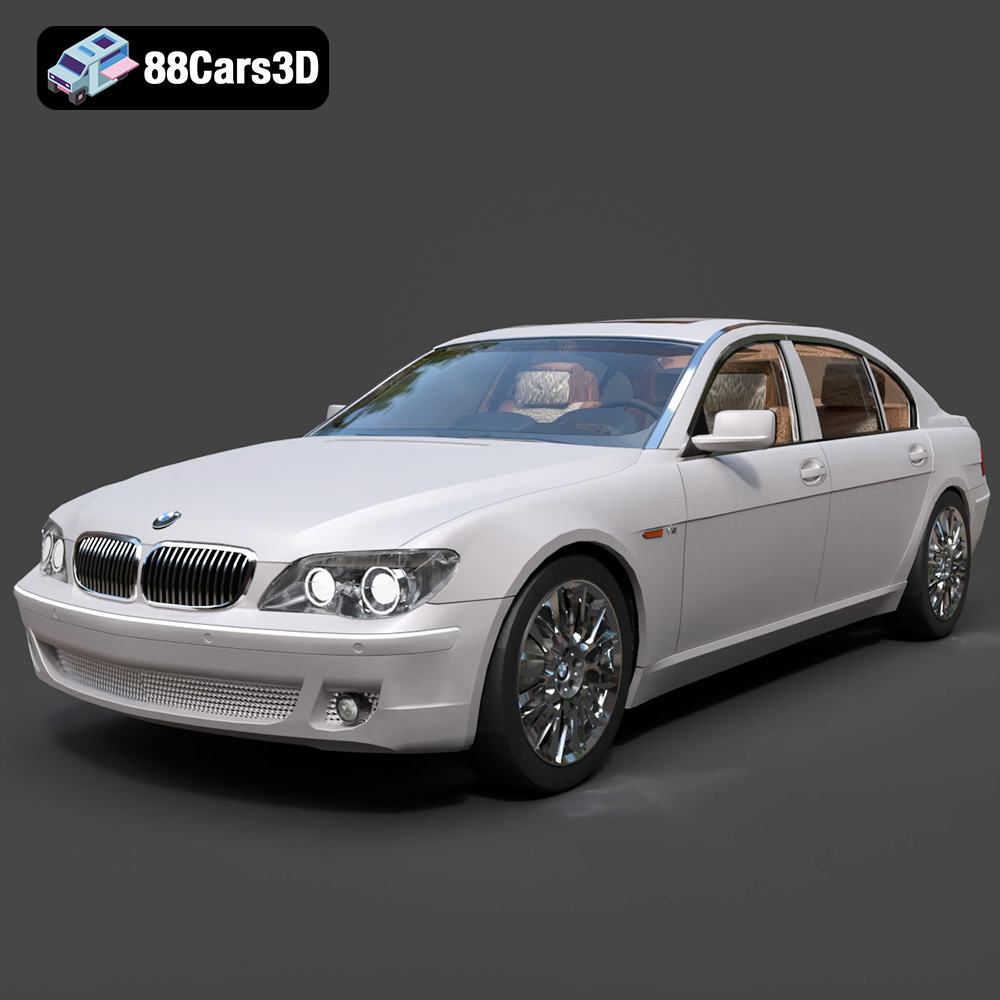
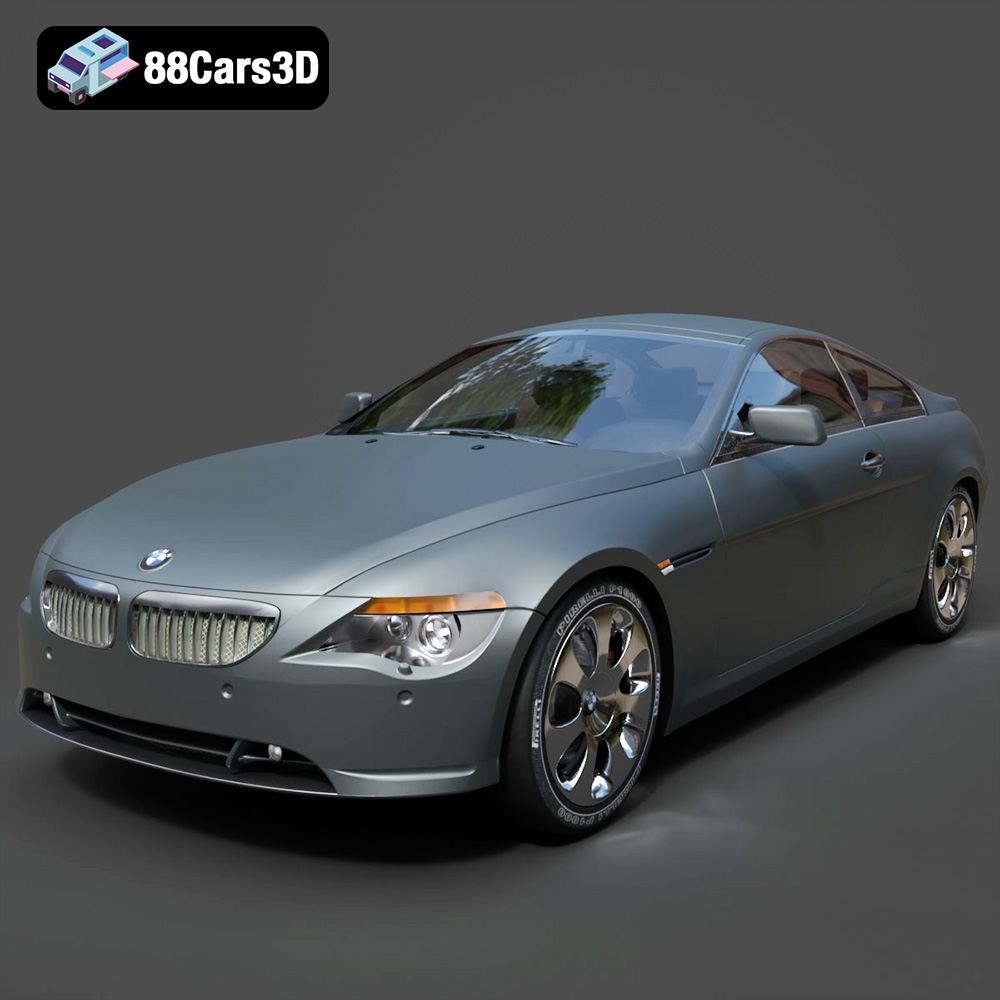
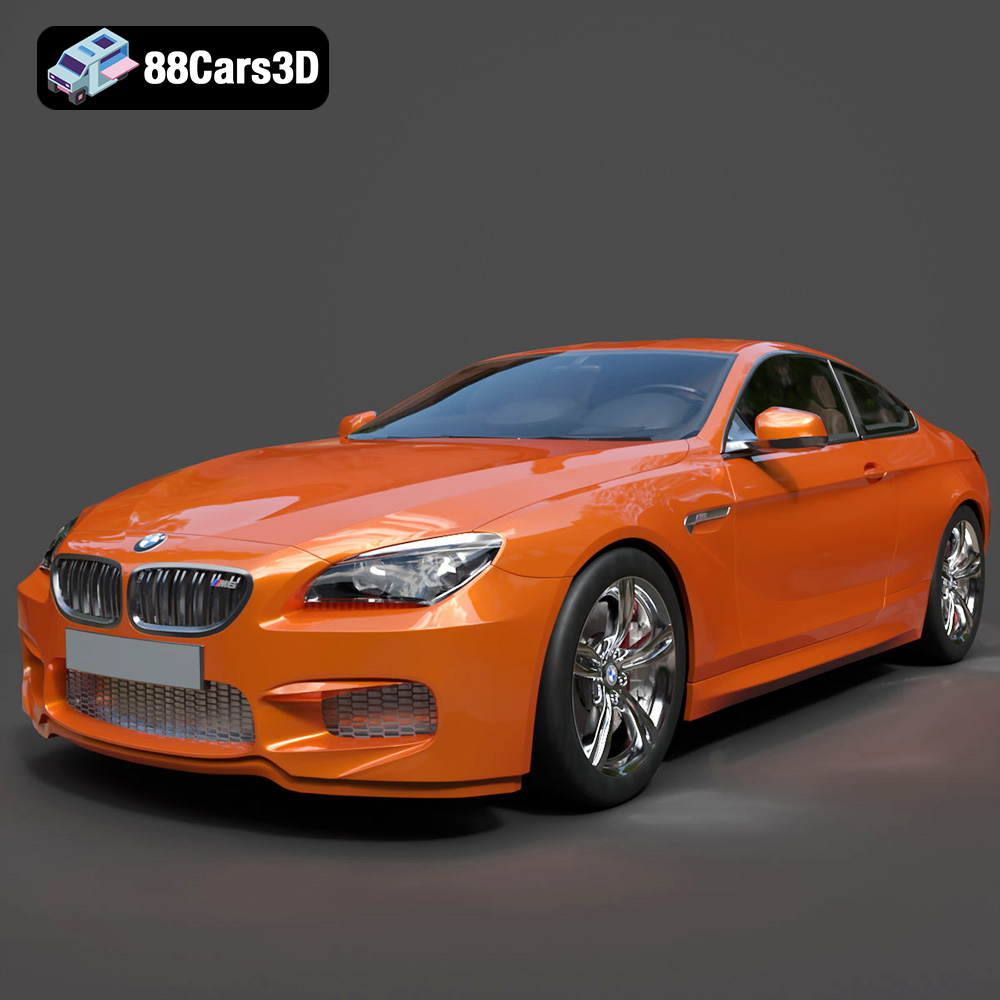
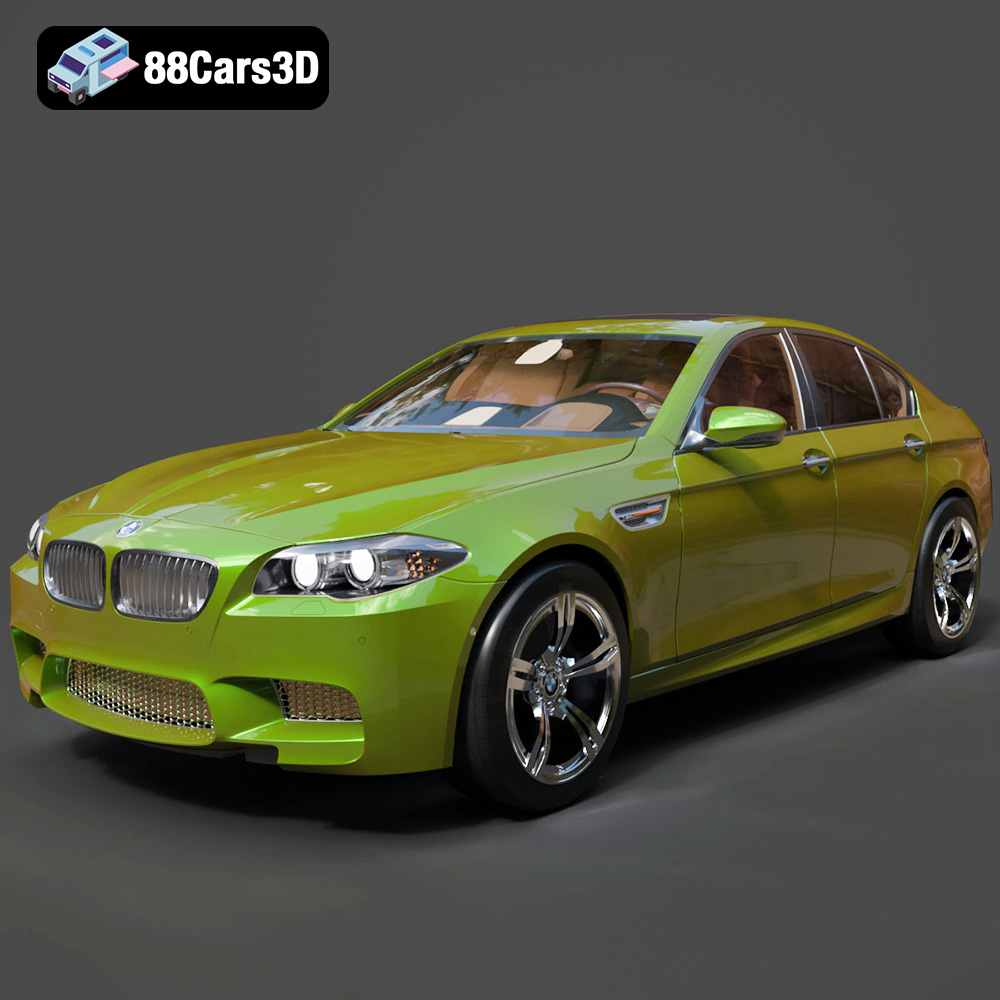
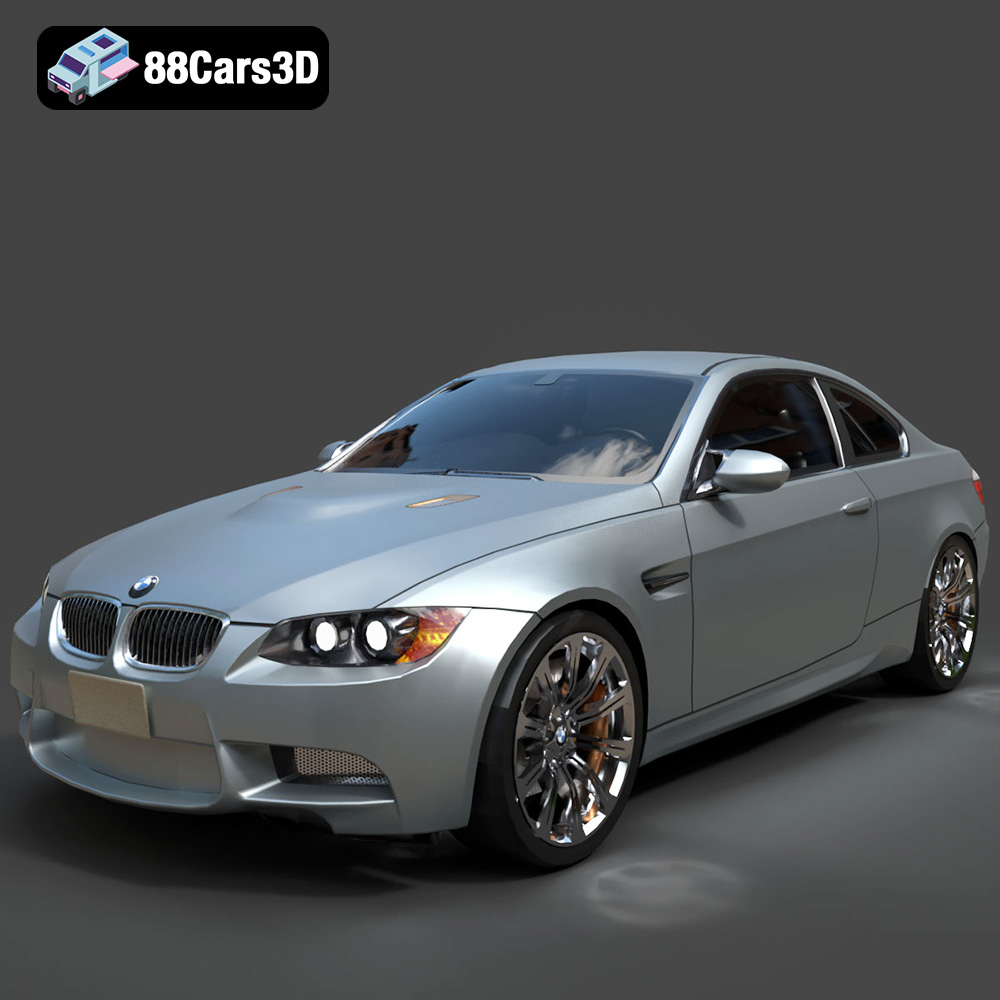
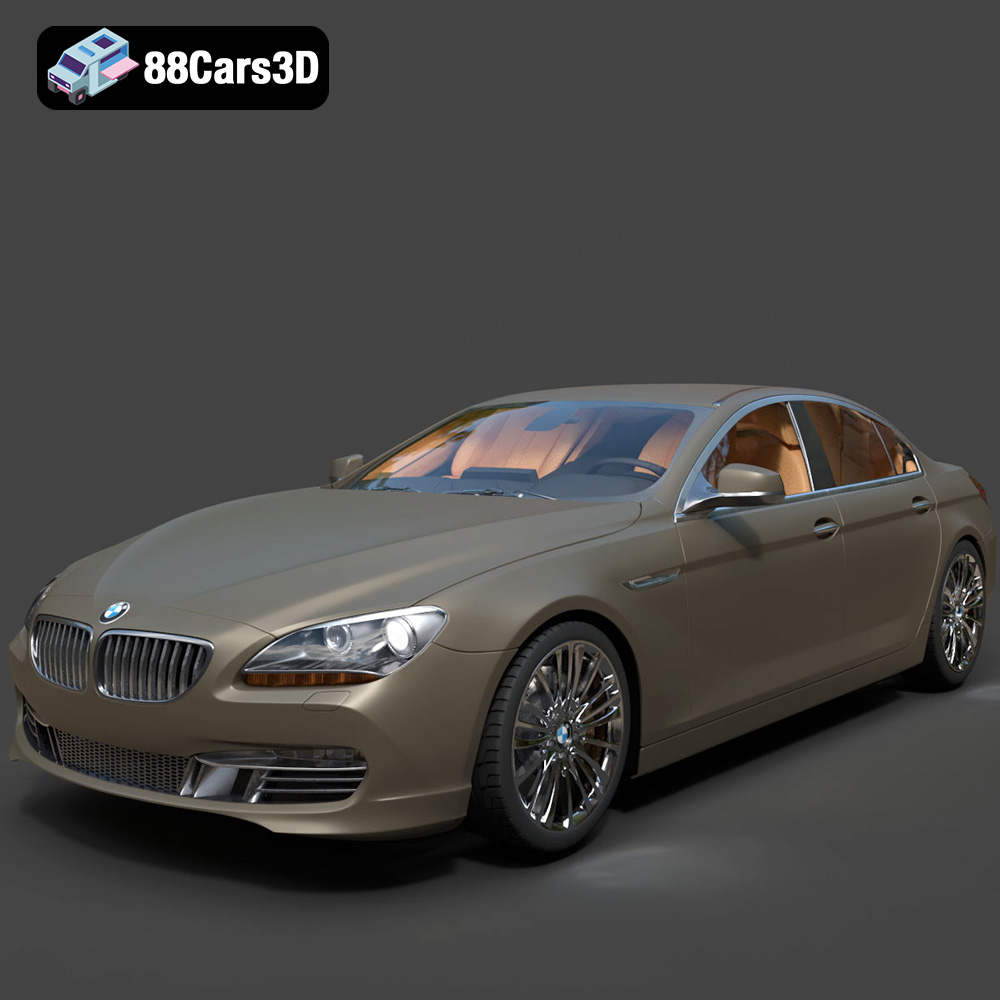
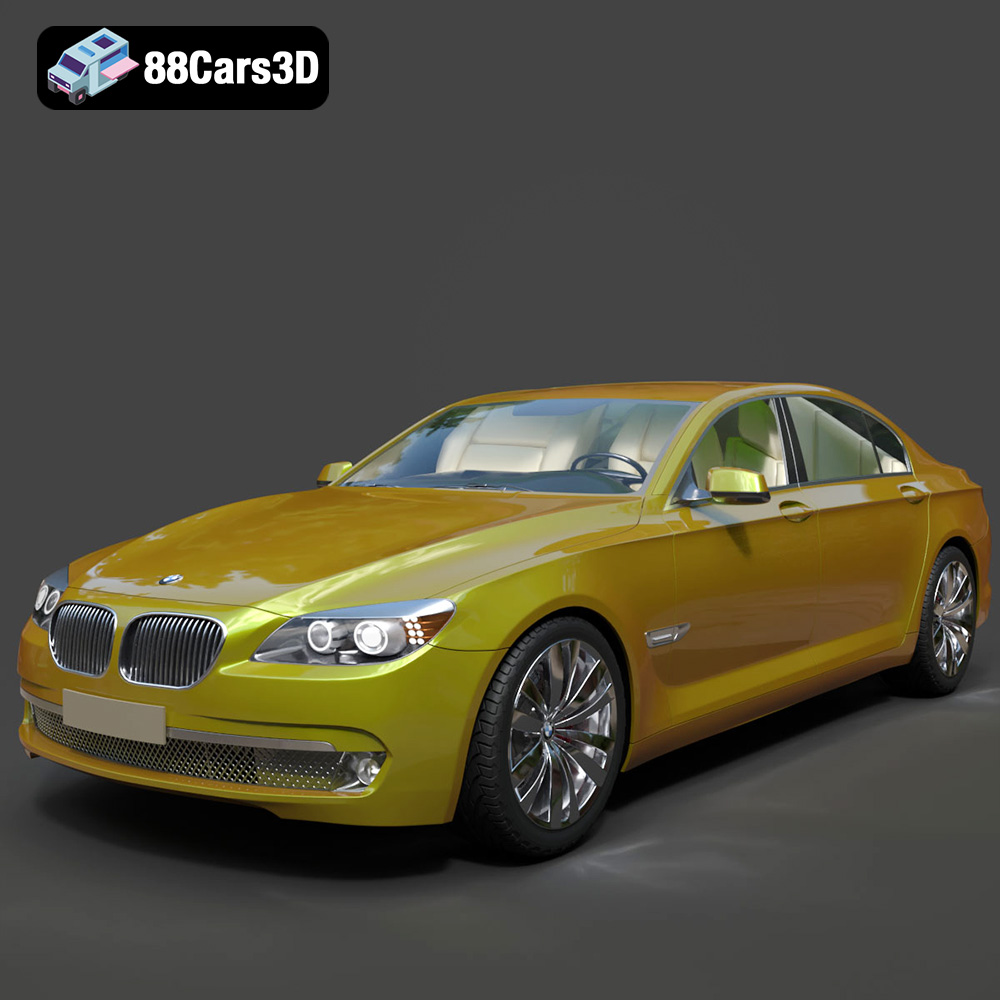
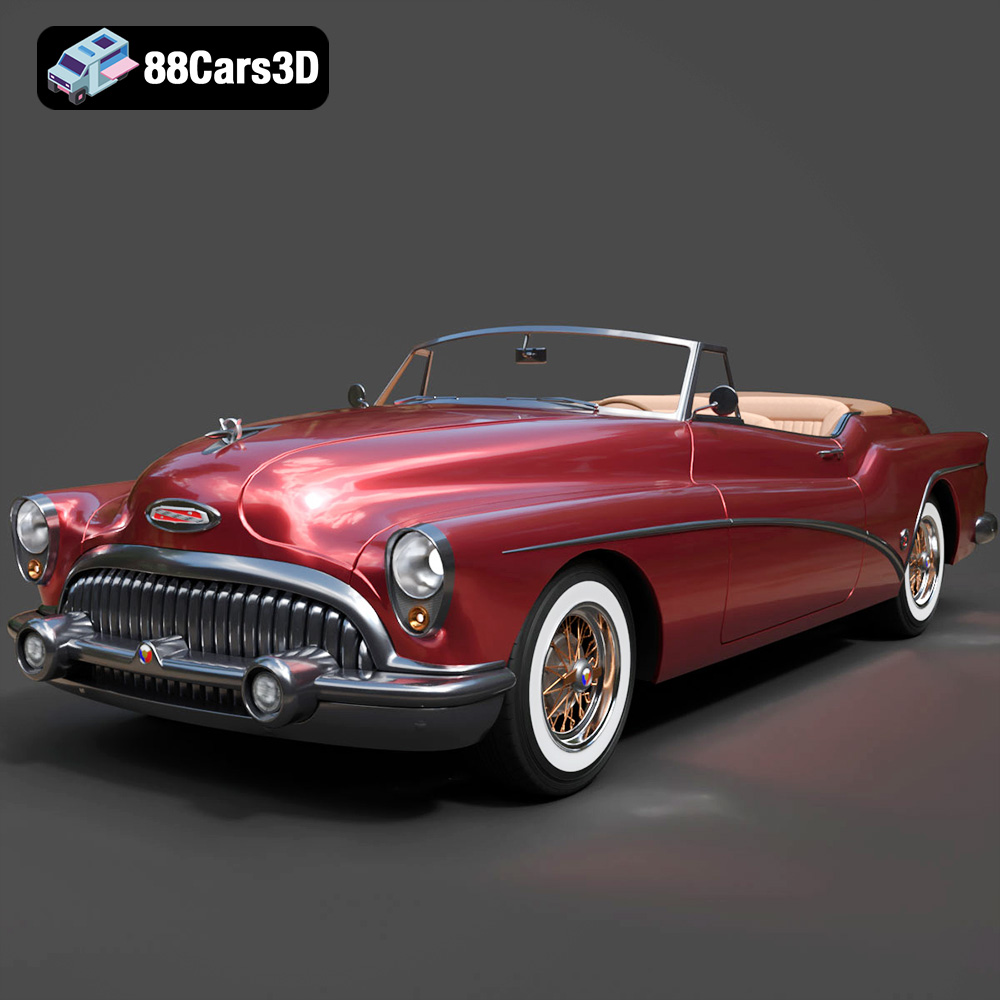
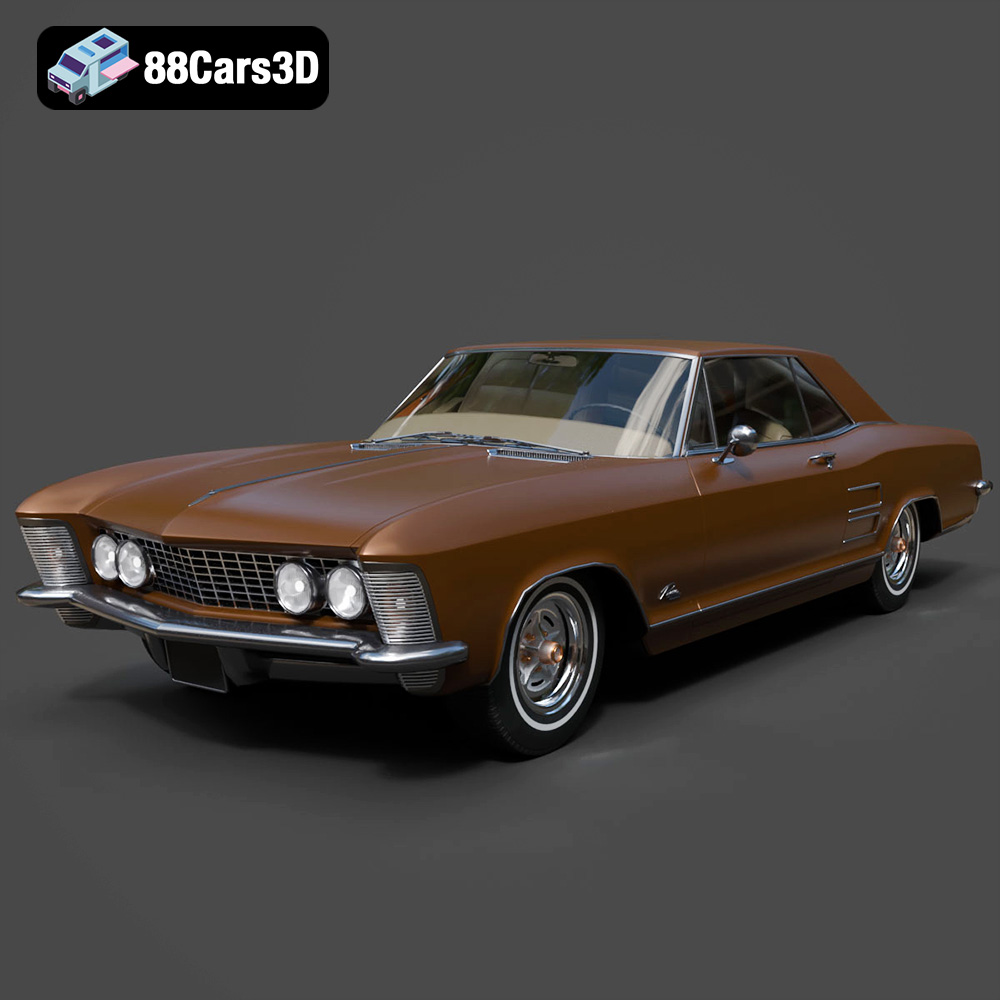
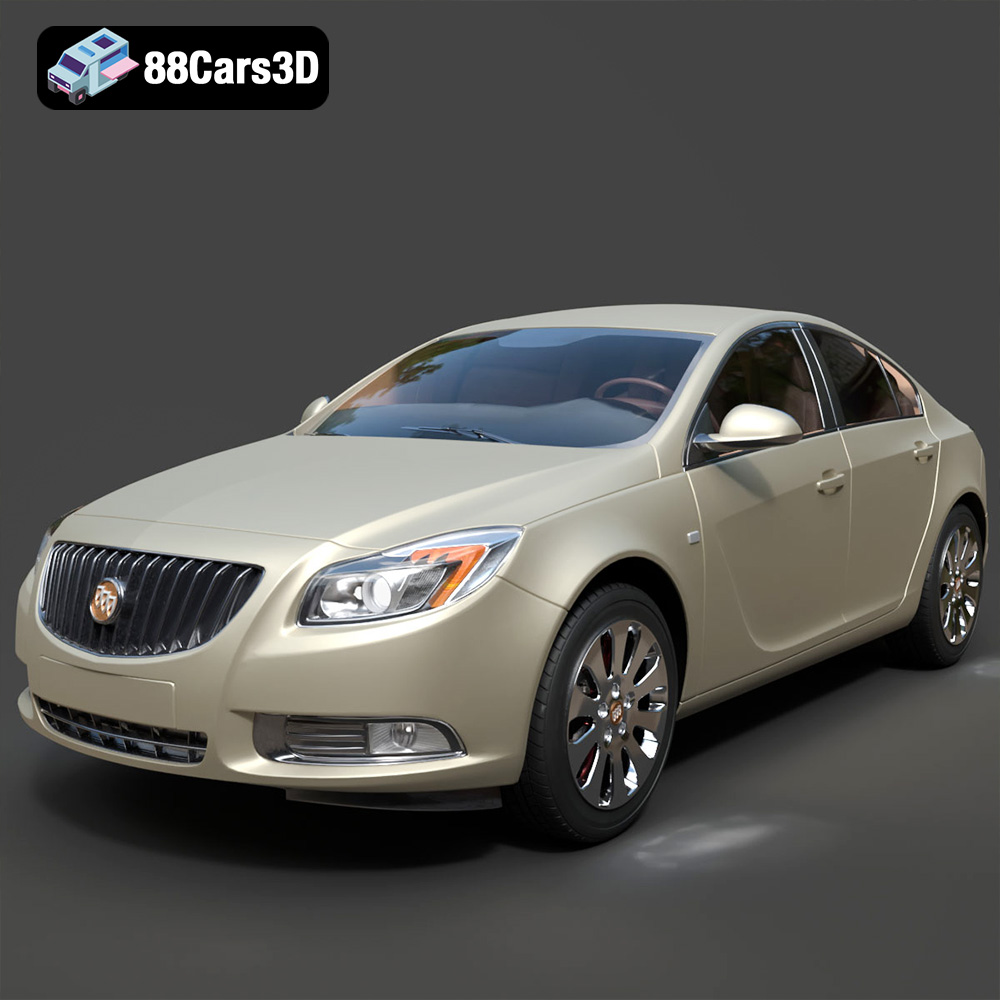
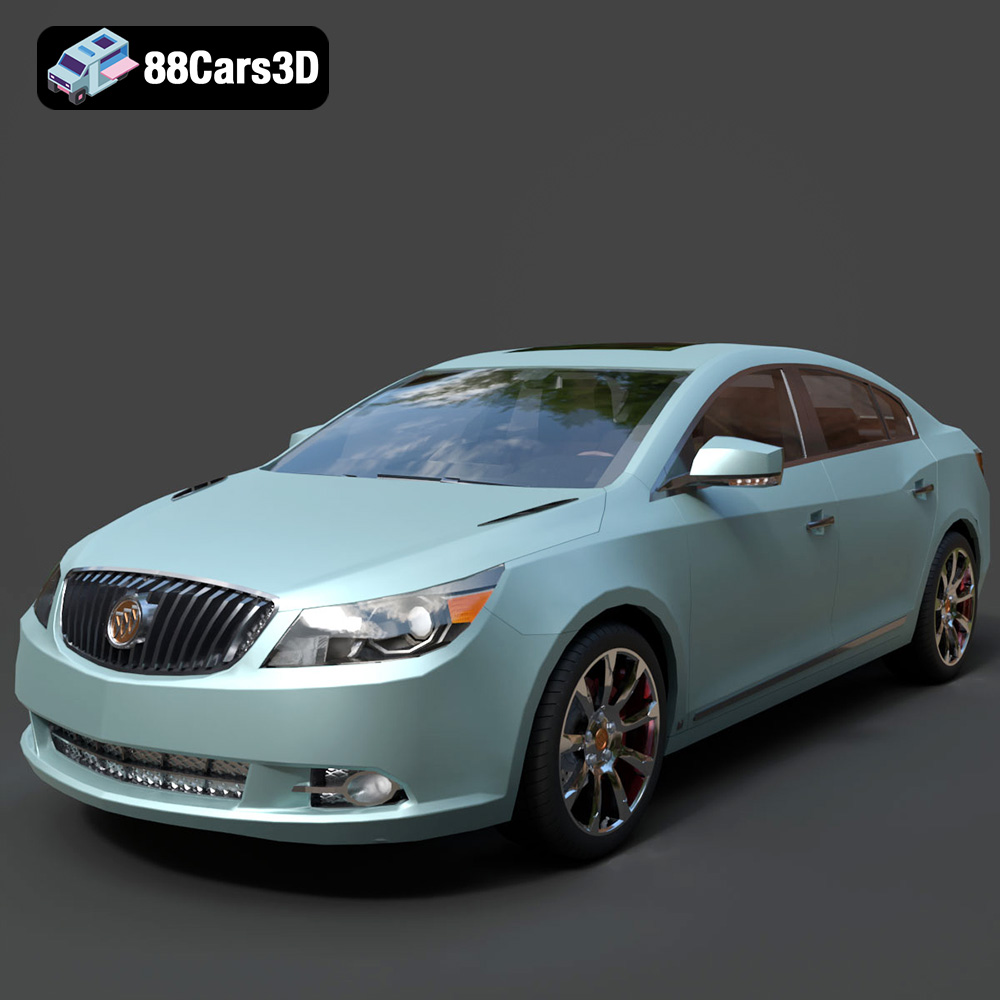
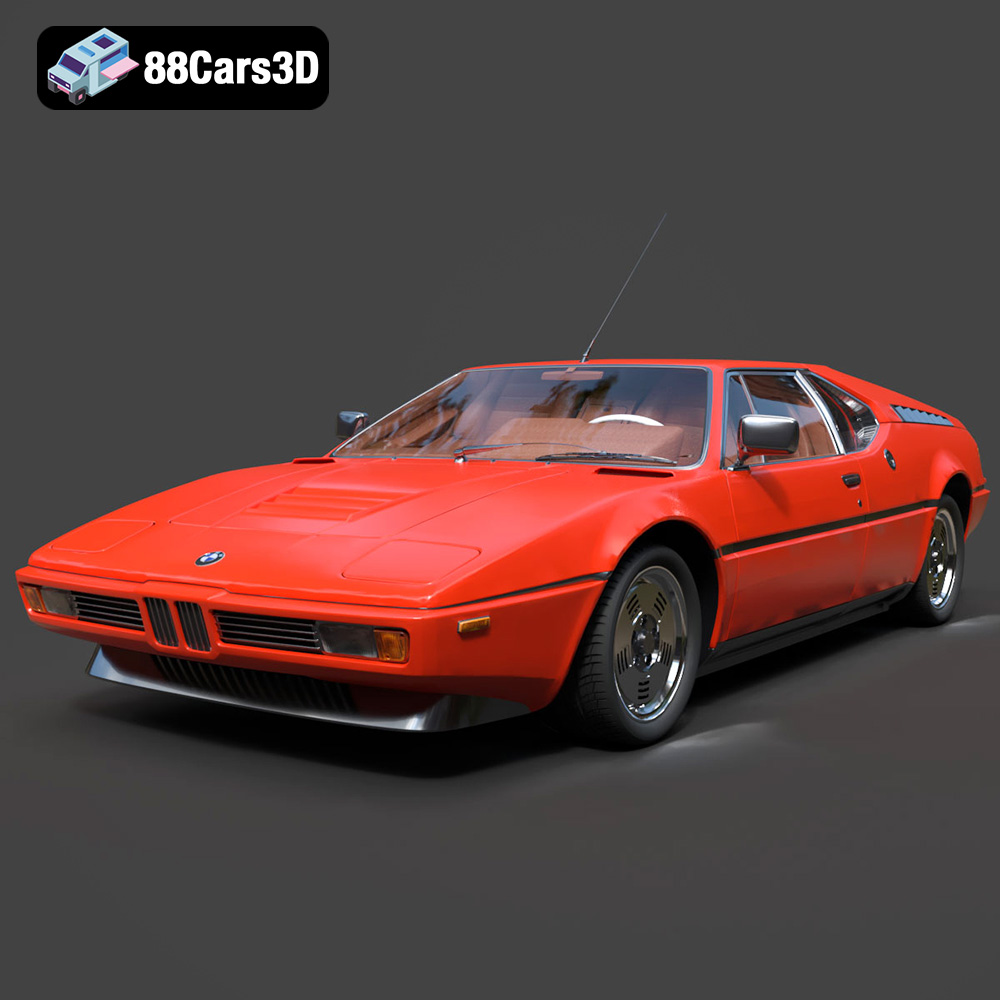
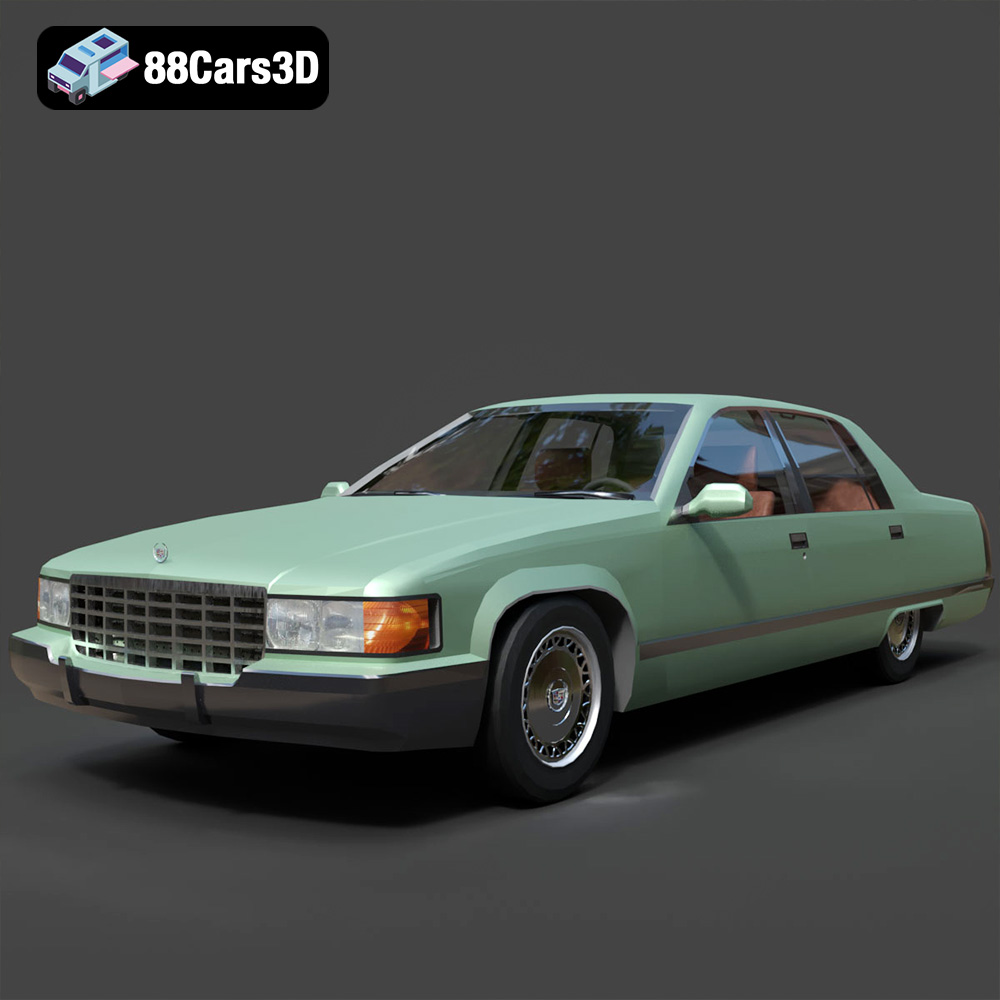
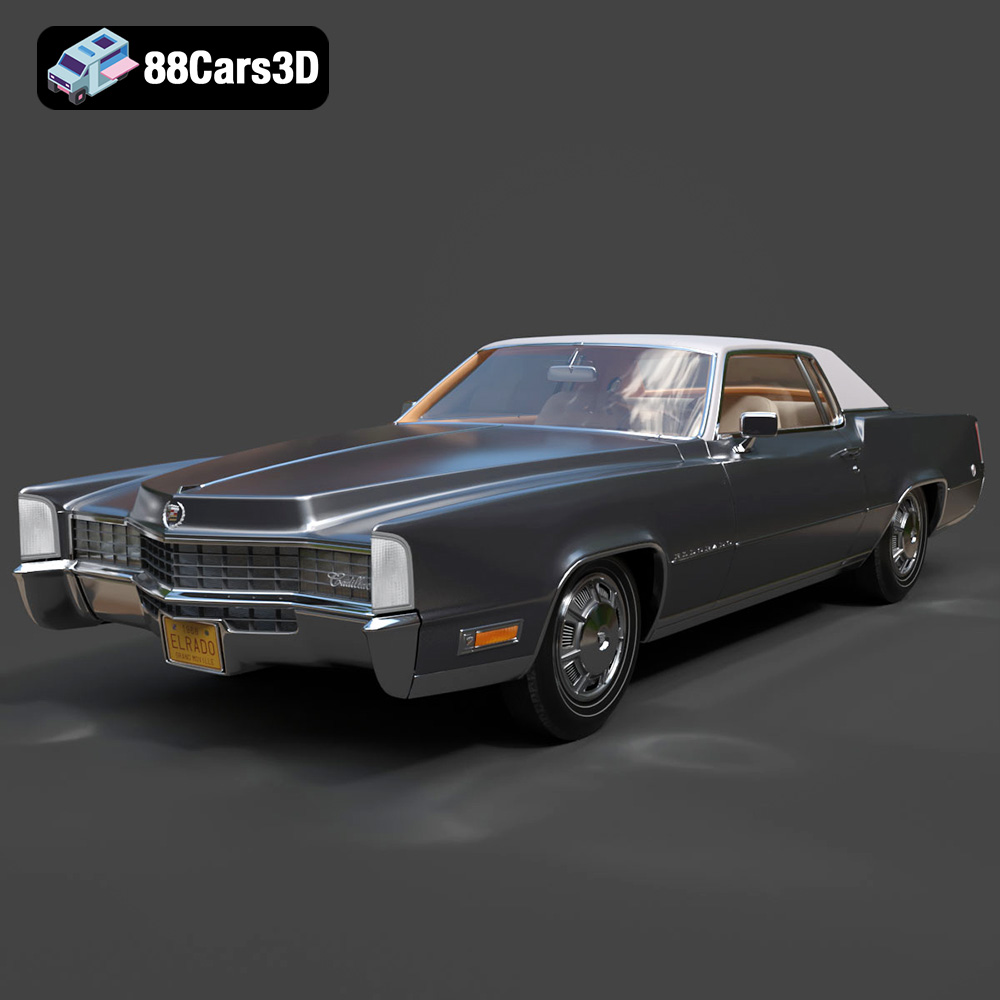
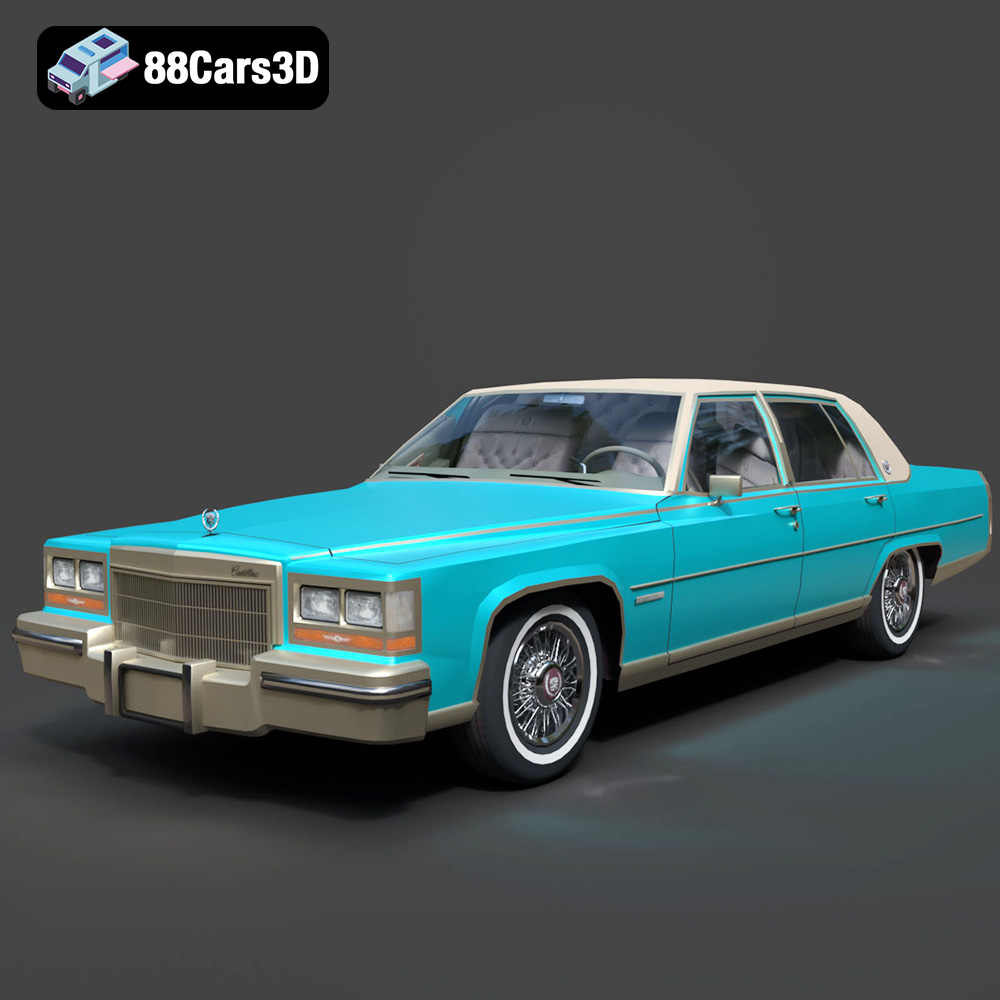
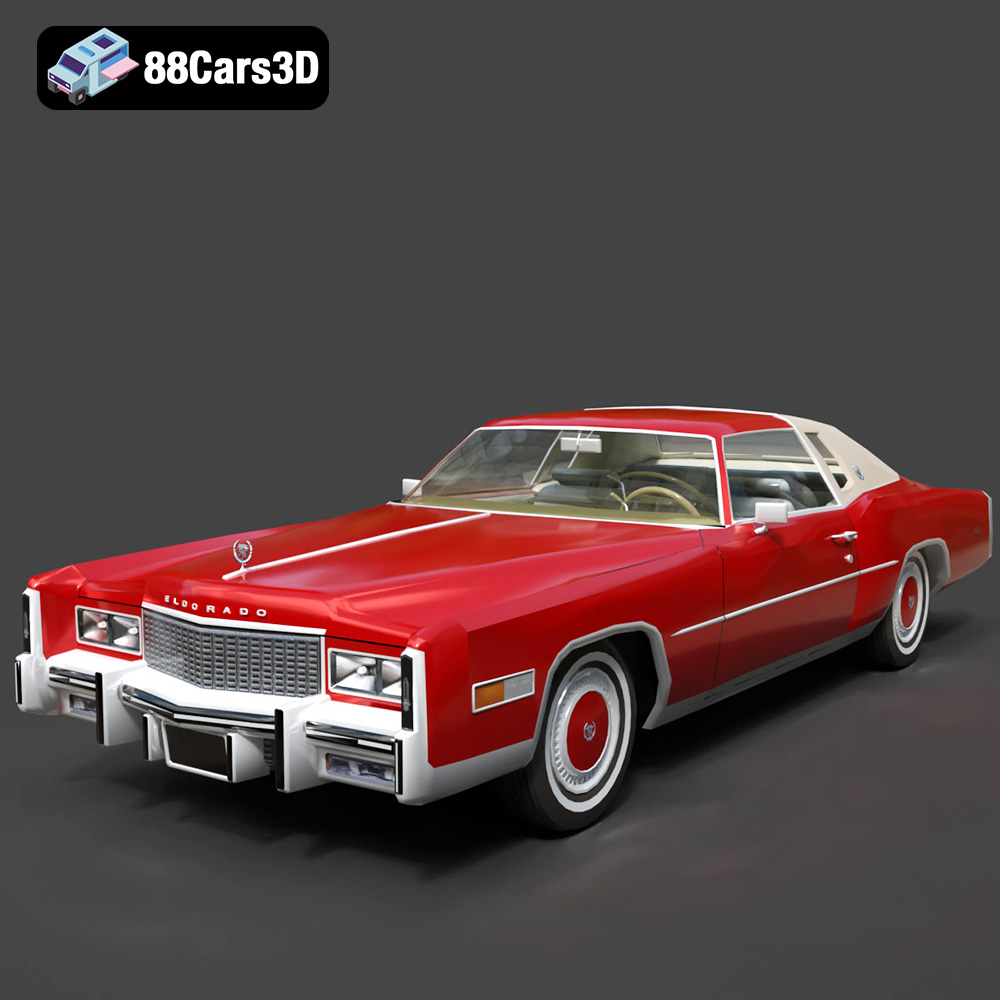
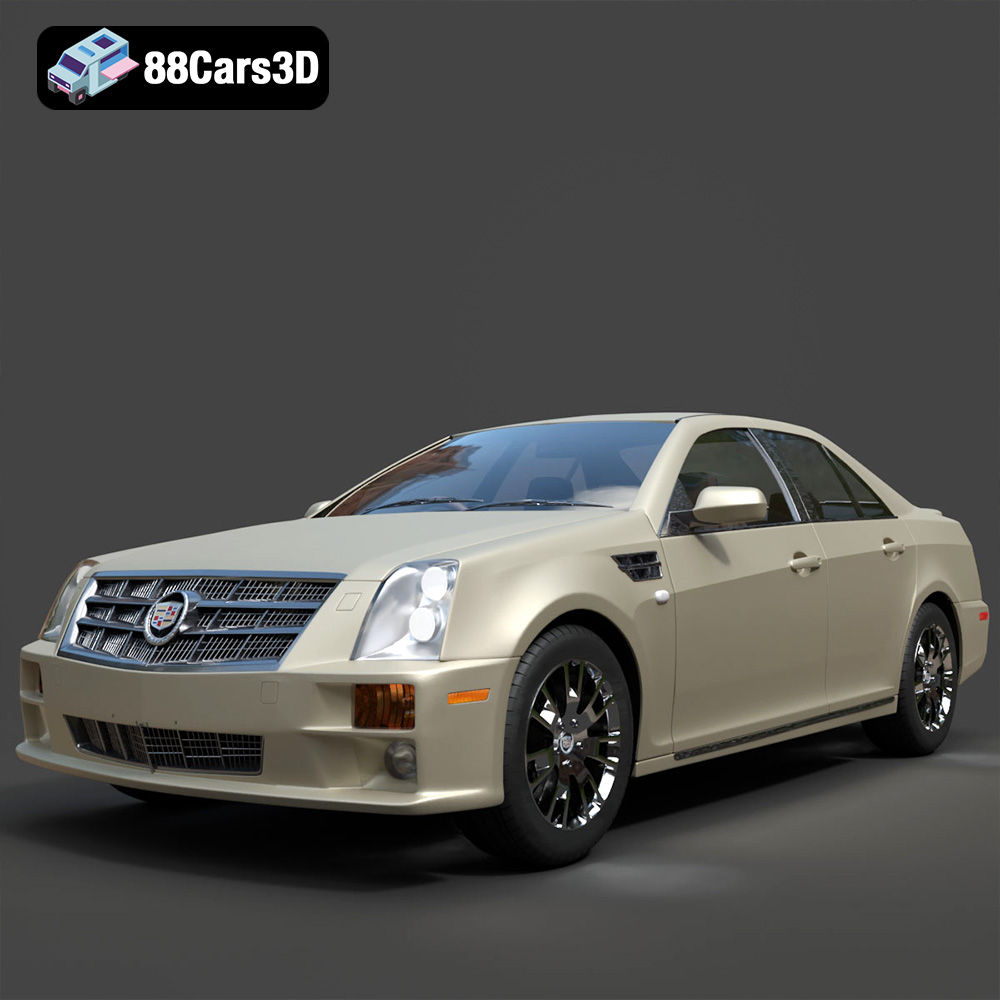
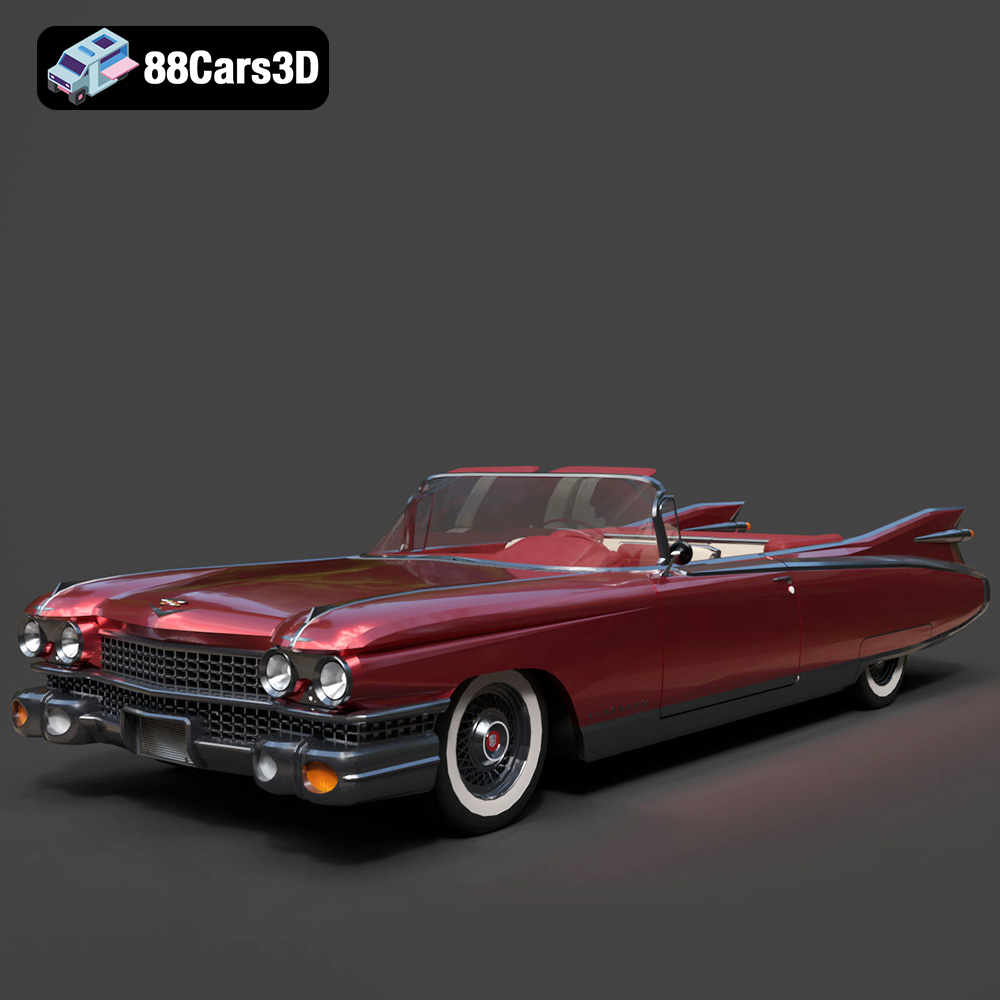
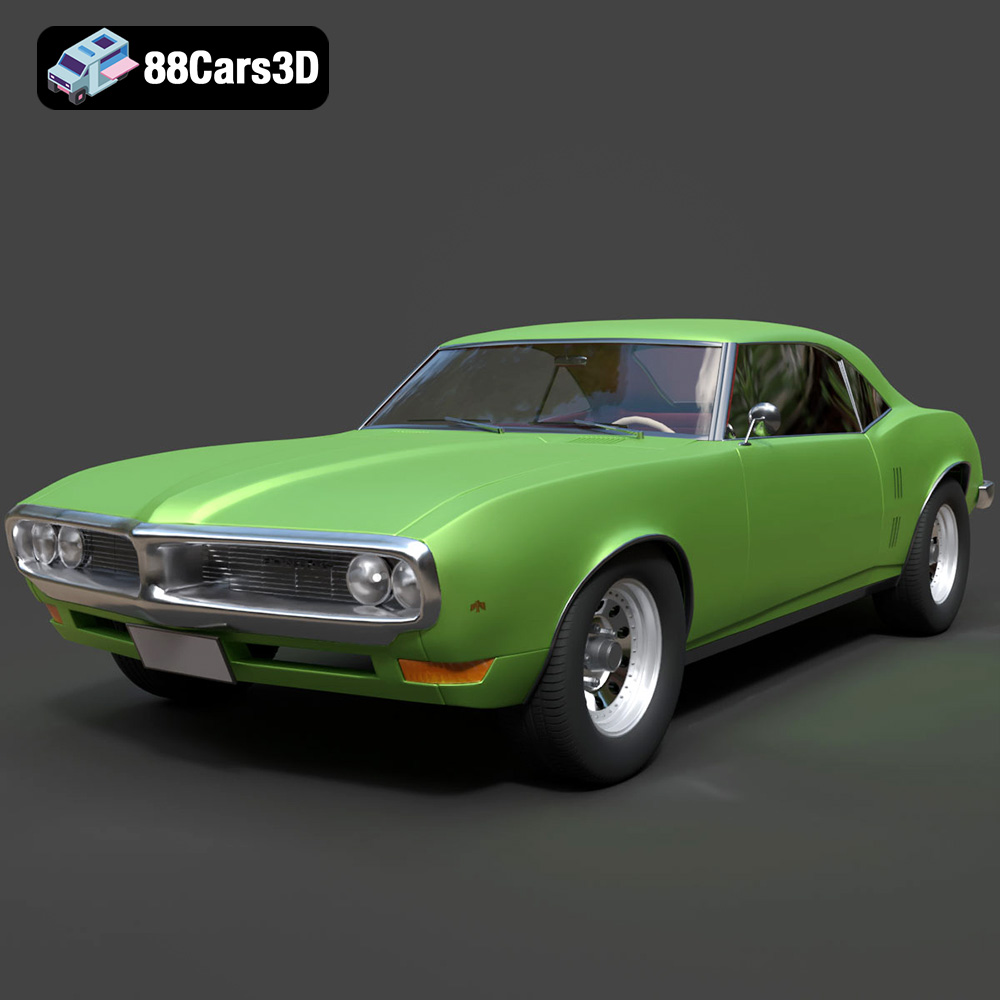
In the rapidly evolving world of digital visualization, the demand for high-fidelity 3D car models has never been greater. From captivating cinematic sequences in automotive marketing to immersive real-time experiences in video games and virtual reality, the quality of your 3D assets dictates the success of your project. Professionals across industries – automotive designers, game developers, architects, and product visualizers – rely on impeccably crafted virtual vehicles to bring their visions to life. This comprehensive guide will delve into the technical intricacies, practical applications, and crucial considerations for working with 3D car models, ensuring you’re equipped to achieve stunning results, whether for cutting-edge automotive rendering or robust game assets.
The journey from concept to a photorealistic render or a seamlessly integrated game asset is paved with technical decisions, artistic flair, and a deep understanding of digital pipelines. We’ll explore everything from essential file formats and polygon optimization to advanced rendering techniques and real-time engine integration. Whether you’re a seasoned professional seeking to refine your workflow or an aspiring artist eager to master the craft, understanding the nuances of 3D car models is paramount.
The Foundation: Why High-Quality 3D Car Models Matter
The core of any successful digital project involving vehicles is the quality of its underlying 3D model. A poorly constructed model, regardless of rendering prowess or engine optimization, will always be a bottleneck. High-quality 3D car models offer precision, versatility, and efficiency, forming the bedrock upon which stunning visuals and interactive experiences are built.
Precision in Automotive Design and Visualization
For automotive manufacturers and designers, precision is non-negotiable. 3D car models are not just aesthetic representations; they are vital tools for design iteration, engineering analysis, and marketing visualization. High-fidelity models accurately reflect intricate curves, precise panel gaps, and subtle material finishes that are critical for conveying design intent. A meticulously modeled vehicle can be used to simulate aerodynamics, evaluate ergonomics, or showcase future models in high-resolution marketing campaigns long before a physical prototype exists. This level of detail ensures that every reflection, every shadow, and every surface curvature contributes to an authentic and believable representation, crucial for attracting discerning audiences and design validation.
Efficiency in Production Pipelines
Beyond aesthetics, high-quality models contribute significantly to workflow efficiency. Models with clean topology, proper UV mapping, and organized hierarchies are easier to work with, modify, and integrate into various software environments. This means less time spent on cleaning up geometry, re-mapping textures, or debugging issues in real-time engines. For studios operating under tight deadlines, the initial investment in a well-constructed 3D car model pays dividends in saved time and resources during texturing, rigging, animation, and rendering phases. Utilizing pre-optimized, production-ready assets, such as those found on 88cars3d.com, allows artists and developers to focus on creative tasks rather than remedial modeling work, streamlining the entire production pipeline.
Understanding 3D Model File Formats
Navigating the diverse landscape of 3D software and applications requires a solid understanding of various file formats. Each format serves specific purposes, offering unique advantages for different stages of the 3D pipeline, from initial modeling to final rendering or game integration. Choosing the correct format is crucial for maintaining data integrity, optimizing performance, and ensuring compatibility across your chosen toolset.
Blender’s Native Power: .blend
The .blend file format is Blender’s native project file. It’s comprehensive, storing not only mesh data but also materials, textures, animations, camera settings, lighting, modifiers, drivers, and even Python scripts. This makes it an ideal choice for Blender users who require a fully editable and self-contained scene. When you download a .blend file, you’re getting the entire project as it was created in Blender, allowing for complete customization and iteration. It’s perfect for artists who want to dissect the scene, learn from its construction, or make significant modifications to the model, materials, or animation without losing any contextual data. However, its comprehensive nature means it’s less universally compatible than interchange formats and primarily useful within the Blender ecosystem.
Universal Exchange Formats: .fbx, .obj, .glb
- .fbx (Filmbox): Developed by Autodesk, .fbx is arguably the most widely used exchange format in the 3D industry, especially for animation and real-time applications. It excels at transferring not just mesh data, but also complex scene information including animations, rigged skeletons, cameras, lights, and PBR (Physically Based Rendering) materials. Its robust support across major DCC (Digital Content Creation) tools like 3ds Max, Maya, Blender, and game engines like Unreal Engine and Unity makes it indispensable for collaborative workflows and asset pipelines where motion and interactivity are key. When integrating 3D car models into game engines, FBX is often the format of choice due to its ability to carry crucial data like animation clips, skeletal meshes, and LOD (Level of Detail) information efficiently.
- .obj (Wavefront OBJ): The .obj format is a simple, universal geometry definition file. It stores vertex positions, UV coordinates, normals, and group information, often accompanied by an .mtl (material library) file for basic material properties. While it doesn’t support advanced features like animation, rigging, or PBR materials directly within the file, its simplicity ensures near-universal compatibility across virtually all 3D software. For transferring static mesh data – like a clean 3D car model without animations – OBJ is a reliable, lightweight choice. It’s excellent for archival purposes or when you only need the raw geometry to start a new project in a different software package.
- .glb (GL Transmission Format Binary): Optimized for efficient transmission and loading, .glb is the binary version of glTF (GL Transmission Format). It’s rapidly becoming the “JPEG of 3D” due to its efficiency and widespread support in web browsers, AR (Augmented Reality), and VR (Virtual Reality) applications. A single .glb file can contain geometry, animations, PBR materials, and scene hierarchy in a compact, self-contained package. This makes it ideal for displaying interactive 3D car models directly on websites, in social media filters, or within AR/VR experiences where file size and quick loading times are critical. Its modern PBR material support ensures consistent visual fidelity across different viewers.
Specialized Formats: .stl, .ply, .unreal, .max
- .stl (Stereolithography): Primarily used for 3D printing and rapid prototyping, the .stl format represents a 3D model as a series of connected triangles (a triangulated surface mesh). It lacks color, texture, or material information, focusing solely on the geometric shape. For taking a 3D car model from the digital realm to a physical object, STL is the industry standard. It’s a straightforward format that 3D printers can interpret directly, making it suitable for creating miniature car replicas or component prototypes.
- .ply (Polygon File Format): The .ply format is a versatile file format often used for storing 3D scanner data and geometric data from CAD systems. It can store not only XYZ coordinates and normals but also color information per vertex, making it useful for representing models with intricate surface details captured from real-world objects. While less common for general 3D asset exchange, it offers higher precision for mesh data compared to OBJ and can be valuable for specific engineering, scanning, or analysis workflows.
- .unreal (Unreal Engine Asset): This is not a universal interchange format but rather an internal, proprietary asset format used within the Unreal Engine ecosystem. When you import an FBX or other supported file into Unreal Engine, it processes and converts it into its native .unreal asset format. This format is highly optimized for the engine’s rendering and physics systems, containing compiled mesh data, materials, textures, and other properties tailored for real-time performance. It signifies an asset that is truly “engine-ready” and fully integrated into an Unreal project.
- .max (3ds Max Project): Similar to .blend for Blender, the .max file is the native project format for Autodesk 3ds Max. It encompasses an entire 3ds Max scene, including geometry, materials, textures, lighting, cameras, animation data, and plugin-specific information. It provides the most comprehensive access to the original scene setup for 3ds Max users, allowing for deep editing and leveraging Max-specific features. It’s essential for workflows centered around 3ds Max for high-end rendering, architectural visualization, or complex animation, offering complete control over the scene’s creation.
Mastering Automotive Rendering: Bringing Cars to Life
Achieving photorealistic automotive rendering is an art form that blends technical mastery with an acute eye for detail. It involves sophisticated lighting, intricate material setup, and careful post-production to create images indistinguishable from real-world photography. The goal is not just to display a car, but to evoke emotion and convey its essence.
Lighting and Shading Techniques for Realism
Realistic lighting is the cornerstone of any compelling automotive render. Understanding different light types – area lights, spot lights, directional lights – and their interaction with surfaces is crucial. High Dynamic Range Image (HDRI) lighting has become an industry standard, providing naturalistic illumination and reflections derived from real-world environments. Proper light placement can emphasize body lines, reveal surface contours, and create dramatic shadows that ground the vehicle in its scene. Global Illumination (GI) and Caustics further enhance realism by simulating how light bounces and refracts, giving metals their sheen and glass its transparency. Shading techniques, often implemented through physically based rendering (PBR) workflows, ensure that materials respond accurately to light, generating realistic reflections, refractions, and absorption.
Advanced Material Creation (Paint, Glass, Chrome)
The magic of automotive rendering largely lies in the materials. Car paint, for instance, is far more complex than a simple color; it involves multiple layers like base coat, clear coat, metallic flakes, and often a subtle pearlescent effect. Crafting these layers with accurate reflection models, microscopic surface details, and appropriate Fresnel effects is vital. Glass requires meticulous attention to refraction, dispersion, and absorption properties, along with realistic dirt or smudges to break up perfect reflections. Chrome and other metallic surfaces demand precise IOR (Index of Refraction) values, high reflectivity, and careful control over roughness to capture their characteristic gleam and reflections. Utilizing PBR textures – Albedo, Normal, Roughness, Metallic, AO – derived from real-world measurements ensures these materials react correctly under various lighting conditions, providing unmatched visual fidelity.
Post-Production Enhancements
Even the most stunning raw render can be elevated through skillful post-production. This final stage involves color grading, exposure adjustments, adding depth of field, motion blur, and effects like lens flares or subtle atmospheric haze. Compositing the rendered car into a real-world backplate or a synthetic environment requires seamless integration, matching lighting, perspective, and color temperature. Tools like Adobe Photoshop or Nuke are used to refine details, remove imperfections, and add artistic flourishes that transform a technical render into a polished, marketing-ready image. A critical aspect here is maintaining consistency across a series of renders, ensuring brand integrity and visual cohesion.
3D Car Models in Game Development: Performance and Detail
Integrating 3D car models into real-time game engines presents a unique set of challenges, balancing visual fidelity with strict performance requirements. Game developers must meticulously optimize assets to ensure smooth gameplay across a range of hardware while still delivering a compelling visual experience. This involves a delicate interplay of polygon budgets, texture optimization, and engine-specific features.
Optimizing for Real-Time Engines (Unreal, Unity)
Game engines like Unreal Engine and Unity demand highly optimized 3D car models. Unlike static renders where polygon counts can be very high, game assets must adhere to strict poly budgets to maintain high frame rates. This often means creating multiple versions of a model at different Levels of Detail (LODs). A high-poly model for close-up views and cinematics, a medium-poly for standard gameplay, and a low-poly version for distant objects or mobile platforms. Proper mesh triangulation, efficient instancing of repeated parts (like wheels), and avoiding unnecessary geometry are crucial. Furthermore, the number of draw calls and material complexity must be minimized. Models sourced from reputable marketplaces like 88cars3d.com are often already optimized for various levels of game-ready detail, saving valuable development time.
LODs, Collision Meshes, and UV Mapping
Levels of Detail (LODs) are fundamental for game performance. As a car moves further from the camera, the engine switches to a lower-polygon version of the model, reducing rendering overhead without a noticeable drop in visual quality. Creating these LODs effectively involves careful mesh reduction and texture baking. Collision meshes are simplified, invisible versions of the car’s geometry used by the physics engine to detect collisions and interactions. These must be accurate enough for realistic physics but simple enough to not hinder performance. UV mapping is critical for applying textures efficiently. Clean, non-overlapping UVs are essential for baking normal maps, ambient occlusion, and lightmaps, which are vital for adding surface detail and realistic lighting to game assets without increasing polygon count. Often, a separate UV channel is dedicated solely to lightmap data, ensuring consistent global illumination.
Integrating Physics and Interaction
Beyond visual representation, game car models are interactive entities. Integrating vehicle physics involves setting up wheel colliders, suspension parameters, engine power, and handling characteristics. This requires careful alignment of the 3D model with the physics assets within the game engine, often requiring dedicated physics bodies and constraints for each wheel, chassis, and moving part. Furthermore, interactivity extends to features like opening doors, working headlights, brake lights, and dynamic damage systems. These elements require careful rigging, animation, and scripting to ensure they respond realistically to player input and environmental factors, enhancing the immersion and gameplay experience.
Beyond Rendering and Games: AR/VR, 3D Printing, and More
The utility of high-quality 3D car models extends far beyond traditional rendering and game development. Their versatility allows them to serve a multitude of innovative applications, driving progress in fields from immersive technology to advanced manufacturing and marketing.
Immersive Experiences with AR/VR
Augmented Reality (AR) and Virtual Reality (VR) represent powerful new frontiers for 3D car models. In AR, users can place virtual cars into their real-world environment via smartphone or tablet, offering interactive product showcases, virtual test drives, or even customizing vehicles in real-time. This provides an unparalleled level of engagement for potential customers. In VR, users can step inside fully immersive virtual showrooms, explore vehicle interiors with intricate detail, or even experience driving simulations in a completely synthetic environment. For these applications, models must be highly optimized for real-time performance, with careful consideration for poly counts, draw calls, and PBR material setup to ensure smooth frame rates and a comfortable, believable experience.
Prototyping and Manufacturing with 3D Printing
For automotive designers and engineers, 3D car models serve as invaluable tools for rapid prototyping and manufacturing. Converting a digital model into a physical object via 3D printing allows for quick iteration and physical evaluation of design concepts. From scaled-down models for aesthetic review to full-size functional prototypes of individual components, 3D printing accelerates the design cycle. The .stl format is the industry standard for this process, demanding clean, watertight meshes for successful print results. This ability to quickly visualize and physically interact with a design helps identify potential flaws and refine ergonomics much earlier in the development process, saving significant time and cost.
Virtual Photography and Marketing
The era of costly physical photoshoots is gradually being augmented, and sometimes replaced, by virtual photography. High-end 3D car models allow marketing teams to generate an infinite array of photorealistic images and animations from any angle, in any environment, under any lighting condition, without ever needing a physical car. This flexibility is incredibly powerful for advertising campaigns, product configurators, and online showrooms. Marketers can showcase every trim level, color option, and accessory combination with stunning fidelity, creating engaging visual content tailored to specific demographics or platforms. This virtual approach provides creative freedom, reduces logistical hurdles, and significantly cuts down on production costs and time-to-market for visual assets.
The Workflow: From Purchase to Project Integration
Acquiring a high-quality 3D car model is just the first step. Seamless integration into your specific project requires an understanding of preparation, potential challenges, and how to leverage expert resources. Whether you’re working in Blender, 3ds Max, Unreal Engine, or another platform, a methodical approach ensures success.
Preparing Your 3D Car Model for Use
Upon acquiring a 3D car model, such as one from 88cars3d.com, the first step is often a thorough inspection. Check the mesh for clean topology, ensure all parts are correctly scaled, and verify UV maps are present and properly laid out. Depending on your project’s needs, you might need to perform further optimization:
- Poly Count Adjustment: If the model is too high-poly for your real-time application, use mesh reduction tools or create LODs. If it’s too low for a high-res render, consider adding subdivision surfaces or baking high-detail normal maps.
- Material Setup: Convert materials to your rendering engine’s native format (e.g., PBR materials for Unreal Engine or V-Ray materials for 3ds Max). Ensure all textures are linked correctly and PBR maps (Albedo, Normal, Roughness, Metallic, AO) are properly assigned.
- Rigging and Animation: For game development or animated sequences, you may need to rig the car (e.g., separate wheels, steering, suspension) and create basic animations like wheel rotation or door opening.
- Scene Integration: Import the model into your scene, adjust its scale, position, and rotation to match your environment. Set up appropriate lighting and cameras for your desired output.
Common Challenges and Solutions
Working with 3D car models can present several challenges:
- Inconsistent Scaling: Models created in different software or by different artists can have wildly varying scales. Always check and adjust the model’s scale upon import to match your scene’s units.
- Broken or Missing Materials/Textures: File path issues are common. Ensure all texture files are located in a folder accessible to your 3D software and relink them if necessary. For advanced materials, you may need to rebuild them using your engine’s native material editor.
- Excessive Poly Count for Real-Time: This is a frequent issue for game developers. The solution lies in creating efficient LODs, using normal maps to simulate detail, and careful optimization of meshes.
- Topology Issues: Bad topology (e.g., N-gons, overlapping faces, unmerged vertices) can lead to rendering artifacts or issues with subdivision. Cleaning up the mesh is often necessary for optimal results.
- Import/Export Errors: Always save a backup before attempting complex imports/exports. If an error occurs, try different file formats (e.g., OBJ for geometry only, FBX for animation and materials), or check export/import settings for compatibility options.
Leveraging Expert Resources like 88cars3d.com
To circumvent many of these challenges, starting with high-quality, pre-optimized 3D car models is a significant advantage. Marketplaces like 88cars3d.com specialize in providing professional-grade assets designed for various applications, from high-fidelity rendering to game-ready integration. These models often come with:
- Clean Topology: Ensuring smooth deformations and efficient poly counts.
- PBR Material Setup: Ready-to-use materials with correct texture maps.
- Multiple File Formats: Offering flexibility for different software and pipelines (e.g., .blend, .fbx, .obj, .unreal, .max).
- Optimized UVs: Prepared for texturing and lightmap baking.
- LODs: Sometimes included for immediate game engine integration.
By investing in expertly crafted assets, artists and developers can significantly reduce production time, minimize technical hurdles, and focus more on the creative aspects of their projects, ensuring a smoother and more efficient workflow.
Conclusion
The journey through the world of 3D car models reveals a landscape rich with technical detail and creative potential. From the foundational importance of clean geometry and intelligent file format selection to the sophisticated artistry of automotive rendering and the meticulous optimization required for compelling game assets, every aspect plays a crucial role. Whether you are crafting a photorealistic advertisement, designing an immersive virtual reality experience, or developing the next generation of racing games, the quality and versatility of your 3D car models will define your success.
Understanding the nuances of each file format, mastering lighting and materials, and strategically optimizing assets for real-time environments are all essential skills in the digital age. By embracing best practices and leveraging resources that provide expertly crafted assets, such as those found on 88cars3d.com, artists and developers can elevate their projects, streamline their workflows, and bring their automotive visions to breathtaking life. The future of visualization is here, and high-quality 3D car models are at its very core.
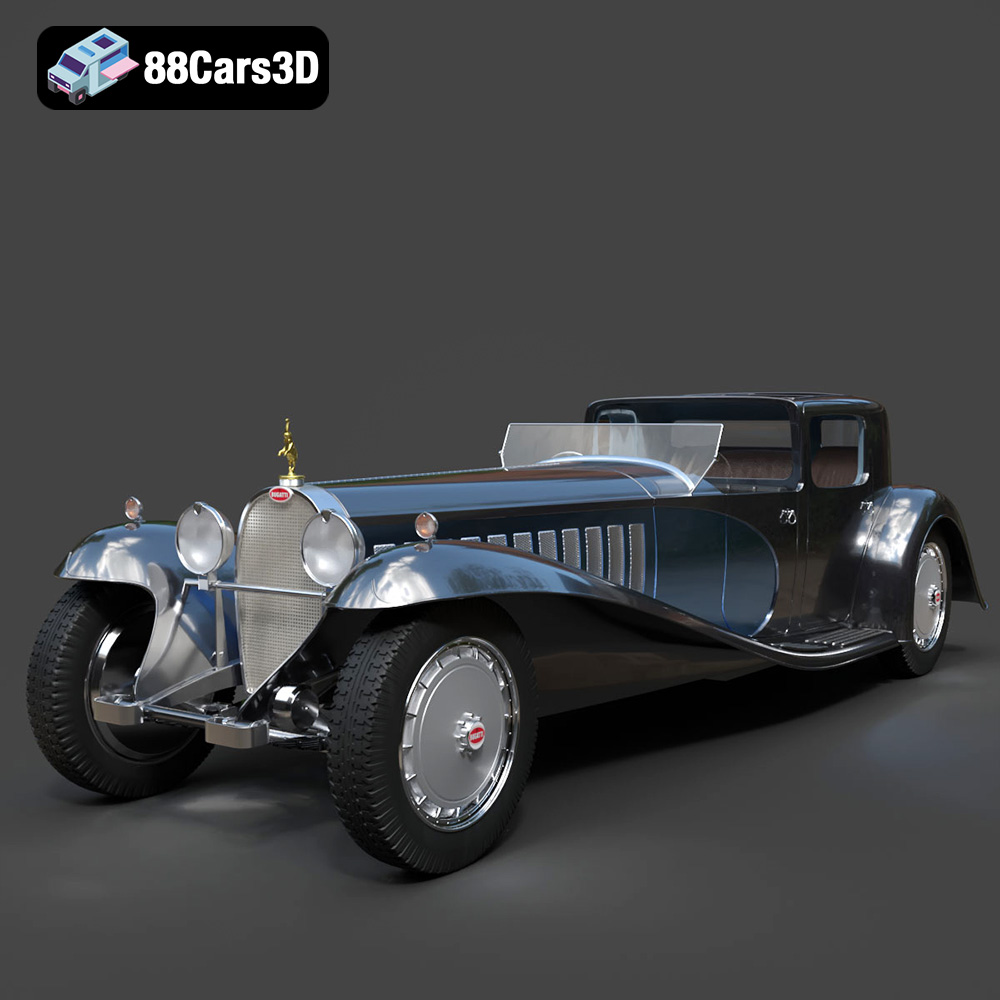
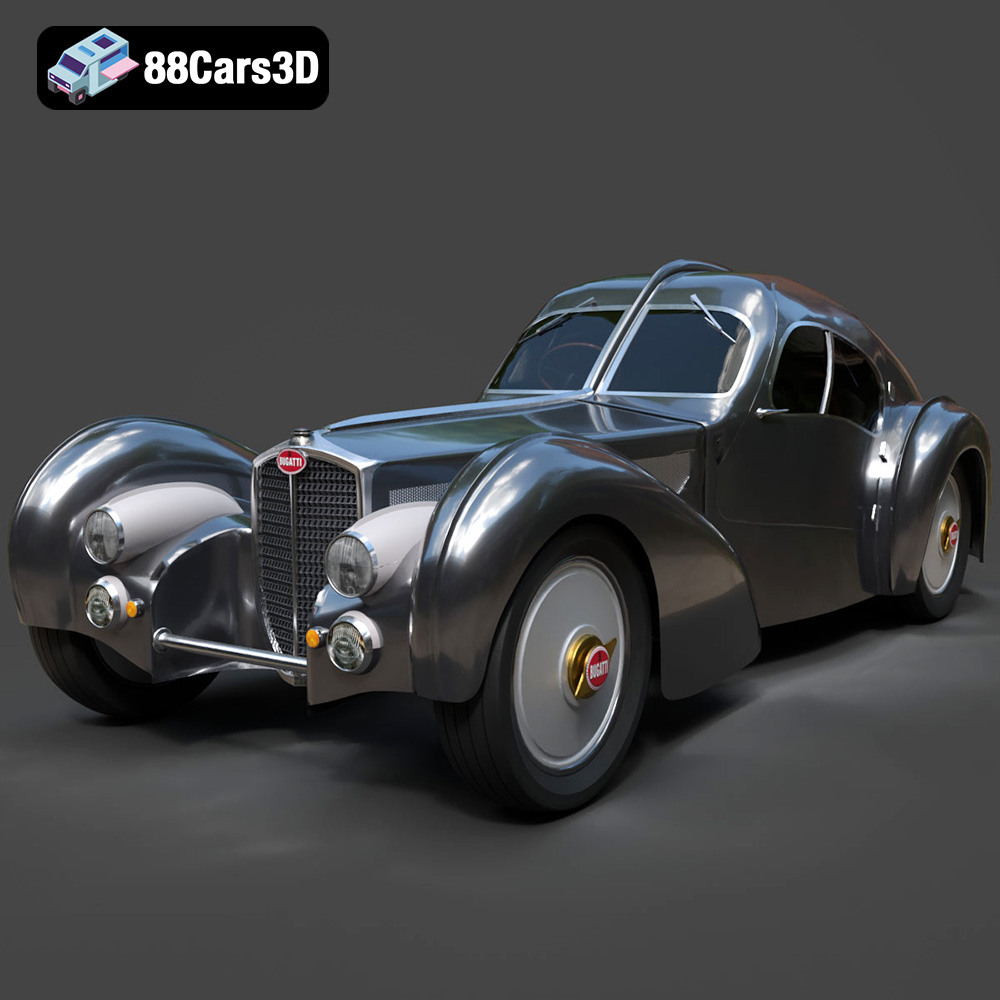
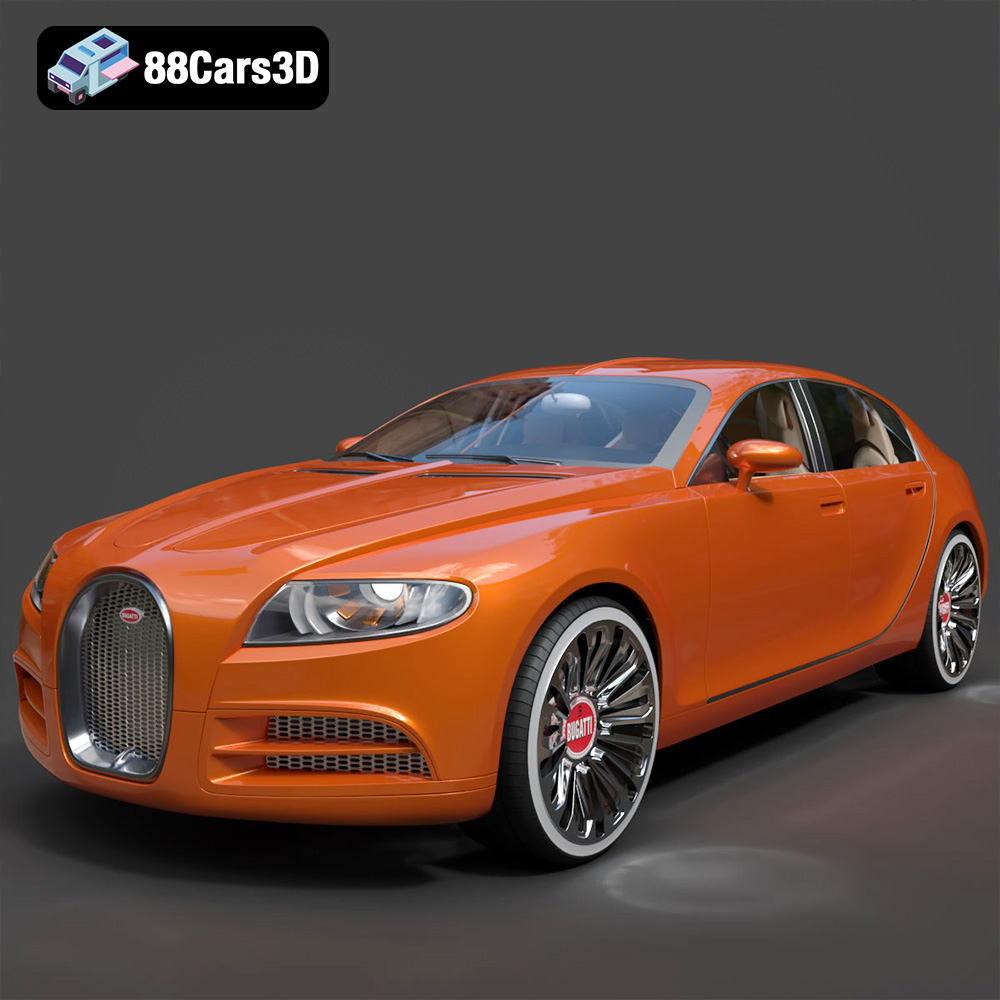
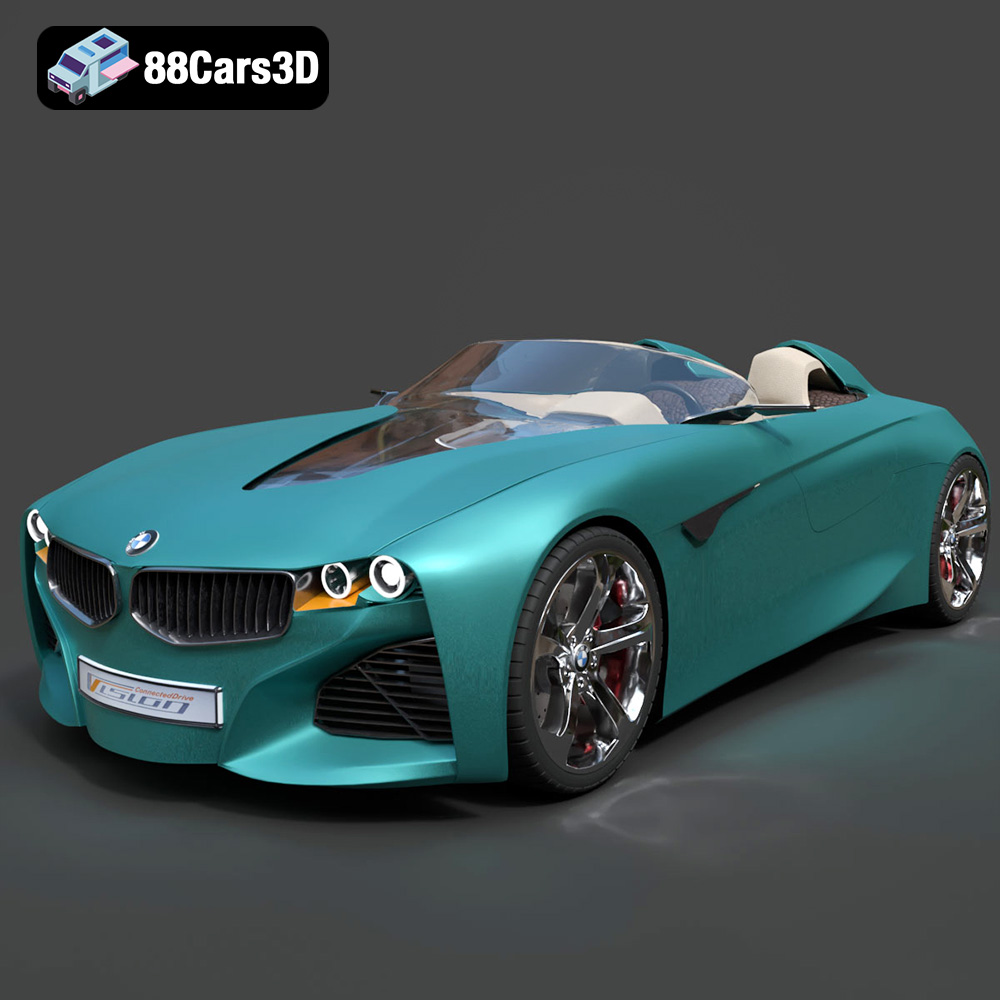
Featured 3D Car Models