

The pursuit of photorealism in real-time rendering has long been a driving force in industries ranging from game development to architectural visualization and, critically, automotive design. For years, achieving truly convincing global illumination (GI) in a real-time environment remained a significant technical hurdle. Offline renderers could simulate the complex interplay of light bouncing around a scene, illuminating surfaces indirectly and blending colors naturally, but bringing that fidelity to interactive experiences was a challenge.
Enter Unreal Engine 5’s Lumen Global Illumination and Reflections system. Lumen represents a monumental leap forward, fundamentally changing how artists and developers approach lighting in dynamic, real-time scenes. For automotive visualization, where the subtle nuances of paint reflectivity, intricate interior lighting, and the way ambient light bathes sleek surfaces are paramount, Lumen is nothing short of a game-changer. It allows designers to showcase vehicles with an unprecedented level of realism, without the long render times traditionally associated with high-quality global illumination.
This comprehensive technical deep dive will explore Lumen from the ground up, dissecting its core mechanics, demonstrating optimal setup workflows, and revealing advanced techniques to harness its full potential for stunning automotive renders. Whether you’re an Unreal Engine developer, a 3D artist integrating high-quality 3D car models from marketplaces like 88cars3d.com, or an automotive visualization professional pushing the boundaries of real-time realism, understanding Lumen is essential. We’ll cover everything from project configuration and material creation to advanced optimization and real-world applications, ensuring you can elevate your automotive projects to cinematic quality in real-time.
The Lumen Revolution: Real-Time Global Illumination for Automotive Visualization
Global Illumination (GI) is the holy grail of realistic rendering. It accounts for how light, upon hitting a surface, doesn’t just stop there but bounces, scatters, and contributes to the illumination of other surfaces. This indirect lighting creates subtle color bleeding, soft shadows, and a pervasive sense of realism that direct lighting alone cannot achieve. Before Lumen, real-time GI often relied on baked lightmaps (static, non-dynamic lighting), precomputed lighting solutions, or significantly less accurate approximations. These methods were cumbersome, non-interactive, or lacked the visual fidelity required for high-end automotive visualization.
Lumen redefines real-time GI by providing a fully dynamic, ray-traced solution that works with any change in lighting or geometry, instantly. This means you can move a car, change its color, open doors, turn on headlights, or even modify the environment, and Lumen will update the global illumination in real-time, delivering visually consistent and physically plausible results. For showcasing sophisticated 3D car models, this capability is invaluable, allowing for interactive product configurators, virtual showrooms, and dynamic cinematics that truly immerse the viewer.
What is Global Illumination and Why It Matters for Car Models
At its core, global illumination simulates how light energy is transferred between surfaces in a scene. Imagine sunlight entering a room: it hits the floor, and some of that light energy is absorbed, but a significant portion is reflected, bouncing off walls, furniture, and eventually illuminating areas that the direct sunlight never touched. This is indirect lighting. For a car model, this translates to:
- Color Bleeding: The red paint of a car will subtly tint the concrete ground it rests on, and vice-versa.
- Softening of Shadows: Areas not directly lit receive ambient light from bounces, preventing harsh, unrealistic black shadows.
- Accurate Reflections: Surfaces like chrome and glass don’t just reflect direct light sources but also the surrounding environment’s indirect illumination, creating a more cohesive look.
- Interior Realism: Light entering a car’s interior will bounce within the cabin, illuminating dashboard details, seats, and intricate components with natural falloff.
Without proper GI, car models can look isolated and ‘pasted’ into a scene, lacking integration with their environment. Lumen resolves this by making every pixel contribute to the overall lighting solution, creating truly cohesive and immersive automotive scenes.
How Lumen Works: A Technical Overview of Its Mechanics
Lumen utilizes a hybrid approach to achieve its real-time global illumination and reflections. It leverages a combination of software ray tracing against a Mesh Distance Fields representation of the scene, combined with screen traces and a final gather pass. This intricate system is designed for robustness and performance across diverse scenarios:
- Software Ray Tracing: Lumen casts rays into the scene, not against the original high-polygon mesh, but against a lower-resolution representation called Signed Distance Fields (SDFs). These SDFs are generated for static meshes in your scene and allow for efficient ray intersection queries, even on non-RTX hardware. Dynamic objects also contribute to these SDFs.
- Surface Cache: To reduce redundant calculations, Lumen caches lighting information on surfaces within the scene, storing it in what’s known as a ‘Surface Cache’. This cache effectively “remembers” how light hits and bounces off various surfaces.
- Final Gather: This step refines the initial GI solution by gathering more detailed lighting information, particularly for areas closer to the camera. It helps to smooth out artifacts and increase the fidelity of the indirect lighting.
- Screen Traces: For objects very close to the camera, Lumen also utilizes screen-space information. This provides highly detailed and accurate reflections and indirect lighting for elements visible on screen, complementing the ray-traced GI.
The beauty of this system is its scalability. While it benefits from hardware ray tracing for even higher fidelity (especially reflections), its software ray tracing component ensures broad compatibility. For more in-depth technical specifications, the official Unreal Engine documentation provides extensive resources on Lumen’s architecture and implementation details.
Setting Up Your Unreal Engine Project for Optimal Lumen Performance
Before you even import your stunning 3D car models, configuring your Unreal Engine project correctly is crucial for Lumen to perform at its best. A well-prepared project lays the groundwork for high-quality global illumination, ensuring that your automotive visualizations look spectacular and run smoothly. This involves specific project settings, environment setup, and understanding the core components that interact with Lumen.
When working with assets, acquiring high-quality 3D car models from trusted sources like 88cars3d.com ensures you start with optimized geometry and materials that are ready for Unreal Engine. These models often come with clean topology and proper UV mapping, which are fundamental for Lumen’s underlying systems to function correctly and without artifacts.
Enabling Lumen and Essential Project Settings
Lumen is integrated directly into Unreal Engine 5, but you need to ensure it’s properly activated and configured for your project. Here’s a step-by-step guide:
- Create a New Project: Start with a new “Games” template, specifically “Blank” or “Third Person” if you need basic player movement. For automotive visualization, “Blank” is often preferred.
- Engine Scalability Settings: Go to Settings > Engine Scalability Settings. For development, set everything to “Epic” or “Cinematic.” This ensures Lumen operates at its highest quality.
- Project Settings: Open Edit > Project Settings.
- Rendering Section: Navigate to the “Rendering” section on the left sidebar.
- Global Illumination: Under “Global Illumination,” ensure “Dynamic Global Illumination Method” is set to “Lumen.”
- Reflections: Under “Reflections,” ensure “Reflection Method” is set to “Lumen.”
- Hardware Ray Tracing (Optional but Recommended): If your system has an RTX GPU, consider enabling “Ray Tracing” under the “Hardware Ray Tracing” section. While Lumen works without it, hardware ray tracing can provide higher quality reflections and GI, especially for complex metallic surfaces common on cars.
- Distance Fields: Ensure “Generate Mesh Distance Fields” is enabled under the “Virtual Shadow Maps” or “General Settings” subsection. This is critical for Lumen’s software ray tracing component to function correctly.
These settings are your foundation. Experimenting with specific Lumen quality settings within the Post Process Volume (discussed next) will fine-tune the visual output and performance.
Essential Scene Setup: Environment and Lighting for Lumen
A well-composed scene is vital for Lumen to shine. Lumen thrives on environmental context, as it’s designed to simulate light bouncing off everything. Key elements for your scene setup include:
- Post Process Volume: This is where you control Lumen’s behavior and quality. Drag a “Post Process Volume” into your scene and ensure its “Infinite Extent (Unbound)” property is checked so it affects the entire scene. Within the Post Process Volume, under the “Lumen Global Illumination” and “Lumen Reflections” sections, you’ll find parameters like:
- Lumen Scene Detail: Controls the resolution of Lumen’s internal representation of the scene. Higher values mean more detail but higher performance cost.
- Lumen Reflections Quality: Affects the fidelity of reflections.
- Lumen Final Gather Quality: Influences the smoothness and accuracy of the final global illumination pass.
- Sky Light: Crucial for outdoor scenes and general ambient light. A Sky Light captures the distant environment (like an HDRI or a Sky Atmosphere) and injects its light into the scene, which Lumen then processes dynamically. Set its “Source Type” to “SLS Captured Scene” for dynamic environments or “SLS Specified Cubemap” for fixed HDRIs.
- Directional Light: Represents the sun. Its position directly influences shadows and the primary light source for Lumen to propagate. Ensure its “Cast Ray Traced Shadows” is enabled for crisp, realistic shadows that interact with Lumen.
- Sky Atmosphere: For realistic outdoor lighting, add a “Sky Atmosphere” actor. Lumen interacts seamlessly with it, generating realistic scattering and environmental fog.
- Volumetric Clouds (Optional): If you add Volumetric Clouds, Lumen will account for their shadows and how they interact with the overall scene lighting.
Always ensure your environment provides a solid ground plane and surrounding elements for light to bounce off. An empty scene will yield poor Lumen results because there’s nothing for the light to interact with and reflect from.
Mastering Materials and Lighting for Lumen-Powered Automotive Visualization
The beauty of a 3D car model, particularly one from 88cars3d.com, is often defined by its materials and how they interact with light. Lumen elevates this interaction, making physically based rendering (PBR) workflows more crucial than ever. For automotive visualization, achieving stunning realism requires not just accurate material properties but also a strategic approach to lighting that leverages Lumen’s dynamic capabilities.
Lumen interprets the light response of every surface, so understanding how materials feed into this system is paramount. From the metallic flakes in car paint to the subtle reflections on interior leather, every material parameter influences the global illumination and reflection solution.
PBR Materials and Lumen’s Role in Realistic Car Paint and Interiors
Physically Based Rendering (PBR) is the cornerstone of modern real-time graphics, and Lumen is designed from the ground up to work seamlessly with it. PBR materials simulate how light behaves in the real world, based on their metallic and roughness properties. For automotive applications, this translates directly to:
- Car Paint: A highly metallic, low-roughness material will exhibit sharp, clear reflections of the environment and light sources. Lumen ensures these reflections include accurate indirect lighting from the surroundings, creating depth and realism. A slightly rougher clear coat, common in car paints, will diffuse reflections more, a nuance Lumen handles beautifully.
- Glass: Lumen will correctly refract and reflect light through and off glass surfaces, including windshields and windows. This means you’ll see realistic environment reflections on the exterior glass and indirect light passing into the car’s interior.
- Chrome and Polished Metals: These materials, characterized by high metallic values and low roughness, will showcase highly accurate and dynamic reflections from the entire scene, including other parts of the car itself.
- Interior Materials: Leathers, plastics, and fabrics with varying roughness and base colors will correctly absorb and reflect light. Lumen will propagate color bleeding between these surfaces, ensuring the interior looks cohesive and naturally lit.
- Emissive Materials: Headlights, tail lights, and interior dashboard lights with emissive properties will contribute directly to Lumen’s global illumination solution, dynamically illuminating surrounding surfaces with their emitted light.
When creating or adjusting PBR materials in Unreal Engine’s Material Editor, remember that Base Color, Metallic, Specular, and Roughness are critical inputs for Lumen. Ensure your textures are high-resolution and accurately calibrated. For resources on PBR best practices, consult the Unreal Engine documentation.
Strategic Lighting Placement and Interaction for Dynamic Scenes
While Lumen handles the indirect light, primary light sources still need careful placement and configuration. Lumen interacts with all standard Unreal Engine light types:
- Directional Light (Sun): As discussed, this is your primary outdoor light source. Adjust its intensity, color, and angle to set the mood. Lumen will then propagate its light throughout the scene.
- Sky Light: Captures the ambient light from your environment. A high-quality HDRI fed into your Sky Light will provide rich, realistic indirect lighting for Lumen to work with.
- Point Lights, Spot Lights, and Rect Lights: These are crucial for artificial lighting. For instance, in a virtual showroom, you might use Rect Lights to simulate studio softboxes or Point Lights to highlight specific features of the car. Lumen will ensure their light bounces off walls, floors, and the car itself, creating realistic falloff and ambient fill.
- Emissive Materials: Any material with an emissive output in the Material Editor will automatically contribute light to the scene via Lumen. This is incredibly powerful for car headlights, taillights, interior dashboards, or environmental elements like neon signs. The intensity of the emissive material directly influences how much light it ‘donates’ to the Lumen GI solution.
Tips for Lighting with Lumen:
- Light Source Bounds: Ensure the “Source Radius” for Point and Spot Lights, or “Source Width/Height” for Rect Lights, is set realistically. Larger light sources create softer shadows and contribute more significantly to indirect lighting.
- Intensity Calibration: Use real-world units (Lumens, Candela) for light intensity where possible. This promotes physically accurate lighting.
- No Light Leaks: Ensure your geometry is completely sealed, especially for interiors or closed environments. Lumen’s ray tracing will find any gaps, leading to unrealistic light leaks.
- Experiment with Lumen Settings: In the Post Process Volume, adjust Lumen’s intensity settings (e.g., “Lumen Scene Lighting Quality”) to fine-tune how aggressively indirect lighting brightens your scene.
By understanding how Lumen interacts with both PBR materials and traditional light sources, you gain unparalleled control over the realism and mood of your automotive visualizations.
Advanced Lumen Techniques for Unparalleled Realism
Beyond the foundational setup, Unreal Engine 5 offers powerful features that integrate seamlessly with Lumen, pushing the boundaries of real-time realism even further. Leveraging technologies like Nanite for geometry, Blueprint for interactivity, and Sequencer for cinematic output allows automotive artists to create experiences that blur the line between real and virtual. When sourcing 3D car models, always consider their suitability for these advanced workflows, looking for models with clean geometry, optimized topology, and well-structured materials.
Integrating Nanite with Lumen for High-Fidelity Car Models
Nanite is Unreal Engine 5’s virtualized geometry system, allowing for the direct import and rendering of incredibly high-polygon models – think millions or even billions of triangles per mesh – without traditional LOD (Level of Detail) constraints or performance bottlenecks. This is a game-changer for automotive visualization, where intricate details of car models (like complex body panels, detailed engines, or fine interior stitching) were previously challenging to render efficiently.
The synergy between Nanite and Lumen is profound:
- Unprecedented Detail: You can import high-fidelity CAD data or scan data of a car directly into Unreal Engine, enable Nanite on the mesh, and Lumen will calculate global illumination and reflections against this highly detailed geometry. This means accurate indirect light bounce off intricate surfaces, precise contact shadows, and realistic reflections on highly detailed metallic components.
- Optimized Performance: While Nanite handles the geometry efficiently, Lumen still needs to trace rays against a representation of that geometry. For Lumen’s software ray tracing, Nanite meshes contribute to the Mesh Distance Fields. For hardware ray tracing (if enabled), Lumen will directly query the Nanite mesh, offering the highest quality.
- Reduced LOD Burden: With Nanite, the need for manually creating and managing multiple LODs for the geometry is largely eliminated. Lumen can utilize the full detail, or an optimized representation, providing consistent GI regardless of camera distance.
Practical Tip: To enable Nanite on an imported static mesh (like your car model), simply open the Static Mesh Editor, locate the “Nanite” section in the Details panel, and check “Enable Nanite.” Rebuild the mesh, and it’s ready. Remember that translucent materials (like glass) and skeletal meshes (for animated parts like opening doors if not rigged correctly) do not currently support Nanite directly, but this often has minimal impact on the core car body.
Cinematic Quality with Sequencer and Lumen
Unreal Engine’s Sequencer is a powerful non-linear editor for creating cinematic sequences, animations, and interactive experiences. When combined with Lumen, it unlocks unparalleled capabilities for automotive marketing and storytelling:
- Dynamic Lighting Changes: Animate the position and intensity of your Directional Light (sun) to simulate a time-lapse, or keyframe the emissive strength of headlights to turn on. Lumen will dynamically update the global illumination and reflections in real-time throughout the sequence, creating seamless transitions.
- Material Swaps and Configuration: Using Blueprint, you can expose material parameters (e.g., car paint color, wheel finish) and animate them in Sequencer. As colors change, Lumen will instantly update the color bleeding and overall scene illumination, critical for showcasing an automotive configurator in a cinematic context.
- Post-Processing Effects: Sequencer allows you to animate Post Process Volume settings over time. Blend between different exposure settings, color grades, and Lumen quality parameters to achieve specific artistic looks for different shots.
- Camera Animation and Focus: Animate camera movements, depth of field, and focus distances. Lumen’s accurate GI ensures that areas falling out of focus still maintain realistic ambient light, enhancing the filmic quality.
For rendering high-quality cinematic sequences with Lumen, consider enabling “Movie Render Queue” and using “Path Tracer” as an alternative for specific shots if ultimate quality is needed and render time is less of a concern. However, Lumen’s real-time output from Sequencer is often sufficient for most needs, especially for quick iterations and pre-visualization.
Blueprint for Dynamic Lumen Experiences and Automotive Configurators
Blueprint visual scripting allows artists and designers to create complex interactive logic without writing a single line of code. For automotive visualization, Blueprint, combined with Lumen, is the engine behind interactive car configurators and dynamic demos:
- Material Swapping: Create Blueprint logic to swap car paint materials, wheel types, and interior finishes at runtime. As the materials change, Lumen provides immediate, photorealistic updates to the global illumination and reflections, showcasing how different finishes interact with the environment.
- Interactive Lighting: Build systems to toggle headlights, interior lights, or showroom spot lights on and off. Lumen will dynamically react, illuminating the scene accordingly. You can even create time-of-day systems that animate the sun’s position and, by extension, the entire scene’s global illumination.
- Door/Hood Animation: Animate car doors opening, bonnets lifting, or trunks revealing storage. Lumen will calculate how light enters these newly exposed areas, adding another layer of realism to your interactive experience.
- Environment Control: Allow users to change the environment (e.g., from a city showroom to a forest road) and witness Lumen adapt the GI and reflections instantly, showing how the car looks in various settings.
By leveraging Blueprint, you can provide users with an unprecedented level of interaction and visual fidelity, making your automotive configurators and virtual showrooms truly stand out. The ability to see real-time, accurate indirect lighting and reflections for every customization option is a powerful selling point.
Optimizing Lumen for Performance and Production Workflows
While Lumen delivers incredible visual fidelity, achieving optimal performance, especially for demanding applications like automotive configurators or virtual production, requires careful optimization. Balancing visual quality with frame rate is an art form, and understanding Lumen’s various settings and their impact is key to successful implementation. High-quality 3D car models that are already optimized for Unreal Engine, like those found on 88cars3d.com, provide a solid foundation for performance.
Balancing Visual Quality and Performance with Lumen Settings
Lumen offers a comprehensive set of controls within the Post Process Volume and Project Settings that allow you to fine-tune its performance. The goal is to achieve the best possible visual outcome while maintaining your target frame rate. Here are the critical settings and considerations:
- Post Process Volume Settings:
- Lumen Scene Detail: (
r.Lumen.Scene.Detail) Controls the resolution of the internal Mesh Distance Fields used for software ray tracing. Lower values can reduce memory and improve performance but may lead to blockier indirect lighting or light leaks if too low. - Lumen Final Gather Quality: (
r.Lumen.DiffuseIndirect.FinalGather.Jitter,r.Lumen.DiffuseIndirect.FinalGather.Samples) Affects the smoothness and accuracy of the final GI pass. Reducing samples or increasing jitter can improve performance but may introduce noise. - Lumen Reflections Quality: (
r.Lumen.Reflections.MaxBounces,r.Lumen.Reflections.FullRes) Controls the number of reflection bounces and whether reflections are rendered at full resolution. Reducing bounces or disabling full-resolution reflections can significantly boost performance for reflections. - Lumen Global Illumination Method: You can choose between “Lumen” and “Screen Space Global Illumination” or “None”. “Lumen” is the highest quality.
- Lumen Max Trace Distance: (
r.Lumen.MaxTraceDistance) Limits how far Lumen’s rays trace. Reducing this can improve performance for large scenes but might cut off GI from distant objects.
- Lumen Scene Detail: (
- Project Settings:
- Software Ray Tracing Quality: (
r.Lumen.HardwareRayTracing) If hardware ray tracing is not enabled, Lumen relies entirely on software ray tracing against Mesh Distance Fields. Adjusting the quality of these distance fields (r.GenerateMeshDistanceFieldsand related console variables) can impact performance. - Nanite: While Nanite helps with geometry, its interaction with Lumen needs to be considered. For hardware ray tracing, Nanite meshes are directly queried. For software ray tracing, Nanite meshes contribute to Mesh Distance Fields. Ensure unnecessary Nanite meshes are disabled if not crucial for GI detail.
- Software Ray Tracing Quality: (
General Optimization Tips:
- Simplify Geometry Not Directly Visible: Even with Nanite, simpler geometry for distant or occluded objects can help.
- Optimize Materials: Complex material graphs can add to rendering cost. Optimize them where possible, especially for distant objects.
- Disable Lumen for Small, Insignificant Lights: If a very small light source contributes minimally to GI, consider setting its “Indirect Lighting Intensity” to 0.
- Use Level Streaming: For very large environments, use level streaming to only load relevant parts of the scene, reducing Lumen’s overall computation.
Monitoring your GPU and CPU usage with the built-in profiling tools (stat unit, stat GPU, stat Lumen console commands) is crucial for identifying bottlenecks.
Common Challenges and Troubleshooting for Lumen
While powerful, Lumen can present a few challenges. Understanding how to troubleshoot these is essential for a smooth production workflow:
- Light Leaks: Occur when Lumen’s rays “escape” through gaps in geometry, illuminating areas that should be dark.
- Solution: Ensure all meshes are watertight, especially for interiors. Increase “Lumen Scene Detail” in the Post Process Volume to improve the accuracy of the Mesh Distance Fields. Check mesh scaling – non-uniform scaling can sometimes cause issues.
- Flickering/Noise: Can appear in indirect lighting or reflections, especially in dynamic scenes or with fast camera movements.
- Solution: Increase “Lumen Final Gather Quality” or “Lumen Scene Detail.” For reflections, increase “Lumen Reflections Quality.” Ensure sufficient temporal anti-aliasing (TAA). Check if “Screen Space Global Illumination” is accidentally enabled alongside Lumen, causing conflicts.
- Performance Dips: Dropped frame rates due to Lumen’s computational cost.
- Solution: Reduce Lumen quality settings as detailed above. Check GPU usage (
stat GPU). Optimize material complexity. Ensure your environment isn’t excessively complex for Lumen to trace against. Consider reducing the number of dynamic lights if they are very numerous.
- Solution: Reduce Lumen quality settings as detailed above. Check GPU usage (
- Inaccurate Reflections on Translucent Objects (Glass): Lumen’s screen-space reflections might struggle with objects behind translucent surfaces.
- Solution: Ensure hardware ray tracing is enabled if your GPU supports it, as this can improve translucent reflections. For critical glass surfaces, you might need to combine Lumen reflections with Planar Reflections if performance allows, though this is often an expensive option.
Always refer to the official Unreal Engine documentation for the most up-to-date troubleshooting guides and best practices regarding Lumen.
Real-World Applications: Automotive Visualization with Lumen
The capabilities of Lumen extend far beyond static renders; they empower dynamic, interactive, and high-fidelity automotive experiences across various industry applications. From engaging marketing tools to sophisticated design workflows, Lumen is redefining what’s possible in real-time automotive visualization. The foundation for these applications often begins with high-quality, pre-optimized 3D car models, ready for direct integration into Unreal Engine.
Crafting Interactive Car Configurators and Virtual Showrooms
Interactive car configurators and virtual showrooms are arguably one of the most impactful applications of Lumen in the automotive industry. The ability for a potential buyer to explore a vehicle, customize its features, and see immediate, photorealistic feedback on those changes is incredibly powerful. Lumen makes this level of realism achievable in real-time:
- Dynamic Material Swaps: As a user selects a different paint color, wheel finish, or interior trim, Lumen instantly recalculates the global illumination. This means the new material will correctly reflect the environment, receive indirect light from surrounding elements, and contribute its own color bleed, creating a seamless and immersive experience. A metallic red car will subtly tint the environment differently than a matte black one, and Lumen ensures this realism.
- Real-Time Environmental Interaction: Allow users to toggle between different environments (e.g., a sunny outdoor scene, a sleek studio, a moody city street). Lumen will dynamically adapt the lighting, shadows, and reflections to the new environment, showcasing the car’s aesthetic versatility.
- Feature Highlights: Use Blueprint to enable interactive features like opening doors, turning on headlights, or adjusting seats. Lumen will provide immediate, realistic lighting updates as these elements move or activate, enhancing the feeling of presence and functionality.
- Immersive Exploration: Users can walk around the vehicle, zoom into details, and even step inside, with Lumen ensuring consistent and accurate lighting from every perspective. This level of visual fidelity builds confidence and engagement, bringing the virtual car closer to a physical experience.
The performance of such configurators benefits greatly from optimized 3D car models that are specifically designed for real-time applications, ensuring smooth interaction even with high-quality Lumen settings enabled.
Virtual Production and AR/VR Integration
Lumen’s real-time global illumination capabilities are also proving transformative in virtual production and extended reality (XR) applications for automotive:
- Virtual Production (VP) with LED Walls: In filmmaking and commercial production, virtual production stages often use large LED screens to display digital environments. Lumen ensures that the virtual car (or a physical car on the stage) is illuminated consistently with the digital background. Light from the virtual environment (rendered by Lumen) spills onto the physical car and vice-versa, creating a cohesive visual blending that is crucial for photorealistic in-camera effects. This eliminates complex green screen compositing for many scenarios.
- Augmented Reality (AR): While full Lumen GI might be too computationally expensive for standalone mobile AR devices, it’s invaluable for AR experiences on more powerful platforms or for ‘baked’ lighting data that originated from Lumen. For high-end AR or mixed reality installations where a real car is augmented with virtual elements, Lumen ensures the virtual components receive accurate ambient light and reflections from the real environment (via light probes or reconstruction), maintaining visual consistency.
- Virtual Reality (VR): High-fidelity VR experiences, especially for design review or virtual showrooms, thrive on Lumen. The immersive nature of VR demands consistent and realistic lighting from all angles. Lumen provides this, ensuring that car models viewed in VR feel grounded and part of their virtual world, free from distracting light inconsistencies or baked light artifacts. Optimizing Lumen settings (e.g., reducing samples, trace distance) is crucial for maintaining the high frame rates required for comfortable VR.
For AR/VR, especially on less powerful hardware, techniques like baking Lumen’s indirect lighting into lightmaps or light probes for static environments can be employed, offering a performance-optimized solution while still benefiting from Lumen’s initial high-quality calculation.
Conclusion
Unreal Engine 5’s Lumen Global Illumination and Reflections system is a monumental achievement, fundamentally reshaping the landscape of real-time rendering. For automotive visualization, it has unlocked an unprecedented level of realism, allowing artists and designers to create stunning, dynamic, and interactive experiences that were once confined to the realm of offline rendering. From the subtle nuances of car paint reflectivity to the intricate play of light within a vehicle’s interior, Lumen delivers a physically accurate and visually compelling solution.
We’ve delved into the technical underpinnings of Lumen, explored essential project setup and material considerations, and uncovered advanced techniques involving Nanite, Sequencer, and Blueprint. We’ve also touched upon crucial optimization strategies and troubleshooting tips, empowering you to achieve the perfect balance between visual fidelity and performance. Whether you’re crafting high-end cinematic sequences, developing interactive car configurators, or pushing the boundaries of virtual production and XR, Lumen is an indispensable tool.
The journey to mastering Lumen is an ongoing one, filled with experimentation and learning. By leveraging high-quality 3D car models, meticulously configured projects, and a deep understanding of Lumen’s capabilities, you can elevate your automotive visualization projects to new heights. Continue to explore the vast resources available on the official Unreal Engine documentation and within the community to stay abreast of the latest advancements. The future of automotive visualization is dynamic, real-time, and radiantly lit by Lumen.
Featured 3D Car Models
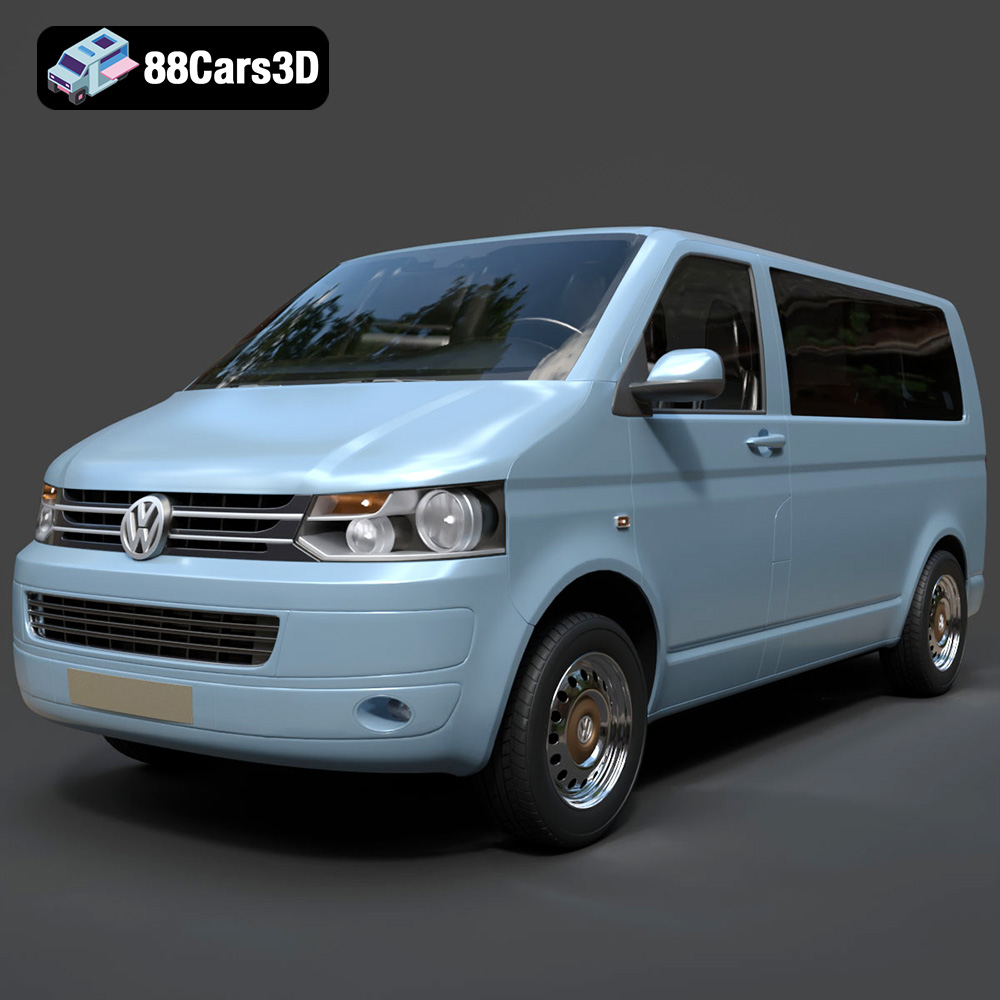
Volkswagen Transporter T5 FL 2010 3D Model
Texture: Yes
Material: Yes
Download the Volkswagen Transporter T5 FL 2010 3D Model featuring clean geometry, realistic detailing, and a fully modeled interior. Includes .blend, .fbx, .obj, .glb, .stl, .ply, .unreal, and .max formats for rendering, simulation, and game development.
Price: $22.99
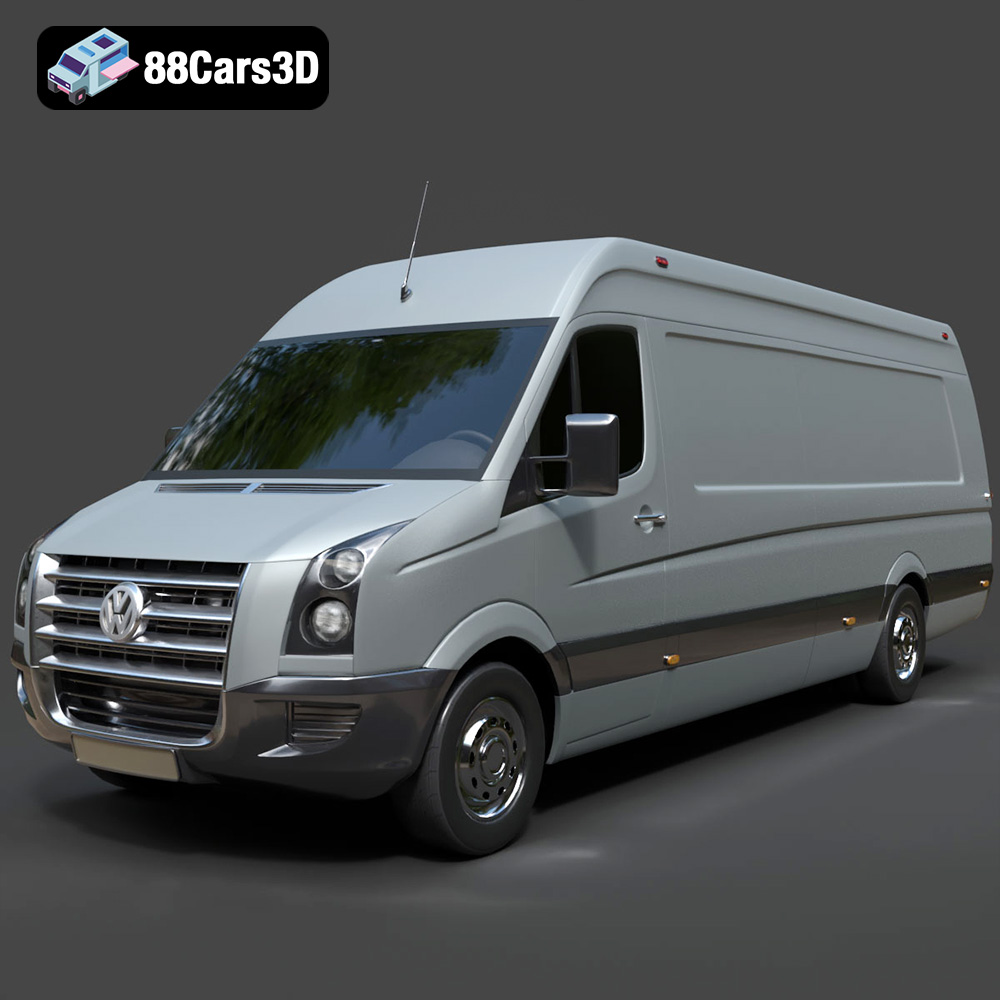
Volkswagen Crafter 2020 3D Model
Texture: Yes
Material: Yes
Download the Volkswagen Crafter 2020 3D Model featuring clean geometry, realistic detailing, and a fully modeled interior. Includes .blend, .fbx, .obj, .glb, .stl, .ply, .unreal, and .max formats for rendering, simulation, and game development.
Price: $22.99
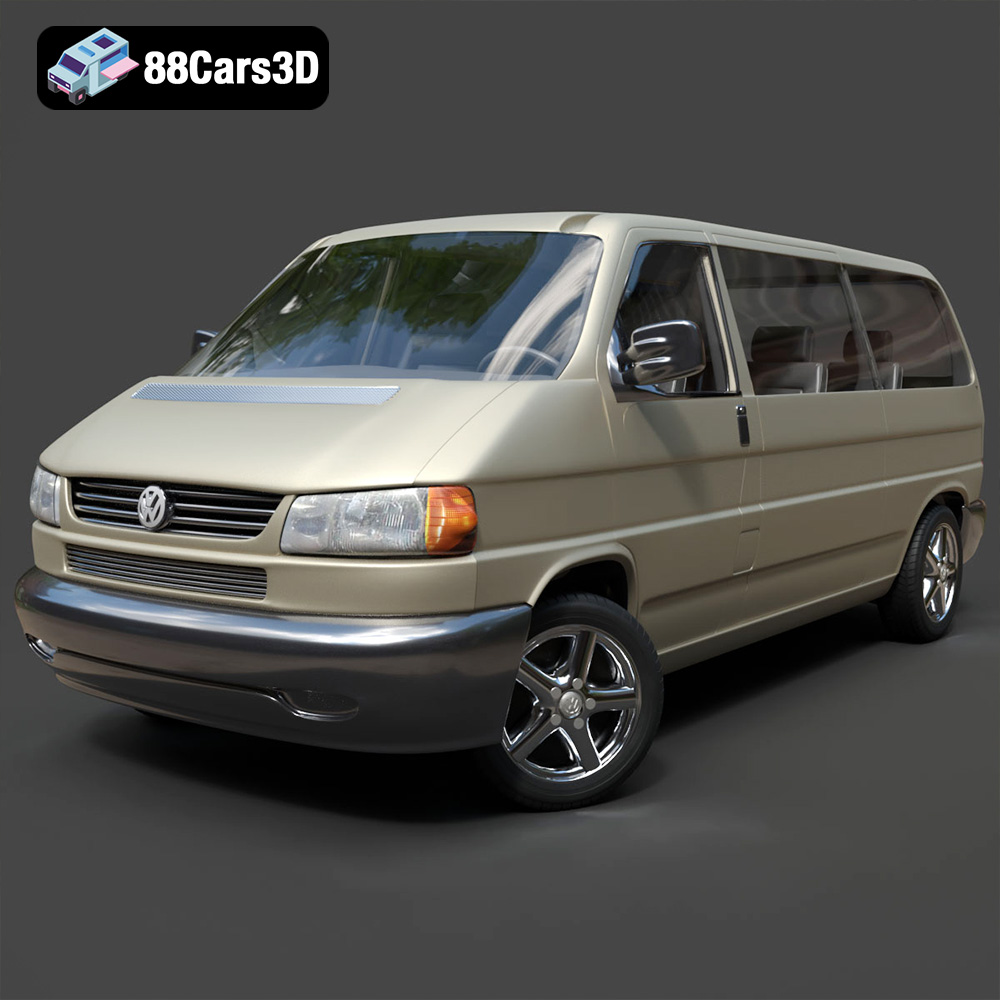
Volkswagen Caravelle 2020 3D Model
Texture: Yes
Material: Yes
Download the Volkswagen Caravelle 3D Model featuring a detailed exterior, functional interior, and optimized topology. Includes .blend, .fbx, .obj, .glb, .stl, .ply, .unreal, and .max formats for rendering, simulation, and game development.
Price: $23.99
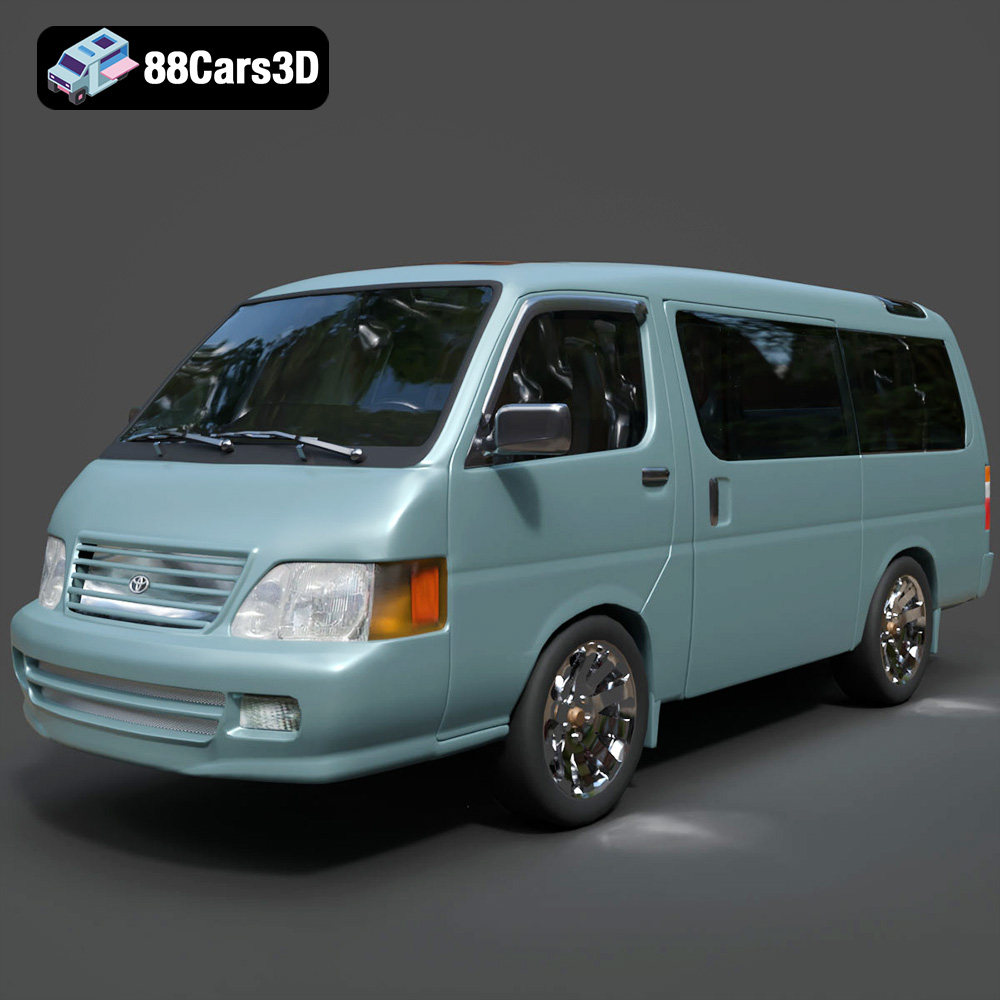
Toyota Hiace 3D Model
Texture: Yes
Material: Yes
Download the Toyota Hiace 3D Model featuring versatile design and detailed exterior. Includes .blend, .fbx, .obj, .glb, .stl, .ply, .unreal, and .max formats for rendering, simulation, and game development.
Price: $21.99
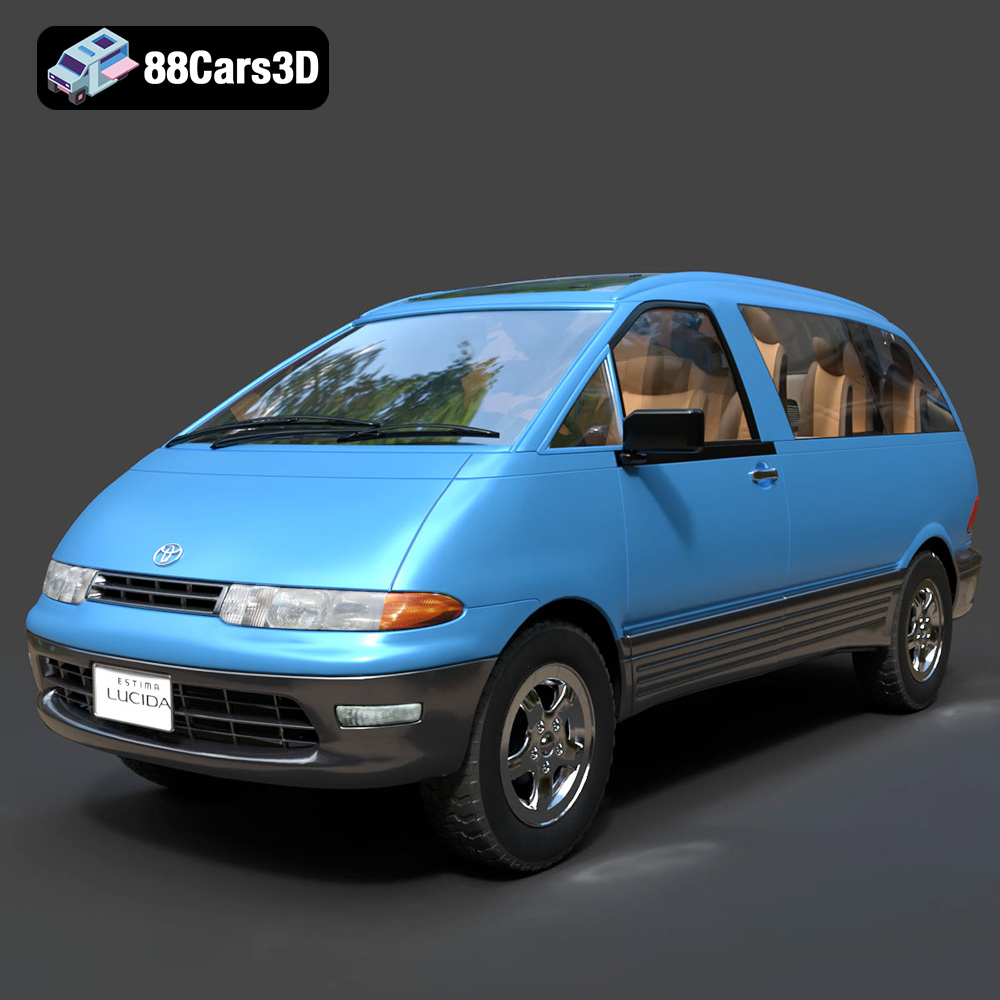
Toyota Estima Lucida 3D Model
Texture: Yes
Material: Yes
Download the Toyota Estima Lucida 3D Model featuring its iconic compact MPV design, versatile interior, and accurate exterior details. Includes .blend, .fbx, .obj, .glb, .stl, .ply, .unreal, and .max formats for rendering, simulation, and game development.
Price: $24.99

Toyota Alphard 3D Model
Texture: Yes
Material: Yes
Download the Toyota Alphard 3D Model featuring a detailed luxury minivan design with an accurate exterior and interior. Includes .blend, .fbx, .obj, .glb, .stl, .ply, .unreal, and .max formats for rendering, simulation, and game development.
Price: $21.99
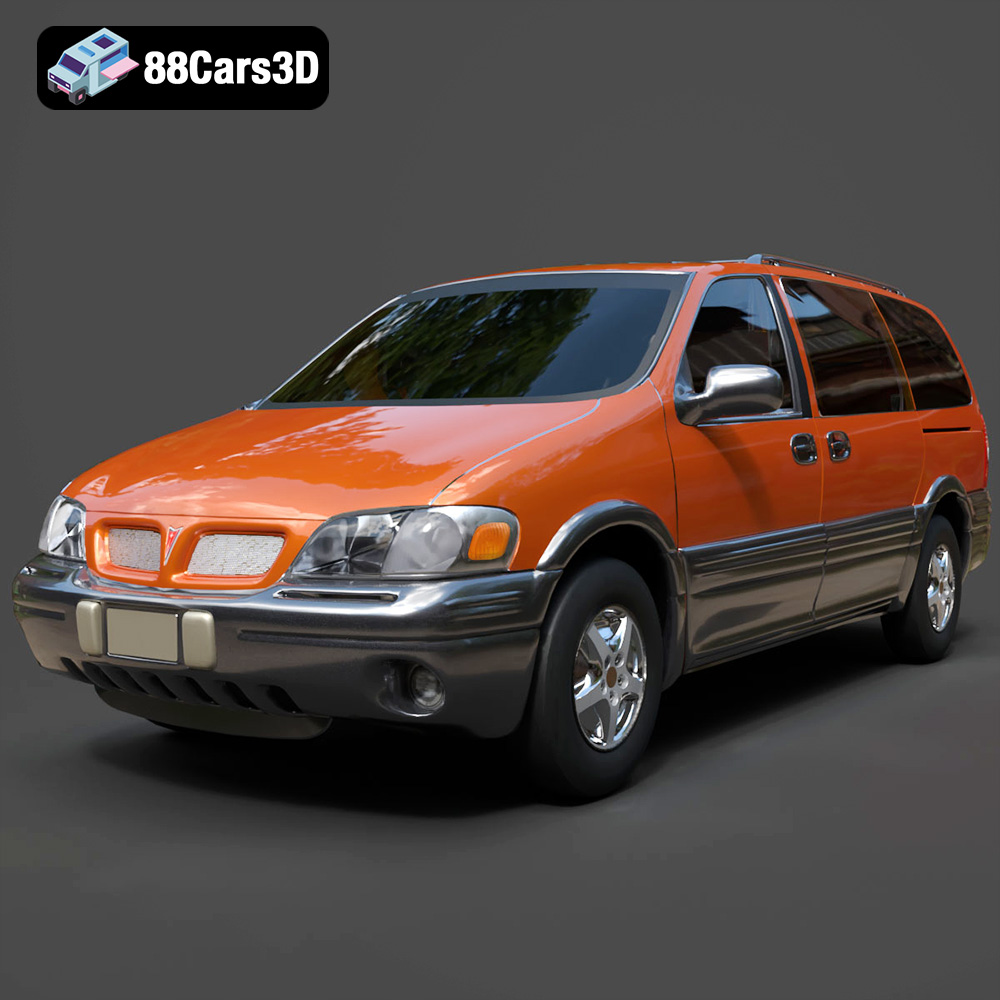
Pontiac Montana 1998 3D Model
Texture: Yes
Material: Yes
Download the Pontiac Montana 1998 3D Model featuring a detailed exterior, functional interior, and optimized mesh. Includes .blend, .fbx, .obj, .glb, .stl, .ply, .unreal, and .max formats for rendering, simulation, and game development.
Price: $21.99
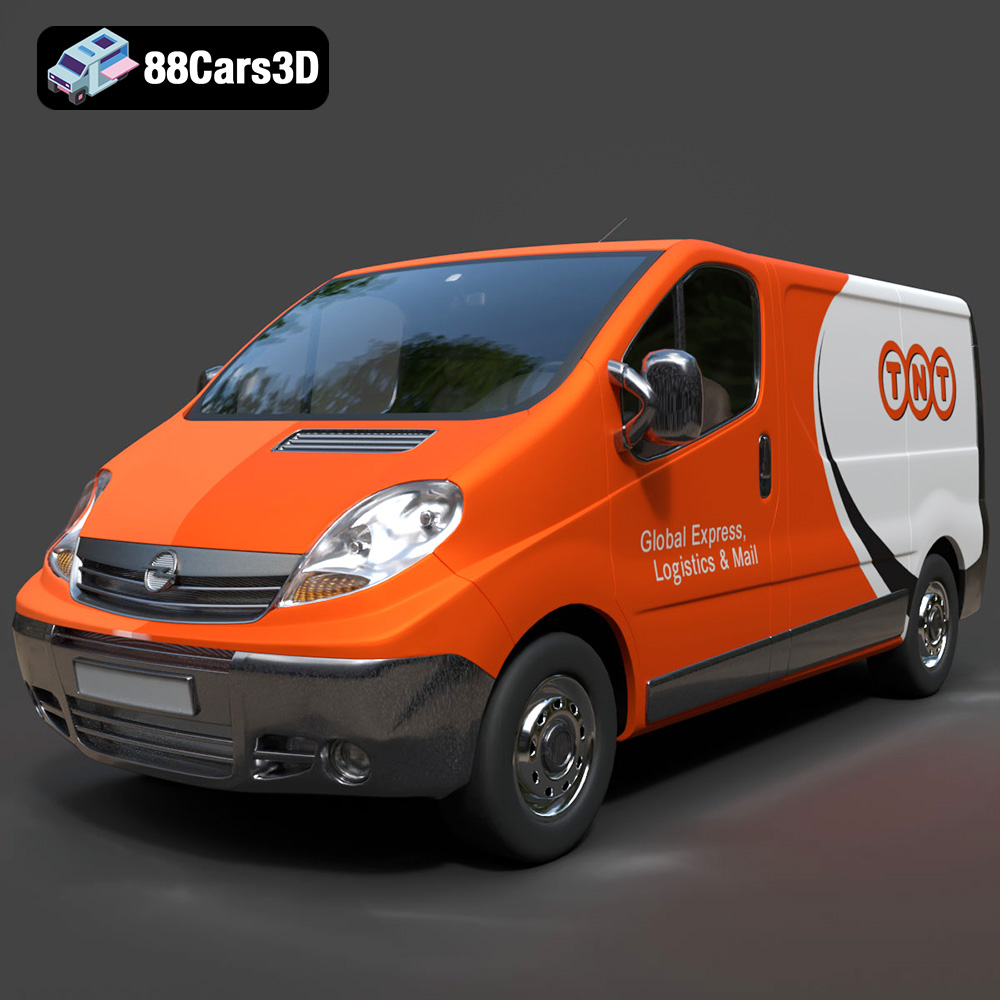
Opel Vivaro 3D Model
Texture: Yes
Material: Yes
Download the Opel Vivaro 3D Model featuring a versatile commercial van design with balanced detailing. Includes .blend, .fbx, .obj, .glb, .stl, .ply, .unreal, and .max formats for rendering, simulation, and game development.
Price: $21.99
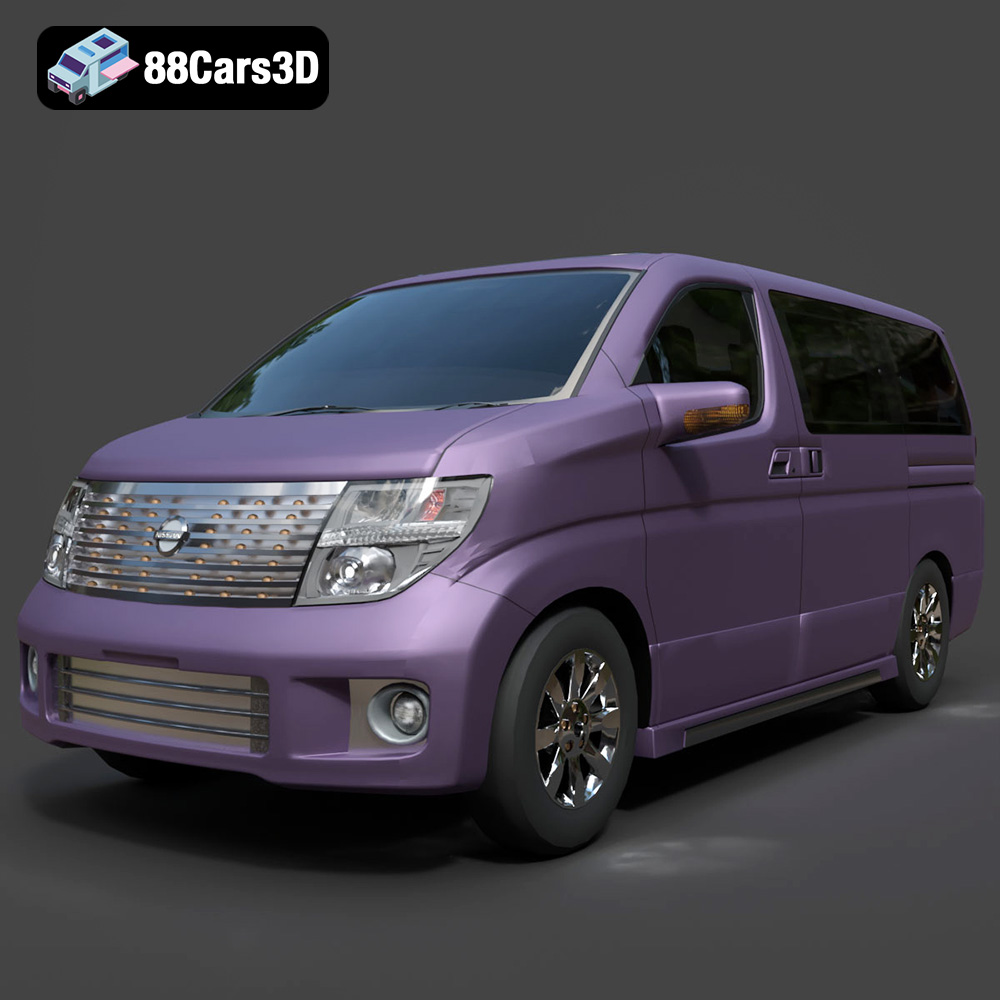
Nissan Elgrand 3D Model
Texture: Yes
Material: Yes
Download the Nissan Elgrand 3D Model featuring a versatile minivan design. Includes .blend, .fbx, .obj, .glb, .stl, .ply, .unreal, and .max formats for rendering, simulation, and game development.
Price: $21.99
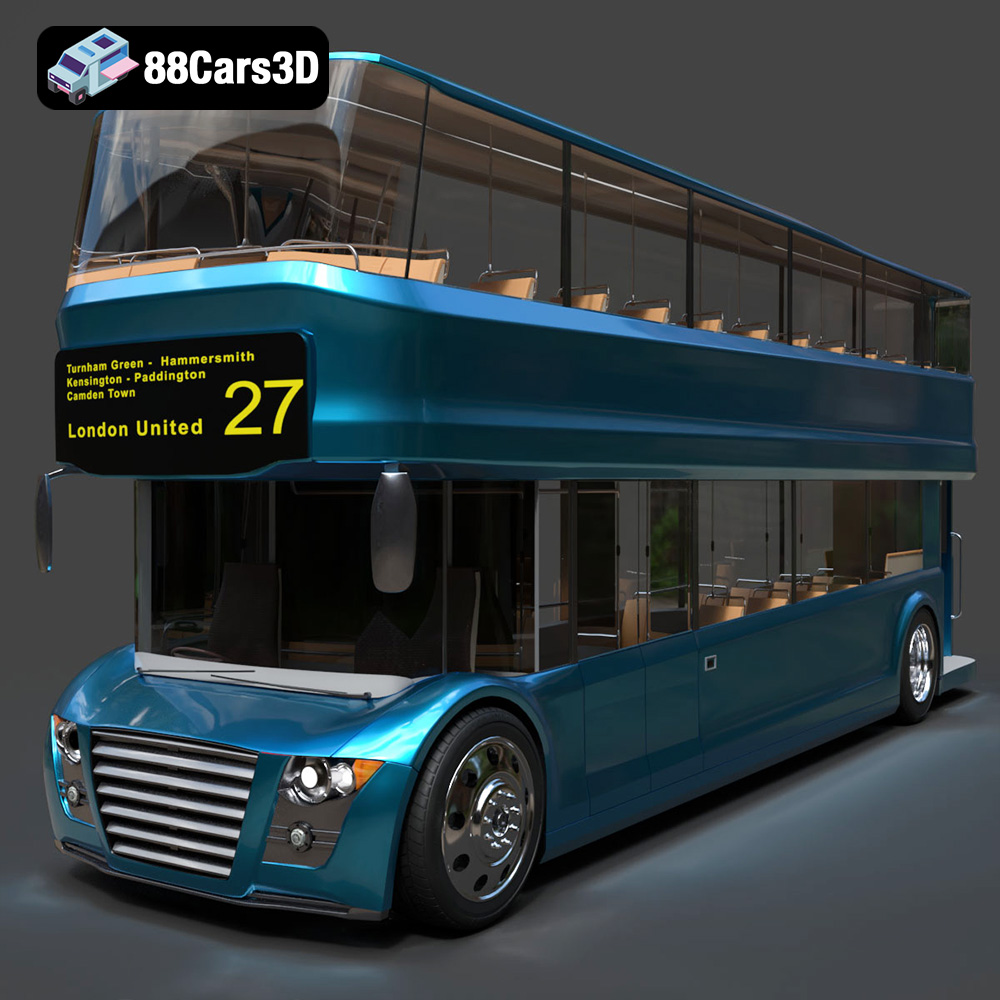
New Bus For London 3D Model
Texture: Yes
Material: Yes
Download the New Bus For London 3D Model featuring a detailed exterior and interior, optimized for rendering and animation. Includes .blend, .fbx, .obj, .glb, .stl, .ply, .unreal, and .max formats for rendering, simulation, and game development.
Price: $21.99
