

The Unseen Engine: How High-Fidelity 3D Car Models Drive Modern Automotive Marketing
In the dynamic world of automotive marketing, standing out requires more than just a sleek design and powerful engine; it demands an unparalleled visual experience. Gone are the days when traditional photography and videography alone could capture the full essence of a vehicle. Today, the automotive industry is undergoing a profound transformation, with high-fidelity 3D car models emerging as the unseen engine powering innovative and immersive marketing campaigns. These digital assets are no longer mere visual aids; they are foundational tools that enable everything from photorealistic renders and interactive configurators to cutting-edge AR/VR experiences and even precise 3D printing. For marketing professionals, designers, and game developers alike, understanding the intricate technicalities behind these models is paramount. This comprehensive guide will delve deep into the sophisticated workflows, intricate technical specifications, and strategic applications of 3D automotive assets, revealing how they are revolutionizing the way cars are presented, perceived, and purchased. From the meticulous craft of topology and UV mapping to advanced PBR materials and real-time optimization, prepare to uncover the technical mastery that makes modern automotive marketing truly electrifying.
Beyond the Showroom: The Power of Photorealistic Automotive Rendering
At the heart of modern automotive marketing lies the ability to showcase vehicles with breathtaking realism, often before a physical prototype even exists. Automotive rendering transcends traditional photography by offering complete control over every aspect of the visual presentation—lighting, environment, camera angles, and material finishes. This level of precision is critical for generating marketing collateral that resonates deeply with potential buyers, from glossy advertisements to detailed brochures. The shift towards physically based rendering (PBR) has further elevated the standards, allowing for an unprecedented level of visual fidelity that accurately simulates how light interacts with various surfaces, making virtual cars indistinguishable from their real-world counterparts. Mastering these rendering workflows is not just about aesthetics; it’s about creating trust and desire through authentic digital representations.
Crafting Visual Perfection: Advanced Rendering Workflows
Achieving photorealistic results demands a sophisticated understanding of rendering engines and their underlying principles. Industry-leading software like 3ds Max, Blender, Maya, and Cinema 4D, paired with powerful renderers such as Corona, V-Ray, Cycles, and Arnold, form the backbone of these workflows. The process typically begins with meticulous scene setup, involving the strategic placement of light sources, often utilizing High Dynamic Range Images (HDRIs) for realistic environmental lighting and reflections. HDRIs not only illuminate the scene but also provide accurate reflections on metallic and glossy surfaces, greatly enhancing realism. Furthermore, physically accurate camera settings—controlling aperture for depth of field, shutter speed for motion blur, and ISO for exposure—are crucial for emulating the nuances of real-world photography. Advanced techniques extend to manipulating Global Illumination (GI) methods, from brute force path tracing in Cycles and Arnold to hybrid solutions in V-Ray that combine Irradiance Maps and Light Caching. Render passes, also known as Arbitrary Output Variables (AOVs), are essential for post-production, allowing artists to output separate layers for diffuse, reflection, refraction, specular, shadow, Z-depth, and even Cryptomatte. This granular control empowers compositing artists to fine-tune every element of the final image in applications like Adobe Photoshop or Foundry Nuke, achieving a level of polish unattainable with a single render. For example, adjusting reflections or enhancing headlights after the render is complete can significantly speed up iteration and refinement.
The Science of Materials: PBR Shading and Texturing
The credibility of a 3D car model hinges on the realism of its materials, and this is where PBR materials come into play. Physically Based Rendering (PBR) is a methodology for rendering that aims to simulate how light interacts with surfaces in a physically accurate way, resulting in more consistent and realistic visuals across different lighting conditions and rendering engines. The two primary PBR workflows are Metallic-Roughness and Specular-Glossiness. The Metallic-Roughness workflow, favored by many real-time and offline renderers, uses maps for Base Color (Albedo), Metallic, Roughness, Normal, and Ambient Occlusion. The Base Color map defines the intrinsic color, while the Metallic map dictates whether a surface is metallic (white) or dielectric (black). The Roughness map controls the micro-surface detail, influencing how light scatters and reflects—a low roughness value indicates a shiny, mirror-like surface, while a high value results in a dull, diffuse appearance. Normal maps are crucial for adding intricate surface detail, like panel lines or subtle imperfections, without increasing polygon count, by faking surface relief through altered normal vectors. Specialized software like Substance Painter, Substance Designer, and Mari are indispensable for creating these high-quality texture sets. These tools allow for baking details from high-polygon sculpts onto optimized low-polygon meshes, procedural material generation, and intricate hand-painting. When sourcing high-quality 3D car models, platforms like 88cars3d.com prioritize models with meticulously crafted PBR material sets, ensuring that the vehicles not only look stunning but also behave realistically under diverse lighting conditions. Typical texture resolutions for hero vehicle assets can range from 4K (4096×4096 pixels) to 8K (8192×8192 pixels) for critical areas, ensuring crisp detail even in close-up shots.
Building Blocks of Realism: Topology and UV Mapping for Automotive Models
Beneath the gleaming surfaces and intricate PBR materials lies the fundamental structure of any high-quality 3D car model: its topology and UV mapping. These two elements are paramount for achieving flawless deformations, smooth shading, and efficient texturing, directly impacting both visual fidelity and performance. Poor topology can lead to unsightly pinching, artifacts during animation, and suboptimal subdivision, while inefficient UV mapping can result in distorted textures, wasted texture space, and difficulty in material application. For automotive models, where sleek curves and precise panel gaps are defining characteristics, meticulous attention to these technical aspects is non-negotiable. A well-constructed mesh with optimized UVs forms the robust foundation upon which all subsequent rendering and real-time applications are built, ensuring that the vehicle looks stunning from every angle and under any condition.
The Art of Edge Flow: Optimized Topology for Car Models
Topology refers to the arrangement of polygons (typically quads) and edges that define a 3D mesh. For automotive models, maintaining a clean, quad-dominant topology with impeccable edge flow is crucial. Edge flow dictates how edges and polygons follow the natural contours and creases of the vehicle, which is essential for smooth subdivision surfacing and proper deformation. When modeling a car, artists prioritize maintaining consistent quad size and distribution, avoiding n-gons (polygons with more than four sides) and T-junctions wherever possible, as these can cause shading artifacts and hinder clean subdivision. Key areas like wheel arches, door cut lines, and intricate grille patterns require precise edge loops to define sharp creases without introducing visual imperfections. Techniques include using control loops around hard edges to tighten the subdivision surface in those areas, and employing careful mesh reduction in flatter areas to optimize polygon count without sacrificing visual quality. A typical high-detail production-ready automotive model might range from 250,000 to 1,000,000 polygons, depending on the level of interior detail and engine components, requiring careful management to ensure smooth performance in various applications. Tools like Blender’s modeling toolset, Maya’s Quad Draw, and 3ds Max’s Graphite Modeling Tools provide powerful features for constructing and refining complex automotive meshes with optimal edge flow, ensuring the model’s integrity throughout the production pipeline.
Unwrapping the Details: Advanced UV Mapping Strategies
UV mapping is the process of unwrapping a 3D model’s surface onto a 2D plane, allowing textures to be painted or applied without distortion. For the complex, curved surfaces of an automobile, advanced UV mapping strategies are essential. The goal is to maximize texel density (the number of texture pixels per unit of surface area) across the model, minimize seams, and eliminate stretching or overlapping UVs. For high-resolution models, utilizing UDIMs (U-Dimension) is a common industry practice. UDIMs allow artists to use multiple texture tiles for a single model, overcoming the resolution limitations of a single UV space and enabling incredibly detailed textures across large surfaces like the car body. For example, a single car model might have separate UDIMs for the main body, interior, wheels, and headlights, each with its own high-resolution texture set. When unwrapping, strategic seam placement is key; seams should be hidden in less visible areas, such as along panel gaps or under the vehicle. Software like Blender (which offers robust UV editing tools, detailed in the official Blender 4.4 documentation), Maya, and 3ds Max provide advanced UV unwrapping algorithms and tools for straightening and aligning UV shells, ensuring optimal texture projection. After unwrapping, techniques like packing UVs efficiently maximize the use of texture space, preventing wasted pixels and improving rendering performance. Precise UV mapping is not merely a technical step; it’s an art form that directly influences the visual realism and texturing flexibility of a 3D car model.
Engaging Experiences: 3D Models in Interactive & Real-time Applications
The true power of 3D car models extends beyond static renders, pushing the boundaries of marketing into interactive and real-time experiences. Modern consumers expect dynamic engagement, and 3D assets are perfectly positioned to deliver this through immersive applications like online configurators, virtual showrooms, and augmented reality (AR) apps. These interactive environments allow potential buyers to explore a vehicle from every angle, customize options, and even place it in their own driveways, creating a personalized and memorable brand interaction. The shift towards real-time rendering also places unique demands on 3D models, requiring rigorous optimization strategies to ensure smooth performance without sacrificing visual quality. This blend of visual fidelity and interactive capability is transforming the automotive purchasing journey, making it more engaging and informative than ever before.
Game-Ready Assets: Optimization for Performance
Deploying high-fidelity 3D car models in real-time environments like game engines (e.g., Unity and Unreal Engine) or web-based configurators necessitates significant optimization. The primary challenge is balancing visual fidelity with performance constraints, such as frame rate, memory usage, and loading times. A crucial optimization technique is the implementation of LODs (Level of Detail). This involves creating multiple versions of the same 3D model, each with progressively fewer polygons. For instance, a hero car might have a high-poly LOD0 (e.g., 250,000 polygons) for close-up views, a medium-poly LOD1 (e.g., 75,000 polygons) for mid-range, and a low-poly LOD2 (e.g., 25,000 polygons) for distant views. The engine dynamically switches between these LODs based on the camera’s distance, drastically reducing the computational load. Another critical aspect is managing draw calls, which are instructions sent from the CPU to the GPU to render objects. Minimizing draw calls through techniques like texture atlasing (combining multiple smaller textures into one larger texture map) and mesh instancing can significantly boost performance. Batching similar materials and objects is also vital. Furthermore, techniques like occlusion culling, where objects hidden from view are not rendered, and baked lighting, which pre-calculates complex global illumination, are indispensable for achieving smooth, performant real-time experiences. When acquiring models from marketplaces like 88cars3d.com, look for those specifically designated as “game-ready” or “optimized for real-time,” as they typically include pre-configured LODs and optimized material setups.
Immersive Marketing: AR/VR and WebGL Integration
Augmented Reality (AR) and Virtual Reality (VR) represent the pinnacle of immersive marketing, offering unparalleled opportunities for customer engagement. For automotive brands, AR allows users to visualize a car in their real-world environment via a smartphone or tablet, rotating it, changing colors, and even “walking around” it. VR takes this further, transporting users into virtual showrooms or test-drive experiences. The technical demands for AR/VR assets are even stricter than for traditional game environments, prioritizing extremely low polygon counts and highly optimized textures to ensure smooth performance on mobile devices or VR headsets. File formats like GLTF/GLB (Graphics Language Transmission Format) and USDZ (Universal Scene Description Zip) are specifically designed for efficient transmission and rendering of 3D models in web and AR/VR contexts. GLB, a binary version of GLTF, packages all model data—geometry, materials, textures, and animations—into a single file, making it ideal for web and real-time applications. USDZ, developed by Apple, is optimized for AR experiences on iOS devices. Optimization for these formats often involves aggressive mesh decimation, baking PBR materials down to simpler real-time shaders, and compressing textures without losing too much visual quality. The goal is to create lightweight, yet visually compelling, assets that load quickly and perform flawlessly on a wide range of devices. These technologies enable a new era of interactive visualization, bringing the car directly to the customer, wherever they are.
From Virtual to Tangible: 3D Printing and Rapid Prototyping
The versatility of 3D car models extends beyond digital screens, bridging the gap between the virtual and physical realms through 3D printing. This technology has become indispensable in the automotive industry, not just for rapid prototyping of components during the design phase, but also for creating marketing models, custom accessories, and educational tools. Transforming a digital 3D model into a tangible object requires a specific set of technical considerations, as the requirements for physical fabrication differ significantly from those for rendering or real-time display. Ensuring mesh integrity, watertightness, and proper scaling are critical steps to avoid printing failures and produce high-quality physical objects. This capability underscores the multi-faceted value of a well-constructed 3D asset, allowing for both digital and physical manifestation of automotive designs.
Preparing for Production: Mesh Integrity and Watertight Models
For a 3D model to be successfully 3D printed, it must meet specific technical criteria, the most crucial of which is being a “watertight” or “manifold” mesh. A watertight mesh is one that has no holes, gaps, or internal geometry, forming a completely enclosed volume. Non-manifold geometry, such as edges shared by more than two faces or isolated vertices, will invariably lead to printing errors. Before printing, models are rigorously checked for these issues using specialized software like Netfabb, Magics, or even built-in tools within modeling packages. For instance, Blender offers a ‘3D Print Toolbox’ add-on (detailed in the official Blender 4.4 documentation) that helps identify and fix non-manifold edges, open boundaries, and inverted normals. Beyond watertightness, factors like minimum wall thickness (e.g., typically 1-2mm depending on the printer and material) must be considered to ensure the physical model’s structural integrity. Internal support structures, automatically generated by slicing software, are often necessary to prevent overhangs from collapsing during the printing process. Scaling is also critical; the digital model must be accurately scaled to the desired physical dimensions for 3D printing, ensuring that the printed object matches the intended size. These pre-printing preparation steps are vital to ensure a successful print and a high-quality physical output.
Beyond Prototypes: Customization and Aftermarket Applications
While rapid prototyping of new automotive parts and design iterations remains a primary application, 3D printing with 3D car models offers much more for marketing and consumer engagement. It empowers automotive enthusiasts and customers to personalize their experience in novel ways. Imagine a customer designing custom interior trim pieces, unique badge inserts, or even scale model replicas of their own customized vehicle, then having them 3D printed. This capability extends to the aftermarket, where small-batch production of specialized components or accessories becomes feasible and cost-effective. For marketing, high-fidelity 3D printed models can serve as impressive promotional giveaways, educational aids demonstrating complex engine components, or even tangible representations of limited-edition vehicle designs. These physical models can be used in dealer showrooms, at events, or as collector’s items, providing a unique touchpoint for the brand. The precision and detail achievable with modern 3D printers, combined with expertly crafted 3D car models, open up a vast array of creative possibilities for engaging audiences and deepening brand loyalty through tangible, bespoke products.
The Workflow Ecosystem: File Formats, Compatibility, and Collaboration
The journey of a 3D car model, from initial concept to final deployment in marketing campaigns, is rarely linear. It typically involves multiple software applications, different teams, and various output requirements, making the selection and management of file formats a critical technical consideration. Ensuring seamless compatibility and efficient collaboration across this complex ecosystem is paramount for maintaining data integrity, optimizing workflows, and maximizing the return on investment for these valuable digital assets. Understanding the nuances of different file formats—their strengths, limitations, and how they handle various types of data—is essential for any professional working with 3D car models. A robust asset management strategy, coupled with clear communication, ensures that high-quality models can be leveraged effectively across all stages of the marketing and visualization pipeline.
Navigating the Digital Landscape: Essential File Formats
The world of 3D data is supported by a multitude of file formats, each designed with specific purposes in mind. For 3D car models, several formats are particularly prevalent. FBX (Filmbox), developed by Autodesk, is one of the most widely used interchange formats due to its comprehensive support for geometry, materials, textures, rigging, and animation data. It’s an excellent choice for transferring models between different DCC (Digital Content Creation) applications like 3ds Max, Maya, and Unity or Unreal Engine. OBJ (Wavefront Object) is a simpler, universal geometry format that is highly compatible across almost all 3D software but typically only carries vertex, normal, UV, and material (MTL file) data, often requiring textures to be managed separately. GLTF (Graphics Language Transmission Format) and GLB are modern, open-standard formats designed for efficient transmission and loading of 3D scenes and models in web and real-time applications. They are becoming the go-to for AR/VR and interactive web experiences due to their compact size and ability to embed textures and animations. USD (Universal Scene Description) and USDZ, developed by Pixar, are rapidly gaining traction as powerful scene description formats that enable collaborative workflows and efficient data interchange, particularly strong in VFX and animation pipelines, and for Apple’s AR Quick Look (USDZ). For precise CAD data from engineering and design, formats like STEP (Standard for the Exchange of Product model data) and IGES (Initial Graphics Exchange Specification) are vital, though these often require conversion and extensive cleanup for rendering or game engine use. Each format has its strengths, and selecting the appropriate one for each stage of the workflow is crucial for efficiency and data fidelity.
Streamlined Production: Asset Management and Version Control
Effective asset management and robust version control are non-negotiable for any studio or marketing team working with numerous 3D car models. Without a clear system, projects can quickly descend into chaos, leading to lost files, incompatible versions, and wasted time. Best practices include establishing consistent naming conventions for all files, textures, and scene elements (e.g., “CarName_Exterior_LOD0_v001.fbx”). A well-organized folder structure is equally important, logically categorizing assets by type, project, and version. Version control systems, such as Git LFS (Large File Storage) or dedicated solutions like Perforce Helix Core, are indispensable for tracking changes, managing multiple iterations, and enabling collaborative work without overwriting each other’s progress. These systems allow artists and designers to revert to previous versions, branch off new features, and merge changes seamlessly. Beyond file organization, robust asset management also involves metadata tagging, allowing for quick searching and retrieval of specific models based on criteria like polygon count, file format, texture resolution, or intended use. Leveraging platforms like 88cars3d.com offers a significant advantage here, as they provide curated collections of high-quality, pre-optimized 3D car models with clear specifications and often multiple file formats, streamlining the sourcing process and ensuring consistency. A well-managed asset library is not just about tidiness; it’s a critical component for efficient production, reducing bottlenecks, and ensuring that marketing efforts can quickly deploy the best possible 3D representations of automotive products.
Conclusion
The journey through the intricate world of 3D car models reveals their indispensable role as the engine powering modern automotive marketing. From the meticulous crafting of polygons and the precise application of PBR materials for stunning renders, to the intricate optimization strategies required for seamless real-time experiences in game engines and immersive AR/VR applications, these digital assets are transforming how vehicles are presented and perceived. We’ve explored the critical importance of clean topology and advanced UV mapping for visual fidelity, the stringent technical requirements for 3D printing, and the necessity of understanding various file formats and robust asset management for efficient workflows. The ability to generate photorealistic imagery, enable interactive product configurators, power virtual test drives, and even produce tangible scale models, all from a single, high-quality 3D asset, underscores the profound impact of this technology.
For automotive designers, marketers, and visualization professionals, embracing the technical depth of 3D modeling is no longer an option but a strategic imperative. The investment in high-quality 3D car models provides unparalleled flexibility, cost-effectiveness, and speed in adapting to evolving market demands. As immersive technologies continue to advance, the demand for meticulously crafted and optimized 3D assets will only grow, pushing the boundaries of what’s possible in automotive brand engagement. The future of automotive marketing is undeniably digital and three-dimensional. By understanding and leveraging the powerful capabilities of high-fidelity 3D car models, brands can unlock new levels of creativity, engagement, and ultimately, drive their marketing efforts into the fast lane of innovation. Embrace the unseen engine, and redefine the future of automotive presentation.
Featured 3D Car Models
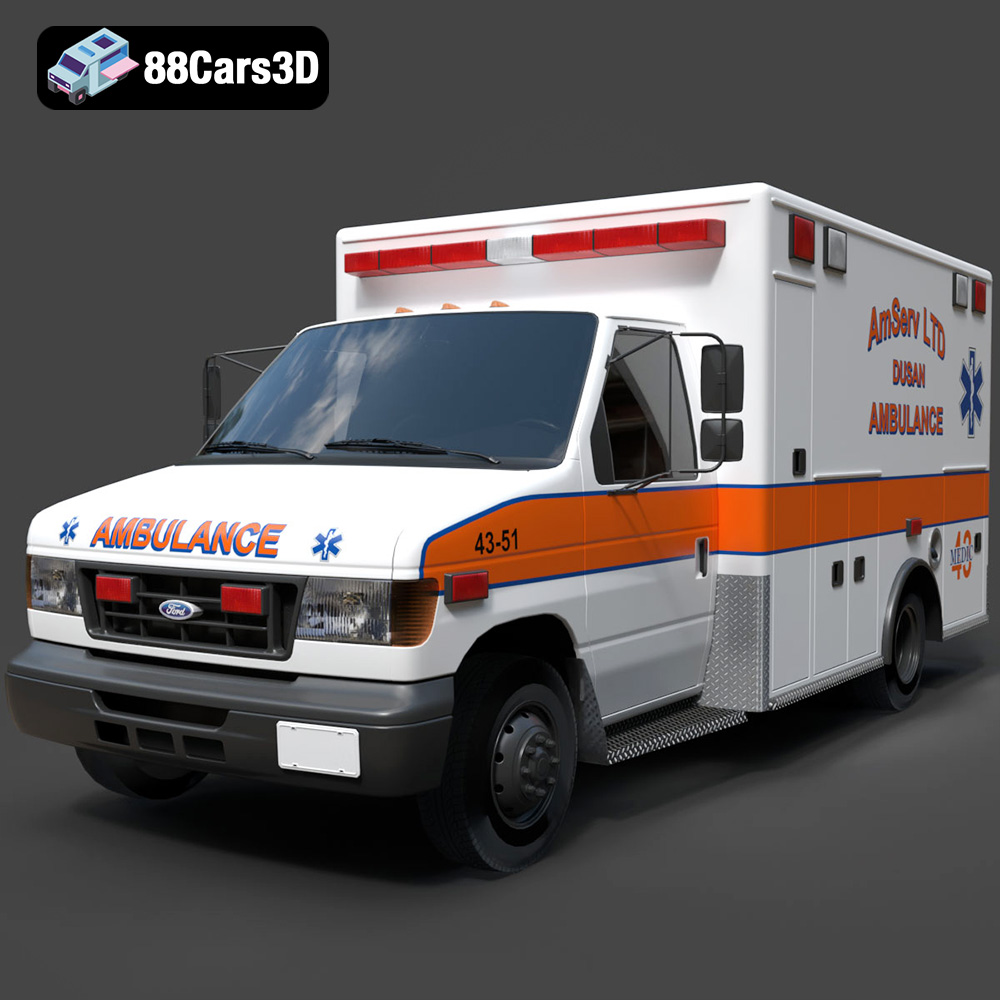
Ford Ambulance AmServ LTD Dusan-002 3D Model
Texture: Yes
Material: Yes
Download the Ford Ambulance AmServ LTD Dusan-002 3D Model featuring a high-detail exterior and interior, realistic textures, and emergency lighting. Includes .blend, .fbx, .obj, .glb, .stl, .ply, .unreal, and .max formats for rendering, simulation, and game development.
Price: $19.99
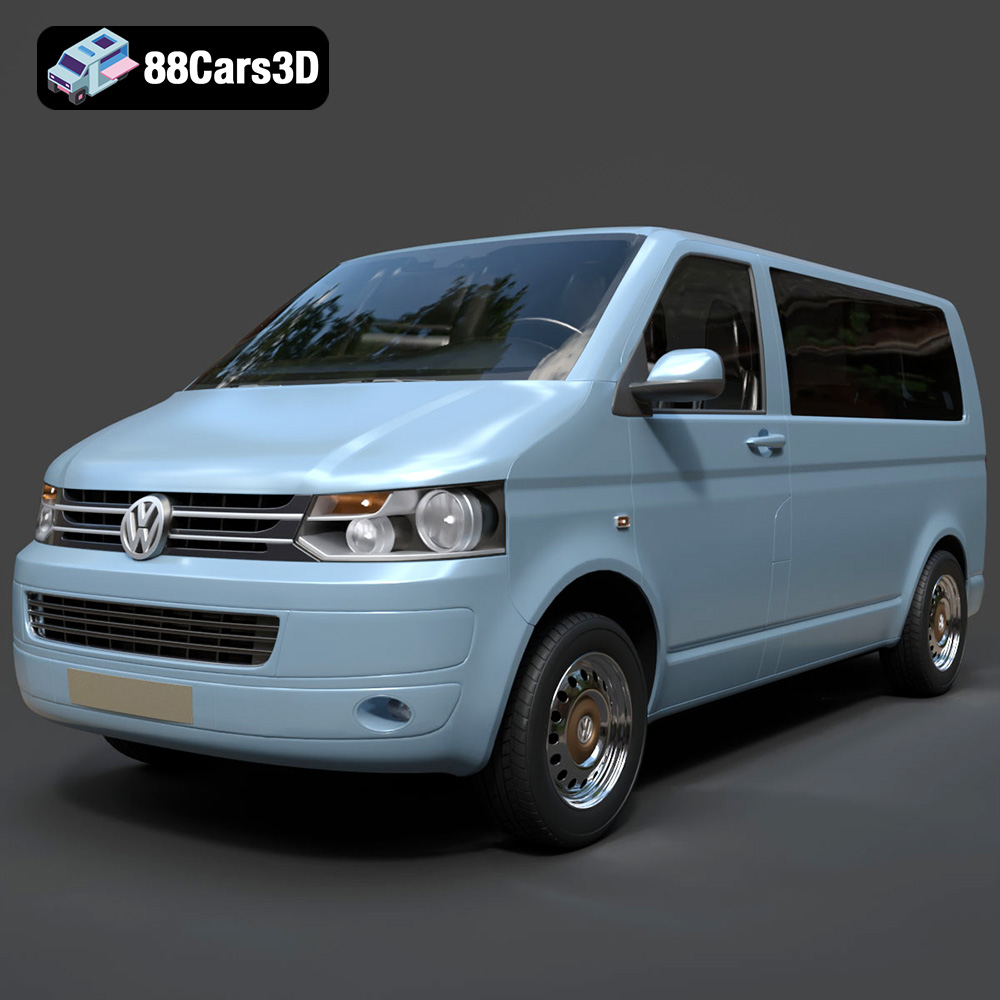
Volkswagen Transporter T5 FL 2010 3D Model
Texture: Yes
Material: Yes
Download the Volkswagen Transporter T5 FL 2010 3D Model featuring clean geometry, realistic detailing, and a fully modeled interior. Includes .blend, .fbx, .obj, .glb, .stl, .ply, .unreal, and .max formats for rendering, simulation, and game development.
Price: $22.99
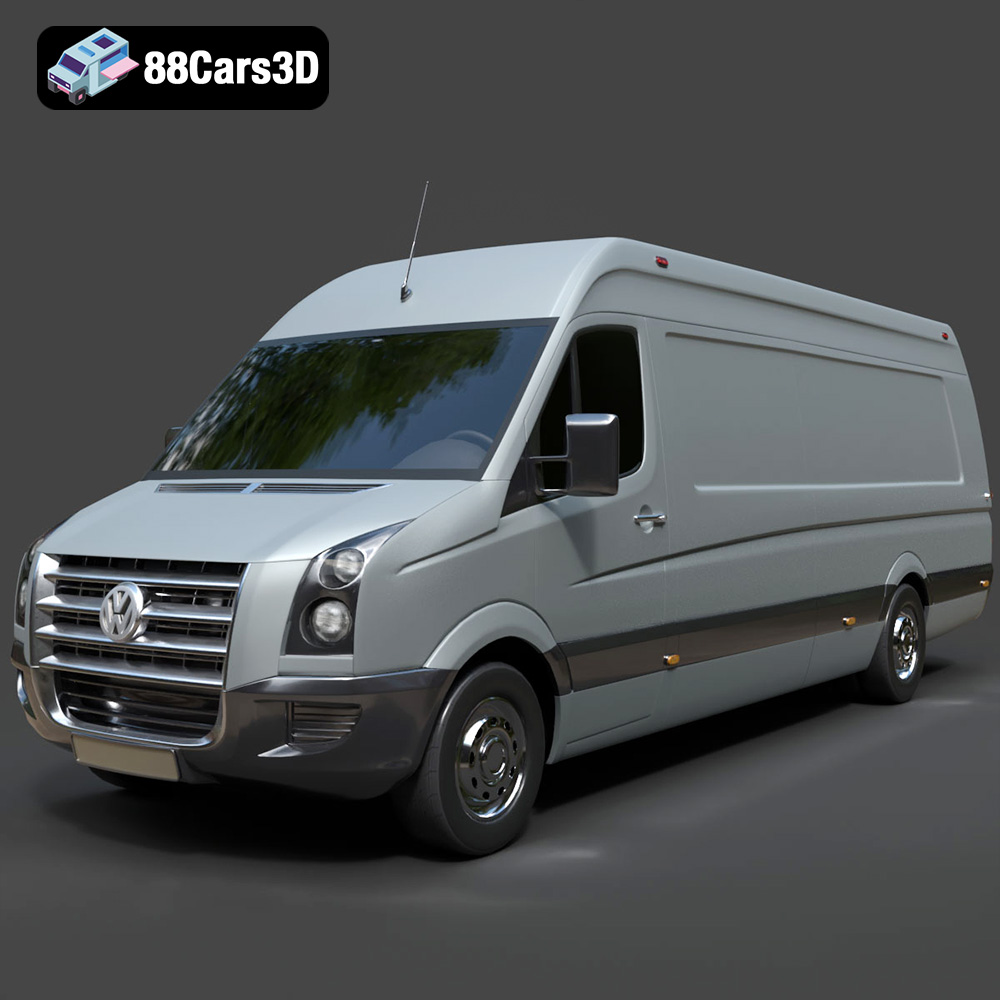
Volkswagen Crafter 2020 3D Model
Texture: Yes
Material: Yes
Download the Volkswagen Crafter 2020 3D Model featuring clean geometry, realistic detailing, and a fully modeled interior. Includes .blend, .fbx, .obj, .glb, .stl, .ply, .unreal, and .max formats for rendering, simulation, and game development.
Price: $22.99
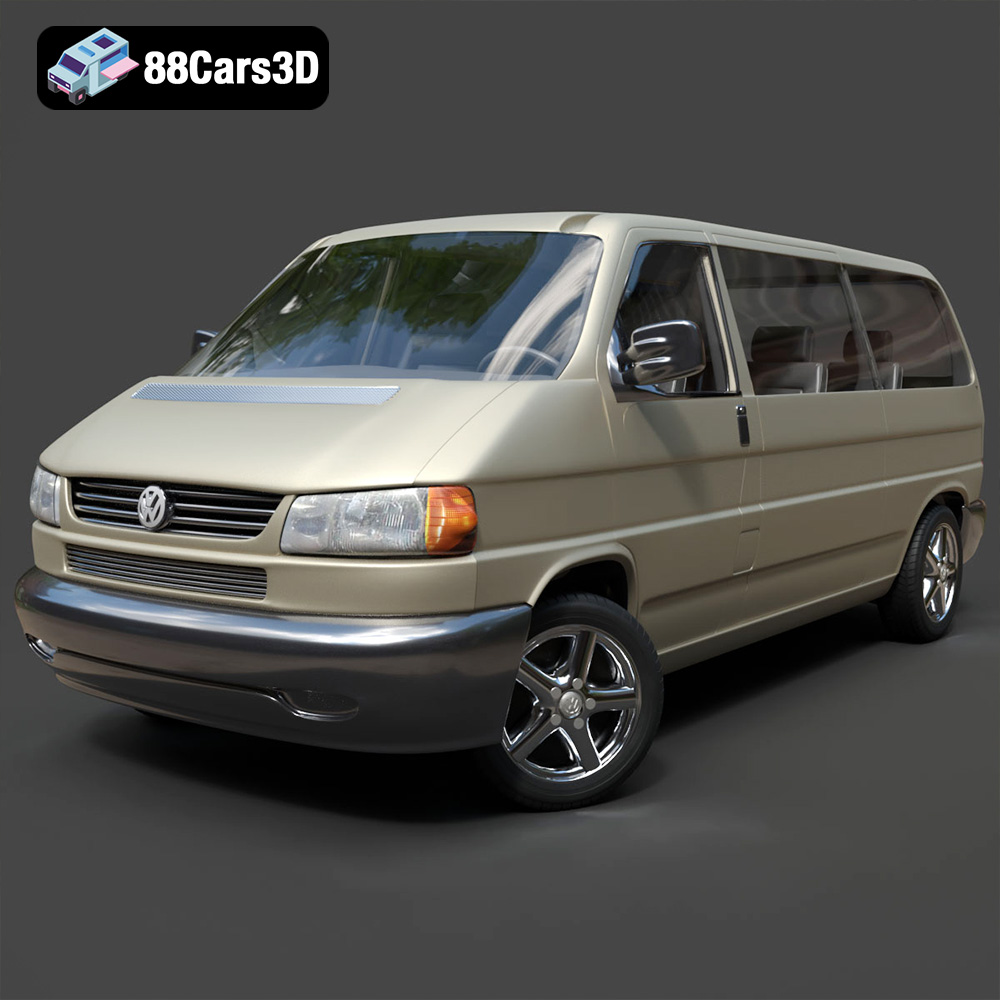
Volkswagen Caravelle 2020 3D Model
Texture: Yes
Material: Yes
Download the Volkswagen Caravelle 3D Model featuring a detailed exterior, functional interior, and optimized topology. Includes .blend, .fbx, .obj, .glb, .stl, .ply, .unreal, and .max formats for rendering, simulation, and game development.
Price: $23.99
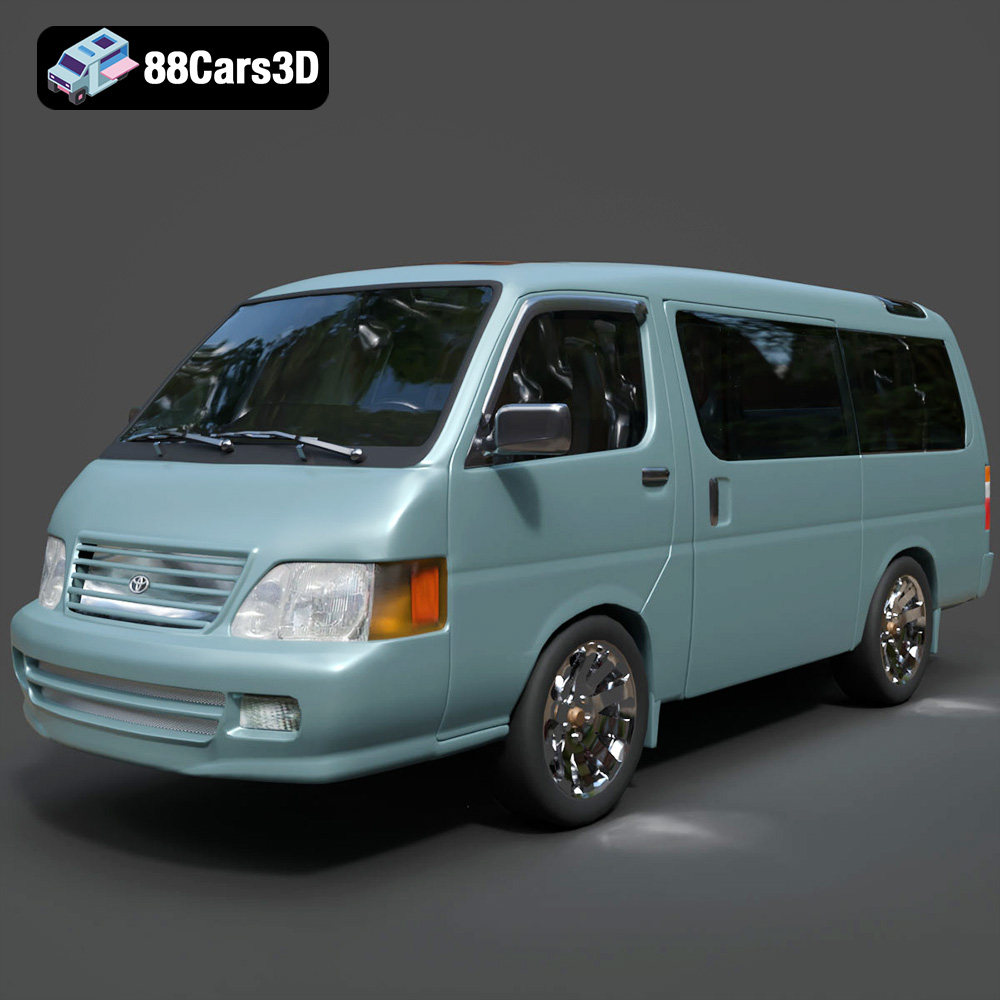
Toyota Hiace 3D Model
Texture: Yes
Material: Yes
Download the Toyota Hiace 3D Model featuring versatile design and detailed exterior. Includes .blend, .fbx, .obj, .glb, .stl, .ply, .unreal, and .max formats for rendering, simulation, and game development.
Price: $21.99
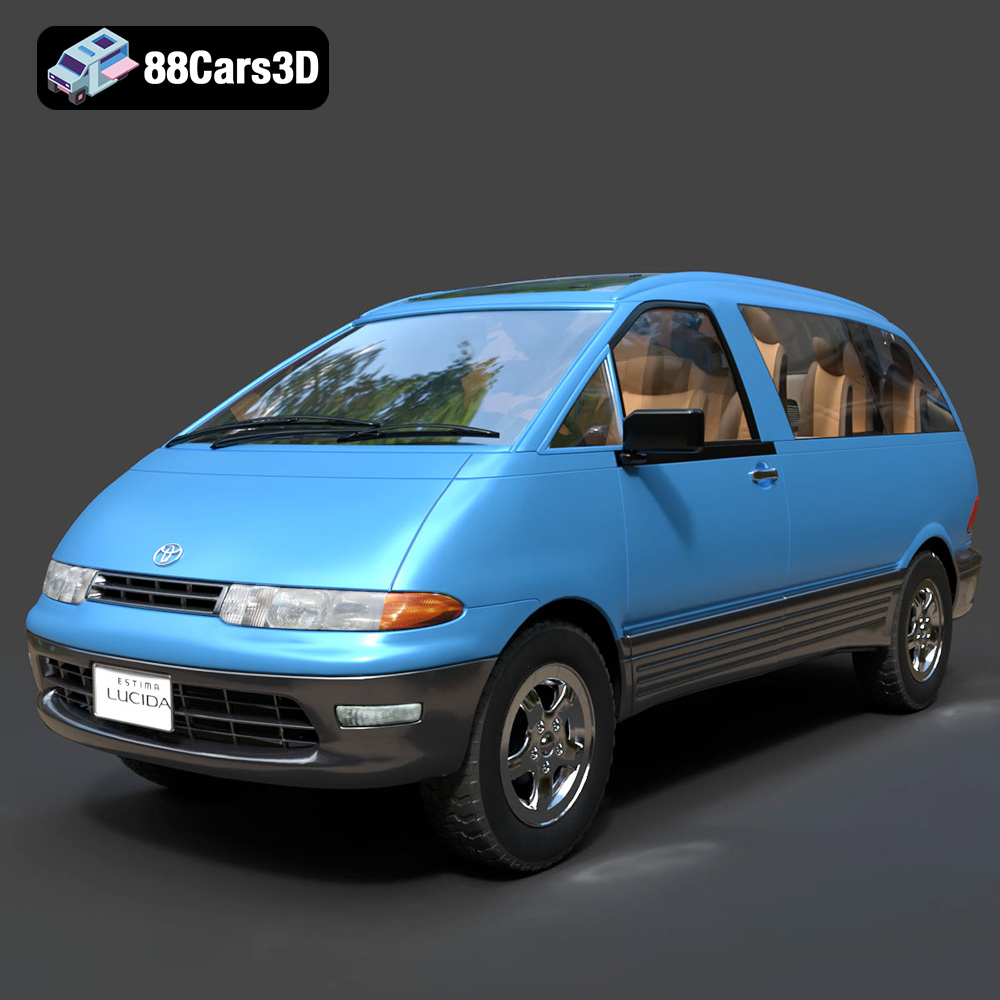
Toyota Estima Lucida 3D Model
Texture: Yes
Material: Yes
Download the Toyota Estima Lucida 3D Model featuring its iconic compact MPV design, versatile interior, and accurate exterior details. Includes .blend, .fbx, .obj, .glb, .stl, .ply, .unreal, and .max formats for rendering, simulation, and game development.
Price: $24.99

Toyota Alphard 3D Model
Texture: Yes
Material: Yes
Download the Toyota Alphard 3D Model featuring a detailed luxury minivan design with an accurate exterior and interior. Includes .blend, .fbx, .obj, .glb, .stl, .ply, .unreal, and .max formats for rendering, simulation, and game development.
Price: $21.99
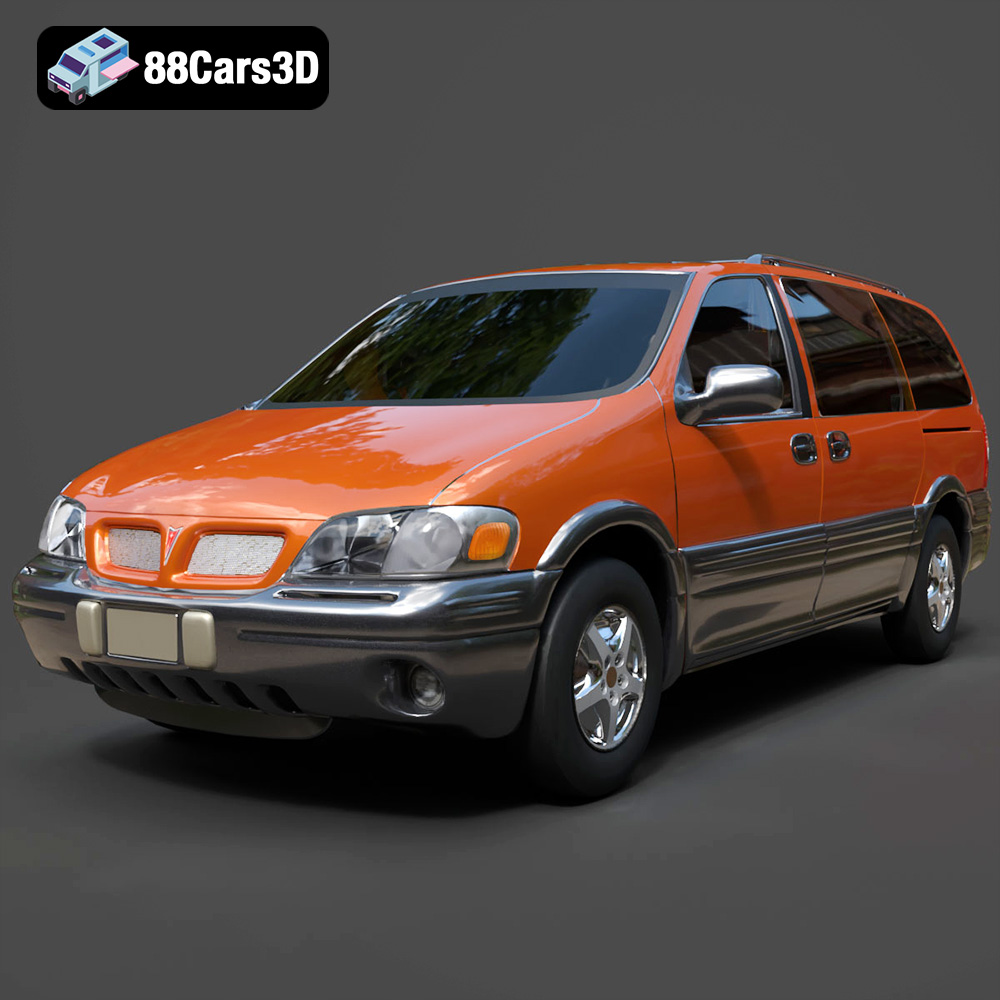
Pontiac Montana 1998 3D Model
Texture: Yes
Material: Yes
Download the Pontiac Montana 1998 3D Model featuring a detailed exterior, functional interior, and optimized mesh. Includes .blend, .fbx, .obj, .glb, .stl, .ply, .unreal, and .max formats for rendering, simulation, and game development.
Price: $21.99
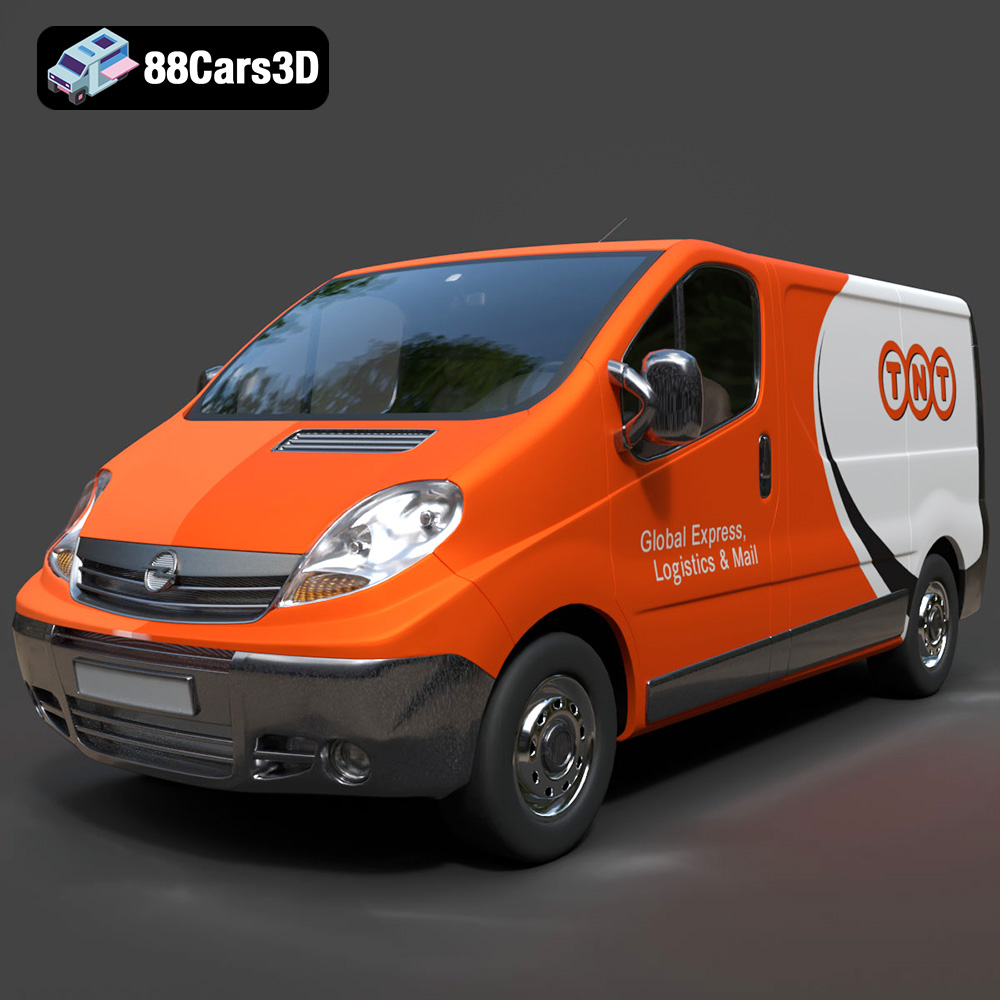
Opel Vivaro 3D Model
Texture: Yes
Material: Yes
Download the Opel Vivaro 3D Model featuring a versatile commercial van design with balanced detailing. Includes .blend, .fbx, .obj, .glb, .stl, .ply, .unreal, and .max formats for rendering, simulation, and game development.
Price: $21.99
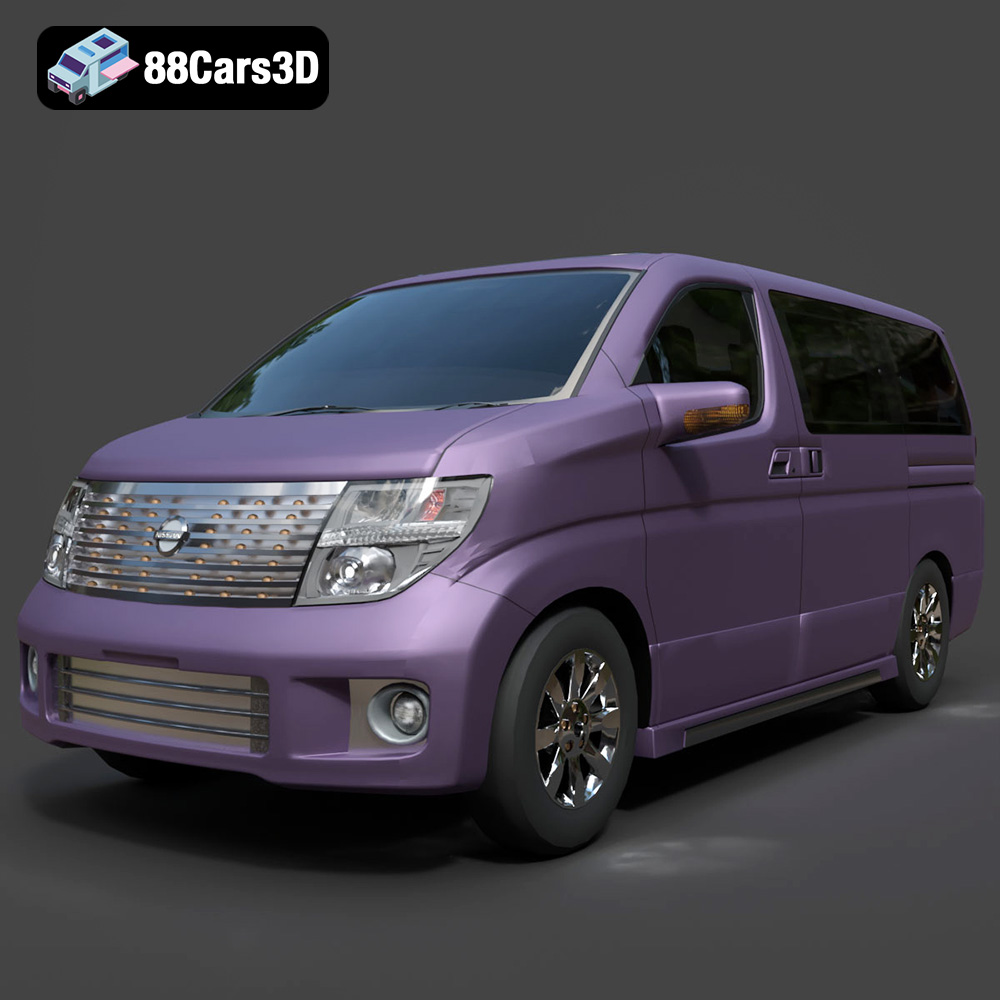
Nissan Elgrand 3D Model
Texture: Yes
Material: Yes
Download the Nissan Elgrand 3D Model featuring a versatile minivan design. Includes .blend, .fbx, .obj, .glb, .stl, .ply, .unreal, and .max formats for rendering, simulation, and game development.
Price: $21.99
