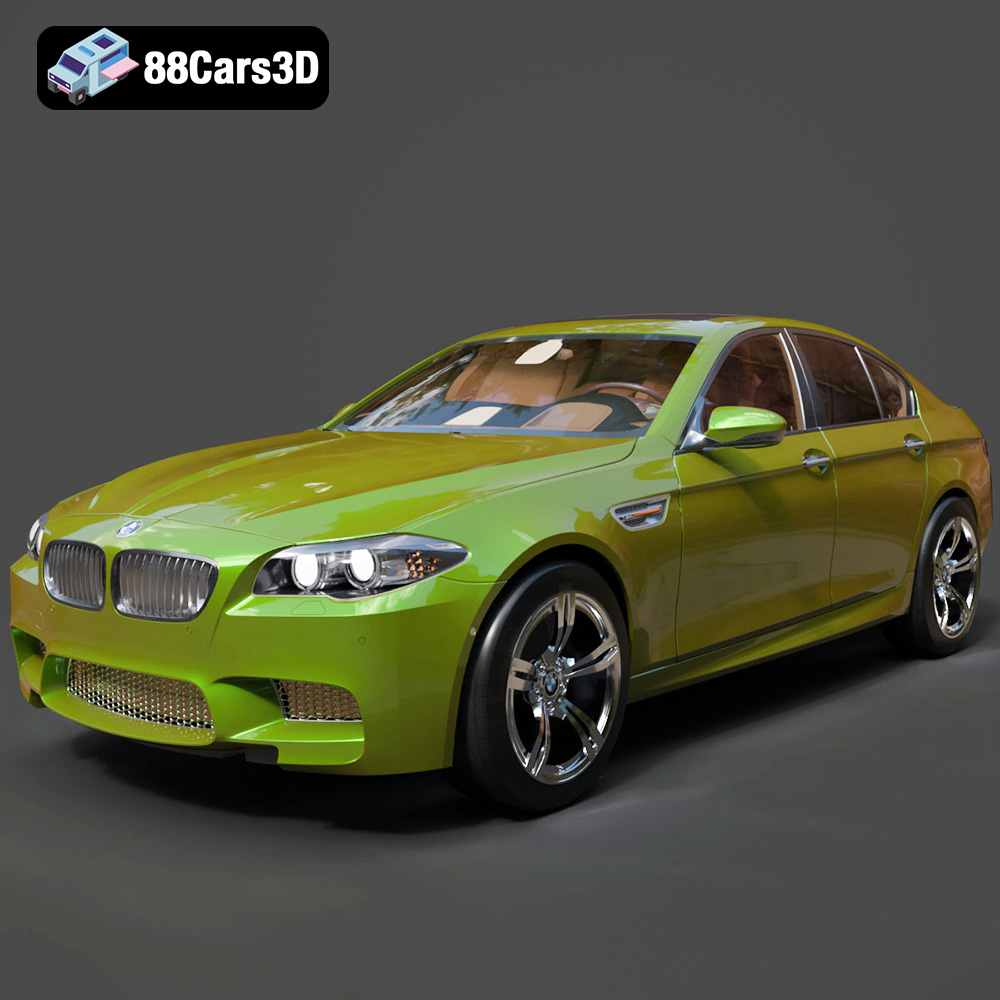
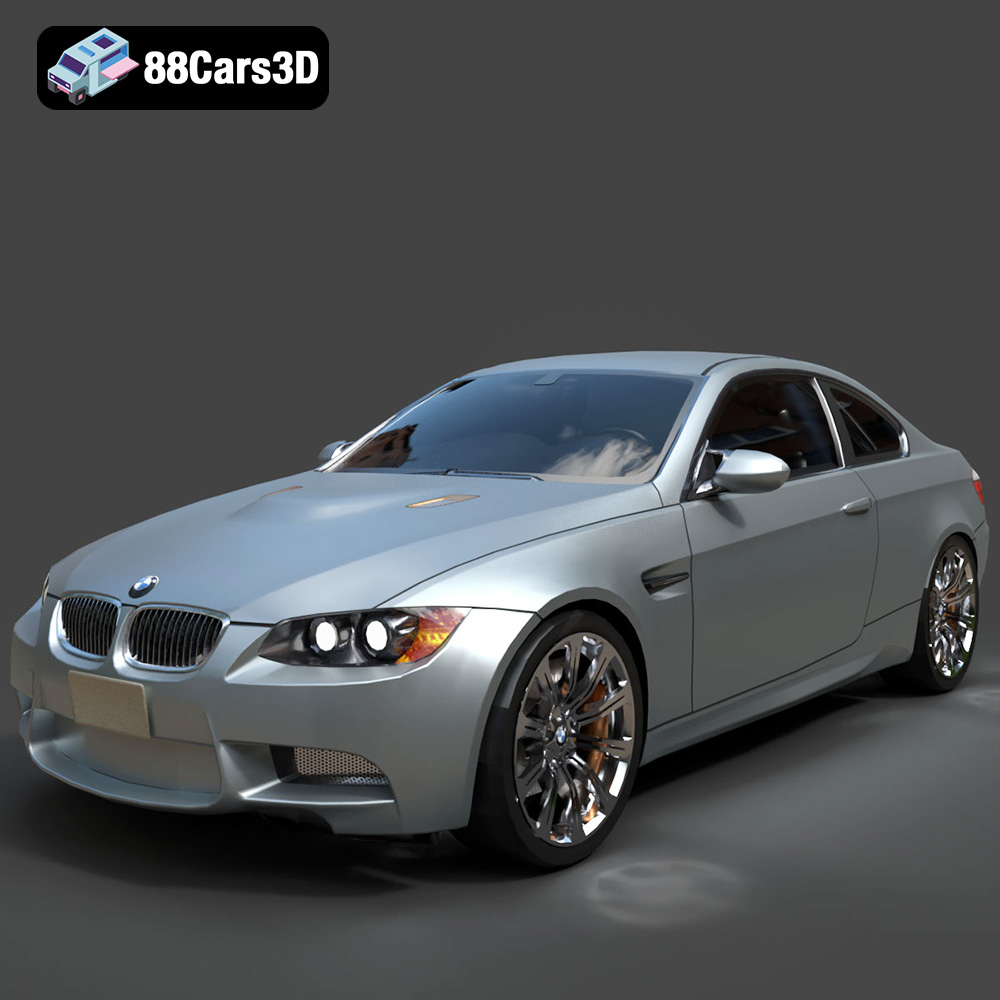
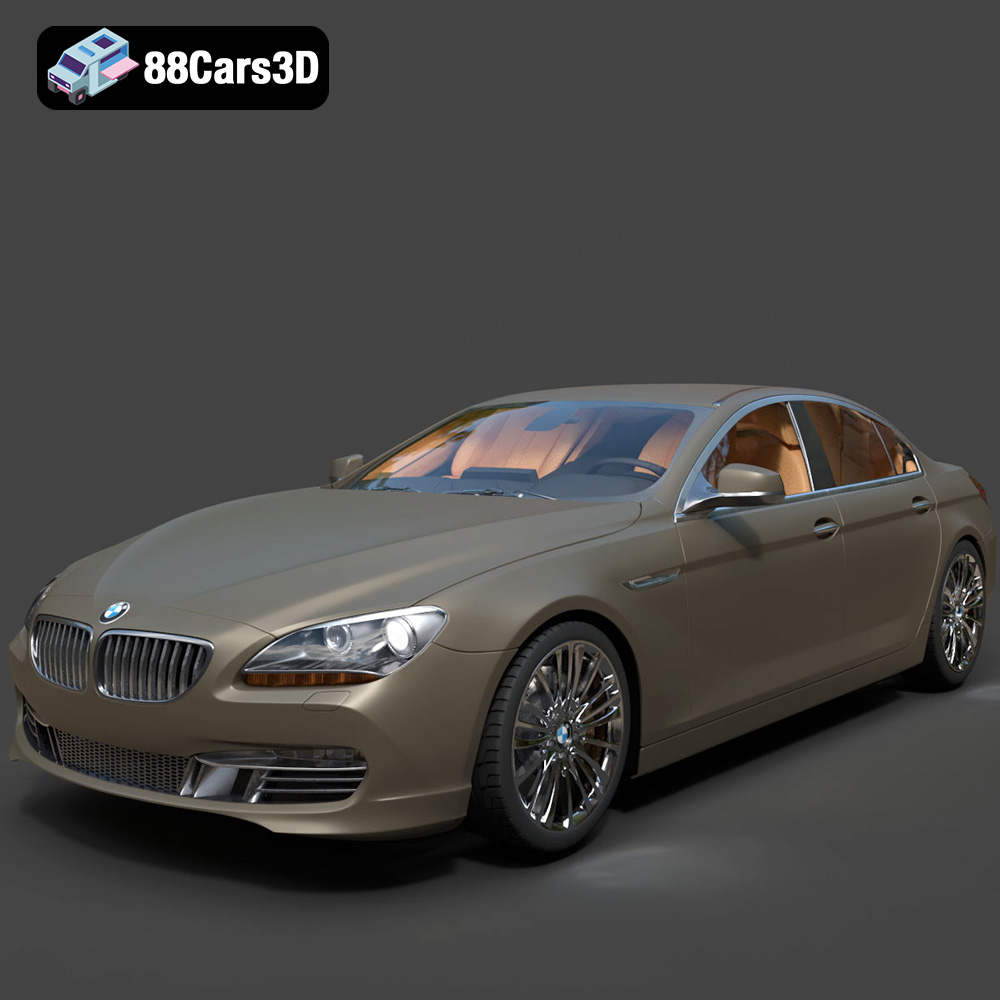
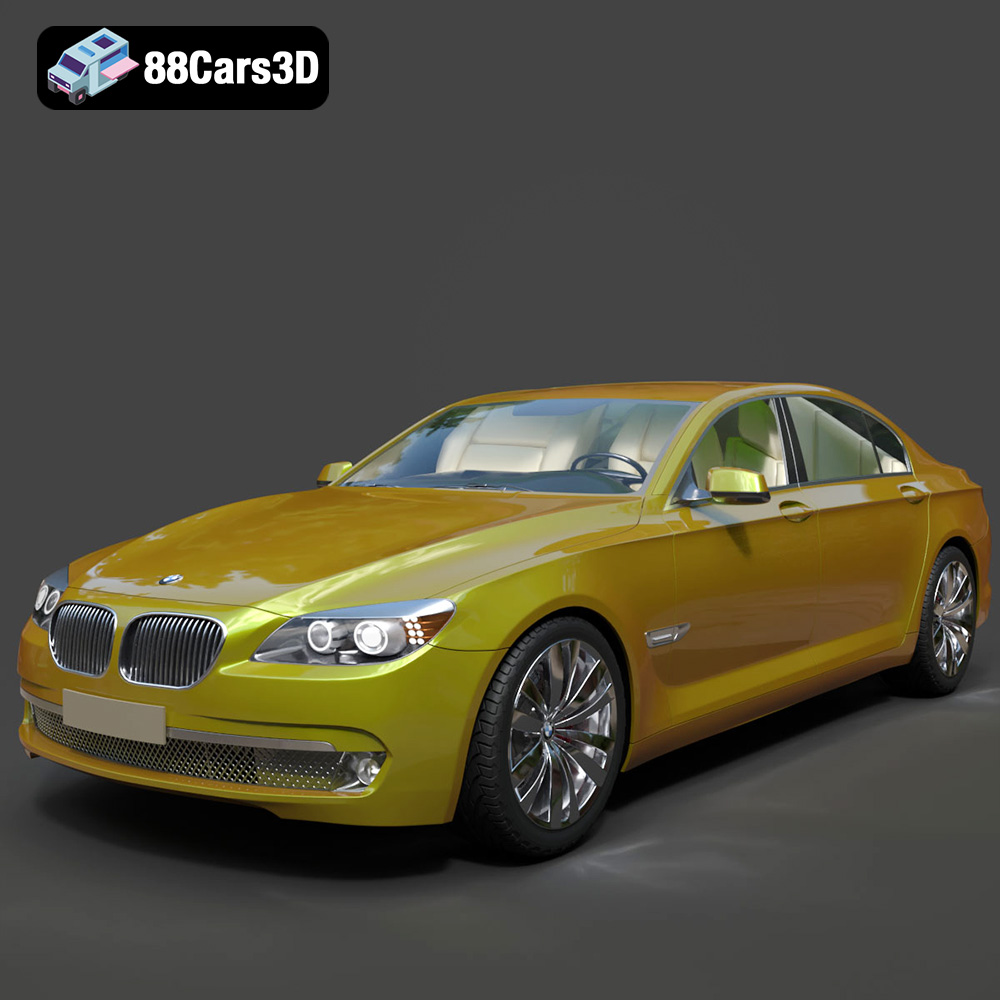
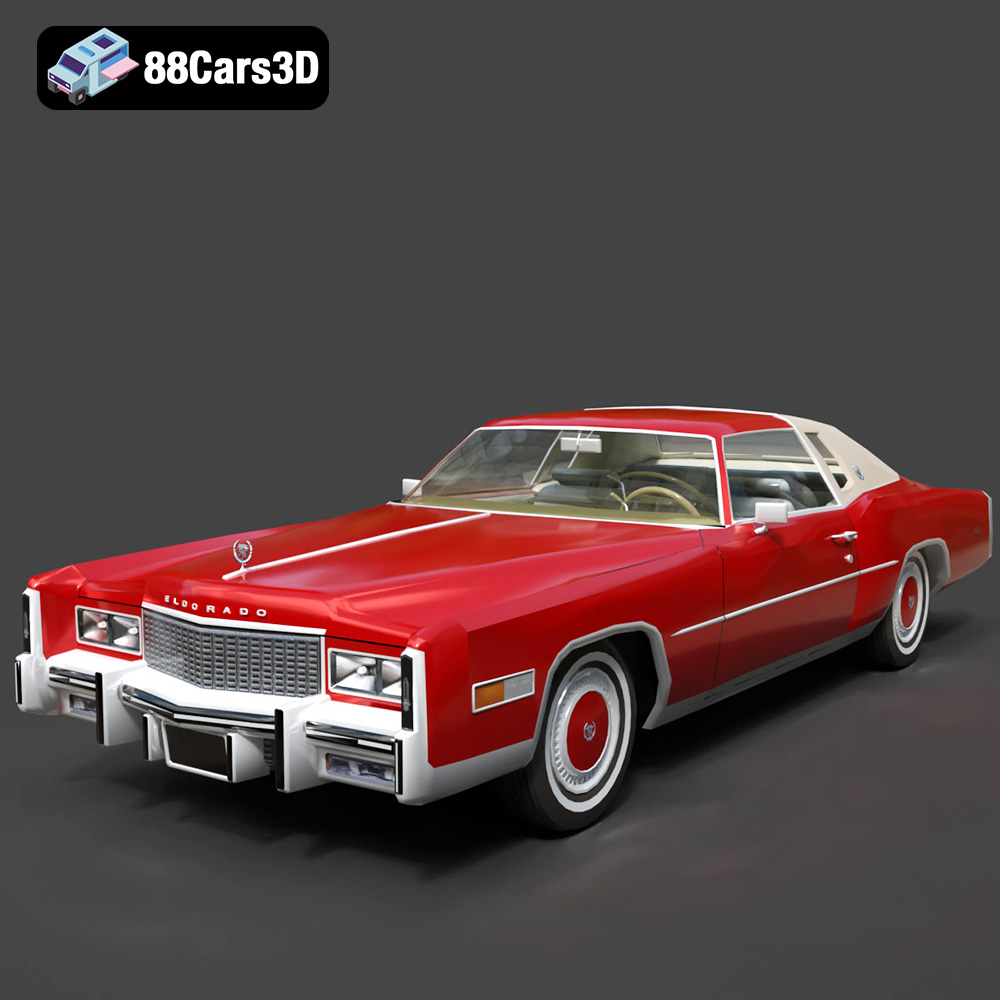
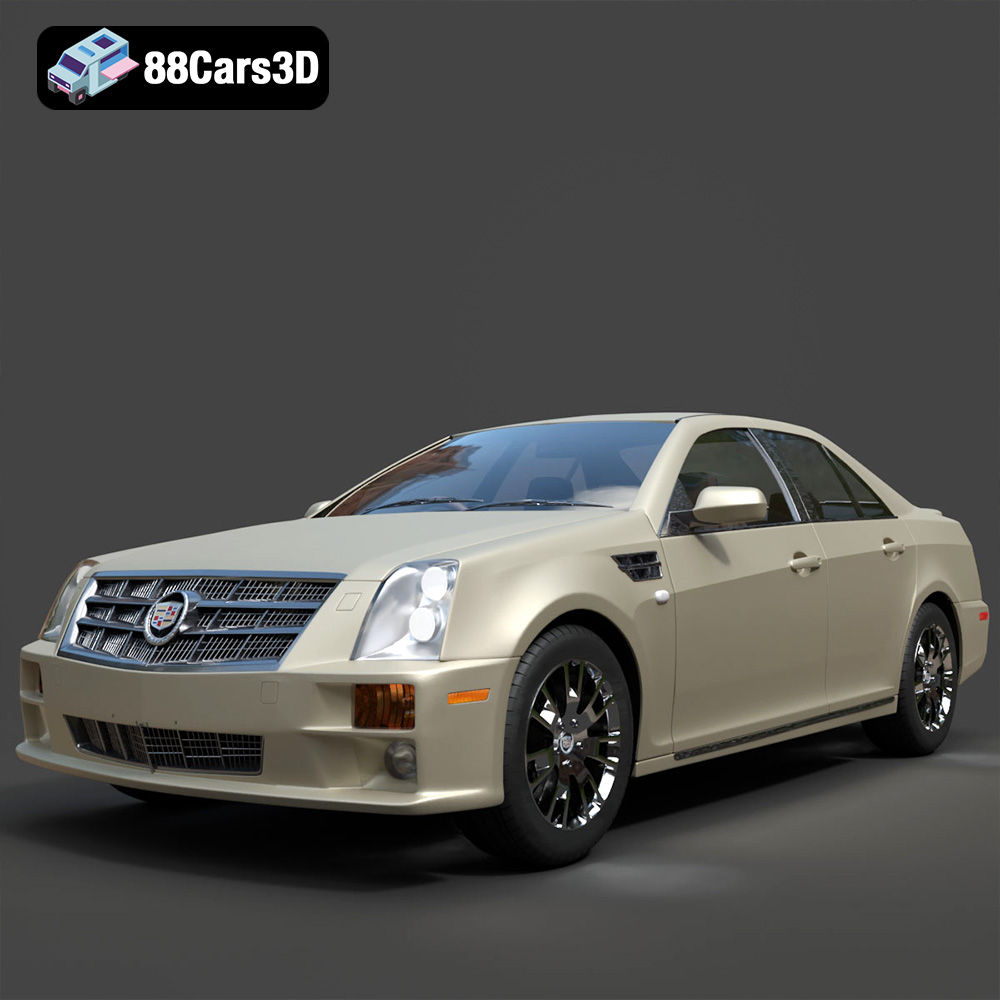
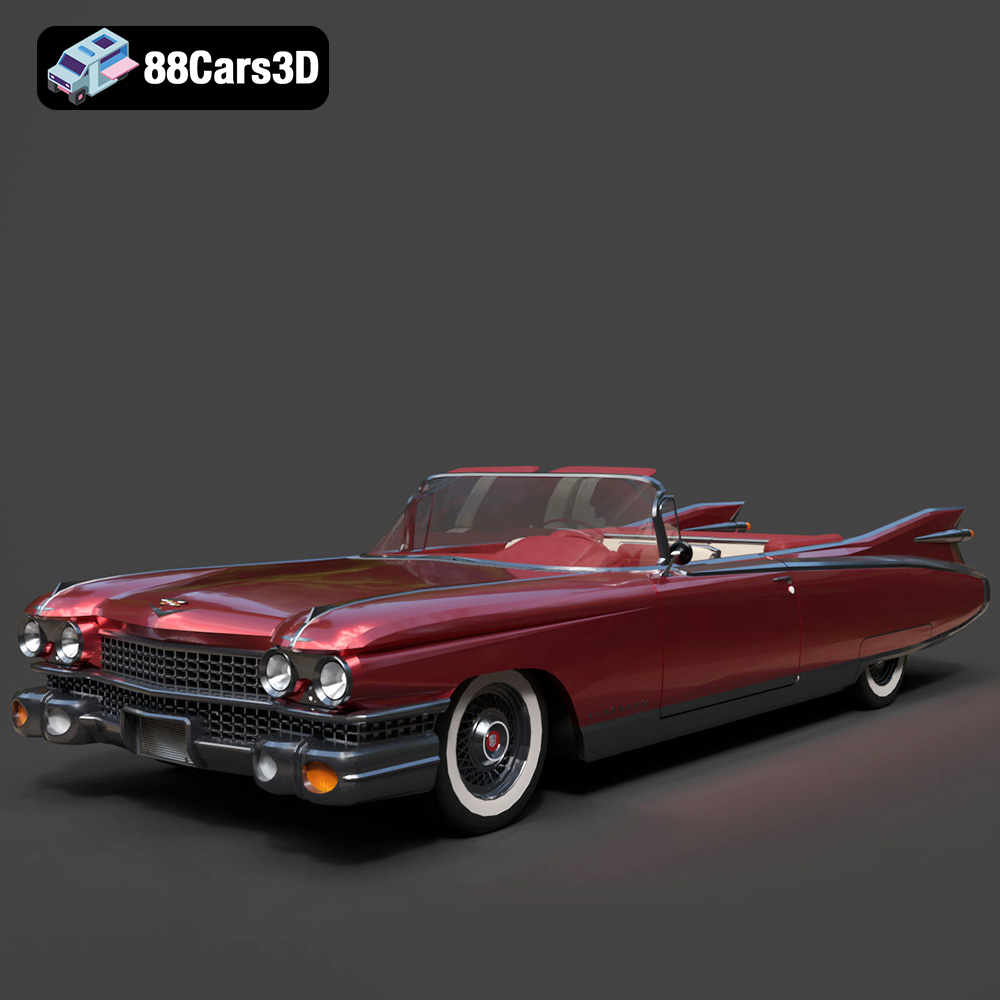
The Art and Engineering of High-Fidelity 3D Car Models: A Deep Dive for Professionals
In the dynamic worlds of automotive design, advertising, game development, and architectural visualization, the demand for exceptionally high-quality 3D car models is relentless. These digital assets are far more than mere visual representations; they are intricate pieces of virtual engineering that underpin photorealistic renders, immersive interactive experiences, and crucial design iterations. The meticulous creation and intelligent deployment of these models are what elevate a project from good to truly outstanding.
Crafting a compelling digital vehicle requires an understanding of complex surfacing, precise material definition, optimized asset management, and an acute awareness of various technical pipelines. Whether you’re a seasoned rendering artist aiming for a breathtaking commercial, a game developer pushing the boundaries of realism, or an architect visualizing a cutting-edge urban scene, the quality of your 3D car models dictates the ultimate success of your vision. This comprehensive guide will delve into the technical intricacies, workflows, and strategic considerations for leveraging these powerful digital tools, much like the premium selection found at 88cars3d.com.
The Foundation of Digital Automotive Excellence: High-Quality 3D Car Models
The journey to creating stunning visual content begins with a foundational understanding of what constitutes a “high-quality” 3D car model. This isn’t just about aesthetic appeal; it’s about structural integrity, technical precision, and adaptability across various professional applications.
Defining “High-Quality” in 3D Automotive Assets
When we talk about high-quality 3D car models, several critical technical parameters come into play:
- Polycount and Topology: For photorealistic rendering or film VFX, models often feature high polygon counts (millions of triangles) to capture minute surface details without relying solely on normal maps. However, for real-time applications like games or AR/VR, optimized low-poly meshes are crucial, often ranging from 50,000 to 300,000 polygons for a hero vehicle, meticulously crafted with clean, quad-based topology. This ensures smooth subdivision, deformation, and efficient processing. Clean edge flow is paramount for accurate reflections and shading.
- Accuracy and Scale: Professional models are built to real-world scale, often derived from engineering blueprints, CAD data, or extensive photographic references. This precision is vital for accurate physical simulations, architectural integration, and ensuring that lighting and material properties behave realistically.
- Material Zones and UV Mapping: A high-quality model will have clearly defined material zones, allowing for easy assignment of different shaders (e.g., paint, glass, rubber, chrome). Furthermore, professional UV mapping is essential. Non-overlapping, clean UV layouts are necessary for applying high-resolution textures, baking ambient occlusion, or exporting into game engines where texture atlases are commonly used.
Essential Components of a Premium 3D Car Model
A truly professional 3D car model is a composite of many carefully crafted elements:
- Detailed Exterior and Interior: Beyond the main body shell, every visible component—headlights, taillights, grilles, badges, wipers, mirrors, and exhaust pipes—is modeled with precision. The interior, if visible, features accurate dashboards, seats, steering wheel, door panels, and often intricate details like stitching and button arrays.
- Separated and Grouped Parts: For maximum flexibility, components like doors, hoods, trunks, wheels, calipers, and individual lights are typically modeled as separate, pivot-point-aligned objects. This enables easy animation for opening/closing, wheel rotation, or customization without complex rigging.
- Underbody and Engine Bay (Optional but Premium): Depending on the use case, detailed undercarriage components (suspension, chassis, exhaust system) and even a basic engine model can be included, especially for close-up shots, virtual reality experiences, or technical demonstrations.
- Clean Hierarchies: Models are typically organized into logical hierarchies (e.g., ‘Car_Group’ > ‘Body_Group’ > ‘Doors_Group’ > ‘Door_FL’), making them easy to navigate, manipulate, and export.
Understanding 3D Model File Formats
The versatility and utility of a 3D car model are heavily dependent on its file format. Choosing the correct format is critical for seamless integration into your workflow, ensuring data integrity, and optimizing performance for your specific application. Each format offers distinct advantages and caters to different stages of the 3D pipeline.
Versatility for Different Workflows
Understanding the nuances of each widely used format is paramount for any professional working with 3D car models, whether for intricate automotive rendering or optimized game assets. Here, we break down the most common and essential formats you’ll encounter:
-
.blend (Blender Native):
This is the proprietary file format for Blender, a powerful open-source 3D creation suite. A
.blendfile encapsulates an entire Blender scene, including all meshes, materials (using Blender’s Cycles or Eevee render engines), textures, lighting, cameras, animations, and even rigging. It’s ideal when you need a fully editable source file, allowing for deep customization, modification of topology, adjusting materials, or re-rigging. For artists working primarily in Blender, it provides the most comprehensive data set. -
.max (3ds Max Native):
Similar to
.blendfor Blender,.maxis the native project file format for Autodesk 3ds Max. These files contain comprehensive scene data, including geometry, materials (often configured for renderers like V-Ray or Corona), textures, lights, cameras, and animation tracks. If your workflow is centered around 3ds Max, particularly for high-end architectural visualization, animation, or complex rendering setups using advanced shaders, the.maxformat offers the most control and retains all native 3ds Max features. -
.fbx (Filmbox):
Developed by Autodesk, FBX has become an industry-standard interchange format, particularly for game development. It is an excellent choice for transferring 3D data between different software applications (e.g., 3ds Max to Unreal Engine, Blender to Unity). FBX supports geometry, materials (with PBR maps), textures, rigging, skinning, and animation, making it incredibly versatile. For real-time pipelines,
.fbxis often the go-to format for exporting animated character models, environmental props, and, of course, vehicle game assets, due to its robust support for skeletal animations and blend shapes. -
.obj (Wavefront OBJ):
OBJ is one of the oldest and most universal 3D file formats. It’s highly compatible across almost all 3D software. An
.objfile primarily stores mesh geometry (vertices, normals, texture coordinates, faces) and can reference external.mtl(material library) files for basic material properties and texture paths. While it doesn’t support rigging or animation, its widespread compatibility makes it a safe choice for static models, archival purposes, or when cross-software compatibility is the absolute priority. For clean geometric transfers,.objremains a reliable workhorse. -
.glb (GL Transmission Format Binary):
GLB is the binary version of the gLTF (Graphics Language Transmission Format), designed for efficient transmission and loading of 3D scenes and models in web and real-time applications. It’s optimized for AR (Augmented Reality), VR (Virtual Reality), and browser-based display due to its compact size and ability to embed all assets (geometry, textures, animations, PBR materials) into a single file. For interactive web configurators or quick AR visualizations of 3D car models,
.glboffers unparalleled performance and ease of use. -
.stl (Stereolithography):
STL is the de facto standard format for 3D printing. It represents a 3D model as a series of connected triangles (a triangulated mesh) without any color, texture, or material information. Its simplicity makes it universally readable by 3D printers and slicing software. If your goal is to physically manufacture a model of a car, either as a prototype or a collectible, converting your 3D car model to
.stlis the essential final step. -
.ply (Polygon File Format):
PLY is another mesh file format often used for storing 3D data from 3D scanners or CAD systems. It can store not only geometric information but also color, transparency, and sometimes even surface normal and texture coordinates per vertex or per face. While less common for general 3D model distribution, it’s favored in applications requiring high precision and detailed point cloud or polygonal data, such as reverse engineering or scientific visualization.
-
.unreal (Unreal Engine Asset):
While not a standard interchangeable file format in the same vein as FBX or OBJ, a
.unrealasset refers to a pre-packaged or fully integrated asset within the Unreal Engine ecosystem. This typically means the 3D car model (often imported via FBX) has been processed, optimized, and set up with Unreal-native materials, textures, collision meshes, LODs (Levels of Detail), and potentially Blueprints for interactive functionality. When you acquire an “Unreal-ready” asset, it implies minimal setup for immediate use within an Unreal Engine project, making it ideal for rapid game development or real-time architectural walk-throughs.
At 88cars3d.com, we understand the critical importance of providing models in formats that seamlessly integrate into diverse pipelines, ensuring that your chosen asset is ready for your specific project needs.
Mastering Automotive Rendering: Crafting Photorealistic Visuals
Once you have a high-quality 3D car model, the next challenge is to bring it to life with photorealistic rendering. This involves a sophisticated interplay of materials, textures, lighting, and camera techniques.
The Art and Science of Materials and Textures
Achieving realism in automotive rendering is heavily dependent on the accurate simulation of real-world materials:
- Physically Based Rendering (PBR) Workflows: Modern rendering relies on PBR, which uses a set of maps (Albedo/Base Color, Normal, Roughness, Metallic, Ambient Occlusion) to accurately describe how light interacts with a surface. For a car body, this involves meticulously crafting these maps to simulate reflections, surface imperfections, and color variations.
- Car Paint Shaders: Automotive paint is notoriously complex. Advanced shaders simulate multiple layers: a base color coat, metallic flakes (often controlled by a separate texture or procedural noise), and a clear coat layer that provides deep reflections and highlights. Parameters like clear coat thickness, refraction, and flake density are finely tuned.
- Interior Materials: Leather, fabric, plastics, and carbon fiber all require distinct PBR material setups. Leather might involve subtle normal maps for grain and a lower roughness value for sheen. Fabric necessitates intricate weave patterns and varied roughness.
- Glass and Chrome Techniques: Car windows utilize sophisticated glass shaders with correct refraction, absorption, and reflection properties. Chrome and other metallic trims demand highly reflective, low-roughness PBR materials, often with subtle grunge or fingerprints applied via texture maps.
Lighting and Environment Setup for Maximum Impact
Lighting is arguably the most crucial element in defining the mood and realism of an automotive render:
- High Dynamic Range Image (HDRI) Lighting: The backbone of many photorealistic setups, HDRIs provide both global illumination and reflections from real-world environments. A high-quality studio HDRI offers soft, even lighting and reflections, while outdoor HDRIs integrate the car seamlessly into a specific time of day and location.
- Studio Lighting Setups: For advertising and product shots, virtual studio lighting is essential. This often involves placing virtual softbox lights, strip lights, and rim lights to sculpt the car’s form, emphasize its lines, and create appealing reflections. Precise control over light intensity, color, and falloff is key.
- Outdoor Scene Integration: When placing a vehicle in an outdoor environment, accurately matching the sun’s position, sky’s color, and ambient light values of the HDRI or backplate image is critical. Using volumetric effects for atmosphere, depth of field, and ground shadows further enhances realism.
- Renderers: Industry-standard renderers like V-Ray, Corona Renderer, Octane Render, Redshift, and Blender’s Cycles engine offer sophisticated algorithms for simulating light transport, producing physically accurate and visually stunning results. Each has its strengths in terms of speed, features, and integration with specific DCC applications.
Integrating 3D Car Models into Game Development and Real-Time Applications
For game developers and creators of interactive experiences, the challenge shifts from pure photorealism to a delicate balance between visual fidelity and real-time performance. Optimizing 3D car models for game engines like Unreal Engine or Unity requires a specialized approach.
Optimizing Assets for Performance and Fidelity
Efficient real-time rendering demands significant optimization:
- Levels of Detail (LODs) Implementation: To maintain performance, especially for vehicles in an open world, LODs are essential. A high-polygon model is used when the car is close to the camera, while progressively lower-polygon versions (LOD1, LOD2, LOD3, etc.) are swapped in as the car moves further away. This dramatically reduces the GPU’s workload.
- Polycount Budgets: Game development adheres to strict polycount budgets. While a high-end rendering model might have millions of polygons, a hero vehicle in a modern game engine typically ranges from 100,000 to 300,000 triangles for its highest LOD. Supporting vehicles might be even lower. Every triangle counts.
- Draw Calls and Texture Atlasing: Minimizing draw calls (the number of times the CPU tells the GPU to render something) is crucial. This often involves combining multiple textures into a single texture atlas and consolidating materials where possible.
- Collision Meshes: For physics and player interaction, simplified collision meshes (often convex hulls or simple box shapes) are created. These invisible meshes handle physics calculations much more efficiently than the high-detail visual mesh.
Workflow: From DCC to Game Engine (Unreal Engine Example)
The pipeline for integrating 3D car models into a game engine is structured for efficiency:
- Exporting from 3ds Max/Blender (FBX): After the model is optimized, UV mapped, and textured in a Digital Content Creation (DCC) tool like 3ds Max or Blender, it is exported as an FBX file. This export process is critical, ensuring that meshes, PBR textures (linked or embedded), and potentially skeletal rigs are correctly packaged.
- Importing into Unreal Engine: Within Unreal Engine, the FBX file is imported. During import, settings are configured for generating LODs, collision, and initial material assignment. Unreal will automatically create static mesh assets from the geometry and import textures.
- Setting Up Materials: PBR textures (Base Color, Normal, Roughness, Metallic, Ambient Occlusion) are assigned to material instances based on a master car material. A master material provides a centralized point for controlling global parameters (e.g., paint flake density, clear coat blend), while instances allow for unique color schemes and texture variations for different car models without duplicating complex node networks.
- Blueprint Integration: For interactive vehicles, Blueprints (Unreal Engine’s visual scripting system) are used. This involves setting up physics assets, vehicle components (like wheels, suspension, and engine parameters), and interactive elements such as working headlights, taillights, and opening doors.
- Using Unreal’s Built-in Rendering Features: Unreal Engine provides powerful real-time rendering features including Lumen (global illumination), Nanite (virtualized geometry), and sophisticated post-processing effects (screen space reflections, ambient occlusion, depth of field) to enhance the visual quality of game assets to near-photorealistic levels. Many of the game-ready 3D car models from 88cars3d.com come pre-configured with these considerations in mind.
Advanced Applications and Customization of 3D Automotive Assets
Beyond traditional rendering and game development, high-quality 3D car models are increasingly being deployed in cutting-edge applications, driving innovation in interactive design, virtual reality, and personalized experiences.
Leveraging Models for AR/VR and Interactive Experiences
Augmented Reality (AR) and Virtual Reality (VR) represent a new frontier for automotive visualization, demanding unique technical considerations:
- Optimized GLB/gLTF Formats: As discussed, the
.glbformat is particularly suited for AR/VR applications due to its efficiency and ability to embed all assets. Models for these platforms need to be highly optimized, focusing on minimal polycount without sacrificing perceived detail (often achieved through baked normal maps). - Real-Time Ray Tracing Considerations: With the advent of real-time ray tracing in modern GPUs and game engines, AR/VR experiences can achieve unprecedented levels of realism. However, implementing ray tracing for automotive models requires careful consideration of material properties and scene complexity to maintain smooth frame rates.
- User Interaction and Virtual Showrooms: In AR/VR, users expect to interact with the vehicle. This involves setting up interactive components (e.g., opening doors, changing paint colors, customizing wheels) using scripting or visual programming (like Unreal Blueprints or Unity’s PlayMaker). Virtual showrooms allow prospective buyers to explore vehicles in a highly immersive, interactive 3D environment, offering a personalized buying experience.
Case Studies: From Concept to Production
The versatility of professional 3D car models is evident across numerous industries:
- Automotive Advertising and Marketing: High-end studios use 3D car models for commercials and print ads, creating stunning visuals that are often indistinguishable from real photography. This allows for showcasing concept cars before physical prototypes exist, or placing vehicles in impossible-to-film environments.
- Architectural Visualization (ArchViz): Architects integrate realistic 3D car models into renders of buildings and urban landscapes to add scale, context, and a sense of life to their designs. The choice of vehicle can also significantly influence the perceived style and target demographic of the architectural project.
- Film and Television VFX: For car chases, futuristic vehicles, or scenes requiring digital doubles, 3D car models are essential. They can be damaged, transformed, or integrated into complex visual effects sequences with precision.
- Product Configurators: Leading automotive brands employ real-time 3D configurators on their websites, allowing customers to customize a vehicle’s color, wheels, interior trims, and options in a fully interactive 3D view. These systems rely on a robust library of interchangeable 3D components and optimized rendering engines. Imagine sourcing a foundational, highly detailed model from 88cars3d.com and then building out a rich configurator experience around it – the possibilities are immense.
Conclusion
The realm of 3D car models is a convergence of artistic skill, technical expertise, and an unwavering commitment to realism and optimization. From the meticulous creation of detailed geometry and precise material definition to the strategic application of advanced rendering techniques and game engine optimization, every step contributes to the final impact of the digital vehicle.
Whether you are crafting a hyper-realistic render for an advertising campaign, building an immersive virtual reality experience, or developing the next generation of driving simulators, the quality of your 3D car models is the bedrock of your success. Understanding file formats, workflow optimizations, and the specific demands of different applications is not just beneficial; it’s essential. By leveraging professional-grade assets and continuously refining your technical approach, you can push the boundaries of what’s possible in automotive visualization.
For professionals seeking a reliable source of high-fidelity, production-ready 3D car models across a spectrum of formats and applications, platforms like 88cars3d.com offer an invaluable resource, ensuring that your projects always start with the very best digital foundations.
Featured 3D Car Models