

The roar of an engine, the sleek lines of a chassis, the gleam of polished paint – 3D car models capture the essence of automotive beauty and engineering. Whether you’re a budding 3D artist, an aspiring game developer, an automotive designer, or a visualization professional, mastering the art of creating realistic 3D car models is a highly sought-after skill. These digital assets are not just static images; they are versatile tools used across industries for stunning renders, immersive game development, interactive AR/VR experiences, precise 3D printing, and detailed product visualizations. The demand for high-quality, meticulously crafted 3D car models is ever-growing, and platforms like 88cars3d.com serve as a testament to the thriving ecosystem of digital automotive design, offering a vast array of premium models for every need. This comprehensive guide will equip beginners with the fundamental knowledge and technical workflows required to embark on their journey into 3D car modeling, covering everything from optimal topology to advanced rendering techniques and optimization strategies for various applications.
The Foundation: Automotive 3D Modeling Topology and Edge Flow
Clean and efficient topology is the bedrock of any high-quality 3D model, especially when it comes to the intricate surfaces of a car. Topology refers to the arrangement of polygons (faces, edges, and vertices) that form the surface of your 3D model. For automotive models, good topology is critical for achieving smooth surfaces, facilitating deformation (like opening doors or suspension movement), and ensuring efficient rendering. Poor topology can lead to artifacts, shading issues, and difficulties in animation or UV mapping.
Understanding Quad-Based Modeling and Edge Flow
The industry standard for organic and deformable models is to use predominantly quads (four-sided polygons). While triangles are acceptable in certain constrained areas, a mesh composed primarily of quads offers superior deformation properties and predictable subdivision. For hard-surface models like cars, quads help maintain sharp creases and smooth curvature. Edge flow is the directional movement of edges across the surface of your model, which should ideally follow the natural contours and design lines of the car. This is crucial for capturing the subtle curves and reflections of automotive design accurately.
- Maintain Curvature: Edges should flow along the curves of the car, defining the panels, wheel arches, and body lines. This ensures that when subdivision surfaces are applied (like Blender’s Subdivision Surface Modifier or similar in 3ds Max/Maya), the forms remain smooth and organic.
- Supporting Loops: To maintain sharp edges without increasing overall polygon density too much, introduce ‘supporting loops’ or ‘control loops’ near hard edges. These are additional edge loops that run parallel to a hard edge, effectively tightening the falloff of the subdivision. The closer these loops are to each other, the sharper the edge will appear.
- Avoiding Poles: A pole is a vertex where more or less than five edges meet. While not inherently bad, poles can cause pinching or undesirable shading artifacts, especially on curved or reflective surfaces. Aim to place 5-pole stars (vertices where five edges meet) in flatter, less critical areas, and avoid N-gons (polygons with more than four sides) completely as they cause unpredictable shading and subdivision issues.
In Blender 4.4, you’ll primarily work in Edit Mode to manipulate meshes. Tools like Extrude (E), Loop Cut (Ctrl+R), and the Knife tool (K) are your allies in creating and refining topology. The official Blender 4.4 documentation provides detailed insights into these mesh editing operations, which are fundamental for achieving clean car models.
Mastering the Canvas: UV Mapping Strategies for Complex Car Surfaces
Once your car model’s topology is solid, the next crucial step is UV mapping. UV mapping is the process of unfolding your 3D mesh into a 2D space, allowing you to apply textures accurately. Without proper UVs, your textures will appear stretched, distorted, or incorrectly applied, severely impacting the realism of your car model.
Effective UV Unwrapping Techniques
Cars, with their numerous curved and planar surfaces, present unique UV mapping challenges. The goal is to minimize seams where possible, prevent stretching, and ensure consistent texel density across all surfaces. Texel density refers to the number of texture pixels per unit of 3D space, which needs to be consistent for a uniform look. For instance, a small logo on the dashboard should have similar clarity to a large decal on the car’s body.
- Strategic Seam Placement: Imagine unwrapping a cardboard box. You’d cut along certain edges to flatten it. Similarly, for a car, place UV seams in areas that are naturally hidden or along existing hard edges and panel gaps. Common areas for seams include:
- Along the undersides of panels
- Where different material zones meet (e.g., separating the body from the windows)
- Behind mirrors or along the bottom edge of bumpers
- Inside the wheel wells
Blender’s Mark Seam function is essential here.
- Projection Methods: Different parts of a car benefit from different projection types:
- Planar Projection: Ideal for relatively flat surfaces like the roof, hood, or side panels. You can project from a specific view (e.g., front, side, top orthogonal).
- Cylindrical/Spherical Projection: Useful for curved elements like wheel arches, tires, or even the main body shell if the curvature is uniform.
- Cube/Box Projection: A good starting point for complex, irregular shapes, often followed by manual refinement.
- Smart UV Project: In Blender, the “Smart UV Project” tool can quickly unwrap a mesh based on angle limits, providing a decent initial layout that often requires further manual organization in the UV Editor. This is particularly useful for parts that aren’t perfectly planar or cylindrical.
- UV Packing: After unwrapping, your UV islands need to be arranged efficiently within the 0-1 UV space. This is known as UV packing. Good packing maximizes texture resolution by minimizing wasted space and prevents islands from overlapping, which would cause texture bleeding. Tools in most 3D software (including Blender’s UV Editor) offer automated packing features, but manual adjustment is often necessary for optimal results. For models intended for games or real-time rendering, maximizing texture space is paramount.
Bringing Realism to Life: PBR Material Creation and Shader Networks
Achieving a photorealistic look for your 3D car models hinges on the quality of your materials. Physically Based Rendering (PBR) has become the industry standard, providing a more predictable and realistic way to define how light interacts with surfaces compared to older, more artistic approaches. PBR materials simulate real-world physical properties of surfaces, ensuring that your car looks consistent under different lighting conditions.
Understanding PBR Texture Maps
PBR workflows rely on a set of interconnected texture maps that describe the surface properties. Here are the core maps commonly used for car models:
- Albedo/Base Color Map: This map defines the pure color of the surface, free from any lighting information. For a car, this would be the base paint color, tire rubber color, or interior fabric color.
- Metallic Map: A grayscale or black-and-white map that dictates which parts of your material are metallic (white/1.0) and which are dielectric (black/0.0). Car paint itself is a complex dielectric material with a clear coat, but chrome accents, wheel rims, and engine parts would be metallic.
- Roughness Map: A grayscale map defining the micro-surface detail that scatters light. A rough surface (white/1.0) will have a diffused, matte appearance, while a smooth surface (black/0.0) will be highly reflective and shiny. This is crucial for distinguishing between glossy car paint, matte plastic trim, or textured rubber tires.
- Normal Map: This map simulates high-resolution surface details by altering the way light bounces off the surface, without adding actual geometry. It uses RGB values to store direction vectors. Normal maps are vital for adding fine details like panel lines, tire treads, or subtle imperfections in the paint without drastically increasing polygon count.
- Ambient Occlusion (AO) Map: A grayscale map that darkens creases, corners, and areas where light is generally blocked. It adds subtle self-shadowing, enhancing depth and realism. While often generated in the rendering process, baking an AO map can be beneficial for game assets.
Creating Realistic Car Materials in Blender
In Blender, PBR materials are typically created using the Shader Editor and the Principled BSDF shader. The Principled BSDF is a “universal” shader designed to handle various material types with a single node, adhering to PBR principles. You can find detailed information on the Principled BSDF shader in the Blender 4.4 documentation. For car paint, you would typically connect your Albedo, Metallic, Roughness, and Normal maps to their respective inputs on the Principled BSDF. For complex effects like iridescent car paint or layered clear coats, you might combine multiple Principled BSDF nodes using Mix Shaders, or leverage advanced nodes for flakes and pearlescent effects.
For realistic glass, a separate Principled BSDF node with high transmission (alpha for transparency), low roughness, and a suitable Index of Refraction (IOR, typically around 1.5 for glass) is used. Tires require a roughness map with varying values to depict the coarse rubber texture, often combined with a normal map for treads. For platforms like 88cars3d.com, models often come with pre-calibrated PBR materials, saving artists significant time in this phase.
The Art of Illumination: Rendering Workflows and Lighting Setup
After your 3D car model is meticulously crafted and textured, the next step is to illuminate and render it to showcase its details and realism. Lighting is paramount in conveying mood, highlighting form, and making your model pop. Rendering engines process your scene’s geometry, materials, and lights to create a final 2D image.
Choosing Your Render Engine and Setting Up Lighting
The choice of render engine often depends on your software and desired outcome. Popular choices include:
- Corona Renderer (3ds Max/Cinema 4D): Known for its ease of use and photorealistic output with unbiased rendering. Excellent for architectural and product visualization, including automotive.
- V-Ray (3ds Max/Maya/SketchUp/Rhino): A powerful, versatile renderer capable of both biased and unbiased rendering, widely used in architectural visualization, film, and automotive design.
- Cycles (Blender): Blender’s physically based path tracer, offering high-quality, realistic results. It’s integrated directly into Blender, providing a seamless workflow. The Blender 4.4 Cycles documentation is an excellent resource for its settings and capabilities.
- Arnold (Maya/3ds Max/Cinema 4D): A high-performance, advanced Monte Carlo ray tracing renderer known for its ability to handle complex scenes and produce high-fidelity results, prevalent in film and animation.
For lighting a car, the goal is often to emphasize its form, reflections, and paint qualities. A common setup involves:
- HDRI (High Dynamic Range Image) Lighting: This is the backbone of realistic automotive lighting. An HDRI provides both environmental lighting and reflections, simulating real-world outdoor or studio lighting conditions. It’s often paired with physical lights for specific highlights.
- Key Light: The main light source, typically a large area light or a strong directional light, placed to highlight the car’s primary forms and reflections.
- Fill Light: Softer lights used to reduce harsh shadows and even out the illumination, ensuring details aren’t lost in darkness.
- Rim Lights: Placed behind and to the sides of the car, these lights create a subtle outline, separating the car from the background and enhancing its silhouette.
Camera Setup and Composition
Just like in photography, camera settings and composition are crucial for impactful renders. Consider:
- Focal Length: A common focal length for cars is around 85mm-120mm, which minimizes distortion and provides a natural perspective, similar to telephoto lenses used in automotive photography.
- Depth of Field (DoF): Use subtle DoF to draw attention to the car, blurring the foreground and background slightly. Be careful not to overdo it, as it can make the car look like a miniature.
- Composition Rules: Apply principles like the rule of thirds, leading lines, and negative space to create visually appealing shots. Experiment with different angles – low angles can make the car appear powerful, while eye-level shots offer a more relatable view.
The entire rendering workflow, including environment setup and detailed render settings, is critical for achieving a polished final image. Blender’s render settings for both Eevee and Cycles are well-documented and offer extensive control over output quality and speed.
Performance and Portability: Game Engine Optimization and File Formats
Creating beautiful 3D car models is one thing; making them perform efficiently across various platforms, from high-fidelity renders to interactive game environments and AR/VR experiences, is another. Optimization is key to ensuring smooth performance and broad compatibility.
Game Engine Optimization (Unity, Unreal Engine)
When preparing 3D car models as game assets for engines like Unity or Unreal Engine, performance is paramount. High polygon counts and numerous high-resolution textures can quickly bog down real-time applications. Strategies include:
- Levels of Detail (LODs): Create multiple versions of your car model with decreasing polygon counts. For example, a car might have a >100,000 polygon model for close-ups, a 20,000 polygon model for mid-distance, and a 5,000 polygon model for far away. Game engines automatically switch between these LODs based on the camera’s distance, saving rendering resources.
- Draw Calls: Minimize the number of draw calls by combining meshes and using texture atlases. Each material on a mesh typically results in a draw call, so reducing the number of distinct materials on a car can significantly improve performance.
- Texture Atlasing: Combine multiple smaller textures (e.g., for different interior parts, emblems, or small details) into a single, larger texture atlas. This reduces the number of texture lookups and draw calls, enhancing performance.
- Baking: Bake high-detail geometry (from a high-poly sculpt or model) into normal maps for low-poly versions. This allows you to retain visual fidelity without the computational cost of extra polygons. Similarly, ambient occlusion can be baked into a texture map.
Understanding File Formats and Compatibility
Choosing the right file format is essential for seamless integration into your desired workflow or platform. Platforms like 88cars3d.com often provide models in multiple formats to cater to diverse needs:
- FBX (Filmbox): A proprietary format by Autodesk, widely considered an industry standard for exchanging 3D data between various software packages (3ds Max, Maya, Blender, Unity, Unreal Engine). It supports geometry, materials, textures, animations, and rigs.
- OBJ (Wavefront Object): A universal, open standard format primarily used for transferring geometry (vertices, normals, UVs). It’s less robust than FBX for animations but is highly compatible across almost all 3D software.
- GLB/glTF (GL Transmission Format): An open standard, royalty-free specification for 3D scenes and models. It’s increasingly popular for web-based 3D, AR/VR, and game development due to its efficiency and PBR material support. GLB is the binary version of glTF, combining everything into a single file. Blender has excellent support for importing and exporting glTF 2.0 files.
- USDZ (Universal Scene Description Zip): Apple’s proprietary format for AR experiences on iOS devices. It’s optimized for AR and typically contains a single mesh with baked textures, suitable for lightweight, real-time rendering.
When sourcing models from marketplaces such as 88cars3d.com, pay close attention to the provided file formats and ensure they align with your project’s requirements. For AR/VR optimization, prioritize minimal polygon counts (often below 50k for mobile AR), efficient texture atlases, and simple PBR materials without overly complex shader networks. For 3D printing preparation, models need to be watertight (no open edges or holes), have sufficient wall thickness, and be scaled correctly. Mesh repair tools in most 3D software can help identify and fix common issues, ensuring a manifold mesh suitable for printing.
Polishing the Masterpiece: Post-Processing and Compositing
The journey of creating a stunning 3D car model doesn’t end with the raw render. Post-processing and compositing are crucial final steps that elevate a good render to an exceptional one, adding depth, atmosphere, and a professional sheen. This is where you fine-tune the visual narrative and correct any minor imperfections.
Enhancing Renders with Post-Processing
Post-processing involves applying a range of image adjustments directly to your rendered image using software like Adobe Photoshop, GIMP, or even within your 3D application’s built-in image editor. These techniques are similar to what photographers and filmmakers use to enhance their visuals:
- Color Grading: Adjusting the overall color palette to evoke a specific mood or style. This involves manipulating hues, saturation, and luminance across different tonal ranges. Tools like Curves and Levels offer precise control over exposure and contrast, allowing you to brighten highlights, deepen shadows, and adjust mid-tones for a more dramatic or subtle look.
- Vignette: A subtle darkening of the image edges helps draw the viewer’s eye towards the central subject – your car.
- Chromatic Aberration: A slight color fringing effect, often seen in real-world camera lenses, can add a touch of realism. Use sparingly to avoid an artificial look.
- Lens Distortion/Bloom: Simulate lens effects like distortion (barrel or pincushion) or bloom (light scattering around bright areas), which can make artificial renders appear more photographic.
- Sharpening: Enhance details and crispness, but be cautious not to over-sharpen, which can introduce artifacts.
Advanced Compositing with Render Passes
For maximum flexibility and control, professional workflows involve rendering out multiple “passes” (or AOV – Arbitrary Output Variables) from your 3D software and then compositing them in a dedicated compositing application like Blender’s Compositor, Adobe After Effects, or Nuke. This allows you to manipulate individual aspects of the image without re-rendering the entire scene. The Blender 4.4 Compositing documentation provides a comprehensive overview of its powerful node-based workflow.
Common render passes include:
- Beauty Pass: The standard rendered image, usually with all lighting and materials combined.
- Diffuse Pass: Only the flat color and diffuse lighting information.
- Specular Pass: Only the reflective highlights on surfaces.
- Reflections Pass: Shows only the reflections on surfaces.
- Transmission Pass: Relevant for transparent materials like glass, showing how light passes through.
- Ambient Occlusion (AO) Pass: The baked or rendered ambient occlusion, perfect for adding subtle contact shadows.
- Z-Depth Pass: A grayscale image where white indicates objects far from the camera and black indicates objects close to the camera. This is invaluable for precisely controlling depth of field in post-production.
- Normal Pass: Encodes the surface normals into an RGB image, allowing for relighting effects or adding fake depth in compositing.
- Mask Passes (Cryptomatte, ID Mask): These passes provide masks for individual objects or materials, allowing you to isolate and adjust specific parts of the car (e.g., changing the color of the headlights, adjusting the reflection on the chrome trim) without affecting other elements. Blender’s Cryptomatte node is particularly powerful for this, automatically generating accurate masks based on objects, materials, or assets.
By combining and adjusting these passes, you can achieve a level of control over your final image that is simply not possible with a single render. This iterative process of rendering, compositing, and post-processing is a hallmark of professional 3D visualization, allowing for artistic refinement and technical precision.
Conclusion: Your Journey to Automotive 3D Mastery
The creation of high-quality 3D car models is a blend of technical precision and artistic vision. From meticulously sculpting topology and defining optimal edge flow to meticulously unwrapping UVs, crafting intricate PBR materials, and orchestrating compelling lighting setups, each stage plays a vital role in bringing your automotive designs to life. The considerations extend beyond static renders, encompassing performance optimization for dynamic environments like game engines and the specific requirements for emerging technologies such as AR/VR and 3D printing.
As you embark on or continue your journey in 3D car modeling, remember that continuous learning and practice are your greatest assets. Experiment with different software (Blender, 3ds Max, Maya), explore various rendering engines (Cycles, Corona, V-Ray, Arnold), and always strive for clean, efficient workflows. Understanding file formats like FBX, OBJ, GLB, and USDZ will ensure your creations are versatile and accessible across platforms.
For those looking to accelerate their projects or study professional-grade examples, resources like 88cars3d.com offer a curated selection of high-quality 3D car models, complete with optimized topology, realistic materials, and diverse file formats. These models serve as excellent starting points, educational references, or direct assets for your next big project. Dive in, keep learning, and let your passion for automotive design drive your 3D modeling skills to new horizons!
Featured 3D Car Models
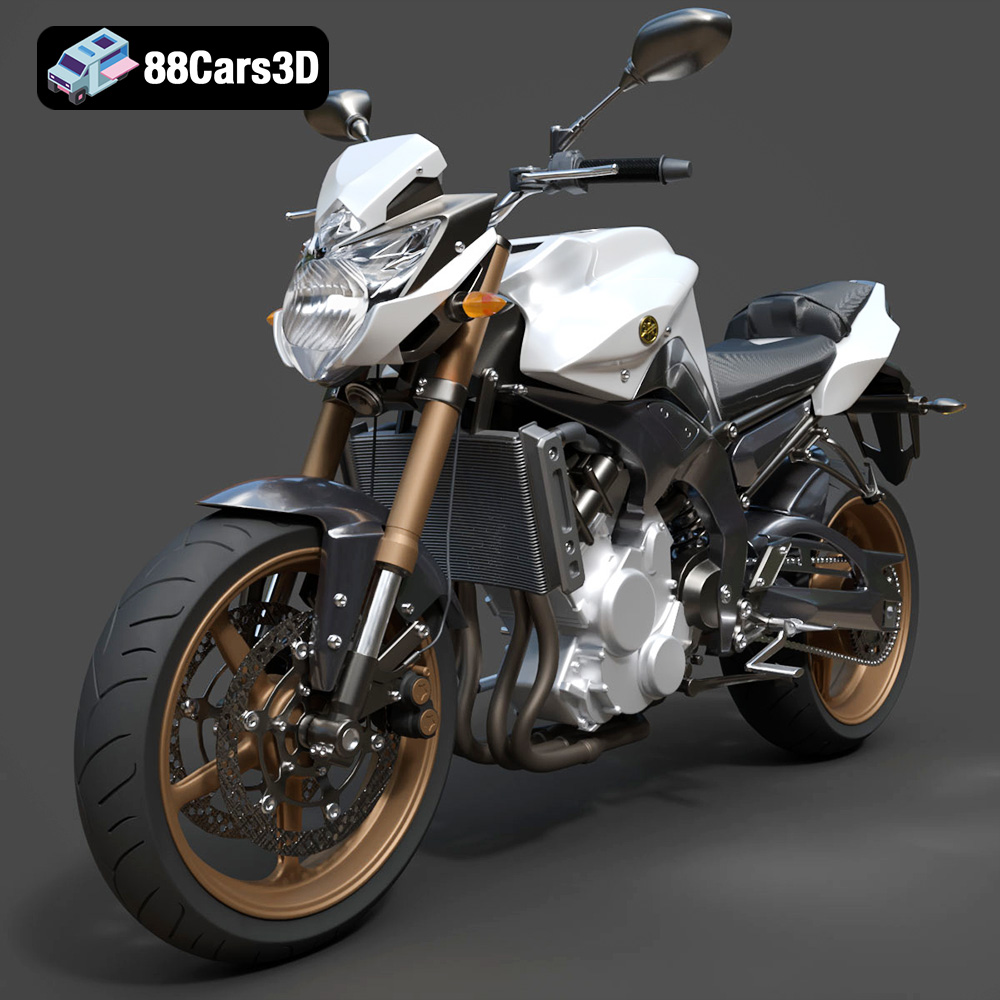
Yamaha FZ8 2011 3D Model
Texture: Yes
Material: Yes
Download the Yamaha FZ8 2011 3D Model featuring clean geometry, realistic detailing, and a fully modeled interior. Includes .blend, .fbx, .obj, .glb, .stl, .ply, .unreal, and .max formats for rendering, simulation, and game development.
Price: $19.99
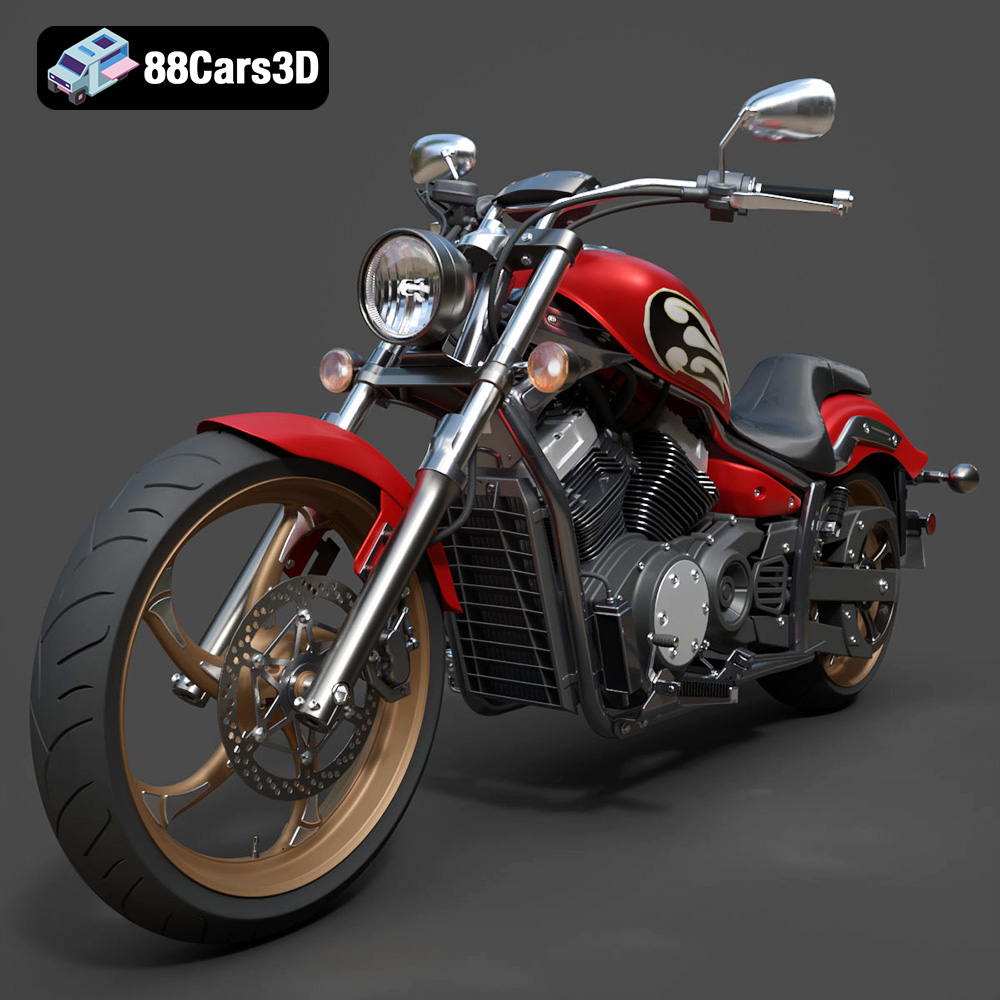
Yamaha Stryker 2012 3D Model
Texture: Yes
Material: Yes
Download the Yamaha Stryker 2012 3D Model featuring clean geometry, realistic detailing, and a fully modeled interior. Includes .blend, .fbx, .obj, .glb, .stl, .ply, .unreal, and .max formats for rendering, simulation, and game development.
Price: $19.99
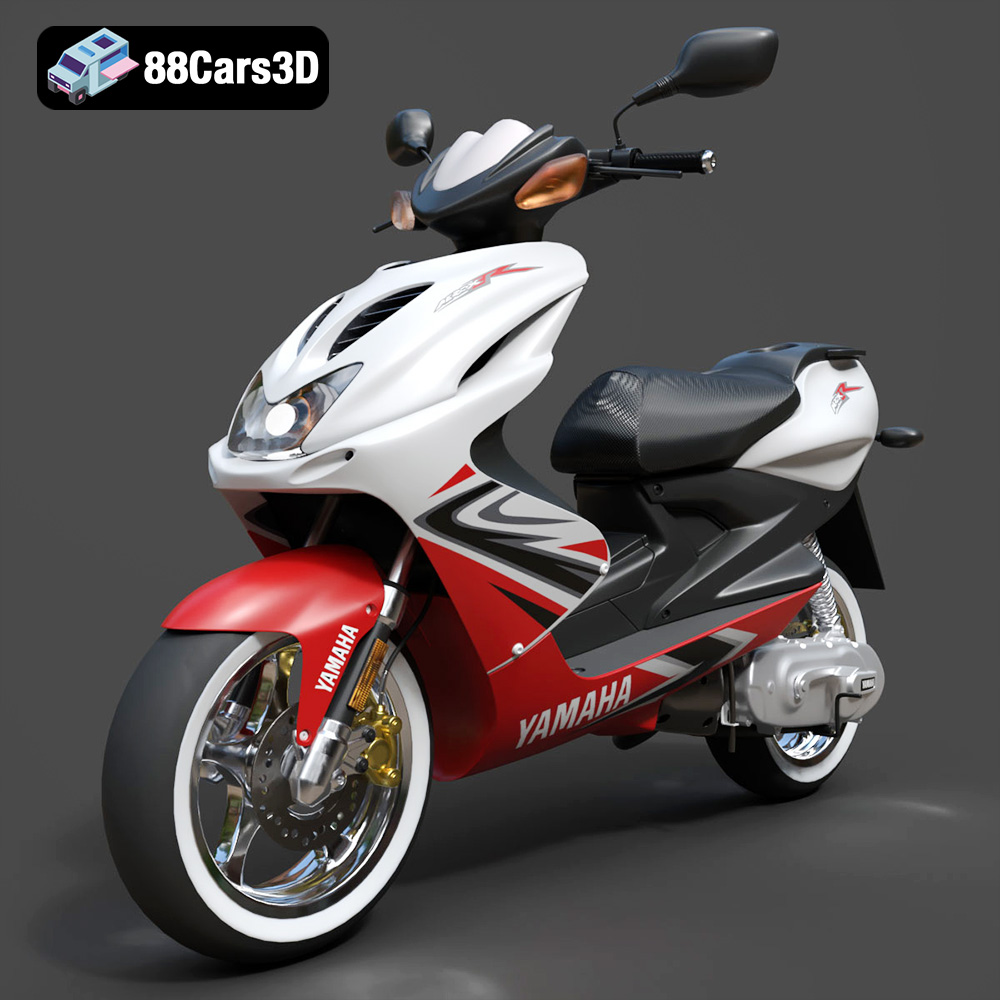
Yamaha Aerox R-002 2024 3D Model
Texture: Yes
Material: Yes
Download the Yamaha Aerox R-002 2024 3D Model featuring clean geometry, realistic detailing, and a fully modeled interior. Includes .blend, .fbx, .obj, .glb, .stl, .ply, .unreal, and .max formats for rendering, simulation, and game development.
Price: $19.99
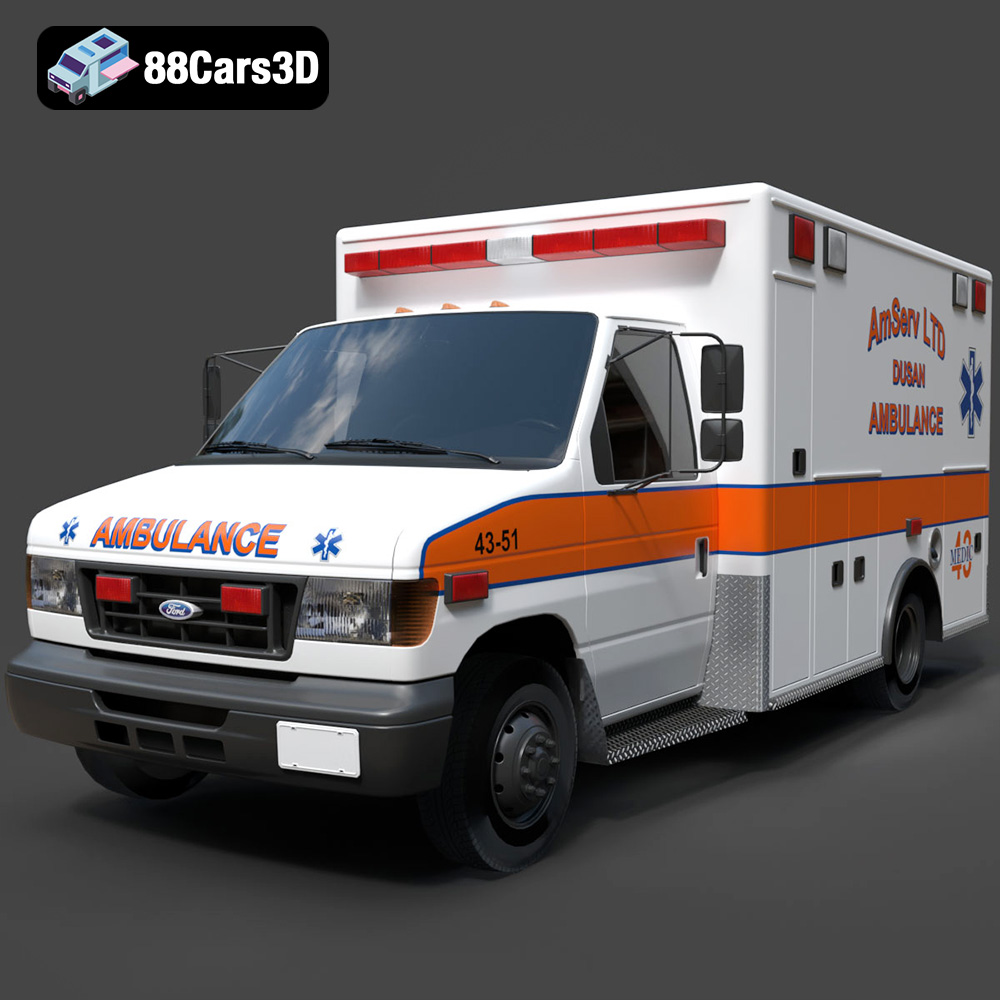
Ford Ambulance AmServ LTD Dusan-002 3D Model
Texture: Yes
Material: Yes
Download the Ford Ambulance AmServ LTD Dusan-002 3D Model featuring a high-detail exterior and interior, realistic textures, and emergency lighting. Includes .blend, .fbx, .obj, .glb, .stl, .ply, .unreal, and .max formats for rendering, simulation, and game development.
Price: $19.99
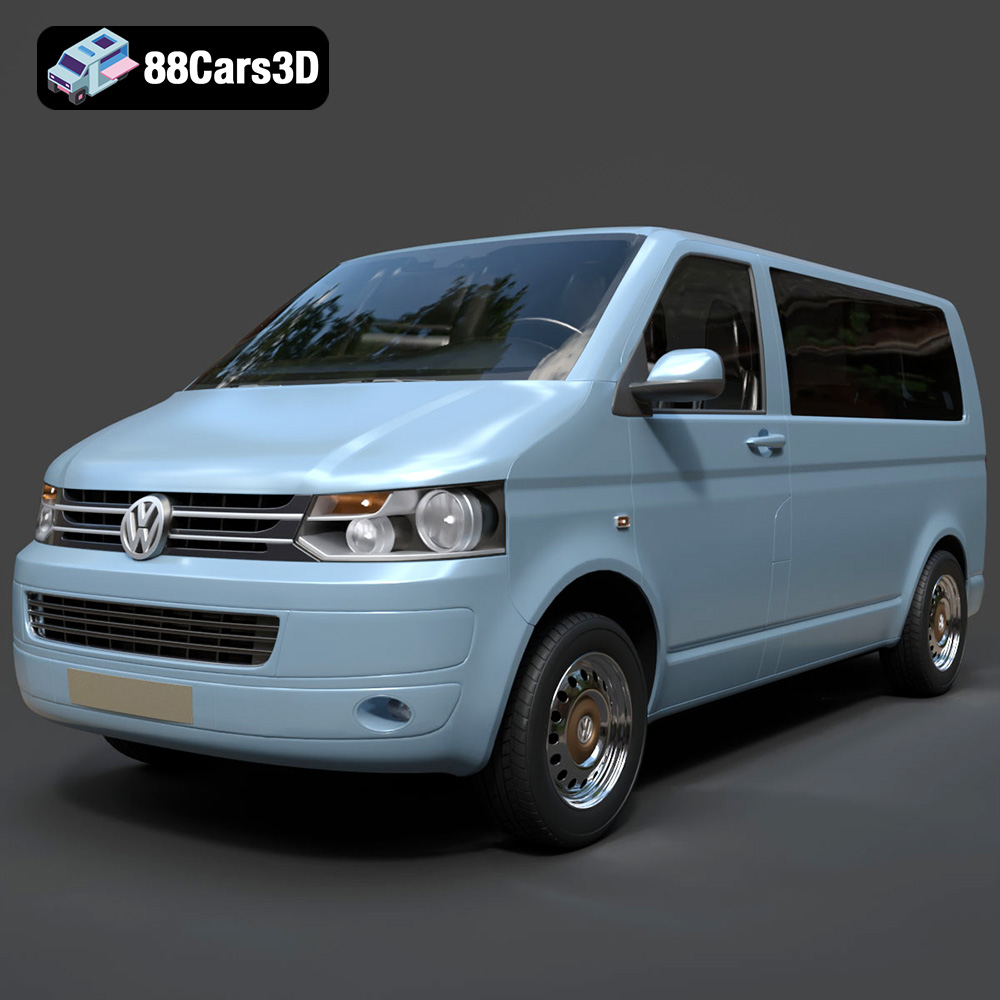
Volkswagen Transporter T5 FL 2010 3D Model
Texture: Yes
Material: Yes
Download the Volkswagen Transporter T5 FL 2010 3D Model featuring clean geometry, realistic detailing, and a fully modeled interior. Includes .blend, .fbx, .obj, .glb, .stl, .ply, .unreal, and .max formats for rendering, simulation, and game development.
Price: $22.99
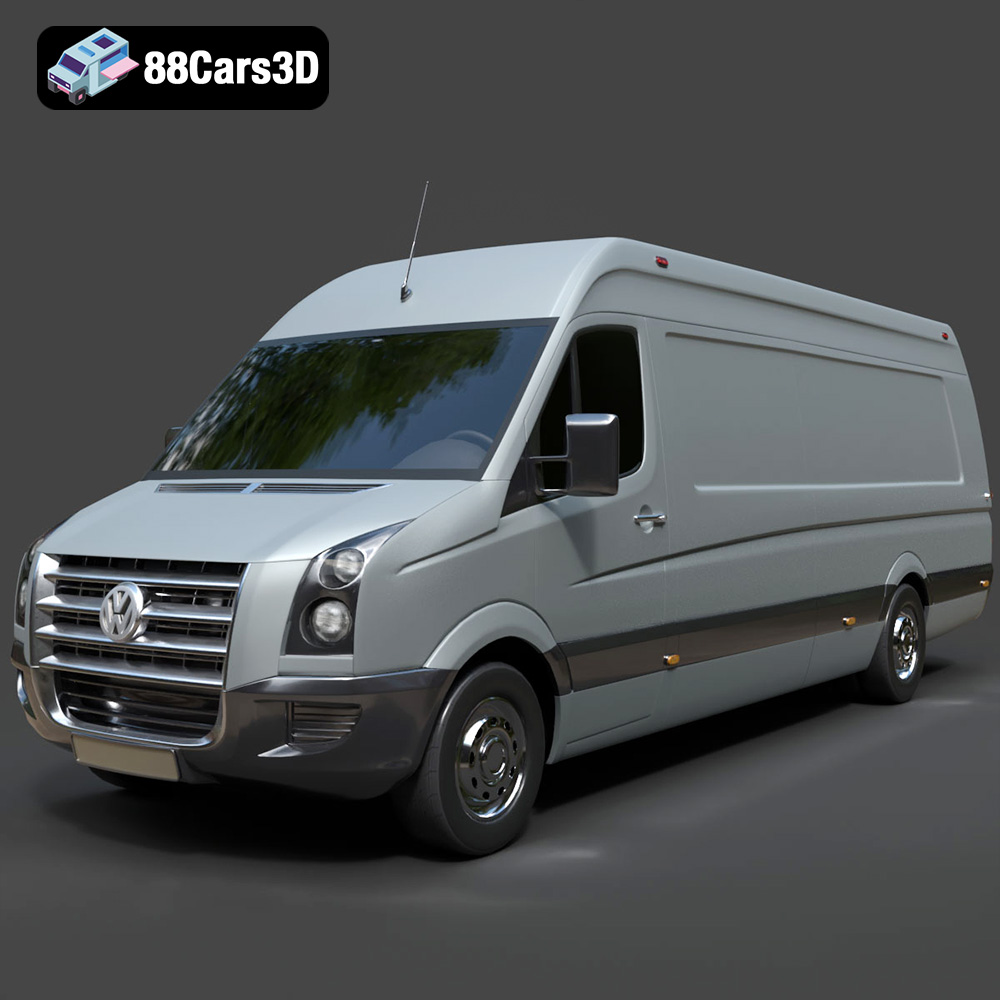
Volkswagen Crafter 2020 3D Model
Texture: Yes
Material: Yes
Download the Volkswagen Crafter 2020 3D Model featuring clean geometry, realistic detailing, and a fully modeled interior. Includes .blend, .fbx, .obj, .glb, .stl, .ply, .unreal, and .max formats for rendering, simulation, and game development.
Price: $22.99
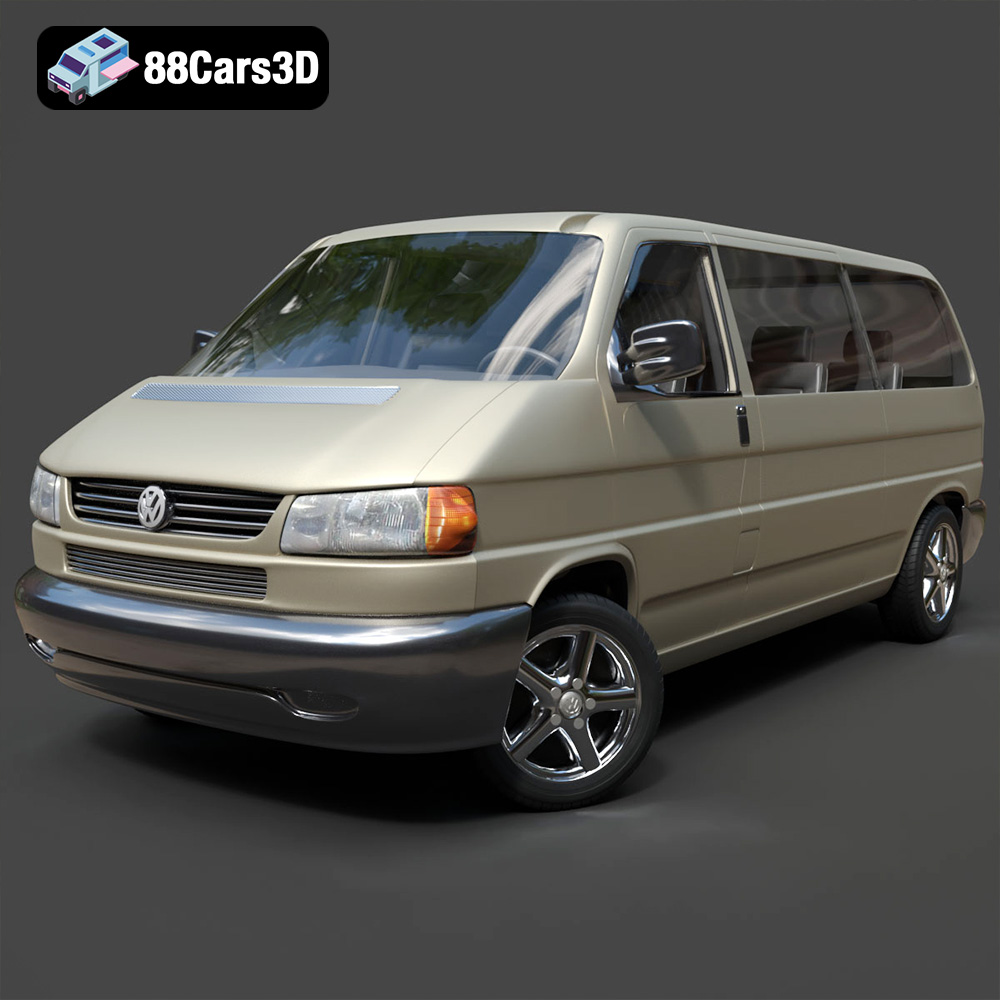
Volkswagen Caravelle 2020 3D Model
Texture: Yes
Material: Yes
Download the Volkswagen Caravelle 3D Model featuring a detailed exterior, functional interior, and optimized topology. Includes .blend, .fbx, .obj, .glb, .stl, .ply, .unreal, and .max formats for rendering, simulation, and game development.
Price: $23.99
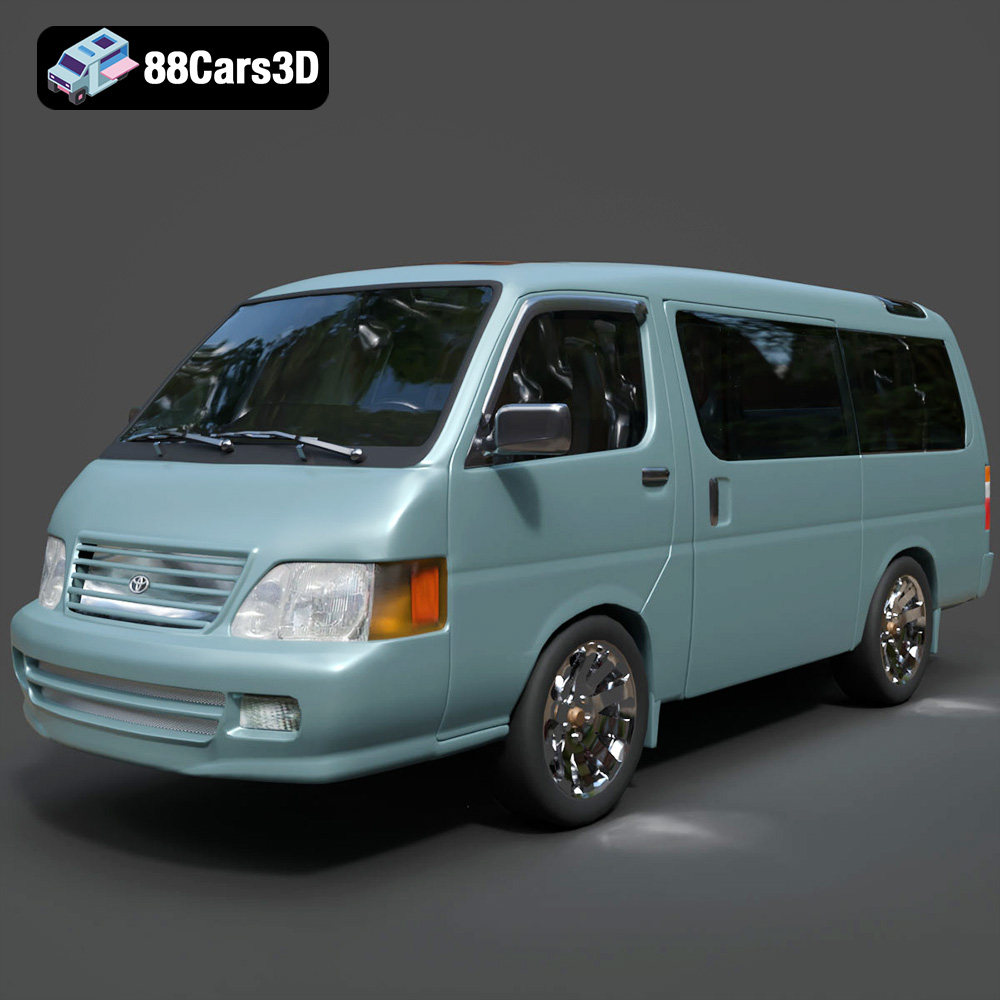
Toyota Hiace 3D Model
Texture: Yes
Material: Yes
Download the Toyota Hiace 3D Model featuring versatile design and detailed exterior. Includes .blend, .fbx, .obj, .glb, .stl, .ply, .unreal, and .max formats for rendering, simulation, and game development.
Price: $21.99
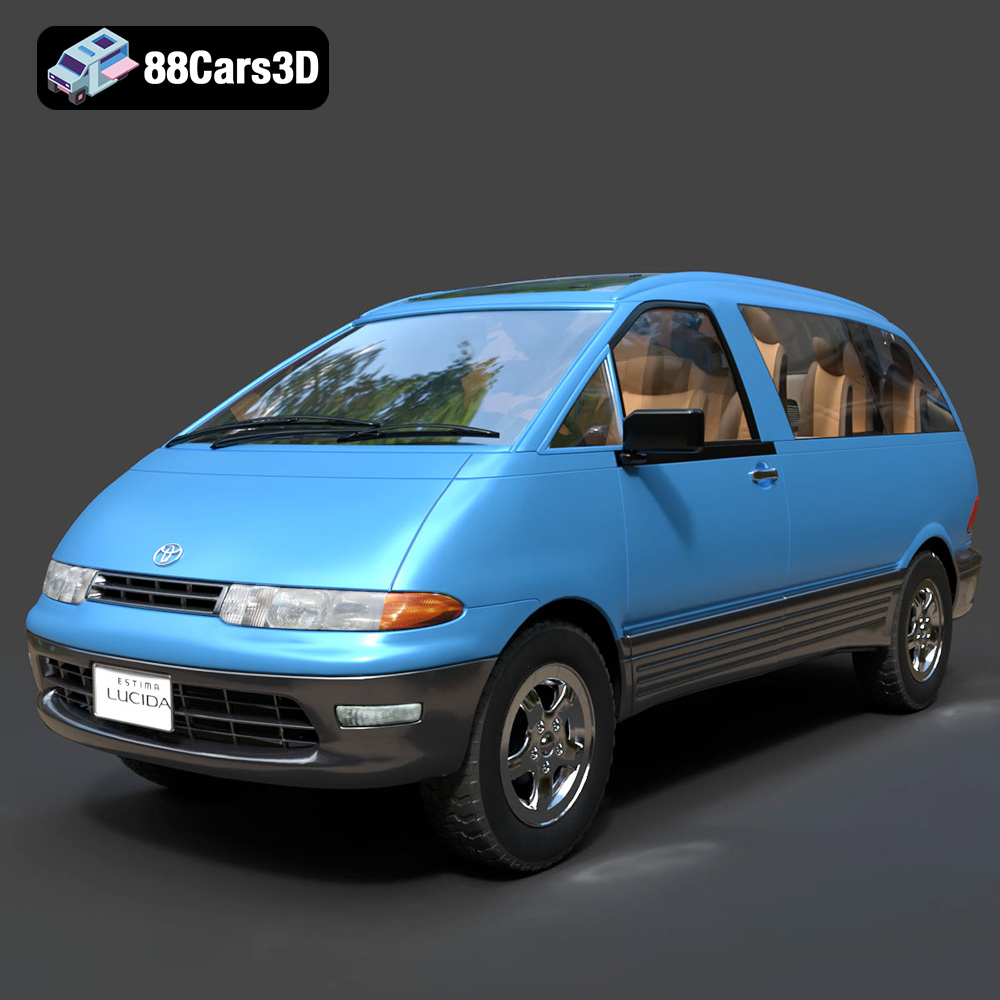
Toyota Estima Lucida 3D Model
Texture: Yes
Material: Yes
Download the Toyota Estima Lucida 3D Model featuring its iconic compact MPV design, versatile interior, and accurate exterior details. Includes .blend, .fbx, .obj, .glb, .stl, .ply, .unreal, and .max formats for rendering, simulation, and game development.
Price: $24.99

Toyota Alphard 3D Model
Texture: Yes
Material: Yes
Download the Toyota Alphard 3D Model featuring a detailed luxury minivan design with an accurate exterior and interior. Includes .blend, .fbx, .obj, .glb, .stl, .ply, .unreal, and .max formats for rendering, simulation, and game development.
Price: $21.99
