

The interior of a car is more than just a functional space; it’s a meticulously engineered environment designed for comfort, ergonomics, and aesthetic appeal. For 3D artists, game developers, and automotive visualization professionals, recreating this intricate space in digital form presents a unique set of challenges and opportunities. A truly realistic 3D car interior can elevate an automotive rendering from good to breathtaking, immerse players in a game, or provide an unparalleled experience in AR/VR applications. It’s where the viewer spends the most time, examining every stitch, button, and material detail.
This comprehensive guide will delve deep into the technical workflows, artistic considerations, and optimization strategies required to craft hyper-realistic car interiors in 3D. We’ll explore everything from mastering complex topology and edge flow for various components to crafting believable PBR materials that react authentically to light. Whether you’re aiming for a stunning high-resolution render, a performant game asset, or an interactive AR/VR experience, understanding these principles is paramount. We’ll cover software-specific techniques, industry best practices, and common pitfalls to help you achieve professional-grade results, ensuring your 3D car models stand out in any scenario, from concept design to final product visualization.
Mastering Interior Topology and Modeling Techniques
Creating a realistic 3D car interior begins with impeccable modeling and topology. Unlike exterior surfaces which often rely on smooth, flowing curves, interiors are a complex interplay of hard surfaces, organic forms, and intricate details. Every button, seam, and ventilation grille needs careful attention to its polygonal structure. The goal is to achieve a balance between detail and efficiency, ensuring the model looks great up close without being overly heavy on polygon count, especially for interactive applications. Good topology is fundamental for clean deformations, efficient UV mapping, and a smooth subdivision surface workflow.
When approaching an interior, it’s crucial to break it down into manageable components: dashboard, center console, seats, door panels, steering wheel, and headliner. Each component requires a specific modeling approach. For dashboards and consoles, a combination of box modeling, spline modeling, and even CAD data import (if available) is often employed. Pay close attention to the radii and fillets of edges; these subtle details are critical for realism and catching highlights correctly. Using support loops (or edge loops) is essential around hard edges before applying subdivision modifiers (like Turbosmooth in 3ds Max or Subdivision Surface in Blender) to maintain crispness without faceting the curved surfaces.
Maintaining consistent quad-based topology is a best practice. While triangles can exist, especially in highly triangulated game meshes, starting with quads provides the cleanest foundation for modeling, sculpting, and UV mapping. Avoid Ngons (polygons with more than four sides) as they can lead to unpredictable shading and errors during subdivision. Understanding edge flow – how the edges of your polygons flow across the surface – is vital. For instance, edge loops should follow the natural contours of a button or the stitching lines of a seat, allowing for easy selection, modification, and realistic deformation.
Dashboard and Console Detailing
The dashboard and center console are often the focal points of a car’s interior, packed with instruments, displays, buttons, and vents. Accuracy here is paramount. Begin by blocking out the main forms using reference images, blue prints, or scan data if available. Pay close attention to the subtle curves and transitions between different panels. For elements like air vents, consider modeling them as separate, interlocking components rather than trying to sculpt them directly into the main dashboard mesh. This allows for cleaner topology and easier material assignment.
Buttons and switches often benefit from float geometry – separate, low-poly meshes placed slightly above the main surface – rather than trying to extrude every detail directly. This is particularly efficient for game assets where normal maps can bake the intricate details from a high-poly float mesh onto a low-poly base. For digital displays, model the screens as distinct planes, allowing for emissive materials or animated textures later. Remember to model the bezel around the screen; even a thin, subtle frame adds significant realism. For complex button layouts or textured surfaces, consider using boolean operations in a non-destructive workflow where possible, but always clean up the resulting topology to avoid shading artifacts.
Seat Sculpting and Stitching Details
Car seats are a blend of soft forms and structured elements, often featuring intricate stitching and subtle creases. For the main forms of the seats, a combination of box modeling and sculpting techniques is highly effective. Start with a basic block-out and refine the contours, aiming for the ergonomic shapes typical of automotive seating. Once the primary shape is established, details like creases and folds can be added using sculpting tools in software like ZBrush or Blender. When working in Blender, artists can leverage sculpting brushes to add natural-looking wrinkles and depressions, enhancing the organic feel of the fabric or leather. For more details on Blender’s sculpting tools, refer to the official Blender 4.4 documentation.
Stitching is a critical detail for realism. There are several methods:
- Modeled Geometry: For hero assets or extreme close-ups, individually modeled stitches (small cylindrical or rectangular forms along a path) offer the highest fidelity. This is resource-intensive but yields impeccable results.
- Normal Maps: A more common approach, especially for game assets and most renders, is to bake stitching details into a normal map. This involves creating a high-poly mesh with modeled stitches and baking its normal information onto a lower-poly surface.
- Procedural Textures/Decals: For less prominent areas, procedural textures or alpha-mapped decals can simulate stitching, though these often lack true depth.
The creases and depressions around stitching lines are equally important. These can be sculpted or created with texture maps (normal and height/displacement maps) to give the illusion of tension and material deformation, which is key to a believable soft good. For optimal results, ensure the topology of the seat aligns with where stitching will be placed, allowing for clean edge loops that can define the stitching paths.
Crafting Realistic PBR Materials for Interiors
Photorealistic rendering of car interiors hinges on the quality of its PBR (Physically Based Rendering) materials. PBR shaders simulate how light interacts with surfaces in a physically accurate way, taking into account properties like roughness, metallicness, albedo (base color), and normal mapping. For a car interior, you’ll encounter a wide array of materials: various types of plastics, leathers, fabrics, metals, glass, and digital displays. Each material requires careful attention to its specific PBR parameters to achieve true realism.
The core PBR workflow typically involves an Albedo (or Base Color) map, a Normal map for surface detail, and a Roughness map to define how diffuse or glossy a surface is. Metallic maps (for metallic shaders) and Specular maps (for dielectric/non-metallic shaders) are also crucial. For more intricate materials, you might also use Displacement/Height maps, Ambient Occlusion maps, and Opacity maps. The key is to avoid extreme values and aim for subtle variations across the material maps, as absolute black or white values for roughness or metallic maps are rare in the real world.
Understanding the properties of real-world materials is essential. For instance, car interior plastics often have a slight texture and a semi-matte finish, meaning their roughness values will be in a mid-range. Leather will exhibit distinct variations in roughness and subtle normal map details from its grain. Metal accents might be brushed, polished, or satin, each requiring specific metallic and roughness values. Consistency in material appearance under different lighting conditions is the hallmark of a well-executed PBR workflow. When sourcing high-quality 3D car models, platforms like 88cars3d.com often provide models with expertly crafted PBR materials, saving significant time and effort.
Fabric and Leather Shaders
Car interior fabrics and leathers are among the most challenging materials to reproduce accurately due to their complex micro-surfaces and light interaction.
- Leather: For leather, start with a rich, desaturated base color for the Albedo map. The Normal map is crucial for conveying the subtle wrinkles and pores of the leather grain. A high-quality Roughness map is perhaps the most important, showing natural variations from wear, oils, and general texture. Areas that are touched frequently might be slightly shinier (lower roughness), while untouched areas remain more matte. Slight color variations in the Albedo map can also enhance realism.
- Fabric/Cloth: Fabrics, such as upholstery or headliners, require a different approach. Their Roughness map will generally be higher, indicating a more diffuse surface. Normal maps should capture the weave pattern or subtle fibrous texture. For advanced realism, particularly with materials like Alcantara or velour, a Sheen component in your shader is essential. Sheen simulates the soft, velvety falloff of light that occurs on micro-fibrous surfaces, where light scatters backwards towards the viewer. This is often represented by a Sheen Color and Sheen Roughness map.
Both leather and fabric often benefit from subtle displacement or height maps to add true geometric depth to pores or weave patterns, especially for close-up shots. Translucency can also play a role for thinner fabrics, allowing a small amount of light to pass through.
Plastics, Metals, and Digital Displays
These materials constitute a significant portion of a car interior’s visual fidelity.
- Plastics: Car interior plastics come in a vast range of finishes – hard, soft-touch, textured, smooth, glossy, matte. Each needs a specific PBR setup. A common approach is to use a slightly desaturated Albedo color, a Normal map to simulate any texture (e.g., grain, soft-touch dimples), and a carefully calibrated Roughness map. Matte plastics will have high roughness values, while glossy plastics will have lower ones. Some plastics might have slight subsurface scattering (SSS) for a softer appearance, especially on thicker components.
- Metals: Metal accents (e.g., chrome trim, aluminum inserts, speaker grilles) are typically handled with a metallic PBR workflow. The Metallic map will be close to white (1.0) for pure metals. The Albedo map defines the color (e.g., brushed aluminum, dark chrome). The Roughness map dictates the finish: very low roughness for polished chrome, higher for brushed aluminum or satin finishes. Normal maps are vital for conveying brushed patterns or engraved details.
- Digital Displays & Glass: Digital displays are often emissive materials, meaning they emit their own light. This is achieved by increasing the emissive strength in the shader, optionally with an emissive color map to simulate screen content. For glass (windows, instrument cluster covers), a transparent shader with appropriate refraction and reflection properties is needed. Tint, thickness, and imperfections (smudges, dust) can significantly enhance realism. Avoid perfect transparency; subtle reflections and refractions make glass appear physically present.
For complex shader networks, consider using layered materials or material instances in your chosen renderer (e.g., Corona Material Editor, V-Ray Material Editor, Blender’s Shader Editor). This allows for greater flexibility and realism by combining different material types.
Advanced UV Mapping and Texturing Strategies
Efficient and clean UV mapping is as crucial for interior realism as good topology and materials. UV mapping is the process of unwrapping a 3D model’s surface into a 2D plane so that 2D textures can be applied to it. For car interiors, which are often composed of numerous distinct parts, effective UV mapping prevents stretching, provides uniform texel density, and optimizes texture memory usage. Poor UVs can lead to blurry textures, noticeable seams, and wasted texture space.
The primary goal for interior UVs is to maximize resolution and minimize seams while maintaining a consistent texel density across relevant surfaces. Texel density refers to the number of texture pixels per unit of 3D space. Maintaining a consistent texel density ensures that textures appear equally sharp across all parts of the interior. For hero assets, individual parts like seats, dashboards, and door panels might get their own dedicated UV maps and texture sets. For game-ready assets, texture atlasing (combining multiple smaller textures into one larger texture map) is often used to reduce draw calls and improve performance.
When unwrapping, prioritize areas that will be seen up close or have distinct patterns (e.g., fabric weaves, wood grain). Use smart projection methods (e.g., planar, cylindrical, spherical) as a starting point, then manually refine cuts (seams) to be in less visible areas, such as along edges, under components, or in crevices. Overlapping UVs can be used for mirrored parts (e.g., left and right door panels) to save texture space, but be cautious if those parts require unique weathering or decals.
Optimizing UV Layouts for Interiors
Optimizing UV layouts involves several key strategies:
- Strategic Seam Placement: Place seams in areas that are naturally hidden or follow existing hard edges. For instance, along the bottom edge of a dashboard, under a seat, or along the natural crease lines of an armrest.
- Consistent Texel Density: Use tools within your 3D software (e.g., Blender’s UV Editor, 3ds Max’s Unwrap UVW) to ensure that all relevant UV islands have a similar texel density. This can be achieved by normalizing or averaging the scale of UV islands.
- Packing Efficiency: After unwrapping, pack your UV islands efficiently into the 0-1 UV space. Minimize empty space between islands to make the most of your texture resolution. Automatic packing algorithms can be a good starting point, but manual adjustments often yield better results.
- Avoid Stretching: Visually inspect your UVs using a checkerboard pattern. Any distortion or stretching of the checkerboard indicates poor unwrapping that will result in distorted textures.
- Separate UV Sets: For complex assets, consider using multiple UV sets. For example, one UV set for the main texture maps and another for decals or ambient occlusion. This offers flexibility and avoids texture bleed.
For particularly complex components like a steering wheel, cylindrical projection followed by careful seam cutting and relaxation often yields the best results. For fabric surfaces, a uniform grid projection is usually desired to prevent texture distortion of the weave.
Texturing Workflow and Decals
The texturing workflow for car interiors typically involves specialized software like Substance Painter, Mari, or even Photoshop combined with 3D painting tools. These tools allow artists to paint directly onto the 3D model, generating all necessary PBR maps simultaneously (Albedo, Normal, Roughness, Metallic, etc.). This approach ensures seamless texturing across UV islands and provides powerful layering and procedural capabilities.
Key aspects of the texturing workflow:
- Layered Texturing: Build up textures using layers for base colors, textures, details (e.g., grain, wear), dirt, and grime. This non-destructive approach allows for easy adjustments.
- Reference is King: Constantly refer to real-world car interior photos to accurately reproduce material nuances, wear patterns, and color variations.
- Grime and Wear: Realistic interiors are not pristine. Add subtle grime in crevices, dust on flat surfaces, fingerprints on glossy plastics, and wear on high-touch areas (e.g., steering wheel, gear shifter, armrests). Use procedural generators and hand-painting to create these details.
- Decals: Decals are crucial for interior realism. These include warning labels, button icons, digital display graphics, and manufacturer logos. Decals can be implemented as alpha-masked textures applied to planes slightly above the surface, or directly painted as part of the material. For optimal performance in game engines, combine multiple small decals into a single texture atlas whenever possible. This helps reduce draw calls and optimize rendering.
- Texture Resolution: Choose appropriate texture resolutions. Critical components like the dashboard and seats might warrant 4K or even 8K textures, while less prominent elements can use 2K or 1K. For game assets, carefully budget texture memory, prioritizing high-resolution textures for elements frequently seen up close. When acquiring 3D car models, such as those found on 88cars3d.com, pay attention to the provided texture resolutions and formats to ensure they meet your project’s quality and performance requirements.
Lighting and Rendering for Interior Realism
Even the most meticulously modeled and textured car interior will fall flat without a thoughtful lighting and rendering setup. Lighting is the storyteller of your scene; it defines mood, highlights forms, and reveals material properties. For automotive interiors, the challenge lies in simulating the confined space, the interaction of external light sources with internal reflections, and the presence of internal lights (e.g., ambient lighting, instrument backlighting).
Most modern renderers (Corona, V-Ray, Cycles, Arnold) employ physically accurate lighting models. The core of any realistic setup often starts with an HDRI (High Dynamic Range Image). An HDRI provides both background environment and accurate, realistic lighting information, mimicking a real-world outdoor or indoor environment. For car interiors, choose an HDRI that reflects the desired setting – a sunny day, an overcast day, a garage, or a studio. The reflections from the HDRI are critical for bringing the interior materials to life, especially on glossy plastics, metals, and glass.
Beyond the HDRI, specific light sources are usually needed to augment the scene. Area lights, often placed outside windows, simulate direct sunlight or ambient sky light filtering into the cabin. Mesh lights can be used to simulate interior lights like dome lights, ambient strips, or backlit buttons. Directional lights can be used for harsh, direct sunlight. Pay close attention to the color temperature of your lights; warm tones for artificial cabin lights, cooler tones for exterior daylight. Experiment with different light intensities and positions to achieve dramatic highlights and subtle shadows that emphasize the forms and textures.
HDRI and Interior Lighting Setup
A typical interior lighting workflow:
- Primary HDRI: Start by loading a high-quality automotive-specific HDRI into your environment slot. Rotate and adjust its intensity to find a pleasing angle that illuminates the interior effectively and creates interesting reflections. This will serve as your primary light source and reflection environment.
- Window Fill Lights: Place large, soft area lights outside the car windows. These act as supplementary fill lights, mimicking light coming from the sky or a large softbox. Adjust their size and intensity to control the softness and strength of the light spilling into the cabin.
- Direct Sun/Key Light: If a strong directional sun is desired, add a narrow, intense directional light or a small, powerful area light mimicking sunlight. Position it to create sharp, dramatic shadows and bright highlights on specific interior elements.
- Interior Ambient/Accent Lights: Use mesh lights (self-illuminating geometry) for dome lights, ambient light strips, or instrument cluster backlights. These should be subtle and appropriate to the real-world function of the lights. For buttons, an emissive material on the button itself or a small point light behind it can simulate backlighting.
- Reflection Cards (Optional): For specific, sharp reflections, you can strategically place invisible (to camera, but visible to reflections) plane lights or geometry outside the car to create desired highlights on reflective surfaces.
Constantly review how your materials react to the lighting. The roughness and metallic values of your PBR shaders will determine how specular highlights appear and how light scatters across surfaces. A good lighting setup will reveal the quality of your material work.
Render Settings and Post-Processing
Optimizing render settings is crucial for achieving high-quality results without excessive render times. Each renderer has its own set of parameters, but common considerations include:
- Sampling/Passes: Higher samples or render passes reduce noise (grain) but increase render time. Find a balance for your target resolution and quality.
- Ray Tracing Depth: Control the number of times light rays bounce within the scene. Interiors often require higher bounce depths for realistic global illumination, especially in tight spaces.
- Denoisers: Modern renderers offer AI-powered denoisers that can significantly reduce noise in post-production, allowing for lower sample counts and faster renders.
- Render Elements/Passes: Render out separate passes (e.g., Z-depth, Cryptomatte, AO, Reflection, Refraction) to gain greater control during post-processing.
Post-processing is the final, essential step to push your renders from good to exceptional. Software like Photoshop, Affinity Photo, or Nuke can be used for these adjustments:
- Exposure & Contrast: Fine-tune the overall brightness and dynamic range.
- Color Grading: Adjust the color balance, vibrancy, and overall mood of the image.
- Vignetting: Add subtle darkening towards the edges to draw attention to the center.
- Chromatic Aberration: A subtle amount can add photographic realism.
- Bloom & Glare: Enhance bright light sources and reflections.
- Sharpening: Bring out fine details, but use sparingly to avoid artifacts.
- Depth of Field: Simulate camera lens blur, focusing attention on key elements.
By combining robust rendering with thoughtful post-processing, you can achieve a final image that is both technically accurate and artistically compelling, creating a truly memorable visual experience of your 3D car interior.
Game Engine Optimization and AR/VR Considerations
While high-fidelity renders prioritize visual quality above all else, game engines (like Unreal Engine and Unity) and AR/VR platforms demand a strict balance between visual realism and performance. A beautifully detailed car interior model that runs smoothly at 60+ FPS requires significant optimization. The goal is to provide a rich visual experience while maintaining low draw calls, efficient memory usage, and stable frame rates across various hardware specifications.
Optimization starts during the modeling phase. Every polygon, every material slot, and every texture map contributes to the performance budget. For game engines, it’s critical to minimize unique meshes and textures where possible. Instancing identical objects (e.g., multiple identical buttons) rather than duplicating them as separate unique meshes can save a significant amount of memory and draw calls. When preparing 3D car models for game development, especially when sourcing from marketplaces like 88cars3d.com, always check the polygon count, material setup, and included LODs to ensure they are game-ready or can be optimized effectively for your target platform.
AR/VR applications have even stricter performance requirements than traditional games due to the need for high frame rates (typically 90 FPS or higher) and lower latency to prevent motion sickness. This often means aggressive polygon reduction, lower resolution textures, and fewer dynamic lights. Pre-baked lighting (lightmaps) is often preferred over real-time global illumination for performance gains. Understanding the target hardware (e.g., mobile VR, standalone VR headsets, high-end PC VR) is crucial for setting appropriate optimization targets.
LODs and Asset Budgeting
Levels of Detail (LODs) are indispensable for game engine optimization. An LOD system creates multiple versions of a single 3D model, each with progressively fewer polygons and simpler materials. The engine automatically switches between these LODs based on the camera’s distance from the object.
- LOD0 (Highest Detail): Used when the camera is very close to the interior (e.g., first-person view). This retains maximum detail.
- LOD1 (Medium Detail): Used when the camera is slightly further away. Polygon count is reduced by 30-50%, often by removing small details, merging meshes, or simplifying complex curves.
- LOD2+ (Lower Detail): Used at greater distances. Polygon count can be drastically reduced, with many details represented by normal maps or even fully removed. Textures might also be lower resolution for further LODs.
Asset Budgeting involves allocating a specific polygon count, texture memory, and material count for each component of the car interior. For a highly detailed car interior, a common polygon budget for LOD0 might range from 150,000 to 500,000 triangles, depending on the game type and target platform. Each individual part (dashboard, seat, door panel) would have its own sub-budget. Texture budgets typically aim to use texture atlases for efficiency, reducing the number of unique materials and draw calls.
Interactive Elements and UI Integration
For game and AR/VR applications, car interiors are often interactive. This requires careful planning for dynamic elements and user interface (UI) integration.
- Door & Window Animation: Model doors, windows, and other moving parts as separate, pivot-correct meshes ready for animation. Ensure their pivot points are accurately placed for realistic rotation (e.g., door hinges).
- Button & Dial Interaction: Individual buttons and dials can be separate meshes that respond to player input. They might require simple animation (e.g., a push, a rotation) and a system for highlighting when hovered over.
- Digital Displays: Digital dashboards and infotainment screens can be implemented using dynamically rendered textures (render targets) or UI elements overlaid on the screen geometry. This allows for real-time data display (speedometer, map) or interactive menu systems. Optimize these displays to use efficient shaders and avoid unnecessary pixel processing.
- Collision Meshes: Simple collision meshes (often primitive shapes or heavily simplified versions of the visual mesh) are necessary for player interaction, character movement, and physics simulations within the interior. These are separate from the high-detail visual meshes.
- UI Integration: For AR/VR, UI elements need to be thoughtfully integrated into the 3D space, either as floating panels or projected onto existing surfaces. Consider legibility, scale, and comfort within a stereoscopic view.
By optimizing assets with LODs, carefully budgeting resources, and thoughtfully integrating interactive elements, artists can ensure that their realistic 3D car interiors provide an immersive and performant experience across various interactive platforms.
Overcoming Challenges and Professional Workflows
Creating realistic 3D car interiors is a challenging endeavor, demanding precision, artistic vision, and technical proficiency. Artists frequently encounter hurdles ranging from subtle material inconsistencies to complex topological issues. Understanding these common challenges and adopting professional workflows can significantly streamline the creation process and lead to superior results. One of the biggest challenges is maintaining consistency across a multitude of different materials and components, ensuring they all feel like part of a cohesive whole within the confined space of a car cabin.
Precision is paramount. Even a millimeter off in scale or a degree off in an angle can break the illusion of realism. Reference materials are therefore not just helpful but absolutely essential. High-resolution photographs, CAD drawings, and even physical access to a real car interior are invaluable resources. It’s also crucial to work iteratively, constantly checking proportions, lighting, and material responses at every stage. Don’t be afraid to go back and refine. A professional workflow emphasizes non-destructive techniques whenever possible, allowing for flexibility and changes without having to redo large portions of the model.
Another common challenge is managing the sheer complexity of an interior model. With hundreds of unique parts, materials, and textures, organization becomes critical. Using clear naming conventions for meshes, materials, and textures (e.g., “Dashboard_Main_Geo,” “Seat_Leather_Mat,” “DoorPanel_Trim_Albedo”) can save hours of frustration. Grouping related objects and using layers or collections (in Blender) helps in navigating complex scenes. Version control software is also a professional standard, allowing artists to track changes, revert to previous versions, and collaborate effectively.
Common Pitfalls and Troubleshooting
- Incorrect Scale: Objects appearing too small or too large in relation to each other. Always model to real-world scale from the outset.
- Poor Topology: Ngons, too many triangles in curved areas, stretched polygons, or inconsistent edge flow can lead to shading artifacts (pinching, faceting) and make UV mapping difficult. Regularly inspect your mesh with wireframe and shaded views. Use mesh cleaning tools.
- UV Stretching & Overlapping: Textures appearing distorted or blurry. Use checkerboard patterns to visualize UV stretching and carefully pack UV islands to avoid overlaps where unique texture information is required.
- Inconsistent Texel Density: Different parts of the interior having varying texture resolutions, leading to some parts looking sharp and others blurry. Normalize texel density across relevant surfaces.
- Unrealistic Materials: Surfaces looking too plastic, too shiny, or not reacting correctly to light. Review your PBR maps (Albedo, Roughness, Metallic, Normal) against reference images. Subtle variations in roughness are key.
- Flat Lighting: Lack of depth, contrast, or mood due to uninspired lighting. Experiment with multiple light sources, HDRI rotation, and varying light intensities to create visual interest.
- Optimization Issues: Models too heavy for the target platform, causing performance drops. Implement LODs, optimize material counts, use texture atlases, and simplify meshes where detail is not critical.
- Missing Details: Overlooking subtle elements like stitching, panel gaps, fingerprints, or dust. These micro-details collectively contribute significantly to realism.
Collaboration and Asset Management
In professional environments, 3D car interior creation is often a collaborative effort. Multiple artists might work on different aspects (modeling, texturing, rigging, lighting). Effective asset management and clear communication are vital.
- File Formats: Use industry-standard file formats for exchange (e.g., FBX, OBJ for geometry; EXR/HDR for textures; USD for scene description). When sharing assets, ensure all textures are embedded or correctly linked. For specialized applications, GLB (for web/AR) or USDZ (for Apple AR) might be required.
- Asset Libraries: Maintain well-organized asset libraries for frequently used components like bolts, screws, buttons, or generic material presets. This promotes consistency and efficiency.
- Version Control: Implement a version control system (e.g., Perforce, Git LFS) to manage asset iterations, track changes, and facilitate team collaboration without overwriting each other’s work.
- Consistent Standards: Establish clear naming conventions, scaling standards, and technical specifications (e.g., polygon budgets, texture resolutions) across the team.
- Regular Reviews: Conduct frequent reviews of the work in progress to catch issues early, ensure alignment with artistic vision, and address any technical challenges.
By embracing these professional workflows, artists can tackle the complexity of 3D car interiors with confidence, delivering high-quality, optimized assets for any application, from automotive rendering and visualization to game development and immersive AR/VR experiences. The investment in robust practices pays dividends in efficiency, quality, and project success.
Conclusion
Creating realistic 3D car interiors is a challenging yet incredibly rewarding endeavor that demands a blend of artistic skill and technical mastery. From the foundational principles of clean topology and precise modeling to the intricate dance of physically based materials and sophisticated lighting, every element plays a crucial role in bringing a digital automotive cabin to life. We’ve journeyed through the complexities of detailing dashboards, sculpting seats, and crafting authentic PBR shaders for every surface, understanding that subtle variations in roughness, normal details, and sheen are what truly sell the illusion of reality.
Beyond the raw aesthetics, we’ve highlighted the critical importance of advanced UV mapping, strategic texturing, and rigorous optimization techniques essential for interactive platforms like game engines and AR/VR. Implementing LODs, managing asset budgets, and understanding file format compatibility are not just technicalities but core pillars for delivering performant and immersive experiences. Whether your goal is a static, photorealistic render or a fully interactive virtual tour, the principles of precision, efficiency, and a keen eye for detail remain constant.
As you embark on your next 3D car interior project, remember that continuous learning, meticulous attention to reference, and a systematic workflow are your greatest assets. The commitment to mastering these techniques will undoubtedly elevate the quality of your work, making your 3D car models not just visually appealing but truly believable and functionally optimized for any application. Explore and experiment, push the boundaries of realism, and you’ll find that the satisfaction of crafting a perfect digital interior is immense. For those looking to jumpstart their projects with pre-made, high-quality models, resources like 88cars3d.com offer an excellent starting point, providing meticulously crafted assets that embody many of the best practices discussed in this guide.
Featured 3D Car Models
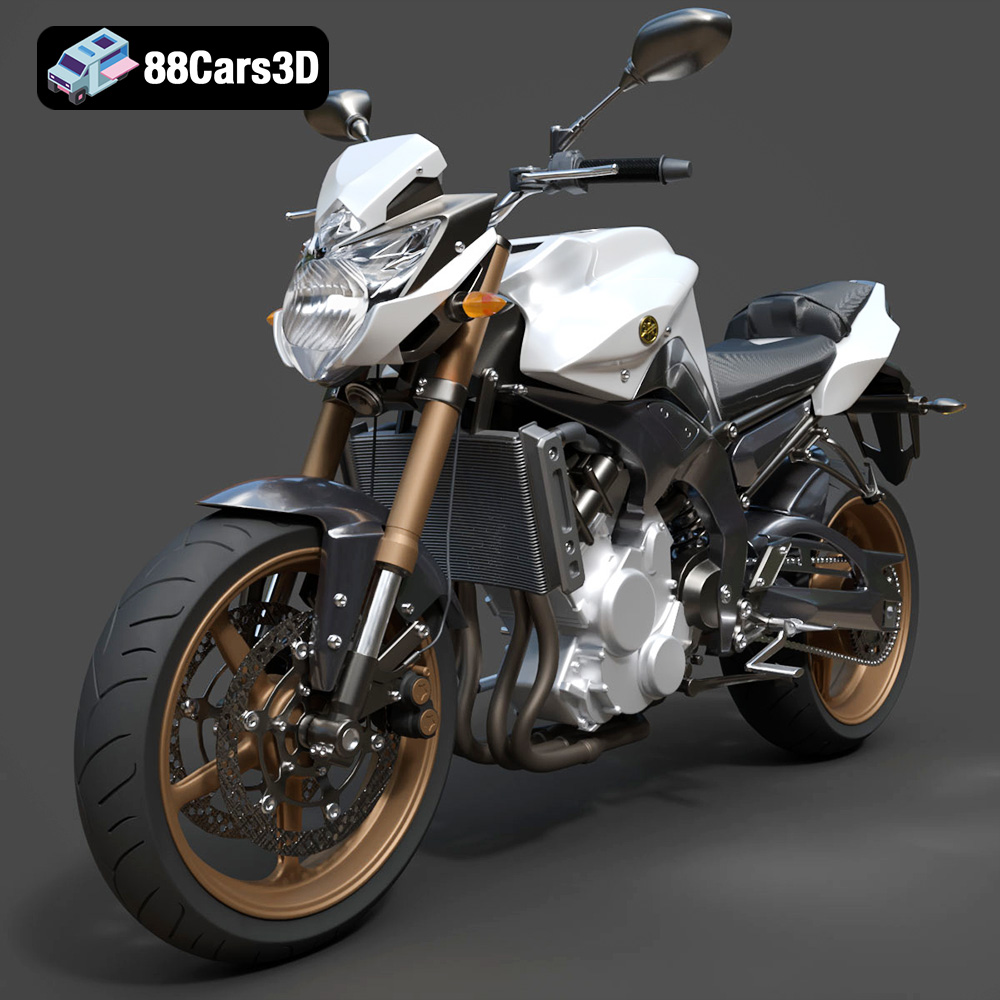
Yamaha FZ8 2011 3D Model
Texture: Yes
Material: Yes
Download the Yamaha FZ8 2011 3D Model featuring clean geometry, realistic detailing, and a fully modeled interior. Includes .blend, .fbx, .obj, .glb, .stl, .ply, .unreal, and .max formats for rendering, simulation, and game development.
Price: $19.99
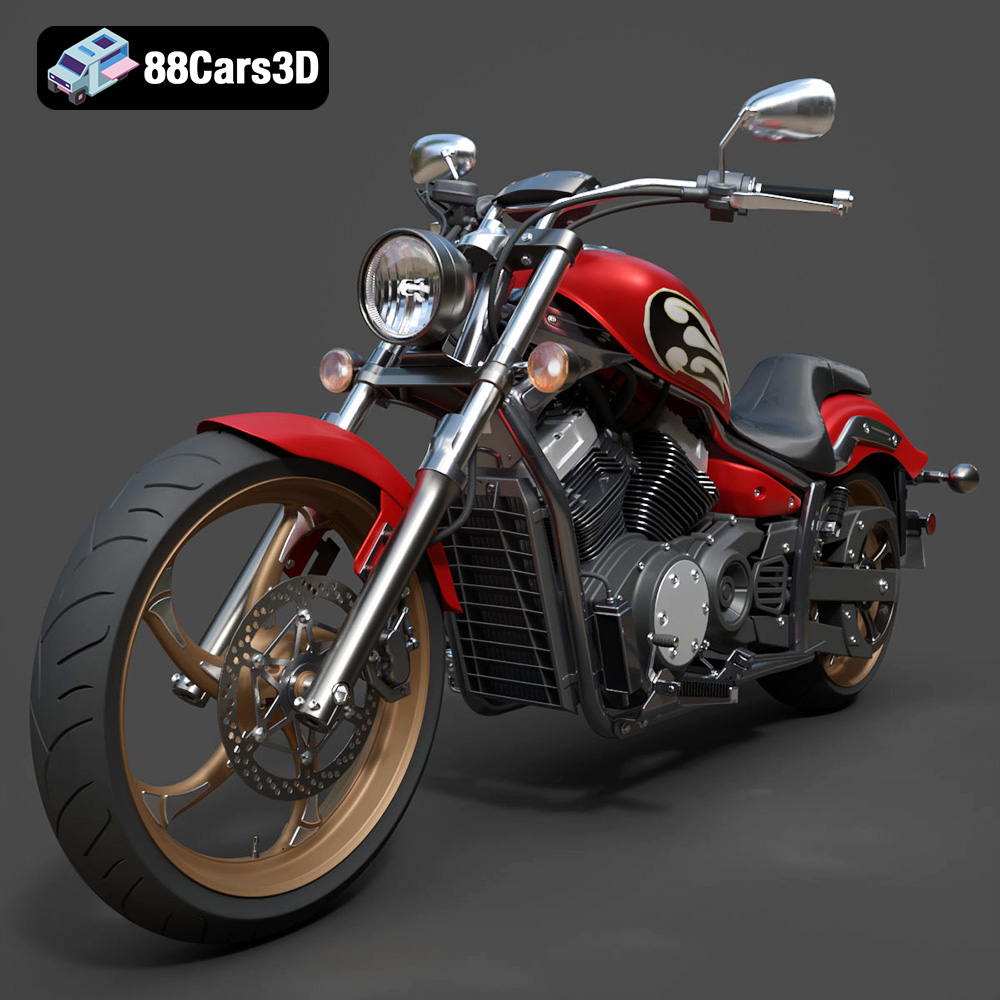
Yamaha Stryker 2012 3D Model
Texture: Yes
Material: Yes
Download the Yamaha Stryker 2012 3D Model featuring clean geometry, realistic detailing, and a fully modeled interior. Includes .blend, .fbx, .obj, .glb, .stl, .ply, .unreal, and .max formats for rendering, simulation, and game development.
Price: $19.99
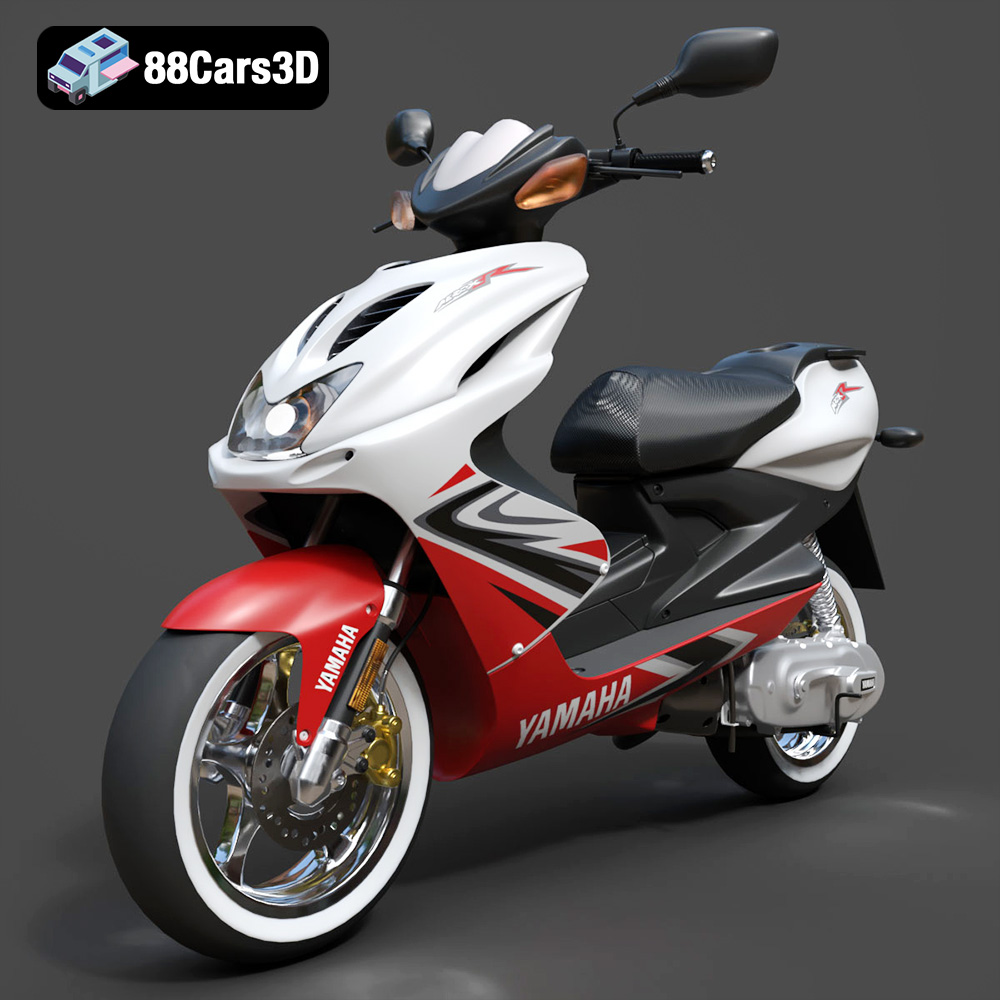
Yamaha Aerox R-002 2024 3D Model
Texture: Yes
Material: Yes
Download the Yamaha Aerox R-002 2024 3D Model featuring clean geometry, realistic detailing, and a fully modeled interior. Includes .blend, .fbx, .obj, .glb, .stl, .ply, .unreal, and .max formats for rendering, simulation, and game development.
Price: $19.99
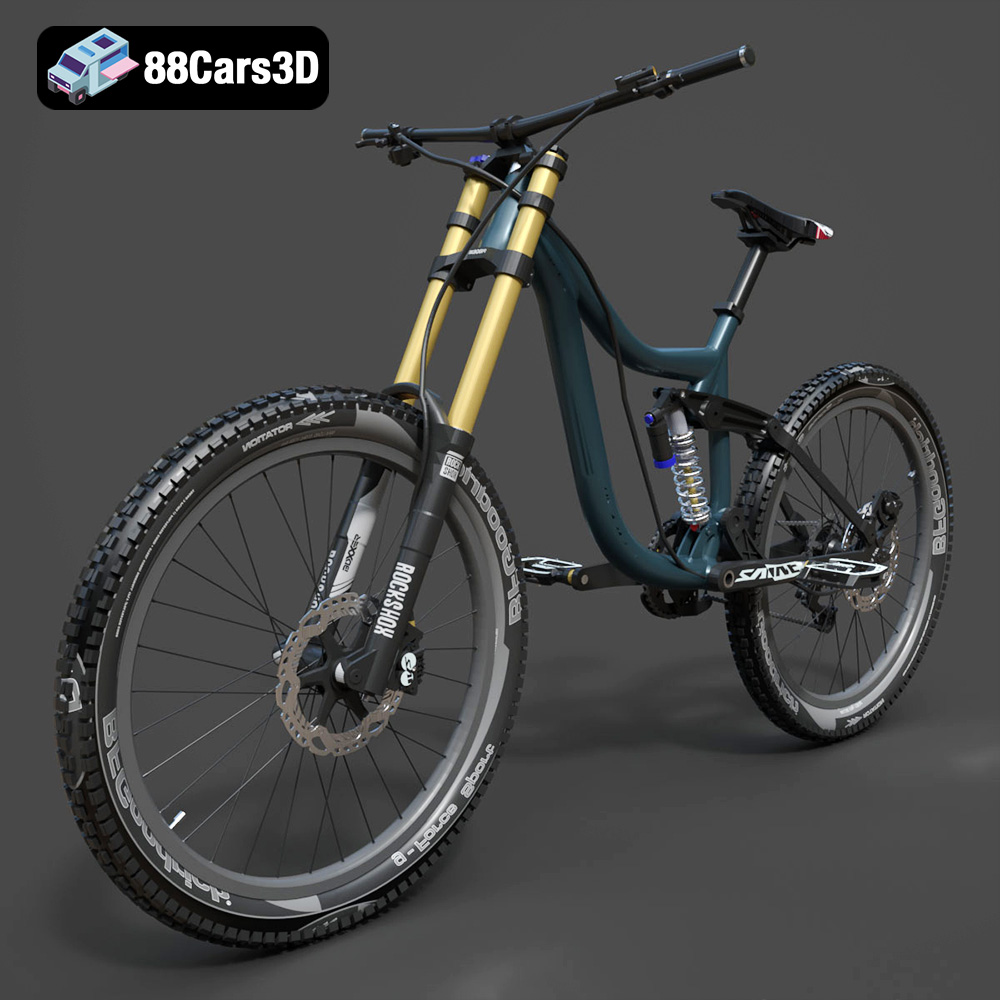
Mototsikly Downhill Bike-002 3D Model
Texture: Yes
Material: Yes
Download the Mototsikly Downhill Bike-002 3D Model featuring clean geometry, realistic detailing, and precise mechanical components. Includes .blend, .fbx, .obj, .glb, .stl, .ply, .unreal, and .max formats for rendering, simulation, and game development.
Price: $19.99
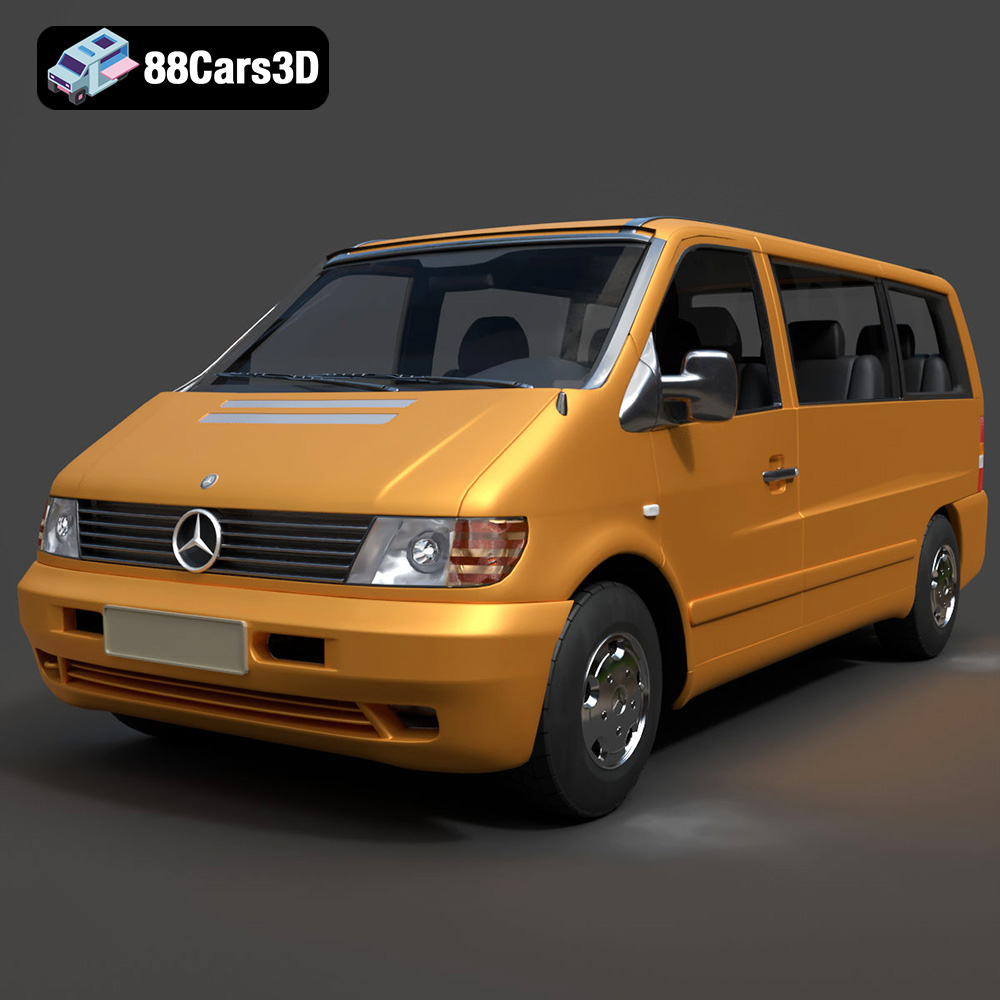
Mercedes-Benz Vito Passenger Van 3D Model
Texture: Yes
Material: Yes
Download the Mercedes-Benz Vito Passenger Van 3D Model featuring clean geometry, realistic detailing, and a fully modeled interior. Includes .blend, .fbx, .obj, .glb, .stl, .ply, .unreal, and .max formats for rendering, simulation, and game development.
Price: $19.99
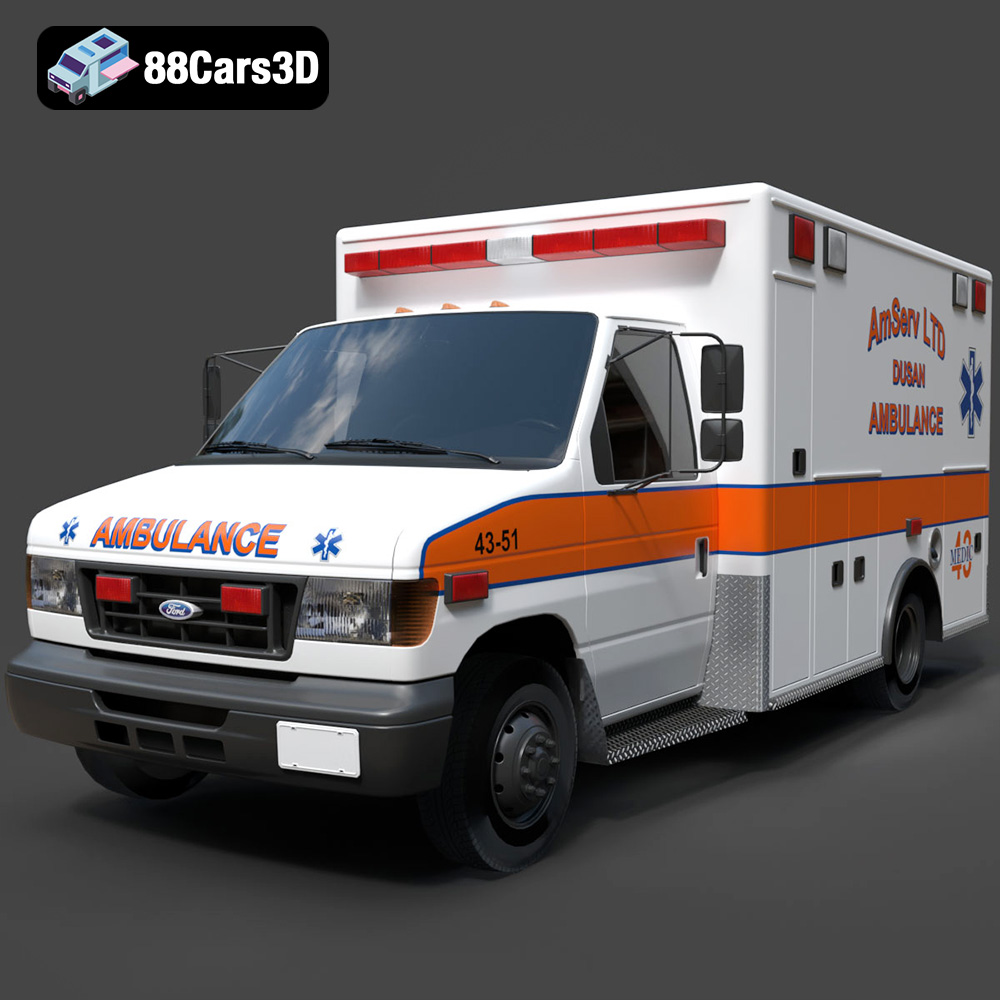
Ford Ambulance AmServ LTD Dusan-002 3D Model
Texture: Yes
Material: Yes
Download the Ford Ambulance AmServ LTD Dusan-002 3D Model featuring a high-detail exterior and interior, realistic textures, and emergency lighting. Includes .blend, .fbx, .obj, .glb, .stl, .ply, .unreal, and .max formats for rendering, simulation, and game development.
Price: $19.99
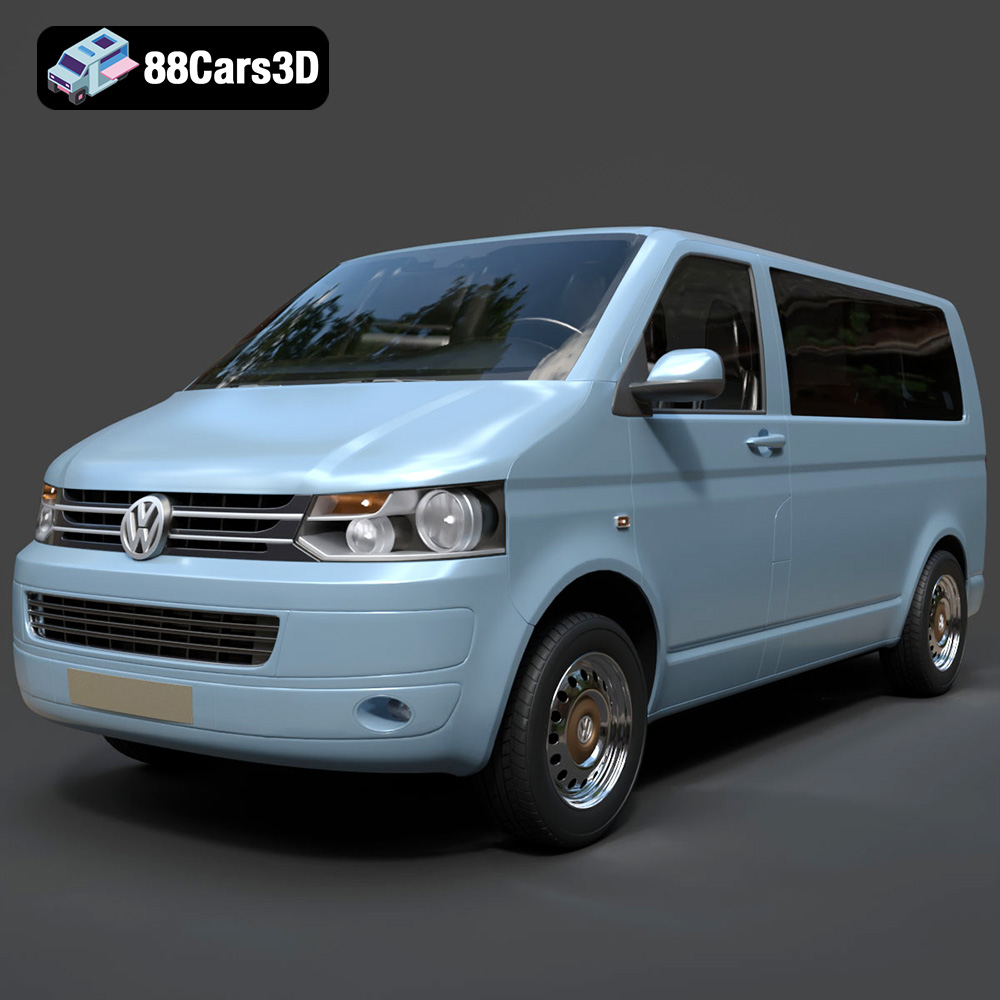
Volkswagen Transporter T5 FL 2010 3D Model
Texture: Yes
Material: Yes
Download the Volkswagen Transporter T5 FL 2010 3D Model featuring clean geometry, realistic detailing, and a fully modeled interior. Includes .blend, .fbx, .obj, .glb, .stl, .ply, .unreal, and .max formats for rendering, simulation, and game development.
Price: $22.99
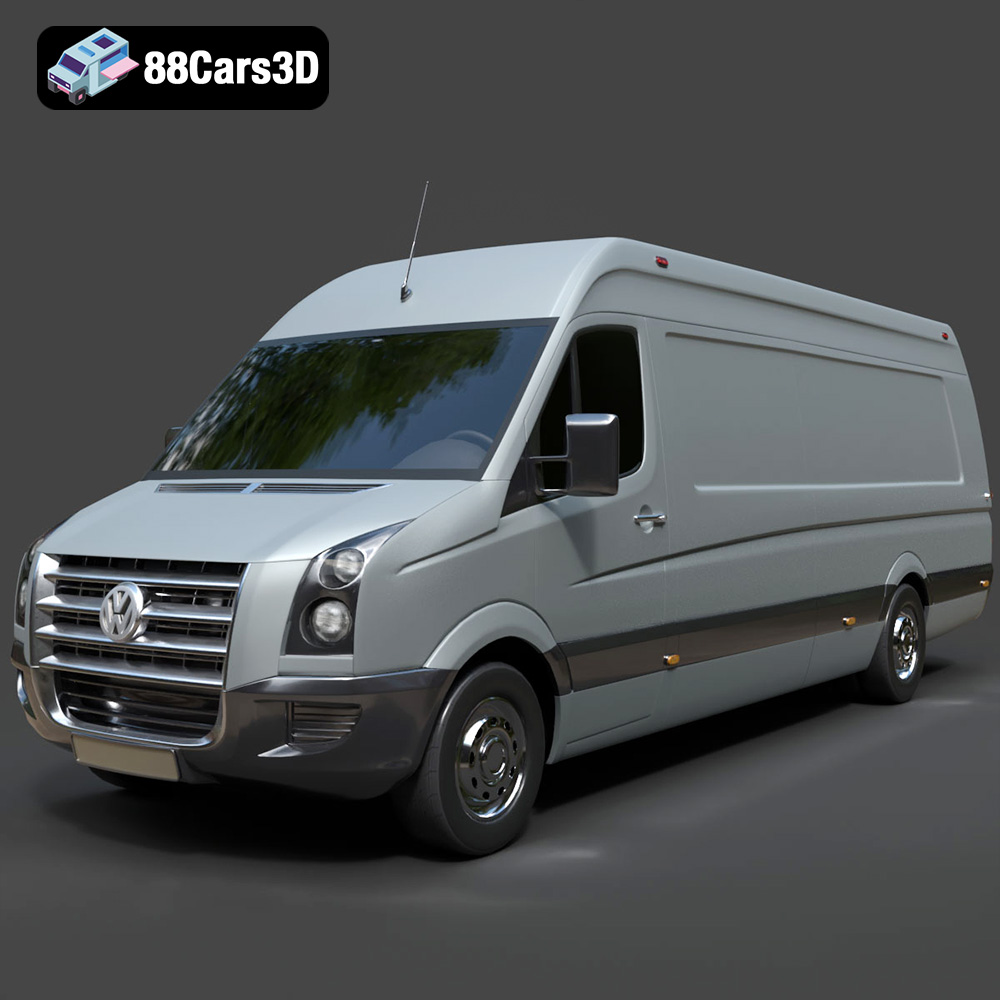
Volkswagen Crafter 2020 3D Model
Texture: Yes
Material: Yes
Download the Volkswagen Crafter 2020 3D Model featuring clean geometry, realistic detailing, and a fully modeled interior. Includes .blend, .fbx, .obj, .glb, .stl, .ply, .unreal, and .max formats for rendering, simulation, and game development.
Price: $22.99
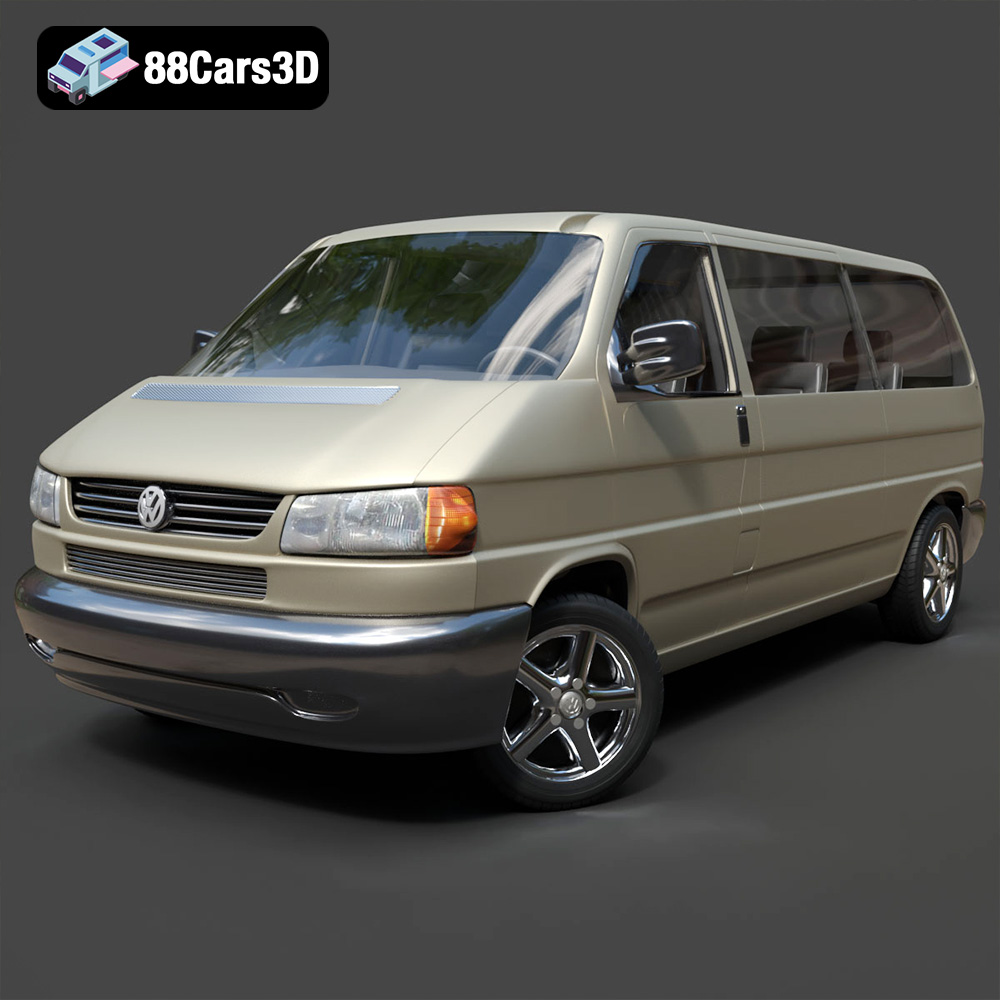
Volkswagen Caravelle 2020 3D Model
Texture: Yes
Material: Yes
Download the Volkswagen Caravelle 3D Model featuring a detailed exterior, functional interior, and optimized topology. Includes .blend, .fbx, .obj, .glb, .stl, .ply, .unreal, and .max formats for rendering, simulation, and game development.
Price: $23.99
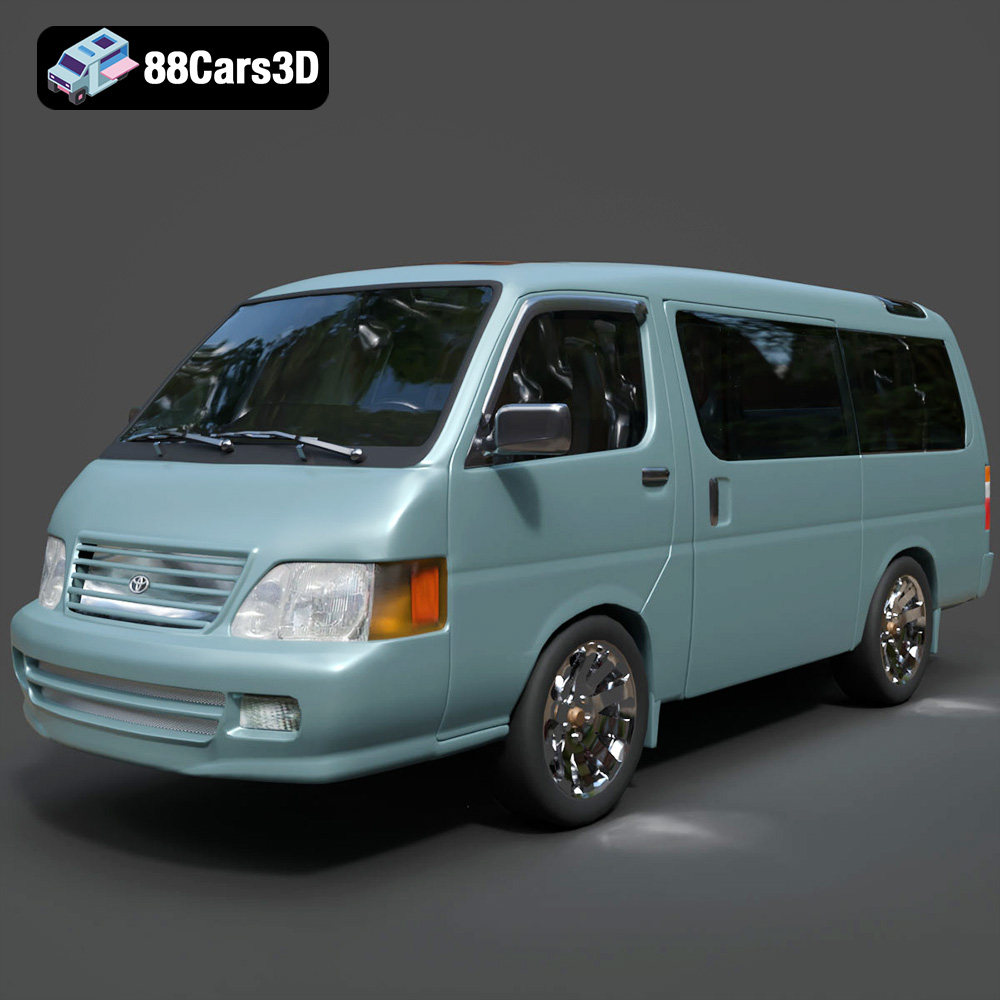
Toyota Hiace 3D Model
Texture: Yes
Material: Yes
Download the Toyota Hiace 3D Model featuring versatile design and detailed exterior. Includes .blend, .fbx, .obj, .glb, .stl, .ply, .unreal, and .max formats for rendering, simulation, and game development.
Price: $21.99
