

The roar of a finely-tuned engine, the screech of tires gripping asphalt, the satisfying drift around a corner – achieving truly realistic vehicle physics is often the holy grail for game developers, automotive visualization artists, and virtual production studios. While Unreal Engine provides a powerful foundation, bridging the gap between a static 3D model and a dynamically responsive vehicle requires a deep understanding of its physics systems, careful asset preparation, and meticulous fine-tuning. This journey isn’t just about making a car move; it’s about crafting an immersive experience that resonates with players and clients alike.
In this comprehensive guide, we’ll navigate the intricate world of vehicle physics within Unreal Engine. We’ll explore everything from setting up your project with the right physics engine to painstakingly configuring engine curves, transmission ratios, and wheel dynamics. You’ll learn how to breathe life into your 3D car models by implementing interactive controls with Blueprint, enhancing realism with visual and audio feedback, and optimizing performance for various applications including automotive visualization, cinematic sequences, and even cutting-edge AR/VR experiences. By the end, you’ll have a robust framework for transforming high-quality assets – like those found on 88cars3d.com – into compelling, physics-driven simulations.
Setting the Stage: Understanding Unreal Engine’s Physics Systems
Before diving into the specifics of vehicle configuration, it’s crucial to understand the underlying physics systems that power interactions in Unreal Engine. For many years, the engine relied on NVIDIA PhysX, but with the advent of Unreal Engine 4.26 and beyond, Epic Games introduced its own bespoke solution: Chaos Physics. This shift brought significant advantages, particularly for complex simulations and large-scale destruction, making it the preferred system for modern vehicle implementations.
The Transition to Chaos Physics
Chaos Physics is Unreal Engine’s high-performance physics simulation system, designed for a new era of interactivity and destruction. Unlike PhysX, which was a third-party solution, Chaos is deeply integrated into the engine, offering unparalleled control and scalability. Its benefits for vehicle physics are substantial: it allows for more robust and stable simulations, better handling of complex collisions, and improved performance, especially when dealing with multiple vehicles or intricate environments. Chaos excels at rigid body dynamics, which is precisely what we need for vehicles, treating the chassis and wheels as interconnected rigid bodies reacting to forces and collisions.
While legacy projects might still utilize PhysX, new projects should always leverage Chaos. It provides a more modern and future-proof foundation for realistic vehicle behavior, enabling advanced features that wouldn’t be as straightforward with its predecessor. Understanding how Chaos handles constraints, collision detection, and force application is key to debugging and fine-tuning your vehicle’s performance.
Vehicle Physics Components: Chaos Vehicle Movement Component
The cornerstone of vehicle physics in Unreal Engine with Chaos is the UChaosVehicleMovementComponent. This specialized component, attached to a Blueprint containing your vehicle’s Skeletal Mesh, encapsulates the complex mathematical models required to simulate a wheeled vehicle. It manages everything from engine output and transmission gear changes to wheel rotation, suspension compression, and tire friction. When you’re importing 3D car models from marketplaces like 88cars3d.com, these assets are ideally prepared to integrate seamlessly with this component, having separate meshes for the chassis and wheels, and correctly aligned pivot points.
Key properties within the `UChaosVehicleMovementComponent` include parameters for the engine’s torque curve (defining power output across RPMs), transmission gear ratios, differential settings (front, rear, center, limited slip), and individual wheel configurations. Each wheel can have its own settings for radius, mass, damping, stiffness, and friction, allowing for highly granular control over how the vehicle interacts with the ground. Coupled with a Vehicle Animation Blueprint, which links the physics state (like wheel rotation and suspension travel) to the visual animation of your vehicle, this component forms the backbone of your realistic driving experience.
From Static Mesh to Dynamic Ride: Model Preparation and Import
Even the most advanced physics engine cannot compensate for poorly prepared assets. The journey to a realistic vehicle simulation begins long before you touch a Blueprint node, specifically with the quality and structure of your 3D car models. High-quality assets, like those you can find on 88cars3d.com, are already optimized for performance and structured for easy integration into Unreal Engine’s physics systems. This preparation involves meticulous attention to geometry, collision setup, and import settings, ensuring that your virtual vehicle has the physical integrity required for authentic movement.
Geometry and Collision Setup for Vehicles
The foundation of any good vehicle simulation is clean, optimized geometry. Your 3D car model should feature clean topology, primarily using quads, which Unreal Engine processes efficiently. Avoid n-gons or overly dense meshes where they are not needed, as these can negatively impact performance, particularly for physics calculations. For vehicle physics, it’s paramount that your model is broken down into distinct parts: a main chassis mesh and individual meshes for each wheel (front-left, front-right, rear-left, rear-right). These separate meshes allow the ChaosVehicleMovementComponent to apply forces and simulate rotation and suspension independently for each part.
Collision meshes are equally critical. While Unreal Engine can generate collision automatically, custom collision meshes (often prefixed with UCX_ or using simple primitives like boxes and spheres) offer far better accuracy and performance. A complex mesh collision can be very expensive computationally, especially for fast-moving objects. For the chassis, a simplified convex hull or a series of simple box colliders that closely approximate its shape is ideal. For wheels, a simple capsule or sphere collision is usually sufficient. Crucially, the pivot points and origins for both the chassis and each wheel must be correctly placed in your 3D modeling software, as these directly influence where Unreal Engine applies forces and calculates rotation axes.
Importing and Initializing in Unreal Engine
Once your 3D car model is meticulously prepared, the next step is to import it into Unreal Engine. The standard method involves importing your vehicle as an FBX file. During import, ensure you select options to create a Skeletal Mesh, as this is essential for connecting the chassis and wheels into a single, animatable entity. The chassis should be the root bone, with each wheel parented as a child bone, allowing their individual rotations and positions to be controlled by the physics simulation. After import, you’ll create a new Blueprint Class based on the ‘Vehicle’ class (or a custom parent if preferred).
Inside your new Vehicle Blueprint, you’ll add a SkeletalMeshComponent and assign your imported Skeletal Mesh. Then, add a ChaosVehicleMovementComponent. This component is where the magic happens. You’ll need to go into its details panel and carefully configure the ‘Wheels’ array, adding an entry for each of your four wheels. For each entry, you’ll specify the bone name (e.g., “wheel_FL”), the wheel’s radius, width, and other physical properties. This initial assignment links your visual model to the physics system, laying the groundwork for realistic movement. For more detailed information on Skeletal Meshes and component setup, refer to the official Unreal Engine documentation at https://dev.epicgames.com/community/unreal-engine/learning.
Fine-Tuning Engine, Transmission, and Wheel Dynamics
With your vehicle model correctly imported and the foundational components in place, the real art of vehicle physics begins: meticulously configuring the engine, transmission, and wheel dynamics. This is where you transform a generic vehicle into one with a distinct personality, capable of thrilling acceleration, precise handling, and realistic interaction with various surfaces. It requires a blend of real-world knowledge, iterative testing, and a keen eye for detail.
Crafting the Engine Torque Curve
The engine is the heart of your vehicle, and its behavior is primarily defined by its torque curve. In Unreal Engine, this is represented by an FRichCurve, a graph that maps RPM (Revolutions Per Minute) to torque output. A realistic torque curve doesn’t just increase linearly; it usually has a peak at a certain RPM, then gradually drops off. You’ll define key points on this curve: idle RPM, peak torque RPM, and max RPM. The shape of this curve dictates how the vehicle accelerates, its power delivery characteristics, and its top speed. For instance, a vehicle with a strong low-end torque will accelerate quickly from a standstill, while one with a high-RPM peak might feel sluggish initially but pull strongly at higher speeds.
Beyond the torque curve, you’ll configure other engine parameters such as the maximum RPM, idle RPM, and the engine’s internal friction (brake torque). Iteratively testing your engine’s feel in a controlled environment is crucial. Tweak the curve, drive the car, feel the difference, and adjust again. This iterative process, often done with a simple test track, is essential for achieving the desired driving sensation. Remember that real-time rendering demands these calculations be efficient, so while precision is good, over-complication can be detrimental to performance.
Gear Ratios and Differential Setup
The transmission translates the engine’s power to the wheels, and its configuration is just as vital as the engine itself. You’ll define individual gear ratios for each forward gear, as well as a reverse gear and a final drive ratio. These ratios determine how much the engine’s RPM is multiplied or divided to deliver torque to the wheels. Tighter gear ratios provide quicker acceleration, while wider ratios allow for higher top speeds and potentially better fuel efficiency (though less relevant for simulation). You can also configure whether the transmission is automatic or manual, and specify shift timing and throttle cut-off during shifts for automatic transmissions.
The differential plays a crucial role in how power is distributed to the wheels, especially during turns. Unreal Engine offers various differential types: open (power goes to the wheel with least resistance, leading to wheel spin), limited-slip (helps distribute power more evenly), and locked (both wheels spin at the same rate, great for off-roading but poor for turning). You can also define AWD (All-Wheel Drive) bias, determining how much power goes to the front versus rear axles. Correctly configuring these settings can dramatically alter a vehicle’s handling characteristics, making it prone to oversteer, understeer, or a balanced feel.
Detailed Wheel Configuration
The interaction between your vehicle’s wheels and the ground is arguably the most complex and critical aspect of realistic vehicle physics. Each wheel in your ChaosVehicleMovementComponent needs meticulous configuration. Key properties include the wheel radius and width, which directly influence how the wheel rolls and its contact patch with the ground. Wheel mass affects inertia and how quickly the wheel can accelerate or decelerate. Suspension settings are equally vital: spring stiffness (how hard the suspension is), damping rate (how quickly oscillations are absorbed), and maximum suspension travel dictate how the car handles bumps and weight shifts.
Beyond basic dimensions, the most impactful parameters are related to tire friction. The ‘Longitudinal Friction’ (grip during acceleration/braking) and ‘Lateral Friction’ (grip during cornering) curves determine how much traction the tire has before it starts to slip. These are often represented by graphs that map slip values to friction forces. Achieving a natural-feeling drift or controlled braking relies heavily on these curves. Iterating on these values while driving your vehicle in a test environment is crucial to dial in the desired handling characteristics, whether you’re aiming for a grippy race car or a slippery off-road truck.
Tire Friction Models and Surface Interaction
To truly achieve advanced realism, vehicles need to react differently to various surface types. Unreal Engine allows you to define these interactions through Physical Materials. You can assign a Physical Material to any static mesh or terrain, each with its own set of friction values. For instance, asphalt might have high friction, gravel moderate, and ice very low. The ChaosVehicleMovementComponent can be configured to read the Physical Material of the surface the wheels are currently on and adjust its friction coefficients dynamically. This creates a much more immersive experience, where driving on a dirt road feels distinctly different from driving on a wet tarmac.
While Unreal Engine’s default friction model is robust, experienced developers sometimes explore ways to approximate more advanced models like Pacejka or Fiala for hyper-realistic simulations, often by custom Blueprint logic or C++ extensions that modify friction forces based on wheel slip and load. For visual feedback, integrating Niagara particle systems for effects like dust plumes on dirt or water spray on wet surfaces, triggered by wheel slip and surface material, dramatically enhances the sense of realism. This combination of accurate physics and compelling visual feedback is what truly sells the experience in automotive visualization and games.
Bringing Vehicles to Life: Controls, Feedback, and Immersion with Blueprint
Even with perfectly tuned physics, a vehicle isn’t truly alive until it responds to user input and provides rich feedback. Unreal Engine’s Blueprint visual scripting system is the ideal tool for implementing interactive controls, connecting inputs to the ChaosVehicleMovementComponent, and generating dynamic visual and audio cues. This section explores how to use Blueprint to transform your physics simulation into an engaging, interactive experience.
Blueprint for User Input and Vehicle Control
The first step in making your vehicle drivable is setting up input. In modern Unreal Engine versions, this involves configuring Input Actions and Input Mapping Contexts. You’ll define actions like “Accelerate,” “Brake,” and “Steer,” then map them to keyboard keys, gamepad axes, or other input devices. Within your Vehicle Blueprint, you’ll then use these Input Actions to drive the vehicle. For continuous inputs like acceleration and steering, you’ll typically use the “Value” output of the Input Action events. For example, the “Accelerate” input value (ranging from 0 to 1) can be directly fed into the SetThrottleInput function of the ChaosVehicleMovementComponent. Similarly, “Steer” input (from -1 to 1) goes into SetSteeringInput.
For more granular control, especially in manual transmissions, you might use Blueprint to implement gear shifting logic, clutch control, and handbrake functionality. The `Event Tick` can be used to continuously apply input values, ensuring smooth and responsive control. Beyond just driving, Blueprint can also connect physics data to visual elements. For instance, you can use the current steering angle from the vehicle movement component to rotate a steering wheel mesh inside your cockpit, further enhancing player immersion. For beginners, Unreal Engine provides extensive learning resources on Blueprint scripting at https://dev.epicgames.com/community/unreal-engine/learning.
Visual and Audio Feedback: Elevating Realism
Realistic physics is only half the battle; how the player *perceives* that physics is equally important. Dynamic visual and audio feedback are crucial for immersion. For engine sound, you’ll use Audio Components attached to your vehicle. By driving the pitch and volume of your engine sound cue with the vehicle’s current RPM (obtained from the `ChaosVehicleMovementComponent`), you can create a convincing engine roar that reacts authentically to acceleration and deceleration. Using Sound Concurrency settings can help manage multiple sound sources efficiently, especially in environments with many vehicles.
Visually, details like skid marks add significant realism. These can be implemented by dynamically spawning Decal Components or Niagara Particles at the contact points of wheels that are experiencing significant slip. The color and texture of these decals or particles can change based on the surface material, further enhancing fidelity. For exhaust effects, Niagara systems can simulate realistic smoke plumes that vary in density and color based on engine load or speed, even adding subtle backfire effects. Finally, interactive lights – headlights, brake lights, reverse lights, and turn signals – can all be controlled via Blueprint, responding to player input or vehicle state (e.g., brake lights illuminating when braking input is applied). This comprehensive feedback loop transforms a simple physics simulation into a truly compelling and believable driving experience, perfect for high-fidelity automotive visualization.
Pushing the Boundaries: Performance, Production, and XR
Creating realistic vehicle physics is a demanding task, especially when coupled with cutting-edge rendering features and diverse application requirements. Whether you’re aiming for a high-frame-rate game, a stunning cinematic, or an interactive AR/VR experience, optimization and specialized workflows are essential. Unreal Engine offers a suite of tools that, when utilized correctly, can help you achieve breathtaking realism without compromising performance.
Performance Optimization for Vehicle Physics
Maintaining a smooth frame rate is paramount for any real-time application, and physics simulations are inherently performance-intensive. For vehicle physics, optimization begins with sensible asset management. Using appropriate LODs (Levels of Detail) for wheels and other vehicle components ensures that distant vehicles use simpler geometry and fewer physics calculations. Similarly, tuning the Chaos Solver settings, such as the number of iterations and substeps, allows you to balance accuracy against performance. Reducing these values can yield significant performance gains, though at the cost of slight precision in physics. For vehicles that are far from the camera or off-screen, you might even temporarily disable their physics simulation or switch to a much simpler approximation.
While Nanite is primarily known for its ability to handle extremely high-polygon static meshes, it indirectly benefits vehicle physics. By rendering the surrounding environment with unparalleled geometric detail at a fraction of the cost, Nanite frees up CPU and GPU resources that can then be allocated to more complex physics calculations for your interactive vehicle. In large open worlds, World Partition and effective culling strategies are vital to ensure that only relevant vehicle physics are simulated at any given time, preventing the engine from wasting resources on distant, unseen objects. Always profile your game’s performance using Unreal Engine’s built-in tools (like the Stat commands) to identify bottlenecks and optimize accordingly. For comprehensive optimization guidelines, consult the official Unreal Engine documentation at https://dev.epicgames.com/community/unreal-engine/learning.
Cinematic Vehicle Sequences with Sequencer
Beyond interactive gameplay, realistic vehicle physics shines in cinematic content. Unreal Engine’s Sequencer is a powerful, non-linear editor that allows you to choreograph complex scenes, including intricate vehicle movements. You can add your vehicle Blueprint to a Sequencer track and animate its path, camera angles, and even control its physics behavior over time. For example, you can keyframe steering input to create a perfect drift or simulate a dramatic crash using physics and then refine the timing in Sequencer. The ability to use Take Recorder to capture live physics interactions and convert them into animatable tracks further streamlines the process.
When combined with cutting-edge rendering features like Lumen (Unreal Engine’s real-time global illumination and reflections system) and Nanite for environmental detail, physics-driven vehicle animations can produce breathtaking, photorealistic results. This capability is revolutionizing virtual production, particularly for automotive commercials and film. Vehicles, often sourced from high-quality providers like 88cars3d.com, can be driven and captured live on LED volumes, with their realistic physics interacting directly with the virtual environment, offering unparalleled creative freedom and efficiency compared to traditional filming methods.
AR/VR Optimization for Automotive Applications
The immersive nature of AR/VR automotive applications presents unique challenges and opportunities for vehicle physics. While the desire for realism remains, the strict performance targets (often 90+ frames per second for VR) necessitate aggressive optimization. This might involve simplifying physics calculations, reducing the number of substeps, or even implementing custom, lightweight physics approximations for non-player vehicles. Models with lower polygon counts and optimized PBR materials from marketplaces like 88cars3d.com are crucial for meeting these demanding performance requirements in XR environments.
Input methods also differ significantly. In AR/VR, intuitive controls might involve gaze-based steering, motion controller gestures, or even real-world steering wheels integrated through plugins. Ensuring low latency for these inputs is critical to prevent motion sickness. Furthermore, rendering realistic reflections and shadows (often handled by Lumen and Nanite for desktop) must be carefully adapted or approximated for mobile VR platforms. Despite these challenges, AR/VR offers unparalleled potential for interactive automotive configurators, virtual showrooms, and driver training simulators, making efficient and realistic vehicle physics a cornerstone of these next-generation experiences.
Conclusion
The journey to creating truly realistic vehicle physics in Unreal Engine is a fascinating blend of technical mastery, artistic vision, and a deep understanding of automotive dynamics. We’ve explored the essential steps, from selecting the robust Chaos Physics system and meticulously preparing your 3D car models – ideally sourced from platforms like 88cars3d.com for optimal quality and structure – to fine-tuning every aspect of the engine, transmission, and wheel behavior. We delved into the power of Blueprint for interactive controls and immersive visual/audio feedback, turning a static object into a living, breathing machine.
Furthermore, we touched upon advanced strategies for real-time rendering optimization, leveraging features like Nanite and adapting workflows for cinematic sequences with Sequencer, and even tackling the unique demands of AR/VR applications. The ability to simulate realistic vehicle movement opens up a vast array of possibilities, from compelling video games to cutting-edge automotive visualization, virtual production, and interactive training. Mastering these techniques requires patience, iterative testing, and a willingness to dive deep into Unreal Engine’s powerful toolset. Start experimenting, leverage high-quality assets, and unleash the full potential of realistic vehicle dynamics in your projects.
Featured 3D Car Models
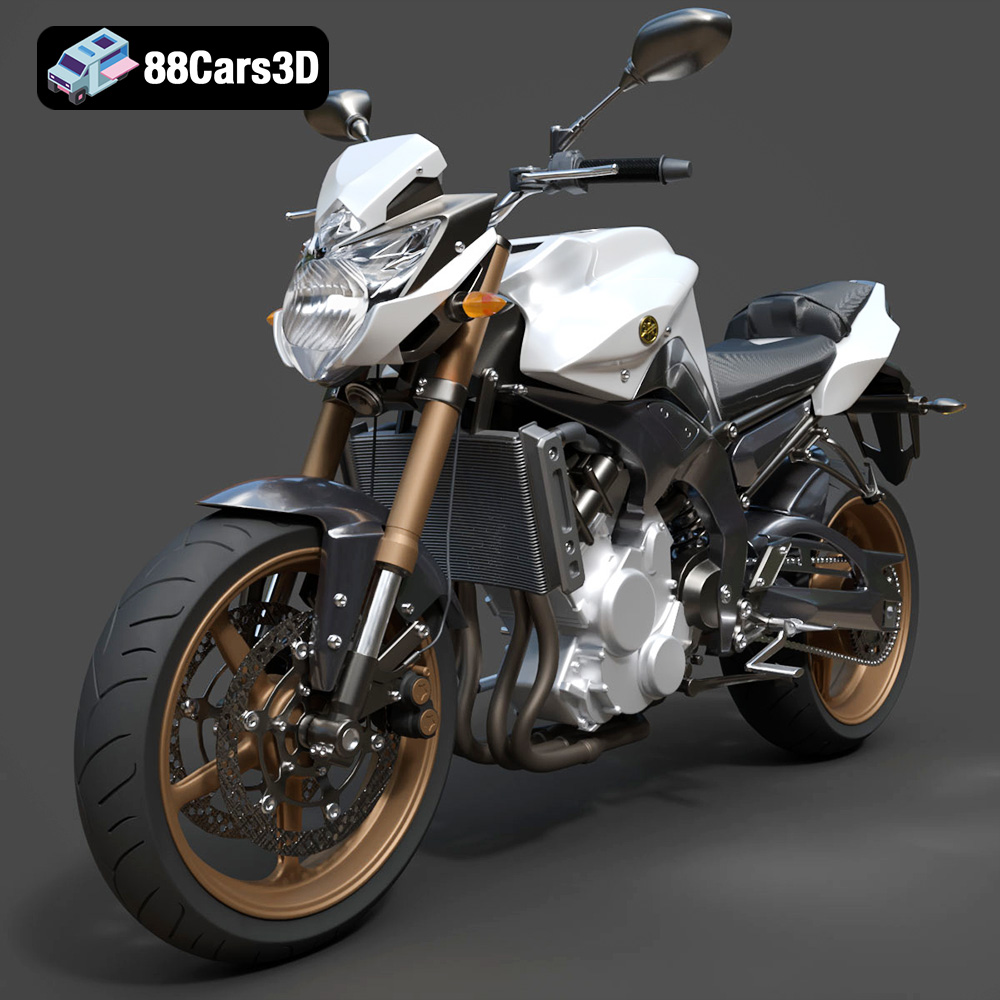
Yamaha FZ8 2011 3D Model
Texture: Yes
Material: Yes
Download the Yamaha FZ8 2011 3D Model featuring clean geometry, realistic detailing, and a fully modeled interior. Includes .blend, .fbx, .obj, .glb, .stl, .ply, .unreal, and .max formats for rendering, simulation, and game development.
Price: $19.99
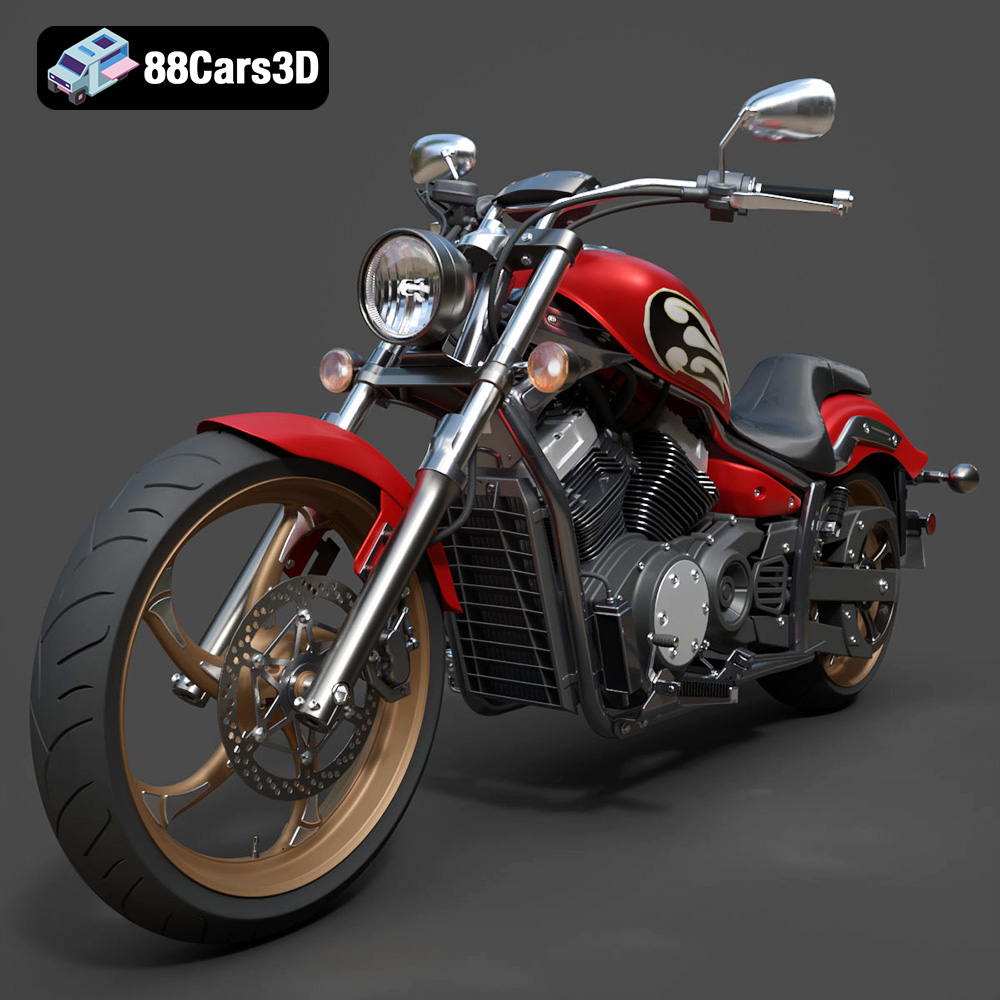
Yamaha Stryker 2012 3D Model
Texture: Yes
Material: Yes
Download the Yamaha Stryker 2012 3D Model featuring clean geometry, realistic detailing, and a fully modeled interior. Includes .blend, .fbx, .obj, .glb, .stl, .ply, .unreal, and .max formats for rendering, simulation, and game development.
Price: $19.99
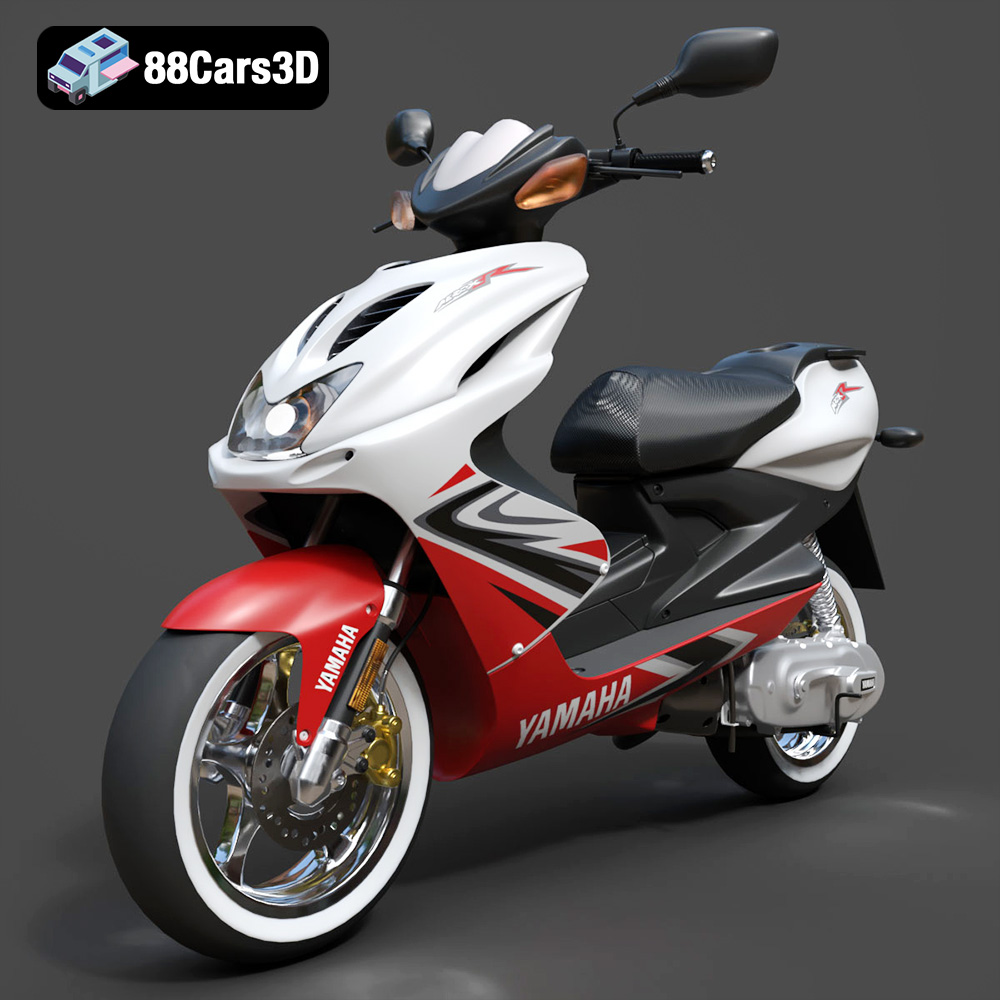
Yamaha Aerox R-002 2024 3D Model
Texture: Yes
Material: Yes
Download the Yamaha Aerox R-002 2024 3D Model featuring clean geometry, realistic detailing, and a fully modeled interior. Includes .blend, .fbx, .obj, .glb, .stl, .ply, .unreal, and .max formats for rendering, simulation, and game development.
Price: $19.99
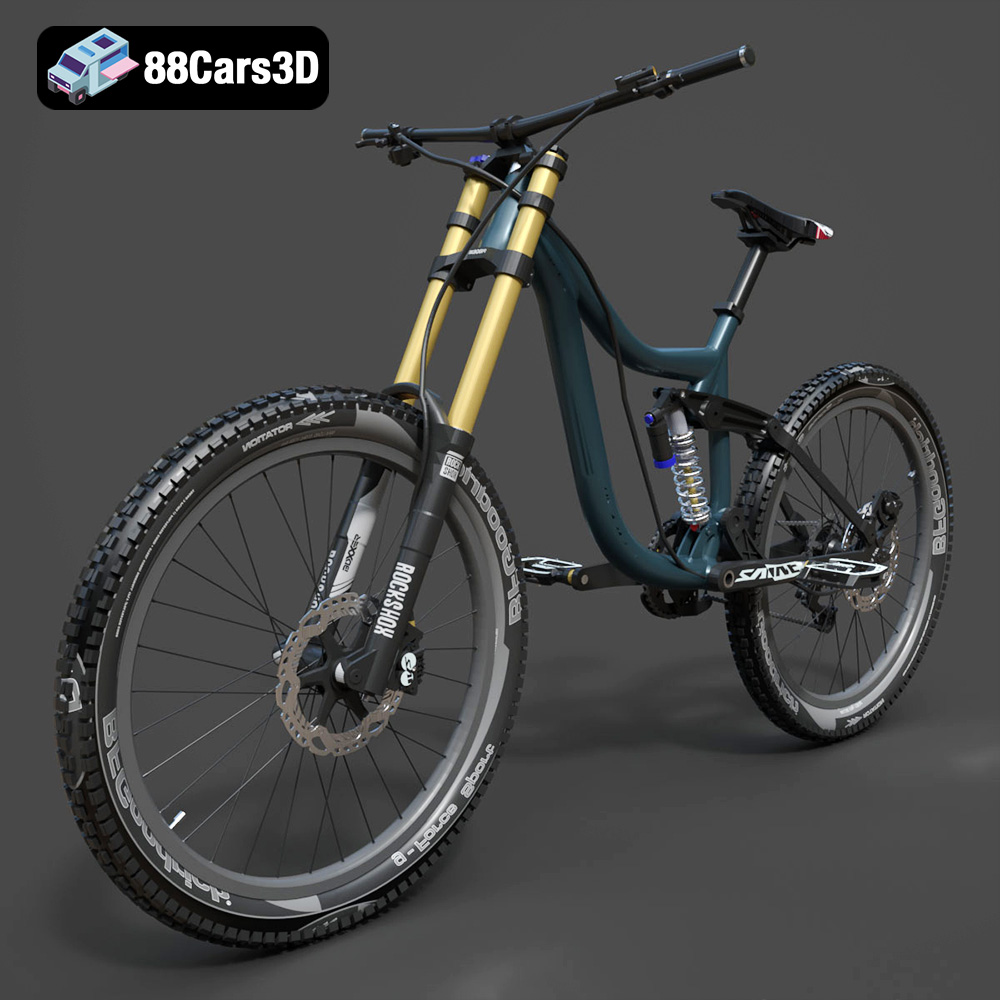
Mototsikly Downhill Bike-002 3D Model
Texture: Yes
Material: Yes
Download the Mototsikly Downhill Bike-002 3D Model featuring clean geometry, realistic detailing, and precise mechanical components. Includes .blend, .fbx, .obj, .glb, .stl, .ply, .unreal, and .max formats for rendering, simulation, and game development.
Price: $19.99
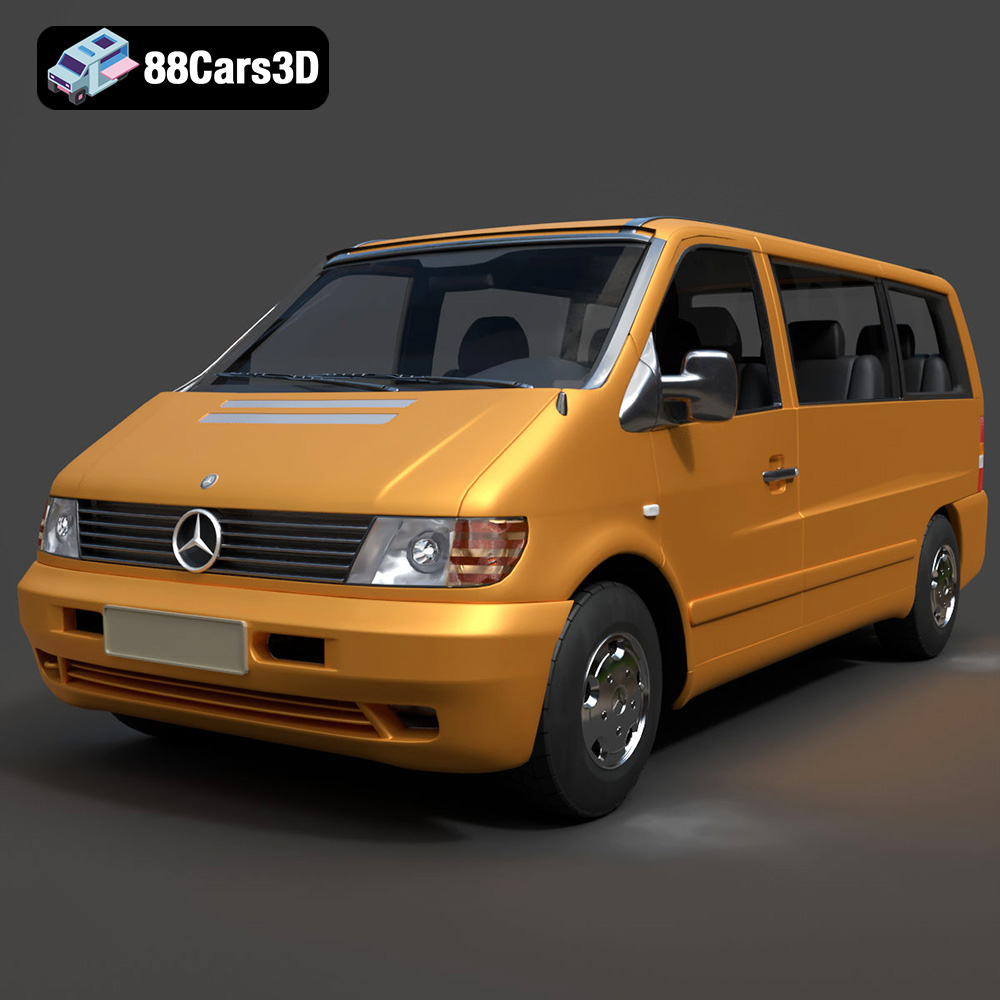
Mercedes-Benz Vito Passenger Van 3D Model
Texture: Yes
Material: Yes
Download the Mercedes-Benz Vito Passenger Van 3D Model featuring clean geometry, realistic detailing, and a fully modeled interior. Includes .blend, .fbx, .obj, .glb, .stl, .ply, .unreal, and .max formats for rendering, simulation, and game development.
Price: $19.99

Ford Ambulance AmServ LTD Dusan-002 3D Model
Texture: Yes
Material: Yes
Download the Ford Ambulance AmServ LTD Dusan-002 3D Model featuring a high-detail exterior and interior, realistic textures, and emergency lighting. Includes .blend, .fbx, .obj, .glb, .stl, .ply, .unreal, and .max formats for rendering, simulation, and game development.
Price: $19.99
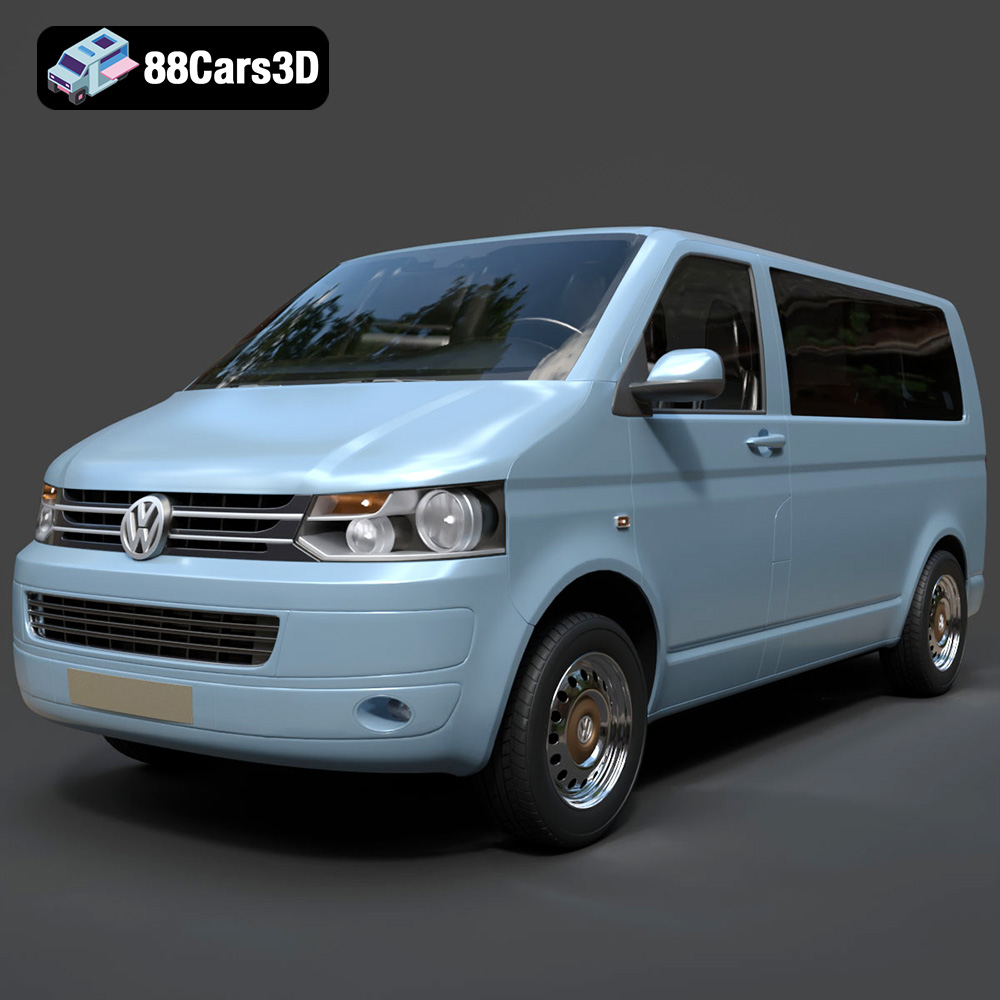
Volkswagen Transporter T5 FL 2010 3D Model
Texture: Yes
Material: Yes
Download the Volkswagen Transporter T5 FL 2010 3D Model featuring clean geometry, realistic detailing, and a fully modeled interior. Includes .blend, .fbx, .obj, .glb, .stl, .ply, .unreal, and .max formats for rendering, simulation, and game development.
Price: $22.99
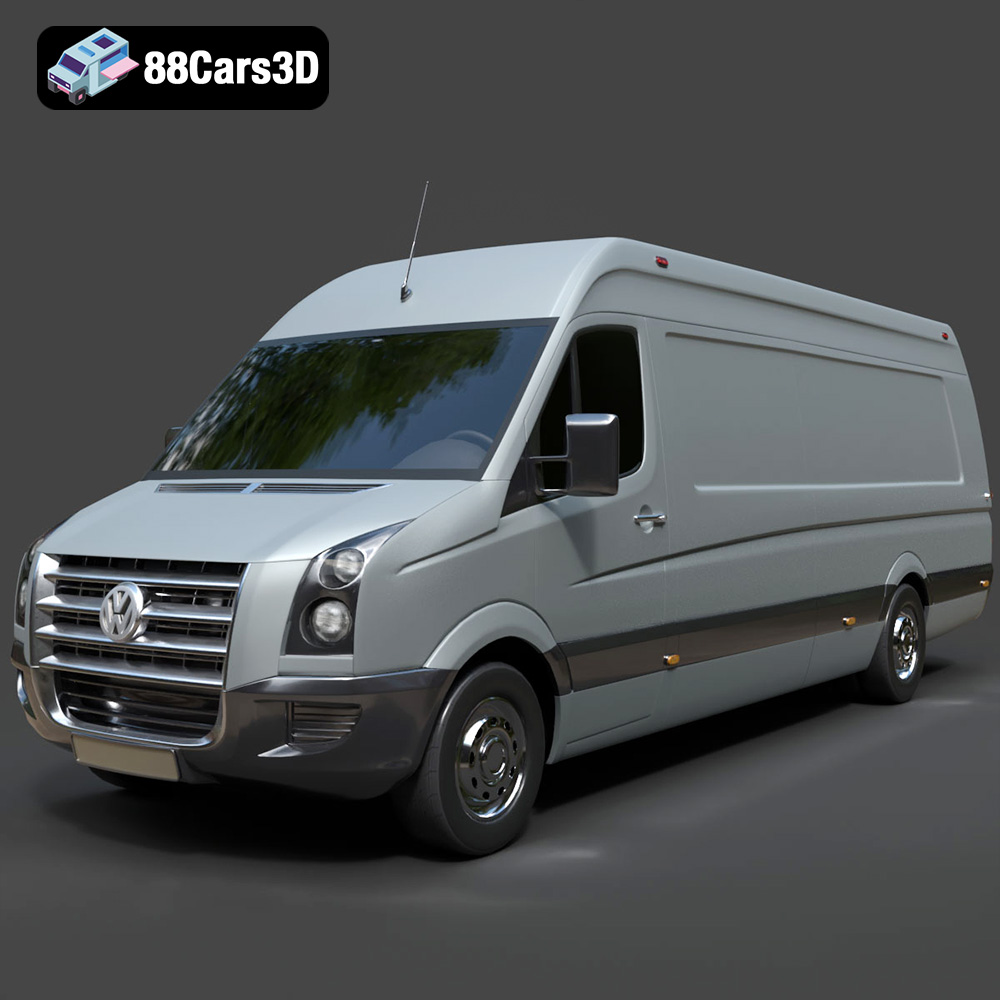
Volkswagen Crafter 2020 3D Model
Texture: Yes
Material: Yes
Download the Volkswagen Crafter 2020 3D Model featuring clean geometry, realistic detailing, and a fully modeled interior. Includes .blend, .fbx, .obj, .glb, .stl, .ply, .unreal, and .max formats for rendering, simulation, and game development.
Price: $22.99
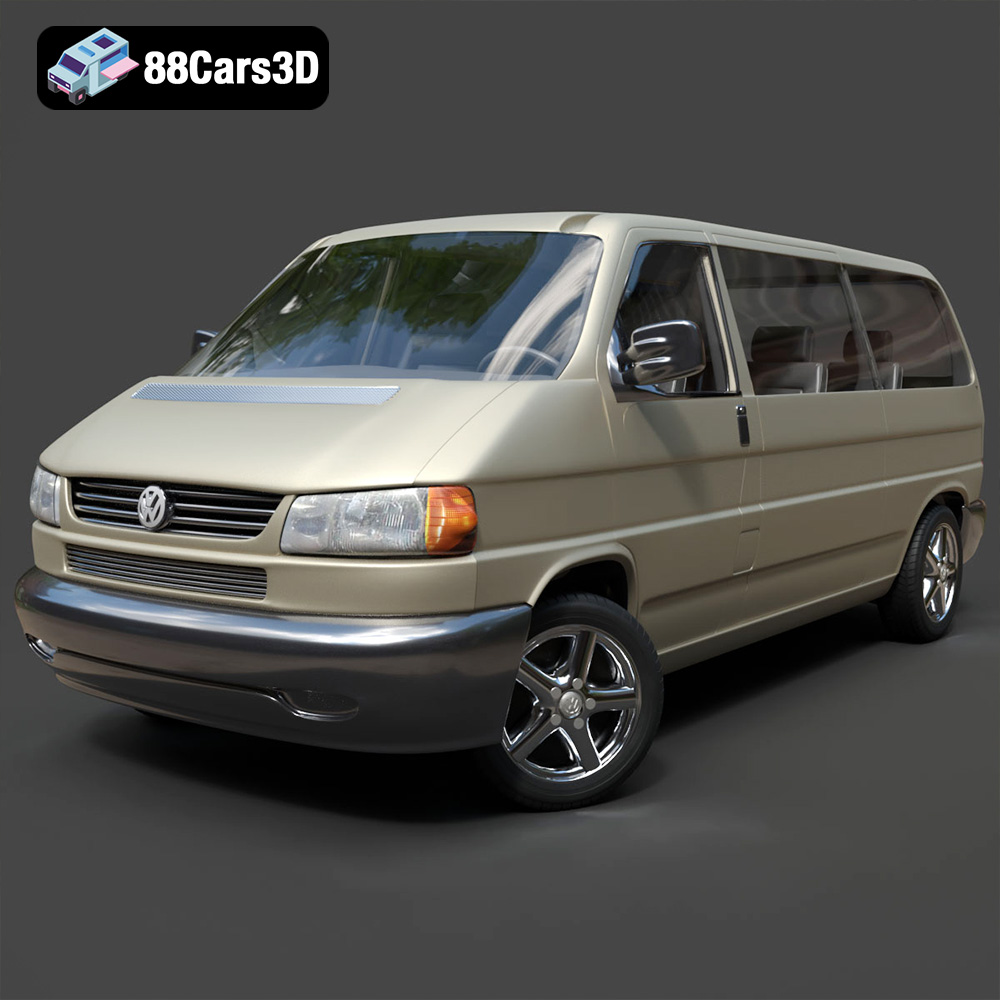
Volkswagen Caravelle 2020 3D Model
Texture: Yes
Material: Yes
Download the Volkswagen Caravelle 3D Model featuring a detailed exterior, functional interior, and optimized topology. Includes .blend, .fbx, .obj, .glb, .stl, .ply, .unreal, and .max formats for rendering, simulation, and game development.
Price: $23.99
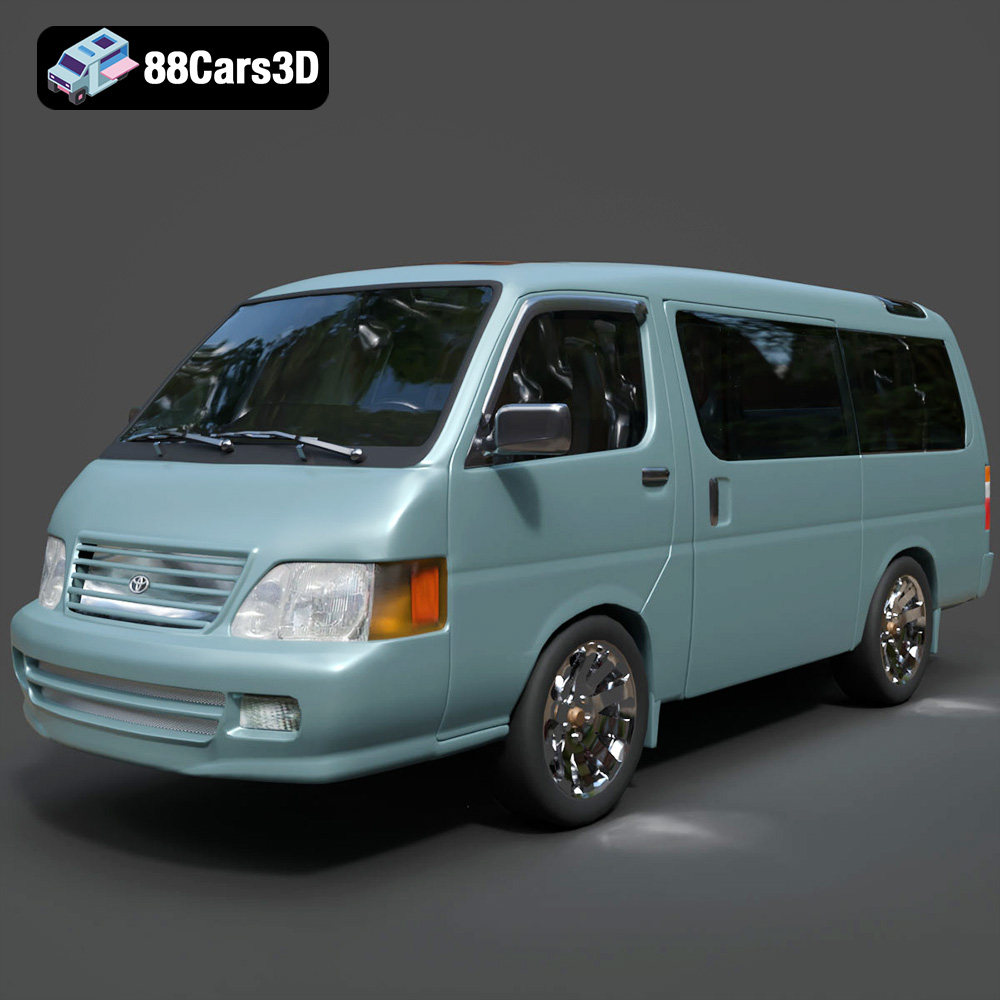
Toyota Hiace 3D Model
Texture: Yes
Material: Yes
Download the Toyota Hiace 3D Model featuring versatile design and detailed exterior. Includes .blend, .fbx, .obj, .glb, .stl, .ply, .unreal, and .max formats for rendering, simulation, and game development.
Price: $21.99
