

“`html
Mastering Your 3D Printer: Choosing the Right Nozzle and Bed Size for Perfect Car Models
The allure of bringing a meticulously detailed 3D printable car model to life on your own desktop is undeniable. Whether you’re a seasoned maker or just starting your additive manufacturing journey, understanding the fundamental hardware of your 3D printer – specifically its nozzle and bed dimensions – is paramount to achieving stunning results. At 88cars3d.com, we provide high-quality, print-ready STL files for automotive enthusiasts, and we know that the success of printing these intricate models hinges on proper setup. This article will guide you through the critical decisions involved in selecting the right nozzle size and understanding the implications of your printer’s build volume. We’ll delve into the technical nuances of how these choices impact print quality, speed, material compatibility, and ultimately, the fidelity of your prized 3D printed car collections.
The Heart of Extrusion: Understanding Nozzle Size
The nozzle is where the magic happens – it’s the conduit through which your filament is melted and deposited layer by layer to form your 3D object. The diameter of this orifice is one of the most significant factors influencing your print’s outcome. A standard starting point for most FDM (Fused Deposition Modeling) printers is a 0.4mm nozzle, offering a balanced compromise between detail and print speed. However, for the intricate curves and fine details often found in automotive models, deviating from this standard can be highly beneficial. Selecting the appropriate nozzle size isn’t just about resolution; it impacts extrusion width, layer height capabilities, print speed, and even material flow. Understanding these interconnected variables allows you to fine-tune your printer for specific model requirements, ensuring you capture every badge, spoiler, and grille with the precision they deserve.
Resolution vs. Speed: The Nozzle Diameter Trade-off
The fundamental trade-off with nozzle size is the relationship between achievable detail and print time. Smaller nozzles, such as 0.2mm or 0.25mm, excel at capturing incredibly fine details. For models with delicate features like tiny emblems, intricate grille patterns, or thin panel lines, a smaller nozzle can lay down finer lines, resulting in a smoother surface finish and sharper edges. Think of it like drawing with a fine-tipped pen versus a marker; the former allows for much greater precision. However, this increased detail comes at a cost: print time. Smaller nozzles extrude less material per pass, meaning your printer must make more passes and lay down many more individual lines to complete a layer. Consequently, prints with smaller nozzles can take significantly longer, sometimes doubling or tripling the overall print duration for larger, complex models.
Conversely, larger nozzles, such as 0.6mm or 0.8mm, are the workhorses for speed and strength. They can extrude a greater volume of material in a single pass, significantly reducing print times. This is particularly advantageous for larger, less detailed components or when printing functional prototypes where speed is a priority. A larger nozzle also produces wider extrusion lines and allows for thicker walls, which can enhance the structural integrity of the print. However, the trade-off here is a loss of fine detail. Small features can become blobby or indistinguishable, and the characteristic layer lines will be more prominent and coarser. For highly detailed car models, you might opt for a smaller nozzle for the main body and then switch to a larger one for less critical internal components or support structures if your printer allows for nozzle changes during a print (a feature known as MMU or multi-material unit, though this is advanced). For most users focusing on aesthetic car models from platforms like 88cars3d.com, a 0.25mm or 0.4mm nozzle is usually the sweet spot for detail and manageable print times.
Material Compatibility and Extrusion Challenges
The nozzle size also plays a role in material compatibility. Certain filaments, particularly those with abrasive additives like carbon fiber or metal particles, can wear down standard brass nozzles rapidly. For these materials, hardened steel or ruby-tipped nozzles are recommended to ensure longevity. Furthermore, the viscosity of the molten filament at printing temperature influences how it flows through the nozzle. Thicker, more viscous filaments might require a larger nozzle to extrude smoothly without causing clogs or excessive back pressure. For instance, attempting to print flexible filaments like TPU with a very small nozzle (e.g., 0.15mm) can be extremely challenging due to their tendency to bunch up and clog the narrow opening. Conversely, some delicate resin prints might even benefit from very fine extrusion paths achievable with specialized micro-nozzles, though this is rare in FDM.
When switching nozzle sizes, it’s crucial to adjust your slicer settings accordingly. The extrusion multiplier (also known as flow rate) and extrusion width should be recalibrated. Most slicers have default settings for common nozzle sizes, but fine-tuning is often necessary. For example, if you switch from a 0.4mm to a 0.2mm nozzle, you’ll generally need to reduce your flow rate to avoid over-extrusion, as the same percentage of flow will push out more material relative to the nozzle diameter. Similarly, the optimal extrusion width is typically around 100-120% of the nozzle diameter. A 0.4mm nozzle might use an extrusion width of 0.4mm to 0.48mm, while a 0.2mm nozzle might use 0.2mm to 0.24mm. Failing to adjust these parameters can lead to under-extrusion (gaps between lines) or over-extrusion (blobs and dimensional inaccuracies), both of which degrade print quality and can compromise the integrity of your 3D printable car model.
Navigating Your Build Volume: Bed Size Matters
The build volume, often referred to as the print bed size, dictates the maximum dimensions of a single-piece object your 3D printer can produce. For most hobbyists, common build volumes range from 150x150x150mm to 250x250x250mm or larger. Understanding your printer’s limitations and capabilities is crucial when selecting and preparing your 3D printable car models. A larger build volume offers greater flexibility, allowing you to print larger models in one piece, which can be advantageous for minimizing assembly and potential alignment issues. However, it’s not just about sheer size; the characteristics of your print bed surface also play a significant role in successful adhesion and print quality.
Printing Large Models: The Case for Bigger Build Volumes
For enthusiasts looking to print large-scale replicas of classic cars or detailed dioramas, a printer with a substantial build volume is a clear advantage. Imagine printing a 1:18 scale model of a Ferrari F40. Depending on the exact dimensions of the model file, this could easily exceed the capabilities of smaller printers, forcing you to split the model into multiple parts. While slicing and assembling a multi-part print is a common and effective technique (especially for complex models found on sites like 88cars3d.com), printing a large model in a single piece eliminates the need for this post-processing step. This not only saves time but also reduces the risk of errors during assembly, such as misalignments or gaps that can detract from the final aesthetic. Larger build volumes also allow for printing multiple smaller models simultaneously, optimizing print time for those who enjoy printing a variety of vehicles.
However, larger build volumes come with their own set of challenges. Maintaining consistent bed leveling across a larger surface area can be more difficult. Unevenness can lead to poor first-layer adhesion in some areas while being too close in others, resulting in failed prints. Furthermore, as prints get larger, they take longer to complete, increasing the potential for issues like filament run-out, power outages, or vibrations that can disrupt the printing process. The warping potential also increases with larger surface areas, especially when printing materials like ABS, which are prone to shrinking as they cool. Therefore, while a larger build volume offers great flexibility, it also demands greater attention to calibration, bed adhesion techniques (like using PEI sheets, glue stick, or specialized rafts), and environmental stability during the print.
Print Bed Surfaces and Adhesion Strategies
The surface of your print bed is the foundation upon which your 3D print is built. Its primary function is to provide a flat, stable surface that allows the first layer of filament to adhere strongly enough to withstand the forces of printing (like the movement of the print head and the slight pulling forces from cooling plastic) without detaching, but not so strongly that it’s impossible to remove the print once finished. Common print bed surfaces include glass, PEI (Polyetherimide), BuildTak-like surfaces, and magnetic flexible sheets.
Glass beds offer an extremely flat surface, which is excellent for achieving a smooth bottom surface finish on your prints. However, adhesion can sometimes be an issue, especially with certain materials like PETG or ABS. Using adhesives like hairspray or glue stick is often necessary. PEI sheets are a popular choice, providing good adhesion for a wide range of materials, including PLA, PETG, and even some ABS formulations, often without the need for additional adhesives. They also tend to release prints relatively easily once cooled. Magnetic flexible sheets are particularly user-friendly. They attach to a rigid base, and the flexible sheet itself can be removed from the printer after the print is complete, allowing you to gently flex it to pop the model off – a fantastic feature for delicate parts or when dealing with prints that are difficult to remove. The choice of bed surface should align with the materials you intend to print and your tolerance for adhesion aids. For detailed car models, ensuring that critical features on the underside (like the chassis) adhere perfectly is vital, making bed adhesion a top priority.
Optimizing Slicer Settings for Nozzle and Bed Size
Once you’ve considered your nozzle and bed size, the next crucial step is to translate these hardware choices into your slicing software. Your slicer acts as the interpreter, converting your 3D model (STL file) into a series of machine instructions (G-code) that your 3D printer can execute. Proper slicer settings are not static; they must be adapted to your chosen nozzle diameter and the constraints of your build volume to ensure optimal print quality, adhesion, and structural integrity. For instance, when printing a complex car body that just barely fits your build volume, you’ll need to carefully manage layer height and infill to balance print time with the risk of failure. Similarly, switching to a smaller nozzle requires adjustments to extrusion width and flow rate to maintain dimensional accuracy.
Layer Height and Extrusion Width Adjustments
The layer height is the thickness of each individual layer deposited by the printer. A smaller layer height (e.g., 0.1mm) results in finer detail and a smoother surface finish, ideal for the intricate body panels of a car. However, it also significantly increases print time, as the printer needs to lay down many more layers to build the object. Conversely, a larger layer height (e.g., 0.2mm or 0.3mm) drastically reduces print time but results in more visible layer lines and less detail. The relationship between layer height and nozzle diameter is important: generally, the maximum practical layer height is around 75-80% of the nozzle diameter. So, with a 0.4mm nozzle, you might aim for a maximum layer height of 0.32mm, while with a 0.2mm nozzle, you’d typically stay below 0.16mm for best results.
Extrusion width, often set automatically by slicers based on nozzle diameter but adjustable manually, is the width of the line of filament deposited. It’s typically set between 100% and 120% of the nozzle diameter. For a 0.4mm nozzle, an extrusion width of 0.4mm to 0.48mm is common. Using a wider extrusion width can help fill gaps faster and improve layer adhesion by creating a larger contact area between layers. However, it can also reduce fine detail. When using a smaller nozzle (e.g., 0.2mm), you’ll want a corresponding smaller extrusion width (e.g., 0.2mm to 0.24mm) to maintain detail and prevent over-extrusion. Accurate calibration of both layer height and extrusion width is crucial. Printing a calibration cube or a specific test model is highly recommended after changing nozzles to ensure these settings are dialed in correctly for your chosen nozzle size and material.
Bridging, Retraction, and Speed Settings
When printing car models, you’ll encounter overhangs and gaps between separate sections that require the printer to “bridge” – lay down a horizontal strand of filament across an open space. The ability of your printer to bridge effectively is influenced by several factors, including cooling fan speed, print speed for bridging moves, and the distance being bridged. Smaller nozzles can sometimes struggle with bridging longer distances compared to larger nozzles, as the extruded line is thinner and more prone to sagging. You may need to increase cooling fan speeds significantly for bridging sections and potentially reduce the bridging speed. For large overhangs or bridges on car models, using support structures is often unavoidable, but optimizing bridging settings can minimize their use and improve surface quality.
Retraction settings (how much filament is pulled back into the nozzle during non-print moves) are critical for minimizing stringing, especially when printing detailed models with many small features or travel moves. When you change nozzle sizes, your retraction distance and speed might need adjustment. A smaller nozzle might require less retraction distance but could be more sensitive to speed. Overly aggressive retraction can cause clogs or jams, while insufficient retraction leads to unsightly strings of filament between parts. Finally, print speed is directly impacted by nozzle size and bed size. Larger nozzles allow for faster printing due to higher volumetric flow rates. For large models that fill your build volume, reducing overall print speed slightly can improve reliability and reduce the likelihood of print failures due to vibrations or momentum. Always refer to the specific recommendations for the filament and nozzle combination you are using, and be prepared to fine-tune these settings based on test prints.
Post-Processing: Enhancing Your Printed Masterpiece
Once your 3D printed car model has successfully emerged from the printer, the journey isn’t over. Post-processing is a vital stage that transforms a raw print into a polished, display-worthy piece. The techniques you employ will depend on the materials used, the desired finish, and the complexity of the model. From removing support structures meticulously to sanding, priming, and painting, each step contributes to the final aesthetic appeal. Understanding how your chosen nozzle size and print settings impact the surface finish will inform your post-processing strategy. For instance, prints from smaller nozzles may require less sanding, while larger nozzle prints might benefit from more aggressive smoothing techniques.
Support Structure Strategy and Removal
Support structures are often indispensable for printing complex geometries like car models, especially those with significant overhangs (e.g., spoilers, wheel wells, undercarriage details). When preparing your model in the slicer, you’ll need to decide on the type of supports (normal, tree/organic), their density, and their contact Z distance (the gap between the support and the model). Smaller nozzles generally allow for finer support structures, which can be easier to remove and leave fewer marks. However, they might also be less sturdy. Larger nozzles can create more robust supports, but their removal might be more challenging and leave larger blemishes. The goal is to use supports only where necessary, making them easy to remove without damaging the model’s surface.
Key strategies for effective support removal:
- Print Orientation: Orienting your model strategically on the build plate can significantly reduce the need for supports. For example, printing a car body upside down might place the least detailed areas against the supports.
- Support Interface Layers: Many slicers offer “support interface” settings. These are denser layers printed just below the model’s actual surface, creating a cleaner break from the main support structure. Fine-tuning these can make removal much cleaner.
- Support Z Distance: A small Z distance (e.g., 0.1-0.2mm) ensures good support contact, but makes removal harder. A larger distance makes removal easier but can lead to sagging on the underside of overhangs. Experiment to find the balance.
- Tools: Have a set of precision tools ready, including hobby knives, pliers, needle-nose pliers, and small files. For stubborn supports, a quick blast from a heat gun can sometimes soften the plastic for easier removal.
- Patience: Rushing support removal is the quickest way to damage your print. Work slowly and deliberately, especially around delicate features.
Sanding, Priming, and Painting Techniques
After support removal, the surface of your print will likely show layer lines and support marks. Sanding is the primary method for smoothing these imperfections. Start with a coarser grit sandpaper (e.g., 120-220 grit) to remove major blemishes and then progressively move to finer grits (400, 600, 800, 1000, and even higher) for a smooth finish. Wet sanding (using water with sandpaper) can help prevent dust buildup and achieve a smoother surface, especially with finer grits. For intricate car models, consider using small files, sanding sticks, or even rotary tools with sanding attachments for hard-to-reach areas.
Once sanded to your satisfaction, priming is essential before painting. A good quality primer (spray primer is usually best for even coverage) will fill in microscopic imperfections, provide a uniform base color, and help the final paint layers adhere properly. Apply primer in thin, even coats, allowing adequate drying time between applications. After priming, you may need to lightly sand again with a very fine grit (e.g., 800-1200 grit) to ensure a perfectly smooth surface for painting. For automotive finishes, multiple thin coats of acrylic or enamel paints are recommended, often followed by a clear coat for protection and gloss. Airbrushing can provide the most professional finish for car models, replicating factory paint jobs. Decals and details can then be applied, followed by a final clear coat to seal everything.
Choosing Materials and Printer Calibration
The choice of filament or resin, combined with a well-calibrated 3D printer, forms the bedrock of successful printing, especially for detailed models like those offered by 88cars3d.com. Different materials have unique properties that affect printability, post-processing, and the final appearance of your car models. Similarly, a printer that isn’t properly calibrated will struggle to produce consistent, high-quality results, regardless of the quality of the STL file or the filament.
Material Selection for Car Models (PLA, PETG, ABS, Resin)
For most FDM printing of hobbyist car models, PLA (Polylactic Acid) is an excellent starting point. It’s easy to print, has minimal warping, and comes in a vast array of colors. Its lower melting point also makes it easier to sand and work with during post-processing. PLA is ideal for display models where high impact resistance isn’t a primary concern. PETG (Polyethylene Terephthalate Glycol) offers a good balance of strength, flexibility, and temperature resistance. It’s more durable than PLA and less prone to shattering, making it suitable for models that might be handled more frequently or for functional components. However, PETG can be stringier than PLA and requires slightly higher printing temperatures.
ABS (Acrylonitrile Butadiene Styrene) is known for its toughness, impact resistance, and higher temperature resistance, making it suitable for parts that might be exposed to heat or require significant durability. However, ABS is prone to warping and requires a heated print bed and often an enclosed printer to maintain ambient temperature, preventing rapid cooling and delamination. Post-processing ABS can be done by sanding or vapor smoothing with acetone (a process that requires significant safety precautions). For resin printing (SLA/DLP/MSLA), specialized photopolymer resins are used. These resins cure when exposed to UV light, allowing for incredibly high detail and smooth surfaces, often surpassing FDM capabilities for fine features like badges and interior details. However, resin prints can be brittle and require careful handling, post-curing, and cleanup with isopropyl alcohol.
Printer Calibration: The Foundation of Quality Prints
Before you even think about printing complex car models, ensuring your 3D printer is correctly calibrated is non-negotiable. This process involves fine-tuning various settings to ensure the printer operates at its peak performance. Key calibration steps include:
- Bed Leveling: As discussed earlier, a perfectly level bed is crucial for first-layer adhesion and overall print success. Auto-bed leveling systems help, but manual checks and adjustments are often still necessary.
- E-step Calibration: This ensures that when your printer is instructed to extrude a certain length of filament (e.g., 100mm), it actually extrudes that exact amount. Incorrect E-steps lead to under- or over-extrusion.
- Temperature Towers: Printing a temperature tower for your chosen filament helps you identify the optimal printing temperature. This setting significantly impacts layer adhesion, bridging, and overhang quality.
- Retraction Calibration: Fine-tuning retraction distance and speed minimizes stringing and blobbing.
- Flow Rate/Extrusion Multiplier Calibration: This complements E-step calibration and ensures the correct amount of filament is extruded for a given extrusion width and layer height, preventing over- or under-extrusion issues.
- PID Tuning: This calibrates the hotend and heated bed to maintain stable temperatures, preventing fluctuations that can lead to print defects.
Consistent printer calibration, performed regularly and especially after changing components like nozzles or updating firmware, is the secret sauce to achieving the high-quality, detailed results you expect from printable car models downloaded from marketplaces like 88cars3d.com.
In conclusion, mastering the art of 3D printing detailed automotive models involves a deep understanding of your hardware and software. The nozzle diameter is your primary tool for balancing intricate detail with print time, while your printer’s bed size dictates the scale and feasibility of printing single-piece models. By carefully considering these physical limitations and adapting your slicer settings – including layer height, extrusion width, and print speeds – you can unlock the full potential of your 3D printer. Coupled with robust printer calibration and thoughtful post-processing, you’ll be well on your way to producing stunning, high-fidelity 3D printed car collections that rival professionally manufactured models. Experimentation is key, so don’t hesitate to test different settings and techniques to discover what works best for your specific printer, materials, and the incredible STL files available from 88cars3d.com.
“`
Featured 3D Car Models
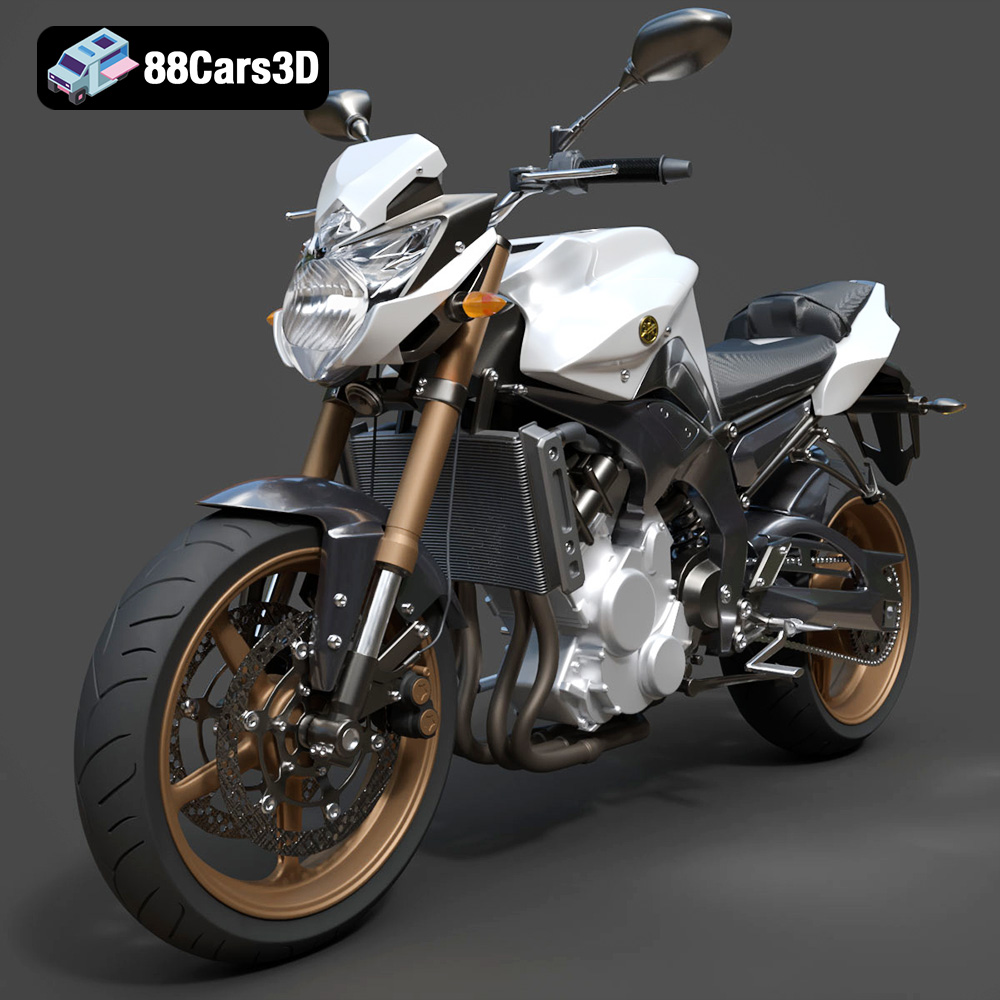
Yamaha FZ8 2011 3D Model
Texture: Yes
Material: Yes
Download the Yamaha FZ8 2011 3D Model featuring clean geometry, realistic detailing, and a fully modeled interior. Includes .blend, .fbx, .obj, .glb, .stl, .ply, .unreal, and .max formats for rendering, simulation, and game development.
Price: $19.99
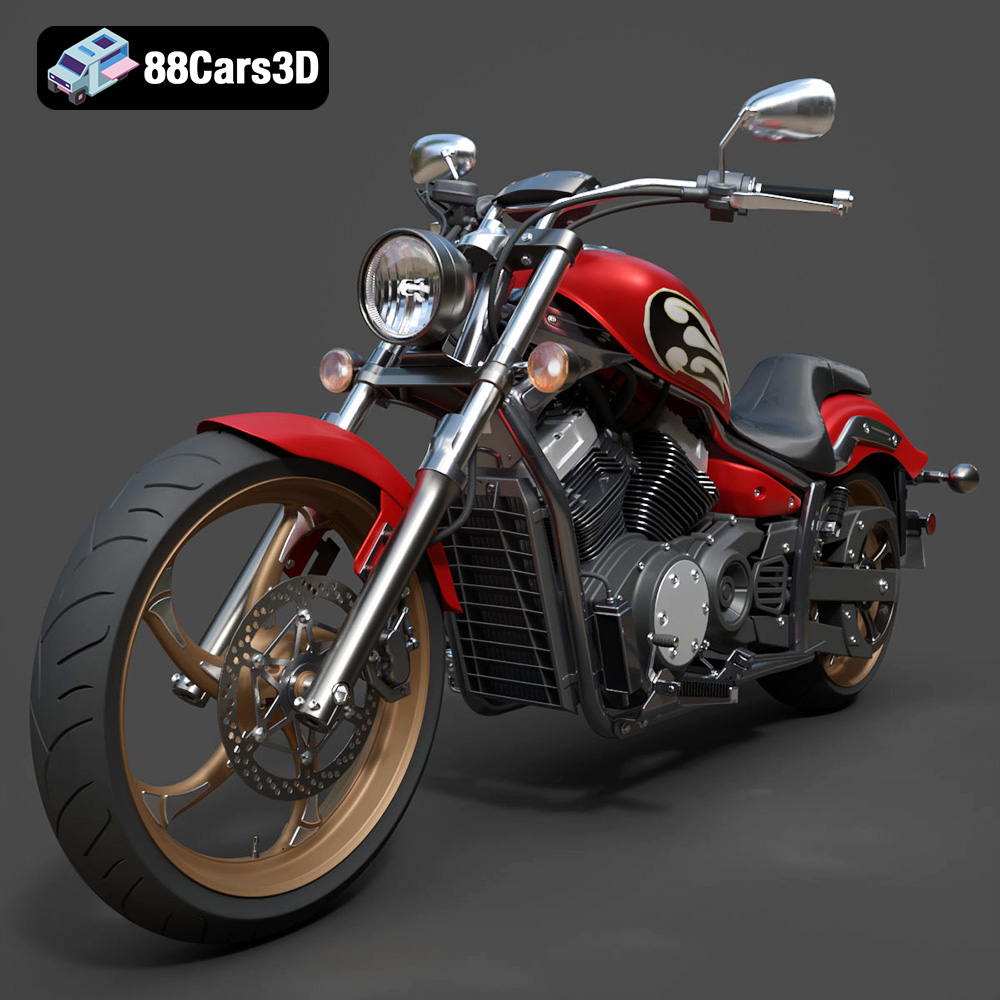
Yamaha Stryker 2012 3D Model
Texture: Yes
Material: Yes
Download the Yamaha Stryker 2012 3D Model featuring clean geometry, realistic detailing, and a fully modeled interior. Includes .blend, .fbx, .obj, .glb, .stl, .ply, .unreal, and .max formats for rendering, simulation, and game development.
Price: $19.99
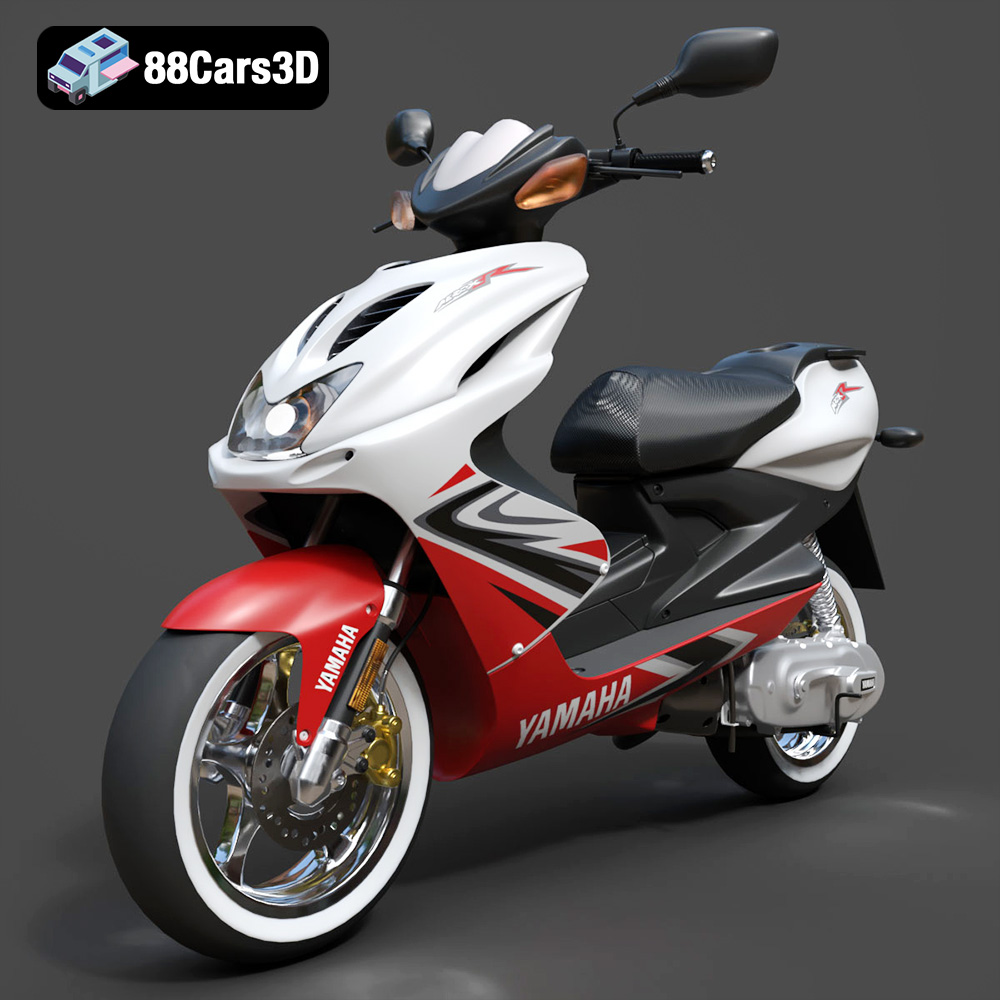
Yamaha Aerox R-002 2024 3D Model
Texture: Yes
Material: Yes
Download the Yamaha Aerox R-002 2024 3D Model featuring clean geometry, realistic detailing, and a fully modeled interior. Includes .blend, .fbx, .obj, .glb, .stl, .ply, .unreal, and .max formats for rendering, simulation, and game development.
Price: $19.99
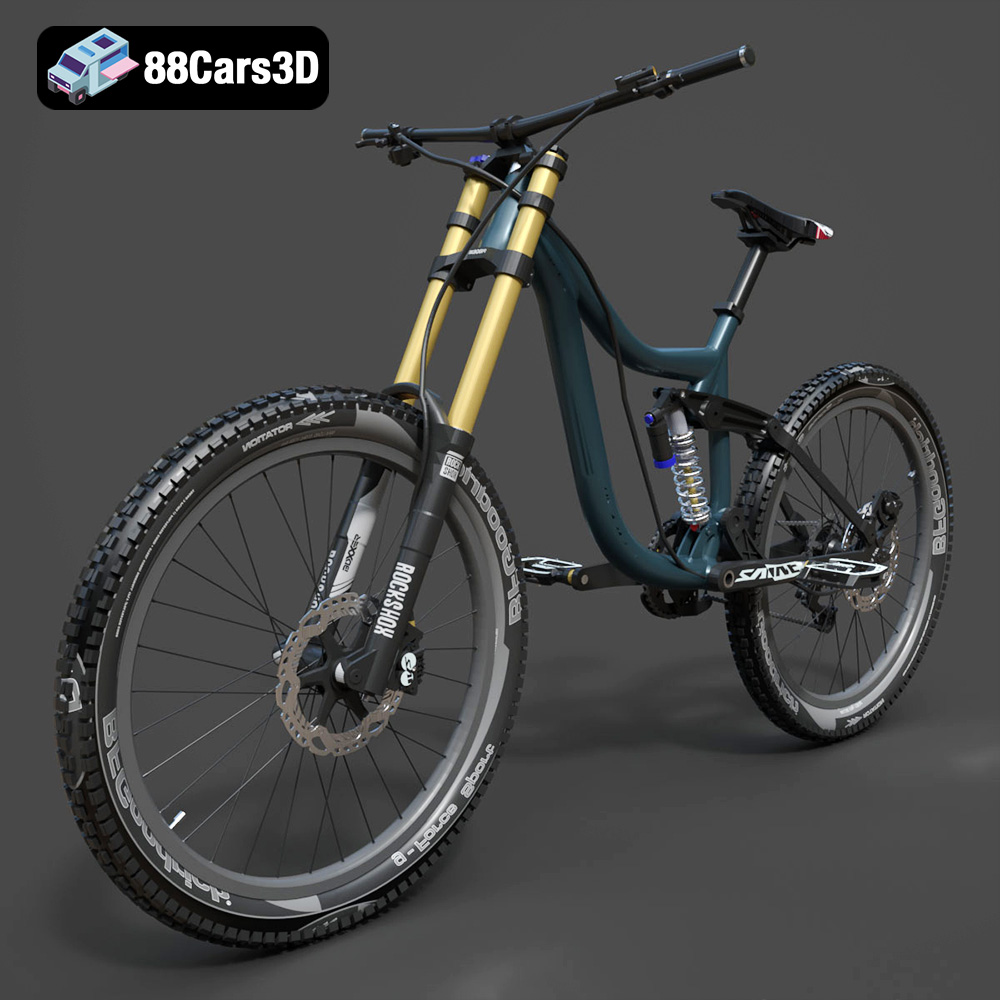
Mototsikly Downhill Bike-002 3D Model
Texture: Yes
Material: Yes
Download the Mototsikly Downhill Bike-002 3D Model featuring clean geometry, realistic detailing, and precise mechanical components. Includes .blend, .fbx, .obj, .glb, .stl, .ply, .unreal, and .max formats for rendering, simulation, and game development.
Price: $19.99
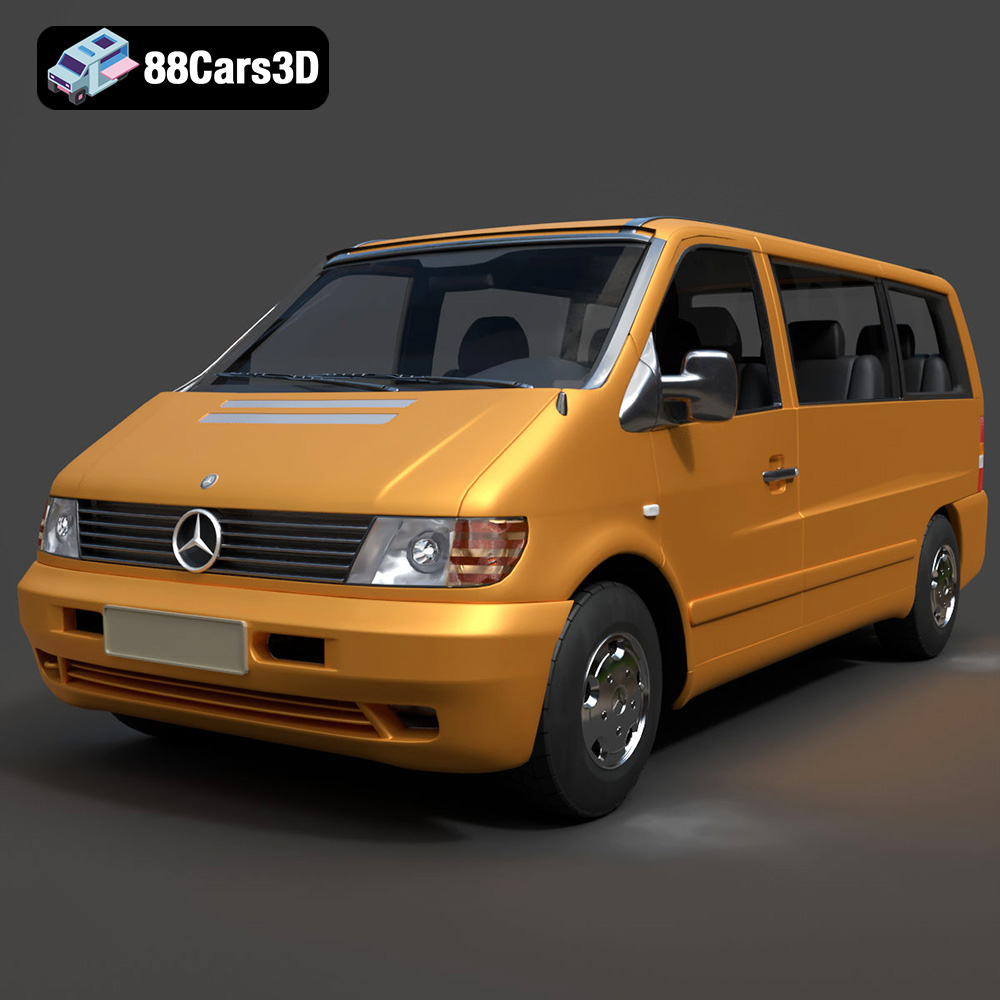
Mercedes-Benz Vito Passenger Van 3D Model
Texture: Yes
Material: Yes
Download the Mercedes-Benz Vito Passenger Van 3D Model featuring clean geometry, realistic detailing, and a fully modeled interior. Includes .blend, .fbx, .obj, .glb, .stl, .ply, .unreal, and .max formats for rendering, simulation, and game development.
Price: $19.99
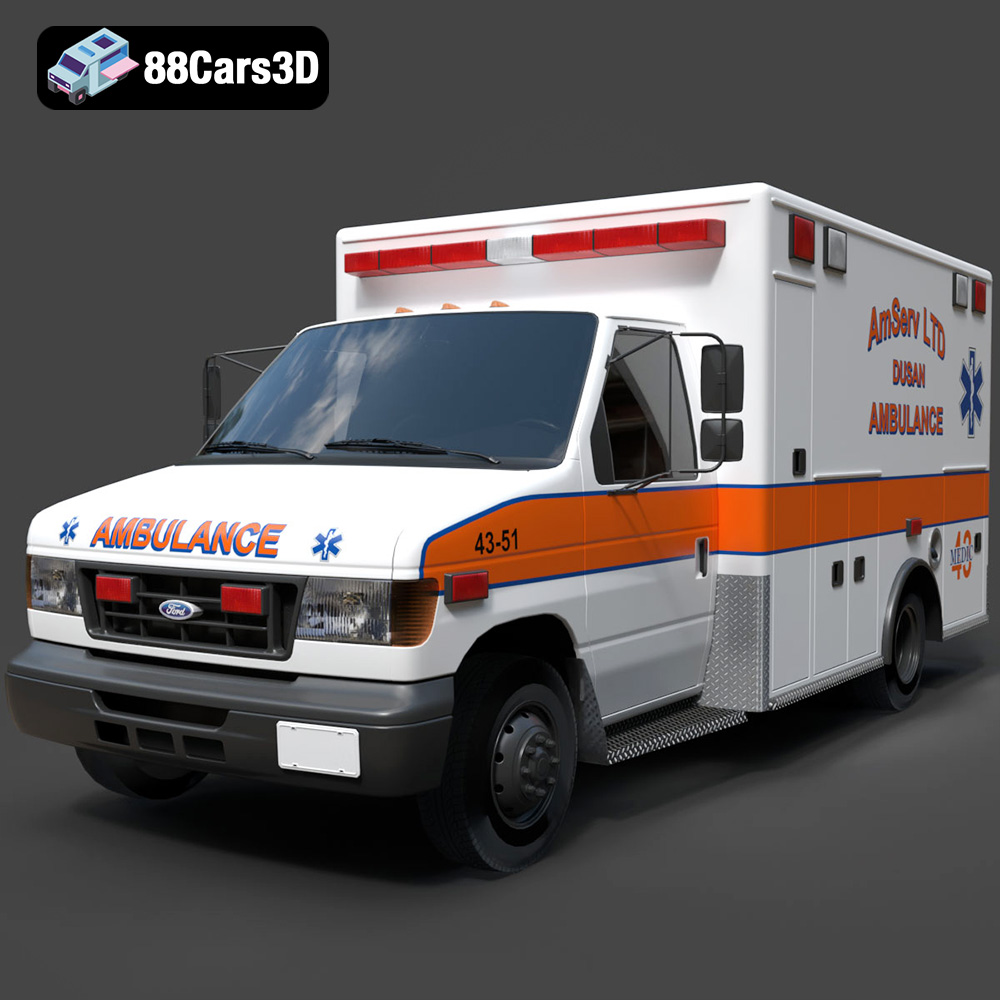
Ford Ambulance AmServ LTD Dusan-002 3D Model
Texture: Yes
Material: Yes
Download the Ford Ambulance AmServ LTD Dusan-002 3D Model featuring a high-detail exterior and interior, realistic textures, and emergency lighting. Includes .blend, .fbx, .obj, .glb, .stl, .ply, .unreal, and .max formats for rendering, simulation, and game development.
Price: $19.99
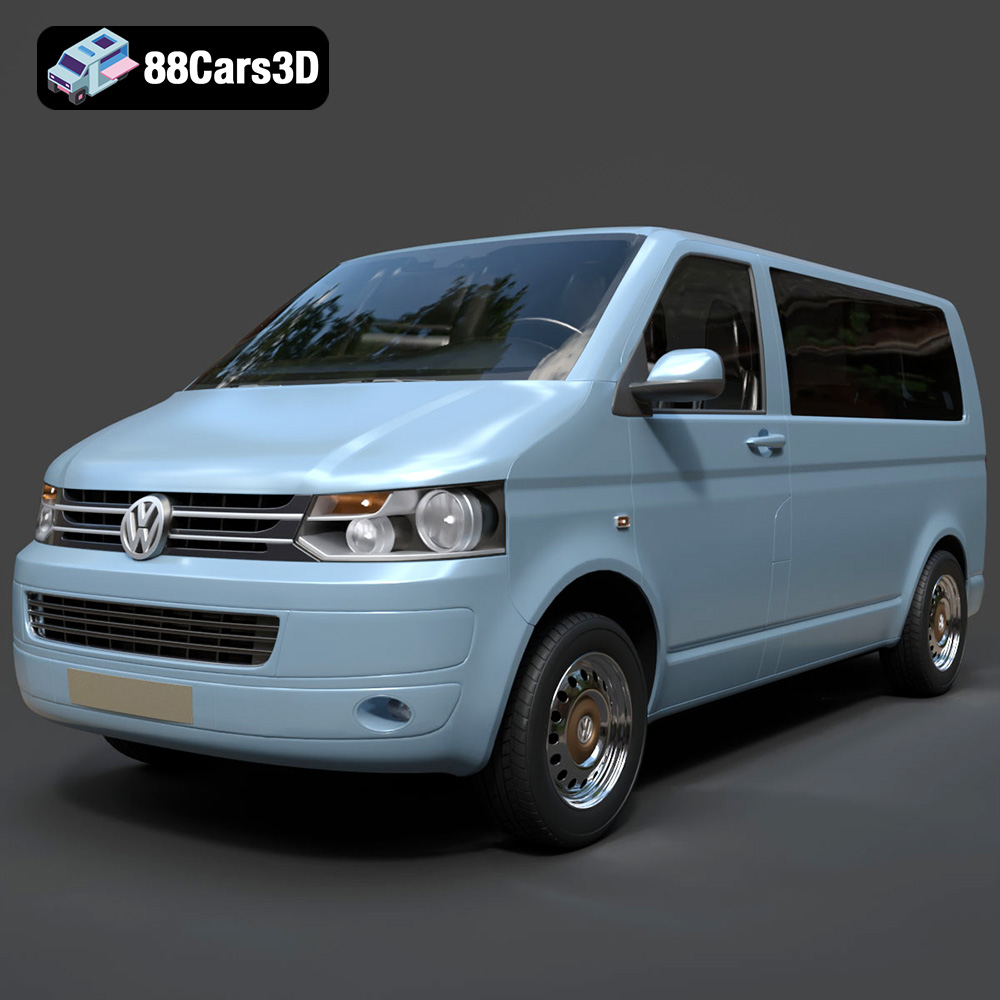
Volkswagen Transporter T5 FL 2010 3D Model
Texture: Yes
Material: Yes
Download the Volkswagen Transporter T5 FL 2010 3D Model featuring clean geometry, realistic detailing, and a fully modeled interior. Includes .blend, .fbx, .obj, .glb, .stl, .ply, .unreal, and .max formats for rendering, simulation, and game development.
Price: $22.99
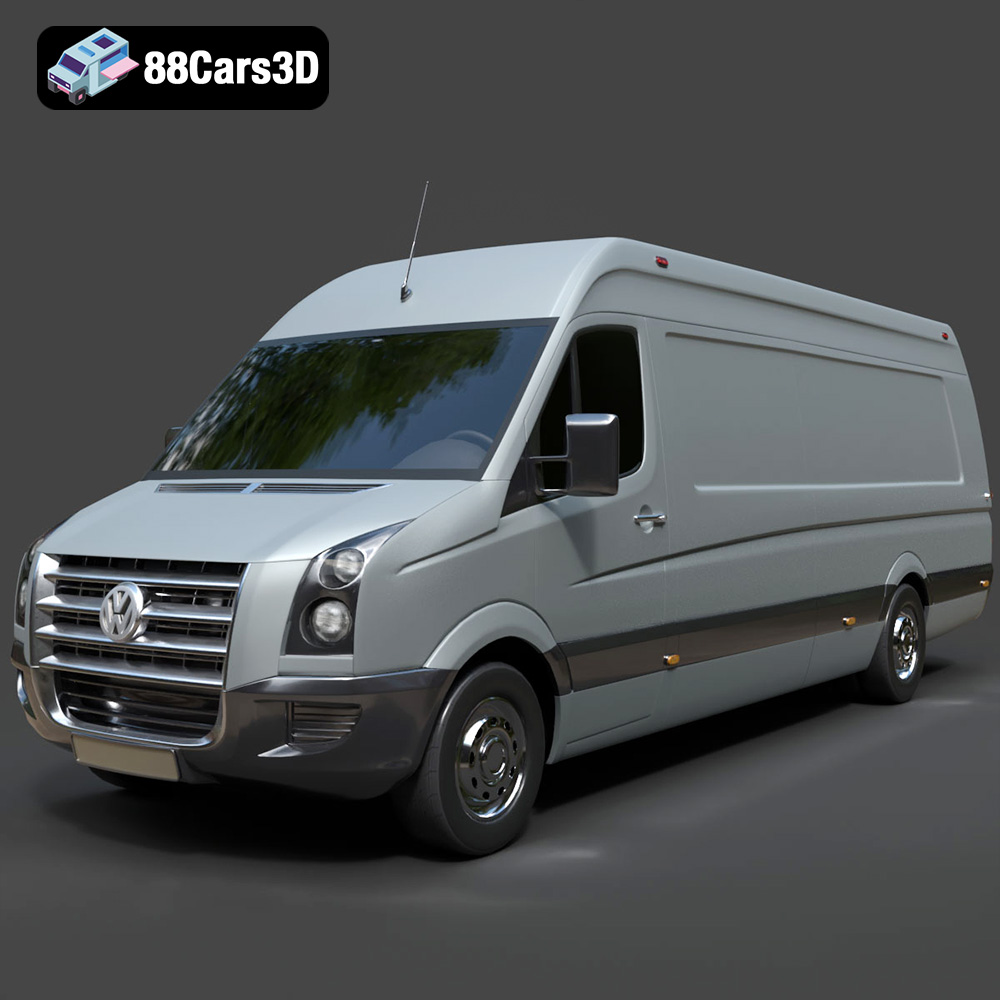
Volkswagen Crafter 2020 3D Model
Texture: Yes
Material: Yes
Download the Volkswagen Crafter 2020 3D Model featuring clean geometry, realistic detailing, and a fully modeled interior. Includes .blend, .fbx, .obj, .glb, .stl, .ply, .unreal, and .max formats for rendering, simulation, and game development.
Price: $22.99
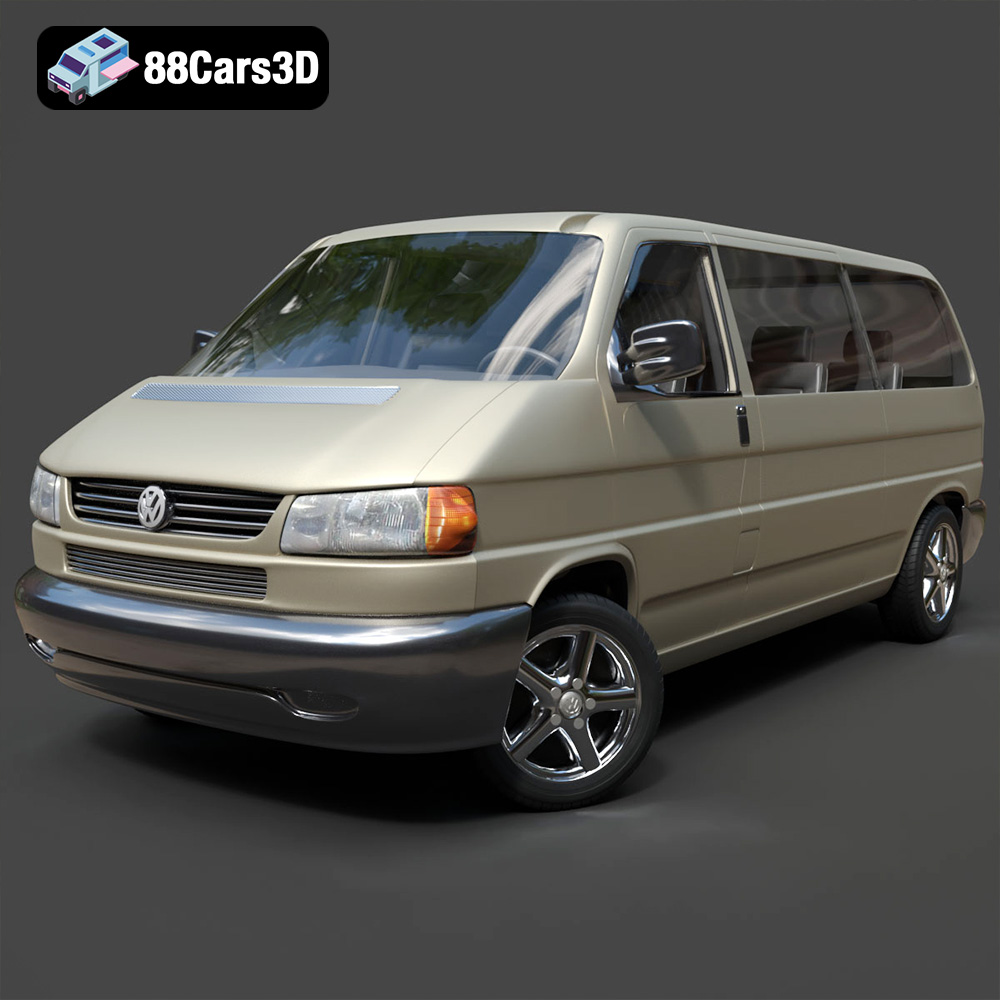
Volkswagen Caravelle 2020 3D Model
Texture: Yes
Material: Yes
Download the Volkswagen Caravelle 3D Model featuring a detailed exterior, functional interior, and optimized topology. Includes .blend, .fbx, .obj, .glb, .stl, .ply, .unreal, and .max formats for rendering, simulation, and game development.
Price: $23.99
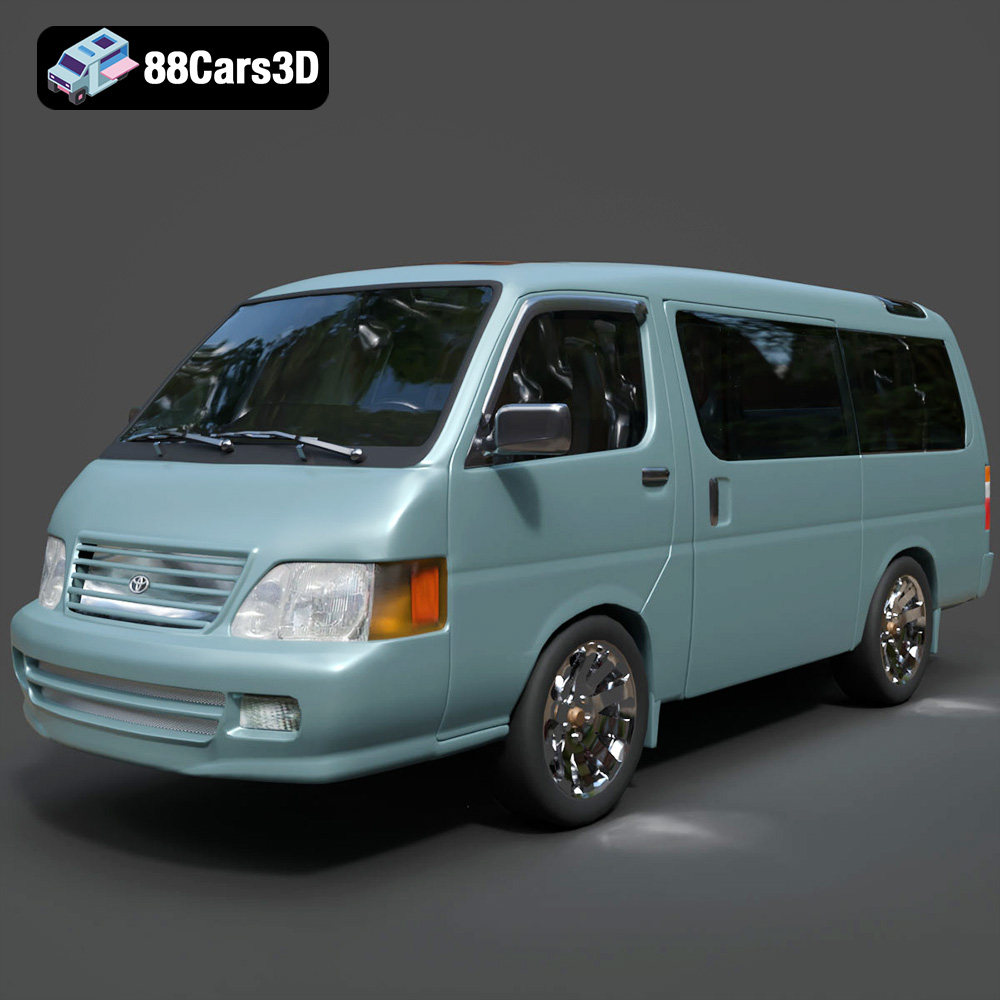
Toyota Hiace 3D Model
Texture: Yes
Material: Yes
Download the Toyota Hiace 3D Model featuring versatile design and detailed exterior. Includes .blend, .fbx, .obj, .glb, .stl, .ply, .unreal, and .max formats for rendering, simulation, and game development.
Price: $21.99
