

The automotive industry has always been at the forefront of technological innovation, and its visualization techniques are no exception. From concept design to marketing campaigns, the demand for breathtakingly realistic representations of vehicles has never been higher. Enter Unreal Engine, a powerhouse tool that has revolutionized how artists and developers create stunning, interactive, and truly photorealistic automotive experiences in real time.
Gone are the days when static renders were enough. Today, professionals require dynamic, interactive environments where vehicles can be explored, customized, and showcased with unparalleled fidelity. Unreal Engine delivers this capability, enabling the creation of virtual showrooms, interactive configurators, cinematic advertisements, and even virtual production sets with a level of detail that blurs the line between digital and reality. However, achieving this level of photorealism isn’t just about throwing high-resolution assets into the engine; it requires a deep understanding of Unreal Engine’s advanced features, meticulous material authoring, sophisticated lighting techniques, and rigorous optimization.
This comprehensive guide will delve into the technical depths of creating photorealistic environments for automotive visualization using Unreal Engine. We’ll explore project setup, material excellence, advanced lighting, environmental detailing, interactive experiences, and crucial optimization strategies. Whether you’re an experienced Unreal Engine developer, a 3D artist specializing in automotive visualization, or a game developer aiming for the highest visual quality, you’ll gain actionable insights to elevate your projects to cinematic standards. By the end, you’ll have a robust understanding of the workflows and best practices needed to craft truly immersive and visually stunning automotive scenes that captivate your audience.
Laying the Foundation: Project Setup and Asset Integration
The journey to photorealism begins with a solid foundation: proper project setup and the efficient integration of your high-quality 3D car models. Unreal Engine offers a vast array of settings and tools that, when configured correctly, can significantly impact your project’s visual fidelity and performance from the outset. Understanding these initial steps is crucial for a smooth workflow and achieving optimal results.
Project Configuration for High-Fidelity Rendering
Starting a new project for automotive visualization demands specific configurations to leverage Unreal Engine’s cutting-edge rendering capabilities. When creating a new project, consider using the “Automotive, Product Design, and Manufacturing” template if available, or the “Blank” template for maximum control. Key settings to enable immediately include:
- Ray Tracing: Go to Project Settings > Engine > Rendering and enable “Ray Tracing” and “Support Hardware Ray Tracing.” This unlocks physically accurate reflections, shadows, ambient occlusion, and global illumination, critical for automotive realism.
- Lumen Global Illumination and Reflections: Also within Project Settings > Engine > Rendering, set “Global Illumination” and “Reflections” to Lumen. Lumen provides dynamic real-time global illumination and reflections, adapting to changes in lighting and scene elements without requiring pre-baking. For highly accurate car paint reflections, Lumen is indispensable.
- Nanite Virtualized Geometry: Enable “Nanite” in Project Settings > Engine > Rendering. Nanite allows you to import incredibly high-polygon meshes (millions or even billions of triangles) directly into Unreal Engine without significant performance degradation, automatically handling LODs and streaming. This is revolutionary for detailed car models and intricate environment assets.
- Virtual Shadow Maps (VSM): Also under Project Settings > Engine > Rendering, set “Shadow Map Method” to “Virtual Shadow Maps (Beta)”. VSMs provide highly detailed and consistent shadows over large distances, which is excellent for expansive environments around your vehicles.
Remember to restart the editor after enabling these features for the changes to take full effect. These settings lay the groundwork for a truly photorealistic rendering pipeline within Unreal Engine.
Importing 3D Car Models and Initial Optimization
Once your project is configured, the next step is to import your primary assets: the 3D car models. Sourcing high-quality, pre-optimized 3D car models is paramount for efficiency and visual quality. Platforms like 88cars3d.com offer meticulously crafted 3D car models specifically designed for Unreal Engine, featuring clean topology, PBR materials, and proper UV mapping. When importing, follow these best practices:
- File Format: Prefer FBX or USD (Universal Scene Description). USD is becoming increasingly popular for its robust interchange capabilities and scene description features.
- Scale and Units: Ensure your 3D software’s export units match Unreal Engine’s (typically centimeters). This prevents scaling issues upon import.
- Pivot Point: Verify that the model’s pivot point is at the origin (0,0,0) in your 3D software before export, or at a logical center for individual parts. This simplifies positioning and rotation in Unreal Engine.
- Import Options: When importing into Unreal Engine, check “Combine Meshes” if the car is a single mesh, or leave unchecked if it’s composed of multiple parts (body, wheels, interior) that you want to manipulate separately. Ensure “Generate Lightmap UVs” is enabled if you plan to use static lighting alongside Lumen/Ray Tracing, though Lumen and Ray Tracing reduce the reliance on traditional lightmaps.
- Initial Collision: For static presentation, a simple box collision is often sufficient. For interactive experiences or physics, generate “Complex Collision As Simple” or create custom collision meshes.
After import, perform an initial visual check. Look for inverted normals, mesh errors, or scale discrepancies. Addressing these early saves significant time down the line. For further details on importing assets, consult the official Unreal Engine documentation.
Data Prep for Performance: Static Meshes and LODs
Even with Nanite, efficient asset management is vital. While Nanite handles high-poly meshes gracefully, you still want to ensure your meshes are optimized for Unreal Engine’s rendering pipeline. Convert complex actors into Static Meshes where possible, and consider merging smaller, static meshes together using the “Merge Actors” tool (found under the Developer Tools menu) to reduce draw calls. For non-Nanite assets or when targeting platforms that don’t support Nanite (like mobile VR), Level of Detail (LOD) management is critical. Unreal Engine can automatically generate LODs, but manual creation often yields better results. For optimal performance, always consider creating a range of LODs, starting from a high-detail mesh (LOD0) down to significantly simplified versions (LOD1, LOD2, etc.). For automotive applications, LODs for wheels, interior details, and undercarriage components can greatly improve performance without noticeable visual degradation at a distance.
Mastering Photorealistic Materials with PBR
The visual realism of your automotive environment hinges significantly on the quality of your materials. Physically Based Rendering (PBR) is the cornerstone of modern rendering, accurately simulating how light interacts with surfaces based on real-world physics. In Unreal Engine, mastering the Material Editor is key to crafting materials that truly shine, especially for complex surfaces like car paint and reflective environments.
Understanding the PBR Workflow in Unreal Engine
PBR materials in Unreal Engine typically rely on a set of texture maps that drive specific properties:
- Base Color (Albedo): Defines the diffuse color of the surface without any lighting information. For metals, this map usually contains color, while for non-metals, it’s typically desaturated if metallic is 1.
- Metallic: A grayscale map where white (1) indicates a metallic surface (e.g., chrome, polished steel) and black (0) indicates a non-metallic (dielectric) surface (e.g., paint, rubber, plastic). Values between 0 and 1 are used for semi-metallic surfaces.
- Roughness: A grayscale map defining the micro-surface detail. Black (0) is perfectly smooth/shiny (like a mirror), and white (1) is completely rough/matte. This is crucial for distinguishing between polished car paint, matte finishes, and rubber tires.
- Normal Map: A tangent-space normal map that simulates fine surface details (like scratches, panel gaps, or fabric textures) without adding actual geometry. This map significantly enhances visual fidelity with minimal performance cost.
- Ambient Occlusion (AO): A grayscale map representing areas where ambient light would be occluded (e.g., crevices, corners). While Lumen and Ray Tracing provide real-time AO, a baked AO map can still provide subtle, high-frequency detail.
Each of these maps is connected to corresponding pins in the Unreal Engine Material Editor. Understanding the interplay between these maps is fundamental to creating convincing materials.
Crafting Realistic Car Paint Shaders
Car paint is one of the most challenging materials to reproduce due to its complex layered structure, often consisting of a metallic base coat, a colored base, and a clear coat. Unreal Engine’s Material Editor, combined with a layered material approach, can achieve stunning results:
- Base Layer (Metallic Flakes): Start with a metallic material that represents the metallic flakes within the paint. Use a grunge or noise texture plugged into the Metallic input to simulate the random distribution of flakes. The Base Color will dictate the underlying hue.
- Clear Coat Layer: Unreal Engine’s native “Clear Coat” input (available on the main material node) is essential. Set “Clear Coat” to 1 for a fully reflective top layer and adjust “Clear Coat Roughness” to control its glossiness. For truly advanced setups, use a “Clear Coat Normal” map to add subtle imperfections to the clear coat, mimicking dust or minor scratches.
- Anisotropy: Many car paints exhibit anisotropic reflections, where reflections appear stretched or compressed depending on the viewing angle (especially noticeable on brushed metals or specific paint types). Unreal Engine supports anisotropy through the “Anisotropy” and “Tangent” inputs on the material node. This requires a dedicated texture or mathematical function to define the direction of the anisotropic effect.
- Emissive Details: For headlights, taillights, and interior screens, an Emissive input can simulate light emission. Combine this with Bloom in Post Process Volume for realistic glow effects.
Using material instances is paramount for efficiency. Create a master car paint material and then derive instances for different colors, roughness variations, or flake densities. This allows for quick iteration and reduces compile times. For detailed guidance on material creation, refer to the Unreal Engine learning resources.
Environment Materials: Roads, Buildings, and Natural Elements
Beyond the car itself, the environment materials play a crucial role in overall photorealism. Roads, concrete, glass, foliage, and natural ground textures must adhere to PBR principles and interact realistically with light. For large surfaces like roads or walls, consider using:
- Tileable Textures: High-resolution (4K or 8K) tileable texture sets for Base Color, Normal, Roughness, and Height maps.
- Material Blending: Use vertex painting or world-aligned textures to blend multiple materials (e.g., concrete with cracks, wet asphalt with dry patches) to break up repetition and add visual interest.
- Decals: Project deferred decals for details like puddles, oil stains, road markings, or subtle imperfections.
- Virtual Textures: For vast landscapes, use Unreal Engine’s Virtual Texture system to stream large, non-repeating textures without excessive memory usage. This is particularly effective for highly detailed ground surfaces.
For glass, utilize the “Refraction” and “Opacity” inputs, often with a subtle Normal map for smudges or dirt. For foliage, ensure two-sided foliage shading is enabled, and utilize the “Subsurface Color” input to simulate light scattering through leaves, enhancing their natural appearance. Always leverage Material Instances to quickly create variations of environmental materials, such as different types of concrete or wood, from a single master material.
Illuminating the Scene: Advanced Real-Time Lighting
Lighting is the soul of any photorealistic scene. In Unreal Engine, a combination of Lumen, Ray Tracing, and traditional lighting techniques allows for dynamic, physically accurate illumination that brings your automotive environments to life. Achieving true realism requires a nuanced understanding of how these systems work together.
Leveraging Lumen for Dynamic Global Illumination
Lumen is Unreal Engine 5’s default global illumination and reflection system, providing fully dynamic, real-time GI and reflections without the need for lightmap baking. This is a game-changer for automotive visualization, allowing immediate iteration on lighting setups and realistic interaction between dynamic objects and the environment.
- Setup: Ensure Lumen is enabled for Global Illumination and Reflections in Project Settings > Engine > Rendering.
- Lumen Scene: Lumen automatically traces rays within a distance defined by the “Lumen Scene View Distance” setting in the Post Process Volume. Adjust this for larger environments.
- Reflections: Lumen provides software ray-traced reflections that are highly accurate for most surfaces. For extremely reflective surfaces, especially metals and car paint, consider supplementing Lumen with hardware Ray Traced Reflections for even higher fidelity (if hardware ray tracing is enabled and available).
- Performance: Lumen can be performance-intensive. Optimize your scene by reducing overdraw and ensuring proper material setup. Adjusting settings like “Lumen GI Quality” and “Lumen Reflection Quality” in the Post Process Volume can balance fidelity and performance.
Lumen’s ability to react to light changes in real-time makes it invaluable for interactive configurators and dynamic day-night cycles, ensuring your car models are always beautifully lit.
Ray Tracing for Unmatched Visual Fidelity
While Lumen handles dynamic global illumination and reflections efficiently, hardware Ray Tracing offers unparalleled visual fidelity for specific effects, particularly reflections and shadows on highly reflective surfaces like car paint and chrome.
- Ray Traced Reflections: For ultimate realism on automotive surfaces, enable Ray Traced Reflections in your Post Process Volume. Set “Reflections Type” to “Ray Tracing.” You can adjust the “Max Roughness” to control which surfaces receive ray-traced reflections, optimizing performance by limiting it to very shiny areas. Ray-traced reflections accurately capture the environment and other objects, providing a highly realistic sheen to car bodies.
- Ray Traced Shadows: Directional lights and spot lights can utilize ray-traced shadows for incredibly sharp, accurate, and soft-edged shadows based on light source size. Enable “Use Ray Tracing Shadows” on your light sources. This dramatically enhances the grounded feel of your vehicles.
- Ray Traced Ambient Occlusion (RTAO): Provides highly accurate ambient occlusion, perfect for subtle contact shadows and defining crevices on the car model and within the environment. Enable “Ray Tracing Ambient Occlusion” in your Post Process Volume.
- Ray Traced Translucency: For realistic car glass and transparent materials, Ray Traced Translucency offers physically accurate light refraction and absorption, making windows and headlights look far more convincing.
Combining Lumen with selective Ray Tracing provides a hybrid approach that balances performance with stunning visual quality, leveraging the strengths of both systems.
Strategic Light Placement and Types
Beyond the core GI and reflection systems, the strategic placement and configuration of individual light sources are critical. Think like a photographer lighting a real car:
- Directional Light: Represents the sun. Use a high-intensity Directional Light, enabling “Cast Ray Traced Shadows” for sharp, realistic sun shadows. Position it to highlight the car’s contours.
- Sky Light: Captures the ambient light from the sky and injects it into the scene. For true realism, use a high-dynamic-range image (HDRI) in your Sky Light’s “Source Cubemap” input. An HDRI accurately represents real-world lighting conditions, providing natural color and intensity variations.
- Rect Lights: Mimic studio softboxes or large area lights. These are invaluable for creating soft, flattering reflections on car bodies, simulating studio environments or specific outdoor conditions. Position them strategically to create highlights and fill shadows.
- Point Lights/Spot Lights: Use these sparingly for specific effects, like interior lighting, focused highlights on badges, or replicating streetlights. Ensure they also cast Ray Traced Shadows for realism.
- Volumetric Fog: Combined with atmospheric effects, volumetric fog can catch light beams, adding incredible depth and realism to the scene, especially in moody or dramatic setups.
Always use a Post Process Volume to fine-tune exposure, color grading, bloom, and other visual effects to achieve the desired cinematic look. Experimentation and referencing real-world automotive photography are key to mastering lighting.
Building Immersive Environments with Unreal Engine Tools
A photorealistic car needs an equally convincing environment to truly shine. Unreal Engine provides a comprehensive suite of tools for world-building, from vast landscapes to intricate architectural details, all optimized for real-time rendering. The judicious use of Nanite, the Landscape system, and atmospheric effects can transform a simple scene into an immersive digital world.
Sculpting the World: Landscape System and Foliage Tools
For outdoor automotive scenes, Unreal Engine’s Landscape system is indispensable. It allows you to create vast, highly detailed terrains that interact seamlessly with your vehicles:
- Landscape Creation: Start by creating a new Landscape actor. You can sculpt terrain manually using various brushes (raise, lower, smooth, flatten) or import heightmaps generated from external software (e.g., World Creator, Gaea) for real-world terrain data.
- Layered Materials: Use a layered Landscape Material that blends different ground textures (grass, dirt, rock, pavement) based on height, slope, or manual painting. This adds visual variety and breaks up repetition.
- Procedural Foliage: For realistic vegetation, leverage the Procedural Foliage Tool. Define various foliage types (trees, bushes, grass) with their parameters (density, scale, collision) and procedurally populate your landscape. This is far more efficient than hand-placing thousands of assets.
- Grass Types: Utilize Grass Types for large-scale grass coverage. These are highly optimized for performance and render thousands of grass blades across vast areas. Combine with the Landscape Grass Output node in your Landscape Material.
Ensure your foliage assets are also optimized with LODs and billboard imposters for distant views, especially if not using Nanite for foliage (which is currently limited to static meshes).
Unleashing Detail with Nanite Virtualized Geometry
Nanite is a cornerstone of Unreal Engine 5’s photorealism, enabling artists to import film-quality assets with millions or even billions of polygons directly into the engine without noticeable performance drops. This is transformative for environmental detailing:
- High-Fidelity Assets: Import detailed architectural elements, rocks, broken concrete, or intricate props directly as Nanite meshes. This eliminates the need for complex normal map baking workflows for geometric detail.
- Performance Benefits: Nanite automatically handles LODs, culling, and streaming, ensuring that only the necessary triangle data is rendered per pixel. This allows for incredibly dense environments without manually managing asset complexity.
- Workflow Simplification: Artists can focus on creating high-quality models in their preferred 3D software (e.g., ZBrush, photogrammetry scans) and bring them into Unreal Engine with minimal preparation.
While Nanite is incredible, it’s important to note its current limitations (e.g., no support for skeletal meshes or translucent materials directly). Plan your asset pipeline accordingly, using traditional meshes where Nanite is not yet suitable. For the vast majority of static environment props, Nanite is a game-changer for visual quality. When sourcing automotive assets from marketplaces such as 88cars3d.com, many high-quality environment models are already prepared for use with Nanite, further streamlining your workflow.
Adding Atmospheric Realism: Volumetric Fog, Clouds, and Sky Atmosphere
Atmosphere transforms a collection of objects into a believable world. Unreal Engine offers powerful tools to simulate realistic atmospheric effects:
- Sky Atmosphere: This physically based sky rendering system simulates the Earth’s atmosphere, providing realistic scattering, absorption, and aerial perspective. It dynamically updates with your Directional Light (sun) position, allowing for convincing day-night cycles and different times of day.
- Volumetric Clouds: Create dynamic, volumetric clouds that cast shadows and react to light. These are incredibly powerful for adding depth and realism to outdoor scenes. Configure them through the Volumetric Cloud actor, adjusting parameters like coverage, opacity, and lighting response.
- Exponential Height Fog/Volumetric Fog: Essential for adding atmospheric depth and distance haze. Enable “Volumetric Fog” within the Exponential Height Fog actor for physically accurate light scattering and volumetric lighting effects, allowing light shafts to pierce through the fog.
- Niagara Particle System: Use Niagara for dynamic particle effects such as dust motes, falling leaves, rain, or subtle ground fog. These small details significantly enhance immersion and realism.
These atmospheric elements, when combined, create a cohesive and believable environment that grounds your photorealistic car models, making them feel like they genuinely belong in the scene.
Bringing Automotive Scenes to Life: Interactivity and Cinematics
Beyond static renders, Unreal Engine excels at creating dynamic, interactive experiences and cinematic sequences. These capabilities are crucial for modern automotive visualization, allowing for vehicle configurators, virtual showrooms, and high-impact marketing content. Leveraging Blueprint, Sequencer, and specialized tools enables a truly engaging experience.
Designing Interactive Automotive Configurator Blueprints
Interactive configurators allow users to customize vehicles in real time, exploring different paint colors, wheel options, interior trims, and accessories. Unreal Engine’s Blueprint visual scripting system is the perfect tool for this:
- Material Swapping: Create an array of Material Instances for different paint colors, interior fabrics, or wheel finishes. Use Blueprint to allow users to cycle through these materials and apply them to the relevant mesh components (e.g., car body, seats, rims) with a button click or UI slider.
- Part Customization: For interchangeable parts like wheels or spoilers, create a Blueprint that allows switching between different Static Mesh components. This can involve hiding and showing specific meshes or swapping them out entirely.
- Camera Controls: Implement intuitive camera controls (e.g., orbit, zoom, predefined viewpoints) to allow users to inspect the vehicle from all angles. A simple Blueprint can handle camera transitions and constraints.
- User Interface (UI): Design an engaging UI using Unreal Motion Graphics (UMG) widgets. Buttons, sliders, and dropdown menus can drive your Blueprint logic for customization options.
Blueprint allows even non-programmers to create complex interactive systems, making it accessible to a wide range of artists and designers. For example, you can use Blueprint to trigger a headlight animation or open car doors with a simple input, enhancing the interactivity of your virtual showroom.
Crafting Cinematic Sequences with Sequencer
For high-quality marketing content, product reveals, or dramatic showcases, Unreal Engine’s Sequencer is the go-to tool for creating cinematic sequences. It’s a non-linear editor that allows you to choreograph every aspect of your scene over time:
- Camera Animation: Create dynamic camera paths and movements to highlight specific features of the car. Use Cine Cameras for film-like controls (focal length, aperture, focus distance).
- Object Animation: Animate car parts (e.g., doors opening, convertible tops retracting), environmental elements (e.g., flowing water, rotating display platforms), or lighting changes (e.g., dimming lights for a reveal).
- Material Parameters: Animate material parameters, such as changing the car paint color over a sequence or adjusting the roughness of a puddle.
- Post-Process Effects: Control post-process volume settings (color grading, depth of field, bloom, vignette) over time to achieve desired moods and visual styles.
- Audio and Visual Effects: Integrate sound effects, music, and Niagara particle effects (e.g., exhaust smoke, falling rain) into your sequence for added impact.
- Movie Render Queue: For final output, use the Movie Render Queue. This powerful tool provides high-quality renders with features like anti-aliasing (temporal and spatial samples), motion blur, and arbitrary output variables (AOVs) for compositing in external software. It also supports higher bit depths and custom console variables for maximum control over render quality.
Sequencer is a professional-grade tool that rivals traditional video editing software, but specifically designed for real-time 3D environments. It empowers creators to produce stunning, broadcast-quality automotive cinematics directly within Unreal Engine.
Exploring Virtual Production and AR/VR Applications
Unreal Engine extends beyond traditional configurators and cinematics into cutting-edge applications like virtual production and immersive AR/VR experiences:
- Virtual Production (LED Walls): For filming real vehicles or actors in virtual environments, Unreal Engine is central to LED wall virtual production workflows. The engine renders the virtual background in real-time on massive LED screens, allowing for in-camera visual effects and realistic reflections on physical objects. Tools like nDisplay distribute the rendering across multiple GPUs and displays, ensuring seamless, high-resolution output. This allows automotive brands to shoot campaigns in any virtual location without leaving the studio.
- AR/VR Optimization: Creating automotive experiences for Augmented Reality (AR) or Virtual Reality (VR) requires careful optimization. For AR (e.g., mobile AR apps), focus on lightweight models and highly optimized materials. For VR, maintaining a consistent high frame rate (e.g., 90 FPS per eye) is paramount to prevent motion sickness. This means aggressive LODs, reduced draw calls, simplified lighting (often baked or mobile-optimized Lumen), and efficient texture streaming. When building for AR/VR, leveraging optimized 3D car models from resources like 88cars3d.com which focus on clean geometry and efficient textures, can significantly ease the optimization burden and lead to smoother, more immersive experiences.
These advanced applications demonstrate Unreal Engine’s versatility in the automotive space, pushing the boundaries of what’s possible in real-time visualization.
Optimizing for Performance: The Key to Real-Time Success
Achieving photorealism in real time is a delicate balance between visual fidelity and performance. Without careful optimization, even the most stunning scenes can grind to a halt. Mastering Unreal Engine’s optimization tools and strategies is crucial for delivering smooth, interactive experiences, especially when dealing with high-polygon car models and expansive environments.
Strategic LOD Management and HLODs
Level of Detail (LOD) management is fundamental for performance. It ensures that less detailed versions of your meshes are rendered when objects are further away from the camera, significantly reducing polygon count and draw calls:
- Automatic LOD Generation: Unreal Engine can automatically generate LODs for Static Meshes. While convenient, manual refinement often yields better visual transitions.
- Manual LOD Creation: For critical assets like your primary car model, create custom LODs in your 3D software (e.g., Maya, Blender) and import them with the mesh. Target polygon reductions of 50-75% for each subsequent LOD.
- Screen Size Thresholds: Adjust the “Screen Size” thresholds for each LOD in the Static Mesh Editor. This determines when the engine switches between different LODs based on how much screen space the object occupies.
- Hierarchical LODs (HLODs): For very large environments, HLODs consolidate clusters of distant static meshes into single, simplified proxy meshes. This dramatically reduces draw calls and memory usage for far-off geometry. Set up HLOD volumes in your scene and generate clusters via the World Partition window or the Build menu.
While Nanite handles LODs automatically for its meshes, traditional LODs and HLODs remain vital for non-Nanite assets (foliage, translucent materials, skeletal meshes) and for ensuring scalability across different hardware targets.
Texture Streaming and Asset Management
Textures are often a major consumer of video memory (VRAM). Efficient texture management is vital for performance and avoiding hitches:
- Texture Streaming: Ensure texture streaming is enabled in Project Settings. Unreal Engine dynamically loads higher-resolution mipmaps only when needed, based on camera distance and screen size.
- Mipmap Settings: For individual textures, adjust the “LOD Bias” and “Mip Gen Settings” in the Texture Editor. A positive LOD Bias forces lower-resolution mipmaps to be used, saving VRAM.
- Texture Resolutions: Use appropriate texture resolutions. While 4K and 8K textures are desirable for hero assets like the car body, environmental details or less critical assets can often use 2K or 1K textures without a noticeable visual drop.
- Texture Compression: Use efficient compression settings for your textures (e.g., BC7 for high quality, BC1/3 for diffuse, R_8 for masks).
- Asset Audit: Regularly audit your project for unused assets. The “Reference Viewer” can help identify assets that are no longer linked, which can then be deleted to reduce project size.
Proper asset management, including consistent naming conventions and organized folder structures, also contributes to a more efficient development workflow.
Profiling and Debugging for Bottlenecks
Identifying performance bottlenecks is crucial. Unreal Engine provides several powerful profiling tools:
- Stat Commands:
stat fps: Displays frames per second.stat unit: Shows timings for Game, Draw, GPU, and RHI threads, helping to identify CPU or GPU bound issues.stat scenerendering: Provides detailed statistics on draw calls, triangles, and various rendering passes.stat rhi: Displays RHI (Rendering Hardware Interface) statistics, useful for debugging low-level GPU performance.stat gpu: Offers a breakdown of GPU frame time by various rendering components.
- GPU Visualizer: Access with
profilegpucommand or from the “Window > Developer Tools” menu. The GPU Visualizer provides a detailed breakdown of GPU time spent on each rendering pass, making it easy to pinpoint expensive effects or meshes. - Session Frontend (Unreal Insights): A more advanced tool for profiling. It captures detailed data streams (CPU, GPU, memory, networking) over time, allowing for in-depth analysis of performance bottlenecks and resource usage.
When profiling, always start with a clear objective. Is your scene CPU bound (e.g., too many complex Blueprints, physics, or scene complexity for the game thread) or GPU bound (e.g., too many polygons, expensive shaders, or complex lighting)? Addressing the identified bottlenecks systematically will lead to significant performance improvements and ensure your photorealistic automotive environment runs smoothly on target hardware.
Conclusion: Driving Towards the Future of Automotive Visualization
Creating photorealistic environments with Unreal Engine for automotive visualization is a multifaceted endeavor, requiring a blend of artistic vision, technical prowess, and a deep understanding of the engine’s capabilities. We’ve journeyed through the essential steps, from configuring your project for high-fidelity rendering and seamlessly integrating your 3D car models, to mastering advanced PBR materials and illuminating your scenes with Lumen and Ray Tracing. We’ve explored the power of Nanite for unparalleled environmental detail, crafted interactive experiences with Blueprint, produced cinematic masterpieces with Sequencer, and delved into the critical art of performance optimization.
The real-time rendering landscape is continually evolving, and Unreal Engine remains at its vanguard, empowering artists and developers to push the boundaries of visual fidelity and immersion. The ability to create stunning, interactive, and customizable virtual showrooms, marketing cinematics, and even virtual production sets, all rendered in real time, is no longer a futuristic concept but a present-day reality. By meticulously applying the workflows and best practices outlined in this guide, you can transform your automotive projects into captivating digital experiences that resonate with your audience.
Remember that the foundation of any great visualization lies in the quality of your source assets. Sourcing high-quality 3D car models, like those available on 88cars3d.com, provides a solid starting point with clean topology, optimized UVs, and PBR-ready materials, allowing you to focus on the artistic and technical refinement within Unreal Engine. Embrace experimentation, leverage the extensive learning resources provided by Epic Games, and continue to refine your skills. The future of automotive visualization is bright, dynamic, and incredibly exciting – and you are now equipped to be a part of it.
Featured 3D Car Models
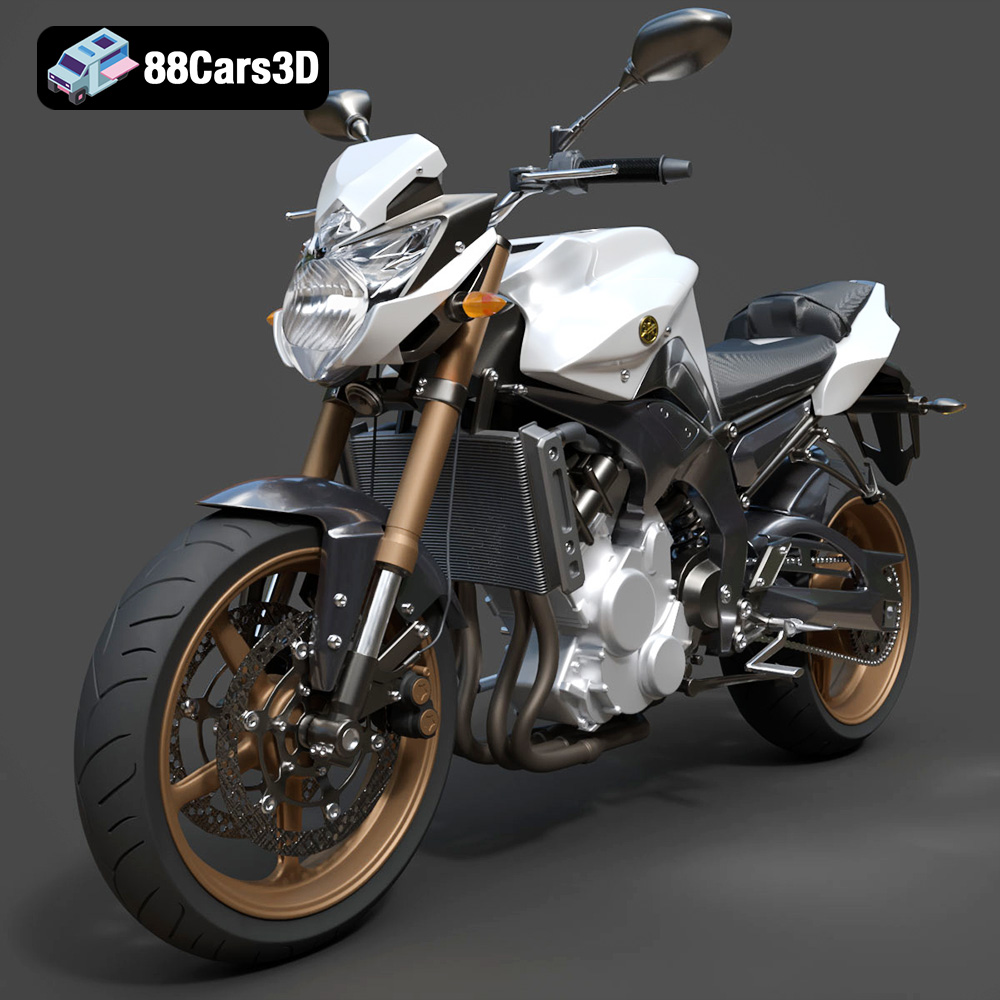
Yamaha FZ8 2011 3D Model
Texture: Yes
Material: Yes
Download the Yamaha FZ8 2011 3D Model featuring clean geometry, realistic detailing, and a fully modeled interior. Includes .blend, .fbx, .obj, .glb, .stl, .ply, .unreal, and .max formats for rendering, simulation, and game development.
Price: $19.99
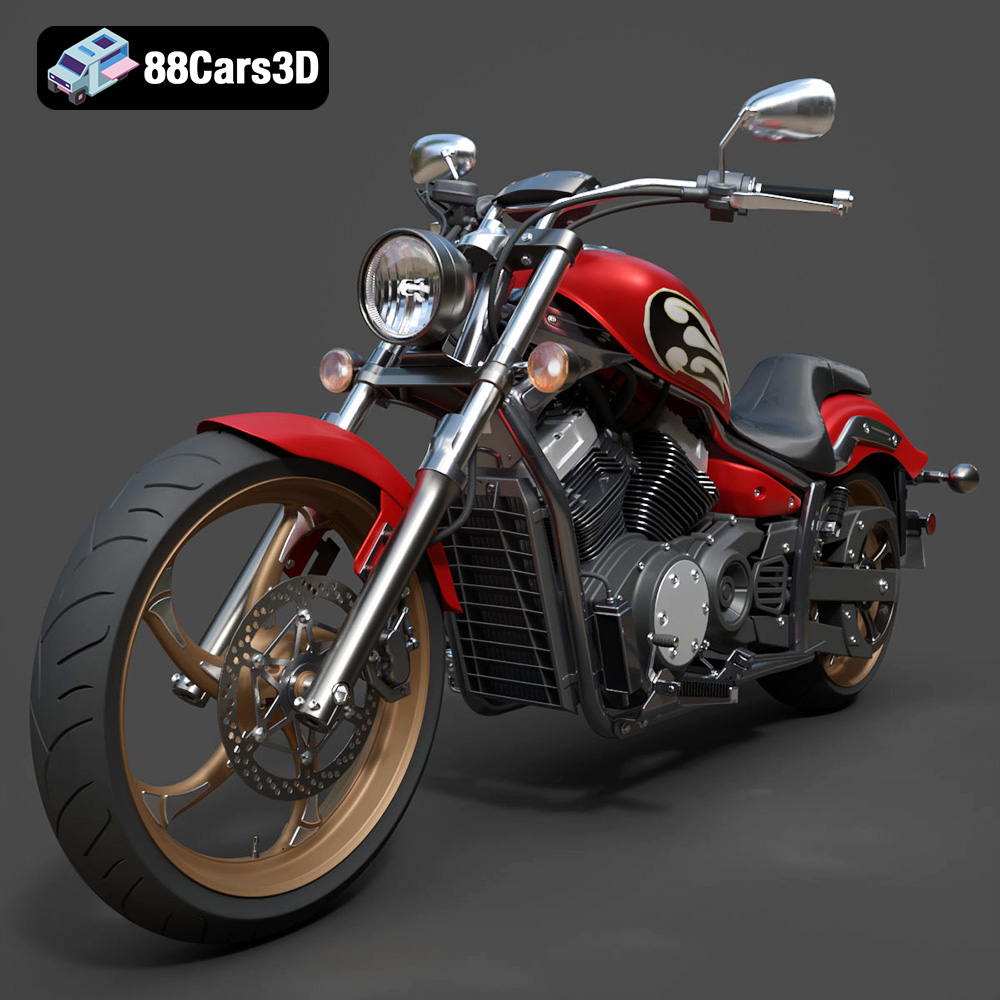
Yamaha Stryker 2012 3D Model
Texture: Yes
Material: Yes
Download the Yamaha Stryker 2012 3D Model featuring clean geometry, realistic detailing, and a fully modeled interior. Includes .blend, .fbx, .obj, .glb, .stl, .ply, .unreal, and .max formats for rendering, simulation, and game development.
Price: $19.99
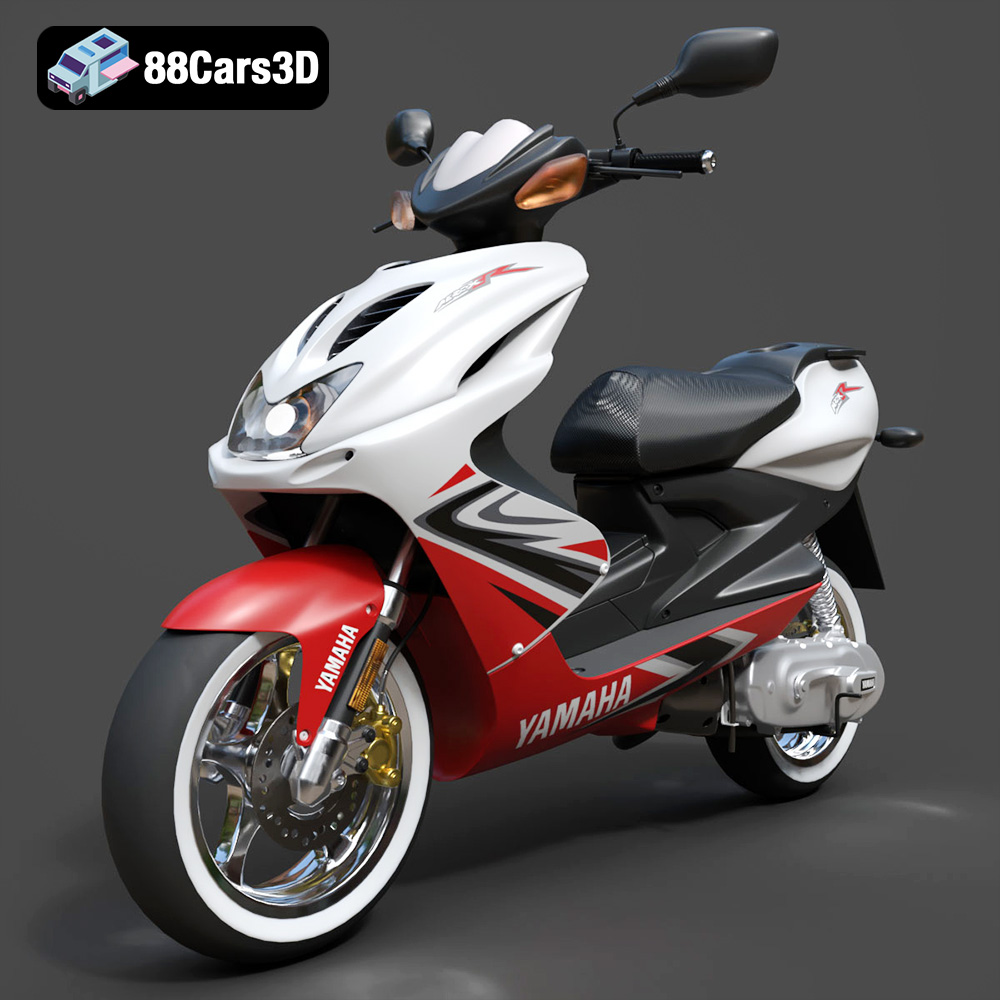
Yamaha Aerox R-002 2024 3D Model
Texture: Yes
Material: Yes
Download the Yamaha Aerox R-002 2024 3D Model featuring clean geometry, realistic detailing, and a fully modeled interior. Includes .blend, .fbx, .obj, .glb, .stl, .ply, .unreal, and .max formats for rendering, simulation, and game development.
Price: $19.99
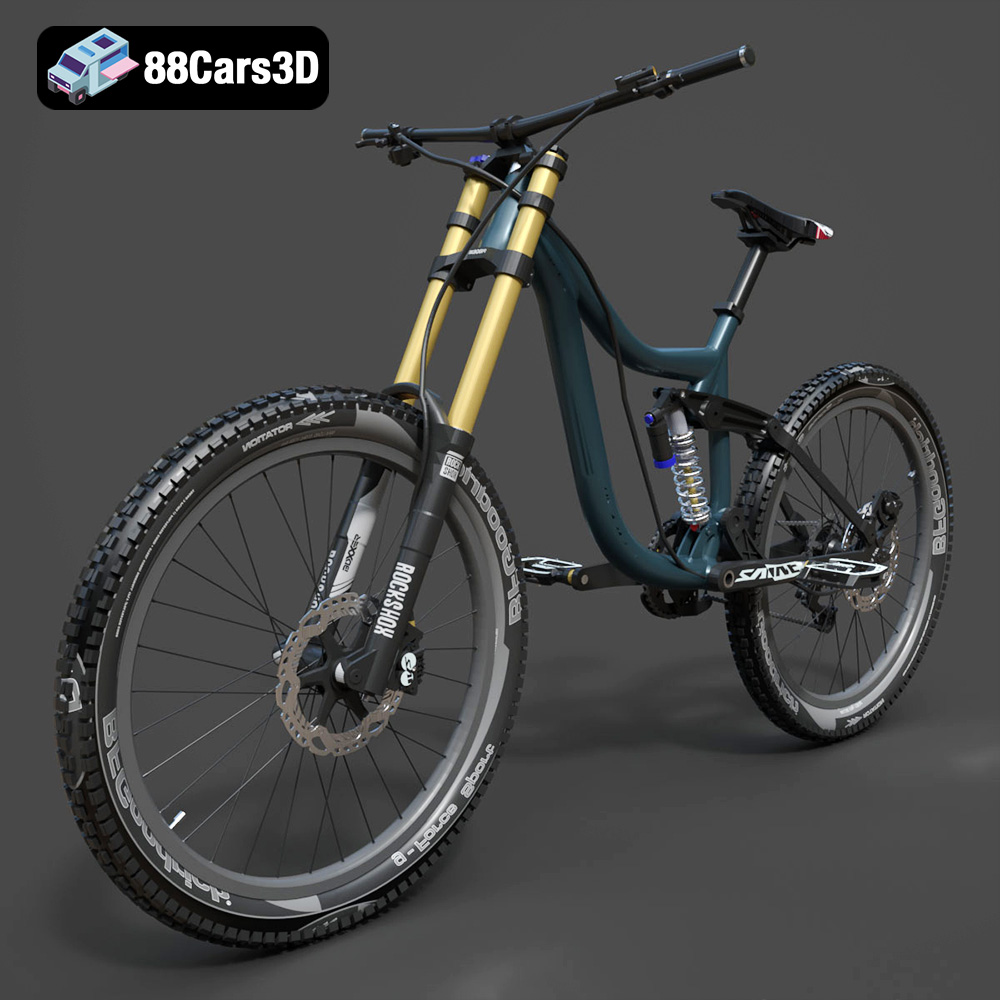
Mototsikly Downhill Bike-002 3D Model
Texture: Yes
Material: Yes
Download the Mototsikly Downhill Bike-002 3D Model featuring clean geometry, realistic detailing, and precise mechanical components. Includes .blend, .fbx, .obj, .glb, .stl, .ply, .unreal, and .max formats for rendering, simulation, and game development.
Price: $19.99
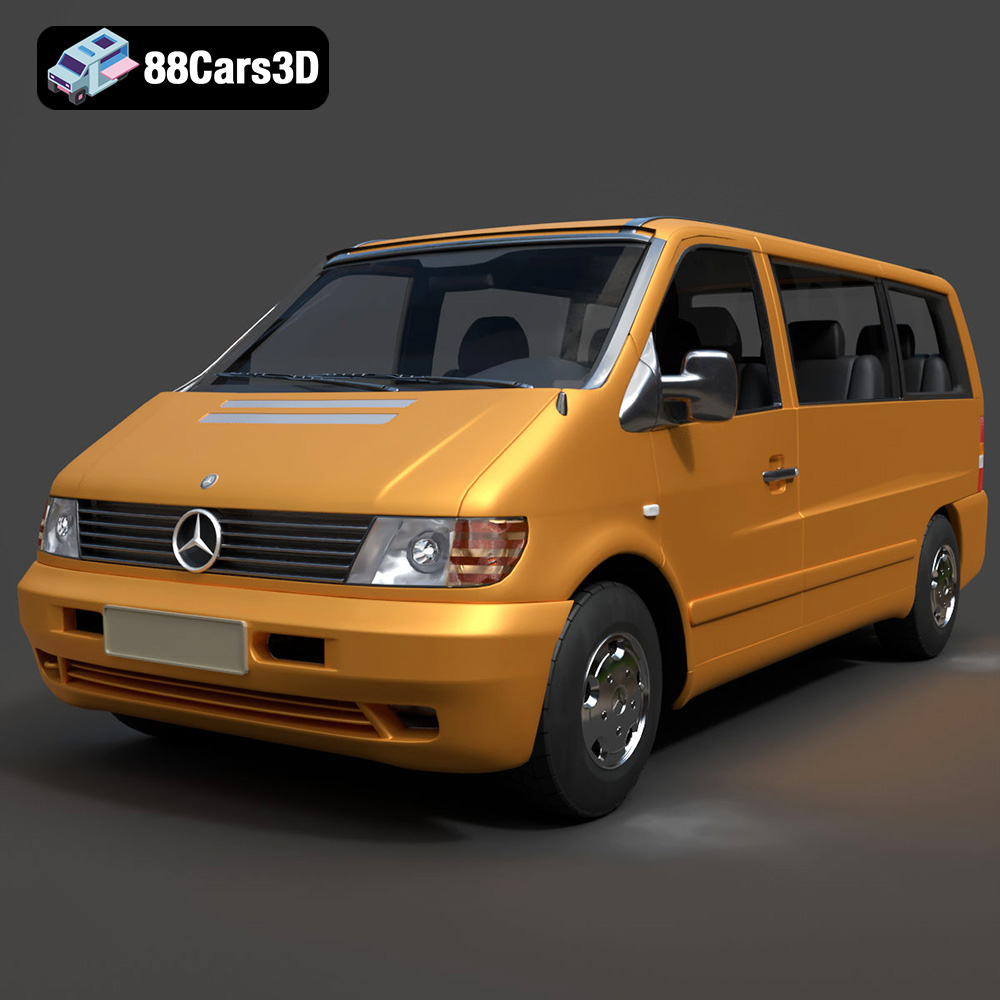
Mercedes-Benz Vito Passenger Van 3D Model
Texture: Yes
Material: Yes
Download the Mercedes-Benz Vito Passenger Van 3D Model featuring clean geometry, realistic detailing, and a fully modeled interior. Includes .blend, .fbx, .obj, .glb, .stl, .ply, .unreal, and .max formats for rendering, simulation, and game development.
Price: $19.99
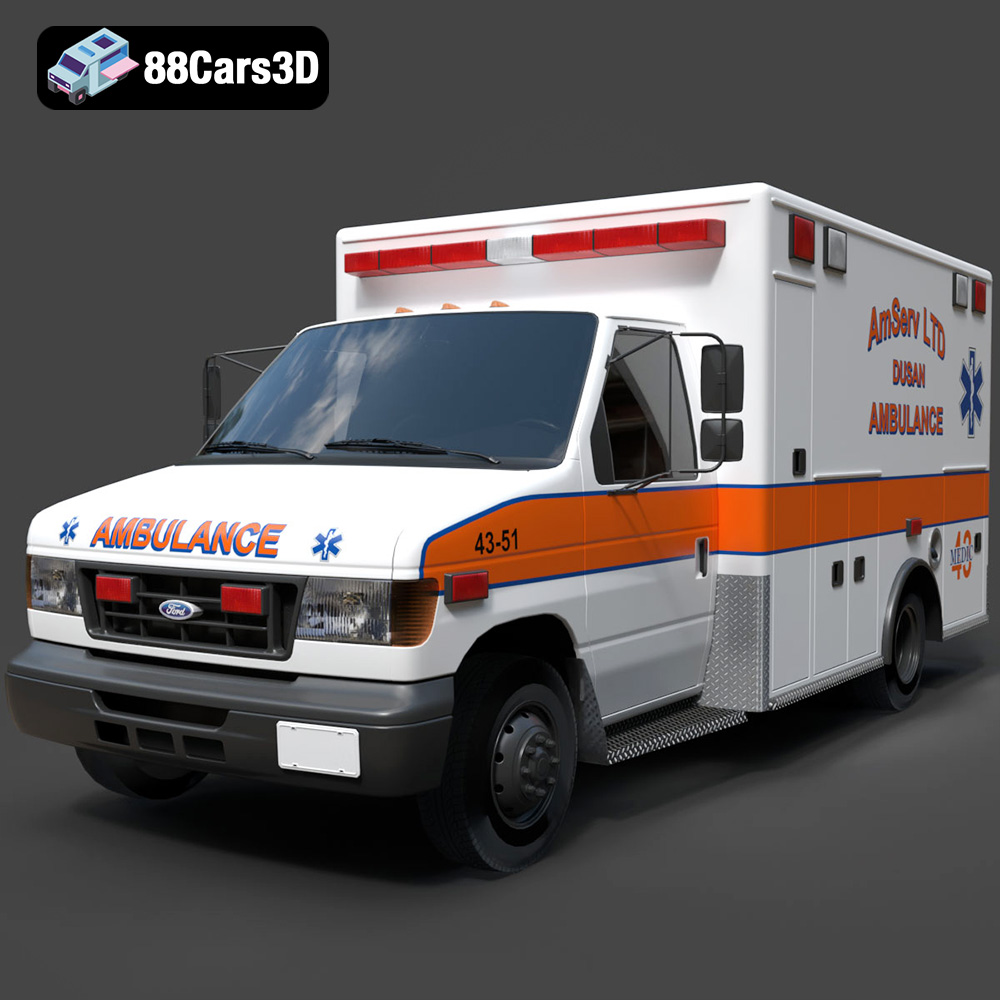
Ford Ambulance AmServ LTD Dusan-002 3D Model
Texture: Yes
Material: Yes
Download the Ford Ambulance AmServ LTD Dusan-002 3D Model featuring a high-detail exterior and interior, realistic textures, and emergency lighting. Includes .blend, .fbx, .obj, .glb, .stl, .ply, .unreal, and .max formats for rendering, simulation, and game development.
Price: $19.99
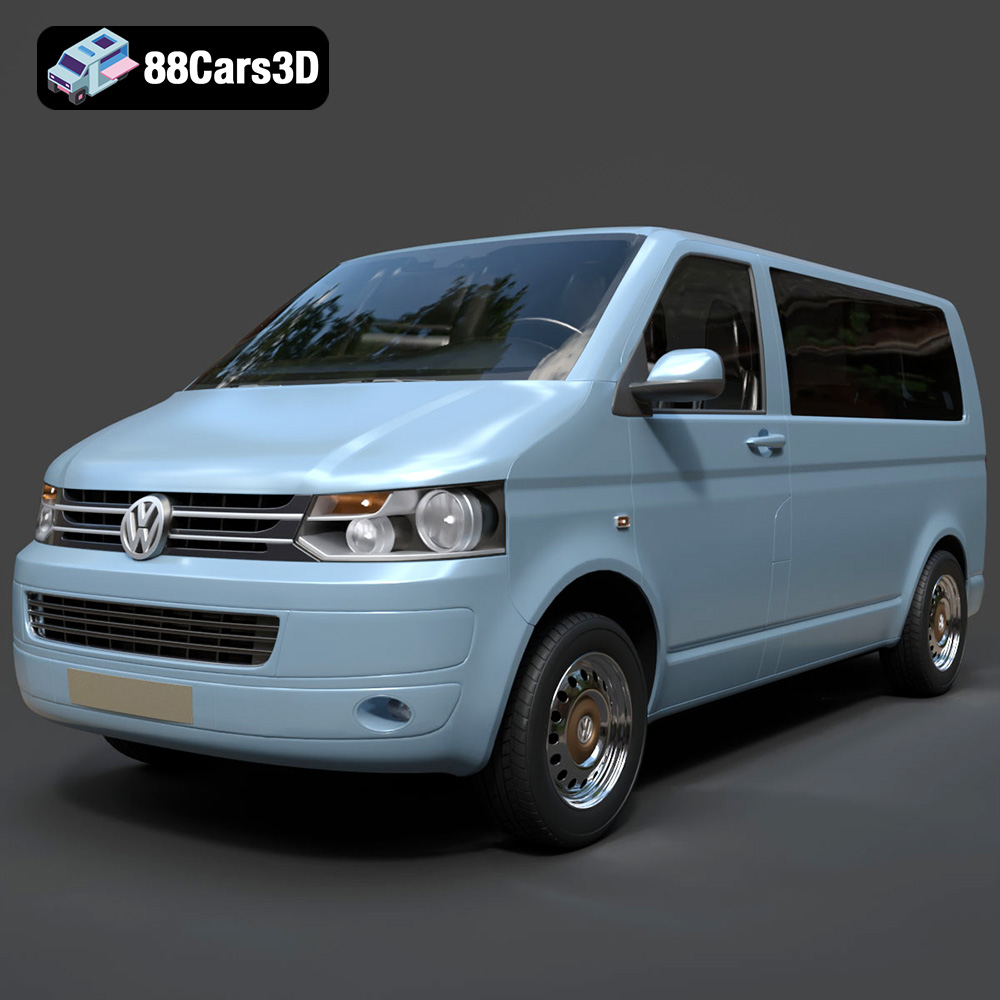
Volkswagen Transporter T5 FL 2010 3D Model
Texture: Yes
Material: Yes
Download the Volkswagen Transporter T5 FL 2010 3D Model featuring clean geometry, realistic detailing, and a fully modeled interior. Includes .blend, .fbx, .obj, .glb, .stl, .ply, .unreal, and .max formats for rendering, simulation, and game development.
Price: $22.99
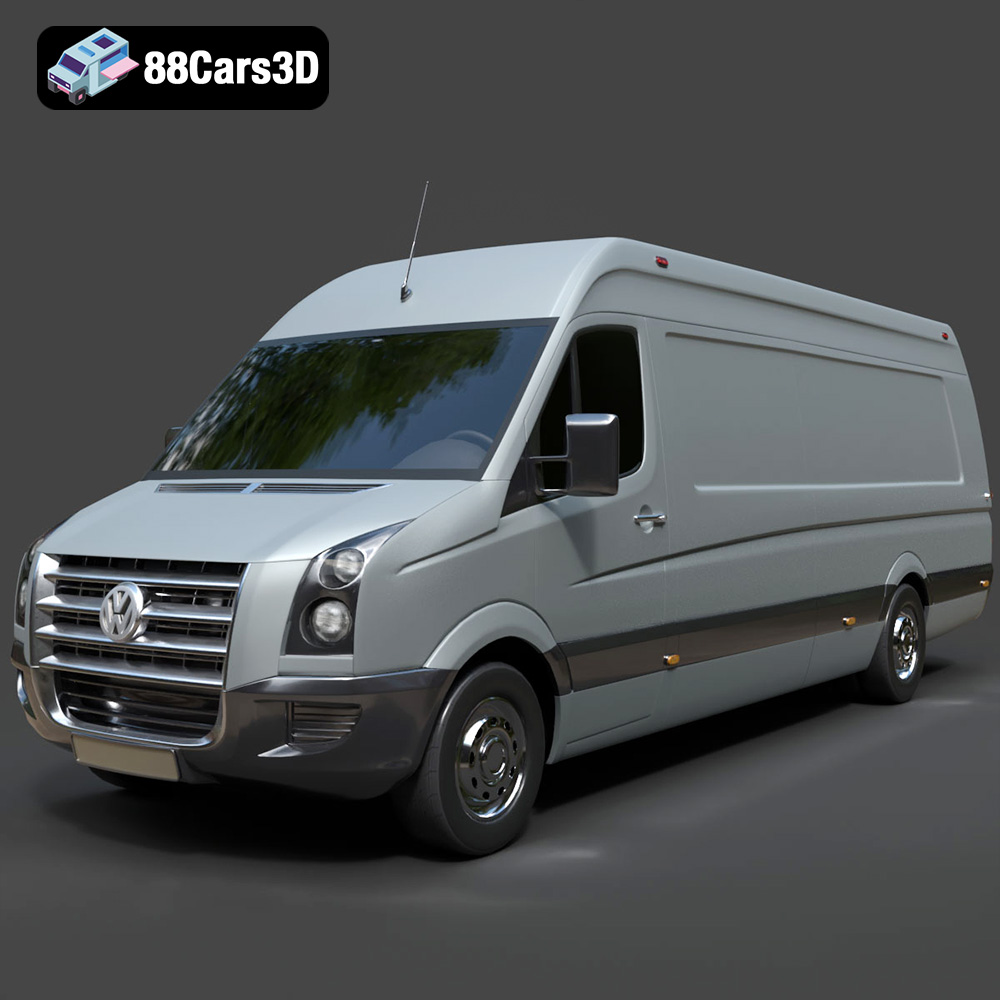
Volkswagen Crafter 2020 3D Model
Texture: Yes
Material: Yes
Download the Volkswagen Crafter 2020 3D Model featuring clean geometry, realistic detailing, and a fully modeled interior. Includes .blend, .fbx, .obj, .glb, .stl, .ply, .unreal, and .max formats for rendering, simulation, and game development.
Price: $22.99
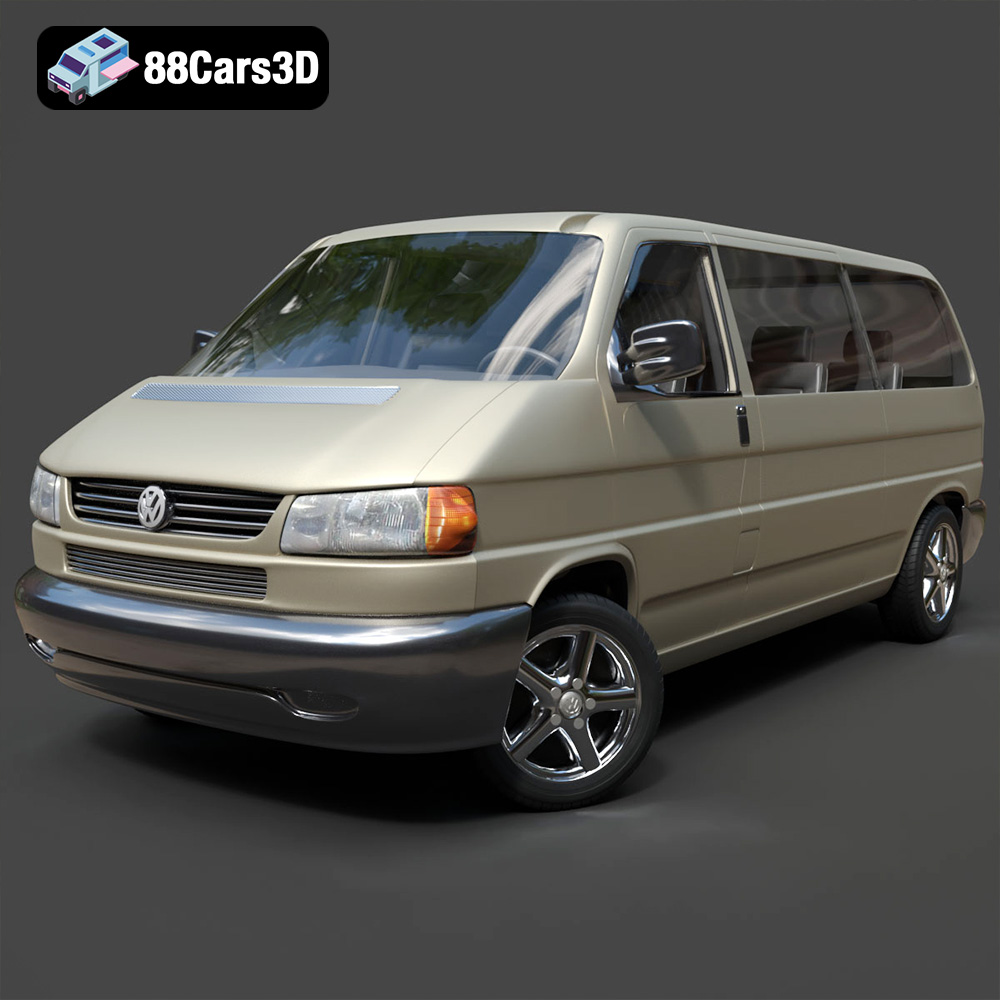
Volkswagen Caravelle 2020 3D Model
Texture: Yes
Material: Yes
Download the Volkswagen Caravelle 3D Model featuring a detailed exterior, functional interior, and optimized topology. Includes .blend, .fbx, .obj, .glb, .stl, .ply, .unreal, and .max formats for rendering, simulation, and game development.
Price: $23.99
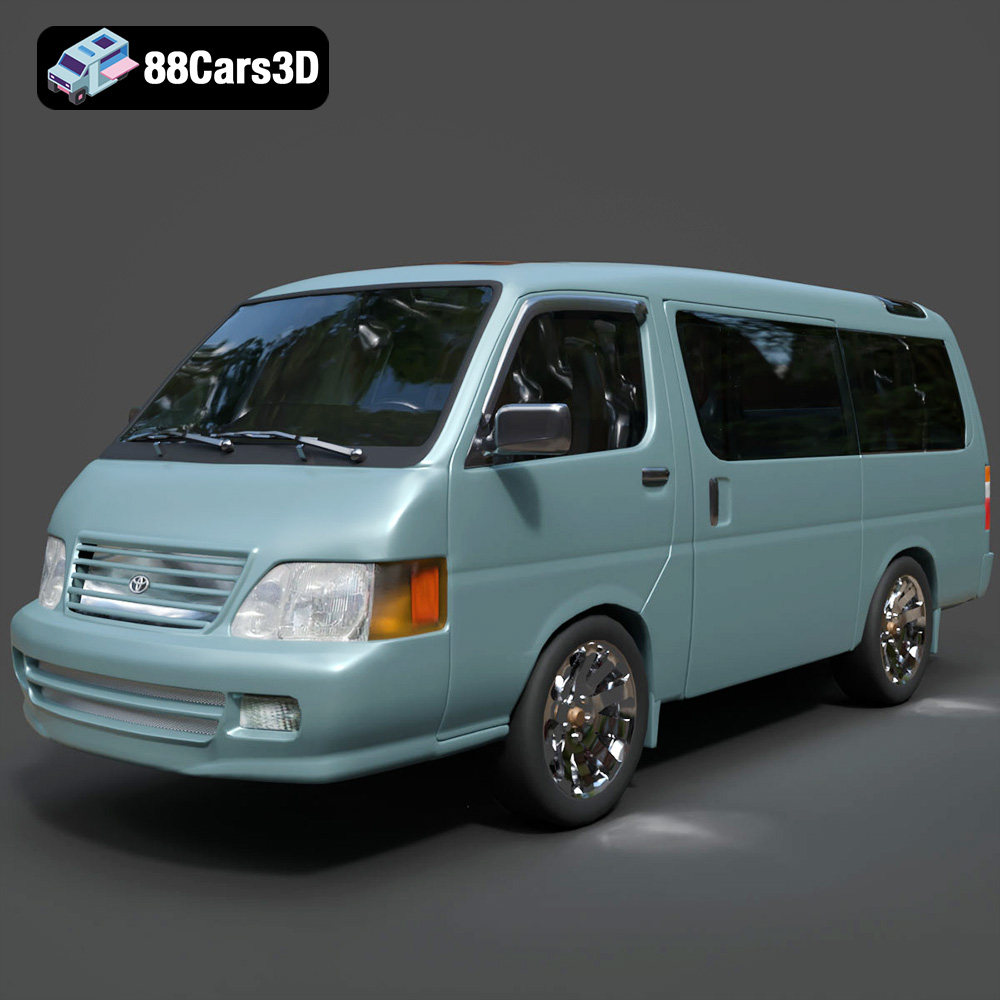
Toyota Hiace 3D Model
Texture: Yes
Material: Yes
Download the Toyota Hiace 3D Model featuring versatile design and detailed exterior. Includes .blend, .fbx, .obj, .glb, .stl, .ply, .unreal, and .max formats for rendering, simulation, and game development.
Price: $21.99
