

The automotive industry thrives on innovation, not just in engineering, but also in how products are presented. Gone are the days when static images and pre-rendered videos were enough to capture an audience’s imagination. Today, prospective buyers, designers, and enthusiasts demand immersive, interactive experiences that allow them to explore vehicles with unprecedented freedom and fidelity. This is where Unreal Engine steps in, transforming the way we visualize and interact with 3D car models.
Unreal Engine, with its powerful real-time rendering capabilities, sophisticated material system, and intuitive visual scripting, offers an unparalleled platform for creating cutting-edge interactive product demos. From showcasing intricate design details to simulating real-world driving conditions or enabling full customization in a virtual configurator, Unreal Engine unlocks a new dimension of automotive visualization. For 3D artists, game developers, and visualization professionals, mastering these tools means staying ahead in a highly competitive market.
In this comprehensive guide, we’ll delve deep into the technical workflows for building stunning, interactive automotive demos using Unreal Engine. We’ll cover everything from project setup and optimizing high-quality 3D car models – like those found on platforms such as 88cars3d.com – to crafting photorealistic PBR materials, dynamic lighting with Lumen, and empowering interactivity with Blueprint visual scripting. Prepare to learn best practices for performance optimization, cinematic storytelling, and even extending your projects into virtual production and AR/VR. By the end of this article, you’ll have a robust understanding of how to leverage Unreal Engine to create captivating automotive experiences that truly resonate.
Setting Up Your Unreal Engine Project & Importing High-Quality Car Models
The foundation of any successful interactive product demo in Unreal Engine begins with proper project setup and the efficient import of high-fidelity 3D assets. A well-configured project ensures optimal performance and visual quality from the outset, while cleanly imported models provide the canvas for your creative vision. When sourcing automotive assets, remember that platforms like 88cars3d.com offer meticulously crafted 3D car models, pre-optimized for Unreal Engine workflows, which can significantly accelerate your development process and enhance realism.
To begin, launch Unreal Engine and select the “Games” or “Film, Television & Live Events” template, as these often come with relevant starter content and project settings. While “Games” provides a good base for interactivity, “Film, Television & Live Events” might offer more advanced post-processing and cinematic tools out of the box, suitable for high-end visualization. Ensure you select the “Blueprint” project type, enable “Ray Tracing” (if your hardware supports it for future visual enhancements), and choose “No Starter Content” to keep your project clean. Save your project in a sensible location with a descriptive name.
Project Configuration for Automotive Visualization
Once your project is created, several key settings need attention. Navigate to Edit > Project Settings. Under the Engine > Rendering section, verify that “Global Illumination” is set to “Lumen” and “Reflection Method” is also set to “Lumen.” These are critical for achieving dynamic, real-time global illumination and reflections, which are paramount for realistic car visualization. Consider enabling “Hardware Ray Tracing” if you have an RTX-capable GPU, as this significantly boosts visual fidelity for reflections, shadows, and ambient occlusion, especially for highly reflective surfaces like car paint. Additionally, check the “Post Processing” settings to ensure “Exposure” is handled correctly, often by switching from auto-exposure to manual control for consistent lighting. For optimal performance, ensure “r.ScreenPercentage” is set to 100 in your Console Variables.
Seamless Asset Import and Initial Optimization
Importing your 3D car model is a crucial step. High-quality models, like those from 88cars3d.com, are typically provided in formats such as FBX or USD. For FBX, drag and drop the file directly into your Content Browser or use Import > Import Content. In the FBX Import Options window, pay close attention to several settings:
- Static Mesh settings: Ensure “Combine Meshes” is unchecked if you want to animate individual parts (doors, wheels) or apply unique materials to components. However, for a single, un-animated car body, combining meshes can reduce draw calls.
- Normal Import Method: Set to “Import Normals” or “Import Normals and Tangents.”
- Material Import Method: Choose “Create New Materials” initially, but expect to re-create or heavily modify these for PBR accuracy.
- Nanite: For high-polygon models (e.g., 500,000+ triangles), enable “Build Nanite.” Nanite virtualized geometry allows you to import and render incredibly detailed meshes with millions of polygons without a significant performance hit. It dynamically streams and culls geometric data, making it ideal for the intricate details of automotive models, ensuring stunning fidelity even up close. For more details on Nanite, refer to the official Unreal Engine documentation at dev.epicgames.com/community/unreal-engine/learning.
Once imported, immediately check the scale and pivot point of your model. A common issue is incorrect scaling, making your car appear tiny or gigantic. Use the “Scale” property in the Static Mesh Editor to adjust if necessary. For the pivot, ensure it’s at the center bottom of your car for easy placement and manipulation within the world. If it’s off, use modeling software to correct it or adjust it within Unreal Engine using the Pivot Tool (right-click on object > Pivot > Set Pivot Offset).
Crafting Realistic PBR Materials for Automotive Excellence
The visual quality of your interactive demo hinges heavily on the realism of your materials. Physically Based Rendering (PBR) is the industry standard for achieving photorealistic results, accurately simulating how light interacts with surfaces. In Unreal Engine, mastering the Material Editor is key to transforming generic imported materials into stunning automotive finishes, from lustrous metallic paints to intricate leather interiors.
A car’s appearance is defined by a multitude of materials, each requiring specific PBR parameters. The challenge lies in accurately representing these diverse surfaces while maintaining performance. High-quality 3D car models from marketplaces like 88cars3d.com often come with pre-assigned material IDs and UVs, providing an excellent starting point for applying your custom PBR materials.
Understanding the PBR Workflow in Unreal Engine
Unreal Engine’s Material Editor utilizes a Metallic/Roughness PBR workflow. This means each material primarily relies on a set of texture maps to define its properties:
- Base Color (Albedo): Defines the diffuse color of the surface. For non-metallic surfaces, this is the color you see. For metallic surfaces, it contributes to the color of the reflection.
- Normal Map: Adds high-frequency surface detail (bumps, grooves) without increasing polygon count. It fakes surface imperfections, crucial for realistic car paint orange peel, tire treads, or fabric textures.
- Metallic Map: A grayscale map where white (1) represents a fully metallic surface (like polished chrome or car body panels) and black (0) represents a dielectric (non-metallic) surface (like plastic, rubber, glass).
- Roughness Map: A grayscale map defining how rough or smooth a surface is. Black (0) is perfectly smooth and highly reflective (like polished glass), while white (1) is completely rough and scatters light diffusely (like matte rubber). This is vital for differentiating between glossy clear coat and matte interior plastics.
- Ambient Occlusion (AO) Map: Simulates soft shadows where light is occluded, adding depth and realism to crevices and corners. While Lumen handles global AO, a baked AO map can enhance detail, especially for smaller occlusions.
When creating materials, always strive for texture resolutions appropriate for the detail level and proximity to the camera. For car body panels, 4K or even 8K textures might be necessary, while interior components further away could use 2K or 1K to optimize memory and performance. For deeper dives into PBR best practices, consult the official Unreal Engine documentation on materials.
Advanced Material Layering for Car Paint & Interiors
Achieving realistic car paint is one of the most challenging aspects of automotive visualization. It’s not just a simple metallic material; it often involves multiple layers:
- Base Coat: The primary color, often metallic, controlled by Base Color and Metallic maps.
- Flake Layer: For metallic paints, a subtle normal map combined with a very small tiling texture can simulate metallic flakes shimmering under light. This can be blended using a Lerp node based on camera angle or other parameters.
- Clear Coat: This is a crucial layer, simulated by adding a second set of specular and roughness parameters in the material. Unreal Engine’s ‘Clear Coat’ material model (available by changing the Material’s Blend Mode to ‘Clear Coat’ or using a custom node) is perfect for this, providing realistic reflections and glossiness on top of the base paint. This allows for realistic ‘orange peel’ effects by inputting a high-frequency normal map into the Clear Coat Normal pin.
For interiors, the complexity comes from the variety of materials: leather, fabric, carbon fiber, soft-touch plastics, and polished trim. Each requires unique PBR maps. For instance, leather needs a detailed normal map to show its grain and varying roughness to simulate worn areas. Carbon fiber requires intricate normal and metallic maps to capture its woven pattern and anisotropic reflections. Utilize material functions to create reusable material components (e.g., a “Leather_MF” or “CarbonFiber_MF”) that can be easily applied and adjusted across multiple materials, streamlining your workflow and ensuring consistency. Parameterization is key here, allowing you to create Material Instances to quickly tweak colors, roughness, or normal map intensity without recompiling the master material.
Illuminating Your Vehicle: Dynamic Lighting with Lumen & Traditional Methods
Lighting is the single most critical factor in achieving photorealism and effectively showcasing your 3D car model. Incorrect lighting can make even the most detailed model look flat and unconvincing. Unreal Engine offers a robust and flexible lighting system, with Lumen now leading the charge for dynamic, real-time global illumination. Combining Lumen with strategic traditional lighting methods and High Dynamic Range Image (HDRI) environments is the recipe for breathtaking automotive visualization.
The goal of automotive lighting is to highlight the car’s form, contours, and material properties while creating an appealing mood. This often involves a blend of direct and indirect light, mimicking studio setups or natural outdoor conditions. With Unreal Engine 5’s advancements, achieving this has become more intuitive and performant than ever before.
Harnessing Lumen for Real-time Global Illumination
Lumen is Unreal Engine 5’s fully dynamic global illumination and reflections system, designed to eliminate the need for pre-baked lighting. For interactive car demos, Lumen is a game-changer because it allows real-time changes to lighting, materials, and geometry to instantly propagate across the scene, creating incredibly realistic indirect lighting and reflections. This means you can change the car’s color, open doors, or even move light sources, and the scene will react dynamically, a crucial feature for configurators and interactive experiences.
To ensure Lumen is active, verify its settings in Project Settings > Engine > Rendering > Global Illumination and Reflections. Lumen works by tracing rays within the scene to simulate light bouncing off surfaces. For optimal results, ensure your models are sufficiently dense or utilize Nanite, as Lumen leverages these for its calculations. Important considerations for Lumen:
- Performance: While highly optimized, Lumen is computationally intensive. Monitor your frame rate using the ‘stat fps’ command. You can adjust Lumen’s quality settings in the Post Process Volume (e.g., Lumen Global Illumination Quality, Lumen Reflections Quality) to balance visual fidelity with performance.
- Geometry Details: For small details that might be missed by Lumen’s default resolution, consider using Screen Space Global Illumination or baked AO maps as supplementary details.
- Material Emissiveness: Materials with emissive properties will contribute to Lumen’s indirect lighting, allowing you to create realistic light sources within your scene.
For in-depth understanding and troubleshooting, the official Unreal Engine documentation on Lumen is an invaluable resource (dev.epicgames.com/community/unreal-engine/learning).
Strategic Light Placement & HDRI Environments
Even with Lumen, direct light sources are essential. A combination of traditional lights and HDRI environments creates a comprehensive lighting solution:
- Directional Light: Represents sunlight or a powerful key light. Adjust its angle to sculpt the car’s form and cast sharp, realistic shadows. Ensure “Cast Shadows” and “Affects World” are enabled.
- Sky Light: Captures the distant parts of your environment and applies it as ambient lighting, crucial for mimicking the sky or a studio’s light box. Use it in conjunction with an HDRI Cubemap. Simply drag an HDRI texture (e.g., a .HDR file) into your Content Browser, then assign it to the Sky Light’s “Cubemap” slot. This provides realistic reflections and ambient light color from your environment.
- Spot Lights & Point Lights: Use these sparingly for accentuating specific features (e.g., headlights, interior details) or creating fill light to reduce harsh shadows. Set “Source Radius” and “Source Length” to achieve softer shadows.
- Post Process Volume: This is where you fine-tune the overall look. Adjust settings like Exposure, White Balance, Bloom, Vignette, and Color Grading to achieve the desired mood and visual style. For reflections, ensure Screen Space Reflections are enabled for additional detail beyond Lumen’s capabilities, especially for immediate foreground reflections.
When placing lights, think like a photographer in a studio. Use a three-point lighting setup (key, fill, back) as a starting point, then experiment. For highly reflective surfaces like car paint, the environment reflected in the paint is just as important as the direct illumination. A well-chosen HDRI that accurately represents your desired environment (e.g., a studio with softboxes or an outdoor scene) will dramatically enhance realism. Remember to build reflections captures (if not using Lumen for everything) to ensure static reflections are up-to-date.
Empowering Interaction: Blueprint Scripting for Dynamic Demos
What truly sets an interactive product demo apart from a mere render is its ability to respond to user input. Unreal Engine’s Blueprint visual scripting system is a powerful, node-based interface that allows artists and designers to create complex gameplay and interactive logic without writing a single line of code. For automotive visualization, Blueprint is the backbone of features like color configurators, animated components, and immersive camera controls.
Blueprint empowers you to bring your static 3D car model to life, transforming it into a dynamic, customizable experience. Whether you’re building a virtual showroom, a training simulation, or an advertising tool, interactivity is key to engagement and information retention.
Building an Interactive Car Configurator
A car configurator is an excellent example of Blueprint’s power. It allows users to change materials, colors, and even swap out components in real-time. Here’s a common workflow:
- Parameterize Materials: For each material you want to change (e.g., car paint, seat leather, wheel finish), open its Master Material in the Material Editor. Convert properties like Base Color, Roughness, Metallic, and Normal Map textures into “Parameters” (right-click on a node > Convert to Parameter). This allows you to create Material Instances that can be modified at runtime without recompiling the master material.
- Create Material Instances: For each color or texture option (e.g., “Red Paint,” “Blue Paint,” “Black Leather”), create a Material Instance Constant from your parameterized Master Material. Adjust the parameters for each instance.
- Blueprint Logic: Create an Actor Blueprint (e.g., “BP_CarConfigurator”). Inside this Blueprint, you’ll need references to the car’s mesh components whose materials you want to change (e.g., “CarBody,” “Seats,” “Wheels”).
- UI Integration: Design a simple UI using Unreal Engine’s UMG (Unreal Motion Graphics) Widgets. Create buttons for each color or component option.
- Event Handling: In the Widget Blueprint, when a button is clicked (e.g., “OnClicked” event), cast to your “BP_CarConfigurator” and call a custom event or function. This function will take the desired Material Instance as an input.
- Apply Material: In the “BP_CarConfigurator,” use the “Set Material” node (or “Set Material by Name” for specific slots) on the relevant mesh component, assigning the chosen Material Instance.
- Component Swaps: For changing wheels or other accessories, you can use “Set Static Mesh” nodes. Create an array of Static Mesh references (e.g., “WheelOptions”) and use an index to swap them out.
This systematic approach using parameterized materials and Blueprint logic allows for scalable and easy-to-manage configurator functionality. For advanced control over vehicle physics for features like engine sounds or simple driving, consider integrating Unreal Engine’s Chaos Physics system. Refer to the official Unreal Engine documentation for detailed tutorials on Blueprint fundamentals and UMG widget creation.
Implementing Camera Controls & Environment Interactions
Beyond material changes, robust camera controls and environment interactions greatly enhance the user experience:
- Orbit Camera: A common and highly effective control. This involves attaching the camera to a Spring Arm Component, which then orbits around a target (your car model). Use “Add Controller Yaw Input” and “Add Controller Pitch Input” nodes in your Player Controller or Pawn Blueprint, driven by mouse input, to rotate the Spring Arm. Zoom functionality can be achieved by adjusting the Spring Arm’s “Target Arm Length.”
- Free Look Camera: For interior exploration, a traditional first-person camera is useful. Use “Add Movement Input” nodes for WASD controls and “Add Controller Yaw/Pitch Input” for mouse look, much like a standard FPS game. Transitioning between orbit and free-look cameras can be handled by possessing different camera Actors or setting blend targets.
- Door/Hood Animation: Use the “Timeline” node in Blueprint. Create a new Timeline, add a Float track, and define keyframes to represent the open and close states (0 to 1 over a few seconds). On a button press, trigger “Play” or “Reverse” on the Timeline. Use the Timeline’s “Update” pin to drive a “Set Relative Rotation” or “Set Relative Location” node on the door/hood mesh component, smoothly animating its movement based on the Timeline’s output.
- Interactive Hotspots: Place invisible trigger boxes (Box Collision Components) around specific car features (e.g., headlight, engine). When the player character or camera overlaps (On Component Begin Overlap event), display UI hints or automatically adjust the camera to focus on that feature, providing detailed information about it.
By combining these Blueprint techniques, you can craft a truly immersive and educational interactive demo, allowing users to explore every facet of your high-quality 3D car model from 88cars3d.com with unparalleled realism and flexibility.
Optimizing Performance for Seamless Real-time Experiences
Creating visually stunning automotive demos in Unreal Engine is only half the battle; ensuring they run smoothly across various hardware and platforms is equally critical. Performance optimization is an ongoing process throughout development, focusing on minimizing render time, memory usage, and CPU load. A poorly optimized demo, no matter how beautiful, will frustrate users and undermine the experience.
The key to seamless real-time experiences lies in a holistic approach, leveraging Unreal Engine’s built-in optimization tools and adhering to industry best practices. This is especially true for demanding scenarios like AR/VR, where maintaining high frame rates is paramount to user comfort and immersion.
Strategic Use of Nanite, LODs, and Texture Streaming
Unreal Engine provides powerful tools to manage complexity and boost performance:
- Nanite Virtualized Geometry: As discussed, Nanite is revolutionary for high-fidelity assets. It dynamically streams and culls geometric detail based on screen size, allowing millions of polygons to be rendered efficiently. For a 3D car model, ensure Nanite is enabled for all high-poly components (car body, detailed engine parts, complex wheel designs). It effectively eliminates the need for manual Level of Detail (LODs) for static meshes, significantly reducing development time while maintaining visual integrity, even up close. While Nanite is incredible, remember it’s primarily for static meshes. For animated components (doors, wheels, characters), traditional LODs are still necessary.
- Traditional LODs (Level of Detail): For meshes that are not Nanite-enabled (e.g., smaller props, skeletal meshes, or if targeting platforms that don’t support Nanite), carefully managed LODs are essential. Unreal Engine can automatically generate LODs (right-click Static Mesh > Create LODs), but manual refinement or import of custom LODs from your 3D modeling software is often best. Aim for significant polygon reductions at further distances (e.g., LOD0: full detail; LOD1: 50% reduction; LOD2: 75% reduction). Each LOD should maintain visual integrity while reducing vertex count.
- Texture Streaming: High-resolution textures are crucial for realism but can quickly consume VRAM. Unreal Engine’s texture streaming system dynamically loads and unloads mipmaps (lower-resolution versions of textures) based on distance and screen size. Ensure “Texture Streaming” is enabled in your Project Settings and that your textures have appropriate mipmap settings. Manually adjust “LOD Bias” on individual textures if certain assets appear blurry or sharp when they shouldn’t. Using texture atlases for smaller details can also reduce draw calls and improve streaming efficiency. Aim for texture resolutions that are powers of two (e.g., 512×512, 1024×1024, 2048×2048) for optimal performance.
Additionally, implement efficient occlusion culling (which Unreal Engine handles automatically with proper scene setup) and distance culling to prevent rendering objects that are not visible to the camera. Use the “r.VisualizeOccludedPrimitives 1” console command to see what’s being culled.
Packaging for Various Platforms: PC, Web, and AR/VR Considerations
Once your demo is optimized, packaging it for distribution requires careful consideration of the target platform:
- PC/Desktop: The most straightforward. Use File > Package Project > Windows (64-bit). Ensure your project settings are configured for a shipping build, which removes editor content and optimizes for runtime performance. Optimize build size by excluding unused plugins and content.
- Web (HTML5/Pixel Streaming): Unreal Engine can package projects for HTML5, though this is less common for high-fidelity automotive demos due to browser limitations. A more powerful option is Pixel Streaming. This allows your Unreal Engine application to run on a powerful server, and stream the rendered video output to a web browser or mobile device, with user input sent back to the engine. This is ideal for high-end configurators accessible via web, requiring robust server infrastructure but allowing virtually any client device to access the full Unreal Engine visual quality.
- AR/VR Optimization: This is arguably the most demanding platform. Maintaining a consistent frame rate (e.g., 90 FPS or 120 FPS per eye) is non-negotiable for comfort and immersion.
- Reduced Polygon Counts: Even with Nanite, aggressive poly-reduction may be needed for objects viewed from a distance, or for non-Nanite meshes.
- Lower Texture Resolutions: Compromise on some texture sizes.
- Simplified Lighting: Consider baking static lights where possible or simplifying Lumen settings. Ray Tracing can be incredibly expensive in VR; use it judiciously or avoid it.
- Forward Shading: For VR, enable “Forward Shading” in Project Settings > Rendering, as it can offer performance benefits over deferred rendering.
- Stereo Instancing: Ensure “Instanced Stereo” is enabled for VR, which renders both eyes in a single pass, improving performance.
- Foveated Rendering: Leverage platform-specific features like foveated rendering, which renders the center of the gaze at higher resolution and the periphery at lower resolution, saving GPU cycles.
- Mobile AR (e.g., iOS/Android with ARCore/ARKit): These require even stricter optimization. Use mobile-specific materials, lower polygon counts, and baked lighting where possible. Simplify post-processing effects.
Always profile your application using tools like Unreal Insights (Window > Developer Tools > Unreal Insights) to identify performance bottlenecks. This data-driven approach is crucial for pinpointing areas needing optimization, whether it’s CPU, GPU, or memory related.
Beyond the Demo: Cinematic Renders and Virtual Production Integration
While interactive product demos excel at user engagement, there are often scenarios where perfectly choreographed sequences or high-quality static renders are required. Unreal Engine’s capabilities extend far beyond real-time interactivity, offering a robust suite of tools for cinematic content creation and integration into cutting-edge virtual production workflows. Leveraging these features allows you to extract maximum value from your high-quality 3D car models.
From polished advertising spots to detailed feature breakdowns, Unreal Engine empowers creators to produce broadcast-quality media alongside their interactive experiences, all within the same ecosystem. This unified approach streamlines production and ensures visual consistency across different media outputs.
Crafting Stunning Cinematics with Sequencer
Sequencer is Unreal Engine’s multi-track editor for creating and editing cinematic sequences. It’s akin to traditional video editing software but operates directly within the 3D environment, offering unparalleled control over every aspect of your scene:
- Creating a Sequence: From the Content Browser, right-click > Animation > Level Sequence. Drag it into your level.
- Adding Actors: Drag your car, cameras, lights, and other actors from the Outliner directly into the Sequencer track list.
- Keyframing Transformations: Keyframe the location, rotation, and scale of your car to animate its movement or position. For example, you can animate a camera smoothly orbiting the car, or keyframe doors opening and closing using the same values from your Blueprint logic.
- Camera Animation: Create Cine Camera Actors for cinematic shots. In Sequencer, you can keyframe camera positions, focal length, aperture (for depth of field), and focus distance. Utilize the “Camera Rail” or “Camera Crane” features for complex, smooth camera movements.
- Material Parameter Tracks: Animate material parameters (e.g., changing car paint color over time, adjusting roughness for a transition effect) using the material parameter tracks in Sequencer, leveraging your parameterized PBR materials.
- Post-Process Volume Overrides: Keyframe parameters within a Post Process Volume (e.g., exposure, color grading, bloom intensity) to create dynamic visual shifts throughout your cinematic.
- Audio Tracks: Add sound effects (engine rumble, door close, background music) directly into Sequencer, synchronizing them with your visuals.
- Particle Effects (Niagara): If you have particle systems (e.g., dust, smoke, water spray) created with Niagara, you can add them to Sequencer and control their playback, ensuring they align perfectly with your shots.
Once your sequence is complete, you can render it out to high-quality image sequences (EXR, PNG) or video files (AVI, MP4) using the “Movie Render Queue” (Window > Cinematics > Movie Render Queue). This tool offers advanced features like temporal anti-aliasing, warm-up frames, and custom render passes for professional-grade output, ideal for advertisements or detailed product showcases. For more details on Sequencer, refer to the Unreal Engine documentation.
Exploring Virtual Production and LED Wall Workflows
Unreal Engine is at the forefront of virtual production, allowing real-time 3D environments to be seamlessly integrated with live-action filmmaking, often using large LED walls as dynamic backgrounds. This workflow offers unprecedented creative freedom and efficiency, eliminating the need for green screens and complex compositing in post-production. For automotive studios, this means:
- Dynamic Backdrops: Place your high-fidelity 3D car model from 88cars3d.com on a physical stage in front of an LED wall. The LED wall displays an Unreal Engine scene that reacts in real-time to camera movement, creating realistic parallax and reflections in the car’s surface.
- In-Camera VFX: The final composite is achieved directly in-camera. Lighting from the LED wall (simulating the virtual environment’s sky and ground) naturally illuminates the physical car, creating seamless integration.
- Rapid Iteration: Directors and designers can change environments, time of day, or lighting conditions instantly within Unreal Engine, seeing the results on the LED wall and in the camera feed in real-time.
- Extended Environments: For shots inside the car, the virtual environment can be rendered to match perspective, creating convincing “driving” scenes without leaving the studio.
Implementing virtual production involves integrating camera tracking systems (e.g., Mo-Sys, Stype, Ncam) with Unreal Engine via plugins (e.g., Live Link). This allows the virtual camera in Unreal to precisely mimic the movement of the physical camera, rendering the background from the correct perspective for the LED wall. This advanced workflow is transforming automotive marketing and filmmaking, offering a powerful way to create visually stunning content with maximum flexibility and efficiency.
Conclusion
The journey from a static 3D car model to a fully interactive, photorealistic product demo in Unreal Engine is a testament to the power and versatility of real-time technology. We’ve explored the essential steps, from meticulously setting up your project and importing high-quality assets to crafting stunning PBR materials and illuminating your scene with Lumen’s dynamic global illumination. We’ve delved into the transformative capabilities of Blueprint visual scripting for building interactive configurators and responsive camera controls, bringing your vehicle to life with user-driven experiences.
Crucially, we emphasized the importance of performance optimization through smart asset management, leveraging Nanite and LODs, and tailoring your project for various deployment platforms, including the demanding requirements of AR/VR. Finally, we touched upon extending your work beyond interactivity, utilizing Sequencer for cinematic storytelling and integrating your assets into cutting-edge virtual production workflows for truly immersive visual narratives.
Unreal Engine provides an incredibly robust toolkit for automotive visualization professionals, game developers, and 3D artists to push the boundaries of realism and engagement. By mastering these techniques, you’re not just creating demos; you’re crafting experiences that captivate, inform, and ultimately drive deeper connections with your audience. Remember that the quality of your foundational 3D assets is paramount. For designers looking to embark on these exciting projects, sourcing meticulously optimized 3D car models from trusted marketplaces like 88cars3d.com provides a solid, high-fidelity starting point, allowing you to focus on the creative and technical mastery within Unreal Engine. The future of automotive visualization is interactive, real-time, and within your reach.
Featured 3D Car Models
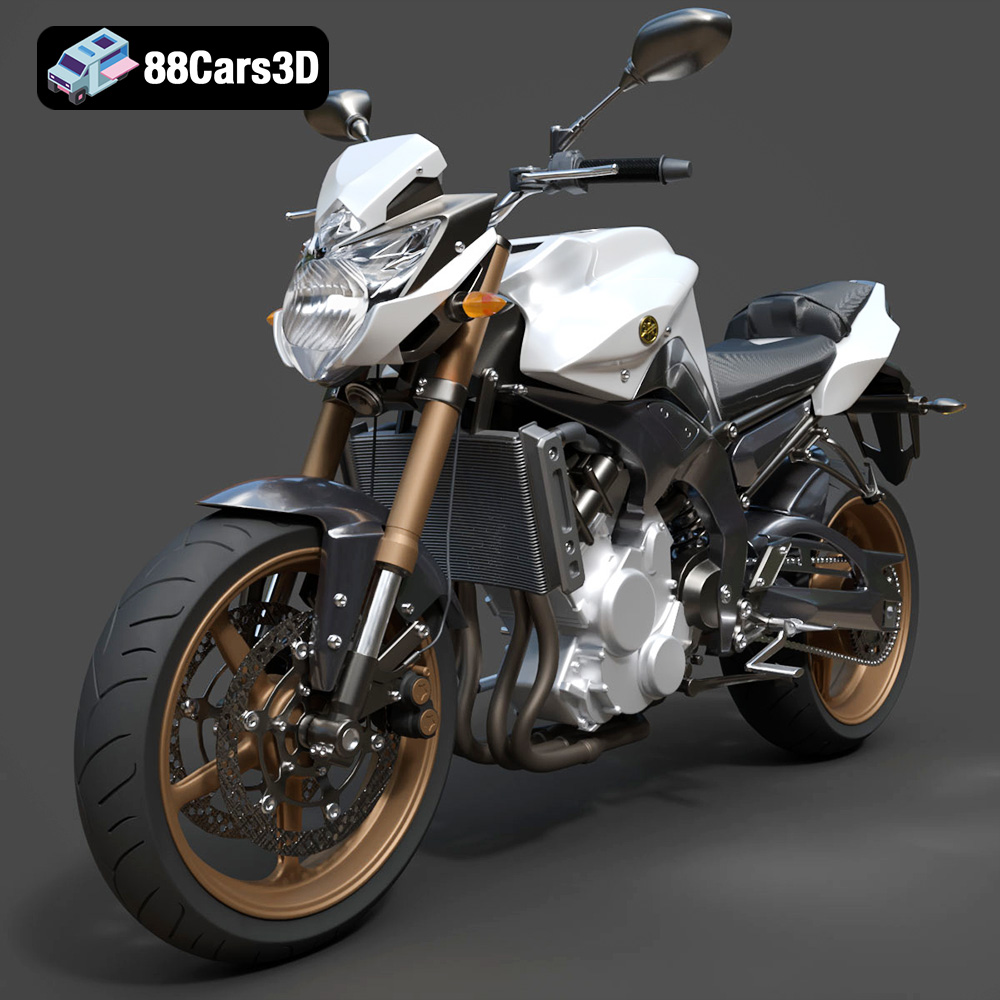
Yamaha FZ8 2011 3D Model
Texture: Yes
Material: Yes
Download the Yamaha FZ8 2011 3D Model featuring clean geometry, realistic detailing, and a fully modeled interior. Includes .blend, .fbx, .obj, .glb, .stl, .ply, .unreal, and .max formats for rendering, simulation, and game development.
Price: $19.99
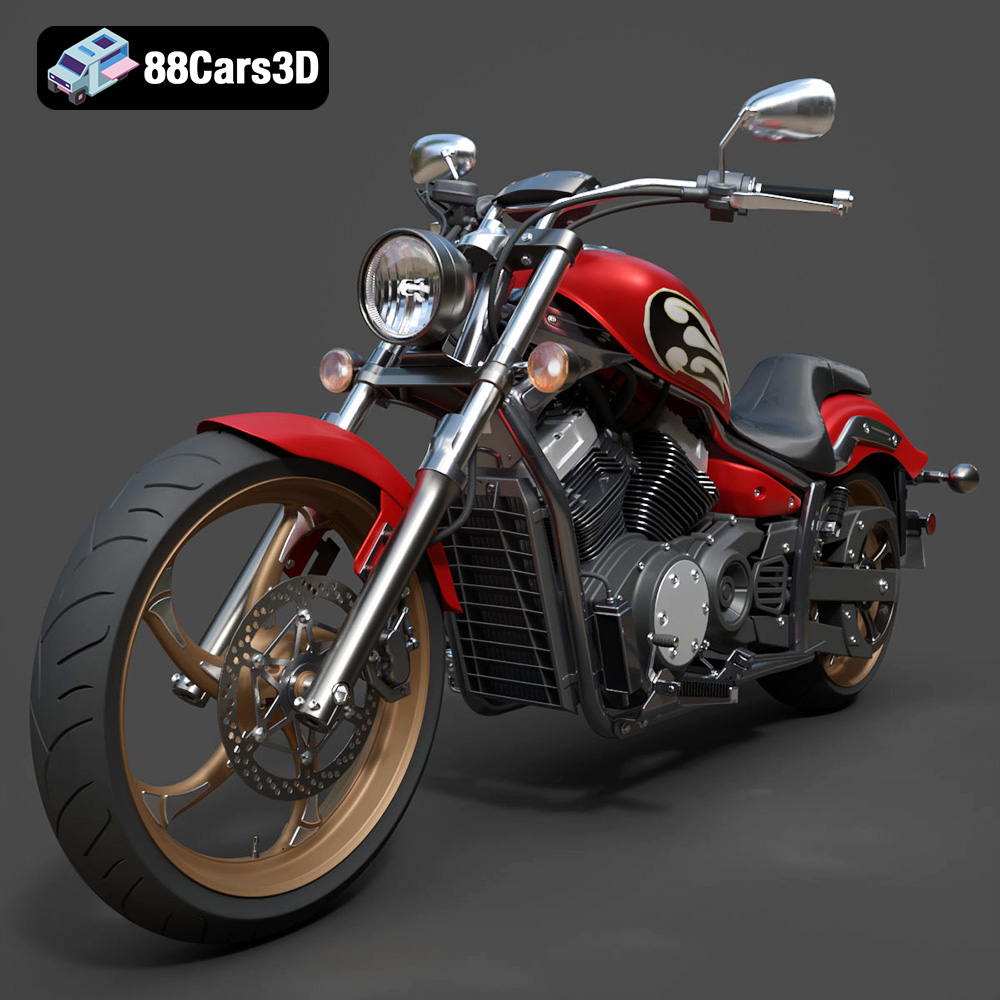
Yamaha Stryker 2012 3D Model
Texture: Yes
Material: Yes
Download the Yamaha Stryker 2012 3D Model featuring clean geometry, realistic detailing, and a fully modeled interior. Includes .blend, .fbx, .obj, .glb, .stl, .ply, .unreal, and .max formats for rendering, simulation, and game development.
Price: $19.99
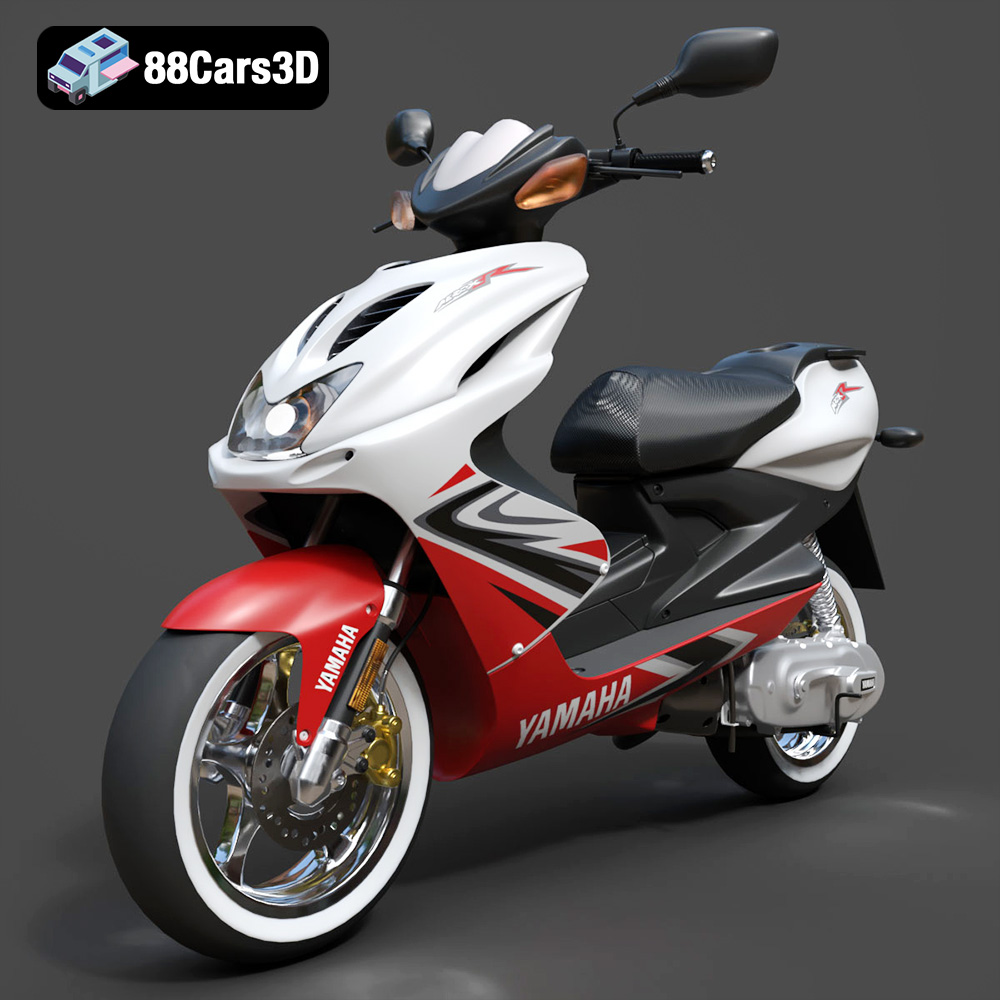
Yamaha Aerox R-002 2024 3D Model
Texture: Yes
Material: Yes
Download the Yamaha Aerox R-002 2024 3D Model featuring clean geometry, realistic detailing, and a fully modeled interior. Includes .blend, .fbx, .obj, .glb, .stl, .ply, .unreal, and .max formats for rendering, simulation, and game development.
Price: $19.99
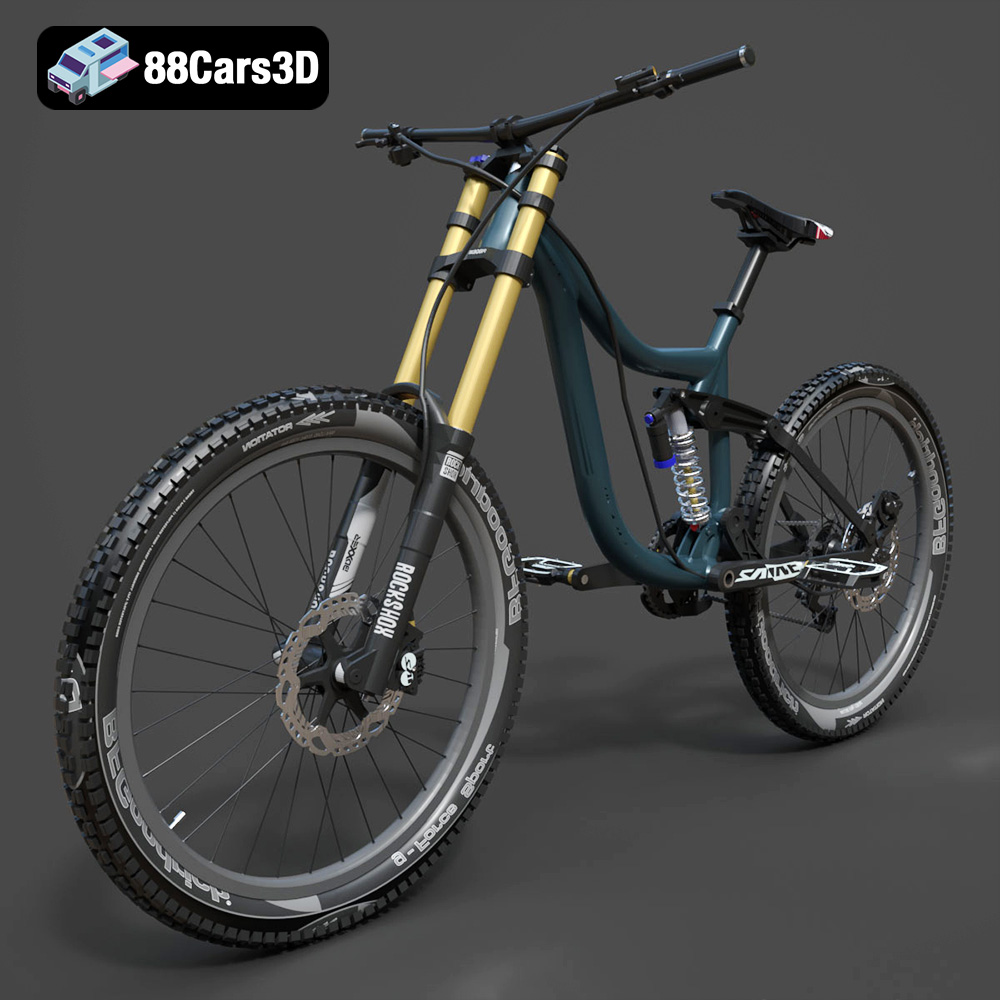
Mototsikly Downhill Bike-002 3D Model
Texture: Yes
Material: Yes
Download the Mototsikly Downhill Bike-002 3D Model featuring clean geometry, realistic detailing, and precise mechanical components. Includes .blend, .fbx, .obj, .glb, .stl, .ply, .unreal, and .max formats for rendering, simulation, and game development.
Price: $19.99
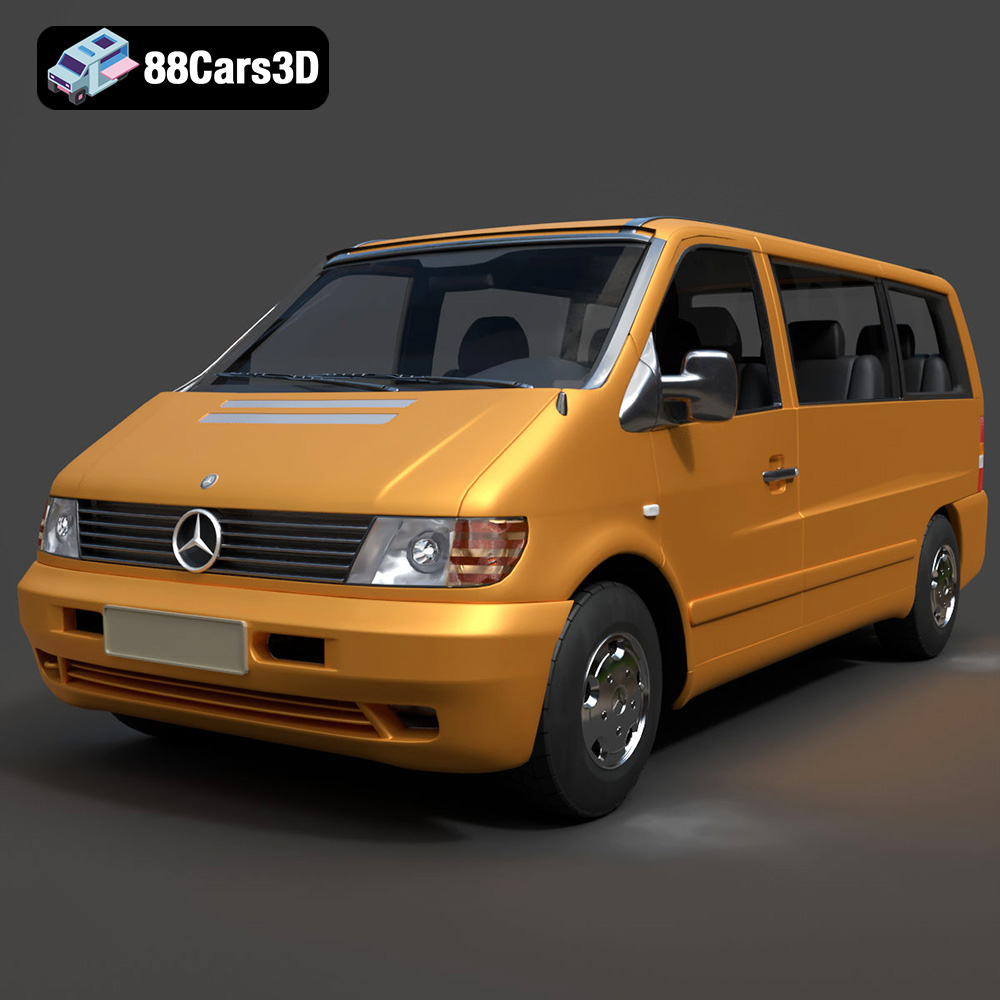
Mercedes-Benz Vito Passenger Van 3D Model
Texture: Yes
Material: Yes
Download the Mercedes-Benz Vito Passenger Van 3D Model featuring clean geometry, realistic detailing, and a fully modeled interior. Includes .blend, .fbx, .obj, .glb, .stl, .ply, .unreal, and .max formats for rendering, simulation, and game development.
Price: $19.99
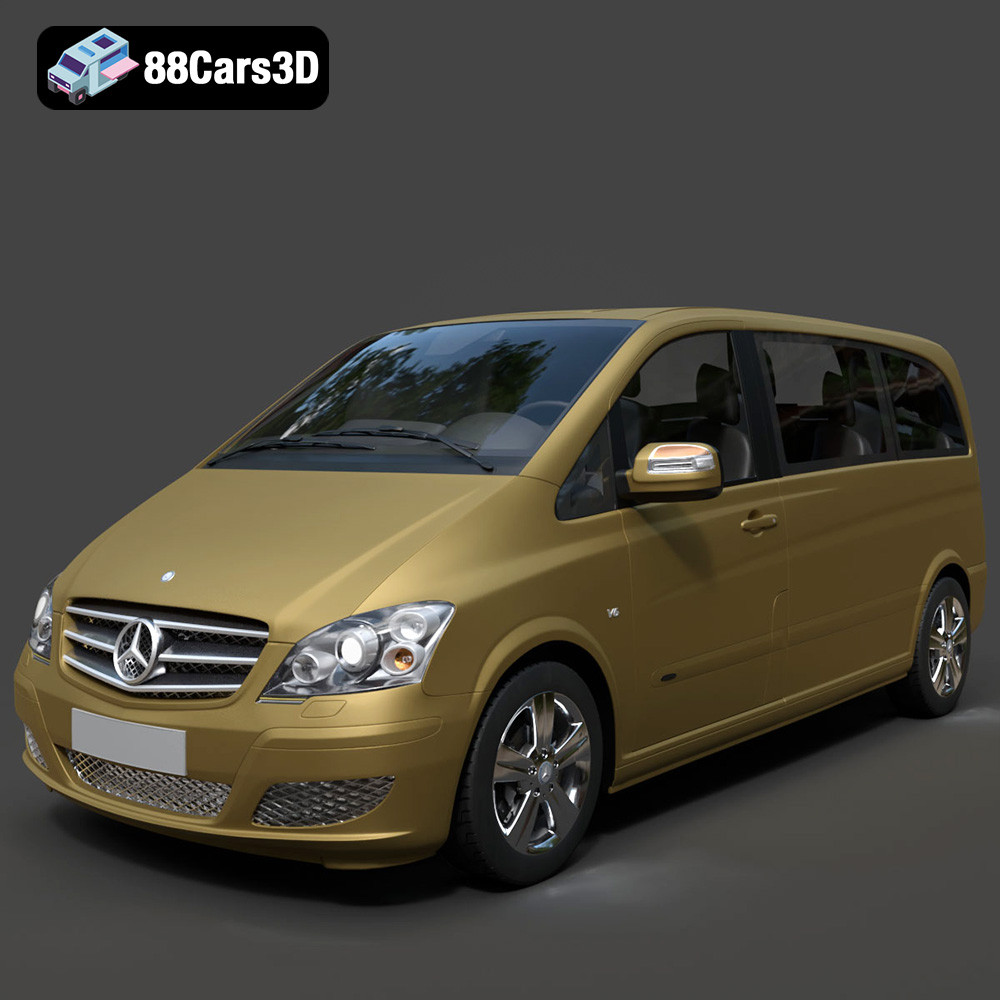
Mercedes-Benz Viano 2010 3D Model
Texture: Yes
Material: Yes
Download the Mercedes-Benz Viano 2010 3D Model featuring clean geometry, realistic detailing, and a fully modeled interior. Includes .blend, .fbx, .obj, .glb, .stl, .ply, .unreal, and .max formats for rendering, simulation, and game development.
Price: $19.99
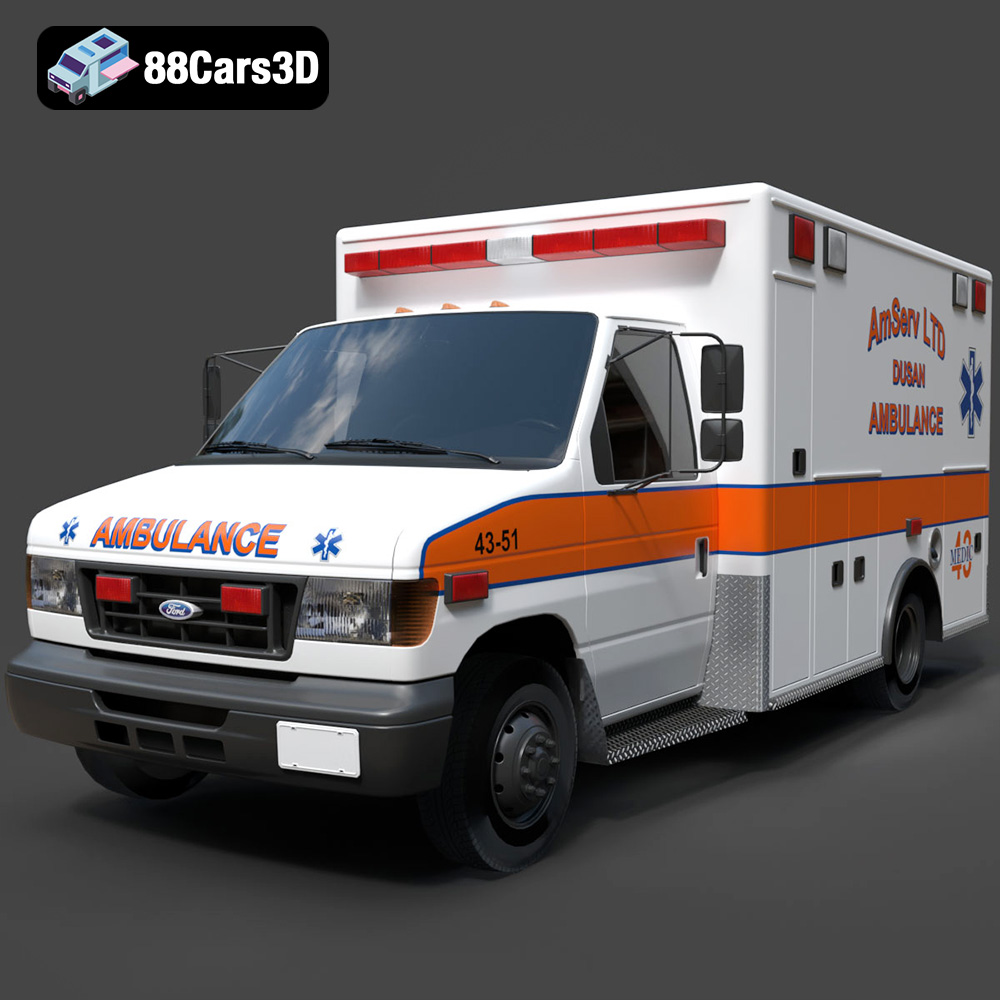
Ford Ambulance AmServ LTD Dusan-002 3D Model
Texture: Yes
Material: Yes
Download the Ford Ambulance AmServ LTD Dusan-002 3D Model featuring a high-detail exterior and interior, realistic textures, and emergency lighting. Includes .blend, .fbx, .obj, .glb, .stl, .ply, .unreal, and .max formats for rendering, simulation, and game development.
Price: $19.99
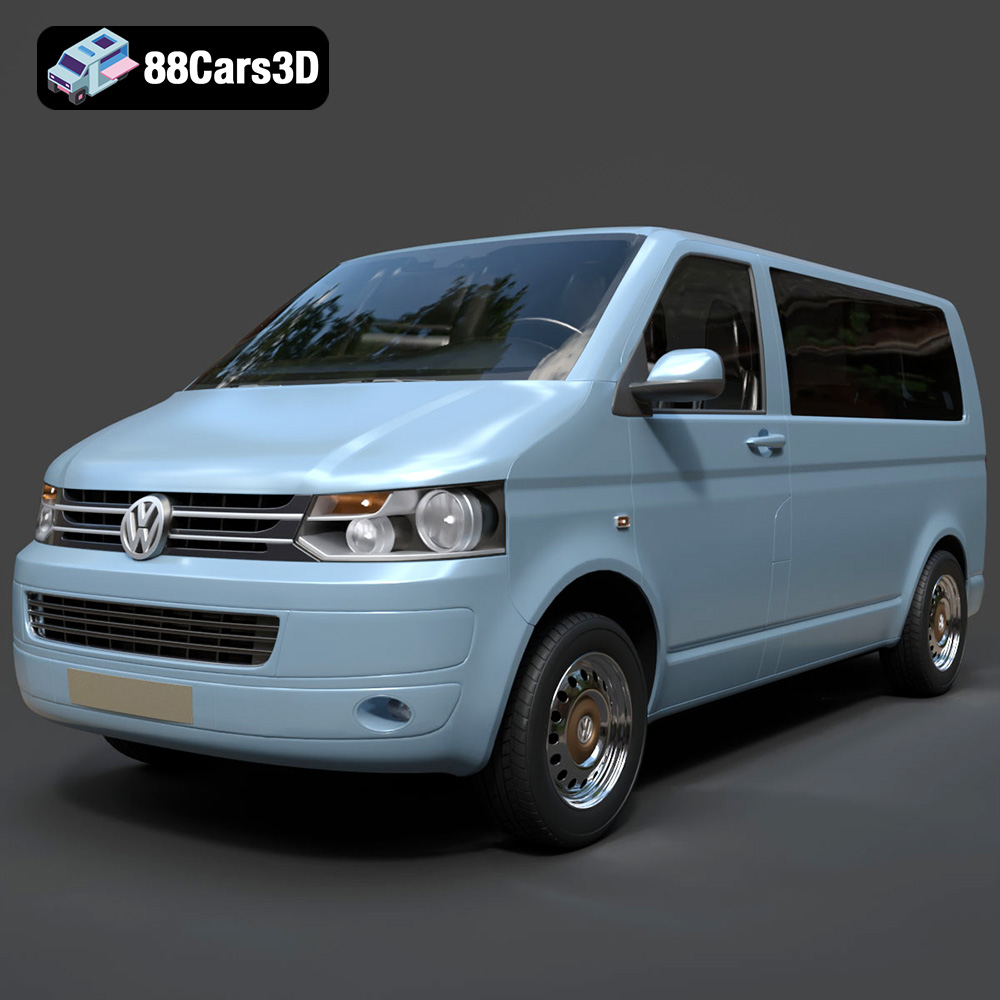
Volkswagen Transporter T5 FL 2010 3D Model
Texture: Yes
Material: Yes
Download the Volkswagen Transporter T5 FL 2010 3D Model featuring clean geometry, realistic detailing, and a fully modeled interior. Includes .blend, .fbx, .obj, .glb, .stl, .ply, .unreal, and .max formats for rendering, simulation, and game development.
Price: $22.99
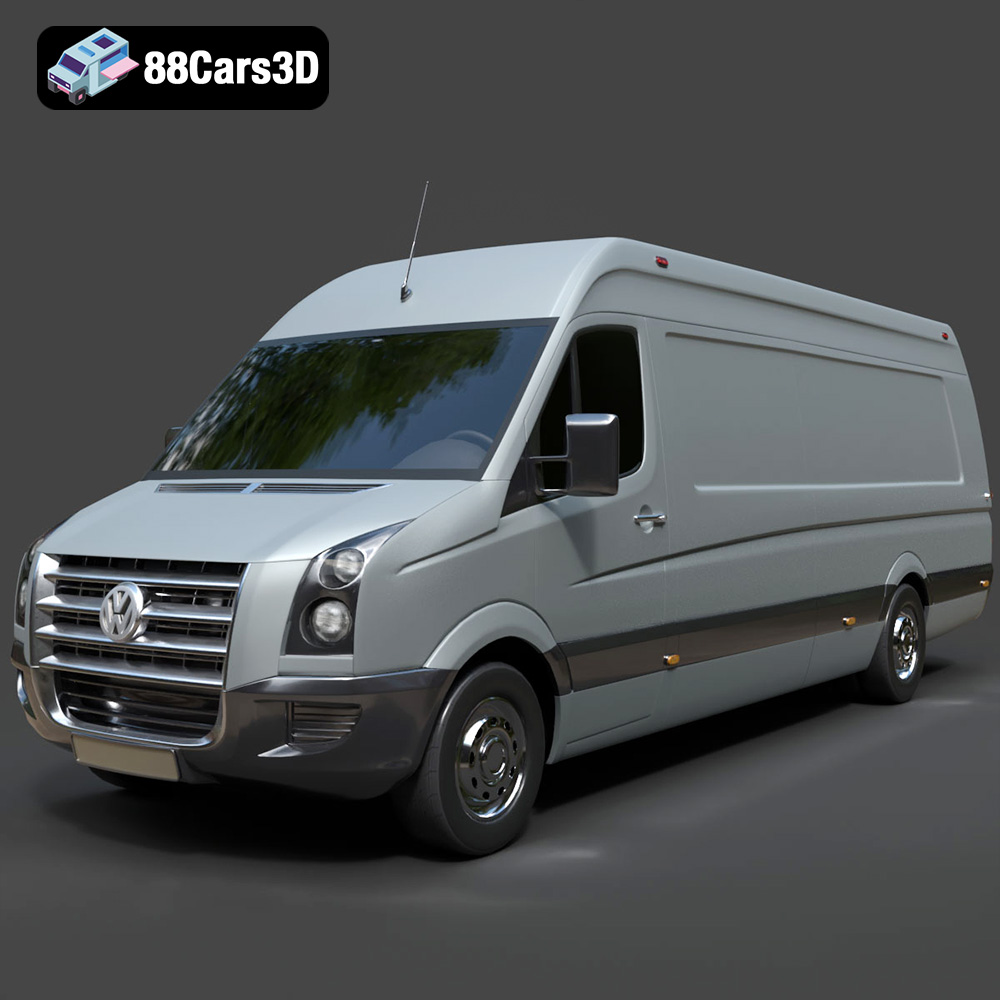
Volkswagen Crafter 2020 3D Model
Texture: Yes
Material: Yes
Download the Volkswagen Crafter 2020 3D Model featuring clean geometry, realistic detailing, and a fully modeled interior. Includes .blend, .fbx, .obj, .glb, .stl, .ply, .unreal, and .max formats for rendering, simulation, and game development.
Price: $22.99
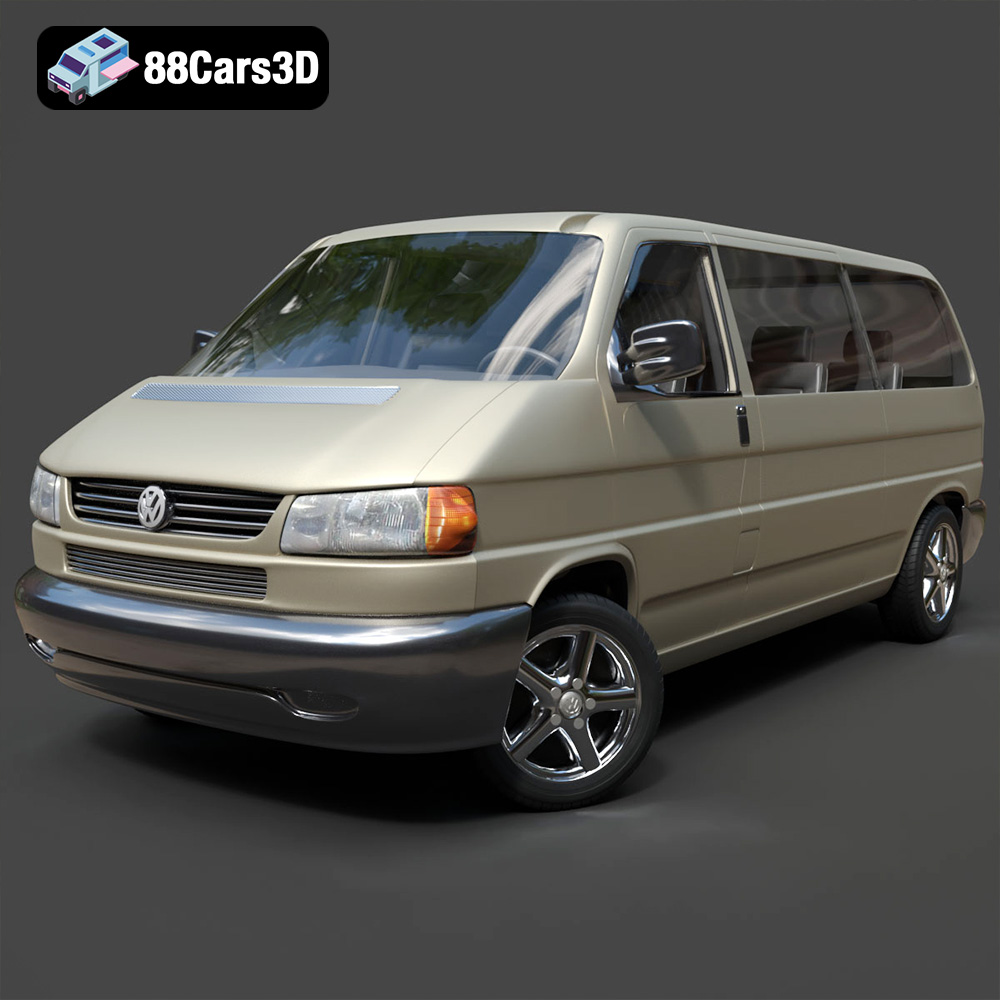
Volkswagen Caravelle 2020 3D Model
Texture: Yes
Material: Yes
Download the Volkswagen Caravelle 3D Model featuring a detailed exterior, functional interior, and optimized topology. Includes .blend, .fbx, .obj, .glb, .stl, .ply, .unreal, and .max formats for rendering, simulation, and game development.
Price: $23.99
