

“`html
Welcome to the cutting edge of automotive artistry! At 88cars3d.com, we’re passionate about bringing iconic vehicles to your desktop through high-quality 3D printable STL files. But what exactly makes an STL file tick? How do these digital blueprints translate into tangible, detailed car models that you can proudly display? This in-depth guide dives deep into the world of STL files, demystifying their structure, the power of triangular meshes, and the precision required for stunning 3D prints. Whether you’re a seasoned maker or just starting your 3D printing journey, understanding STL files is fundamental to achieving the best results, especially when working with intricate automotive designs.
In this article, we’ll explore the fundamental building blocks of STL files, unravel the concept of triangular meshes, and discuss how to ensure the integrity and precision of these files for your 3D printing projects. We’ll cover everything from the basic geometric principles to practical file preparation techniques that will elevate your prints from good to spectacular. Prepare to gain a comprehensive understanding that will empower you to tackle even the most complex printable car models available on platforms like 88cars3d.com with confidence.
Understanding the Foundation: What is an STL File?
The Stereolithography (STL) file format, despite its age, remains the de facto standard for 3D printing. Developed by 3D Systems in the 1980s, it was initially designed for their stereolithography 3D printers but quickly gained widespread adoption due to its simplicity and effectiveness. At its core, an STL file describes the three-dimensional shape of an object not by mathematical curves or solids, but by a collection of interconnected triangles. Think of it as a mosaic made entirely of tiny, flat triangles, where the arrangement and orientation of these triangles define the surface of the object.
There are two primary ways an STL file can represent this geometric data: ASCII and Binary. ASCII STLs are human-readable, listing the coordinates of each triangle’s vertices and its normal vector (a vector perpendicular to the triangle’s surface, indicating its outward-facing direction). While easier to inspect manually, they tend to be larger in file size. Binary STLs, on the other hand, are more compact and efficient, storing the same information in a compressed, machine-readable format. For 3D printing, the binary format is generally preferred due to smaller file sizes, which are crucial when dealing with complex models like detailed car replicas.
ASCII vs. Binary STL: Which is Better?
The choice between ASCII and Binary STL often comes down to practical considerations. ASCII STLs are text-based, making them accessible for simple analysis or minor manual edits using a text editor. Each triangle is defined by the keywords `facet normal` followed by three floating-point numbers for the normal vector, and `vertex` followed by three floating-point numbers for each of the three vertices. However, this verbosity leads to significantly larger file sizes, which can impact download times and storage space, especially for high-resolution models.
Binary STLs are the industry standard for most 3D printing applications. They store the same geometric information much more compactly. A binary STL file starts with a header (80 bytes), followed by a 4-byte unsigned integer indicating the number of facets (triangles) in the file. Each facet is then represented by a normal vector (3 x 4-byte floats) and three vertices (3 x 3 x 4-byte floats), followed by a 2-byte unsigned integer attribute byte (often unused). The efficiency of binary STLs makes them ideal for intricate models, such as the detailed printable car models you find on 88cars3d.com, where polygon counts can easily reach millions.
The Role of the Normal Vector
The normal vector is a critical component of each triangle in an STL file. It defines the direction that the face of the triangle is pointing. In 3D printing, this is essential for the slicing software to understand the surface orientation of the model. The slicing software uses these normal vectors to determine which parts of the model are exposed to the build plate, where supports are needed, and how to properly fill internal structures. An incorrectly oriented normal vector can lead to “inside-out” models or holes in the geometry, causing print failures. Ensuring all normal vectors point outwards is a fundamental aspect of mesh repair.
The Power of the Mesh: Triangles as Building Blocks
The defining characteristic of the STL format is its reliance on a mesh of triangles to represent a 3D object. This approach is known as a boundary representation (B-rep), where the solid object is defined by its surrounding surface. Imagine trying to sculpt a complex car body using only flat, triangular panels. The more triangles you use, and the smaller they are, the smoother and more detailed the final shape will appear. This collection of interconnected triangles is referred to as a polygon mesh.
A well-formed mesh for 3D printing requires several key properties. Firstly, it must be manifold. This means the mesh should represent a watertight, solid object with no holes, gaps, or non-manifold edges (edges shared by more than two triangles). Think of it like a balloon; it has a continuous surface that encloses a volume. Non-manifold geometry can confuse slicing software, leading to errors in slicing and ultimately, failed prints. Secondly, the triangles must be consistently oriented, with normal vectors pointing outwards, as discussed earlier. Finally, the mesh should have appropriate wall thickness. Thin walls, defined by triangles that are too close together, may not be printable or may break easily after printing.
Mesh Topology and Watertightness
Mesh topology refers to how the vertices, edges, and faces (triangles) of the mesh are connected. For a 3D printable model, the topology must describe a watertight object. This means there are no holes or gaps in the surface. Any edge of a triangle must be shared by exactly one other triangle, except for those edges that lie on the boundary of the object (which connect to the build plate or are part of the outer surface). In slicing software, a watertight mesh ensures that the slicer can accurately calculate the volume to be filled with material. Holes in the mesh can result in the slicer interpreting the object as hollow or incomplete, leading to printing issues like missing sections or incorrect infill.
Resolution and Detail: The Triangle Count Trade-off
The level of detail in an STL file is directly related to the number and size of the triangles used to define its surface. A model with a high triangle count, where triangles are small and numerous, will capture finer details, curves, and subtleties of the original design. This is crucial for intricate models like classic cars, where elements like grilles, badges, and panel lines need to be accurately represented. However, a very high triangle count can lead to extremely large file sizes, making them difficult to handle, slow to slice, and potentially exceeding the processing capabilities of some slicing software or even the 3D printer’s control board.
The goal is to find a balance. We aim for a mesh resolution that captures all the necessary details without being unnecessarily dense. For example, a model intended for a high-resolution resin printer might benefit from a higher polygon count than one for a standard FDM printer. When downloading models from marketplaces such as 88cars3d.com, you’ll often find models optimized for different levels of detail, allowing you to choose based on your printer’s capabilities and your desired outcome. A well-optimized mesh will deliver sharp details without overwhelming your workflow.
Preparing Your STL Files for Printing Perfection
Even with meticulously designed models, raw STL files sometimes require preparation before they can be reliably sent to a 3D printer. This preparation phase is crucial for ensuring print success and achieving the desired quality. It involves checking for and correcting common issues like mesh errors, ensuring proper scale, and optimizing the model for the slicing process. Software tools play a vital role here, ranging from free mesh editors to professional CAD packages.
The process typically begins with inspecting the mesh for errors. This includes looking for non-manifold edges, inverted normals, self-intersecting triangles, and holes. Many 3D modeling and mesh editing software packages have built-in tools to detect and often automatically repair these issues. For instance, Autodesk Netfabb or Meshmixer are powerful free tools that excel at mesh repair and preparation. Once the mesh is clean and watertight, you’ll want to ensure the model is scaled correctly to your desired dimensions. A common pitfall is printing a model at its default scale, which might be too small or too large for your intended application.
Mesh Repair Tools and Techniques
Meshmixer is a popular free tool for mesh editing and repair. It offers functionalities like ‘Make Solid’ to attempt to fix holes and non-manifold issues, ‘Inspector’ to identify problem areas, and tools to ‘Unify Normals’ to ensure consistent orientation. For more complex repairs or automated workflows, Autodesk Netfabb (with its cloud services or standalone versions) provides advanced capabilities for mesh analysis, repair, and preparation, often used in professional environments.
When repairing, pay close attention to delicate features common in car models, such as thin spoilers, antennas, or side mirrors. Automated repair tools can sometimes simplify or remove these fine details. Therefore, it’s often best to review the repaired mesh and make manual adjustments where necessary. For example, you might need to manually thicken a thin wall or re-mesh a section that was overly simplified. Understanding the strengths and weaknesses of each repair tool is key to achieving a balance between a watertight model and preserving intricate design elements.
Scaling and Orientation for Optimal Printing
Scaling your STL model is straightforward in most slicers, but it’s essential to do it correctly. Ensure you maintain the aspect ratio unless you intend to distort the model. For automotive models, precise scaling is often critical for assembly with other parts or for fitting into specific display cases. Always double-check your desired dimensions in millimeters or inches before slicing.
Print orientation is arguably one of the most critical decisions in 3D printing. How you position the model on the build plate directly impacts the need for support structures, print quality, structural integrity, and print time. For car models, you generally want to orient them to minimize overhangs on visible surfaces and reduce the number of supports needed in hard-to-reach areas. For example, printing a car body upright will likely require extensive supports under the chassis, wheel wells, and roof. Printing it on its side or upside down might reduce supports but could compromise surface quality on the chosen side. Experimentation and understanding your slicer’s support generation capabilities are vital. Platforms like 88cars3d.com often provide guidance on recommended print orientations for their models.
Optimizing for Specific Printer Technologies (FDM vs. Resin)
The preparation of an STL file can differ significantly depending on whether you’re using Fused Deposition Modeling (FDM) or resin printing. FDM printers build objects layer by layer using extruded thermoplastic filament. They are generally more forgiving with wall thickness but can struggle with very fine details and sharp overhangs. For FDM, ensuring adequate wall thickness (typically at least 1-2 mm, depending on the nozzle size) is crucial to prevent parts from being too weak or having gaps. Optimized infill patterns and densities are also key to balancing strength, weight, and print time.
Resin printers (SLA, DLP, MSLA) use UV light to cure liquid photopolymer resin layer by layer. They excel at capturing incredibly fine details and producing smooth surfaces, making them ideal for highly detailed car models. However, resin prints require careful orientation to minimize “suction forces” during layer separation, which can lead to print failures or damage the model. Resin printing also necessitates thorough post-processing, including washing and curing. For resin printing, models often benefit from being hollowed out (with drainage holes) to save resin and reduce curing time, and fine details might be easier to achieve with smaller layer heights (e.g., 0.025mm or 0.05mm) compared to FDM (e.g., 0.1mm to 0.2mm).
Slicing Strategies: From STL to G-code
Once your STL file is clean, correctly scaled, and oriented, the next step is to slice it. Slicing software takes your 3D model and converts it into a series of thin, horizontal layers. For each layer, it generates a path for the printer’s nozzle (for FDM) or laser/light source (for resin) to follow, along with other crucial instructions. This output is typically in the form of G-code, the language understood by most 3D printers.
The choice of slicing software (e.g., Cura, PrusaSlicer, Simplify3D) and the parameters you set within it profoundly impact the final print quality, strength, and print time. Key settings include layer height, infill percentage and pattern, print speed, temperatures, and support structure generation. Understanding how these parameters interact is essential for optimizing your prints, especially for complex models like intricate printable car models that demand both aesthetic appeal and structural integrity.
Layer Height and Print Time: The Delicate Balance
Layer height is one of the most impactful settings for print quality. It determines the thickness of each individual layer deposited by the printer. A smaller layer height (e.g., 0.05mm) results in finer detail, smoother curves, and less visible layer lines, leading to a more aesthetically pleasing print. However, it also significantly increases print time, as the printer must lay down many more layers to complete the object. Conversely, a larger layer height (e.g., 0.2mm or 0.3mm) speeds up printing considerably but results in more noticeable layer lines and less fine detail.
For car models, achieving a good balance is key. You might opt for a smaller layer height for the main body to capture sleek curves and panel details, and potentially a slightly larger layer height for internal components or parts that won’t be highly visible. For example, printing a detailed car body at 0.1mm layer height might take significantly longer than at 0.2mm, but the visual improvement can be well worth the wait. Always consider the intended use and display of the model when choosing your layer height.
Infill: The Hidden Strength of Your Model
Infill refers to the internal structure printed within the outer walls (perimeters) of your model. It adds strength and rigidity without making the object completely solid, saving material and print time. The infill density is expressed as a percentage (e.g., 10-20% for most decorative models, 50-100% for functional parts). Higher density means more internal structure, leading to a stronger but heavier and longer-printing object. The infill pattern also plays a role; common patterns include grid, lines, triangles, gyroid, and honeycomb. Some patterns offer better strength in specific directions or are more efficient.
For display models like printable car models, a lower infill density (10-15%) is often sufficient. This provides enough internal support for the outer walls without wasting filament. If the model needs to be robust, perhaps for children to play with or for certain engineering prototypes, increasing the infill density to 30-50% or using a stronger pattern like gyroid can be beneficial. Consider the structural points of a car model – the chassis, suspension components, and pillars – and ensure they have adequate infill if strength is a concern.
Support Structures: The Unsung Heroes
Support structures are temporary scaffolding printed to hold up overhanging parts of your model during the printing process. Without them, gravity would cause these unsupported sections to droop or collapse. For complex shapes like cars, with their spoilers, wheel arches, and undercarriages, effective support generation is critical. Slicing software offers various support options, including standard supports, tree supports, and raft/brim for bed adhesion.
Tree supports, available in some slicers like Cura, are often preferred for intricate models as they branch out like trees, touching the model only where necessary. This can lead to easier removal and less scarring on the surface. When generating supports, consider the support density, support pattern, and the distance between the support and the model (XY and Z gaps). Fine-tuning these settings allows for easier support removal and cleaner surfaces. For example, a slightly larger Z-gap can make supports easier to peel off, while a smaller gap might provide more stability for delicate overhangs. Always aim to minimize supports on critical surfaces by optimizing the print orientation first.
Post-Processing: Bringing Your Printed Model to Life
The journey doesn’t end when the 3D printer finishes its job. For most 3D prints, especially detailed automotive models, post-processing is essential to achieve a professional, display-ready finish. This stage involves removing supports, smoothing surfaces, assembling components, and painting. The techniques used will depend on the printing technology (FDM or resin) and the desired final look.
Support removal is the first step. This can range from easily snapping off small supports to carefully cutting or sanding away larger structures. For FDM prints, tools like pliers, flush cutters, and hobby knives are invaluable. For resin prints, supports are often more delicate and can be removed with a gentle snap or by cutting with sprue cutters. After support removal, the next critical step is surface finishing. FDM prints often exhibit visible layer lines, while resin prints can have small blemishes from support contact points.
Sanding, Filling, and Priming for a Smooth Finish
Achieving a truly smooth surface, especially on car models where gloss finishes are common, often requires iterative sanding. Start with a coarser grit sandpaper (e.g., 220-400 grit) to remove major imperfections and layer lines, then progressively move to finer grits (e.g., 800, 1000, 2000+ grit) for a polished effect. Wet sanding, using sandpaper with water, can help keep dust down and create a smoother finish. For FDM prints, filling layer lines might be necessary. This can be done with specialized 3D printing fillers, automotive body filler, or even multiple coats of primer, followed by sanding.
Priming is a crucial step before painting. A good primer not only provides a uniform surface color but also highlights any remaining imperfections that might have been missed during sanding. Applying thin, even coats of primer is key. After priming and any necessary spot-filling and re-sanding, the model is ready for paint. Using hobby paints, airbrushing techniques, or even automotive spray paints can yield excellent results. Remember to work in a well-ventilated area and use appropriate safety gear.
Assembly and Detailing: The Final Touches
Many complex car models are designed to be printed in multiple parts for easier printing and better detail. This means assembly is often required. Careful alignment and adhesion are critical. Adhesives like super glue (cyanoacrylate), epoxy, or plastic cement (for specific plastic types) are commonly used. For FDM prints, ensuring a snug fit between parts is important, and slight sanding or filing may be needed to achieve this. Resin prints often have more precise fits due to the higher resolution.
Detailing can elevate a 3D printed model from a simple replica to a showpiece. This can involve painting small details like headlights, taillights, badges, and interior elements. Small brushes and acrylic paints are ideal for this. For advanced builders, adding custom decals, weathering effects, or even incorporating electronics for lighting can further enhance the realism. When downloading complex models from 88cars3d.com, check if they come with instructions or recommendations for assembly and painting, as this can greatly simplify the process.
Material Selection: Choosing the Right Filament or Resin
The choice of printing material significantly impacts the final look, feel, and durability of your model. For FDM printing, PLA is popular due to its ease of printing, low warping, and wide range of available colors. It’s great for display models but can be brittle. PETG offers better strength, temperature resistance, and flexibility, making it suitable for parts that might experience some stress. ABS is strong and durable but requires higher print temperatures and good ventilation due to fumes. For highly detailed car models, you might consider specialty filaments that offer smoother finishes or are easier to sand.
For resin printing, the options are numerous. Standard resins offer good detail and are relatively inexpensive. Tough resins are engineered for increased durability, while high-detail resins are formulated to capture the finest features. Flexible resins can mimic rubber-like materials for tires or suspension parts. The specific properties required for your car model – rigidity, surface finish, ease of sanding, paint adhesion – should guide your material selection. Always consult the material’s datasheet for optimal printing parameters (temperature, exposure times, etc.).
Conclusion: Mastering the STL Workflow for Automotive Excellence
Understanding the intricacies of the STL file format, from its triangular mesh foundation to the nuances of mesh repair and slicing parameters, is fundamental for any serious 3D printing enthusiast, especially when working with detailed automotive models. We’ve journeyed through the core concepts: the representation of 3D objects by triangles, the critical importance of watertight and manifold meshes, and the trade-offs involved in mesh resolution versus file size. We’ve delved into the practicalities of preparing your STL files using powerful software tools like Meshmixer and Netfabb, emphasizing the significance of scale and print orientation for achieving optimal results.
Furthermore, we’ve explored the art of slicing, balancing layer height for detail against print time, optimizing infill for strength and efficiency, and mastering the generation and removal of support structures. The final steps of post-processing, including sanding, filling, painting, and assembly, were highlighted as crucial for transforming a raw print into a stunning, display-worthy model. By arming yourself with this knowledge, you are better equipped to tackle the vast array of high-quality printable car models available on platforms like 88cars3d.com, ensuring that your printing projects are not just successful, but truly exceptional.
Your next steps should involve practicing these techniques. Download a sample STL file, perhaps a simpler car wheel or spoiler, and go through the entire workflow: inspect, repair (if necessary), orient, slice with different settings, print, and post-process. Pay close attention to how each decision impacts the outcome. As you gain experience, you’ll develop an intuitive understanding of what works best for different models and printer types. Embrace the learning process, experiment with settings, and soon you’ll be printing intricate, beautiful car models with confidence and skill. Happy printing!
“`
Featured 3D Car Models
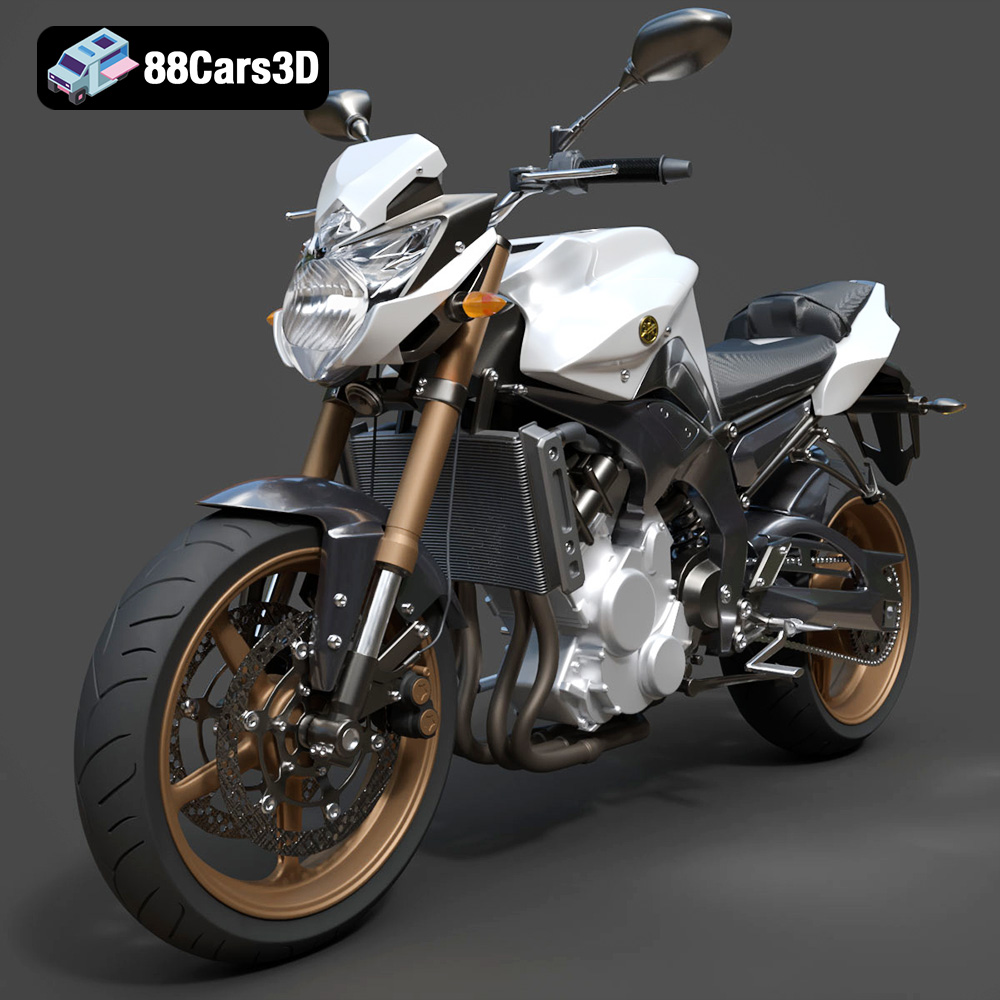
Yamaha FZ8 2011 3D Model
Texture: Yes
Material: Yes
Download the Yamaha FZ8 2011 3D Model featuring clean geometry, realistic detailing, and a fully modeled interior. Includes .blend, .fbx, .obj, .glb, .stl, .ply, .unreal, and .max formats for rendering, simulation, and game development.
Price: $19.99
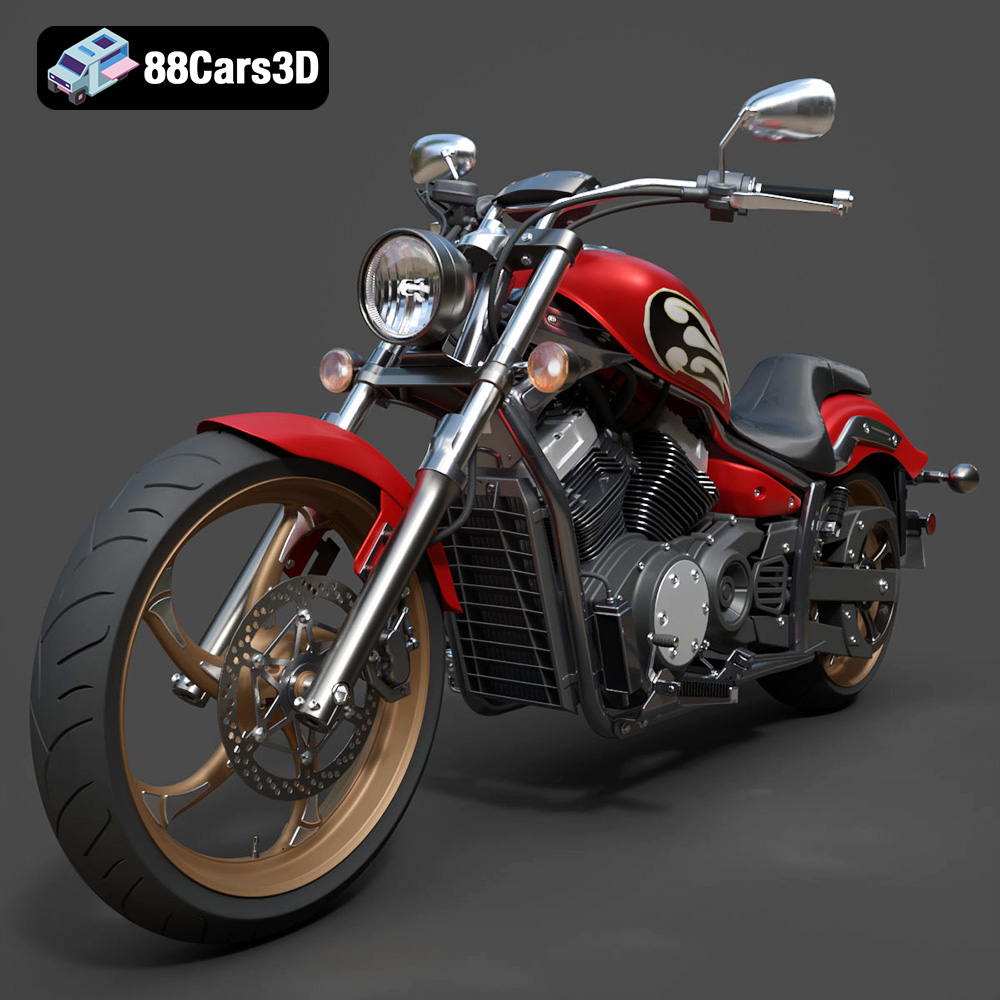
Yamaha Stryker 2012 3D Model
Texture: Yes
Material: Yes
Download the Yamaha Stryker 2012 3D Model featuring clean geometry, realistic detailing, and a fully modeled interior. Includes .blend, .fbx, .obj, .glb, .stl, .ply, .unreal, and .max formats for rendering, simulation, and game development.
Price: $19.99
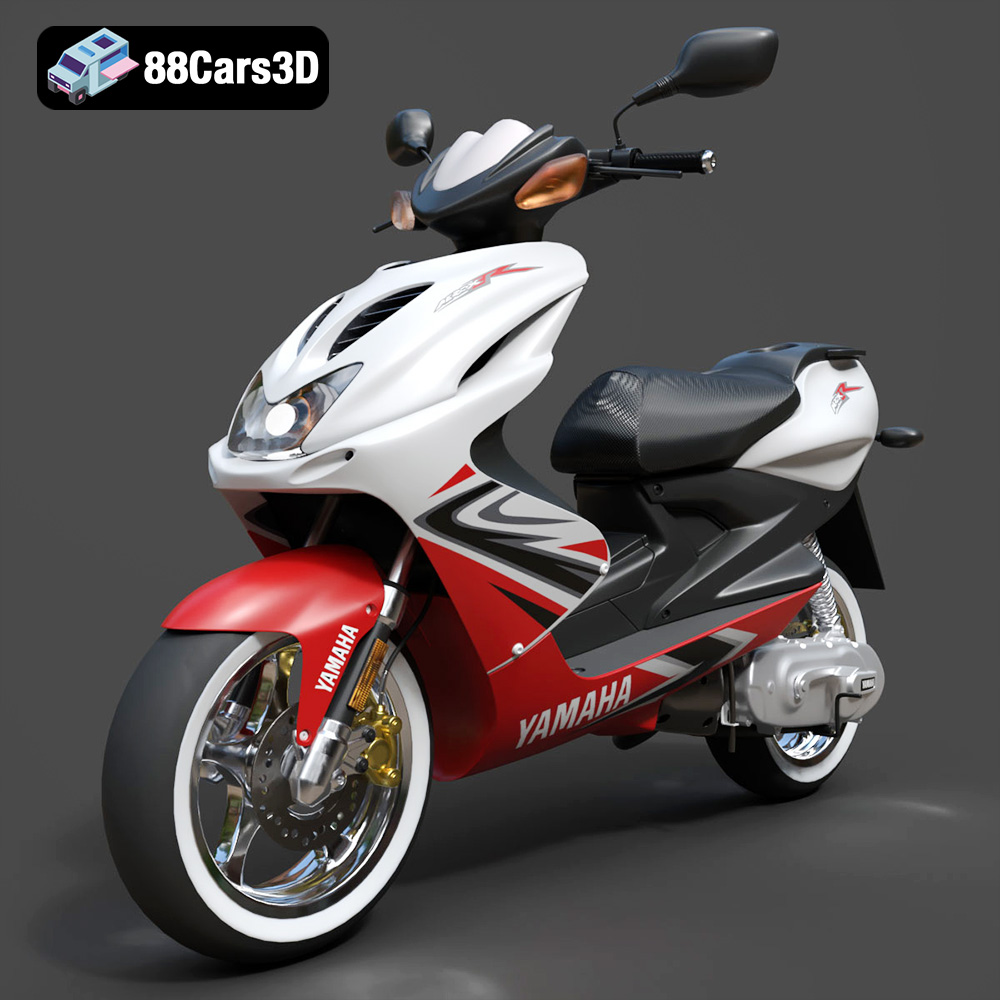
Yamaha Aerox R-002 2024 3D Model
Texture: Yes
Material: Yes
Download the Yamaha Aerox R-002 2024 3D Model featuring clean geometry, realistic detailing, and a fully modeled interior. Includes .blend, .fbx, .obj, .glb, .stl, .ply, .unreal, and .max formats for rendering, simulation, and game development.
Price: $19.99
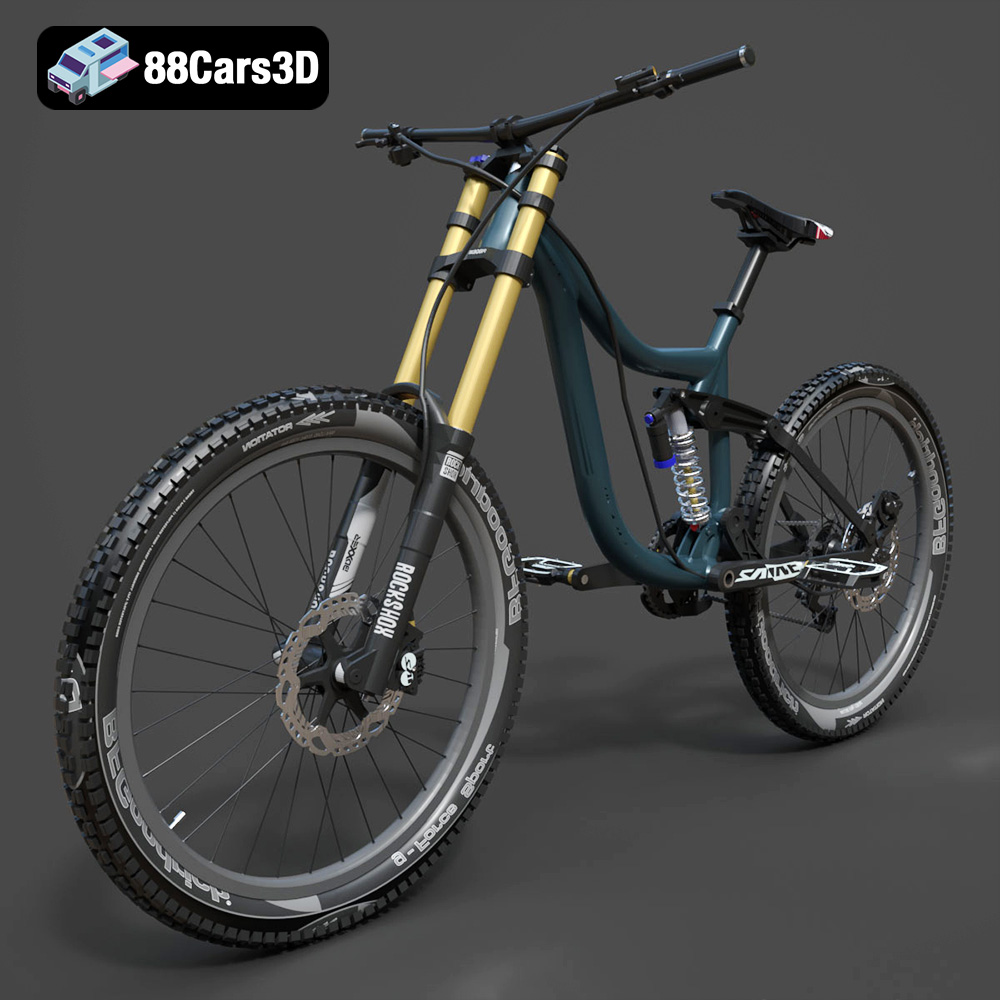
Mototsikly Downhill Bike-002 3D Model
Texture: Yes
Material: Yes
Download the Mototsikly Downhill Bike-002 3D Model featuring clean geometry, realistic detailing, and precise mechanical components. Includes .blend, .fbx, .obj, .glb, .stl, .ply, .unreal, and .max formats for rendering, simulation, and game development.
Price: $19.99
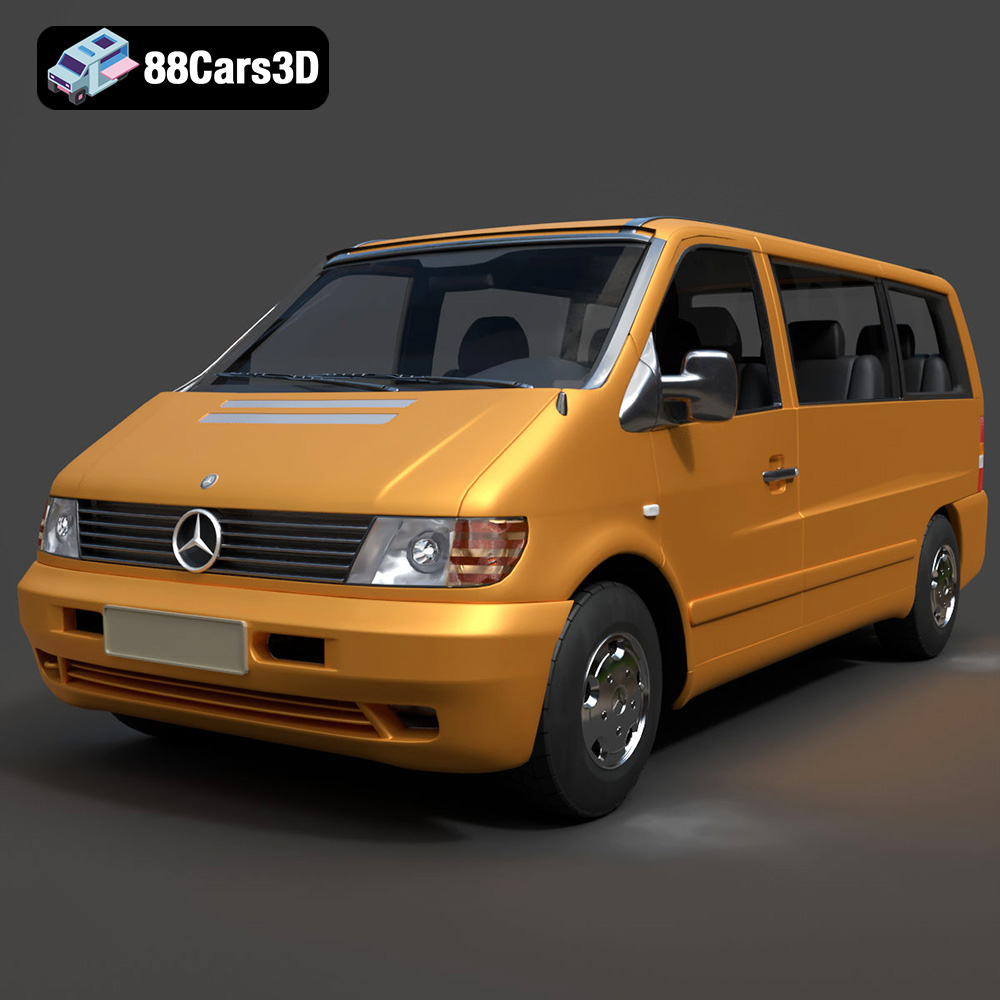
Mercedes-Benz Vito Passenger Van 3D Model
Texture: Yes
Material: Yes
Download the Mercedes-Benz Vito Passenger Van 3D Model featuring clean geometry, realistic detailing, and a fully modeled interior. Includes .blend, .fbx, .obj, .glb, .stl, .ply, .unreal, and .max formats for rendering, simulation, and game development.
Price: $19.99
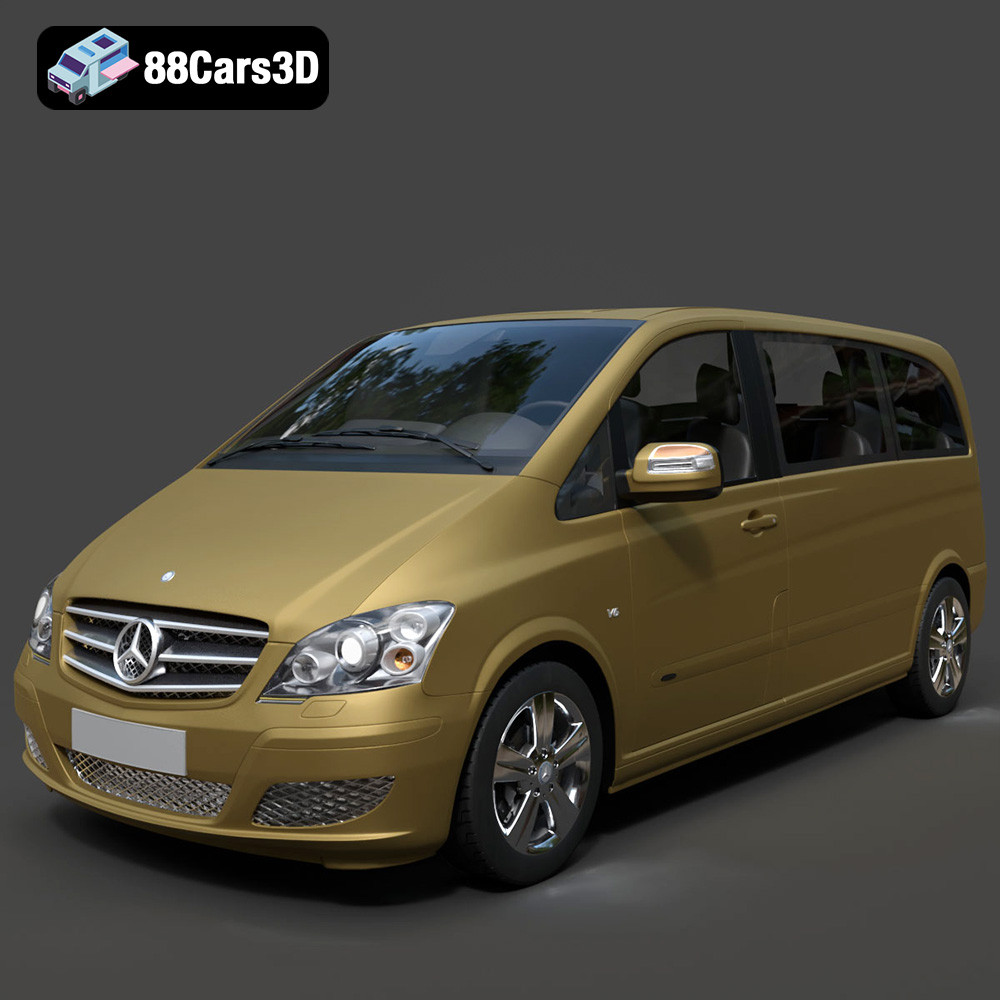
Mercedes-Benz Viano 2010 3D Model
Texture: Yes
Material: Yes
Download the Mercedes-Benz Viano 2010 3D Model featuring clean geometry, realistic detailing, and a fully modeled interior. Includes .blend, .fbx, .obj, .glb, .stl, .ply, .unreal, and .max formats for rendering, simulation, and game development.
Price: $19.99

Emt Avtobus 007 3D Model
Texture: Yes
Material: Yes
Download the Emt Avtobus 007 3D Model featuring clean geometry, realistic detailing, and a fully modeled interior. Includes .blend, .fbx, .obj, .glb, .stl, .ply, .unreal, and .max formats for rendering, simulation, and game development.
Price: $19.99
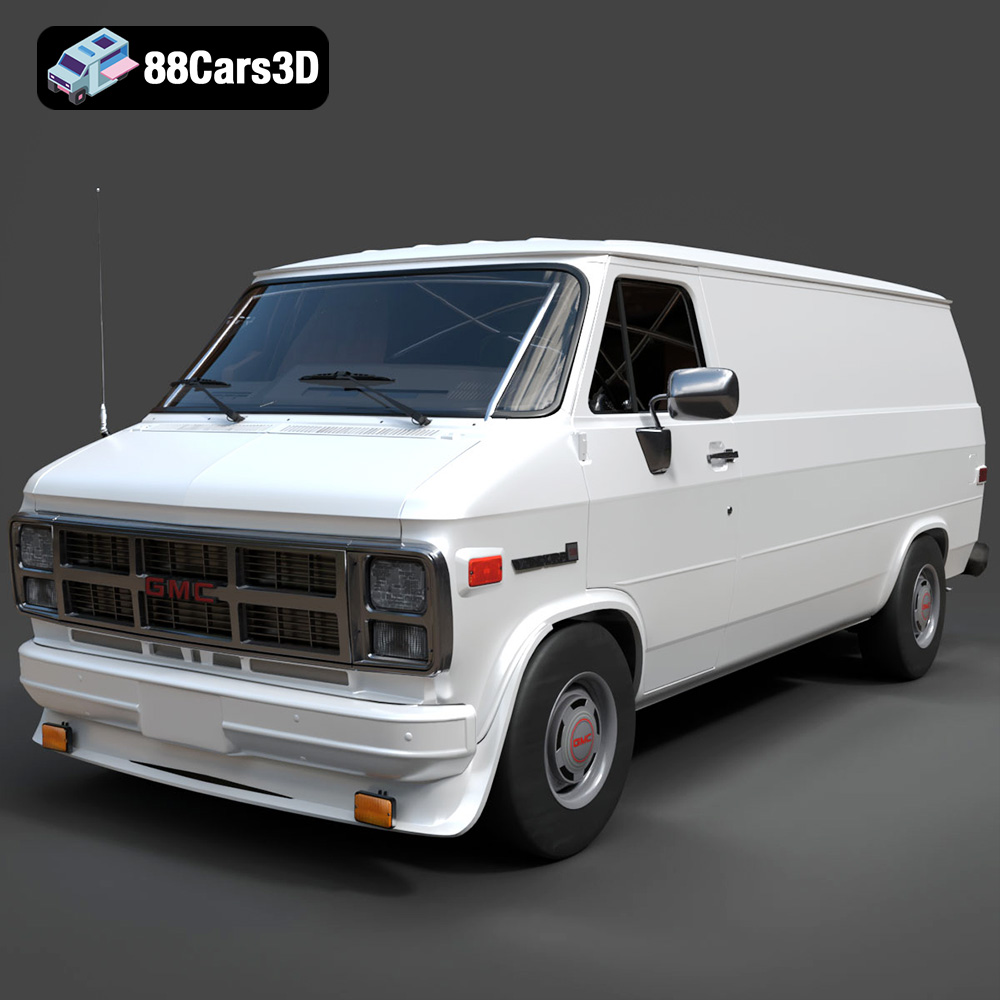
GMC Vandura G-1500 1983 3D Model
Texture: Yes
Material: Yes
Download the GMC Vandura G-1500 1983 3D Model featuring clean geometry, realistic detailing, and a fully modeled interior. Includes .blend, .fbx, .obj, .glb, .stl, .ply, .unreal, and .max formats for rendering, simulation, and game development.
Price: $19.99
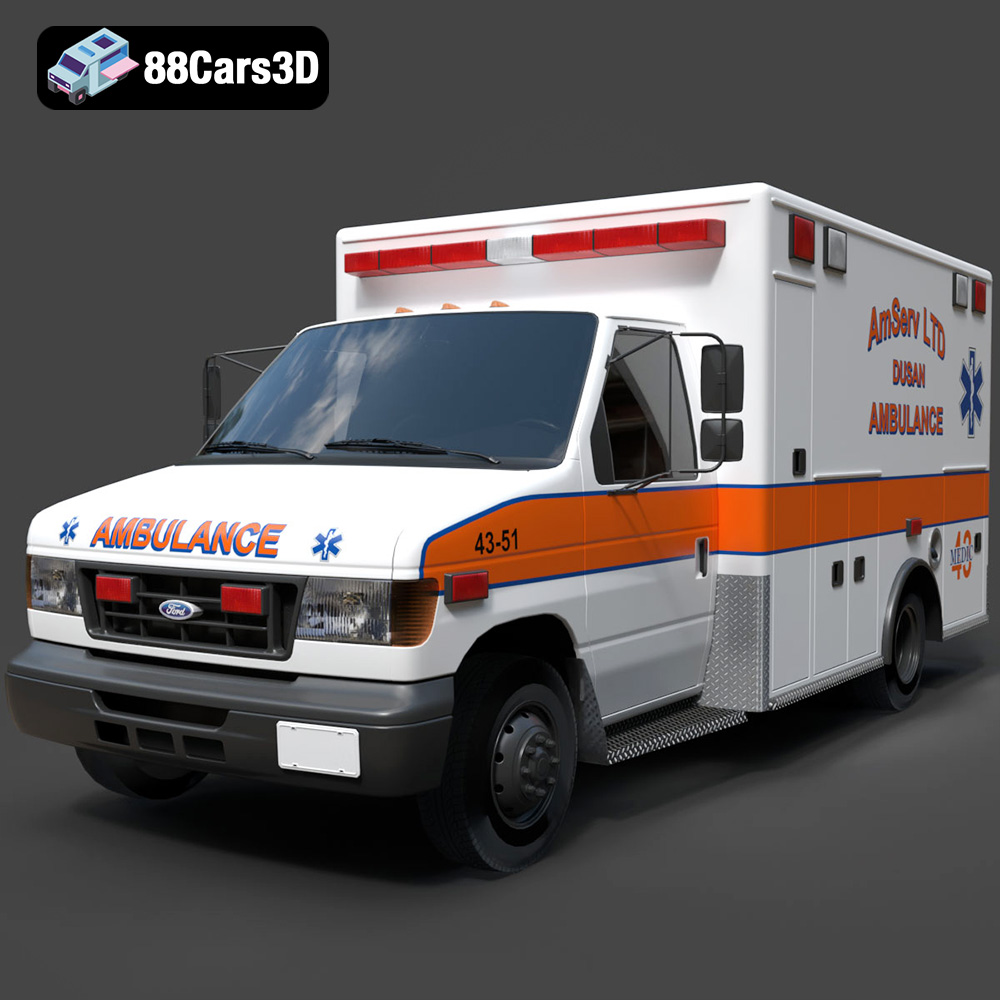
Ford Ambulance AmServ LTD Dusan-002 3D Model
Texture: Yes
Material: Yes
Download the Ford Ambulance AmServ LTD Dusan-002 3D Model featuring a high-detail exterior and interior, realistic textures, and emergency lighting. Includes .blend, .fbx, .obj, .glb, .stl, .ply, .unreal, and .max formats for rendering, simulation, and game development.
Price: $19.99
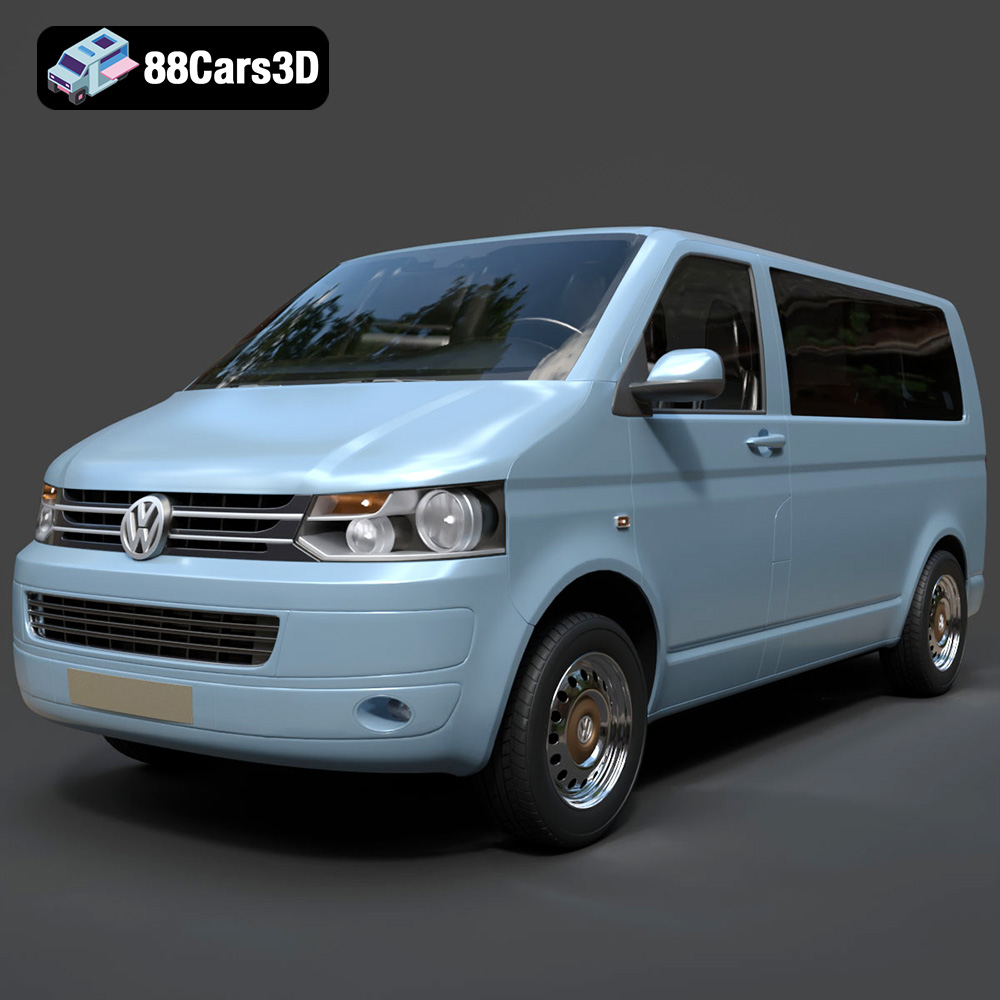
Volkswagen Transporter T5 FL 2010 3D Model
Texture: Yes
Material: Yes
Download the Volkswagen Transporter T5 FL 2010 3D Model featuring clean geometry, realistic detailing, and a fully modeled interior. Includes .blend, .fbx, .obj, .glb, .stl, .ply, .unreal, and .max formats for rendering, simulation, and game development.
Price: $22.99
