

Mastering Reflections and Refractions: Elevating Automotive Renders to Photorealistic Heights
The pursuit of photorealism in 3D car models is an art form, a meticulous dance of light and shadow, form and material. Among the most challenging yet rewarding aspects of this endeavor are the creation of truly realistic reflections and refractions. These phenomena are not merely visual flourishes; they are fundamental drivers of visual credibility, imbuing a static render with dynamic life and telling the story of its environment. Without accurate reflections, a car model can look dull and lifeless; without convincing refractions, glass elements appear flat and unconvincing.
This comprehensive guide will delve deep into the technical workflows and artistic considerations necessary to achieve stunning reflections and refractions in your automotive renders. We’ll explore everything from the foundational importance of clean 3D modeling topology and precise UV mapping to the intricacies of PBR material creation, advanced lighting setups, and software-specific rendering techniques. Whether you’re a seasoned 3D artist, a game developer pushing visual boundaries, or an automotive designer striving for perfect visualizations, understanding these concepts is crucial. Prepare to unlock the secrets that transform good renders into truly spectacular, hyper-realistic automotive masterpieces, ready for any application from high-end marketing to immersive AR/VR experiences.
The Foundation: Flawless Automotive Topology for Pristine Reflections
Before a single ray of light can bounce off your 3D car model, its underlying geometry must be impeccable. The quality of your mesh topology – the structure and flow of polygons – directly dictates how light interacts with the surface, and consequently, how reflections appear. Imperfections in topology, such as stretched polygons, N-gons (polygons with more than four sides), or poles with too many edges converging, can lead to unsightly pinching, artifacts, and jagged reflections that shatter the illusion of realism. Automotive surfaces, with their sleek curves and complex contours, demand an exceptionally clean and optimized mesh.
Clean Edge Flow and Subdivision Surfaces
For automotive models, the golden rule is to prioritize quad-based topology. Quads (four-sided polygons) deform predictably and smoothly, which is essential when working with subdivision surface modifiers (like Catmull-Clark in Blender or Turbosmooth in 3ds Max). These modifiers smooth out a low-polygon base mesh, creating high-resolution, flowing surfaces without manual sculpting, crucial for the expansive, unbroken curves of a car body. Good edge flow ensures that these subdivisions produce consistent, ripple-free surfaces that accurately catch and reflect light. Aim for edge loops that follow the natural contours of the car, defining creases, panel lines, and transitions smoothly. Avoid triangles and N-gons on large, visible surfaces, as they can cause shading errors and render artifacts that are especially noticeable in reflections. For high-end rendering, polygon counts can range from hundreds of thousands to several million for a complete car, ensuring every curve is perfectly smooth. For game assets, targeted optimization through LODs (Levels of Detail) becomes paramount, but the base mesh for the highest LOD still benefits immensely from clean topology.
Managing Surface Imperfections and Detail
Even the most polished car surface isn’t perfectly smooth at a microscopic level. Subtle imperfections, minute scratches, or even the slight undulations of painted metal contribute to realistic reflections. These aren’t defects to be hidden but details to be meticulously crafted. While topology aims for macroscopic smoothness, microscopic imperfections are often introduced through texture maps (e.g., roughness maps, normal maps) or subtle displacement. However, the underlying mesh must be robust enough to support these details without introducing its own errors. A uniform distribution of quads across critical surfaces, particularly those that are highly reflective like the hood, doors, and roof, is vital. This ensures that when light reflects, it does so consistently across the surface, without showing areas where the mesh density changes abruptly. For example, ensuring that panel gaps are modeled with precise edge loops and slight bevels, rather than just faked with normal maps, allows for more convincing light interaction and shadow casting within those details. These topological considerations are foundational for any 3D car model, whether for rendering, game development, or even 3D printing, and directly influence the quality of your reflections.
Crafting Realistic Materials: PBR Shaders for Reflective & Refractive Surfaces
The true magic of realistic reflections and refractions begins with Physically Based Rendering (PBR) materials. PBR shaders are designed to mimic how light behaves in the real world, based on physical properties of surfaces. This approach significantly simplifies the creation of believable materials by using real-world values for properties like metallicness, roughness, and index of refraction, leading to more consistent and accurate results across different lighting environments.
Understanding PBR Workflows and Maps
There are primarily two PBR workflows: Metallic/Roughness and Specular/Glossiness. The Metallic/Roughness workflow, widely adopted in game engines and modern renderers, uses a Metallic map (grayscale, 0=dielectric, 1=metallic) and a Roughness map (grayscale, 0=smooth/mirror-like, 1=rough/diffuse). The Base Color map provides the color for dielectrics and the tint for metals. Specular/Glossiness, on the other hand, uses a Specular map (color for reflections) and a Glossiness map (inverse of roughness). For automotive rendering, the Metallic/Roughness workflow is often preferred for its intuitive control. For instance, a car’s painted surface would be a dielectric (Metallic = 0) with its color defined by the Base Color, and its glossiness by the Roughness map. Chrome, conversely, would have a high Metallic value (close to 1), with its color originating from the Base Color (often a desaturated grey or white for pure chrome) and its mirror-like quality from a very low Roughness value. Normal maps are crucial for adding fine surface detail without increasing polygon count, subtly influencing how light reflects across tiny bumps and grooves. Ambient Occlusion maps provide localized shadowing, enhancing the sense of depth in crevices and further grounding the reflections.
Mastering Car Paint, Glass, and Chrome Shaders
Achieving photorealistic automotive materials requires a deep understanding of their specific properties.
- Car Paint: Modern car paint is complex, often consisting of multiple layers: a base coat (color), a metallic flake layer, and a clear coat (glossy, transparent protective layer). PBR shaders can simulate this with layered materials or by carefully blending metallic and dielectric properties. The Fresnel effect – where reflections become stronger at grazing angles – is crucial for car paint, making the surface appear more reflective when viewed from the side. Anisotropy can be used to simulate brushed metals or the subtle directional reflections found in some metallic paints, where the reflection stretches in a particular direction.
- Glass: Car glass (windshields, windows, headlights) is defined by its transparency and Index of Refraction (IOR). The IOR dictates how light bends as it passes through the material. For standard automotive glass, an IOR of approximately 1.52 is common. Accurate refractions are vital for headlights and taillights, where complex internal optics are visible. Tint can be added via the Base Color or an absorption property. For advanced renders, subtle dispersion (chromatic aberration) can be simulated, splitting light into its constituent colors as it refracts, though this is computationally intensive.
- Chrome/Metals: Chrome and other highly polished metals are typically characterized by a high Metallic value (close to 1) and a very low Roughness value (close to 0). Their reflections are sharp and mirror-like, reflecting the environment almost perfectly. Brushed metals, on the other hand, will have a higher Roughness value and often require anisotropic shading to accurately represent their directional reflections. When sourcing models from marketplaces such as 88cars3d.com, ensure they come with well-structured PBR materials or textures that allow for easy adjustment to achieve these specific looks.
Illuminating the Scene: Lighting and Environment for Dynamic Reflections
Reflections and refractions are entirely dependent on the light sources and the surrounding environment. An impeccably modeled and textured car will still look flat and unconvincing if the lighting isn’t set up correctly to reveal its forms and materials. The environment is not just background; it’s an active participant in shaping the reflective and refractive properties of your automotive masterpiece.
HDRIs and Image-Based Lighting (IBL)
One of the most powerful and efficient methods for creating realistic reflections and ambient lighting is Image-Based Lighting (IBL) using High Dynamic Range Images (HDRIs). HDRIs are 360-degree panoramic images that capture real-world lighting information, including intensity, color, and direction from every point in space. When used as a light source in your 3D scene, an HDRI provides:
- Realistic Ambient Lighting: The varied light and color information from the HDRI illuminates your model naturally, mimicking real-world global illumination.
- Complex Reflections: The environment captured in the HDRI is directly reflected onto your car’s surfaces, providing highly detailed and believable reflections without needing to model complex environments. This is particularly effective for highly reflective surfaces like car paint, chrome, and glass.
The quality and resolution of your HDRI significantly impact the fidelity of your reflections. Higher resolution HDRIs (e.g., 8K, 16K, or even 32K) yield sharper and more detailed reflections. Experiment with different HDRIs – studio setups, outdoor environments, twilight scenes – and their rotation to find the perfect interplay of light and reflection that highlights your car’s form and material properties. Properly positioned, an HDRI can simulate a professional photo studio or an open road with incredible accuracy.
Artificial Light Sources and Reflectors
While HDRIs provide excellent ambient and environmental reflections, artificial light sources (area lights, spotlights, emissive meshes) offer precise control over highlights, shadows, and the overall mood of the render.
- Key Lights: These are your primary light sources, defining the main direction and intensity of light. Their placement directly influences where the brightest reflections (specular highlights) appear on your car, emphasizing its curves and contours.
- Fill Lights: Softer and less intense than key lights, fill lights are used to lighten shadows and reduce contrast, preventing overly dark areas that might lose important details.
- Rim Lights: Positioned behind and to the side of the car, rim lights create a bright outline, separating the car from the background and enhancing its silhouette. These are particularly effective for creating strong, defined reflections along the edges of the car body.
- Reflectors and Gobos: In a virtual studio setup, you can use large, emissive planar meshes or simple white planes as virtual reflectors to bounce light back onto the car. These soft, indirect light sources can shape reflections in very specific ways, creating long, elegant highlight streaks that emphasize the car’s sculpted lines. Gobos (go-betweens) are stencils placed in front of lights to project patterns or break up light, which can create interesting, complex reflections.
The careful orchestration of these elements allows you to sculpt reflections, creating dramatic highlights and subtle gradients that bring your automotive render to life.
Rendering Reflections and Refractions Across Software
The final stage of achieving photorealistic reflections and refractions lies within your chosen rendering engine. Different renderers employ various techniques, each with its strengths and specific settings to optimize for visual fidelity and performance. Understanding these nuances is key to maximizing the impact of your meticulously crafted models and materials.
Ray Tracing vs. Rasterization for Reflections
At a fundamental level, rendering reflections involves either ray tracing or rasterization:
- Ray Tracing: This is the gold standard for physically accurate reflections and refractions. Ray tracing simulates the path of light rays from the camera, bouncing them off surfaces, and calculating how they interact with materials. Each bounce calculates reflection (and refraction), leading to incredibly precise and detailed results, including complex inter-reflections and caustics. Modern renderers like V-Ray, Corona Renderer, Blender Cycles, and Arnold are all ray-tracers. While computationally intensive, recent advancements in GPU ray tracing (e.g., NVIDIA RTX technology) have made it significantly faster.
- Rasterization: Predominantly used in real-time game engines, rasterization projects 3D objects onto a 2D screen. Reflections are typically approximated using techniques like Screen Space Reflections (SSR) or cubemaps. SSR uses information already visible on screen, so reflections disappear if the reflected object isn’t in view. Cubemaps capture the environment from a specific point, useful for static reflections. While faster, these methods are less physically accurate than ray tracing.
Renderer-Specific Settings (V-Ray, Corona, Cycles, Arnold)
Each ray-tracing renderer offers specific parameters to control the quality and depth of reflections and refractions:
- V-Ray (3ds Max, Maya, SketchUp): V-Ray offers extensive controls for glossy reflections (subdivisions for noise reduction), reflection/refraction depth (number of bounces), and caustics. For highly reflective car materials, increasing reflection subdivisions is crucial to eliminate graininess, though it increases render time. The V-Ray Physical Camera settings, including white balance and exposure, also subtly affect how reflections are perceived.
- Corona Renderer (3ds Max, Cinema 4D): Known for its ease of use and photorealistic output, Corona Renderer handles PBR materials intuitively. Its “LightMix” feature is invaluable for interactively adjusting lights and their impact on reflections during rendering. Corona’s emphasis on realistic light transport means accurate reflections and refractions are often achieved with minimal tweaking, relying heavily on accurate material properties and HDRIs.
- Blender Cycles (Blender): As Blender’s physically-based path tracer, Cycles excels at realistic light interactions. The ‘Principled BSDF’ shader is central to creating PBR materials for automotive renders. Key settings include ‘Transmission’ for glass (IOR also important), ‘Metallic’ for metals, and ‘Roughness’ for controlling glossiness. To reduce noise in reflections, increasing render samples and utilizing denoising algorithms (like OptiX or OpenImageDenoise) is essential. For more detailed insights into Cycles rendering and material settings, consult the official Blender 4.4 documentation at https://docs.blender.org/manual/en/4.4/, which provides comprehensive guides on nodes, sampling, and performance optimization.
- Arnold (Maya, 3ds Max, Houdini): Arnold’s ‘Standard Surface’ shader is highly versatile for PBR materials. For reflections, focus on ‘Specular’ (color and roughness) and ‘Transmission’ (for refractions, including ‘IOR’ and ‘Transmission Depth’). Arnold’s ray depth limits (e.g., ‘Total’ and ‘Diffuse/Specular/Transmission’ depths) control the number of light bounces, directly affecting the realism of reflections and refractions. Increasing these values will produce more accurate, inter-reflective results but also longer render times.
Regardless of your renderer, consistent material properties, appropriate light sources, and sufficient render samples are paramount for clean, accurate, and stunning reflections and refractions.
Optimizing Reflections for Real-Time and AR/VR Applications
While offline rendering allows for extensive calculation of complex reflections and refractions, real-time environments like game engines and AR/VR experiences demand a careful balance between visual fidelity and performance. Achieving convincing reflections in these contexts requires smart optimization strategies that maintain visual quality without sacrificing frame rates.
Real-Time Engine Reflection Techniques (Unity, Unreal Engine)
Both Unity and Unreal Engine provide a suite of tools to simulate reflections in real-time:
- Unity:
- Reflection Probes: These capture a 360-degree view of the environment from specific points in your scene and store it as a cubemap. Objects within the probe’s influence use this cubemap for reflections. Static probes are baked once, while dynamic probes can update at runtime (at a performance cost). For automotive models, carefully placed probes within a garage or outdoor scene provide static reflections.
- Screen Space Reflections (SSR): SSR is a post-processing effect that reuses information already rendered on screen to approximate reflections. It’s relatively inexpensive but has limitations: reflections disappear if the reflected object is off-screen, and it cannot reflect objects behind the camera.
- Planar Reflections: Ideal for flat surfaces like puddles or mirrors, planar reflections render the scene a second time from the reflection’s perspective. This is highly accurate but also very performance-intensive, typically reserved for specific, prominent reflective surfaces.
- Unreal Engine:
- Reflection Captures: Similar to Unity’s Reflection Probes, these capture environment cubemaps for static reflections. Spherical Reflection Captures are common for general scene reflections, while Box Reflection Captures are better for architectural interiors.
- Screen Space Reflections (SSR): Unreal’s SSR works similarly to Unity’s, offering real-time approximations with the same limitations.
- Planar Reflections: Also available in Unreal, with similar performance implications, excellent for water and highly polished floors.
- Ray Tracing Reflections (RTX): For users with RTX-enabled graphics cards, Unreal Engine offers real-time ray-traced reflections, providing significantly higher fidelity and accuracy than screen-space methods, albeit with a higher performance cost that scales with scene complexity and ray bounces.
For highly optimized 3D car models for games and AR/VR, platforms like 88cars3d.com often provide models with pre-baked normal maps, efficient UV layouts, and sometimes even pre-configured LODs, which greatly assist in integrating them into real-time environments.
LODs, Culling, and Texture Optimization for Reflections
Performance in real-time reflections is heavily influenced by model complexity and texture usage.
- LODs (Level of Detail): Creating multiple versions of your car model with decreasing polygon counts for greater distances is paramount. This ensures that reflections on distant objects are rendered with less geometric detail, saving performance. However, ensure that the transition between LODs is smooth and doesn’t abruptly change reflection quality.
- Occlusion Culling: This technique prevents objects from being rendered if they are hidden behind other objects, reducing the total amount of geometry that needs to be processed, indirectly helping reflection performance.
- Texture Atlasing: Combining multiple smaller textures (e.g., for various interior parts) into a single, larger texture atlas can significantly reduce draw calls (the number of times the CPU tells the GPU to draw something), which is a major performance bottleneck. This optimization benefits the overall scene, including how efficiently reflective surfaces are rendered.
- Texture Resolution: While high-resolution textures (e.g., 4K or 8K) are ideal for close-up hero renders, they can be overkill for real-time. Optimize texture resolutions for metallic, roughness, and normal maps (e.g., 2K for a hero car, 1K for distant cars, or even lower for minor parts) to manage memory usage and improve rendering speed without severely degrading reflection quality, especially when viewed from a distance.
Careful planning and iterative testing are crucial for balancing the visual impact of reflections with the performance demands of real-time applications.
Advanced Techniques & Post-Processing for Ultimate Realism
Even after meticulous modeling, texturing, lighting, and rendering, there are advanced techniques and post-processing steps that can push your automotive renders beyond “good” and into the realm of “unbelievable.” These final touches can add that elusive sparkle and depth that characterize truly photorealistic imagery.
Caustics and Dispersion
- Caustics: These are the focused patterns of light that appear on a surface after light has passed through a refractive object (like glass) or been reflected off a curved, highly polished surface. Think of the intricate light patterns cast by sunlight passing through a glass of water. For car renders, caustics can appear from headlights projecting light onto the road or intricate light patterns cast by the car’s windows onto the interior. Achieving accurate caustics is computationally intensive and often requires specific settings in your renderer (e.g., enabling caustics in V-Ray or increasing transmission bounces in Cycles/Arnold). When done well, they add an incredible layer of physical realism, especially to scenes with strong, direct light sources.
- Dispersion: Also known as chromatic aberration in refraction, dispersion causes different wavelengths of light (colors) to refract at slightly different angles as they pass through a transparent material. This effect is visible as subtle color fringes along the edges of refractive objects, particularly in diamonds or prisms. For car glass, the effect is usually very subtle but can be implemented in advanced renderers to add an extra layer of realism. Because of its performance cost, it’s often faked or enhanced in post-processing for a more controlled and less render-intensive approach.
Compositing and Final Touches
Post-processing is where you can unify your render passes, enhance specific elements, and give your image a professional, polished look.
- Render Passes (AOV’s): Most renderers allow you to output various render passes or Arbitrary Output Variables (AOVs), such as reflection pass, refraction pass, diffuse pass, specular pass, raw lighting, ambient occlusion, Z-depth, and object ID masks. These passes provide granular control over each aspect of the image in a compositing application like Adobe Photoshop, After Effects, or Blender’s compositor. For instance, you can use the reflection pass to subtly enhance the intensity or color of reflections without affecting other elements of the car.
- Enhancing Reflections and Refractions:
- Glow/Glare: Add subtle bloom or glare to bright highlights, especially around chrome elements or very shiny paint, to simulate light scattering within the lens of a camera.
- Sharpening and Contrast: Carefully apply sharpening to bring out the crispness of reflections, and adjust contrast to make highlights pop and shadows deeper, enhancing the overall dynamism of the image.
- Color Grading: Adjust the overall color balance, saturation, and tone mapping to set the mood and integrate the car seamlessly into its background. This can subtly affect how reflections are perceived.
- Lens Effects: Simulate realistic camera lens effects such as vignetting (darkening at the edges), chromatic aberration (subtle color fringing, distinct from dispersion in refraction), and subtle lens distortions to mimic real-world photography. These elements, when used sparingly, add to the photographic realism.
- Integrating Backgrounds: If your background is a separate image or plate, careful color matching, perspective alignment, and blending of reflections (using your reflection pass and masks) are crucial for a convincing composite.
The goal of post-processing is not to fix a bad render but to enhance an already good one. By working with clean render passes and making subtle, informed adjustments, you can achieve an unparalleled level of realism that truly makes your 3D car models shine.
Conclusion
Mastering the art of realistic reflections and refractions is a cornerstone of automotive 3D visualization. It’s a journey that begins with the meticulous crafting of clean, optimized geometry, progresses through the intelligent application of Physically Based Rendering materials, and culminates in sophisticated lighting, rendering, and post-processing techniques. Every curve, every material property, and every light source contributes to the story of how light interacts with your 3D car model, defining its form, texture, and presence within the scene.
We’ve covered the critical importance of impeccable topology for distortion-free reflections, the nuances of PBR shaders for lifelike car paint and glass, and the strategic use of HDRIs and artificial lights to sculpt dynamic visual narratives. We’ve also explored the specific settings across popular renderers like V-Ray, Corona, Cycles, and Arnold, as well as the essential optimization strategies for delivering stunning visuals in performance-critical real-time and AR/VR applications. Finally, the subtle yet powerful impact of advanced techniques like caustics and the transformative potential of thoughtful post-processing have been highlighted as crucial steps to elevate your work to professional standards.
Achieving photorealism is an iterative process, demanding patience, experimentation, and a keen eye for detail. By diligently applying the principles and techniques outlined in this guide, you will undoubtedly enhance your 3D automotive renders, making them not just visually appealing, but truly believable. Continue to experiment with different lighting scenarios, refine your materials, and push the boundaries of your chosen software. For those looking to jumpstart their projects with industry-standard, high-quality 3D car models, explore the extensive collection available on 88cars3d.com, offering assets ready for rendering, game development, and visualization across various platforms. The pursuit of perfect reflections is an ongoing quest, and with these tools and insights, you are well-equipped to achieve breathtaking results.
Featured 3D Car Models
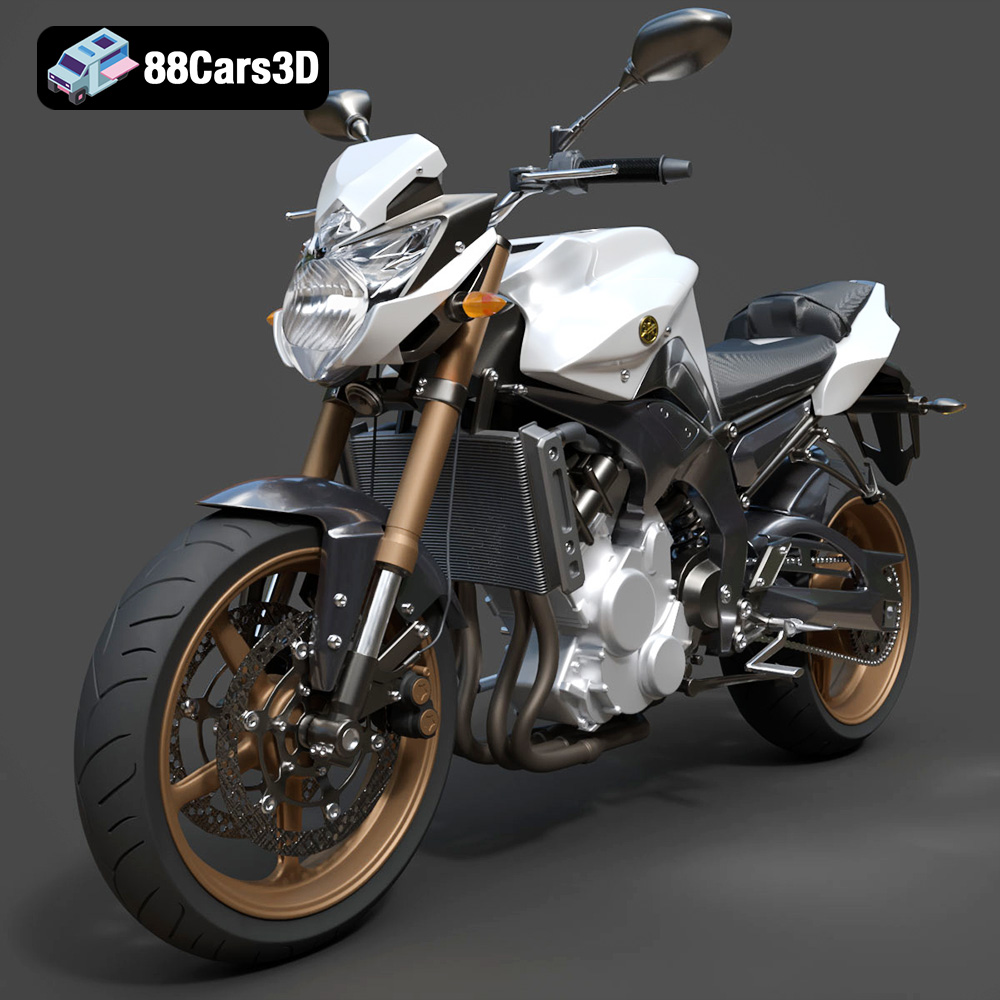
Yamaha FZ8 2011 3D Model
Texture: Yes
Material: Yes
Download the Yamaha FZ8 2011 3D Model featuring clean geometry, realistic detailing, and a fully modeled interior. Includes .blend, .fbx, .obj, .glb, .stl, .ply, .unreal, and .max formats for rendering, simulation, and game development.
Price: $19.99
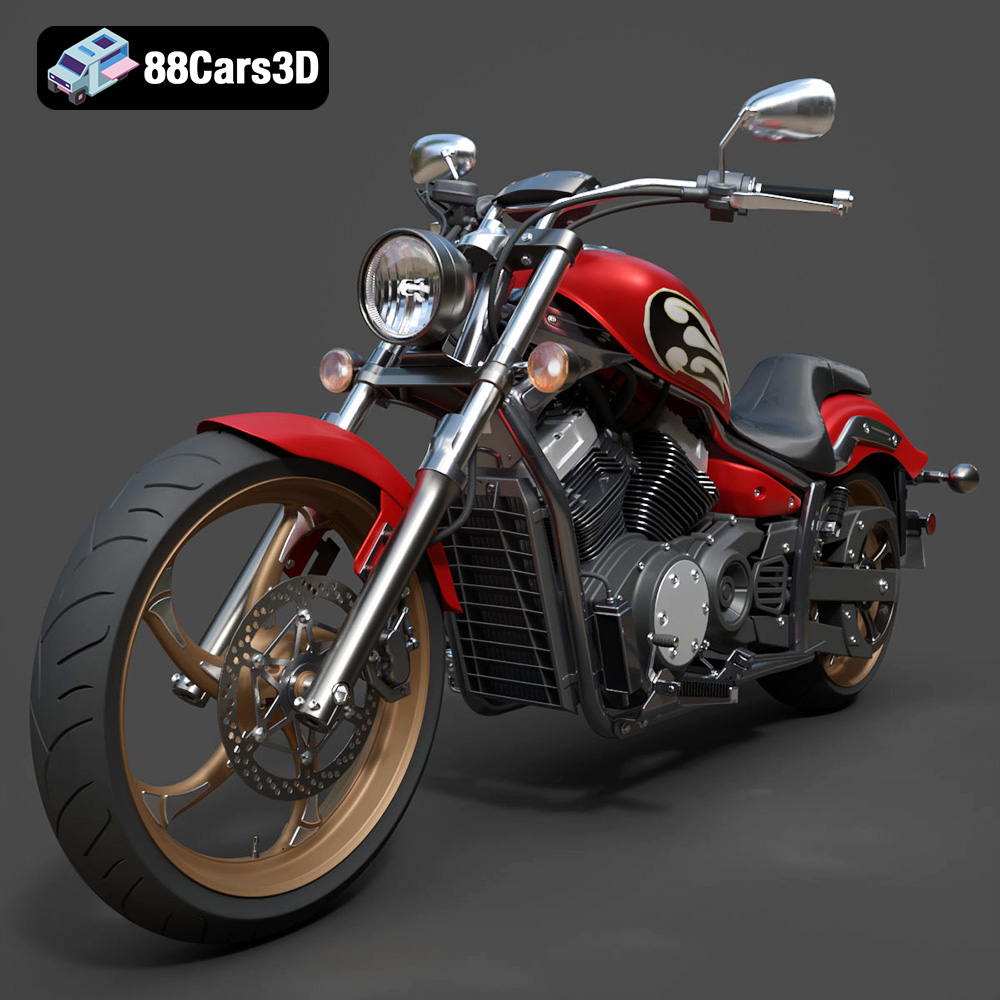
Yamaha Stryker 2012 3D Model
Texture: Yes
Material: Yes
Download the Yamaha Stryker 2012 3D Model featuring clean geometry, realistic detailing, and a fully modeled interior. Includes .blend, .fbx, .obj, .glb, .stl, .ply, .unreal, and .max formats for rendering, simulation, and game development.
Price: $19.99
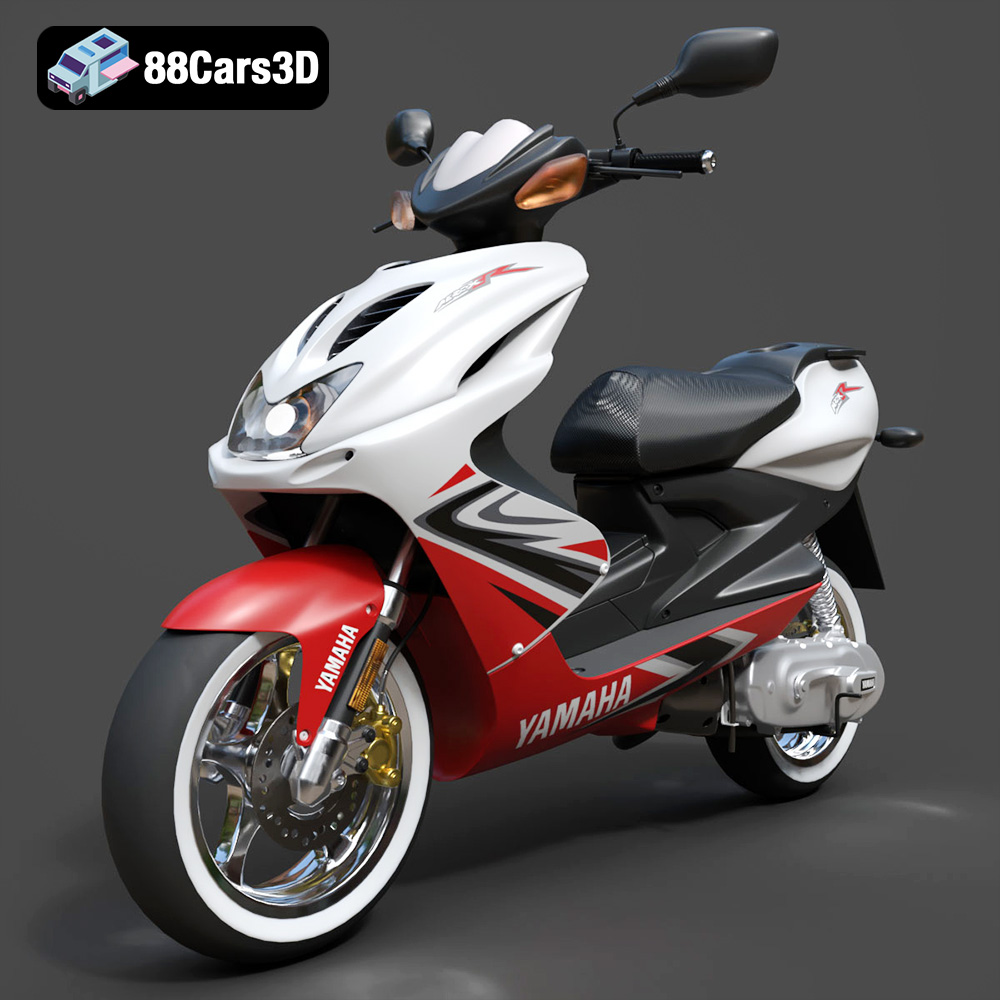
Yamaha Aerox R-002 2024 3D Model
Texture: Yes
Material: Yes
Download the Yamaha Aerox R-002 2024 3D Model featuring clean geometry, realistic detailing, and a fully modeled interior. Includes .blend, .fbx, .obj, .glb, .stl, .ply, .unreal, and .max formats for rendering, simulation, and game development.
Price: $19.99
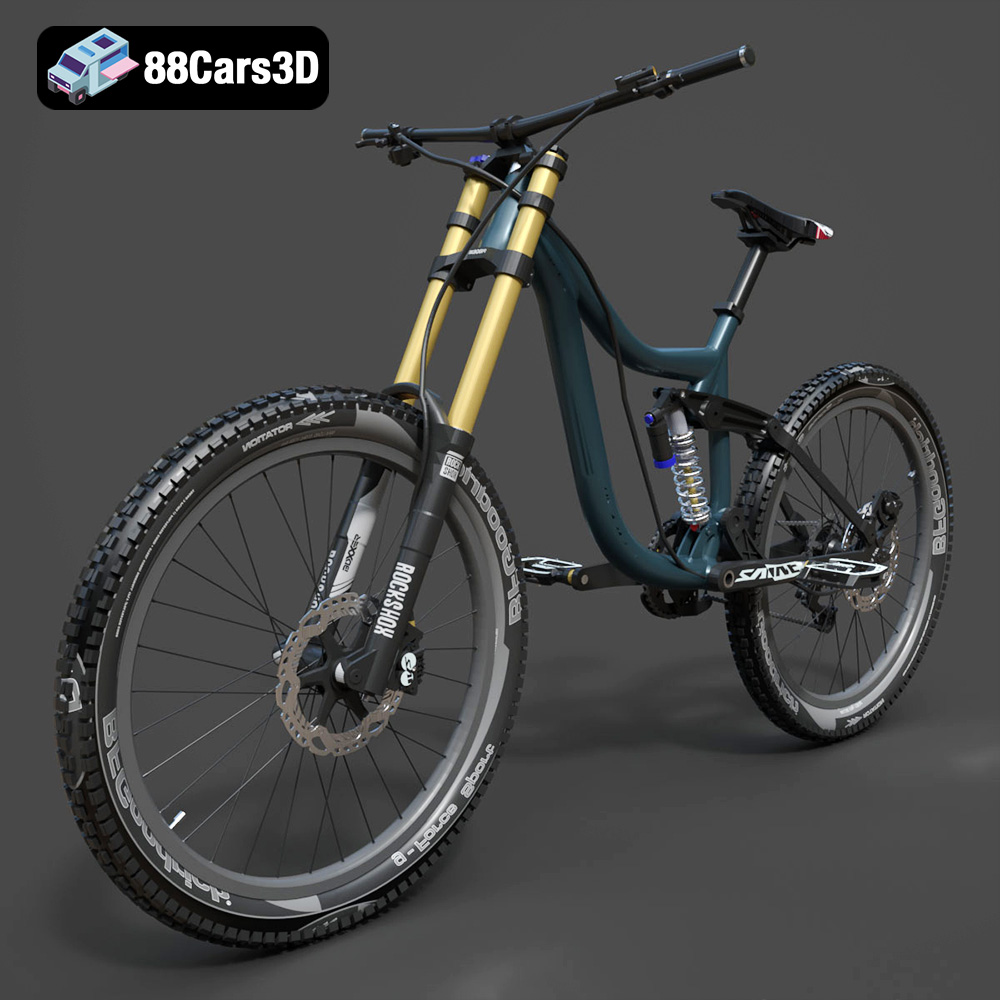
Mototsikly Downhill Bike-002 3D Model
Texture: Yes
Material: Yes
Download the Mototsikly Downhill Bike-002 3D Model featuring clean geometry, realistic detailing, and precise mechanical components. Includes .blend, .fbx, .obj, .glb, .stl, .ply, .unreal, and .max formats for rendering, simulation, and game development.
Price: $19.99
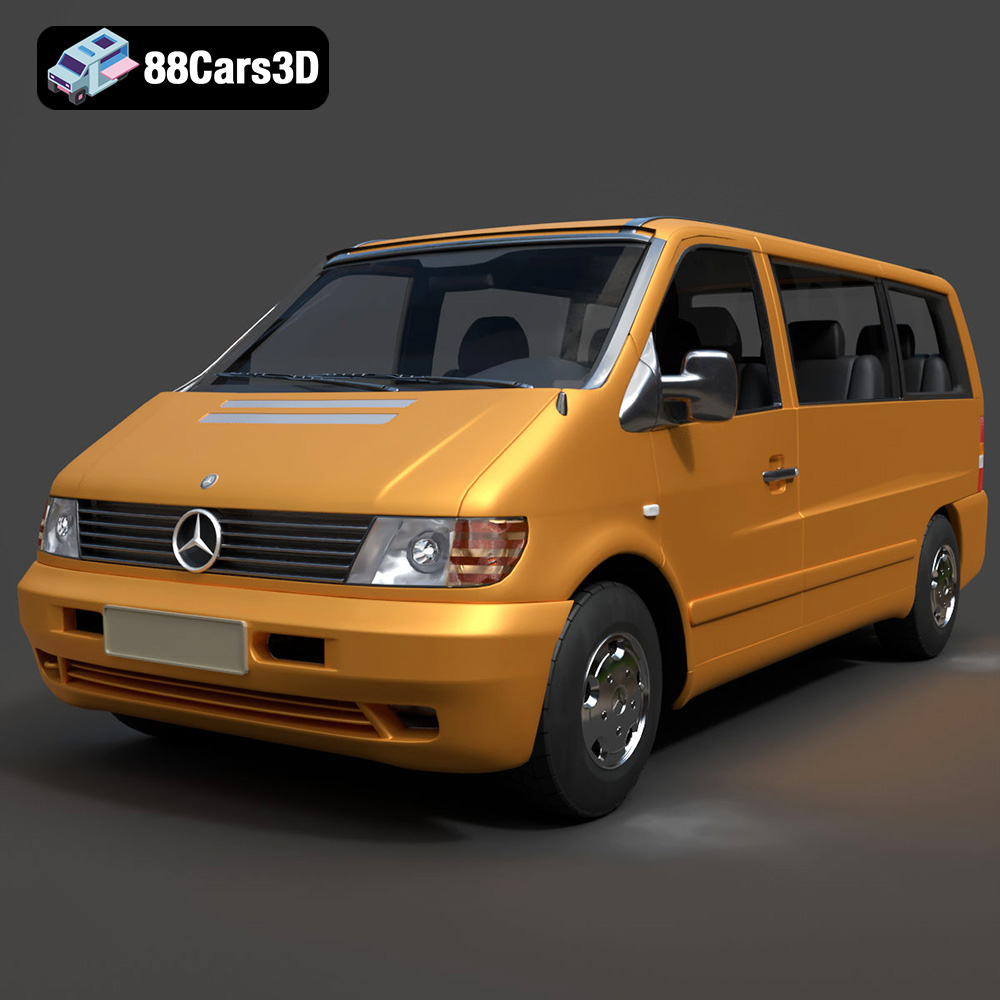
Mercedes-Benz Vito Passenger Van 3D Model
Texture: Yes
Material: Yes
Download the Mercedes-Benz Vito Passenger Van 3D Model featuring clean geometry, realistic detailing, and a fully modeled interior. Includes .blend, .fbx, .obj, .glb, .stl, .ply, .unreal, and .max formats for rendering, simulation, and game development.
Price: $19.99
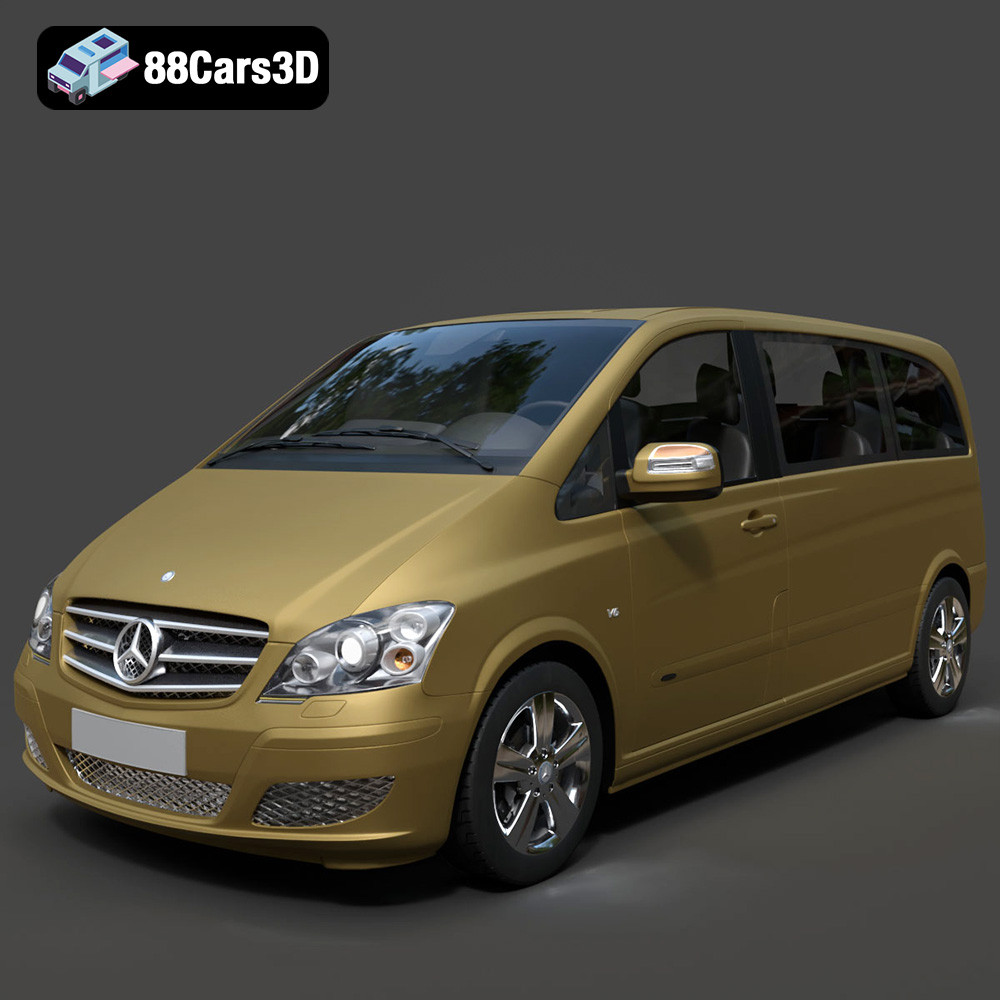
Mercedes-Benz Viano 2010 3D Model
Texture: Yes
Material: Yes
Download the Mercedes-Benz Viano 2010 3D Model featuring clean geometry, realistic detailing, and a fully modeled interior. Includes .blend, .fbx, .obj, .glb, .stl, .ply, .unreal, and .max formats for rendering, simulation, and game development.
Price: $19.99

Emt Avtobus 007 3D Model
Texture: Yes
Material: Yes
Download the Emt Avtobus 007 3D Model featuring clean geometry, realistic detailing, and a fully modeled interior. Includes .blend, .fbx, .obj, .glb, .stl, .ply, .unreal, and .max formats for rendering, simulation, and game development.
Price: $19.99
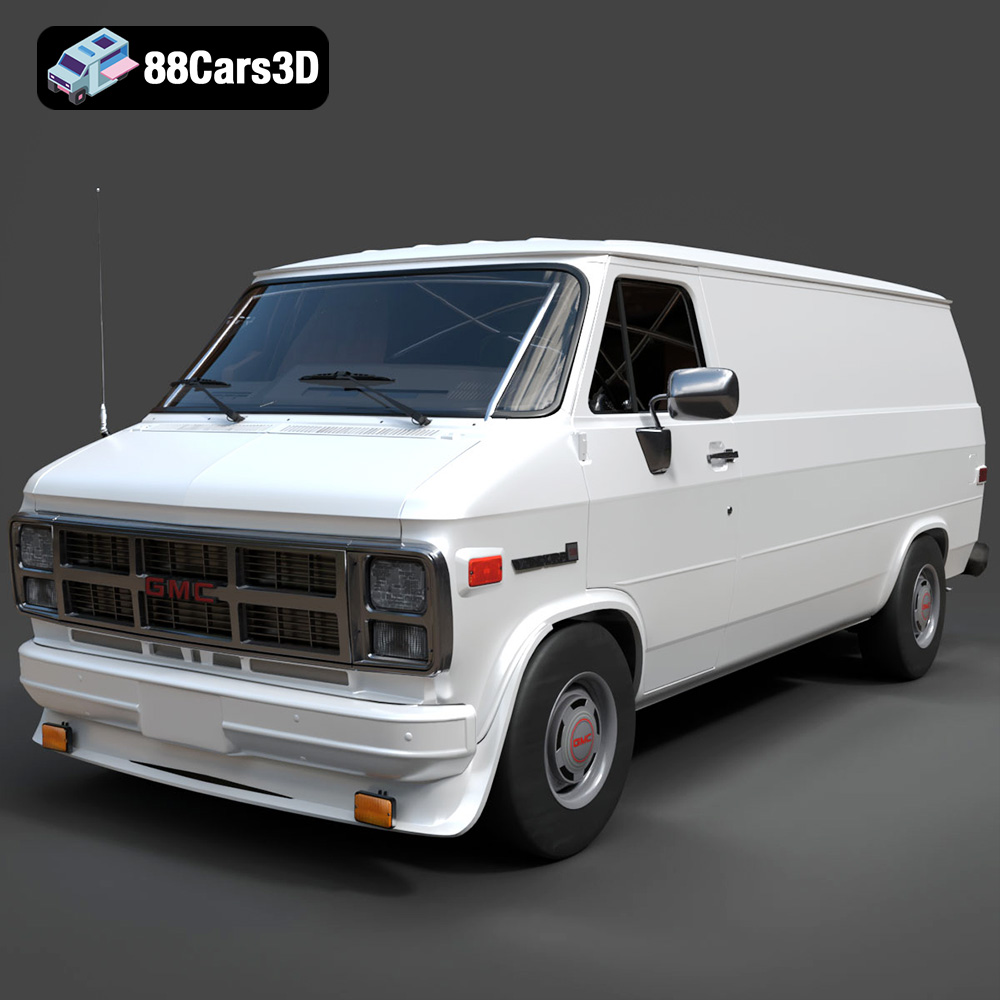
GMC Vandura G-1500 1983 3D Model
Texture: Yes
Material: Yes
Download the GMC Vandura G-1500 1983 3D Model featuring clean geometry, realistic detailing, and a fully modeled interior. Includes .blend, .fbx, .obj, .glb, .stl, .ply, .unreal, and .max formats for rendering, simulation, and game development.
Price: $19.99
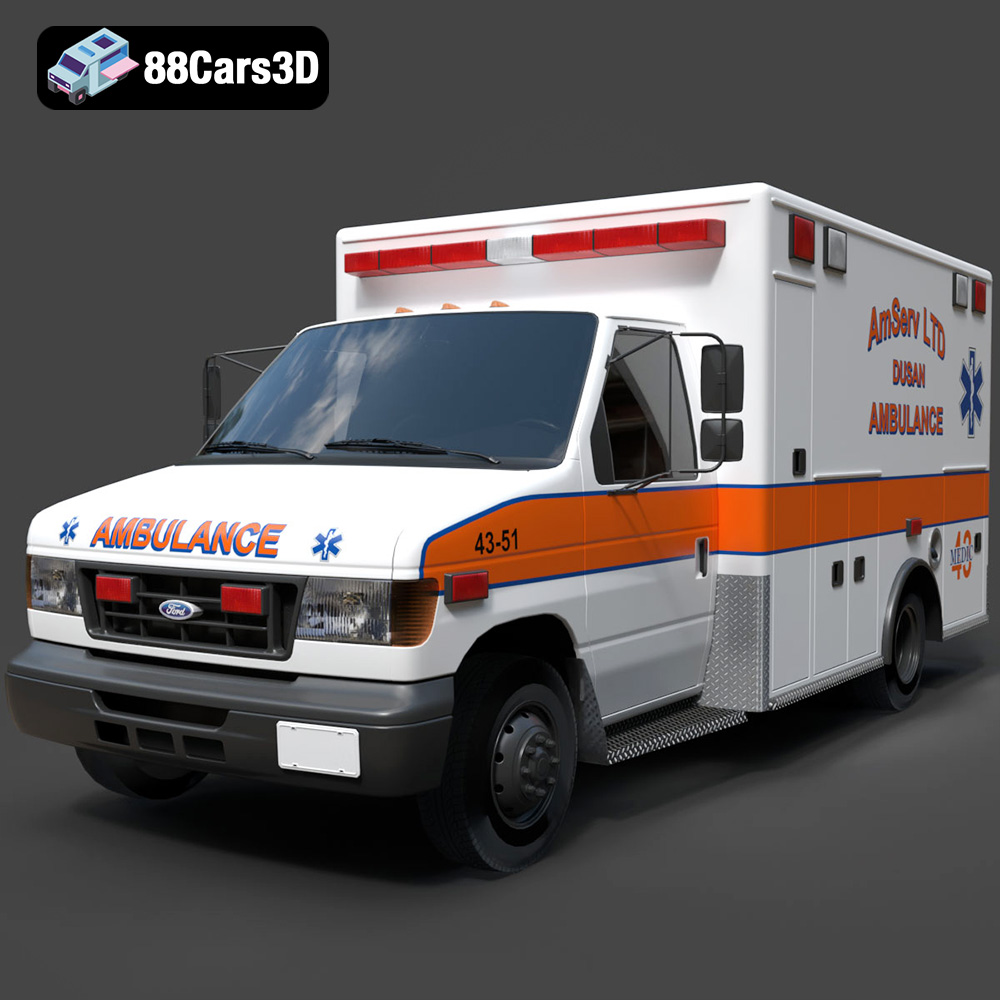
Ford Ambulance AmServ LTD Dusan-002 3D Model
Texture: Yes
Material: Yes
Download the Ford Ambulance AmServ LTD Dusan-002 3D Model featuring a high-detail exterior and interior, realistic textures, and emergency lighting. Includes .blend, .fbx, .obj, .glb, .stl, .ply, .unreal, and .max formats for rendering, simulation, and game development.
Price: $19.99
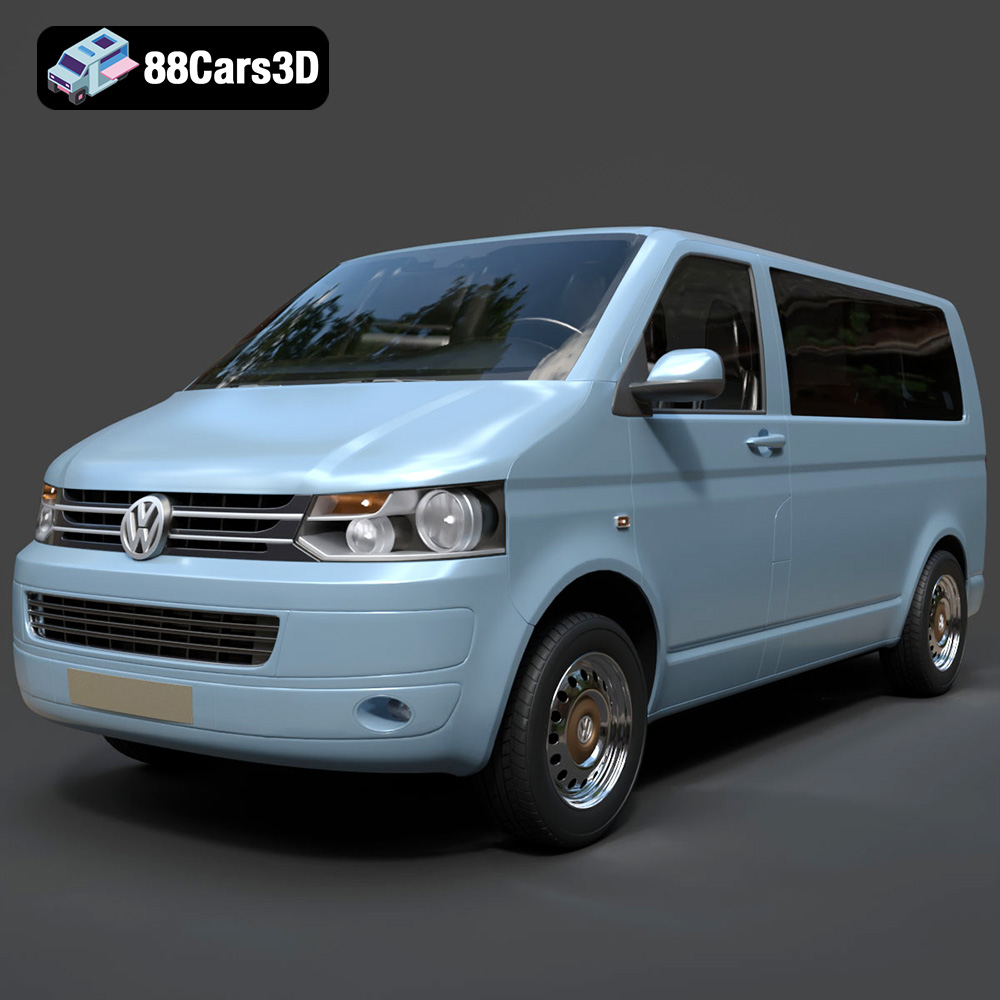
Volkswagen Transporter T5 FL 2010 3D Model
Texture: Yes
Material: Yes
Download the Volkswagen Transporter T5 FL 2010 3D Model featuring clean geometry, realistic detailing, and a fully modeled interior. Includes .blend, .fbx, .obj, .glb, .stl, .ply, .unreal, and .max formats for rendering, simulation, and game development.
Price: $22.99
