

Mastering HLSL for Advanced Automotive Materials in Unreal Engine
Unreal Engine has firmly established itself as the premier platform for real-time visualization, game development, and virtual production, especially within the demanding automotive sector. While its powerful node-based Material Editor offers incredible flexibility for artists, there comes a point where even the most complex Material Graph needs the raw power and precision of custom shader code. This is where High-Level Shading Language (HLSL) steps in, allowing developers to craft bespoke rendering solutions that push the boundaries of visual fidelity, performance, and interactivity.
For automotive professionals—from designers and engineers to marketing specialists and game developers—achieving photorealistic vehicle renders in real-time is paramount. Standard PBR (Physically Based Rendering) materials, while excellent, can sometimes fall short when replicating the intricate nuances of multi-layered car paints, unique metallic finishes, or complex headlight optics. By delving into HLSL, you unlock the ability to design truly custom shaders that precisely mimic real-world material properties, optimize rendering pathways for specific hardware, and implement advanced visual effects impossible with standard nodes alone. This comprehensive guide will take you on a journey through the essentials of integrating HLSL into your Unreal Engine projects, focusing on its application in creating next-generation automotive materials and experiences. We’ll explore everything from setting up custom shaders to advanced optimization techniques and real-world applications, equipping you with the knowledge to elevate your automotive visualization projects to unprecedented levels of realism and performance.
Understanding Unreal Engine’s Material System and the Role of HLSL
At its core, Unreal Engine’s Material Editor is a visual programming environment that allows artists to construct shaders by connecting various nodes. These nodes, whether they represent textures, mathematical operations, or utility functions, are ultimately translated into HLSL code by the engine’s compiler. This compiled HLSL then runs directly on the GPU, dictating how surfaces respond to light, how textures are sampled, and how geometry is shaded. While the node-based system is incredibly intuitive and powerful for a vast range of materials, it operates within predefined boundaries. For instance, creating a custom lighting model that deviates significantly from Unreal’s physically based BRDF (Bidirectional Reflectance Distribution Function), implementing highly specialized volumetric effects, or performing complex data manipulations often requires direct access to the shader code.
The Custom node in the Material Editor serves as a gateway to inject your own HLSL code directly into the material graph. This is where you can write custom functions, implement unique algorithms, and access specific shader inputs and outputs that might not be exposed through standard nodes. Beyond the Custom node, Unreal Engine also supports more advanced HLSL integration through custom shader plugins, allowing you to define entirely new shader types that can be invoked directly from C++ code or even create custom rendering passes. Understanding this hierarchy—from high-level material graphs to underlying HLSL—is crucial for knowing when to leverage existing tools and when to dive into the code for maximum control. For those working with high-quality 3D car models, such as those available on platforms like 88cars3d.com, the ability to fine-tune material responses with HLSL ensures that the intricate details of the models are showcased with unparalleled fidelity. The clean topology and meticulous UV mapping of these professional assets provide a perfect canvas for your custom shader creations, allowing you to focus on the material science rather than geometry preparation.
The Custom Node: Your Gateway to Shader Code
The Custom node is the most accessible entry point for integrating HLSL into your Unreal materials. It allows you to declare inputs, write HLSL code that processes these inputs, and output a result that can then be fed into other parts of your material graph. Each Custom node compiles its HLSL code independently, meaning you can have multiple Custom nodes performing different specialized tasks within a single material. For example, you might use one Custom node to calculate a complex iridescent falloff for car paint based on view angle and another to procedurally generate a subtle dirt accumulation mask. When using the Custom node, it’s vital to be aware of the `return` statement, as it defines the output of the node. You also need to specify the output type (e.g., float, float2, float3, float4) to match what the subsequent nodes expect. Keep your Custom node code concise and focused on a single task to improve readability and reusability. For more detailed information on HLSL syntax and Unreal Engine’s shader environment, developers can consult the official Unreal Engine documentation at https://dev.epicgames.com/community/unreal-engine/learning.
Unreal’s Internal Shader Structure and How it Connects
Unreal Engine uses a deferred shading pipeline, meaning lighting calculations are typically performed after all material properties (base color, normal, roughness, metallic, etc.) have been written to a G-Buffer. Your HLSL code within a Custom node primarily influences these G-Buffer properties. When you output a value from a Custom node and connect it to, say, the Base Color input of your main material node, your HLSL is directly contributing to the pixel’s base color before any lighting is applied. For more advanced scenarios involving custom lighting models or post-processing, you would delve into creating custom C++ shader types or render passes, which allow you to override parts of Unreal’s rendering pipeline directly. This level of integration is much more involved, requiring C++ programming skills and a deeper understanding of Unreal’s rendering architecture, but offers the ultimate control for specialized effects like unique refractive caustic generators or complex subsurface scattering for translucent materials.
Setting Up Custom Shaders in Unreal Engine: A Practical Guide
Integrating custom HLSL shaders into your Unreal Engine project requires a structured approach to ensure compatibility, performance, and maintainability. While the Custom node provides an immediate solution for injecting snippets of code, for larger or more complex shader logic, it’s often beneficial to organize your HLSL into reusable functions or even separate shader files. This modularity not only makes your code cleaner but also promotes reusability across multiple materials and projects. The most common method involves placing your custom HLSL code within a Material Function or directly inside the Custom node itself. For project-wide custom shaders, you can also define `.usf` (Unreal Shader File) files within your project’s `Shaders` directory, which Unreal Engine will automatically detect and compile.
When setting up your custom shader, consider its scope and purpose. Is it a small mathematical operation, a complex texture manipulation, or a new lighting component? This will dictate whether a simple Custom node is sufficient or if you should encapsulate your logic within a Material Function for better organization and instance-based parameter control. Parameterization is key: expose relevant variables from your HLSL code as Material Parameters so that artists can easily tweak values without diving into code. This bridge between code and artistic control is vital for efficient workflow. For example, if you’re creating a custom car paint shader, you might expose parameters for metallic flake density, clear coat thickness, or iridescent shift amount. Remember that all HLSL code within the Custom node is compiled per-pixel, so optimizing your code for performance is paramount, especially when working with high-resolution 3D car models and real-time rendering demands.
Using the Custom Node with Inputs and Outputs
To effectively use the Custom node, you need to understand how to define inputs and outputs. In the node’s details panel, you can add named inputs (e.g., `float3 BaseColor`, `float NormalStrength`) which will then appear as pins on the node. Inside the HLSL code, you reference these inputs by their declared names. The output of the node is determined by the `return` statement at the end of your HLSL code. For example, a simple custom node might take `float A` and `float B` as inputs and return `A * B`. Ensure the input types you define in the Custom node’s details panel match the actual data types you connect to its pins from the material graph. Discrepancies can lead to compilation errors or unexpected visual results. Always test your custom nodes thoroughly in a controlled environment to verify their behavior before integrating them into complex materials.
Material Functions for Reusable HLSL
For more complex HLSL logic that you intend to reuse across multiple materials, encapsulating it within a Material Function is a robust approach. A Material Function allows you to define a self-contained graph (which can include Custom nodes) with its own inputs and outputs. Once created, a Material Function can be dragged and dropped into any other material, much like a regular engine node. This promotes modularity and reduces redundancy, making your project easier to manage and update. To create a Material Function, right-click in the Content Browser and select `Materials & Textures > Material Function`. Inside the Material Function editor, you can add `Function Input` and `Function Output` nodes to define its interface. Within this function, you can place Custom nodes containing your HLSL code. This approach is highly recommended for creating a library of specialized automotive shaders, such as distinct carbon fiber patterns, advanced metallic flakes, or custom wear-and-tear effects that can be applied consistently across a range of 3D car models.
Crafting Advanced Automotive Materials with HLSL: Beyond the PBR Graph
While Unreal Engine’s PBR system provides a strong foundation for realistic materials, automotive visualization often demands a level of detail and physical accuracy that goes beyond standard PBR parameters. HLSL empowers artists and developers to accurately simulate complex light interactions specific to car finishes, such as multi-layered paints, intricate metallic flakes, and highly accurate anisotropic reflections found on polished metals. Think about the way a pearlescent car paint shifts color based on the viewing angle, or the subtle glitter of metallic flakes under direct light—these effects often require custom algorithms that meticulously calculate light scattering and absorption at a sub-pixel level.
With HLSL, you can implement custom BRDFs or extend existing ones to account for these specific material properties. For instance, creating a custom multi-layered clear coat shader involves calculating light interactions for the base coat, clear coat, and potentially intermediate layers, each with its own refractive index and absorption characteristics. This often means writing custom code to handle fresnel reflections for multiple interfaces, simulating accurate light absorption through translucent layers, and blending different specular lobes. Similarly, achieving realistic metallic flake effects might involve generating procedural noise or sampling custom normal maps at varying scales within your shader, then modifying the surface normal or roughness based on these micro-details to simulate the sparkle. The meticulously crafted geometry and UVs found in 88cars3d.com’s assets provide an ideal foundation for these advanced shaders, ensuring that your custom material logic has precise and clean data to work with.
Custom Car Paint Shaders: Simulating Multi-layered Complexity
A real-world car paint typically consists of several layers: a primer, a base coat (color), metallic flakes (optional), and a clear coat. Each layer contributes to the final appearance. With HLSL, you can construct a shader that simulates this layering. You might start by calculating the base color and metallic response, then add a clear coat layer on top. This clear coat needs its own Fresnel reflection, separate roughness, and potential normal map for micro-scratches.
Here’s a conceptual HLSL snippet for a multi-layered clear coat effect:
“`hlsl
// Example for a Custom Node within a Material Function
float3 CustomCarPaint(float3 BaseColor, float3 Normal, float RoughnessBase, float Metallic, float ClearCoatRoughness, float ClearCoatIOR, float3 ViewDir, float3 LightDir)
{
// … Calculate Base PBR (using engine functions or your own)
float3 Diffuse = CalcDiffuse(BaseColor, Normal, LightDir);
float3 SpecularBase = CalcSpecular(RoughnessBase, Normal, ViewDir, LightDir, Metallic); // Simpler spec for base
// Clear Coat Layer
float NdotV = dot(Normal, ViewDir);
float Fresnel = SchlickFresnel(ClearCoatIOR, NdotV); // Custom Fresnel function
float3 ClearCoatSpecular = CalcSpecular(ClearCoatRoughness, Normal, ViewDir, LightDir, 1.0); // Full reflection
// Blend layers
float3 FinalColor = lerp(Diffuse + SpecularBase, ClearCoatSpecular, Fresnel);
// … Add metallic flake simulation, iridescence etc.
// Example: Iridescence based on film thickness and view angle
float IridescentMask = saturate(pow(1 – NdotV, 5) * 2); // Simple falloff
FinalColor = FinalColor + IridescentMask * float3(0.1, 0.05, 0.2); // Add subtle purple tint
return FinalColor;
}
“`
This snippet demonstrates blending base layer properties with a clear coat using Fresnel, and adding a basic iridescent effect. True implementation would involve integrating with Unreal’s lighting model, which often means passing custom data to the G-Buffer or overriding parts of the lighting pass.
Anisotropic Reflections and Procedural Details
Anisotropic reflections, where specular highlights stretch in a particular direction (e.g., brushed metal, CD surfaces), are challenging to achieve with standard PBR alone. HLSL allows you to directly manipulate the normal vector or use a custom normal distribution function to create these effects. By passing tangent and bitangent vectors into your shader, you can orient the anisotropy correctly based on the mesh’s UVs or world space direction.
For procedural details like tire tread wear, subtle dirt accumulation, or unique carbon fiber weave patterns, HLSL offers unparalleled control. You can generate complex noise functions (e.g., Perlin, Simplex, Worley) directly in your shader, use mathematical operations to layer them, and then blend the results to create highly detailed and non-repeating surface variations. This approach is highly efficient as it doesn’t require large texture maps, saving memory and texture bandwidth—a critical factor for real-time applications and AR/VR experiences.
Optimizing HLSL Shaders for Real-Time Performance and Scalability
Shader performance is paramount in real-time applications, especially when aiming for photorealistic automotive visualization. Even a small inefficiency in your HLSL code, when multiplied across millions of pixels every frame, can lead to significant frame rate drops. Optimizing custom shaders involves a careful balance between visual fidelity and computational cost. The goal is to achieve the desired look with the fewest possible instructions, texture samples, and conditional branches. Understanding how the GPU processes your shader code is key to writing efficient HLSL.
When writing HLSL for Unreal Engine, be mindful of the target platforms. A shader that runs flawlessly on a high-end desktop GPU might cripple performance on mobile VR or lower-spec consoles. Techniques like Level of Detail (LOD) for materials, where simpler shaders are used for distant objects, become crucial. Using `static_branch` (Unreal-specific extension) or `if` statements with constant conditions allows the shader compiler to optimize out unused code paths. Avoid complex loops, excessive texture fetches, and trigonometric functions (sin, cos, tan) where simpler alternatives exist. Always profile your shaders using Unreal Engine’s built-in tools and external GPU debuggers to identify bottlenecks. The beautifully optimized 3D car models from 88cars3d.com, with their clean topology and efficient UVs, provide an excellent foundation; pairing them with optimized HLSL ensures maximum performance without sacrificing visual quality.
Reducing Instruction Count and Texture Samples
The instruction count is a primary metric for shader performance. Every mathematical operation, texture sample, or conditional branch adds to this count.
**Tips for reduction:**
* **Combine operations:** Instead of `float a = X * Y; float b = a + Z;`, try to condense to `float b = X * Y + Z;`.
* **Use swizzling:** `float3 MyColor = MyVec4.rgb;` is efficient.
* **Minimize texture samples:** Each `tex2D` call is expensive. Combine necessary textures into a single texture atlas where possible, or use a single texture that packs multiple grayscale data channels (e.g., roughness, metallic, ambient occlusion into R, G, B channels of one texture).
* **Avoid unnecessary calculations:** Only compute what is strictly needed for the final output. If a parameter is zero, don’t multiply by it.
* **LOD for materials:** For distant objects, swap to simpler materials or Material Functions with less complex HLSL. This can be achieved using the `PerInstanceCustomData` node in Unreal materials, or by creating separate LOD materials.
Conditional Branching and Compiler Optimizations
Conditional statements (`if/else`) can be costly on GPUs if the condition varies per pixel. When the condition is divergent across pixels in a `warp` or `wavefront` (groups of pixels processed simultaneously), the GPU has to execute both branches, effectively doing double the work.
* **`static_branch`:** Unreal Engine offers `static_branch` in its Custom node, which allows the compiler to evaluate the condition at compile time if it’s based on a static material parameter. This can significantly optimize performance by compiling only the relevant code path.
* **Pre-calculate where possible:** If a value can be computed once on the CPU and passed as a uniform parameter, do so. Avoid recalculating constants per pixel.
* **Use `saturate()`:** Instead of `max(0, x)`, `saturate(x)` is often more efficient for clamping values between 0 and 1.
* **Profile:** Use `stat gpu` in Unreal Engine or dedicated GPU profiling tools like RenderDoc or NVIDIA Nsight to see the actual instruction count and execution time of your shaders. This empirical data is invaluable for pinpointing performance bottlenecks.
Advanced HLSL Techniques for Next-Gen Automotive Visualization
Pushing the boundaries of automotive visualization requires more than just recreating real-world materials; it demands creating immersive, interactive, and visually stunning experiences. HLSL becomes an indispensable tool for achieving these next-gen effects, particularly when leveraging Unreal Engine’s cutting-edge features like Nanite and Lumen, or when developing custom interactive elements. With HLSL, you can implement custom shading models that go beyond the capabilities of standard PBR, integrate complex procedural generation, and even create dynamic, data-driven visual responses for your 3D car models.
Consider the intricate details required for virtual production with LED walls, where real-time accuracy and color fidelity are paramount. Custom HLSL shaders can provide precise control over color grading, exposure compensation, and even lens distortion effects to match real-world camera optics. For AR/VR automotive configurators, where performance is critical, HLSL enables highly optimized yet visually rich effects, such as custom reflections or unique vehicle damage visualizations. Furthermore, the ability to write custom compute shaders opens up possibilities for GPU-accelerated simulations—think real-time fluid dynamics for tire spray or advanced cloth simulations for car covers, although this delves into a more complex C++ plugin development workflow. By mastering these advanced HLSL techniques, you can ensure that your automotive assets, especially high-fidelity models sourced from marketplaces like 88cars3d.com, are presented with unparalleled realism and performance across all target platforms.
Integrating Custom Shaders with Nanite and Lumen
Unreal Engine 5 introduced Nanite and Lumen, revolutionary technologies that fundamentally change how we render high-fidelity assets and global illumination.
* **Nanite:** This virtualized geometry system allows for billions of polygons on screen without traditional LODs. Your custom HLSL shaders, through the Custom node, still process the material properties of these highly detailed meshes. The primary consideration with Nanite is that complex pixel shader operations can still be costly, even if vertex processing is highly optimized. Focus on keeping your pixel shaders efficient, especially when dealing with overdraw. Nanite can also pass custom data per mesh instance, which you can read in your HLSL for unique per-object variations.
* **Lumen:** Unreal Engine’s real-time global illumination system interacts with your materials by sampling their base color, metallic, roughness, and emissive properties. If your custom HLSL code significantly alters these properties in non-standard ways, Lumen might not fully capture the intended light bounce. For instance, if you have a custom lighting model for a car headlight that emits light procedurally, you might need to provide Lumen with an “average” emissive color or use the `Emissive` output of your material accurately. In some advanced cases, you might even consider creating custom Lumen surface cache shaders through C++ if your material’s light emission or absorption is highly non-standard.
Blueprint Interaction and Cinematic Integration with Sequencer
Custom HLSL shaders aren’t isolated islands; they can be dynamically controlled through Blueprint visual scripting and animated using Sequencer for cinematic storytelling.
* **Blueprint Interaction:** Expose your HLSL-driven material parameters (defined as Material Parameters in the Material Function or Custom node inputs) as dynamic material instance parameters. Through Blueprint, you can create `Dynamic Material Instances` and use nodes like `Set Scalar Parameter Value` or `Set Vector Parameter Value` to adjust properties like clear coat thickness, metallic flake intensity, or color shift in real-time. This is essential for interactive automotive configurators, allowing users to customize vehicles with immediate visual feedback. You could, for example, have a Blueprint script that changes the metallic flake color of a car paint shader based on user input, where the flake color is a `float3` input to your Custom HLSL node.
* **Sequencer for Cinematics:** For cinematic renders or virtual production, Sequencer can animate these same dynamic material parameters over time. This allows you to create stunning sequences where car paint colors smoothly transition, headlight effects dynamically pulse, or custom environmental reflections change, all driven by your underlying HLSL logic. Imagine a shot where the car’s paint subtly shifts from matte to gloss, or where a custom-coded “dirt” layer procedurally accumulates as the car drives through a simulated environment, all controllable through keyframes in Sequencer.
Debugging and Profiling Custom Shaders in Unreal Engine
Developing custom HLSL shaders can be a complex and often challenging process. Unlike Blueprint scripts that provide immediate visual feedback and clear error messages, shader compilation and runtime issues can be notoriously difficult to track down. Incorrect syntax, mismanaged data types, or logical errors within your HLSL code can lead to anything from subtle visual glitches to hard crashes or blank screens. Therefore, a robust understanding of debugging and profiling tools is essential for any shader developer working in Unreal Engine. Efficient debugging not only helps fix issues but also allows you to optimize your shaders, ensuring they perform optimally on your target hardware.
Unreal Engine provides several built-in tools and view modes that are invaluable for shader development. Additionally, external GPU debuggers offer deeper insights into how your shader code is executing on the hardware. Mastering these tools will significantly accelerate your development workflow, helping you diagnose visual artifacts, identify performance bottlenecks, and ensure the stability and efficiency of your custom automotive materials. When working with complex PBR materials on high-quality 3D car models, a meticulous debugging approach ensures that the investment in detailed assets translates into stunning, error-free real-time visuals.
Unreal Engine’s Built-in Debugging Tools
* **Shader Compiler Output Log:** The most basic yet crucial tool. When you save a material with a Custom node, Unreal Engine compiles the HLSL. Any syntax errors or issues will appear in the Output Log (Window -> Developer Tools -> Output Log). Pay close attention to line numbers and error descriptions.
* **Shader Complexity View Mode:** Accessible from the `Show > Visualize` menu in the viewport, this mode visualizes the instruction count of your pixel shaders. Green indicates low complexity, while red indicates high complexity. This is an excellent first pass for identifying areas where your custom HLSL might be too expensive. Aim for as much green as possible, especially in areas with significant overdraw.
* **`stat gpu` Command:** Type `stat gpu` into the console to bring up real-time GPU performance statistics. This will show you shader execution times, draw calls, and other vital metrics, allowing you to see the impact of your custom shader on overall frame time. Look for peaks in `Draw` or `Shader` categories after applying your custom material.
* **Material Debugging Tools:** Within the Material Editor, you can right-click on any node (including your Custom node) and select `Start Previewing Node` to see its output directly on the preview mesh. This helps isolate issues by verifying the output of specific parts of your HLSL code. For Custom nodes, you can also use `Print` or `Log` functions within your HLSL (if supported by a custom framework, though not standard for Custom node outputs) to output values, but typically you’d output to a float4 and visualize colors.
* **Error Shaders:** If your HLSL code contains critical errors, Unreal Engine will often display a bright pink or checkerboard “error shader” on your mesh. This is a clear indicator that something is fundamentally wrong with your shader compilation or execution.
External GPU Debuggers and Profilers
For deeper inspection into shader execution, external tools are indispensable:
* **RenderDoc:** A free, open-source frame debugger that allows you to capture a single frame and inspect every draw call, render target, and shader stage. You can step through your HLSL code, view input and output variables at each stage, and see how textures are sampled. This is incredibly powerful for diagnosing subtle visual glitches or understanding why a specific calculation isn’t producing the expected result.
* **NVIDIA Nsight Graphics / AMD Radeon GPU Analyzer (RGA):** These vendor-specific tools offer advanced profiling capabilities, including detailed instruction timing, occupancy analysis, and hardware counter data. They can pinpoint exactly which lines of your HLSL code are consuming the most GPU cycles, enabling highly targeted optimizations. They also provide comprehensive API debugging and shader introspection.
* **PIX (for DirectX):** Microsoft’s performance tuning and debugging tool for DirectX applications. Similar to RenderDoc, it allows frame capture and step-by-step debugging of shader code, useful for Windows development.
When debugging, always start with the simplest case. If an issue arises, progressively simplify your HLSL code or material graph until the problem disappears, then reintroduce complexity piece by piece until you isolate the cause. This methodical approach is key to efficient shader development.
Integrating Custom Shaders into Complex Unreal Engine Workflows
The true power of custom HLSL shaders is unleashed when they are seamlessly integrated into Unreal Engine’s broader ecosystem, interacting with features like Blueprint visual scripting, Sequencer for cinematic production, and even physics simulations for realistic vehicle dynamics. This integration transforms raw shader code into dynamic, artist-friendly tools that can drive interactive experiences, stunning cinematics, and advanced real-time simulations. For automotive visualization, where interactivity and realism are paramount, a well-integrated custom shader can mean the difference between a static render and an engaging virtual experience.
Whether you’re building an interactive car configurator, a virtual production scene for an automotive commercial, or a hyper-realistic racing game, your custom materials need to respond to various inputs—user interaction, animation timelines, or even physics events. By carefully exposing parameters from your HLSL code to Unreal Engine’s scripting and animation systems, you empower artists and designers to leverage the technical prowess of your shaders without needing to delve into the code themselves. This bridge between low-level HLSL and high-level engine features is critical for efficient, collaborative development, especially when utilizing highly detailed 3D car models from resources like 88cars3d.com, which come ready for advanced material application and dynamic manipulation.
Blueprint for Interactive Automotive Configurators
Custom HLSL shaders are central to creating highly interactive automotive configurators in Unreal Engine. Imagine a user changing a car’s paint color, material finish, or even adding a custom decal. With HLSL, you can implement highly specialized effects for these changes, such as:
* **Dynamic Paint Properties:** Expose parameters like `ClearCoatRoughness`, `MetallicFlakeDensity`, `IridescentShift`, or `PaintTint` from your HLSL car paint shader. In Blueprint, you can then create a dynamic material instance for the car, bind UI elements (buttons, sliders) to Blueprint events, and use `Set Scalar Parameter Value` or `Set Vector Parameter Value` nodes to update these material parameters in real-time. This allows for instant visual feedback on paint choices.
* **Procedural Wear and Tear:** Use HLSL to create procedural dirt, scratches, or wear masks based on parameters like `DirtIntensity`, `ScratchAmount`, or `RustGrowth`. Blueprint can then drive these parameters, allowing users to visualize the car in various states of wear or even simulating damage in real-time based on in-game events or user interaction.
* **Headlight/Taillight Effects:** Custom HLSL can create advanced headlight patterns (e.g., LED matrix effects, dynamic light cones, volumetric fog integration). Blueprint can control the intensity, color, and animation of these effects, linking them to vehicle states (e.g., “headlights on,” “brake lights active”).
Sequencer for Cinematic Renderings and Virtual Production
For automotive cinematics and virtual production with LED walls, Sequencer, Unreal Engine’s multi-track cinematic editor, works hand-in-hand with custom HLSL shaders.
* **Animated Material Properties:** Any material parameter exposed from your HLSL (via a Material Parameter or Material Function) can be keyframed in Sequencer. This enables dynamic material transitions over time. For example, a car driving into a shadow could have its paint reflectivity subtly adjust, or a specific metallic flake effect could animate its intensity as the camera moves.
* **Custom Post-Processing Effects:** While not directly part of an object’s material, custom HLSL can be used to create unique post-processing effects. If you’ve developed a custom shader to simulate film grain, lens flares, or specialized color grading for a cinematic look, Sequencer can animate the intensity or characteristics of these effects, applying them across the entire shot.
* **Virtual Production Specifics:** In virtual production, matching the digital environment’s lighting and camera characteristics to physical LED walls and cameras is crucial. Custom HLSL shaders can be used to implement specific color space transformations, exposure compensations, or even minor lens distortion corrections directly within the engine, ensuring seamless integration between virtual assets and physical environments. For more in-depth knowledge about Unreal Engine’s features and workflows, including Sequencer and advanced rendering techniques, refer to the comprehensive learning resources at https://dev.epicgames.com/community/unreal-engine/learning.
Conclusion
Unreal Engine’s node-based Material Editor is an incredibly powerful tool, but for automotive visualization professionals striving for the absolute pinnacle of realism and performance, High-Level Shading Language (HLSL) offers an unparalleled level of control. By delving into custom shader development, you unlock the ability to meticulously replicate the complex material science of real-world car paints, metals, and glass, creating visually stunning and physically accurate representations that transcend the capabilities of standard PBR workflows.
Throughout this guide, we’ve explored the fundamental role of HLSL within Unreal Engine, from injecting simple code snippets via the Custom node to structuring reusable Material Functions. We’ve delved into crafting advanced automotive materials, discussed critical optimization strategies for real-time performance, and touched upon cutting-edge techniques for integrating custom shaders with Nanite, Lumen, Blueprint, and Sequencer. The journey into HLSL is an investment in deeper technical mastery, enabling you to tackle unique visual challenges, optimize for diverse platforms (including AR/VR), and deliver breathtaking real-time automotive experiences.
For artists and developers committed to pushing visual boundaries, learning HLSL is not merely an optional skill; it is a fundamental pillar of next-generation real-time rendering. By combining the highly optimized and meticulously crafted 3D car models available on platforms like 88cars3d.com with your custom HLSL expertise, you are equipped to create automotive visualizations that are not only photorealistic but also dynamic, interactive, and truly unforgettable. Embrace the power of HLSL, and transform your vision into a stunning real-time reality within Unreal Engine.
Featured 3D Car Models
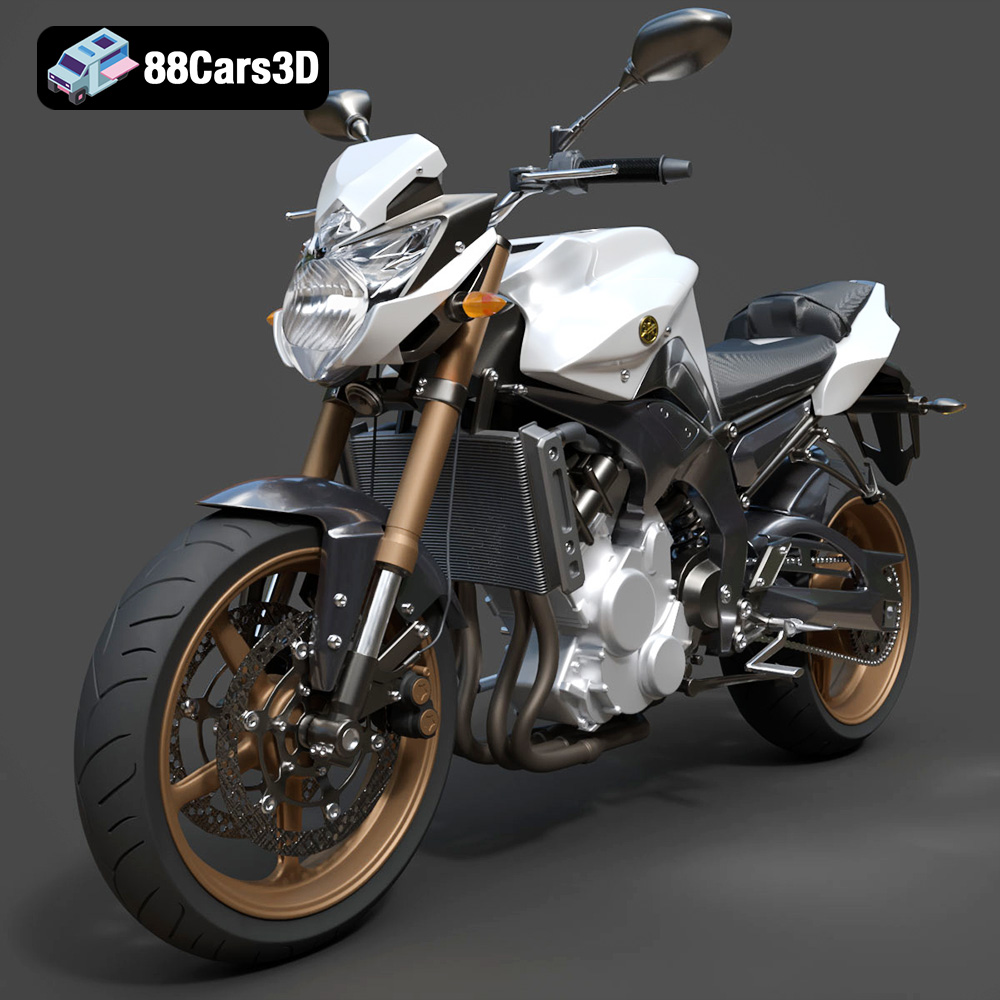
Yamaha FZ8 2011 3D Model
Texture: Yes
Material: Yes
Download the Yamaha FZ8 2011 3D Model featuring clean geometry, realistic detailing, and a fully modeled interior. Includes .blend, .fbx, .obj, .glb, .stl, .ply, .unreal, and .max formats for rendering, simulation, and game development.
Price: $19.99
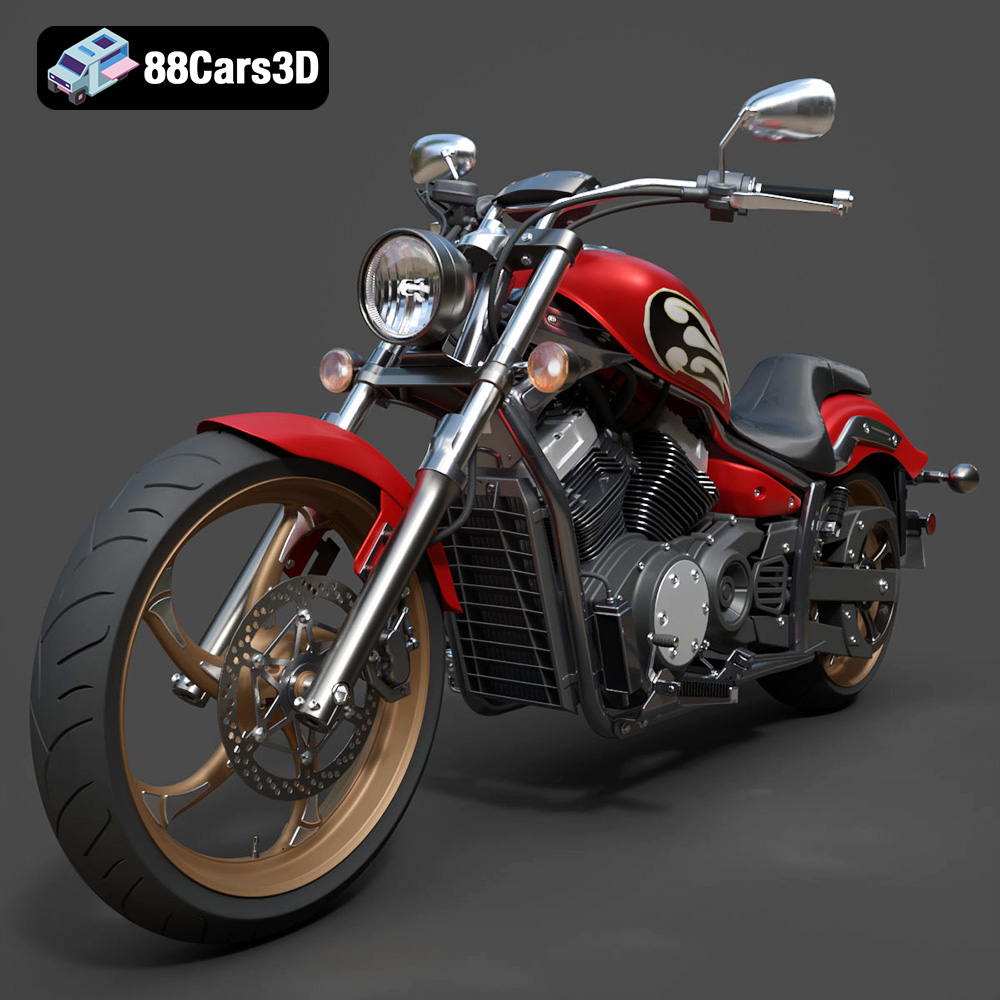
Yamaha Stryker 2012 3D Model
Texture: Yes
Material: Yes
Download the Yamaha Stryker 2012 3D Model featuring clean geometry, realistic detailing, and a fully modeled interior. Includes .blend, .fbx, .obj, .glb, .stl, .ply, .unreal, and .max formats for rendering, simulation, and game development.
Price: $19.99
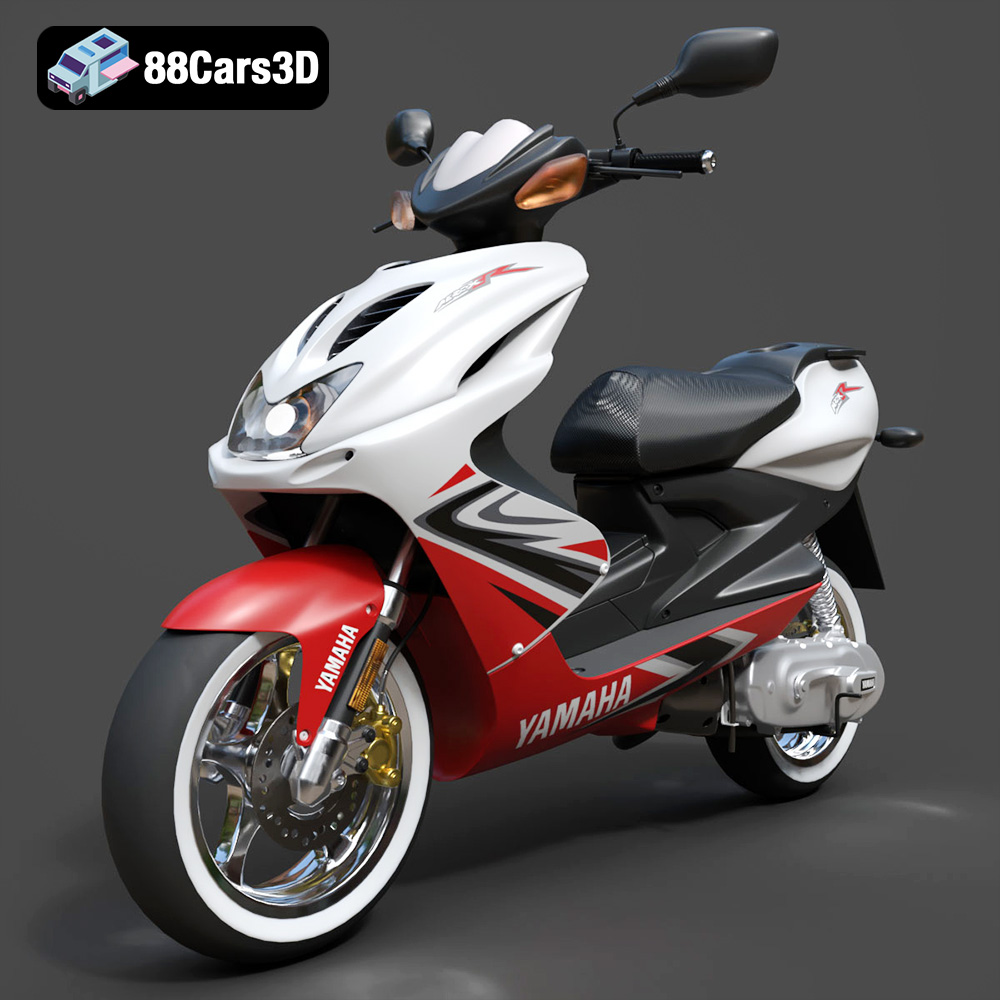
Yamaha Aerox R-002 2024 3D Model
Texture: Yes
Material: Yes
Download the Yamaha Aerox R-002 2024 3D Model featuring clean geometry, realistic detailing, and a fully modeled interior. Includes .blend, .fbx, .obj, .glb, .stl, .ply, .unreal, and .max formats for rendering, simulation, and game development.
Price: $19.99
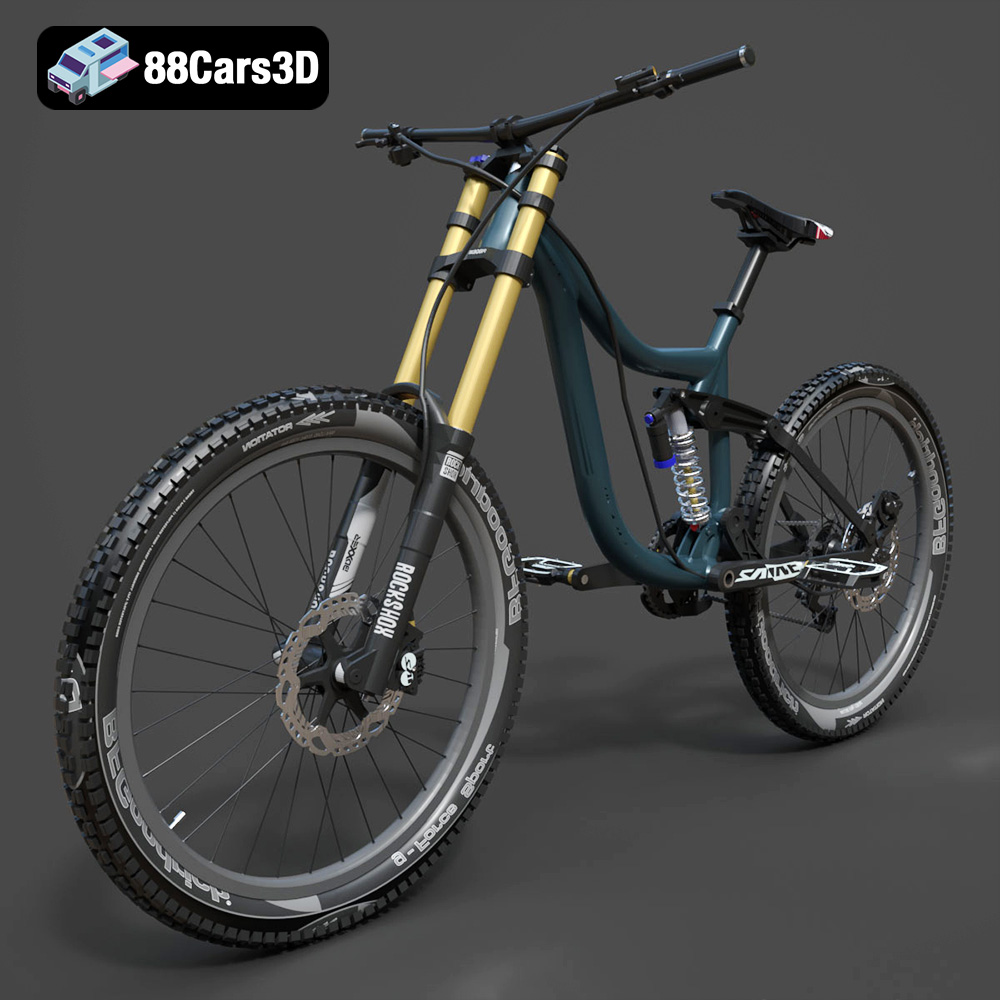
Mototsikly Downhill Bike-002 3D Model
Texture: Yes
Material: Yes
Download the Mototsikly Downhill Bike-002 3D Model featuring clean geometry, realistic detailing, and precise mechanical components. Includes .blend, .fbx, .obj, .glb, .stl, .ply, .unreal, and .max formats for rendering, simulation, and game development.
Price: $19.99
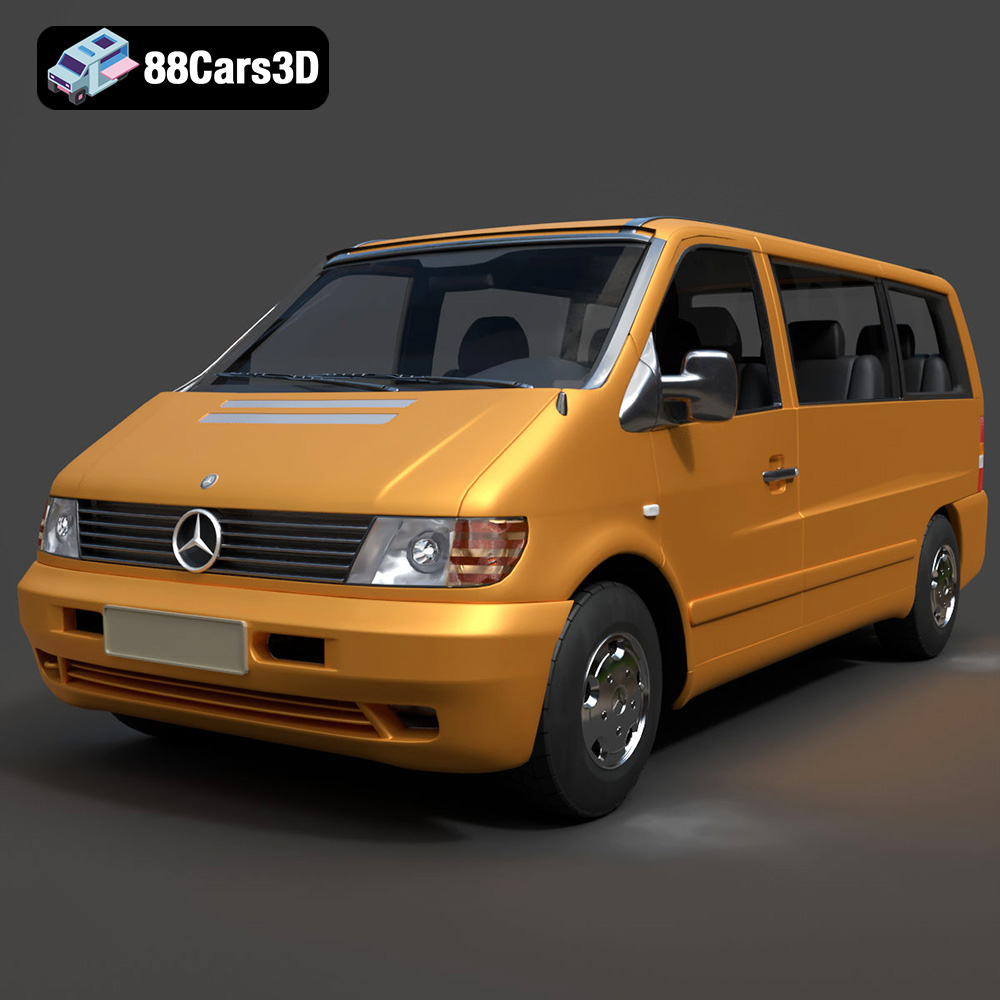
Mercedes-Benz Vito Passenger Van 3D Model
Texture: Yes
Material: Yes
Download the Mercedes-Benz Vito Passenger Van 3D Model featuring clean geometry, realistic detailing, and a fully modeled interior. Includes .blend, .fbx, .obj, .glb, .stl, .ply, .unreal, and .max formats for rendering, simulation, and game development.
Price: $19.99
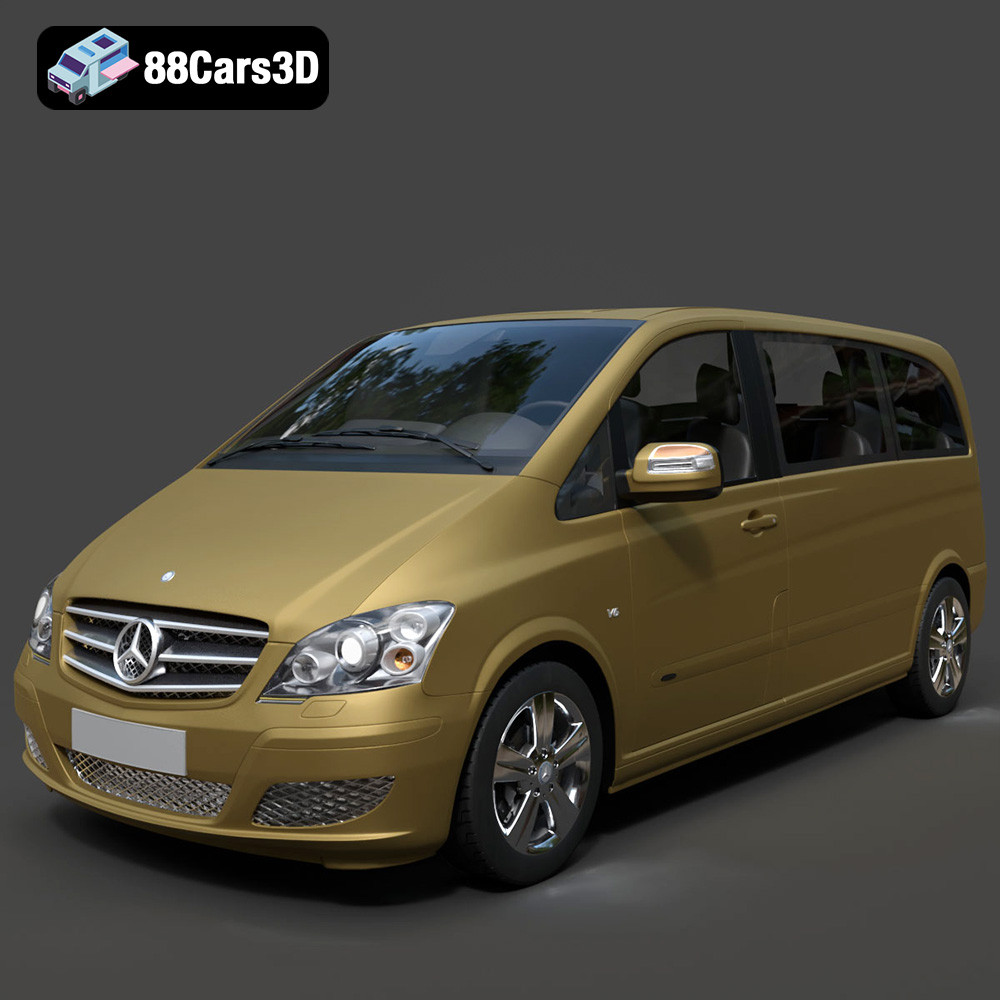
Mercedes-Benz Viano 2010 3D Model
Texture: Yes
Material: Yes
Download the Mercedes-Benz Viano 2010 3D Model featuring clean geometry, realistic detailing, and a fully modeled interior. Includes .blend, .fbx, .obj, .glb, .stl, .ply, .unreal, and .max formats for rendering, simulation, and game development.
Price: $19.99

Emt Avtobus 007 3D Model
Texture: Yes
Material: Yes
Download the Emt Avtobus 007 3D Model featuring clean geometry, realistic detailing, and a fully modeled interior. Includes .blend, .fbx, .obj, .glb, .stl, .ply, .unreal, and .max formats for rendering, simulation, and game development.
Price: $19.99
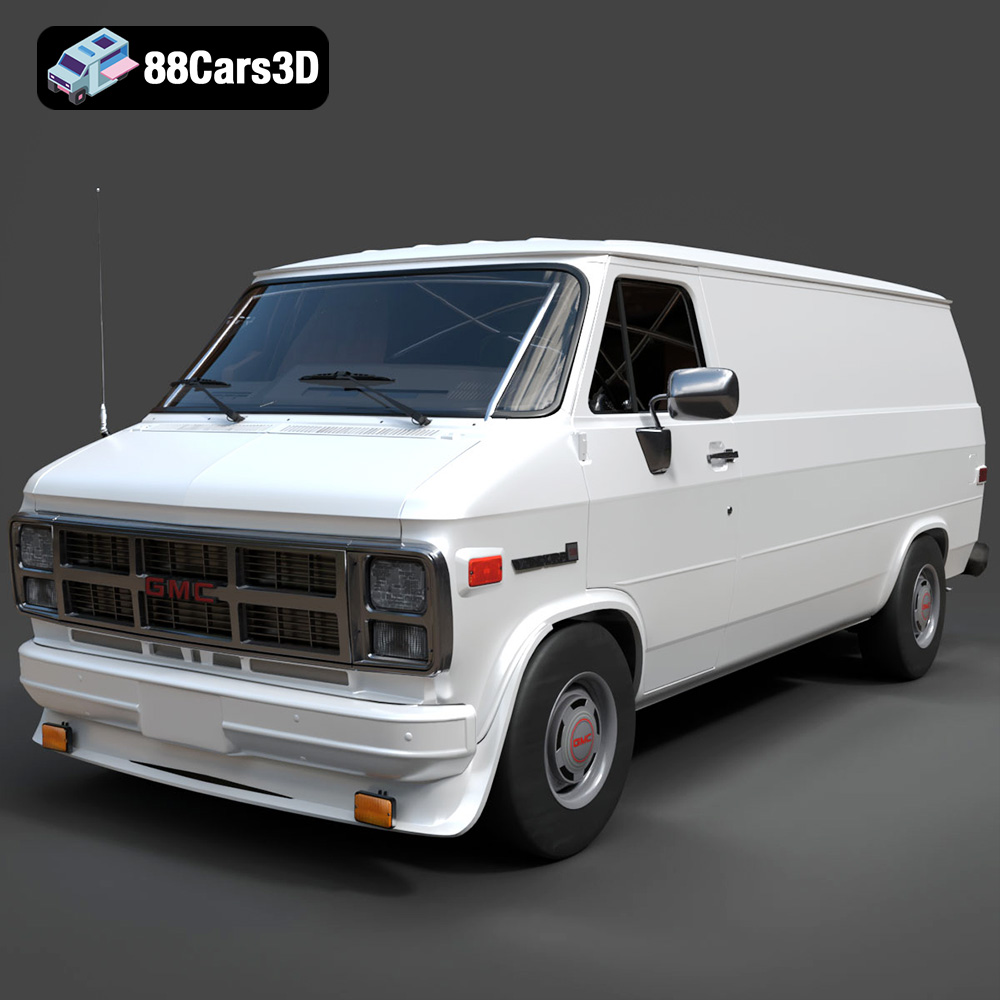
GMC Vandura G-1500 1983 3D Model
Texture: Yes
Material: Yes
Download the GMC Vandura G-1500 1983 3D Model featuring clean geometry, realistic detailing, and a fully modeled interior. Includes .blend, .fbx, .obj, .glb, .stl, .ply, .unreal, and .max formats for rendering, simulation, and game development.
Price: $19.99

Ford Ambulance AmServ LTD Dusan-002 3D Model
Texture: Yes
Material: Yes
Download the Ford Ambulance AmServ LTD Dusan-002 3D Model featuring a high-detail exterior and interior, realistic textures, and emergency lighting. Includes .blend, .fbx, .obj, .glb, .stl, .ply, .unreal, and .max formats for rendering, simulation, and game development.
Price: $19.99
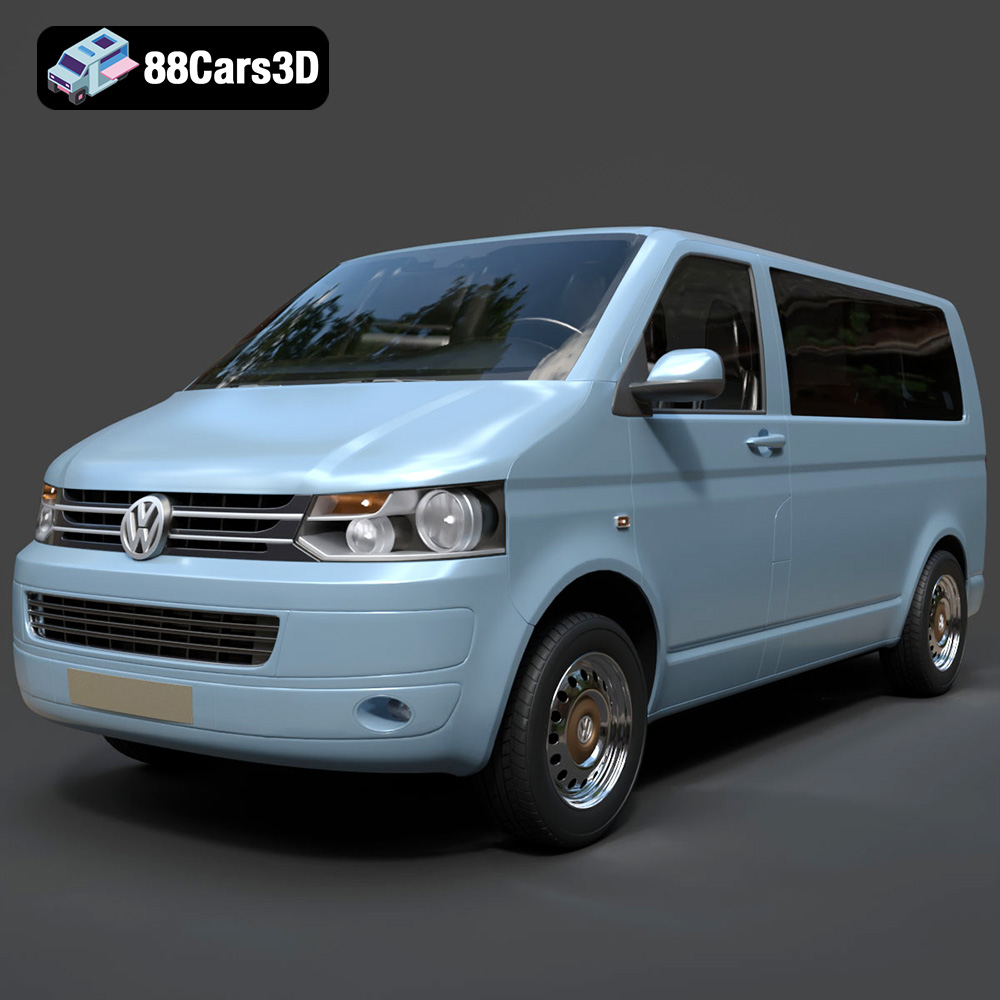
Volkswagen Transporter T5 FL 2010 3D Model
Texture: Yes
Material: Yes
Download the Volkswagen Transporter T5 FL 2010 3D Model featuring clean geometry, realistic detailing, and a fully modeled interior. Includes .blend, .fbx, .obj, .glb, .stl, .ply, .unreal, and .max formats for rendering, simulation, and game development.
Price: $22.99
