

Unlocking Next-Gen Automotive Realism: A Deep Dive into Unreal Engine’s Substrate Material System
The pursuit of photorealism in real-time rendering has always been a challenging yet exhilarating journey for 3D artists and developers. For the automotive industry, where every curve, reflection, and material finish contributes to the perceived quality and allure of a vehicle, this pursuit is paramount. Traditional Physically Based Rendering (PBR) workflows have served us well, providing a foundational standard for material accuracy. However, as expectations for visual fidelity soar, especially with advancements in hardware and real-time ray tracing, PBR’s limitations in handling complex, multi-layered materials like advanced car paints, intricate plastics, or realistic textiles become apparent.
Enter Unreal Engine’s Substrate Material System – a groundbreaking evolution designed to push the boundaries of real-time material rendering. Substrate moves beyond the simplified surface model of traditional PBR, offering an unparalleled level of expressiveness and physical accuracy. For creators working with high-quality 3D car models from platforms like 88cars3d.com, Substrate represents a transformative tool, enabling the creation of automotive visualizations that are virtually indistinguishable from reality. This comprehensive guide will explore the intricacies of Substrate, demonstrating how it empowers artists to craft breathtaking automotive experiences in Unreal Engine, from concept visualization to interactive configurators and virtual production.
The Evolution of Materials: From Traditional PBR to Substrate’s Layered Paradigm
For years, the industry standard for realistic material rendering has been the Physically Based Rendering (PBR) workflow. PBR revolutionized how artists approached materials by focusing on physical properties like albedo, metallic, roughness, and normal maps, ensuring that materials reacted consistently and plausibly to light across various lighting conditions. While PBR excels at representing common opaque surfaces and even simple dielectrics or metals, its inherent “single surface” model often struggles with the complex, layered nature of many real-world materials, particularly those found in high-end automotive design.
Consider a modern car paint finish: it’s not merely a single layer of color. It typically involves a metallic base coat, often with embedded flakes, topped by multiple clear coats for depth and protection. Standard PBR materials often require creative hacks or complex shader networks to simulate these interactions, leading to approximation errors, energy conservation issues, and a less-than-perfect physical response to light. This is where Substrate steps in, offering a more robust and physically accurate foundation for material creation.
The Core Challenges of Traditional PBR for Automotive Materials
Traditional PBR’s simplified surface model presents several significant hurdles when aiming for true automotive realism:
* **Multi-Layered Materials:** Car paint is the quintessential example. Achieving realistic clear coats over a metallic base with flakes, where each layer has its own refractive index (IOR), absorption, and roughness properties, is incredibly difficult with a single PBR shader. Artists often resort to blending multiple PBR materials, which can be computationally expensive and visually imprecise, especially when light needs to correctly interact through multiple transparent layers. The energy conservation across these layers is often compromised, leading to unrealistic brightness or darkness.
* **Complex Translucency and Anisotropy:** Headlights, taillights, and intricate glass elements often feature multiple refractive surfaces, internal reflections, and optical effects that simple translucent PBR struggles to represent. Anisotropic reflections, crucial for materials like brushed metals or finely woven carbon fiber, are also challenging to implement accurately and efficiently within a rigid PBR framework. The way light scatters and bounces within materials like thick glass or plastic diffusers requires a more sophisticated model than basic transmittance.
* **Artistic Iteration and Fidelity:** The workarounds required in PBR to achieve layered effects often lead to complex and unwieldy material graphs, making iteration slow and debugging difficult. The compromises made in physical accuracy can also limit the ultimate fidelity, preventing artists from truly matching reference photography. For visualization professionals, this gap between real-world and rendered materials can be a critical point of contention.
Substrate’s Paradigm Shift: A Layered and Modular Approach
Substrate fundamentally rethinks material construction by introducing an explicit layered architecture. Instead of treating materials as a single surface with blended properties, Substrate allows artists to stack “Components” – individual, physically based material layers – on top of each other. Each Component can represent a specific type of material interaction, such as a metallic base, a clear coat, a volumetric scattering medium, or even emissive properties.
This modular approach provides several key advantages:
* **Physical Accuracy by Design:** Substrate inherently enforces energy conservation and physically plausible interactions between layers. When light hits a layered material, Substrate accurately calculates how it is reflected, refracted, and absorbed by each layer, ensuring a far more realistic outcome than ad-hoc blending. For instance, a clear coat correctly darkens the underlying metallic layer while adding its own reflections and specular highlights.
* **Unparalleled Expressiveness:** Artists gain unprecedented control over material behavior. They can combine various BRDFs (Bidirectional Reflectance Distribution Functions) and BSSRDFs (Bidirectional Surface Scattering Reflectance Distribution Functions) to build highly complex and unique materials. Imagine combining a metallic base with a clear coat, adding a volumetric absorption layer for subsurface scattering effects, and then topping it with a thin-film interference component for iridescence – all within a single, coherent material graph.
* **Simplified Material Graphs:** While the underlying calculations are more complex, Substrate often *simplifies* the artist’s workflow by providing dedicated nodes for common layered structures. Instead of recreating complex blending logic, artists can simply plug in “Clear Coat” or “Volumetric” components, streamlining material creation and making graphs easier to read and manage. This means more time spent on artistic refinement and less on technical workarounds.
Architecting Realism: Key Concepts of the Substrate System
Building materials with Substrate feels both familiar and refreshingly new. While many PBR concepts like base color and roughness still exist, they are now applied within a structured layering framework. Understanding the core components and their interactions is crucial for harnessing Substrate’s full power to create astonishingly realistic automotive assets.
Substrate Material Expressions and Components
At the heart of Substrate are its new set of Material Expressions, which act as building blocks for layered materials. These aren’t just simple mathematical operations; they represent specific physical material behaviors or ways to combine them. The primary expressions you’ll encounter include:
* **SubstrateBase:** This is the foundational layer, representing the core material properties. It can be a simple opaque PBR material, a metallic surface, or a dielectric. All other layers typically build upon this base. You’ll specify parameters like `F0 (specular color at normal incidence)`, `Roughness`, and `Albedo`.
* **SubstrateClearCoat:** This expression adds a transparent, reflective layer over the underlying material, perfect for car paints, varnishes, or plastic coatings. It allows you to define its own `Roughness`, `IOR (Index of Refraction)`, and `Absorption Color` for realistic light interactions.
* **SubstrateVolumetric:** This component is designed for materials where light interacts *within* the volume, not just on the surface. Think of fog, smoke, or materials exhibiting subsurface scattering like skin or some plastics. It defines properties like `Extinction` (how much light is absorbed/scattered), `Absorption`, and `Phase Function` (how light scatters within the volume).
* **SubstrateDiffuse:** While PBR often combines diffuse and specular, Substrate allows for explicit diffuse-only components, useful for very rough, matte surfaces or as part of a more complex layered setup.
* **SubstrateAnisotropic:** For materials where reflections and highlights stretch in a particular direction due to microscopic grooves (e.g., brushed metal, carbon fiber), this component provides precise control over the anisotropy direction and intensity.
* **SubstrateStrata:** This powerful expression allows you to blend multiple Substrate materials together based on a mask, offering a more sophisticated alternative to traditional material blending nodes, ensuring correct energy conservation across the blend.
These expressions are then connected in a logical flow, typically from the “bottom” layer (e.g., `SubstrateBase`) upwards, with each subsequent layer modifying or building upon the previous one. The output of this layered graph is then plugged into the new “Substrate” input of the main Material Output node. This structured approach, while initially different from traditional PBR, quickly becomes intuitive as you grasp the concept of physically stacking materials. You can find more detailed information and examples in the official Unreal Engine documentation on Substrate at https://dev.epicgames.com/community/unreal-engine/learning.
Physically Plausible Stacking and Energy Conservation
One of Substrate’s most significant technical advantages lies in its inherent enforcement of physical plausibility and energy conservation across layered materials. In traditional PBR, simply blending two materials often leads to incorrect light interactions. For example, if you blend a clear coat material over a metallic material using a standard lerp node, the light calculation doesn’t account for the refractive properties of the clear coat or how light is transmitted and absorbed through it before hitting the base layer. The result can be overly bright reflections or an unnatural appearance.
Substrate, however, operates on a fundamentally different principle:
* **Unified Light Transport:** Substrate processes light interactions through the entire stack of material components. When a ray of light hits a Substrate material, the system intelligently traces its path, considering the reflection, refraction, and absorption properties of *each* layer. This means that a clear coat accurately transmits a portion of the light to the underlying base, reflects another portion, and absorbs a third, all while maintaining energy conservation.
* **Accurate Fresnel Effect:** The Fresnel effect, which dictates how the amount of light reflected or refracted changes with the angle of incidence, is accurately calculated for each layer. This is particularly crucial for clear coats and transparent materials, ensuring that reflections become stronger at grazing angles, just like in the real world.
* **Predictable and Consistent Results:** By adhering to these physical laws, Substrate materials provide predictable and consistent results regardless of the lighting environment or camera angle. Artists no longer need to “fake” certain effects or constantly tweak parameters to compensate for non-physical behaviors. This consistency is invaluable for automotive visualization, where precise material appearance is critical for client approval and marketing assets. The ability to trust that the materials will look correct under any circumstance frees up artists to focus purely on aesthetic design.
Implementing Substrate for Automotive Visualization in Unreal Engine
Applying Substrate to automotive models transforms them from highly detailed meshes into truly lifelike digital representations. The quality of 3D car models available on marketplaces like 88cars3d.com, with their clean topology and high-resolution textures, provides an excellent foundation for leveraging Substrate’s advanced capabilities. Let’s walk through how to build some key automotive materials.
Setting Up a Substrate Material for Car Paint
Creating a realistic automotive paint material is often the first major hurdle for many artists. Substrate makes this process significantly more accurate and intuitive:
1. **Enable Substrate:** First, ensure Substrate is enabled in your Unreal Engine project settings (`Edit > Project Settings > Rendering > Materials`). You’ll need to restart the editor.
2. **Create a New Material:** Right-click in the Content Browser, select `Material`, and name it appropriately (e.g., `M_CarPaint_Substrate`).
3. **Set Material Domain:** Open the material. In the Details panel, under `Material > Material Domain`, change it to `Surface`. Crucially, under `Shading Model`, select `Substrate`. This will expose the `Substrate` input on the Material Output node.
4. **The Base Layer (Metallic Flakes):**
* Add a `SubstrateBase` node. This will form the metallic layer of your car paint.
* Connect your `Base Color` (e.g., a constant vector or texture for the primary paint color) to `F0 Color`.
* Set `Metallic` to `1` (or near 1) for a metallic base.
* Provide a `Roughness` value. For metallic flakes, you might use a texture or a small constant value, perhaps 0.3-0.5, to represent the base’s subtle roughness.
* For metallic flakes, you can introduce a subtle normal map or procedural texture to simulate the anisotropic sparkle, though Substrate also allows for more advanced flake components, which are under continuous development. For now, small, sharp specular highlights from a low roughness value combined with a subtle normal map can work.
5. **The Clear Coat Layer:**
* Add a `SubstrateClearCoat` node.
* Connect the output of your `SubstrateBase` node to the `Base` input of the `SubstrateClearCoat`. This layers the clear coat on top of the metallic base.
* Set the `Roughness` for the clear coat. This is typically very low (e.g., 0.05 – 0.1) for a high-gloss finish.
* Define the `IOR` (Index of Refraction). For automotive clear coats, a value around `1.5 – 1.6` is typical.
* Optionally, provide an `Absorption Color` if the clear coat has a slight tint or depth.
This simple setup already creates a far more realistic car paint than traditional PBR. You can further enhance it by connecting texture maps for color, roughness, and normal maps to the respective inputs of both the base and clear coat layers.
Advanced Automotive Materials: Tires, Glass, and Interiors
Substrate’s flexibility extends far beyond car paint, enabling highly detailed representations of other critical automotive materials:
* **Realistic Tires:** Tires involve complex rubber compounds and often subtle subsurface scattering (SSS) for softer edges.
* **Substrate Approach:** Combine `SubstrateBase` (for the primary rubber material with appropriate `Roughness` and `Albedo`) with a `SubstrateVolumetric` component for subtle SSS. The `SubstrateVolumetric` can be set with a low `Extinction` and `Absorption Color` to simulate light penetrating and scattering within the rubber. A normal map for tread detail and micro-roughness is essential.
* **Accurate Glass and Headlight Lenses:** Automotive glass is not just a simple transparent material; it often has thickness, internal reflections, and refractive distortion. Headlights and taillights add further complexity with their multi-layered lenses and internal reflectors.
* **Substrate Approach:** For windshields and windows, use a `SubstrateBase` set to `Translucent` (or a `SubstrateThinTransmissive` if it’s truly thin) with a low `Roughness` and an appropriate `IOR` (e.g., `1.52` for common glass). For thick glass, `SubstrateVolumetric` can be layered underneath to simulate internal absorption and scattering. For headlight lenses, you can layer multiple `SubstrateClearCoat` or `SubstrateTransmissive` components to represent different plastic layers, each with its own IOR and roughness. The internal reflectors would be a separate metallic or diffuse `SubstrateBase` material placed behind the transparent layers.
* **Rich Interiors (Leather, Carbon Fiber, Plastics):** Interior materials often feature diverse textures, sheens, and surface qualities.
* **Substrate Approach:** Leather can be a `SubstrateBase` with a detailed `Normal Map`, `Albedo`, and `Roughness` texture. For a subtle sheen or protective coating, a `SubstrateClearCoat` with high `Roughness` can be added on top. Carbon fiber, often known for its anisotropic reflections, can leverage `SubstrateAnisotropic` layered over a metallic `SubstrateBase`. Various plastics can be built with `SubstrateBase` or `SubstrateClearCoat` combinations, adjusting `IOR` and `Roughness` to match desired finishes (matte, semi-gloss, high-gloss).
By meticulously building these materials layer by layer, artists can achieve an unprecedented level of visual fidelity that truly brings automotive models to life in Unreal Engine.
Performance and Optimization with Substrate
While Substrate offers incredible visual fidelity, it’s also a more complex shading model than traditional PBR. This increased complexity can have performance implications, especially in real-time applications like games, interactive configurators, or AR/VR. Understanding how Substrate interacts with Unreal Engine’s core rendering features and implementing smart optimization strategies are crucial for maintaining high frame rates.
Substrate and Unreal Engine’s Next-Gen Features: Nanite, Lumen, Virtual Shadow Maps
Substrate is designed to work seamlessly with Unreal Engine’s cutting-edge rendering technologies, enhancing the overall visual experience:
* **Nanite:** This virtualized geometry system allows for incredibly high-polygon models with excellent performance. High-quality 3D car models from 88cars3d.com, often featuring millions of polygons, are ideal for Nanite. Substrate materials complement Nanite perfectly by providing the necessary material detail to match the geometric fidelity. A super-detailed car paint material on a Nanite-enabled body will look stunningly real, as Nanite ensures that even the smallest curves and details are accurately represented for Substrate to shade. However, remember that Nanite optimizes geometry, not shader complexity.
* **Lumen:** Unreal Engine’s fully dynamic global illumination and reflections system, Lumen, significantly benefits from Substrate’s physically accurate materials. Because Substrate correctly calculates how light interacts with and passes through layers, Lumen can bounce that light more realistically around the scene, resulting in truly immersive and believable environments. For example, a clear-coated car paint material with accurate reflections will contribute more precise bounce light to the surrounding environment when rendered with Lumen. The complexity of Substrate materials does add to the shader cost, which Lumen’s calculations must account for, so careful material design is still key.
* **Virtual Shadow Maps (VSM):** VSMs provide highly detailed, pixel-perfect shadows over vast distances. Substrate materials interact with VSMs just as any other material would, benefiting from the increased shadow fidelity. Detailed car parts and interiors rendered with Substrate will cast crisp, accurate shadows, further enhancing realism. The additional shader complexity of Substrate doesn’t inherently impact VSM performance more than traditional PBR, as VSM primarily concerns shadow map resolution and rendering.
While these features enhance the visual output of Substrate materials, the shader instructions and texture fetches associated with complex Substrate graphs can increase rendering cost. It’s a balance between visual fidelity and performance targets.
Strategies for Efficient Substrate Material Creation
Optimizing Substrate materials is vital for smooth real-time performance. Here are key strategies:
* **Profile Your Materials:** Use Unreal Engine’s Shader Complexity view mode (`Show > Visualize > Shader Complexity`) to identify expensive materials. Also, utilize the GPU Visualizer (`Window > Developer Tools > GPU Visualizer`) to pinpoint rendering bottlenecks caused by material instruction counts. Aim for “green” or “light blue” complexity where possible.
* **Material Instances:** Always create Material Instances from your master Substrate materials. This allows you to expose parameters (colors, roughness, IOR, layer switches) and make changes without recompiling shaders, drastically speeding up iteration and reducing draw calls at runtime by reusing shader code. For car configurators, this is non-negotiable.
* **Texture Optimization:**
* **Resolution:** Use appropriate texture resolutions. A 4K texture might be overkill for a small, distant detail, while a 2K texture might be insufficient for a hero asset’s car paint. Use texture streaming and LODs for textures.
* **Compression:** Choose the correct texture compression settings. For example, DXT1/BC1 for opaque colors, DXT5/BC3 for alpha channels, and BC5/G8 for normal maps.
* **Packing:** Pack multiple grayscale textures (e.g., roughness, metallic, ambient occlusion) into the RGB channels of a single texture to reduce texture fetches.
* **Node Efficiency:**
* **Avoid Redundancy:** Reuse calculations or texture lookups where possible.
* **Simplify Layers:** While Substrate allows many layers, question if every single layer is visually necessary. Can two subtle layers be combined into one?
* **Static Switches:** Use `Static Switch Parameter` nodes in your master materials to compile out unused branches of your material graph. For example, if a car model sometimes has a sunroof and sometimes doesn’t, you can switch off the sunroof’s glass material layers rather than compiling them always.
* **LODs for Materials:** Just as you create Level of Detail (LOD) for meshes, consider simplifying material complexity for distant objects. While Unreal Engine doesn’t have direct “material LODs” in the same way as meshes, you can achieve this by:
* **Using Distance-Based Blending:** Employ a `CameraDepthFade` or custom distance function to blend between a complex Substrate material and a simpler PBR material or a less layered Substrate material.
* **Simplifying Instance Parameters:** For distant LODs of a car, you might use simpler roughness values or disable certain detailed layers through material instances.
* **Shader Complexity vs. Pixel Complexity:** Remember that Substrate trades some shader instruction count for increased physical accuracy and often reduces the need for complex blending hacks, which can sometimes be more expensive in the long run. The overall pixel cost might be higher, but the visual gain is significant.
By diligently applying these optimization techniques, you can achieve stunning automotive visuals with Substrate while maintaining excellent real-time performance, even for complex scenes featuring multiple high-fidelity car models.
Beyond Static Renders: Interactive Automotive Experiences with Substrate
The power of Substrate extends far beyond creating beautiful static renders. Its robust and physically accurate nature makes it an ideal foundation for building highly interactive automotive experiences, from real-time configurators to virtual production pipelines and immersive AR/VR applications. The ability to dynamically control and modify Substrate materials empowers developers to create engaging and dynamic user experiences.
Dynamic Material Changes via Blueprint
Unreal Engine’s Blueprint visual scripting system offers a powerful way to interact with and modify Substrate materials at runtime. This capability is absolutely essential for applications like automotive configurators, where users expect to change paint colors, material finishes, or even switch between different types of car seats in real-time.
Here’s how to integrate Substrate materials with Blueprint for dynamic changes:
1. **Expose Parameters:** In your Substrate master material, convert any parameter you wish to control dynamically (e.g., `Base Color`, `Clear Coat Roughness`, `IOR`, `Absorption Color`) into a `Parameter` node (e.g., `VectorParameter`, `ScalarParameter`). Give them clear, descriptive names like `Paint_BaseColor` or `ClearCoat_Roughness`.
2. **Create Dynamic Material Instances:** In your Blueprint, typically in the `Construction Script` or `Event BeginPlay` of your vehicle actor, get the static mesh component of your car. Then, use the `Create Dynamic Material Instance` node for each material slot you want to control. Store these dynamic instances in variables.
3. **Set Parameter Values:** Use nodes like `Set Vector Parameter Value` or `Set Scalar Parameter Value` on your dynamic material instances. You can drive these values from UI elements (buttons, sliders), game logic, or even external data sources.
* **Example for Paint Color:** A UI button for “Red Paint” would call an event in your car’s Blueprint. This event would then use `Set Vector Parameter Value` on the car paint’s dynamic material instance, setting `Paint_BaseColor` to a red color.
* **Example for Interior Trim:** Different buttons could swap the entire dynamic material instance to a pre-defined leather or carbon fiber Substrate material, or simply change texture inputs or roughness values on a single flexible master material.
4. **Enabling Advanced Features:** You can also use Blueprint to toggle specific layers of a Substrate material using `Static Switch Parameter` nodes. For instance, you could have a button that enables/disables a special metallic flake layer or switches between a glossy and matte clear coat, all through Blueprint.
This Blueprint-driven approach allows for rapid prototyping of configurator features and provides a robust framework for delivering highly customizable and interactive automotive experiences.
Substrate in Virtual Production and AR/VR
Substrate’s ability to deliver high-fidelity materials with physical accuracy has significant implications for virtual production and augmented/virtual reality (AR/VR) applications:
* **Virtual Production (VP):** For LED wall stages or chroma keying workflows, achieving seamless integration between real-world elements (actors, props) and virtual environments requires incredibly realistic digital assets. Substrate materials ensure that virtual cars or environmental elements rendered on an LED wall perfectly match the lighting and material properties of the physical set. This consistency is critical for maintaining visual believability and avoiding distracting artifacts, especially with complex reflections and refractions. The accurate PBR values from Substrate feed directly into the real-time ray tracing calculations that make virtual production so compelling.
* **Augmented Reality (AR):** When placing a digital car model into a real-world environment via AR (e.g., on a mobile device or AR glasses), material realism is paramount for grounding the virtual object convincingly. A Substrate-powered car model will react more plausibly to real-world lighting, casting accurate shadows and reflections that blend seamlessly with its surroundings. This is key to achieving true immersion and believability in AR automotive configurators or marketing experiences.
* **Virtual Reality (VR):** In fully immersive VR experiences, the heightened sense of presence demands impeccable visual fidelity. Substrate materials contribute significantly to this by providing highly detailed and physically accurate car models that users can inspect up close. Whether it’s exploring a car’s interior or walking around an interactive showroom, Substrate ensures that every surface looks and behaves as it would in reality, enhancing the sense of immersion.
**AR/VR Optimization Considerations:** While Substrate offers unparalleled realism, AR/VR, especially on standalone mobile devices, comes with strict performance budgets.
* **Shader Complexity:** Be mindful of the instruction count of your Substrate materials. Simplify layer stacks and texture usage where possible for mobile AR/VR targets.
* **Overdraw:** Complex transparent or translucent Substrate materials can contribute significantly to overdraw, impacting performance. Optimize these layers, potentially using simpler shaders or techniques for distant objects.
* **Texture Memory:** High-resolution textures, while great for fidelity, consume a lot of memory. Optimize texture sizes and compression for mobile platforms.
By combining the visual power of Substrate with careful optimization, artists and developers can create breathtaking and highly interactive automotive experiences across a wide range of cutting-edge platforms.
Conclusion: Embracing Substrate for the Future of Automotive Visualization
The Unreal Engine Substrate Material System marks a pivotal moment in the quest for real-time photorealism. By moving beyond the inherent limitations of traditional PBR and embracing a physically accurate, layered approach, Substrate empowers artists and developers to achieve an unprecedented level of material fidelity, especially for complex automotive surfaces. From the intricate depth of multi-layered car paints to the realistic refraction of thick glass and the nuanced reflections of advanced interior materials, Substrate provides the tools to bring every detail of a 3D car model to life with stunning authenticity.
For those leveraging high-quality assets from marketplaces like 88cars3d.com, integrating Substrate into your workflow will be a game-changer. It not only enhances the visual quality of your projects but also streamlines the creation of complex materials, leading to more efficient workflows and more convincing results. Coupled with Unreal Engine’s powerful rendering features like Nanite, Lumen, and Virtual Shadow Maps, Substrate is an indispensable component for any professional aiming to push the boundaries of automotive visualization, real-time rendering, and interactive experiences.
We encourage you to experiment with Substrate, explore its capabilities, and see how it can elevate your automotive projects. Dive into the official Unreal Engine documentation at https://dev.epicgames.com/community/unreal-engine/learning to deepen your understanding and unleash the full potential of this revolutionary material system. The future of real-time automotive realism is here, and it’s built on Substrate.
Featured 3D Car Models
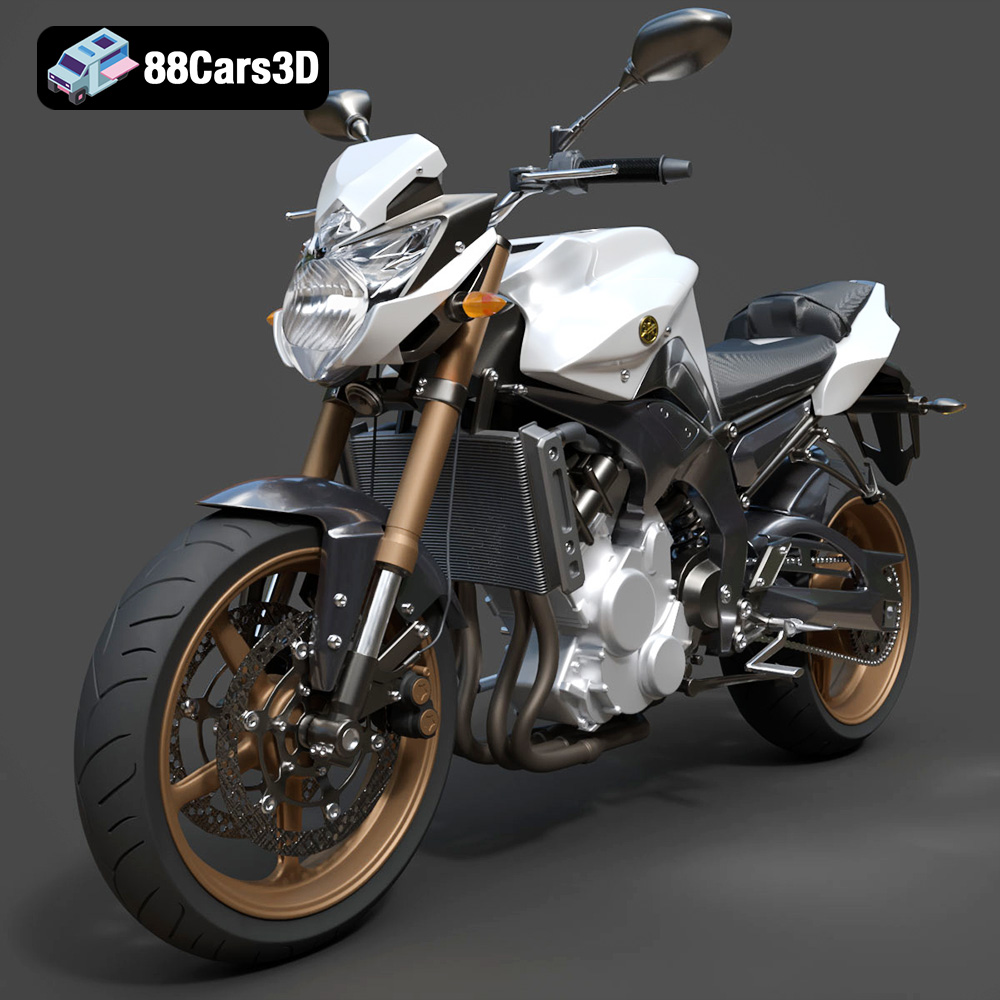
Yamaha FZ8 2011 3D Model
Texture: Yes
Material: Yes
Download the Yamaha FZ8 2011 3D Model featuring clean geometry, realistic detailing, and a fully modeled interior. Includes .blend, .fbx, .obj, .glb, .stl, .ply, .unreal, and .max formats for rendering, simulation, and game development.
Price: $19.99
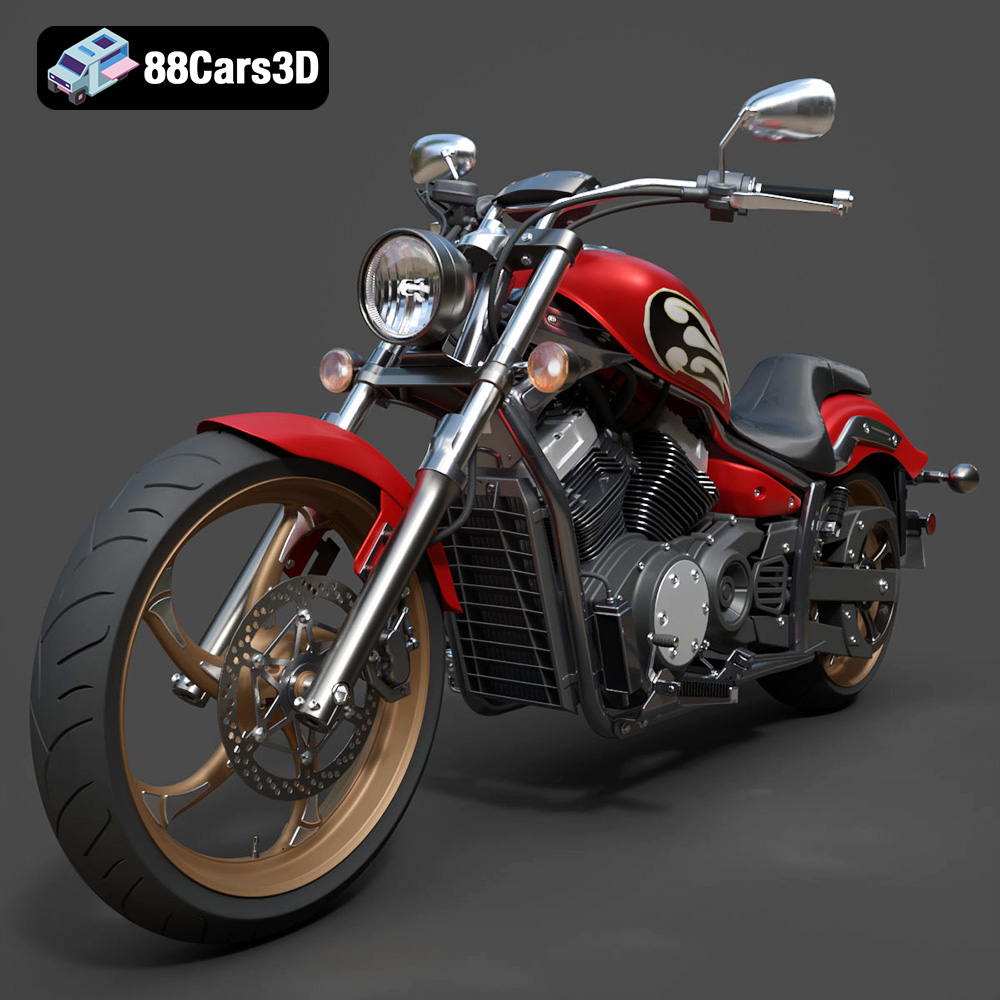
Yamaha Stryker 2012 3D Model
Texture: Yes
Material: Yes
Download the Yamaha Stryker 2012 3D Model featuring clean geometry, realistic detailing, and a fully modeled interior. Includes .blend, .fbx, .obj, .glb, .stl, .ply, .unreal, and .max formats for rendering, simulation, and game development.
Price: $19.99
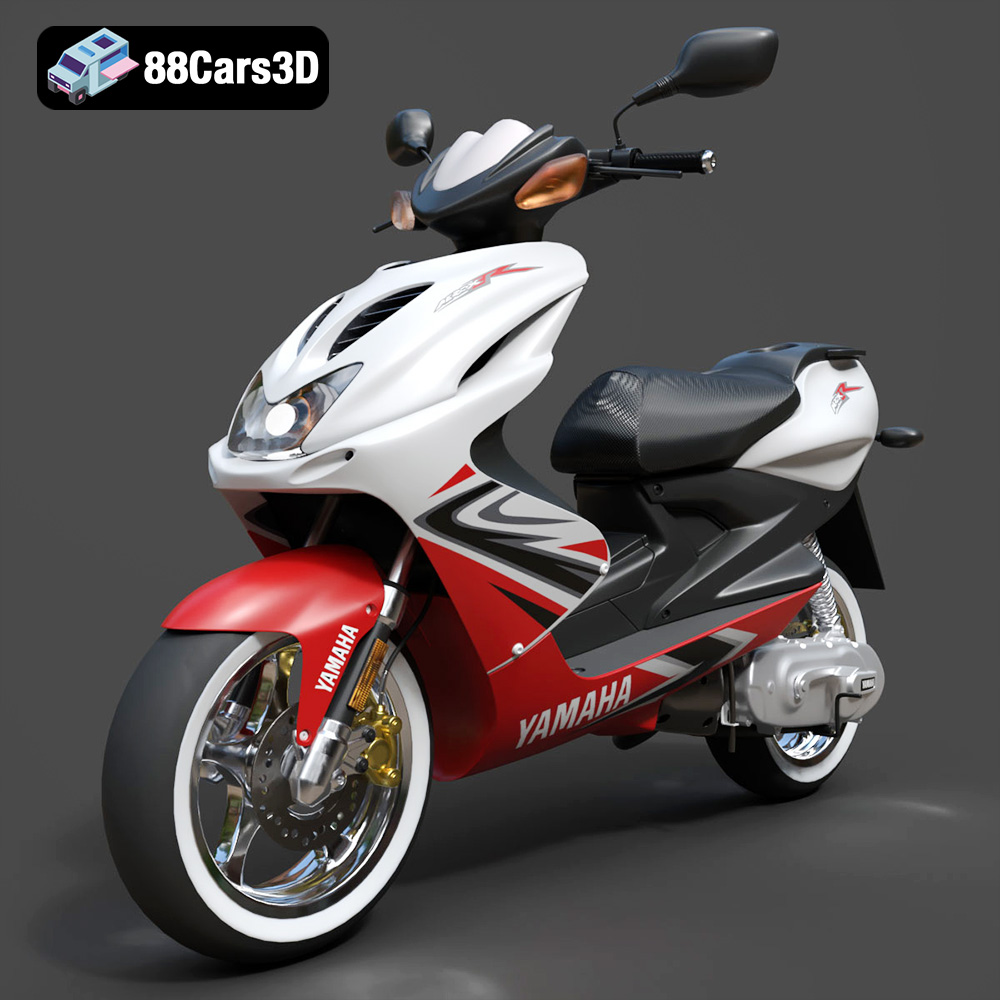
Yamaha Aerox R-002 2024 3D Model
Texture: Yes
Material: Yes
Download the Yamaha Aerox R-002 2024 3D Model featuring clean geometry, realistic detailing, and a fully modeled interior. Includes .blend, .fbx, .obj, .glb, .stl, .ply, .unreal, and .max formats for rendering, simulation, and game development.
Price: $19.99
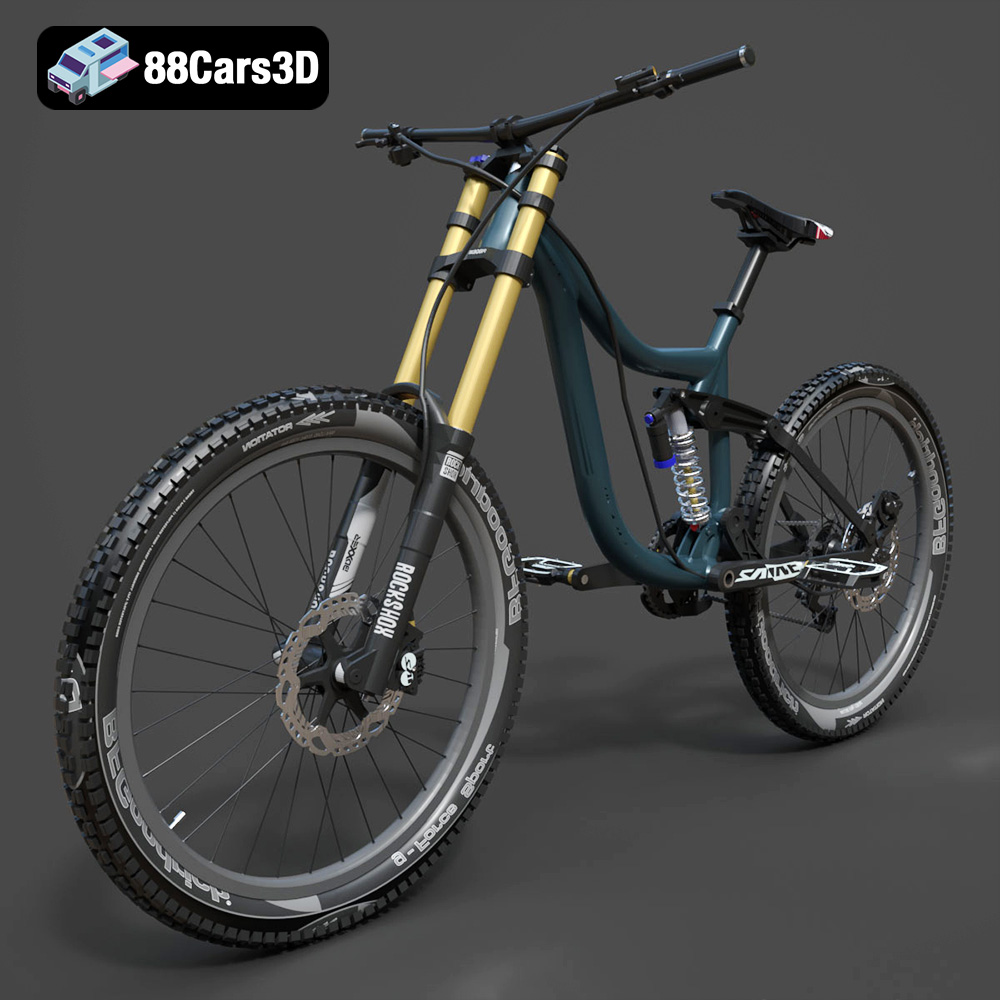
Mototsikly Downhill Bike-002 3D Model
Texture: Yes
Material: Yes
Download the Mototsikly Downhill Bike-002 3D Model featuring clean geometry, realistic detailing, and precise mechanical components. Includes .blend, .fbx, .obj, .glb, .stl, .ply, .unreal, and .max formats for rendering, simulation, and game development.
Price: $19.99
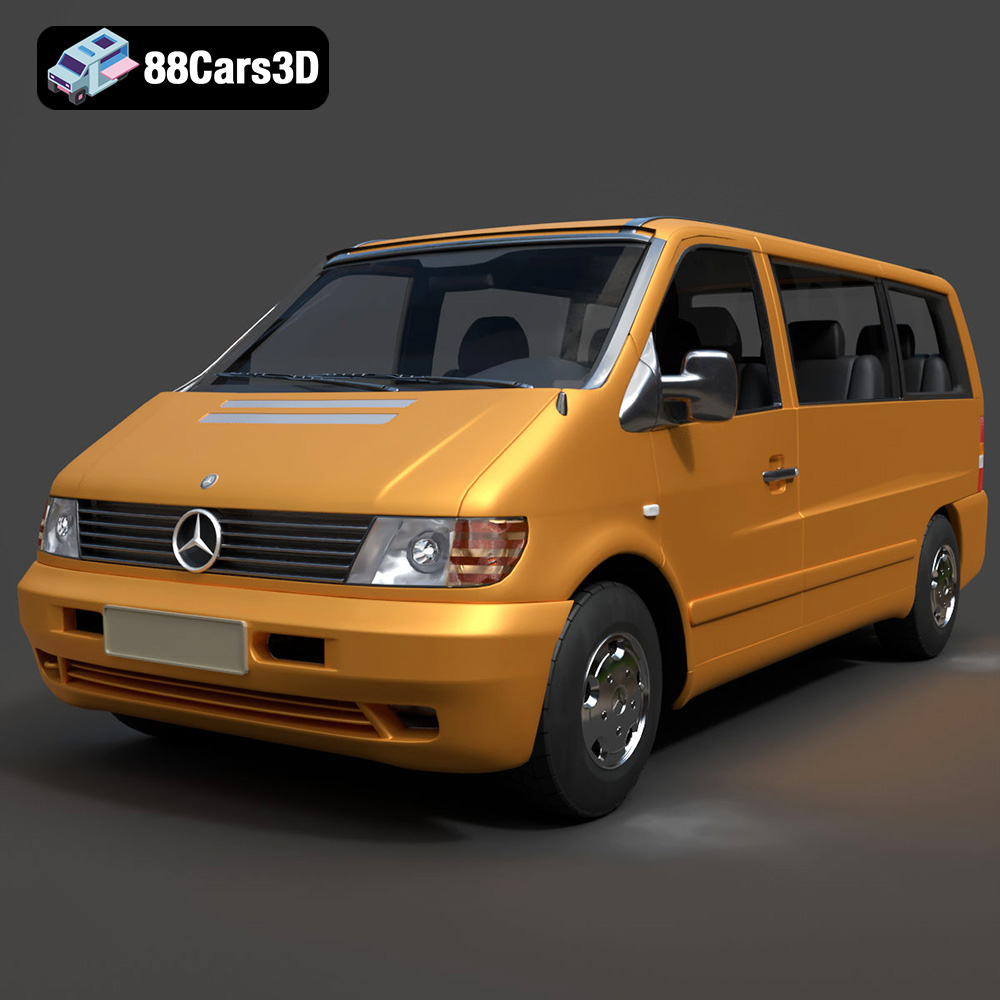
Mercedes-Benz Vito Passenger Van 3D Model
Texture: Yes
Material: Yes
Download the Mercedes-Benz Vito Passenger Van 3D Model featuring clean geometry, realistic detailing, and a fully modeled interior. Includes .blend, .fbx, .obj, .glb, .stl, .ply, .unreal, and .max formats for rendering, simulation, and game development.
Price: $19.99
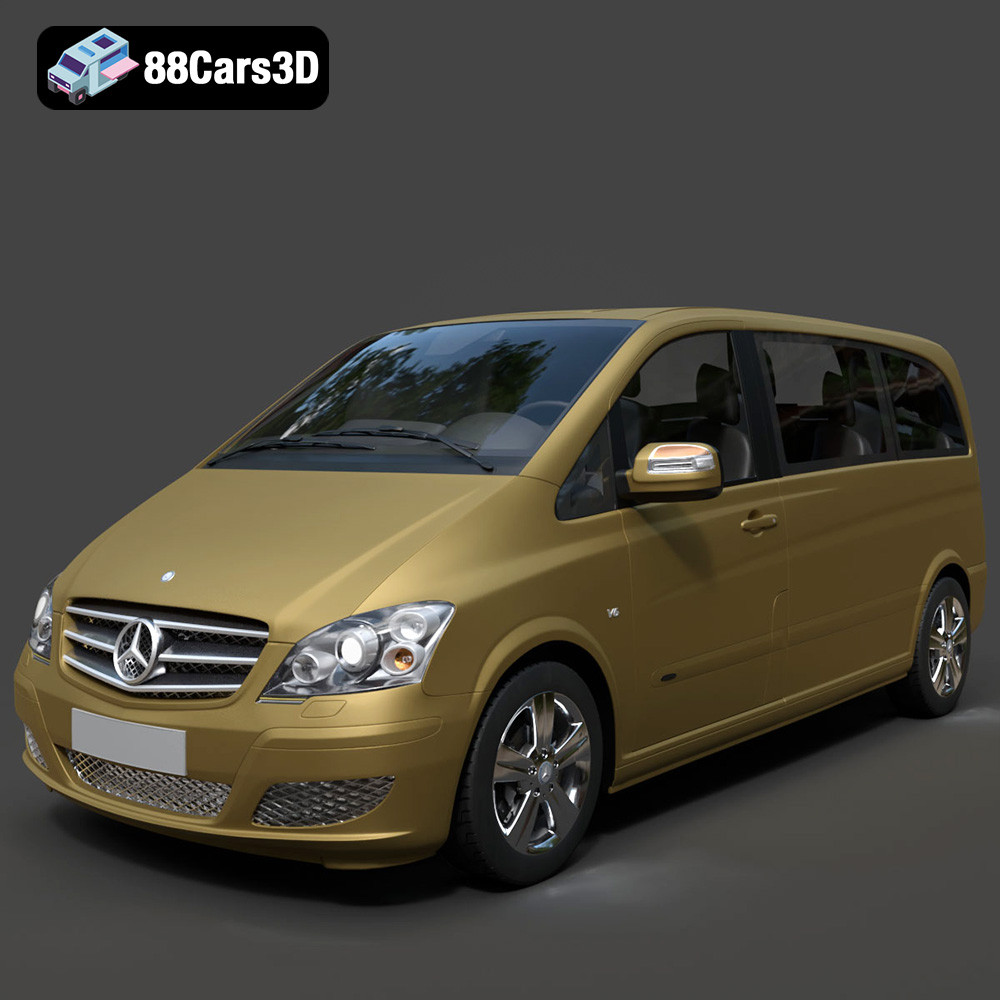
Mercedes-Benz Viano 2010 3D Model
Texture: Yes
Material: Yes
Download the Mercedes-Benz Viano 2010 3D Model featuring clean geometry, realistic detailing, and a fully modeled interior. Includes .blend, .fbx, .obj, .glb, .stl, .ply, .unreal, and .max formats for rendering, simulation, and game development.
Price: $19.99

Emt Avtobus 007 3D Model
Texture: Yes
Material: Yes
Download the Emt Avtobus 007 3D Model featuring clean geometry, realistic detailing, and a fully modeled interior. Includes .blend, .fbx, .obj, .glb, .stl, .ply, .unreal, and .max formats for rendering, simulation, and game development.
Price: $19.99
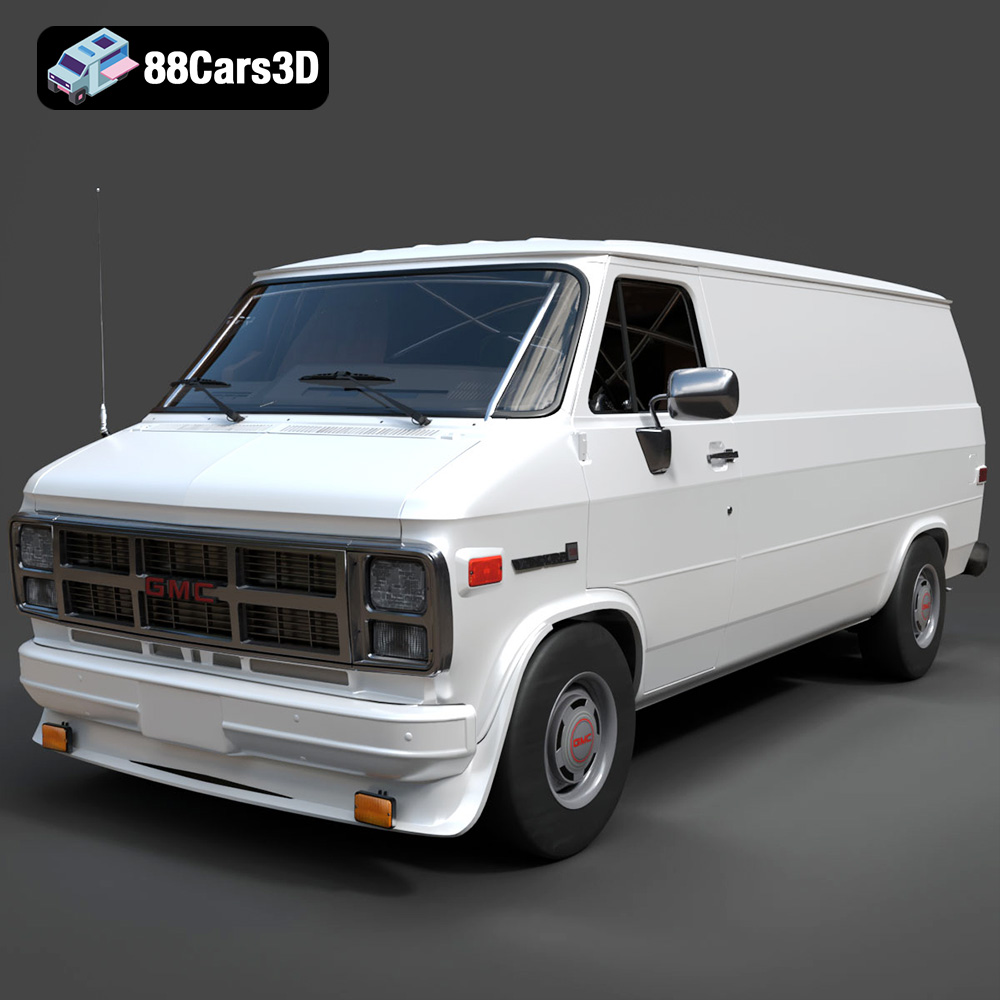
GMC Vandura G-1500 1983 3D Model
Texture: Yes
Material: Yes
Download the GMC Vandura G-1500 1983 3D Model featuring clean geometry, realistic detailing, and a fully modeled interior. Includes .blend, .fbx, .obj, .glb, .stl, .ply, .unreal, and .max formats for rendering, simulation, and game development.
Price: $19.99
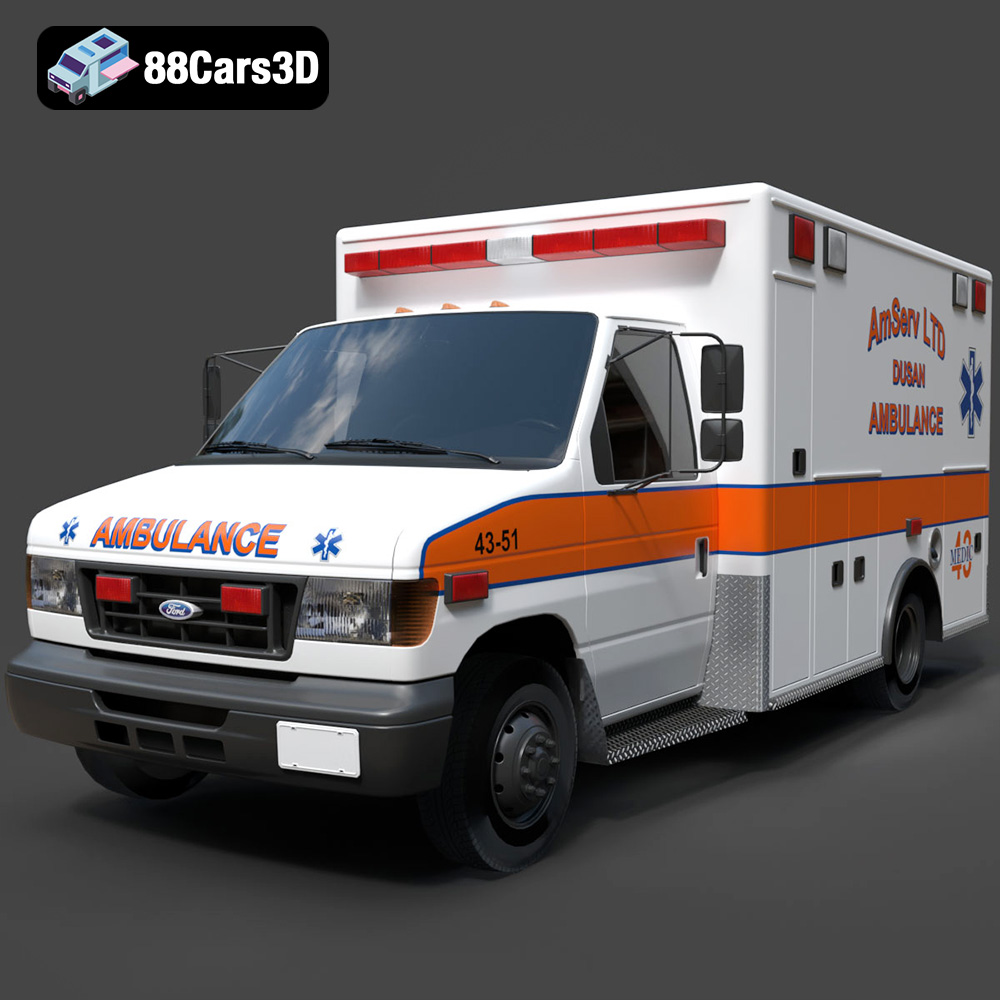
Ford Ambulance AmServ LTD Dusan-002 3D Model
Texture: Yes
Material: Yes
Download the Ford Ambulance AmServ LTD Dusan-002 3D Model featuring a high-detail exterior and interior, realistic textures, and emergency lighting. Includes .blend, .fbx, .obj, .glb, .stl, .ply, .unreal, and .max formats for rendering, simulation, and game development.
Price: $19.99
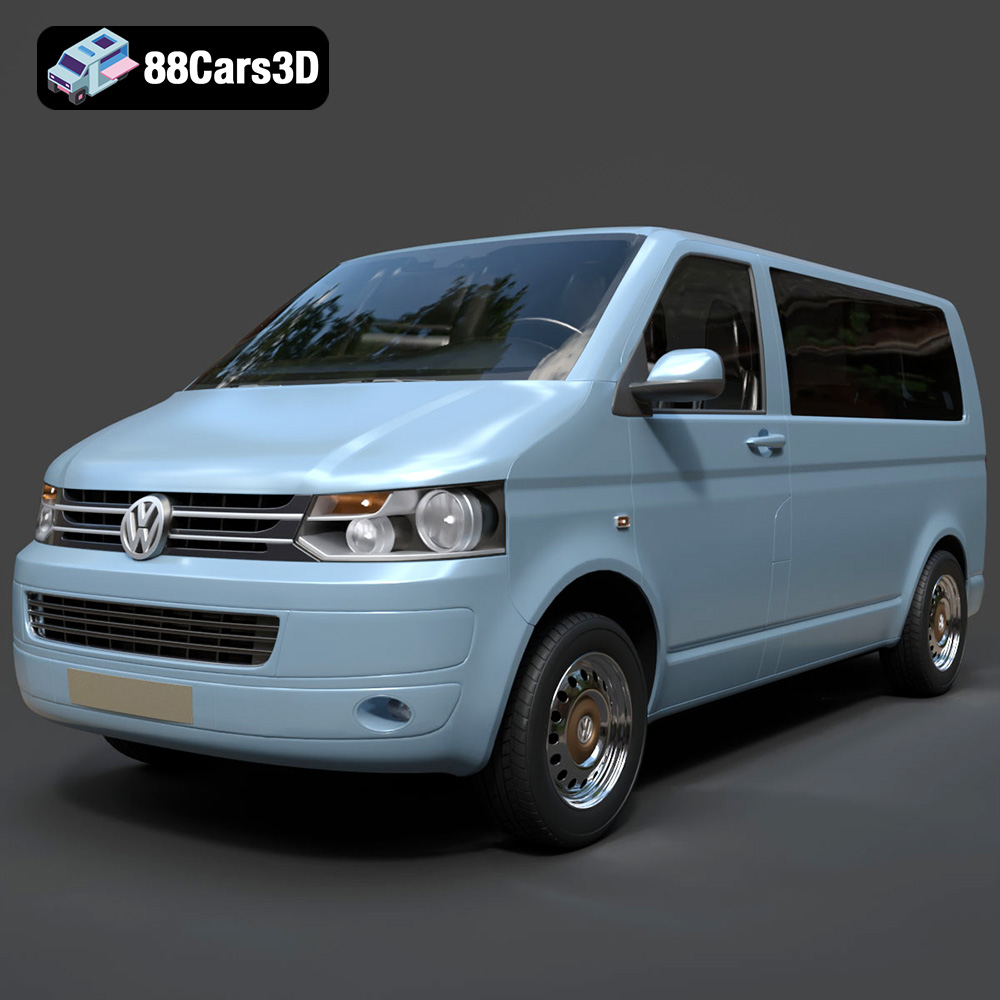
Volkswagen Transporter T5 FL 2010 3D Model
Texture: Yes
Material: Yes
Download the Volkswagen Transporter T5 FL 2010 3D Model featuring clean geometry, realistic detailing, and a fully modeled interior. Includes .blend, .fbx, .obj, .glb, .stl, .ply, .unreal, and .max formats for rendering, simulation, and game development.
Price: $22.99
