

Mastering Automotive Rendering: A Deep Dive into V-Ray, Corona, and Cycles for 3D Car Models
In the competitive world of automotive design, advertising, and visualization, photorealistic rendering is not just an advantage—it’s a necessity. A stunning render can transform a raw 3D car model into an evocative masterpiece, capable of conveying speed, luxury, and intricate design details. For 3D artists, game developers, and visualization professionals, mastering the art of automotive rendering is crucial for bringing their visions to life. This comprehensive guide will take you on an in-depth journey through three of the industry’s most powerful rendering engines: V-Ray, Corona Renderer, and Blender Cycles. We’ll explore their core strengths, intricate workflows, material creation techniques, and optimization strategies, empowering you to choose the perfect tool and achieve breathtaking results for your 3D car models.
Whether you’re aiming for a pristine studio shot, an action-packed game cinematic, or an immersive AR/VR experience, understanding the nuances of these renderers is paramount. We’ll delve into the technical specifications, best practices, and real-world applications that define excellence in automotive rendering. By the end of this article, you’ll have a clear understanding of how to leverage each engine to its fullest potential, from pristine PBR materials and meticulous UV mapping to efficient render settings and compelling post-production.
The Foundations of Photorealism: Understanding Ray Tracing and Global Illumination
At the heart of photorealistic rendering lies the principle of ray tracing, a sophisticated algorithm that simulates the path of light as it interacts with objects in a 3D scene. This process involves tracing rays from the camera into the scene, calculating their intersections with surfaces, and determining how light reflects, refracts, and absorbs. The magic truly happens with Global Illumination (GI), which accounts for indirect lighting—light that bounces off surfaces before reaching the camera. Without GI, objects would appear flat and unconvincing, lacking the subtle ambient light that defines reality. Understanding these core concepts is fundamental to achieving high-quality visualization for 3D car models.
Different renderers employ various GI methods to balance accuracy and speed. V-Ray often utilizes a hybrid approach with Irradiance Map for primary bounces and Light Cache for secondary bounces, providing a good blend of quality and efficiency. Corona Renderer and Blender Cycles predominantly rely on path tracing, a more unbiased approach that traces many light paths for highly accurate, yet often more computationally intensive, results. This fundamental difference in GI approach significantly impacts render times and the visual characteristics of the final image. Each method has its strengths, making them suitable for different production pipelines and artistic goals.
Direct Illumination and Shadows
Direct illumination refers to light directly striking a surface from a light source. The quality of shadows—their sharpness, softness, and color bleed—is a critical component of realism. Hard shadows typically originate from small or distant light sources, while soft shadows result from larger or closer light sources. In automotive rendering, accurately portraying shadows cast by the car body, wheels, and interior is essential for conveying depth and form. For instance, the subtle shadow under a side mirror or within a wheel arch adds immense realism.
All three renderers offer extensive control over light source types (directional, area, spot, point) and their shadow properties. Parameters like shadow samples, bias, and softness directly influence the quality and realism of the shadows. Higher shadow samples reduce noise and provide smoother transitions, though at the cost of increased render time. For studio setups, precisely placed area lights with soft shadows can beautifully highlight the car’s contours, while a dominant sun light will produce sharp, defined shadows crucial for outdoor scenes. Understanding how to sculpt with light and shadow is key to making your 3D car models pop.
Indirect Illumination Techniques
Indirect illumination is the process by which light bounces off surfaces, illuminating other parts of the scene that are not directly lit. This is what creates ambient light, color bleeding, and subtle reflections that define natural environments. For a metallic car paint finish, the way ambient light interacts with its surface is critical for its perceived realism. V-Ray’s blend of Irradiance Map and Light Cache is highly optimized for complex scenes, pre-calculating GI data to speed up subsequent renders, which is often favored in large-scale production pipelines. Irradiance Map is excellent for smooth GI, while Light Cache efficiently handles detailed GI. However, sometimes these methods can introduce splotches if not tuned correctly, requiring careful parameter adjustments for high-fidelity automotive rendering.
Corona Renderer’s strength lies in its physically-based, unbiased path tracing. It excels at accurately calculating light bounces, often requiring fewer settings adjustments to achieve stunning realism. The UHD Cache, an optional GI solver, can significantly accelerate scenes with many light bounces, striking a balance between accuracy and speed, especially for animation. Cycles, similarly, leverages powerful path tracing, often accelerated by GPU rendering. Its approach is generally less prone to artifacts, producing very natural light distribution. While potentially slower for extremely complex interior scenes compared to V-Ray’s optimized methods, Cycles’ raw path tracing power, combined with efficient denoising, makes it a formidable contender for high-quality visualization. Each renderer provides distinct benefits, and choosing the right GI strategy depends on the desired quality, render budget, and complexity of your 3D car models.
V-Ray: The Industry Workhorse for High-End Automotive Visualization
V-Ray, developed by Chaos, has long been a staple in architectural visualization, product design, and cinematic production, and its prowess extends powerfully into automotive rendering. Known for its robust feature set, incredible flexibility, and production-proven stability, V-Ray offers unparalleled control over every aspect of the rendering process. It’s a hybrid renderer, supporting both CPU and GPU rendering (with V-Ray GPU), giving artists the freedom to choose the most efficient hardware for their specific project. Its extensive integration with major 3D packages like 3ds Max, Maya, SketchUp, and Cinema 4D makes it a versatile choice for a wide array of workflows. For studios demanding speed, precision, and the ability to handle extremely large and complex scenes with intricate 3D car models, V-Ray is often the go-to solution.
V-Ray’s strength lies in its ability to deliver high-quality results with remarkable speed, thanks to its optimized algorithms and sophisticated GI methods. Its render elements system allows for deep compositing, providing artists with individual passes for reflections, refractions, raw lighting, GI, and more, granting ultimate control in post-production. This modular approach is invaluable for fine-tuning the final look, making it a favorite for high-stakes projects where perfection is paramount. The learning curve can be steeper than some other renderers due to its vast array of settings, but the level of control it offers is unmatched, making it ideal for seasoned professionals creating cutting-edge automotive rendering.
V-Ray Material Setup for Car Paint and Chrome
Creating convincing car paint in V-Ray is an art form itself. The V-RayMtl (or V-Ray Standard Material) is incredibly versatile. For a multi-layered metallic car paint, you’d typically start with a base diffuse color, then introduce a strong metallic reflection component with a fresnel IOR (Index of Refraction) that simulates how light interacts with the metallic flakes within the paint. A clear coat layer is then added, acting as a transparent, reflective layer on top of the base. This coat layer will have its own IOR (around 1.5-1.6 for clear coat), reflections, and glossiness, often with a subtle bump or normal map for orange peel effect. Adjusting the coat’s roughness (inverse of glossiness) is crucial for simulating different levels of clear coat finish, from perfectly polished to slightly textured.
For chrome and other polished metals, a V-RayMtl with a pure black diffuse color (meaning no diffuse component) and strong, uncolored reflections is key. The IOR for chrome is typically very high (e.g., 20 or more) or set to “Metal” in the V-RayMtl, which simplifies the physically accurate setup. The glossiness/roughness value will determine the polish—a value close to 1.0 (or roughness close to 0) for highly reflective chrome, and lower values for brushed metals. For glass, a V-RayMtl with a pure white diffuse, full transparency (refraction color white, refraction IOR ~1.5-1.6), and reflections with fresnel IOR creates realistic car windows and headlights. These nuanced material setups are what elevate 3D car models from good to outstanding.
V-Ray Lighting and Render Settings Optimization
Effective lighting is paramount in automotive rendering. V-Ray offers specialized tools like V-Ray Sun & Sky for physically accurate outdoor lighting, or you can use HDRI (High Dynamic Range Image) environments with a V-Ray Dome Light for incredibly realistic and complex lighting setups. HDRIs provide both lighting and reflections, perfectly capturing the nuances of real-world environments. For studio shots, an array of V-Ray Plane Lights or Spherical Lights can be positioned to highlight specific contours of the vehicle, often combined with light blockers and softboxes to sculpt reflections. Utilizing render elements such as ‘V-Ray Reflection’, ‘V-Ray Raw GI’, and ‘V-Ray Specular’ provides unparalleled control during compositing, allowing artists to fine-tune each light component without re-rendering the entire image.
Optimizing V-Ray render settings involves balancing quality and render time. Key parameters include the Min/Max Subdivisions for the Irradiance Map, the Subdivs for the Light Cache, and the Noise Threshold in the render settings. For clean, detailed renders, reducing the Noise Threshold to a lower value (e.g., 0.005) is crucial, but it will increase render times. V-Ray’s Adaptive Image Sampler intelligently distributes samples to noisy areas, improving efficiency. For production, enabling the Denoiser (V-Ray Denoiser, NVIDIA AI Denoiser, or Intel Open Image Denoise) can dramatically reduce noise in post-production, allowing for lower sampling rates during the initial render. By meticulously adjusting these settings, artists can achieve stunning, noise-free renders of their 3D car models in efficient timeframes.
Corona Renderer: Simplicity Meets Stunning Realism
Corona Renderer, also developed by Chaos, has carved a niche for itself as an easy-to-use, yet incredibly powerful, physically based renderer. Its mantra of “less settings, more rendering” resonates with artists who desire photorealistic results without getting bogged down in an overwhelming array of parameters. Corona’s strength lies in its unbiased approach, which often means fewer artifacts and a more natural light distribution straight out of the box. It’s highly intuitive, making it a fantastic choice for artists new to advanced rendering or those prioritizing rapid iteration and a streamlined workflow. Integrated primarily with 3ds Max and Cinema 4D, Corona excels at producing beautiful automotive rendering with minimal fuss.
One of Corona’s most celebrated features is its Interactive Render (IPR), which provides real-time feedback on lighting, materials, and scene changes. This responsiveness allows artists to make immediate adjustments and visualize their impact instantly, significantly accelerating the look development process for 3D car models. Corona also boasts the powerful LightMix feature, enabling artists to adjust the color, intensity, and even individual light contributions *after* the render is complete. This post-processing flexibility is a game-changer for creative experimentation and client revisions, offering unparalleled control over the final image without necessitating re-renders. Its commitment to user-friendliness combined with its stunning output quality has made Corona a favorite for many visualization professionals.
Corona Material Creation for Automotive Surfaces
Corona’s material system, based on the CoronaMtl, is elegantly simple yet capable of immense complexity. For car paint, a similar layered approach as V-Ray is used, but often simplified. You start with a base diffuse color for the pigment. Metallic flakes are typically added via a layered material, where a metallic shader with fine noise or procedural textures in the bump/normal slot simulates the flakes, and a clear coat is then layered on top. The CoronaMtl allows for multiple coat layers, each with its own IOR, color, and roughness. The ‘Sheen’ parameter can also be subtly utilized to simulate very fine clear coat effects or fabric microfibers if needed for interior elements. Adjusting the IOR and roughness values for the clear coat layer is critical for achieving varying levels of gloss and reflectivity, accurately depicting everything from a showroom shine to a matte finish.
For realistic glass, the CoronaMtl is set with a pure black diffuse, a white refraction color, and an IOR of around 1.5-1.6. The ‘Thin Wall (no refraction)’ option is useful for single-sided panes like car windows to save render time, while ‘Volumetric Scattering’ can be enabled for thicker glass elements like headlights to simulate light dispersion. Tire rubber can be created with a dark grey diffuse, low reflectivity, and a roughness map to simulate the texture. For interior leathers and plastics, a combination of diffuse color, subtle reflectivity, and roughness maps derived from real-world textures is key. With Corona, the emphasis is on physically accurate values and realistic PBR textures, which are easily applied to high-quality 3D car models obtained from platforms like 88cars3d.com.
Corona Lighting and Interactive Rendering
Corona’s lighting workflow is incredibly intuitive. The Corona Sun & Sky system provides a robust solution for outdoor environments, accurately simulating real-world sunlight and atmospheric scattering. For more controlled setups, HDRI environments used with a Corona Light (set to Sphere or Dome) provide excellent realistic lighting and reflections. Corona also offers various primitive light types like spheres, planes, and discs, which are invaluable for studio lighting setups. The IPR (Interactive Render) is a cornerstone of Corona’s workflow, allowing artists to preview changes to lights, materials, and geometry in real-time. This dynamic feedback loop significantly reduces guesswork and speeds up look development, enabling artists to experiment with different lighting scenarios and refine their automotive rendering with unprecedented efficiency.
As mentioned, the LightMix feature is a powerful post-processing tool. After rendering, LightMix allows you to adjust the intensity, color, and even disable individual lights or groups of lights without re-rendering. This is particularly useful for presenting multiple lighting scenarios to clients or for fine-tuning the mood of an image. For instance, you could render an exterior scene with the sun and studio lights, then use LightMix to toggle off the sun to see only the studio light effect, or change the color of a rim light without having to touch render settings. This level of control makes Corona an incredibly flexible choice for projects requiring quick iterations and artistic freedom in automotive rendering. Render settings themselves are often simplified, relying on noise limits rather than complex sampling parameters, making it easier to achieve clean results.
Blender Cycles: Open-Source Powerhouse for Realistic Car Renders
Blender Cycles, Blender’s physically based path tracer, has rapidly evolved into a formidable competitor in the world of automotive rendering. Fully integrated within Blender, it benefits from the software’s comprehensive 3D suite, offering a seamless workflow from modeling and texturing to animation and rendering. Cycles stands out for its node-based material system, which provides artists with unparalleled flexibility to create intricate shaders. As an open-source solution, Cycles is incredibly cost-effective and benefits from a vibrant, active community constantly contributing to its development and providing extensive resources. With strong GPU rendering capabilities (NVIDIA CUDA/OptiX and AMD HIP), Cycles can leverage modern hardware to deliver stunning, unbiased results for 3D car models.
Cycles’ strength lies in its adherence to physical accuracy, often producing very natural light distributions. Its progressive rendering approach means you see a noisy image that refines over time, giving immediate visual feedback. Recent advancements, particularly in denoising technologies like NVIDIA OptiX and OpenImageDenoise, have dramatically improved Cycles’ performance, allowing artists to achieve clean renders with fewer samples and faster render times. This makes Cycles an increasingly attractive option for professional visualization, especially for independent artists and smaller studios looking for a powerful, integrated solution without licensing costs.
Cycles Shader Nodes for Automotive Materials
The heart of material creation in Cycles is its node editor. The ‘Principled BSDF’ shader node, an industry-standard PBR shader, is the primary building block for almost all automotive materials. For car paint, the Principled BSDF node can be configured with a base color, metallic value (typically 0.8-1.0 for metallic paints), roughness for the clear coat, and an ‘IOR’ setting. For metallic flakes, a complex node setup might involve mixing two Principled BSDFs: one for the base paint and another with highly reflective, anisotropic properties for the flakes, driven by a texture or procedural noise. The ‘Clearcoat’ and ‘Clearcoat Roughness’ parameters within the Principled BSDF are specifically designed to simulate the top clear coat layer, making it relatively straightforward to achieve a convincing car paint effect. For very specific effects, additional layers can be added using ‘Mix Shader’ nodes to combine different Principled BSDFs or custom shaders.
For realistic glass, a Principled BSDF with a pure black base color, full transmission (Transmission value of 1), and an IOR of around 1.45-1.55 (for typical glass) works very well. For thin glass, ‘Thin Glass’ can be used under the ‘Alpha’ blend mode in the material settings, or the ‘Glass BSDF’ node can be directly used. Chrome and polished metals are achieved with a Principled BSDF node where the ‘Metallic’ value is set to 1, ‘Roughness’ is close to 0, and the base color is often a neutral grey to control tint. For more in-depth exploration of Blender’s node system and PBR workflows, artists can refer to the official Blender 4.4 documentation at https://docs.blender.org/manual/en/4.4/, which provides comprehensive guides on various shader nodes and their applications in creating realistic materials for 3D car models.
Cycles Lighting, Sampling, and Denoising Strategies
Cycles offers flexible lighting solutions. HDRI environments, connected to an ‘Environment Texture’ node and mapped to the world output, are the most common and effective way to light automotive scenes, providing realistic ambient light and reflections. Area lights (Plane, Disk, Sphere) and Point Lights within Blender are used for specific illumination, highlight sculpting, and adding localized light sources. Mesh lights (any mesh object with an ‘Emission’ shader) provide even more creative freedom. For outdoor scenes, a ‘Sun’ lamp can be used, though it’s often combined with an HDRI for better sky representation. Just like with other renderers, the judicious placement of lights is essential for emphasizing the contours and design elements of your 3D car models.
Optimization in Cycles revolves around sampling and denoising. The ‘Sampling’ panel in the render properties allows control over ‘Render Samples’ and ‘Viewport Samples’. For a clean image, higher samples are generally needed, but this increases render time. Cycles supports ‘Adaptive Sampling’, which intelligently focuses samples on noisy areas, improving efficiency. For production renders, enabling a denoiser is highly recommended. Blender integrates ‘NVIDIA OptiX’ (for NVIDIA RTX cards) and ‘OpenImageDenoise’ (for CPU and other GPUs), which can dramatically clean up noise even with lower sample counts. Typically, you might render with 256-512 samples and let the denoiser handle the remaining noise, leading to much faster, yet high-quality, automotive rendering. Understanding these parameters and how to balance them is key to efficient and high-quality output.
Comparative Analysis and Workflow Integration for 3D Car Models
Choosing between V-Ray, Corona, and Cycles often boils down to a blend of project requirements, budget, existing software ecosystem, and personal preference. Each renderer excels in different areas, making them suitable for specific types of automotive rendering tasks. V-Ray, with its deep feature set and robust control, remains the gold standard for large-scale production studios that require ultimate flexibility, speed for complex scenes, and deep compositing capabilities. Its steep learning curve is offset by its power. Corona shines with its unparalleled ease of use, intuitive workflow, and interactive features like LightMix and IPR, making it ideal for artists seeking stunning realism with minimal setup, especially for still images and quick iterations. Cycles, as an integrated, open-source solution, offers incredible value, powerful node-based materials, and growing GPU performance, making it an excellent choice for independent artists, smaller studios, and those already invested in the Blender ecosystem.
For projects demanding the absolute highest photorealism and a comprehensive suite of tools, V-Ray is often the choice. If speed of iteration and simplicity are paramount, Corona offers an unbeatable experience. For those seeking a powerful, free, and rapidly evolving renderer within an all-in-one package, Cycles is a compelling option. Many studios even use a combination, leveraging V-Ray for final production renders while using Corona or Cycles for concept visualization due to their quick feedback loops. The key is to understand the strengths and weaknesses of each and align them with your project’s specific needs, whether you are creating game assets, marketing visuals, or high-end product showcases.
Best Practices for Automotive Rendering Across Platforms
Regardless of the renderer you choose, certain best practices are universal for achieving top-tier automotive rendering. First and foremost, start with high-quality 3D car models. Platforms like 88cars3d.com offer models with clean topology, proper UV mapping, and accurate dimensions—a crucial foundation. Clean topology is essential for smooth deformations and accurate reflections. Meticulous UV mapping ensures that textures are applied without stretching or distortion, which is vital for detailed decals, tire tread, and interior fabrics. Consistent PBR (Physically Based Rendering) texture maps (albedo, roughness, metallic, normal) across all assets ensure physical accuracy and seamless integration.
Environment setup is equally critical. For exterior shots, high-resolution HDRIs are essential for both accurate lighting and realistic reflections on the car’s reflective surfaces. For studio shots, a carefully designed lighting rig with softboxes, reflectors, and fill lights will sculpt the car’s form and highlights. Pay attention to the background—a simple backdrop, a compelling backplate, or a full 3D environment should complement, not detract from, the vehicle. Ensuring correct real-world scale for your model and environment is also crucial for physically accurate lighting and shadow behavior. Finally, considering render resolution and output format is important—high-resolution EXR or TIF files allow for maximum flexibility in post-processing.
Post-Processing and Compositing for Impact
A raw render, no matter how good, is rarely the final image. Post-processing and compositing in software like Photoshop, Affinity Photo, or even Blender’s compositor are essential steps to elevate your automotive rendering. This stage allows for fine-tuning that can significantly enhance the impact and realism of the final image. Key post-processing steps include:
- Color Correction: Adjusting exposure, contrast, white balance, and color grading to achieve the desired mood and visual style.
- Atmospheric Effects: Adding subtle volumetric fog or haze to create depth and realism, especially for exterior shots.
- Lens Effects: Applying optical effects like bloom, glare, lens distortion, and chromatic aberration to mimic real camera lenses.
- Vignette: A subtle darkening of the image corners can help draw attention to the center.
- Sharpening and Noise Reduction: Fine-tuning sharpness and intelligently reducing any remaining noise from the render.
- Compositing Render Elements: Using the individual render passes (reflection, refraction, diffuse, raw lighting, GI, ambient occlusion) to gain granular control over each component of the image, allowing you to fine-tune highlights, shadows, and overall illumination without re-rendering.
By skillfully applying these techniques, artists can transform a technically perfect render into a visually stunning piece of art, adding a professional polish that distinguishes their work.
Optimization and Future Trends in Automotive Visualization
The world of automotive rendering is constantly evolving, with a growing emphasis on real-time performance and immersive experiences. While offline renderers like V-Ray, Corona, and Cycles deliver unparalleled photorealism, the demand for interactive visualization in configurators, showrooms, and marketing experiences is pushing towards game engines. Optimizing 3D car models and rendering workflows is crucial to bridging this gap and preparing for future trends.
For offline rendering, optimization strategies include efficient polygon management (using appropriate polygon counts for different parts of the car, often with smooth mesh techniques rather than excessively dense meshes), proper scene organization, and judicious use of textures. Reducing texture resolutions where high detail isn’t needed, and using texture atlases to combine multiple smaller textures into one larger map, can significantly improve render times and memory usage. For very large scenes, instancing repetitive objects (like tire treads or interior buttons) rather than duplicating them can also yield substantial performance gains. Understanding these granular details is vital for both fast iteration and final high-quality output.
Real-time Rendering and Game Engine Integration
The rise of game engines like Unreal Engine and Unity has revolutionized interactive automotive visualization. These platforms allow for real-time exploration of 3D car models with increasingly photorealistic graphics. While the rendering process is different (relying on rasterization rather than pure ray tracing, though ray tracing is becoming common), the underlying principles of good modeling, UV mapping, and PBR materials remain paramount. High-quality 3D car models sourced from platforms like 88cars3d.com serve as a perfect foundation, as they are typically optimized for various uses. For real-time applications, however, additional optimizations are often necessary:
- Level of Detail (LODs): Creating multiple versions of the car model with varying polygon counts for different distances from the camera.
- Baked Lighting: Pre-calculating complex lighting and shadows into texture maps to reduce real-time computation.
- Draw Call Reduction: Combining meshes and materials to minimize the number of times the GPU has to render objects.
- Texture Atlasing: Consolidating textures into fewer, larger maps to reduce memory footprint and draw calls.
- Material Instance Optimization: Creating variations of master materials rather than unique materials for every object.
These techniques ensure smooth performance and stunning visuals within interactive environments, making it possible to showcase vehicles in dynamic, explorable ways.
AR/VR and Cloud Rendering Considerations
Augmented Reality (AR) and Virtual Reality (VR) represent the next frontier in automotive visualization, offering immersive experiences for car configurators, virtual showrooms, and training simulations. Optimizing 3D car models for AR/VR presents unique challenges, primarily focused on maintaining high frame rates (typically 90 FPS or higher) to prevent motion sickness. This means even more aggressive LODs, highly efficient PBR materials, and streamlined asset pipelines. File formats like GLB and USDZ are becoming increasingly important for AR/VR deployment, as they encapsulate models, textures, and animations in a single, optimized file. The goal is to provide a rich, detailed experience without overwhelming the hardware, allowing users to interact with lifelike 3D car models in new and exciting ways.
For computationally intensive offline renders, especially for animations or high-resolution stills, cloud rendering offers a powerful solution. Services like Chaos Cloud (for V-Ray and Corona) and various render farms allow artists to offload their renders to vast networks of powerful machines, drastically reducing local render times. This is invaluable for meeting tight deadlines and handling projects that would otherwise take days or weeks on a single workstation. Cloud rendering democratizes access to immense computing power, enabling even independent artists to produce cinematic-quality automotive rendering without prohibitive hardware investments, marking a significant step forward in the industry’s capabilities.
Conclusion
The journey through V-Ray, Corona Renderer, and Blender Cycles reveals a rich landscape of tools, each offering distinct advantages for mastering automotive rendering. V-Ray stands as the industry’s highly customizable workhorse, ideal for large-scale productions demanding ultimate control and speed. Corona shines with its intuitive workflow and unbiased quality, making photorealism accessible with fewer headaches. Blender Cycles, as an open-source powerhouse, continues to impress with its powerful node-based materials, GPU acceleration, and growing community support, offering an all-in-one solution for stunning visualization.
Ultimately, the best renderer is the one that aligns most effectively with your specific project, budget, and artistic preferences. What remains constant across all platforms is the fundamental importance of high-quality assets—meticulously modeled 3D car models with clean topology, precise UV mapping, and accurate PBR materials. By understanding the core principles of ray tracing, mastering material creation, optimizing render settings, and leveraging post-processing techniques, you can transform your digital automotive visions into breathtaking realities. Explore, experiment, and continue to push the boundaries of what’s possible in the dynamic world of automotive rendering.
Featured 3D Car Models
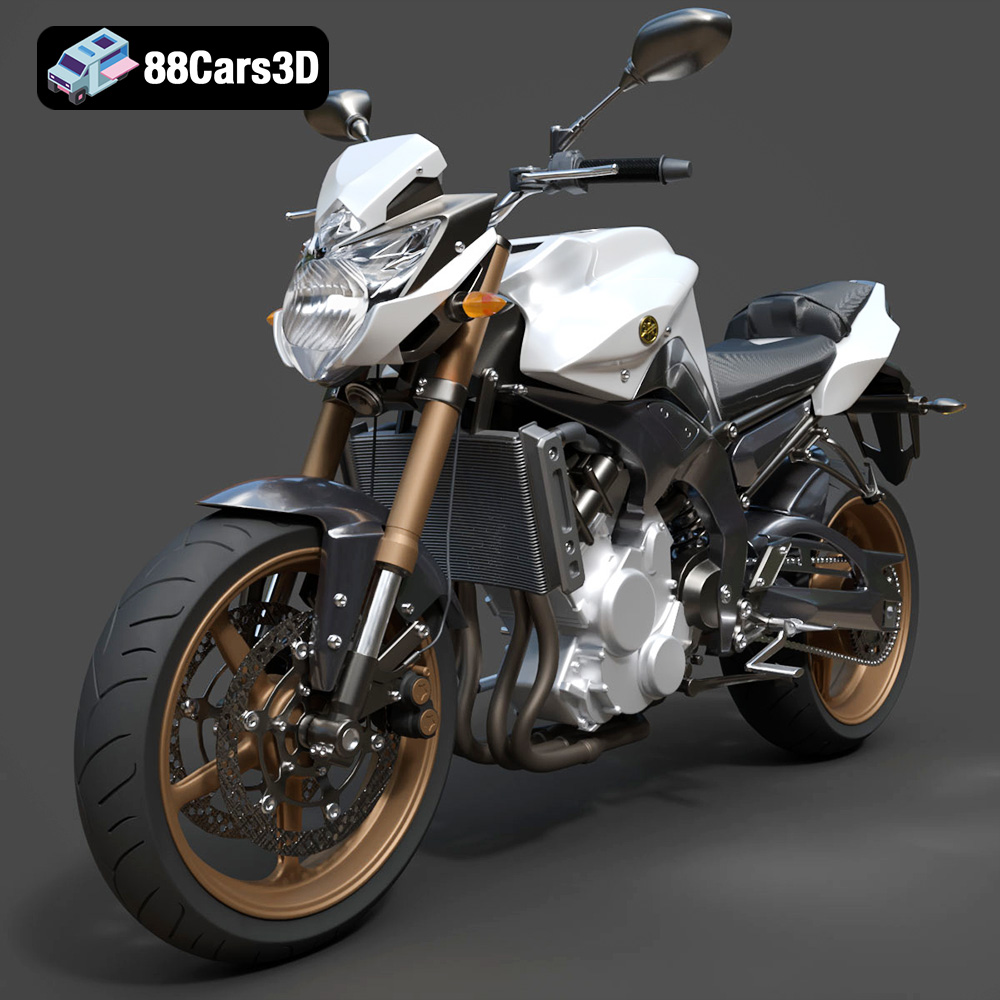
Yamaha FZ8 2011 3D Model
Texture: Yes
Material: Yes
Download the Yamaha FZ8 2011 3D Model featuring clean geometry, realistic detailing, and a fully modeled interior. Includes .blend, .fbx, .obj, .glb, .stl, .ply, .unreal, and .max formats for rendering, simulation, and game development.
Price: $19.99
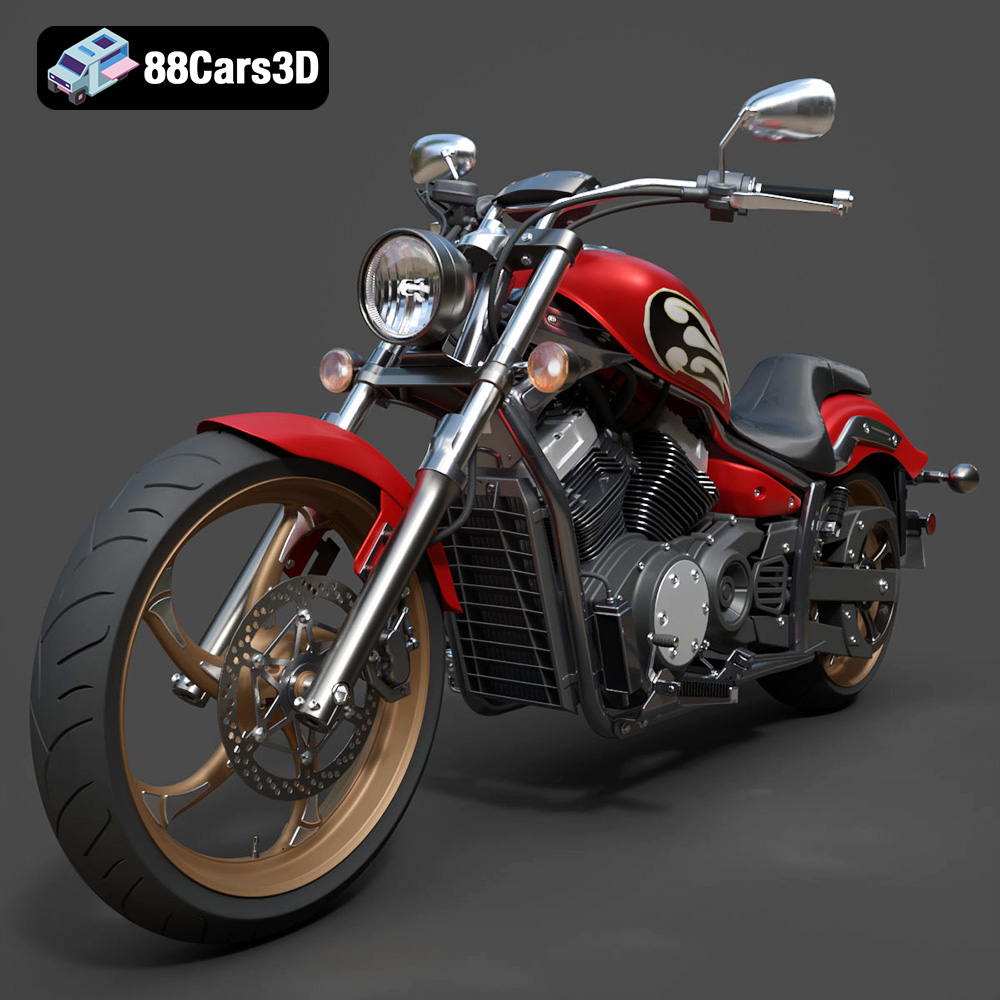
Yamaha Stryker 2012 3D Model
Texture: Yes
Material: Yes
Download the Yamaha Stryker 2012 3D Model featuring clean geometry, realistic detailing, and a fully modeled interior. Includes .blend, .fbx, .obj, .glb, .stl, .ply, .unreal, and .max formats for rendering, simulation, and game development.
Price: $19.99
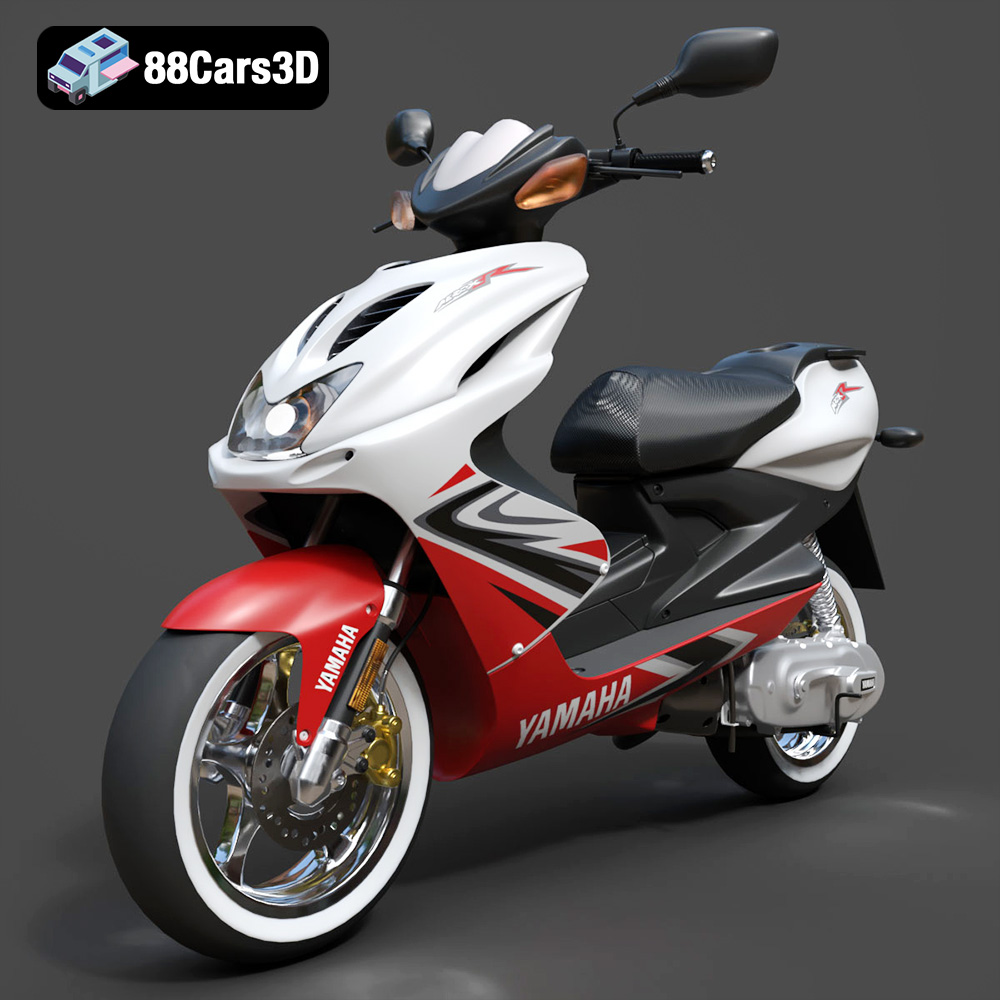
Yamaha Aerox R-002 2024 3D Model
Texture: Yes
Material: Yes
Download the Yamaha Aerox R-002 2024 3D Model featuring clean geometry, realistic detailing, and a fully modeled interior. Includes .blend, .fbx, .obj, .glb, .stl, .ply, .unreal, and .max formats for rendering, simulation, and game development.
Price: $19.99
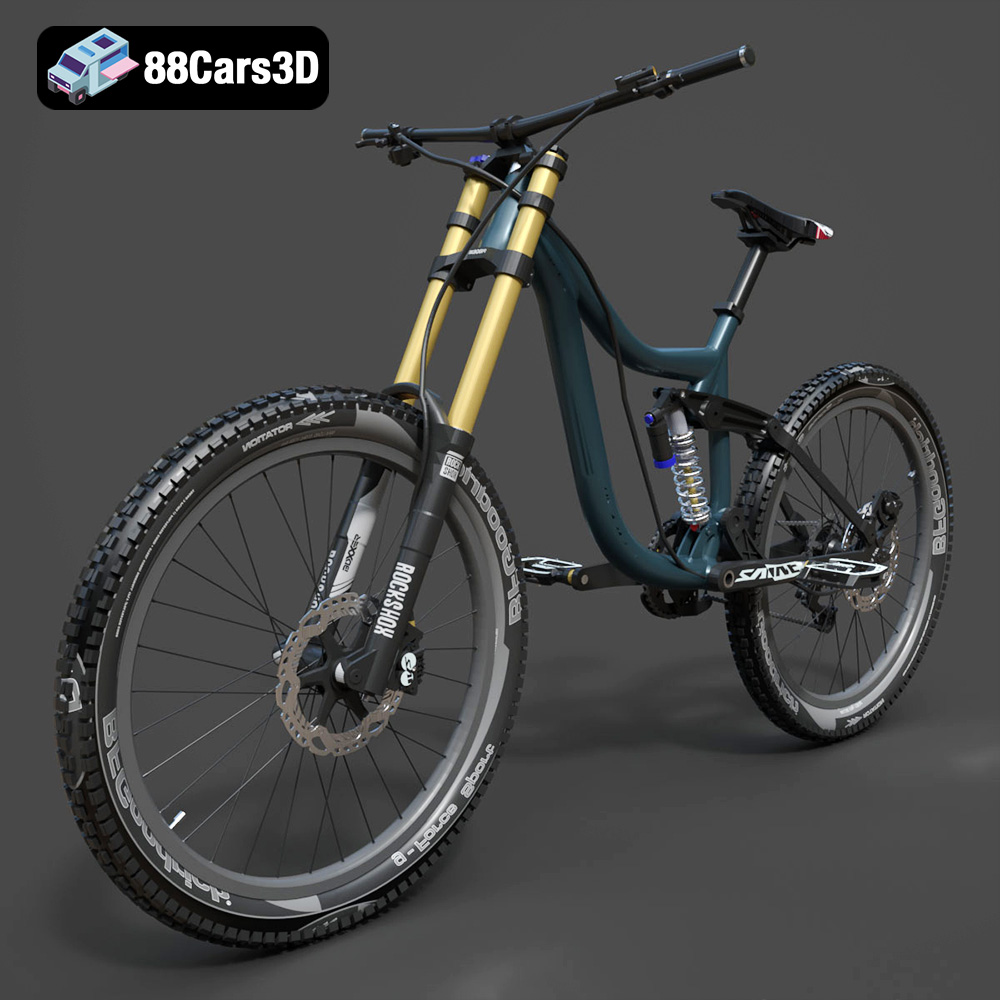
Mototsikly Downhill Bike-002 3D Model
Texture: Yes
Material: Yes
Download the Mototsikly Downhill Bike-002 3D Model featuring clean geometry, realistic detailing, and precise mechanical components. Includes .blend, .fbx, .obj, .glb, .stl, .ply, .unreal, and .max formats for rendering, simulation, and game development.
Price: $19.99
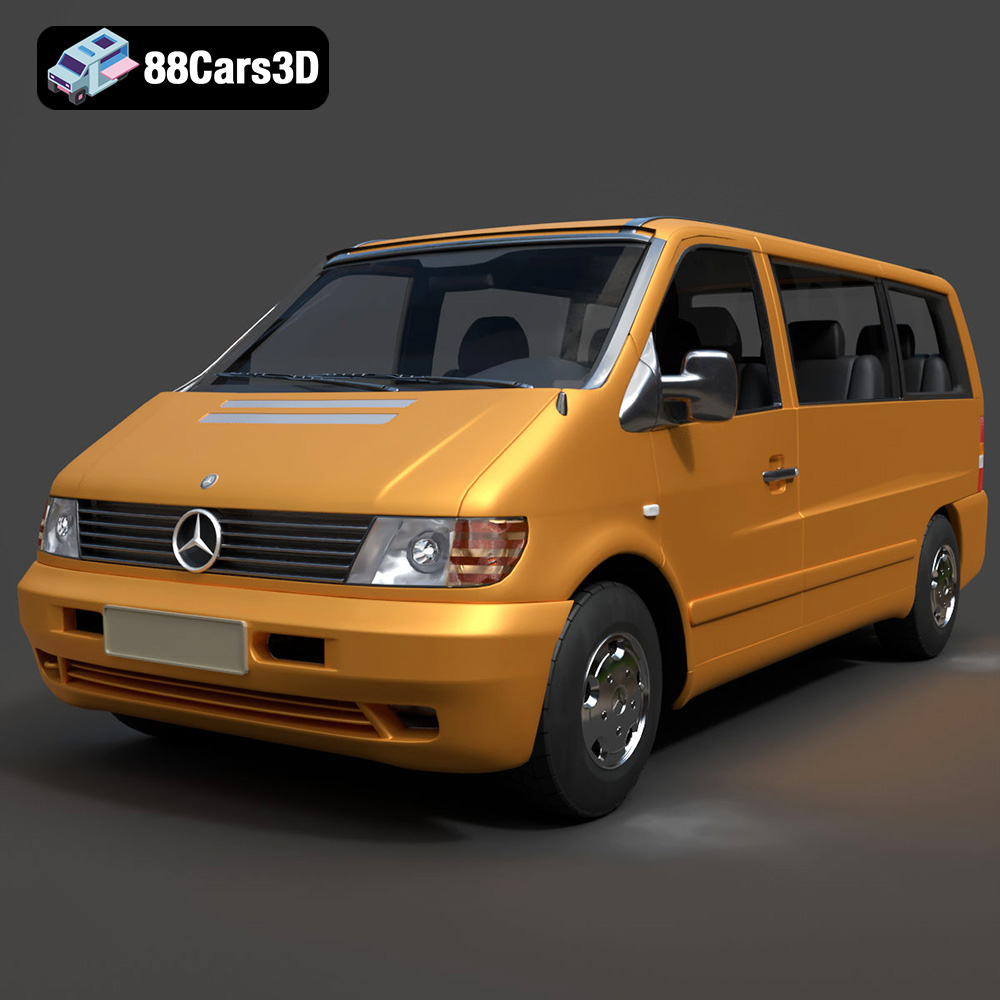
Mercedes-Benz Vito Passenger Van 3D Model
Texture: Yes
Material: Yes
Download the Mercedes-Benz Vito Passenger Van 3D Model featuring clean geometry, realistic detailing, and a fully modeled interior. Includes .blend, .fbx, .obj, .glb, .stl, .ply, .unreal, and .max formats for rendering, simulation, and game development.
Price: $19.99
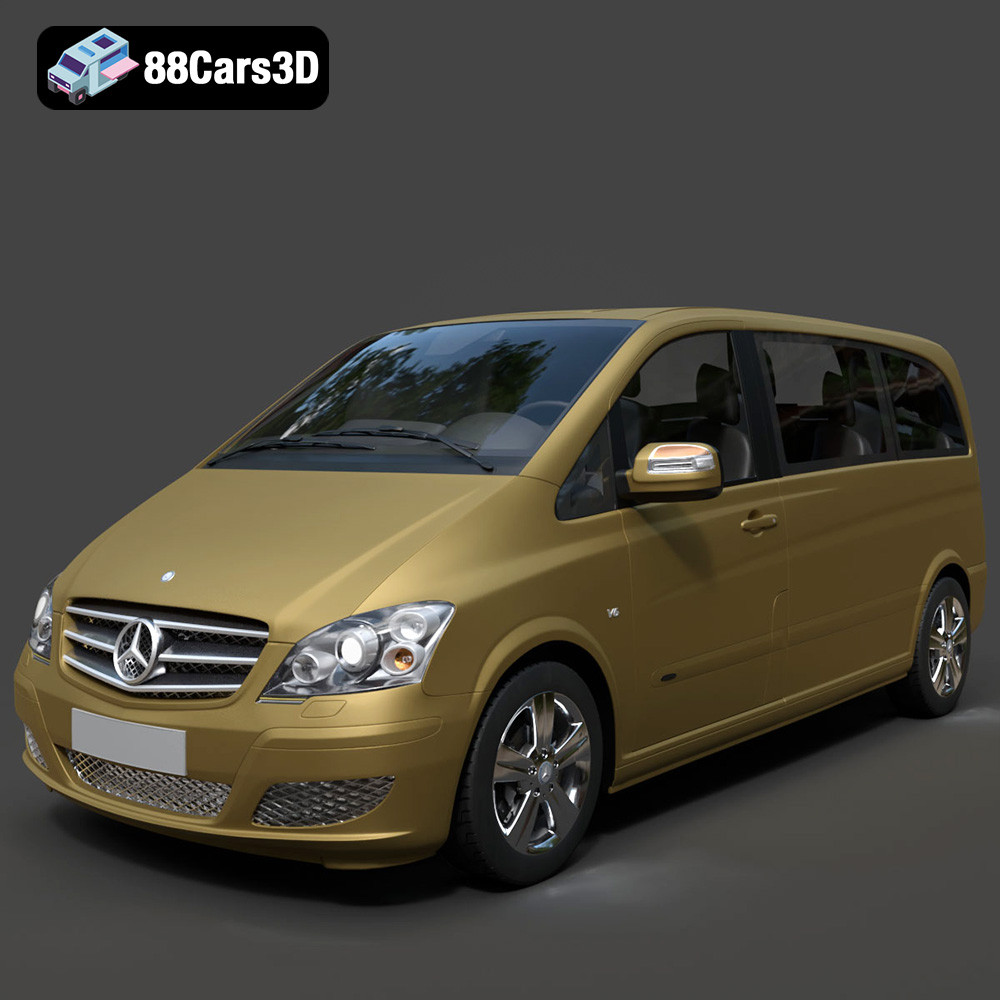
Mercedes-Benz Viano 2010 3D Model
Texture: Yes
Material: Yes
Download the Mercedes-Benz Viano 2010 3D Model featuring clean geometry, realistic detailing, and a fully modeled interior. Includes .blend, .fbx, .obj, .glb, .stl, .ply, .unreal, and .max formats for rendering, simulation, and game development.
Price: $19.99

Emt Avtobus 007 3D Model
Texture: Yes
Material: Yes
Download the Emt Avtobus 007 3D Model featuring clean geometry, realistic detailing, and a fully modeled interior. Includes .blend, .fbx, .obj, .glb, .stl, .ply, .unreal, and .max formats for rendering, simulation, and game development.
Price: $19.99
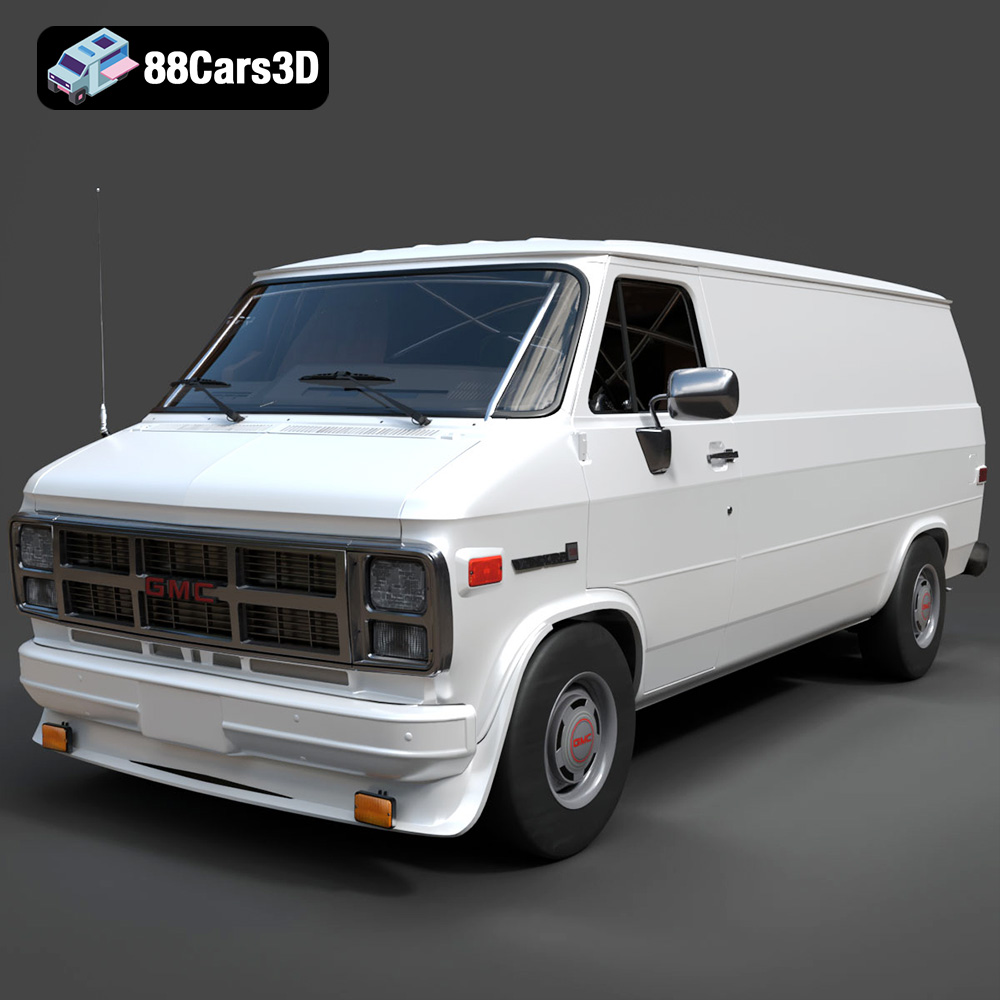
GMC Vandura G-1500 1983 3D Model
Texture: Yes
Material: Yes
Download the GMC Vandura G-1500 1983 3D Model featuring clean geometry, realistic detailing, and a fully modeled interior. Includes .blend, .fbx, .obj, .glb, .stl, .ply, .unreal, and .max formats for rendering, simulation, and game development.
Price: $19.99
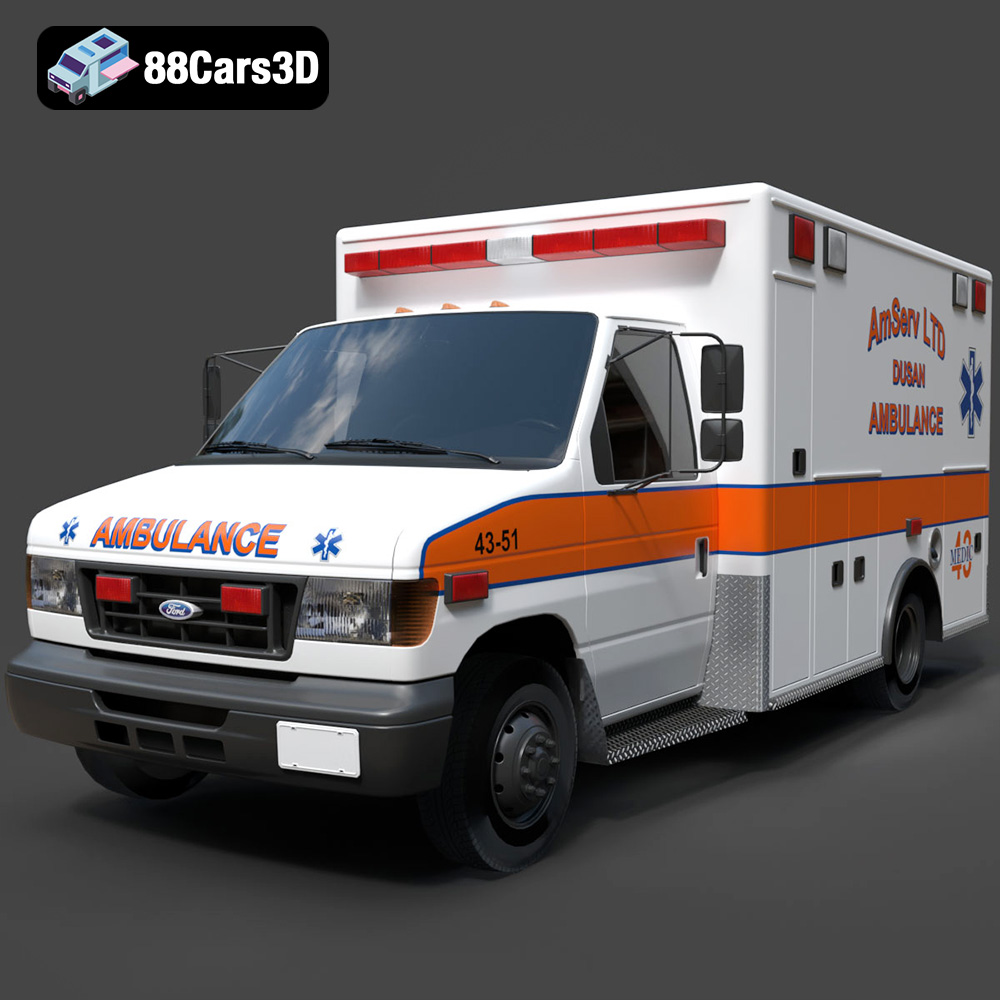
Ford Ambulance AmServ LTD Dusan-002 3D Model
Texture: Yes
Material: Yes
Download the Ford Ambulance AmServ LTD Dusan-002 3D Model featuring a high-detail exterior and interior, realistic textures, and emergency lighting. Includes .blend, .fbx, .obj, .glb, .stl, .ply, .unreal, and .max formats for rendering, simulation, and game development.
Price: $19.99
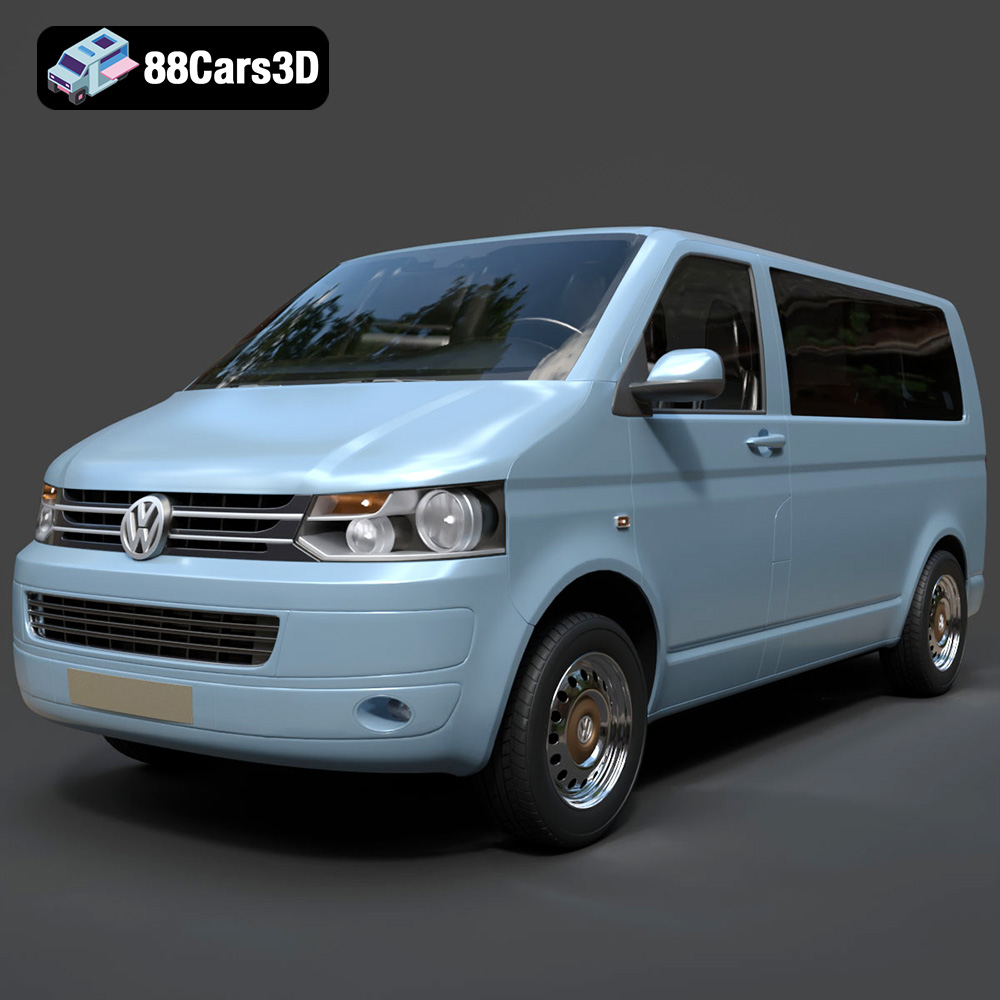
Volkswagen Transporter T5 FL 2010 3D Model
Texture: Yes
Material: Yes
Download the Volkswagen Transporter T5 FL 2010 3D Model featuring clean geometry, realistic detailing, and a fully modeled interior. Includes .blend, .fbx, .obj, .glb, .stl, .ply, .unreal, and .max formats for rendering, simulation, and game development.
Price: $22.99
