

Mastering Unreal Engine LODs and Optimization for High-Fidelity Automotive Visualization
The realm of real-time automotive visualization has reached unprecedented levels of realism, driven by the capabilities of engines like Unreal Engine. From stunning cinematic renders to interactive configurators and immersive virtual reality experiences, the demand for hyper-realistic car models is higher than ever. However, achieving this visual fidelity without compromising performance is a delicate balancing act. Complex 3D car models, with their intricate details, high polygon counts, and elaborate materials, can quickly overwhelm even powerful hardware if not properly optimized.
This comprehensive guide will equip you with the essential knowledge and strategies to master Levels of Detail (LODs) and other critical optimization techniques within Unreal Engine. We’ll delve into the nuances of preparing and importing assets, leveraging advanced features like Nanite and Lumen, and implementing intelligent performance tuning for various applications. By the end of this article, you’ll understand how to deliver breathtaking automotive visuals that run smoothly, ensuring your projects – whether for game development, virtual production, or interactive showcases – achieve both aesthetic excellence and optimal performance. For high-quality, pre-optimized starting points, platforms like 88cars3d.com offer a wide selection of meticulously crafted 3D car models designed specifically for Unreal Engine workflows.
The Foundation: Importing and Initial Optimization of 3D Car Models
The journey to an optimized automotive visualization project in Unreal Engine begins long before the first line of Blueprint script is written; it starts with the quality and preparation of your 3D car models. A clean, well-structured asset is the cornerstone of efficient performance. When sourcing automotive assets, whether from internal modeling teams or marketplaces like 88cars3d.com, prioritize models with clean topology, proper UV mapping, and a manageable initial polygon count. This proactive approach significantly reduces the time and effort required for optimization down the line.
The choice of file format for importing 3D car models into Unreal Engine is also crucial. FBX remains a widely supported and robust format for static meshes, skeletal meshes, and animations, carrying over essential data like materials, UVs, and smoothing groups. Newer formats like USD (Universal Scene Description) and USDZ are gaining traction, offering powerful capabilities for scene composition, non-destructive workflows, and collaboration, especially beneficial in virtual production pipelines. Ensuring your source models are exported correctly from your Digital Content Creation (DCC) tool (e.g., Maya, Blender, 3ds Max) with appropriate scale and axis orientation will save considerable adjustment time within Unreal.
Project Setup and Import Settings
Setting up your Unreal Engine project correctly is the first step towards a smooth optimization workflow. When importing your FBX or USD files, Unreal Engine presents a range of options that directly impact performance and fidelity. For static meshes, pay close attention to the “Mesh” section of the import dialogue. Key settings include:
- Auto Generate LODs: While Unreal can automatically create LODs, for critical assets like car models, manual or pre-made LODs offer superior quality control. It’s often better to disable this initially and manage LODs post-import.
- Normal Import Method: Ensure this matches your DCC tool’s export settings (e.g., “Import Normals and Tangents” for pre-computed normals). Incorrect settings can lead to visual artifacts.
- Build Adjacency Buffer / Build Reverse Index Buffer: Enable these if you plan to use tessellation or certain rendering features that require this data.
- Generate Missing Collision: Useful for basic collision, but for complex car shapes, custom collision meshes are often preferred for accuracy and performance.
- Combine Meshes: If your car model is exported as separate parts that don’t need independent manipulation, combining them can reduce draw calls, but consider the implications for material swapping or selective interaction.
For an in-depth understanding of mesh import options, the official Unreal Engine documentation (https://dev.epicgames.com/community/unreal-engine/learning) is an invaluable resource. After importing, confirm the scale and rotation within the Static Mesh Editor. Adjusting the pivot point, if necessary, is also critical for correct placement and interaction within your scene.
Understanding Mesh Complexity and Data Budgets
Successfully optimizing 3D car models in Unreal Engine requires a clear understanding of mesh complexity and the practical data budgets for real-time rendering. A high-fidelity car model might initially boast several million polygons for its main body, interior, and intricate engine components. While features like Nanite (which we’ll explore shortly) have dramatically shifted traditional polygon budgeting, it’s still crucial to be mindful of vertex counts and draw calls for non-Nanite assets and specific target platforms.
For traditionally rendered assets (e.g., skeletal meshes, transparent elements, or mobile VR targets), a primary car body might aim for 50,000 to 300,000 polygons for its base LOD0. Individual components like wheels could range from 10,000 to 20,000 polygons each. Texture resolutions also play a significant role: 4K (4096×4096) or even 8K textures might be used for the main car body and critical interior elements to capture minute details, while secondary components and distant LODs can often use 2K or 1K textures effectively. Proper UV mapping is paramount, ensuring efficient texture packing, preventing stretching, and allowing for precise PBR material application. Each material slot and unique mesh contributes to draw calls, which can quickly become a performance bottleneck. By understanding these metrics, artists and developers can make informed decisions about asset preparation and optimization strategies.
Levels of Detail (LODs): The Core of Performance Scaling
Levels of Detail (LODs) are a cornerstone of performance optimization in real-time rendering, especially for complex assets like 3D car models. The fundamental principle behind LODs is simple yet powerful: objects that are far away from the camera require less geometric detail than objects that are close up. By swapping out a high-polygon mesh for a lower-polygon version as the object recedes into the distance, you can significantly reduce the computational load on the GPU without a noticeable loss in visual quality from the user’s perspective. For high-fidelity automotive visualization, this technique allows you to maintain stunning detail when the camera is up close, while ensuring smooth frame rates even in sprawling environments with multiple vehicles.
Properly implemented LODs can drastically cut down on vertex shader calculations, reduce memory footprint, and improve overall rendering efficiency. In the context of car models, this means creating simplified versions of the entire vehicle, including the chassis, wheels, interior, and even smaller details like badges or lights. The goal is to create a seamless transition between these different detail levels, making the “LOD switch” invisible to the viewer. This strategic reduction in complexity ensures that your Unreal Engine projects can feature multiple detailed vehicles without bringing the engine to its knees.
Implementing Manual vs. Auto-Generated LODs
Unreal Engine provides options for both automatically generating LODs and importing custom, manually created LODs. While auto-generated LODs (accessible within the Static Mesh Editor under “LOD Settings”) can be a quick solution for less critical assets or as a starting point, they often come with limitations for high-fidelity automotive models. Automatic simplification algorithms can sometimes distort delicate geometry, introduce shading artifacts, or poorly manage UV seams, leading to visual inconsistencies. They might also remove small, but important, details that are visible even at medium distances.
For a professional automotive visualization project, creating manual LODs in your DCC tool (e.g., Maya, Blender) offers unparalleled control and quality. This involves duplicating your high-resolution mesh (LOD0) and then strategically reducing its polygon count for subsequent LODs (LOD1, LOD2, etc.). The process involves:
- Decimation/Retopology: Carefully reducing edge loops, merging vertices, and simplifying components while preserving the overall silhouette and key features.
- UV Preservation: Ensuring UVs remain intact or are re-mapped cleanly to avoid texture stretching or misalignment.
- Material IDs: Maintaining consistent material IDs across all LODs to avoid re-assigning materials in Unreal Engine.
Once created, these manual LODs can be imported directly alongside your base mesh. When importing an FBX with multiple meshes named using Unreal’s LOD naming convention (e.g., `Car_LOD0`, `Car_LOD1`), Unreal will automatically group them. This method guarantees higher visual fidelity and more predictable results, making it the preferred approach for critical assets like the hero vehicle in a scene.
LOD Settings and Screen Size Thresholds
After importing your custom LODs, the next crucial step is configuring their activation within the Unreal Engine Static Mesh Editor. The primary control mechanism for LOD switching is the “Screen Size” threshold, found in the “LOD Settings” panel. This value represents the percentage of the screen space an object occupies before switching to a lower LOD.
For instance, you might set:
- LOD0 (High-poly): Screen Size 1.0 (always visible at full detail when close).
- LOD1 (Medium-poly): Screen Size 0.5 (switches when the object occupies 50% of the screen).
- LOD2 (Low-poly): Screen Size 0.25 (switches when the object occupies 25% of the screen).
- LOD3 (Very Low-poly/Impostor): Screen Size 0.1 (switches when the object occupies 10% of the screen).
These thresholds require careful tweaking and testing within your scene, ideally using the “LOD Coloration” view mode (found under the “Show” menu in the viewport). This mode visually highlights which LOD is active with different colors, allowing you to identify jarring transitions or areas where LODs switch too aggressively or not aggressively enough. Additionally, consider adjusting the “LOD Bias” in the Static Mesh Editor to force a lower LOD across the board, useful for performance profiling. For very large scenes, Hierarchical Levels of Detail (HLODs) can further optimize distant geometry by combining multiple static meshes into a single, simplified mesh, reducing draw calls even further. Remember to optimize material complexity per LOD, perhaps by using simpler shaders or lower-resolution textures for distant LODs, further enhancing performance.
Nanite: Revolutionizing High-Fidelity Automotive Assets
Nanite is one of Unreal Engine’s most groundbreaking features, a virtualized geometry system that fundamentally changes how high-detail 3D models are handled in real-time. Before Nanite, artists and developers were constantly constrained by polygon budgets, meticulously optimizing meshes to maintain performance. With Nanite, those traditional limitations are largely dissolved for static meshes, allowing for models composed of millions or even billions of polygons to be rendered efficiently. For automotive visualization, Nanite is a game-changer, enabling unprecedented geometric detail in car models without the need for manual LOD creation for static parts, freeing artists to focus solely on fidelity.
The core magic of Nanite lies in its ability to stream and render only the necessary detail for each pixel on screen. It does this by processing source meshes into a specialized internal cluster format. At render time, Nanite intelligently selects and renders only the clusters required at the current screen resolution, eliminating superfluous geometry that wouldn’t contribute to the final pixel. This dramatically reduces draw calls and vertex processing, allowing for truly cinematic levels of detail in real-time. For a high-end car model, this means every rivet, every seam, and every intricate interior component can be represented with full geometric fidelity, rather than relying on normal maps to simulate detail.
Enabling Nanite for Car Models
Integrating Nanite into your automotive workflow in Unreal Engine is surprisingly straightforward. Once your high-polygon static mesh car model is imported, simply open it in the Static Mesh Editor. In the “Details” panel, under the “Nanite Settings” section, locate and check the “Enable Nanite” checkbox. Unreal Engine will then process your mesh, converting it into the Nanite format. This process might take a moment depending on the complexity of your mesh.
For most high-fidelity car model components like the main body, chassis, detailed engine parts, and interior elements (dashboard, seats, intricate panels), enabling Nanite is an ideal solution. It allows you to maintain the highest possible geometric detail without worrying about traditional LODs. However, there are some considerations: Nanite is designed for static meshes. It currently does not support skeletal meshes (for animated parts like opening doors or suspension), transparent materials (such as glass windows or headlights), or World Position Offset in materials (often used for wind effects or subtle mesh deformation). For these components, traditional LODs and optimization techniques still apply. The official Unreal Engine documentation (https://dev.epicgames.com/community/unreal-engine/learning) provides comprehensive details on Nanite’s capabilities and current limitations.
Balancing Nanite with Traditional LODs and Performance Considerations
While Nanite dramatically simplifies the management of static high-poly geometry, it’s not a silver bullet that eliminates all optimization needs. A robust automotive project in Unreal Engine often requires a hybrid approach, balancing Nanite-enabled meshes with traditional LODs and other performance considerations.
For non-Nanite assets – such as a car’s animated suspension, opening doors, or dynamic elements like character models – traditional manual or auto-generated LODs remain essential. Transparent parts like windows and headlights, which currently don’t support Nanite, also need their geometry optimized and material complexity managed. Furthermore, while Nanite drastically reduces vertex processing, it still has an impact on memory and requires careful management of virtual shadow maps for highly detailed shadows. Excessive Nanite meshes can still lead to memory pressure, especially on GPUs with limited VRAM.
When targeting specific platforms, such as AR/VR on mobile devices, Nanite’s benefits might be less applicable due to hardware limitations. Mobile GPUs often struggle with the overhead of Nanite’s virtualized geometry, making traditional, carefully crafted LODs the superior approach for optimal performance. Profiling your project using Unreal Engine’s built-in tools (e.g., Stat commands like `stat gpu`, `stat rhi`, `stat nanite` and the GPU Visualizer) is crucial to identify bottlenecks and strike the right balance between Nanite’s incredible detail and the overall performance budget of your target platform.
Advanced Materials and Lighting for Automotive Realism
Beyond geometric detail, the perceived realism of a 3D car model in Unreal Engine heavily relies on sophisticated PBR (Physically Based Rendering) materials and a robust real-time lighting setup. These elements work in concert to accurately simulate how light interacts with different surfaces, bringing the car to life with believable reflections, gloss, and color. Mastering material creation and dynamic lighting is paramount for high-fidelity automotive visualization, transforming a high-poly mesh into a photorealistic digital asset.
Unreal Engine’s Material Editor offers a powerful node-based interface to construct complex PBR shaders that mimic real-world materials. For vehicles, this means accurately representing everything from multi-layered car paint to the varying textures of tires, glass, leather, and chrome. Similarly, Unreal’s advanced lighting systems, particularly Lumen, enable dynamic global illumination and reflections that react in real-time to changes in the environment or light sources, providing an unprecedented level of immersion and visual accuracy without the lengthy bake times of traditional static lighting. The combination of these technologies is what truly sells the illusion of a tangible, physical vehicle.
Crafting Realistic PBR Car Materials
Creating realistic PBR materials for car models in Unreal Engine involves a meticulous approach to texture creation and shader setup. Each component of a car requires careful consideration of its physical properties:
- Car Paint: This is arguably the most complex and visually striking material. A realistic car paint shader typically involves multiple layers: a base color layer (with metallic and roughness properties), a clear coat layer (simulating the glossy protective layer), and often a flake map to mimic the tiny metallic particles suspended within the paint, creating a sparkling effect. Subsurface scattering can also be subtly applied for certain plastic or rubber components to enhance their realism.
- Metallic/Chrome: High metallic values with very low roughness for polished surfaces, requiring detailed normal maps for brushed finishes.
- Glass: Requires specific transmission and refraction properties. Using a dedicated glass material function with controlled roughness, tint, and a Fresnel effect for edge reflections.
- Tires: A blend of roughness, normal maps for tread patterns, and subtle metallic/specular values to simulate rubber.
- Interior Fabrics/Leather: Often benefits from clear normal maps, high-resolution base color, and fine-tuned roughness to convey tactile quality.
Organizing your materials using Material Functions can significantly improve reusability and efficiency, especially for common components like different types of plastics or metals. Always aim to optimize material instruction count and texture sampler usage to keep your shaders lean, which is critical for performance, particularly on target platforms like AR/VR.
Real-Time Lighting with Lumen and Dynamic Global Illumination
Unreal Engine 5’s Lumen global illumination and reflections system represents a monumental leap in real-time lighting fidelity. Lumen dynamically calculates diffuse inter-reflection and specular reflections, meaning light bounces realistically around your scene in real-time, reacting instantly to moving lights, geometry changes, and material properties. For automotive visualization, this translates to:
- Realistic Reflections: The highly reflective surfaces of a car accurately mirror its environment, with reflections updating instantaneously.
- Dynamic Indirect Lighting: Color bleeding and soft shadows are computed in real-time, giving vehicles a natural presence within any scene, whether in an indoor showroom or an outdoor landscape.
- Simplified Workflow: Eliminates the need for pre-baked lighting (Lightmass), allowing for rapid iteration and creative freedom.
To enable Lumen, navigate to your Project Settings under “Rendering” and ensure “Global Illumination” and “Reflections” are set to “Lumen.” Additionally, ensure a Post Process Volume is present in your scene with Lumen enabled. For environment lighting, a high-dynamic-range image (HDRI) backdrop combined with a Sky Light is often the most efficient and realistic solution, providing rich indirect lighting from an environment map. For performance-critical scenarios, especially on mobile AR or legacy hardware, consider traditional static lighting (Lightmass) or baked indirect lighting as fallback options. Optimizing dynamic light complexity – limiting the number of dynamic lights, using IES profiles for accurate light distribution, and configuring efficient shadow maps – remains crucial even with Lumen to maintain optimal frame rates.
Interactive Experiences and Performance Tuning
Optimizing 3D car models in Unreal Engine isn’t solely about visual fidelity; it also encompasses the ability to create highly interactive and responsive experiences. Whether you’re building an automotive configurator, a virtual showroom, or an immersive AR/VR demo, seamless interaction and fluid performance are paramount. This requires not only efficient asset management but also intelligent scripting and platform-specific optimization strategies. The ability to smoothly swap out paint colors, change wheel designs, or open doors on a detailed car model in real-time defines the quality of the user experience.
Unreal Engine’s robust Blueprint visual scripting system empowers developers to build complex interactive logic without writing a single line of C++ code, making it an ideal tool for automotive applications. Furthermore, tailoring your optimization efforts to the specific demands of each target platform – be it high-end PC, mobile AR/VR, or virtual production LED walls – ensures that your meticulously crafted car models perform flawlessly in their intended environment. This holistic approach to performance tuning ensures that the stunning visuals you’ve achieved through LODs and Nanite are always delivered at an optimal frame rate, providing an engaging and immersive experience for your audience.
Blueprint Scripting for Automotive Configurators and Interactions
Blueprint visual scripting is an incredibly powerful tool for adding interactivity to your automotive projects in Unreal Engine. It allows you to create sophisticated configurators, interactive demos, and functional vehicle systems without diving into C++ code. Here’s how Blueprint can be leveraged:
- Material Swapping: Easily change car paint colors, interior trim materials, or wheel finishes. This is typically done by creating an array of Material Instances and using Blueprint to set the material on a static mesh component based on user input (e.g., a UI button click).
- Part Swapping: Allow users to select different wheel designs, body kits, or headlight styles. This involves using Blueprint to hide/show static mesh components or dynamically spawn new meshes.
- Animations: Control opening and closing of doors, hoods, or trunks. While a full skeletal mesh for a door might be overkill, simple static mesh components parented to the main car body can be rotated using Blueprint timelines for smooth animations.
- Lighting Control: Toggle headlights, interior lights, or change ambient lighting scenarios within a showroom environment.
- Event-Driven Logic: Respond to user inputs (mouse clicks, touch, gamepad) to trigger these actions.
Efficient Blueprint design involves using clean graphs, appropriate variable types, and referencing meshes and materials effectively. Data tables can be invaluable for managing a large number of configuration options (e.g., an array of paint colors with their corresponding material instances). Starting with well-structured, optimized 3D car models from resources like 88cars3d.com significantly simplifies the Blueprint integration process, as the meshes are already prepared for instancing and material assignments.
Targeted Optimization for Different Platforms (AR/VR, Game Dev, Virtual Production)
Optimizing your Unreal Engine automotive project means tailoring your strategies to the specific demands and constraints of your target platform:
- AR/VR Optimization:
- Frame Rate is King: Maintain a stable 72-90+ FPS to prevent motion sickness.
- Lower Polygon Budgets: Even with Nanite, mobile VR/AR devices have strict limits. Manual LODs are critical for all meshes.
- Optimized Shaders: Simplify PBR materials, reduce texture resolution (1K-2K often maximum), avoid complex material instruction counts.
- Forward Rendering: Often more efficient for VR due to less overhead than deferred rendering.
- Mobile Rendering Features: Utilize features like Mobile Multi-View for stereo rendering.
- Cull Distances: Aggressively cull distant objects using “Cull Distance Volumes” to reduce draw calls.
- Game Development Optimization:
- Gameplay First: Performance must not impede gameplay. Focus on a balanced approach.
- Aggressive LOD Setup: More aggressive LOD transitions and greater polygon reduction for distant LODs.
- Occlusion Culling: Use “Precomputed Visibility Volumes” or “Hardware Occlusion Queries” to prevent rendering objects hidden behind others.
- Streaming and World Partition: For open-world car games, efficiently stream level data to manage memory.
- CPU and GPU Profiling: Constantly monitor performance using `stat unit`, `stat gpu`, `stat rhi`, and the Session Frontend profiler to identify bottlenecks.
- Virtual Production and LED Wall Workflows:
- Highest Fidelity & Stable Frame Rates: Requires powerful hardware. Prioritize visual quality while maintaining a consistent 24-30 FPS.
- nDisplay: Utilize Unreal’s nDisplay framework for multi-display, synchronized rendering across LED walls.
- High-Resolution Assets: Leverage Nanite for primary car models and high-resolution textures for close-ups.
- Optimized Lighting: Lumen is ideal, but ensure efficient light counts and shadow settings.
- GPU Memory Management: High texture resolutions and geometry can quickly consume VRAM. Monitor with `stat gpu`.
General tips across all platforms include reducing overdraw, baking static elements into textures where possible, and continuously profiling your scene to identify and address performance bottlenecks.
Conclusion
The journey to mastering Unreal Engine LODs and optimization for high-fidelity automotive visualization is a continuous process of balancing artistic ambition with technical pragmatism. We’ve explored the critical steps, from the initial meticulous import of clean 3D car models and understanding data budgets, to leveraging the transformative power of Levels of Detail and Nanite virtualized geometry. We’ve delved into crafting physically accurate PBR materials and illuminating your scenes with dynamic, real-time lighting provided by Lumen. Finally, we’ve touched upon building interactive experiences with Blueprint and tailoring optimization strategies for diverse platforms like AR/VR, game development, and virtual production.
The core takeaway is that a high-quality, high-performance automotive project in Unreal Engine is built on a foundation of well-prepared assets and a strategic application of the engine’s powerful optimization tools. By understanding and implementing these techniques, you can deliver breathtaking visuals that run smoothly, captivating your audience whether in a cinematic render or an interactive real-time experience. Remember, starting with meticulously crafted 3D car models, such as those available on 88cars3d.com, provides an invaluable head start, allowing you to focus more on creative iteration and less on initial asset cleanup. As Unreal Engine continues to evolve, staying updated with its latest features and best practices is crucial. We encourage you to continuously explore the official Unreal Engine documentation at https://dev.epicgames.com/community/unreal-engine/learning for ongoing insights and advanced techniques to push the boundaries of real-time automotive visualization.
Featured 3D Car Models
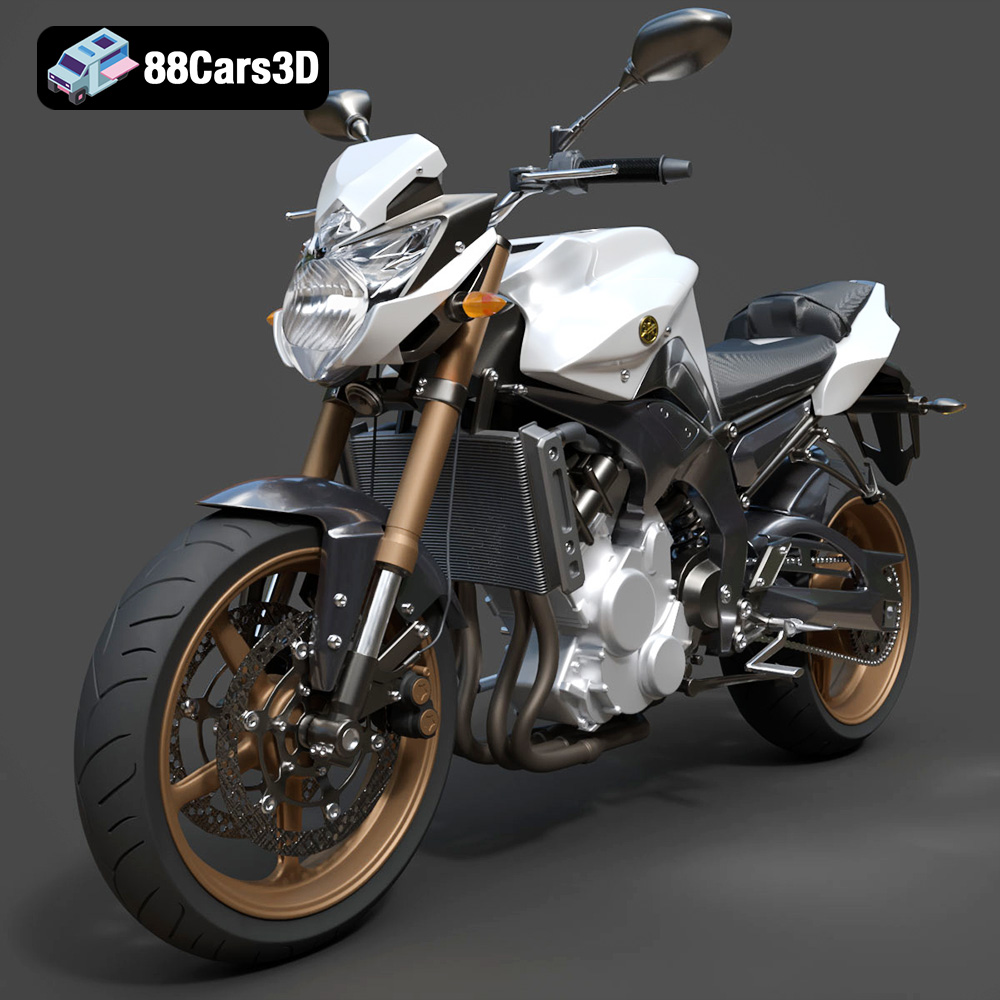
Yamaha FZ8 2011 3D Model
Texture: Yes
Material: Yes
Download the Yamaha FZ8 2011 3D Model featuring clean geometry, realistic detailing, and a fully modeled interior. Includes .blend, .fbx, .obj, .glb, .stl, .ply, .unreal, and .max formats for rendering, simulation, and game development.
Price: $19.99
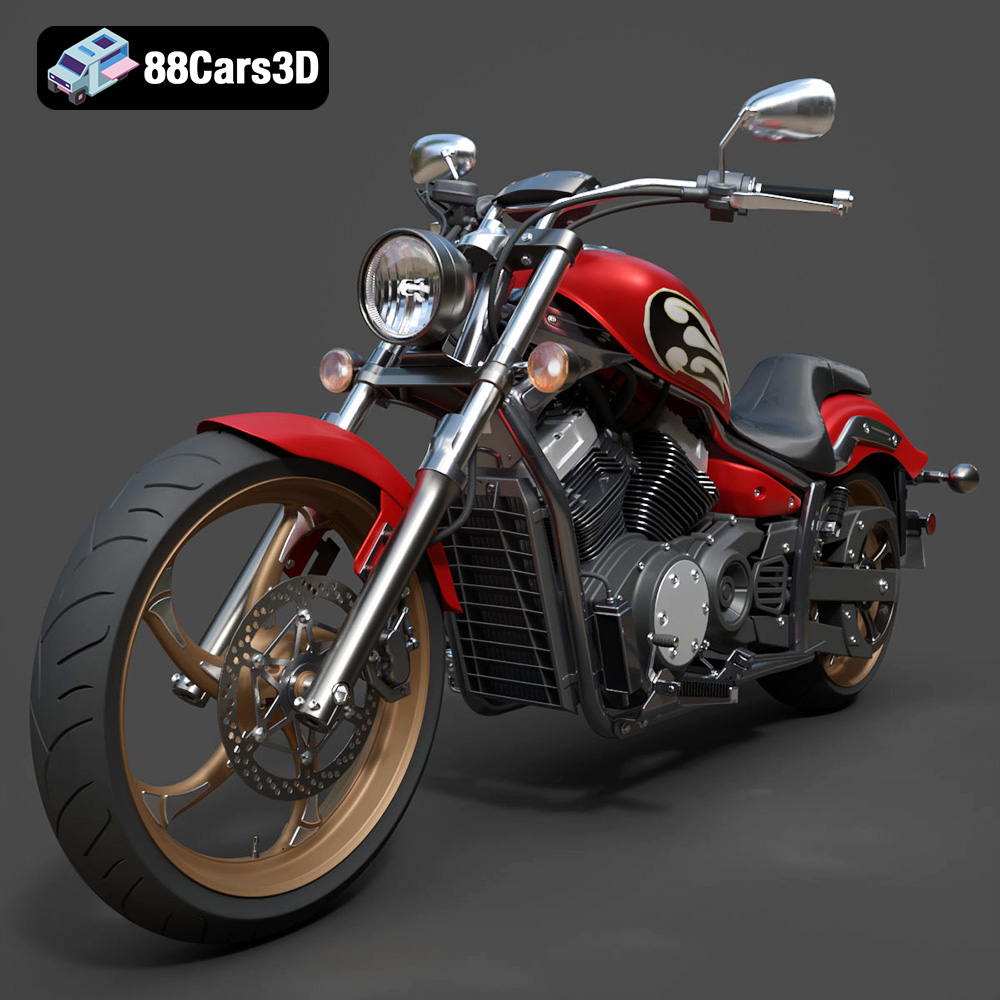
Yamaha Stryker 2012 3D Model
Texture: Yes
Material: Yes
Download the Yamaha Stryker 2012 3D Model featuring clean geometry, realistic detailing, and a fully modeled interior. Includes .blend, .fbx, .obj, .glb, .stl, .ply, .unreal, and .max formats for rendering, simulation, and game development.
Price: $19.99
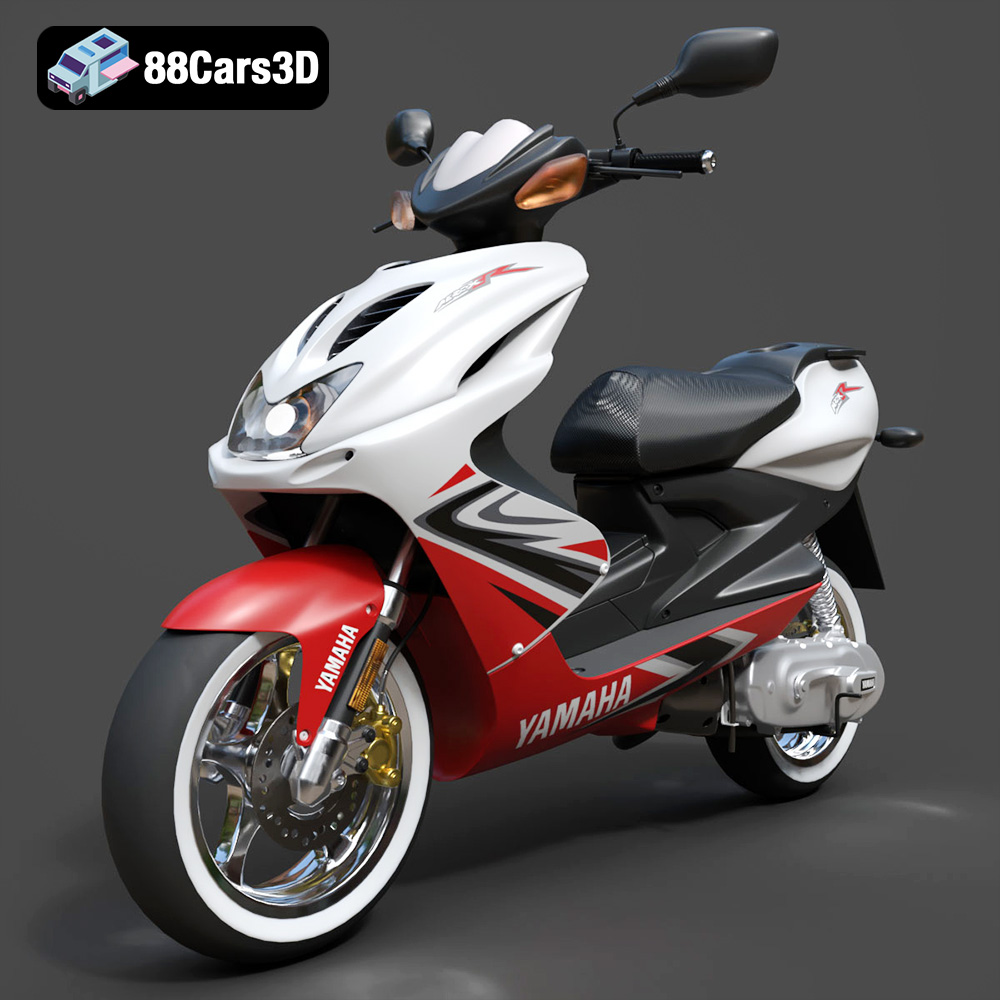
Yamaha Aerox R-002 2024 3D Model
Texture: Yes
Material: Yes
Download the Yamaha Aerox R-002 2024 3D Model featuring clean geometry, realistic detailing, and a fully modeled interior. Includes .blend, .fbx, .obj, .glb, .stl, .ply, .unreal, and .max formats for rendering, simulation, and game development.
Price: $19.99
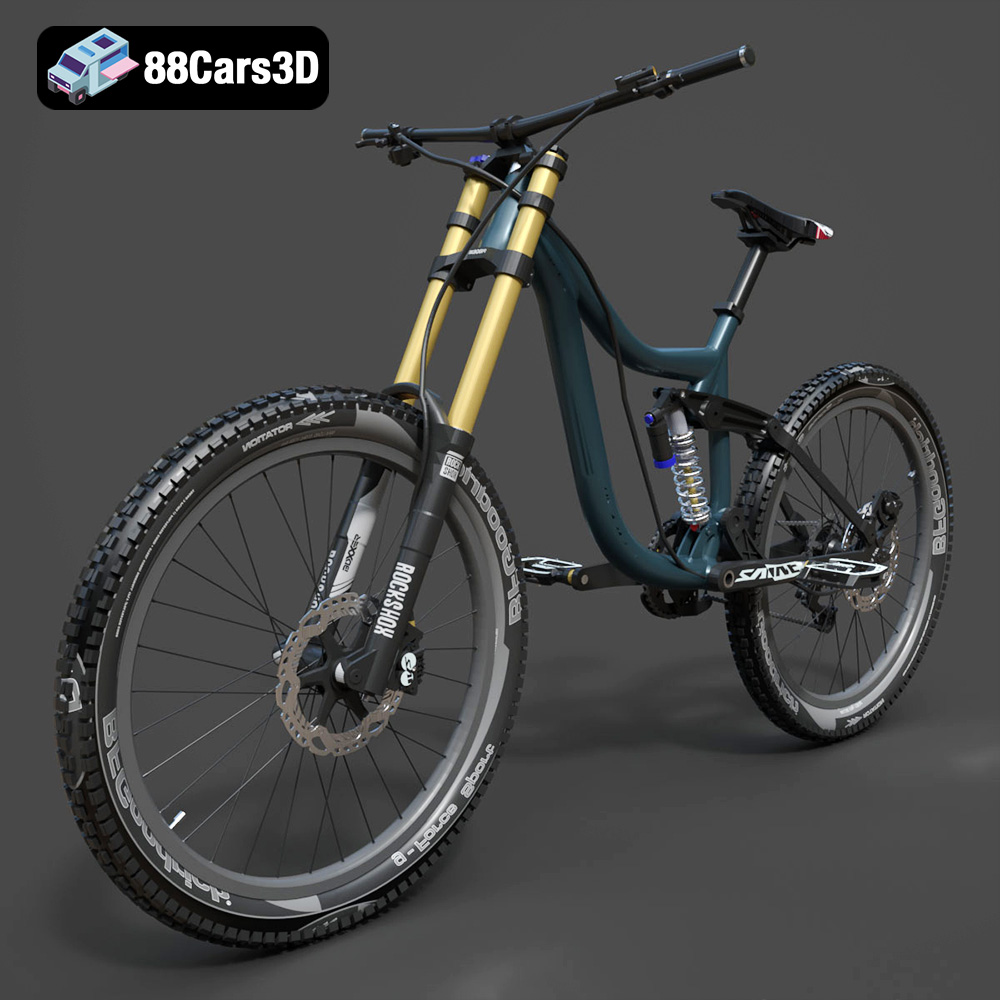
Mototsikly Downhill Bike-002 3D Model
Texture: Yes
Material: Yes
Download the Mototsikly Downhill Bike-002 3D Model featuring clean geometry, realistic detailing, and precise mechanical components. Includes .blend, .fbx, .obj, .glb, .stl, .ply, .unreal, and .max formats for rendering, simulation, and game development.
Price: $19.99
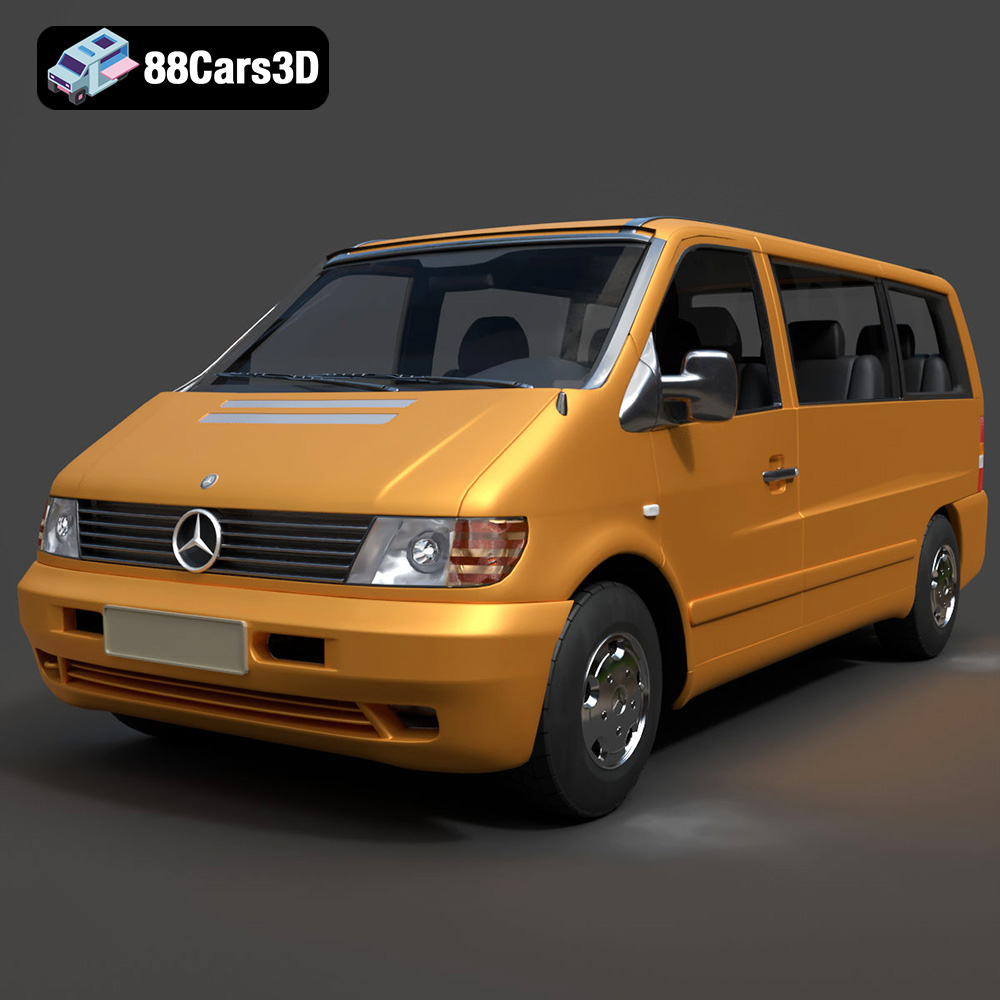
Mercedes-Benz Vito Passenger Van 3D Model
Texture: Yes
Material: Yes
Download the Mercedes-Benz Vito Passenger Van 3D Model featuring clean geometry, realistic detailing, and a fully modeled interior. Includes .blend, .fbx, .obj, .glb, .stl, .ply, .unreal, and .max formats for rendering, simulation, and game development.
Price: $19.99
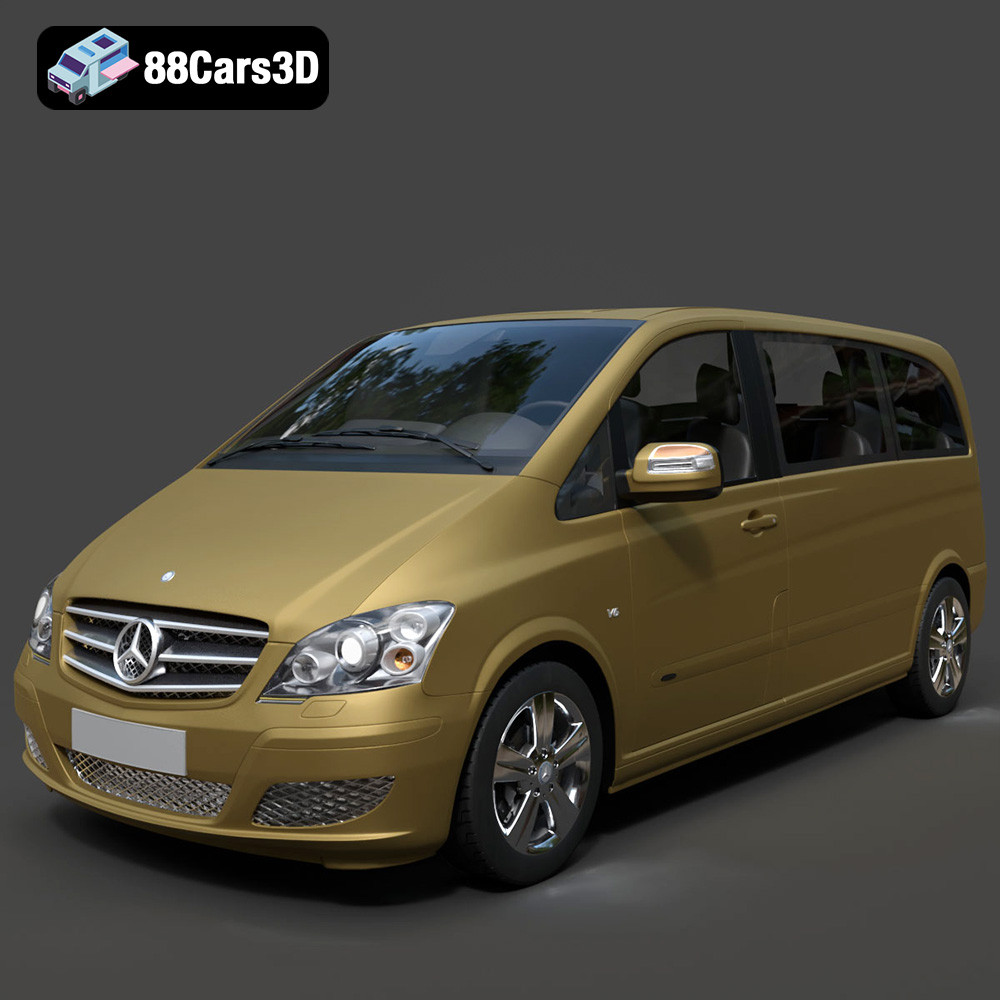
Mercedes-Benz Viano 2010 3D Model
Texture: Yes
Material: Yes
Download the Mercedes-Benz Viano 2010 3D Model featuring clean geometry, realistic detailing, and a fully modeled interior. Includes .blend, .fbx, .obj, .glb, .stl, .ply, .unreal, and .max formats for rendering, simulation, and game development.
Price: $19.99

Emt Avtobus 007 3D Model
Texture: Yes
Material: Yes
Download the Emt Avtobus 007 3D Model featuring clean geometry, realistic detailing, and a fully modeled interior. Includes .blend, .fbx, .obj, .glb, .stl, .ply, .unreal, and .max formats for rendering, simulation, and game development.
Price: $19.99
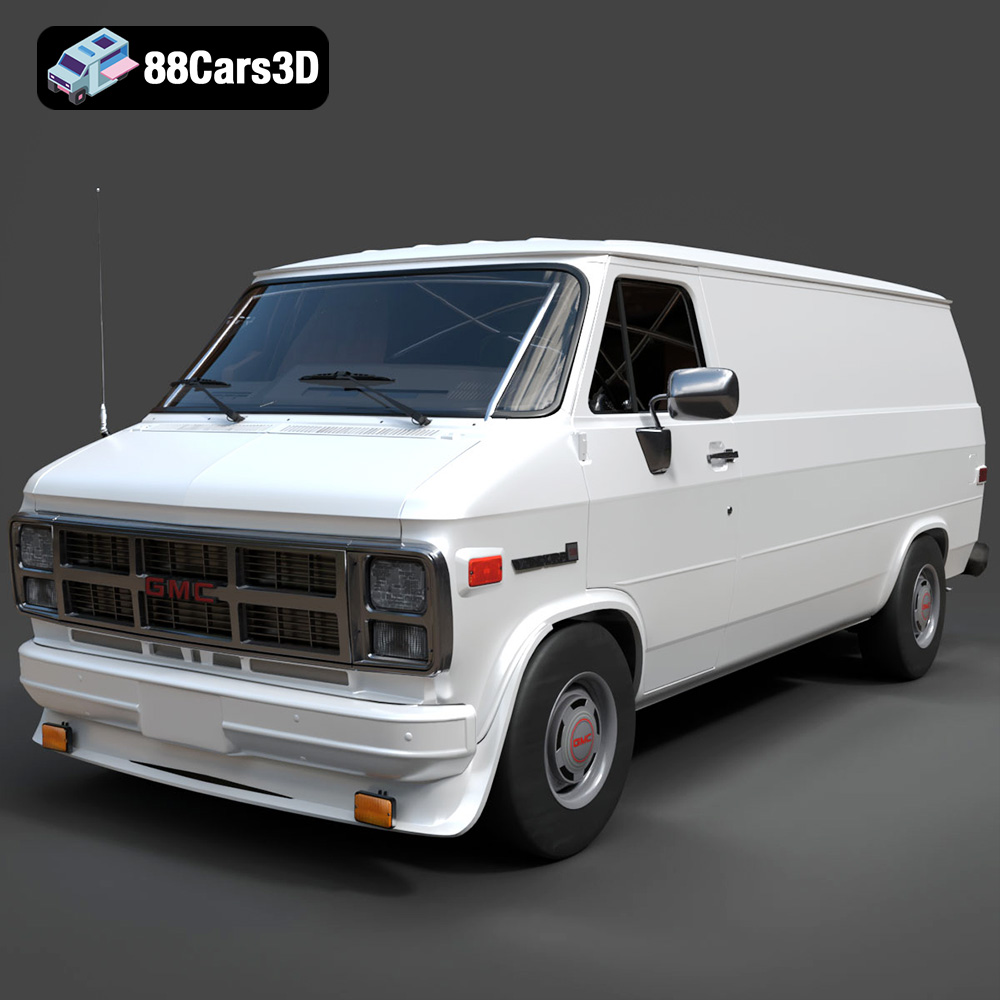
GMC Vandura G-1500 1983 3D Model
Texture: Yes
Material: Yes
Download the GMC Vandura G-1500 1983 3D Model featuring clean geometry, realistic detailing, and a fully modeled interior. Includes .blend, .fbx, .obj, .glb, .stl, .ply, .unreal, and .max formats for rendering, simulation, and game development.
Price: $19.99

Ford Ambulance AmServ LTD Dusan-002 3D Model
Texture: Yes
Material: Yes
Download the Ford Ambulance AmServ LTD Dusan-002 3D Model featuring a high-detail exterior and interior, realistic textures, and emergency lighting. Includes .blend, .fbx, .obj, .glb, .stl, .ply, .unreal, and .max formats for rendering, simulation, and game development.
Price: $19.99
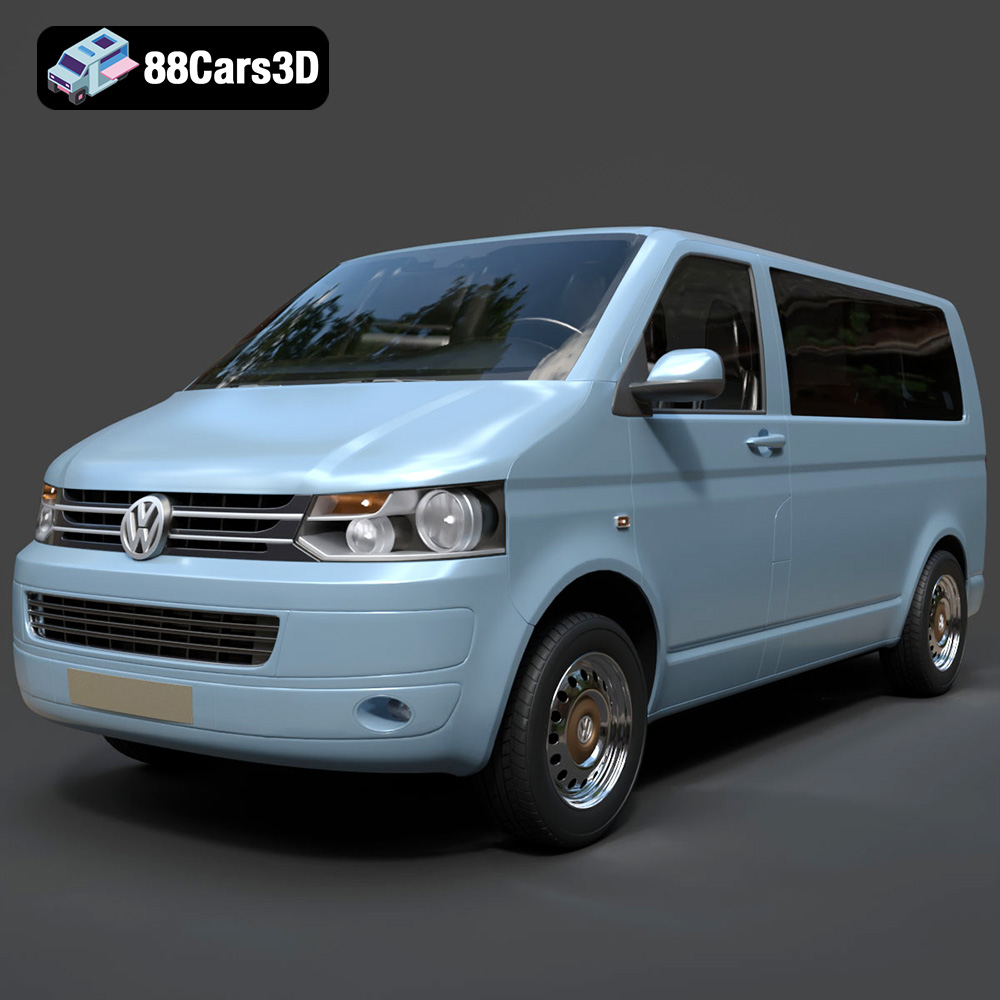
Volkswagen Transporter T5 FL 2010 3D Model
Texture: Yes
Material: Yes
Download the Volkswagen Transporter T5 FL 2010 3D Model featuring clean geometry, realistic detailing, and a fully modeled interior. Includes .blend, .fbx, .obj, .glb, .stl, .ply, .unreal, and .max formats for rendering, simulation, and game development.
Price: $22.99
