

“`html
Mastering Complex Geometry: Printing STL Car Models Without Failures
The world of 3D printing is constantly evolving, offering hobbyists and professionals alike the power to bring intricate designs to life. For automotive enthusiasts, this means the ability to create detailed, scale replicas of their favorite vehicles. However, tackling complex geometries, especially those found in high-fidelity car models, can be a daunting task. From delicate spoilers and sharp body lines to undercarriage details and intricate interiors, these models present unique printing challenges. This guide is designed to equip you with the knowledge and techniques necessary to overcome these hurdles, ensuring successful prints of even the most complex STL files. We’ll dive deep into file preparation, slicing strategies, printer settings, and post-processing, providing actionable insights to help you achieve flawless results every time. Whether you’re using FDM or resin technology, prepare to elevate your 3D printing game and bring stunning automotive models to your collection.
Understanding the Challenges of Complex STL Geometry
Complex geometry in 3D printable car models, particularly those found on platforms like 88cars3d.com, presents several inherent challenges that can lead to print failures if not addressed properly. These challenges stem from the very nature of additive manufacturing and the characteristics of detailed models. The intricate details often involve sharp overhangs, thin walls, delicate features, and areas with varying surface normals, all of which can tax a 3D printer’s capabilities. For instance, a sharp aerodynamic wing mirror or a finely detailed grille might be just a few millimeters thick, requiring precise extrusion and excellent layer adhesion to materialize without breaking or deforming. Similarly, parts of the car body might feature aggressive overhangs that demand robust support structures. The transition from a smooth, curved fender to a sharp edge, or the internal details of an engine bay, all contribute to the model’s complexity. Understanding these specific issues is the first step towards finding effective solutions.
Overhangs and Bridges: Defying Gravity
Overhangs are perhaps the most common challenge. When a layer is printed without solid material directly beneath it, gravity can cause the molten plastic to sag or even collapse, especially at angles greater than 45-60 degrees. For car models, this is prevalent in areas like wheel arches, undercarriages, spoilers, and even complex body kits. Bridges, where a print spans a gap between two points without any vertical support, are also problematic. If the extruded material doesn’t cool and solidify sufficiently before the next layer is added, it will droop, leading to a rough or failed surface. Successfully printing these features requires careful consideration of print orientation and strategic support generation.
Thin Walls and Delicate Features
High-fidelity car models often incorporate extremely thin walls, such as those found in side skirts, spoilers, exhaust tips, or even interior trim. Standard FDM printing, with nozzle sizes typically ranging from 0.4mm to 0.8mm, can struggle to reproduce these features accurately and robustly. If the wall thickness is less than twice the nozzle diameter, the slicer might not be able to create a continuous extrusion, resulting in gaps or weak points. Resin printers, with their higher resolution capabilities, can often handle thinner walls, but even they have limits. Ensuring these delicate parts are printed without breaking during the printing process or subsequent handling is crucial for the final model’s integrity.
Surface Detail and Mesh Integrity
The aesthetic appeal of a car model lies in its surface details – panel gaps, vents, badges, and textures. Complex models often have a very high polygon count to capture these details. While this is great for visual fidelity, it can sometimes lead to issues with mesh integrity. Non-manifold geometry, inverted normals, and holes in the mesh can cause problems during slicing, leading to errors, unexpected artifacts, or failed prints. Ensuring the STL file itself is watertight and free from topological errors is a prerequisite for a smooth printing experience.
STL File Preparation: The Foundation of a Flawless Print
Before a single layer is printed, the STL file must be prepared and verified. This stage is critical, especially for complex geometries. It involves ensuring the model is “manifold” (watertight), correcting any errors, and potentially optimizing the mesh for printability. While many models available on marketplaces like 88cars3d.com are designed with 3D printing in mind and come as print-ready STL files, unexpected issues can still arise, or you might want to make minor adjustments. Understanding these preparation steps will save you countless hours of troubleshooting and wasted filament.
Mesh Repair and Watertightness
A watertight or manifold mesh is one without holes, non-manifold edges (where more than two faces meet at an edge), or inverted faces. If a mesh isn’t watertight, the slicer software may interpret the interior as exterior or vice-versa, leading to printing errors, internal structures where there shouldn’t be any, or missing sections. Software like Meshmixer, Netfabb, or even Blender can be used for mesh repair. Common tools include “Make Solid” or “Auto Repair” functions. For simple holes, manually creating a face over the gap using polygon editing tools can often suffice. For more complex issues, dedicated repair algorithms are invaluable. Always double-check the repaired mesh for integrity before proceeding.
Optimizing for Printability: Wall Thickness and Feature Size
Even if a model is watertight, its features might be too small or thin to be reliably printed with your chosen printer and material. A common rule of thumb for FDM printers is that the thinnest printable wall should be at least 2-3 times the nozzle diameter. For a standard 0.4mm nozzle, this means walls should ideally be 0.8mm to 1.2mm thick. Similarly, very fine details, like tiny badges or intricate grilles, might not resolve clearly. Using a CAD or modeling software, you can check wall thicknesses and scale up features slightly or add fillets to thin areas to improve strength and printability. For resin printers, the resolution is much higher, allowing for finer details, but incredibly thin or unsupported features can still break during printing or removal from the build plate.
Scaling and Orientation for Success
Scaling can impact print time, detail resolution, and structural integrity. A larger scale might make details more pronounced and easier to print, but it also increases print time and material consumption. Conversely, scaling down too much can cause fine details to disappear. The orientation of the model on the build plate is arguably the most critical decision for complex prints. It directly affects the amount of support needed, print quality on angled surfaces, and the potential for layer delamination or warping. Experimenting with different orientations in your slicer is crucial. For car models, often orienting them with the roof or the largest flat surface facing upwards can minimize supports on visible areas, but this might increase supports for undercarriage details.
Slicing Strategies for Complex STL Car Models
The slicer is your bridge between the 3D model and the 3D printer. For complex geometries, the default slicing settings are rarely optimal. You need to meticulously adjust parameters to account for overhangs, fine details, and the specific characteristics of your chosen material and printer. This involves a deep understanding of how slicers interpret geometry and generate toolpaths. Mastering these settings is key to transforming a challenging STL file into a successful print. Think of slicing as fine-tuning the instructions given to your printer, ensuring every movement and extrusion is precisely controlled.
Support Structure Generation and Optimization
Support structures are essential for printing overhangs and bridges. However, poorly generated supports can mar the surface finish, be difficult to remove, and even cause print failures. Modern slicers offer advanced support options. For complex car models, consider using tree supports (also known as organic supports) where available (e.g., in Cura or PrusaSlicer’s experimental features). These supports branch out and only touch the model where absolutely necessary, reducing contact points and making removal easier. Key settings to fine-tune include:
- Support Overhang Angle: Set this slightly below the angle where your material starts to fail (e.g., 45-50 degrees).
- Support Density: Lower density (10-15%) makes supports easier to remove but may offer less stability. Higher density provides more stability but is harder to remove.
- Support Interface Layers: Printing a denser interface layer directly below the model can create a smoother surface where the support touches, making it easier to get a clean finish after removal.
- Support Z Distance: The gap between the support and the model. A larger gap can make removal easier, but too large a gap can cause the model to sag.
- Support Pattern: Grid, lines, or zig-zag patterns offer different levels of stability and print times.
Experimenting with these settings is crucial. Sometimes, manually adding or disabling supports in specific areas using your slicer’s tools can yield better results than relying solely on automatic generation.
Layer Height, Print Speed, and Cooling
The tradeoff between layer height and print time is significant. For highly detailed car models, a smaller layer height (e.g., 0.1mm or 0.12mm for FDM, 0.05mm or lower for resin) will produce smoother curves and finer details. However, this drastically increases print time. For less visible areas or structural components, a larger layer height (e.g., 0.2mm) can significantly speed up the print with minimal loss of quality.
Print speed also plays a vital role. Printing complex geometries, especially those with many small movements or sharp corners, often requires slower speeds. Reducing travel speed and outer wall speed can improve the quality of visible surfaces. For overhangs, slowing down the print speed allows the extruded plastic more time to cool before the next layer is deposited, reducing sagging.
Cooling is paramount for FDM printing. Ensure your part cooling fan is set appropriately. Too little cooling can cause sagging on overhangs and bridges, while too much cooling on certain materials (like ABS) can lead to warping or poor layer adhesion. For resin printers, cooling is less of a concern, but exposure times and lift speeds become critical.
Infill Patterns and Density for Strength and Weight
For solid parts of car models, infill provides internal support and determines the model’s strength and weight. For display models, high infill densities are often unnecessary and waste material and print time. An infill density of 10-20% is usually sufficient for most non-functional parts. The choice of infill pattern can also impact strength and print time. Patterns like Gyroid or Cubic offer good strength in multiple directions and can be printed relatively efficiently. For areas requiring extra rigidity, such as chassis components or mounting points, increasing infill density or using a stronger pattern might be beneficial. Consider using adaptive or variable layer height slicing to reduce infill density in less critical areas while maintaining it where needed.
Printer Settings and Material Selection for Complex Models
The capabilities of your 3D printer and the material you choose directly influence your success with complex prints. FDM and resin printers offer different advantages and challenges. Understanding these differences and configuring your printer settings accordingly is essential. For instance, the precision required for intricate car details often pushes the limits of standard FDM printers, making resin printing a more attractive option for high-fidelity replicas. However, with careful tuning, FDM can still produce excellent results.
FDM Printing: Precision, Adhesion, and Cooling
For FDM printing of complex car models, using a smaller nozzle size (e.g., 0.25mm or 0.3mm) can significantly improve the resolution of fine details. However, this requires slower print speeds and meticulous calibration. Bed adhesion is critical, especially for larger models that can warp. Using a brim or raft can help secure the print to the build plate, particularly for models with small contact areas. Material selection is also key. PLA is easy to print and has good detail reproduction but can be brittle. PETG offers more durability but can be stringier, requiring careful retraction settings. ABS offers strength and temperature resistance but is prone to warping and requires an enclosure. For complex external surfaces, ensuring consistent cooling is paramount to prevent sagging on overhangs. Fine-tuning your part cooling fan speed and print speed for overhangs is essential. Consider using features like “Print Thin Walls” in your slicer to help bridge very small gaps, although this should be used cautiously.
Resin Printing: Resolution, Supports, and Post-Processing
Resin printers (SLA, DLP, MSLA) excel at reproducing intricate details due to their high resolution. They are often the preferred choice for highly detailed car models. However, they introduce their own set of challenges.
- Layer Height and Exposure Time: While resin printers offer high resolution, choosing the correct layer height (e.g., 0.05mm or 0.025mm) and precise exposure times is crucial. Under-exposure leads to weak prints that may detach from the build plate or fail to cure properly, while over-exposure can lead to loss of detail and “blooming” of features.
- Support Structures: Resin prints require robust support structures, as uncured resin can easily drip and form blobs. Supports need to be finely tuned: not too thick to damage the model upon removal, but dense enough to hold the delicate features. Adding many small, light supports is often better than fewer thick ones.
- Orientation and Rer F: The angle of the model relative to the FEP film in the resin vat is critical. Angled surfaces can experience significant peel forces as the build plate lifts, potentially leading to print failures or supports detaching. Orienting models to minimize this peel force (often around 30-45 degrees) is a common practice.
- Washing and Curing: Proper washing in isopropyl alcohol (IPA) or a similar solvent is essential to remove uncured resin. Insufficient washing leaves a sticky residue. Curing under UV light strengthens the part but over-curing can make it brittle.
Even with the best settings, delicate resin prints can be fragile, requiring careful handling during support removal and post-processing.
Printer Calibration and Maintenance
Regardless of the printing technology, a well-calibrated printer is non-negotiable for complex prints.
- For FDM: Ensure your bed is level, the E-steps are calibrated for accurate filament extrusion, and the temperature settings are dialed in for your specific filament. Performing retraction tests and temperature towers can help optimize settings for stringing and surface quality. PID tuning for the hotend and bed can ensure stable temperatures throughout the print.
- For Resin: Calibrate your Z-axis offset, ensure the FEP film is clean and free of debris, and calibrate your exposure times using calibration prints (e.g., the AmeraLabs Town calibration model). Ensure your build plate is clean and properly secured.
Regular maintenance, such as cleaning the nozzle, checking belts for tension (FDM), or replacing the FEP film (resin), will prevent many common issues and ensure consistent performance, which is vital when printing intricate models.
Post-Processing: Bringing Your 3D Printed Car Model to Life
Once the printing is complete, the journey isn’t over. Post-processing is where a good 3D print becomes a great model. For complex car models, this stage involves careful support removal, surface finishing, and potentially assembly. The techniques used will depend heavily on the printing technology and the desired final look. Patience and attention to detail are key to achieving professional-quality results. This is where you can truly transform a raw print into a display-worthy piece.
Support Removal Techniques
Removing supports from intricate car models requires a delicate touch. For FDM prints, flush cutters, hobby knives, and needle-nose pliers are your best friends. Start by gently wiggling supports to loosen them. For areas with interfaces, carefully score along the seam with a sharp blade before attempting to pry them off. If supports are proving too difficult, consider using a hobbyist 3D pen to gently melt small amounts of filament onto the support base to add a tiny bit of rigidity for leverage, or conversely, use a soldering iron with a fine tip to carefully melt and break supports in hard-to-reach internal areas (use extreme caution and ventilation). For resin prints, supports are often removed after washing but before final curing, when the resin is still slightly pliable. Specialized tools like scalpels, tweezers, and small pliers are used. A quick dip in warm water can sometimes make supports easier to break cleanly. Always wear safety glasses and gloves, especially when dealing with uncured resin or sharp tools.
Sanding, Filling, and Surface Finishing
Achieving a smooth, realistic finish on a 3D printed car model often involves several stages of sanding and filling. Start with a coarser grit sandpaper (e.g., 220-400 grit) to remove support marks and obvious layer lines. Progress to finer grits (e.g., 600, 800, 1000, and even up to 2000 or higher) for a smooth finish. For FDM prints, using a filler primer spray can help fill in layer lines and minor imperfections, which can then be sanded smooth. For resin prints, the layer lines are much finer, but small support marks and potential “cure bumps” may still require sanding. Cyanoacrylate glue (super glue) or specialized modeling putty can be used to fill small gaps or repair minor damage. For extremely smooth finishes on FDM prints, vapor smoothing with acetone (for ABS) or specific plastic smoothing agents can be considered, but this requires careful handling and safety precautions.
Assembly and Painting
Many complex car models are designed to be printed in multiple parts for easier printing and assembly. This allows for printing different sections with optimal orientation and potentially using different materials or colors. Use a strong adhesive suitable for your chosen material (e.g., super glue for PLA, epoxy for ABS, or specialized plastic cement for resin). Ensure parts fit together snugly before applying adhesive. Painting is where the model truly comes alive. Start with a primer to ensure paint adhesion and to reveal any remaining imperfections. Use hobby paints (acrylics, enamels) and apply them in thin, even coats. Airbrushing can provide the most professional finish for car bodies. Masking tape is essential for achieving clean lines between different colored sections, such as body panels, trim, and windows. Decals and weathering techniques can add the final touches of realism.
Printing complex STL car models is a rewarding endeavor that combines technical skill with artistic vision. By understanding the inherent challenges of complex geometry, meticulously preparing your STL files, mastering your slicer’s settings, selecting the right materials and printer configurations, and dedicating time to post-processing, you can overcome common failures and achieve stunning results. Platforms like 88cars3d.com offer a fantastic source of high-quality, ready-to-print models, but the success of your print ultimately lies in your hands. Embrace the learning process, experiment with settings, and don’t be afraid to troubleshoot. With practice and a systematic approach, you’ll be printing flawless, detailed automotive replicas that you can be proud to display.
“`
Featured 3D Car Models
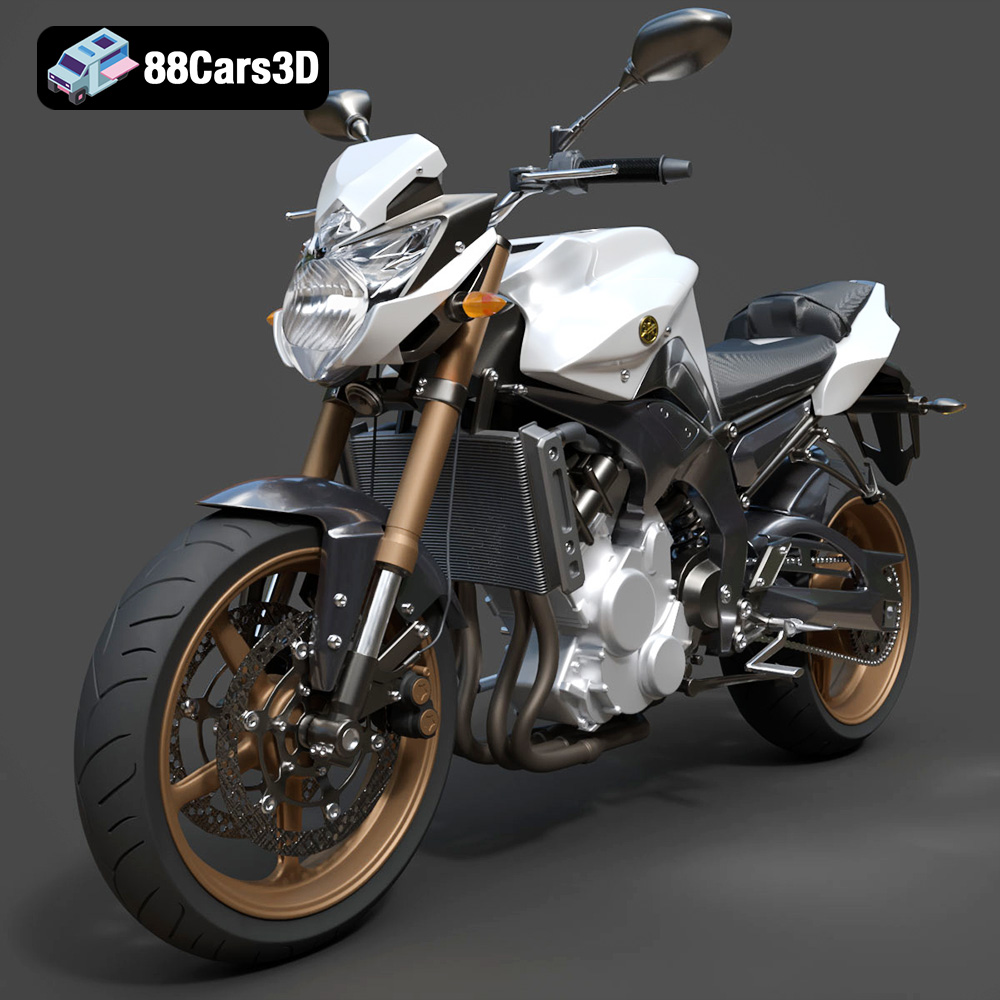
Yamaha FZ8 2011 3D Model
Texture: Yes
Material: Yes
Download the Yamaha FZ8 2011 3D Model featuring clean geometry, realistic detailing, and a fully modeled interior. Includes .blend, .fbx, .obj, .glb, .stl, .ply, .unreal, and .max formats for rendering, simulation, and game development.
Price: $19.99
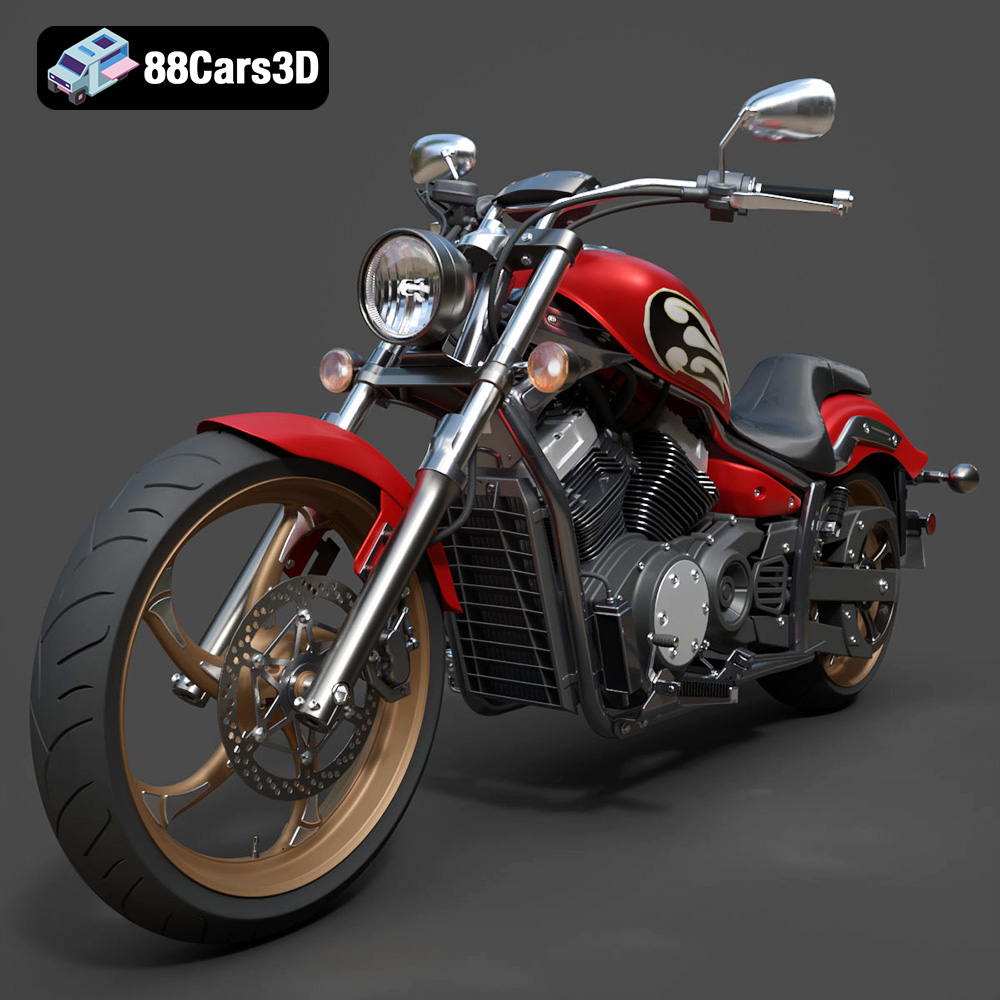
Yamaha Stryker 2012 3D Model
Texture: Yes
Material: Yes
Download the Yamaha Stryker 2012 3D Model featuring clean geometry, realistic detailing, and a fully modeled interior. Includes .blend, .fbx, .obj, .glb, .stl, .ply, .unreal, and .max formats for rendering, simulation, and game development.
Price: $19.99
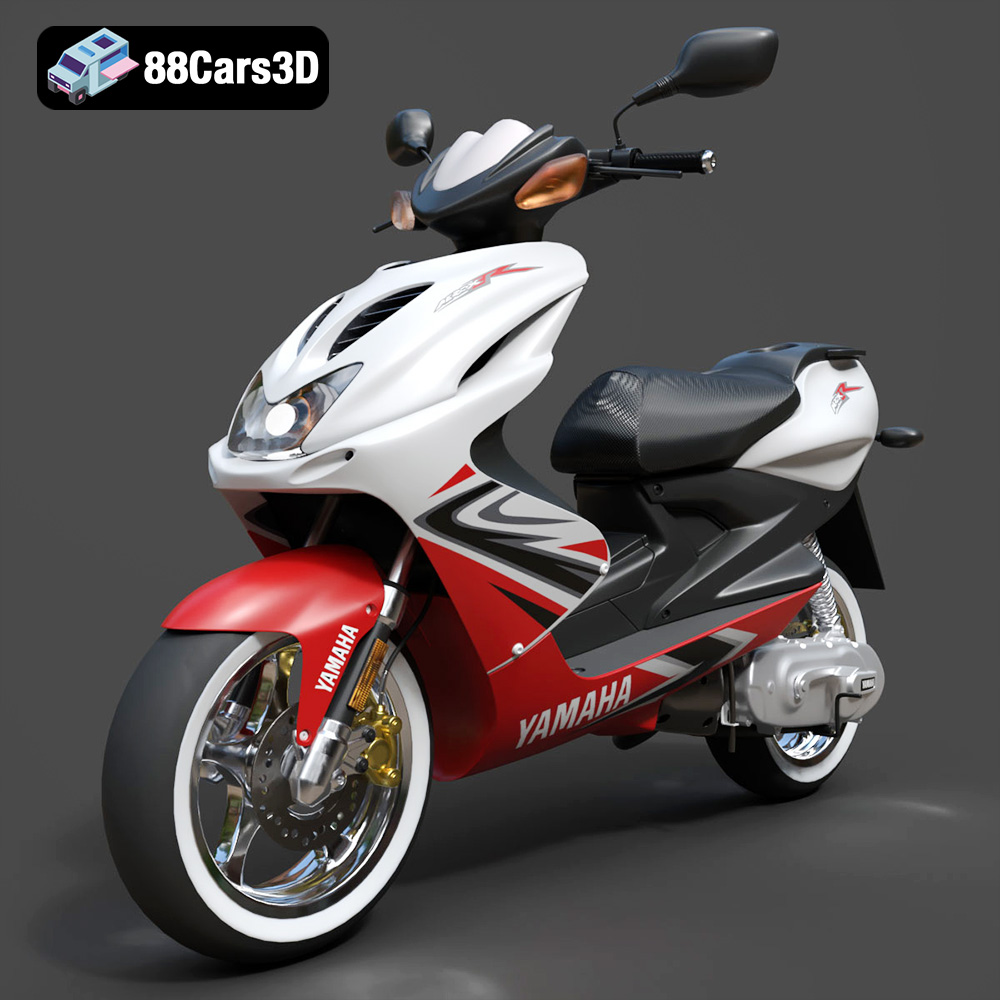
Yamaha Aerox R-002 2024 3D Model
Texture: Yes
Material: Yes
Download the Yamaha Aerox R-002 2024 3D Model featuring clean geometry, realistic detailing, and a fully modeled interior. Includes .blend, .fbx, .obj, .glb, .stl, .ply, .unreal, and .max formats for rendering, simulation, and game development.
Price: $19.99
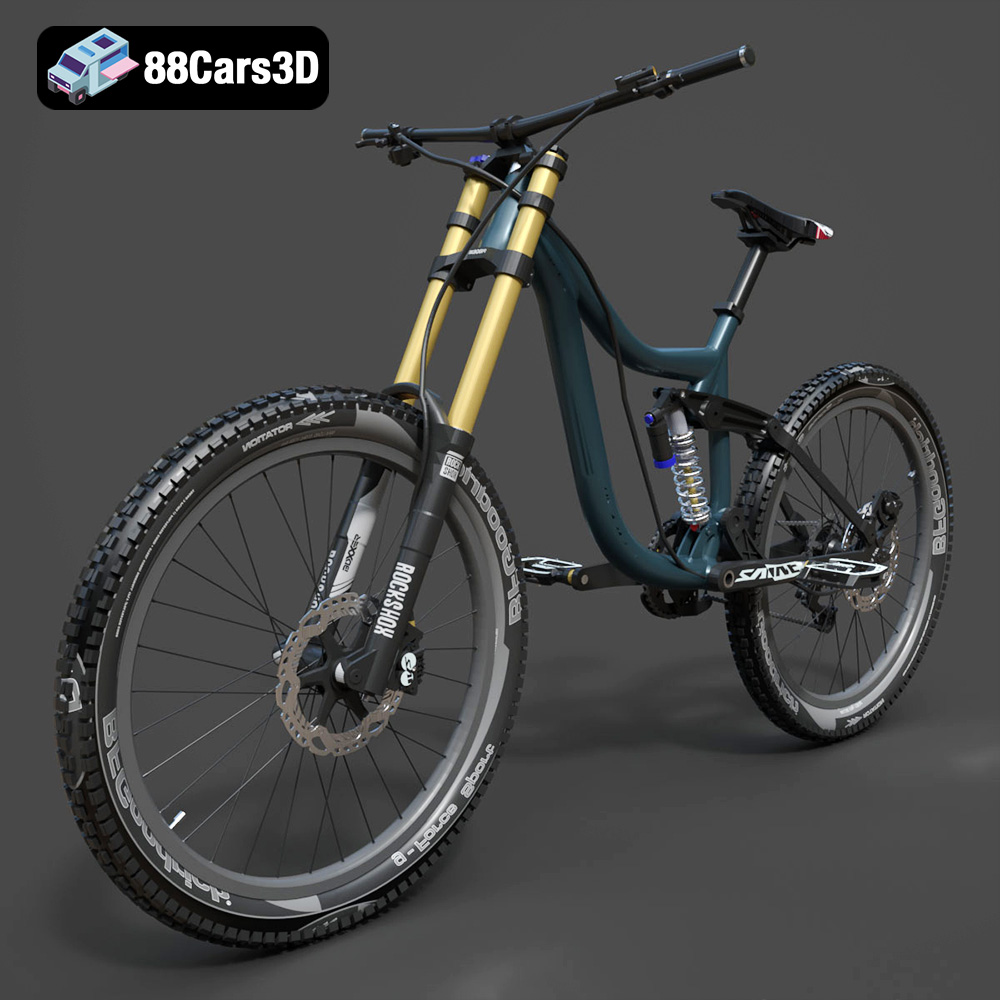
Mototsikly Downhill Bike-002 3D Model
Texture: Yes
Material: Yes
Download the Mototsikly Downhill Bike-002 3D Model featuring clean geometry, realistic detailing, and precise mechanical components. Includes .blend, .fbx, .obj, .glb, .stl, .ply, .unreal, and .max formats for rendering, simulation, and game development.
Price: $19.99
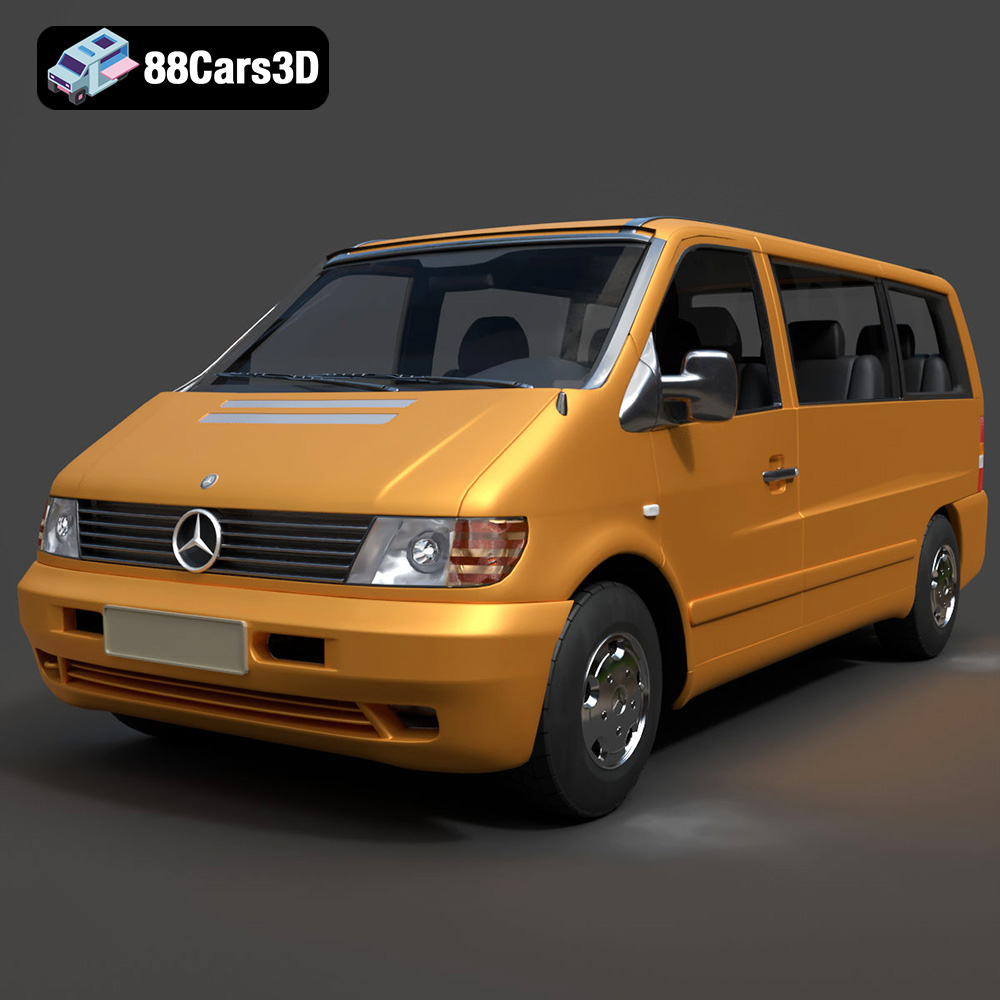
Mercedes-Benz Vito Passenger Van 3D Model
Texture: Yes
Material: Yes
Download the Mercedes-Benz Vito Passenger Van 3D Model featuring clean geometry, realistic detailing, and a fully modeled interior. Includes .blend, .fbx, .obj, .glb, .stl, .ply, .unreal, and .max formats for rendering, simulation, and game development.
Price: $19.99
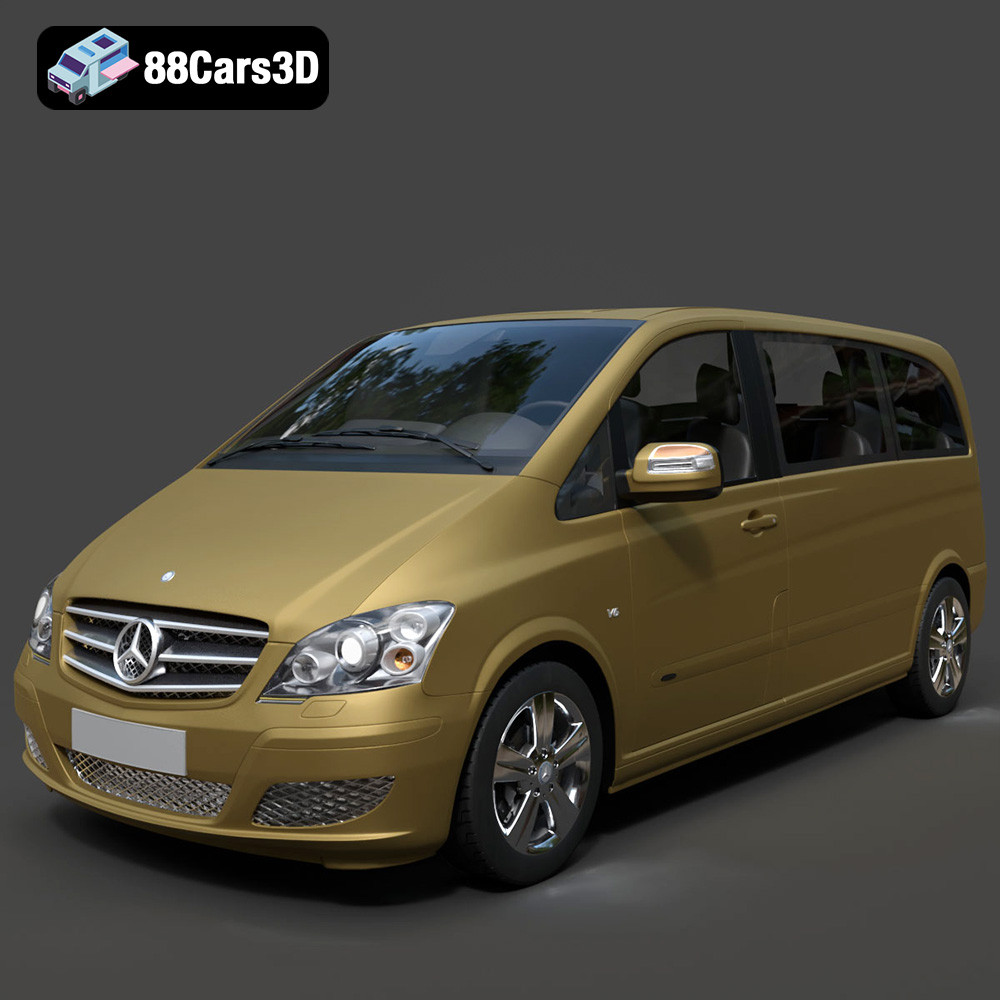
Mercedes-Benz Viano 2010 3D Model
Texture: Yes
Material: Yes
Download the Mercedes-Benz Viano 2010 3D Model featuring clean geometry, realistic detailing, and a fully modeled interior. Includes .blend, .fbx, .obj, .glb, .stl, .ply, .unreal, and .max formats for rendering, simulation, and game development.
Price: $19.99

Emt Avtobus 007 3D Model
Texture: Yes
Material: Yes
Download the Emt Avtobus 007 3D Model featuring clean geometry, realistic detailing, and a fully modeled interior. Includes .blend, .fbx, .obj, .glb, .stl, .ply, .unreal, and .max formats for rendering, simulation, and game development.
Price: $19.99
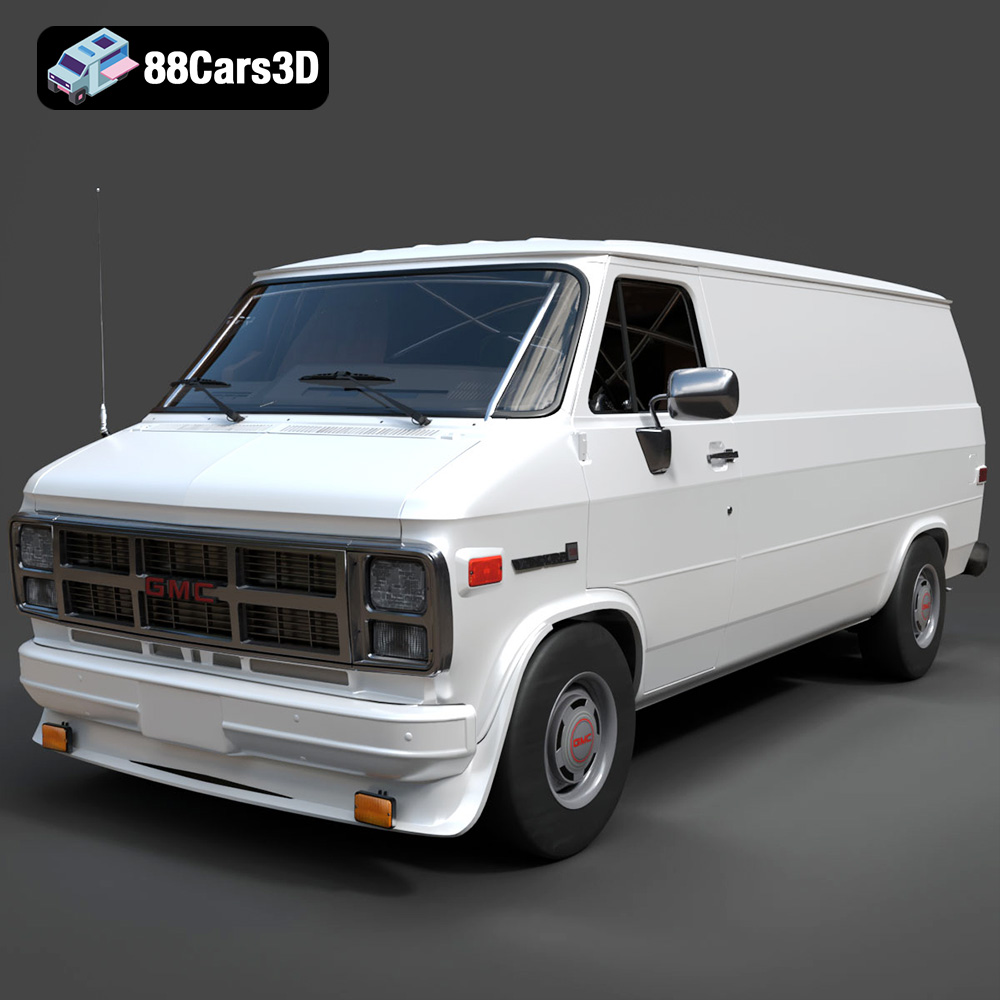
GMC Vandura G-1500 1983 3D Model
Texture: Yes
Material: Yes
Download the GMC Vandura G-1500 1983 3D Model featuring clean geometry, realistic detailing, and a fully modeled interior. Includes .blend, .fbx, .obj, .glb, .stl, .ply, .unreal, and .max formats for rendering, simulation, and game development.
Price: $19.99
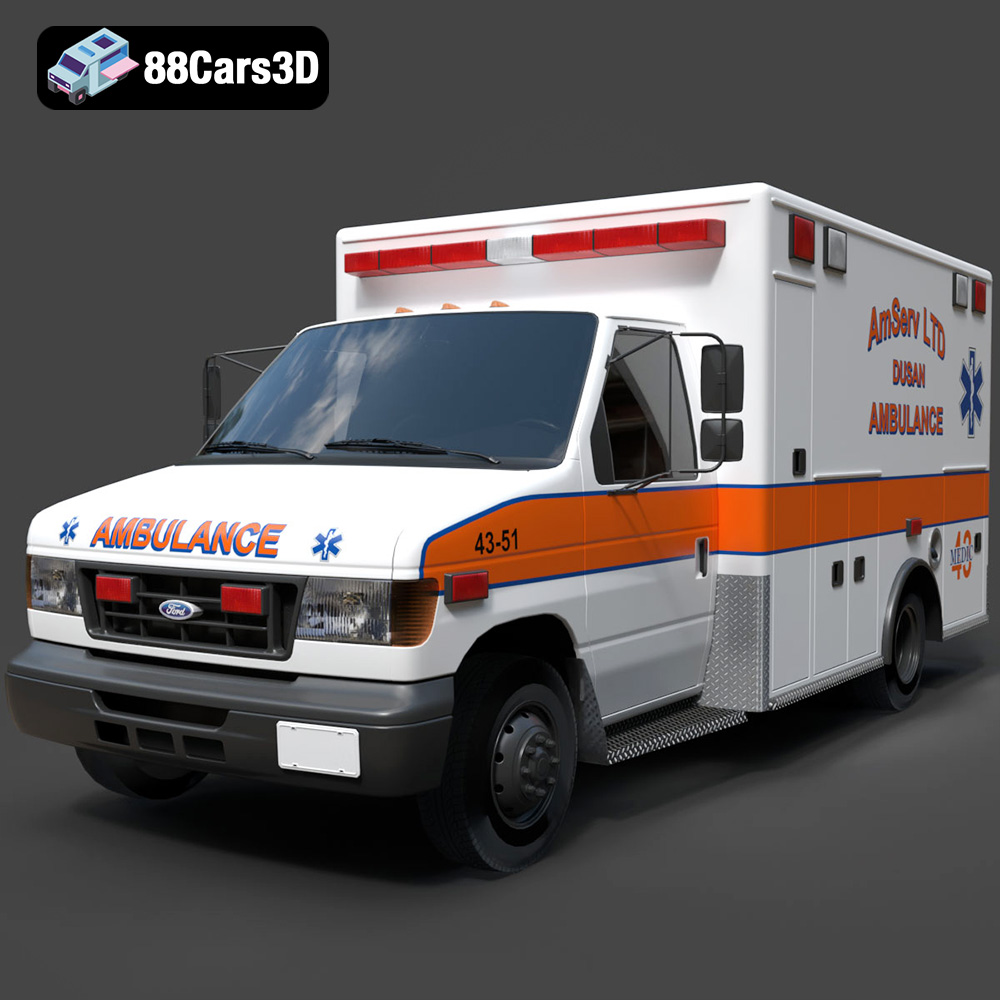
Ford Ambulance AmServ LTD Dusan-002 3D Model
Texture: Yes
Material: Yes
Download the Ford Ambulance AmServ LTD Dusan-002 3D Model featuring a high-detail exterior and interior, realistic textures, and emergency lighting. Includes .blend, .fbx, .obj, .glb, .stl, .ply, .unreal, and .max formats for rendering, simulation, and game development.
Price: $19.99
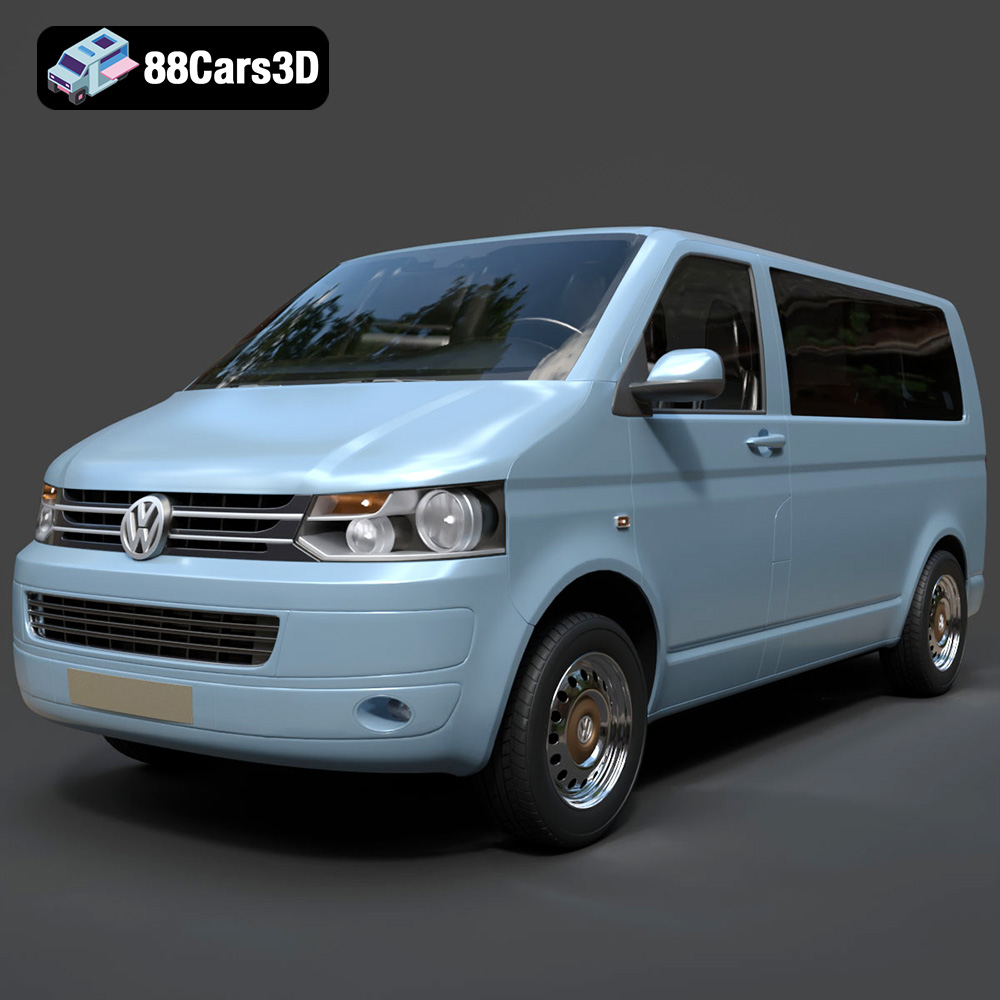
Volkswagen Transporter T5 FL 2010 3D Model
Texture: Yes
Material: Yes
Download the Volkswagen Transporter T5 FL 2010 3D Model featuring clean geometry, realistic detailing, and a fully modeled interior. Includes .blend, .fbx, .obj, .glb, .stl, .ply, .unreal, and .max formats for rendering, simulation, and game development.
Price: $22.99
