

The Art of Automotive Detail: Crafting Realistic Car Paint Materials in Blender
The gleam of a perfectly rendered car is a testament to meticulous artistry and technical prowess. Few materials in 3D visualization present as captivating a challenge as automotive paint. It’s a complex interplay of light, reflection, and layered surfaces, demanding a deep understanding of physical properties and digital representation. For 3D artists, game developers, and visualization professionals alike, mastering the creation of realistic car paint in Blender is a critical skill that elevates any automotive project from good to truly exceptional.
This comprehensive guide will take you on an in-depth journey through the intricacies of automotive paint shaders in Blender. We’ll peel back the layers, from the foundational principles of Physically Based Rendering (PBR) to advanced node setups, clear coat imperfections, and optimization strategies. Whether you’re aiming for a photorealistic render in Cycles, a high-performance game asset for Eevee, or preparing models for AR/VR experiences, you’ll learn the techniques and best practices to achieve stunning results. Prepare to unlock the secrets behind that coveted showroom shine and transform your 3D car models into works of art.
Understanding the Anatomy of Real Car Paint
Before we can digitally recreate automotive paint, it’s crucial to understand its real-world composition. Car paint isn’t a monolithic surface; it’s a sophisticated system of layers, each contributing to its overall appearance, depth, and resilience. This layered structure is what gives car paint its unique visual characteristics, from its vibrant color to its mirror-like reflections and subtle metallic shimmer.
Layered Structure and Optical Phenomena
At its core, automotive paint typically consists of several distinct layers, meticulously applied to achieve both aesthetic appeal and protection. The lowest layer is the **primer**, which adheres to the metal body and provides a smooth, uniform surface for subsequent coatings. Above this sits the **base coat**, which provides the primary color of the vehicle. This is where metallic flakes or pearlescent pigments are often embedded, responsible for the sparkling or iridescent effects seen in many modern paints. These flakes catch and reflect light at various angles, creating a dynamic, shifting appearance as the viewing angle or light source changes. Finally, the uppermost layer is the **clear coat**, a transparent, hard lacquer that protects the underlying base coat from scratches, UV radiation, and environmental damage. This clear coat is the primary source of the paint’s high gloss and deep reflections, acting like a polished glass surface. Optical phenomena like **Fresnel reflection** are incredibly important here; light reflects more strongly at glancing angles, which is why a car’s reflections intensify significantly when viewed from the side. Understanding these layers is the first step towards accurately simulating them in your 3D software.
PBR Principles Applied to Automotive Shaders
Physically Based Rendering (PBR) is the cornerstone of realistic material creation in modern 3D. For automotive paint, PBR accurately simulates how light interacts with surfaces, resulting in predictable and lifelike outcomes regardless of lighting conditions. In Blender, the **Principled BSDF** shader node is your primary tool for PBR materials, designed to encompass most common material types. For car paint, we predominantly work within the **Metallic-Roughness** workflow, which is inherently supported by the Principled BSDF.
The key parameters we’ll manipulate include:
* **Base Color:** This defines the primary color of the paint, excluding metallic or reflective contributions.
* **Metallic:** A value between 0 (dielectric) and 1 (metal). While car paint isn’t solid metal, the metallic flakes within the base coat warrant a degree of metallic response. We’ll use maps and procedural textures to control this locally for the flakes.
* **Roughness:** Controls the micro-surface detail, influencing how sharp or blurry reflections appear. A low roughness value results in very sharp, mirror-like reflections, crucial for a glossy clear coat.
* **IOR (Index of Refraction):** While often left at default for simple metals and dielectrics, understanding IOR is important for clear coats and transparent elements. For a clear coat, a typical IOR of 1.45-1.55 is common for automotive clear coats, influencing the strength and falloff of reflections.
* **Clearcoat & Clearcoat Roughness:** These are dedicated parameters within the Principled BSDF designed specifically for simulating an additional transparent, reflective layer, making it perfectly suited for automotive clear coats. The `Clearcoat` value controls the strength of this secondary clear layer, while `Clearcoat Roughness` determines its glossiness.
* **Normal:** This input allows for detailed surface imperfections like scratches, swirl marks, or orange peel effects, which significantly contribute to realism.
By carefully orchestrating these parameters, we can digitally construct a car paint material that faithfully mimics its real-world counterpart, ensuring consistency and believability under any lighting.
Setting Up Your Blender Scene for Car Paint
The most intricate car paint shader will fall flat without an appropriate environment to illuminate it and a well-prepared 3D model. Scene setup is paramount for showcasing the reflective and refractive qualities of automotive surfaces. A well-considered lighting setup not only highlights the material’s properties but also enhances its perceived depth and realism.
Essential Lighting for Reflective Surfaces
For any reflective material, especially car paint, the environment surrounding the object is just as important as the light sources directly hitting it. **HDRIs (High Dynamic Range Images)** are indispensable for realistic automotive rendering. An HDRI acts as both a light source and a reflection map, providing complex, real-world lighting information that static lights alone cannot replicate. For a professional look, always begin with a high-quality HDRI. A studio HDRI with softboxes and diffusers can beautifully highlight contours and reflections, creating a clean, controlled aesthetic. For outdoor renders, an HDRI capturing a natural environment (e.g., a cloudy sky, a city street, or a forest) will provide realistic reflections and ambient light that ground the car within its scene. Remember, the reflections on your car paint *are* the environment, so choose an HDRI that complements your desired aesthetic and effectively defines the car’s surface. In Blender, this is typically set up in the World Properties panel, using an Environment Texture node connected to the Background shader.
Material Slots and UV Mapping Foundations
A stunning car paint material also requires a solid foundation in your 3D model. This starts with clean, efficient **UV mapping** and appropriate material assignment. Ensure your 3D car model has dedicated material slots for different parts (e.g., body, windows, tires, trim). For the body paint itself, having a single, contiguous UV map is usually sufficient for the base paint, but you might need additional, overlapping UV maps or specific areas for decals, racing stripes, or grime overlays without affecting the main paint texture. Proper UVs are crucial not just for applying textures like metallic flake masks or imperfection maps, but also for ensuring that projected textures or baked details don’t stretch or distort. Clean **topology** is also vital; smooth, evenly spaced quads will ensure reflections appear undistorted and natural. Any pinching or unevenness in the mesh will immediately translate into visual flaws in the reflections, breaking the illusion of a pristine painted surface. For detailed guidance on UV editing in Blender, you can consult the official documentation at https://docs.blender.org/manual/en/4.4/modeling/meshes/uv/index.html. Always inspect your model’s topology and UV layout before diving deep into material creation.
Crafting the Base Coat: Color, Flakes, and Metallic Sheen
The base coat is where the core visual identity of your car paint resides—its primary color and, often, its characteristic metallic sparkle. Replicating this layer effectively in Blender requires a thoughtful approach to node-based material creation, focusing on procedural textures to achieve a convincing level of detail and realism without relying solely on large image textures.
The Node-Based Workflow for Car Paint
Blender’s **Shader Editor** is your canvas for creating complex materials. It’s a node-based environment where you connect various inputs and outputs to build your desired shader. For car paint, we always begin with the **Principled BSDF** shader node, as it consolidates most PBR parameters into a single, intuitive interface. You’ll connect various texture nodes, utility nodes (like ColorRamp, Mix RGB), and math nodes to its inputs to control color, metallic properties, roughness, and normal detail. Understanding the flow of information through these nodes is key to building sophisticated and controllable car paint materials. As you gain familiarity, you can even group frequently used node setups into custom node groups for efficiency and reusability across multiple 3D car models. For an introduction to the Shader Editor and its capabilities, the Blender 4.4 documentation offers excellent resources at https://docs.blender.org/manual/en/4.4/render/cycles/nodes/shaders/introduction.html.
Adding Metallic Flakes with Procedural Textures
The iconic sparkle of metallic car paint comes from tiny, reflective flakes embedded within the base coat. Replicating these convincingly without resorting to massive, memory-intensive image textures is where procedural generation shines. We can simulate these flakes using Blender’s built-in procedural textures, primarily **Noise Texture**, **Musgrave Texture**, or **Voronoi Texture**, combined with careful blending and color manipulation.
Here’s a common approach:
1. **Generate Flake Pattern:** Start with a Noise Texture. Connect its ‘Color’ output to a **ColorRamp** node.
2. **Control Flake Size and Density:** Adjust the ‘Scale’ and ‘Detail’ parameters of the Noise Texture. The ColorRamp allows you to crush the blacks and whites, isolating small white “flakes” against a black background.
3. **Define Metallic Contribution:** Connect the output of the ColorRamp to the ‘Metallic’ input of the Principled BSDF. This ensures that only the “flake” areas exhibit metallic properties, while the rest of the base coat remains dielectric (non-metallic).
4. **Enhance Roughness for Flakes:** You can also subtly vary the ‘Roughness’ for the flakes to make them sparkle differently than the surrounding paint. A slightly lower roughness for the flakes can make them appear sharper.
5. **Subtle Color Variation:** For advanced realism, you might introduce a slight color shift to the flakes using a `Mix RGB` node in ‘Multiply’ or ‘Overlay’ mode, adding a hint of gold, silver, or even a subtle iridescent color to them.
Remember to experiment with the `Scale` of the noise texture—too large, and your flakes will look like polka dots; too small, and they’ll disappear or create an aliasing nightmare. The goal is a subtle, glittering effect that appears at certain angles.
Achieving Depth and Iridescence
Beyond just flakes, high-quality car paint exhibits a sense of depth and, sometimes, subtle iridescent or “flip-flop” effects where the color subtly changes with the viewing angle. A crucial component in achieving this is the **Fresnel node**. The Fresnel effect naturally occurs in real-world materials, where reflections become more intense and color shifts become more apparent at grazing angles.
To integrate Fresnel:
1. **Mix Base Colors:** Use a **Mix RGB** node to blend two slightly different base colors for your paint.
2. **Control with Fresnel:** Connect the ‘Fac’ output of a **Fresnel** node to the ‘Fac’ input of the Mix RGB node. Adjust the ‘IOR’ (Index of Refraction) of the Fresnel node to control the falloff. A higher IOR will make the second color more prominent at glancing angles.
3. **Enhance Normal Detail:** To further enhance depth and the interaction with flakes, you can apply a subtle **Normal Map** or even a very fine procedural `Noise Texture` connected to a `Bump` node and then to the `Normal` input of the Principled BSDF. This simulates the microscopic irregularities of the painted surface and how flakes protrude slightly, catching light differently. This micro-surface detail adds an incredible amount of realism, making reflections appear more grounded and less perfectly sterile.
By combining procedural flakes with a Fresnel-driven color shift and subtle normal detail, you create a base coat that truly comes alive under varying light and camera angles, capturing the dynamic beauty of real automotive finishes.
The Clear Coat Layer: Reflections and Refinements
The clear coat is arguably the most crucial component for achieving that signature automotive shine and depth. It’s the highly polished, transparent layer that encapsulates the base coat, providing protection, intense reflections, and a mirror-like finish. Mastering this layer is essential for photorealistic results.
Mastering the Clear Coat Node
Blender’s Principled BSDF shader node includes dedicated inputs for `Clearcoat` and `Clearcoat Roughness`, specifically designed to mimic this top layer. These parameters are incredibly powerful for creating convincing car paint.
* **Clearcoat:** This input controls the strength or presence of the clear coat layer. A value of 1.0 represents a full, strong clear coat. For most car paints, you’ll want this at or very close to 1.0.
* **Clearcoat Roughness:** This dictates the glossiness or smoothness of the clear coat. A very low value (e.g., 0.01-0.03) will produce sharp, mirror-like reflections, characteristic of new, highly polished paint. As you increase the roughness, reflections will become progressively blurrier, simulating older, worn, or less perfectly maintained clear coats.
* **Clearcoat Normal:** This often-overlooked input can inject incredible realism. By connecting a `Normal Map` (or a `Bump` node driven by a fine noise texture) to this input, you can introduce subtle imperfections like “orange peel” texture (a very fine, undulating surface texture common in automotive paint), or even microscopic swirl marks. This breaks up the perfect mirror reflection just enough to make it believable, hinting at the real-world manufacturing and wear processes. The `Clearcoat Normal` input specifically affects the normal of *only* the clear coat layer, allowing for independent control from the base coat’s normal.
Imperfections and Micro-Scratches
Perfect surfaces rarely exist outside of digital realms, and that’s precisely why introducing imperfections is vital for realism. A brand-new car fresh off the lot might have microscopic swirl marks from detailing, fingerprints from handling, or a fine layer of dust. Older cars will show more pronounced scratches, abrasions, and accumulated grime. These subtle details, often invisible at a distance, become incredibly important in close-up renders and under specific lighting conditions.
To create these imperfections:
1. **Dust/Fingerprints:** Use a **Noise Texture** or a grayscale grunge map. Connect it to a `ColorRamp` to control the intensity and distribution. Then, use a `Mix RGB` node (in ‘Screen’ or ‘Add’ mode with a very low factor) to gently lighten the `Clearcoat Roughness` in specific areas, creating the subtle dullness of dust or oily fingerprints.
2. **Micro-Scratches/Swirl Marks:** These are best achieved using a procedural `Noise Texture` or a dedicated `Grime/Scratch` texture map, processed through a `Bump` node and connected to the `Clearcoat Normal` input. The key is extreme subtlety. The bump strength should be very low (e.g., 0.001-0.01). You can also use this map to slightly increase the `Clearcoat Roughness` in the scratched areas, making them diffuse light more. The orientation of swirl marks often follows the direction of wiping or buffing, so consider using vector math with `Texture Coordinate` nodes if you want to be extremely precise about the directionality of these marks.
The power of these imperfections lies in their ability to subtly catch and distort reflections, providing visual cues that tell a story about the car’s existence in the physical world.
Fine-Tuning Gloss and Specular Highlights
The interplay between `Roughness` and `Clearcoat Roughness` is critical for achieving different levels of polish and surface quality.
* **Overall Roughness:** This primarily affects the base coat’s reflectivity. For a standard metallic paint, the base coat itself might have a slightly higher roughness than the clear coat, as it’s not as perfectly smooth.
* **Clearcoat Roughness:** As discussed, this controls the primary shine. For a showroom finish, keep this value very low. For a matte or satin clear coat, increase this significantly.
* **Specular Highlights:** The sharpness and intensity of specular highlights are directly tied to the roughness values. Sharper reflections mean sharper highlights. Pay close attention to how your light sources interact with the paint. A perfectly smooth clear coat will produce crisp, defined reflections of your environment and light sources. Introducing subtle roughness will soften these highlights, creating a more diffused look.
Experimentation with these values, coupled with high-quality HDRIs, will allow you to achieve a wide spectrum of automotive finishes, from brand-new, impeccably polished surfaces to slightly weathered or matte looks. The goal is always to find the sweet spot where the reflections tell a convincing story about the material’s surface quality.
Advanced Car Paint Techniques and Optimization
Once you’ve mastered the fundamentals, you can push the boundaries of realism with more advanced techniques, or optimize your creations for performance-critical applications like game engines. The balance between visual fidelity and computational efficiency is often a delicate one, especially when dealing with complex materials like car paint.
Multi-Layered Shaders for Complex Effects
While the Principled BSDF is incredibly versatile, truly complex automotive paints, such as multi-stage pearlescent, flip-flop, or chromaflair paints, often benefit from a custom, multi-layered shader approach. This involves blending multiple Principled BSDF nodes or custom shader groups together using `Mix Shader` nodes, driven by factors like Fresnel, viewing angle, or even procedural masks.
For example, a **flip-flop paint** that shifts color depending on the viewing angle can be created by:
1. Setting up two (or more) Principled BSDFs, each with a different base color.
2. Using a **Fresnel node** (or a `Layer Weight` node set to ‘Facing’) connected to the `Fac` input of a `Mix Shader` to blend between these two Principled BSDFs. Adjusting the IOR on the Fresnel node (or ‘Blend’ on Layer Weight) will control the falloff and how aggressively the colors shift.
3. For even more control, you can use a **Dot Product** node to compare the camera’s viewing vector with the surface normal, providing extremely precise control over angle-dependent effects.
This layering allows for nuanced control over how different components of the paint (e.g., a base color, a metallic layer, a clear coat) interact, creating effects that go beyond what a single Principled BSDF can achieve alone.
Optimizing Car Paint for Real-time and Game Engines
While Cycles can handle highly complex procedural shaders, real-time environments like game engines (Unity, Unreal Engine) or AR/VR applications demand extreme optimization. The hundreds of nodes and procedural textures that make a car paint material look stunning in a high-resolution render can cripple performance in real-time.
Key optimization strategies include:
* **Baking Textures:** The most crucial step is to **bake** complex procedural textures (like your metallic flake pattern, roughness maps for imperfections, or even the entire base color with its iridescent shifts) into standard image textures (PNG, JPG, EXR). This converts computationally expensive node networks into simple, fast-to-read texture maps that game engines can process efficiently. Blender’s baking tools are robust and allow you to bake various passes (Diffuse Color, Metallic, Roughness, Normal, Emission, etc.) to image textures.
* **LODs (Level of Detail):** For distant vehicles, complex materials and high-polygon meshes are unnecessary. Implement multiple LODs for your car models. Lower LODs can use simpler materials, reduced texture resolutions, and fewer unique material channels.
* **Texture Atlasing:** Combining multiple smaller textures (e.g., for different car parts or details) into a single, larger texture atlas reduces draw calls, which is a significant performance bottleneck in real-time rendering.
* **Reduce Texture Resolution:** Where visual fidelity isn’t critical (e.g., undercarriage, very small details), use lower-resolution textures to save VRAM.
* **Simplify Shader Graphs:** In game engines, aim for simpler shader graphs that utilize the baked PBR maps efficiently. Avoid complex procedural calculations that haven’t been baked down.
Platforms like 88cars3d.com often provide 3D car models that are already optimized for various uses, offering clean topology, efficient UV layouts, and sometimes even pre-baked texture sets, significantly streamlining the process for game developers and AR/VR creators.
Exporting and Compatibility (FBX, GLB, USDZ)
Once your car paint material is perfected, you need to ensure it translates correctly across different software and platforms. The choice of file format is critical for preserving PBR material properties.
* **FBX (Filmbox):** A widely adopted interchange format, FBX supports PBR materials reasonably well, often exporting base color, metallic, roughness, and normal maps. However, complex node setups in Blender (like custom procedural flakes or layered shaders) will *not* transfer directly. You must bake these into image textures before exporting.
* **GLB (glTF Binary):** An increasingly popular open standard, glTF (and its binary form, GLB) is excellent for web-based 3D, AR/VR, and game engines. It natively supports PBR Metallic-Roughness workflows and typically transfers textures and material parameters accurately.
* **USDZ (Universal Scene Description Zip):** Apple’s format for AR applications, USDZ is also built on USD and supports PBR materials. Like glTF, it’s designed for efficient asset transfer and rendering.
When exporting, always assume that complex procedural Blender node trees will be lost. **Bake everything**—Base Color, Metallic, Roughness, and Normal maps—into standard image files before exporting. Ensure your UVs are clean and packed efficiently, as this directly impacts how textures are applied in the target environment. Double-check your material’s settings in the target software (e.g., Unity’s Standard Shader, Unreal Engine’s PBR material) to ensure parameters like metallicness and roughness are interpreted correctly, as slight variations can occur between renderers.
Rendering and Post-Processing for Impact
The final stage of bringing your realistic car paint to life involves rendering and then polishing the output through post-processing. Even the most perfectly crafted material needs a strong render and subtle enhancements to truly shine.
Render Engine Settings (Cycles vs. Eevee)
Blender offers two powerful rendering engines, each suited for different purposes:
* **Cycles:** Blender’s physically based path tracer, Cycles, is renowned for its photorealism. It accurately simulates light bounces, global illumination, and complex material interactions, making it ideal for high-quality, still images, and cinematics where ultimate fidelity is paramount.
* **Settings:** Key settings include **Render Samples** (more samples equal less noise, but longer render times; utilize denoising for efficiency), **Light Paths** (adjusting bounce limits for Diffuse, Glossy, Transmission, Volume), and **Performance** settings (e.g., tile size for CPU/GPU rendering, persistent data). For car paint, ensure sufficient Glossy samples to resolve reflections cleanly.
* **Eevee:** Blender’s real-time render engine, Eevee, is designed for speed and interactive visualization. While not as physically accurate as Cycles, it can produce incredibly convincing results very quickly, making it excellent for animations, previews, and game development where real-time feedback is crucial.
* **Settings:** Enable **Screen Space Reflections** and **Refractions**, adjust **Volumetric Lighting**, and utilize **Bloom** and **Depth of Field** for added realism. Ensure your materials are set up to work efficiently with Eevee’s shader model. The quality of reflections in Eevee relies heavily on accurate probe placement and proper irradiance volume setup.
Choose your render engine based on your project’s requirements for quality versus speed. For absolute realism in automotive rendering, Cycles is typically the preferred choice, allowing the car paint to interact with light in the most believable way.
Compositing in Blender
Post-processing is the final polish that can dramatically enhance your renders. Blender’s built-in **Compositor** provides a non-destructive environment to apply various effects and color corrections after rendering.
* **Color Grading:** Adjust hue, saturation, and luminance to achieve a specific mood or correct color casts.
* **Glare/Bloom:** These nodes simulate the way bright light sources or reflections can softly bleed into surrounding areas, adding a subtle dreamy or photographic quality to your car paint highlights.
* **Chromatic Aberration:** A subtle chromatic aberration effect (color fringing at high-contrast edges) can mimic optical imperfections of real camera lenses, making the render feel more like a photograph.
* **Vignetting:** A slight darkening towards the edges of the frame helps to draw the viewer’s eye towards the center, emphasizing the car.
* **Render Passes:** For maximum control, render your scene with various passes (e.g., Diffuse Direct, Glossy Direct, Shadow, Z-Depth, Cryptomatte). These can then be recombined and manipulated independently in the Compositor, allowing for precise adjustments without re-rendering the entire scene.
Even subtle post-processing can add significant impact, turning a raw render into a polished, professional image.
Common Pitfalls and Troubleshooting
Creating realistic car paint can be challenging, and you’re bound to encounter issues. Here are some common pitfalls and how to troubleshoot them:
* **Reflections look too uniform/plastic:** This often means your `Clearcoat Roughness` is too low, or you’re lacking subtle imperfections (like micro-scratches or orange peel) in the `Clearcoat Normal`. Introduce slight variations.
* **Paint looks dull or flat:** Check your lighting setup – is your HDRI high quality and providing enough contrast? Ensure your `Metallic` and `Clearcoat` values are appropriately high, and `Roughness` values are low where needed.
* **Metallic flakes are too large/small or disappear:** Adjust the `Scale` and `Detail` of your procedural noise textures for the flakes. Ensure your `ColorRamp` is effectively isolating them.
* **Aliasing/Graininess in reflections:** This is common with low render samples in Cycles. Increase your `Render Samples` or utilize the **Denoise** node in the Compositor.
* **Unrealistic color shifts:** If your paint is changing color unexpectedly, check any `Fresnel` or `Layer Weight` nodes and their associated `IOR` or `Blend` values.
* **”Perfect” reflections:** Real-world car paint, even showroom new, has microscopic dust, fingerprints, or tiny imperfections. Use subtle grunge maps or noise textures to break up perfectly clean reflections, connecting them to `Clearcoat Roughness` or `Clearcoat Normal` with very low influence.
* **Lack of depth:** Ensure you have enough distinct layers (base coat, flakes, clear coat) in your material, and that your lighting provides enough contrast and highlights to reveal the forms.
Always rely on **reference images** of real cars and specific paint types. Compare your render to actual photographs to identify discrepancies and guide your adjustments. The human eye is incredibly discerning when it comes to familiar objects like cars, so close observation of real-world examples is your best tool.
Conclusion
Crafting realistic car paint materials in Blender is a journey that blends technical understanding with artistic observation. It demands a meticulous approach, from dissecting the physical layers of automotive finishes to harnessing the power of Blender’s node-based shader editor. We’ve explored the foundational principles of PBR, delved into the intricacies of simulating metallic flakes and clear coat imperfections, and discussed optimization strategies for diverse applications, from high-fidelity renders to performance-critical game assets.
By understanding the anatomy of real car paint, meticulously building your base and clear coat layers with procedural textures and PBR parameters, and refining your output with careful rendering and post-processing, you can achieve automotive visualizations that genuinely captivate and convince. The key lies in continuous experimentation, a keen eye for detail, and the willingness to iterate until your digital paint gleams with the authenticity of its real-world counterpart.
The techniques discussed here will empower you to elevate your 3D car models and breathe life into your automotive projects, whether for architectural visualization, game development, or cinematic animation. For those looking to accelerate their projects with ready-to-use, meticulously crafted 3D car models that serve as excellent starting points for these advanced material techniques, explore the extensive collection available on 88cars3d.com. Keep learning, keep creating, and let your passion for automotive design shine through every render.
Featured 3D Car Models
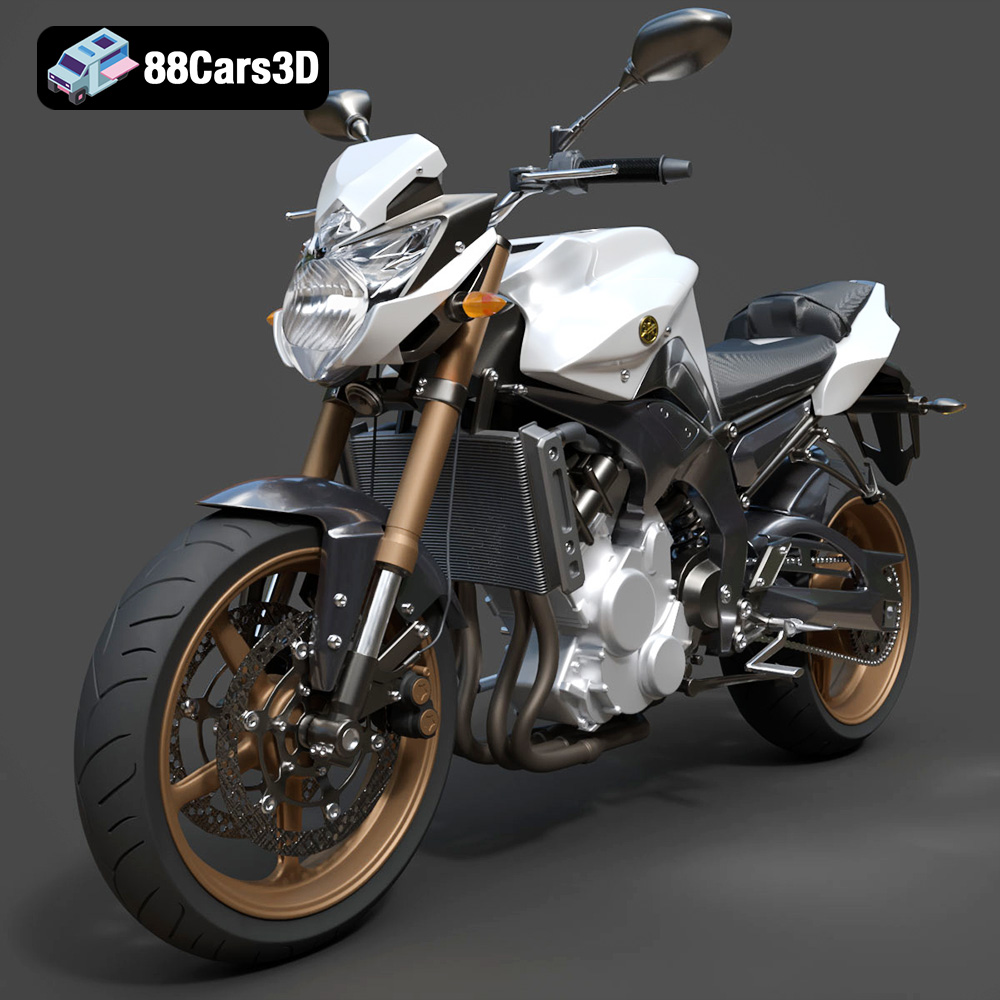
Yamaha FZ8 2011 3D Model
Texture: Yes
Material: Yes
Download the Yamaha FZ8 2011 3D Model featuring clean geometry, realistic detailing, and a fully modeled interior. Includes .blend, .fbx, .obj, .glb, .stl, .ply, .unreal, and .max formats for rendering, simulation, and game development.
Price: $19.99
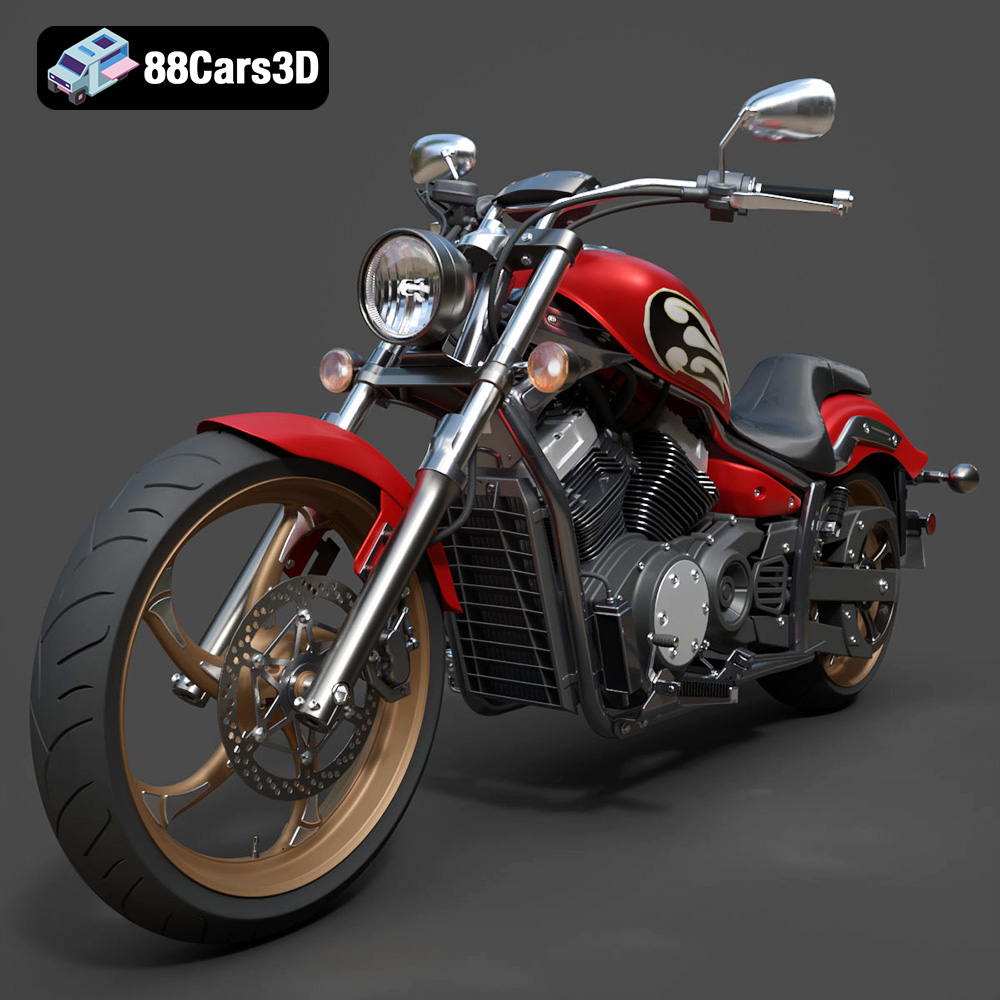
Yamaha Stryker 2012 3D Model
Texture: Yes
Material: Yes
Download the Yamaha Stryker 2012 3D Model featuring clean geometry, realistic detailing, and a fully modeled interior. Includes .blend, .fbx, .obj, .glb, .stl, .ply, .unreal, and .max formats for rendering, simulation, and game development.
Price: $19.99
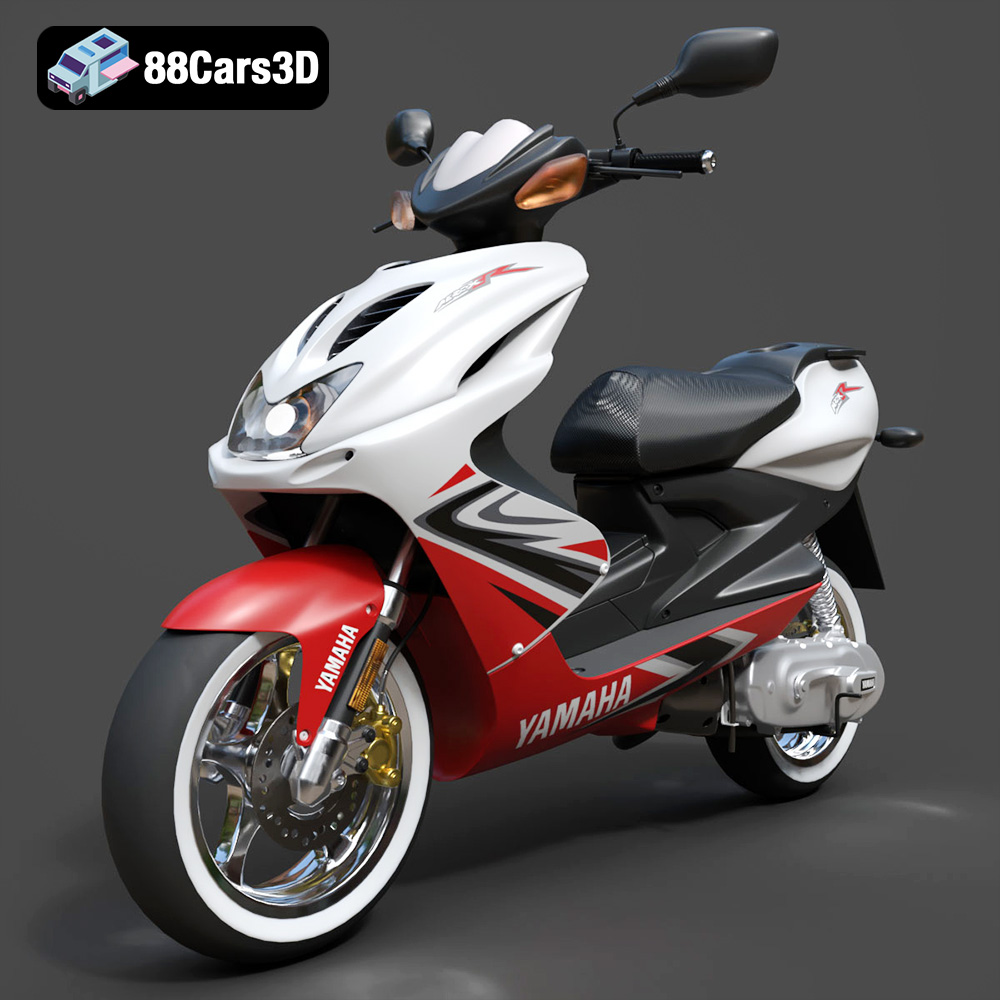
Yamaha Aerox R-002 2024 3D Model
Texture: Yes
Material: Yes
Download the Yamaha Aerox R-002 2024 3D Model featuring clean geometry, realistic detailing, and a fully modeled interior. Includes .blend, .fbx, .obj, .glb, .stl, .ply, .unreal, and .max formats for rendering, simulation, and game development.
Price: $19.99
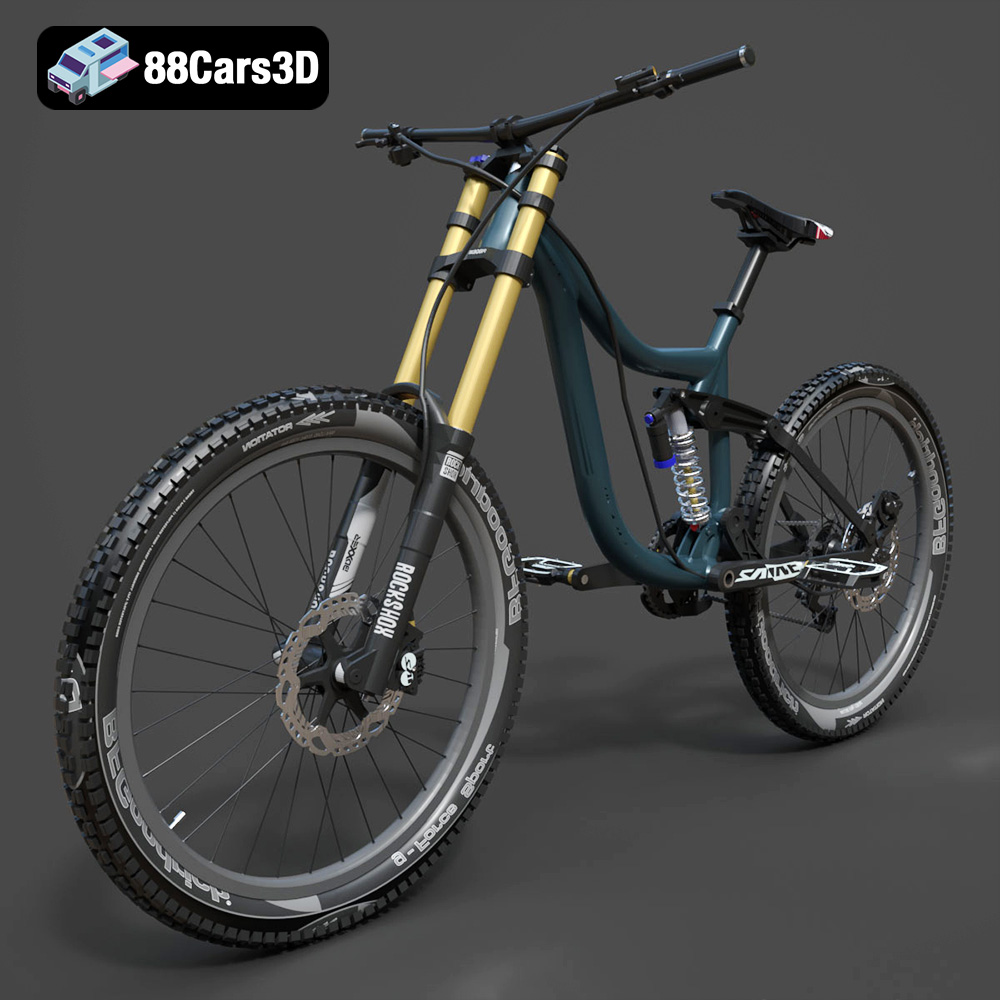
Mototsikly Downhill Bike-002 3D Model
Texture: Yes
Material: Yes
Download the Mototsikly Downhill Bike-002 3D Model featuring clean geometry, realistic detailing, and precise mechanical components. Includes .blend, .fbx, .obj, .glb, .stl, .ply, .unreal, and .max formats for rendering, simulation, and game development.
Price: $19.99
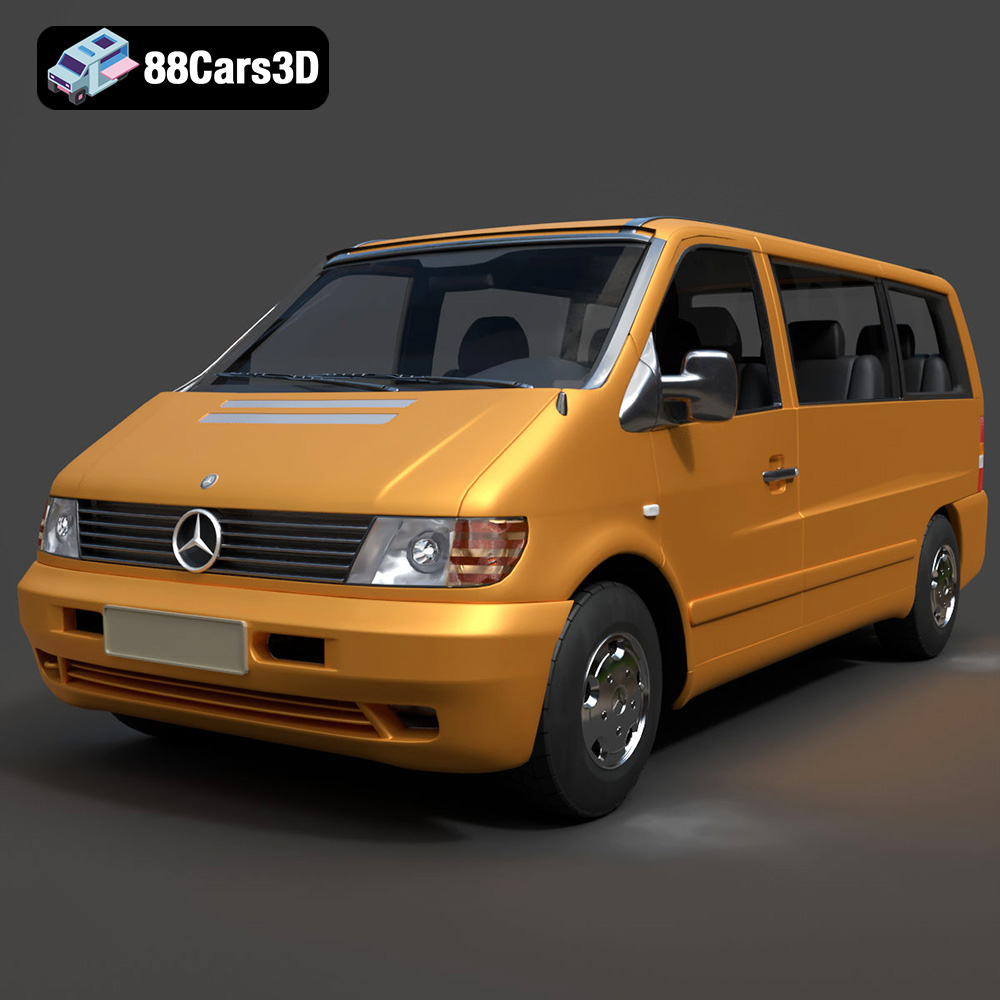
Mercedes-Benz Vito Passenger Van 3D Model
Texture: Yes
Material: Yes
Download the Mercedes-Benz Vito Passenger Van 3D Model featuring clean geometry, realistic detailing, and a fully modeled interior. Includes .blend, .fbx, .obj, .glb, .stl, .ply, .unreal, and .max formats for rendering, simulation, and game development.
Price: $19.99
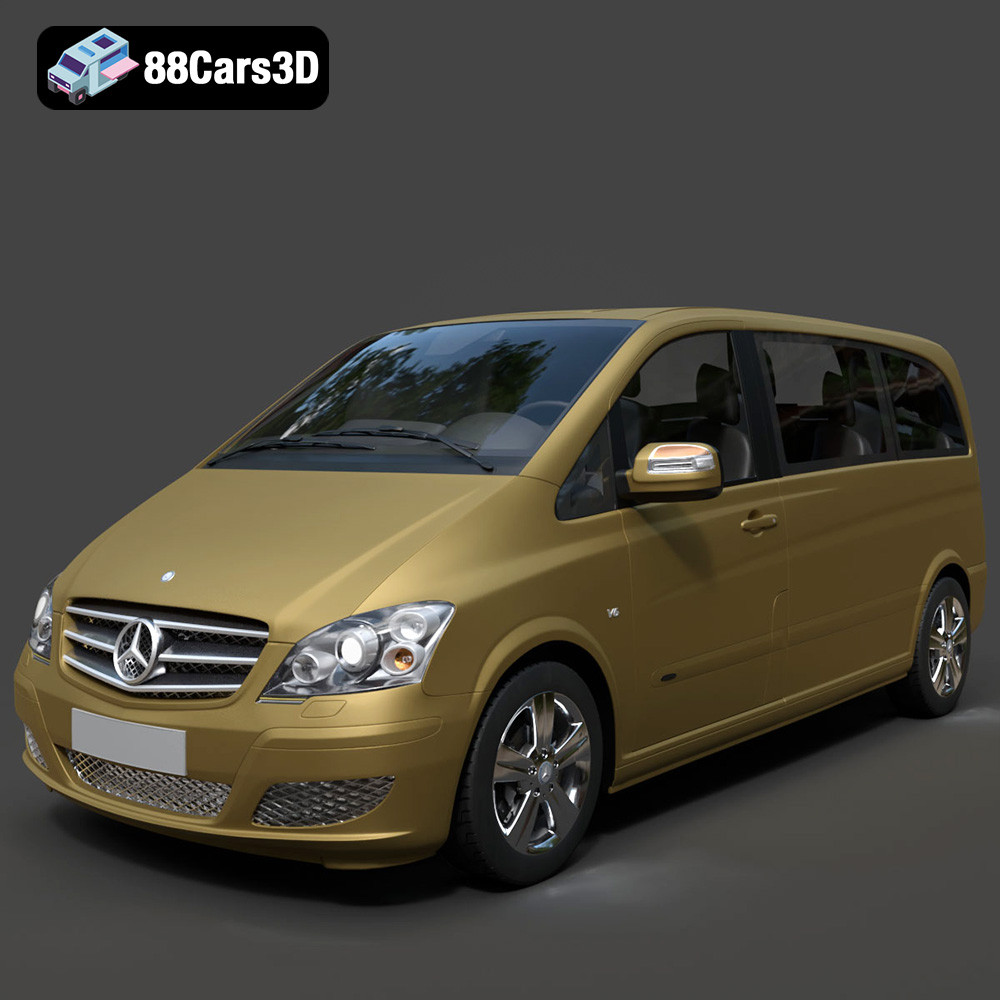
Mercedes-Benz Viano 2010 3D Model
Texture: Yes
Material: Yes
Download the Mercedes-Benz Viano 2010 3D Model featuring clean geometry, realistic detailing, and a fully modeled interior. Includes .blend, .fbx, .obj, .glb, .stl, .ply, .unreal, and .max formats for rendering, simulation, and game development.
Price: $19.99

Emt Avtobus 007 3D Model
Texture: Yes
Material: Yes
Download the Emt Avtobus 007 3D Model featuring clean geometry, realistic detailing, and a fully modeled interior. Includes .blend, .fbx, .obj, .glb, .stl, .ply, .unreal, and .max formats for rendering, simulation, and game development.
Price: $19.99
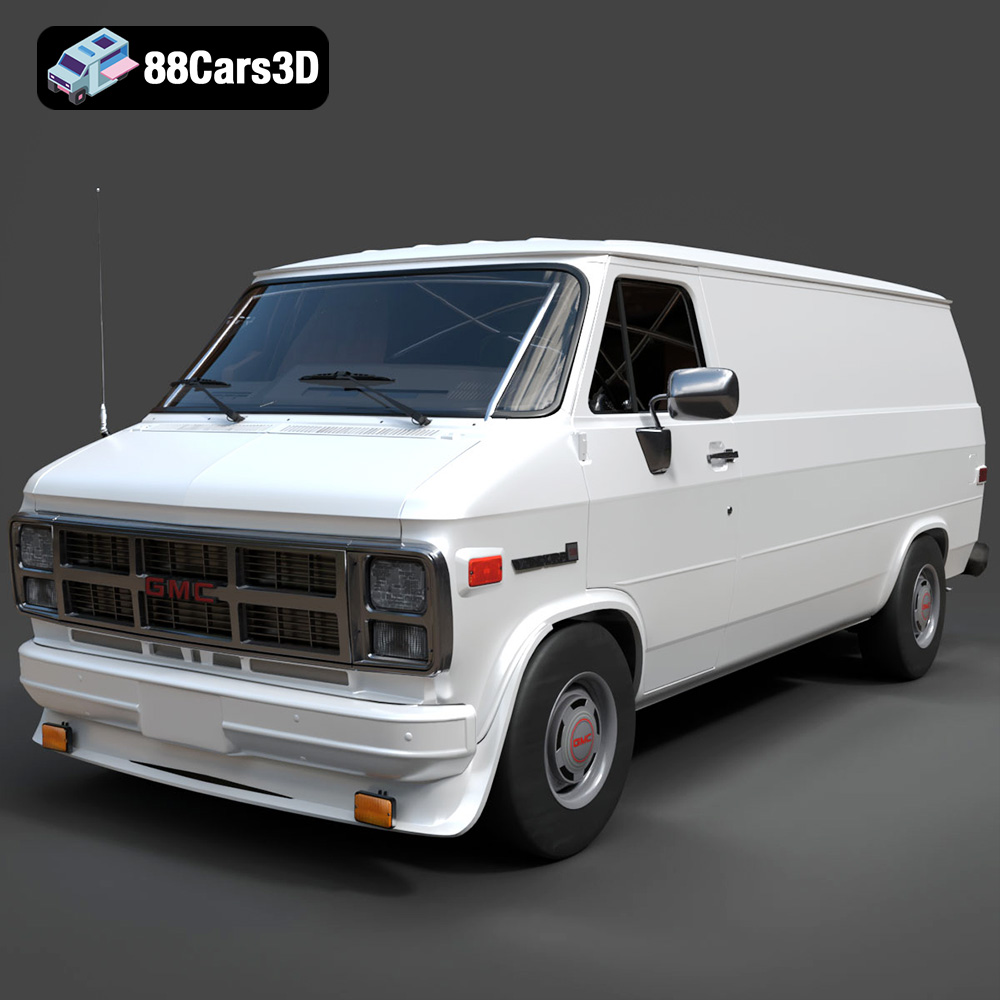
GMC Vandura G-1500 1983 3D Model
Texture: Yes
Material: Yes
Download the GMC Vandura G-1500 1983 3D Model featuring clean geometry, realistic detailing, and a fully modeled interior. Includes .blend, .fbx, .obj, .glb, .stl, .ply, .unreal, and .max formats for rendering, simulation, and game development.
Price: $19.99
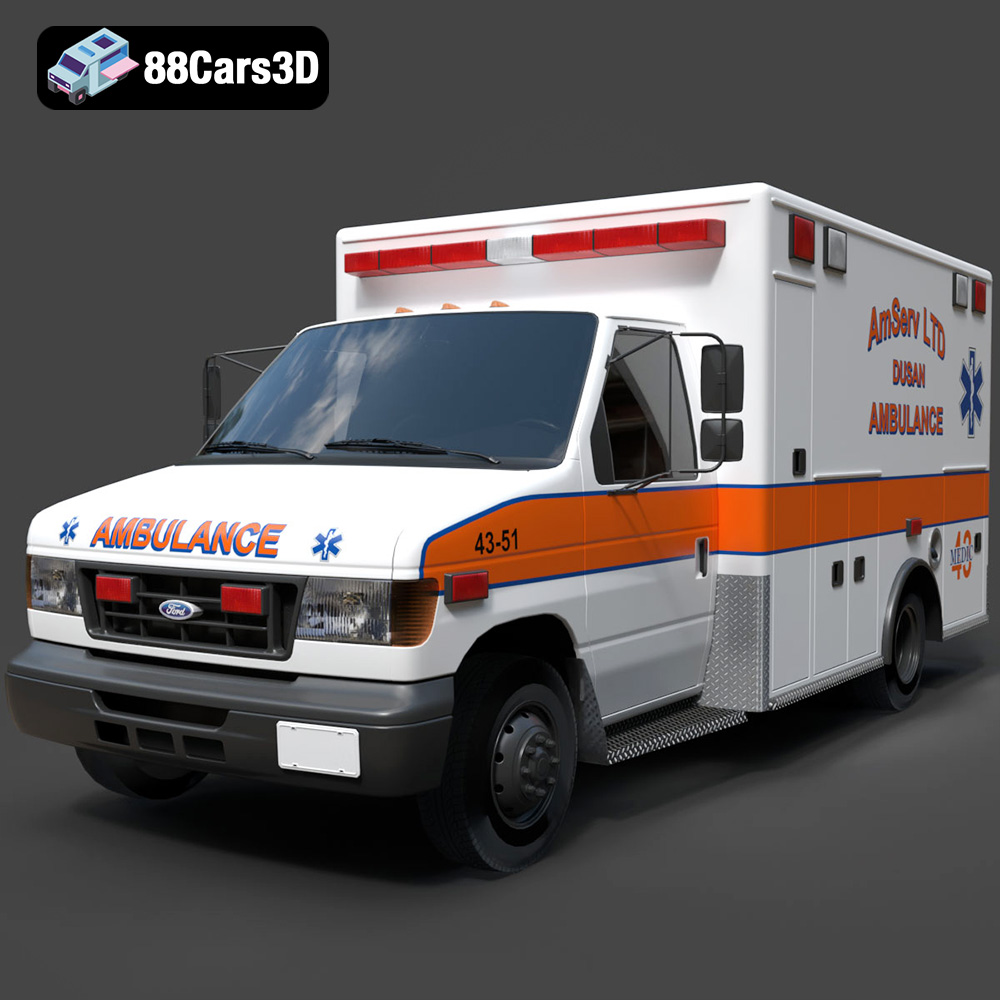
Ford Ambulance AmServ LTD Dusan-002 3D Model
Texture: Yes
Material: Yes
Download the Ford Ambulance AmServ LTD Dusan-002 3D Model featuring a high-detail exterior and interior, realistic textures, and emergency lighting. Includes .blend, .fbx, .obj, .glb, .stl, .ply, .unreal, and .max formats for rendering, simulation, and game development.
Price: $19.99
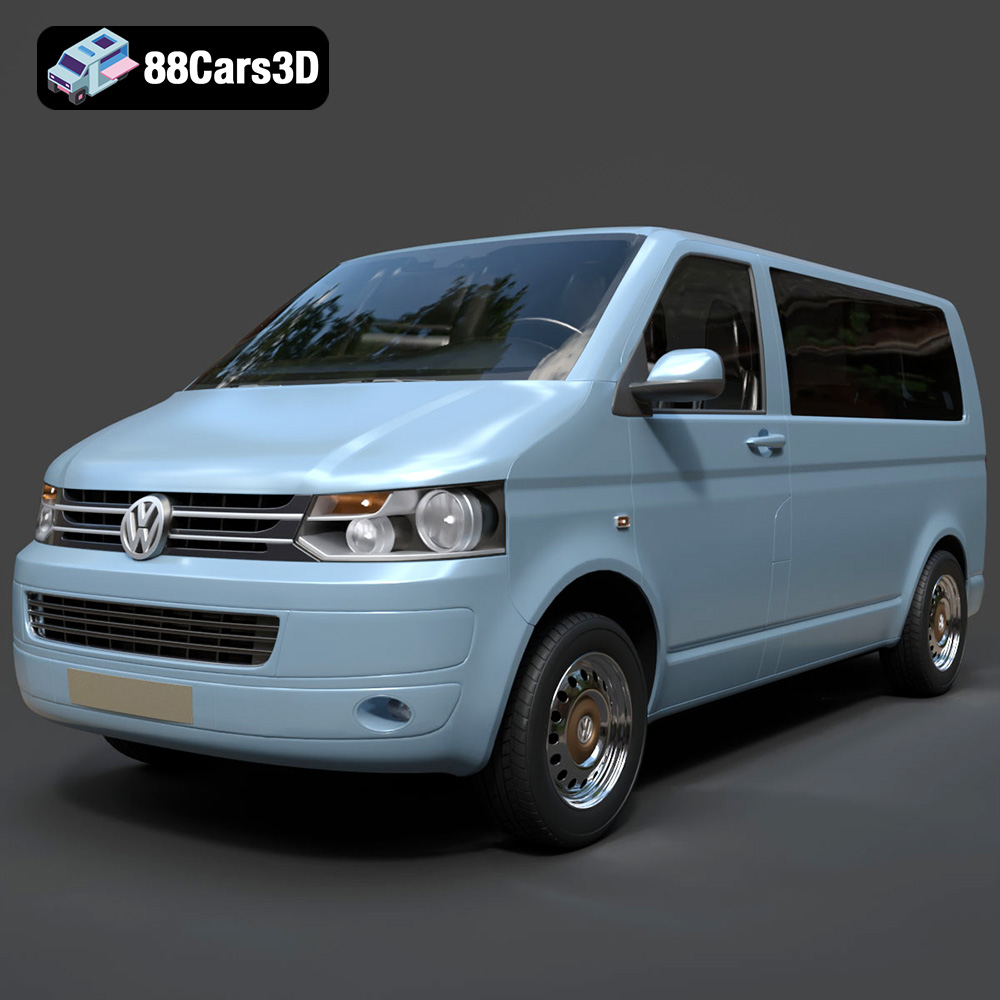
Volkswagen Transporter T5 FL 2010 3D Model
Texture: Yes
Material: Yes
Download the Volkswagen Transporter T5 FL 2010 3D Model featuring clean geometry, realistic detailing, and a fully modeled interior. Includes .blend, .fbx, .obj, .glb, .stl, .ply, .unreal, and .max formats for rendering, simulation, and game development.
Price: $22.99
