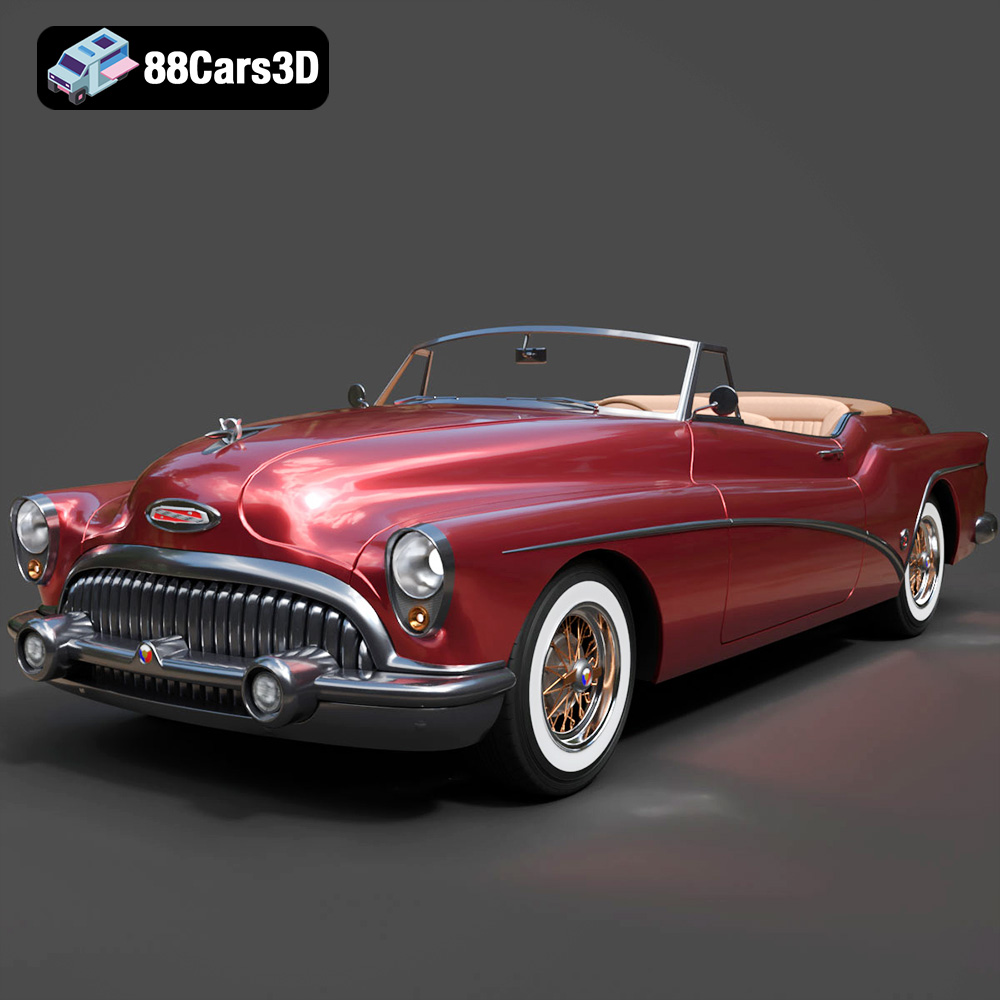
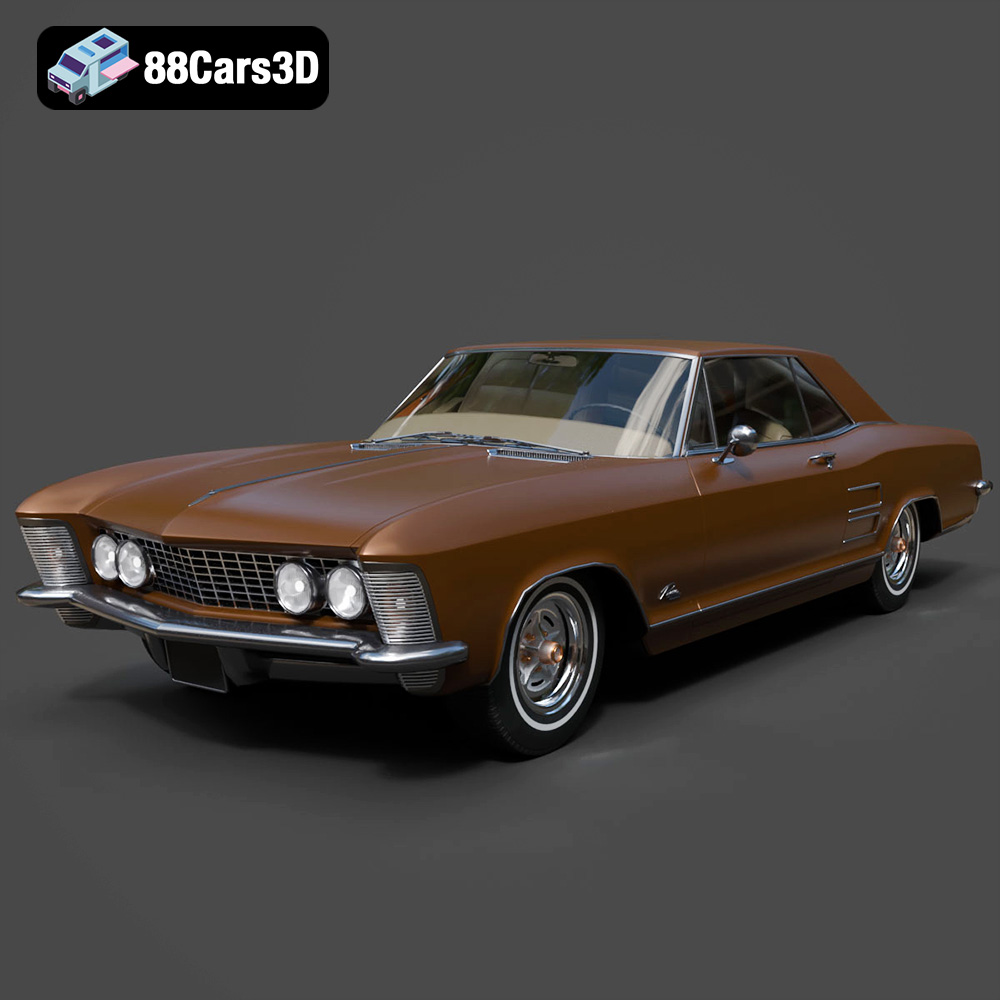
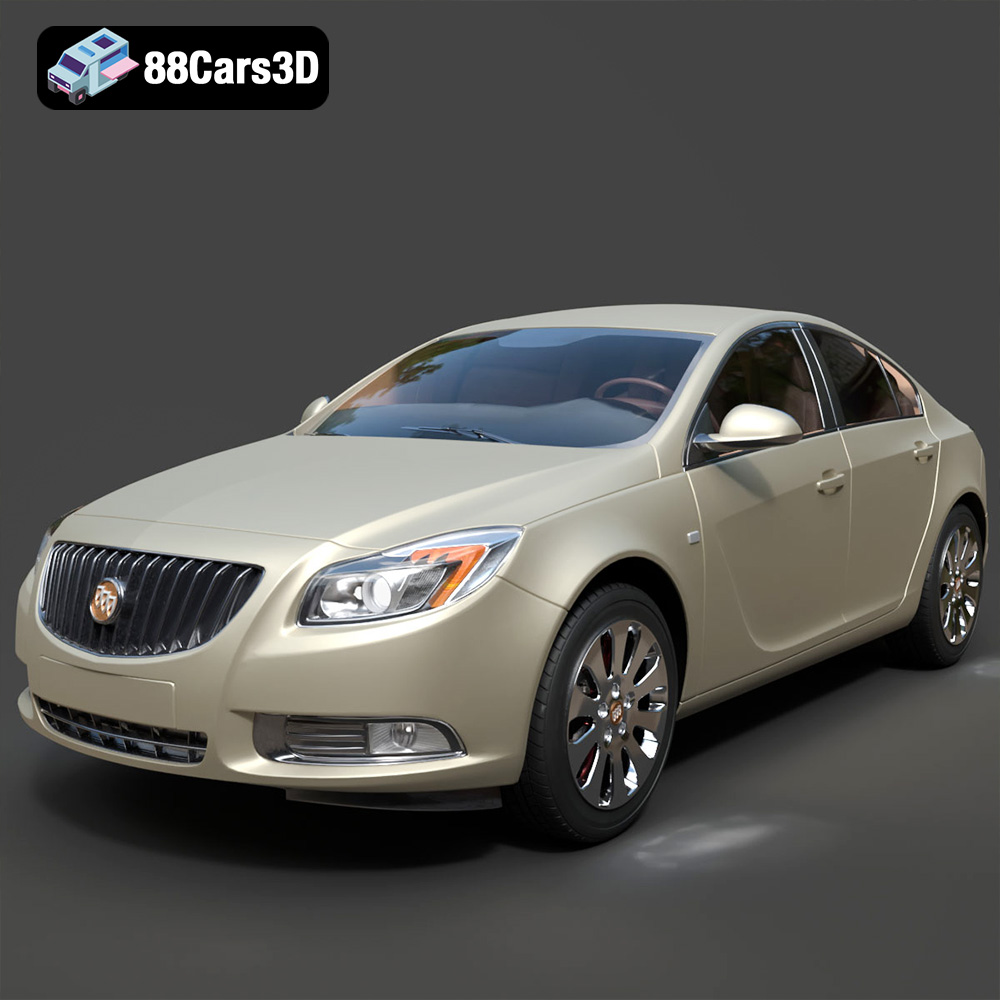
In the dynamic world of 3D content creation, where realism and efficiency are paramount, the choice of asset creation methodology can significantly impact project outcomes. For highly complex and visually critical assets like vehicles, this decision becomes even more crucial. Two dominant approaches stand at the forefront: photogrammetry, a reality capture technique, and manual modeling, the traditional craft of building 3D objects from scratch. But when it comes to crafting stunning 3D vehicle models for games, automotive visualization, or film, which method truly delivers the best results?
This comprehensive guide delves deep into the capabilities, advantages, and limitations of photogrammetry and manual modeling specifically for vehicle assets. We’ll equip you with the knowledge to make an informed decision, ensuring your next project accelerates forward with the right workflow.
Understanding Photogrammetry for Vehicle Assets
Photogrammetry has revolutionized how we acquire real-world objects into the digital realm. For vehicles, this technique promises an unparalleled level of realism. Let’s explore its intricacies.
What is Photogrammetry?
Photogrammetry is the science of making measurements from photographs, and in 3D, it refers to the process of generating a 3D model by analyzing multiple overlapping 2D images taken from various angles. Specialized photogrammetry software stitches these images together, identifying common features and reconstructing the object’s geometry and texture. For a car, this involves systematically photographing every accessible surface.
- Image Acquisition: Taking hundreds or even thousands of high-resolution photos of the vehicle from all possible angles. This often requires specialized camera equipment, consistent lighting, and careful planning to avoid shadows and reflections.
- Data Processing: Feeding the images into software like Agisoft Metashape, RealityCapture, or Meshroom. The software aligns the photos, reconstructs the dense point cloud, builds the polygonal mesh, and generates high-resolution textures.
- Mesh Generation & Texturing: The output is a highly detailed, often high-poly mesh with rich, photographic PBR textures, capturing every dent, scratch, and nuance of the real-world surface.
Advantages of Photogrammetry for Vehicles
- Unmatched Realism and Detail: Photogrammetry excels at capturing the exact form, unique imperfections, and subtle weathering of a real vehicle. This leads to truly
realistic vehicle models that are difficult, if not impossible, to replicate through manual means. Every rust spot, paint chip, or panel gap is precisely represented. - High-Fidelity Textures: The textures generated directly from the photographs are inherently photorealistic. This eliminates the need for manual texture painting and ensures a direct correlation between the geometry and its surface appearance.
- Speed of Initial Capture: While post-processing can be lengthy, the physical act of acquiring the data (taking photos) for a complete vehicle can be relatively fast, often a matter of hours or a day, compared to the weeks or months a complex car might take to model from scratch.
- Complex Organic Shapes: For vehicles with intricate or uniquely weathered surfaces, photogrammetry accurately reproduces these details without subjective interpretation by an artist.
Disadvantages of Photogrammetry for Vehicles
- Hardware and Software Costs: Achieving high-quality scans requires professional-grade cameras, stable tripods, studio lighting, powerful computing hardware, and often expensive photogrammetry software licenses.
- Environmental Challenges: Vehicles are notoriously difficult to scan. Reflective surfaces like glass, chrome, and polished paint can cause severe
reflection issues and lead to noisy or incomplete data. Transparent objects are also problematic. Dark or shadowed areas, especially underneath the car, can be hard to capture effectively without significant rigging or lifting. - Heavy Post-Processing and Retopology: The raw mesh from a photogrammetry scan is typically extremely high-poly, triangulated, and often messy (non-manifold geometry, floating polygons). It requires extensive
scan cleanup , decimation, andretopology to be suitable forgame engines or animation. This manual cleanup can be highly time-consuming and requires specialized skills. - Limited Interior Access and Customization: Capturing vehicle interiors accurately without significant disassembly is challenging. Furthermore, scanned models are static; modifying a scanned vehicle (e.g., changing body kits, adding damage, creating variants) is far more difficult than with a manually modeled asset.
- Scale and Consistency: Maintaining consistent scale across multiple scans or ensuring perfect alignment can be tricky, especially in varied environments.
Practical Example: Imagine trying to accurately replicate a rare, vintage race car for a museum-grade VR experience. Photogrammetry would capture every dent, scratch, and faded decal with astonishing fidelity. However, preparing that highly detailed scan into an optimized, animated
Understanding Manual Modeling for Vehicle Assets
Manual modeling is the bedrock of 3D asset creation, offering unparalleled control and flexibility. For vehicle assets, it remains a preferred method for many production pipelines.
What is Manual Modeling?
Manual modeling involves an artist building a 3D model from the ground up using specialized 3D software such as Autodesk Maya, Blender, 3ds Max, or Modo. Artists typically start with reference images, blueprints, or
- Reference Gathering: Collecting blueprints, technical drawings, and photographs to understand the vehicle’s proportions, curves, and details.
- Blocking Out: Creating basic shapes to establish the overall form and scale.
- Detailing & Refining: Gradually adding complexity, refining topology, creating sharp edges, and ensuring accurate panel lines.
- UV Unwrapping & Texturing: Creating a flattened 2D representation (UV map) of the 3D model for texture application, followed by
texture generation (e.g., Substance Painter, Photoshop, hand-painting).
Advantages of Manual Modeling for Vehicles
- Absolute Control and Precision: Artists have complete control over every polygon, edge loop, and vertex. This allows for clean, optimized
topology , precise hard-surface detailing, and perfectly aligned UVs—essential forgame optimization and animation. - Optimization from the Start: Manual models can be built specifically for target platforms. Artists can manage
poly count efficiently, createLODs (Levels of Detail), and ensure robustcollision meshes from the initial stages, saving significant post-production time. - Customization and Iteration: Need a different spoiler, a wider wheelbase, or a completely new headlight design? Manual models are incredibly flexible. Iteration, variant creation, and even fictional
custom vehicle designs are straightforward. This is crucial forgame development where modularity and player customization are key. - Interior Modeling & Functional Parts: Building detailed and functional interiors, engines, and suspension systems is a core strength. Moving parts can be modeled and articulated for animation.
- Scalability and Reusability: Manually modeled parts can be reused across different projects or combined to create new vehicles, fostering an efficient
modular asset pipeline .
Disadvantages of Manual Modeling for Vehicles
- Time-Consuming: Creating a highly detailed, complex vehicle model from scratch can be an incredibly
time investment , often taking weeks or even months for a single high-quality asset, depending on the desired level of detail. - High Skill Barrier:
Modeling skill for hard-surface objects like vehicles requires significant training, practice, and a keen eye for form, proportion, and surface continuity. Achieving a truly realistic look also demands advanced texturing skills. - Achieving Organic Realism: Replicating the subtle, organic imperfections of a real-world vehicle (e.g., unique paint fading, subtle rust patterns, minute dents) manually can be incredibly challenging and time-consuming, often requiring advanced sculpting techniques or extensive texture work.
- Texture Creation Complexity: While artists have full control, creating highly
photorealistic PBR textures from scratch requires significant artistic skill, leveraging tools like Substance Painter or Photoshop, or extensive use of texture libraries.
Practical Example: Developing a brand-new, futuristic vehicle for an open-world sci-fi game. Manual modeling allows complete artistic freedom to design the vehicle from the ground up, ensuring consistent stylistic integration with the game world, full optimization for gameplay, and easy implementation of custom upgrades and damage states.
Direct Comparison: Photogrammetry vs. Manual Modeling for Vehicle Assets
To aid your decision-making, let’s look at a side-by-side comparison of the two methodologies.
| Feature | Photogrammetry for Vehicles | Manual Modeling for Vehicles |
|---|---|---|
| Realism | Extremely high, captures real-world imperfections (dents, scratches, weathering). Inherently photorealistic textures. | High, but requires significant artistic skill, time, and quality references to replicate subtle imperfections. |
| Time Investment | Fast initial capture (hours/days), but heavy, time-consuming post-processing (weeks) for optimization. | Slower initial build (weeks/months) depending on complexity, but faster for optimization, iteration, and customization. |
| Control/Flexibility | Low post-scan. Difficult to modify, customize, or create variants without significant manual intervention or re-scanning. | High, full control over every aspect (topology, scale, features, modularity). Easy to modify, customize, or create variants. |
| Optimization (Game-Ready Assets) | Requires significant |
Built-in. Optimized from the start, with clean |
| Texture Quality | Photorealistic, high-resolution |
High, but requires manual creation, procedural generation (Substance Designer), or extensive use of texture libraries. |
| Cost (Hardware/Software) | High initial investment (professional cameras, lenses, lighting, powerful PC, specialized software). | Standard 3D software (Blender is free, others are subscription-based), powerful PC. |
| Skill Set | Photography, lighting, scanning software operation, |
Polygonal modeling, hard-surface modeling, UV mapping, |
| Ideal For | Existing, unique, historical, or highly detailed vehicles where extreme authenticity is paramount (e.g., archival, cinematic, VR tours). | Custom, conceptual, fictional, or optimized vehicles for |
When to Choose Which: A Decision Framework
The “better” method isn’t universal; it’s entirely dependent on your project’s specific requirements, budget, timeline, and available resources.
Choose Photogrammetry if…
- Extreme, Verifiable Realism is Non-Negotiable: Your project demands capturing the exact likeness and unique characteristics of an existing, real-world vehicle, down to the smallest scratch or weathering detail. (e.g., historical reconstructions, documentary VFX, high-fidelity archival).
- The Vehicle is Unique or Hard to Replicate: You’re dealing with a rare antique, a custom-built car, or a vehicle with unique battle damage that would be incredibly difficult and time-consuming to model manually.
- You Have the Budget & Resources for Scanning & Post-Processing: You have access to professional scanning equipment, a suitable environment, and skilled artists dedicated to
scan cleanup andretopology . - Your Project Allows for High-Poly Assets: If the final asset isn’t strictly limited by poly count (e.g., high-end cinematics, static renders, VR experiences that don’t require heavy optimization).
Example: A virtual tour of a classic car museum wants to digitally preserve every single vehicle with maximum authenticity. Photogrammetry would be the most efficient path to capture this level of detail.
Choose Manual Modeling if…
- You Need a Custom, Conceptual, or Non-Existent Vehicle: Your project requires designing a brand-new vehicle, a futuristic concept car, or a fictional model that doesn’t exist in the real world.
- Optimization for Game Engines is Paramount: You need
game-ready assets with preciselow-poly topology, efficientLODs , and clean UVs for real-time rendering. - Full Control Over Topology, Modularity, and Customization is Required: You need to easily modify parts, create multiple variants, implement damage states, or allow players to customize their vehicles.
- You Have Skilled Hard-Surface Modelers and a Tighter Budget for Equipment: Your team possesses strong
3D modeling skills and access to standard 3D software, but investment in high-end scanning equipment is not feasible.
Example: A new open-world racing game needs a diverse fleet of customizable cars, from production models to conceptual hypercars. Manual modeling provides the flexibility and control necessary for game design and optimization.
Hybrid Approach: The Best of Both Worlds
Often, the most effective solution is a combination of both methods. A
- Photogrammetry for Base Forms and Textures: Scan the overall vehicle shape and capture high-resolution textures, then project these textures onto a manually
retopologized , clean mesh. - Manual Modeling for Core Structure and Interiors: Build the vehicle’s clean shell, chassis, and interior manually for control and optimization, then use photogrammetry for specific complex details (e.g., unique engine parts, dashboard elements, worn-out seats).
- Texture Baking: Bake details from a high-resolution photogrammetry scan onto a low-poly manually modeled mesh using normal, ambient occlusion, and displacement maps.
This approach offers the realistic details of reality capture while maintaining the control and optimization capabilities of traditional modeling, leading to a highly efficient
Conclusion
The choice between photogrammetry and manual modeling for
By carefully evaluating your goals, budget, timeline, and available talent, you can select the method—or often, a intelligent hybrid approach—that best serves your creative and technical objectives, ensuring your
Accelerate Your 3D Vehicle Creation!
Ready to master the art of
Recommended undefined Models