

“`html
The world of 3D printing has opened up incredible avenues for hobbyists, designers, and automotive enthusiasts alike. From replicating classic cars to prototyping intricate automotive components, the possibilities are virtually limitless. At the heart of this 3D printing revolution lies the STL file format, the universal language for describing 3D models. However, not all STL files are created equal. Often, especially in the realm of complex models like detailed car replicas, STL files can suffer from imperfections – holes, non-manifold geometry, or flipped normals – that can lead to frustrating print failures. This is where the art and science of STL file cleanup come into play. In this comprehensive guide, we’ll delve deep into how to effectively clean up STL files using Blender, a powerful, free, and open-source 3D creation suite. We’ll cover everything from understanding common STL errors to implementing practical, step-by-step workflows to ensure your 3D prints are as flawless as the digital models they originate from. Get ready to transform problematic files into print-ready masterpieces!
Understanding the Anatomy of an STL File and Common Errors
Before we dive into the practicalities of mesh editing in Blender, it’s crucial to understand what an STL file actually is and why imperfections arise. STL (STereoLithography or Standard Triangle Language) files represent a 3D surface geometry using a collection of connected triangles. Each triangle is defined by its three vertices and a normal vector, which indicates the outward-facing direction of the surface. This seemingly simple structure forms the backbone of 3D printing, as slicer software interprets these triangles to build the object layer by layer. However, the process of creating or exporting these files, especially from complex sources like CAD software or 3D scans, can introduce several common issues:
The Problem of Non-Manifold Geometry
One of the most frequent culprits of failed prints is non-manifold geometry. In a manifold (or watertight) mesh, every edge is shared by exactly two faces, and every vertex connects edges in a continuous, enclosed volume. Non-manifold geometry violates these rules. Common examples include:
- Holes: Gaps in the surface where triangles are missing, preventing the mesh from being watertight. This is like a hollow sphere with a hole in it – it can’t hold water.
- Internal Faces: Two or more faces occupying the same space within the model, confusing the slicer about which surface to print.
- Intersecting Faces: Faces that cross through each other without a clean connection, creating ambiguous volumes.
- Loose Vertices/Edges: Points or lines that aren’t connected to the main mesh structure.
- “Manifold Edges”: Edges that are part of more than two faces. This often occurs when two separate volumes are merged without proper connectivity.
These issues can cause slicers to misinterpret the model, leading to missing sections, incorrect outer shells, or complete print failures. For intricate models, such as those found on marketplaces like 88cars3d.com, ensuring manifold integrity is paramount for successful replication.
Flipped Normals and Their Impact
Normal vectors define the “outside” of a face. In a correct mesh, all normal vectors should consistently point outwards from the solid volume. Flipped normals occur when one or more faces have their normals pointing inwards. While visually, this might not be obvious in a 3D viewer, slicer software relies on these normals to determine the solid parts of the model. If normals are flipped, the slicer might interpret an outer surface as an inner void, or vice-versa, resulting in inverted model sections or entirely hollow prints where solid parts are expected.
Other Common Issues
Beyond non-manifold geometry and flipped normals, other problems can plague STL files:
- Degenerate Triangles: Triangles with zero area (where vertices are coincident or collinear) or extremely thin triangles that can cause numerical instability during slicing.
- Mesh Overlap: Areas where parts of the mesh are duplicated or heavily overlapping, leading to slicer confusion.
- High Polygon Count: While not strictly an error, extremely dense meshes with millions of polygons can slow down slicing software and even lead to instability. Decimation (reducing polygon count) might be necessary.
Understanding these common errors is the first step towards effectively troubleshooting and repairing them using powerful tools like Blender.
Leveraging Blender’s Built-in Tools for Mesh Repair
Blender is a surprisingly capable tool for STL file repair, offering a robust set of features that can address most common mesh imperfections. While it might not have the automated, one-click solutions of some dedicated commercial repair software, its manual and semi-automated tools provide a high degree of control and precision, which is often necessary for complex models like detailed printable car models.
Importing and Initial Inspection
The first step is to import your STL file into Blender. Go to File > Import > STL (.stl). Once imported, immediately switch to Edit Mode (Tab key) and enable Face Orientation overlay in the Viewport Overlays menu. This is crucial for spotting flipped normals; blue faces indicate correct orientation (normals pointing outwards), while red faces indicate flipped normals. Look for areas of red, as these will need attention.
The Power of Mesh > Clean Up
Blender’s Mesh > Clean Up menu is your primary toolkit for automated repairs. Access it in Edit Mode by pressing ‘M’ (Merge) and selecting ‘Clean Up’, or by navigating through the top menu: Mesh > Clean Up. Key options here include:
- Delete Loose: Removes vertices, edges, and faces that are not connected to any part of the main mesh. This is excellent for getting rid of stray geometry.
- Delete All by Trait: This submenu offers powerful options:
- Limited Dissolve: Attempts to dissolve edges based on their angle. Useful for simplifying meshes by removing unnecessary vertices along smooth curves.
- Un-Subdivide: Reverses subdivision surface operations, which can be helpful if a mesh was excessively smoothed.
- Faces by Sides: Selects and allows deletion of faces based on the number of vertices (e.g., delete only ‘N-gons’ – faces with more than 4 vertices, which can sometimes cause issues).
- All Faces by Trait: Can target degenerate geometry (e.g., zero-area faces).
- Fill Holes: A fantastic tool that attempts to automatically fill gaps in the mesh. It works best on simple holes but can sometimes struggle with complex or multiple interconnected holes.
- Make Manifold: This is Blender’s attempt to automatically convert a non-manifold mesh into a manifold one. It can be very effective but may sometimes produce unexpected results or fail on highly complex errors.
It’s often best to use these tools iteratively. Start with ‘Delete Loose’, then try ‘Fill Holes’, and finally ‘Make Manifold’. After each operation, switch back to Object Mode, then Edit Mode, and re-check Face Orientation to see the results.
Manual Editing Techniques
While automated tools are helpful, manual intervention is often required for intricate repairs. In Edit Mode:
- Vertex Manipulation: Select individual vertices (dots) and move (G), rotate (R), or scale (S) them to bridge gaps or correct misalignments.
- Edge Manipulation: Select edges (lines) and use similar transform tools. You can also extrude (E) edges to create new surfaces.
- Face Manipulation: Select faces (surfaces) and use transform tools, extrude, or delete (X > Faces).
- Bridging Edge Loops: Select two edge loops that form the boundary of a hole, then press Ctrl+E > Bridge Edge Loops. This is a powerful way to manually close openings.
- Flipping Normals: Select faces (or the entire mesh) and press Shift+N** to recalculate normals, or manually select problematic red faces and press Alt+N > Flip.
Mastering these fundamental editing techniques allows you to precisely address specific errors that automated tools might miss or mishandle. For printable car models from sources like 88cars3d.com, where detail is paramount, manual adjustments ensure critical features remain intact.
Advanced Techniques with Blender Add-ons and External Tools
While Blender’s built-in features are robust, sometimes you need more specialized tools. Fortunately, the Blender ecosystem is rich with add-ons and complementary software that can enhance your STL repair workflow, making it more efficient and effective, especially when dealing with highly complex models or preparing files for professional printing.
Leveraging Specific Blender Add-ons
Blender supports add-ons that can significantly streamline the repair process. While not all are specifically for STL repair, many are invaluable:
- 3D-Print Toolbox: This official Blender add-on (often included but needs to be enabled in Preferences) is specifically designed for 3D printing preparation. It includes tools for checking mesh validity (non-manifold edges, intersections, etc.), analyzing wall thickness, checking overhangs, and even basic boolean operations. Its “Check All” button provides a comprehensive report of potential issues, highlighting problematic areas directly in the viewport. It’s an indispensable tool for anyone serious about preparing models for printing.
- Bool Tool: While primarily for constructive solid geometry (CSG) operations (adding, subtracting, intersecting meshes), the Bool Tool add-on can sometimes help fix issues by creating clean geometry where overlapping or intersecting meshes are the problem. For instance, you might use it to “union” two separate parts cleanly or subtract internal geometry that shouldn’t be there.
Enabling and learning to use these add-ons can save considerable time and effort, turning complex repair tasks into more manageable workflows.
The Role of Mesh Analysis Tools
Before and during repair, understanding the nature of the errors is key. Blender itself provides basic analysis tools, but dedicated software offers deeper insights:
- Meshmixer: While Autodesk has discontinued active development, Meshmixer remains a powerful, free tool for mesh editing and repair. Its “Inspector” tool is excellent at automatically finding and fixing holes, slivers, and non-manifold errors. It also offers great tools for plane cuts, smoothing, and sculpting, making it a strong complement to Blender. You can export from Blender, import into Meshmixer for automated repair, and then re-import the cleaned mesh back into Blender for further refinement or slicing preparation.
- Netfabb (Standard/Premium): Autodesk Netfabb is a professional-grade software suite specifically designed for additive manufacturing preparation. Its automated repair capabilities are industry-leading, capable of handling extremely complex issues. While potentially overkill for simple hobbyist prints, it’s invaluable for professional applications or extremely challenging files. Its analysis features provide detailed reports on mesh quality, wall thickness, and potential printability issues.
For most users preparing models downloaded from marketplaces like 88cars3d.com, a combination of Blender’s built-in tools and the 3D-Print Toolbox add-on will suffice. However, knowing about tools like Meshmixer and Netfabb provides escalation paths for particularly stubborn files.
Optimizing for Slicing Software
The ultimate goal of STL cleanup is a successful print. Therefore, it’s essential to consider the requirements of your slicer (e.g., Cura, PrusaSlicer, Simplify3D). Many slicers have their own basic repair functions, but they work best on already relatively clean meshes. Ensuring your model is watertight, has consistent normals, and reasonable wall thicknesses before slicing is critical. Tools within Blender and add-ons can help you check for minimum wall thickness, which is a common failure point, especially for thin details on car models. You can often export the cleaned STL directly from Blender to your preferred slicer.
Preparing Models from 88cars3d.com for Optimal 3D Printing
Marketplaces like 88cars3d.com offer a fantastic selection of high-quality, 3D printable car models. These models are often designed with printing in mind, featuring clean geometry and optimized designs. However, even the best models might require minor adjustments based on your specific printer, material, and desired print quality. Preparing these files effectively in Blender ensures you get the best possible results, translating the digital detail into a tangible, impressive replica.
Assessing Model Requirements and Printer Capabilities
Before diving into Blender, consider the specific model and your 3D printer setup:
- Scale and Detail: Are you printing the model at its original scale, or will you be scaling it up or down? Scaling significantly can introduce issues. If scaling down, very fine details (like door handles or emblems) might become too thin and break easily or fail to print. If scaling up, you might need to consider reinforcing certain areas or increasing wall thickness.
- Printer Technology (FDM vs. Resin): FDM printers (using filament) and resin printers (using liquid photopolymer) have different strengths and weaknesses. Resin printers excel at capturing extremely fine details, making them ideal for intricate car models, but they often require more support material and can be more brittle. FDM printers are better for larger, sturdier parts but may struggle with the smallest details. Your choice of technology influences how you might prepare the file (e.g., minimum wall thickness considerations differ).
- Material Choice: Different filaments (PLA, PETG, ABS) and resins have varying properties (strength, flexibility, temperature resistance). Consider how these properties might affect delicate parts of your car model.
Understanding these factors helps you decide if any modifications are necessary beyond basic mesh repair.
Applying Print-Specific Optimizations in Blender
Once you’ve imported and verified the basic integrity of a model from 88cars3d.com, you can make specific optimizations:
- Wall Thickness Analysis: Use the 3D-Print Toolbox add-on (or manual measurement tools) to check if all parts of the model meet your printer’s minimum viable wall thickness. For FDM, this might be around 0.8mm to 1.2mm depending on your nozzle size and material. For resin, it can often be lower (e.g., 0.5mm or less). If thin sections are found, you can either thicken them manually in Edit Mode (e.g., extruding faces slightly) or consider scaling the entire model up.
- Hollowing and Drainage (Resin Printing): For resin printing, printing solid models is wasteful and can cause suction issues. You can use Blender’s Solidify Modifier (set to negative thickness) or manual extrusion to hollow the model. Crucially, remember to add drainage holes using the Boolean modifier (subtracting small cylinder shapes) to allow uncured resin to escape during printing.
- Splitting Large Models: Very large or complex models might be too big for your printer’s build volume or too difficult to print reliably in one piece. Use Blender’s Boolean tools or manual modeling to cut the model into smaller, manageable sections. Ensure you add registration keys (e.g., small pegs and corresponding holes) using cylinders and boolean operations to help align and glue the parts together accurately after printing.
- Orienting for Success: While orientation is primarily handled in the slicer, you can sometimes pre-orient the model in Blender for easier support placement or to best showcase details. For example, orienting a car model so the most detailed side faces upwards can minimize the need for supports on that critical surface.
These preparation steps, applied thoughtfully to models from quality sources like 88cars3d.com, significantly increase the likelihood of a successful and high-fidelity print.
Exporting the Final Print-Ready STL
When you’re satisfied with the cleanup and optimizations, it’s time to export. Navigate to File > Export > Stl (.stl). Pay attention to the export options:
- Selection Only: If you only want to export the currently selected object(s), check this box.
- Scale: Ensure the scale is set appropriately (usually 1.0 if you’ve worked in Blender’s default units).
- Apply Modifiers: Make sure this is checked if you’ve used modifiers like Solidify or Boolean, as you want their effects baked into the exported mesh.
- ASCII vs. Binary: Binary STL files are significantly smaller and generally preferred.
Always perform a final check. After exporting, re-import the STL file back into Blender or open it in your slicer to ensure everything looks correct. Sometimes, subtle issues can arise during export, and a final visual inspection catches them before you waste time and material on a failed print.
Troubleshooting Common Print Failures Related to STL Issues
Even with meticulous preparation, 3D printing can present challenges. Understanding how STL file imperfections manifest as print failures is key to diagnosing and resolving issues. Often, the root cause lies in the digital model’s integrity, not necessarily the printer itself. By correlating print problems with potential STL issues, you can refine your cleanup process.
Incomplete or Missing Sections
Symptom: Parts of the model are missing, or there are holes in the final print where there shouldn’t be any. The outer shell might be incomplete.
Likely Cause: This is the classic symptom of a non-watertight mesh. Holes in the STL, intersecting faces, or internal geometry that the slicer can’t resolve correctly will lead to these gaps. Flipped normals can also cause outer surfaces to be interpreted as voids.
Solution: Revisit Blender’s Mesh > Clean Up tools, specifically ‘Fill Holes’ and ‘Make Manifold’. Use manual editing to bridge any remaining gaps. Check and correct flipped normals using Shift+N** or manual flipping. Ensure you are using the 3D-Print Toolbox add-on’s validation checks. For models from 88cars3d.com, ensure you’re not accidentally deleting crucial but thin structural elements during cleanup; always inspect visually.
Layer Shifting or Warping
Symptom: Layers are misaligned, causing the model to look skewed or distorted. Warping typically refers to the corners or edges of the print lifting off the build plate.
Likely Cause: While often related to mechanical issues (loose belts, incorrect temperatures, poor bed adhesion), severe geometric errors in the STL can exacerbate these problems. A mesh with excessive internal stresses or incredibly thin, unsupported features might put unusual strain on the printer during printing, contributing to shifting or warping, especially if the model is large or has significant overhangs that require extensive support.
Solution: Ensure your printer is well-calibrated and that bed adhesion is optimal. In Blender, check for excessively thin walls or features that might be prone to breaking under print stress. Consider splitting the model into smaller parts (as discussed earlier) which are generally easier to print without warping. Ensure adequate cooling for FDM prints and proper curing for resin prints.
Blobs, Zits, and Surface Imperfections
Symptom: Small bumps, blobs, or rough patches on the surface of the print that don’t correspond to the intended design.
Likely Cause: These can stem from several STL-related issues: degenerate triangles (zero-area faces) in the mesh can cause the nozzle to stutter or extrude erratically. Overlapping geometry that isn’t properly merged can lead to areas where the slicer tries to print the same volume multiple times. Conversely, extremely high polygon counts without proper smoothing can result in faceted surfaces that appear as imperfections.
Solution: Use Blender’s ‘Merge by Distance’ tool (in Edit Mode, select all with ‘A’, then ‘M’ > ‘By Distance’) to merge coincident vertices. Utilize ‘Limited Dissolve’ to smooth out areas with excessive vertex density. Ensure that any Boolean operations used for repair result in clean, manifold geometry. If the original model is excessively high-poly, consider using Blender’s Decimate modifier (carefully!) to reduce the polygon count without losing significant detail before exporting.
Failed Supports
Symptom: Support structures break during printing, don’t adhere to the model, or are impossible to remove cleanly, damaging the model surface.
Likely Cause: This is often a slicer setting issue, but the STL file plays a role. If overhangs are too severe or sharp angles are present where supports are needed, the slicer might struggle to generate effective supports. Additionally, if the model has holes or gaps where supports are supposed to anchor, they may fail to form correctly. Non-manifold edges or internal faces can also interfere with support generation algorithms.
Solution: In Blender, use the 3D-Print Toolbox to analyze overhangs and identify areas that will definitely require support. Ensure the model is watertight, as slicers often use the model’s surface to anchor supports. If necessary, manually add small, flat surfaces (pads) in Blender using simple planes and Boolean operations where supports are critical but might otherwise fail to adhere. Experiment with support settings in your slicer (density, pattern, interface layers, Z distance) to find the best balance between stability and ease of removal.
By understanding these failure modes and relating them back to potential STL issues, you can more effectively use Blender not just to clean files, but to proactively prepare them for the best possible printing outcome. This systematic approach turns 3D printing from a trial-and-error process into a predictable and rewarding creative endeavor, allowing you to confidently print complex models like those found on 88cars3d.com.
Conclusion: Mastering STL Cleanup for Perfect Prints
The journey to flawless 3D prints, especially for intricate models like those found on 88cars3d.com, often hinges on the quality of the STL file. As we’ve explored, imperfections such as non-manifold geometry, flipped normals, and degenerate faces are common roadblocks that can turn a promising print into a source of frustration. However, armed with the power of Blender and a systematic approach to mesh repair, these challenges become surmountable.
We’ve covered the essential steps: understanding the fundamental structure of STL files and the errors that plague them; harnessing Blender’s built-in tools like ‘Clean Up’ and ‘Face Orientation’ for efficient repair; leveraging invaluable add-ons like the 3D-Print Toolbox for enhanced analysis and validation; and exploring external software like Meshmixer for advanced troubleshooting. Furthermore, we’ve discussed how to apply these techniques specifically to optimize printable car models, considering factors like scale, printer technology, and material choice, including techniques like hollowing and splitting for complex prints.
The key takeaway is that STL file preparation is not merely a preliminary step but an integral part of the 3D printing process. By investing time in cleaning and optimizing your files, you are directly investing in the quality and success of your final print. Don’t be deterred by seemingly complex geometry; with practice and the right tools, you can confidently tackle most STL issues. Embrace the learning process, experiment with different techniques, and remember that a perfectly repaired digital model is the most crucial prerequisite for a perfectly printed physical object. Now go forth and bring those stunning automotive designs to life, layer by precise layer!
“`
Featured 3D Car Models
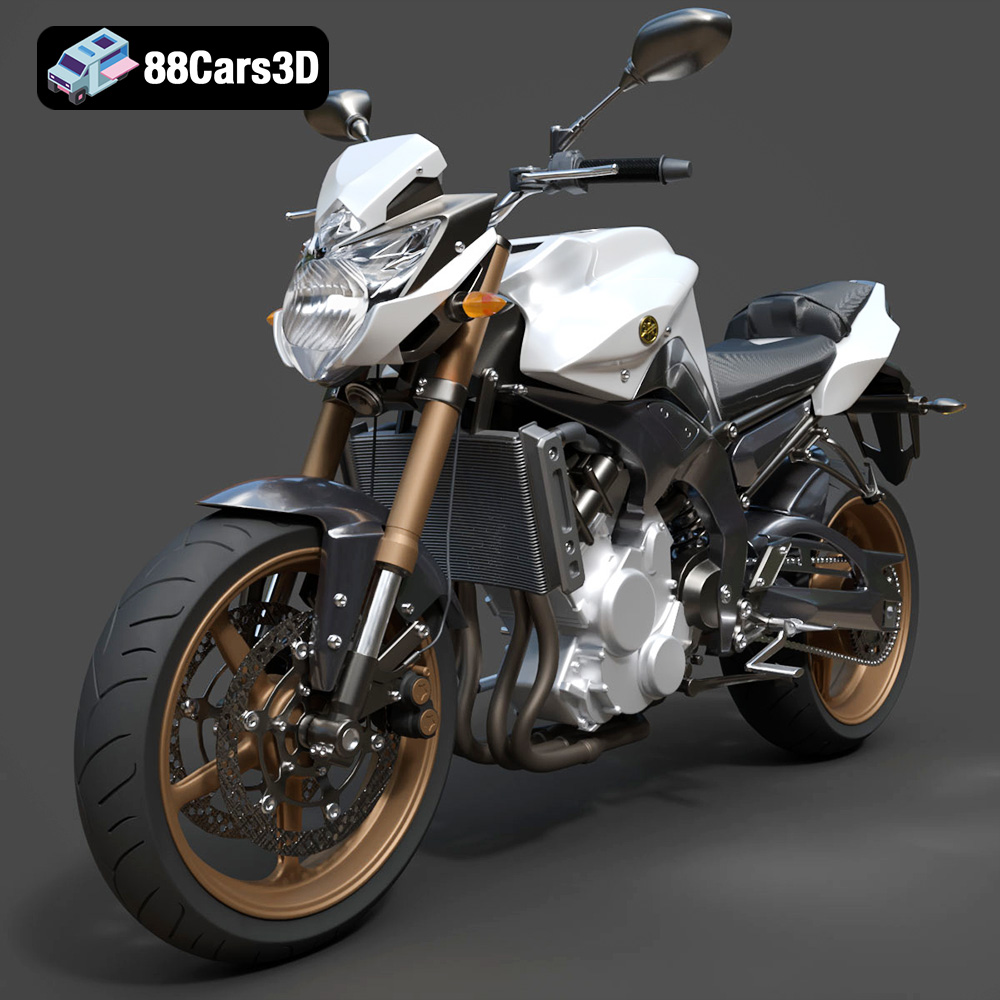
Yamaha FZ8 2011 3D Model
Texture: Yes
Material: Yes
Download the Yamaha FZ8 2011 3D Model featuring clean geometry, realistic detailing, and a fully modeled interior. Includes .blend, .fbx, .obj, .glb, .stl, .ply, .unreal, and .max formats for rendering, simulation, and game development.
Price: $19.99
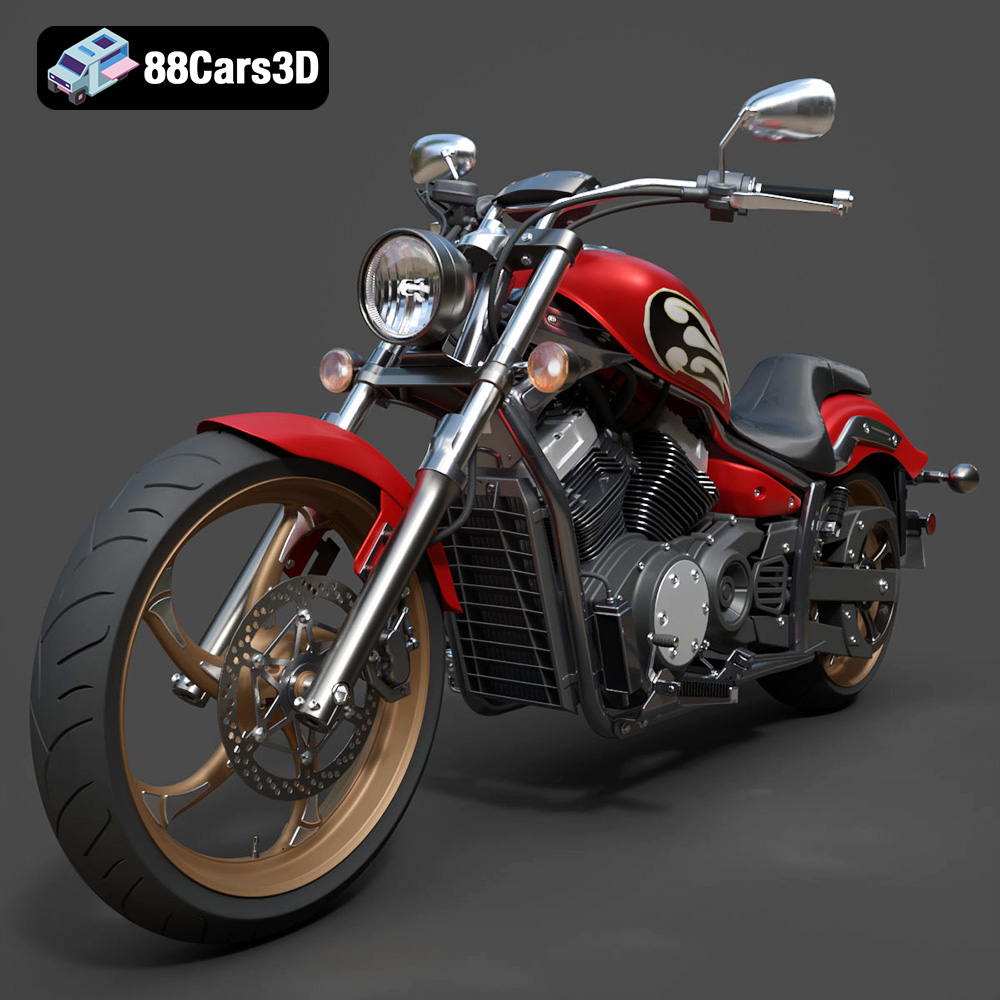
Yamaha Stryker 2012 3D Model
Texture: Yes
Material: Yes
Download the Yamaha Stryker 2012 3D Model featuring clean geometry, realistic detailing, and a fully modeled interior. Includes .blend, .fbx, .obj, .glb, .stl, .ply, .unreal, and .max formats for rendering, simulation, and game development.
Price: $19.99
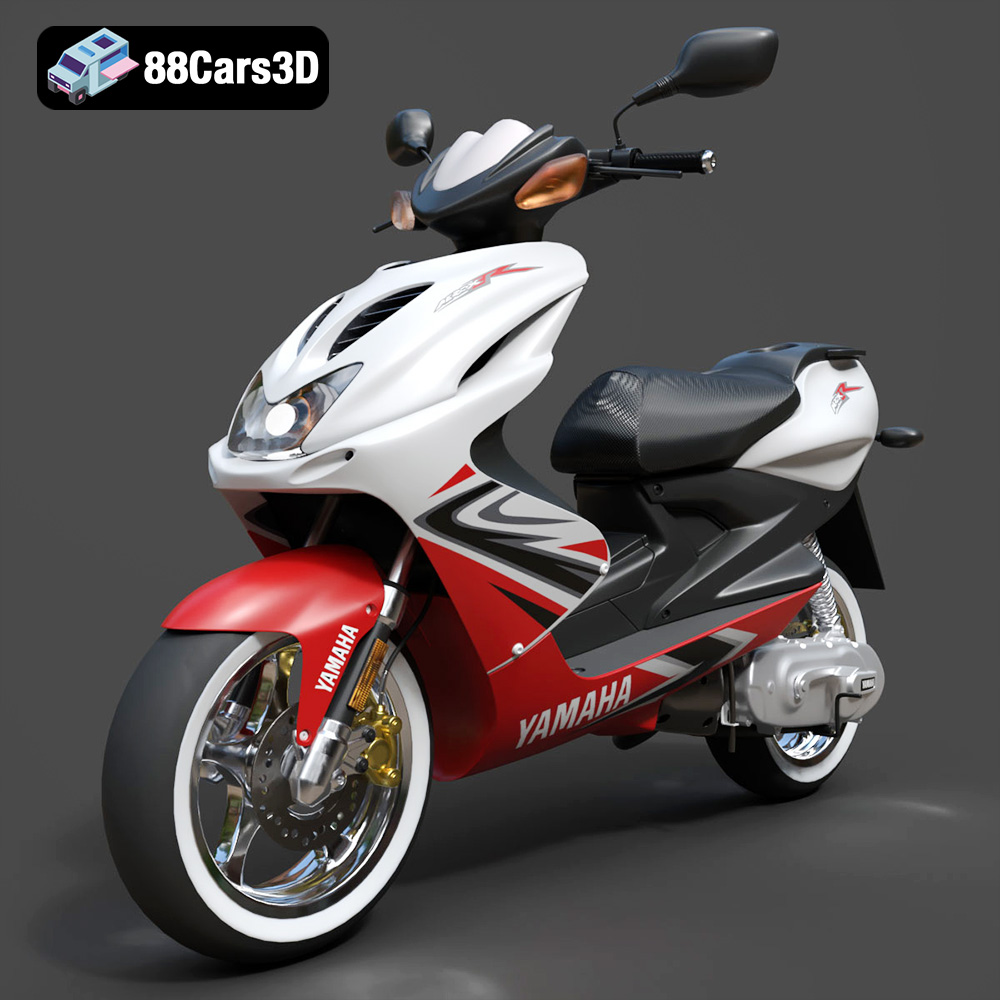
Yamaha Aerox R-002 2024 3D Model
Texture: Yes
Material: Yes
Download the Yamaha Aerox R-002 2024 3D Model featuring clean geometry, realistic detailing, and a fully modeled interior. Includes .blend, .fbx, .obj, .glb, .stl, .ply, .unreal, and .max formats for rendering, simulation, and game development.
Price: $19.99
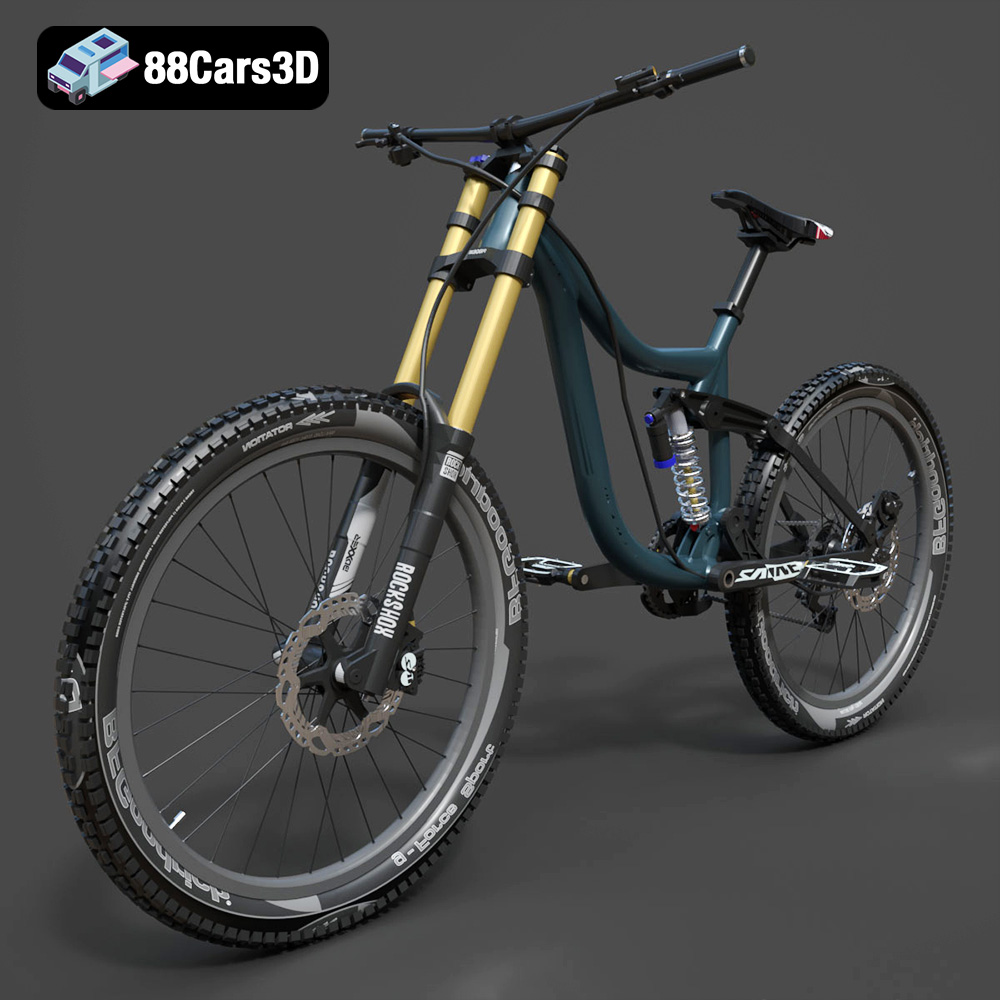
Mototsikly Downhill Bike-002 3D Model
Texture: Yes
Material: Yes
Download the Mototsikly Downhill Bike-002 3D Model featuring clean geometry, realistic detailing, and precise mechanical components. Includes .blend, .fbx, .obj, .glb, .stl, .ply, .unreal, and .max formats for rendering, simulation, and game development.
Price: $19.99
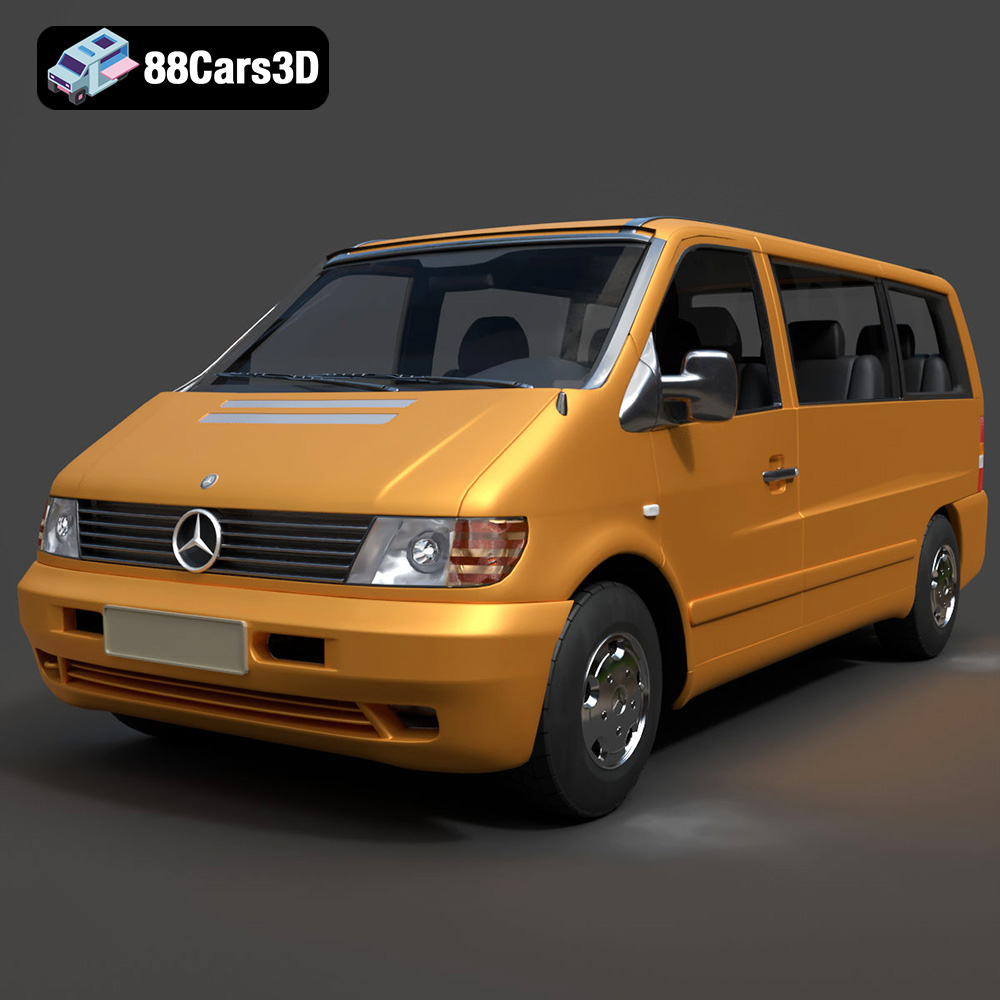
Mercedes-Benz Vito Passenger Van 3D Model
Texture: Yes
Material: Yes
Download the Mercedes-Benz Vito Passenger Van 3D Model featuring clean geometry, realistic detailing, and a fully modeled interior. Includes .blend, .fbx, .obj, .glb, .stl, .ply, .unreal, and .max formats for rendering, simulation, and game development.
Price: $19.99

Mercedes-Benz Viano 2010 3D Model
Texture: Yes
Material: Yes
Download the Mercedes-Benz Viano 2010 3D Model featuring clean geometry, realistic detailing, and a fully modeled interior. Includes .blend, .fbx, .obj, .glb, .stl, .ply, .unreal, and .max formats for rendering, simulation, and game development.
Price: $19.99

Emt Avtobus 007 3D Model
Texture: Yes
Material: Yes
Download the Emt Avtobus 007 3D Model featuring clean geometry, realistic detailing, and a fully modeled interior. Includes .blend, .fbx, .obj, .glb, .stl, .ply, .unreal, and .max formats for rendering, simulation, and game development.
Price: $19.99
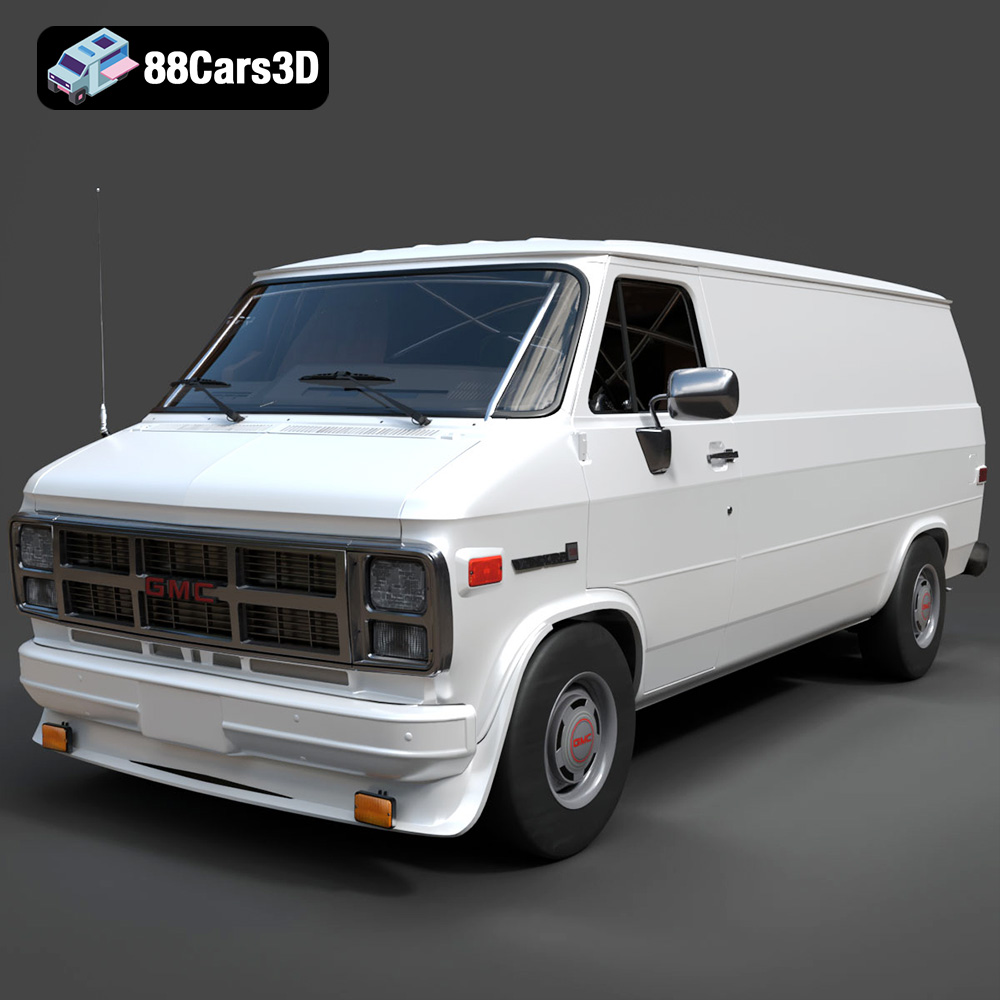
GMC Vandura G-1500 1983 3D Model
Texture: Yes
Material: Yes
Download the GMC Vandura G-1500 1983 3D Model featuring clean geometry, realistic detailing, and a fully modeled interior. Includes .blend, .fbx, .obj, .glb, .stl, .ply, .unreal, and .max formats for rendering, simulation, and game development.
Price: $19.99

Ford Ambulance AmServ LTD Dusan-002 3D Model
Texture: Yes
Material: Yes
Download the Ford Ambulance AmServ LTD Dusan-002 3D Model featuring a high-detail exterior and interior, realistic textures, and emergency lighting. Includes .blend, .fbx, .obj, .glb, .stl, .ply, .unreal, and .max formats for rendering, simulation, and game development.
Price: $19.99
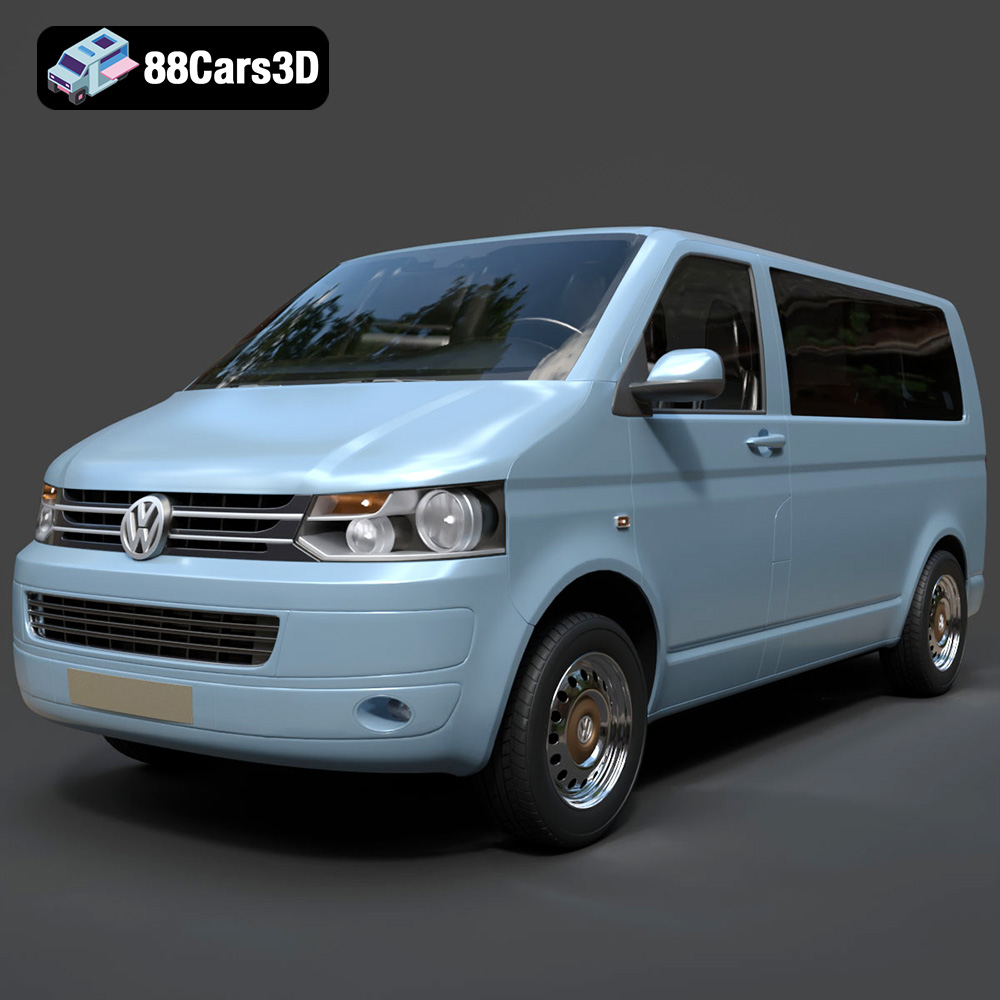
Volkswagen Transporter T5 FL 2010 3D Model
Texture: Yes
Material: Yes
Download the Volkswagen Transporter T5 FL 2010 3D Model featuring clean geometry, realistic detailing, and a fully modeled interior. Includes .blend, .fbx, .obj, .glb, .stl, .ply, .unreal, and .max formats for rendering, simulation, and game development.
Price: $22.99
