

Mastering High-Fidelity Automotive Visuals: A Deep Dive into Texture Streaming and Virtual Texturing in Unreal Engine
The quest for photorealism in real-time experiences has never been more intense, especially within the demanding realm of automotive visualization. Modern 3D car models, designed for the ultimate visual fidelity, often push the boundaries with intricate details, complex materials, and incredibly high-resolution textures. From the microscopic flakes in metallic paint to the nuanced wear on tire treads and the luxurious stitching of interior upholstery, every detail contributes to an immersive experience. However, this pursuit of perfection introduces a significant challenge: how to manage the vast memory footprint and rendering overhead associated with these enormous texture assets while maintaining fluid performance in Unreal Engine.
This is where Unreal Engine’s advanced texture management systems – Texture Streaming and Virtual Texturing – become indispensable. These powerful technologies are engineered to intelligently handle massive amounts of texture data, ensuring that your automotive projects look stunning without bogging down your hardware. Whether you’re building interactive configurators, developing cutting-edge games, creating virtual production environments, or designing immersive AR/VR experiences, understanding and leveraging these features is paramount. In this comprehensive guide, we’ll unravel the intricacies of Texture Streaming and Virtual Texturing, demonstrating how to integrate them effectively with your high-fidelity 3D car models from platforms like 88cars3d.com to achieve unparalleled visual quality and optimal performance in Unreal Engine. Get ready to transform your automotive visualization workflow.
The Foundation: Understanding Texture Streaming in Unreal Engine
Texture Streaming is Unreal Engine’s primary mechanism for efficiently managing texture memory. At its core, it’s a dynamic system that loads and unloads different mipmap levels of textures based on their visibility, distance from the camera, and screen space size. Instead of loading an entire texture at its highest resolution (e.g., 8K) into memory all at once, Texture Streaming ensures that only the necessary mip levels are present at any given time. For instance, a texture on a car door that’s far away might only need a 512×512 mip level, while the same texture up close would utilize its full 8K resolution. This intelligent approach prevents your project from quickly running out of GPU memory, a critical concern when dealing with numerous high-resolution textures often found on detailed 3D car models, such as intricate paint layers, carbon fiber weaves, or high-detail interior fabrics. Without efficient streaming, even a modest scene with several high-quality vehicles could easily exceed available memory, leading to crashes or severe performance degradation.
The system relies on a texture pool, a designated chunk of GPU memory. When a texture needs higher resolution mipmaps, they are loaded into this pool; when lower resolution mipmaps suffice, higher ones are evicted to free up space. This constant, dynamic management is crucial for maintaining real-time frame rates and visual fidelity.
Configuration and Controls for Texture Streaming
Unreal Engine provides extensive control over how Texture Streaming operates, both globally and on a per-texture basis. Globally, the texture streaming pool size can be adjusted via console commands or project settings. The `r.Streaming.PoolSize` console variable, for example, allows you to define the maximum memory (in MB) that the texture streamer can use. While increasing this can reduce blurry textures, setting it too high might starve other GPU resources. Experimentation is key to finding the right balance for your specific project and target hardware.
On an individual texture level, you can fine-tune streaming behavior within the Texture Editor. The “Never Stream” option can be used for small, critical UI elements or textures that must always be crisp, but it should be used sparingly for large automotive assets. The “LOD Bias” setting is particularly useful; increasing the LOD Bias forces the streamer to load lower resolution mipmaps by default, saving memory. This is excellent for textures on parts of a car model that are rarely seen up close, such as underbody components or distant environment textures in a driving simulator. Furthermore, ensuring your texture’s “Mip Gen Settings” are configured appropriately (e.g., sharpening or blur) affects the quality of generated mipmaps, which directly impacts the streamed output. Proper UV mapping is also paramount: stretched or overlapping UVs can lead to inefficient streaming, as the engine might load higher resolution textures for a smaller screen area than necessary.
Common Challenges and Troubleshooting
Despite its benefits, Texture Streaming can sometimes introduce visual artifacts if not managed correctly. The most common issue is blurry textures, often seen when the camera quickly approaches an object. This typically occurs because the texture streamer hasn’t had enough time to load the higher resolution mipmaps into the pool, or the streaming pool size is simply too small for the demands of the scene. To diagnose this, first try increasing `r.Streaming.PoolSize`. If the issue persists, check the “Min LOD” setting in the texture editor; if it’s too high, the engine might be preventing higher resolution mipmaps from loading.
Another cause could be incorrect “Screen Size” calculations, where the engine misjudges the on-screen size of a texture. This can be influenced by material complexities or unusual UV setups. Unreal Engine offers powerful debugging tools to help pinpoint these problems. The `stat streaming` console command provides real-time statistics on the streaming pool, including memory usage, pending requests, and missed loads. For a visual representation, `visualize texture streaming` overlays information directly onto your viewport, showing which textures are currently streamed and their requested mip levels, allowing you to quickly identify problematic assets. Understanding these tools is crucial for any Unreal Engine developer aiming to deliver polished automotive visualizations.
Beyond Streaming: Unlocking Detail with Virtual Texturing (VT)
While Texture Streaming efficiently manages individual texture mipmaps, Virtual Texturing (VT) takes a different, more powerful approach to detail management. Instead of focusing on discrete texture assets, VT treats an entire surface’s texture as one massive, virtually seamless texture. This system pages texture data on demand, decoupling the texture’s effective resolution from its actual memory footprint. Imagine having a single, colossal texture covering an entire car body, complete with bespoke decals, subtle scratches, and unique grime layers, all without the performance cost of a traditional texture map. This is the promise of Virtual Texturing.
The primary difference between VT and traditional Texture Streaming lies in their scope: Streaming handles the mipmaps of *each individual texture asset*, while VT manages *an entire surface’s texture stack* as a single, unified entity. VT dynamically streams the specific “pages” or regions of the virtual texture that are currently visible to the camera, and at the appropriate resolution. This makes it a game-changer for automotive models, where intricate details and unique surface variations are paramount. It virtually eliminates texture repetition over large surfaces, allowing for incredibly high-detail custom liveries, precise wear-and-tear projections, and unique non-tiling materials without the memory explosion that would occur with traditional texture assets. Unreal Engine primarily features two types of Virtual Texturing: Runtime Virtual Texturing (RVT) and Opaque Virtual Texturing (which is integrated with Nanite). While both are powerful, we’ll focus on RVT for general application flexibility.
Implementing Runtime Virtual Texturing (RVT) for Automotive Materials
Runtime Virtual Texturing (RVT) is Unreal Engine’s solution for projecting and blending texture data across multiple surfaces in real-time. Implementing RVT for automotive models unlocks a new level of environmental integration and unique detailing. The setup involves a few key steps: First, you’ll need an RVT Volume placed in your scene, which defines the bounds of the virtual texture. Second, you create an RVT Asset, which specifies the resolution and type of data (e.g., base color, normal, roughness) the virtual texture will store. Finally, you integrate RVT into your materials.
A common use case in automotive visualization is blending environmental elements onto a car model. Imagine a dusty track; using RVT, you can project the ground’s dust and grime onto the car’s body, tires, and undercarriage, making it appear seamlessly integrated into the scene. This is achieved by having the ground material “write” its texture data into the RVT. Then, the car’s material “reads” from the same RVT, using a special Material Function, and blends this projected dirt with its base material. This avoids the need for complex UV unwraps or unique dust textures for every car. RVT can also be used for projecting large-scale decals or subtle wear patterns across the entire vehicle without tiling, offering an unparalleled level of customizability and realism.
Performance Considerations and Best Practices for RVT
While RVT offers immense benefits, it’s crucial to understand its performance implications. RVT consumes GPU memory for its page table and the streamed texture pages themselves. The resolution of the RVT asset directly impacts this memory footprint; higher resolutions mean more pages and potentially higher memory usage. Similarly, the complexity of the materials writing to the RVT and the materials reading from it can influence shader instruction counts and draw calls.
To optimize RVT performance, consider the following best practices: limit RVT resolution to what’s strictly necessary for the visible detail. If your RVT is primarily for blending distant ground features, a lower resolution might suffice. Be selective about which materials write to the RVT; unnecessary writes can add overhead. Also, simplify the material logic within your RVT outputs as much as possible, as these calculations run every time a page is updated. For automotive assets, strategically use RVT for large-scale effects like environmental blending or large decals, while relying on traditional PBR textures and streaming for core material details like specific paint layers or interior fabrics. This hybrid approach ensures you leverage the strengths of both systems for maximum visual impact and performance.
Integrating Texture Management with High-Fidelity Automotive Assets
The effectiveness of Unreal Engine’s texture management systems is intrinsically linked to the quality and preparation of your 3D assets. High-fidelity 3D car models, especially those sourced from professional marketplaces like 88cars3d.com, are built with clean topology, optimized UVs, and PBR-ready materials – all foundational elements that enable efficient texture streaming and virtual texturing. Without these fundamentals, even the most advanced texture technologies can struggle to deliver optimal results. When sourcing automotive assets from marketplaces such as 88cars3d.com, you benefit from models engineered to integrate seamlessly into Unreal Engine’s advanced workflows, ensuring that their high-resolution textures can be streamed and virtualized with maximum efficiency.
Importing these assets into Unreal Engine is typically straightforward using formats like FBX, which supports meshes, materials, and skeletal animations. Emerging formats like USD (Universal Scene Description) and USDZ are also gaining traction, offering robust pipelines for complex scene descriptions, including rich material definitions, which will further enhance how textures are managed across different DCC applications and real-time engines. Proper asset preparation extends beyond just the model; it includes careful consideration of texture resolutions, mipmap settings, and the overall PBR material setup within Unreal Engine.
PBR Materials and Texture Resolutions for Automotive Excellence
The physically based rendering (PBR) pipeline is the cornerstone of realism in Unreal Engine. For automotive visualization, PBR materials require a suite of texture maps: Albedo (Base Color), Normal, Roughness, Metallic, and Ambient Occlusion (AO) are standard. Each of these maps, especially for high-detail areas like a car’s dashboard or intricate wheel spokes, can demand resolutions of 2K, 4K, or even 8K to capture subtle imperfections and material properties.
This is where Texture Streaming truly shines. An 8K texture, for example, is massive in memory, but with streaming, only the relevant mip levels are loaded. You might have an 8K Albedo map for the car’s main body, a 4K Normal map for intricate panel lines, and 2K maps for less critical details. Streaming intelligently manages these, ensuring that distant vehicles don’t consume memory for an 8K Albedo that would be imperceptible. When creating complex car paint materials – which often involve multiple layers like a base color, a clear coat, metallic flakes, and potentially subsurface scattering for pearlescent effects – each layer can have its own texture maps. Managing these layers efficiently with intelligent texture resolution choices and streaming settings is crucial. For comprehensive guidance on setting up PBR materials and leveraging Unreal Engine’s Material Editor, refer to the official Unreal Engine documentation at https://dev.epicgames.com/community/unreal-engine/learning.
Nanite and Virtual Texturing: A Symbiotic Relationship
Unreal Engine 5 introduced Nanite, a virtualized geometry system that revolutionizes how high-polygon meshes are rendered. Nanite allows artists to import film-quality assets with millions or even billions of polygons directly into Unreal Engine without manual LOD creation or significant performance penalties. For extremely detailed automotive models, such as highly accurate engine bays with every bolt modeled, or intricate interior components like dashboard instrumentation, Nanite is a game-changer.
Crucially, Nanite works hand-in-hand with an integrated form of Virtual Texturing, specifically Opaque Virtual Texturing. While Nanite efficiently handles the geometric complexity, it’s this accompanying Virtual Texturing system that manages the texture data for those extremely dense meshes. Instead of individual textures being streamed, Nanite’s Virtual Texturing system intelligently pages the texture data needed for the visible surfaces, much like Runtime Virtual Texturing, but tightly coupled with the geometric virtualization. This symbiotic relationship ensures that both the geometric and textural fidelity of extremely high-poly automotive assets are maintained at runtime, regardless of distance, without overloading memory or straining the rendering pipeline. It means you can have a car model with every visible screw and seam perfectly textured, and Unreal Engine will handle the streaming of those details seamlessly.
Performance Optimization Strategies with Texture Streaming and VT
Achieving stunning visual fidelity in real-time automotive rendering is only half the battle; maintaining robust performance is equally critical. Unreal Engine’s texture management systems are powerful tools, but they require careful optimization to extract maximum efficiency. Balancing the visual demands of hyper-realistic 3D car models with the performance constraints of various hardware platforms is a continuous process that involves strategic adjustments to both global and per-asset settings.
Fine-tuning Texture Streaming Settings
Optimizing texture streaming begins with intelligent settings. While auto-streaming is the default, there are scenarios where manual control is beneficial. For textures that are always visible and relatively small, like dashboard display screens, setting them to “Never Stream” can ensure they are always crisp without much memory impact. Conversely, critical textures like car body paint might be set to “Always Stream” if their maximum mip level is small enough, though generally, auto-streaming handles these well.
The “LOD Bias” setting is your friend for memory optimization. Increasing the LOD Bias (e.g., from 0 to 1 or 2) tells the streamer to load lower resolution mipmaps by default. This is incredibly effective for textures on objects that are often distant or quickly passing by, such as the underside of a car, brake calipers, or complex engine parts that are only visible through grilles. It’s a quick win for reducing memory footprint without a noticeable visual degradation in many contexts. Beyond settings, consistent use of `stat streaming` and `visualize texture streaming` is paramount. Regularly profiling your scene to identify textures consuming excessive memory or experiencing streaming hitches will guide your optimization efforts. Additionally, ensuring correct World Position Offset (WPO) in materials is vital; if WPO makes an object appear larger on screen than its bounding box suggests, the streamer might not request appropriate mip levels, leading to blurriness.
Optimizing Runtime Virtual Textures (RVT)
RVT, while powerful, can be a performance hog if not managed correctly. The key is to limit its scope and complexity. Begin by carefully selecting the resolution of your RVT asset. A higher resolution means more texture pages to manage and potentially higher memory usage. Only use the resolution necessary for the visual detail you need to convey. For subtle dust layers or general environmental blending, a lower resolution RVT can be highly effective.
Material complexity within an RVT also matters. Every calculation performed by a material writing to or reading from an RVT contributes to its cost. Simplify material logic as much as possible, especially for opaque virtual texture outputs. Avoid unnecessary calculations or excessively complex nodes that don’t add significant visual fidelity to the virtual texture. Consider blending RVT with traditional materials where appropriate. For example, use RVT for large-scale dirt projection, but rely on traditional PBR textures for the detailed, high-frequency elements of the car paint itself. This hybrid approach allows you to leverage RVT’s strengths without incurring its full cost across all details. Finally, ensure your UV mapping for objects that read from or write to RVT is efficient and non-overlapping, as this directly impacts how the virtual texture pages are generated and sampled.
Leveraging Other UE Features for Holistic Optimization
Texture streaming and virtual texturing are parts of a larger optimization ecosystem within Unreal Engine. Their efficiency is boosted by other UE features. Effective Level of Detail (LOD) management for meshes, for instance, directly aids texture streaming. As a mesh transitions to a lower LOD, its screen size effectively decreases, allowing the texture streamer to request lower resolution mipmaps, saving memory. Properly configured culling volumes and occlusion culling further reduce the number of visible objects and surfaces, which in turn reduces the texture data that needs to be streamed.
For large-scale automotive environments, such as expansive virtual showrooms or open-world test tracks, optimizing overall scene complexity is crucial. This includes efficient use of instanced meshes, smart light culling, and reducing overdraw. When the overall scene is lean, the texture streaming system has more headroom to perform its job effectively. Features like Nanite for geometry and Lumen for global illumination are also integral. While Nanite handles geometric complexity, its associated virtual texturing system works in tandem with the overall texture pipeline. Lumen, though primarily a lighting system, impacts performance, and optimizing texture usage frees up GPU resources that Lumen might otherwise compete for. A holistic approach to optimization, where all aspects of the scene are considered, ultimately leads to the best performance for high-fidelity automotive projects.
Advanced Applications in Automotive Visualization
The mastery of Texture Streaming and Virtual Texturing transcends basic memory management; it empowers the creation of highly advanced and interactive automotive visualization experiences. These technologies are not just about preventing crashes; they are about enabling new possibilities for detail, customization, and performance across diverse industry applications, from interactive configurators to cutting-edge virtual production.
Interactive Automotive Configurators
Interactive automotive configurators are a prime example of where Texture Streaming and Virtual Texturing prove invaluable. Users expect to swap paint colors, change interior trim, select different wheel finishes, and even apply custom decals – all in real-time, often with dozens or hundreds of options. Each of these options typically involves entirely new sets of high-resolution textures. Without intelligent texture management, loading all possible texture variations into memory simultaneously would be impossible.
Texture Streaming ensures that only the textures for the currently selected options are loaded at their appropriate mip levels. When a user changes the car’s paint color, the old paint textures are streamed out, and the new ones are streamed in, all seamlessly in the background. Virtual Texturing can take this a step further by allowing real-time projection of unique decals or custom liveries onto the car body. Instead of creating a unique set of body textures for every livery option, RVT can project the livery texture onto a standardized car material, drastically reducing asset creation time and memory footprint. Blueprint visual scripting, a core Unreal Engine feature, is typically used to drive the UI for these material swaps and customization logic, ensuring that the texture changes are initiated efficiently. This combination allows for rich, diverse configurators with minimal performance overhead.
Virtual Production and LED Wall Workflows
Virtual Production, particularly with LED volumes, demands extremely high-fidelity assets and textures. The LED walls themselves can be enormous, requiring background plates and virtual environments rendered at resolutions far exceeding typical game displays (e.g., 8K, 16K, or even higher per wall segment). For foreground elements like virtual vehicles interacting with the LED background, every detail must be perfect when viewed up close by the camera.
In these demanding scenarios, Texture Streaming and Virtual Texturing are absolutely critical. They manage the immense texture demands of these high-resolution environments and assets without running out of memory. Texture Streaming ensures that the relevant mip levels for the enormous background textures are loaded as the camera moves, providing crisp visuals across the entire LED wall. Virtual Texturing, especially when integrated with Nanite for high-poly virtual sets, guarantees that intricate details in the virtual environment and on 3D car models are rendered with pixel-perfect precision, even when zoomed in close. Maintaining consistent visual quality across these large displays, often with multiple render passes, would be unfeasible without these advanced texture management systems, which ensure the render farm or local machine can keep up with the data throughput.
AR/VR Optimization for Automotive Design Reviews
Augmented Reality (AR) and Virtual Reality (VR) applications for automotive design reviews present a unique set of challenges. Stereo rendering doubles the rendering workload, and the need for high refresh rates (90Hz or more) and low latency to prevent motion sickness demands extreme performance efficiency. Yet, designers still require the full fidelity of their 3D car models, with every material and texture appearing as intended.
Texture Streaming is a lifeline for AR/VR performance. By only loading the necessary mip levels, it significantly reduces the memory footprint and GPU bandwidth required, helping maintain crucial frame rates. In AR/VR, every frame matters, and texture streaming prevents expensive memory overloads. Strategic use of Virtual Texturing can further optimize specific high-detail elements. For instance, an RVT might be used to project a detailed car paint shader with dynamic wear onto a complex body shape, minimizing the need for multiple, high-resolution unique texture maps. Optimizing `r.EyeBuffer.ResolutionScale` is also important in AR/VR, as it directly affects the screen space size of textures, which the streamer uses to determine mip levels. By carefully balancing visual fidelity with performance through intelligent texture management, Unreal Engine allows automotive designers to conduct immersive and visually accurate design reviews in AR/VR environments without sacrificing user experience.
Conclusion
In the dynamic world of real-time automotive visualization, the pursuit of hyper-realism is a continuous journey. As 3D car models become increasingly intricate and demanding, with high-resolution textures covering every surface, efficient asset management is no longer a luxury – it’s a necessity. Unreal Engine’s advanced texture management systems, Texture Streaming and Virtual Texturing, stand as indispensable pillars in this endeavor.
We’ve explored how Texture Streaming intelligently loads and unloads mipmaps, ensuring optimal memory usage and smooth performance for individual high-resolution textures on your vehicles. We then delved into Virtual Texturing, a transformative technology that unifies surface textures into massive virtual maps, unlocking unprecedented detail for unique decals, environmental blending, and seamless integration with Nanite’s virtualized geometry. By understanding their core principles, mastering their configuration, and applying strategic optimization techniques, you gain the power to create breathtaking automotive experiences without compromising on performance.
From crafting interactive configurators to powering the high-stakes demands of virtual production and optimizing for the unique constraints of AR/VR, these texture technologies empower you to push the boundaries of visual fidelity. The journey to mastering high-fidelity automotive visuals in Unreal Engine is an exciting one, requiring both technical acumen and an artistic eye. For those looking to jumpstart their projects with pre-optimized assets, marketplaces like 88cars3d.com offer an excellent array of high-quality 3D car models engineered for Unreal Engine’s advanced rendering pipeline, allowing artists and developers to focus on creative implementation rather than fundamental optimization. Dive in, experiment, and leverage these powerful tools to bring your automotive visions to life with unparalleled realism and performance.
Featured 3D Car Models
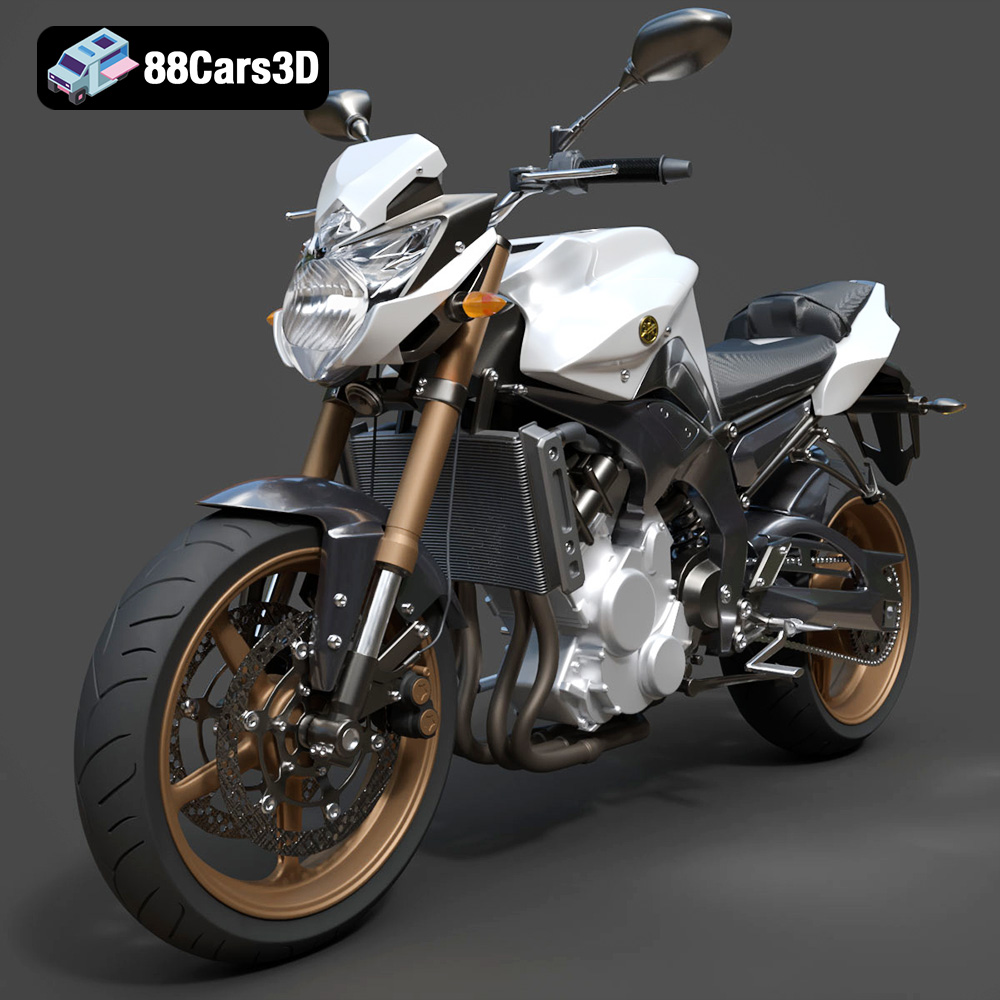
Yamaha FZ8 2011 3D Model
Texture: Yes
Material: Yes
Download the Yamaha FZ8 2011 3D Model featuring clean geometry, realistic detailing, and a fully modeled interior. Includes .blend, .fbx, .obj, .glb, .stl, .ply, .unreal, and .max formats for rendering, simulation, and game development.
Price: $19.99
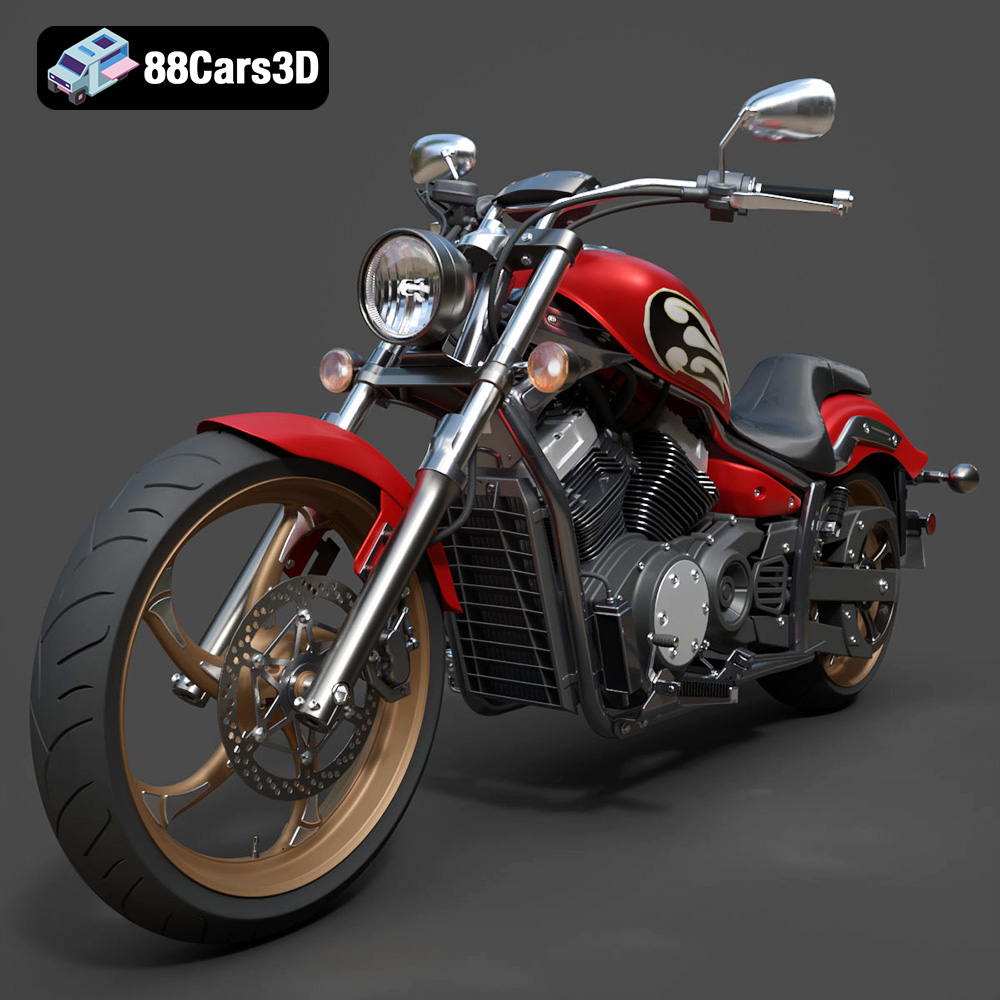
Yamaha Stryker 2012 3D Model
Texture: Yes
Material: Yes
Download the Yamaha Stryker 2012 3D Model featuring clean geometry, realistic detailing, and a fully modeled interior. Includes .blend, .fbx, .obj, .glb, .stl, .ply, .unreal, and .max formats for rendering, simulation, and game development.
Price: $19.99
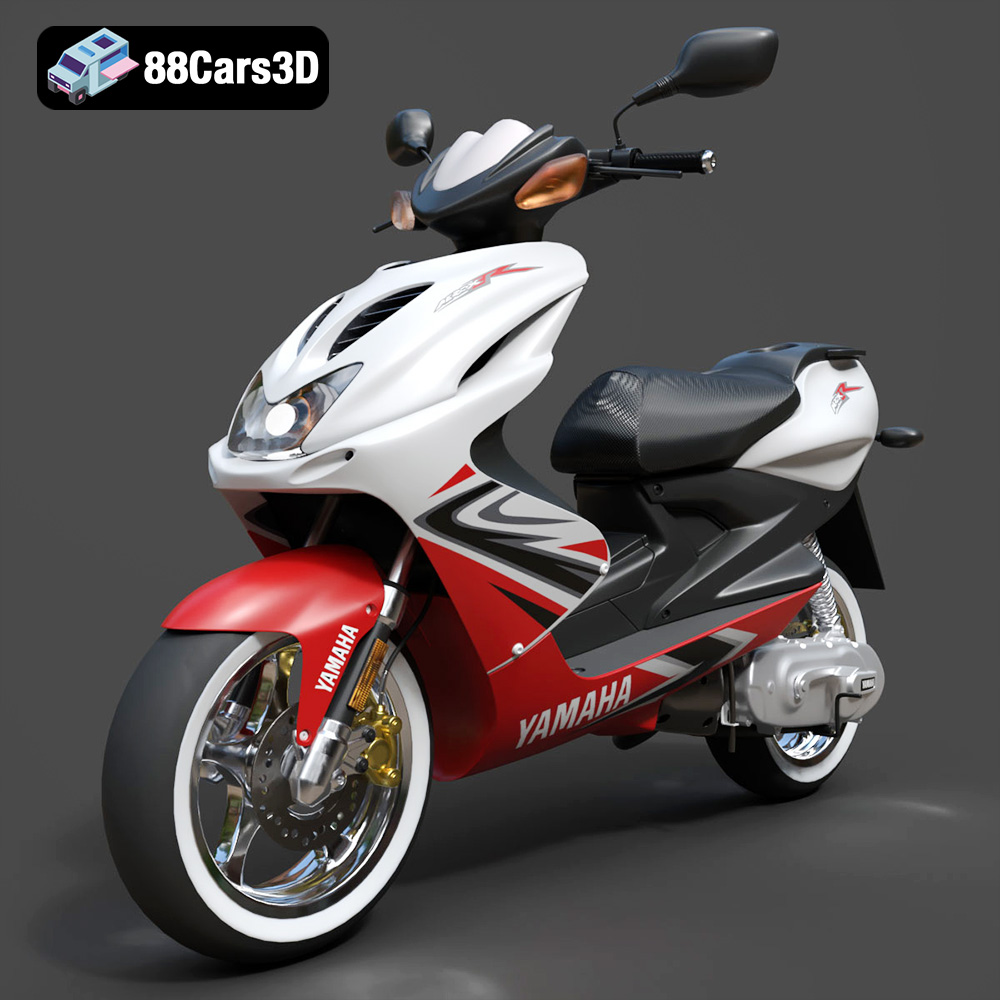
Yamaha Aerox R-002 2024 3D Model
Texture: Yes
Material: Yes
Download the Yamaha Aerox R-002 2024 3D Model featuring clean geometry, realistic detailing, and a fully modeled interior. Includes .blend, .fbx, .obj, .glb, .stl, .ply, .unreal, and .max formats for rendering, simulation, and game development.
Price: $19.99
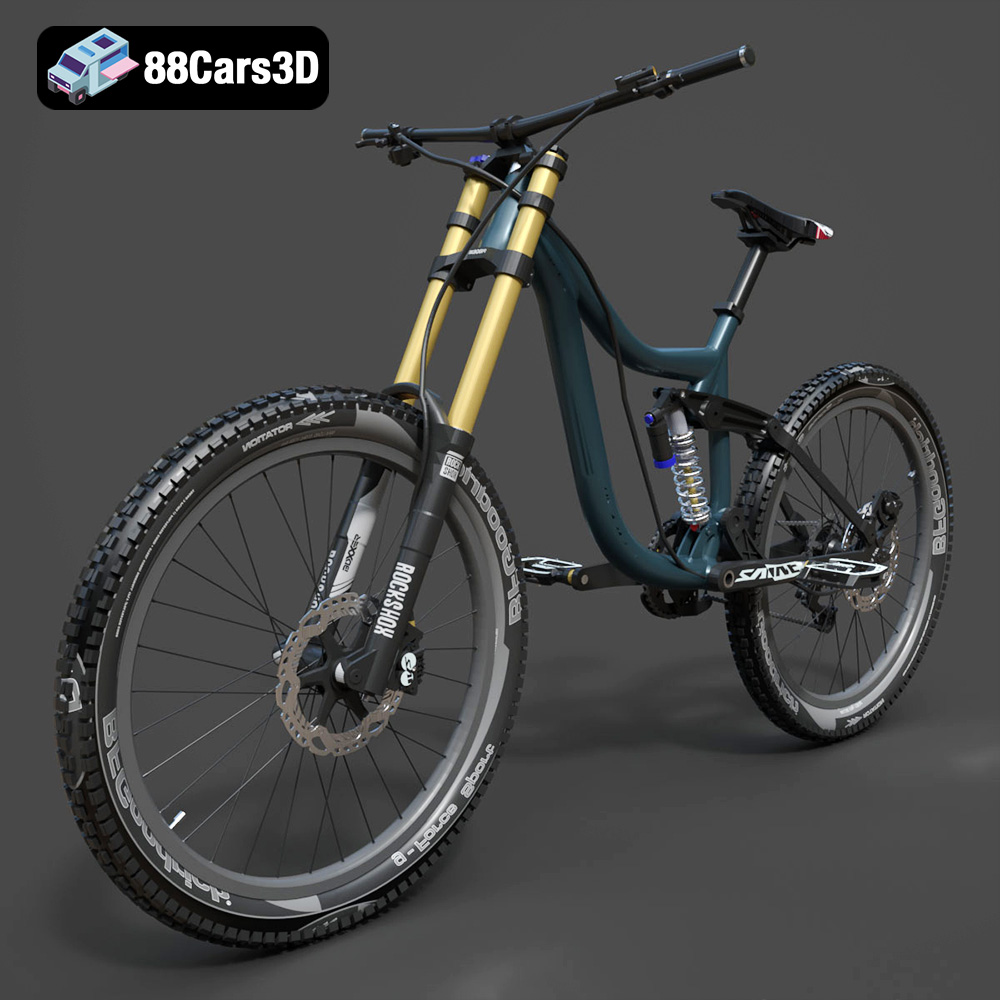
Mototsikly Downhill Bike-002 3D Model
Texture: Yes
Material: Yes
Download the Mototsikly Downhill Bike-002 3D Model featuring clean geometry, realistic detailing, and precise mechanical components. Includes .blend, .fbx, .obj, .glb, .stl, .ply, .unreal, and .max formats for rendering, simulation, and game development.
Price: $19.99
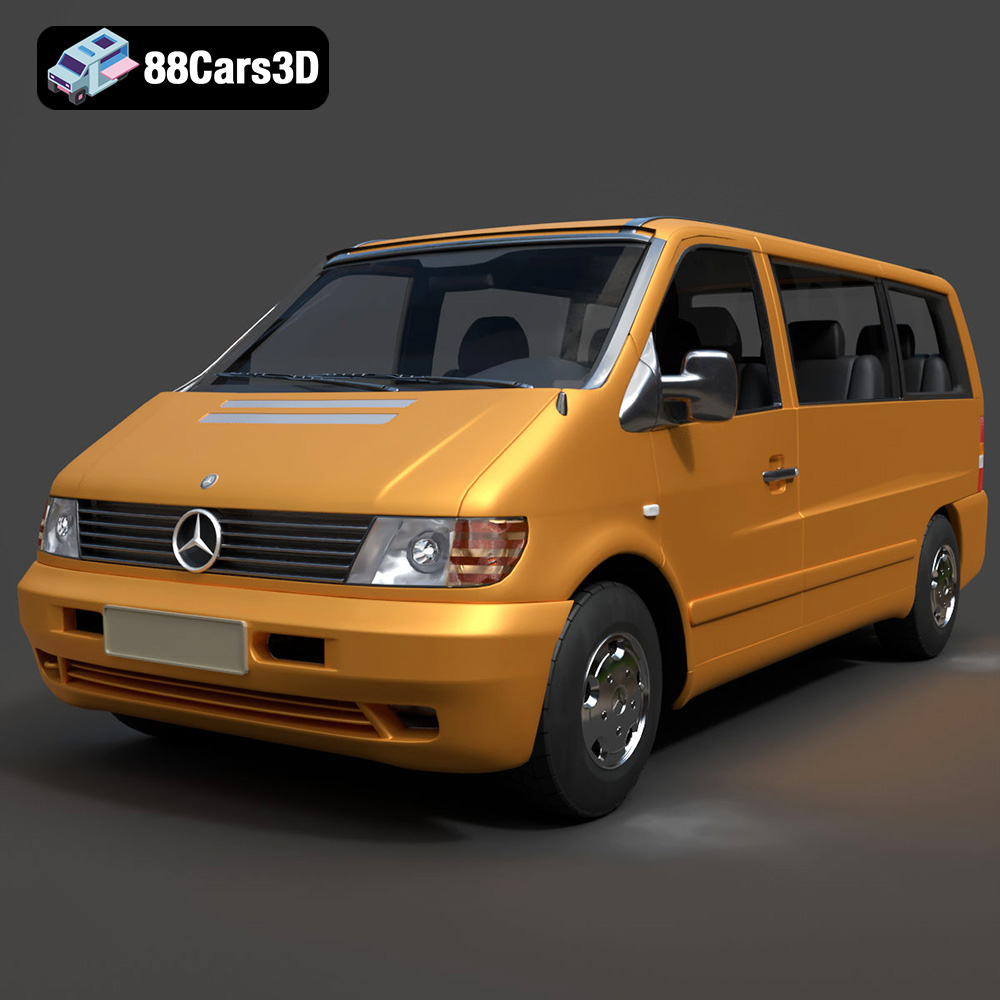
Mercedes-Benz Vito Passenger Van 3D Model
Texture: Yes
Material: Yes
Download the Mercedes-Benz Vito Passenger Van 3D Model featuring clean geometry, realistic detailing, and a fully modeled interior. Includes .blend, .fbx, .obj, .glb, .stl, .ply, .unreal, and .max formats for rendering, simulation, and game development.
Price: $19.99
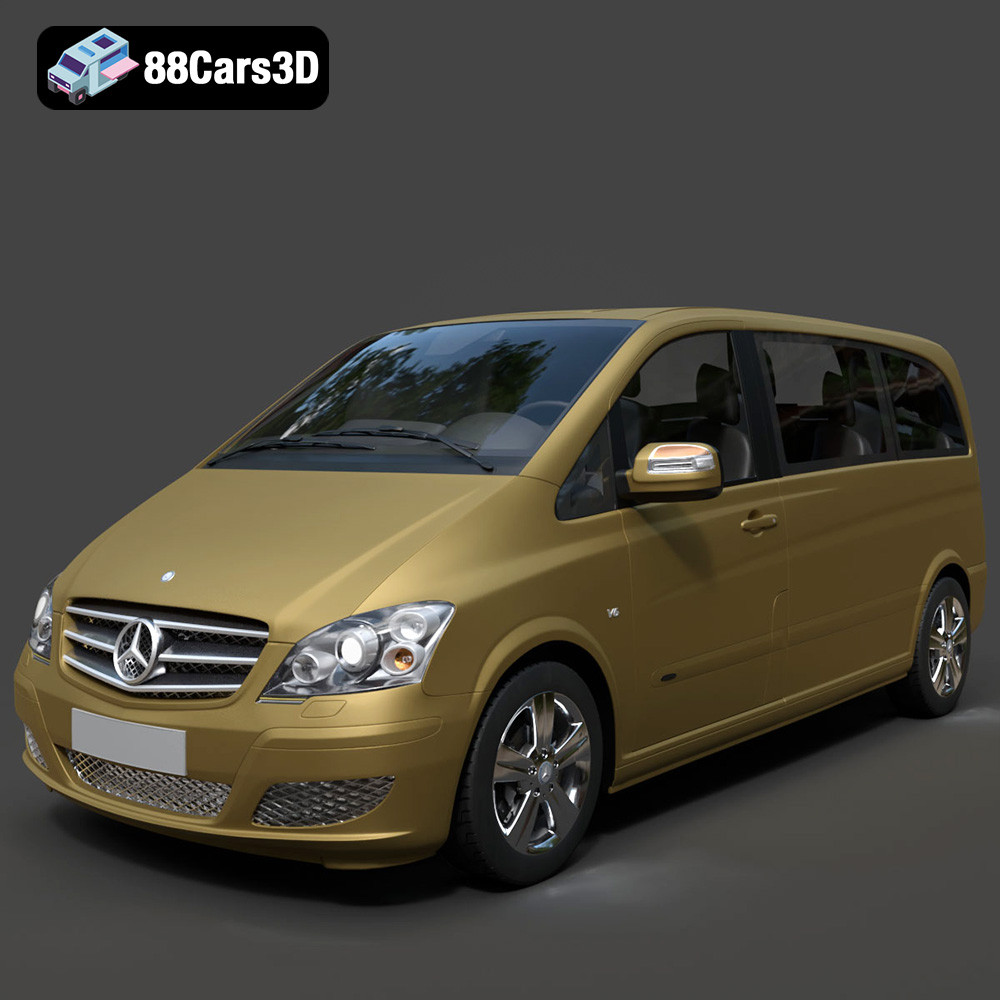
Mercedes-Benz Viano 2010 3D Model
Texture: Yes
Material: Yes
Download the Mercedes-Benz Viano 2010 3D Model featuring clean geometry, realistic detailing, and a fully modeled interior. Includes .blend, .fbx, .obj, .glb, .stl, .ply, .unreal, and .max formats for rendering, simulation, and game development.
Price: $19.99

Emt Avtobus 007 3D Model
Texture: Yes
Material: Yes
Download the Emt Avtobus 007 3D Model featuring clean geometry, realistic detailing, and a fully modeled interior. Includes .blend, .fbx, .obj, .glb, .stl, .ply, .unreal, and .max formats for rendering, simulation, and game development.
Price: $19.99
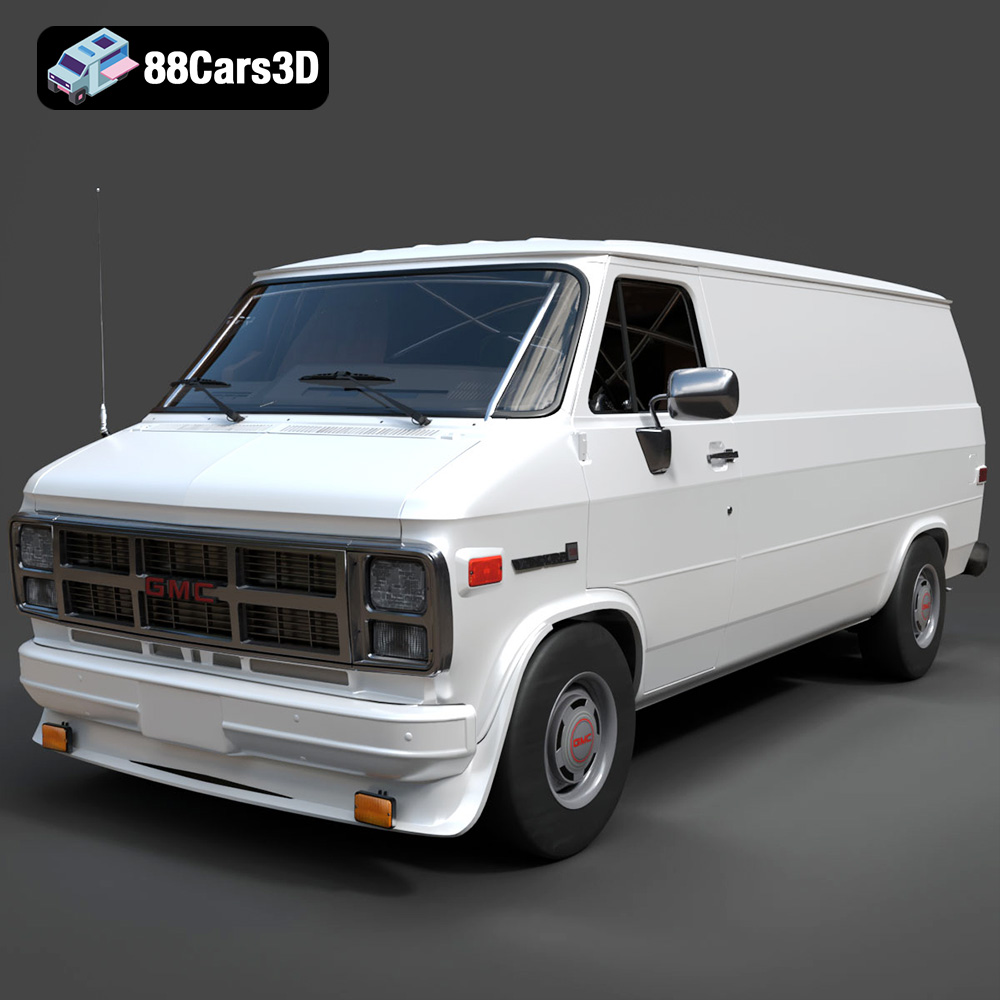
GMC Vandura G-1500 1983 3D Model
Texture: Yes
Material: Yes
Download the GMC Vandura G-1500 1983 3D Model featuring clean geometry, realistic detailing, and a fully modeled interior. Includes .blend, .fbx, .obj, .glb, .stl, .ply, .unreal, and .max formats for rendering, simulation, and game development.
Price: $19.99

Ford Ambulance AmServ LTD Dusan-002 3D Model
Texture: Yes
Material: Yes
Download the Ford Ambulance AmServ LTD Dusan-002 3D Model featuring a high-detail exterior and interior, realistic textures, and emergency lighting. Includes .blend, .fbx, .obj, .glb, .stl, .ply, .unreal, and .max formats for rendering, simulation, and game development.
Price: $19.99
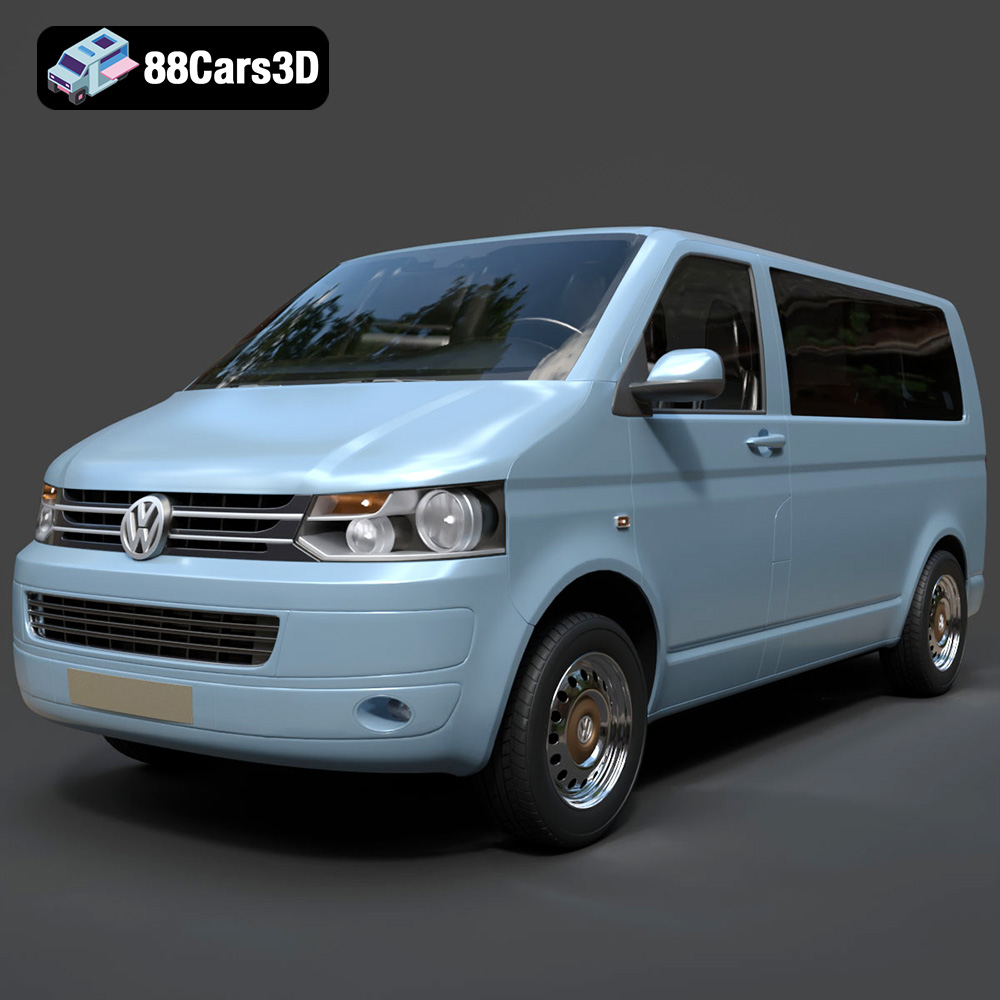
Volkswagen Transporter T5 FL 2010 3D Model
Texture: Yes
Material: Yes
Download the Volkswagen Transporter T5 FL 2010 3D Model featuring clean geometry, realistic detailing, and a fully modeled interior. Includes .blend, .fbx, .obj, .glb, .stl, .ply, .unreal, and .max formats for rendering, simulation, and game development.
Price: $22.99
