

“`html
Mastering the Print: A Comprehensive Guide to Preparing Your 3D Car Models for Flawless Execution
Welcome to the exciting world of 3D printing automotive scale models! The journey from a digital design to a tangible, detailed replica is incredibly rewarding. Whether you’re a seasoned maker or just dipping your toes into additive manufacturing, understanding the intricacies of 3D model preparation is paramount to achieving high-quality prints. This guide will demystify the process, taking you from understanding your STL files to the final moments before hitting ‘print’. We’ll cover everything from mesh integrity and slicing parameters to support strategies and material considerations, ensuring your next project, perhaps a stunning replica downloaded from 88cars3d.com, comes to life exactly as envisioned. Get ready to elevate your 3D printing game and produce automotive masterpieces!
Understanding Your 3D Model Files: The Foundation of a Great Print
The journey to a successful 3D print begins with the digital file itself. For 3D printable car models, the most common file format you’ll encounter is the STL file (STereoLithography). Understanding its structure is crucial for effective preparation. An STL file represents a 3D object’s surface geometry as a collection of triangular facets. Each triangle is defined by its three vertices and a normal vector, indicating the outward-facing direction. While seemingly simple, the quality of this mesh significantly impacts printability.
Mesh Topology and Manifold Geometry
A “manifold” or “watertight” mesh is essential for 3D printing. This means the model represents a single, continuous, and closed surface without holes, internal faces, or non-manifold edges (edges shared by more than two faces). Non-manifold geometry confuses the slicing software, leading to errors, gaps in the print, or failed prints altogether. Common issues include inverted normals (where the outward-facing vector points inward), holes in the surface, or overlapping faces. Software like Meshmixer, Blender, or Netfabb are invaluable tools for diagnosing and repairing these issues. For instance, in Meshmixer, the “Make Solid” and “Analyze Manifold/Non-Manifold” tools can automatically repair many common problems. Even models from reputable sources like 88cars3d.com, designed for printability, can occasionally benefit from a quick check, especially if you plan extensive modifications.
File Formats Beyond STL
While STL is ubiquitous, you might also encounter other formats like OBJ or FBX. OBJ files can store color and texture information, which is less relevant for standard FDM or resin prints but can be useful for multi-material printing or rendering. FBX is a more complex format often used in animation and game development, which may require conversion to STL for most 3D printers. For most printable car models, sticking to STL is the safest bet. If you download a model in another format, ensure it’s watertight and convert it to STL using your preferred 3D modeling software.
Slicing Software: Translating Your Model into Printer Instructions
Once you have a clean, watertight 3D model, the next step is to ‘slice’ it. Slicing software, also known as slicers, takes your 3D model and divides it into hundreds or thousands of horizontal layers. It then generates the toolpath instructions (G-code) that your 3D printer follows to build the object layer by layer. Popular slicers include Ultimaker Cura, PrusaSlicer, and Simplify3D. Each offers a robust set of parameters that allow you to fine-tune print quality, speed, and material usage.
Key Slicing Parameters for Automotive Models
Achieving the fine details characteristic of car models requires careful adjustment of slicing parameters. Consider these:
- Layer Height: This is arguably the most critical setting for detail. A lower layer height (e.g., 0.08mm to 0.12mm for resin, 0.1mm to 0.15mm for FDM) results in finer resolution and smoother curves, capturing the sleek lines of a car body. However, it significantly increases print time. Higher layer heights (e.g., 0.2mm to 0.3mm) are faster but will show more visible layer lines.
- Wall Thickness/Line Count: For structural integrity and to ensure thin details print correctly, use at least 2-3 walls or a wall thickness of 1.0mm to 1.2mm for FDM prints. This prevents “ghosting” or incomplete perimeters.
- Print Speed: Slower speeds generally yield better quality. For outer walls, consider speeds between 30-50 mm/s to allow for precise extrusion and adhesion. Inner walls and infill can be printed slightly faster (50-80 mm/s).
- Temperatures: Nozzle temperature (for FDM) should be optimized for your specific filament brand and type (e.g., 200-220°C for PLA, 230-250°C for PETG/ABS). Bed temperature (e.g., 50-60°C for PLA, 70-80°C for PETG/ABS) is crucial for adhesion. Resin printers require specific temperature ranges for the resin itself, often around 20-25°C.
Optimizing for FDM vs. Resin Printing
The slicing strategy differs significantly between Fused Deposition Modeling (FDM) and resin printing (SLA/DLP/MSLA).
- FDM: Focus on layer height, print speed, cooling, and retraction settings to manage overhangs and stringing. Supports are often more critical due to the nature of filament extrusion. Materials like PLA, PETG, and ABS are common choices, each with its own printing characteristics.
- Resin: Layer height is key for detail, but also consider exposure times (how long each layer is cured by UV light), lift speeds (how fast the build plate moves up and down), and the orientation of the model to minimize suction forces on the FEP film. Resin prints often have finer details but can be more brittle and require more post-processing (washing and curing).
When downloading models from platforms like 88cars3d.com, check if they specify recommended settings for either FDM or resin printing, as this can be a great starting point.
Support Structures: The Unsung Heroes of Complex Prints
Automotive models are rarely simple blocks; they feature complex curves, overhangs, and intricate details like spoilers, mirrors, and undercarriages. These elements often extend horizontally or at angles that gravity would pull downwards during printing, requiring support structures. Supports are temporary scaffolding built by the printer to hold these overhanging parts until they solidify. Properly generated and placed supports are vital for a successful print, preventing drooping, collapsing, or failed layers.
Types of Supports and Generation Strategies
Most slicers offer various support types:
- Standard/Grid Supports: Simple, vertical structures that form a grid pattern. Good for general use.
- Tree/Branching Supports: These organic-looking supports branch out to touch only the necessary points of the model. They often use less material, are easier to remove, and can reduce scarring on the model’s surface. Cura’s experimental “Tree” supports and PrusaSlicer’s “Tree” supports are excellent options.
- Support Interfaces: A denser layer or pattern printed just below the overhanging model surface. This creates a smoother surface finish where the supports attach and makes them easier to break away.
When using models from marketplaces such as 88cars3d.com, always check the model description for any advice on support placement. Sometimes, designers orient models specifically to minimize the need for supports on critical surfaces. Manually placing supports in the slicer can offer the most control, allowing you to strategically add them only where absolutely necessary, avoiding delicate features.
Support Removal and Post-Processing
Removing supports can be a delicate operation, especially on detailed models.
- Techniques: Use flush cutters, hobby knives, or pliers to carefully detach supports. For FDM, a slightly higher Z-distance between the support and the model (e.g., 0.2mm to 0.3mm) can make removal easier. For resin prints, supports are often thinner and can sometimes be snapped off cleanly after washing.
- Minimizing Damage: Always attempt to remove supports starting from the base or less visible areas. If scarring occurs, it can often be sanded down during post-processing. Utilizing support interfaces significantly reduces the surface roughness left behind.
- Troubleshooting: If supports are too weak and fail, increase their density or contact points. If they are impossible to remove without damaging the model, reduce their density or use a different support pattern.
Patience is key. Rushing support removal is a common cause of damage to otherwise perfect prints.
Print Orientation and Bed Adhesion: The First Layers Matter Most
How you orient your 3D model on the print bed and how well those first layers adhere are fundamental to the success of the entire print. The orientation affects print time, the need for supports, surface quality, and the strength of the final part. Bed adhesion ensures that the object remains firmly attached to the build plate throughout the printing process, preventing warping or detachment.
Strategic Model Orientation
For car models, orientation is a balancing act:
- Minimize Overhangs: Orient the model so that steep overhangs are minimized or positioned where supports are easily managed. Often, printing a car body upright is best for capturing details, but spoilers and wheel wells might require supports.
- Maximize Bed Contact: For stability, ensure a significant portion of the model’s base is flat against the build plate. This is especially important for taller models.
- Surface Quality: The side of the model facing the build plate often has the roughest surface finish (due to raft/brim or supports). Consider which surfaces are most visible and orient the model to place less critical areas against the bed.
- Detail Preservation: Delicate details like thin spoilers or antennas might be better oriented vertically or angled slightly to avoid being squashed by supports or the print head.
Experimentation is often necessary. For example, printing a car on its wheels might look natural, but printing it upside down or on its side could drastically reduce support needs and improve the finish on the visible body panels. 3D modeling software and slicers often provide tools to rotate and position your models precisely.
Achieving Robust Bed Adhesion
Poor bed adhesion is a frequent cause of print failure.
- Clean Build Surface: Always ensure your build plate is clean. For FDM, wipe it down with isopropyl alcohol (IPA) before every print. Fingerprints and oils can prevent adhesion.
- Leveling the Bed: A perfectly level bed is crucial. Most printers have auto-leveling features, but manual calibration might still be needed. The nozzle should be the correct distance from the bed across its entire surface (typically the thickness of a piece of paper).
- Adhesion Aids: For challenging materials or prints, consider adhesion aids like glue sticks (PVA-based), hairspray, or specialized build surface sheets (e.g., PEI, BuildTak).
- Brim or Raft: In your slicer settings, a brim (a single layer of extruded lines extending outwards from the model’s base) or a raft (a thicker, multi-layer base) can significantly improve adhesion. A brim is often sufficient for car models, providing extra surface area contact without being overly difficult to remove.
Material Selection and Printer Calibration: Optimizing for Quality and Durability
The choice of printing material and the calibration of your 3D printer are foundational to achieving high-quality, durable, and aesthetically pleasing automotive models. Different materials offer distinct properties, and a well-calibrated printer ensures consistent extrusion, accurate dimensions, and reliable performance.
Choosing the Right Filament or Resin
For car models, several materials stand out:
- PLA (Polylactic Acid): Easy to print, widely available, and comes in many colors. It’s relatively rigid but can be brittle and has a lower heat resistance. Excellent for display models.
- PETG (Polyethylene Terephthalate Glycol): More durable and temperature resistant than PLA, with good layer adhesion. It can be slightly stringier but offers a good balance of strength and ease of printing.
- ABS (Acrylonitrile Butadiene Styrene): Known for its toughness, impact resistance, and higher temperature resistance. However, it requires higher print temperatures, an enclosed printer to manage warping and fumes, and is more challenging to print successfully.
- Resin (SLA/DLP): Standard resins offer incredible detail, making them ideal for intricate car models. Engineering resins can provide improved strength and durability. Different resin types (e.g., ABS-like, Tough) cater to specific needs.
For detailed automotive models, especially those requiring fine features like grilles or emblems, resin printing often provides superior results due to its higher resolution capabilities. However, FDM printers with smaller nozzle sizes (e.g., 0.25mm) and careful settings can also produce impressive results with PLA or PETG.
Printer Calibration and Maintenance
A calibrated printer is essential for reliable results.
- E-step Calibration: Ensures your extruder pushes the correct amount of filament. This is done by commanding the printer to extrude a set amount (e.g., 100mm) and measuring the actual amount extruded, adjusting the E-steps value in the printer’s firmware accordingly.
- Temperature Towers and Retraction Tests: Print these calibration models to find the optimal nozzle temperature and retraction settings for your specific filament. This minimizes stringing and improves bridging performance.
- Flow Rate/Extrusion Multiplier: Fine-tune this setting (often in the slicer) to ensure accurate extrusion widths and prevent over- or under-extrusion, which can affect dimensional accuracy and surface finish.
- Regular Maintenance: Keep your printer clean, lubricate moving parts (like Z-axis lead screws and smooth rods), check belt tension, and ensure the nozzle is free from clogs. A well-maintained printer is less likely to produce print failures.
Post-Processing: Bringing Your 3D Printed Car Model to Life
The printing process is often just the beginning. Post-processing is where raw prints are transformed into polished, display-ready models. This stage involves removing supports, smoothing surfaces, assembling parts, and applying paint and finishing touches. For automotive models, meticulous post-processing can make the difference between a decent print and a professional-looking replica.
Smoothing and Surface Refinement
Depending on the material and desired finish, various techniques can smooth out layer lines and imperfections:
- Sanding: Start with coarser grit sandpaper (e.g., 150-220 grit) to remove major imperfections and support marks, then progressively move to finer grits (400, 800, 1000, and even higher for a mirror finish). Wet sanding can help reduce dust and achieve smoother results.
- Filling Imperfections: For FDM prints, small gaps or layer lines can be filled with modeling putty, Bondo, or even XTC-3D (a resin coating that smooths and strengthens prints). Multiple applications and sanding may be required.
- Vapor Smoothing (ABS): For ABS prints, carefully exposing them to acetone vapor can melt the outer layer, creating an incredibly smooth, glossy finish. This requires strict safety precautions and is not suitable for all models or users.
- Resin Finishing: Resin prints typically require less sanding due to their inherent detail but may still benefit from light sanding on support contact points. Any visible layer lines from thicker layer heights can be sanded or polished.
Assembly and Painting Techniques
Many complex car models are designed to be printed in multiple parts (body, chassis, wheels, interior).
- Assembly: Use appropriate adhesives like super glue (cyanoacrylate) for FDM parts or specialized resin glues. Ensure parts fit snugly before gluing; minor adjustments might be needed with sanding or a hobby knife.
- Priming: Before painting, apply a primer. This helps reveal any remaining surface imperfections that need fixing and provides a uniform base for your paint colors. Use spray primers designed for plastics.
- Painting: Acrylic model paints (brush-on or airbrush) are excellent choices. For a factory finish, airbrushing provides the smoothest coverage. Masking tape is essential for clean lines between different paint colors (e.g., body panels, trim, windows).
- Clear Coats: Apply a clear coat (gloss, satin, or matte) over the painted model to protect the paint job and achieve the desired final sheen.
Taking your time with each post-processing step is crucial. The meticulous effort invested here will undoubtedly show in the final presentation of your 3D printed automotive masterpiece.
Mastering the preparation of 3D printable car models is a skill that develops with practice and understanding. From ensuring the integrity of your STL files and navigating the complexities of slicing software to strategically using supports, optimizing orientation, and applying meticulous post-processing, each step plays a vital role. By paying close attention to 3D printer settings, understanding the nuances of FDM printing versus resin printing, and employing effective mesh repair techniques, you can overcome common printing challenges and achieve stunning results. Whether you’re printing for a hobby collection, educational purposes, or even prototyping, the techniques discussed here will empower you to create high-quality models. So, dive in, experiment with different settings, and enjoy the rewarding process of bringing these incredible machines to life, layer by layer.
“`
Featured 3D Car Models
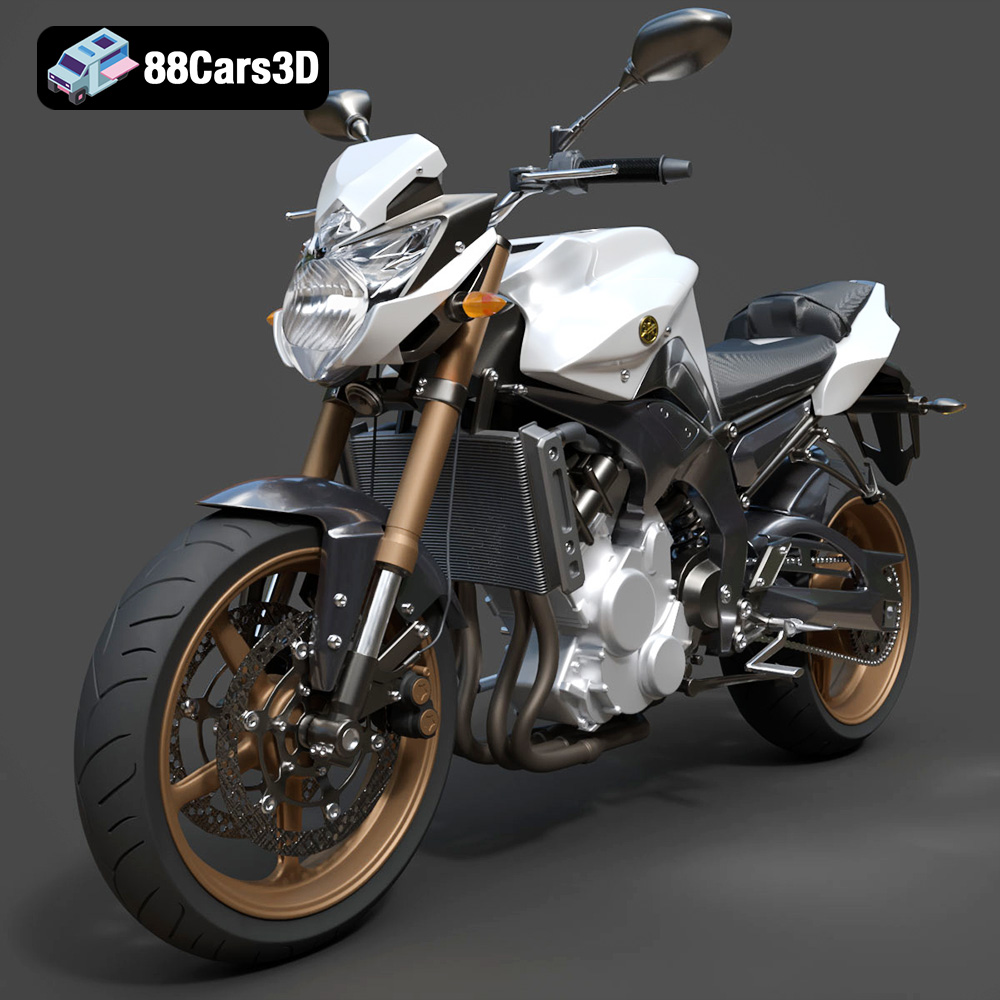
Yamaha FZ8 2011 3D Model
Texture: Yes
Material: Yes
Download the Yamaha FZ8 2011 3D Model featuring clean geometry, realistic detailing, and a fully modeled interior. Includes .blend, .fbx, .obj, .glb, .stl, .ply, .unreal, and .max formats for rendering, simulation, and game development.
Price: $19.99
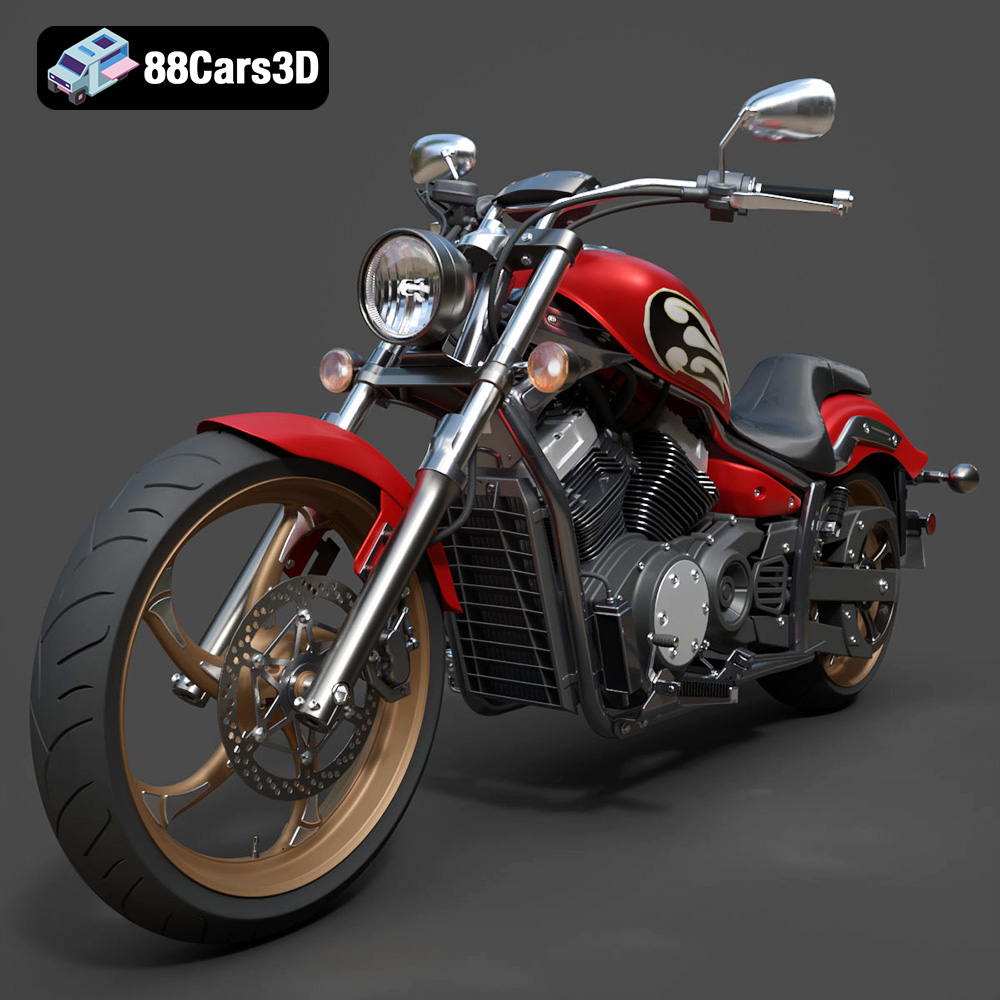
Yamaha Stryker 2012 3D Model
Texture: Yes
Material: Yes
Download the Yamaha Stryker 2012 3D Model featuring clean geometry, realistic detailing, and a fully modeled interior. Includes .blend, .fbx, .obj, .glb, .stl, .ply, .unreal, and .max formats for rendering, simulation, and game development.
Price: $19.99
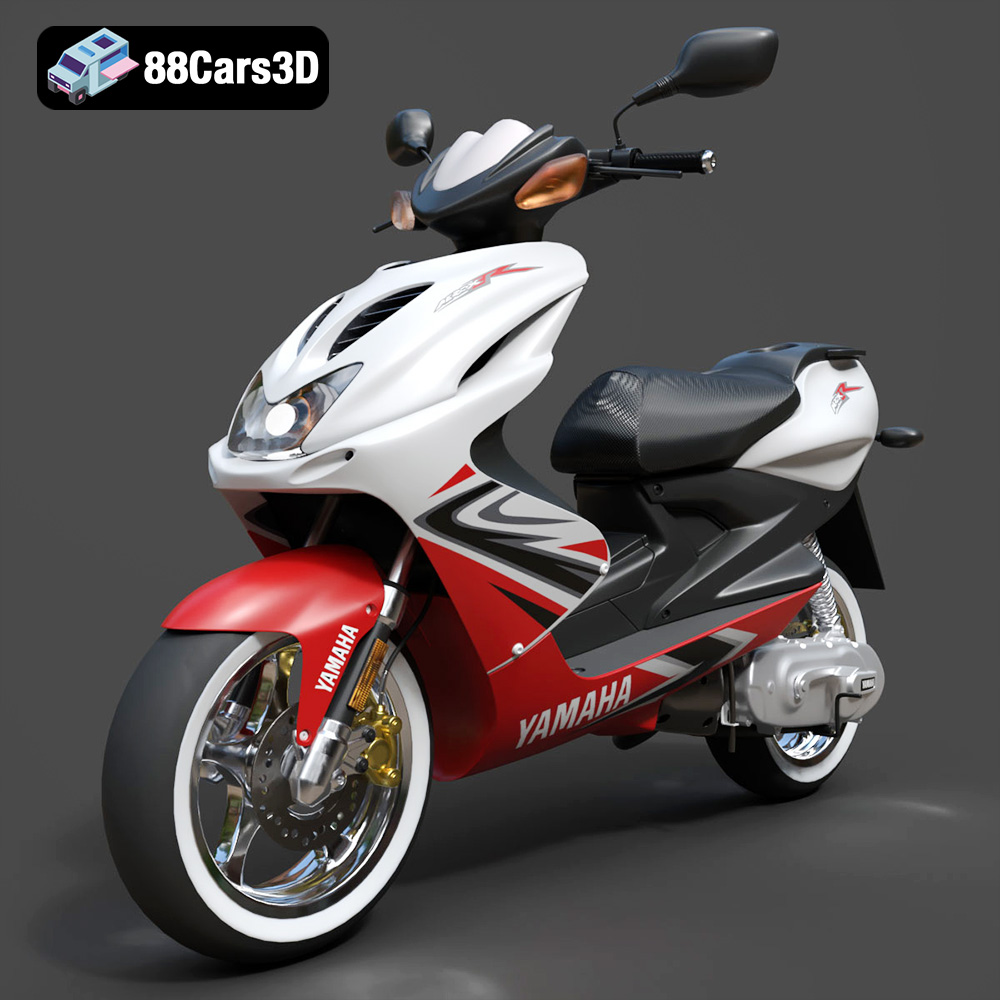
Yamaha Aerox R-002 2024 3D Model
Texture: Yes
Material: Yes
Download the Yamaha Aerox R-002 2024 3D Model featuring clean geometry, realistic detailing, and a fully modeled interior. Includes .blend, .fbx, .obj, .glb, .stl, .ply, .unreal, and .max formats for rendering, simulation, and game development.
Price: $19.99
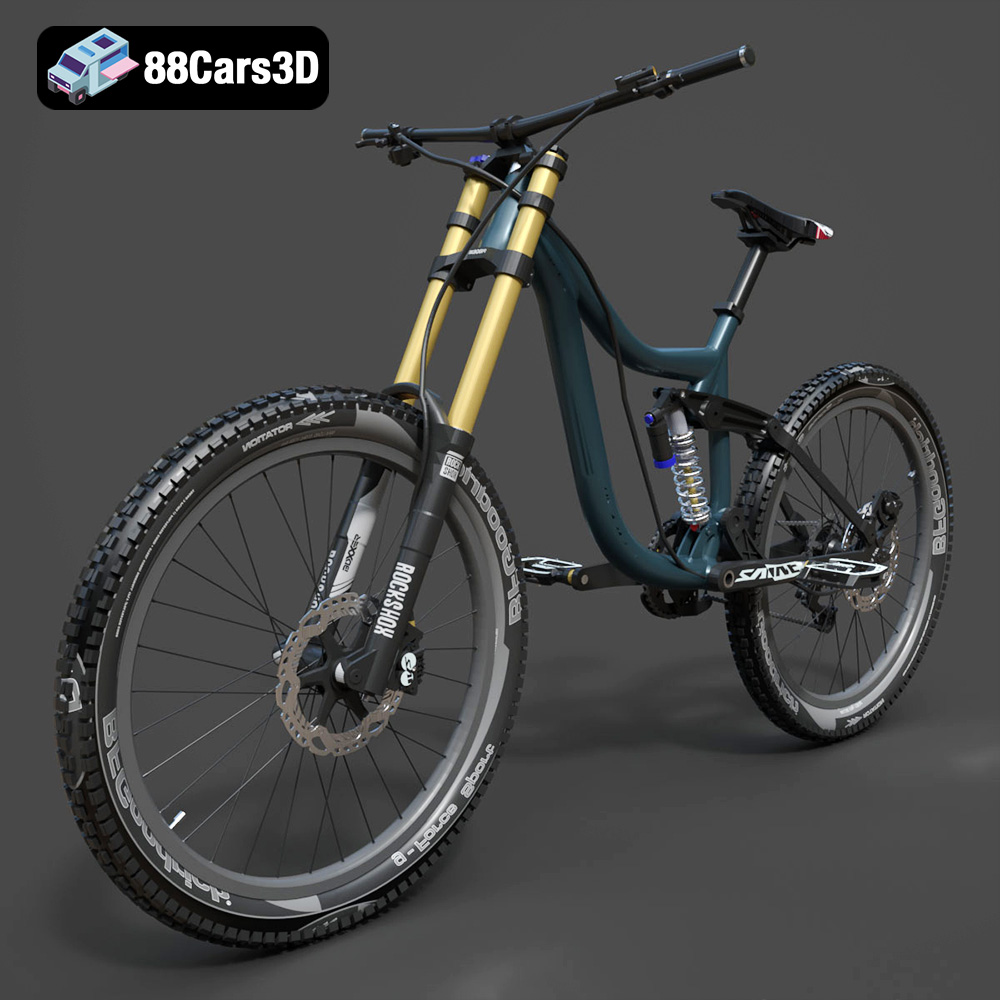
Mototsikly Downhill Bike-002 3D Model
Texture: Yes
Material: Yes
Download the Mototsikly Downhill Bike-002 3D Model featuring clean geometry, realistic detailing, and precise mechanical components. Includes .blend, .fbx, .obj, .glb, .stl, .ply, .unreal, and .max formats for rendering, simulation, and game development.
Price: $19.99
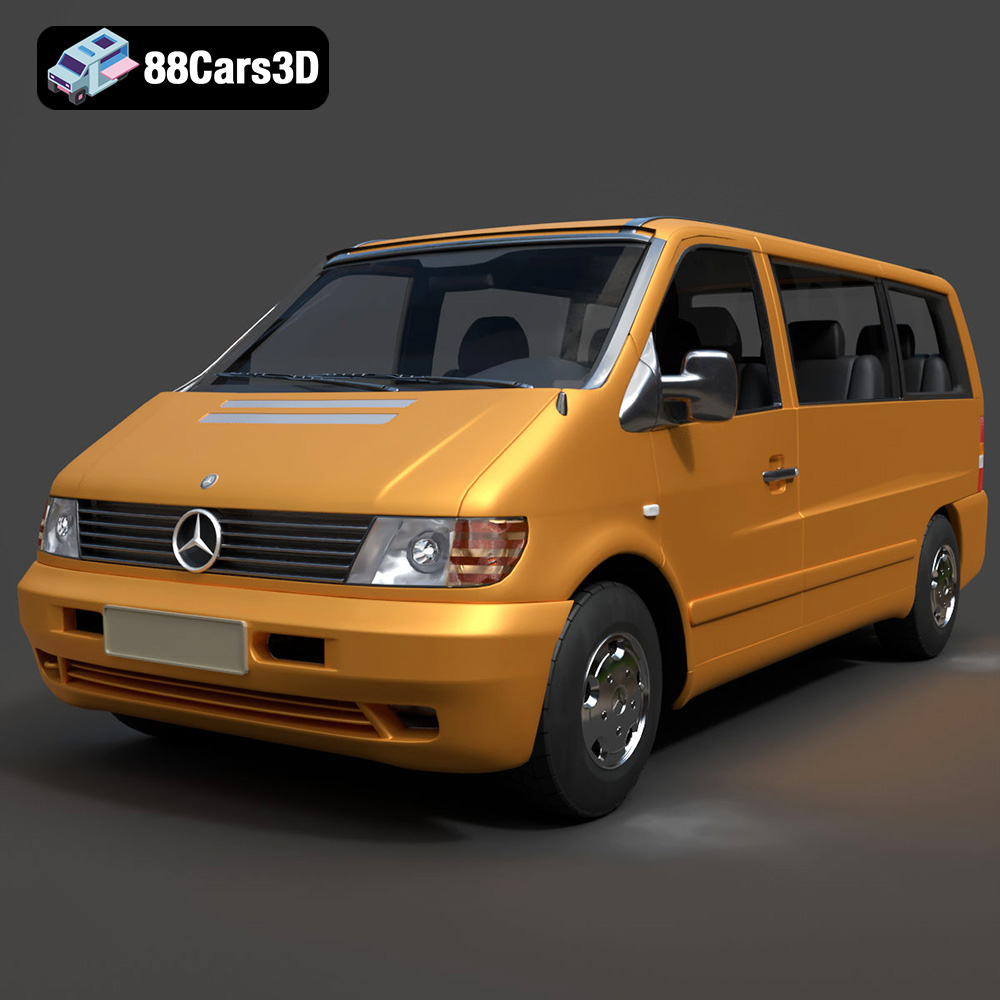
Mercedes-Benz Vito Passenger Van 3D Model
Texture: Yes
Material: Yes
Download the Mercedes-Benz Vito Passenger Van 3D Model featuring clean geometry, realistic detailing, and a fully modeled interior. Includes .blend, .fbx, .obj, .glb, .stl, .ply, .unreal, and .max formats for rendering, simulation, and game development.
Price: $19.99
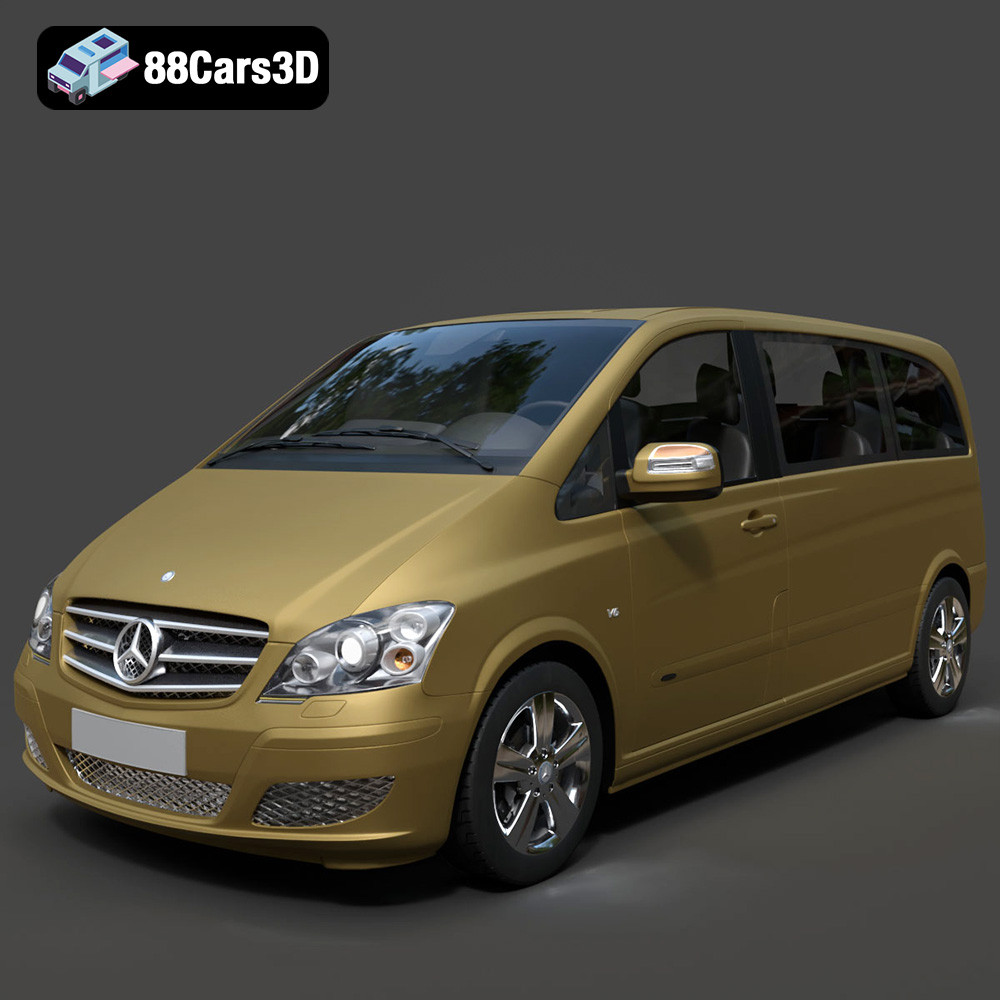
Mercedes-Benz Viano 2010 3D Model
Texture: Yes
Material: Yes
Download the Mercedes-Benz Viano 2010 3D Model featuring clean geometry, realistic detailing, and a fully modeled interior. Includes .blend, .fbx, .obj, .glb, .stl, .ply, .unreal, and .max formats for rendering, simulation, and game development.
Price: $19.99

Emt Avtobus 007 3D Model
Texture: Yes
Material: Yes
Download the Emt Avtobus 007 3D Model featuring clean geometry, realistic detailing, and a fully modeled interior. Includes .blend, .fbx, .obj, .glb, .stl, .ply, .unreal, and .max formats for rendering, simulation, and game development.
Price: $19.99
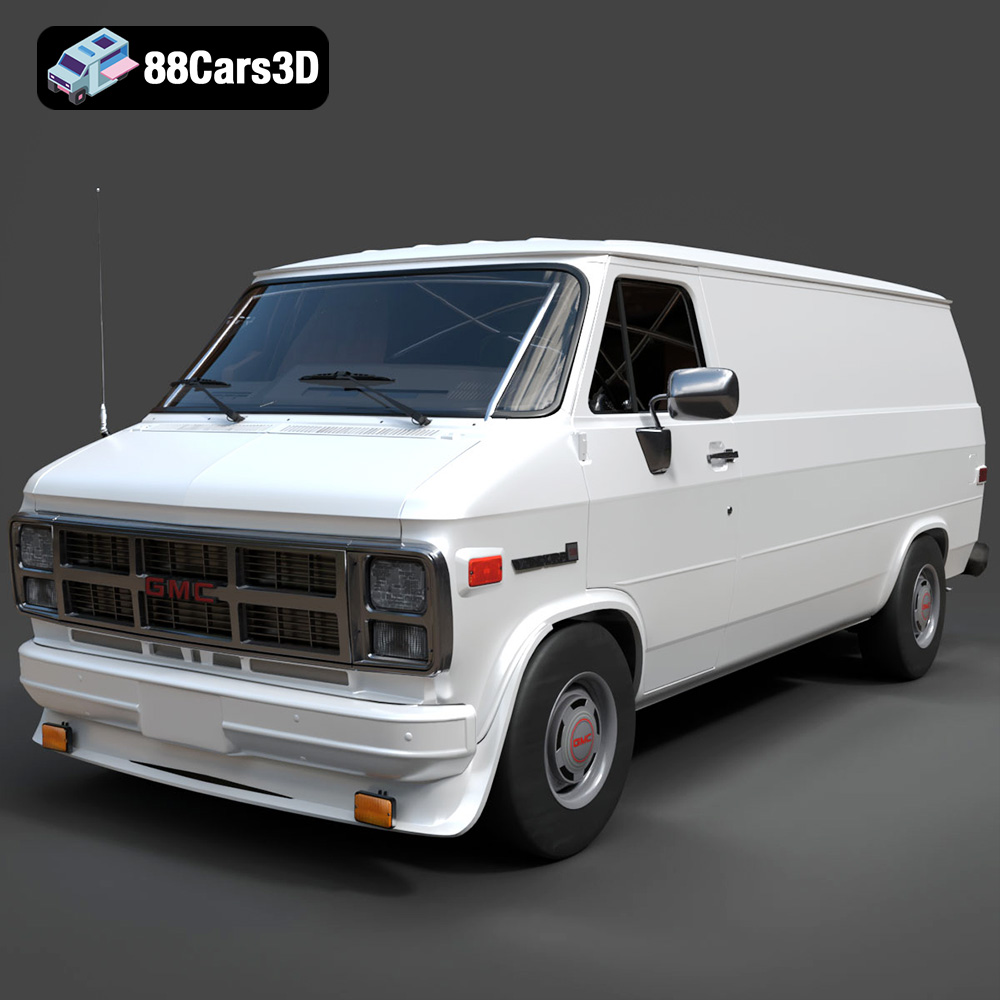
GMC Vandura G-1500 1983 3D Model
Texture: Yes
Material: Yes
Download the GMC Vandura G-1500 1983 3D Model featuring clean geometry, realistic detailing, and a fully modeled interior. Includes .blend, .fbx, .obj, .glb, .stl, .ply, .unreal, and .max formats for rendering, simulation, and game development.
Price: $19.99
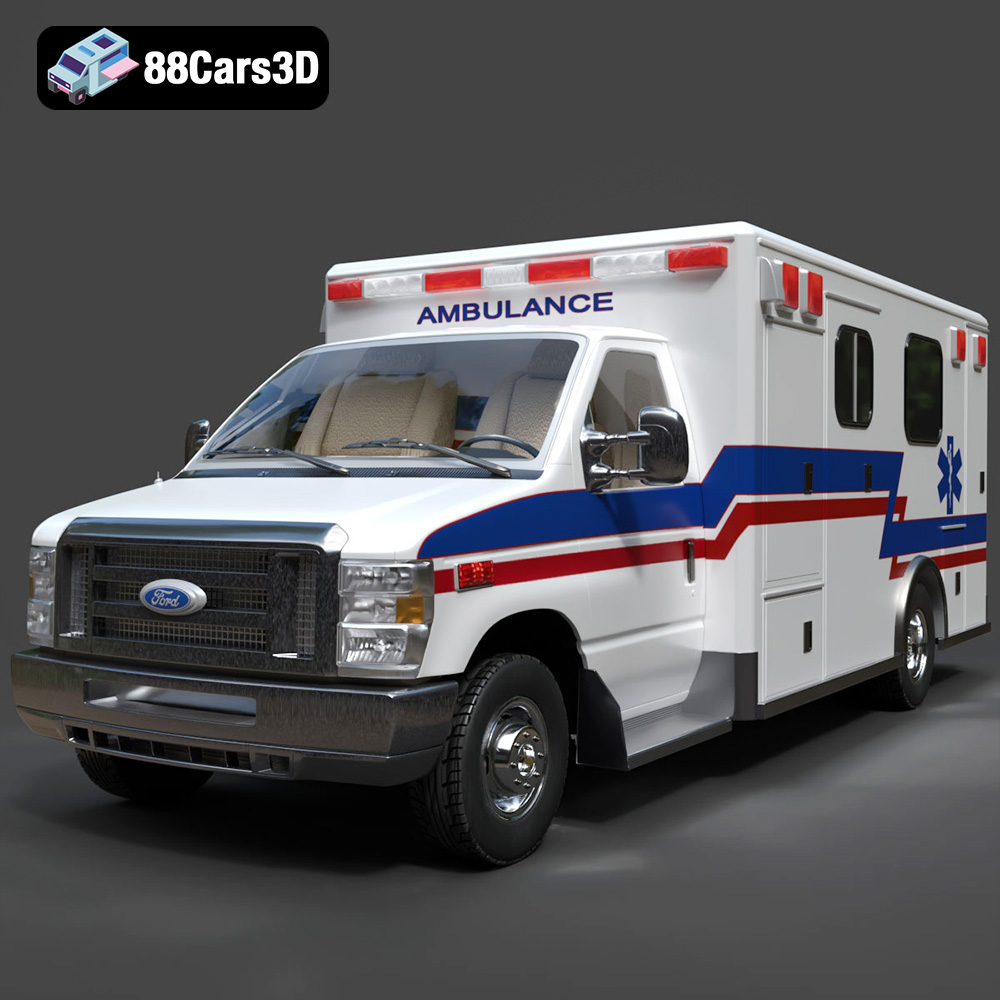
Ford E-450 Ambulance 3D Model
Texture: Yes
Material: Yes
Download the Ford E-450 Ambulance 3D Model featuring clean geometry, realistic detailing, and a fully modeled interior. Includes .blend, .fbx, .obj, .glb, .stl, .ply, .unreal, and .max formats for rendering, simulation, and game development.
Price: $19.99

Fiat Ducato SWB-001 3D Model
Texture: Yes
Material: Yes
Download the Fiat Ducato SWB-001 3D Model featuring clean geometry, realistic detailing, and a fully modeled interior. Includes .blend, .fbx, .obj, .glb, .stl, .ply, .unreal, and .max formats for rendering, simulation, and game development.
Price: $19.99
