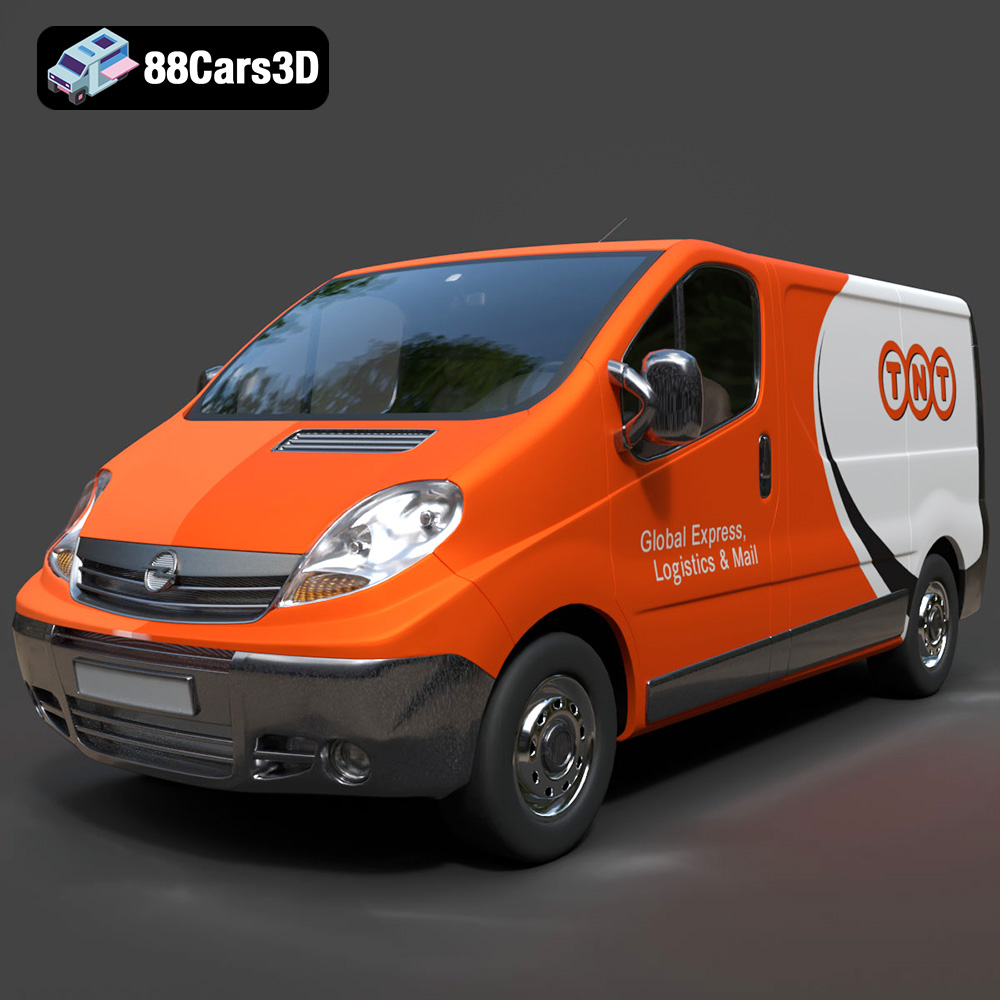
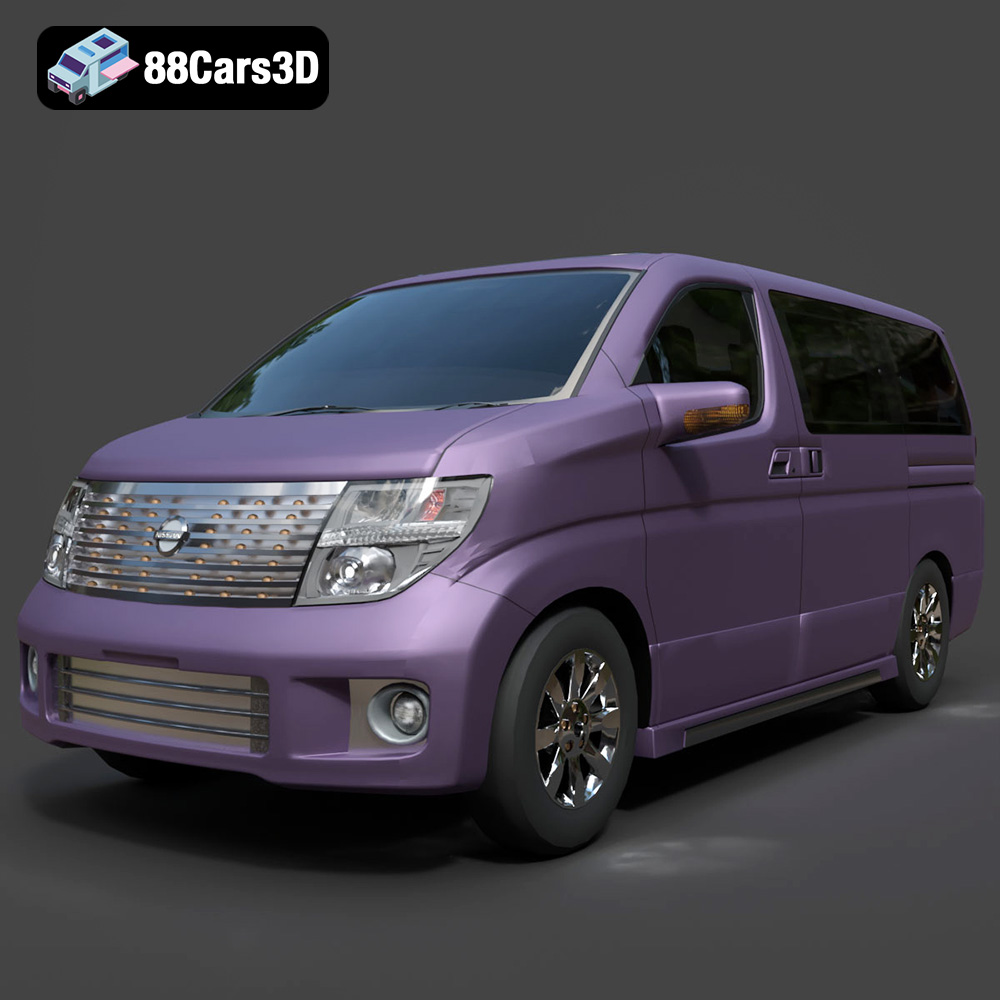
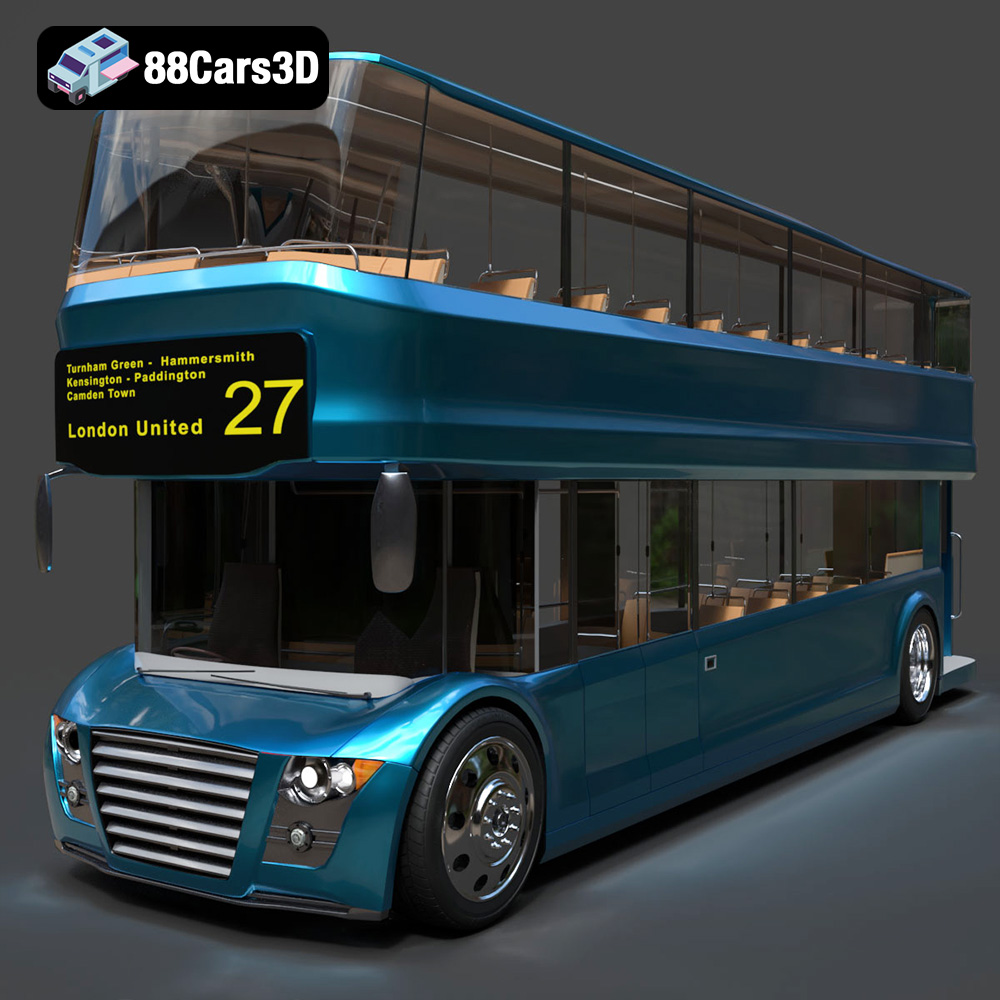
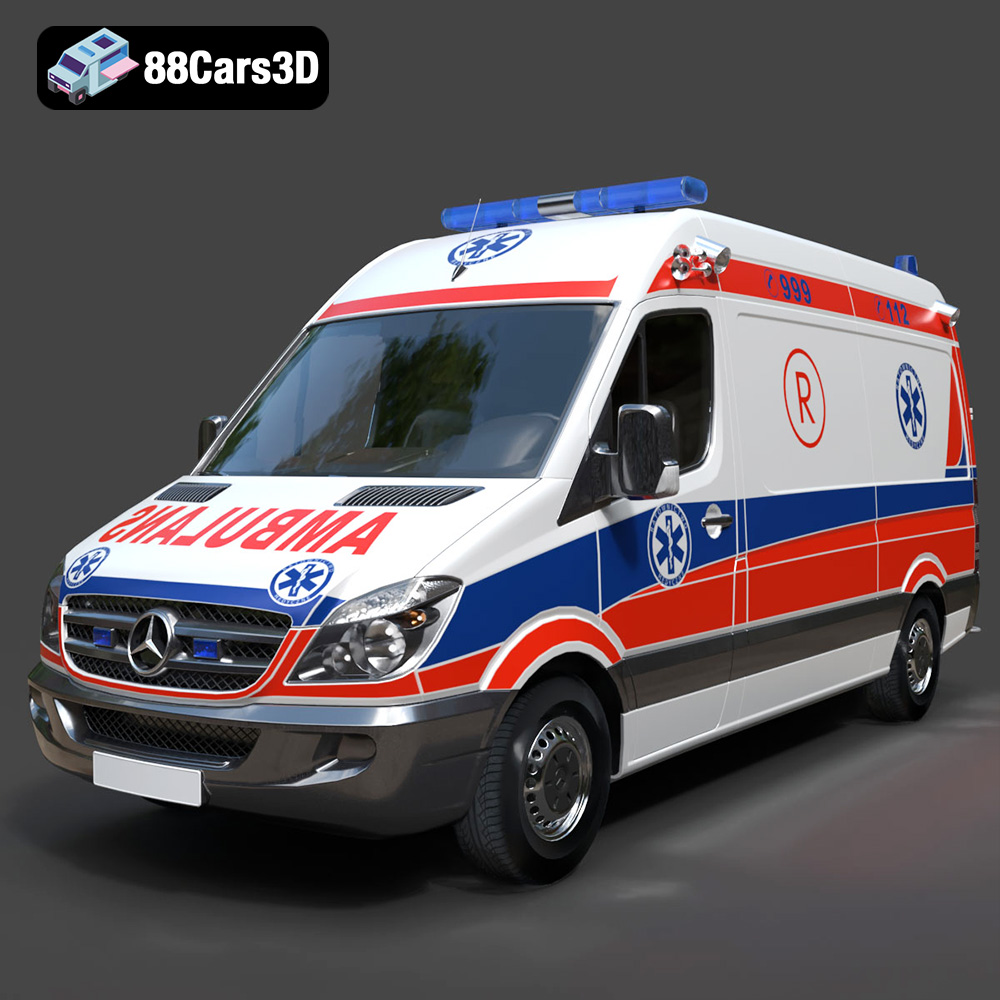
The Definitive Guide to 3D Car Models: From Automotive Rendering to Game Assets
In the dynamic world of digital visualization, high-quality 3D car models have become indispensable across numerous industries. From breathtaking cinematic sequences and photorealistic automotive advertising to immersive virtual showrooms and high-performance game environments, the demand for meticulously crafted vehicle assets is constantly growing. The ability to accurately represent design, simulate real-world physics, and evoke emotion through visual fidelity hinges on the quality of these digital creations. This comprehensive guide will delve deep into the technical intricacies of 3D car models, exploring their journey from initial concept to final deployment in various applications, including advanced automotive rendering and seamless integration as compelling game assets.
We’ll unpack the critical aspects of model creation, optimization, and utilization, providing insights into file formats, workflow best practices, and the technical specifications that define a truly professional asset. Whether you’re a seasoned 3D artist, a game developer, an automotive designer, or an enthusiast seeking to understand the digital craftsmanship behind your favorite vehicles, this exploration aims to equip you with the knowledge needed to navigate the complex yet rewarding landscape of 3D automotive design.
Understanding 3D Model File Formats
Choosing the correct file format is a foundational decision that impacts compatibility, workflow efficiency, and the ultimate utility of a 3D car model. Each format serves specific purposes, optimized for different stages of production, software environments, or end-user applications. Understanding these distinctions is crucial for anyone working with digital automotive assets, ensuring a smooth pipeline from acquisition to final render or real-time deployment.
.blend – Blender’s Native Powerhouse
The .blend format is the native file type for Blender, the popular open-source 3D creation suite. It encapsulates an entire Blender scene, including all 3D models, textures, materials (typically using Blender’s Principled BSDF shader for PBR), lighting setups, animations, cameras, and even physics simulations. This makes .blend files incredibly powerful for artists working exclusively within Blender, as they preserve all editable aspects of the project. For users of 88cars3d.com, a .blend file offers maximum flexibility for customization, allowing for deep modifications to topology, UVs, and shading networks before export to other formats or rendering directly within Blender’s Cycles or Eevee engines.
.fbx – The Industry’s Interoperability Standard
Autodesk’s .fbx (Filmbox) format has become the de facto standard for exchanging 3D data between various software applications, especially in game development and animation. It efficiently supports not only mesh data but also materials, textures, animations, rigging, and even camera and lighting information. Its robust support for skeletal animation makes it ideal for exporting animated vehicle components. For pipelines involving Unreal Engine, Unity, 3ds Max, Maya, or Substance Painter, .fbx is generally the preferred choice due to its broad compatibility and ability to maintain a significant amount of scene fidelity during transfer. When acquiring game assets, particularly for real-time engines, .fbx is almost always the recommended format.
.obj – Universal Exchange for Mesh Data
The .obj (Wavefront OBJ) format is one of the oldest and most widely supported 3D file formats. It’s renowned for its simplicity and universality, primarily storing geometric data suchs as vertices, UV coordinates, and normals. Material properties are typically stored in a companion .mtl (Material Template Library) file. While .obj does not support animations, rigging, or complex scene hierarchies, its widespread adoption ensures near-universal compatibility across almost all 3D software. It’s an excellent choice for basic mesh exchange, archival, or when you only need the pure geometric data of a 3D car model without any accompanying scene information.
.glb – Optimized for Web and Immersive Experiences
.glb (GL Transmission Format Binary) is a modern, royalty-free format designed for efficient transmission and loading of 3D scenes and models in web and immersive applications (AR/VR). It’s essentially a binary version of the .gltf format, packing all assets like meshes, textures, materials, and animations into a single file. This makes .glb files incredibly self-contained and performant, ideal for quickly displaying 3D car models in browser-based configurators, social media filters, or portable AR/VR experiences without complex external dependencies. Its PBR (Physically Based Rendering) material support ensures consistent visual quality across platforms.
.stl – The Backbone of 3D Printing
.stl (Stereolithography) is almost exclusively used for 3D printing. It represents a 3D model as a series of connected triangles (a tessellated surface) without any color, texture, or material information. While simple, this format is universally understood by 3D slicer software, which prepares models for additive manufacturing. When a physical prototype or a scale model of a 3D car model is required, converting the high-polygon render mesh to a clean, manifold .stl is the standard procedure. It’s critical to ensure the .stl model is “water-tight” and free of errors for successful printing.
.ply – Precision for Scans and CAD
The .ply (Polygon File Format or Stanford Triangle Format) is often associated with 3D scanning and scientific applications. It can store a wide range of properties for each vertex and face, including color, transparency, and even normal vectors, making it excellent for representing complex, detailed meshes often derived from real-world scans. While not as common for general asset exchange as .fbx or .obj, .ply provides a robust format for handling point cloud data and high-precision polygon meshes, making it suitable for CAD integration or detailed analysis where fidelity to raw geometric data is paramount.
.unreal – Engine-Ready Asset for Real-Time Environments
While not a standalone file format in the traditional sense, a “.unreal” asset refers to an optimized 3D car model specifically prepared and packaged for direct import and use within Unreal Engine. This typically means the model has undergone specific optimizations: correct poly counts for LODs, proper UV mapping for lightmaps and textures, PBR materials configured to Unreal’s specifications, and potentially collision meshes. An engine-ready asset from a marketplace like 88cars3d.com significantly reduces setup time for developers, allowing immediate deployment into a project without extensive post-processing or material setup within the engine itself.
.max – The Foundation for 3ds Max Projects
Similar to .blend for Blender, .max is the native project file format for Autodesk 3ds Max, a leading software for 3D modeling, animation, and rendering. A .max file contains all scene information, including geometry, modifiers, materials (V-Ray, Corona, Arnold, etc.), lighting, cameras, animation keyframes, and plugins. For professionals working within the Autodesk ecosystem, a .max file offers the highest degree of editability and preserves all project settings and history. It’s particularly valuable for high-fidelity automotive rendering and complex animation sequences where the full power of 3ds Max is leveraged.
The Art and Science of Automotive Rendering
Achieving photorealistic automotive rendering is a highly technical discipline that blends artistic sensibility with a deep understanding of physics-based materials, lighting, and camera optics. The goal is to create imagery so convincing it blurs the line between digital and reality, crucial for marketing, design validation, and virtual photography.
High-Fidelity Texturing and Shading
- Physically Based Rendering (PBR) Workflows: Modern rendering relies heavily on PBR principles, where materials are defined by properties like albedo (base color), metallic, roughness, normal, and ambient occlusion maps. These maps dictate how light interacts with the surface, ensuring consistent and realistic results across various lighting conditions. For automotive paints, this means crafting complex multi-layered shaders that emulate clear coats, metallic flakes, and subsurface scattering for depth.
- Material Layers and Realism: A vehicle’s surface is rarely uniform. Automotive shaders often combine multiple layers: a base metallic or non-metallic layer, a clear coat with variable reflectivity and Fresnel effects, and often a dirt or grime layer. Chrome and glass demand precise IOR (Index of Refraction) values and dispersion, while rubber and plastics require subtle surface imperfections and roughness variations to appear authentic. Proper UV mapping is paramount, ensuring textures align seamlessly and display without distortion, crucial for intricate details like tire treads or dashboard textures.
Lighting, Cameras, and Environment Setup
- HDRI and Studio Lighting: High Dynamic Range Image (HDRI) maps are the cornerstone of realistic automotive lighting, providing both illumination and reflections from real-world environments. They capture the intensity and direction of light from a full 360-degree scene. Complementary studio lighting setups, using virtual softboxes, area lights, and spotlights, are often used to highlight specific contours, add rim lights, or create dramatic effects, much like in a professional photography studio.
- Camera Optics and Composition: The choice of virtual camera and lens profoundly impacts the rendering’s feel. Understanding focal lengths, aperture (for depth of field), and shutter speed (for motion blur) is critical. Automotive compositions often employ dynamic angles, low shots to emphasize power, or wide-angle views to showcase the environment. Render engines like V-Ray, Corona Renderer, Redshift, Arnold, and Blender’s Cycles offer sophisticated physical camera models that emulate real-world lenses with remarkable accuracy.
Post-Production for Photorealism
- Color Grading and Effects: After rendering, images are rarely final. Post-production in software like Adobe Photoshop or Nuke involves color grading to set the mood, adjusting contrast and exposure, and adding subtle effects like lens flares, glow, chromatic aberration, or vignetting to mimic real camera imperfections.
- Compositing Techniques: For complex scenes, different render passes (e.g., beauty, reflections, refractions, shadows, ambient occlusion) are rendered separately and then composited together. This non-destructive workflow allows for granular control over each element, enabling artists to fine-tune specific aspects of the image, such as adjusting the intensity of reflections on the car paint or darkening shadows under the wheels.
Optimizing 3D Car Models for Game Development
Integrating 3D car models into game engines requires a different set of priorities than purely offline rendering. Performance, memory usage, and real-time interaction become paramount. Game assets must strike a delicate balance between visual fidelity and operational efficiency to maintain smooth frame rates and responsive gameplay.
Poly Count and LOD Strategies
- Balancing Fidelity and Performance: Unlike offline renders where polygon count is less of a concern, game engines demand optimized geometry. High-resolution models (often 500,000+ polygons for a hero car) are typically reserved for close-up shots or specific cinematics. For gameplay, target poly counts can range from 50,000 to 200,000 polygons, depending on the game type and platform.
- Level of Detail (LOD) Implementation: To manage performance across varying distances, LODs are crucial. A high-detail mesh (LOD0) is displayed when the car is close to the camera. As the car moves further away, progressively simpler meshes (LOD1, LOD2, LOD3) with significantly fewer polygons are swapped in. This technique, often utilizing decimation tools or manual mesh reduction, drastically reduces the computational load without a noticeable drop in visual quality to the player. Properly configured LODs are a hallmark of well-optimized game assets.
Efficient UV Mapping and Texture Atlases
- Non-Overlapping UVs and Texture Density: For game assets, UV maps must be clean, non-overlapping, and provide consistent texture density across the model. This is critical for baking lightmaps, ambient occlusion, and ensuring textures don’t stretch or distort. Efficient UV packing, often into a single UV space (0-1 range), maximizes texture resolution while minimizing draw calls.
- PBR Texture Sets for Real-Time: Game engines leverage PBR textures (Albedo/Base Color, Normal, Metallic, Roughness, Ambient Occlusion) to achieve realistic materials. Texture atlases, which combine multiple smaller textures into one larger sheet, further optimize performance by reducing the number of texture lookups the GPU needs to perform. For detailed dashboards or interiors, multiple texture sets or UV channels may be used to maintain fidelity where it matters most.
Rigging, Animation, and Physics Integration
- Interactive Vehicle Components: For a fully functional car in a game, individual components like wheels, suspension, doors, and steering wheels need to be properly rigged. This involves parenting objects and setting pivot points correctly so they can be animated or driven by physics. For instance, the wheels need to rotate around their axle, and the suspension needs to compress and extend.
- Vehicle Physics Setup: Modern game engines like Unreal Engine and Unity provide sophisticated vehicle physics systems. Integrating a 3D car model involves setting up collision meshes, defining mass, friction, suspension parameters, engine power, and gear ratios. This allows the car to react realistically to player input and environmental forces, transforming a static model into a dynamic, interactive element within the game world.
Advanced Workflows: From CAD to Real-Time Experiences
The journey of a 3D car model often begins outside of traditional 3D modeling software, particularly in the automotive industry. Leveraging CAD data and transforming it for various cutting-edge applications defines an advanced workflow that demands precision and optimization.
Leveraging CAD Data for High-Quality Assets
- NURBS Conversion and Data Cleanup: Automotive design typically starts in CAD software (e.g., CATIA, SolidWorks) using NURBS (Non-Uniform Rational B-Splines), which are mathematically precise curves and surfaces. To be used in polygon-based rendering or game engines, these NURBS surfaces must be tessellated into polygon meshes. This conversion requires careful handling to maintain surface smoothness and detail while controlling polygon count. Often, extensive cleanup is necessary to address triangulation errors, non-manifold geometry, and redundant polygons that arise from the conversion process.
- Detail Preservation and Optimization: The goal is to preserve the intricate details from the original CAD data – sharp edges, smooth curves, panel gaps – while creating an optimized polygon mesh. This often involves retopology techniques, manual or semi-automated, to ensure clean, quad-based topology suitable for subdivision surfacing or game engine performance. This highly specialized workflow is critical for achieving the highest fidelity automotive rendering from design data.
Real-Time Visualization with Game Engines
- Importing and Material Setup in Unreal Engine/Unity: Modern game engines have evolved into powerful real-time rendering platforms far beyond just games. Importing optimized 3D car models into Unreal Engine or Unity involves setting up PBR materials, configuring light sources (e.g., Lumen in Unreal Engine 5), and creating realistic reflections (e.g., Screen Space Reflections, Ray Tracing). The ability to instantly visualize design changes or explore a vehicle in a dynamic environment is invaluable for designers and marketing teams.
- Leveraging Advanced Rendering Features: Features like Nanite in Unreal Engine 5 allow for handling incredibly high-polygon geometry in real-time without the traditional LOD constraints, opening new possibilities for cinematic real-time automotive visualization. Real-time Ray Tracing in both Unreal and Unity further pushes visual boundaries, delivering incredibly accurate lighting, reflections, and shadows, previously only achievable with offline renderers. These technologies transform game engines into powerful tools for interactive automotive rendering.
Augmented Reality and Virtual Reality Applications
- Optimization for Immersive Experiences: AR/VR applications demand extremely high and consistent frame rates (typically 90 FPS or higher) to prevent motion sickness. This necessitates even more stringent optimization of 3D car models than traditional games. Every polygon, texture, and draw call must be carefully considered. Efficient geometry, minimal texture sizes, and optimized shaders are crucial. Techniques like baked lighting and aggressive culling are commonly employed to maintain performance.
- Use Cases in Automotive: AR/VR offers transformative applications for the automotive sector. Virtual showrooms allow customers to explore car models in lifelike environments, customize configurations, and even “sit inside” a vehicle before it’s built. AR apps enable users to project a full-scale 3D car model into their driveway using their smartphone, providing an unprecedented sense of presence and scale. VR training simulations allow technicians to learn complex repair procedures in a safe, virtual environment, reducing costs and risks.
Case Studies and Best Practices in Asset Management
The success of any project involving 3D car models often hinges on the quality of the assets and the efficiency of their management. From sourcing to integration, adhering to best practices ensures both visual excellence and a streamlined workflow.
Sourcing High-Quality Assets: The 88cars3d.com Advantage
- Defining Quality in 3D Assets: A truly high-quality 3D car model goes beyond just visual appeal. It possesses clean, optimized topology (preferably quad-based for easy editing and subdivision), well-organized and non-overlapping UVs, correctly configured PBR textures (Albedo, Normal, Metallic, Roughness, AO), and often includes multiple LODs. Furthermore, assets should be cleanly separated into logical parts (body, wheels, interior, lights) for easy manipulation and customization.
- How 88cars3d.com Ensures Excellence: Marketplaces like 88cars3d.com specialize in providing professionally crafted 3D car models that adhere to these rigorous standards. By curating a selection of meticulously designed assets, 88cars3d.com empowers artists, developers, and studios to kickstart their projects with confidence, knowing they are acquiring clean, versatile, and production-ready models. This eliminates the time-consuming process of creating models from scratch, allowing teams to focus on rendering, animation, or game development.
Integrating Assets into Diverse Projects
- Advertising Campaigns and Virtual Photography: For high-stakes advertising, a 3D car model from 88cars3d.com can be dropped into a detailed studio environment, lit exquisitely, and rendered with incredible fidelity. This workflow bypasses expensive physical photography, allowing for endless iterations of colors, environments, and compositions. Case studies show significant cost and time savings when leveraging 3D assets for marketing materials.
- Driving Simulators and Training Modules: For professional driving simulators or technical training applications, optimized game assets are critical. Models sourced from 88cars3d.com can be imported, rigged for physics, and integrated into complex simulation environments. These can range from highly accurate engineering simulators used for vehicle dynamics research to interactive training modules for emergency services or commercial drivers.
- Virtual Showrooms and Configurators: The future of car sales is increasingly digital. Virtual showrooms, powered by real-time engines and featuring high-quality 3D car models, allow customers to explore vehicles, customize options, and view them in various realistic settings. These configurators often utilize .glb models for web-based interactivity or .fbx/.unreal assets for more immersive desktop/VR experiences.
Version Control and Project Scalability
- Managing Iterations and Changes: In any professional production, 3D assets undergo numerous iterations. Implementing robust version control systems (like Git LFS, Perforce, or dedicated asset management software) is crucial for tracking changes, reverting to previous versions, and collaborating effectively within a team. This ensures that artists are always working on the latest approved asset and avoids costly mistakes.
- Ensuring Consistency Across Large Projects: For large-scale games or extensive visualization projects, maintaining consistency across hundreds or thousands of assets is a challenge. Establishing clear naming conventions, folder structures, and technical specifications for all 3D car models and their associated textures is a best practice. This facilitates easier integration, ensures optimal performance, and makes long-term project maintenance manageable, especially when scaling up a production pipeline.
Conclusion
The journey of a 3D car model from concept to its final application is a testament to the intricate blend of art and engineering in the digital age. We’ve explored the critical importance of understanding various file formats, the demanding requirements of achieving photorealistic automotive rendering, and the meticulous optimization necessary for creating high-performance game assets. From the precision of CAD data conversion to the immersive potential of AR/VR, the technical landscape of 3D automotive visualization continues to evolve at a rapid pace.
Whether for cinematic advertising, interactive gaming, or cutting-edge design visualization, the foundation of any successful project lies in the quality of its underlying 3D assets. Professionals and enthusiasts alike can significantly benefit from leveraging expertly crafted models, accelerating their workflows and elevating their final output. For those seeking to equip their projects with top-tier 3D car models, a curated resource like 88cars3d.com provides an invaluable starting point, ensuring access to assets that meet the highest industry standards. As technology advances, the demand for sophisticated 3D automotive content will only grow, continuing to push the boundaries of digital realism and immersive experiences.
Featured 3D Car Models