

The pursuit of photorealism in real-time rendering has long been a holy grail for 3D artists and developers, especially within demanding fields like automotive visualization. For years, achieving truly convincing global illumination (GI) and reflections without prohibitively long bake times or massive computational costs seemed out of reach for interactive experiences. This challenge was particularly acute when showcasing intricate 3D car models, where every curve, every material, and every subtle reflection contributes to the perception of quality. Enter Lumen, Unreal Engine’s revolutionary dynamic global illumination and reflections system, which has fundamentally transformed what’s possible in real-time automotive rendering.
Lumen provides instant, high-quality indirect lighting and reflections, adapting seamlessly to scene changes, light source movement, and material updates. This dynamic capability is a game-changer for anyone working with high-fidelity automotive assets, allowing for unparalleled realism in interactive configurators, virtual showrooms, cinematic sequences, and even virtual production environments. Imagine changing a car’s paint color and seeing the bounced light and reflections update instantly, or moving a light source and watching the shadows and GI react in real-time. This level of responsiveness was once a dream, but Lumen makes it a powerful reality.
In this comprehensive technical deep dive, we’ll explore Lumen from its core principles to its advanced applications in automotive visualization. We’ll cover essential Unreal Engine project setup, material optimization, lighting strategies, and critical performance considerations to ensure your high-quality 3D car models shine with Lumen. Whether you’re an Unreal Engine developer, a 3D artist, or a visualization professional, understanding Lumen is key to unlocking the next level of real-time photorealism. Platforms like 88cars3d.com offer the kind of meticulously crafted 3D car models—with clean topology, realistic materials, and optimized UVs—that truly leverage Lumen’s capabilities, providing an ideal foundation for your projects.
Understanding Lumen: The Core Technology Behind Dynamic Global Illumination
Lumen is Unreal Engine 5’s default global illumination and reflections system, designed to deliver fully dynamic, diffuse, and specular indirect lighting in vast, detailed environments at interactive frame rates. Unlike traditional baked GI solutions, which pre-calculate lighting and store it in lightmaps (making dynamic scene elements appear out of place), Lumen works entirely in real time. It achieves this feat by leveraging a combination of innovative techniques, primarily focused on software ray tracing or hardware ray tracing (when available) coupled with Mesh Distance Fields and a multi-bounce indirect lighting approach.
At its heart, Lumen captures scene geometry using a technique called Signed Distance Fields (SDFs), which effectively represent the scene as a collection of implicit surfaces. This representation is crucial for efficient ray tracing, allowing Lumen to calculate how light bounces off surfaces and illuminates surrounding areas. It computes many rays per frame to sample the scene and gather indirect lighting contributions, resulting in realistic light propagation, color bleeding, and soft shadows. This is particularly vital for automotive visualization, where the subtle interplay of light and shadow on a car’s complex surfaces dictates its visual fidelity.
The key advantage of Lumen lies in its dynamic nature. Any change in the scene—moving a light, swapping a material, or repositioning an object (like a car model from 88cars3d.com)—instantly updates the global illumination and reflections. This eliminates the need for time-consuming re-bakes and empowers artists with immediate visual feedback, accelerating iterative design and creative exploration. For a deeper understanding of Lumen’s core principles, refer to the official Unreal Engine documentation at dev.epicgames.com/community/unreal-engine/learning, which provides comprehensive technical details.
Software Ray Tracing vs. Hardware Ray Tracing with Lumen
Lumen offers two primary modes for ray tracing: Software Ray Tracing and Hardware Ray Tracing. Understanding the difference and when to use each is crucial for balancing visual quality and performance.
- Software Ray Tracing: This is Lumen’s default mode and is designed to run on a wider range of hardware, including older GPUs that do not support hardware ray tracing. It relies on Unreal Engine’s Mesh Distance Fields (MDFs) to represent scene geometry. MDFs are essentially low-resolution, volumetric approximations of your meshes. When a ray is cast, Lumen queries these distance fields to determine intersections and gather lighting information. This approach is highly efficient but can sometimes exhibit lower detail or artifacts compared to hardware ray tracing, especially with thin geometry or very detailed meshes. For software ray tracing, ensuring accurate and well-generated Mesh Distance Fields for your scene is paramount for quality and performance.
- Hardware Ray Tracing: When available (on modern GPUs that support DirectX 12 Ultimate and NVIDIA’s RTX or AMD’s RDNA 2/3 architectures), Lumen can leverage hardware ray tracing for significantly higher fidelity and accuracy. Hardware ray tracing directly interacts with the high-polygon mesh data, leading to more precise reflections, sharper GI details, and fewer artifacts. While it offers superior visual quality, it demands more powerful hardware and can be more performance-intensive. For top-tier automotive visualization projects targeting high-end PCs or cinematic rendering, hardware ray tracing is often the preferred choice.
The choice between software and hardware ray tracing depends on your target platform, performance budget, and desired visual quality. Unreal Engine allows you to seamlessly switch between these modes, and even scale individual Lumen features, giving you granular control over your project’s rendering pipeline.
Core Components: Global Illumination and Reflections
Lumen is not just about indirect diffuse lighting; it’s a comprehensive system that also handles real-time reflections, a critical component for rendering shiny automotive surfaces.
- Global Illumination (GI): Lumen calculates how light bounces off surfaces, illuminating nearby objects and contributing to the overall scene brightness and color. This is known as diffuse indirect lighting. For a car, this means the red paint of the body might subtly tint the ground beneath it or bounce light onto the wheel wells. This effect dramatically increases realism, making objects feel grounded and naturally integrated into their environment. It also contributes to soft, natural shadows where light has multiple paths to reach an area.
- Reflections: Lumen also provides robust real-time reflections, crucial for the glossy surfaces of a car. Unlike Screen Space Reflections (SSR), which can only reflect what’s visible on screen and often produce noticeable artifacts at screen edges, Lumen reflections are based on a more comprehensive understanding of the scene. They gather information from multiple scene views and ray tracing, offering more complete and accurate reflections, even for off-screen objects. This is particularly important for car materials like clear coat, chrome, and glass, where accurate reflections are paramount to their visual integrity and the perception of physical accuracy. Lumen reflections seamlessly integrate with Lumen GI, ensuring a cohesive and physically plausible lighting solution throughout your automotive scene.
Setting Up Your Unreal Engine Project for Lumen-Powered Automotive Visualization
To fully harness the power of Lumen for your automotive visualization projects, proper Unreal Engine project setup and configuration are essential. This foundational step ensures that Lumen is enabled correctly, and your project is optimized to take advantage of its features. A well-configured project minimizes potential headaches down the line and allows you to focus on artistic iteration and development.
First and foremost, ensure you are using Unreal Engine 5 or a later version. Lumen is a core feature of UE5 and is not available in earlier engine versions. When creating a new project, select the “Games” or “Architecture, Engineering, and Construction” template, as these often come with sensible defaults. However, you’ll still need to verify and adjust specific project settings. Navigate to Edit > Project Settings and then the Platforms > Windows section. Ensure the ‘Default RHI’ is set to DirectX 12 and the ‘Target Shader Model’ is SM6. Lumen requires modern rendering APIs and shader models to function correctly.
Next, you must explicitly enable Lumen within your project. In Project Settings > Engine > Rendering, scroll down to the Global Illumination and Reflections sections. Here, set the ‘Global Illumination Method’ to Lumen and the ‘Reflection Method’ to Lumen. Once these settings are applied, Unreal Engine will prompt you to restart the editor. After restarting, Lumen will be active in your project. To further control Lumen’s behavior and visualize its effects, you’ll primarily use a Post Process Volume. Place a Post Process Volume in your scene, ensure its ‘Infinite Extent (Unbound)’ property is enabled (or scale it to encompass your scene), and then navigate to its ‘Global Illumination’ and ‘Reflections’ categories to fine-tune Lumen’s quality and performance settings. This initial setup is critical for any project aiming to achieve high-fidelity real-time automotive renders.
Project Settings and System Requirements
For optimal performance and stability with Lumen, certain system requirements and project configurations are paramount. While Lumen’s software ray tracing is designed to be accessible, leveraging its full potential often requires more robust hardware.
- Hardware: A modern GPU (NVIDIA RTX 20-series or newer, AMD Radeon RX 6000-series or newer) is highly recommended for hardware ray tracing. For software ray tracing, a GTX 10-series or equivalent is a baseline, but performance will scale significantly with more powerful hardware. A minimum of 16GB RAM is advised, with 32GB or more preferred for complex scenes. A fast SSD is also crucial for quick asset loading and shader compilation.
- Engine Features & Plugins: Beyond the core Lumen settings, ensure that necessary plugins are enabled. For example, if you plan to use NVIDIA’s DLSS or AMD’s FSR for upscaling to boost performance, make sure those plugins are active under
Edit > Plugins. Similarly, if you’re using specific rendering features like Virtual Textures or specific landscape tools, verify their respective plugins are enabled. Always ensure that your operating system and graphics drivers are up-to-date to avoid compatibility issues and leverage the latest performance optimizations.
Paying attention to these foundational elements ensures your Unreal Engine project provides a stable and performant environment for Lumen, allowing your stunning 3D car models to be showcased without unnecessary technical hurdles. Remember that Unreal Engine’s flexibility means you can always scale settings to match your target hardware, but starting with a robust setup is always recommended for development.
Integrating High-Quality Car Models into a Lumen Scene
The quality of your 3D car models directly impacts how effectively Lumen can render them. High-quality assets are essential for leveraging Lumen’s capabilities to their fullest, and this is where sourcing models from marketplaces like 88cars3d.com truly pays off. Such models typically come with clean topology, proper UV mapping, and well-structured materials, all of which are vital for Lumen.
- Clean Topology and UVs: Models with clean, optimized geometry are crucial. Lumen’s Mesh Distance Fields (for software ray tracing) are generated from your mesh data. Messy or overlapping geometry can lead to inaccurate distance fields, resulting in lighting artifacts. Similarly, proper UV mapping is essential for accurate texture application and material properties, which in turn dictate how light interacts with the surface. Avoid excessive poly counts on non-hero elements, though for hero cars, Nanite can handle very high poly counts efficiently.
- Nanite Integration: For highly detailed 3D car models, Nanite virtualized geometry is a game-changer. Nanite intelligently streams and processes only the necessary detail, allowing you to import multi-million polygon models directly without manual LOD creation or performance penalties. When Nanite is enabled for a mesh, Lumen can leverage its data for more accurate GI and reflections, especially when combined with hardware ray tracing. For software ray tracing, Nanite meshes will still contribute to the scene’s Mesh Distance Fields. Ensure your car models are imported with Nanite enabled where appropriate (e.g., the car body, detailed interior components) by checking ‘Enable Nanite’ in the Static Mesh Editor.
- Proper Asset Import Settings: When importing FBX or USD files, ensure settings like ‘Combine Meshes,’ ‘Generate Lightmap UVs’ (though less critical for Lumen, still good practice), and ‘Import Materials’ are configured correctly. For automotive assets, it’s often best to keep distinct parts as separate meshes (e.g., wheels, body, interior) to allow for easier material assignments and interactive elements. Always verify material assignments post-import, ensuring PBR properties are correctly interpreted.
By using well-prepared 3D car models and correctly configuring their import and Nanite settings, you lay the groundwork for Lumen to deliver truly stunning and physically accurate real-time visualizations.
Optimizing Materials and Lighting for Lumen: Realistic Automotive Renders
Lumen’s power for global illumination and reflections is greatly enhanced by the quality and accuracy of your materials and the thoughtfulness of your lighting setup. In automotive visualization, where the allure of a car is often defined by how light interacts with its surfaces, these elements become absolutely critical. Getting them right means the difference between a good render and a breathtakingly realistic one.
The foundation of realistic rendering in Unreal Engine, especially with Lumen, is Physically Based Rendering (PBR) materials. PBR materials simulate real-world physical properties of surfaces, meaning they react to light in a way that mimics reality. For car models, this translates to precise values for Base Color (Albedo), Metallic, Roughness, and Specular. Lumen relies heavily on these material properties to accurately calculate how light bounces and reflects. An incorrect roughness map on car paint, for instance, will lead to unrealistic reflections and a dull appearance, regardless of how good the lighting is. Always ensure your PBR textures are calibrated correctly, ideally using sRGB for Base Color and linear for Metallic, Roughness, and Normal maps.
Beyond PBR values, specific material features become important. Clear coat layers, which are essential for automotive paint, should be implemented using dedicated clear coat shading models within Unreal Engine’s Material Editor. Emissive materials (e.g., car headlights or interior screens) will dynamically contribute light to the scene via Lumen, adding another layer of realism. For glass, proper refraction and reflection properties are crucial. Your lighting setup needs to complement these materials. A directional light acts as the sun, a sky light captures the ambient environment (often powered by a High Dynamic Range Image, HDRI), and strategically placed rect lights or spot lights can simulate studio lighting or fill lights to highlight specific features of the car. The synergy between high-quality PBR materials and a well-thought-out lighting scheme is what truly brings automotive renders to life with Lumen.
PBR Material Best Practices for Lumen Accuracy
Achieving physically accurate results with Lumen starts with impeccable PBR materials. Here are some best practices for automotive assets:
- Accurate Texture Values: For Base Color (Albedo), aim for non-specular diffuse color. For metals, the Base Color determines the color of the reflection. Metallic values should typically be 0 (dielectric) or 1 (metallic) with very little in-between for true metals, though car paint is a dielectric with a clear coat. Roughness maps are perhaps the most critical for reflections; a smooth, glossy surface (like car paint) will have very low roughness values, while matte plastics will have higher values.
- Car Paint (Clear Coat): Unreal Engine provides a ‘Clear Coat’ shading model that simulates the dual-layer nature of car paint. Set your primary material (base color, metallic, roughness of the paint itself) and then define the properties of the clear coat layer (its roughness, normal, and potential tint). Lumen accurately calculates reflections and light bounces through this layered structure, crucial for the unique look of automotive finishes.
- Glass and Translucency: For car windows and headlights, use the ‘Translucent’ blending mode or the ‘Thin Translucency’ shading model for simpler, single-layer glass. Ensure accurate Refraction values and consider adding a subtle metallic or specular component to control reflections. Lumen will treat translucent surfaces correctly, allowing light to pass through and reflect off them realistically.
- Material Instances: Leverage Material Instances extensively. This allows you to create a master material for car paint (or glass, chrome, etc.) and then create multiple instances to easily adjust parameters like color, roughness, or clear coat tint without recompiling shaders. This workflow significantly speeds up iteration, especially when designing interactive car configurators.
By adhering to these PBR best practices, your car models will not only look stunning but will also react to Lumen’s dynamic lighting in a physically convincing manner, enhancing their realism dramatically.
Strategic Lighting for Automotive Showcase
The strategic placement and configuration of lights are paramount to showcasing a 3D car model effectively. Lumen ensures that all these lights contribute to a cohesive and dynamic global illumination solution.
- Directional Light (Sun): This light simulates the sun and is often the primary light source in outdoor scenes. Enable ‘Cast Ray Traced Shadows’ for crisp, accurate shadows with Lumen. Its angle and intensity will define the time of day and overall mood. Lumen will accurately calculate how its direct light bounces off the car and the environment.
- Sky Light (Environment): The Sky Light captures the ambient lighting of the entire scene, crucial for filling in shadows and providing realistic reflections. It’s often driven by an HDRI (High Dynamic Range Image) texture, which offers richly detailed environmental lighting information. Ensure ‘Source Type’ is set to ‘SLS Captured Scene’ or ‘SLS Specified Cubemap’ (if using an HDRI). Crucially, ensure ‘Real Time Capture’ is enabled and ‘Cast Ray Traced Shadows’ is checked for Lumen to fully integrate the sky light’s GI and reflections dynamically.
- Rect Lights and Spot Lights: These are your workhorses for studio-style lighting, emphasizing car features, or simulating interior lights. Rect Lights provide soft, rectangular light sources, ideal for broad highlights and reflections on car surfaces. Spot Lights can pick out specific details. With Lumen, the indirect light from these sources will accurately bounce and illuminate the surrounding area, making the lighting feel natural and integrated. Experiment with light temperature, intensity, and attenuation to create varied moods and highlight design elements.
- Volumetric Fog and Atmosphere: For outdoor scenes, integrating Atmospheric Fog and Volumetric Fog can add depth and realism. Lumen interacts with these atmospheric elements, allowing light to scatter and create realistic god rays and overall haze, further enhancing the immersion of your automotive visualization.
A masterfully lit scene, meticulously crafted with PBR materials, combined with Lumen’s dynamic GI and reflections, elevates a 3D car model from a static asset to a vibrant, living entity within your Unreal Engine project.
Performance and Optimization: Achieving Smooth Real-Time Automotive Experiences with Lumen
While Lumen delivers incredible visual fidelity, it’s a computationally intensive system. Achieving smooth, real-time performance, especially for demanding applications like interactive automotive configurators or AR/VR experiences, requires careful optimization. Understanding Lumen’s performance characteristics and implementing strategic optimizations is key to maintaining high frame rates without sacrificing visual quality.
The primary performance bottlenecks with Lumen often stem from the complexity of the scene geometry (especially for Mesh Distance Fields and ray tracing), the number of light bounces calculated, and the resolution of its internal probes and samples. For instance, a scene with incredibly intricate, non-Nanite geometry will generate very detailed Mesh Distance Fields, which can be expensive to process. Similarly, increasing the number of Lumen bounces for global illumination will improve realism but incur a higher performance cost. It’s a delicate balance of pushing visual boundaries while respecting the limits of your target hardware.
Unreal Engine provides several scalability settings and console variables that allow granular control over Lumen’s quality and performance. These settings range from broad quality presets (Low, Medium, High, Epic, Cinematic) to specific parameters controlling ray tracing quality, probe resolution, and indirect lighting bounces. Leveraging Nanite virtualized geometry is arguably one of the most significant optimization strategies when working with high-poly 3D car models. Nanite handles vast amounts of geometric detail efficiently, feeding Lumen accurate geometric data without overwhelming the traditional rendering pipeline. Furthermore, ensuring your environments are optimized with appropriate LODs (Levels of Detail) for distant objects and efficient culling techniques for unseen geometry will free up valuable resources for Lumen to shine on your hero automotive assets. Through a combination of engine settings, content optimization, and intelligent scene construction, you can achieve impressive visual fidelity with Lumen while maintaining desirable frame rates.
Leveraging Nanite and Distance Fields for Lumen Efficiency
Nanite and Mesh Distance Fields are two core technologies that significantly impact Lumen’s performance and quality.
- Nanite: For high-polygon 3D car models (like those from 88cars3d.com), enabling Nanite is highly recommended. Nanite automatically handles LODs and streams geometry at an optimal level of detail, drastically reducing the traditional triangle count burden. For Lumen, this means its ray tracing operations (especially hardware ray tracing) are working with highly optimized geometric data. Even for software ray tracing, Nanite meshes are efficiently represented in the Mesh Distance Fields. By reducing draw calls and vertex processing, Nanite frees up GPU resources that Lumen can then utilize for its global illumination and reflections calculations. Always ensure your high-detail static meshes, particularly your main car model, have Nanite enabled in their Static Mesh Editor settings.
- Mesh Distance Fields (MDFs): These are essential for Lumen’s software ray tracing. MDFs are a low-resolution volumetric representation of your scene’s geometry, allowing Lumen to quickly calculate ray intersections for indirect lighting. You can visualize MDFs in the viewport by going to
Show > Visualize > Mesh Distance Fields. Ensure they are accurate and free of artifacts. If you encounter issues, adjust the ‘Distance Field Resolution Scale’ in the Static Mesh Editor for individual meshes or rebuild all distance fields (Build > Build Distance Fields). Improperly generated MDFs can lead to light leaks or missing GI. For dynamic objects, Lumen typically uses screen space information and/or capsule representations, so static geometry MDFs are most critical for stable GI.
Effective use of Nanite reduces the geometric overhead, and well-generated Mesh Distance Fields ensure Lumen’s software ray tracing operates efficiently, providing a robust foundation for high-quality, performant automotive visualization.
Scalability and Console Commands for Fine-Tuning Lumen
Unreal Engine offers extensive control over Lumen’s performance and quality through scalability settings and console commands. Mastering these is crucial for tailoring Lumen to your specific project and target platform.
- Engine Scalability Settings: Under
Settings > Engine Scalability Settings, you can adjust the overall quality preset (Low, Medium, High, Epic, Cinematic). These presets automatically modify a suite of underlying Lumen parameters. For specific control, delve into the Post Process Volume settings under the ‘Global Illumination’ and ‘Reflections’ categories. Here, you can directly adjust parameters like:Lumen Global Illumination Method / Reflection Method(already set to Lumen)Lumen Scene View Distance: Controls how far Lumen traces rays. Reduce for performance, increase for larger scenes.Lumen Screen Probe Gather Resolution: Affects the resolution of the indirect lighting data. Lower for performance, higher for detail.Lumen Final Gather Quality: Controls the final quality of the GI.Lumen Max Trace Distance: Limits the length of Lumen’s rays.Lumen Max Bounces: Defines how many times light can bounce. Fewer bounces are faster but less realistic.
- Console Commands: For even finer control or debugging, console commands are invaluable. Access the console with ` (tilde key). Some key commands include:
r.Lumen.Quality [0-4]: Sets overall Lumen quality (0=off, 1=low, 2=medium, 3=high, 4=cinematic).r.Lumen.DiffuseTracing.MaxBounces [1-X]: Directly controls the number of indirect light bounces.r.Lumen.Reflections.HardwareRayTracing [0-1]: Forces hardware (1) or software (0) reflections.r.Lumen.Visualize 1: Displays various Lumen debugging views (e.g., Final Gather, Tracing, Card Placement) which are extremely helpful for identifying performance bottlenecks or visual artifacts.stat gpuandstat unit: Use these commands to profile GPU and overall frame time, helping you identify if Lumen is the primary performance culprit and guiding your optimization efforts.
By judiciously tweaking these settings, you can strike the optimal balance between visual fidelity and real-time performance, ensuring your automotive projects run smoothly across different hardware configurations.
Advanced Lumen Techniques and Real-World Automotive Applications
Beyond simply rendering beautiful static images, Lumen’s dynamic nature unlocks a vast array of advanced techniques and real-world applications for automotive visualization. Its ability to update global illumination and reflections in real time transforms static showcases into interactive, immersive experiences, pushing the boundaries of what’s possible in design, marketing, and entertainment.
One of the most compelling applications is the creation of interactive automotive configurators. Imagine allowing a user to change the color of a car, swap out wheel designs, or even open doors and view the interior, all while Lumen instantly recalculates and displays the correct bounced light and reflections. This level of responsiveness is crucial for giving users a true sense of presence and realism, enabling them to make informed decisions about their vehicle choices. Blueprint visual scripting in Unreal Engine is the perfect tool for building these interactive elements, seamlessly integrating with Lumen’s dynamic capabilities.
Furthermore, Lumen is proving to be a cornerstone for virtual production workflows, particularly with LED walls. In these environments, physical and virtual elements must blend seamlessly. Lumen ensures that the virtual car model on the LED screen receives the same dynamic indirect lighting from the physical environment (and vice-versa) as it does from the virtual environment, creating consistent and believable composites. For cinematic content creation, Unreal Engine’s Sequencer, combined with Lumen, allows for the production of stunning, photorealistic automotive commercials and animations without the need for lengthy offline rendering. Even in the burgeoning fields of AR/VR, where performance is paramount, Lumen can be strategically optimized to provide a compelling level of realism for virtual showrooms and design reviews, making it an indispensable tool across the entire automotive design and marketing pipeline.
Dynamic Scene Changes and Interactive Configurator with Blueprint
Lumen’s instant adaptability to scene changes makes it the ideal foundation for interactive experiences. Blueprint visual scripting allows you to harness this power for dynamic automotive configurators.
- Real-time Material Swaps: Using Blueprint, you can create UI elements (buttons, sliders) that, when pressed, modify material parameters of your car model. For example, changing the ‘Base Color’ parameter of a car paint material instance will cause Lumen to instantly update the bounced light and reflections on the car and surrounding environment. This immediate feedback is invaluable for design iteration and user experience.
- Part Swapping and Visibility Toggles: Blueprint can also be used to swap entire static meshes (e.g., different wheel types, body kits) or toggle their visibility. As soon as a new mesh appears or an old one disappears, Lumen updates its global illumination contribution and reflections, making the scene react realistically. This is achieved by simply targeting the Static Mesh Component in Blueprint and setting its ‘Set Static Mesh’ or ‘Set Visibility’ functions.
- Light Position and Intensity Control: Beyond objects, Blueprint can control light sources. You could implement a ‘time of day’ slider that changes the rotation of a Directional Light and the cubemap of a Sky Light. Lumen will dynamically update the entire scene’s GI and reflections, offering a real-time preview of how the car looks under different lighting conditions.
These interactive capabilities, powered by Lumen, transform a static 3D model into a dynamic storytelling tool, enabling users to truly engage with the automotive product in a way never before possible in real-time.
Lumen in Virtual Production and AR/VR Automotive Showcases
Lumen’s capabilities extend far beyond traditional rendering, finding powerful applications in cutting-edge fields like virtual production and immersive AR/VR experiences.
- Virtual Production with LED Walls: For automotive commercials or cinematic sequences shot on LED stages, Lumen is transformative. It ensures that the virtual car (rendered in Unreal Engine and displayed on the LED wall) receives and casts dynamic indirect light that matches the physical lighting of the studio. This means if you move a physical light on set, Lumen ensures the virtual environment and car react realistically, eliminating tedious post-production compositing challenges. The real-time nature of Lumen means directors and cinematographers get immediate feedback, greatly streamlining the creative process and achieving consistent lighting across physical and virtual assets.
- AR/VR Optimization for Automotive Applications: While AR/VR platforms often have tighter performance budgets, Lumen can still be leveraged for high-fidelity automotive showcases. The key is strategic optimization:
- Reduced Quality Settings: Scale down Lumen’s quality settings (e.g., using
r.Lumen.Quality 1or2) in the Post Process Volume or via console commands. - Limited Bounces: Reduce
Lumen Max Bouncesto 1 or 2. - Scene Simplification: Optimize environments by reducing geometric complexity, especially for non-hero assets.
- Nanite for Detail: Still use Nanite for your hero car models to maintain visual fidelity without excessive draw calls.
- FSR/DLSS: Utilize AMD FSR or NVIDIA DLSS plugins for intelligent upscaling to boost performance.
- Fixed Environments: For AR apps, if the environment is fixed, consider pre-calculating some static lighting (though this defeats some of Lumen’s dynamism). However, Lumen remains excellent for dynamic car materials.
- Reduced Quality Settings: Scale down Lumen’s quality settings (e.g., using
By carefully balancing visual quality with performance, Lumen enables immersive and truly realistic automotive experiences in virtual production, AR, and VR, providing unprecedented levels of detail and interactivity for showcasing vehicles in novel ways.
Conclusion
Lumen represents a seismic shift in real-time rendering, fundamentally changing how we approach global illumination and reflections in Unreal Engine. For automotive visualization, its impact is nothing short of revolutionary. We’ve journeyed from understanding Lumen’s core technology—its reliance on Mesh Distance Fields and ray tracing (both software and hardware)—to the practicalities of setting up an Unreal Engine project, optimizing PBR materials, and strategizing lighting for unparalleled realism.
The ability to instantly see light bounce, colors bleed, and reflections update in real time empowers artists and developers with incredible creative freedom and efficiency. No longer are we tethered to static lighting bakes, allowing for dynamic configurators, interactive virtual showrooms, and seamless integration into cutting-edge virtual production pipelines. We’ve also explored the critical role of performance optimization, emphasizing how Nanite virtualized geometry and careful tweaking of Lumen’s scalability settings are essential for achieving smooth frame rates without compromising visual fidelity, even in demanding AR/VR scenarios.
The future of real-time automotive visualization in Unreal Engine is bright, and Lumen is at the forefront of this evolution. It demands a blend of artistic understanding and technical expertise, but the rewards are truly transformative. Embrace the power of dynamic global illumination, experiment with the techniques discussed, and unlock new levels of realism in your projects. To get started on the right foot, always ensure you’re working with high-quality, optimized 3D car models, such as those available on platforms like 88cars3d.com, which provide the essential foundation for truly stunning Lumen-powered renders. Dive in, explore, and let your automotive visions shine with Unreal Engine 5 and Lumen!
Featured 3D Car Models
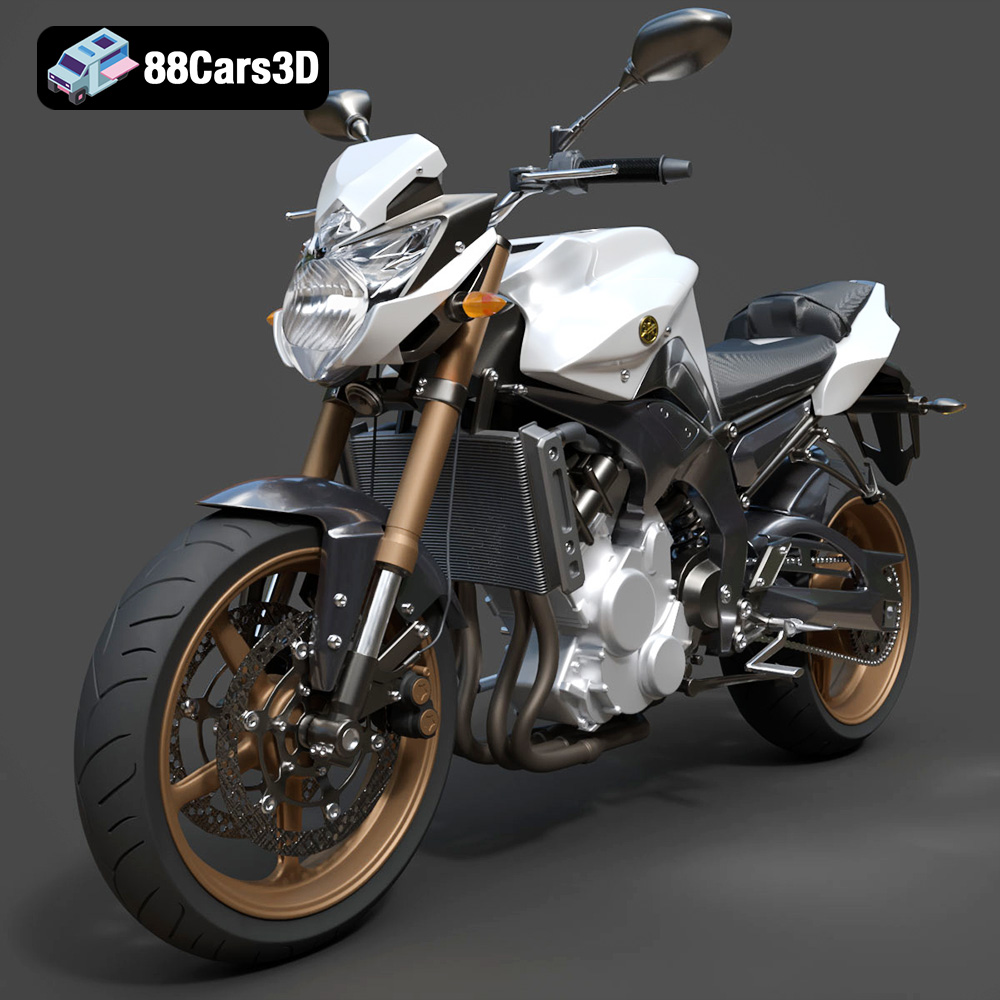
Yamaha FZ8 2011 3D Model
Texture: Yes
Material: Yes
Download the Yamaha FZ8 2011 3D Model featuring clean geometry, realistic detailing, and a fully modeled interior. Includes .blend, .fbx, .obj, .glb, .stl, .ply, .unreal, and .max formats for rendering, simulation, and game development.
Price: $19.99
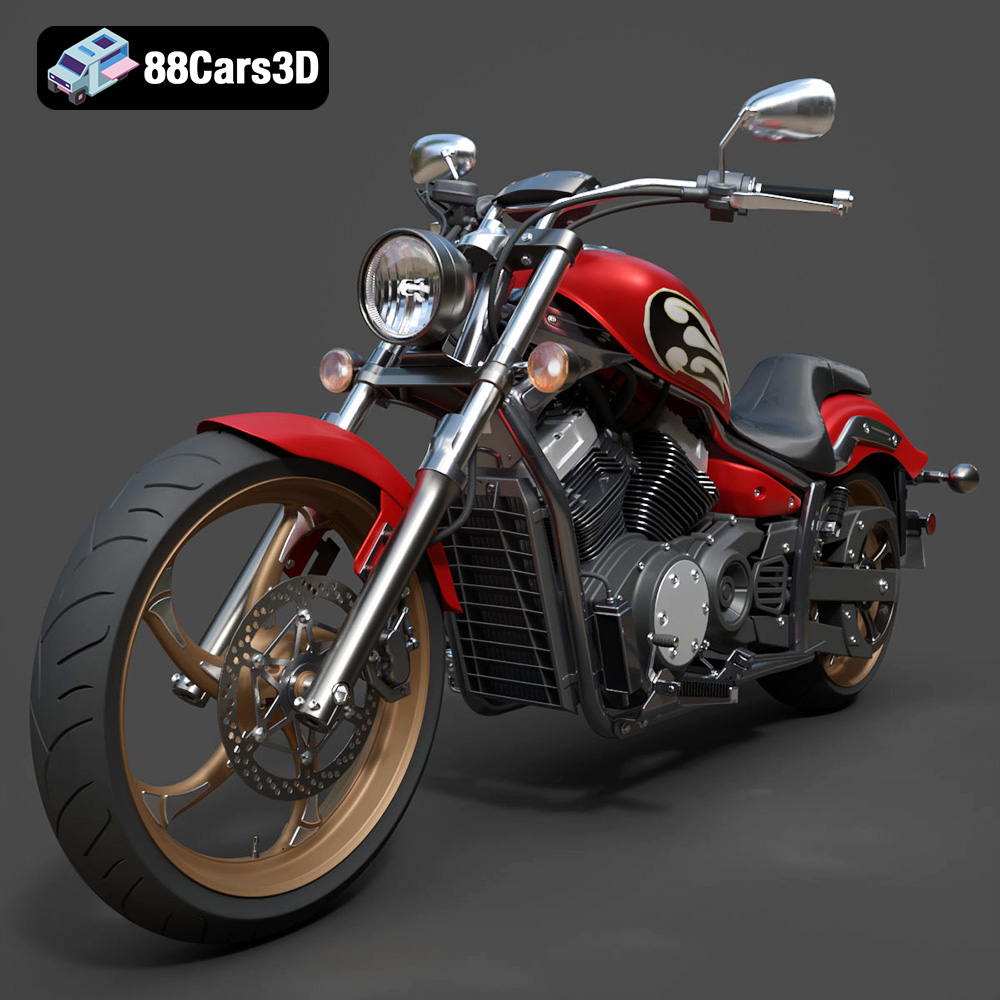
Yamaha Stryker 2012 3D Model
Texture: Yes
Material: Yes
Download the Yamaha Stryker 2012 3D Model featuring clean geometry, realistic detailing, and a fully modeled interior. Includes .blend, .fbx, .obj, .glb, .stl, .ply, .unreal, and .max formats for rendering, simulation, and game development.
Price: $19.99
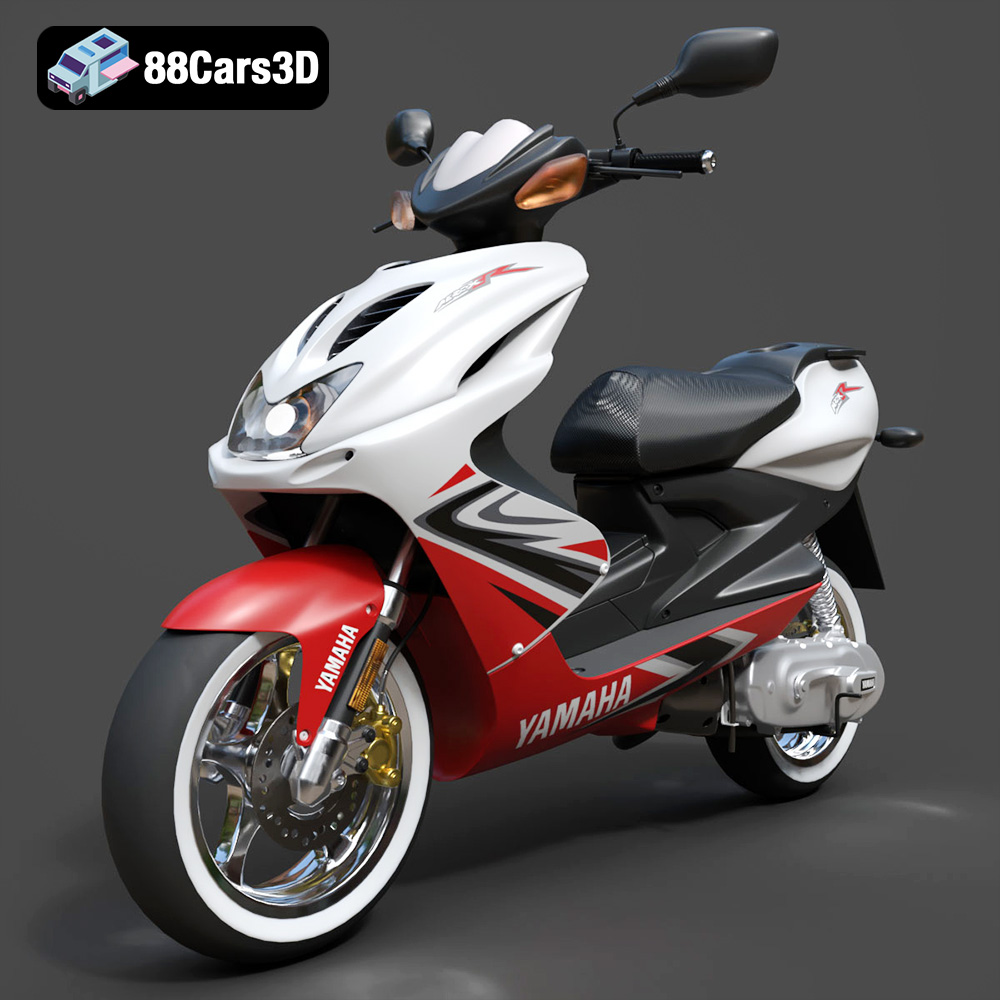
Yamaha Aerox R-002 2024 3D Model
Texture: Yes
Material: Yes
Download the Yamaha Aerox R-002 2024 3D Model featuring clean geometry, realistic detailing, and a fully modeled interior. Includes .blend, .fbx, .obj, .glb, .stl, .ply, .unreal, and .max formats for rendering, simulation, and game development.
Price: $19.99
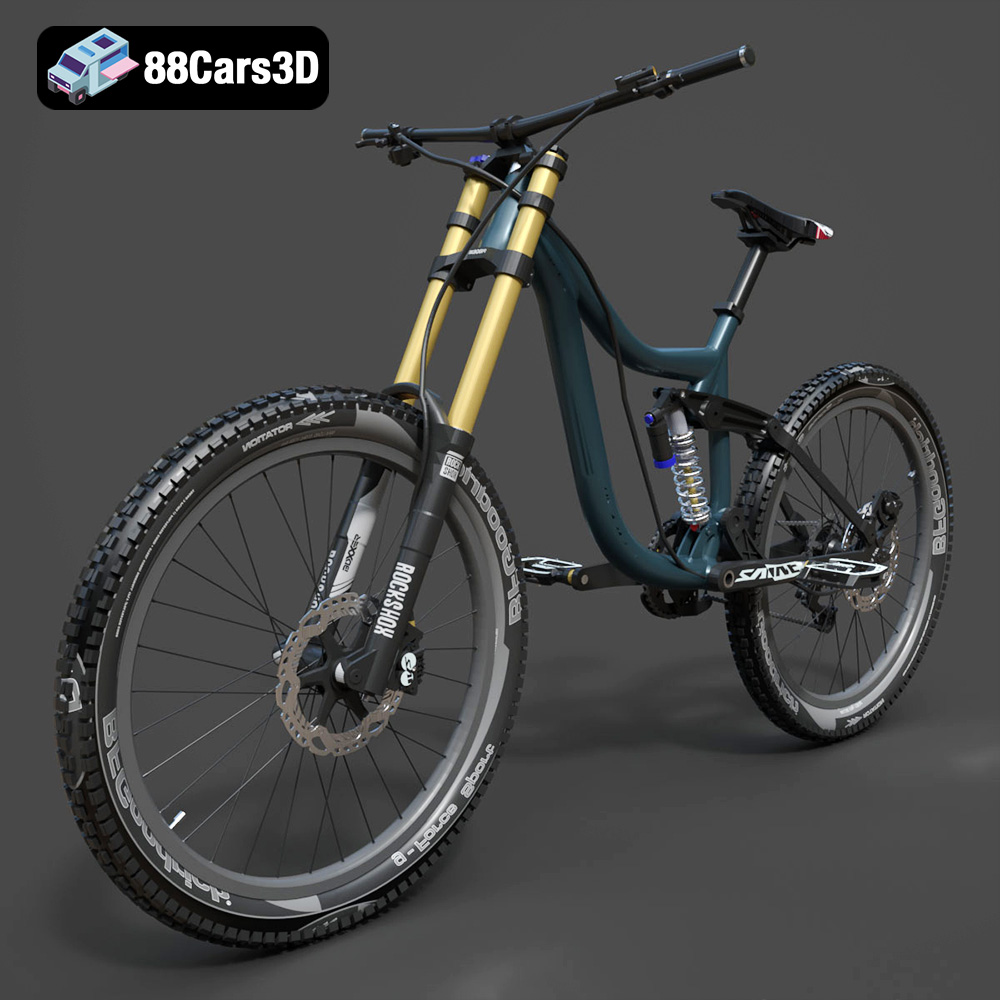
Mototsikly Downhill Bike-002 3D Model
Texture: Yes
Material: Yes
Download the Mototsikly Downhill Bike-002 3D Model featuring clean geometry, realistic detailing, and precise mechanical components. Includes .blend, .fbx, .obj, .glb, .stl, .ply, .unreal, and .max formats for rendering, simulation, and game development.
Price: $19.99
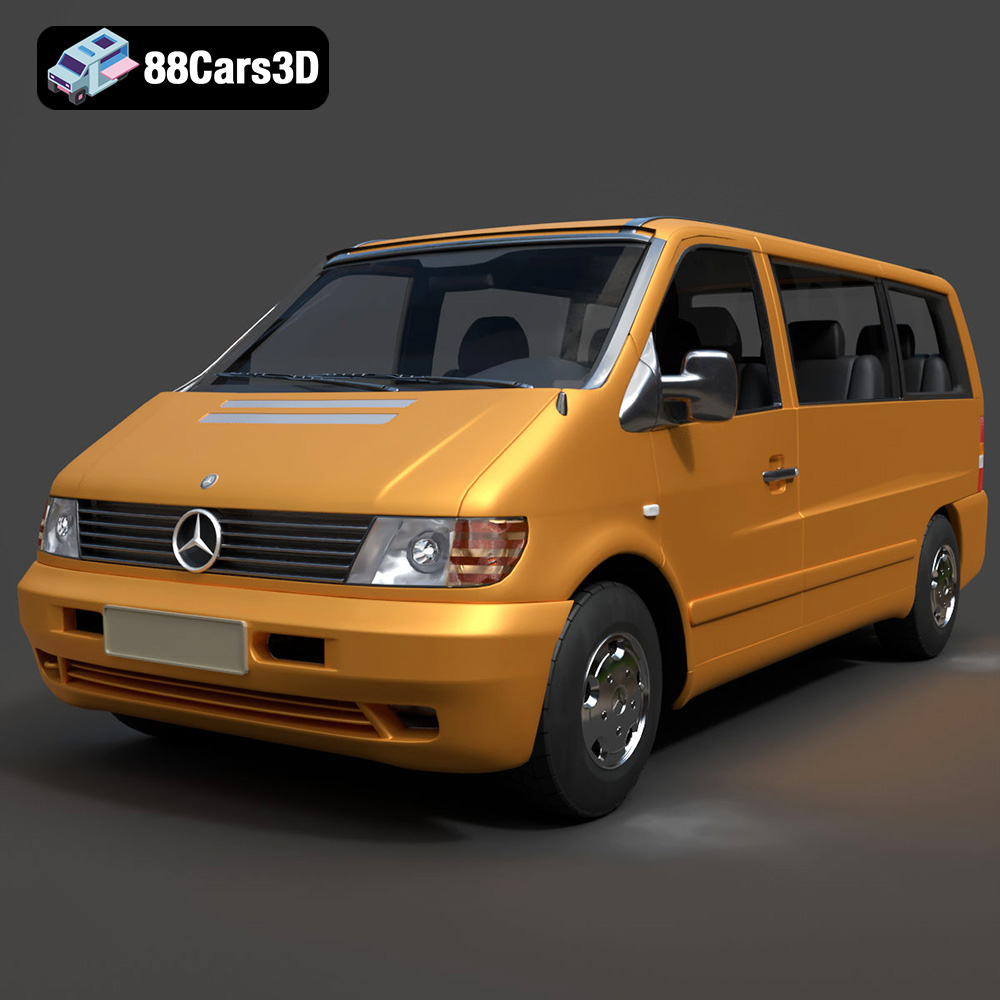
Mercedes-Benz Vito Passenger Van 3D Model
Texture: Yes
Material: Yes
Download the Mercedes-Benz Vito Passenger Van 3D Model featuring clean geometry, realistic detailing, and a fully modeled interior. Includes .blend, .fbx, .obj, .glb, .stl, .ply, .unreal, and .max formats for rendering, simulation, and game development.
Price: $19.99
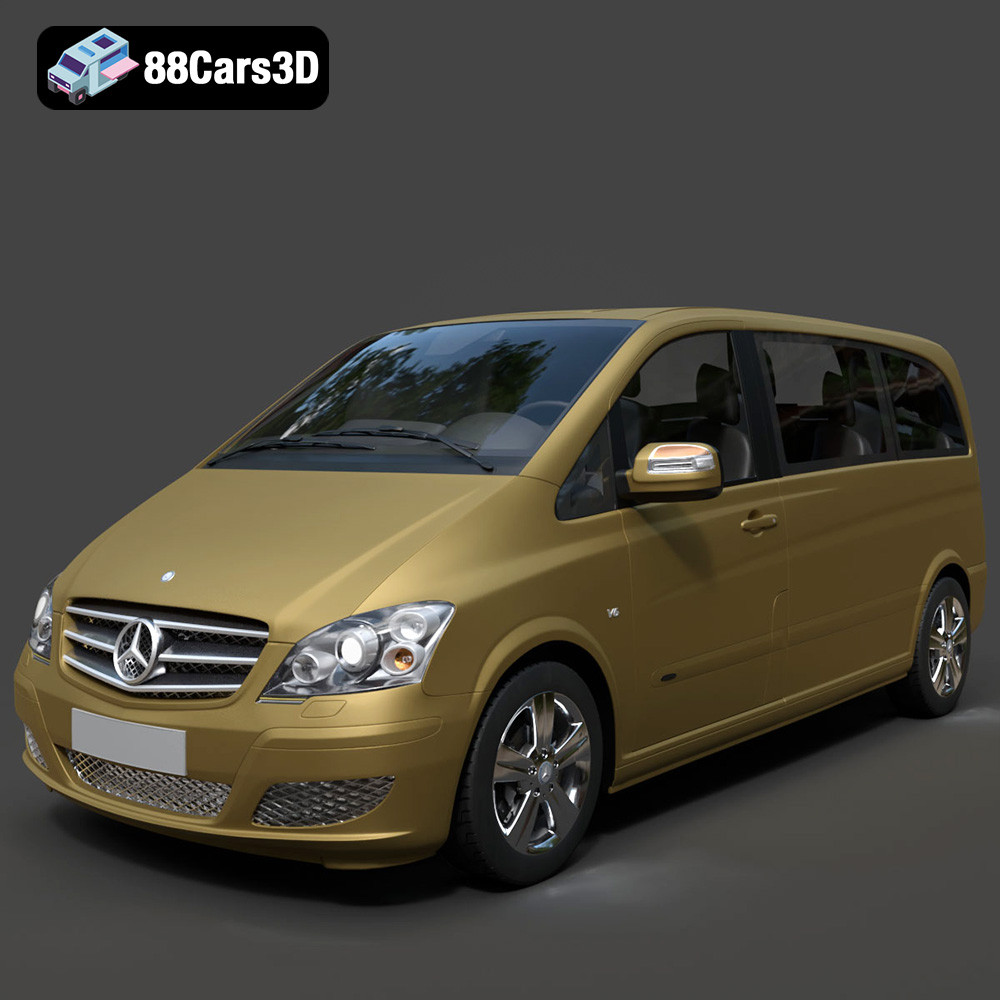
Mercedes-Benz Viano 2010 3D Model
Texture: Yes
Material: Yes
Download the Mercedes-Benz Viano 2010 3D Model featuring clean geometry, realistic detailing, and a fully modeled interior. Includes .blend, .fbx, .obj, .glb, .stl, .ply, .unreal, and .max formats for rendering, simulation, and game development.
Price: $19.99

Emt Avtobus 007 3D Model
Texture: Yes
Material: Yes
Download the Emt Avtobus 007 3D Model featuring clean geometry, realistic detailing, and a fully modeled interior. Includes .blend, .fbx, .obj, .glb, .stl, .ply, .unreal, and .max formats for rendering, simulation, and game development.
Price: $19.99
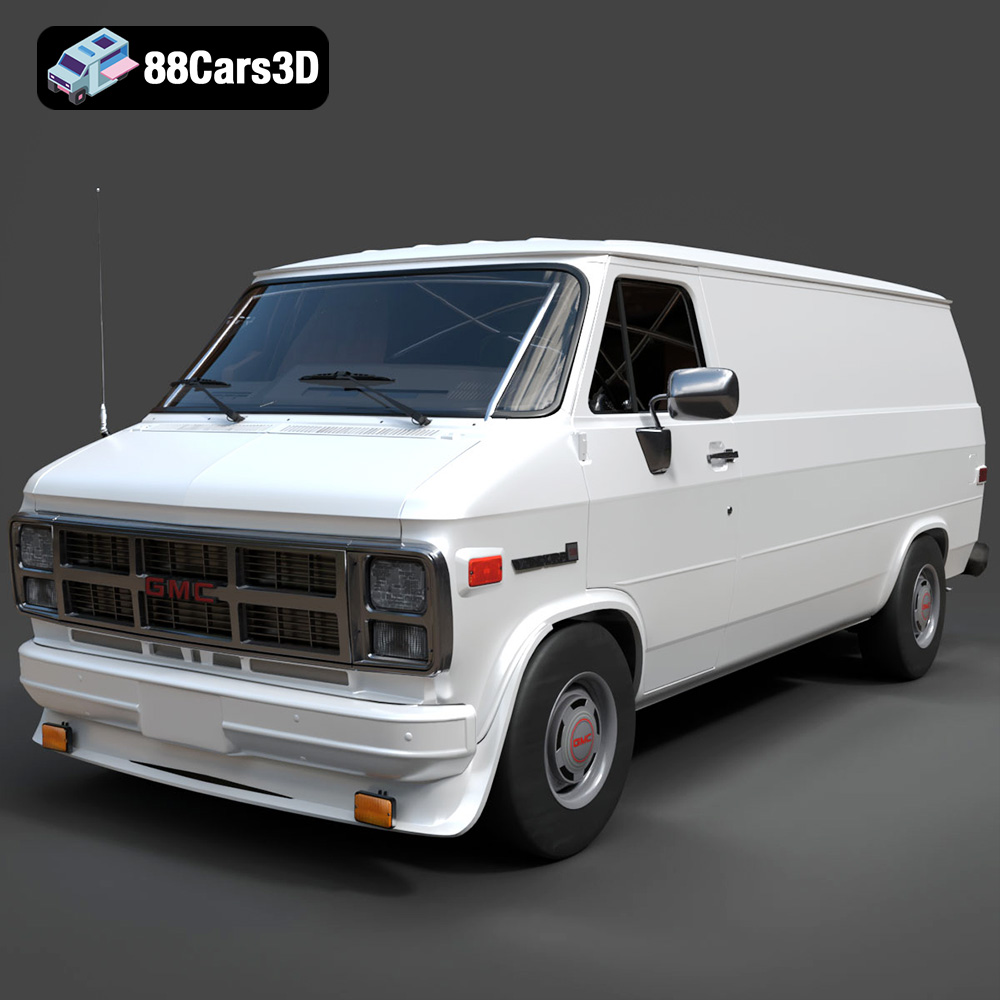
GMC Vandura G-1500 1983 3D Model
Texture: Yes
Material: Yes
Download the GMC Vandura G-1500 1983 3D Model featuring clean geometry, realistic detailing, and a fully modeled interior. Includes .blend, .fbx, .obj, .glb, .stl, .ply, .unreal, and .max formats for rendering, simulation, and game development.
Price: $19.99
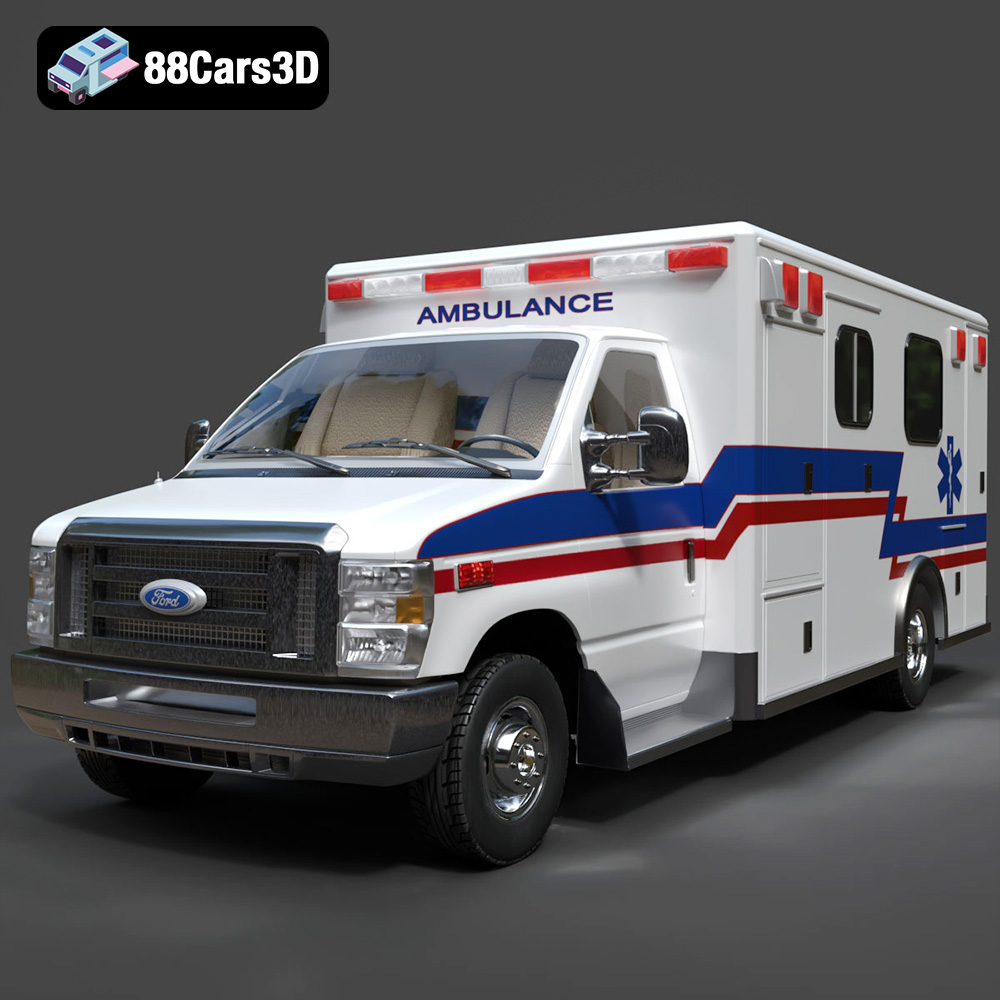
Ford E-450 Ambulance 3D Model
Texture: Yes
Material: Yes
Download the Ford E-450 Ambulance 3D Model featuring clean geometry, realistic detailing, and a fully modeled interior. Includes .blend, .fbx, .obj, .glb, .stl, .ply, .unreal, and .max formats for rendering, simulation, and game development.
Price: $19.99

Fiat Ducato SWB-001 3D Model
Texture: Yes
Material: Yes
Download the Fiat Ducato SWB-001 3D Model featuring clean geometry, realistic detailing, and a fully modeled interior. Includes .blend, .fbx, .obj, .glb, .stl, .ply, .unreal, and .max formats for rendering, simulation, and game development.
Price: $19.99
