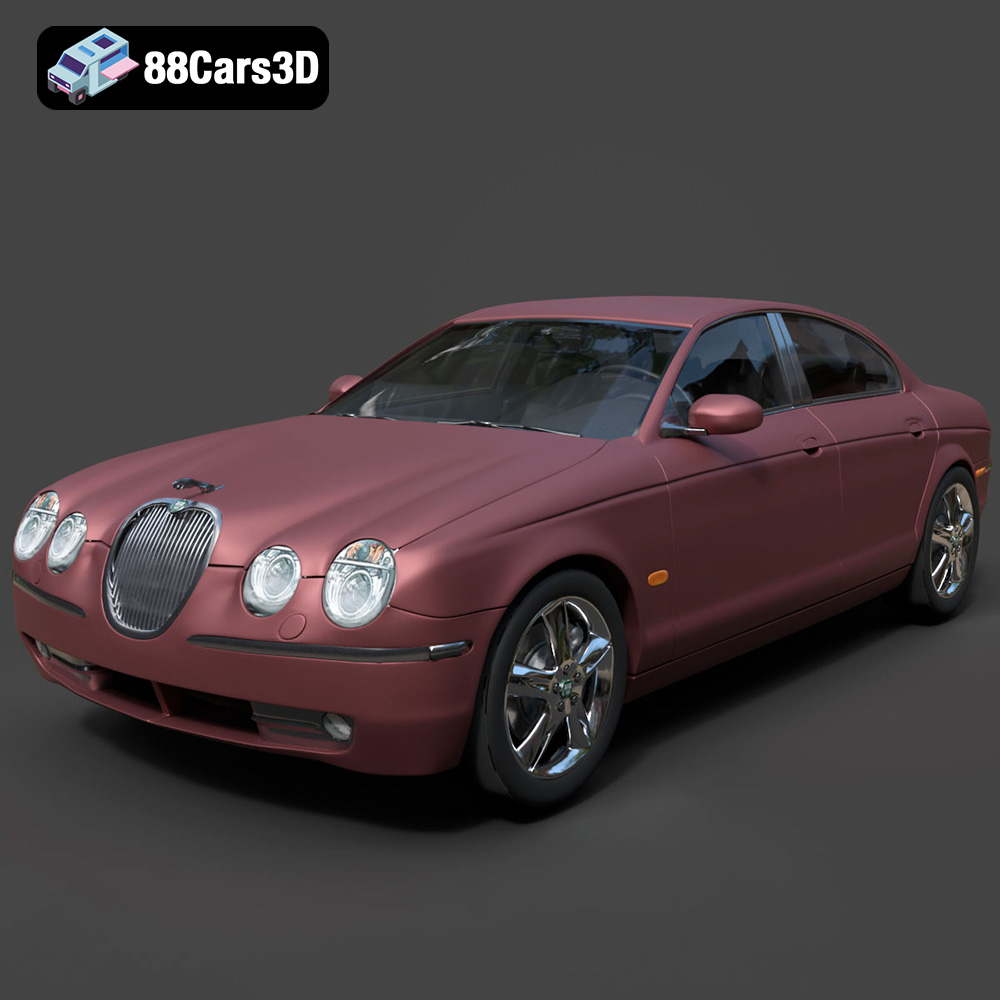
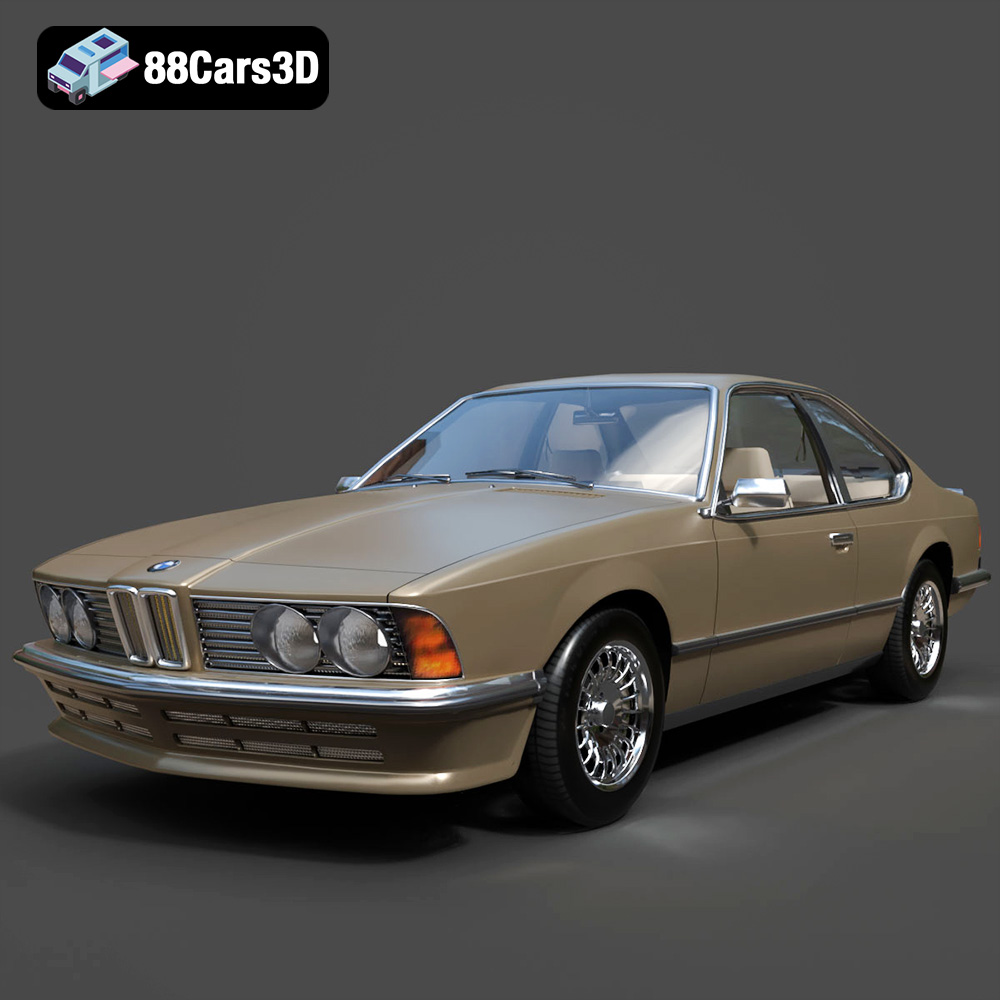
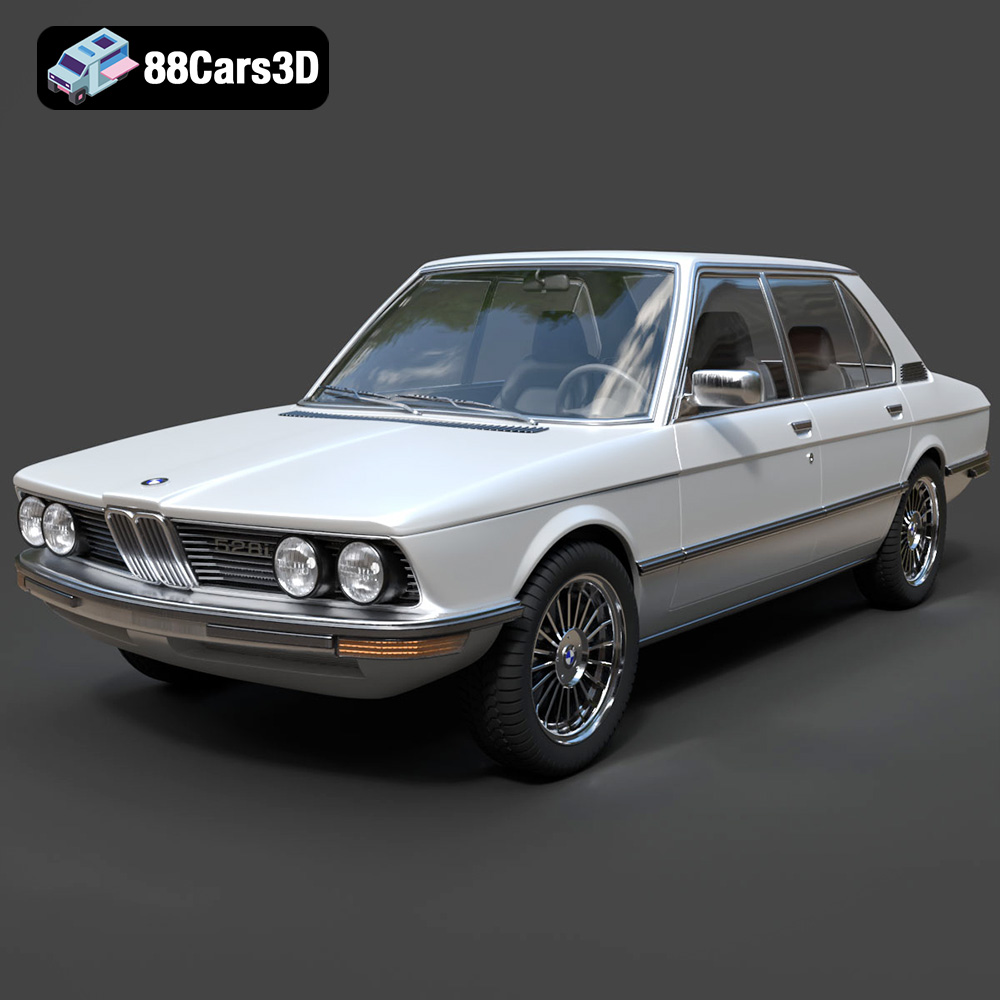
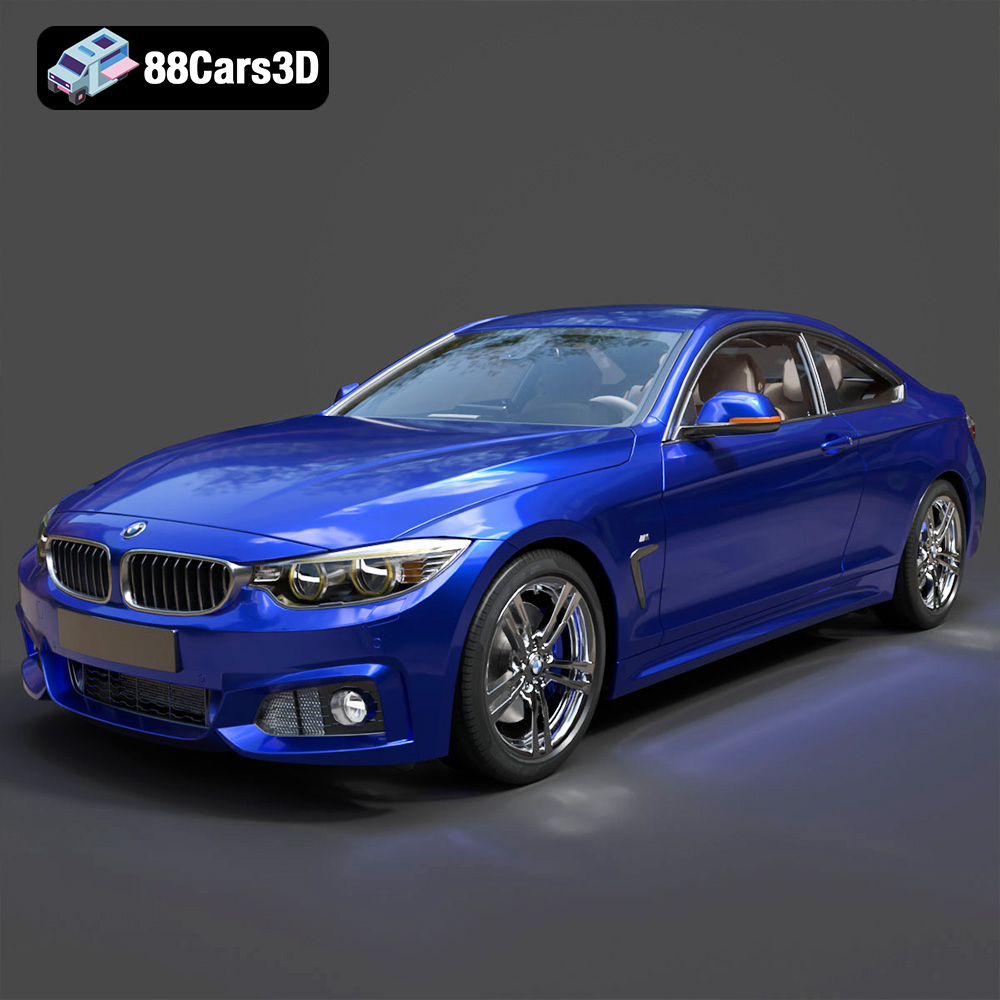
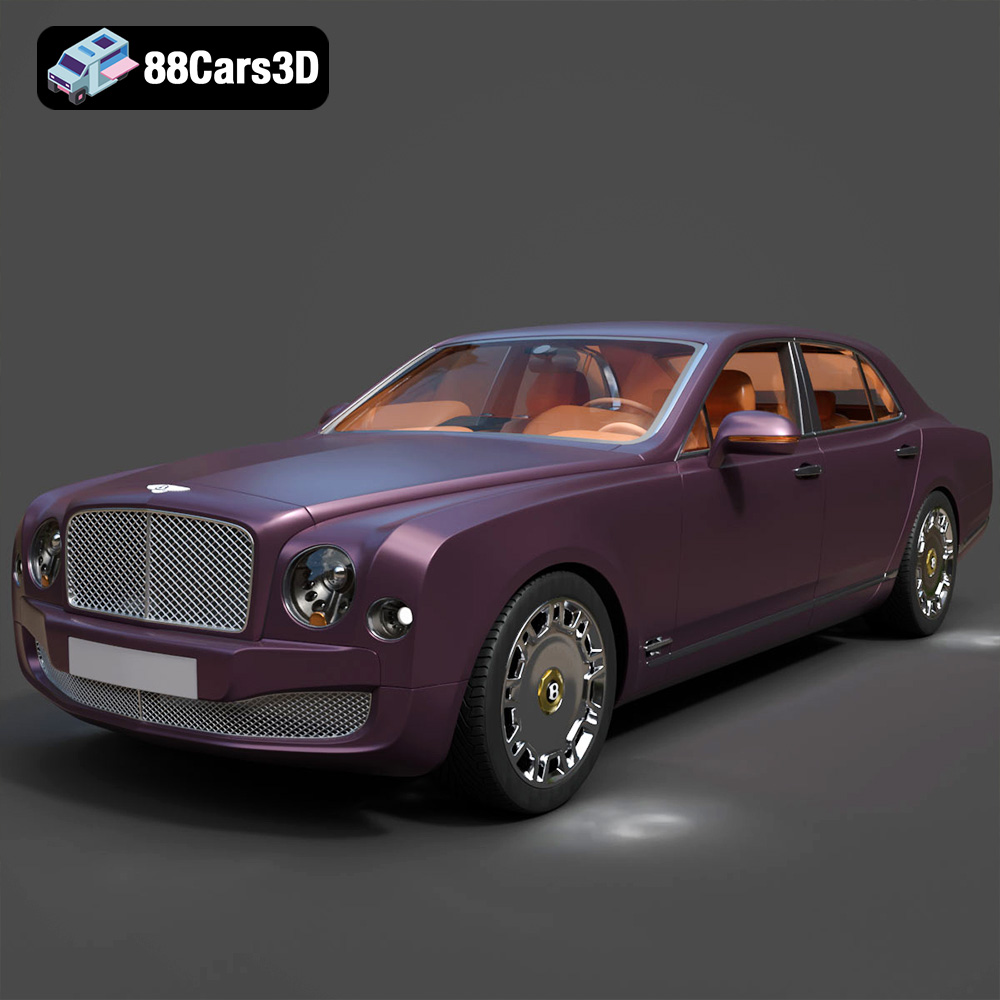
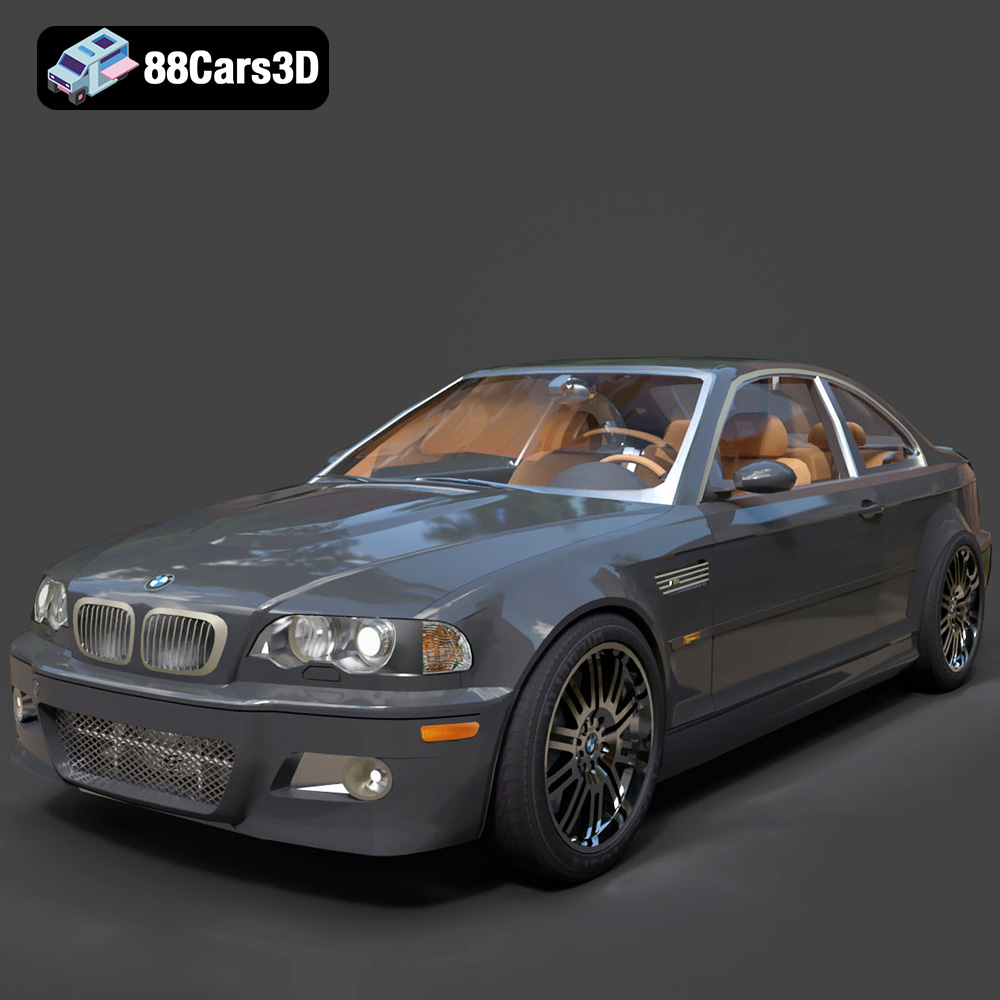
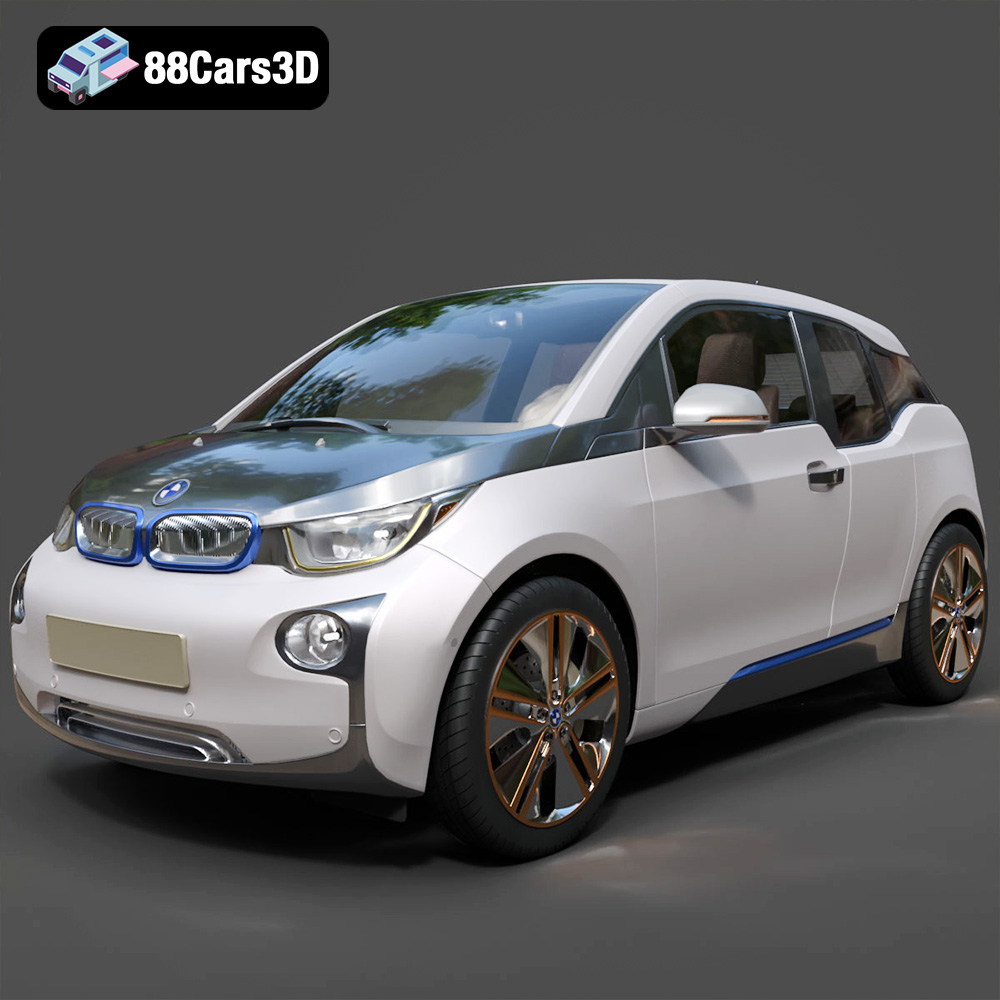
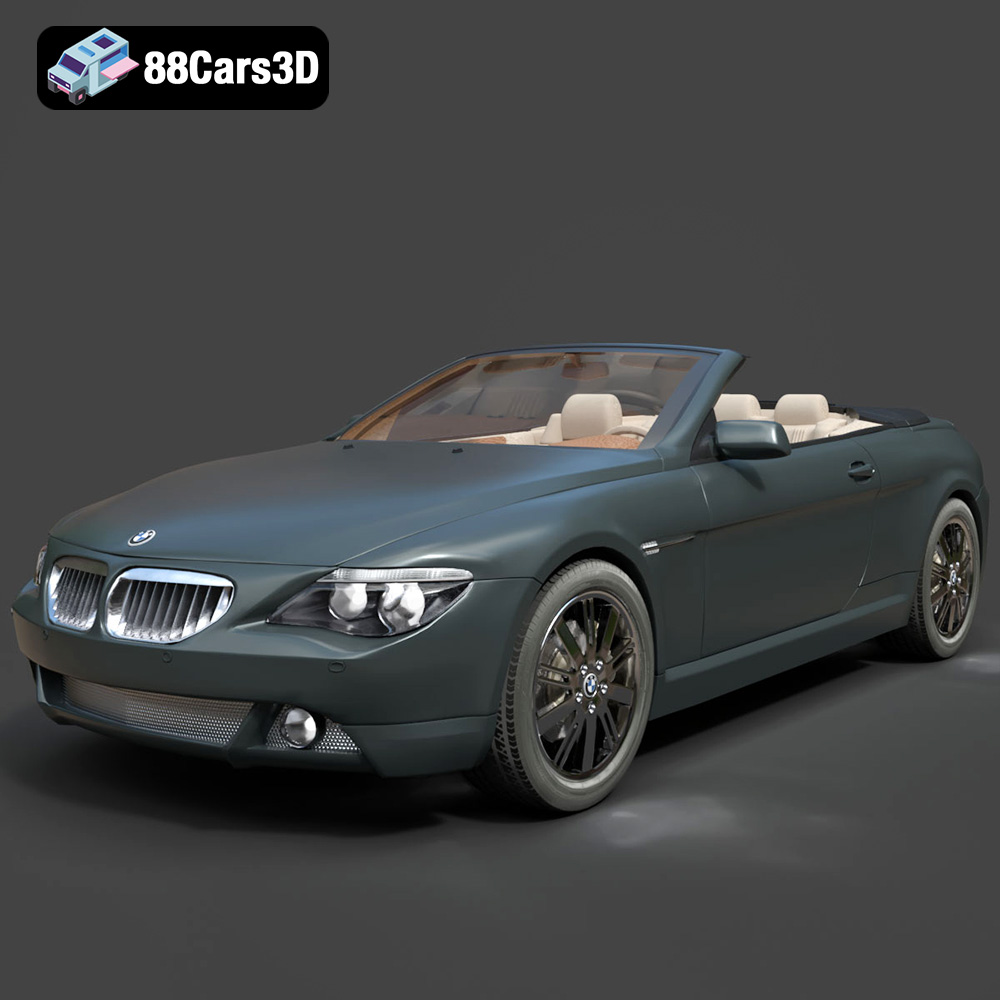
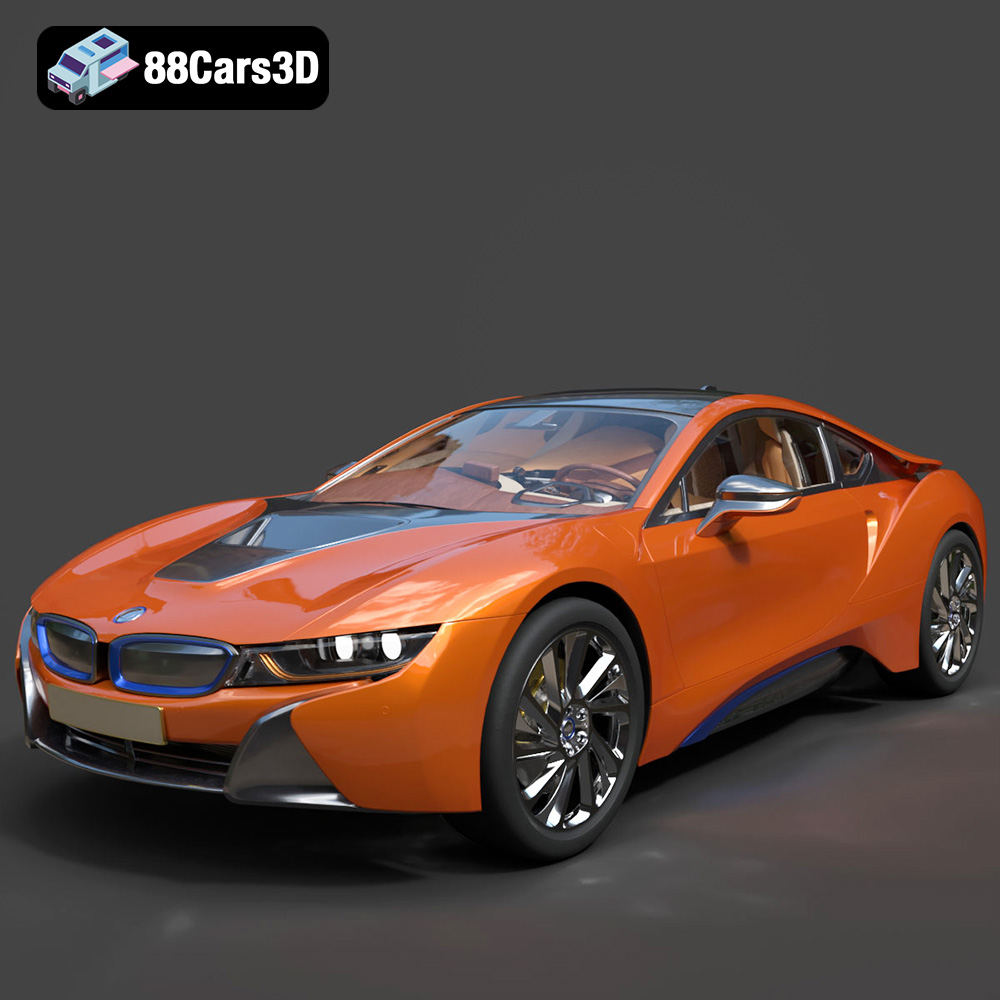
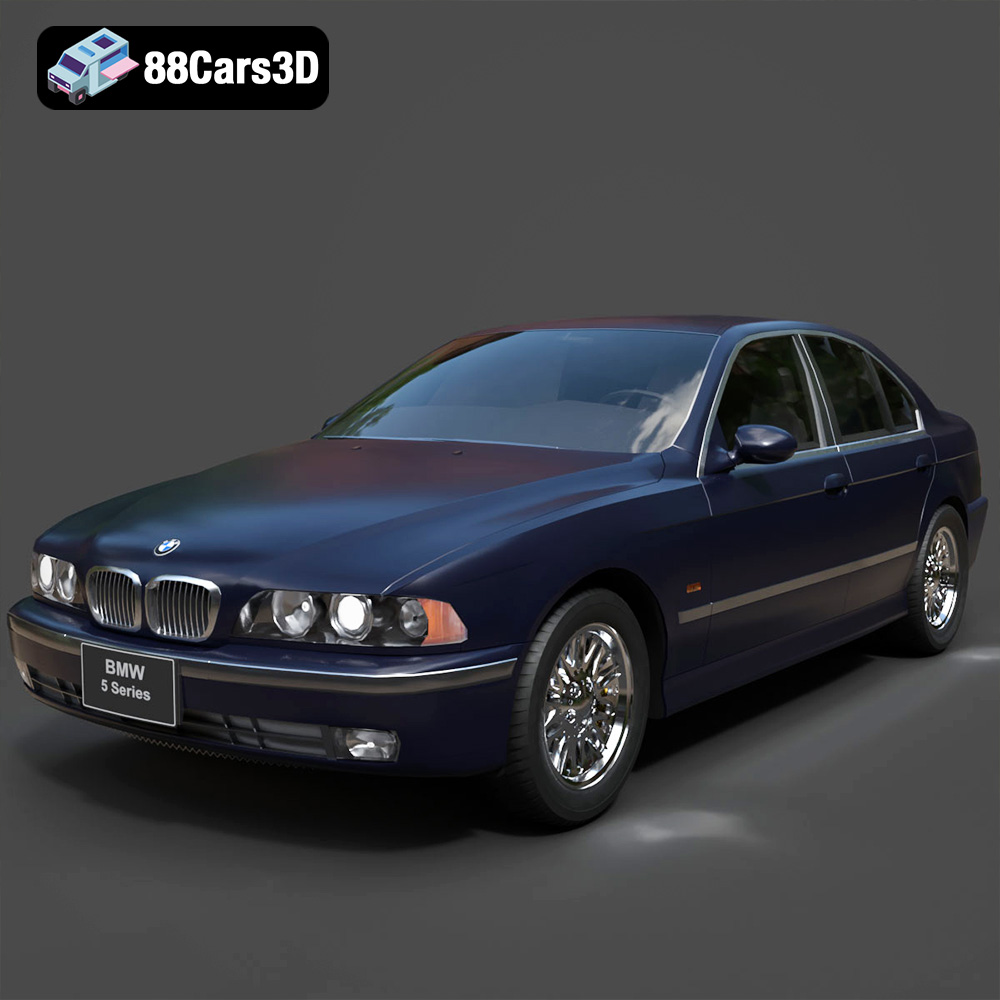
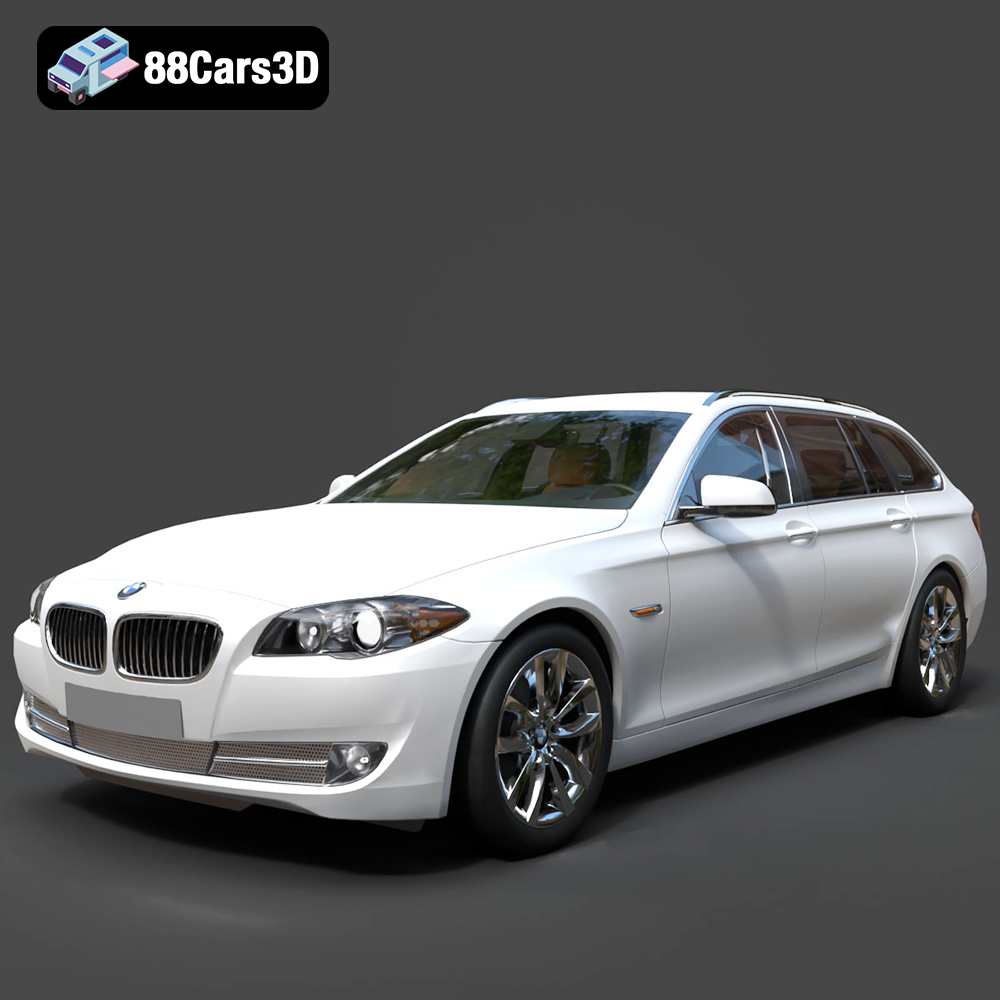
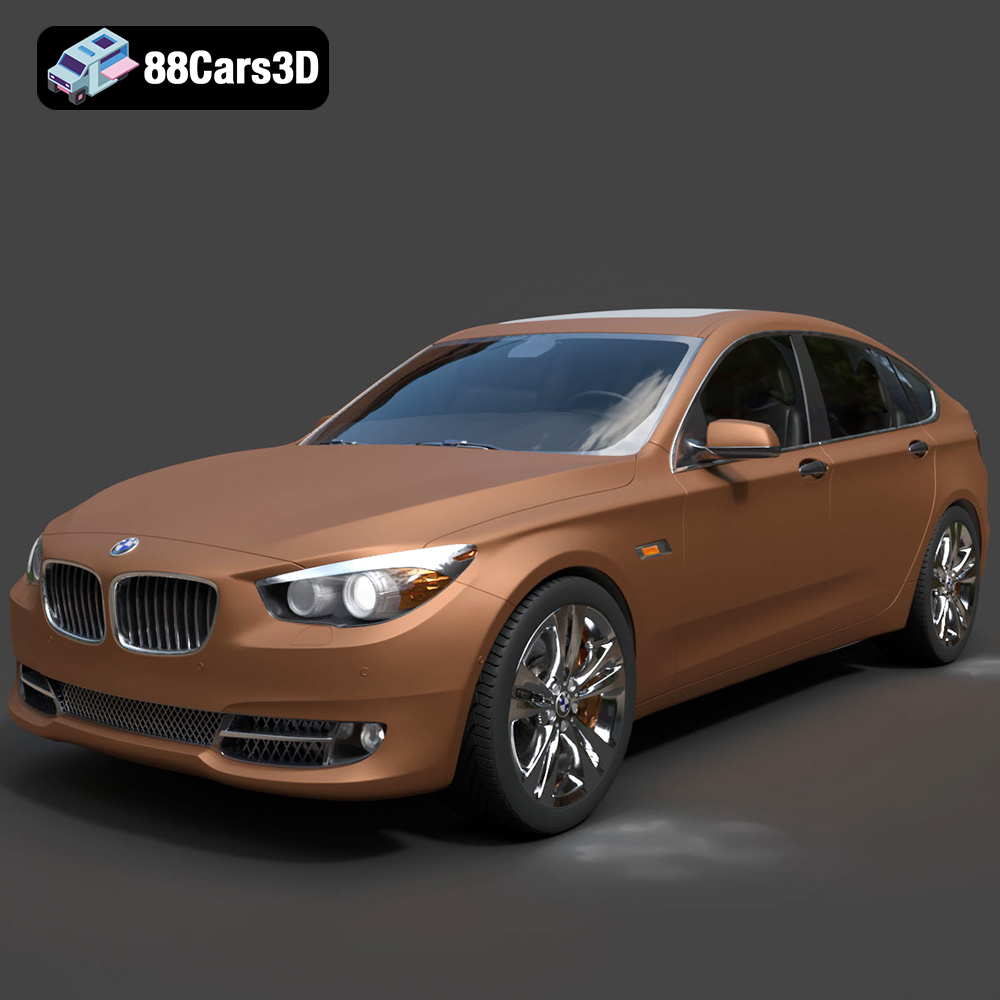
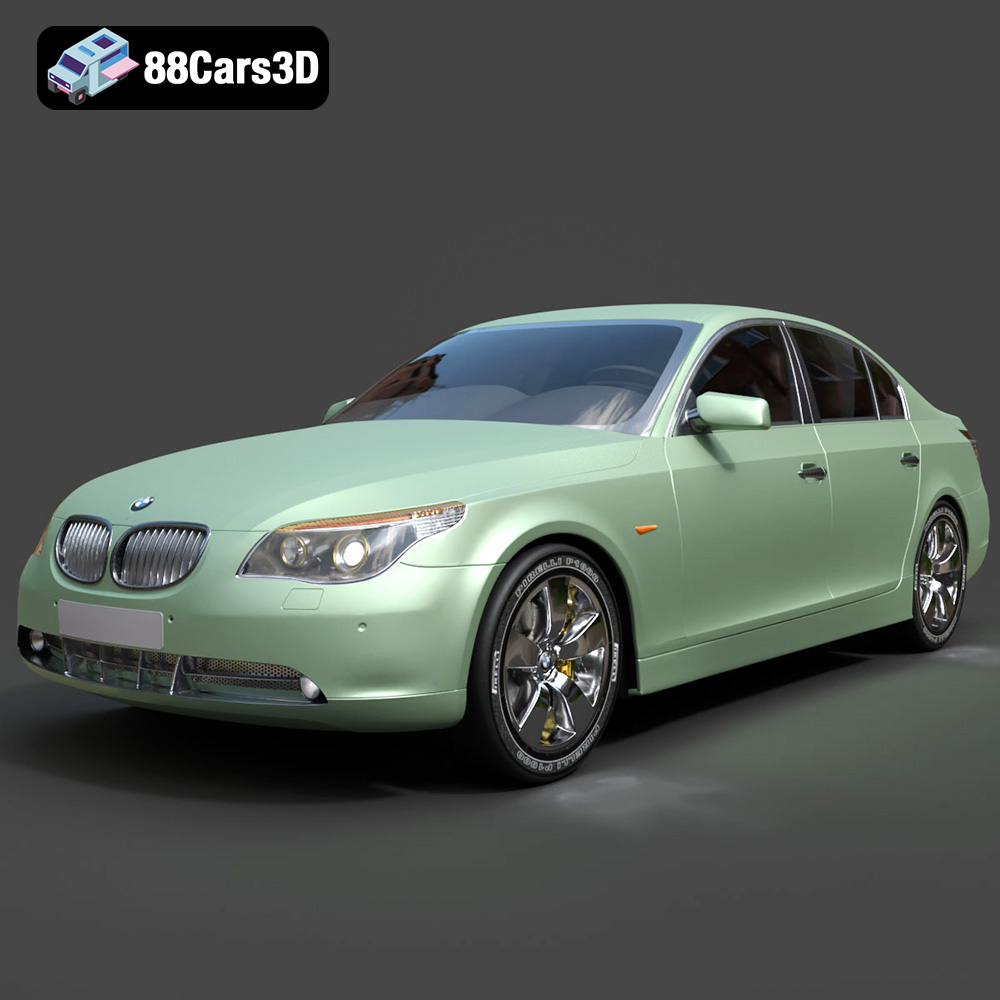
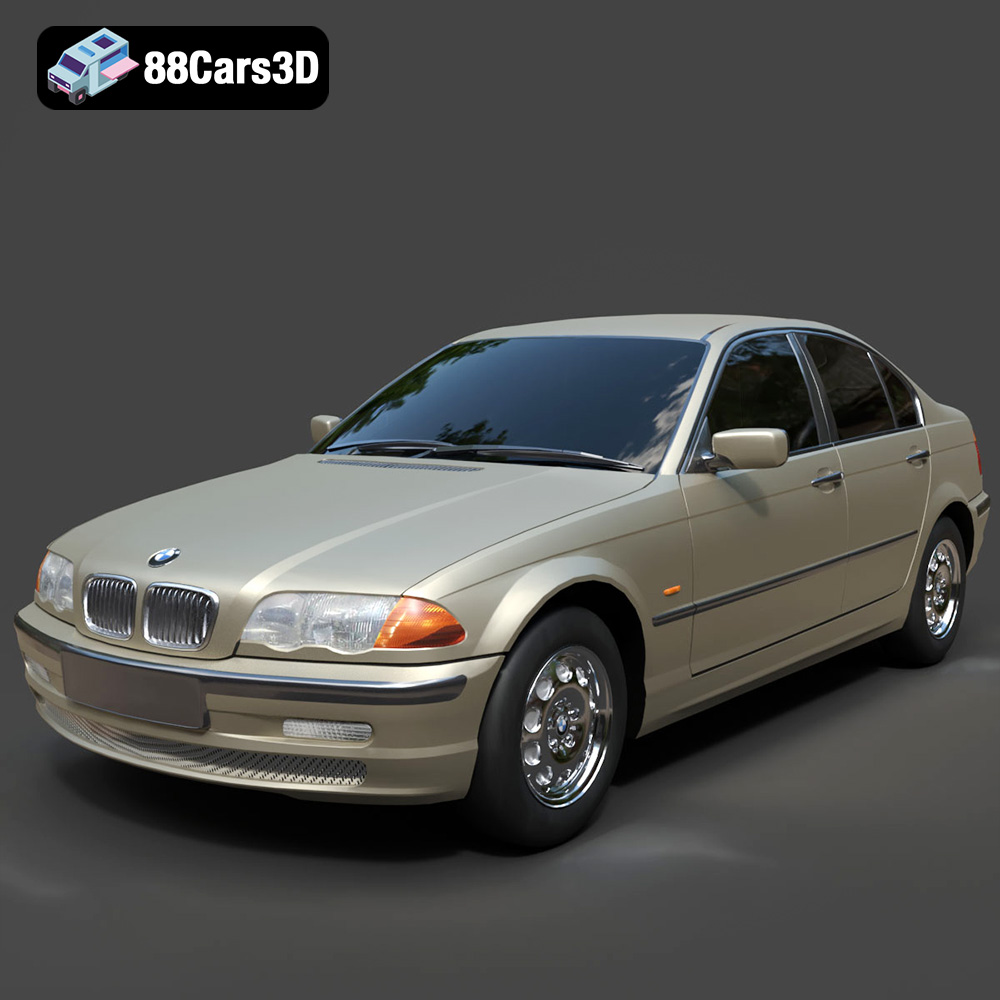
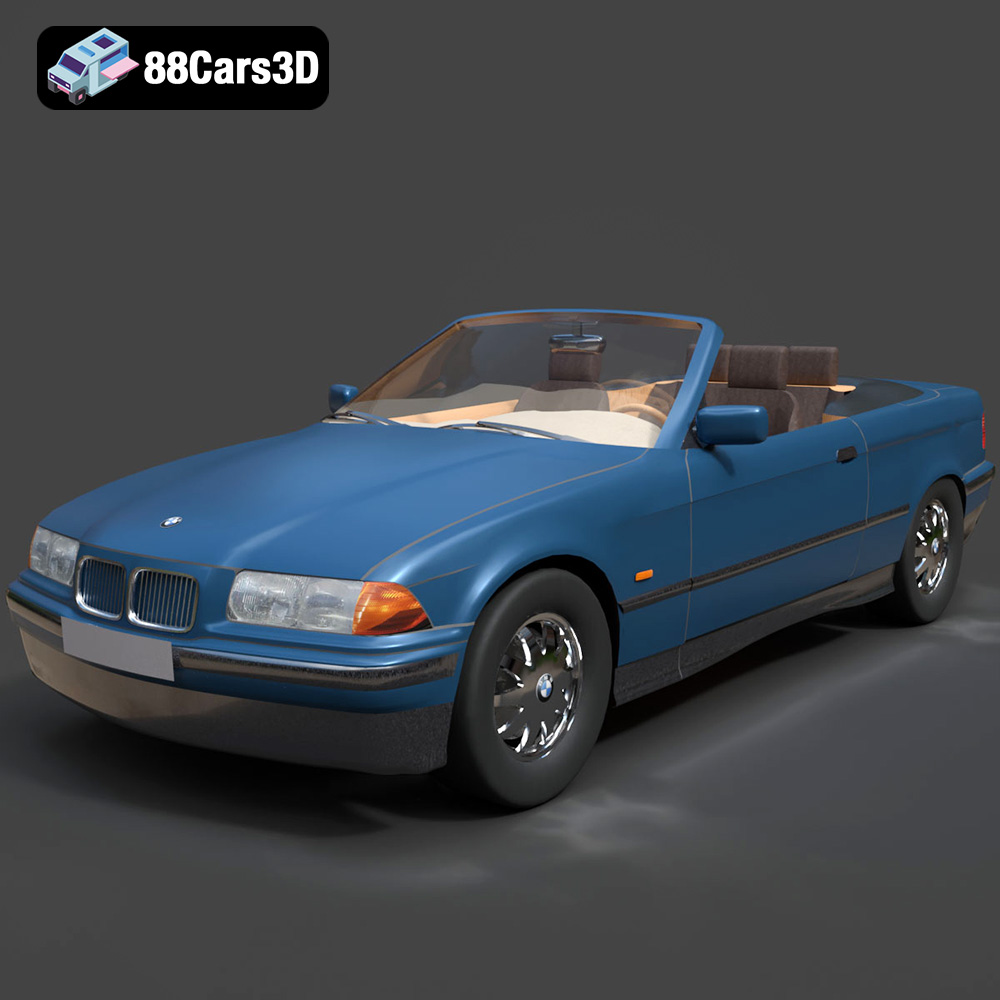
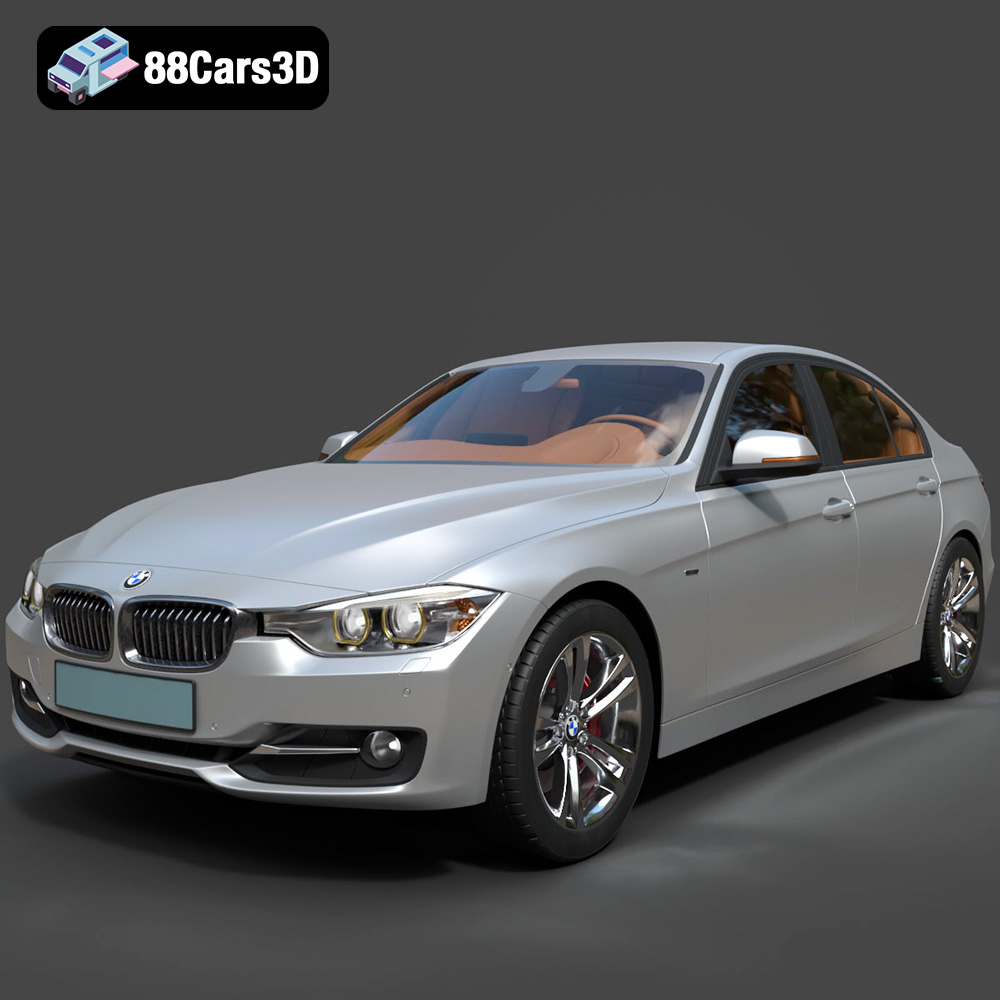
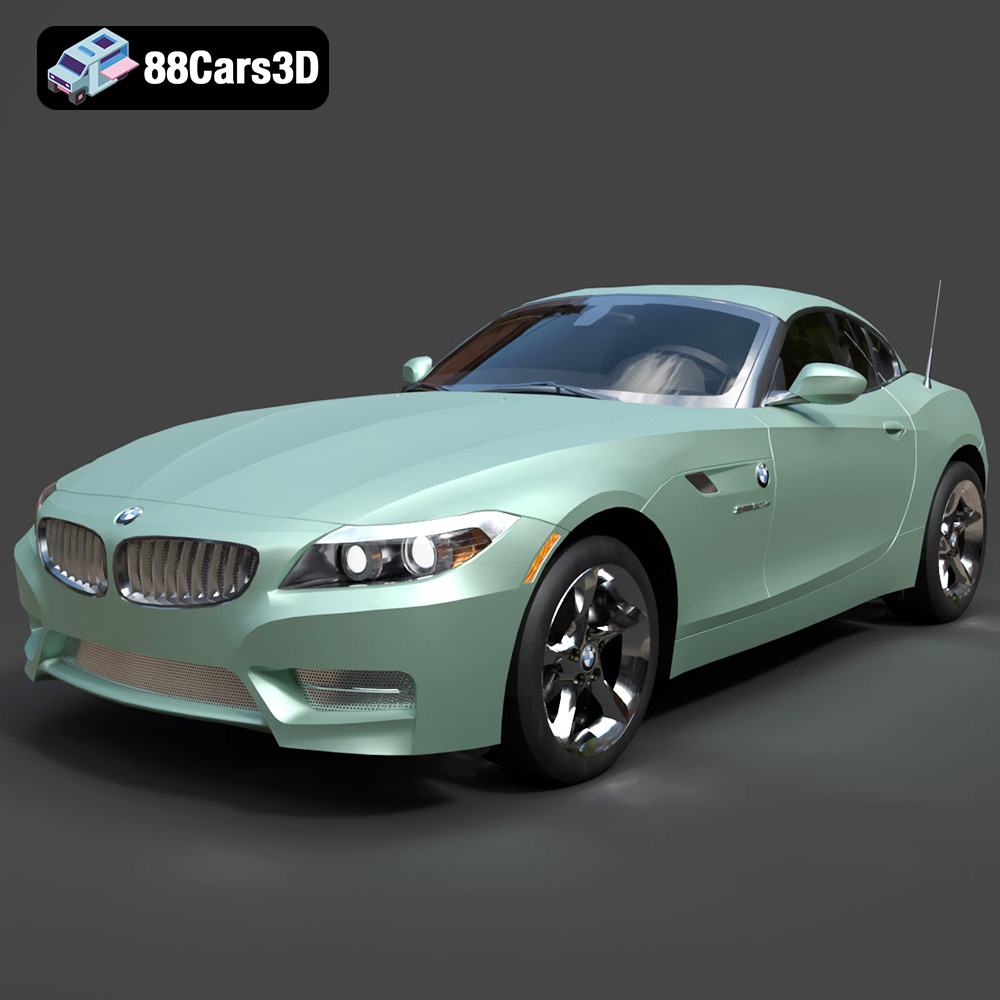
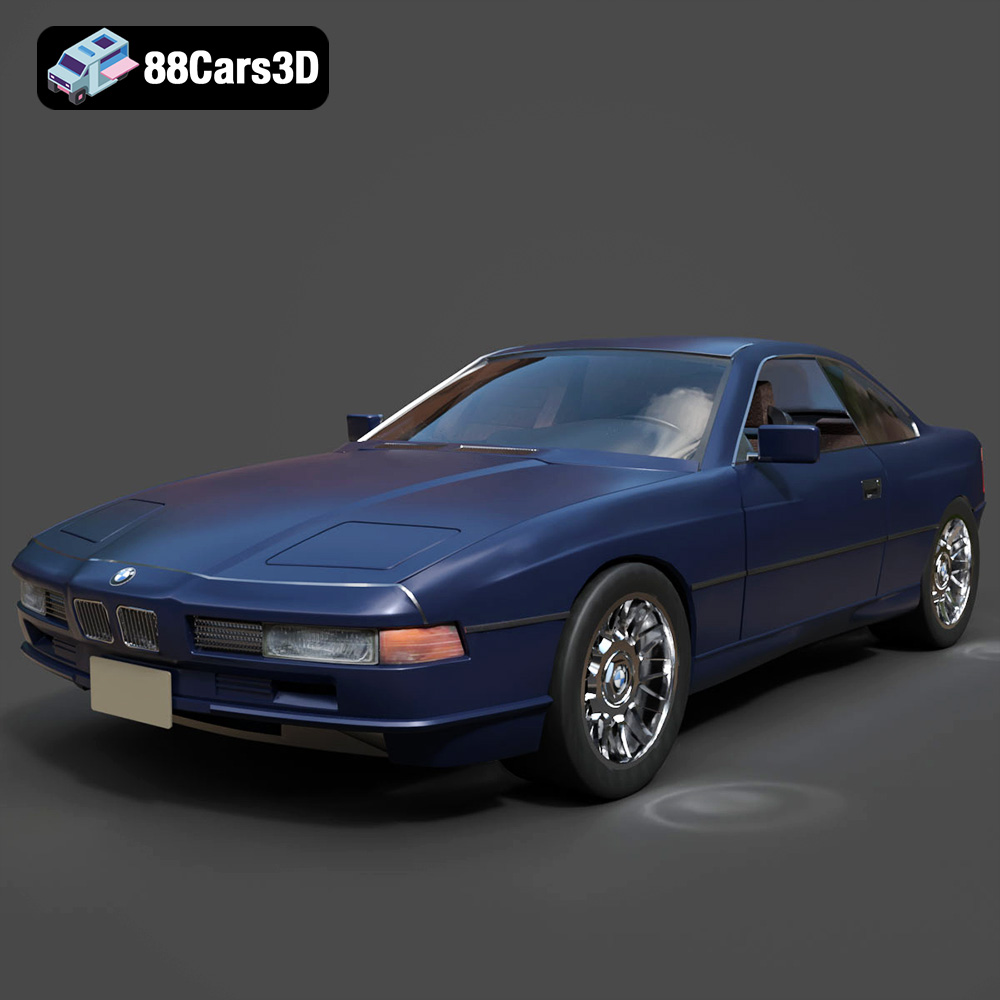
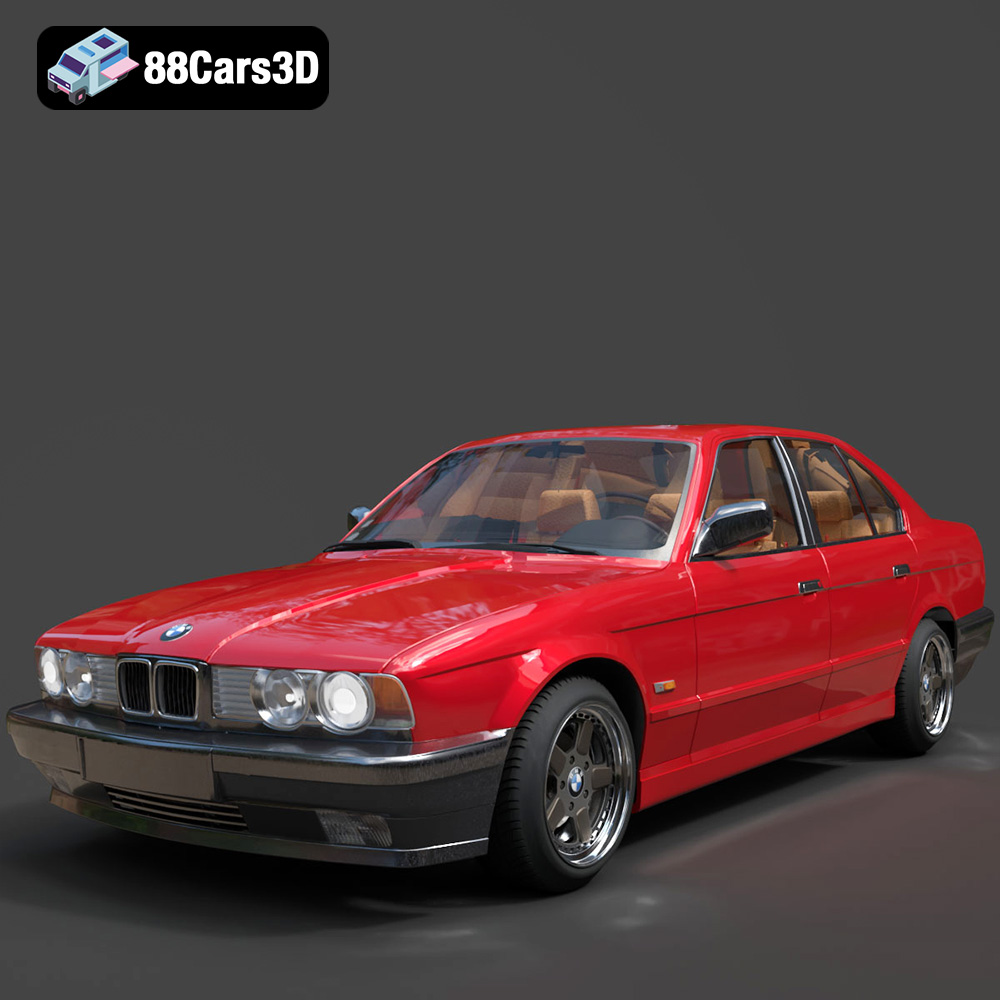
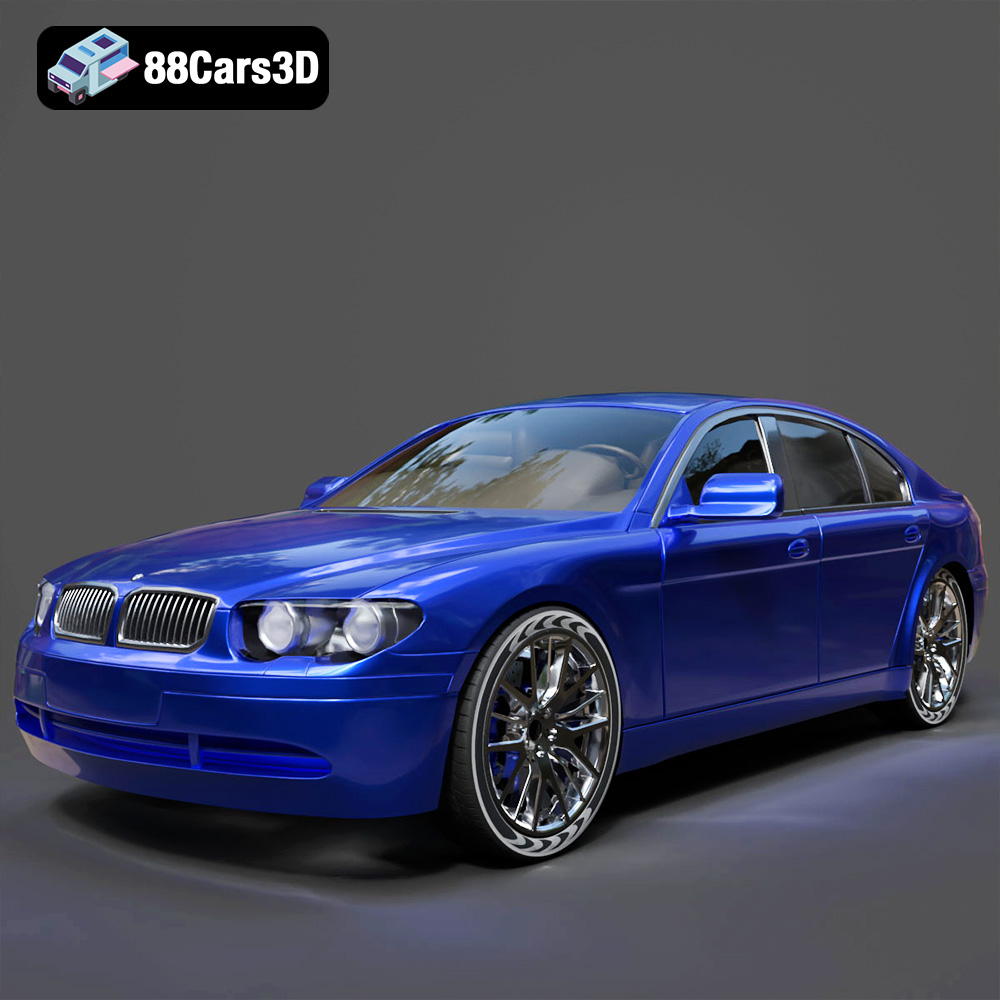
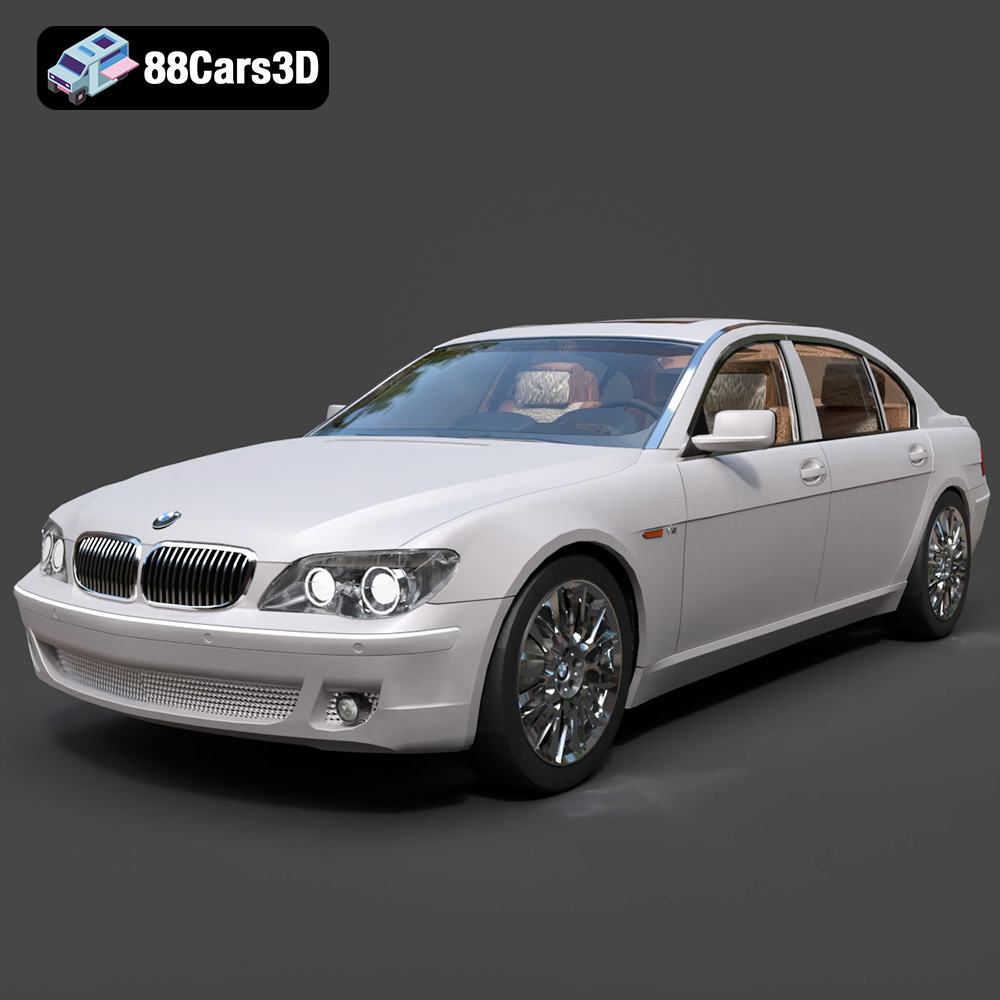
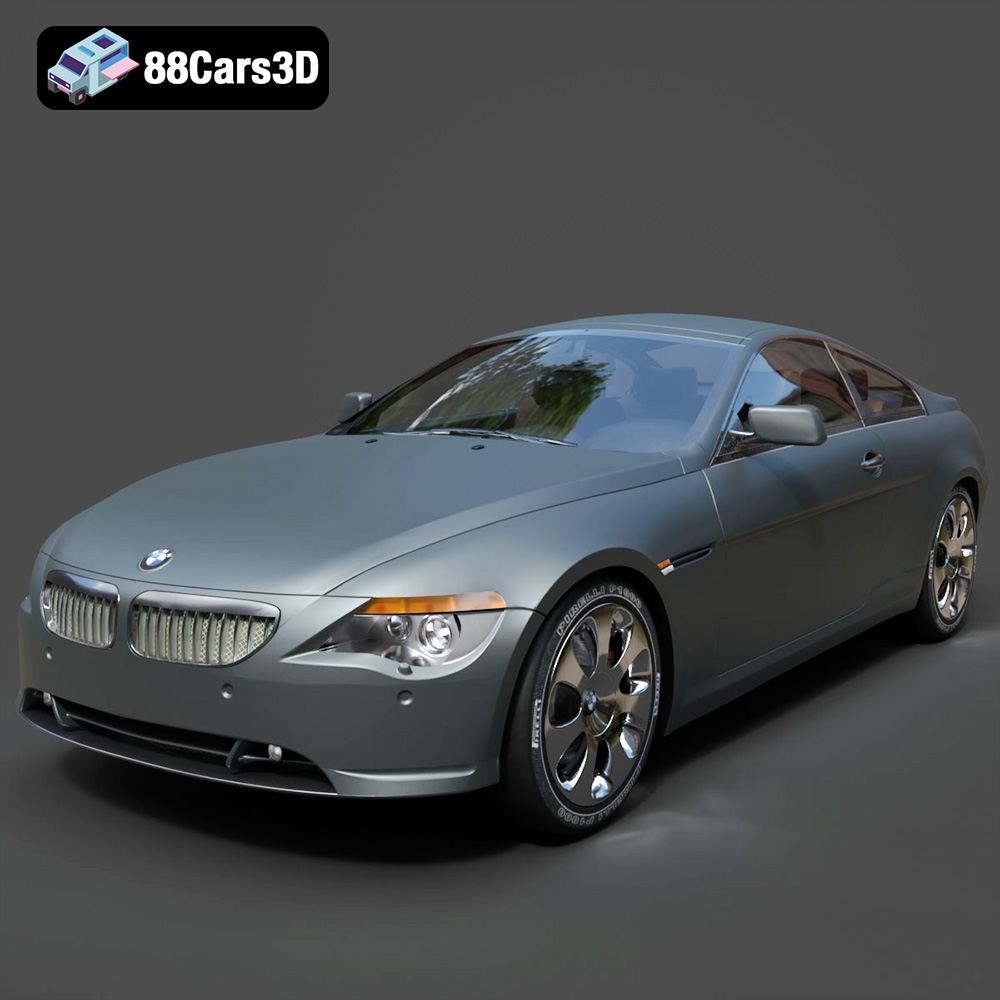
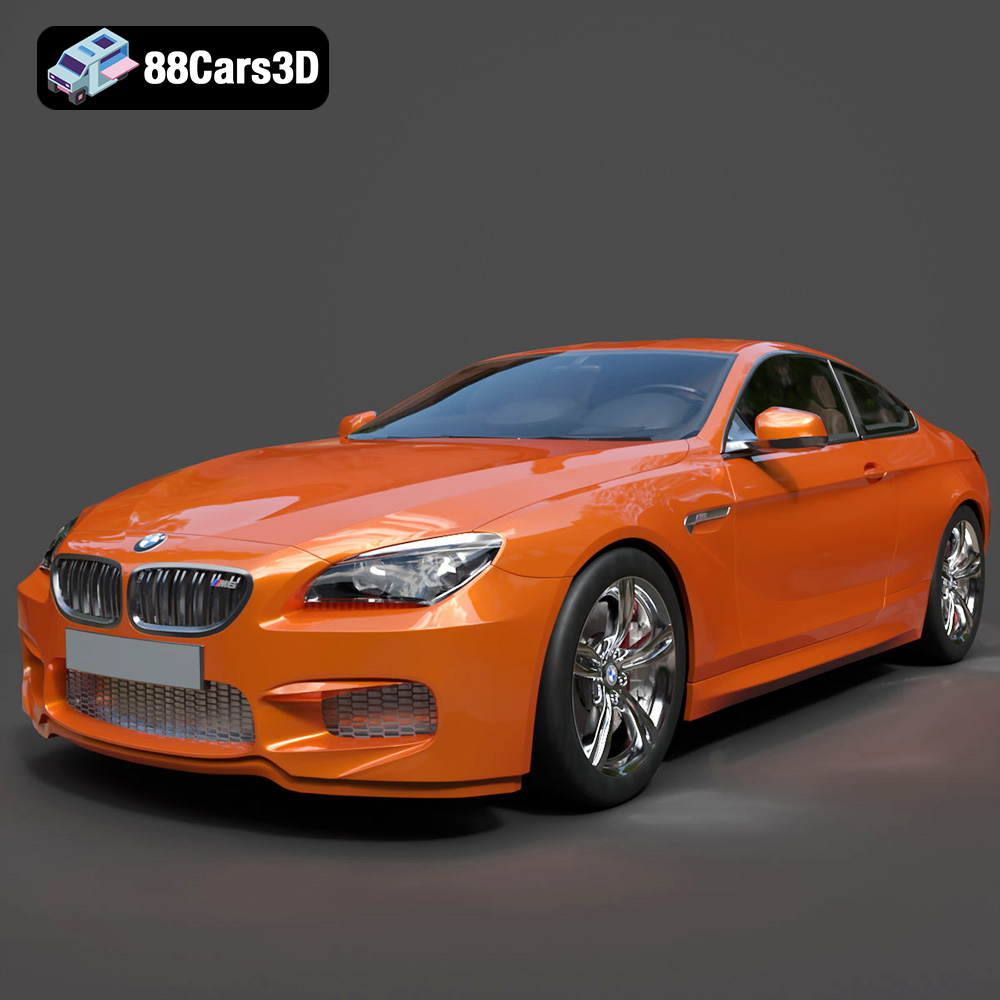
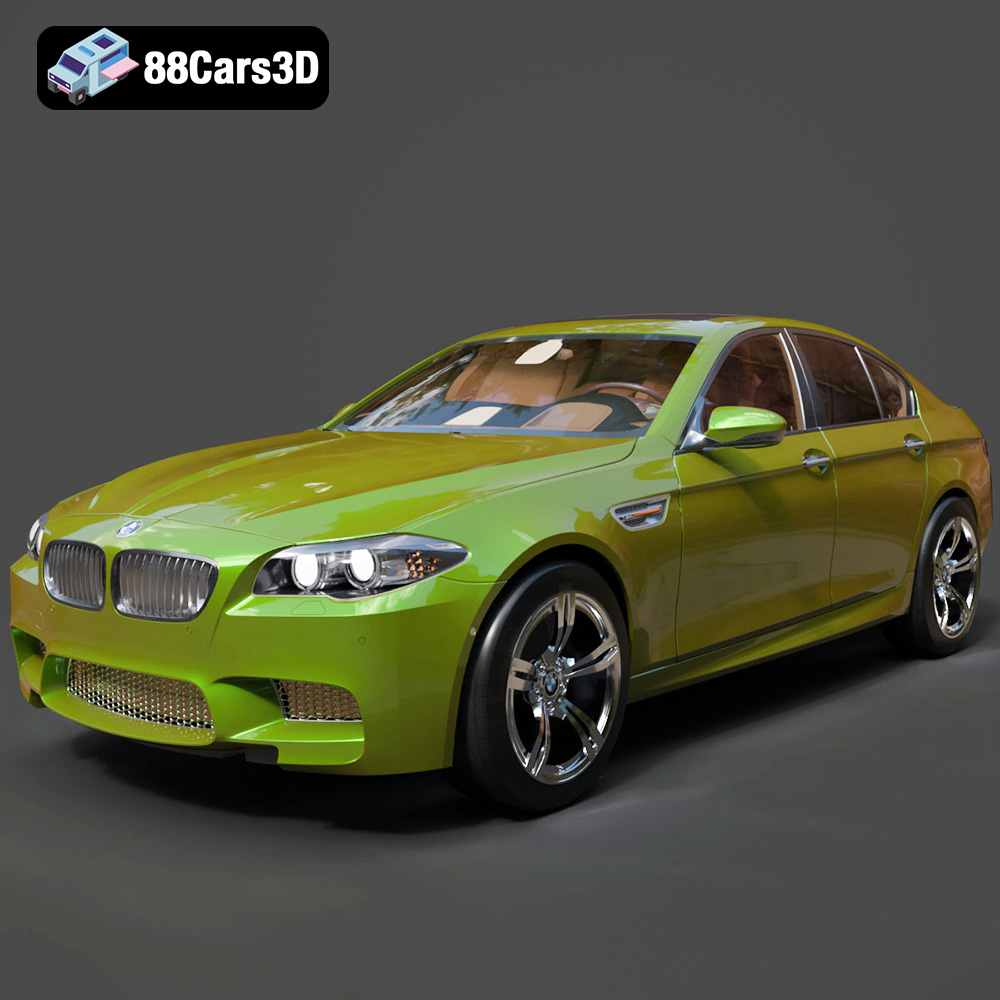
The Engine of Innovation: Why High-Quality 3D Car Models Drive Digital Excellence
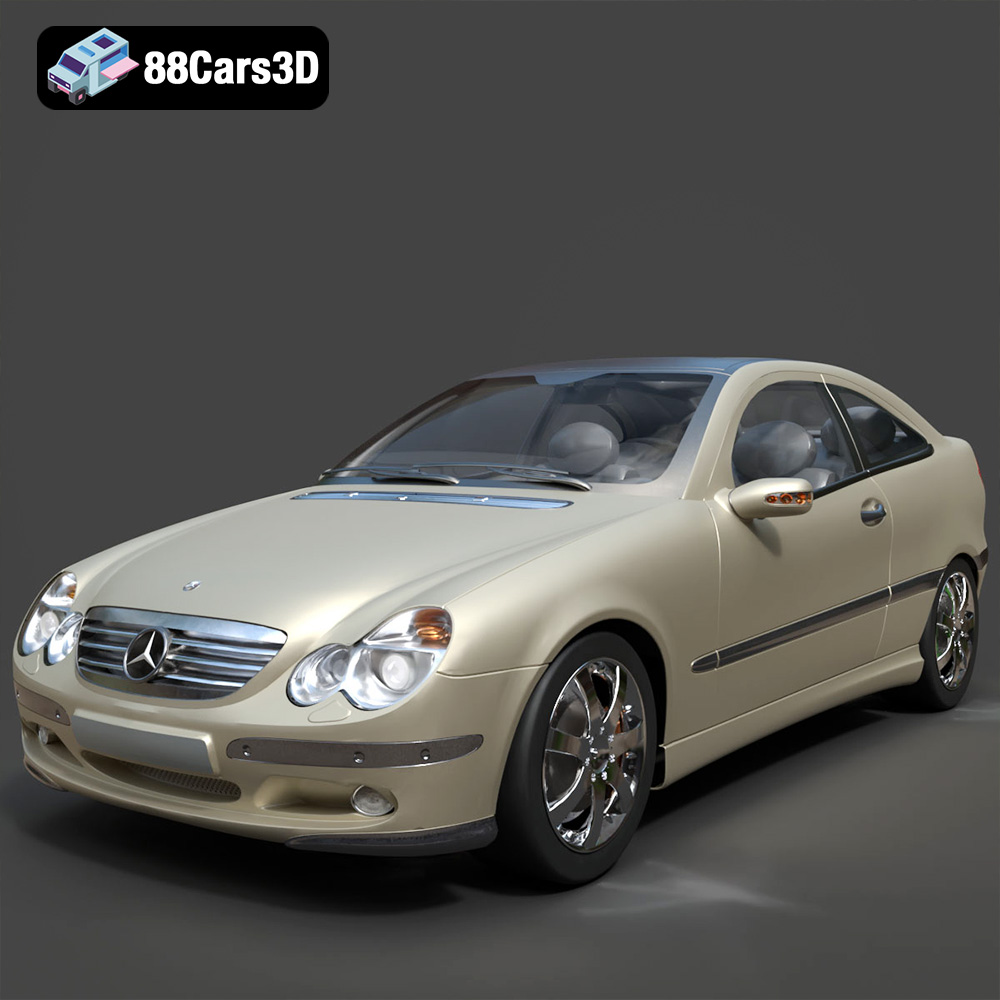
In today’s visually driven world, the demand for stunning, hyper-realistic representations of vehicles has never been higher. From blockbuster films and immersive video games to cutting-edge automotive design visualization and augmented reality experiences, high-quality 3D car models are the fundamental building blocks of digital innovation. These aren’t merely decorative assets; they are complex digital blueprints that define performance, aesthetics, and user interaction across diverse platforms. Achieving photorealism and optimal performance requires an intricate understanding of modeling techniques, material science, lighting principles, and specific software workflows. Whether you’re a seasoned professional in architectural visualization, a game developer crafting the next open-world racing title, or an automotive designer showcasing a revolutionary concept, the quality of your 3D car models dictates the fidelity and impact of your final product. This deep dive will explore the critical aspects of working with premium 3D vehicle assets, from essential file formats to advanced rendering techniques and game development optimization, ensuring your projects stand out in a competitive digital landscape.
Understanding 3D Model File Formats
Selecting the correct file format is a foundational decision that impacts workflow, compatibility, and ultimately, the utility of your 3D car models. Each format serves specific purposes, optimized for different stages of the production pipeline, from initial design and animation to real-time rendering and 3D printing. Understanding their nuances is crucial for seamless project integration and maximum efficiency.
.blend – The Native Blender Ecosystem
The .blend format is the native file type for Blender, a powerful and increasingly popular open-source 3D creation suite. A .blend file typically contains an entire scene, including mesh data, materials, textures, lighting setups, animation data, camera positions, and even scripting. For users primarily working within Blender, this format offers unparalleled flexibility, allowing for full editability and preservation of all scene-specific parameters. It’s ideal for projects where Blender is the primary DCC (Digital Content Creation) tool, enabling complex rigging, detailed surfacing with Cycles or Eevee, and intricate animation sequences. While primarily for Blender users, its comprehensive nature makes it excellent for archiving complete project states.
.fbx – The Industry Standard Intermediary
Autodesk’s .fbx (Filmbox) format has become the de facto industry standard for exchanging 3D data between different software applications. Its strength lies in its ability to store a wide range of data, including geometry, materials (with some limitations), textures, animations, skinning, and camera information, making it incredibly versatile. For integration into game engines like Unreal Engine and Unity, or for transferring assets between 3ds Max, Maya, and Cinema 4D, .fbx is often the most reliable choice. It’s particularly ideal for real-time pipelines due to its robust support for animation and skeletal data, ensuring that complex rigged 3D car models transition smoothly from a modeling package to an interactive environment. However, careful attention must be paid to export settings to ensure material and texture paths are correctly preserved.
.obj – Universal Simplicity and Compatibility
The .obj (Wavefront Object) format is a universally recognized, simpler format primarily focused on storing geometry (vertices, normals, texture coordinates, and faces). It’s highly compatible across virtually all 3D software due to its ASCII (text-based) or binary structure. While .obj files don’t typically embed animations or complex material nodes, they are excellent for static mesh exchange. When paired with an accompanying .mtl (Material Template Library) file, basic material properties like diffuse color, specular color, and texture map paths can be defined. For simple 3D car models or as a reliable fallback for cross-software compatibility when .fbx encounters issues, .obj remains a steadfast choice. It’s also often used in 3D scanning workflows.
.glb – Web-Optimized for Interactive Experiences
.glb (GLB format, derived from glTF, Graphics Language Transmission Format) is an increasingly important format, especially for AR, VR, and web-based 3D applications. It’s designed for efficient transmission and loading of 3D scenes and models. A .glb file is a self-contained binary file that encapsulates model geometry, materials (PBR-ready), textures, and animation data, eliminating external dependencies. This makes it incredibly streamlined for browser-based viewers, social media filters, and lightweight interactive experiences where quick loading times and broad compatibility are paramount. For showcasing 3D car models directly on a website or integrating them into a mobile AR app, .glb offers superior performance and ease of deployment.
.stl – The Language of 3D Printing
The .stl (STereoLithography) format is the standard for 3D printing. It represents a 3D model as a series of connected triangles, describing only the surface geometry of an object without color, texture, or other CAD attributes. While simple, its ubiquity in the additive manufacturing world makes it indispensable for converting a digital 3D car model into a physical prototype or collectible. When preparing a model for .stl export, ensuring it’s “watertight” (no holes or non-manifold geometry) is critical for a successful print. For those looking to physically manifest their digital designs, .stl is the go-to.
.ply – Scientific Precision and Scanning Data
The .ply (Polygon File Format) is another widely supported format, particularly popular in academic and research contexts, and with 3D scanning hardware. It can store a wider range of properties than .obj or .stl, including color, transparency, normals, texture coordinates, and even scalar properties for each vertex or face. This makes .ply excellent for capturing and representing data from 3D scanners, where complex point cloud and mesh data with per-vertex color information is common. For precision applications, engineering analysis, or working with highly detailed scanned environments that include 3D car models, .ply offers robust data retention.
.unreal – Engine-Ready Asset for Real-Time Environments
While not a direct standalone file format in the same way as .fbx or .obj, .unreal refers to an asset that has been imported, processed, and optimized within Unreal Engine’s native content pipeline. When you import an .fbx or another compatible file into Unreal Engine, it’s converted into Unreal’s internal asset format, becoming an engine-ready asset. This involves generating LODs, collision meshes, lightmap UVs, and compiling materials using Unreal’s PBR system (e.g., using Material Instances). The term .unreal signifies an asset that has undergone this complete integration process, optimized for real-time performance, lighting, and gameplay interactivity specific to the engine’s requirements. It’s the ultimate state for a game asset within the Unreal ecosystem.
.max – 3ds Max’s Powerhouse Format
The .max format is the proprietary file type for Autodesk 3ds Max. Similar to .blend, it encapsulates an entire scene, including geometry, complex material networks (like those using V-Ray or Corona renderers), lighting setups, camera animation, character rigs, and modifiers. For professionals who use 3ds Max as their primary modeling, animation, and rendering software, .max files offer the fullest fidelity and editability. They are indispensable for high-end automotive rendering projects, architectural visualization, and intricate animation sequences where 3ds Max’s powerful toolset is leveraged. When sourcing 3D car models from marketplaces like 88cars3d.com, receiving a .max file ensures you have access to the original, fully editable scene with all its sophisticated settings.
By understanding these distinct file formats, professionals can make informed decisions, ensuring their 3D car models are not only visually impressive but also technically sound and seamlessly integrated into any project pipeline. Resources like 88cars3d.com often provide models in multiple formats to cater to diverse professional needs.
The Foundation: Why High-Quality 3D Car Models Matter
The impact of a 3D car model extends far beyond its polygonal count. High-quality assets are crucial for conveying realism, brand identity, and technical precision across various industries. They are an investment that pays dividends in credibility and user engagement.
Precision in Automotive Visualization
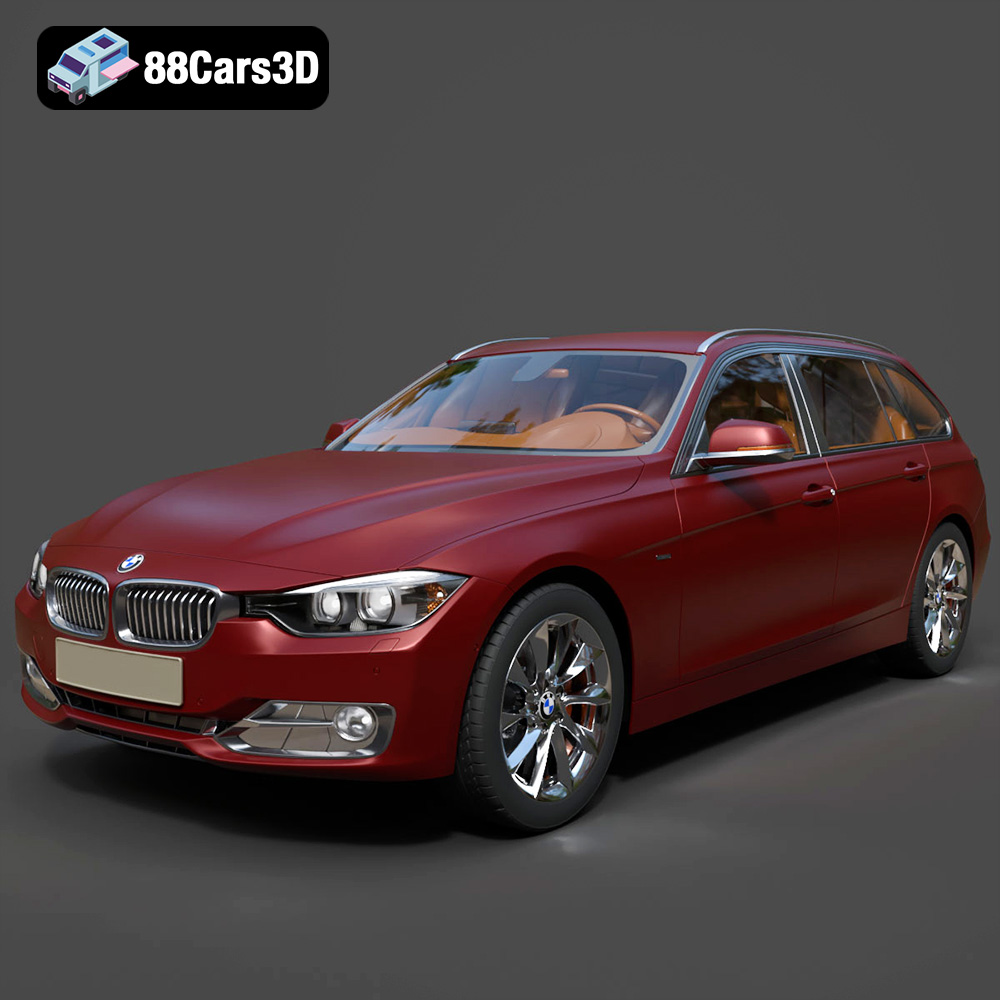
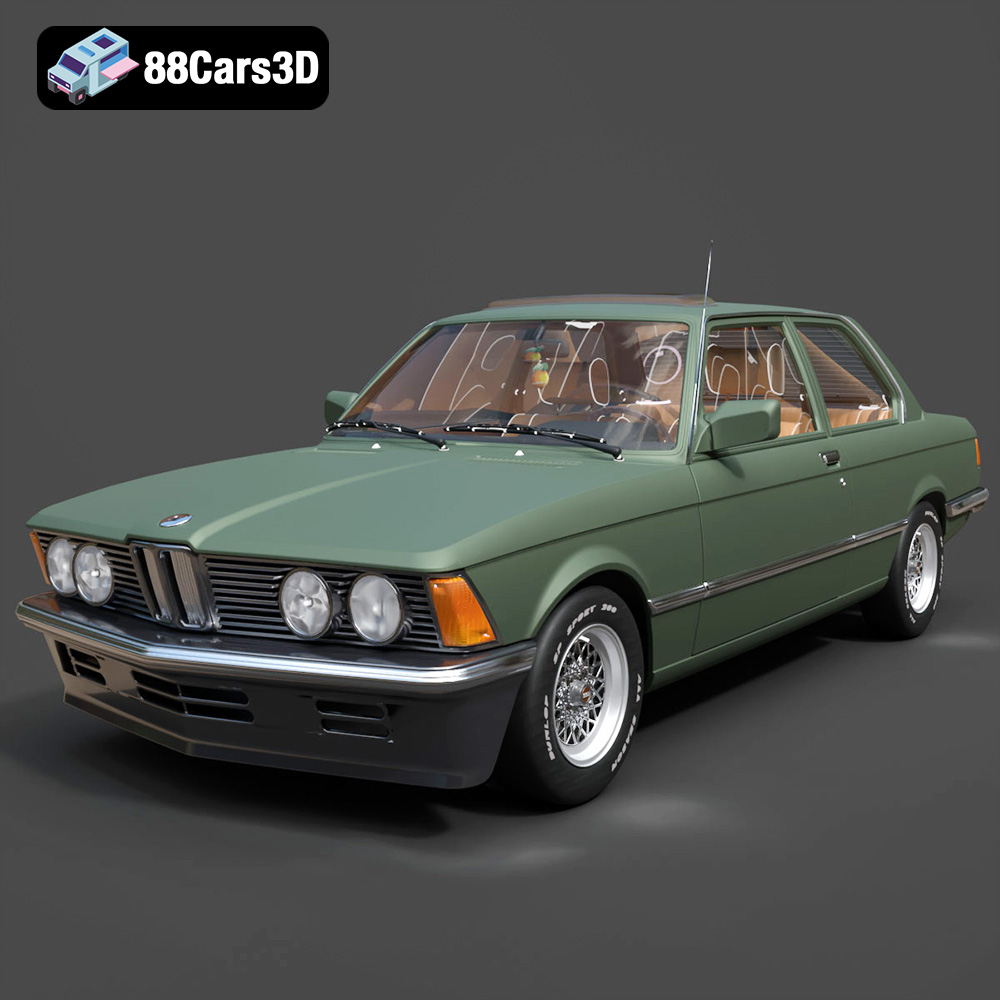
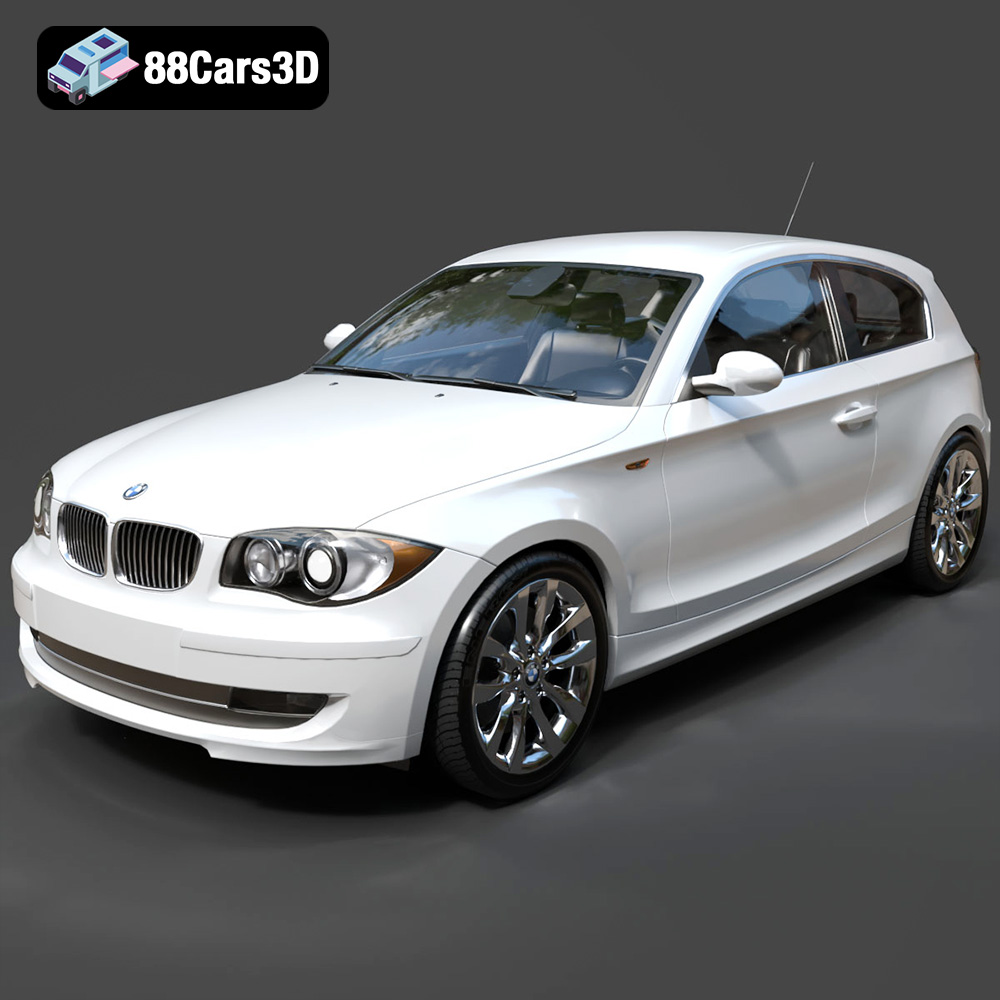
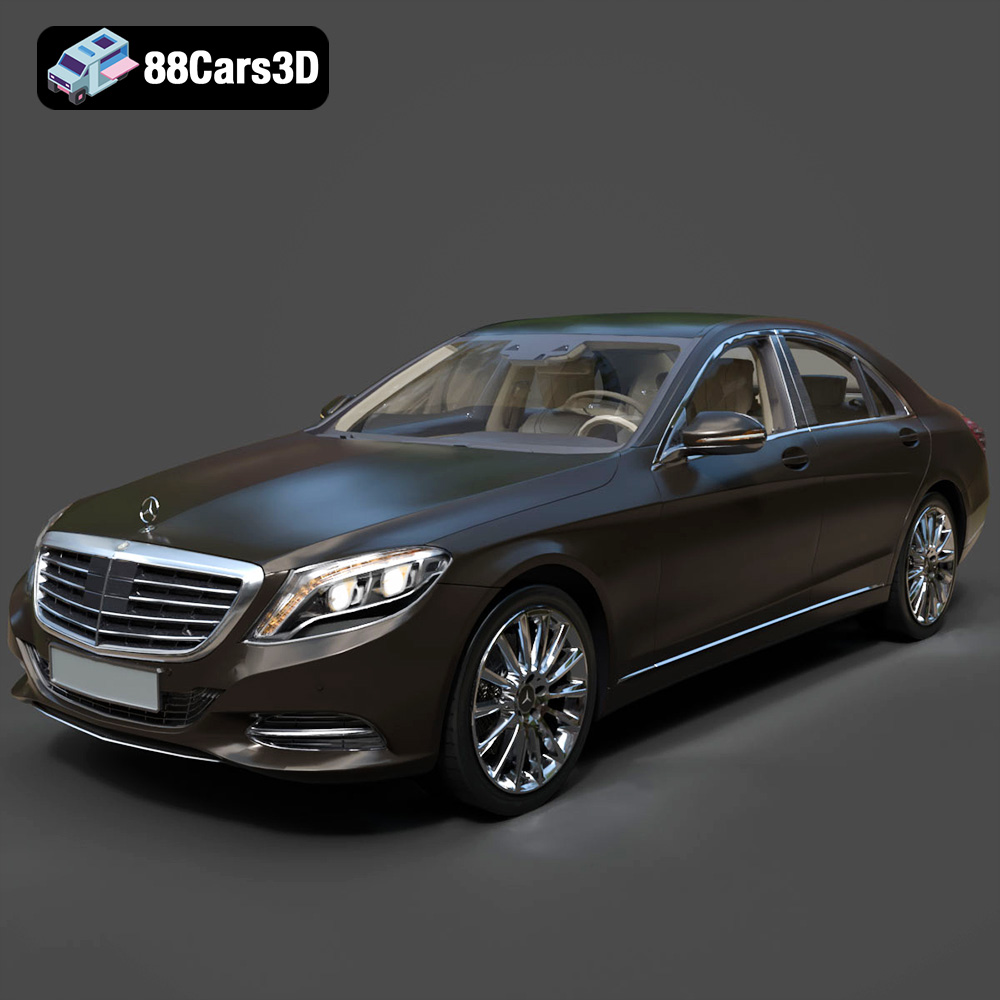
For automotive manufacturers and advertisers, visualizing a vehicle before physical production or a photoshoot is paramount. High-fidelity 3D car models allow designers to iterate rapidly on concepts, experiment with colors, materials, and lighting scenarios in a virtual studio. This precision means showcasing every curve, reflection, and intricate detail exactly as intended. The difference between a mediocre and an exceptional model can be the difference between a convincing sales pitch and a missed opportunity.
Performance in Real-Time Applications
In game development and interactive experiences like AR/VR, performance is as critical as visual fidelity. A high-quality 3D car model isn’t just about high poly counts; it’s also about optimized topology, efficient UV mapping, and properly configured LODs (Level of Detail). An unoptimized model, no matter how detailed, will bog down an application, leading to poor frame rates and a frustrating user experience. Professionals demand models that are not only beautiful but also engineered for real-time efficiency.
The Art of Digital Storytelling
Filmmakers and animators rely on 3D car models to bring fantastical worlds or realistic scenes to life. The ability to create complex stunts, chase sequences, or even simple beauty shots without the cost and logistical challenges of real-world vehicle acquisition and destruction is invaluable. These models must hold up under intense scrutiny, from extreme close-ups to dynamic camera movements, making impeccable modeling, texturing, and rigging essential for compelling digital storytelling.
Mastering Automotive Rendering: From Clay to Photorealism
Automotive rendering is an art form that combines technical prowess with an keen eye for aesthetics. It’s the process of transforming a raw 3D model into a photorealistic image or animation, complete with believable materials, lighting, and environmental context.
Advanced Shading and Material Creation
The realism of a 3D car model heavily depends on its materials. Modern automotive rendering utilizes physically based rendering (PBR) workflows, where materials like car paint, chrome, glass, and rubber are recreated with scientific accuracy. This involves carefully setting diffuse, specular, roughness, metallic, normal, and clear coat layers. Mastering complex multi-layered car paints with flakes, orange peel, and accurate reflections is a specialized skill. Software such as V-Ray, Corona Renderer, Redshift, and Blender’s Cycles offer sophisticated material editors to achieve these effects.
Crafting Realistic Lighting Environments
Lighting is arguably the most crucial element in achieving photorealism. Automotive renders often leverage High Dynamic Range Image (HDRI) environments for accurate global illumination and reflections, simulating real-world locations or studio setups. Additionally, area lights, spotlights, and volumetric effects are used to highlight contours, create dramatic shadows, and emphasize specific details. Understanding how light interacts with different surfaces, from the glossy sheen of paint to the transparency of glass, is essential for a compelling render.
Rendering Pipelines: Software and Techniques
A typical automotive rendering pipeline involves several stages. After modeling and texturing, the scene is set up with cameras, lighting, and environment. Render engines then calculate how light behaves in the scene, producing an image. Techniques like path tracing, ray tracing, and global illumination are employed for accuracy. Post-processing in tools like Adobe Photoshop or Nuke is crucial for color grading, adding atmospheric effects, lens flares, and other finishing touches that elevate the raw render to a production-ready image. Utilizing powerful GPUs and cloud rendering services has become common practice to accelerate these often computationally intensive processes.
Optimizing 3D Car Models for Game Development
Game development presents a unique set of challenges and requirements for 3D car models. Unlike static renders, game assets must perform flawlessly in real-time, often alongside hundreds of other dynamic elements, within strict performance budgets.
Polycount Management and Level of Detail (LOD)
High-fidelity 3D car models can have millions of polygons, which is impractical for real-time game engines. Game developers employ polycount budgets, often creating multiple versions of the same car model at varying levels of detail (LODs). A high-poly version is used for close-up views, while progressively lower-poly versions are swapped in as the car moves further from the camera. This optimization technique ensures visual quality remains high without sacrificing performance. Manual retopology or automated decimation tools are used to create these optimized meshes.
Efficient UV Mapping and Texture Atlases
UV mapping is the process of unwrapping a 3D model’s surface onto a 2D plane, allowing textures to be applied. For game assets, clean, non-overlapping UVs are vital for efficient texture packing, lightmap generation, and preventing visual artifacts. Texture atlases, which combine multiple textures into a single image, further optimize performance by reducing draw calls. PBR textures (Albedo, Normal, Metallic, Roughness, AO) are standard, ensuring materials react realistically to light within the game engine.
Collision Meshes and Physics Integration
Beyond visual representation, game car models require collision meshes—simplified proxy geometry used for physics calculations and interaction with the game world. These meshes are often invisible to the player but dictate how the car interacts with obstacles, terrain, and other vehicles. Additionally, complex physics systems, often involving suspension, wheel rotations, and damage models, need to be integrated with the 3D car model, requiring specific rigging and data setup within the game engine (e.g., Unreal Engine’s Chaos Vehicles or Unity’s Wheel Colliders).
Leveraging 3D Car Models in AR/VR and Interactive Experiences
Augmented Reality (AR) and Virtual Reality (VR) environments demand a specific blend of visual quality and ultra-high performance. 3D car models are central to these immersive experiences, whether for virtual showrooms, training simulations, or interactive product configurators.
Performance Considerations for Immersive Environments
AR/VR applications have even stricter performance requirements than traditional games due to the need for stereoscopic rendering at high frame rates (e.g., 90 FPS or higher) to prevent motion sickness. This necessitates highly optimized 3D car models with aggressive LODs, extremely efficient texture usage, and carefully managed shader complexity. Developers often bake lighting into textures or use simplified lighting models to further reduce real-time computational load, ensuring a smooth and comfortable user experience.
Interaction Design and Asset Responsiveness
In AR/VR, users expect to interact directly with 3D car models. This means models must be properly rigged for animation (e.g., opening doors, rotating wheels) and capable of responding to user input. Materials might need to be dynamically swappable, allowing users to customize colors or trims in real-time. For a virtual showroom, the 3D car model becomes the central interactive object, requiring robust scripting and precise asset setup to deliver a convincing and engaging experience.
Choosing the Right Assets: A Guide for Professionals
The vast marketplace for 3D assets can be daunting. Selecting the right 3D car models is a critical decision that impacts project timelines, quality, and budget. Professionals understand the importance of not just aesthetics, but also underlying technical integrity.
Evaluating Model Topology and Mesh Integrity
A high-quality 3D car model begins with clean topology. This means a mesh built primarily with quads (four-sided polygons), even polygon distribution, and minimal triangulation, especially in deformable areas. Good topology facilitates easy editing, smooth subdivisions, and clean deformations for animation. Look for models with logical edge loops that follow the vehicle’s natural contours. Poor topology can lead to rendering artifacts, difficulties in UV mapping, and problems during rigging or animation, ultimately costing more time and money to fix.
Importance of Clean UVs and PBR Textures
Clean and organized UV maps are non-negotiable for professional-grade assets. They ensure textures apply correctly without stretching or distortion, and are essential for lightmap generation in game engines. High-quality 3D car models should come with well-laid-out UVs, ideally occupying texture space efficiently. Accompanying PBR (Physically Based Rendering) textures (Albedo/Base Color, Normal, Roughness, Metallic, Ambient Occlusion) are crucial for achieving realistic materials across different render engines and lighting conditions. Verifying that texture resolutions are appropriate for your target platform is also key.
The Value of Comprehensive Documentation and Support
A truly professional 3D asset comes with clear, concise documentation. This includes details about polycount, included file formats, texture resolutions, material setup, and any specific requirements or recommendations for use. Reputable marketplaces and sellers, like those found at 88cars3d.com, often provide excellent customer support, which can be invaluable if you encounter technical challenges during integration. Investing in well-documented assets from trusted sources saves significant time and effort in the long run.
Conclusion
The digital automotive landscape is constantly evolving, driven by the ceaseless demand for realism, performance, and immersive experiences. High-quality 3D car models are not just digital representations; they are pivotal tools that empower professionals across diverse industries to innovate, visualize, and captivate audiences. From the critical selection of appropriate file formats to the intricate art of automotive rendering and the rigorous demands of real-time game development and AR/VR, every technical detail contributes to the final impact. Understanding clean topology, efficient UVs, PBR materials, and strategic LOD implementation is no longer optional—it’s essential for delivering projects that stand out. As technology advances, the importance of expertly crafted 3D assets will only grow, making platforms like 88cars3d.com invaluable resources for professionals seeking the highest standards of digital vehicle artistry.
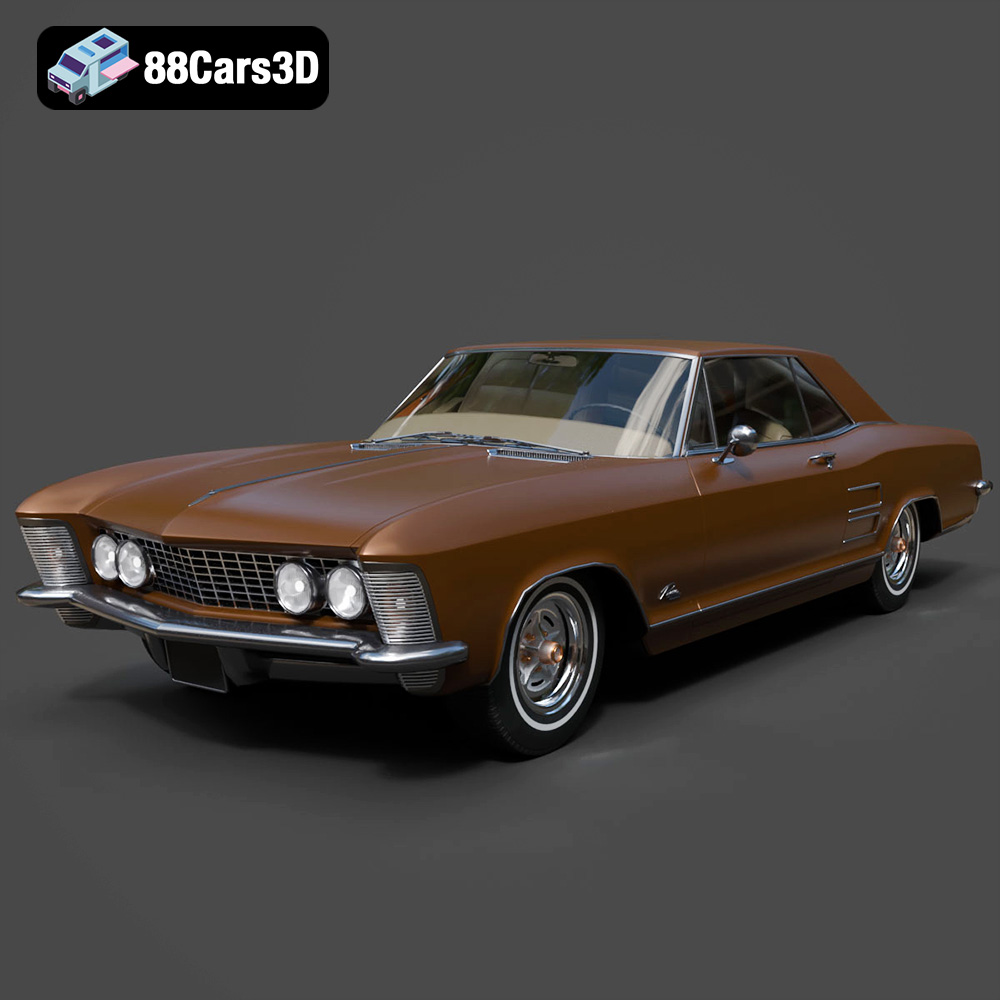
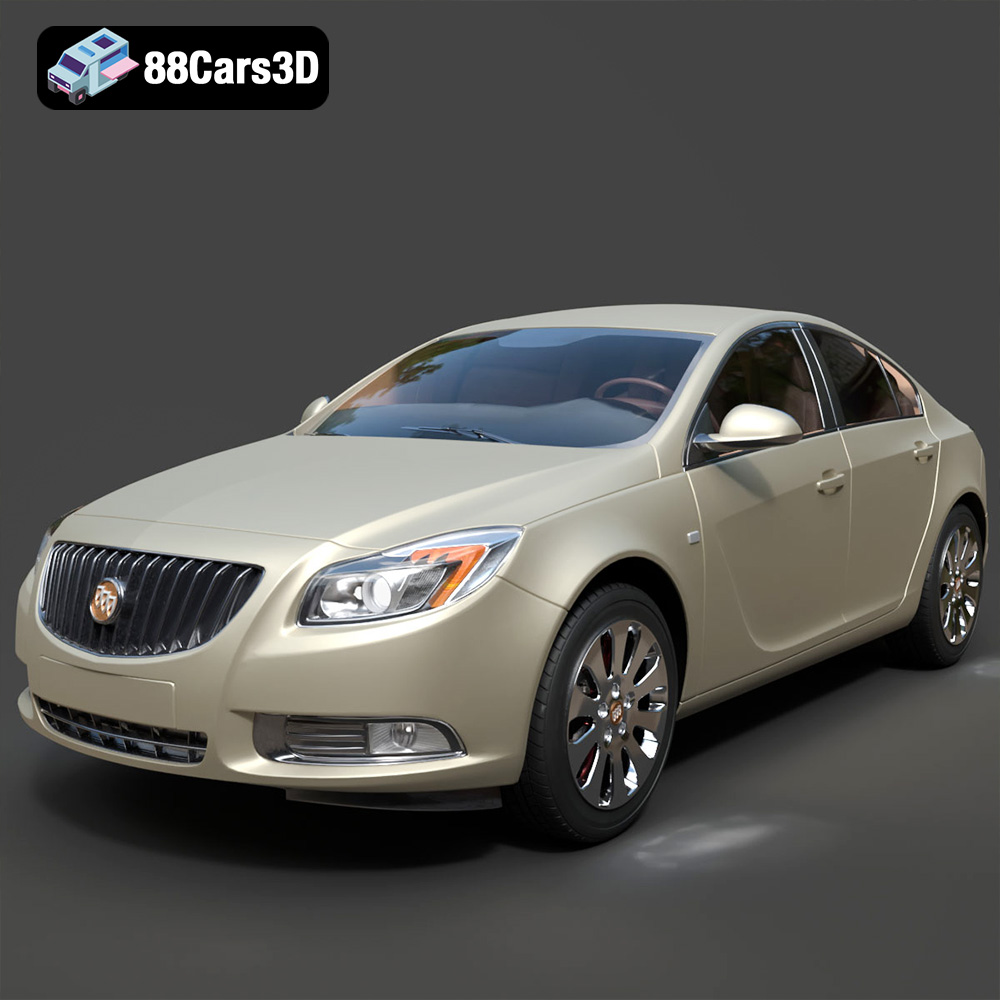
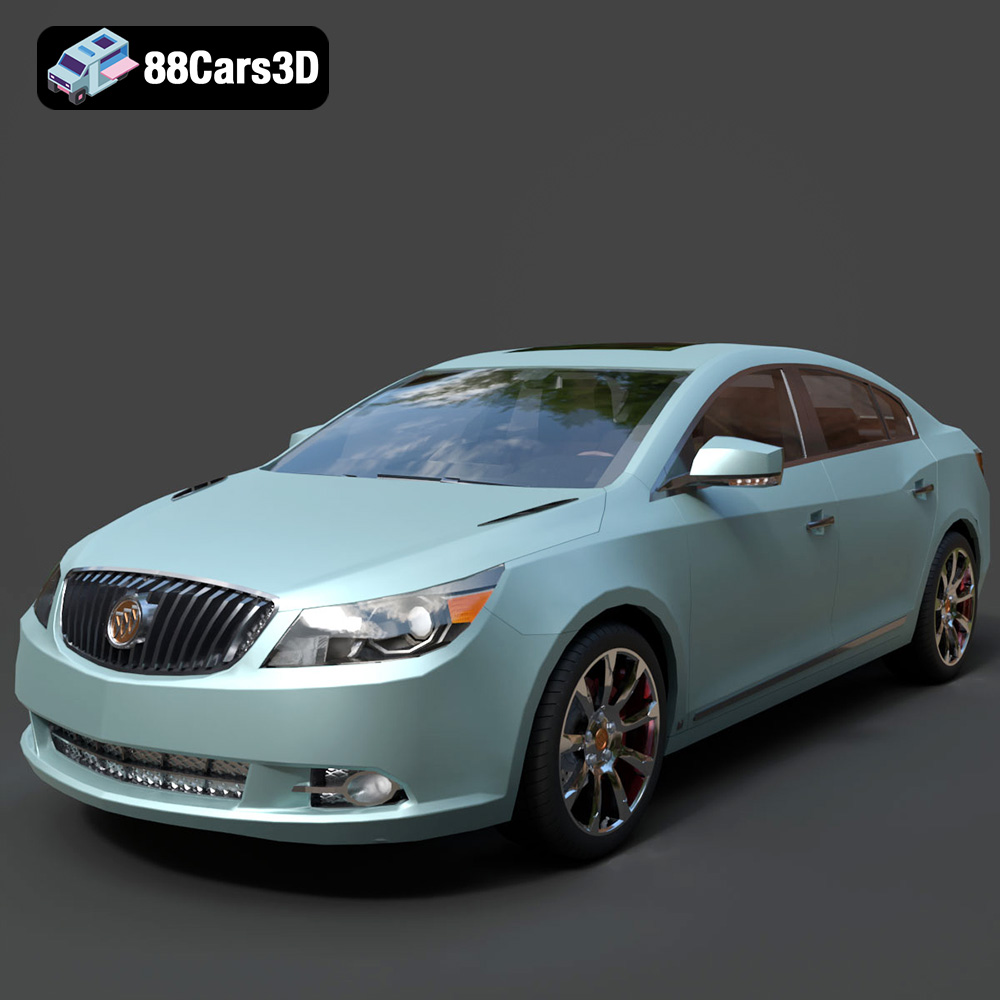
Featured 3D Car Models