

“`html
Mastering the Print: Converting Polygon 3D Models to Print-Ready STLs
The world of 3D printing is constantly evolving, offering hobbyists and professionals alike the ability to bring intricate designs to life. From functional prototypes to detailed automotive replicas, the possibilities are vast. At the heart of this digital-to-physical transformation lies the STL (STereoLithography) file format, the de facto standard for 3D printing. While many 3D models are created and distributed as polygon meshes (often in formats like OBJ or FBX), directly sending these to your slicer might lead to frustration and failed prints. Understanding how to properly convert these polygon models into watertight, printable STL files is a crucial skill for any serious 3D printing enthusiast. This guide will delve into the technical intricacies of this conversion process, covering everything from understanding STL file structure to essential mesh repair techniques and slicing strategies. We’ll equip you with the knowledge to tackle complex models, ensuring your creations from marketplaces like 88cars3d.com translate seamlessly from screen to your print bed.
Whether you’re downloading a stunning printable car model or working with your own designs, achieving a successful print often hinges on the quality of your STL file. We’ll explore the common pitfalls of raw polygon data and provide actionable steps to ensure your models are not just visually appealing but also structurally sound for additive manufacturing. By the end of this post, you’ll have a deeper understanding of mesh topology, manifold integrity, and the software tools that empower you to achieve flawless prints, every time.
Understanding the STL File Format: The Foundation of 3D Printing
Before we dive into conversion, it’s essential to grasp what makes an STL file the preferred format for 3D printing. Unlike many other 3D file formats that can store a wealth of information like colors, textures, and material properties, an STL file is fundamentally a geometric representation. It describes the surface of a 3D object using a collection of triangular facets. Each triangle is defined by three vertices (points in 3D space) and a normal vector, which indicates the outward-facing direction of the triangle. This simplicity is its strength, as it’s easily interpreted by slicing software.
The two primary types of STL files are ASCII and binary. ASCII STLs are human-readable and text-based, making them easy to inspect but larger in file size. Binary STLs are more compact and therefore more efficient, which is why they are generally preferred for complex models. Regardless of the encoding, the core concept remains the same: a tessellated surface composed of triangles.
Triangulation: The Tessellation Process
The process of converting a 3D model, which might be represented using NURBS surfaces, polygons, or even CAD primitives, into a collection of triangles is known as triangulation. For polygon models, this might involve simplifying existing polygons into triangles or ensuring that any non-triangular faces are correctly tessellated. Sophisticated algorithms are employed to maintain the curvature and detail of the original model while minimizing the number of triangles. Too few triangles can result in a blocky, low-resolution print, while too many can lead to excessively large files and processing issues for slicers. The goal is to find an optimal balance between detail and file size.
Normals and Orientation: Crucial for Slicing
The normal vector associated with each triangle is critically important. It defines which side of the triangle is “outside” the model. During the slicing process, the software traces the boundaries of the model layer by layer. If normals are inconsistent (some pointing inwards, some outwards, or some facing the wrong direction), the slicer can become confused, leading to holes, missing sections, or inverted geometry in the final print. Ensuring all normals point outwards is a fundamental step in preparing any STL for printing.
From Polygon Mesh to Printable STL: Key Conversion Challenges
Converting a standard polygon mesh (like those found in OBJ or FBX files) into a print-ready STL isn’t always a straightforward drag-and-drop operation. Raw mesh data, especially if exported from certain software or downloaded from various sources, can contain topological errors that prevent it from being interpreted correctly by slicing software. These errors manifest as imperfections in the “watertightness” or “manifold integrity” of the mesh.
The ideal 3D model for printing is **manifold**. This means it represents a solid, enclosed volume with no holes, no internal faces, and no edges shared by more than two faces. Think of it like a balloon: it has a distinct inside and outside, and you can’t poke your finger through it in multiple places along a single edge. Non-manifold geometry, on the other hand, is like a sieve or a crumpled piece of paper – it has gaps, internal structures, or edges connected to more than two faces, which confuses the slicer.
Common Mesh Imperfections and Their Impact
Several common issues can plague polygon meshes destined for STL conversion:
- Holes: Gaps in the surface of the mesh. These can occur at seams, intersections, or due to incomplete modeling. A slicer will see a hole as an escape route for material, leading to incomplete layers or entirely missing sections.
- Non-Manifold Edges: Edges that are shared by more than two faces. This often happens where surfaces intersect incorrectly or where multiple separate objects are merged without proper cleanup.
- Internal Faces: Faces that are entirely contained within the volume of the model, not contributing to the outer surface. These can confuse slicing algorithms.
- Duplicate Vertices/Faces: Overlapping geometry that isn’t properly merged can create erroneous surface information.
- Unreferenced Vertices: Vertices that exist in the data but are not part of any triangle.
These imperfections can prevent the STL file from being “closed” or “watertight.” A watertight mesh is essential because it defines a clear boundary between the inside and the outside of the object. Without this clear definition, the slicing software cannot accurately determine where the material should be deposited.
Choosing the Right Conversion Tool
Fortunately, numerous software tools are available to help identify and repair these mesh imperfections, and to convert various polygon formats into STL. These range from powerful professional applications to free, open-source utilities. The choice of tool often depends on the complexity of the model, the nature of the errors, and your familiarity with 3D modeling software.
For basic conversion and minor repairs, tools like Meshmixer and Blender are excellent starting points. For more complex issues or automated repair, software like Autodesk Netfabb or even the repair functions within some slicers can be invaluable. When downloading models from marketplaces such as 88cars3d.com, you are usually provided with pre-prepared STL files, but understanding the underlying conversion process allows you to troubleshoot if you encounter issues or want to modify existing models.
Step-by-Step: Converting and Repairing Polygon Models
The process of converting and repairing a polygon model typically involves several key steps. While the exact workflow can vary depending on the software used, the underlying principles remain consistent. Our example workflow will focus on using common tools like Blender or Meshmixer, which are widely accessible.
1. Import the Polygon Model
Begin by importing your polygon model (e.g., an OBJ, FBX, or PLY file) into your chosen 3D modeling software. Most modern 3D applications support a wide range of import formats. Pay attention to scale upon import; sometimes models import at an unexpected size, which can be adjusted later.
2. Analyze and Identify Errors
This is a critical step. Before attempting any repairs, it’s wise to get a sense of the model’s integrity.
In Blender, you can enter ‘Edit Mode’ (Tab key) and use the ‘Mesh’ menu options, such as ‘Clean Up’ > ‘Limited Dissolve’ (which can merge small co-planar faces and sometimes fix minor gaps) or look for non-manifold geometry using ‘Select’ > ‘Select All by Trait’ > ‘Non Manifold’. In Meshmixer, the ‘Inspector’ tool is your best friend. It automatically highlights errors like holes, thin walls, and non-manifold edges.
3. Mesh Repair Techniques
Once errors are identified, you can begin the repair process. The techniques will depend on the specific error:
- Filling Holes: In Blender, you can select the boundary edges of a hole and press ‘F’ to create a new face. In Meshmixer, the ‘Hole Fill’ tool is highly effective. It intelligently attempts to create a plausible surface to close the gap.
- Merging Vertices: Duplicate vertices can cause shading issues and topological problems. Select the vertices and use the ‘Merge by Distance’ function (Blender) or ‘Remove Doubles’ (older Blender versions), or Meshmixer’s ‘Edit’ > ‘Mesh Scrape’ with a low value, to merge vertices that are very close together.
- Making Manifold: This is often the trickiest part. For simple non-manifold edges, you might be able to manually select the offending faces and delete them, then reform the surface. More complex issues might require tools like Blender’s ‘3D-Print Toolbox’ add-on (which has a ‘Make Manifold’ button that attempts automatic repairs) or Meshmixer’s ‘Make Solid’ command, which reconstructs the model as a single, solid object. Be aware that ‘Make Solid’ can sometimes simplify details or alter the geometry significantly, so always check the result.
- Removing Internal Geometry: Use selection tools to identify and delete any faces that exist entirely inside the model.
4. Export as STL
Once you are confident that the mesh is manifold and watertight, it’s time to export it as an STL file. In Blender, go to ‘File’ > ‘Export’ > ‘Stl (.stl)’. Ensure you select ‘Selection Only’ if you only want to export the repaired object and not others in the scene. For binary STLs (recommended for size), check the ‘Binary’ option. In Meshmixer, navigate to ‘File’ > ‘Export’ and choose the STL format. Again, binary is usually preferred.
Many slicers, such as Cura and PrusaSlicer, also include basic mesh repair capabilities that can automatically attempt to fix issues when loading an STL. However, relying solely on slicer repair is not ideal, as it can sometimes lead to unexpected results or a loss of detail. It’s always better to perform repairs in dedicated modeling software before slicing.
Slicing Parameters for Optimal Print Quality with STLs
The journey from a perfectly converted STL file to a successful 3D print involves a crucial intermediate step: slicing. Slicing software takes your 3D model and “slices” it into hundreds or thousands of thin, horizontal layers. It then generates the toolpath instructions (G-code) that your 3D printer follows to build the object layer by layer. Optimizing these slicing parameters is key to achieving the desired quality, strength, and print time for your models, whether they are intricate car parts or display pieces.
The quality of the input STL file directly impacts the effectiveness of the slicing process. A well-formed, manifold STL will slice cleanly, allowing the software to accurately determine where the plastic needs to be extruded. Conversely, an STL with even minor holes or non-manifold edges can lead to slicing errors, resulting in gaps, surface imperfections, or failed prints.
Layer Height: The Trade-off Between Detail and Speed
Layer height is arguably the most significant parameter affecting print quality and time. It dictates the thickness of each individual layer deposited by the printer.
* Lower Layer Heights (e.g., 0.05mm – 0.1mm): These produce finer details, smoother curves, and a reduced “stair-step” effect on angled surfaces. This is ideal for highly detailed models, such as the intricate grilles and body panels found on printable car models. However, printing at lower layer heights dramatically increases print time, as the printer must lay down many more layers to complete the object.
* Higher Layer Heights (e.g., 0.2mm – 0.3mm): These result in faster print times but with more visible layer lines and a coarser surface finish. They are suitable for prototypes, larger functional parts, or models where fine detail is less critical.
For automotive models from platforms like 88cars3d.com, a common balance is to use layer heights between 0.1mm and 0.15mm for excellent detail without excessively long print times. Always check the manufacturer’s recommendations for your specific printer and filament.
Infill: Strength, Weight, and Material Usage
Infill refers to the internal structure printed within the outer walls (perimeters) of your model. It affects the part’s strength, weight, and material consumption.
- Infill Density: Usually expressed as a percentage (0% for hollow, 100% for solid). For display models, densities between 10% and 20% are often sufficient to provide structural support for the outer walls and top layers. For functional parts that need to withstand stress, densities of 40% or higher might be necessary.
- Infill Pattern: Different patterns offer varying strengths and print times. Common patterns include:
- Grid: Simple crisscross pattern, good for general strength.
- Cubic: Similar to Grid but with diagonal infill, offering strength in multiple directions.
- Gyroid: A complex, organic-looking pattern that provides excellent strength in all directions and can sometimes be printed more efficiently as the nozzle path is continuous.
- Lines: Fast to print but offers less strength.
For most automotive models, patterns like Grid, Cubic, or Gyroid at low densities provide a good balance.
Print Speed: Balancing Quality and Throughput
Print speed is the rate at which the printer’s nozzle moves while extruding filament. Higher speeds can significantly reduce print times, but pushing too fast can lead to poor print quality, layer adhesion issues, and increased ringing or ghosting artifacts.
Typical recommended speeds for FDM printing are:
- Outer Walls: 20-40 mm/s (for best surface finish)
- Inner Walls: 40-60 mm/s
- Infill: 50-80 mm/s
- Travel Moves: 100-150 mm/s (faster travel speeds minimize oozing)
When printing highly detailed models, especially those with small features or thin walls, reducing the outer wall speed is crucial for achieving sharp details and clean surfaces.
Support Structures: Enabling Complex Geometries
Many 3D models, particularly detailed automotive replicas with overhangs, undercuts, and bridges, require support structures to print successfully. Supports are temporary scaffolding printed underneath these unsupported features. Without them, gravity would cause the molten plastic to sag or fall, resulting in a failed print. Effectively generating, placing, and removing supports is a critical skill.
The goal of support structures is to provide enough build surface for overhangs while being easy to remove without damaging the final model. Slicing software offers various options for customizing support generation.
Types of Support Structures
Most slicers offer different types of supports:
- Normal/Grid Supports: These are the most common, creating a dense grid or pattern underneath the overhang. They are generally strong but can be difficult to remove cleanly.
- Tree/Branching Supports: These resemble tree branches, growing from the build plate or the model itself to directly support overhangs. They often use less material, are easier to remove, and can minimize surface scarring on the model. This is often the preferred method for complex models.
- Support Cubes/Rafts: While not strictly supports for overhangs, rafts and cubes provide a stable base for the entire print, especially for models with small footprints or poor bed adhesion.
Key Support Settings to Tweak
Optimizing supports involves adjusting several parameters:
- Overhang Angle Threshold: This setting determines at what angle an overhang is considered unsupported and requires a support. A common starting point is 45 degrees, but this can be adjusted based on the material and printer capabilities. For instance, PETG might tolerate steeper overhangs than PLA.
- Support Density: Controls how dense the support structure is. Lower densities use less material and are easier to break away, while higher densities provide more stability. For display models, a lower density (10-15%) is often sufficient.
- Support Wall Thickness/Line Thickness: Affects the strength and removability of the support.
- Support Z Distance (Gap): This is crucial for easy removal. It’s the vertical gap between the support structure and the model’s surface. A larger gap makes removal easier but can lead to a less precise surface finish on the supported area. A smaller gap improves surface quality but makes removal harder. Typical values range from 0.1mm to 0.3mm, depending on the printer and nozzle size.
- Support XY Distance (Gap): The horizontal gap between the support structure and the model’s walls. This helps prevent supports from fusing too tightly to the model.
- Support Interface: Some slicers allow you to print a denser, smoother interface layer directly beneath the model’s overhangs. This improves the surface quality of the supported area and can make removal easier as it provides a clean break point.
When printing detailed automotive models, it’s often beneficial to enable ‘Support only on build plate’ if possible, to avoid internal supports within the model, which can be very difficult to remove. Tree supports are frequently the best choice for complex geometries, minimizing contact points and facilitating easier post-processing. Experimentation is key; what works for one model or material might need adjustment for another.
Post-Processing: Refining Your Printed Models
The process doesn’t end when the print finishes. Post-processing is where you transform a raw 3D print into a polished, professional-looking model. For detailed printable car models, this stage is vital for achieving a realistic finish. It involves cleaning up the print, assembling components, and applying surface treatments like sanding and painting.
Support Removal: The First Step
Carefully remove all support structures. The method will depend on the type of supports used and the material. Pliers, flush cutters, hobby knives, and dental picks are common tools. For tree supports, gently break them away branch by branch. If supports are fused too tightly, a quick burst of heat from a heat gun or hairdryer can sometimes soften the plastic, making removal easier. Be cautious not to overheat and deform the model.
Sanding and Surface Preparation
Layer lines are an inherent characteristic of FDM 3D printing. To achieve a smooth surface, sanding is essential. Start with a coarser grit sandpaper (e.g., 100-220 grit) to remove obvious layer lines and support marks. Gradually move to finer grits (e.g., 400, 800, 1200, and even higher) to progressively smooth the surface. Wet sanding (using water or a sanding fluid) can help reduce dust and achieve a smoother finish. For very intricate models, specialized sanding sticks or rotary tools with sanding attachments can be useful.
After sanding, the model should be cleaned thoroughly to remove dust. Using isopropyl alcohol (IPA) can help degrease the surface and prepare it for primer.
Priming and Painting
Applying a primer is a critical step before painting. A good quality primer (e.g., a filler primer) will:
- Hide minor imperfections and sanding marks.
- Provide a uniform surface for paint adhesion.
- Reveal any remaining flaws that require further sanding.
Spray primers are generally best for 3D prints. Apply in thin, even coats. After priming and any necessary touch-ups, you can proceed with painting. Acrylic paints (airbrushed or hand-painted) are popular choices for model finishing. For automotive models, consider using automotive spray paints or custom mixes for authentic finishes. Decals and weathering techniques can further enhance realism.
Assembly of Multi-Part Models
Many complex models, especially those from specialized marketplaces, are designed to be printed in multiple parts for easier printing and better detail. After printing and post-processing individual components:
- Test Fit: Always test fit parts before applying any adhesive. Minor adjustments might be needed with a hobby knife or sandpaper.
- Adhesives: Super glue (cyanoacrylate) is excellent for quick, strong bonds between PLA or PETG parts. For ABS, a solvent-based cement (like model cement or acetone vapor smoothing) is more effective.
- Alignment Pins: Many models incorporate small pins and holes for alignment. Ensure these are clean and fit snugly. If they are too tight, carefully trim them.
Proper assembly, combined with meticulous sanding and painting, can elevate a 3D print from a hobbyist creation to a display-worthy masterpiece.
Material Selection and Printer Calibration: The Underlying Essentials
While the focus often lies on file preparation and slicing, the choice of printing material and the calibration of your 3D printer are foundational to achieving high-quality prints, especially for detailed models. Even the most perfectly prepared STL file and optimized slicer settings will yield poor results on an improperly calibrated printer or with the wrong filament.
Choosing the Right Filament for Your Model
The type of filament you use significantly impacts printability, durability, and the final appearance of your model. For automotive models, several common FDM filaments are suitable:
- PLA (Polylactic Acid): The most popular FDM filament. It’s easy to print, rigid, and has a nice matte finish. It’s great for detailed display models but can be brittle and has a low glass transition temperature (meaning it can deform in heat). Ideal layer height for detail: 0.1mm – 0.15mm.
- PETG (Polyethylene Terephthalate Glycol): More durable and heat-resistant than PLA, with good layer adhesion. It can be slightly stringier, requiring careful retraction settings. Suitable for parts that might experience some stress or higher temperatures. Ideal layer height for detail: 0.1mm – 0.15mm.
- ABS (Acrylonitrile Butadiene Styrene): Known for its strength, impact resistance, and temperature resistance. However, it requires higher print temperatures, a heated enclosure to prevent warping, and emits fumes. Often requires sanding and solvent smoothing (like acetone vapor) for a smooth finish. Ideal layer height for detail: 0.1mm – 0.15mm.
- Resin (SLA/DLP): For extremely fine details that FDM printers struggle with (e.g., tiny emblems, intricate interior components), resin printing is superior. Resin printers use UV light to cure liquid photopolymer resin layer by layer. They offer incredibly high resolution (down to 25 microns or less) but typically have smaller build volumes and require more meticulous post-processing (washing and curing) and safety precautions. Different resin types (standard, tough, flexible) offer varied properties.
For most printable car models downloaded from sites like 88cars3d.com, PLA is a good starting point due to its ease of use and excellent detail reproduction. If durability is a concern, PETG is a strong alternative.
Printer Calibration: The Unsung Hero
A well-calibrated printer is paramount. Key calibration steps include:
- Bed Leveling: Ensures the first layer adheres evenly across the build plate. A manual or automatic bed leveling system is essential.
- E-Step Calibration: Verifies that the extruder motor pushes the correct amount of filament. Incorrect E-steps lead to under-extrusion (weak, gappy prints) or over-extrusion (blobs, poor detail).
- Flow Rate/Extrusion Multiplier: Fine-tunes the amount of filament extruded to compensate for filament variations and ensure clean perimeters without gaps or oozing.
- Temperature Tuning (PID Tuning): Ensures stable nozzle and bed temperatures, which is critical for consistent extrusion and layer adhesion.
- Retraction Settings: Crucial for minimizing stringing, especially with materials like PETG and ABS. Tuning retraction distance and speed prevents filament from oozing out during travel moves.
Regular maintenance, such as cleaning the nozzle, checking belts for tension, and lubricating moving parts, also contributes to consistent print quality. Investing time in calibration will save countless hours of troubleshooting and failed prints.
Conclusion: From Pixels to Precision Models
The journey of transforming a polygon 3D model into a tangible, high-quality 3D print is a multi-faceted process that demands attention to detail at every stage. Understanding the fundamental structure of STL files, the common pitfalls of polygon meshes, and the robust techniques for repair and conversion lays the groundwork for success. By mastering tools like Blender or Meshmixer to ensure your models are manifold and watertight, you eliminate a significant source of printing frustration before even reaching the slicing phase.
The subsequent steps of slicing and post-processing are equally critical. Choosing appropriate layer heights, infill patterns, and support strategies allows you to balance print speed with desired detail and strength. For intricate creations, such as the detailed printable car models found on marketplaces like 88cars3d.com, the strategic use of supports, particularly tree supports, and careful attention to overhang settings are paramount. Finally, the often-underestimated post-processing phase—from meticulous support removal and sanding to precise painting and assembly—is where a good print becomes a great model. Coupled with the foundational elements of material selection and rigorous printer calibration, these practices empower you to consistently achieve stunning results.
Embrace the learning curve, experiment with different settings, and don’t shy away from troubleshooting. Each print, successful or not, offers valuable insights. With the knowledge gained here, you are well-equipped to tackle complex STL files, optimize your slicing parameters, and bring your 3D printed automotive masterpieces to life with confidence and precision. Happy printing!
“`
Featured 3D Car Models
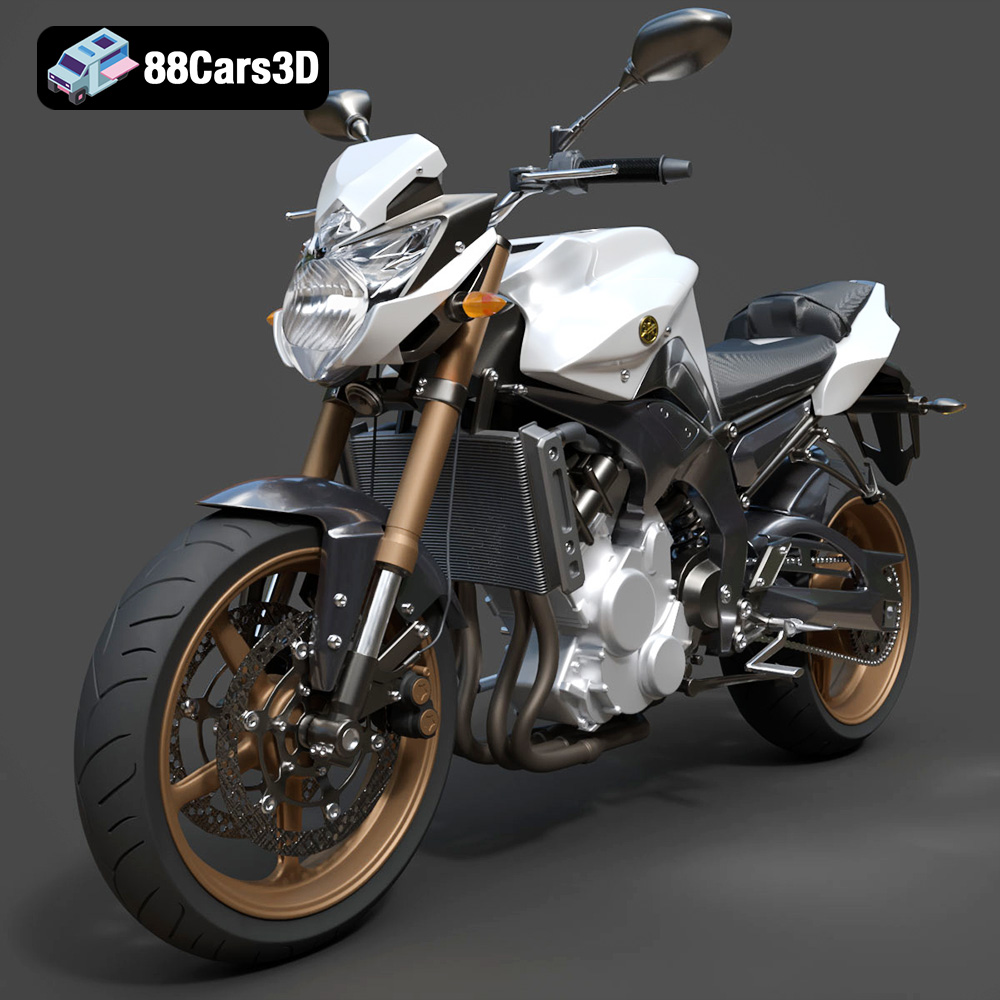
Yamaha FZ8 2011 3D Model
Texture: Yes
Material: Yes
Download the Yamaha FZ8 2011 3D Model featuring clean geometry, realistic detailing, and a fully modeled interior. Includes .blend, .fbx, .obj, .glb, .stl, .ply, .unreal, and .max formats for rendering, simulation, and game development.
Price: $19.99
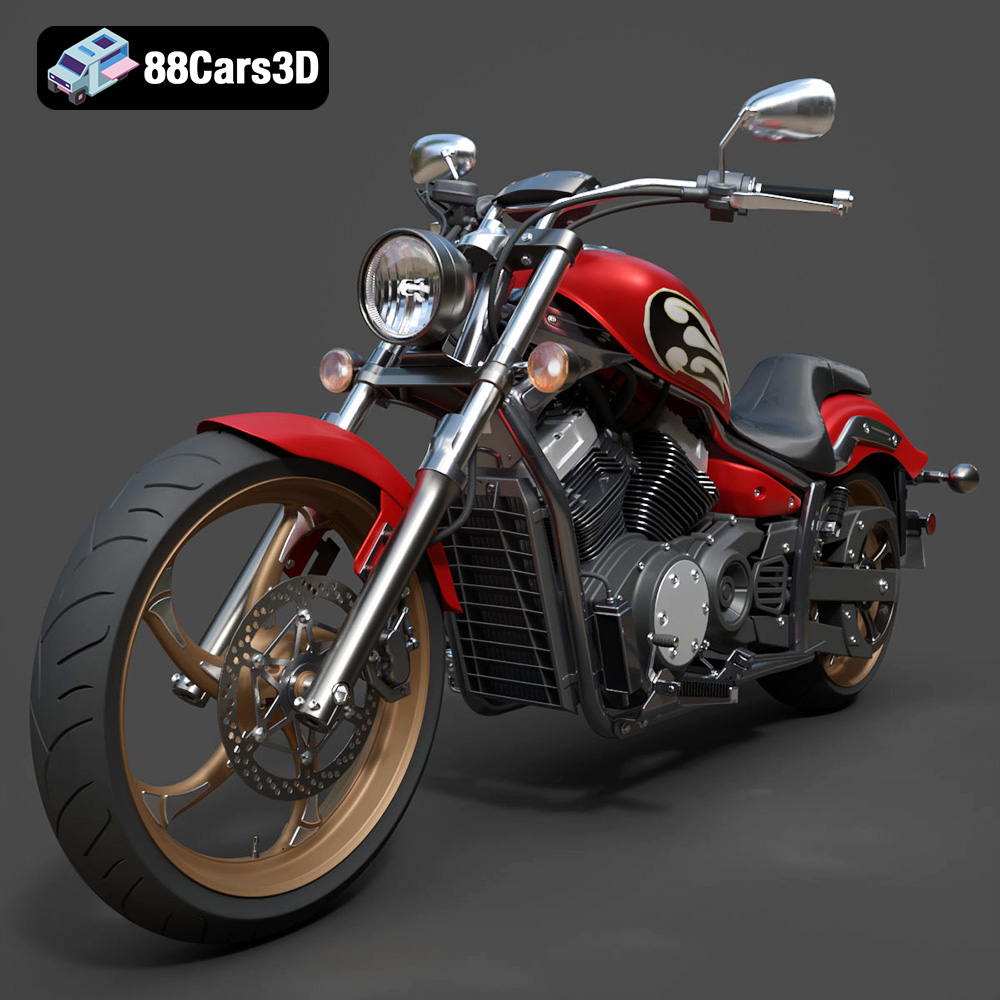
Yamaha Stryker 2012 3D Model
Texture: Yes
Material: Yes
Download the Yamaha Stryker 2012 3D Model featuring clean geometry, realistic detailing, and a fully modeled interior. Includes .blend, .fbx, .obj, .glb, .stl, .ply, .unreal, and .max formats for rendering, simulation, and game development.
Price: $19.99
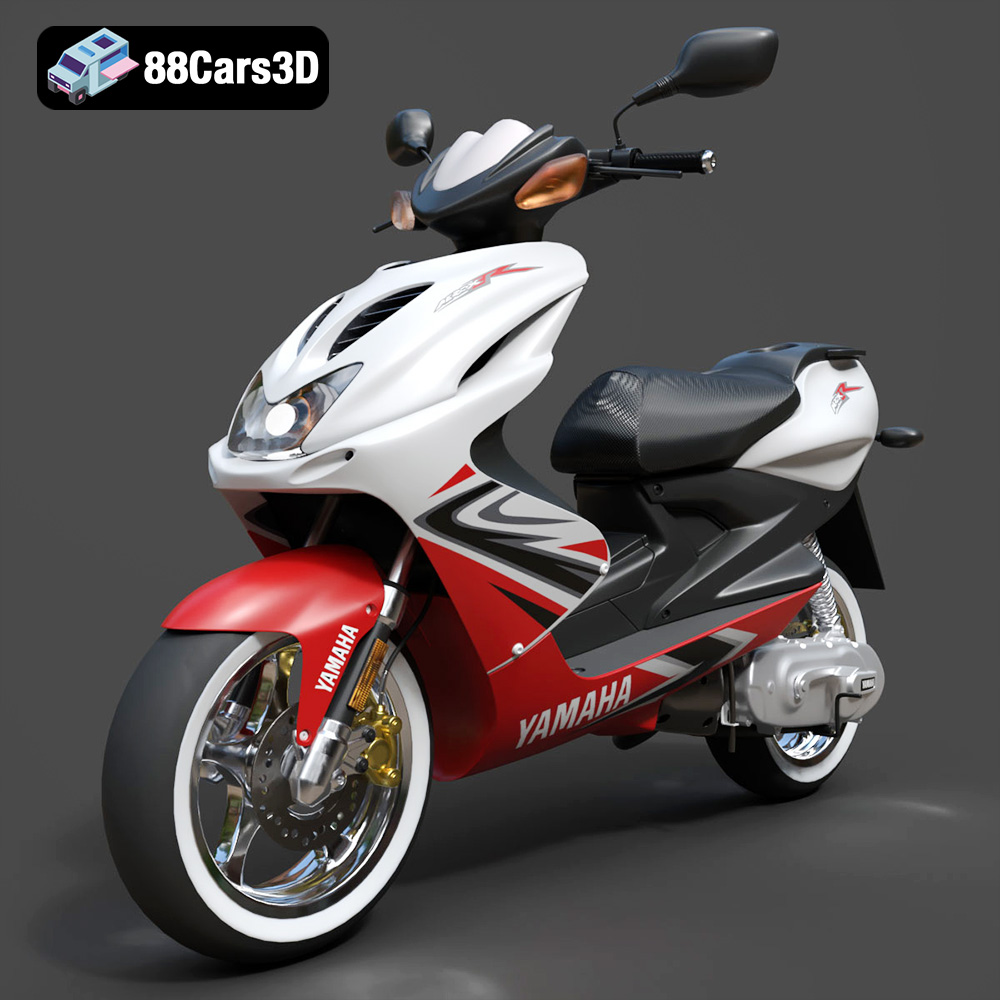
Yamaha Aerox R-002 2024 3D Model
Texture: Yes
Material: Yes
Download the Yamaha Aerox R-002 2024 3D Model featuring clean geometry, realistic detailing, and a fully modeled interior. Includes .blend, .fbx, .obj, .glb, .stl, .ply, .unreal, and .max formats for rendering, simulation, and game development.
Price: $19.99
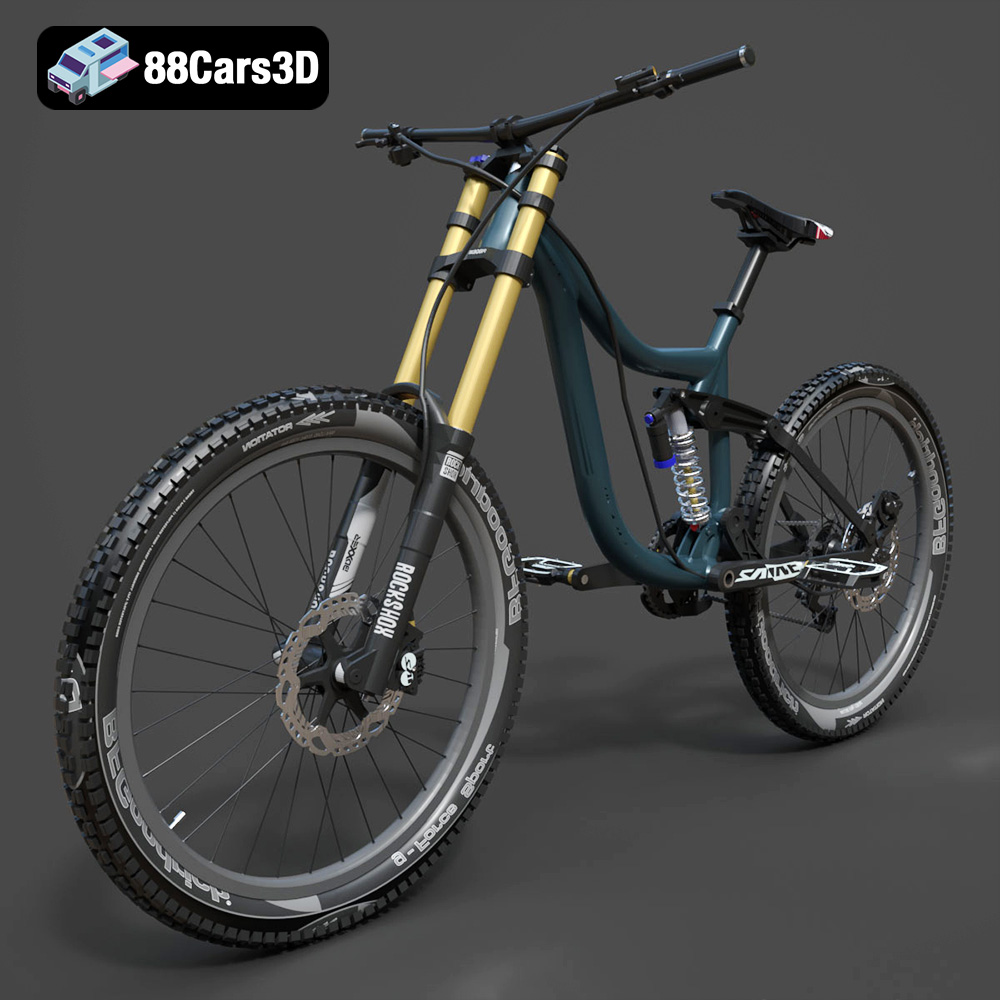
Mototsikly Downhill Bike-002 3D Model
Texture: Yes
Material: Yes
Download the Mototsikly Downhill Bike-002 3D Model featuring clean geometry, realistic detailing, and precise mechanical components. Includes .blend, .fbx, .obj, .glb, .stl, .ply, .unreal, and .max formats for rendering, simulation, and game development.
Price: $19.99
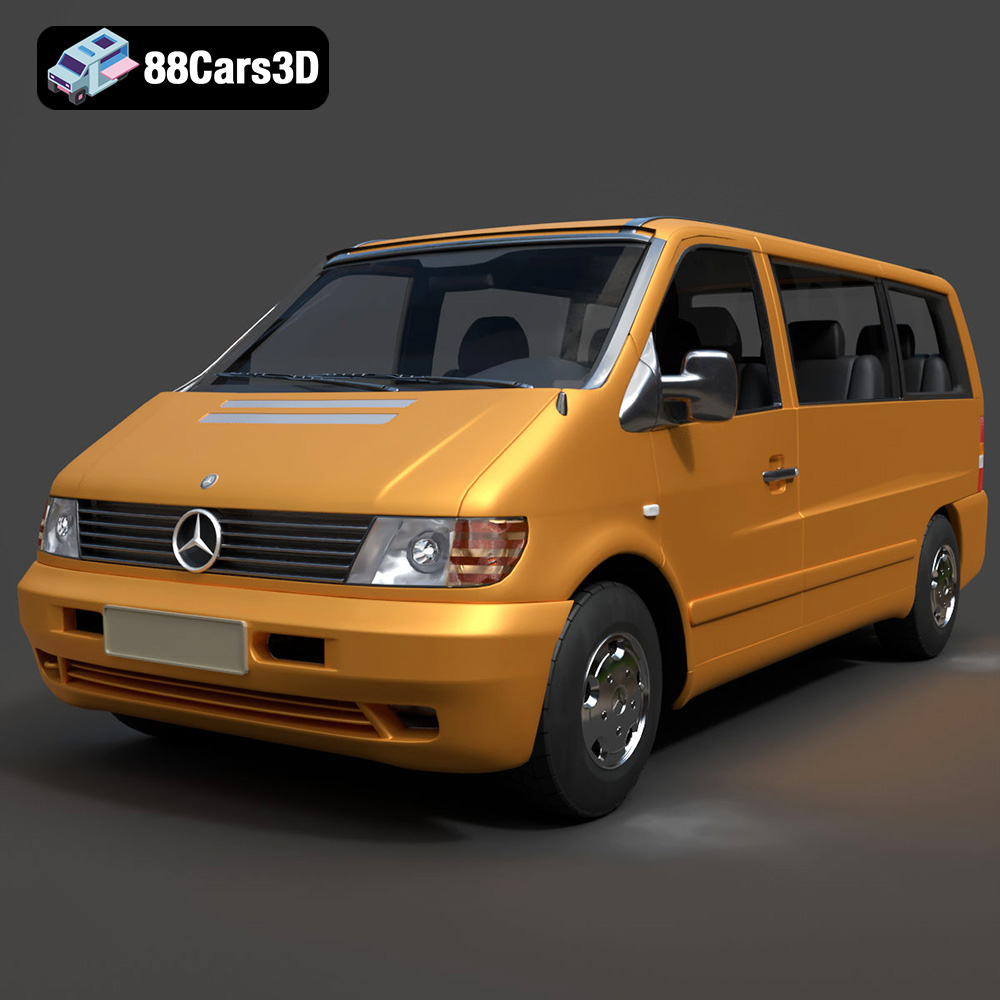
Mercedes-Benz Vito Passenger Van 3D Model
Texture: Yes
Material: Yes
Download the Mercedes-Benz Vito Passenger Van 3D Model featuring clean geometry, realistic detailing, and a fully modeled interior. Includes .blend, .fbx, .obj, .glb, .stl, .ply, .unreal, and .max formats for rendering, simulation, and game development.
Price: $19.99
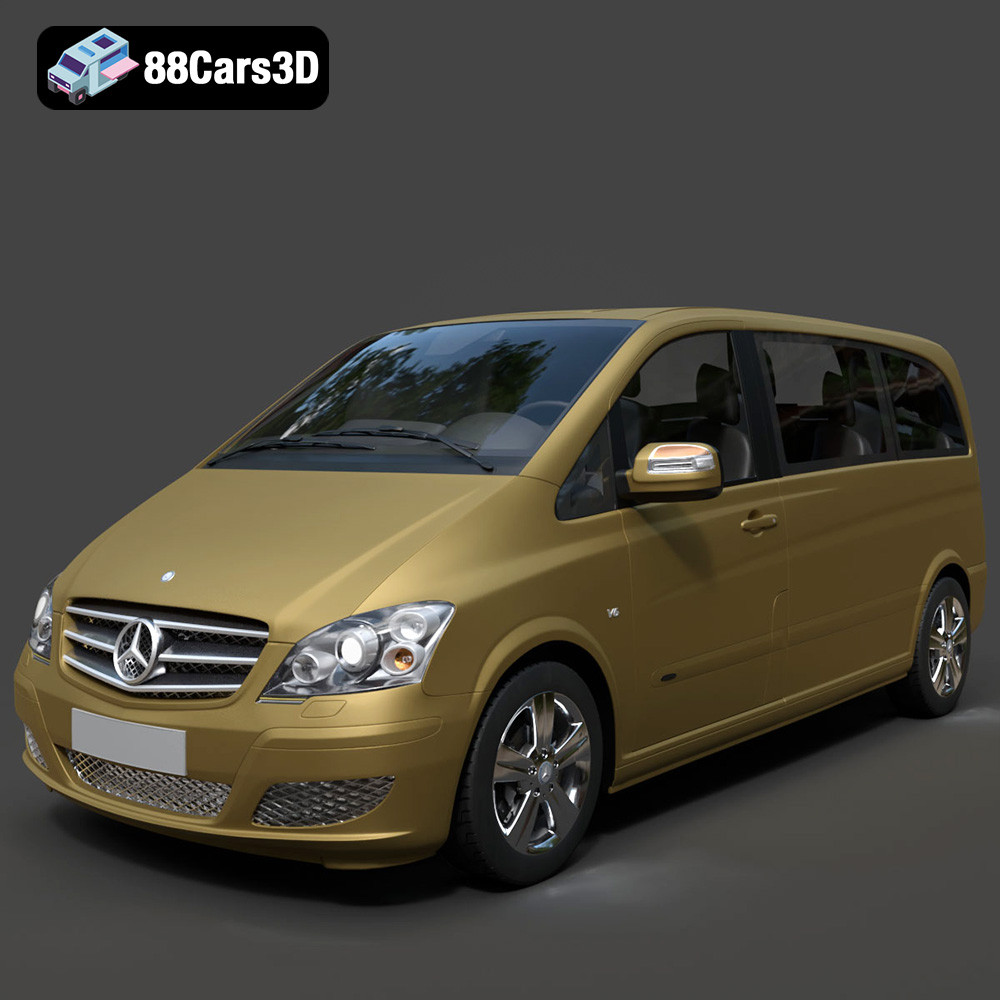
Mercedes-Benz Viano 2010 3D Model
Texture: Yes
Material: Yes
Download the Mercedes-Benz Viano 2010 3D Model featuring clean geometry, realistic detailing, and a fully modeled interior. Includes .blend, .fbx, .obj, .glb, .stl, .ply, .unreal, and .max formats for rendering, simulation, and game development.
Price: $19.99

Emt Avtobus 007 3D Model
Texture: Yes
Material: Yes
Download the Emt Avtobus 007 3D Model featuring clean geometry, realistic detailing, and a fully modeled interior. Includes .blend, .fbx, .obj, .glb, .stl, .ply, .unreal, and .max formats for rendering, simulation, and game development.
Price: $19.99
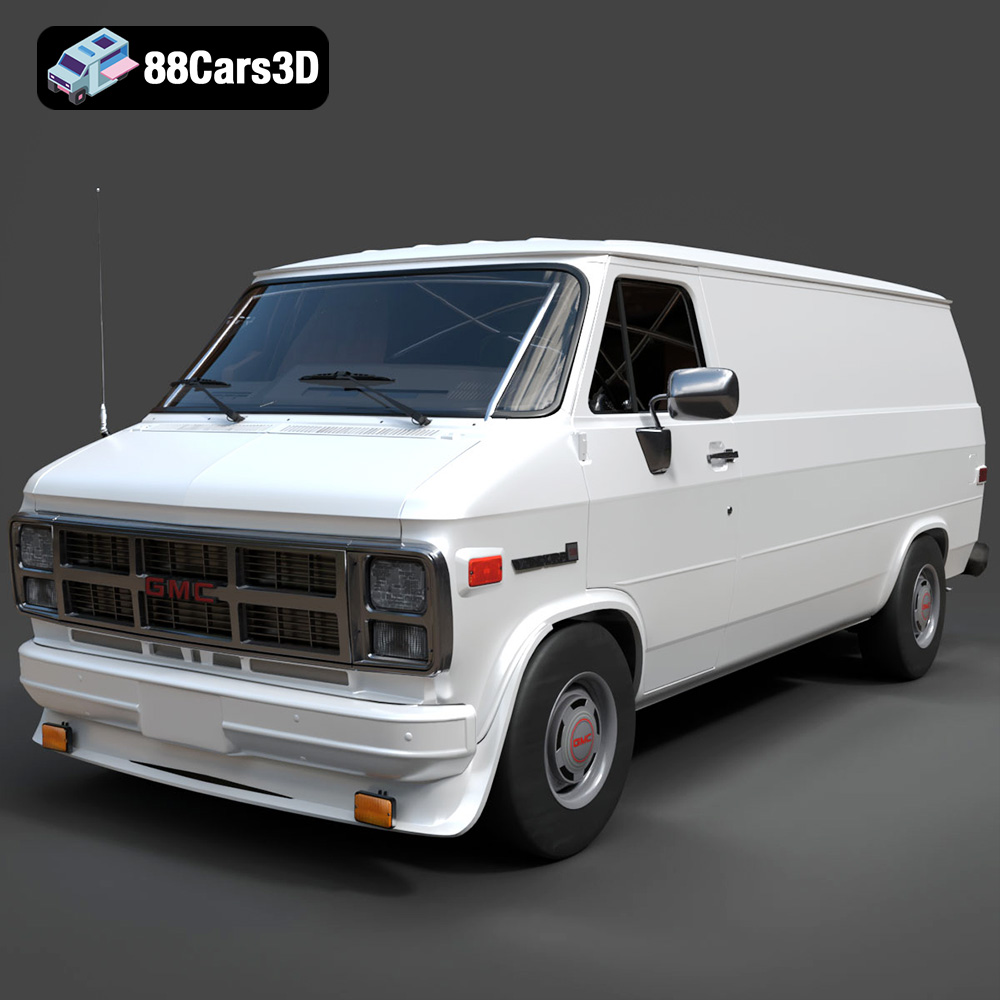
GMC Vandura G-1500 1983 3D Model
Texture: Yes
Material: Yes
Download the GMC Vandura G-1500 1983 3D Model featuring clean geometry, realistic detailing, and a fully modeled interior. Includes .blend, .fbx, .obj, .glb, .stl, .ply, .unreal, and .max formats for rendering, simulation, and game development.
Price: $19.99
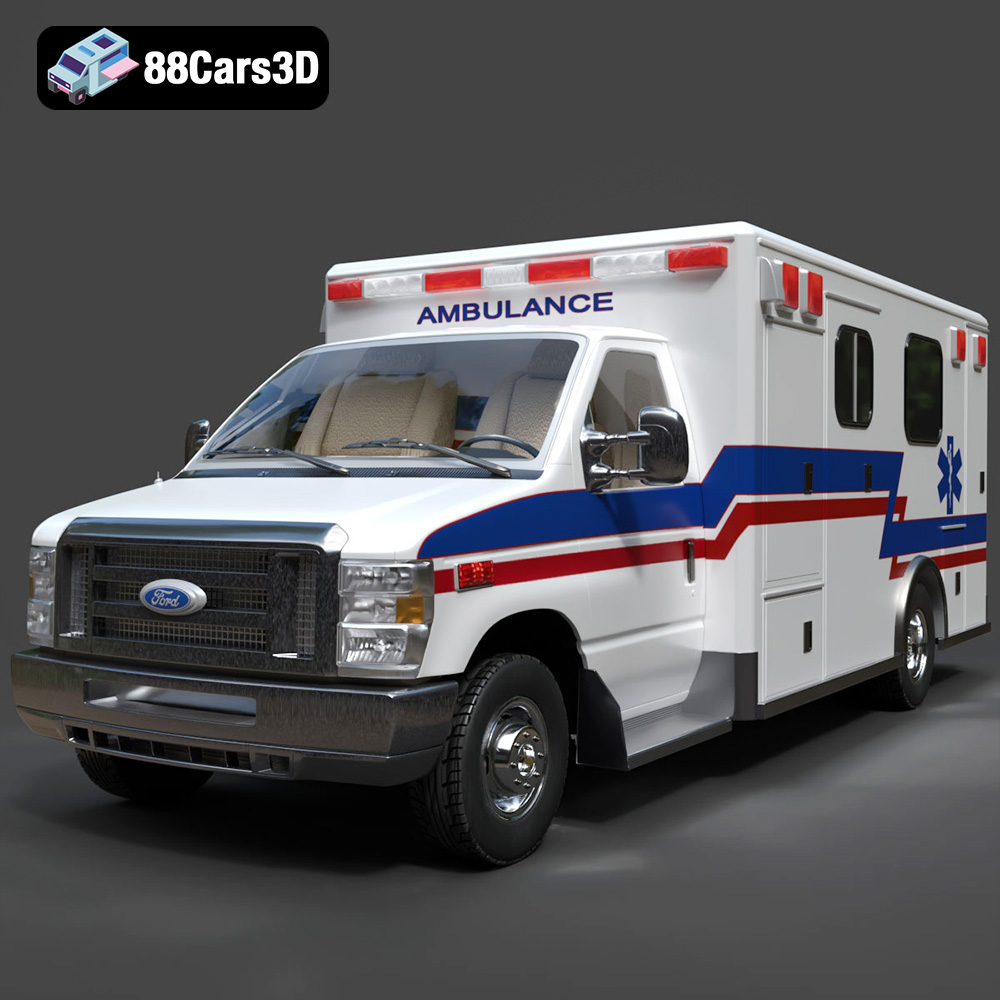
Ford E-450 Ambulance 3D Model
Texture: Yes
Material: Yes
Download the Ford E-450 Ambulance 3D Model featuring clean geometry, realistic detailing, and a fully modeled interior. Includes .blend, .fbx, .obj, .glb, .stl, .ply, .unreal, and .max formats for rendering, simulation, and game development.
Price: $19.99

Fiat Ducato SWB-001 3D Model
Texture: Yes
Material: Yes
Download the Fiat Ducato SWB-001 3D Model featuring clean geometry, realistic detailing, and a fully modeled interior. Includes .blend, .fbx, .obj, .glb, .stl, .ply, .unreal, and .max formats for rendering, simulation, and game development.
Price: $19.99
