

The ambition of game developers and visualization professionals continues to push the boundaries of virtual worlds. From sprawling open-world games to incredibly detailed automotive simulations, the demand for expansive and immersive environments has never been higher. However, creating and managing these colossal digital landscapes in real-time engines like Unreal Engine presents significant technical hurdles. Traditional methods of level management can quickly lead to overwhelming memory footprints, cumbersome team collaboration, and crippling performance issues.
Enter the Unreal Engine World Partition system – a groundbreaking framework designed specifically to address these challenges. World Partition revolutionizes how large open worlds are structured, managed, and streamed, enabling creators to build environments of unprecedented scale and complexity without sacrificing performance or developer efficiency. For studios working on automotive experiences, be it an open-world driving game, a comprehensive virtual showroom, or a cinematic virtual production environment for showcasing high-fidelity vehicles from sources like 88cars3d.com, understanding and leveraging World Partition is no longer optional – it’s essential.
In this comprehensive guide, we’ll dive deep into the Unreal Engine World Partition system. We’ll explore its core mechanics, walk through project setup, discuss optimization strategies, and delve into advanced workflows for collaborative development and real-time applications. By the end of this article, you’ll have a solid understanding of how to harness World Partition to build vast, performant, and visually stunning open worlds for your next Unreal Engine project.
The Challenge of Large Open Worlds and Why World Partition Exists
Before World Partition, Unreal Engine projects managed large worlds primarily through a system called World Composition (and prior to that, simple Level Streaming). While functional, these systems faced significant limitations as worlds grew in size and complexity. Imagine a massive driving environment for an automotive simulation, potentially spanning hundreds of square kilometers, filled with detailed road networks, intricate cityscapes, and diverse natural terrains. Populating such a world with thousands of actors – props, vegetation, buildings, and of course, highly detailed 3D car models – quickly becomes a logistical and technical nightmare.
One of the primary challenges was memory management. Even with clever level streaming, all loaded levels resided in memory simultaneously, leading to excessive RAM usage and slow load times. This made it difficult to target a wide range of hardware, especially for console or mobile platforms. Another major bottleneck was team collaboration. World Composition often relied on a single persistent level file (`.umap`) which contained references to all sub-levels. Any time multiple developers needed to work on different parts of the world simultaneously, they faced constant source control conflicts, merge hells, and disrupted workflows. This slowed down iteration speed and increased development costs significantly.
Limitations of Prior Systems and the Need for a New Approach
- Memory Footprint: World Composition streamed levels, but all active levels still contributed to the memory budget, leading to high RAM usage in large worlds.
- Performance Hitches: Loading and unloading entire levels could cause noticeable hitches, especially on slower storage or less powerful CPUs.
- Source Control Nightmares: The single persistent level file was a bottleneck for collaborative editing, often requiring developers to lock specific areas or face complex merges.
- Editor Performance: A vast number of actors, even if unloaded, could degrade editor performance and responsiveness.
World Partition was developed from the ground up to address these inherent limitations. Instead of discrete levels, it treats the entire world as a single, contiguous entity, which is then virtually divided into a grid of cells. Only the cells surrounding the player or camera are loaded into memory and rendered, ensuring a minimal memory footprint and optimal performance. This fundamental shift not only allows for worlds of virtually limitless scale but also vastly improves collaborative workflows, making it easier for large teams to contribute to the same persistent world simultaneously. For the automotive industry, this means creating vast test tracks, intricate urban environments for autonomous vehicle training, or stunning scenic drives for high-end vehicle configurators without the previous technical constraints.
Understanding the Fundamentals of World Partition
At its core, World Partition operates on a principle of spatial partitioning and data streaming. It intelligently manages which parts of your vast environment are loaded into memory and rendered at any given time, based on player proximity. This is a significant departure from previous systems and forms the backbone of its efficiency.
When World Partition is enabled, your entire world is treated as one massive level, but it’s conceptually divided into a grid of cells. Each cell contains a subset of your world’s actors and data. As the player (or a designated streaming origin) moves through the world, World Partition dynamically loads and unloads these cells, ensuring that only the relevant portions are active. This “just-in-time” loading dramatically reduces memory consumption and processing overhead, allowing for truly enormous environments.
Key Concepts and Components
- Streaming Grid: This is the fundamental structure of World Partition. Your world is divided into a configurable grid of cells. Each cell has a specific size (e.g., 256m x 256m). When an actor is placed in the world, it’s assigned to the cell it occupies.
- One File Per Actor (OFPA): This is a revolutionary feature for collaborative development. Instead of storing all actors in a single level file, World Partition stores each actor (or a small group of actors, like a Blueprint instance) in its own individual `.umap` file. These tiny files are then committed to source control. This drastically reduces merge conflicts, as multiple artists and designers can work on different parts of the world simultaneously without interfering with each other’s changes. When sourcing high-quality 3D car models from platforms like 88cars3d.com, they are imported as individual assets and then instances are placed in the world, each stored separately under OFPA.
- Data Layers: Data Layers provide a powerful mechanism for logically grouping actors within your World Partition world. You can think of them as conceptual “on/off” switches for different sets of content. For example, you might have a ‘Day Lighting’ layer, a ‘Night Lighting’ layer, a ‘Gameplay Mechanics’ layer, or even specific layers for different vehicle variants in an automotive configurator. Data Layers can be loaded and unloaded at runtime via Blueprint or C++, allowing for dynamic changes to the environment or specific experiences without reloading the entire world. This is invaluable for interactive experiences or virtual production scenarios where different configurations of an automotive scene might be needed on the fly.
These components work in concert to create a robust and flexible system for managing large-scale environments. The streaming grid ensures efficient resource management, OFPA streamlines collaboration, and Data Layers empower dynamic and interactive world configurations. By understanding these core principles, you lay the groundwork for building impressive and performant open worlds for any application, especially those involving intricate automotive scenes.
Setting Up Your Project with World Partition
Integrating World Partition into your Unreal Engine project is a straightforward process, whether you’re starting a new project or converting an existing one. The decision to use World Partition should ideally be made early in development, as converting an existing complex world can require some manual clean-up, although Unreal Engine provides robust tools to aid in the transition.
Enabling World Partition for New Projects
For new projects, World Partition is typically enabled by default in recent Unreal Engine versions for certain project templates (e.g., Open World). If you create a new blank project or choose a template where it’s not enabled, you can easily activate it:
- Create a new level (File > New Level).
- In the ‘New Level’ dialog, select an ‘Open World’ template or ensure ‘Enable World Partition’ is checked if available.
- Save your new level. It will automatically be set up with World Partition.
Once World Partition is enabled, you’ll notice that the standard ‘Levels’ panel in the editor is replaced by the ‘World Partition’ panel, which displays the streaming grid and provides tools for managing cells and data layers. The Unreal Engine documentation on World Partition provides excellent details on initial setup.
Converting Existing Levels to World Partition
If you have an existing project built with World Composition or traditional level streaming, you can convert it to World Partition. This process involves a commandlet that re-parcels your existing levels into the World Partition grid and converts actors to the OFPA format. Before performing a conversion, always back up your project.
- Close Unreal Engine. This process is done via a command-line tool.
- Navigate to your Unreal Engine installation directory. Specifically, `[Unreal Engine Install Directory]\Engine\Binaries\Win64`.
- Open a command prompt or PowerShell.
- Run the World Partition Convert commandlet:
`UnrealEditor.exe “YourProject.uproject” -run=WorldPartitionConvertCommandlet “YourExistingLevel.umap” -AllowCommandletResave -SCCSourceControl=Perforce -SCCUserName=[YourP4User] -SCCClientSpec=[YourP4Client]`
Replace `YourProject.uproject` and `YourExistingLevel.umap` with your project and level names. Specify your source control details if applicable. - Review the conversion log. After conversion, open your project. You’ll likely see a massive number of new `.umap` files (one for each actor) generated in your project’s `Content/__ExternalActors__/` folder. These should be committed to source control.
Post-conversion, it’s crucial to inspect your world. Some complex Blueprints or unique setups might require minor adjustments. The World Partition Editor (Window > World Partition > World Partition Editor) allows you to visualize the grid and manage individual cells.
Configuring Grid Settings and World Parameters
The World Partition Editor is where you fine-tune how your world is partitioned and streamed. Key settings include:
- Cell Size: Determines the dimensions of each streaming cell (e.g., 256m, 512m). Smaller cells offer finer control and potentially better memory management but can increase streaming overhead. Larger cells reduce streaming events but load more content at once.
- Loading Range: Defines the maximum distance from the player at which cells will be loaded.
- Streaming Distance: Controls the distance at which actors within a loaded cell become visible.
- Runtime Grids: You can define multiple streaming grids with different cell sizes and loading ranges to optimize performance for different types of content (e.g., a large grid for terrain, a smaller grid for detailed city blocks). This can be particularly useful for automotive environments where open highways and dense urban areas have different streaming requirements.
Thoughtful configuration of these parameters is vital for achieving optimal performance and a smooth player experience. Experiment with different settings to find the balance that best suits your project’s scale and complexity.
Optimizing Content for World Partition: Data Layers, HLODs, and Next-Gen Features
While World Partition inherently optimizes world streaming, the quality and structure of your content play an equally critical role in overall performance. Leveraging Unreal Engine’s advanced rendering features in conjunction with World Partition best practices can unlock unprecedented levels of fidelity and efficiency for your large open worlds, especially for demanding automotive visualization scenarios.
Strategic Use of Data Layers for Dynamic Environments
Data Layers are not just for organizing actors; they are powerful tools for optimizing runtime performance and creating dynamic, interactive experiences. By assigning actors to specific data layers, you gain fine-grained control over what content is active at any given moment. For an automotive project, this could mean:
- Environment Variants: A ‘Rainy Day’ layer that contains specific weather effects, wet road materials, and reduced visibility, switchable with a ‘Sunny Day’ layer.
- Configuration Options: In a virtual car showroom, different accessory packages or interior trims for a vehicle model (sourced from 88cars3d.com) could reside on separate data layers, allowing users to toggle them on/off instantly.
- Performance Toggles: A ‘High Detail’ layer for cinematics and a ‘Low Detail’ layer for gameplay testing or lower-end hardware, containing different versions of static meshes or post-processing volumes.
Managing Data Layers can be done via the World Partition Editor. You can create, assign, and activate/deactivate layers. At runtime, Blueprint functions like `LoadDataLayer` and `UnloadDataLayer` provide programmatic control, allowing for seamless transitions and interactive scenarios without the overhead of loading entirely new levels.
Harnessing HLODs for Distant Geometry
Hierarchical Level of Detail (HLOD) is indispensable for large worlds, and it works seamlessly with World Partition. HLODs group clusters of static meshes into single, simplified mesh proxies for distant viewing. This drastically reduces draw calls and vertex counts for objects far from the camera, improving rendering performance significantly. When World Partition streams out a cell, it will first attempt to show the HLOD representation of the content in that cell until it is close enough to stream in the full-detail assets.
To set up HLODs:
- Go to Window > World Partition > HLOD Outliner.
- Select the relevant actors or entire regions of your world.
- Generate HLOD clusters. You can configure various HLOD settings in Project Settings > Engine > Hierarchical LOD. These settings control simplification ratios, material merging, and geometry simplification.
For automotive environments with vast landscapes or dense cityscapes, well-configured HLODs are critical. They ensure that distant buildings, trees, and other environmental elements appear consistent and performant, even with thousands of individual meshes.
Leveraging Nanite and Lumen with World Partition
Unreal Engine 5’s flagship features, Nanite and Lumen, are highly complementary to World Partition:
- Nanite: This virtualized geometry system allows for the import and rendering of film-quality assets with billions of polygons, without traditional LODs. When combined with World Partition, you can populate your vast worlds with incredibly detailed 3D assets (like the high-fidelity car models from 88cars3d.com) without worrying about polygon budgets. Nanite handles the streaming and culling of micro-polygons efficiently within the loaded World Partition cells, making high-fidelity open worlds truly feasible.
- Lumen: Unreal Engine’s fully dynamic global illumination and reflections system provides breathtaking realism for lighting. Lumen calculates global illumination in real-time within the currently loaded World Partition cells. As cells stream in and out, Lumen adapts seamlessly, providing consistent and dynamic lighting across your vast environment. This means dynamic time-of-day cycles, changing weather conditions, and interactive lighting changes (e.g., car headlights) will realistically propagate throughout your open world, enhancing immersion for automotive visualization.
These powerful features, when used alongside World Partition’s efficient streaming, represent a paradigm shift in real-time content creation, enabling environments that were previously unimaginable.
Workflow for Collaborative Development and Iteration
One of World Partition’s most significant advantages is its ability to facilitate large-scale collaborative development, significantly reducing the friction associated with source control and simultaneous editing. The ‘One File Per Actor’ (OFPA) paradigm is the cornerstone of this improvement, transforming how teams interact with the world.
In traditional Unreal Engine setups, the main level file (`.umap`) could become a bottleneck. If multiple artists were working on different parts of the same world, any concurrent changes to the level would result in merge conflicts when committing to source control (e.g., Git, Perforce). Resolving these conflicts was often time-consuming, error-prone, and a major frustration for development teams. World Partition effectively eliminates this problem.
One File Per Actor (OFPA) in Practice
With OFPA, every single actor you place in your World Partition level is saved as its own individual `.umap` file. These files are stored in a dedicated `__ExternalActors__` folder within your project’s `Content` directory, mirroring the structure of your main level. For example, if you place a traffic light or a specific prop in your automotive city environment, it will generate a tiny `.umap` file for that single actor. When you commit your changes to source control, you’re only committing these small, individual actor files.
This means if Artist A is working on one block of a city, and Artist B is working on another block miles away, they are modifying completely separate actor files. When they both commit, there are no merge conflicts because their changes don’t overlap in the file system. Even if they are working on adjacent cells, only the specific actors they modify will be committed, drastically reducing the chances of conflicts.
Streamlining Source Control with Perforce/Git
For large teams, robust source control is essential. World Partition integrates very well with industry-standard solutions like Perforce (P4V) or Git (with LFS for binary assets). The key is that commits become much smaller and more focused. When you make changes in the editor, only the specific external actor files (`.umap`) that you’ve modified will be marked for checkout/commit. This simplifies the commit process, reduces network traffic, and makes reviewing changes more granular.
- Perforce (P4V): Perforce is often preferred for large game development projects due to its robust handling of binary assets. With OFPA, developers simply check out the actors they intend to modify. When submitting, only those specific external actor files are committed, making branching and merging much smoother than with single large level files.
- Git (with LFS): Git can also be used effectively, provided you use Git LFS (Large File Storage) for your binary assets, including the `.umap` files for external actors. Without LFS, Git’s performance can degrade quickly with many small binary files.
It’s good practice to configure your source control ignore files to exclude temporary or generated files, focusing only on the external actor files and other core project assets.
Multi-User Editing and Iteration Speed
Beyond source control, World Partition inherently supports a more fluid multi-user editing experience. While Unreal Engine’s explicit Multi-User Editing feature (which allows multiple users to simultaneously edit the same scene in real-time) is separate, World Partition complements it by making the underlying asset structure more robust for concurrent work. Developers can freely move around the world, place assets, sculpt terrain, and create blueprints in their respective areas without constantly stepping on each other’s toes.
This streamlined workflow significantly boosts iteration speed. Artists can rapidly populate scenes with environmental props or vehicles from 88cars3d.com, designers can lay out gameplay elements, and level sculptors can shape terrain, all in parallel. This efficiency is critical for meeting tight deadlines in today’s demanding game development and automotive visualization pipelines.
Advanced World Partition Features and Use Cases
World Partition extends beyond basic streaming, offering advanced features that enable more dynamic and complex interactions within your large environments. These capabilities are particularly beneficial for automotive applications, virtual production, and interactive experiences.
Streaming Volumes and Priority Management
While World Partition automatically streams cells based on player proximity, you often need more granular control. Streaming Volumes allow you to define specific areas where content should be loaded or unloaded, regardless of the default grid-based streaming. For example, you might want to pre-load a specific area (like an underground tunnel entrance or a distinct showroom exhibit) before the player physically reaches it to prevent hitches. Conversely, you might want to force unload an area that is no longer relevant.
You can create various types of streaming volumes, such as sphere, box, or custom volumes, and configure their properties, including:
- Is Streaming Enabled: Toggles the volume’s active state.
- Priority: Higher priority volumes will override lower priority ones, giving you control over which content gets precedence for streaming.
- Delay: You can introduce a delay before loading/unloading, useful for smooth transitions.
For an automotive driving simulation, streaming volumes can be crucial for managing complex intersections, loading assets for a dynamic event, or ensuring that a detailed vehicle repair shop is fully loaded as the player approaches its entrance.
Virtual Production and LED Wall Workflows
Virtual production, especially with LED walls, demands extremely high-fidelity environments and seamless real-time performance. World Partition plays a vital role in these workflows for automotive advertising and filmmaking. By creating vast, detailed environments, filmmakers can virtually scout locations, block shots, and execute complex camera movements within a single, performant world.
- Expansive Backgrounds: A World Partition-enabled environment can provide limitless virtual backdrops for vehicles. Imagine driving a car model from 88cars3d.com through a procedurally generated forest or across an alien landscape, all rendered in real-time on an LED stage.
- Dynamic Set Dressing: Using Data Layers, virtual production teams can rapidly switch between different lighting setups, weather conditions, or even entirely different prop configurations for a scene, all within the same World Partition level. This allows for immense flexibility during live shooting.
- Performance Scalability: Only the relevant section of the world (what’s visible through the camera frustum and on the LED wall) needs to be actively loaded and rendered, ensuring optimal performance for the high-resolution demands of virtual production.
Tools like Unreal Engine’s nDisplay are used in conjunction with World Partition to distribute rendering across multiple machines for the LED wall, making these massive worlds render effectively.
Automotive Configurators and Interactive Demos
The ability to create vast, performant worlds opens up new possibilities for automotive configurators and interactive demos. Imagine not just customizing a car in a static studio, but driving it through a photo-realistic, expansive city or across a winding coastal road, experiencing every customization in a real-world context.
- Immersive Environments: World Partition allows for the creation of open-world test drives within a configurator, where users can see how different paint finishes, wheel options, or body kits look under various lighting conditions and environments.
- Dynamic Scenarios: Data Layers can be used to switch entire environments (e.g., city, desert, track) or activate specific interactive elements (e.g., opening car doors, testing infotainment systems) within the context of a larger world.
- AR/VR Integration: For AR/VR automotive visualization, World Partition ensures that the experience is optimized for performance, loading only what’s necessary, which is crucial for maintaining high frame rates and comfort in immersive headsets. This allows users to “walk around” and “sit inside” a vehicle from 88cars3d.com within a much larger, interactive virtual space.
These advanced features empower developers to build richer, more engaging, and incredibly detailed automotive experiences that push the boundaries of real-time visualization.
Performance Tuning and Troubleshooting in World Partition Worlds
While World Partition significantly streamlines the management of large worlds, achieving optimal performance still requires careful tuning and a strategic approach to troubleshooting. The sheer scale of World Partition worlds means that even minor inefficiencies can quickly compound into major performance bottlenecks.
Monitoring and Profiling Tools
Unreal Engine provides a suite of powerful profiling tools that are indispensable for identifying performance issues in World Partition worlds:
- Stat Streaming: This console command (`stat streaming`) displays real-time information about World Partition cell loading/unloading, memory usage, and streaming bandwidth. It helps identify if your world is loading too much data or if streaming operations are causing hitches.
- Stat UnitGraph: Provides a visual representation of frame time breakdown (Game, Draw, GPU). Spikes in ‘Game’ thread time might indicate CPU-bound issues related to actor processing or Blueprint logic, while ‘Draw’ and ‘GPU’ spikes point to rendering bottlenecks.
- Unreal Insights: This robust profiling tool (available via the `UnrealInsights.exe` application) offers detailed CPU and GPU traces, allowing you to pinpoint exactly what’s consuming resources. You can filter events by World Partition streaming, actor processing, rendering passes, and more, providing deep insights into where performance is being lost.
- World Partition Debugger: Accessible through the World Partition window, this visual tool allows you to see which cells are currently loaded, unloaded, or in the process of streaming. It’s excellent for diagnosing unexpected streaming behavior.
Regular profiling sessions, especially during content creation and integration, are crucial for maintaining a performant experience. When testing an automotive driving environment, for instance, simulate typical player paths and use these tools to monitor performance during high-speed driving and dense traffic scenarios.
Common Challenges and Solutions
- Streaming Hitches:
- Cause: Too much data loading/unloading simultaneously, slow storage, or CPU spikes during cell activation.
- Solution: Reduce cell size for more granular streaming, optimize content within cells (fewer polygons, smaller textures), pre-load critical areas with streaming volumes, use asynchronous loading for large assets. Ensure your content isn’t generating excessive `BeginPlay` events or heavy initialization on actor spawn.
- High Memory Usage:
- Cause: Cells are too large, or too many cells are loaded.
- Solution: Reduce cell size, tighten loading ranges, aggressive HLOD generation for distant objects, remove unnecessary assets from loaded cells, use Data Layers to selectively load content. Optimize texture resolutions and material complexity.
- Slow Editor Performance:
- Cause: A large number of actors, even when unloaded, can impact editor responsiveness.
- Solution: Ensure ‘Show Only Loaded Regions’ is active in the World Partition Editor. Use the ‘Grid Editor’ view for broad navigation rather than the full world view. Disable unnecessary editor plugins.
- HLOD Generation Issues:
- Cause: Complex geometry, too many meshes, or incorrect HLOD settings.
- Solution: Simplify source meshes before HLOD generation. Experiment with different HLOD layer settings (e.g., ‘Merged Mesh’, ‘Instanced Static Mesh’, ‘Proxy Mesh’). Ensure source meshes have proper LODs themselves.
Best Practices for Performance Optimization
- Aggressive HLODs: Generate HLODs for all distant geometry. Configure them to be as simple as possible without noticeable visual degradation.
- Efficient Asset Creation: Use optimized 3D car models and environmental props (e.g., from 88cars3d.com) with clean topology, efficient UVs, and PBR-compliant materials. Avoid overly complex Blueprints that might add significant runtime overhead.
- Data Layer Optimization: Only load the data layers absolutely necessary for the current experience. Dynamically activate/deactivate layers to manage content.
- Texture Streaming: Ensure texture streaming is properly configured in project settings and for individual textures to reduce VRAM usage.
- Culling Volumes: Use occlusion culling and distance culling aggressively for static meshes that are hidden or far away.
- Static Lighting vs. Lumen: While Lumen is powerful, it has a performance cost. For static elements of your world, consider baking static lighting where appropriate to save on Lumen’s runtime computation.
By diligently applying these strategies and continuously profiling your project, you can ensure your World Partition-enabled open world delivers a smooth, high-fidelity experience for your players or clients.
Conclusion: Unlocking Limitless Worlds with Unreal Engine’s World Partition
The Unreal Engine World Partition system represents a monumental leap forward in the creation and management of large open worlds. By fundamentally changing how vast environments are structured, streamed, and collaborated upon, it empowers developers and artists to realize ambitious visions that were once technically unfeasible. From reducing memory footprints and boosting runtime performance to revolutionizing collaborative workflows, World Partition is an indispensable tool for anyone pushing the boundaries of real-time virtual experiences.
For the automotive industry, the implications are profound. Imagine expansive virtual test tracks, photo-realistic cities for autonomous vehicle training, or stunning open-world showcases for next-generation vehicle configurators. World Partition, combined with Unreal Engine’s cutting-edge features like Nanite and Lumen, makes these incredibly detailed and immersive environments a tangible reality. When populating these vast landscapes, sourcing high-quality, optimized 3D assets – such as the premium car models available on platforms like 88cars3d.com – becomes a crucial step to ensure visual fidelity and seamless integration.
Embracing World Partition requires a shift in mindset and workflow, but the benefits in terms of scale, performance, and team efficiency are undeniable. By understanding its core mechanics, meticulously setting up your projects, optimizing your content with Data Layers and HLODs, and leveraging powerful features for virtual production and interactive applications, you can build truly limitless worlds. Dive in, experiment, and let World Partition be the foundation upon which you build your next generation of breathtaking real-time automotive visualizations and gaming experiences.
Featured 3D Car Models
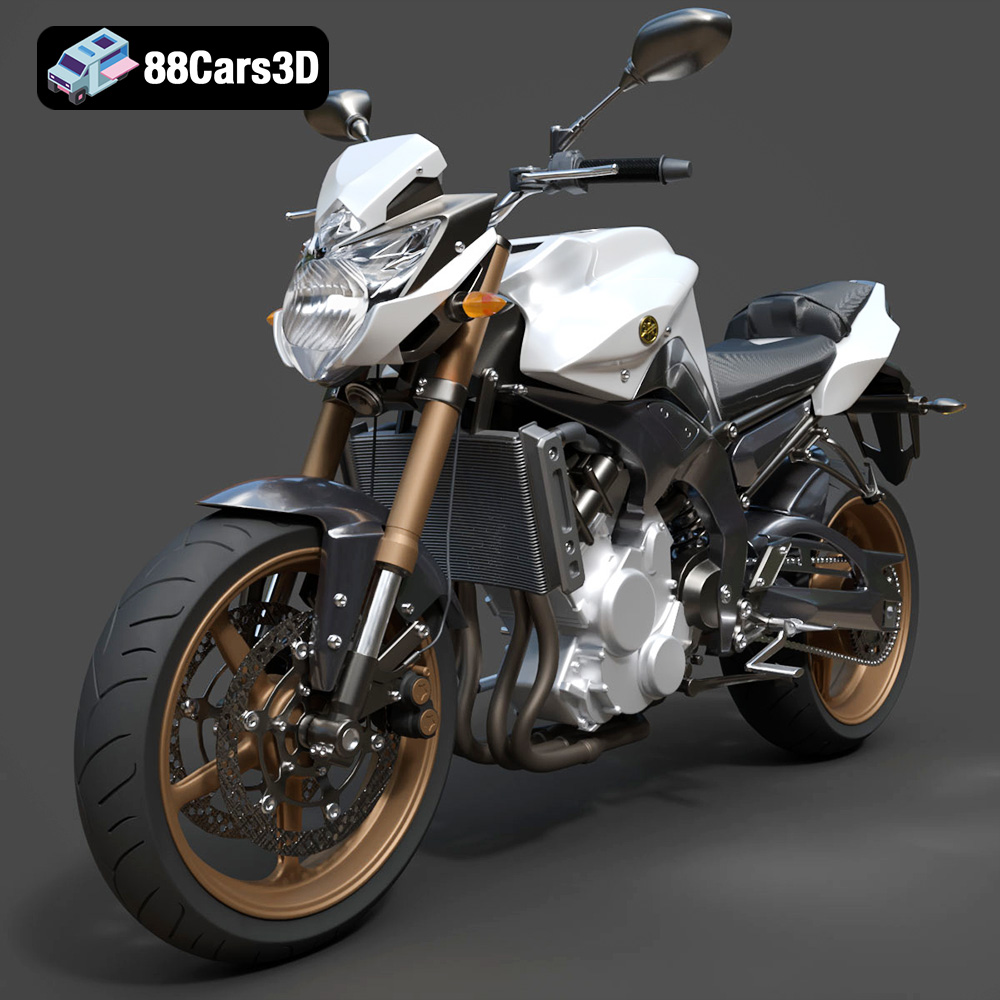
Yamaha FZ8 2011 3D Model
Texture: Yes
Material: Yes
Download the Yamaha FZ8 2011 3D Model featuring clean geometry, realistic detailing, and a fully modeled interior. Includes .blend, .fbx, .obj, .glb, .stl, .ply, .unreal, and .max formats for rendering, simulation, and game development.
Price: $19.99

Yamaha Stryker 2012 3D Model
Texture: Yes
Material: Yes
Download the Yamaha Stryker 2012 3D Model featuring clean geometry, realistic detailing, and a fully modeled interior. Includes .blend, .fbx, .obj, .glb, .stl, .ply, .unreal, and .max formats for rendering, simulation, and game development.
Price: $19.99
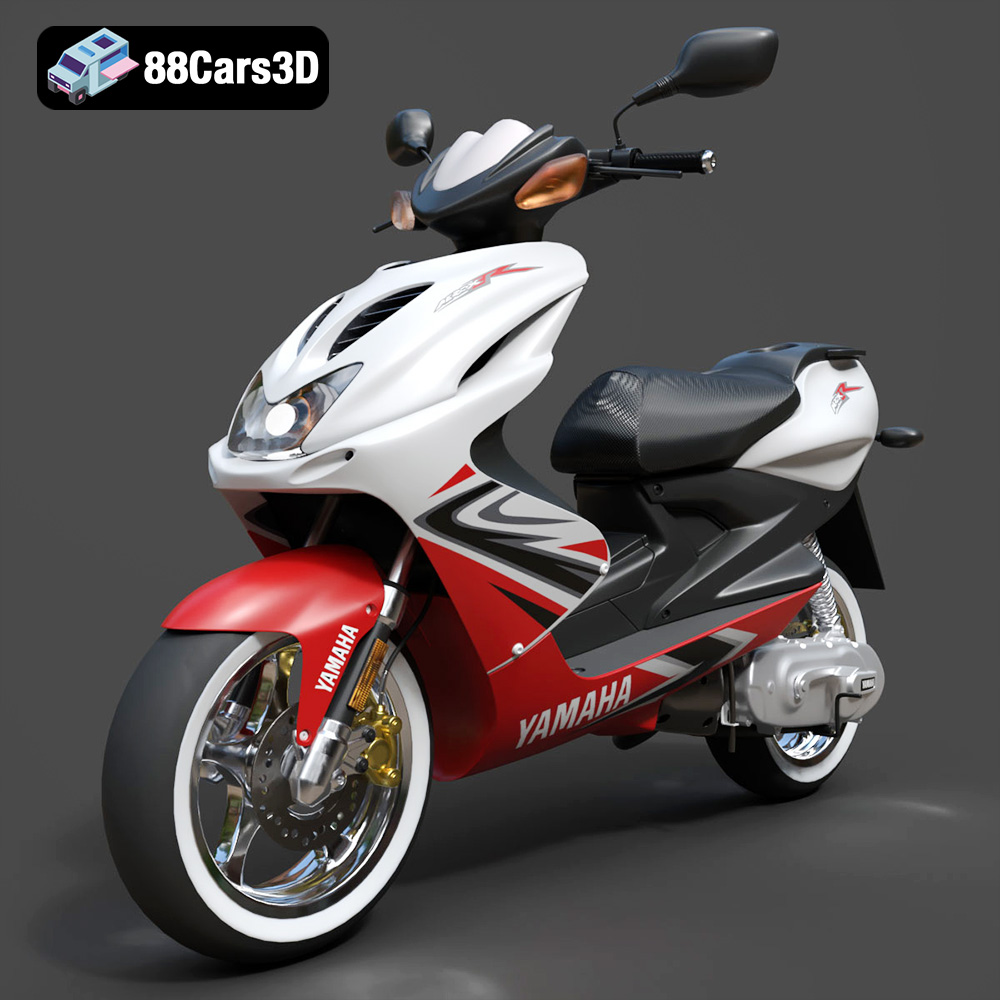
Yamaha Aerox R-002 2024 3D Model
Texture: Yes
Material: Yes
Download the Yamaha Aerox R-002 2024 3D Model featuring clean geometry, realistic detailing, and a fully modeled interior. Includes .blend, .fbx, .obj, .glb, .stl, .ply, .unreal, and .max formats for rendering, simulation, and game development.
Price: $19.99
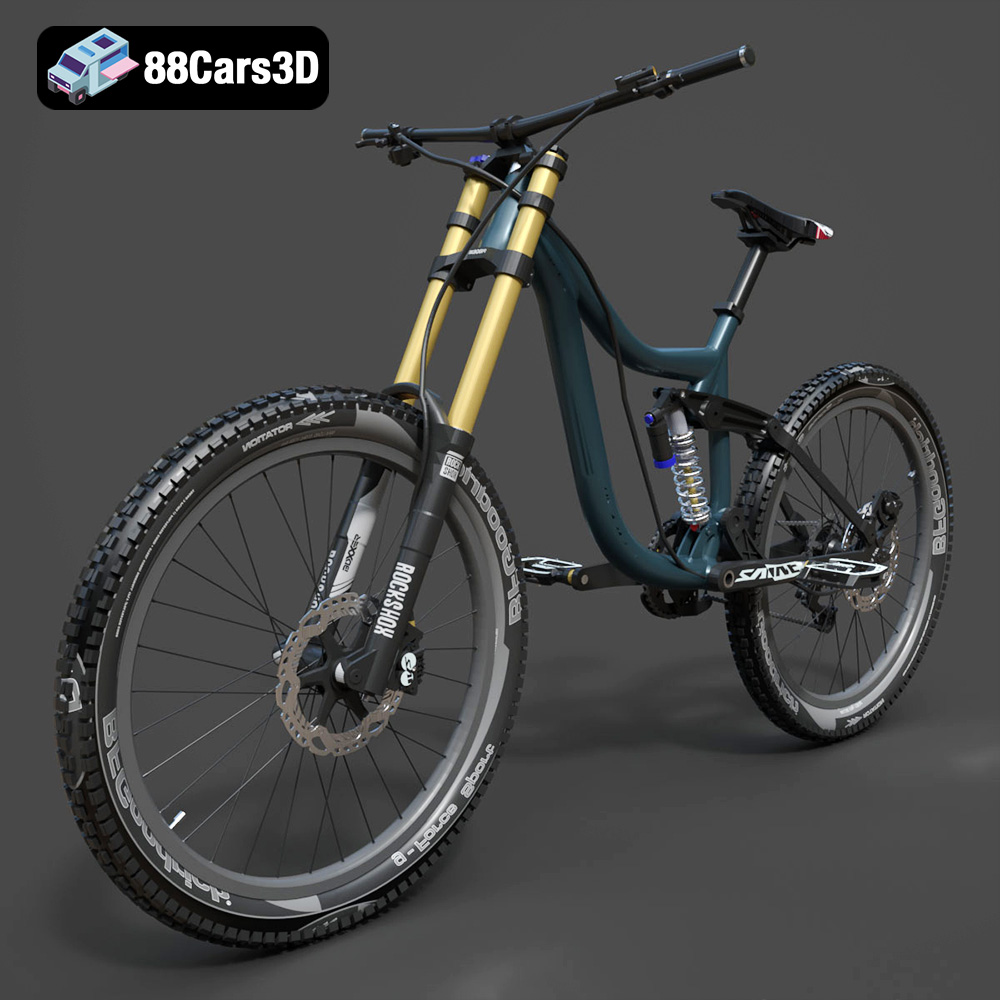
Mototsikly Downhill Bike-002 3D Model
Texture: Yes
Material: Yes
Download the Mototsikly Downhill Bike-002 3D Model featuring clean geometry, realistic detailing, and precise mechanical components. Includes .blend, .fbx, .obj, .glb, .stl, .ply, .unreal, and .max formats for rendering, simulation, and game development.
Price: $19.99
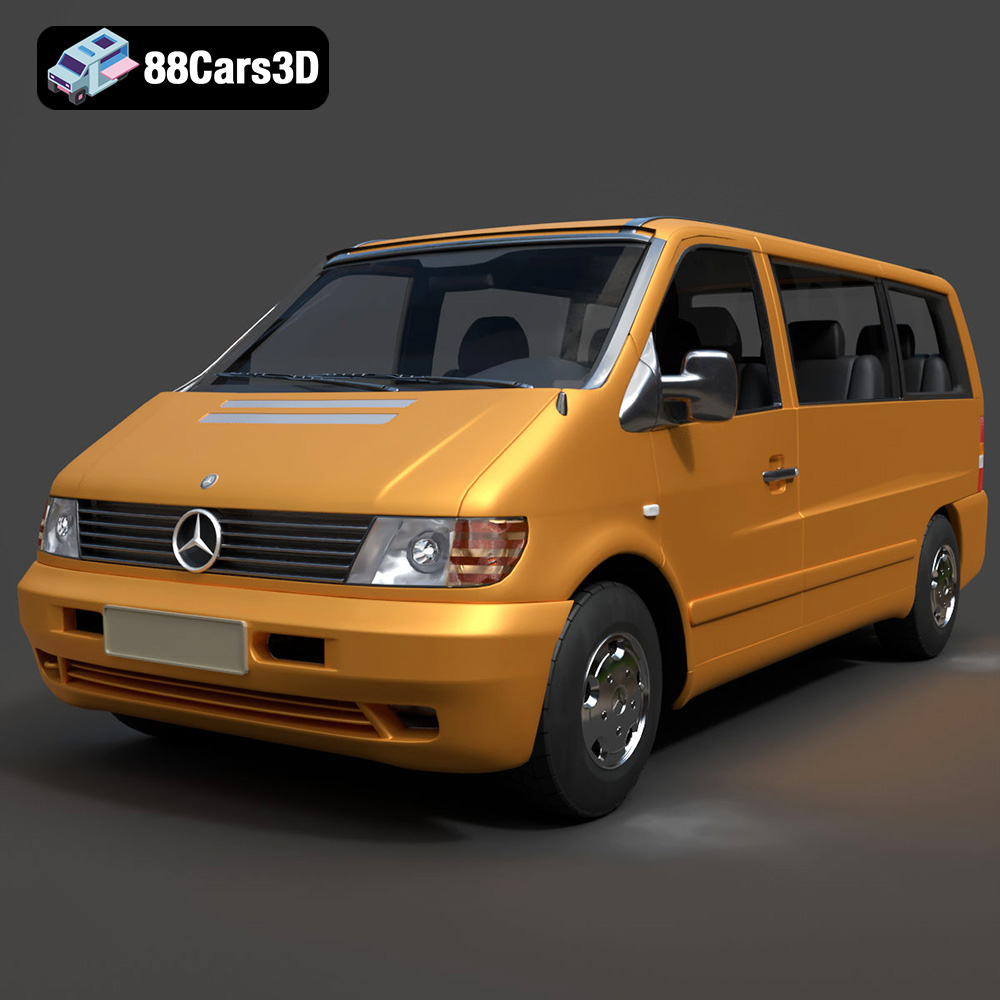
Mercedes-Benz Vito Passenger Van 3D Model
Texture: Yes
Material: Yes
Download the Mercedes-Benz Vito Passenger Van 3D Model featuring clean geometry, realistic detailing, and a fully modeled interior. Includes .blend, .fbx, .obj, .glb, .stl, .ply, .unreal, and .max formats for rendering, simulation, and game development.
Price: $19.99
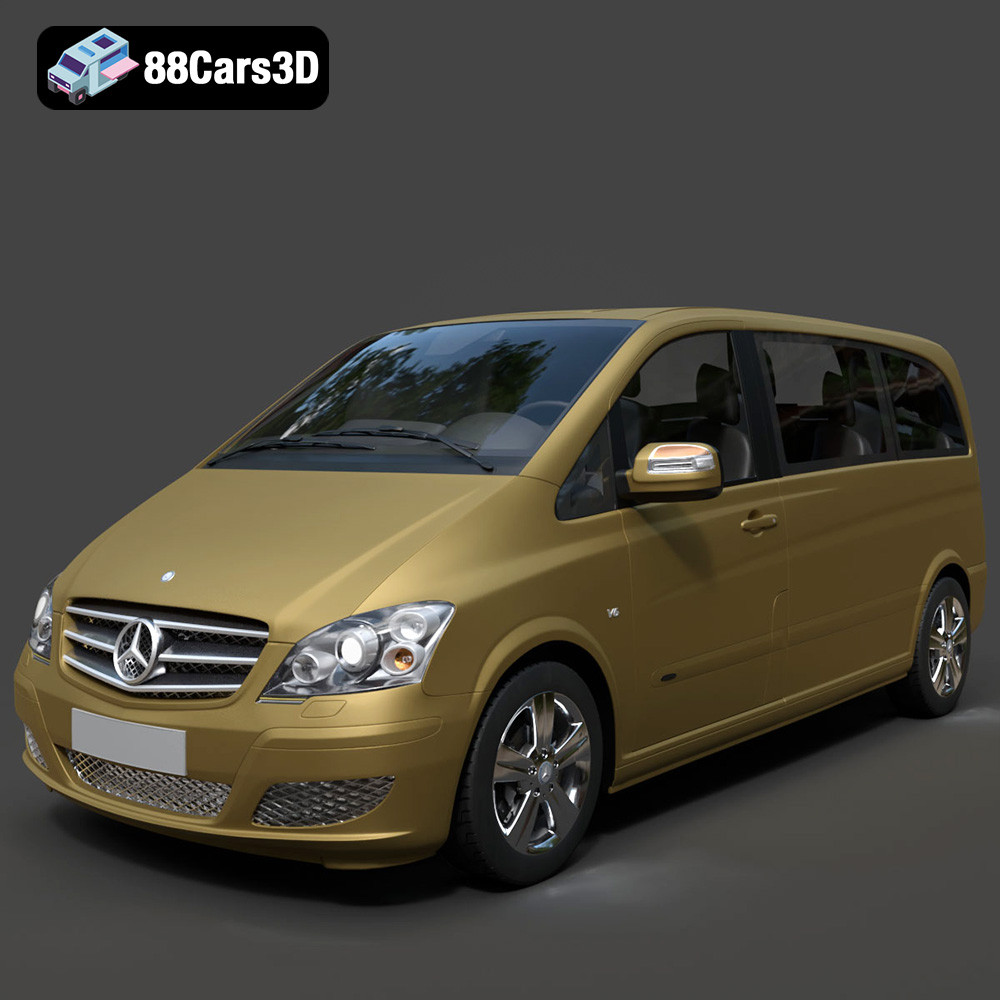
Mercedes-Benz Viano 2010 3D Model
Texture: Yes
Material: Yes
Download the Mercedes-Benz Viano 2010 3D Model featuring clean geometry, realistic detailing, and a fully modeled interior. Includes .blend, .fbx, .obj, .glb, .stl, .ply, .unreal, and .max formats for rendering, simulation, and game development.
Price: $19.99

Emt Avtobus 007 3D Model
Texture: Yes
Material: Yes
Download the Emt Avtobus 007 3D Model featuring clean geometry, realistic detailing, and a fully modeled interior. Includes .blend, .fbx, .obj, .glb, .stl, .ply, .unreal, and .max formats for rendering, simulation, and game development.
Price: $19.99
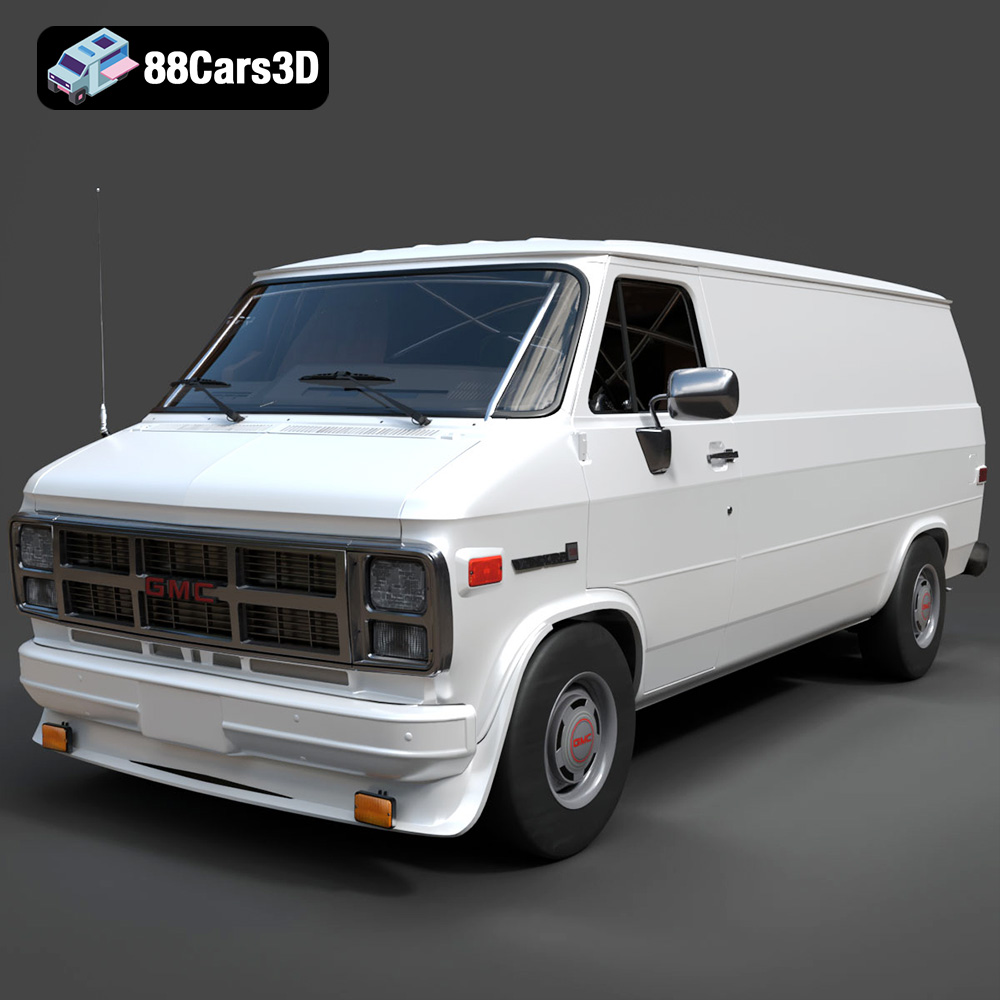
GMC Vandura G-1500 1983 3D Model
Texture: Yes
Material: Yes
Download the GMC Vandura G-1500 1983 3D Model featuring clean geometry, realistic detailing, and a fully modeled interior. Includes .blend, .fbx, .obj, .glb, .stl, .ply, .unreal, and .max formats for rendering, simulation, and game development.
Price: $19.99

Ford E-450 Ambulance 3D Model
Texture: Yes
Material: Yes
Download the Ford E-450 Ambulance 3D Model featuring clean geometry, realistic detailing, and a fully modeled interior. Includes .blend, .fbx, .obj, .glb, .stl, .ply, .unreal, and .max formats for rendering, simulation, and game development.
Price: $19.99

Fiat Ducato SWB-001 3D Model
Texture: Yes
Material: Yes
Download the Fiat Ducato SWB-001 3D Model featuring clean geometry, realistic detailing, and a fully modeled interior. Includes .blend, .fbx, .obj, .glb, .stl, .ply, .unreal, and .max formats for rendering, simulation, and game development.
Price: $19.99
