

The automotive world has long been a realm of passionate customization, where enthusiasts strive to imbue their vehicles with unique flair and enhanced functionality. Traditionally, achieving bespoke car parts meant expensive, time-consuming fabrication processes, often out of reach for the average individual. However, the advent of 3D printing technology has revolutionized this landscape, democratizing custom manufacturing and opening up an exciting new frontier for automotive design and modification. Imagine being able to design a specific interior trim piece, a specialized bracket, an aerodynamic spoiler, or even a replica engine component and then bring it to life with remarkable precision, all from your garage or workshop. This comprehensive guide will take you through the entire process of 3D printing custom car parts, from selecting and preparing your 3D models to advanced post-processing techniques, ensuring your creations are not only functional but also aesthetically superior. Whether you’re a seasoned 3D artist, an aspiring automotive designer, or simply a car enthusiast eager to personalize your ride, this tutorial will equip you with the knowledge and best practices to transform your digital designs into tangible automotive enhancements.
Sourcing and Preparing Your 3D Model for Printing
The journey of 3D printing a custom car part begins with a robust and accurate 3D model. The quality of your final print is heavily dependent on the integrity and detail of your initial digital asset. For automotive enthusiasts and professionals, obtaining high-quality 3D car models is a crucial first step. Platforms like 88cars3d.com offer a vast selection of meticulously crafted 3D car models, providing an excellent foundation for customization projects. These models are often designed with clean topology and realistic details, making them ideal starting points for both aesthetic and functional modifications. However, simply downloading a model isn’t enough; extensive preparation is required to ensure it’s suitable for 3D printing.
Where to Find High-Quality 3D Car Models
Beyond creating models from scratch, which requires significant expertise in 3D modeling software like 3ds Max, Blender, or Maya, sourcing pre-made models is a viable and often more efficient option. Marketplaces like 88cars3d.com specialize in high-quality 3D car models that are production-ready for rendering, game development, and visualization. When choosing a model from such a platform, pay attention to the provided details: polygon count, mesh topology (preferably quads, but triangles are acceptable for printing after conversion), and the inclusion of various file formats like FBX or OBJ. For 3D printing, the visual fidelity for rendering is less critical than the mesh integrity for manufacturing. You’ll want models that are detailed enough to capture the necessary geometry but not overly complex to make processing difficult.
Essential 3D Model Preparation for Printing
Once you have your desired 3D model, it needs to be rigorously prepared for the 3D printing process. The primary goal here is to create a “watertight” or “manifold” mesh. This means the model must be a completely enclosed volume without any holes, inverted normals, or self-intersecting geometry. 3D printers interpret models as solid objects, and any imperfections in the mesh can lead to printing errors, failed prints, or structural weaknesses in the final part.
- Mesh Repair: Tools within 3D software like Blender are invaluable here. In Blender 4.4, you can switch to Edit Mode (Tab key) and use the “Select All by Trait” > “Non Manifold” option to identify problem areas. Common issues include:
- Holes: Unfilled gaps in the mesh. These need to be manually filled using the ‘F’ key to create faces or by bridging edge loops (Ctrl+E > Bridge Edge Loops).
- Internal Geometry: Faces or edges located inside the model. These can confuse the slicer and should be deleted.
- Non-manifold Edges/Vertices: Edges connected to more than two faces, or vertices not properly connected. Blender’s ‘Merge by Distance’ (M key) tool can often resolve duplicate vertices that lead to non-manifold issues.
- Flipped Normals: Faces pointing inwards instead of outwards. In Edit Mode, select all faces (A key), then use Mesh > Normals > Recalculate Outside (Shift+N) to ensure all normals are consistent. Visualizing normals (Viewport Overlays > "Face Orientation" checkbox) is highly recommended.
- Scaling: Ensure your model is scaled correctly to the real-world dimensions of the car part you intend to print. Most 3D modeling software uses generic units, so you’ll need to confirm these match the units used by your slicer (e.g., millimeters or inches). It’s always best to model in real-world scale from the beginning to avoid scaling errors and maintain precision.
- Wall Thickness: Verify that all walls and features of your model have sufficient thickness for the chosen 3D printing material and process. Thin walls can break easily during printing or post-processing. A minimum wall thickness of 1-2mm is generally recommended for FDM printing, though this can vary with material and part size.
Optimizing Model Topology for 3D Printing
Beyond basic mesh repair, optimizing the topology of your 3D model is crucial for successful and high-quality 3D prints, especially for parts that require structural integrity or a smooth surface finish. While models intended for rendering or game assets might prioritize visual appeal and animation-friendly edge flow, models for 3D printing demand watertight geometry and often a simplified mesh for efficiency.
Understanding Manifold Meshes and Watertight Geometry
As mentioned, a manifold mesh is the cornerstone of successful 3D printing. This term describes a mesh where every edge is connected to exactly two faces, and every vertex defines a consistent surface. Imagine it like a balloon – a truly manifold mesh holds air; it has no holes or internal structures that contradict its exterior form. Non-manifold geometry, on the other hand, can create ambiguity for the slicer software, leading to missing layers, unexpected gaps, or structural weaknesses. Common non-manifold issues include:
- Internal Faces: Faces that exist within the volume of the object. These are not visible externally but consume material and can cause slicing errors.
- Zero-Thickness Edges/Faces: Edges or faces that have no volume, effectively being 2D planes within a 3D space.
- Overlapping Geometry: Multiple surfaces occupying the same space, which can lead to printing artifacts or difficulty in calculating correct fill patterns.
In Blender, utilizing the 3D Print Toolbox add-on (built-in, enable it in preferences) can significantly streamline the manifold check and repair process. It offers dedicated functions to check for non-manifold edges, intersections, and thin walls, providing visual feedback and often one-click solutions to common problems. Regularly checking your model for these issues during the design phase will save considerable time and material in the long run.
Decimation and Remeshing Techniques for Printability
Complex 3D models, particularly those sourced from detailed car model archives like 88cars3d.com, might have extremely high polygon counts. While excellent for high-fidelity renders, this level of detail can be overkill for 3D printing, increasing file size, processing time for the slicer, and potentially leading to memory issues on less powerful machines. Furthermore, high polygon counts can sometimes exacerbate minor mesh errors that would otherwise be insignificant. This is where decimation and remeshing come into play.
- Decimate Modifier: Blender’s Decimate Modifier is a powerful tool for reducing polygon count while preserving the overall shape of your model. You can apply it non-destructively, adjusting the ‘Ratio’ parameter to control the level of reduction. For 3D printing, aim for a balance: reduce polygons enough to make the file manageable, but not so much that critical details are lost. Experiment with the ‘Planar’ and ‘Un-Subdivide’ options for different decimation strategies. ‘Collapse’ is generally the most straightforward for simple poly-reduction.
- Remesh Modifier: The Remesh Modifier offers a different approach. Instead of simply reducing existing polygons, it rebuilds the mesh with a new, more uniform topology. This is particularly useful for models with inconsistent mesh density or problematic geometry. You can choose between ‘Blocks’, ‘Smooth’, ‘Sharp’, or ‘Quad’ modes. For most FDM and SLA prints, ‘Blocks’ or ‘Smooth’ with a reasonable ‘Octree Depth’ can create a clean, uniform mesh that is easier for slicers to process. Be cautious with aggressive remeshing, as it can sometimes smooth out fine details you might want to preserve.
The choice between decimation and remeshing often depends on the initial mesh quality and the desired outcome. For minor reductions on already clean meshes, decimation is usually sufficient. For meshes with significant topological issues or highly irregular polygon distribution, remeshing can provide a cleaner, more printable foundation. Always ensure that after applying any modifiers, you re-check for manifold errors and export the model in a suitable format like STL.
Slicing Software and Print Settings
Once your 3D model is pristine and optimized, the next critical step is to prepare it for your specific 3D printer using slicing software. The slicer’s role is to convert your 3D model into a series of thin layers and generate the G-code instructions that your 3D printer understands. The settings you choose in your slicer will have a profound impact on the quality, strength, and success of your custom car part.
Key Slicer Parameters for Optimal Results
Understanding and fine-tuning these parameters is essential, as they directly influence print time, material consumption, and the mechanical properties of your part:
- Layer Height: This defines the thickness of each printed layer. A smaller layer height (e.g., 0.1mm – 0.2mm) results in finer detail and smoother surfaces, ideal for visible aesthetic parts like interior trims or emblems. However, it significantly increases print time. Larger layer heights (e.g., 0.25mm – 0.3mm) print faster and are suitable for less visible or structurally reinforced parts, though with a more noticeable layer lines.
- Infill: Infill refers to the internal structure of your print. It determines the density and pattern of the material inside the part, directly affecting its strength, weight, and material usage. For automotive parts, a higher infill percentage (e.g., 50-80% or even 100% for critical load-bearing parts) and a strong pattern (like rectilinear, honeycomb, or gyroid) are usually preferred for durability. For purely aesthetic components, a lower infill (20-30%) might suffice.
- Supports: Overhangs and bridges in your model that exceed your printer’s capabilities will require support structures. These are temporary structures printed to hold up unsupported sections and are removed after printing. While essential, supports can leave marks on the surface of your part. Optimize support placement (tree supports or custom supports) and density in the slicer to minimize contact points and ease removal, especially for complex car surfaces. Consider printing parts in orientations that minimize the need for supports.
- Print Speed: Directly impacts print time and quality. Faster speeds can lead to lower quality, especially for intricate details, due to potential issues like ringing, ghosting, or poor layer adhesion. Slower speeds (e.g., 40-60 mm/s) are generally recommended for higher quality and stronger parts, particularly with challenging materials.
- Nozzle Temperature & Bed Temperature: These are critical and material-dependent. Refer to your filament manufacturer’s recommendations. Correct temperatures ensure proper material flow and adhesion, preventing issues like warping or poor layer bonding.
Material Selection for Automotive Applications
The choice of filament is paramount for custom car parts, dictating their strength, heat resistance, flexibility, and overall suitability for the automotive environment. Here are common materials and their applications:
- ABS (Acrylonitrile Butadiene Styrene): Known for its strength, durability, and decent temperature resistance. It’s a good choice for parts exposed to moderate heat, like certain under-hood components or interior parts. However, it requires an enclosed printer to prevent warping and emits strong fumes.
- PETG (Polyethylene Terephthalate Glycol): Offers a good balance of strength, flexibility, and chemical resistance, with better UV resistance than ABS. It’s easier to print than ABS and is suitable for both interior and some exterior components, like brackets or small custom aesthetic pieces.
- Nylon (Polyamide): Extremely strong, durable, and resistant to abrasion and high temperatures. Ideal for functional parts that need to withstand significant stress or friction, such as gears, bushings, or structural brackets. Nylon can be challenging to print due to its hygroscopic nature (absorbs moisture) and requires a heated bed and often an enclosure.
- Carbon Fiber Composites (e.g., PETG-CF, Nylon-CF): These filaments are infused with chopped carbon fibers, significantly enhancing strength, stiffness, and heat resistance. They are excellent for performance-oriented parts where weight reduction and high structural integrity are crucial, such as aerodynamic elements, engine bay covers, or custom intake components. Note that these are abrasive and require a hardened steel nozzle.
- ASA (Acrylonitrile Styrene Acrylate): Similar to ABS but with superior UV and weather resistance, making it perfect for exterior car parts like mirror caps, grilles, or fender vents. Like ABS, it benefits from an enclosed print environment.
For more intricate details and very smooth surfaces, SLA (Stereolithography) or DLP (Digital Light Processing) resins can offer unparalleled precision. While often less robust than FDM plastics, engineering resins are available that provide good heat resistance and mechanical properties. For truly industrial-grade strength and complex geometries without supports, SLS (Selective Laser Sintering) with Nylon powders is an option, though these printers are typically cost-prohibitive for hobbyists. Always consider the specific environmental conditions and mechanical stresses the part will experience before finalizing your material choice.
The 3D Printing Process and Troubleshooting
Even with a perfectly prepared model and optimized slicer settings, the actual 3D printing process can present its own set of challenges. Success often hinges on meticulous printer calibration, proper print bed adhesion, and an understanding of common failure modes. Mastering these aspects will save you countless hours and significant material waste.
Printer Calibration and First Layer Adhesion
A well-calibrated printer is the foundation of any successful 3D print. Before starting a critical automotive part, it’s vital to perform routine maintenance and calibration checks:
- Bed Leveling: This is arguably the most crucial step. An unlevel bed leads to uneven first layers, poor adhesion, and print failures. Whether your printer uses manual or automatic bed leveling, ensure the nozzle is at the correct distance from the print surface across the entire bed. A simple paper test (where a sheet of paper slides with slight resistance between the nozzle and bed) is a good starting point.
- E-steps Calibration: Ensures that your extruder pushes out the correct amount of filament. Over or under-extrusion can lead to weak layers or blobbing.
- PID Tuning: Stabilizes the hotend and heated bed temperatures, reducing temperature fluctuations that can affect print quality.
- First Layer Adhesion: The first layer is paramount. If it doesn’t stick well, the entire print is doomed. Key factors for good adhesion include:
- Clean Print Surface: Oils, dust, and fingerprints can dramatically reduce adhesion. Clean your print bed with isopropyl alcohol (IPA) regularly.
- Appropriate Bed Temperature: As discussed in the previous section, the correct bed temperature for your filament is essential.
- Adhesive Aids: For stubborn materials like ABS or Nylon, consider using adhesive sprays (e.g., hairspray, Magigoo), gluestick, or PEI sheets.
- Slow First Layer Speed: Printing the first layer at a slower speed (e.g., 15-25 mm/s) allows the plastic more time to bond to the print surface.
- Optimal Nozzle Gap: A slightly “squished” first layer that adheres well without being too thin is ideal. Adjusting Z-offset during the first layer can help dial this in.
Common Print Failures and How to Prevent Them
Even experienced users encounter print failures. Understanding the root causes allows for quick diagnosis and prevention:
- Warping: Occurs when the printed part lifts from the print bed, often at the corners. This is primarily due to uneven cooling and thermal contraction, especially with materials like ABS.
- Prevention: Use an enclosed printer to maintain a stable, warm environment. Increase bed temperature, apply adhesive aids, use a brim or raft in your slicer, and avoid drafts around the printer.
- Stringing/Oozing: Fine strands of plastic are left behind as the nozzle moves between different parts of the print.
- Prevention: Adjust retraction settings (retraction distance and speed) in your slicer. Ensure filament is dry; wet filament can cause stringing. Lower hotend temperature slightly.
- Layer Shifts: The print layers suddenly shift horizontally during printing, causing a misaligned part.
- Prevention: Check for loose belts on your X and Y axes. Ensure stepper motor drivers aren’t overheating (active cooling may be needed). Reduce print speed, especially on printers with less robust mechanics. Ensure the print bed isn’t obstructed or bumping into anything.
- Poor Layer Adhesion: Layers don’t bond well, leading to weak parts that easily delaminate.
- Prevention: Increase nozzle temperature slightly (within the filament’s recommended range). Reduce print speed. Ensure consistent extrusion by checking for clogs or partial clogs in the nozzle. Use an enclosure to prevent drafts that cause rapid cooling. Verify fan speed settings; too much cooling can inhibit layer bonding, particularly for inner layers.
- Clogging: Filament gets stuck in the hotend, preventing extrusion.
- Prevention: Use high-quality filament. Ensure your hotend fan is working properly to prevent heat creep. Clean your nozzle regularly. Avoid leaving filament loaded in a hot printer for extended periods.
Regular maintenance, careful calibration, and a systematic approach to troubleshooting are key to consistent and reliable 3D printing of custom car parts. Always refer to your printer’s manual and the filament manufacturer’s specifications for specific guidelines.
Post-Processing and Finishing Your Custom Parts
Raw 3D prints, especially those made with FDM technology, often have visible layer lines and might require additional work to achieve a professional, automotive-grade finish. Post-processing transforms a rough prototype into a showroom-ready component. The techniques vary based on the material and desired aesthetic, ranging from simple support removal to complex painting and surface treatments.
Support Removal and Surface Smoothing Techniques
Once your part is printed, the first step is typically removing any support structures. This needs to be done carefully to avoid damaging the part:
- Manual Removal: For most FDM prints, supports can be snapped off by hand or with pliers and flush cutters. Use a hobby knife or fine-grit sandpaper to clean up any remaining nubs or rough spots. For delicate areas, heat from a heat gun or even a hairdryer can slightly soften the plastic, making supports easier to detach cleanly.
- Water-Soluble Supports (SLA/DLP/Multi-Material FDM): If you have a printer capable of using water-soluble support materials (like PVA for FDM or specific resins for SLA), this simplifies removal greatly. Submerge the part in water (or a special solution for some resins), and the supports will dissolve, leaving a clean surface with minimal contact marks.
- Sanding: The most common method for smoothing FDM prints. Start with a coarse grit (e.g., 180-220) to remove prominent layer lines, then progressively move to finer grits (400, 800, 1500, 2000) for a glass-smooth finish. Wet sanding (using water) can help reduce friction and prevent plastic from melting, leading to a smoother result. For complex curves, flexible sanding pads or sanding sticks can be very helpful.
- Chemical Smoothing: For certain materials, chemical smoothing can achieve an exceptionally smooth, glossy surface. Acetone vapor smoothing works for ABS and ASA, while ethyl acetate can be used for PLA. This technique involves exposing the print to solvent vapor, which slightly melts and smooths the outer layers. It requires extreme caution, proper ventilation, and safety equipment due to hazardous fumes. Test on a sacrificial part first, as improper application can destroy detail or deform the part.
- Filler Primers: After initial sanding, a high-build filler primer can help fill in minor imperfections and remaining layer lines. Apply several thin coats, sanding lightly between each coat, until the surface is smooth and uniform. This creates an excellent base for painting.
Painting, Priming, and Applying Protective Coatings
Achieving a professional, durable finish for custom car parts involves careful priming, painting, and often, a protective topcoat. The specific steps depend on the desired look and the part’s intended exposure:
- Cleaning: Thoroughly clean the sanded and smoothed part to remove any dust, oils, or residue using a degreaser or IPA.
- Priming: Even after filler primer, a dedicated automotive primer is recommended. This promotes paint adhesion, provides a uniform base color, and reveals any remaining minor imperfections. For plastics, a plastic adhesion promoter might be necessary before primer. Apply primer in thin, even coats, allowing sufficient drying time between each.
- Painting: Use automotive-grade paints, whether from spray cans or a spray gun. These paints are designed to withstand the harsh automotive environment (UV exposure, temperature fluctuations, chemicals). Apply multiple thin coats rather than one thick coat to prevent drips, runs, and ensure even coverage. Allow adequate flash-off time between coats.
- Clear Coat/Protective Finish: For parts exposed to the elements or high wear, a clear coat is essential. Automotive clear coats provide UV protection, scratch resistance, and a deep, glossy finish. Apply 2-3 coats, allowing proper drying time. For interior parts, a matte or satin protective spray might be preferred for a factory look. For functional parts, a durable epoxy or ceramic coating could offer enhanced chemical and abrasion resistance.
- Detailed Finishing: For very specific applications, you might consider techniques like hydro-dipping for custom patterns, vinyl wrapping for unique textures, or even chrome plating (which typically requires a very smooth surface and specialized processes).
Attention to detail in post-processing is what elevates a 3D printed car part from a functional prototype to a high-quality, integrated component that looks and feels like an OEM part. Patience and practice with these finishing techniques will yield truly impressive results for your custom automotive projects.
Advanced Applications and Design Considerations
3D printing’s versatility extends far beyond simple cosmetic upgrades. For automotive enthusiasts and professionals, it presents opportunities to create highly specialized, functional components. However, designing for these advanced applications requires a deeper understanding of material properties, structural integrity, and integration challenges.
Functional Prototypes vs. Aesthetic Modifications
When approaching a 3D printing project for car parts, it’s crucial to define the primary purpose:
- Aesthetic Modifications: These are often visual enhancements that don’t bear significant loads or withstand extreme conditions. Examples include custom interior trim pieces, dashboard accents, badge replacements, decorative engine covers, or unique key fobs. For these, materials like PLA or standard PETG might be sufficient. Design focuses on surface finish, color, and fitment. Precision in modeling to ensure perfect gaps and alignment with existing OEM parts is key. When creating these models, leveraging the clean geometry from a base model from 88cars3d.com can ensure accurate proportions and mounting points, minimizing trial and error.
- Functional Prototypes and Custom Components: This category encompasses parts designed to perform a specific function, often replacing broken OEM parts, creating custom mounting solutions, or improving performance. Examples include specialized brackets, air ducts for cooling, custom sensor mounts, tool organizers for the trunk, or lightweight aerodynamic elements. These parts demand materials with higher mechanical strength, impact resistance, and often temperature stability (e.g., ABS, ASA, Nylon, or carbon fiber composites). Design considerations include:
- Load Bearing: For parts under stress, consider wall thickness, infill density and pattern, and reinforce critical areas with fillets and gussets.
- Environmental Factors: Heat from the engine bay or direct sunlight (UV exposure) requires materials like ASA or high-temp Nylon. Chemical resistance is important for parts exposed to fluids or cleaning agents.
- Vibration and Fatigue: Parts exposed to constant vibration need to be robust and designed to resist fatigue.
The design process for functional parts often involves iterative testing and refinement. Print a prototype in a cheaper material, test fitment and basic function, then move to the final material for strength testing. This approach minimizes waste and maximizes efficiency.
Integrating 3D Printed Parts with Existing Components
Successfully integrating a custom 3D printed part into a vehicle requires careful planning and precise execution:
- Dimensional Accuracy and Tolerances: When designing a part that interfaces with existing components, meticulous measurements are essential. 3D printers have inherent tolerances, so it’s often necessary to design with slight clearances (e.g., 0.1-0.3mm) for mating parts. For screw holes, design them slightly undersized and use a tap for threads, or design for heat-set inserts for stronger, reusable connections.
- Fasteners and Mounting: Consider how the part will be secured. Will it use existing mounting points, clips, or bolts? Design integrated screw bosses, snap-fit features, or channels for wiring. Avoid relying solely on glue for critical attachments. For high-stress areas, integrate metal inserts or reinforcement plates if possible.
- Material Compatibility: Ensure the 3D printed material is compatible with the materials it will interact with. For instance, some plastics can react with certain automotive chemicals or expand/contract differently from metal, leading to issues.
- Hollow Structures and Weight Optimization: For larger functional parts, designing hollow structures with internal supports (like a gyroid infill pattern) can significantly reduce material usage and weight while maintaining strength. This is particularly relevant for performance applications where every gram counts. Blender’s powerful modeling tools allow for precise control over internal geometry, making it possible to design lightweight yet strong parts.
Advanced techniques also include using 3D scanning to capture the precise geometry of an existing part or area of a car. This scanned data can then be imported into your 3D modeling software (like Blender, where you can use it for retopology) to create perfectly fitting custom components. This method is particularly effective for complex, organic shapes where manual measurement would be challenging.
Furthermore, the automotive industry is beginning to explore large-format 3D printing for entire body panels or specialized structural components, pushing the boundaries of what’s possible with this technology. While largely inaccessible to the individual hobbyist today, the rapid advancements in 3D printing suggest a future where even larger, more complex custom car modifications become achievable.
Conclusion
3D printing has truly democratized automotive customization, putting the power to create unique, functional, and aesthetically pleasing car parts directly into the hands of enthusiasts and designers. This journey, from a conceptual idea to a tangible component, involves careful planning and execution at every stage. We’ve explored the importance of starting with high-quality 3D car models, easily accessible on platforms like 88cars3d.com, and the critical steps of model preparation, including ensuring watertight geometry and optimizing topology using tools like Blender’s Decimate and Remesh modifiers. Understanding the nuances of slicing software and selecting the right material for your specific application is paramount for achieving strong, durable prints that can withstand the demands of the automotive environment.
Finally, the art of post-processing and the strategic consideration of advanced applications elevate your 3D printed parts from mere prototypes to professional-grade components. By mastering these techniques, you’re not just manufacturing parts; you’re actively participating in the evolution of automotive design. So, fire up your 3D modeling software, choose your ideal car model, and embark on your next custom automotive project. The road to personalized automotive excellence is now more accessible than ever before.
Featured 3D Car Models
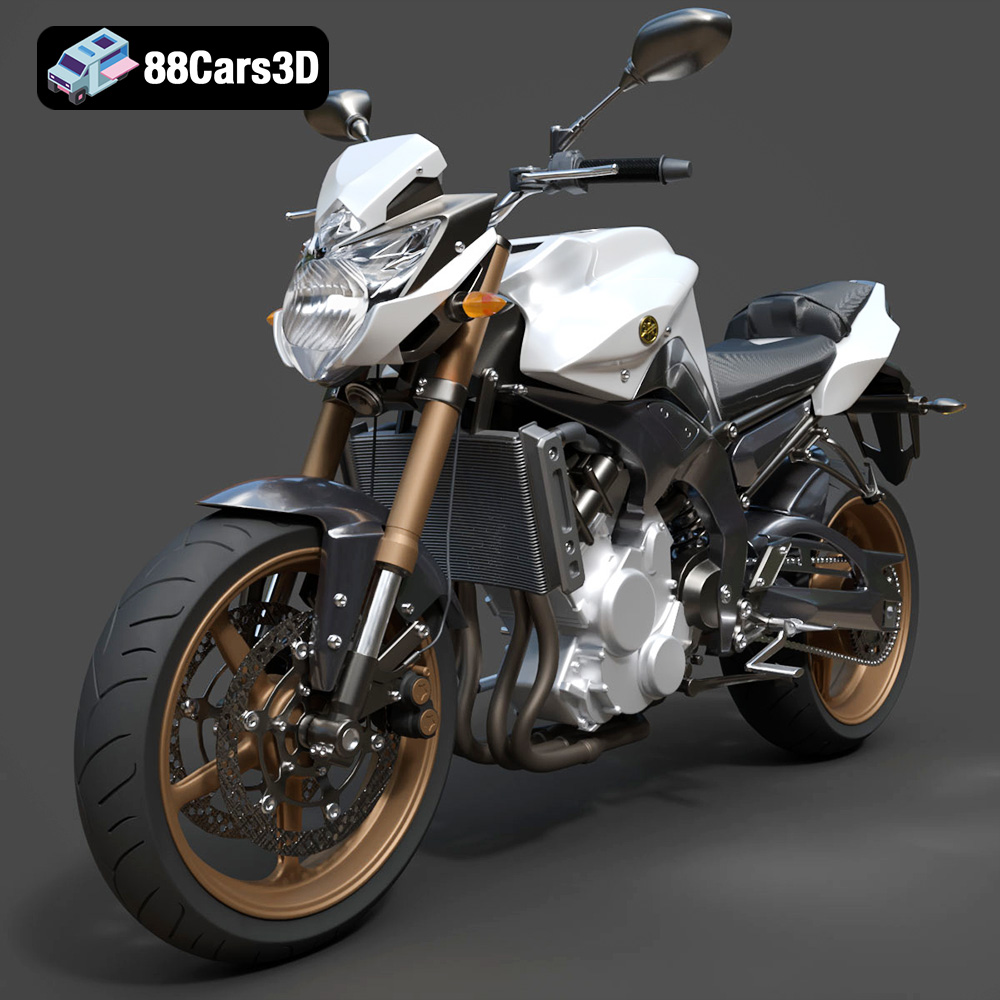
Yamaha FZ8 2011 3D Model
Texture: Yes
Material: Yes
Download the Yamaha FZ8 2011 3D Model featuring clean geometry, realistic detailing, and a fully modeled interior. Includes .blend, .fbx, .obj, .glb, .stl, .ply, .unreal, and .max formats for rendering, simulation, and game development.
Price: $19.99
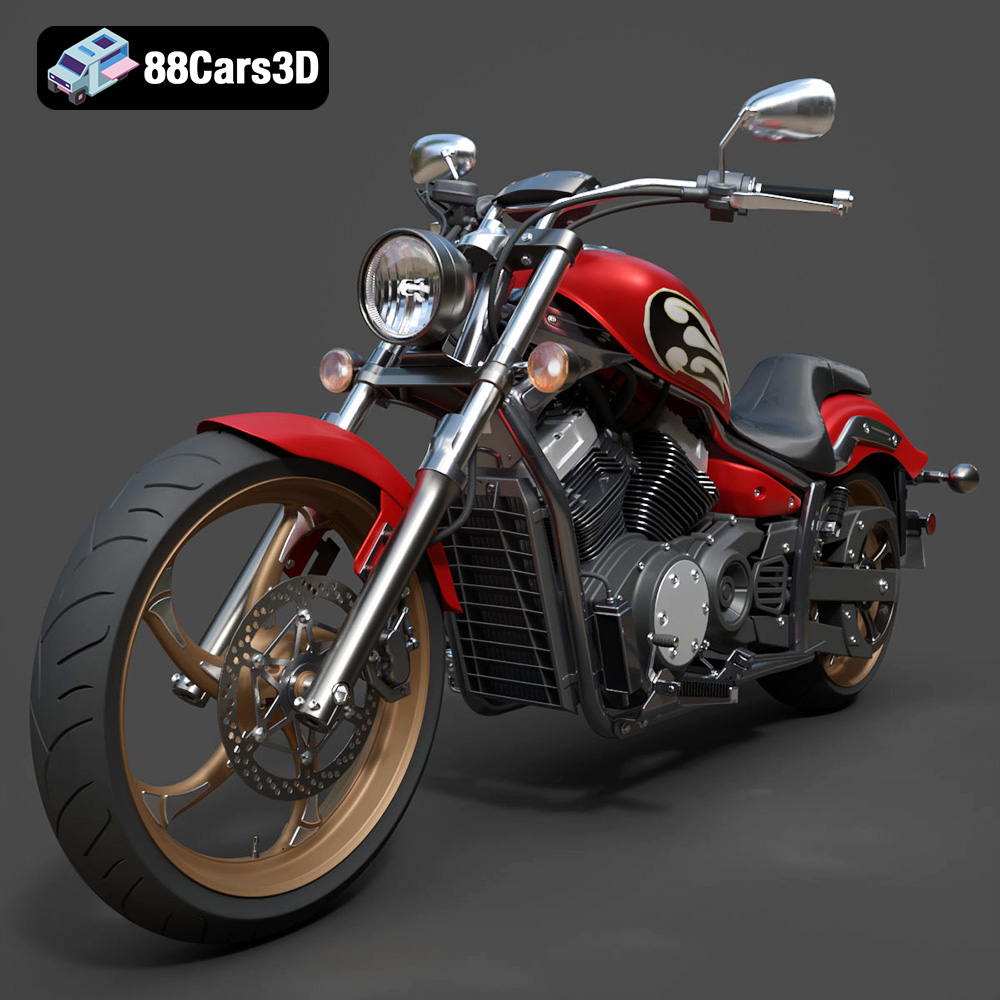
Yamaha Stryker 2012 3D Model
Texture: Yes
Material: Yes
Download the Yamaha Stryker 2012 3D Model featuring clean geometry, realistic detailing, and a fully modeled interior. Includes .blend, .fbx, .obj, .glb, .stl, .ply, .unreal, and .max formats for rendering, simulation, and game development.
Price: $19.99
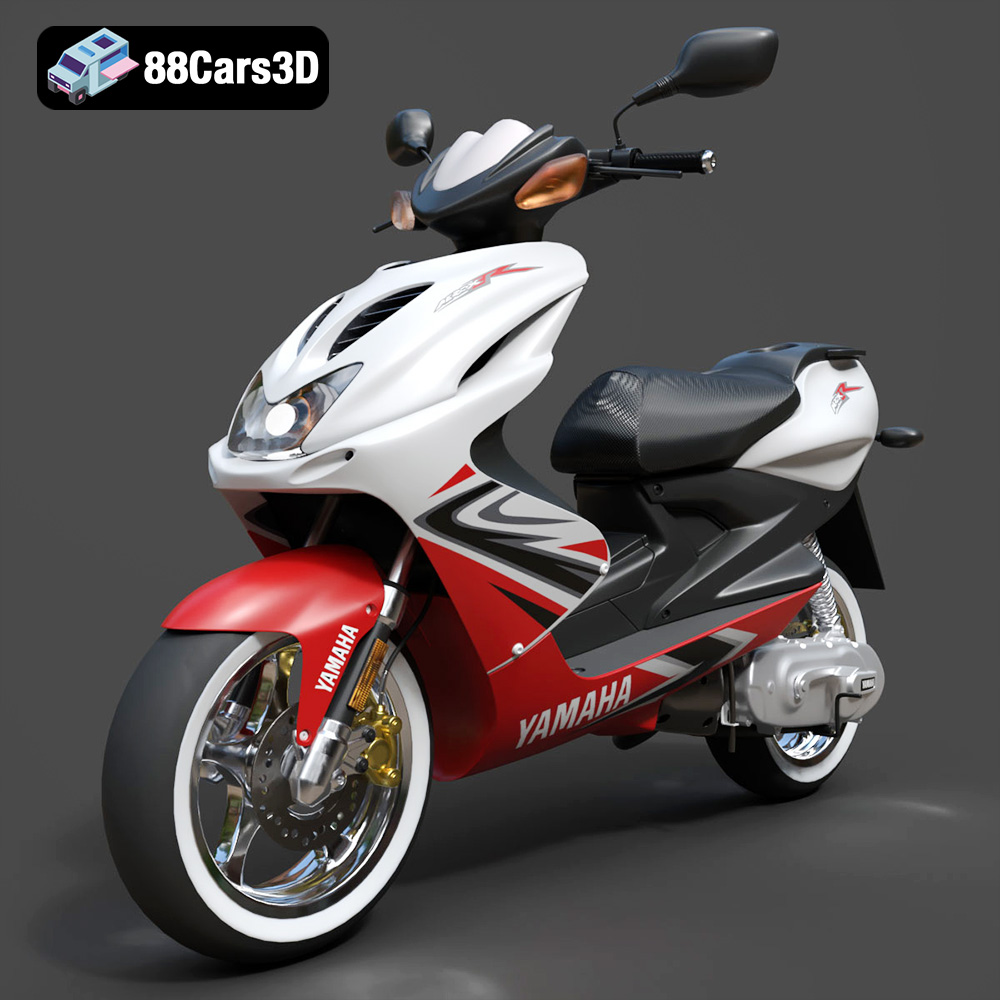
Yamaha Aerox R-002 2024 3D Model
Texture: Yes
Material: Yes
Download the Yamaha Aerox R-002 2024 3D Model featuring clean geometry, realistic detailing, and a fully modeled interior. Includes .blend, .fbx, .obj, .glb, .stl, .ply, .unreal, and .max formats for rendering, simulation, and game development.
Price: $19.99
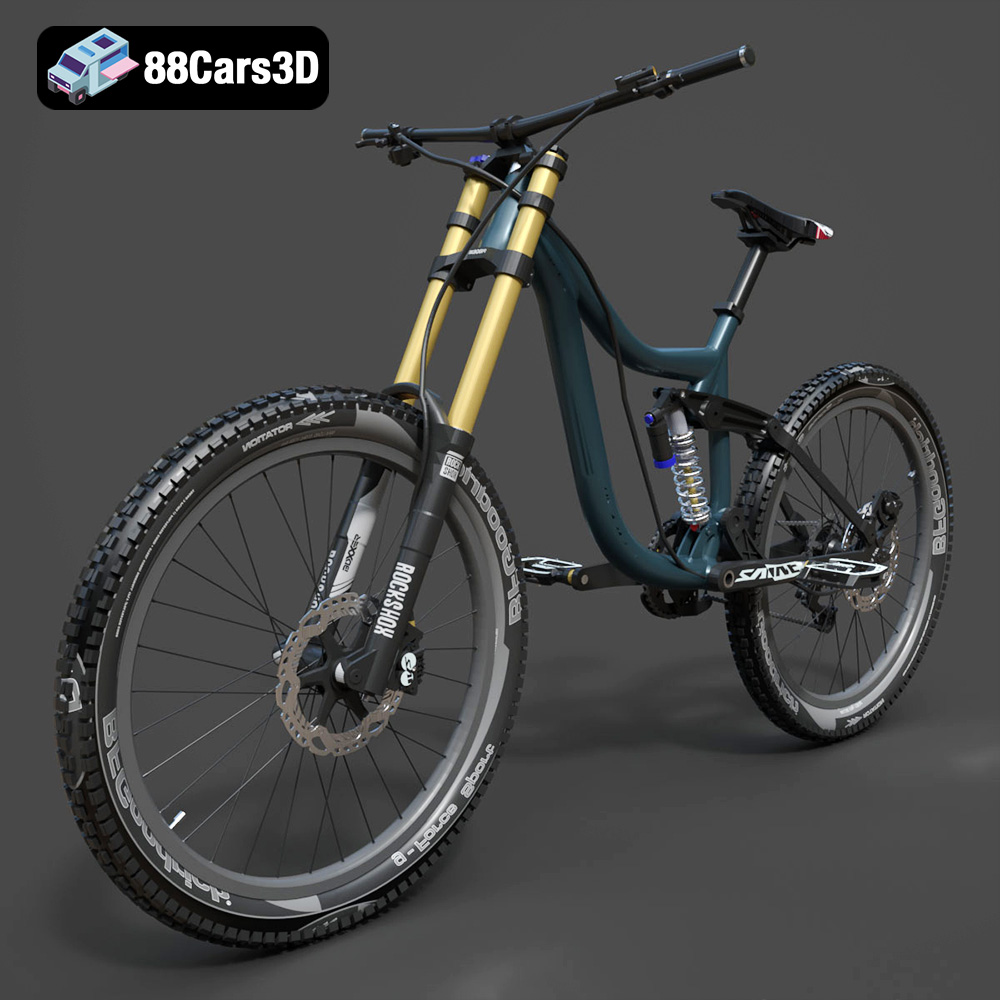
Mototsikly Downhill Bike-002 3D Model
Texture: Yes
Material: Yes
Download the Mototsikly Downhill Bike-002 3D Model featuring clean geometry, realistic detailing, and precise mechanical components. Includes .blend, .fbx, .obj, .glb, .stl, .ply, .unreal, and .max formats for rendering, simulation, and game development.
Price: $19.99
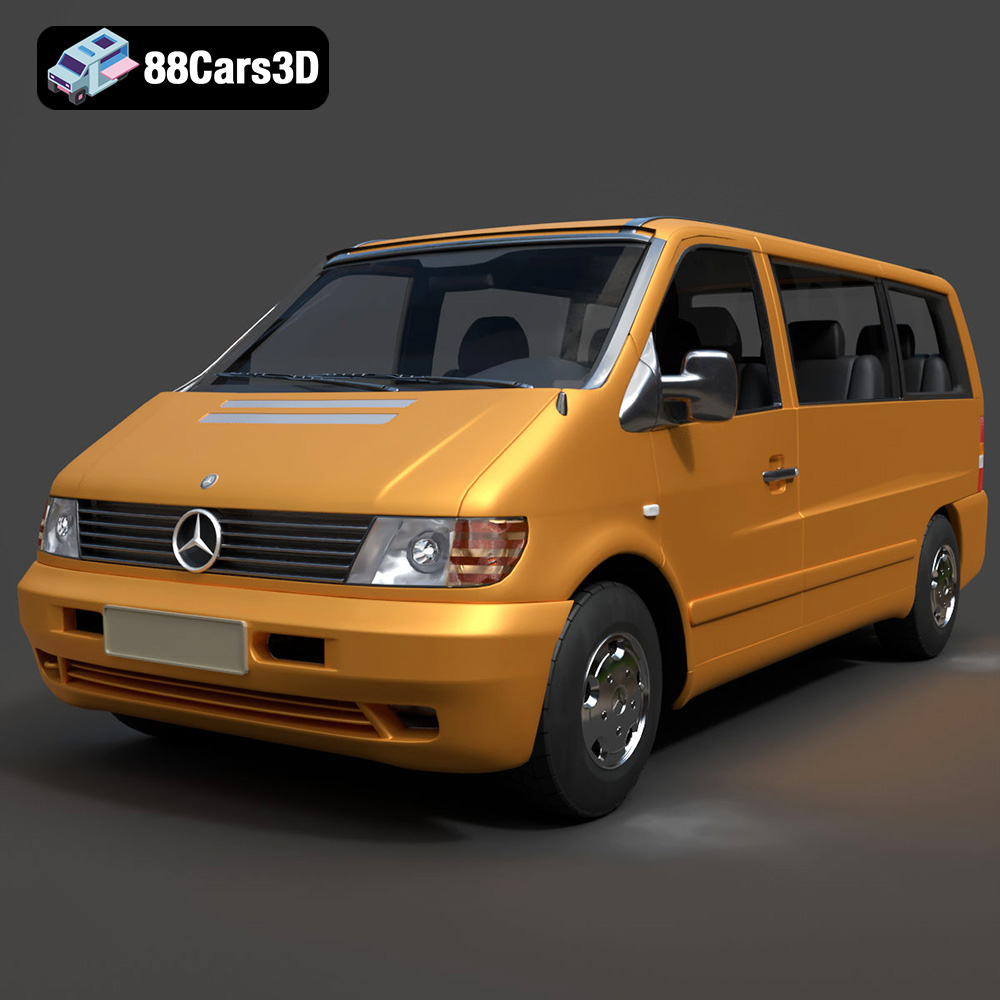
Mercedes-Benz Vito Passenger Van 3D Model
Texture: Yes
Material: Yes
Download the Mercedes-Benz Vito Passenger Van 3D Model featuring clean geometry, realistic detailing, and a fully modeled interior. Includes .blend, .fbx, .obj, .glb, .stl, .ply, .unreal, and .max formats for rendering, simulation, and game development.
Price: $19.99
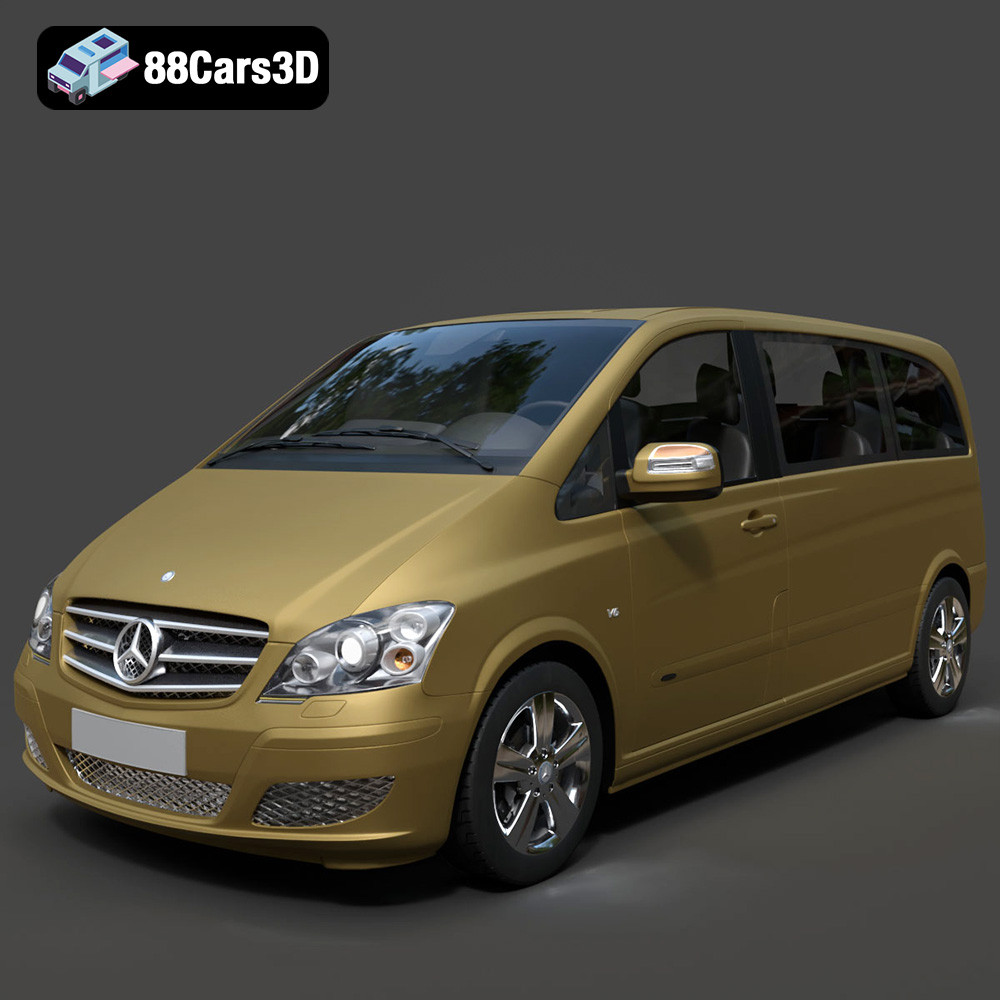
Mercedes-Benz Viano 2010 3D Model
Texture: Yes
Material: Yes
Download the Mercedes-Benz Viano 2010 3D Model featuring clean geometry, realistic detailing, and a fully modeled interior. Includes .blend, .fbx, .obj, .glb, .stl, .ply, .unreal, and .max formats for rendering, simulation, and game development.
Price: $19.99

Emt Avtobus 007 3D Model
Texture: Yes
Material: Yes
Download the Emt Avtobus 007 3D Model featuring clean geometry, realistic detailing, and a fully modeled interior. Includes .blend, .fbx, .obj, .glb, .stl, .ply, .unreal, and .max formats for rendering, simulation, and game development.
Price: $19.99
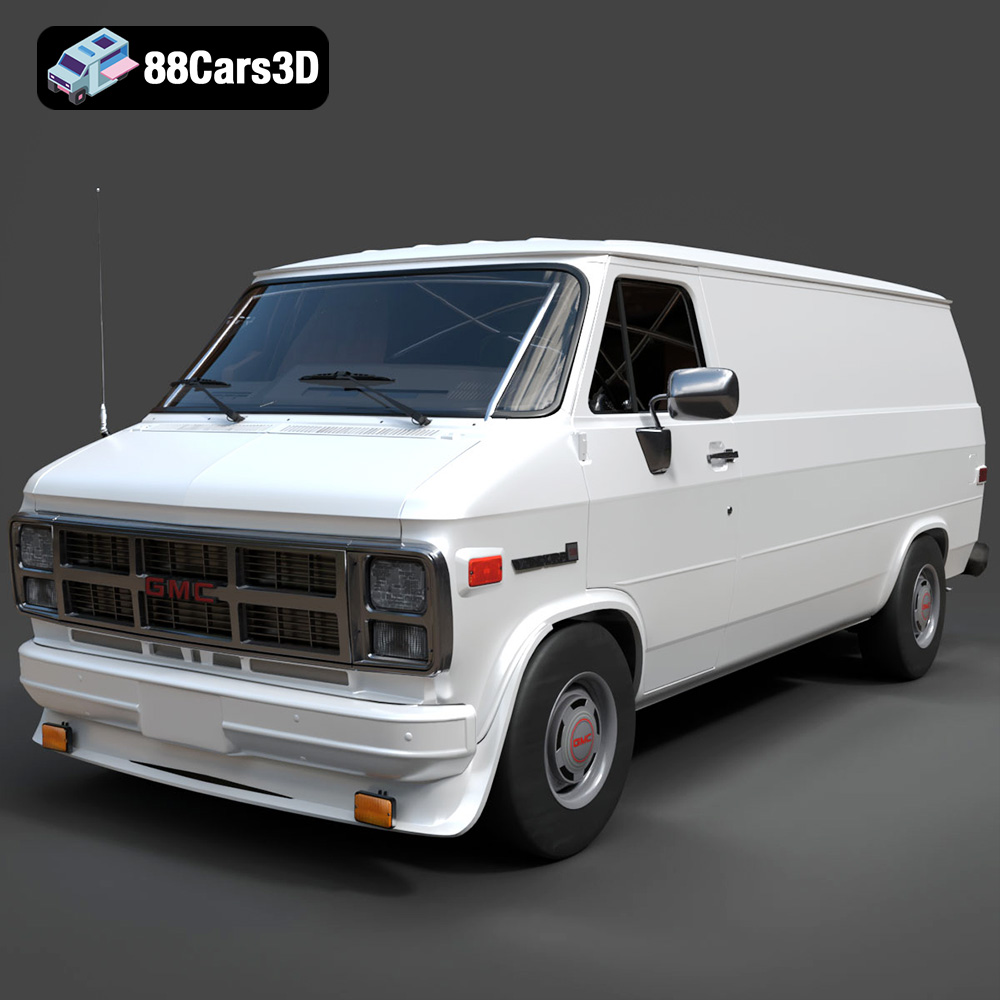
GMC Vandura G-1500 1983 3D Model
Texture: Yes
Material: Yes
Download the GMC Vandura G-1500 1983 3D Model featuring clean geometry, realistic detailing, and a fully modeled interior. Includes .blend, .fbx, .obj, .glb, .stl, .ply, .unreal, and .max formats for rendering, simulation, and game development.
Price: $19.99
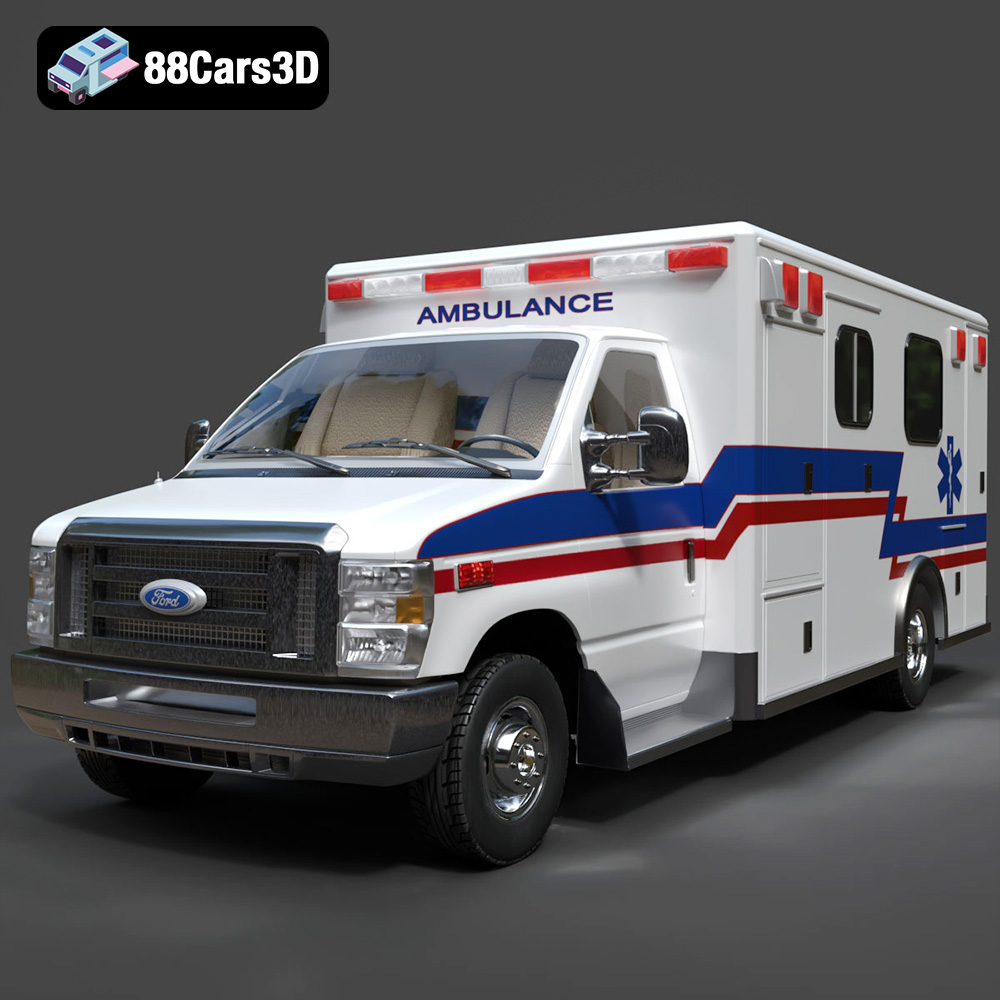
Ford E-450 Ambulance 3D Model
Texture: Yes
Material: Yes
Download the Ford E-450 Ambulance 3D Model featuring clean geometry, realistic detailing, and a fully modeled interior. Includes .blend, .fbx, .obj, .glb, .stl, .ply, .unreal, and .max formats for rendering, simulation, and game development.
Price: $19.99

Fiat Ducato SWB-001 3D Model
Texture: Yes
Material: Yes
Download the Fiat Ducato SWB-001 3D Model featuring clean geometry, realistic detailing, and a fully modeled interior. Includes .blend, .fbx, .obj, .glb, .stl, .ply, .unreal, and .max formats for rendering, simulation, and game development.
Price: $19.99
