

In the realm of real-time rendering and interactive experiences, visual effects are the magic that breathes life into static scenes. For automotive visualization, these effects are not just eye candy; they are crucial for conveying realism, immersion, and the dynamic spirit of a vehicle. From the subtle shimmer of heat haze off a performance engine to the dramatic plumes of tire smoke during a drift, stunning visual effects elevate a presentation from merely impressive to truly captivating. Enter Unreal Engine’s Niagara, a powerful, node-based VFX system that offers unparalleled flexibility and control over particle simulations.
This comprehensive guide dives deep into harnessing Niagara for creating breathtaking automotive visual effects within Unreal Engine. Whether you’re a game developer aiming for hyper-realistic vehicle dynamics, an automotive designer showcasing a new concept car with environmental interactions, or a visualization professional crafting immersive AR/VR experiences, Niagara is your go-to tool. We’ll explore its core principles, walk through practical setup and advanced techniques, discuss critical optimization strategies, and integrate it with other Unreal Engine features like Blueprint and Sequencer. By the end of this journey, you’ll be equipped to infuse your 3D car models, perhaps sourced from high-quality marketplaces like 88cars3d.com, with dynamic, performance-optimized visual flair that truly makes them stand out.
The Power of Niagara in Automotive Visualization
Unreal Engine’s Niagara VFX system represents a significant leap forward in real-time visual effects, offering a highly modular and programmable environment for creating dynamic and complex particle systems. Unlike its predecessor, Cascade, Niagara is built on a data-driven architecture, granting artists and developers unprecedented control over every aspect of a particle’s lifecycle, from its initial spawn to its eventual death. For automotive visualization, this power translates directly into the ability to create incredibly realistic and interactive effects that enhance the perception of speed, power, and environmental interaction.
Imagine a scenario where a high-performance sports car, meticulously modeled and textured from 88cars3d.com, needs to leave dynamic tire tracks and kick up realistic dust as it speeds across a rally track. Or perhaps a luxury vehicle concept is being showcased in a rain-swept urban environment, with individual raindrops dynamically interacting with the car’s surfaces and windshield wipers. Niagara makes these scenarios not only possible but also artistically controllable to a degree previously unseen in real-time. It provides a robust framework that can handle everything from subtle ambient details to large-scale destructive simulations, all while maintaining excellent performance suitable for game development, virtual production, and high-fidelity renders.
Core Concepts: Systems, Emitters, and Modules
At the heart of Niagara lies a hierarchical structure: the Niagara System contains one or more Emitters, and each Emitter is composed of a series of Modules. A Niagara System acts as the container for all effects related to a single VFX entity, such as “Car_Exhaust_Smoke” or “Rain_Splash_Effect.” Within this system, Emitters define the properties of a specific type of particle. For instance, an exhaust system might have one emitter for dense smoke, another for faint heat haze, and a third for tiny, glowing embers. Each emitter then uses Modules to dictate how particles are spawned, updated, rendered, and how they interact with the environment. Modules are small, reusable building blocks that control aspects like spawn rate, initial velocity, color over life, collision detection, and even custom logic. This modularity is key to Niagara’s flexibility, allowing artists to mix and match behaviors to achieve highly customized results without needing to write complex code.
Performance and Scalability for Real-time
One of Niagara’s standout features is its inherent focus on performance and scalability. Designed from the ground up to leverage modern GPU architectures, Niagara can handle millions of particles with impressive efficiency. It achieves this through a compute shader-based backend that offloads much of the particle simulation to the GPU, freeing up the CPU for other tasks. Furthermore, Niagara allows for sophisticated Level of Detail (LOD) management within particle systems, enabling designers to automatically reduce the complexity of effects based on distance, screen coverage, or other custom criteria. This is crucial for automotive projects, especially in game development or AR/VR, where maintaining a high frame rate is paramount. By carefully configuring LODs, culling volumes, and choosing between GPU and CPU particles where appropriate, developers can create visually rich scenes that perform exceptionally well across a range of hardware specifications, ensuring that stunning visuals don’t come at the cost of interactivity.
Setting Up Your First Automotive VFX with Niagara
Getting started with Niagara in Unreal Engine involves a structured approach, beginning with creating a new Niagara system and populating it with emitters and modules. For automotive applications, a common starting point might be exhaust fumes or tire smoke, as these effects immediately add dynamism to a stationary or moving vehicle. Understanding the fundamental steps to build such an effect lays the groundwork for more complex interactions later on. This section will guide you through the initial setup, ensuring you understand the basic workflow.
Before diving in, ensure you have a basic understanding of Unreal Engine’s interface. To create a new Niagara System, you’ll typically right-click in your Content Browser, navigate to ‘FX’, and select ‘Niagara System’. You’ll then be prompted to choose a template. While basic templates are useful, for granular control and learning, starting from an ‘Empty’ template is often the most insightful approach. Once created, double-clicking the system will open the Niagara Editor, your central hub for VFX creation. Here, you’ll see the System Overview on the left, the Emitter Stack for the selected emitter, and the Parameters panel, all contributing to the visual output previewed in the main viewport.
Creating a New Niagara System and Emitter
Let’s walk through creating a simple exhaust smoke effect. First, right-click in your Content Browser and choose FX > Niagara System. Select New System From Selected Emitters and then choose an Empty Emitter. Name your new system (e.g., `NS_CarExhaust`). Double-click to open it. In the Niagara Editor, you’ll see an “Empty Emitter” listed under System Emitters. Click the green ‘+’ button next to “Emitter Summary” to add a new emitter if you haven’t already, and select an empty one again for maximum control. Renaming emitters (e.g., `Emitter_Smoke`) helps keep things organized. In the Emitter Stack, you’ll add modules that define particle behavior. For our exhaust smoke, we’ll need modules to spawn particles, give them a lifetime, and control their movement and appearance.
Essential Modules for Particle Behavior
To make your exhaust smoke visible and dynamic, you’ll primarily interact with three categories of modules: Spawn, Initialize, and Update.
- Spawn Modules: These dictate when and how particles are created. For exhaust, we’ll often use ‘Spawn Rate’ to continuously emit particles. Click the ‘+’ next to ‘Emitter Update’ and search for ‘Spawn Rate’. Set a value like `20-50` for a steady stream.
- Initialize Modules: These set a particle’s initial properties. Add ‘Initialize Particle’ from the ‘Particle Spawn’ section. Here, you can define ‘Lifetime’ (e.g., `2.0` seconds), ‘Color’ (start with white, fading to gray), and ‘Sprite Size’ (e.g., random between `20` and `50`).
- Update Modules: These change particle properties over their lifetime. Under ‘Particle Update’, add ‘Add Velocity’ (e.g., `Vector(0,0,20)` for upward motion). Also, add ‘Scale Color’ and ‘Scale Sprite Size’ over life to make the smoke fade out and grow larger, respectively. You can use curves to define these changes for more artistic control.
This foundational setup provides a basic, visually active particle system. Remember to apply a suitable material to your particles, such as a soft, translucent smoke texture, which you can set in the ‘Render’ section of your emitter under ‘Sprite Renderer’. Platforms like 88cars3d.com often provide material libraries that can be adapted for such effects, ensuring your smoke blends seamlessly with your high-fidelity car models.
Material Integration for Visual Fidelity
The visual quality of your Niagara particles largely depends on the materials you assign to them. For effects like smoke, dust, or steam, you’ll typically use translucent materials with masked or blended modes. These materials allow light to pass through them and often utilize texture maps to define their shape, opacity, and subtle details. When creating a material for Niagara particles, it’s crucial to set its ‘Blend Mode’ to ‘Translucent’ or ‘Additive’ and the ‘Shading Model’ to ‘Unlit’. You’ll then connect a texture sample (e.g., a blurred alpha noise texture) to the ‘Opacity’ input and potentially the ‘Emissive Color’ for glowing effects. Using the ‘Particle Color’ node in your material allows Niagara to dynamically pass color information to the particles, enabling you to animate color changes over their lifetime directly from the Niagara editor. For example, your exhaust smoke might start white and gradually turn a sooty gray as it dissipates. By using PBR textures where appropriate and ensuring your material is optimized for translucency, you can achieve highly convincing visual effects that complement the realism of your 88cars3d.com automotive assets, truly enhancing the scene’s overall realism.
Advanced Automotive Effects: Realism Through Simulation
Once you’ve mastered the basics, Niagara truly shines when tackling more complex and interactive automotive effects. Realism in visualization isn’t just about static accuracy; it’s about believable interaction with the environment and dynamic reactions to forces. Niagara offers a suite of advanced modules and data interfaces that enable artists to create effects that simulate real-world phenomena, from the subtle nuances of rain on a windshield to the dramatic spray of water from tires.
Achieving truly convincing effects often involves leveraging physics, collision detection, and sampling data from other scene elements. Imagine an automotive configurator where a user changes a car’s color, and the new paint finish shimmers with dynamic reflections simulated by Niagara particles, or a virtual test drive where every skid and turn kicks up appropriate dust and gravel. These interactions add immense value and immersion, transforming a passive viewing experience into an active, believable simulation. The key lies in understanding how Niagara can receive and process information from the Unreal Engine environment, allowing particles to react intelligently rather than just playing a predefined animation.
Dynamic Weather Effects (Rain, Snow) on Vehicles
Creating dynamic weather effects that interact realistically with a vehicle requires a sophisticated approach, and Niagara is perfectly suited for this. For rain, you’d typically have multiple emitters: one for general falling rain (often using a velocity field to simulate wind), another for splashes when raindrops hit the ground, and a crucial third for rain hitting the car body. The car-hitting-rain emitter would use a ‘Collision’ module to detect impact with the car’s mesh. Upon collision, particles can either be ‘killed’ and replaced by smaller splash particles, or their velocity can be altered to slide down the car’s surface. Using ‘Mesh Reproduction Sprint’ and ‘Sampling Static Mesh’ data interfaces, particles can inherit velocity and normal data from the car’s surface, ensuring splashes occur realistically along the contours. Similarly, for snow, particles could accumulate on horizontal surfaces over time, achieved by spawning particles at the car’s location and having them settle based on gravity and collision. This level of dynamic interaction significantly enhances the realism of any weather scenario involving vehicles.
Integrating Collisions and Interactions (Dust Kicks, Water Splashes)
Niagara’s collision capabilities are fundamental for realistic automotive interactions. For effects like dust kicked up by tires or water splashes, collision modules are paramount.
- Tire Dust: Create an emitter parented to each tire. Use a ‘Collision’ module to detect ground contact. When a particle collides, instead of bouncing, you can kill it and spawn a new ‘dust puff’ particle at the collision point. You can sample the velocity of the tire (via a Skeletal Mesh Data Interface if the wheel is animated) and transfer that velocity to the spawned dust, making it appear to spray from the tire.
- Water Splashes: Similar to rain, a ‘Collision’ module is essential. When a vehicle passes through a puddle (represented by a collision volume), Niagara can spawn splash particles. The ‘Sphere/Box Location’ module can be used to spawn particles within the puddle’s bounds, while ‘Sample Static Mesh’ can derive normal data from the car’s tires to determine the direction of the splash. Combining these with ‘Add Velocity’ based on the car’s speed and direction creates highly convincing water spray effects.
These interactions can be further refined using ‘Niagara Data Interfaces’ which allow the particle system to read data directly from the scene, such as mesh positions, velocities, and normals, empowering truly dynamic and physically believable effects.
Harnessing Niagara’s Data Interfaces (Skeletal Mesh, Static Mesh, Audio)
Niagara Data Interfaces are powerful tools that allow particle systems to read various types of data from the Unreal Engine environment, making effects highly reactive and context-aware.
- Skeletal Mesh Data Interface: Critical for animated car components. You can sample the surface of a skeletal mesh (e.g., a car’s engine, wheels, or even a driver) to spawn particles directly on its surface, or to derive velocities and normals. This is invaluable for effects like steam from a hot engine block or sparks from grinding metal on a damaged vehicle.
- Static Mesh Data Interface: Similar to skeletal mesh but for static geometry. Useful for making particles collide with specific parts of a car body or for spawning effects along its contours. For instance, when a car is hit, you could use this to make sparks fly from the impact point, aligned with the surface normal.
- Audio Data Interface: This allows Niagara to react to sound. Imagine a subwoofer in a car where the speaker cone moves, and Niagara particles emit visual pulses synchronized with the bass frequencies of music. Or, in a virtual production setup, an engine roar could dynamically drive the intensity of exhaust fumes.
By creatively employing these data interfaces, your Niagara effects can go beyond simple playback and become integral, reactive components of your automotive visualization, driven by the precise context of your scene and the highly detailed 3D car models you’re using.
Optimizing Niagara VFX for Performance
Performance is paramount in real-time rendering, especially for complex automotive visualizations and interactive experiences. Niagara, while powerful, can become a resource hog if not managed correctly. Optimizing your Niagara VFX is not just about reducing particle counts; it’s about intelligent management of resources, leveraging Unreal Engine’s advanced features, and understanding the trade-offs between visual fidelity and frame rate. A well-optimized Niagara system ensures your stunning visual effects enhance the experience without compromising the overall responsiveness and stability of your application.
Consider a large-scale automotive scene featuring multiple vehicles, each with its own set of dynamic effects—exhaust, dust, rain, and sparks. Without proper optimization, such a scene could quickly bring even high-end hardware to its knees. The goal is to achieve the desired visual impact using the fewest possible computations. This involves a combination of settings within the Niagara editor itself, as well as broader Unreal Engine project configurations. From carefully managing Level of Detail (LODs) to strategically choosing between CPU and GPU simulations, every decision contributes to the final performance profile. Integrating optimized models, such as those found on 88cars3d.com, provides a strong foundation, but the VFX still require diligent optimization.
LODs and Culling Strategies for Large Scenes
Level of Detail (LOD) management is critical for scalable Niagara effects, especially in environments with many VFX or where effects need to be visible across varying distances. Niagara allows you to define multiple LODs for a single emitter. Each LOD can have different module settings, particle counts, and even entirely different materials. For example, a distant exhaust fume effect might use fewer particles, a simpler material, and no collision detection, while a close-up version would be fully detailed. To set this up, go to your Emitter properties and expand the ‘LOD’ section. You can add new LODs and define the ‘Distance’ at which they switch. Beyond simple distance-based LODs, consider:
- Scalability Settings: Unreal Engine’s scalability settings (e.g., ‘FX Quality’) can automatically adjust Niagara system parameters based on user preferences. You can expose Niagara parameters to these settings.
- Culling: Utilize ‘Cull Bounds’ in your Niagara System properties. This defines a bounding box for your effect, and if it’s outside the camera frustum, the entire system can be culled, saving significant rendering resources.
- Manual Culling via Blueprint: For specific, performance-intensive effects, Blueprint can be used to manually activate/deactivate Niagara systems based on player proximity, line of sight, or other game logic.
These strategies are vital for maintaining high frame rates in complex automotive scenes, especially those targeting AR/VR or mobile platforms.
GPU vs. CPU Particles: Making the Right Choice
Niagara offers the flexibility to run particle simulations on either the CPU or the GPU, and understanding when to use each is crucial for optimization.
- GPU Particles: Generally preferred for high particle counts (thousands to millions) where complex interactions between particles or with the environment are not extensively needed. They are extremely efficient for effects like widespread rain, dense smoke, or large explosions. GPU particles leverage the parallel processing power of the graphics card. However, they have limitations in collision detection (typically only against depth buffer or simple collision volumes) and cannot directly read or write arbitrary data from the CPU, making certain custom interactions challenging.
- CPU Particles: Better suited for lower particle counts (hundreds to a few thousand) that require precise collision detection with complex geometry, intricate custom logic, or direct data exchange with Blueprint. Examples include specific debris from a car crash, individual tire tracks, or interactive effects where particles need to react to gameplay events. While less scalable for sheer particle volume, CPU particles offer greater flexibility and control over individual particle behavior and precise collisions with the full physics scene.
The best approach often involves a hybrid strategy, using GPU particles for the bulk of a large effect and CPU particles for the specific, highly interactive elements. You can switch between CPU and GPU simulation in the ‘Emitter Properties’ under ‘Sim Target’.
Scalability and Performance Profiling
Optimizing Niagara isn’t a one-time task; it’s an ongoing process that benefits from profiling and iterative adjustments. Unreal Engine provides powerful profiling tools that can help identify performance bottlenecks within your Niagara systems.
- Stat FPS / Stat UNIT: Basic console commands to check overall frame rate and CPU/GPU timings.
- Stat Niagara: A specific console command that provides detailed statistics about all active Niagara systems, including particle counts, simulation times, and render times for both CPU and GPU particles. This is invaluable for identifying which emitters are consuming the most resources.
- Unreal Insights: For more in-depth analysis, Unreal Insights (accessible via the command line or Launcher) allows you to capture and visualize performance data over time, including detailed breakdowns of Niagara module execution. This can help pinpoint specific modules or data interfaces that are unexpectedly heavy.
Regularly profiling your scenes and effects, especially after adding new complex Niagara systems, ensures that your automotive visualizations remain performant. Adjusting parameters like spawn rate, lifetime, and the complexity of update modules based on profiling data is key to striking the right balance between visual fidelity and real-time performance.
Interactive Automotive Experiences with Niagara and Blueprint
For modern automotive visualization, interactivity is key. Whether it’s an immersive showroom configurator, a virtual test drive, or a training simulation, allowing users to influence the environment and the vehicle elevates the experience significantly. Unreal Engine’s Blueprint visual scripting system, combined with Niagara, creates a powerful synergy, enabling dynamic, event-driven visual effects that respond directly to user input or in-world changes. This integration is where static 3D car models transform into living, breathing digital assets.
Imagine a scenario where a user selects a “Sport Mode” in a car configurator, and instantly, the exhaust fumes become more aggressive, subtle heat haze emanates from the engine bay, and brake dust appears on the wheels when applying brakes. Or consider a virtual reality experience where hitting a specific speed threshold triggers a dynamic air-flow visualization around the car. These rich, responsive visual feedbacks are not just aesthetically pleasing; they provide crucial information and enhance immersion. Blueprint acts as the conductor, orchestrating Niagara’s visual symphony based on logical triggers and real-time data.
Blueprint Integration for Dynamic VFX Control
Connecting Niagara effects to Blueprint provides immense control and flexibility. You can spawn, activate, deactivate, and modify Niagara systems at runtime based on game logic or user input.
- Spawning and Attaching: To add an effect like tire smoke, you’d typically spawn a Niagara System component via Blueprint (e.g., on a vehicle Actor) and attach it to a specific socket (like a wheel hub). Use the ‘Spawn System Attached’ node, providing the Niagara System asset and the target component/socket.
- Parameter Control: A key aspect of dynamic VFX is modifying Niagara parameters from Blueprint. In your Niagara System, expose variables to Blueprint by selecting a module, clicking the pin icon next to a property (e.g., ‘Spawn Rate’ or ‘Initial Velocity’), and selecting ‘Expose to Parameter Collection’ or ‘Expose to User Parameters’. In Blueprint, you can then use nodes like ‘Set Niagara Float / Vector / Color Parameter’ to dynamically change these values. For instance, tie the ‘Spawn Rate’ of tire smoke to the vehicle’s speed and tire slip angle.
- Activating/Deactivating Systems: For effects that are not always active (e.g., rain splashes when driving through a puddle), you can use ‘Activate System’ and ‘Deactivate System’ nodes in Blueprint to turn entire Niagara systems on or off, saving performance when they are not needed.
This granular control allows for highly responsive and context-aware visual effects, making your 3D car models truly interactive.
Building Interactive Configurators with Niagara Feedback
Automotive configurators are a prime example of where Niagara and Blueprint excel together. Beyond simply changing paint colors or wheel types, configurators can be enhanced with dynamic visual feedback related to performance, environment, or specific features.
- Performance Modes: Switching between “Eco,” “Comfort,” and “Sport” modes could trigger distinct Niagara exhaust effects (e.g., less smoke for Eco, more aggressive for Sport), subtle engine heat haze, or even visual representations of airflow.
- Environmental Changes: Allow users to toggle between different weather conditions. Blueprint can then activate/deactivate rain or snow Niagara systems, and dynamically adjust their intensity based on sliders.
- Feature Demonstrations: Imagine showcasing a car’s advanced braking system where, upon engaging, a Niagara effect visually represents the ABS system working, or a self-parking feature that illuminates sensor activity with animated particles.
By tying these interactive elements to exposed Niagara parameters via Blueprint, you create a richer, more engaging user experience that goes beyond static renders and provides a deeper understanding of the vehicle’s capabilities. This level of detail makes configurators built around models from marketplaces like 88cars3d.com significantly more impressive.
Sequencing and Cinematic Car Effects
Niagara is not just for interactive experiences; it’s also a powerhouse for creating stunning cinematic sequences in Unreal Engine using Sequencer. Whether you’re producing a marketing video, an animated short, or a cutscene for a game, precise timing and artistic control over visual effects are crucial.
- Track Automation: Within Sequencer, you can add Niagara systems as tracks. This allows you to precisely keyframe their activation, deactivation, and any exposed parameters over time. For example, you can animate the intensity of a car’s tire smoke to build up dramatically as it accelerates, then slowly dissipate as it brakes.
- Event Triggers: Sequencer’s event tracks can trigger Blueprint events that, in turn, control Niagara systems. This is useful for complex scenarios where a single event needs to trigger multiple effects or specific logic.
- Camera-Relative Effects: For cinematic shots, you can design Niagara effects that behave differently based on camera proximity or angle, ensuring they always look best for the intended shot.
By combining the precise timing of Sequencer with the dynamic capabilities of Niagara and the logical control of Blueprint, filmmakers and animators can create breathtaking automotive narratives, complete with hyper-realistic environmental interactions and visually stunning action sequences.
Case Studies and Advanced Applications
Niagara’s versatility extends far beyond basic particle effects, finding critical applications in cutting-edge automotive visualization fields like virtual production, AR/VR, and detailed simulation. The ability to create dynamic, data-driven visual effects empowers artists and engineers to push the boundaries of realism and interactivity. Here, we’ll explore how Niagara is being leveraged in these advanced contexts, demonstrating its capacity to deliver high-fidelity, performance-optimized results for professional applications.
From simulating realistic damage on a car body in real-time to projecting volumetric exhaust fumes onto an LED wall for an in-camera VFX shoot, Niagara provides the tools to achieve previously unattainable levels of immersion and fidelity. These applications require not only artistic prowess but also a deep understanding of optimization and integration with other complex systems within Unreal Engine. The insights gained from these real-world scenarios highlight Niagara’s crucial role in the future of automotive design, marketing, and entertainment.
Virtual Production and LED Wall Integration
Virtual Production, particularly with LED volumes, is revolutionizing filmmaking and advertising, including automotive commercials. Niagara plays a pivotal role in creating dynamic, real-time effects that seamlessly blend with physical vehicles on set.
- Environmental Effects: Instead of static backgrounds, Niagara can project dynamic rain, snow, fog, or dust effects onto the LED wall, reacting in real-time to the camera’s perspective and the car’s movements. This creates a highly convincing in-camera environment.
- Interactive Elements: For a car accelerating on a virtual track, Niagara can generate realistic tire smoke or exhaust flames that appear to emanate from the physical car and extend onto the LED backdrop, synchronized with the vehicle’s animation.
- Volumetric Effects: Niagara’s ability to create volumetric effects (like smoke or clouds using signed distance fields or voxel textures) allows for realistic, depth-aware atmospheric elements to be rendered onto the LED wall, giving the illusion of true volumetric space.
This seamless integration enhances realism, reduces post-production time, and allows directors to make creative decisions on set, leveraging the dynamic power of Niagara within the Unreal Engine real-time environment.
AR/VR Optimization for Mobile Automotive Experiences
Augmented Reality (AR) and Virtual Reality (VR) are transforming how we interact with cars, from virtual showrooms to interactive driving simulations. However, these platforms often come with strict performance budgets, especially for mobile AR. Optimizing Niagara effects for AR/VR is crucial.
- Aggressive LODs: Implement more aggressive LOD switching for Niagara systems, reducing particle counts and complexity at shorter distances.
- GPU Particles First: Prioritize GPU-based simulations over CPU particles whenever possible to offload work from the main CPU thread, which is often a bottleneck in mobile scenarios.
- Reduced Overdraw: Use simpler, more opaque materials for particles where feasible to minimize translucent overdraw, a significant performance hit in VR. When translucent, ensure textures have tight alpha masks.
- Fixed Bounds and Culling: Ensure all Niagara systems have tightly defined ‘Fixed Bounds’ and are configured for efficient frustum culling to prevent rendering particles that aren’t visible.
- Baked Simulations: For non-interactive or looping effects, consider baking Niagara simulations into flipbook textures or vertex animations to reduce runtime computation costs.
By applying these optimization techniques, Niagara can deliver compelling and immersive visual effects even within the stringent performance constraints of AR/VR, making automotive visualization accessible on a wider range of devices.
Vehicle Damage and Wear Simulation
Beyond pristine showroom scenarios, Niagara can contribute significantly to realistic vehicle damage and wear simulations, critical for crash test visualizations, game environments, or extended product lifecycle demonstrations.
- Impact Debris: Upon collision, Blueprint can trigger Niagara systems to spawn sparks, shattered glass fragments, or small pieces of metal debris from the impact point. Using the ‘Static Mesh Data Interface’ with the damaged car mesh can guide the spawning and trajectory of these debris particles.
- Fluid Leaks: As a vehicle sustains damage, Niagara can simulate leaking fluids like oil, coolant, or fuel. These effects can be animated to drip and spread realistically, often using small, translucent droplets with a persistent decal system to simulate puddles.
- Wear and Tear: Over extended periods (or based on mileage/usage metrics), Niagara can simulate brake dust accumulation on wheels, environmental grime, or subtle rust effects forming on exposed metal, adding a layer of authenticity to the car’s story.
These dynamic damage and wear effects, often integrated with physics simulations and material instancing for visual changes, elevate the realism of automotive projects, providing a comprehensive and believable depiction of a vehicle’s life cycle.
Niagara stands as an indispensable tool for anyone serious about elevating their automotive visualizations in Unreal Engine. From crafting the subtle glint of morning dew on a pristine vehicle to generating dramatic plumes of smoke during a high-speed chase, its modularity, power, and performance optimization capabilities are unparalleled. We’ve journeyed through its core concepts, practical setup, advanced techniques for realism, crucial optimization strategies, and its profound integration with Blueprint and Sequencer for interactive and cinematic experiences. We also explored its cutting-edge applications in virtual production, AR/VR, and comprehensive damage simulations.
The ability to dynamically control and optimize visual effects fundamentally transforms static 3D models, giving them life and context within their digital environments. By leveraging Niagara, you’re not just adding effects; you’re enhancing immersion, conveying critical information, and creating truly memorable experiences. As you continue your creative journey, remember that high-quality foundational assets, such as the meticulously crafted 3D car models available on marketplaces like 88cars3d.com, provide the perfect canvas for your Niagara artistry. Embrace the power of Niagara, experiment with its vast array of modules and interfaces, and watch your automotive projects evolve into breathtaking, dynamic realities. For more in-depth learning on Unreal Engine features, always consult the official Unreal Engine documentation.
Featured 3D Car Models
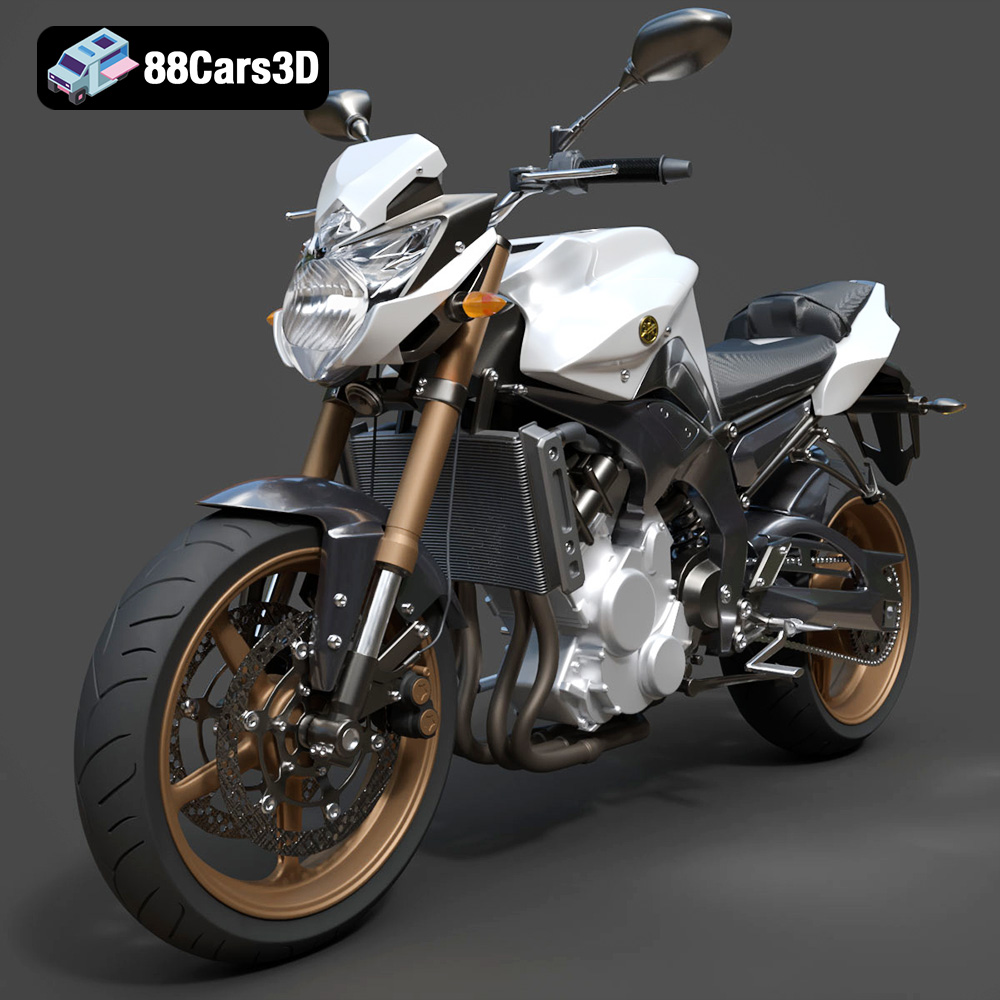
Yamaha FZ8 2011 3D Model
Texture: Yes
Material: Yes
Download the Yamaha FZ8 2011 3D Model featuring clean geometry, realistic detailing, and a fully modeled interior. Includes .blend, .fbx, .obj, .glb, .stl, .ply, .unreal, and .max formats for rendering, simulation, and game development.
Price: $19.99
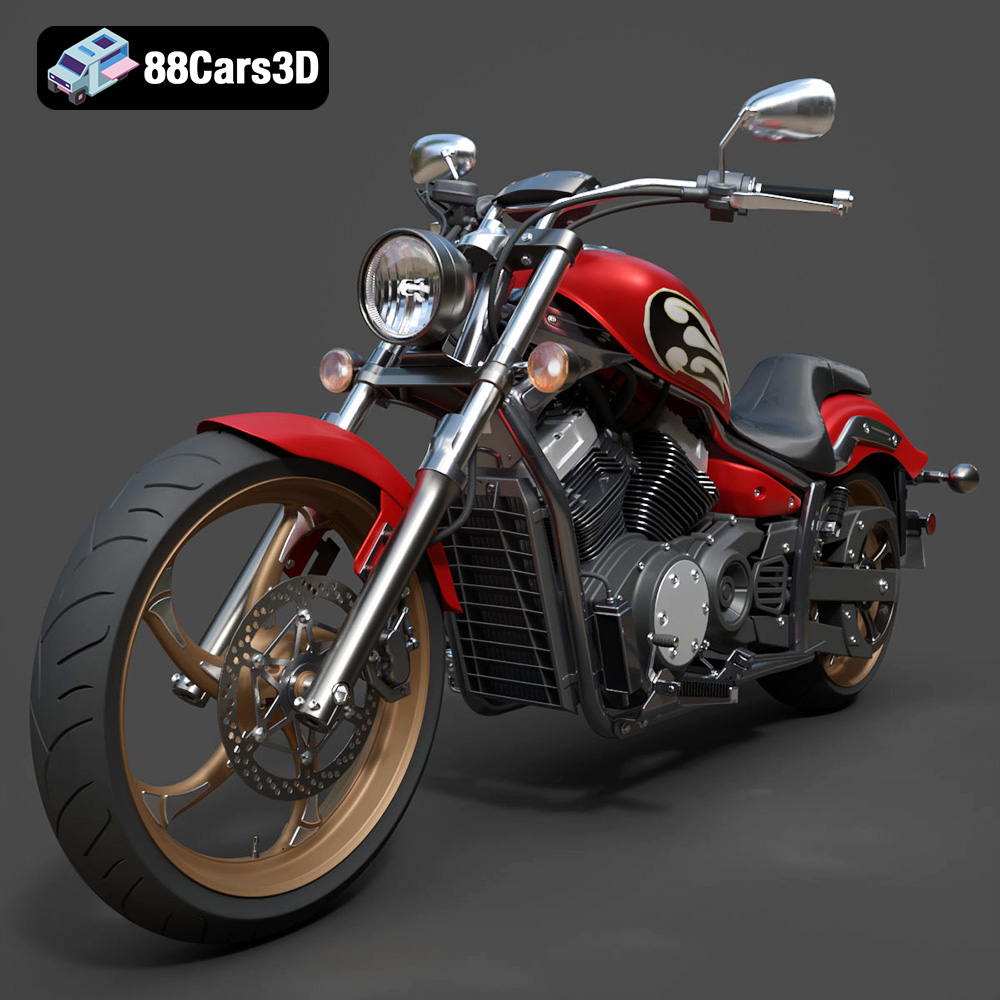
Yamaha Stryker 2012 3D Model
Texture: Yes
Material: Yes
Download the Yamaha Stryker 2012 3D Model featuring clean geometry, realistic detailing, and a fully modeled interior. Includes .blend, .fbx, .obj, .glb, .stl, .ply, .unreal, and .max formats for rendering, simulation, and game development.
Price: $19.99
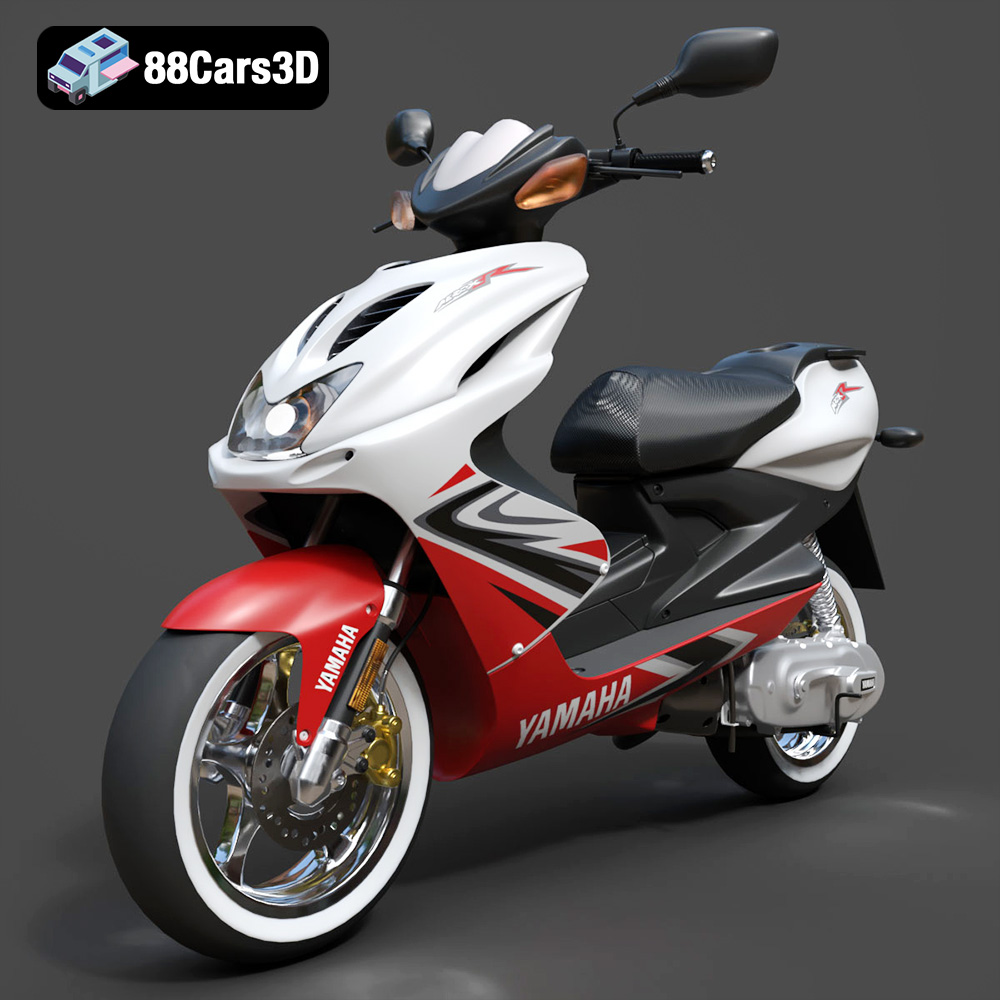
Yamaha Aerox R-002 2024 3D Model
Texture: Yes
Material: Yes
Download the Yamaha Aerox R-002 2024 3D Model featuring clean geometry, realistic detailing, and a fully modeled interior. Includes .blend, .fbx, .obj, .glb, .stl, .ply, .unreal, and .max formats for rendering, simulation, and game development.
Price: $19.99
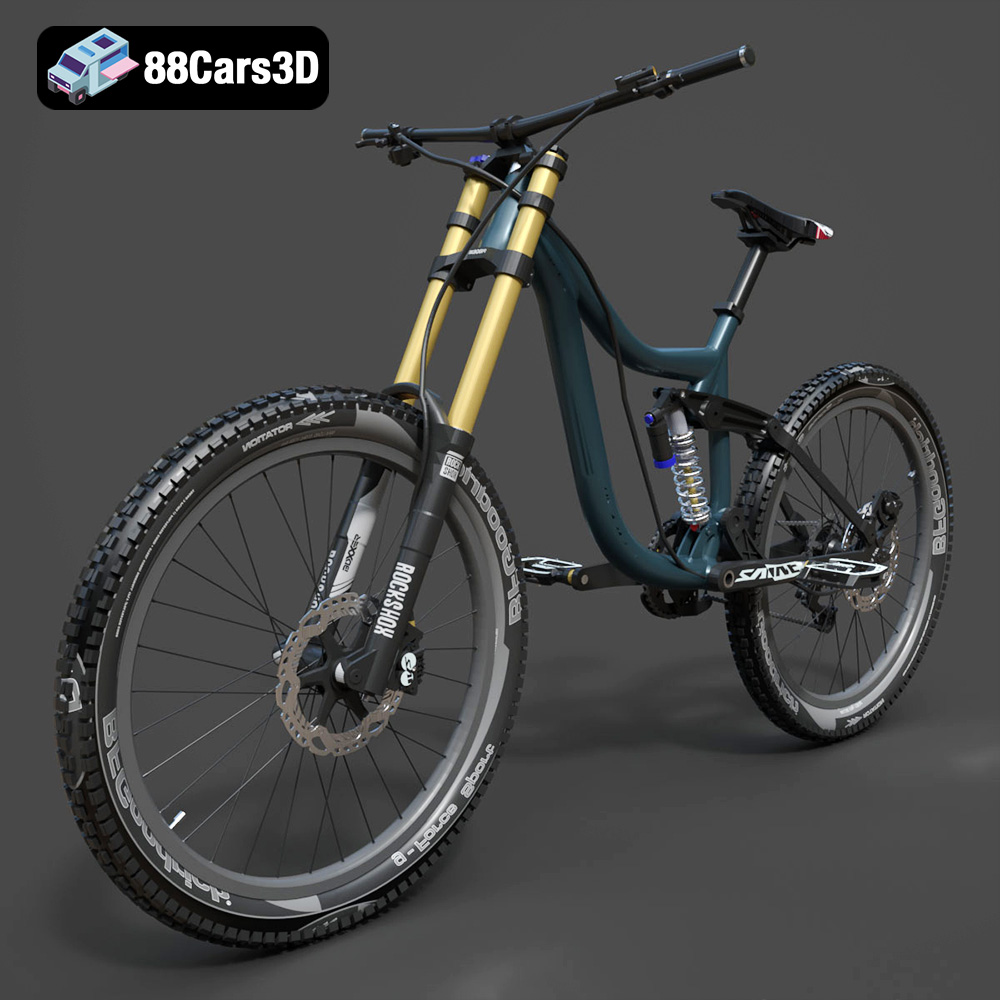
Mototsikly Downhill Bike-002 3D Model
Texture: Yes
Material: Yes
Download the Mototsikly Downhill Bike-002 3D Model featuring clean geometry, realistic detailing, and precise mechanical components. Includes .blend, .fbx, .obj, .glb, .stl, .ply, .unreal, and .max formats for rendering, simulation, and game development.
Price: $19.99
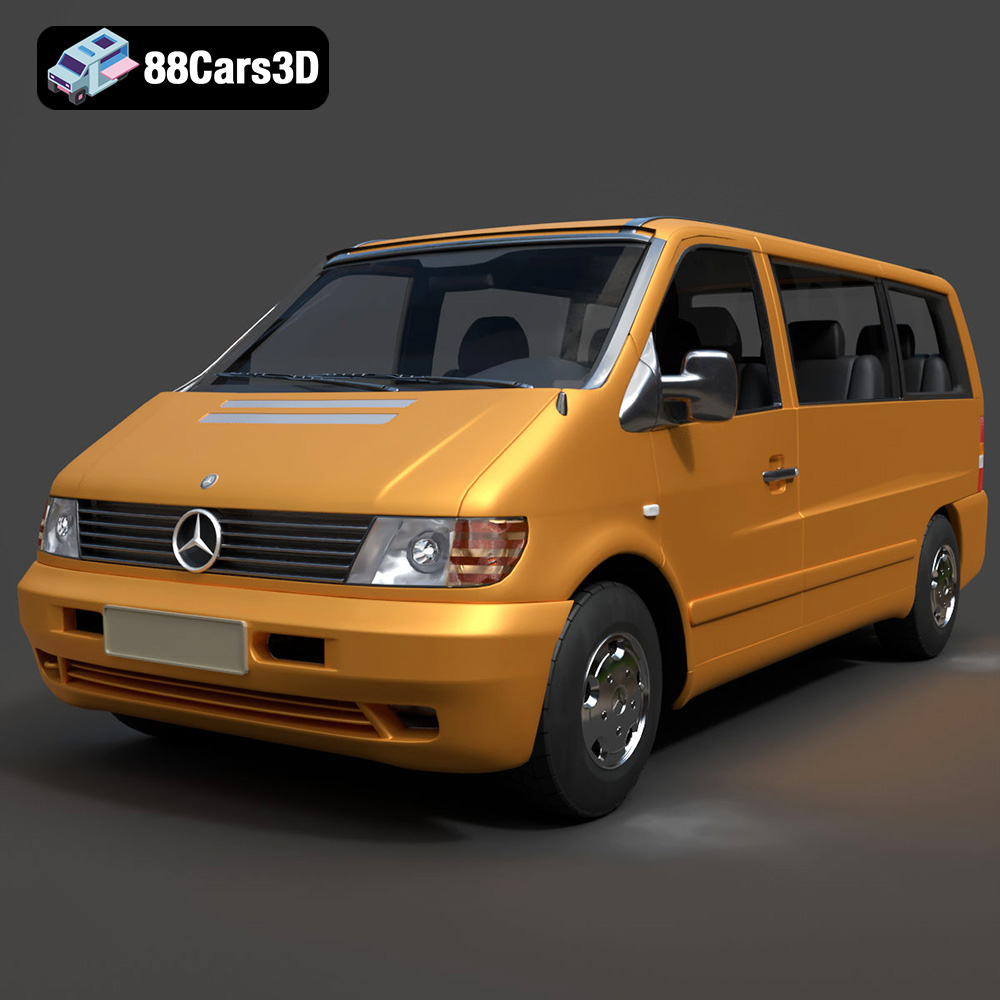
Mercedes-Benz Vito Passenger Van 3D Model
Texture: Yes
Material: Yes
Download the Mercedes-Benz Vito Passenger Van 3D Model featuring clean geometry, realistic detailing, and a fully modeled interior. Includes .blend, .fbx, .obj, .glb, .stl, .ply, .unreal, and .max formats for rendering, simulation, and game development.
Price: $19.99
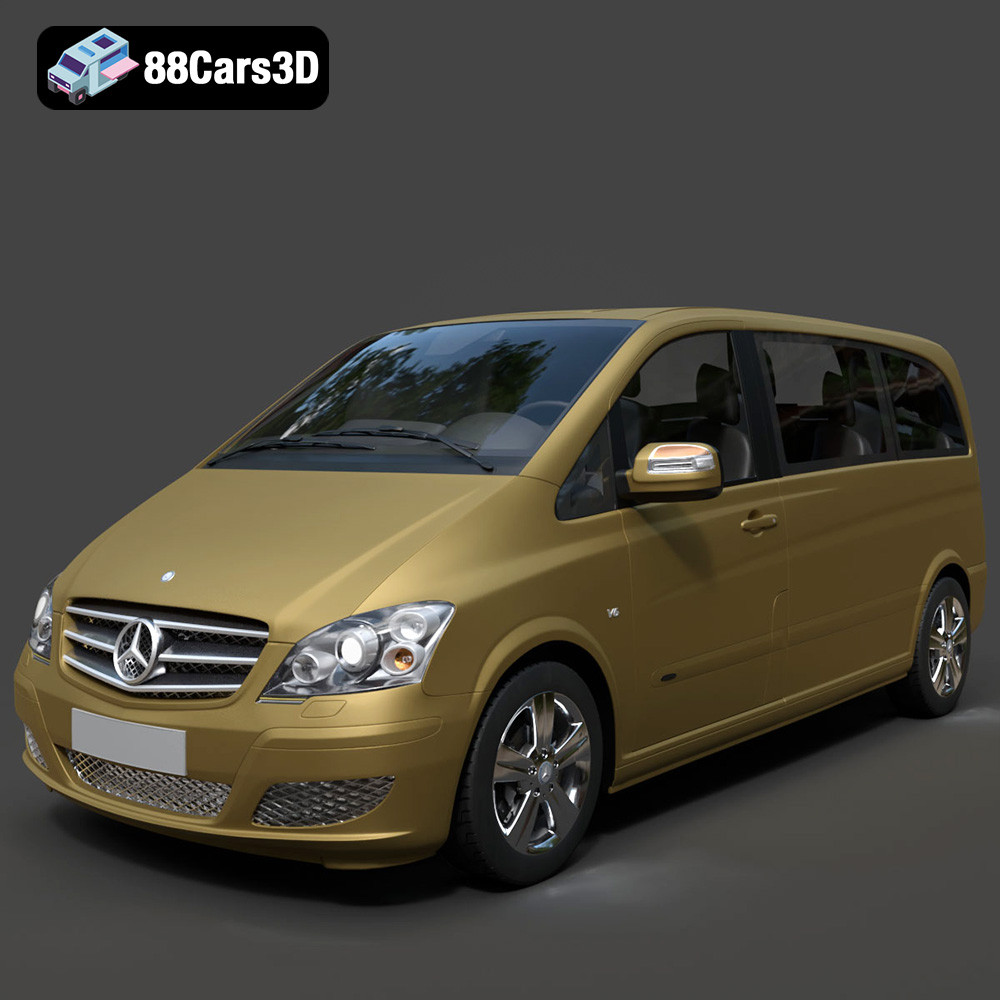
Mercedes-Benz Viano 2010 3D Model
Texture: Yes
Material: Yes
Download the Mercedes-Benz Viano 2010 3D Model featuring clean geometry, realistic detailing, and a fully modeled interior. Includes .blend, .fbx, .obj, .glb, .stl, .ply, .unreal, and .max formats for rendering, simulation, and game development.
Price: $19.99

Emt Avtobus 007 3D Model
Texture: Yes
Material: Yes
Download the Emt Avtobus 007 3D Model featuring clean geometry, realistic detailing, and a fully modeled interior. Includes .blend, .fbx, .obj, .glb, .stl, .ply, .unreal, and .max formats for rendering, simulation, and game development.
Price: $19.99
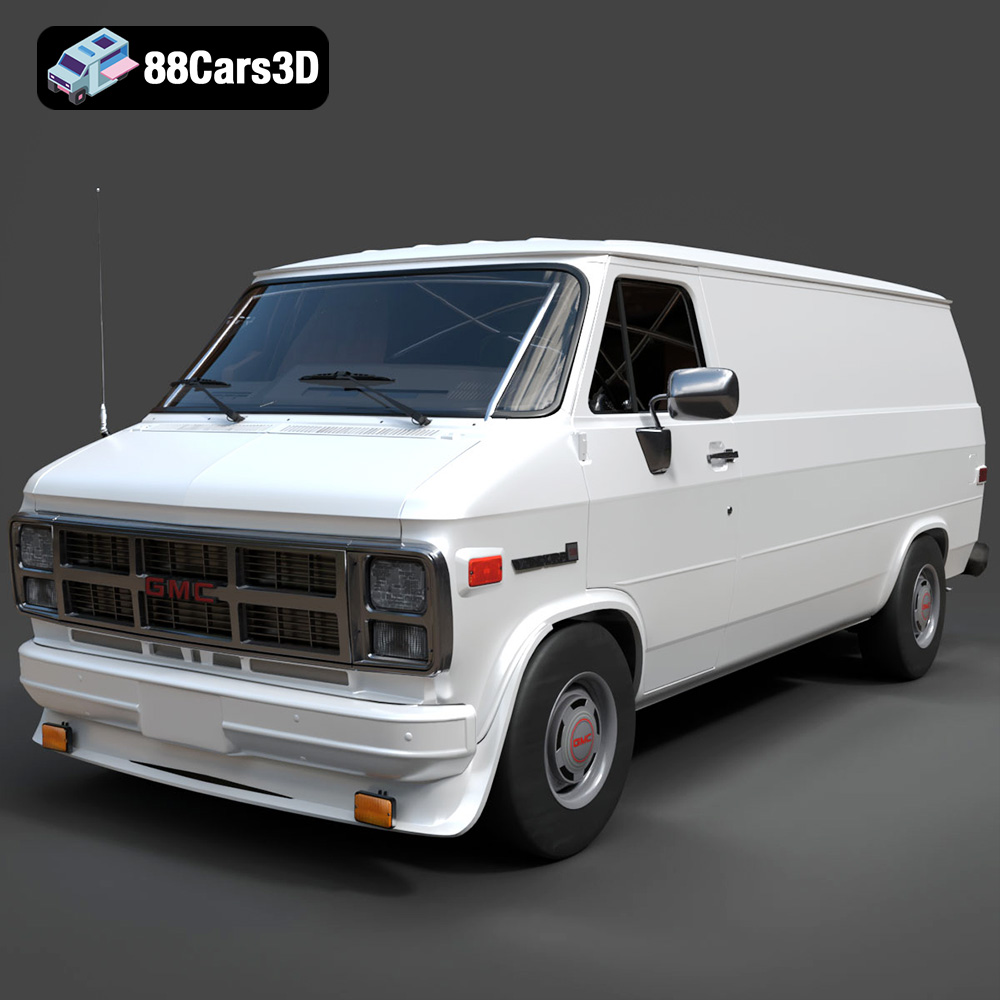
GMC Vandura G-1500 1983 3D Model
Texture: Yes
Material: Yes
Download the GMC Vandura G-1500 1983 3D Model featuring clean geometry, realistic detailing, and a fully modeled interior. Includes .blend, .fbx, .obj, .glb, .stl, .ply, .unreal, and .max formats for rendering, simulation, and game development.
Price: $19.99
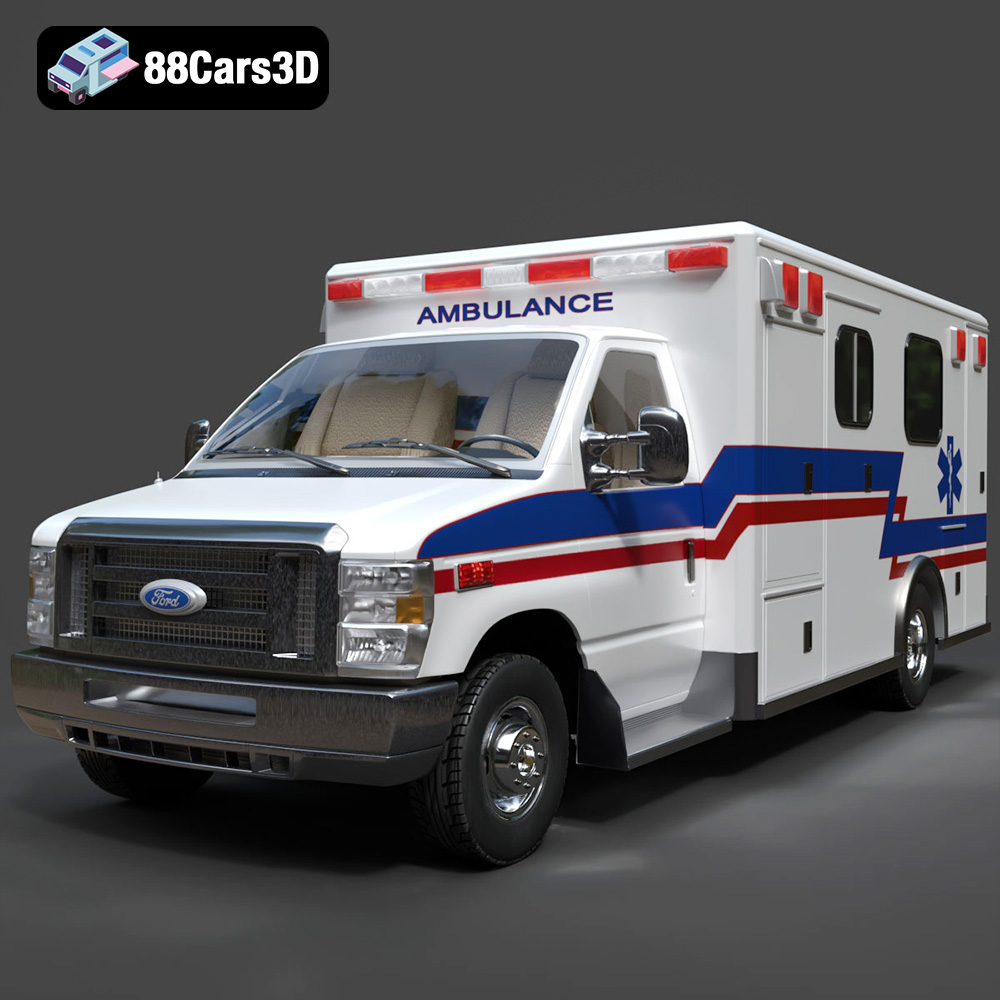
Ford E-450 Ambulance 3D Model
Texture: Yes
Material: Yes
Download the Ford E-450 Ambulance 3D Model featuring clean geometry, realistic detailing, and a fully modeled interior. Includes .blend, .fbx, .obj, .glb, .stl, .ply, .unreal, and .max formats for rendering, simulation, and game development.
Price: $19.99

Fiat Ducato SWB-001 3D Model
Texture: Yes
Material: Yes
Download the Fiat Ducato SWB-001 3D Model featuring clean geometry, realistic detailing, and a fully modeled interior. Includes .blend, .fbx, .obj, .glb, .stl, .ply, .unreal, and .max formats for rendering, simulation, and game development.
Price: $19.99
