

The world of automotive design, marketing, and interactive experiences has been perpetually driven by the pursuit of realism and immersion. For years, achieving truly photorealistic visualizations often meant enduring lengthy offline rendering times or compromising on geometric detail in real-time applications. Enter Unreal Engine 5, a game-changer that has redefined what’s possible in real-time rendering, particularly with its groundbreaking Nanite virtualized geometry system. This revolutionary technology empowers artists and developers to import and render cinematic-quality 3D car models with unprecedented polygon counts directly within real-time environments, completely transforming workflows for automotive visualization.
For professionals in game development, virtual production, architectural visualization, and especially automotive design, Unreal Engine 5 offers a paradigm shift. The ability to work with assets boasting millions or even billions of polygons without significant performance bottlenecks unlocks new levels of fidelity and creative freedom. This comprehensive guide will delve deep into how Nanite technology, combined with other powerful Unreal Engine 5 features like Lumen global illumination and advanced PBR materials, revolutionizes the use of high-quality 3D car models. We’ll explore everything from project setup and asset optimization to crafting interactive experiences and cinematic renders, providing the technical insights you need to leverage UE5’s full potential. Whether you’re an Unreal Engine developer, a 3D artist, or an automotive professional, prepare to discover how to create breathtaking automotive visualizations that truly stand out, often starting with the meticulously crafted models found on platforms like 88cars3d.com.
The Nanite Revolution: Unpacking Virtualized Geometry
Nanite stands as the cornerstone of Unreal Engine 5’s ability to handle incredibly dense geometric data in real time. It’s not just an optimization; it’s a fundamental change in how meshes are rendered, allowing artists to bypass traditional polygon budget constraints. Before Nanite, a high-fidelity 3D car model, often sourced from CAD data or created with meticulous detail, would require significant manual decimation and LOD (Level of Detail) creation to be performant in a real-time engine. This process was time-consuming, prone to detail loss, and often a bottleneck in production pipelines. Nanite eliminates this hurdle by introducing a virtualized geometry system that intelligently streams and processes only the necessary detail at a pixel level.
This virtualized geometry system works by breaking down large meshes into tiny, hierarchical clusters of triangles. When rendering a scene, Nanite analyzes what detail is visible on screen. It then only streams and renders the relevant clusters, dynamically adapting the level of detail based on distance, screen size, and occlusion. This means that a car door panel viewed from afar might be rendered with a handful of triangles, while the intricate detailing of an emblem or a headlight housing, when viewed up close, will use its full, uncompromised polygon count. This on-demand streaming and rendering is why Nanite can render scenes with billions of triangles, a feat previously unimaginable in real-time applications, all while maintaining smooth frame rates. This technology is especially transformative for automotive visualization where intricate details, subtle curves, and complex mechanical components are paramount to realism.
What is Nanite and How Does It Work?
At its core, Nanite is a micro-polygon rendering system that completely changes the traditional rendering pipeline. Instead of drawing entire meshes, it processes individual triangles, or small clusters of triangles, as needed. When you import a static mesh into Unreal Engine and enable Nanite, the engine processes the mesh into its internal Nanite format. This involves generating a hierarchical structure of simplified mesh representations. During runtime, the GPU performs a visibility pass, determining which portions of the mesh are actually visible on screen and at what resolution.
Based on this visibility, Nanite fetches and renders only the necessary micro-triangles from the disk, effectively culling geometry at a granularity far beyond traditional object-level frustum or occlusion culling. This ‘render what you see’ approach means that areas of a car model that are occluded by other parts, or are off-screen, simply aren’t processed. Furthermore, Nanite’s automatic LOD generation means you no longer need to manually create multiple LOD levels for your 3D car models; Nanite handles this seamlessly and continuously. This results in incredibly efficient memory usage and significant performance gains, allowing for the rendering of complex geometries like detailed car interiors, intricate wheel designs, and finely modeled body panels without the overhead that would cripple conventional real-time rendering. You can learn more about the technical specifics of Nanite on the official Unreal Engine documentation at dev.epicgames.com/community/unreal-engine/learning.
Preparing Automotive 3D Models for Nanite
While Nanite simplifies many aspects of model preparation, certain best practices ensure optimal results when importing 3D car models into Unreal Engine. Firstly, Nanite primarily supports static meshes. Skeletal meshes (for animated characters or complex physics simulations beyond simple rigid body) do not currently support Nanite, so their optimization still requires traditional LOD workflows.
When sourcing automotive assets, platforms like 88cars3d.com offer optimized models designed for Unreal Engine, often already featuring clean topology, realistic UV mapping, and PBR-ready materials. For these high-quality models, the preparation process for Nanite is relatively straightforward:
- Importing: Import your high-polygon car model into Unreal Engine, typically via FBX or USD formats. Ensure the ‘Build Nanite’ checkbox is enabled during import or by selecting the mesh in the Content Browser, right-clicking, and choosing ‘Enable Nanite’ from the ‘Nanite’ submenu.
- Mesh Integrity: While Nanite is incredibly robust, meshes with non-manifold geometry, flipped normals, or excessive floating geometry can sometimes lead to visual artifacts. Ensure your source model has clean, watertight geometry for best results.
- Material Slots: Organize your model into logical material slots (e.g., body, glass, tires, interior plastics). Nanite doesn’t interfere with material assignments, but good organization simplifies PBR material creation and instance management.
- UV Mapping: Even though Nanite handles geometry, proper UV mapping is crucial for textures, especially for lightmaps (if using static lighting, though Lumen largely negates this), and PBR material consistency. Ensure UV channels are clean and free of overlaps for accurate texture application.
By following these steps, you can harness Nanite to render exquisitely detailed car models, bringing every curve and component to life with unprecedented realism.
Unleashing Unprecedented Detail in Automotive Visualization
The automotive industry thrives on precision and visual appeal. Every curve, every reflection, every stitch in a luxury car’s interior is meticulously designed. Before Nanite, capturing this level of detail in a real-time engine often meant a compromise between visual fidelity and performance. Designers would spend countless hours simplifying CAD models, baking normal maps to simulate high-poly details, and creating multiple LODs for every component. This iterative process was not only time-consuming but also introduced a disconnect between the original high-fidelity design and its real-time representation. With Nanite, that disconnect vanishes, allowing for a direct, high-fidelity pipeline from design to visualization, revolutionizing how automotive concepts are presented and iterated upon.
Now, a vehicle’s intricate grill pattern, the subtle chamfers on its dashboard, or the complex assembly of its suspension can be rendered with full geometric detail in real-time. This capability is transformative for design reviews, allowing stakeholders to examine every facet of a vehicle in an interactive, dynamic environment, far beyond what static renders or decimated models could offer. It opens doors for highly realistic virtual showrooms, interactive product configurators, and even virtual training simulations where every component needs to be represented accurately. The sheer amount of detail that can be displayed simultaneously without bogging down the GPU fundamentally changes expectations for real-time automotive content.
From CAD to Real-time: Preserving Fidelity with Nanite
One of the most significant benefits of Nanite for automotive visualization is its ability to directly import and render CAD-level geometry. CAD (Computer-Aided Design) models are the backbone of automotive engineering, containing incredibly precise and dense geometric data, often reaching hundreds of millions of polygons. Traditionally, bringing these models into a real-time engine involved extensive data preparation: tessellation, decimation, and manual optimization to reduce polygon counts to manageable levels for real-time rendering. This inevitably led to a loss of subtle design nuances, precise edges, and intricate details.
With Nanite, this workflow is streamlined. Designers can now export their CAD models (e.g., from CATIA, SolidWorks, or Alias) and convert them to formats like FBX or USD with minimal tessellation, preserving the vast majority of the original geometric information. Once imported into Unreal Engine with Nanite enabled, the engine handles the efficient rendering of these dense meshes. This means that details such as the razor-sharp edge of a fender, the intricate lattice of a speaker grill, the fine stitching on leather upholstery, or the complex assembly of a multi-part headlight unit can all be displayed with their full geometric integrity. This capability ensures that design intent is perfectly translated into the visualization, providing unparalleled accuracy for design reviews, marketing materials, and virtual configurators, where every pixel counts in conveying luxury and precision.
Optimizing Performance for High-Fidelity Car Models
While Nanite handles geometry efficiently, a truly high-performance automotive visualization in Unreal Engine requires a holistic approach to optimization. Not all assets in your scene will be Nanite-enabled. For instance, skeletal meshes (like animated driver models or complex character interactions) or certain dynamic elements won’t leverage Nanite. For these, traditional optimization techniques remain crucial:
- Traditional LODs: Implement manual LODs for non-Nanite meshes, ensuring appropriate polygon reduction at various distances.
- Texture Optimization: High-resolution textures (4K, 8K for large surfaces or intricate details) are essential for realism. Utilize Unreal Engine’s Virtual Textures to manage large texture datasets efficiently. Ensure proper texture compression (e.g., BC7 for normal maps and detailed color maps, BC5 for normal maps without tangent space issues). Set appropriate texture streaming Mip bias to control memory usage at a distance.
- Material Complexity: While modern GPUs are powerful, overly complex materials with dozens of instructions can still impact performance, especially when applied to many surfaces. Optimize material graphs by using shared expressions, material functions, and efficient blend modes. Utilize Material Instances extensively to modify properties without recompiling the base material, saving iteration time and memory.
- Draw Call Reduction: Consolidate static meshes where logical (e.g., merge small, non-interactive components) to reduce draw calls. Instancing (using instanced static meshes or hierarchical instanced static meshes) for repetitive elements like tire treads or bolts can provide significant performance boosts.
- Culling Distances: Adjust culling distances for static meshes to prevent rendering objects that are too far away to be seen.
By combining Nanite’s geometric efficiency with smart texture and material optimization, you can achieve stunning visual fidelity while maintaining smooth, interactive frame rates, even in complex automotive scenes populated with multiple detailed vehicles.
Illuminating Realism: Lighting and Materials for Automotive Assets
Beyond geometric detail, the perceived realism of a 3D car model hinges critically on its lighting and materials. A perfectly modeled vehicle can look flat and artificial without accurate light interaction and convincing surface properties. Unreal Engine 5 provides an incredibly robust and physically-based rendering (PBR) pipeline, allowing artists to craft materials that react to light just like real-world surfaces. When combined with its state-of-the-art Lumen global illumination system, UE5 empowers creators to achieve unparalleled photorealism for automotive visualization, making every highlight, reflection, and shadow contribute to a truly immersive experience.
Automotive surfaces are notoriously challenging to render: the multi-layered depth of car paint, the subtle refractions of glass, the metallic sheen of chrome, and the intricate textures of interior fabrics all demand precise material definitions. UE5’s Material Editor provides the tools to replicate these complexities. Furthermore, realistic lighting is not just about direct light sources; it’s about how light bounces around the environment, subtly illuminating crevices and influencing reflections. Lumen dynamically calculates this indirect lighting, providing natural-looking illumination that adapts in real-time to changes in the scene, which is invaluable for showcasing vehicles in diverse environments and lighting conditions.
PBR Materials: Crafting Photorealistic Surfaces
Physically Based Rendering (PBR) is the industry standard for creating realistic materials, and Unreal Engine’s PBR pipeline is highly intuitive and powerful. For automotive visualization, mastering PBR is essential to accurately represent the diverse range of materials found on a car:
- Base Color/Albedo: Represents the diffuse color of a surface without any lighting information. For car paint, this would be the primary hue. For metallic surfaces like chrome, the Base Color is typically a darker value, as most of its color comes from reflections.
- Metallic: A grayscale value (0 to 1) indicating how metallic a surface is. Car paint is non-metallic (0), while chrome is fully metallic (1).
- Roughness: Controls the microscopic surface irregularities, influencing how light scatters or reflects. A low roughness value (close to 0) creates highly polished, mirror-like reflections (e.g., polished chrome, clear coat). A high roughness value (close to 1) creates diffuse, matte surfaces (e.g., tire rubber, interior plastics).
- Normal Map: Provides fine surface detail without adding actual geometry, simulating bumps, grooves, and scratches (e.g., subtle flake normals for car paint, intricate textures for dashboard materials, tire sidewall details).
- Ambient Occlusion (AO): A grayscale map that fakes soft shadows in crevices and corners, adding depth and realism.
- Opacity & Refraction: Critical for glass, headlights, and transparent plastics. Refraction controls how light bends as it passes through the material, crucial for realistic windshields and lenses.
- Clear Coat: For car paint, a dedicated clear coat layer (via the Clear Coat input in the material) simulates the glossy, protective layer over the base color, providing distinct specular reflections on top of the base paint’s properties. This is vital for achieving that iconic automotive sheen.
By meticulously crafting these PBR maps and connecting them correctly in the Unreal Engine Material Editor, artists can reproduce the complex interplay of light and surface that defines real-world automotive aesthetics. For instance, a sophisticated car paint material might combine multiple normal maps (one for the base flake, one for imperfections), specific roughness values for different layers, and a carefully tuned clear coat to achieve unparalleled depth and shine.
Dynamic Real-time Lighting with Lumen and Global Illumination
Once PBR materials are perfected, the next step is to illuminate them realistically. Unreal Engine 5’s Lumen global illumination and reflections system is a game-changer for dynamic real-time lighting. Unlike traditional static lighting solutions like Lightmass (which bakes lighting into textures and Lightmaps, suitable for static scenes but not dynamic environments), Lumen provides fully dynamic global illumination, diffuse inter-reflection, and reflections that react instantly to scene changes. This is incredibly powerful for automotive visualization where cars often move, open doors, change colors, and are viewed in various environments.
- Lumen Setup: Ensure Lumen Global Illumination and Reflections are enabled in your Project Settings under Rendering. Utilize a Post Process Volume to fine-tune Lumen’s intensity, quality, and specific reflection settings.
- Exterior Lighting: For outdoor scenes, an HDRI (High Dynamic Range Image) sky dome or Sky Atmosphere system combined with a Directional Light (simulating the sun) is fundamental. The HDRI provides realistic ambient lighting and reflections, while the Directional Light offers sharp, physically accurate shadows. Lumen will then propagate the light from these sources throughout your scene, creating natural bounce light and reflections on the car’s surfaces.
- Interior Lighting: For car interiors, precise Spot Lights, Point Lights, and emissive materials (for dashboard screens or ambient lighting strips) are crucial. Lumen ensures that light from these sources bounces realistically within the confined space of the cabin, illuminating details and creating a cozy or luxurious ambiance.
- Reflections: Lumen also handles dynamic reflections, which are paramount for metallic car surfaces. Real-time reflections capture the environment and other objects in the scene, accurately depicting them on the car’s glossy body panels and chrome details. For very precise local reflections, you might still use Sphere Reflection Captures or Planar Reflections for specific elements like mirrors, though Lumen’s capabilities often suffice for general scene reflections.
- Post-Processing: After lighting, apply Post Process Volumes for final touches. This includes color grading, exposure adjustments, bloom for bright highlights, depth of field for cinematic focus, and ambient occlusion (screen-space or Lumen-generated) to enhance perceived depth.
By meticulously balancing PBR materials with a dynamic Lumen-powered lighting setup, you can transform your 3D car models into photorealistic masterpieces, ready for any real-time application.
Interactive Automotive Experiences with Blueprint and Sequencer
Beyond static renders or simple fly-throughs, the true power of Unreal Engine for automotive visualization lies in its ability to create fully interactive experiences. Whether it’s a customer exploring customization options on a virtual car configurator or a marketing team crafting a stunning cinematic commercial, UE5 provides the tools to bring automotive projects to life. Blueprint visual scripting allows artists and designers to add complex logic without writing a single line of code, while Sequencer provides a powerful, non-linear editor for creating breathtaking cinematics and animations.
These features enable a myriad of applications: from virtual showrooms where customers can virtually ‘sit’ inside a car and change its features in real-time, to captivating promotional videos that highlight a vehicle’s unique selling points with dynamic camera movements and stunning visual effects. The integration of Blueprint and Sequencer empowers creators to move beyond passive viewing and engage their audience in meaningful, memorable ways, elevating the automotive experience from concept to captivating reality.
Building Interactive Car Configurators with Blueprint
Interactive car configurators are a prime example of how Blueprint visual scripting can revolutionize automotive marketing and sales. Blueprint enables developers to create dynamic UIs and logic for changing vehicle attributes in real-time, offering customers a personalized experience.
Here’s a typical workflow for building a configurator:
- Asset Preparation: Start with high-quality 3D car models (like those from 88cars3d.com) where different parts (body, wheels, interior) are separate meshes or have distinct material slots. Create Material Instances for each customizable option (e.g., various paint colors, wheel finishes, interior leather types).
- User Interface (UMG): Design your configurator’s UI using Unreal Motion Graphics (UMG). This involves creating buttons, sliders, and dropdown menus for selecting options.
- Blueprint Logic:
- Event Handling: When a user clicks a UI button (e.g., “Red Paint”), an event is triggered in Blueprint.
- Material Swapping: In response to the event, Blueprint references the car’s body mesh and dynamically changes its assigned Material Instance to the “Red Paint” material instance. For more complex materials, you might have exposed parameters within a master material (e.g., a “Paint Color” vector parameter) that Blueprint modifies directly on a Dynamic Material Instance.
- Mesh Swapping: For changing wheels or body kits, Blueprint can hide the current mesh and spawn/show the new mesh asset, ensuring correct alignment and positioning.
- Camera Control: Implement Blueprint logic to move the camera to specific viewpoints (e.g., interior view, side view) when a user selects certain options, enhancing the exploration.
- Information Display: Link Blueprint to display pricing, specifications, or other relevant information as options are chosen.
- Optimization: Ensure efficient asset loading and unloading to maintain smooth performance, especially with many customization options. Utilize Blueprint Interfaces for clean communication between different Blueprint classes.
This interactive approach provides an immersive way for potential buyers to visualize their dream car, making the sales process more engaging and effective. You can find more details on Blueprint scripting and UMG on the official Unreal Engine documentation.
Cinematic Storytelling with Sequencer
For high-quality promotional videos, commercials, and marketing assets, Unreal Engine’s Sequencer is an invaluable tool. Sequencer is a multi-track, non-linear editor that allows you to orchestrate cinematic sequences with precise control over cameras, actors (including your car models), lighting, audio, and visual effects.
Key Sequencer workflows for automotive content include:
- Camera Animation: Create dynamic camera movements – smooth fly-arounds, dramatic close-ups of specific details, or tracking shots. Use Cine Camera Actors within Sequencer to leverage real-world camera properties like focal length, aperture (for depth of field), and filmback settings, achieving a professional, cinematic look.
- Vehicle Animation: Animate your 3D car models. This can range from simple keyframe animation (e.g., opening doors, rotating wheels, moving the car along a spline path) to more complex physics-driven simulations (e.g., using Chaos Vehicles for realistic suspension and tire dynamics, which can be recorded into Sequencer).
- Lighting and Environment Changes: Animate light properties (intensity, color), switch between different HDRI environments, or control atmospheric effects (fog, clouds) over time to create mood shifts or demonstrate vehicle features in varying conditions.
- Niagara VFX Integration: Integrate particle systems created with Niagara for effects like exhaust fumes, dust trails, water splashes, or even stylized graphical elements that enhance the visual narrative. These can be triggered and controlled directly within Sequencer.
- Audio and Dialogue: Add background music, sound effects (engine roar, door close), and voiceovers to complement the visuals and tell a compelling story.
- Render Movie Queue: Once your cinematic is complete, use the Render Movie Queue to export high-quality video files (e.g., image sequences like EXR or PNG, or video formats like .mp4). This queue allows for batch rendering, anti-aliasing settings, and output resolution control (e.g., 4K, 8K), perfect for broadcast-quality content.
By leveraging Sequencer, automotive artists can produce visually stunning and emotionally resonant cinematic content that elevates a brand and captivates audiences, all rendered in real-time within the Unreal Engine.
Advanced Applications and Optimization for Automotive Projects
Unreal Engine 5, with Nanite at its core, extends its capabilities far beyond traditional game development, proving itself as an indispensable tool for advanced automotive applications. From immersive virtual production sets to high-fidelity AR/VR experiences and realistic driving simulations, the engine’s power allows for truly groundbreaking interactive and visual solutions. However, pushing the boundaries of realism and interactivity always comes with performance considerations. Understanding how to optimize your projects, even with Nanite’s efficiency, is crucial for delivering seamless and impactful experiences across various platforms.
Effective optimization isn’t just about tweaking settings; it’s a strategic approach that spans asset creation, material complexity, lighting setup, and code efficiency. For high-stakes automotive projects, maintaining consistent frame rates and visual quality is paramount. This section will explore some cutting-edge applications of Unreal Engine in the automotive sector and provide actionable strategies to ensure your projects run smoothly, from concept to deployment.
Virtual Production, AR/VR, and Simulation
The flexibility and power of Unreal Engine make it ideal for a wide array of advanced automotive applications:
- Virtual Production and LED Walls: Nanite-enabled 3D car models are perfect for virtual production workflows, especially with large LED volumes. By rendering detailed vehicles in real-time on LED screens, filmmakers can capture in-camera VFX, eliminating the need for green screens and complex compositing. This allows for realistic interactive lighting and reflections on the physical vehicle or actors, drastically speeding up production for automotive commercials and films while achieving stunning results. The ability to swap vehicle models, colors, or environments instantly on the LED wall provides unprecedented creative freedom.
- AR/VR Optimization for Automotive: Creating immersive AR/VR experiences with high-fidelity car models requires careful optimization. While Nanite assists with geometry, other aspects need attention. For AR/VR:
- Frame Rate Targets: Aim for a consistent 90 FPS or higher to prevent motion sickness.
- Draw Call Reduction: Even with Nanite, minimize draw calls for non-Nanite elements.
- Forward Rendering: Consider using the Forward Renderer for better performance in VR, especially for projects focused on specific visual styles or less complex lighting.
- Instancing: Utilize Hierarchical Instanced Static Meshes (HISM) for repetitive elements like tire treads or rivets.
- Mobile AR Specifics: For mobile AR (iOS/Android), drastically reduce texture resolutions, material complexity, and overall scene density. Use LODs aggressively for non-Nanite meshes. Fixed Foveated Rendering can also improve performance on supported VR headsets.
- Physics Simulation and Vehicle Dynamics: Unreal Engine’s Chaos Physics engine provides robust tools for simulating vehicle dynamics. Developers can create realistic driving experiences, from basic arcade handling to complex simulations with customizable suspension, engine curves, tire friction models, and collision responses. This is invaluable for driver training, vehicle engineering validation, and realistic gameplay within racing titles. Blueprints can be used to set up and fine-tune these physics parameters, offering powerful customization for varied vehicle behaviors.
These advanced applications demonstrate how Unreal Engine, supported by high-quality assets from sources like 88cars3d.com, is pushing the boundaries of what’s possible in automotive visualization and interaction.
Best Practices for Performance and Scalability
To ensure your automotive Unreal Engine projects perform optimally across target hardware, adopt a rigorous approach to performance optimization:
- Profiling Tools: Regularly use Unreal Engine’s built-in profiling tools:
- GPU Visualizer (
stat gpu): Identify bottlenecks in rendering passes (e.g., base pass, Lumen, post-processing). - Stat Commands (
stat fps,stat unit,stat rhi): Monitor real-time performance metrics like frame rate, game thread, draw calls, and triangle counts. - Session Frontend: A powerful tool for deep analysis of CPU and GPU performance, memory usage, and asset loading.
- GPU Visualizer (
- Asset Management:
- Efficient Textures: Use appropriate texture resolutions. 4K and 8K are great for hero assets like cars, but consider lower resolutions for distant or less critical objects. Utilize Virtual Textures for large, detailed landscapes. Ensure proper texture compression.
- Material Optimization: Avoid overly complex material graphs. Use Material Instances for variations and Material Functions to encapsulate common logic. Leverage shared samplers.
- Nanite Mesh Budget: While Nanite handles billions of triangles, be mindful of overall scene complexity and draw calls from non-Nanite elements.
- Lighting Optimization:
- Lumen Settings: Adjust Lumen quality and performance settings in the Post Process Volume based on your target platform. Higher quality can be demanding.
- Light Counts: Minimize the number of dynamic lights where possible, especially non-Lumen enabled lights.
- Static Lighting: For areas that don’t require dynamic global illumination (e.g., a static background building), consider baking static lighting with Lightmass to save Lumen resources.
- Culling and LODs:
- Culling Distances: Set appropriate culling distances for non-Nanite static meshes to prevent rendering objects that are not visible.
- HLODs: Utilize Hierarchical Level of Detail (HLOD) for large outdoor environments to merge and simplify distant clusters of objects, further reducing draw calls.
- Project Organization: Maintain a clean and organized content browser. Use naming conventions and consistent folder structures to streamline asset management and team collaboration.
Starting with well-optimized assets, such as the high-quality, clean topology 3D car models available on marketplaces like 88cars3d.com, provides a solid foundation. By implementing these best practices, you can create breathtaking automotive visualizations and interactive experiences that run smoothly and look stunning across a wide range of hardware, delivering the high performance and visual fidelity demanded by the industry.
Conclusion
The advent of Unreal Engine 5, spearheaded by its revolutionary Nanite virtualized geometry system, has undeniably reshaped the landscape of real-time rendering, particularly for demanding applications like automotive visualization. We’ve explored how Nanite liberates artists and designers from traditional polygon constraints, allowing for the direct use of CAD-level detail in real-time environments. This unprecedented fidelity, combined with the dynamic global illumination of Lumen and the robust physically-based rendering pipeline, empowers creators to craft stunningly realistic 3D car models that were once only achievable through lengthy offline renders.
Beyond raw visual quality, Unreal Engine 5 provides a powerful ecosystem for creating compelling interactive experiences through Blueprint visual scripting – from dynamic car configurators to engaging virtual showrooms. Furthermore, Sequencer offers professional-grade tools for producing cinematic masterpieces, ideal for marketing and virtual production. The ability to scale these projects for AR/VR, simulations, and LED wall installations underscores UE5’s versatility as an industry-leading platform.
Embracing Unreal Engine 5 means embracing a future where visual fidelity, interactivity, and real-time performance converge. By leveraging high-quality, optimized 3D car models, mastering PBR materials and Lumen lighting, and employing smart optimization strategies, you can unlock new creative possibilities and deliver truly transformative automotive content. The journey into high-fidelity real-time rendering is an exciting one, and with the tools and techniques outlined here, you are well-equipped to drive innovation in automotive visualization. Start exploring the power of Unreal Engine 5 today and elevate your projects to the next level of realism and immersion.
Featured 3D Car Models
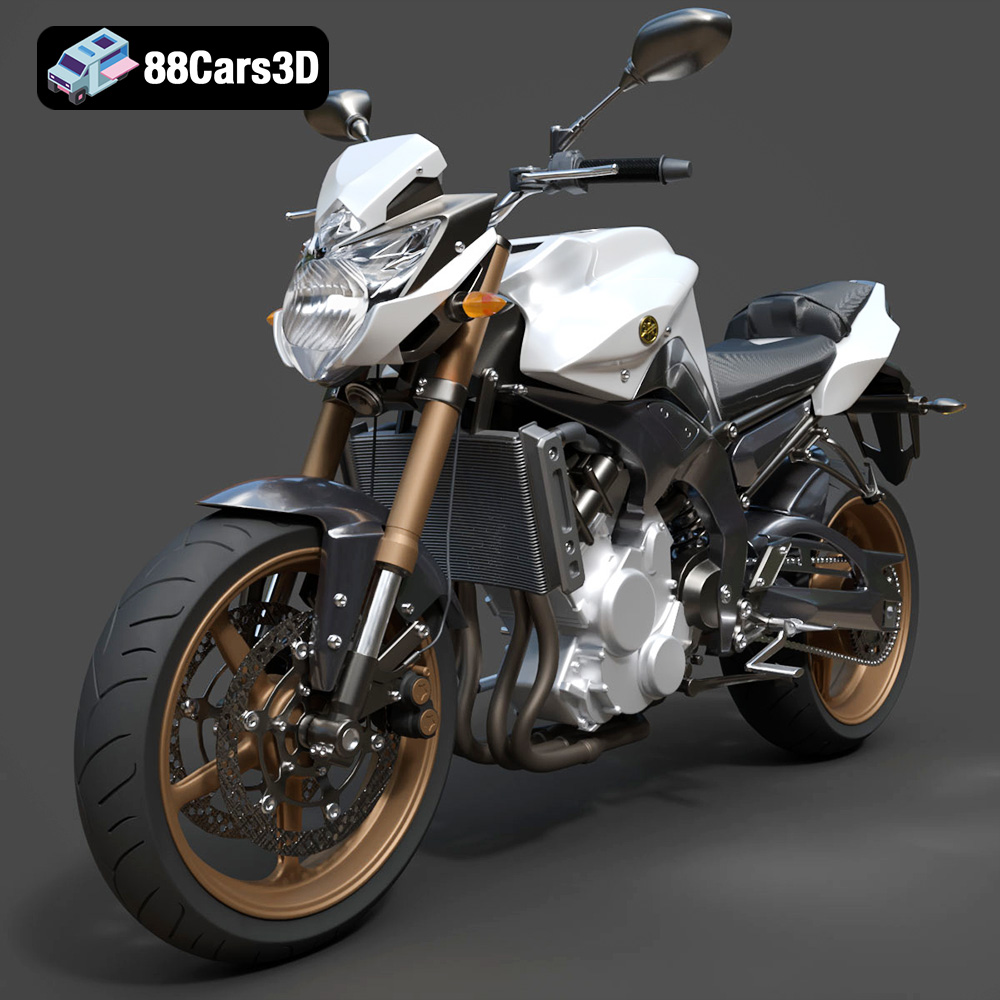
Yamaha FZ8 2011 3D Model
Texture: Yes
Material: Yes
Download the Yamaha FZ8 2011 3D Model featuring clean geometry, realistic detailing, and a fully modeled interior. Includes .blend, .fbx, .obj, .glb, .stl, .ply, .unreal, and .max formats for rendering, simulation, and game development.
Price: $19.99
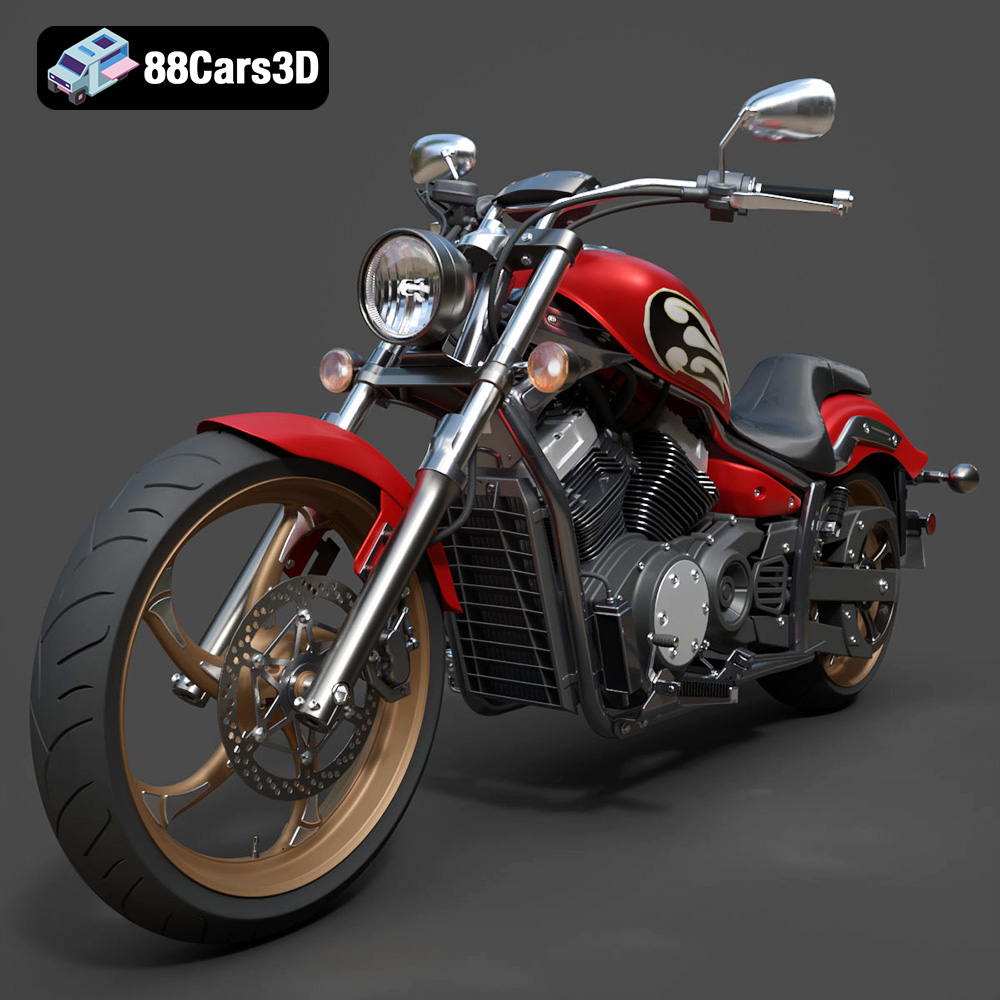
Yamaha Stryker 2012 3D Model
Texture: Yes
Material: Yes
Download the Yamaha Stryker 2012 3D Model featuring clean geometry, realistic detailing, and a fully modeled interior. Includes .blend, .fbx, .obj, .glb, .stl, .ply, .unreal, and .max formats for rendering, simulation, and game development.
Price: $19.99
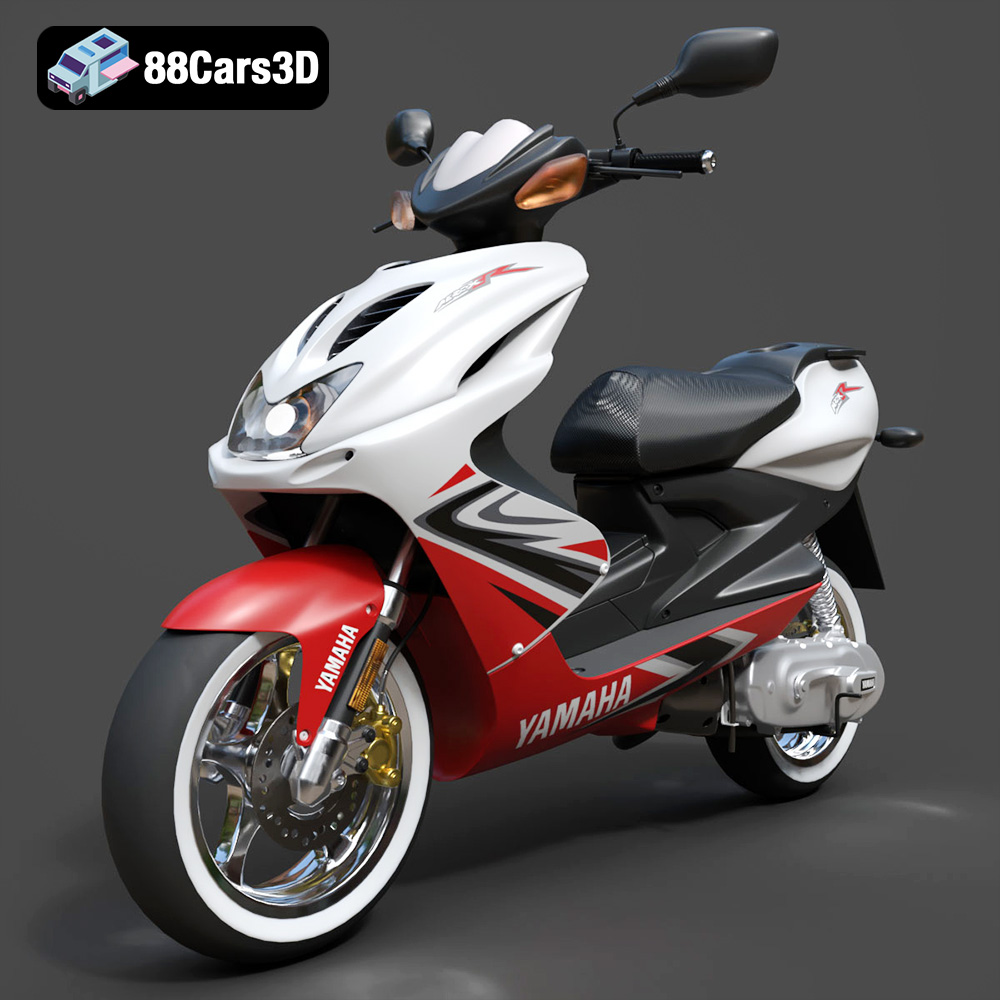
Yamaha Aerox R-002 2024 3D Model
Texture: Yes
Material: Yes
Download the Yamaha Aerox R-002 2024 3D Model featuring clean geometry, realistic detailing, and a fully modeled interior. Includes .blend, .fbx, .obj, .glb, .stl, .ply, .unreal, and .max formats for rendering, simulation, and game development.
Price: $19.99
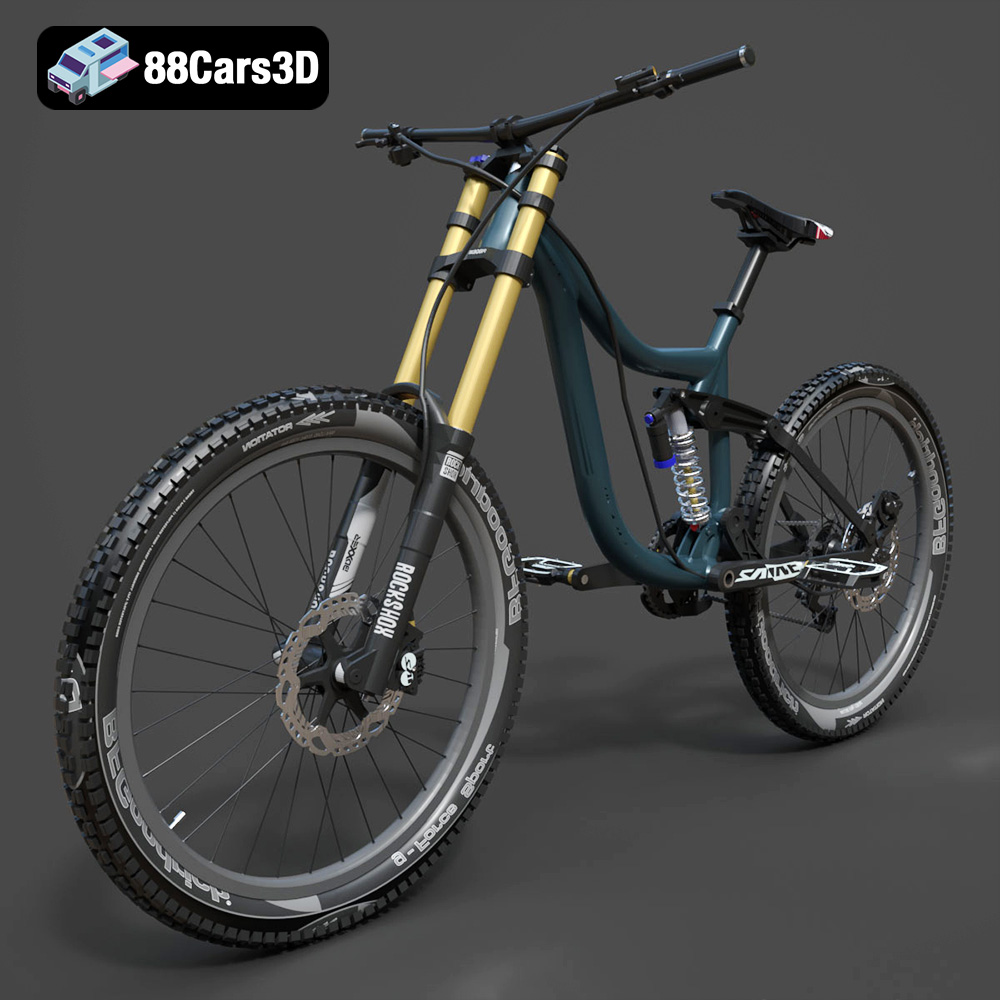
Mototsikly Downhill Bike-002 3D Model
Texture: Yes
Material: Yes
Download the Mototsikly Downhill Bike-002 3D Model featuring clean geometry, realistic detailing, and precise mechanical components. Includes .blend, .fbx, .obj, .glb, .stl, .ply, .unreal, and .max formats for rendering, simulation, and game development.
Price: $19.99
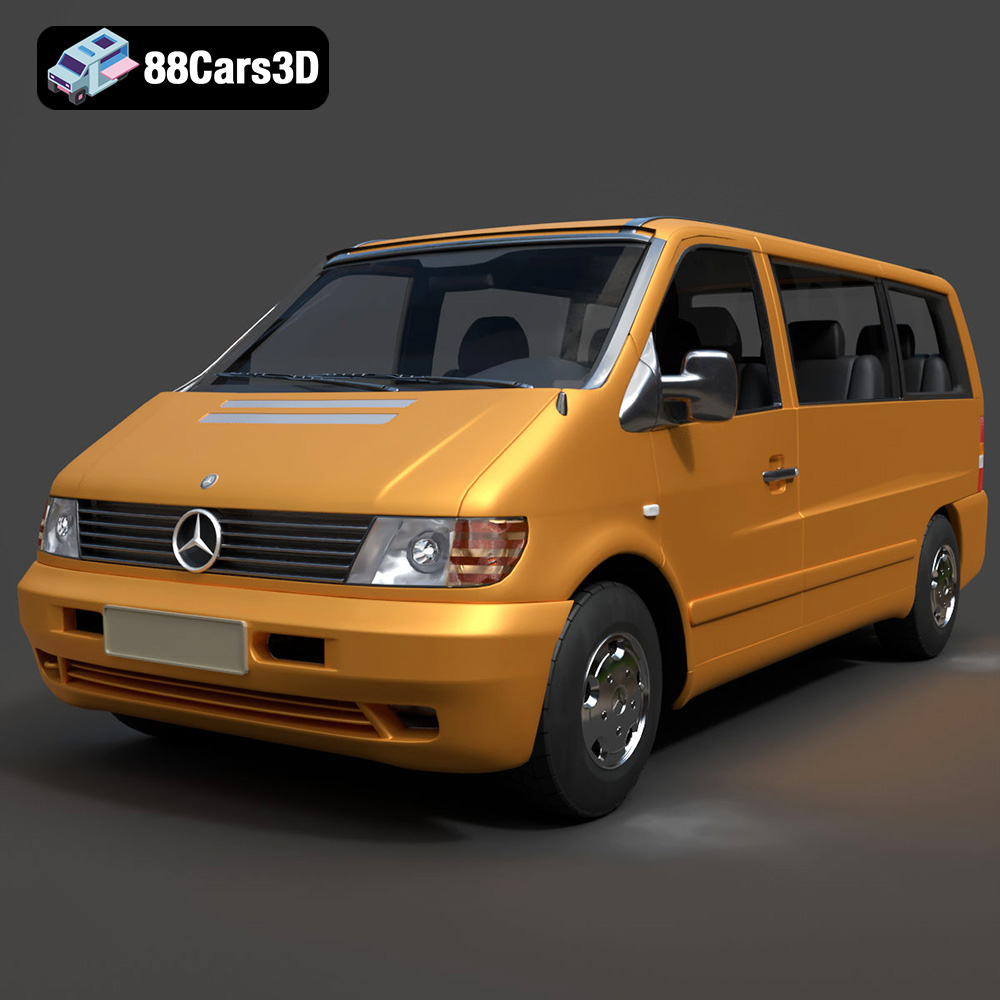
Mercedes-Benz Vito Passenger Van 3D Model
Texture: Yes
Material: Yes
Download the Mercedes-Benz Vito Passenger Van 3D Model featuring clean geometry, realistic detailing, and a fully modeled interior. Includes .blend, .fbx, .obj, .glb, .stl, .ply, .unreal, and .max formats for rendering, simulation, and game development.
Price: $19.99
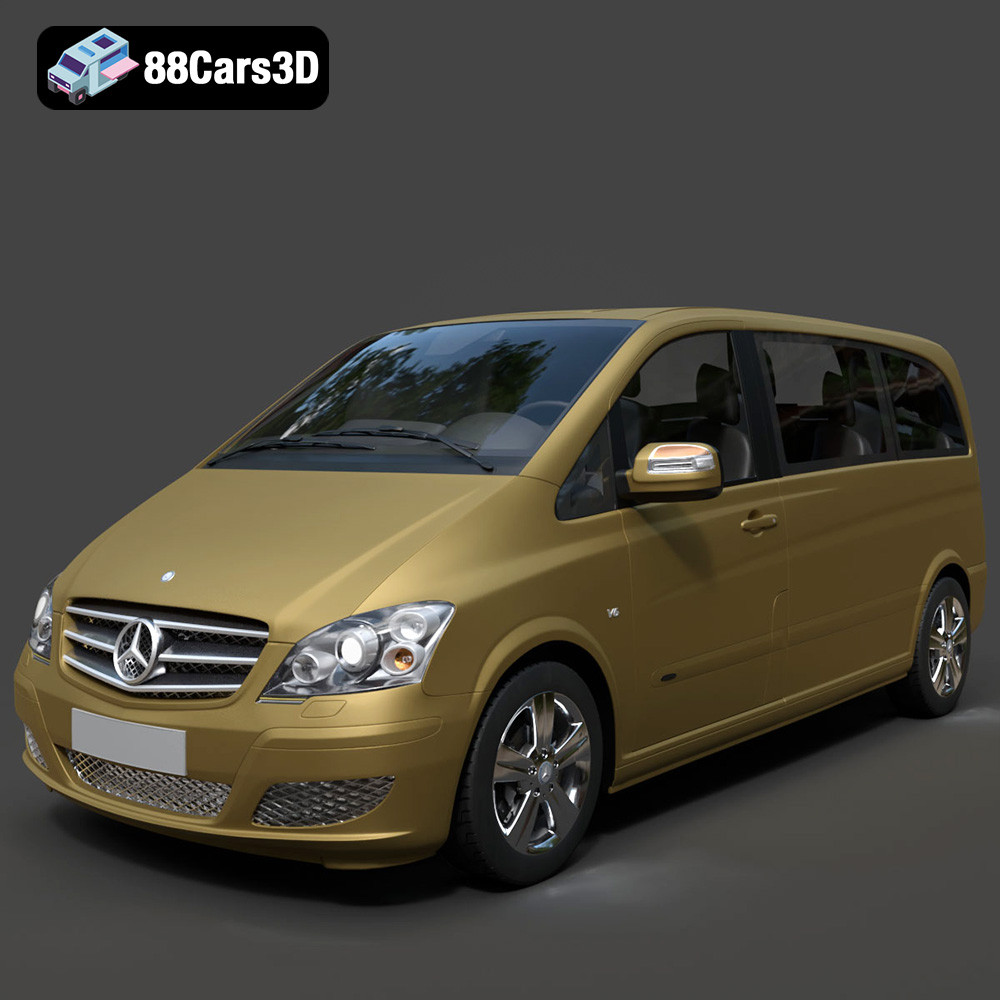
Mercedes-Benz Viano 2010 3D Model
Texture: Yes
Material: Yes
Download the Mercedes-Benz Viano 2010 3D Model featuring clean geometry, realistic detailing, and a fully modeled interior. Includes .blend, .fbx, .obj, .glb, .stl, .ply, .unreal, and .max formats for rendering, simulation, and game development.
Price: $19.99

Emt Avtobus 007 3D Model
Texture: Yes
Material: Yes
Download the Emt Avtobus 007 3D Model featuring clean geometry, realistic detailing, and a fully modeled interior. Includes .blend, .fbx, .obj, .glb, .stl, .ply, .unreal, and .max formats for rendering, simulation, and game development.
Price: $19.99
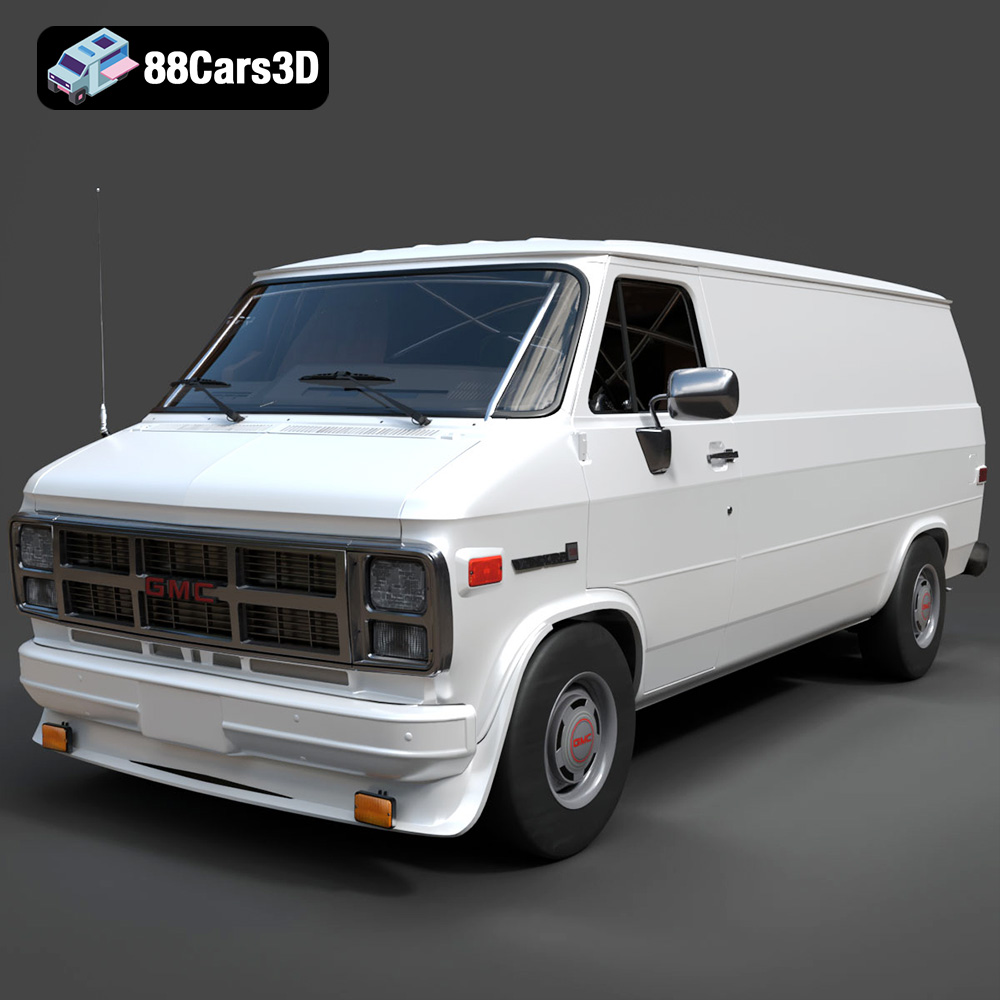
GMC Vandura G-1500 1983 3D Model
Texture: Yes
Material: Yes
Download the GMC Vandura G-1500 1983 3D Model featuring clean geometry, realistic detailing, and a fully modeled interior. Includes .blend, .fbx, .obj, .glb, .stl, .ply, .unreal, and .max formats for rendering, simulation, and game development.
Price: $19.99
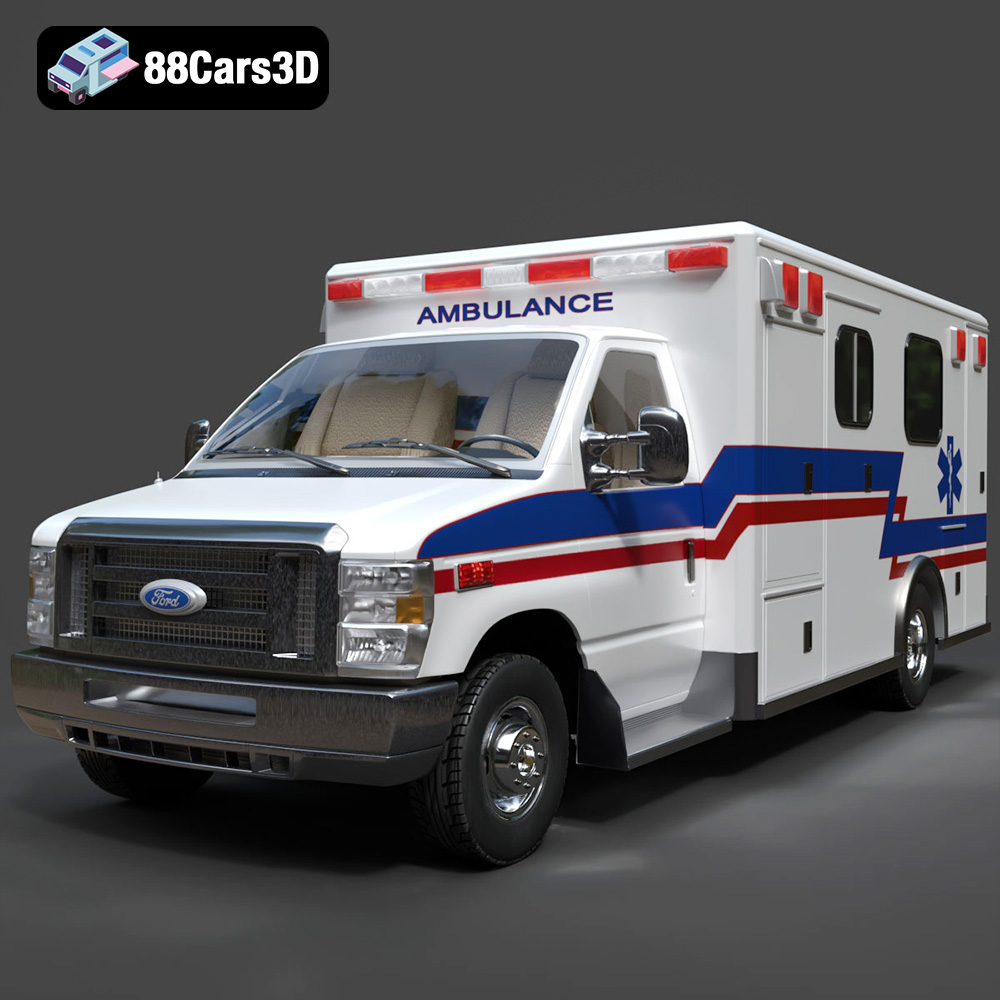
Ford E-450 Ambulance 3D Model
Texture: Yes
Material: Yes
Download the Ford E-450 Ambulance 3D Model featuring clean geometry, realistic detailing, and a fully modeled interior. Includes .blend, .fbx, .obj, .glb, .stl, .ply, .unreal, and .max formats for rendering, simulation, and game development.
Price: $19.99

Fiat Ducato SWB-001 3D Model
Texture: Yes
Material: Yes
Download the Fiat Ducato SWB-001 3D Model featuring clean geometry, realistic detailing, and a fully modeled interior. Includes .blend, .fbx, .obj, .glb, .stl, .ply, .unreal, and .max formats for rendering, simulation, and game development.
Price: $19.99
