

In the dynamic world of real-time rendering and interactive experiences, efficiency and artistic control are paramount. For professionals in game development, architectural visualization, and especially automotive visualization, the ability to rapidly generate vast, detailed environments can be a game-changer. This is where Unreal Engine’s Procedural Content Generation (PCG) framework steps in, offering an incredibly powerful and flexible solution for creating complex scenes with unprecedented speed and iteration. Gone are the days of painstakingly hand-placing every rock, tree, or urban prop. With PCG, you can define rules and parameters, allowing the engine to intelligently populate your worlds, saving countless hours and unlocking new levels of artistic freedom.
This comprehensive guide will dive deep into Unreal Engine’s PCG framework, exploring its core functionalities, advanced techniques, and how it can revolutionize your workflow, particularly when creating stunning backdrops for high-quality 3D car models. We’ll cover everything from initial setup and basic graph construction to integrating high-fidelity assets, optimizing performance, and leveraging PCG for cutting-edge automotive visualization projects. Prepare to transform your environment creation process and bring your visions to life faster and more effectively than ever before.
Understanding Unreal Engine’s PCG Framework
Unreal Engine’s Procedural Content Generation (PCG) framework, introduced as a core feature, empowers artists and designers to create sprawling, intricate worlds by defining a set of rules rather than manually placing individual assets. At its heart, PCG is a node-based visual scripting system, similar in concept to Material Editor or Niagara, but specifically tailored for scattering and distributing geometry and data across your scene. It operates by generating “points” – abstract representations of potential asset locations – and then manipulating these points through a series of operations before finally spawning actual assets.
The beauty of PCG lies in its non-destructive workflow and iterative design capabilities. You can experiment with different generation rules, density settings, and asset variations, seeing the results update in real-time within the editor. This dramatically reduces the time spent on mundane tasks, allowing more focus on artistic direction and fine-tuning. For projects requiring large-scale environments, from sprawling forests to intricate cityscapes, PCG becomes an indispensable tool. It also inherently supports modern Unreal Engine features like Nanite and Lumen, ensuring that your procedurally generated worlds are not only vast but also visually stunning and performant.
Core Concepts: Graphs, Points, and Operators
The foundation of PCG lies in its core components. A PCG Graph is the primary asset you create, where you define the entire procedural generation pipeline. Within this graph, everything revolves around Points. These aren’t actual instances of meshes but rather data structures containing information like location, rotation, scale, and various custom attributes. Think of them as placeholders that will eventually determine where your assets will spawn. Operators, represented as nodes in the graph, take these points as input, modify them, and output a new set of points. This chained process allows for highly complex and nuanced distribution patterns.
For example, you might start with an “Input Landscape” node to generate points across your terrain. A “Density Filter” node could then remove points from steep slopes, followed by a “Transform Points” node to introduce random rotation and scale variations. Finally, a “Static Mesh Spawner” node would convert these refined points into actual instances of your chosen 3D assets. This modular approach allows for incredible flexibility and reusability across different projects.
Enabling PCG in Your Project
Before you can begin leveraging the power of PCG, you need to ensure it’s enabled within your Unreal Engine project. This is a straightforward process:
- Open your Unreal Engine project.
- Navigate to Edit > Plugins.
- In the Plugins window, search for “Procedural Content Generation” or “PCG”.
- Check the box next to the “PCG” plugin.
- Restart the Unreal Engine editor when prompted.
Once enabled, you’ll find new options in the Content Browser to create PCG Graphs and PCG Volumes, along with new nodes available in the graph editor. It’s a quick setup that unlocks a universe of procedural possibilities. For detailed information on enabling and using PCG, refer to the official Unreal Engine documentation at dev.epicgames.com/community/unreal-engine/learning, which provides comprehensive guides and tutorials.
Building Your First PCG Graph: A Step-by-Step Approach
Let’s walk through the creation of a basic PCG graph to scatter some environmental elements, such as trees or rocks, across a landscape. This foundational exercise will familiarize you with the core workflow and the interplay of different nodes. Imagine setting the stage for a showcase of a beautiful 3D car model from 88cars3d.com, requiring a natural, forested backdrop.
First, create a new PCG Graph asset by right-clicking in your Content Browser and selecting PCG > PCG Graph. Give it a descriptive name, like `PCG_ForestScatter`. Drag this PCG Graph asset directly into your level. It will appear as a PCG Volume, which is essentially a bounding box defining the area where your graph will generate content. Adjust the size and position of this volume to cover your desired landscape area.
Double-click the PCG Graph asset in the Content Browser to open its editor. This is where you’ll assemble your procedural logic. The goal is to generate points, modify their attributes (like density, scale, rotation), and then spawn static meshes at those point locations. This iterative process builds complexity from simple inputs to rich, detailed outputs.
Inputting Data and Generating Initial Points
Every PCG graph needs a starting point – data to generate its initial set of points. For scattering across a landscape, the most common input is the landscape itself.
- In the PCG Graph editor, right-click in the empty space and search for “Get Landscape” or “Landscape Input”. Add this node.
- Connect its output pin to the input pin of your next node.
The “Get Landscape” node reads the terrain data within the bounds of your PCG Volume and generates a dense cloud of points across its surface. Each point will initially inherit properties from the landscape, such as its normal direction and material layers. This forms the canvas upon which you’ll paint your procedural environment.
Beyond landscapes, PCG can also take input from other sources:
- Get Spline: Generates points along a spline, perfect for roads, fences, or paths.
- Get Surface Data: Creates points on any static mesh surface.
- Get Volume: Generates points within a bounding box or arbitrary volume.
These diverse input methods allow for immense control over where your procedural content will appear, enabling precise placement for specific scene elements.
Transforming and Filtering Points
Once you have your initial dense cloud of points, the next step is to refine and modify them to achieve your desired distribution and variety. This is where a range of transformation and filtering nodes come into play:
- Density Filter: Add a “Density Filter” node after your “Get Landscape” node. This node allows you to control the overall density of points. You can use noise textures, vertex colors, or other attributes to create varied densities, mimicking natural clustering. For example, you might reduce density on steep slopes or near water bodies.
- Transform Points: Add a “Transform Points” node. This crucial node lets you introduce randomness to the position, rotation, and scale of your points. For a forest, you’d want trees to have slightly different sizes and orientations to avoid a uniform, artificial look. Experiment with min/max values for scale, and set a random rotation range (e.g., 0-360 degrees on the Z-axis).
- Surface Sampler / Self Pruning: If your initial landscape input creates an extremely dense point cloud, a “Surface Sampler” can reduce it to a more manageable and evenly distributed set of points, especially useful before spawning meshes. The “Self Pruning” node is excellent for ensuring spawned assets don’t overlap excessively, by removing points that are too close to others.
By chaining these nodes, you sculpt the initial chaotic point cloud into a structured, art-directed distribution. This iterative refinement is key to achieving natural-looking procedural scenes.
Spawning Static Meshes and Basic Graph Structure
The final step in this basic graph is to convert your processed points into actual 3D assets. This is achieved with the “Static Mesh Spawner” node:
- Add a “Static Mesh Spawner” node after your “Transform Points” (or “Self Pruning”) node.
- In the details panel of the “Static Mesh Spawner” node, add the static meshes you want to spawn. For our forest example, these would be your various tree models, rocks, and bushes. Ensure these meshes have appropriate LODs and collision setups for optimal performance.
- If you have multiple meshes, you can use the “Weight” parameter to control their relative spawn frequency.
The spawner will take the final, processed points and instantiate your chosen static meshes at their locations, applying the rotation and scale attributes you defined. A basic PCG graph for a forest scatter might look like this:
[Get Landscape] --> [Density Filter] --> [Self Pruning] --> [Transform Points] --> [Static Mesh Spawner]
This fundamental structure can be expanded exponentially to create incredibly diverse and detailed environments, serving as a perfect backdrop for showcasing a high-quality vehicle asset from 88cars3d.com within a realistic setting.
Advanced PCG Techniques for Realistic Environments
While a basic scatter is useful, the true power of PCG emerges when you start combining nodes in more sophisticated ways to create highly detailed, art-directed environments. Achieving realism often means adding variation, layering different types of content, and ensuring logical distribution based on environmental factors.
Conditional Spawning and Layering Biomes
Real-world environments are rarely uniform; they consist of distinct biomes, elevation changes, and specific object placements. PCG allows you to replicate this complexity through conditional spawning and layering. For instance, you might want conifer trees on higher elevations and deciduous trees in valleys, or urban props only near roads.
To achieve this, you can branch your PCG graph:
- Attribute Filtering: Use a “Filter by Attribute” node. Points generated from a landscape often carry attributes like ‘Height’, ‘Slope’, or even custom attributes derived from painted landscape layers. You can filter points based on these values (e.g., “Height > 500” for mountains, “Slope < 10" for flat areas).
- Create Multiple Spawners: Send the filtered points to different “Static Mesh Spawner” nodes, each configured with specific assets for that condition. For example, one spawner for ‘mountain trees’ and another for ‘valley trees’.
- Layering: You can stack multiple PCG graphs or create complex graphs with many branches, each responsible for a different layer of detail – ground cover, small props, larger trees, or even distinct biomes. This allows for modularity and easier management of complex scenes.
This approach allows for incredibly nuanced environment generation, transforming a simple scatter into a rich, believable ecosystem perfect for a dynamic automotive showcase.
Attribute Management and Dynamic Variations
Beyond basic transformations, PCG points can carry and manipulate a wide array of attributes. These attributes are key to introducing dynamic variations and artistic control over spawned assets. Every point has intrinsic attributes like position, rotation, and scale, but you can also add custom attributes.
- Set Attribute: Use the “Set Attribute” node to add new attributes or modify existing ones. For example, you could add an attribute called “MaterialVariant” and set its value to 0, 1, or 2 based on random chance or a texture input.
- Get Attribute: The “Get Attribute” node allows you to retrieve the value of an attribute from incoming points.
- Applying Attributes to Spawners: Crucially, “Static Mesh Spawner” nodes can be configured to read these attributes. For instance, you could use a “MaterialVariant” attribute to drive a material instance parameter on your spawned meshes, leading to visual diversity like different leaf colors or weathered textures, adding to the realism of your environment. This is particularly effective for high-quality assets where material customization is a key feature.
- Attribute Noise: Apply noise functions to attributes like scale or rotation using “Attribute Noise” nodes, creating subtle, organic variations that are difficult to achieve manually.
By effectively managing attributes, you gain granular control over the final appearance of your procedural content, ensuring that even vast areas feel unique and hand-crafted.
Height-based, Slope-based, and Texture-based Distribution
To further enhance realism, PCG enables sophisticated distribution logic tied to terrain characteristics or texture maps.
- Height-based Distribution: Using the ‘Height’ attribute of points (which can be sampled from the landscape), you can create filters that only allow spawning within specific altitude ranges. This is ideal for placing snow caps on mountains or different types of flora at varying elevations.
- Slope-based Distribution: Similarly, the ‘Slope’ attribute (derived from landscape normals) allows you to restrict spawning to flat areas, gentle slopes, or steep cliffs. This prevents trees from growing at impossible angles or rocks from appearing on perfectly flat plains.
- Texture-based Distribution: One of the most powerful techniques is to use texture maps (like weight maps from landscape layers, or custom grayscale masks) to control density or specific asset types. The “Sample Grid” or “Get Texture Data” nodes can read these textures, assign their values to point attributes, and then use “Filter by Attribute” to drive spawning. For example, you could paint a dirt layer on your landscape and use its weight to spawn specific ground clutter only on those dirt areas, while preventing it from appearing on grass or rock surfaces. This offers an incredible level of artistic control, allowing artists to “paint” where procedural elements should appear.
These advanced distribution methods elevate your procedural environments from generic to genuinely believable, offering the perfect realistic setting for any automotive visualization project, especially when combined with high-detail 3D car models that demand a compelling backdrop.
Integrating High-Quality Assets with PCG
The success of any procedurally generated environment hinges on the quality of the assets it populates. Even the most sophisticated PCG graph will fall short if the meshes it spawns are low-fidelity or poorly optimized. This is where sourcing high-quality, game-ready assets becomes crucial. Platforms like 88cars3d.com provide expertly crafted 3D car models that stand out in any scene, and the same principle applies to your environmental props.
When integrating assets into your PCG workflow, particularly for demanding applications like automotive visualization or virtual production, several key considerations ensure both visual fidelity and optimal performance. Your environment assets, whether rocks, trees, foliage, or urban elements like streetlights and barriers, must be prepared to seamlessly blend into a real-time, procedurally generated world.
Preparing Assets for PCG: LODs, Collisions, and Nanite
Proper asset preparation is non-negotiable for large-scale procedural environments. For each static mesh you intend to spawn via PCG, ensure the following:
- Level of Detail (LODs): Create multiple LODs for each mesh. This is paramount for performance. As objects move further from the camera, lower polygon versions are swapped in, dramatically reducing the GPU load. PCG can automatically handle LOD selection based on distance. Without appropriate LODs, a dense forest will quickly cripple your framerate.
- Collision Meshes: Generate accurate but simple collision meshes. Complex per-polygon collision for every tree or rock is inefficient. Use simple primitive shapes (boxes, capsules, spheres) or simplified convex hulls. This ensures proper physics interactions without unnecessary overhead.
- Nanite Virtualized Geometry: For static meshes that demand extreme detail up close, Nanite is a game-changer. Enable Nanite on high-poly assets like hero rocks, large trees, or detailed architectural elements. PCG works seamlessly with Nanite, allowing you to scatter millions of high-fidelity triangles without traditional performance bottlenecks. Nanite automatically handles streaming and culling, making it ideal for the vast detail that PCG can generate.
- Pivot Points: Ensure the pivot point of your meshes is at the base, especially for props that sit on the ground (trees, rocks, buildings). This ensures they align correctly with the landscape surface when spawned by PCG.
By meticulously preparing your assets, you lay the groundwork for a visually rich and performant procedural world.
Utilizing Nanite and Lumen with PCG-Generated Environments
Unreal Engine 5’s groundbreaking features, Nanite and Lumen, are particularly potent when combined with PCG, creating environments that are both incredibly detailed and dynamically lit.
- Nanite: As mentioned, Nanite allows you to use film-quality assets directly in real-time. When PCG spawns Nanite-enabled meshes, the engine manages their geometric complexity automatically. This means you can scatter dense forests with highly detailed tree trunks and foliage, or complex urban facades, without worrying about polygon budgets. The visual fidelity of PCG environments is elevated to unprecedented levels.
- Lumen Global Illumination: Lumen provides dynamic global illumination and reflections, making your PCG scenes feel incredibly natural and immersive. Light bounces realistically off all surfaces, including those spawned by PCG. As your environment changes (e.g., dynamic time of day or moving light sources), Lumen instantly adapts, creating stunning atmospheric effects. This is especially impactful for showcasing realistic 3D car models, where accurate lighting and reflections on the vehicle’s paintwork and materials are paramount. The interplay between Lumen and PCG ensures that your procedural environments are not just beautiful, but also interact with light in a physically plausible way.
Together, Nanite and Lumen transform PCG-generated worlds into cinematic-quality real-time experiences, a crucial aspect for high-end automotive visualization.
Material Variations and Instance Parameters
To further enhance the realism and reduce visual repetition in your procedurally generated scenes, leverage material variations and instance parameters. Even with diverse meshes, identical materials can make a scene feel repetitive. PCG provides elegant solutions:
- Material Instance Constants: For your environment meshes, create master materials that expose parameters as Material Instance Constants (MICs). These parameters can control aspects like color tint, roughness, metallic values, or texture offsets.
- PCG Attributes for Material Parameters: In your PCG graph, you can use “Set Attribute” nodes to create custom attributes (e.g., `ColorVariation`, `RoughnessMultiplier`). These attributes can be assigned random values, or values derived from input textures or landscape data.
- Connect Attributes to Spawners: The “Static Mesh Spawner” node has an option to read specific attributes and pass them directly to material instance parameters. For example, if you have a material parameter called `TreeBarkHue`, you can set a PCG attribute `PCG_TreeBarkHue` and link them. As PCG spawns each tree, it will assign a unique hue based on the attribute’s value for that specific point, leading to natural-looking variations across your forest.
This technique allows for incredible visual diversity without having to create dozens of unique material assets, making your PCG environments feel organic and hand-crafted, a perfect complement to the detailed materials found on the 88cars3d.com vehicles.
Optimizing PCG Content for Performance and Scalability
While PCG excels at generating vast and detailed environments, unchecked complexity can quickly lead to performance bottlenecks. Optimizing your PCG content is critical, especially for real-time applications like games, AR/VR experiences, or high-fidelity automotive configurators. A well-optimized PCG graph ensures that your beautiful environments run smoothly across target hardware.
Performance Considerations: Graph Complexity and Draw Calls
Several factors can impact the performance of your PCG-generated scenes:
- Graph Complexity: While modularity is good, excessively long or computationally intensive PCG graphs can increase generation time and editor responsiveness. Aim for efficient node usage and consider breaking down very large graphs into smaller, more focused sub-graphs.
- Point Count: The number of points generated and processed directly correlates with performance. Use “Density Filter” and “Self Pruning” nodes aggressively to keep point counts manageable, especially for areas far from the camera.
- Draw Calls: Every unique mesh instance spawned contributes to draw calls. Without Nanite, a high number of unique instances can quickly overwhelm the CPU. Maximize instancing where possible.
- Asset Poly Count (without Nanite): For non-Nanite meshes, keep polygon counts within reasonable limits. High-poly static meshes, if numerous, will significantly impact GPU performance. Ensure robust LODs are in place.
Regularly profiling your scene using Unreal Engine’s built-in tools (e.g., Stat Unit, Stat GPU) will help identify performance bottlenecks related to PCG content.
LODs and Cull Distance for Efficient Rendering
Effective Level of Detail (LOD) management is perhaps the most crucial optimization for PCG. As viewers move through your environment, objects further away do not need the same geometric detail as those up close.
- Static Mesh LODs: As previously discussed, ensure all static meshes used in PCG have appropriate LODs (LOD0, LOD1, LOD2, etc.). Configure the LOD settings on each static mesh to determine the screen size at which each LOD switches.
- Cull Distance: For very small or distant objects, it’s often more efficient to completely remove them from rendering. The “Static Mesh Spawner” node allows you to set a Cull Distance. Any spawned instance beyond this distance will not be rendered, saving both CPU and GPU resources. This is particularly effective for small foliage, pebbles, or distant background elements that contribute little to the visual fidelity from afar.
- HLODs (Hierarchical Level of Detail): For extremely large and dense areas of procedurally generated content, HLODs can consolidate many individual meshes into a single, optimized mesh for distant views. This dramatically reduces draw calls and improves performance for far-off regions. You can generate HLODs for your PCG content after it has been baked or generated in the editor.
By strategically implementing LODs and cull distances, you can maintain visual richness where it matters most while optimizing distant content for performance.
Runtime vs. Baked Generation and Instancing
PCG content can exist in two primary states: dynamically generated at runtime or baked into static meshes and actors in the editor. Each has its advantages:
- Runtime Generation: This is the default behavior when you place a PCG Volume in your level. The content is generated on the fly as the game runs or in the editor. This offers maximum flexibility for iteration and dynamic changes (e.g., a landscape that changes based on player interaction). However, it can incur a performance cost during generation.
- Baked Generation: For final, static environments, you can “bake” your PCG content. In the PCG Volume’s details panel, you’ll find an option to “Generate (Editor)” or “Bake Out Static Meshes”. Baking converts the procedural output into regular static mesh actors and foliage instances in your level.
- Static Meshes: Baking as static meshes is useful for hero props or elements that won’t move.
- Foliage Instances: For large-scale scatters like trees and rocks, baking to the “Foliage” system is highly efficient. Foliage instances are heavily optimized for rendering large quantities of similar meshes.
- Instancing and Mesh Instancing: PCG natively supports instancing, meaning if you spawn the same static mesh multiple times, Unreal Engine can draw them efficiently using hardware instancing. This dramatically reduces draw calls compared to unique actors. The “Static Mesh Spawner” node automatically leverages this. Baking to Foliage also leverages optimized instancing.
Deciding between runtime and baked generation depends on your project’s needs. For interactive elements or dynamic worlds, runtime generation is suitable. For fixed environments and maximum performance, baking is often the preferred choice. For example, to create a stable, high-performance background for an automotive configurator featuring an 88cars3d.com vehicle, baking your environmental PCG assets would be ideal.
PCG in Automotive Visualization and Interactive Experiences
The applications of PCG extend far beyond traditional game environments. In automotive visualization, where capturing the essence and allure of a vehicle is paramount, PCG offers an unparalleled ability to craft bespoke, high-fidelity backdrops and interactive scenarios. From realistic urban streets to serene natural landscapes, PCG streamlines the creation of diverse settings that enhance the presentation of high-quality 3D car models.
Creating Diverse Backdrops for Car Showcases
A stunning 3D car model from 88cars3d.com deserves an equally stunning environment. PCG makes it incredibly efficient to generate a wide array of backdrops:
- Urban Environments: Use PCG to scatter streetlights, traffic signs, barriers, and even stylized buildings along spline-based roads. You can define rules for building density, architectural styles, and pedestrian props to create bustling cityscapes or quiet suburban streets.
- Natural Landscapes: As explored earlier, PCG excels at generating forests, grasslands, rocky terrain, and coastal scenes. These natural settings can provide a powerful contrast to a sleek vehicle, highlighting its design and performance capabilities. Imagine a supercar on a winding mountain road, procedurally generated with realistic foliage and rock formations.
- Futuristic or Abstract Settings: PCG isn’t limited to realism. By scattering abstract geometric shapes, glowing elements, or custom-designed modules, you can create unique, futuristic environments for concept car reveals or stylized marketing campaigns.
The ability to rapidly iterate on these environments means you can tailor the backdrop perfectly to the vehicle’s design and brand identity, offering a level of flexibility impossible with traditional methods.
Custom Test Tracks and Dynamic Environments for Configurator
Interactive automotive experiences, such as virtual configurators or driving simulators, greatly benefit from PCG’s dynamic capabilities:
- Dynamic Test Tracks: Imagine a configurator where users can select various terrain types (dirt, asphalt, snow) or environmental conditions, and the test track dynamically generates to reflect these choices. PCG can instantly reconfigure roads, scatter appropriate foliage and obstacles, and even adjust surface materials based on user input, creating a truly immersive experience for testing a vehicle’s performance.
- Procedural Showrooms: While not strictly exterior, PCG can be used to generate variations of showroom elements, such as podiums, lighting rigs, or decorative architectural features, allowing for customized presentation spaces without manual adjustment.
- Weather and Time of Day Integration: Combine PCG with Blueprint scripting to allow environmental elements to change dynamically based on weather conditions or time of day. For instance, PCG could spawn rain puddles or snowdrifts, or toggle specific lighting props, enhancing realism and interactivity for any vehicle presentation.
This dynamic generation capability is crucial for engaging interactive experiences, allowing users to explore vehicles in a variety of compelling scenarios.
Virtual Production and LED Wall Workflows
The rise of virtual production and LED wall stage setups has revolutionized filmmaking and high-end visualization. PCG is a natural fit for this cutting-edge workflow, especially for automotive commercials and cinematic sequences.
- Real-time Environment Generation: For an automotive shoot on an LED volume, the background environment needs to be highly detailed, dynamic, and synchronized with camera movements. PCG can generate vast, high-fidelity environments in real-time behind the physical vehicle on the stage. This allows filmmakers to dynamically adjust the environment, add or remove elements, or change biomes instantly, reacting to the shoot’s needs.
- Seamless Integration with Sequencer: Combine PCG’s real-time generation with Unreal Engine’s Sequencer for cinematic control. You can use Sequencer to animate PCG Volume parameters or trigger different PCG graphs, allowing environments to subtly evolve or dramatically transform during a shot. Imagine a car driving through a landscape that procedurally populates ahead of it, or a road that appears to stretch infinitely.
- High Fidelity for Immersive Backdrops: With Nanite-enabled assets and Lumen-driven lighting, PCG environments projected onto an LED wall offer unparalleled realism and depth. This eliminates the need for expensive location scouts or greenscreen keying, providing a flexible and cost-effective solution for creating stunning automotive visual effects and virtual sets.
PCG’s speed and adaptability make it an indispensable tool for the demands of virtual production, allowing artists to craft breathtaking digital backdrops that seamlessly interact with physical elements, bringing a new dimension to automotive storytelling.
Conclusion
Unreal Engine’s Procedural Content Generation (PCG) framework represents a monumental leap forward in environment creation, offering an unparalleled blend of efficiency, artistic control, and scalability. As we’ve explored, from generating your first simple scatter to crafting intricate, dynamic biomes and leveraging the full power of Nanite and Lumen, PCG empowers artists and developers to build vast, detailed worlds with unprecedented speed and flexibility. It transforms the laborious task of environment design into an iterative, rule-based process, freeing up creative energy for more impactful decisions.
For professionals in automotive visualization, game development, and real-time rendering, PCG is not just an optimization tool; it’s a creative accelerant. It enables the rapid creation of diverse, high-fidelity backdrops for showcasing premium 3D car models like those found on 88cars3d.com, facilitates dynamic interactive experiences, and seamlessly integrates into cutting-edge virtual production workflows. By embracing PCG, you’re not just working faster; you’re unlocking new artistic possibilities, making your projects more ambitious, immersive, and visually stunning.
The journey with PCG is one of continuous learning and experimentation. Start with the basics, master the core nodes, and then push the boundaries with conditional logic, attribute manipulation, and robust optimization strategies. The potential for creating breathtaking, performant, and dynamic environments is immense. Dive in, experiment, and revolutionize the way you build worlds in Unreal Engine. Your future projects will thank you for it.
Featured 3D Car Models
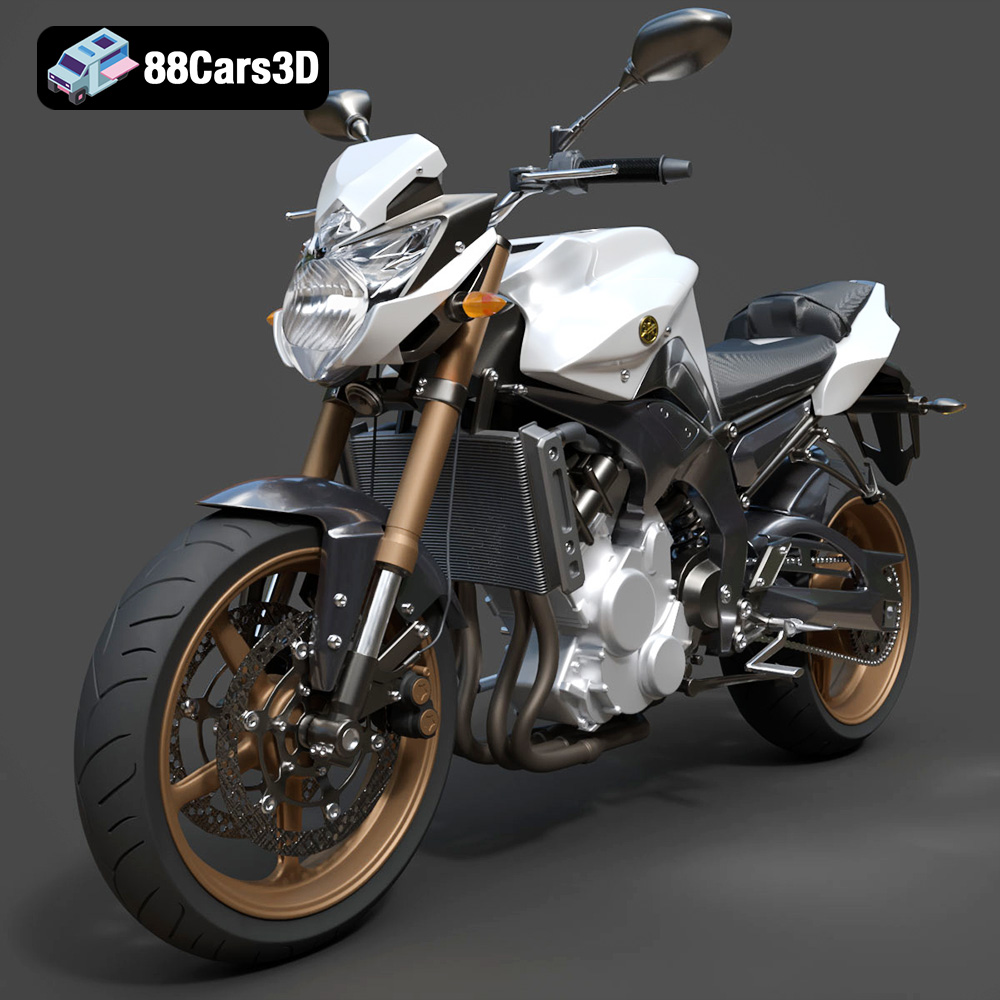
Yamaha FZ8 2011 3D Model
Texture: Yes
Material: Yes
Download the Yamaha FZ8 2011 3D Model featuring clean geometry, realistic detailing, and a fully modeled interior. Includes .blend, .fbx, .obj, .glb, .stl, .ply, .unreal, and .max formats for rendering, simulation, and game development.
Price: $19.99
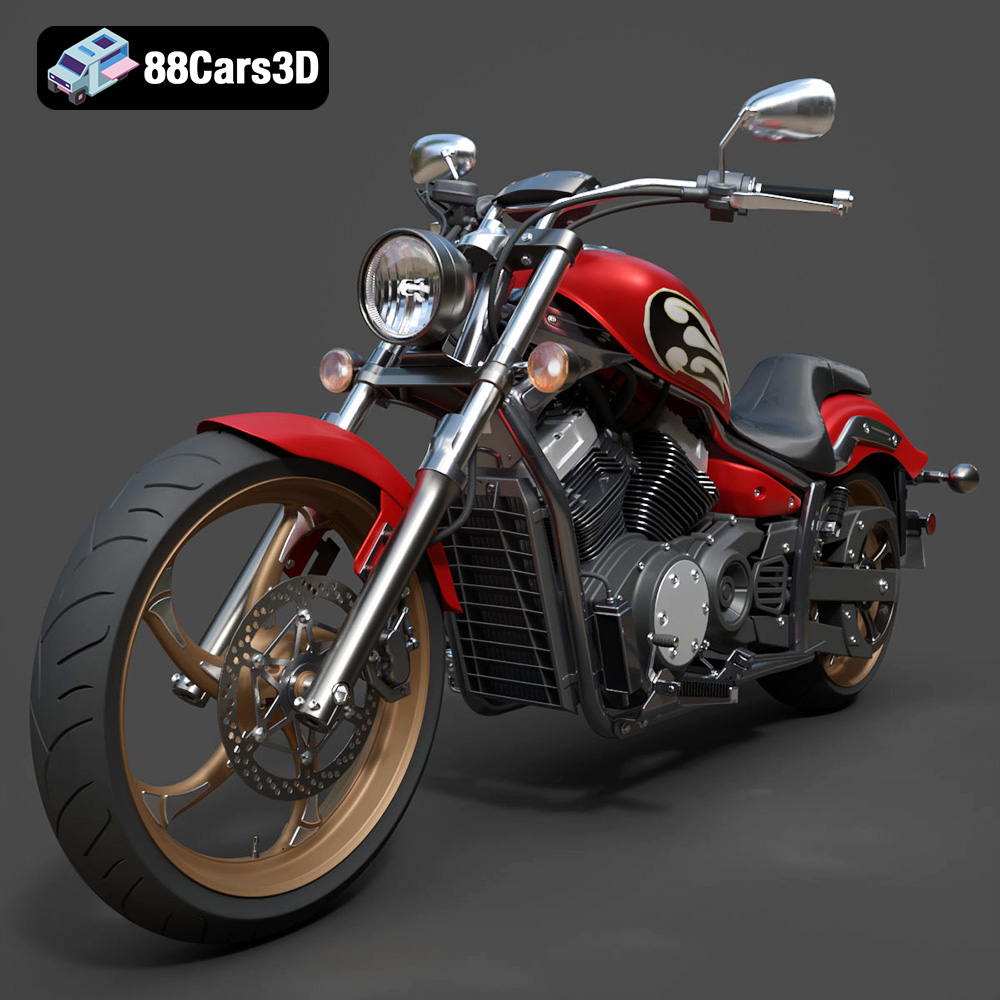
Yamaha Stryker 2012 3D Model
Texture: Yes
Material: Yes
Download the Yamaha Stryker 2012 3D Model featuring clean geometry, realistic detailing, and a fully modeled interior. Includes .blend, .fbx, .obj, .glb, .stl, .ply, .unreal, and .max formats for rendering, simulation, and game development.
Price: $19.99
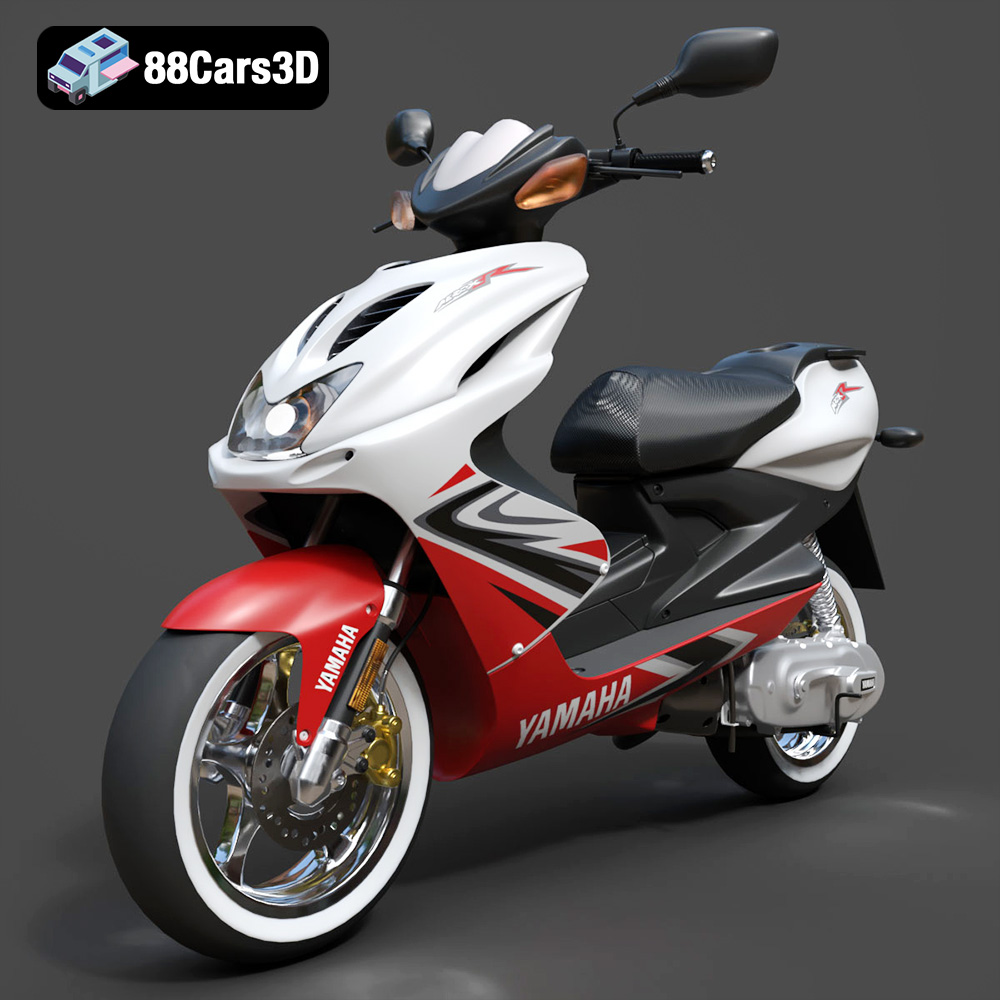
Yamaha Aerox R-002 2024 3D Model
Texture: Yes
Material: Yes
Download the Yamaha Aerox R-002 2024 3D Model featuring clean geometry, realistic detailing, and a fully modeled interior. Includes .blend, .fbx, .obj, .glb, .stl, .ply, .unreal, and .max formats for rendering, simulation, and game development.
Price: $19.99
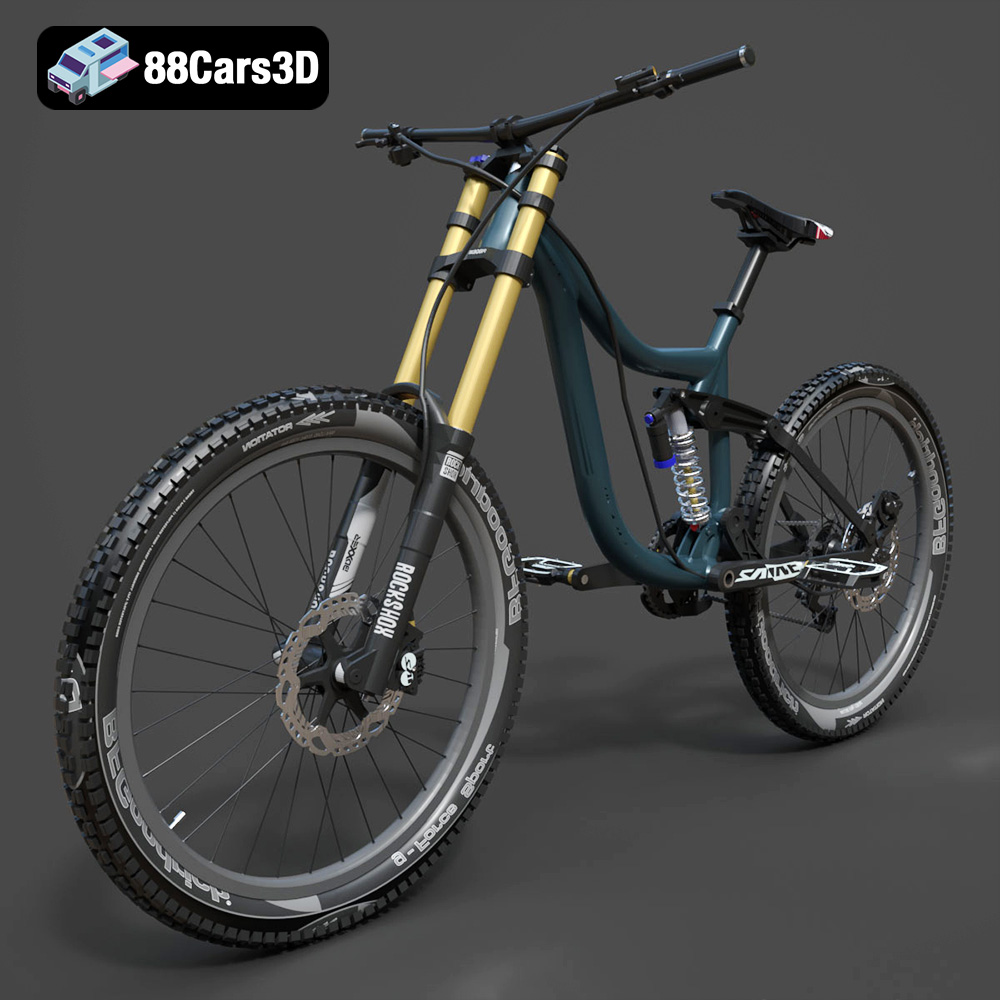
Mototsikly Downhill Bike-002 3D Model
Texture: Yes
Material: Yes
Download the Mototsikly Downhill Bike-002 3D Model featuring clean geometry, realistic detailing, and precise mechanical components. Includes .blend, .fbx, .obj, .glb, .stl, .ply, .unreal, and .max formats for rendering, simulation, and game development.
Price: $19.99
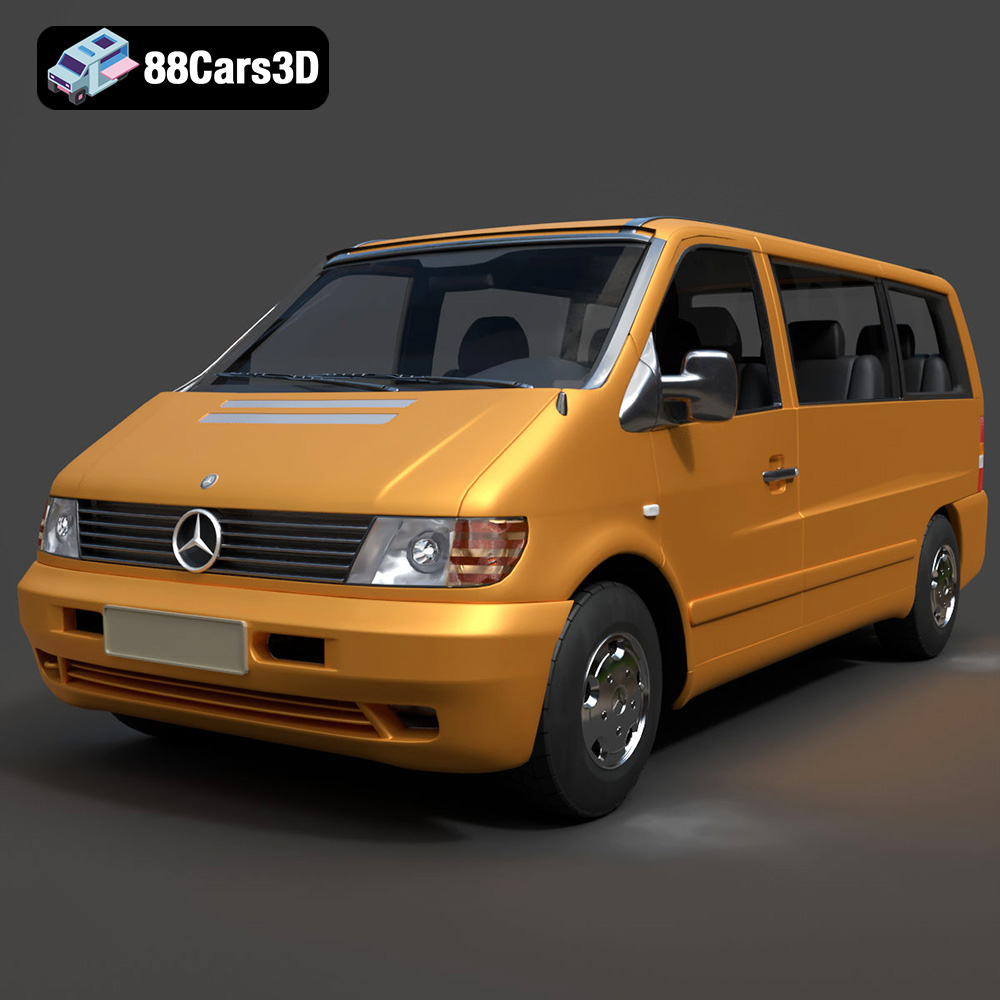
Mercedes-Benz Vito Passenger Van 3D Model
Texture: Yes
Material: Yes
Download the Mercedes-Benz Vito Passenger Van 3D Model featuring clean geometry, realistic detailing, and a fully modeled interior. Includes .blend, .fbx, .obj, .glb, .stl, .ply, .unreal, and .max formats for rendering, simulation, and game development.
Price: $19.99
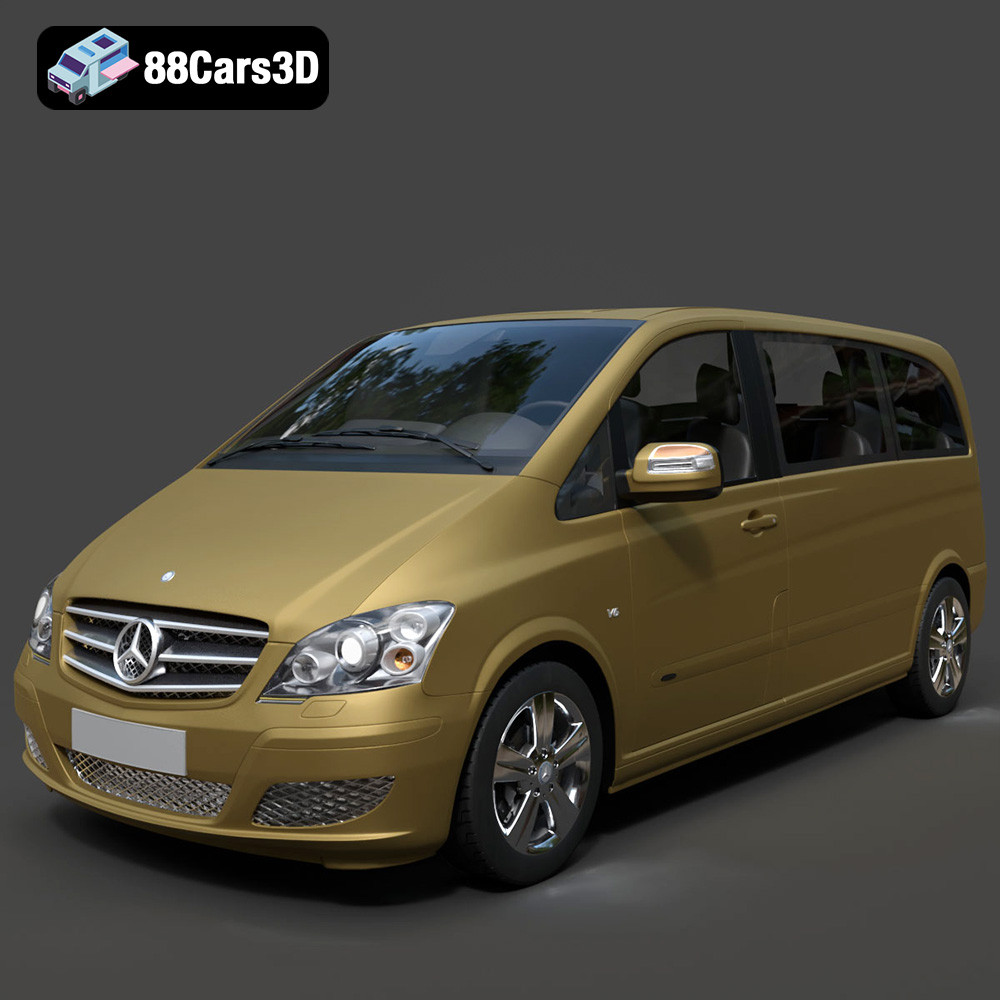
Mercedes-Benz Viano 2010 3D Model
Texture: Yes
Material: Yes
Download the Mercedes-Benz Viano 2010 3D Model featuring clean geometry, realistic detailing, and a fully modeled interior. Includes .blend, .fbx, .obj, .glb, .stl, .ply, .unreal, and .max formats for rendering, simulation, and game development.
Price: $19.99

Emt Avtobus 007 3D Model
Texture: Yes
Material: Yes
Download the Emt Avtobus 007 3D Model featuring clean geometry, realistic detailing, and a fully modeled interior. Includes .blend, .fbx, .obj, .glb, .stl, .ply, .unreal, and .max formats for rendering, simulation, and game development.
Price: $19.99
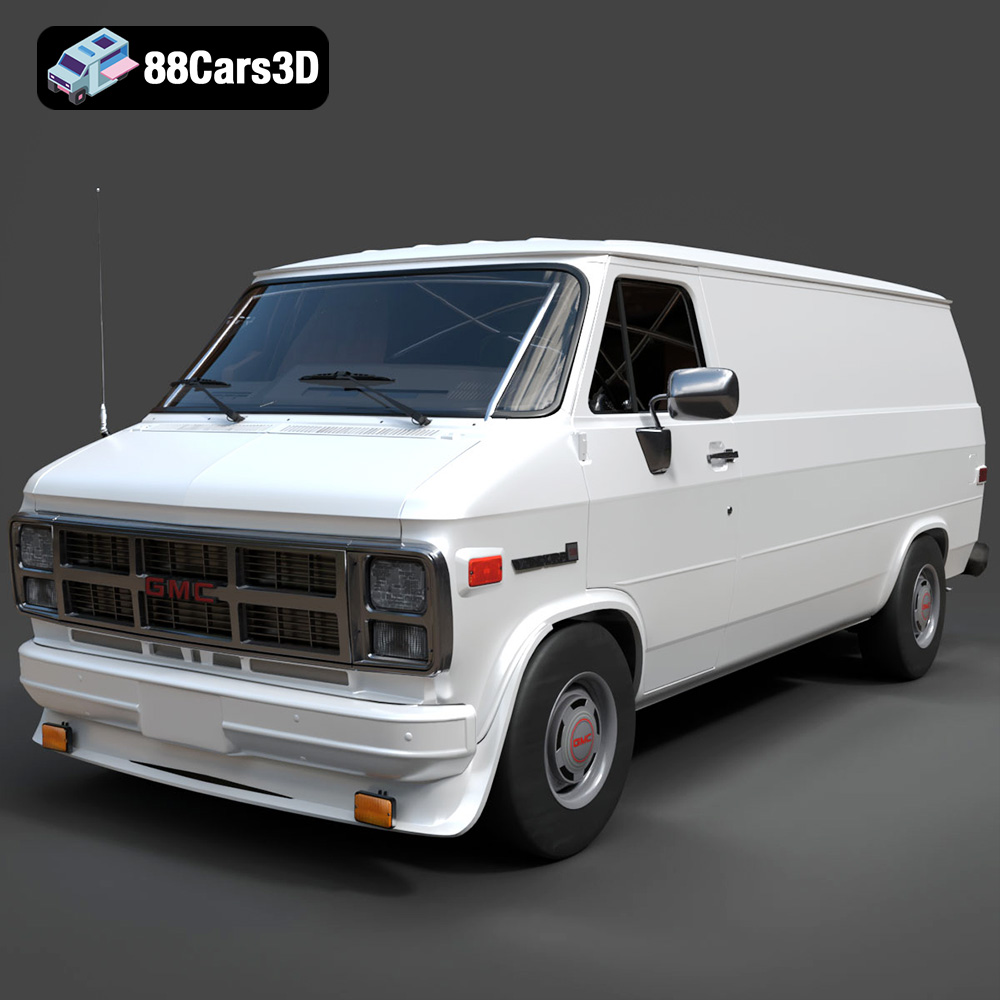
GMC Vandura G-1500 1983 3D Model
Texture: Yes
Material: Yes
Download the GMC Vandura G-1500 1983 3D Model featuring clean geometry, realistic detailing, and a fully modeled interior. Includes .blend, .fbx, .obj, .glb, .stl, .ply, .unreal, and .max formats for rendering, simulation, and game development.
Price: $19.99

Ford E-450 Ambulance 3D Model
Texture: Yes
Material: Yes
Download the Ford E-450 Ambulance 3D Model featuring clean geometry, realistic detailing, and a fully modeled interior. Includes .blend, .fbx, .obj, .glb, .stl, .ply, .unreal, and .max formats for rendering, simulation, and game development.
Price: $19.99

Fiat Ducato SWB-001 3D Model
Texture: Yes
Material: Yes
Download the Fiat Ducato SWB-001 3D Model featuring clean geometry, realistic detailing, and a fully modeled interior. Includes .blend, .fbx, .obj, .glb, .stl, .ply, .unreal, and .max formats for rendering, simulation, and game development.
Price: $19.99
