

“`html
Mastering the Details: Optimizing Wall Thickness and Support Settings for 3D Printed Vehicle Models
The allure of 3D printing lies in its ability to transform digital designs into tangible objects. For automotive enthusiasts and model makers, this means bringing iconic cars and custom builds to life in miniature. However, achieving a truly stunning, print-ready vehicle model from an STL file is an art form that demands precision, especially when it comes to crucial settings like wall thickness and support structures. These often-overlooked parameters can be the difference between a delicate, detailed print and a frustrating failure. In this comprehensive guide, we’ll dive deep into the technical nuances of optimizing these settings, ensuring your 3D printed car models, whether downloaded from curated marketplaces like 88cars3d.com or designed yourself, come off the print bed with breathtaking accuracy and structural integrity. We’ll cover everything from understanding STL file limitations to advanced slicing techniques, empowering you to tackle even the most intricate automotive designs.
The Foundation: Understanding Wall Thickness in STL Files
Wall thickness is a fundamental property of any 3D printable model, representing the minimum distance between any two surfaces of the object. For vehicle models, this is critical for ensuring delicate features like spoilers, mirrors, and intricate grille details are not only present in the digital file but also robust enough to survive the printing process and potential handling. When working with STL files, especially those downloaded from online repositories, the designer’s intent for wall thickness is often embedded within the mesh geometry. However, not all STL files are created equal. Some may suffer from non-manifold geometry, intersecting faces, or simply insufficient thickness on critical components, leading to prints that are fragile or incomplete.
Assessing and Repairing Wall Thickness Issues
Before even slicing, it’s crucial to inspect the downloaded STL file for potential weaknesses. Software like Meshmixer, Blender, or even dedicated STL repair tools like Netfabb offer invaluable capabilities. The goal is to identify areas where walls might be too thin, effectively ‘zero thickness,’ or where separate parts of the mesh might be unintentionally merged. A common workflow involves using the ‘Thickness’ or ‘Analyze’ tools within these programs to visually highlight problematic areas. For FDM printing, a general rule of thumb is to ensure that all walls are at least two extrusion widths thick to provide adequate strength and prevent delamination. For example, with a 0.4mm nozzle, aiming for a minimum wall thickness of 0.8mm to 1.2mm is a good starting point. Resin printers, with their higher resolution, can handle thinner walls, but structural integrity remains paramount, especially for parts exposed to stress.
The Impact of Layer Height on Effective Wall Thickness
It’s important to distinguish between the intended wall thickness in the 3D model and the *effective* wall thickness achieved during printing. This is directly influenced by the chosen layer height. A larger layer height, say 0.3mm, will inherently make thinner features less defined and potentially weaker compared to a finer layer height of 0.1mm. When slicing, your slicer software calculates how many extrusion lines will be laid down to form a wall of a specified thickness. If the desired wall thickness is less than two extrusion widths, the slicer might struggle to create a solid, continuous wall, leading to gaps or weak spots. Therefore, when dealing with very fine details or thin walls in your car models, selecting a smaller layer height is often necessary, even if it significantly increases print time.
Slicing Strategies for Robust Automotive Models
The slicer is where the digital STL file is translated into a series of layer-by-layer instructions for your 3D printer. Optimizing slicing parameters is paramount for achieving detailed and durable car models. Beyond basic settings like layer height and infill, specific slicer features can dramatically improve the quality and strength of your prints. This is where meticulous attention to detail, often found in print-ready files from curated sources like 88cars3d.com, really pays off. These vendors often pre-optimize their models for common slicing scenarios, but understanding the underlying principles allows for further fine-tuning.
Extrusion Width and Wall Count
The extrusion width, often linked to nozzle size but adjustable in slicer software, directly impacts how thick each printed line is. A larger extrusion width can increase print speed and potentially wall strength, but at the cost of fine detail. Conversely, a smaller extrusion width allows for greater detail but requires more passes to build up a solid wall. The wall count (or perimeter count) setting in your slicer is your primary control for wall thickness. Instead of setting an absolute thickness, most slicers build walls by drawing a specified number of perimeters. If your slicer’s extrusion width is set to 0.4mm, setting the wall count to 2 will result in an effective wall thickness of 0.8mm. For critical structural components or very fine details that need to withstand some stress, increasing the wall count to 3 or even 4 is a highly effective strategy. This ensures each wall is comprised of multiple solid layers of plastic, significantly boosting rigidity without the need for excessive infill.
Infill Patterns and Density: Balancing Strength and Material Usage
While solid walls provide the external integrity, the infill fills the internal void of a print. For vehicle models, especially those with hollow bodies, the infill plays a crucial role in supporting the walls from the inside and preventing collapse during printing or post-processing. The choice of infill pattern can significantly affect strength and print time. Patterns like ‘Grid,’ ‘Gyroid,’ or ‘Cubic’ offer good isotropic strength, meaning they are strong in multiple directions. For maximum durability, a higher infill density (e.g., 20-30%) is recommended. However, for purely display models, a lower infill density (5-10%) might suffice, saving material and reducing print time. Experimenting with different infill patterns can reveal surprising improvements in structural rigidity. For example, the ‘Gyroid’ pattern is known for its excellent strength-to-weight ratio and good stress distribution.
The Art of Support Structures: Enabling Delicate Details
Vehicle models are inherently complex, featuring overhangs, bridges, and intricate geometries that defy gravity. Support structures are temporary scaffolding printed alongside the model, providing a base for these overhanging elements to form correctly. Without adequate and well-placed supports, features like undercarriages, spoilers, windshield wipers, and even subtle body curves can sag, warp, or fail entirely. The goal is to generate supports that are effective, easy to remove, and minimize surface scarring on the final model.
Support Generation Settings in Your Slicer
Most slicers offer extensive control over support generation. Key settings include:
- Support Placement: ‘Touching Buildplate Only’ is ideal for prints with minimal overhangs or when the bottom of the model is largely flat. ‘Everywhere’ is necessary for models with significant internal overhangs or complex undercuts. For car models, ‘Everywhere’ is often the default choice to capture all necessary details.
- Support Overhang Angle: This setting determines at what angle an overhang will require support. A common starting point is 45-50 degrees. Lowering this angle means more support will be generated, potentially sacrificing detail. Increasing it might lead to print failures on shallower overhangs.
- Support Density: Similar to infill, this controls how dense the support material is. Lower density makes supports easier to remove but might not provide sufficient stability. Higher density offers better support but can be harder to break away cleanly.
- Support Interface: This is a crucial setting for cleaner removal. An interface layer is a denser, more solid layer printed at the top and bottom of the support structure, creating a smoother surface that interfaces with the model. This significantly reduces the amount of contact between the support and the actual model surface, minimizing scarring.
- Support Z Distance: This vertical gap between the support and the model dictates how easily supports can be detached. A smaller gap leads to better surface quality on the supported area but can make removal difficult. A larger gap eases removal but might leave a less polished finish.
For intricate car models, a slightly larger Support Z Distance (e.g., 0.2mm – 0.3mm for FDM) combined with a robust Support Interface is often the best compromise.
Manual Support Placement and Strategy
While automatic support generation is convenient, manual placement often yields superior results, especially for high-detail models. Software like Meshmixer or Lychee Slicer (for resin) allows you to add or remove individual support points. This is invaluable for strategically supporting delicate features without generating excessive, hard-to-reach supports. For example, you might manually add a small support under a sharply angled spoiler lip or carefully place supports to prevent the collapse of thin exhaust pipes. It’s also wise to consider print orientation when deciding on support strategies. Sometimes, rotating the model slightly can drastically reduce the need for complex supports. For instance, printing a car body upside down might require fewer supports for the underside than printing it right-side up.
Bridging Technologies: FDM vs. Resin Printing for Automotive Models
The choice between FDM (Fused Deposition Modeling) and resin (SLA/DLP/MSLA) printing profoundly impacts how you approach wall thickness and support settings, owing to their fundamental differences in technology and resolution. Understanding these differences is key to selecting the right approach for your specific automotive project.
FDM Printing: Strength, Scale, and Layer Lines
FDM printers are workhorses, extruding melted filament layer by layer. They excel at printing larger models and robust parts. When it comes to wall thickness on FDM, remember the extrusion width. A minimum of two extrusion widths is generally recommended for structural integrity. For very fine details, consider using a smaller nozzle size (e.g., 0.2mm or 0.3mm) in conjunction with a lower layer height (0.1mm or 0.15mm). This combination can capture more detail but significantly increases print time. Supports on FDM are typically made of the same material, requiring careful removal. Utilizing dissolvable support materials (like PVA or HIPS) with a dual-extruder printer can be a game-changer for complex models, allowing for easy removal by dissolving the support material in water or a specific solvent, leaving the intricate model pristine.
Resin Printing: Detail, Delicacy, and Post-Processing
Resin printers offer significantly higher resolution, making them ideal for capturing the intricate details of car models – think badges, panel lines, and tiny accessories. With resin, you can achieve much thinner walls (potentially down to 0.1mm or even less, depending on the resin and printer) and incredibly fine details. However, resin prints are generally more brittle and require thorough post-processing, including washing and UV curing. Support structures for resin prints are typically thinner and more numerous. Auto-generated supports are common, but manual placement is highly recommended for optimal results and easier removal. Consider using tree-like supports, which converge on a single point, minimizing contact scars. The careful removal of resin supports, often involving flush cutters and hobby knives, is crucial to preserve the delicate details of your miniature vehicle.
Print Orientation and Bed Adhesion: The Unsung Heroes
How you orient your car model on the print bed and ensure it adheres properly are critical steps that influence print success, support needs, and surface finish. These seemingly simple choices have profound technical implications.
Optimizing Orientation for Strength and Detail
The orientation of your model on the build plate dictates which surfaces will be printed flat against the bed, which will have overhangs, and which will be built vertically. For car models, printing them upright often presents the most challenges due to the extensive overhangs on the roof, hood, and trunk. Printing them on their side can simplify supports but might introduce layer lines on highly visible body panels. A common strategy is to print the car body upside down. This allows the underside details to be printed with fewer supports, and the roof, which typically has fewer intricate details, can be supported more easily. Experimentation is key, and often, rotating the model in small increments (e.g., 15-degree rotations) can reveal an orientation that minimizes the total volume of support material needed and improves the overall surface quality on key visible areas. Always consider the Z-axis strength; FDM prints are weakest between layers, so orienting critical components to bear stress along the print lines rather than perpendicular to them can improve durability.
Ensuring Reliable Bed Adhesion
A successful print begins with a print that doesn’t detach from the build plate mid-print. For FDM, this often involves:
- Leveling the Build Plate: A perfectly level bed ensures the first layer adheres uniformly across its surface.
- Cleaning the Build Surface: Oils from fingerprints or residue from previous prints can inhibit adhesion. Isopropyl alcohol is your best friend here.
- Adhesion Aids: For challenging materials like ABS or large prints, consider using glues sticks, hairspray, or specialized build surface sheets like PEI.
- Brim or Raft: A brim adds a single layer of extruded material around the base of the print, increasing the contact area with the build plate. A raft prints a thick, disposable base beneath the model, providing a stable foundation. For car models with potentially small contact areas, a brim is often sufficient and easier to remove than a raft.
For resin printers, proper adhesion is typically achieved by ensuring the build plate is clean and the initial ‘exposure’ settings for the first few layers are sufficient to bond the print to the plate. Issues with adhesion in resin printing often point to insufficient exposure time for the base layers or an uneven build plate.
Conclusion: Precision Printing for Automotive Excellence
Achieving high-quality, detailed 3D printed car models from STL files is a journey that requires a deep understanding of technical settings. Wall thickness and support structures are not mere afterthoughts; they are fundamental pillars of successful printing. By meticulously analyzing your STL files, optimizing slicer settings like extrusion width, wall count, infill patterns, and support density, and strategically choosing print orientation, you can overcome common printing challenges. Whether you are using FDM or resin technology, mastering these parameters will elevate your automotive creations from amateur attempts to professional-grade models. Remember that platforms like 88cars3d.com provide meticulously prepared STL files, offering a fantastic starting point. However, armed with the knowledge from this guide, you can further refine your slicing process to unlock the full potential of each digital design, ensuring your printed vehicles are not just replicas, but masterpieces of additive manufacturing.
“`
Featured 3D Car Models
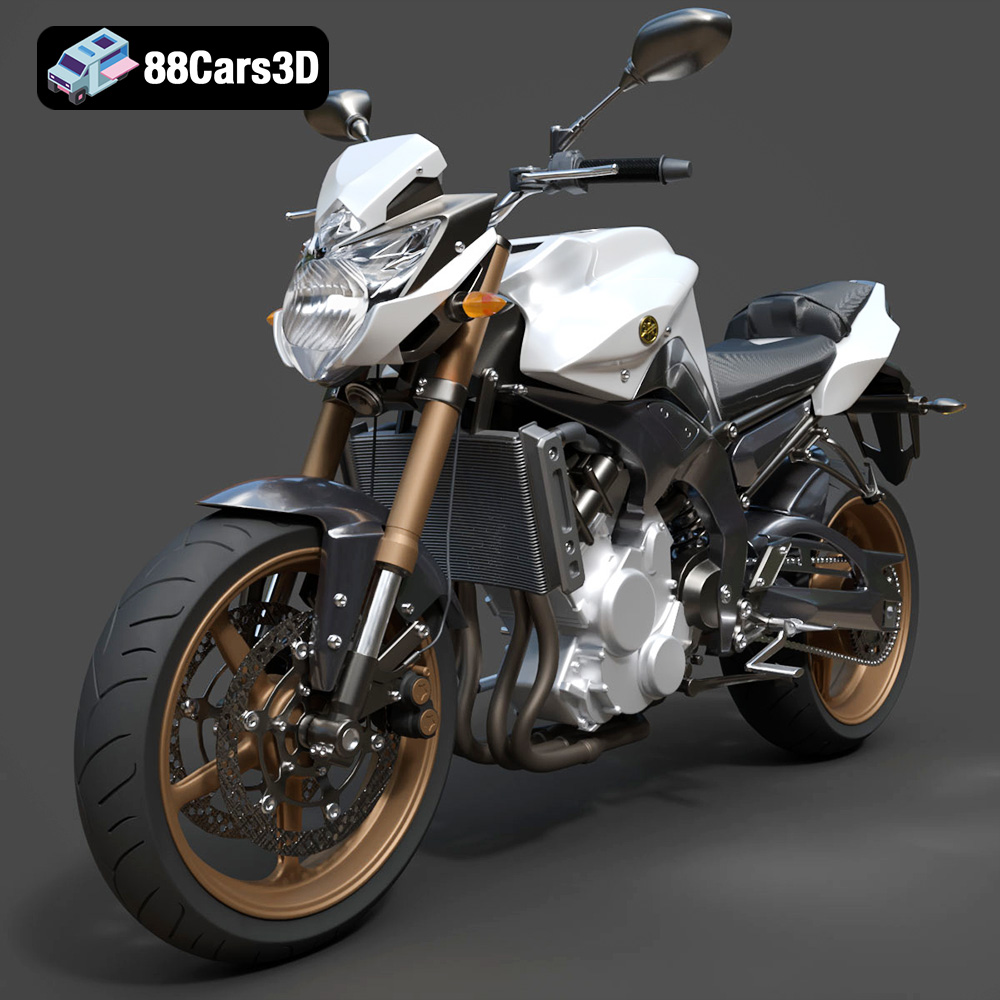
Yamaha FZ8 2011 3D Model
Texture: Yes
Material: Yes
Download the Yamaha FZ8 2011 3D Model featuring clean geometry, realistic detailing, and a fully modeled interior. Includes .blend, .fbx, .obj, .glb, .stl, .ply, .unreal, and .max formats for rendering, simulation, and game development.
Price: $19.99
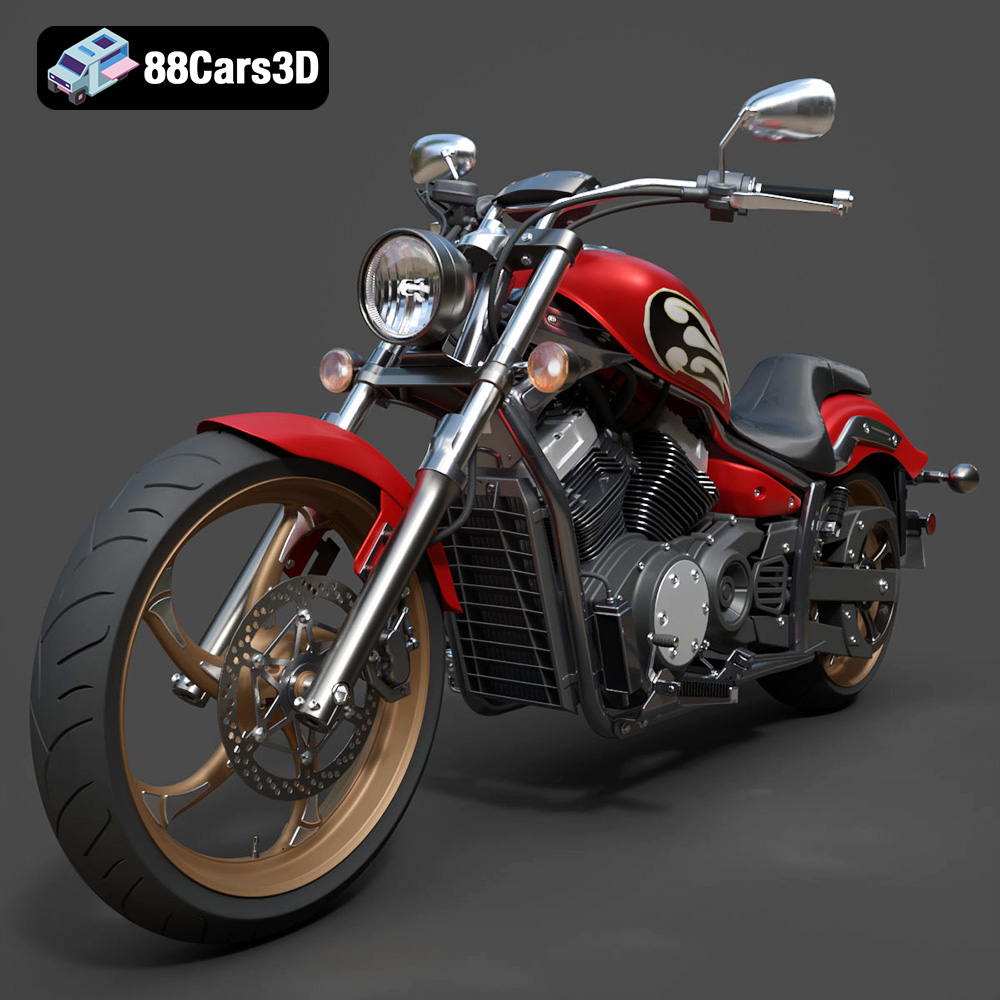
Yamaha Stryker 2012 3D Model
Texture: Yes
Material: Yes
Download the Yamaha Stryker 2012 3D Model featuring clean geometry, realistic detailing, and a fully modeled interior. Includes .blend, .fbx, .obj, .glb, .stl, .ply, .unreal, and .max formats for rendering, simulation, and game development.
Price: $19.99
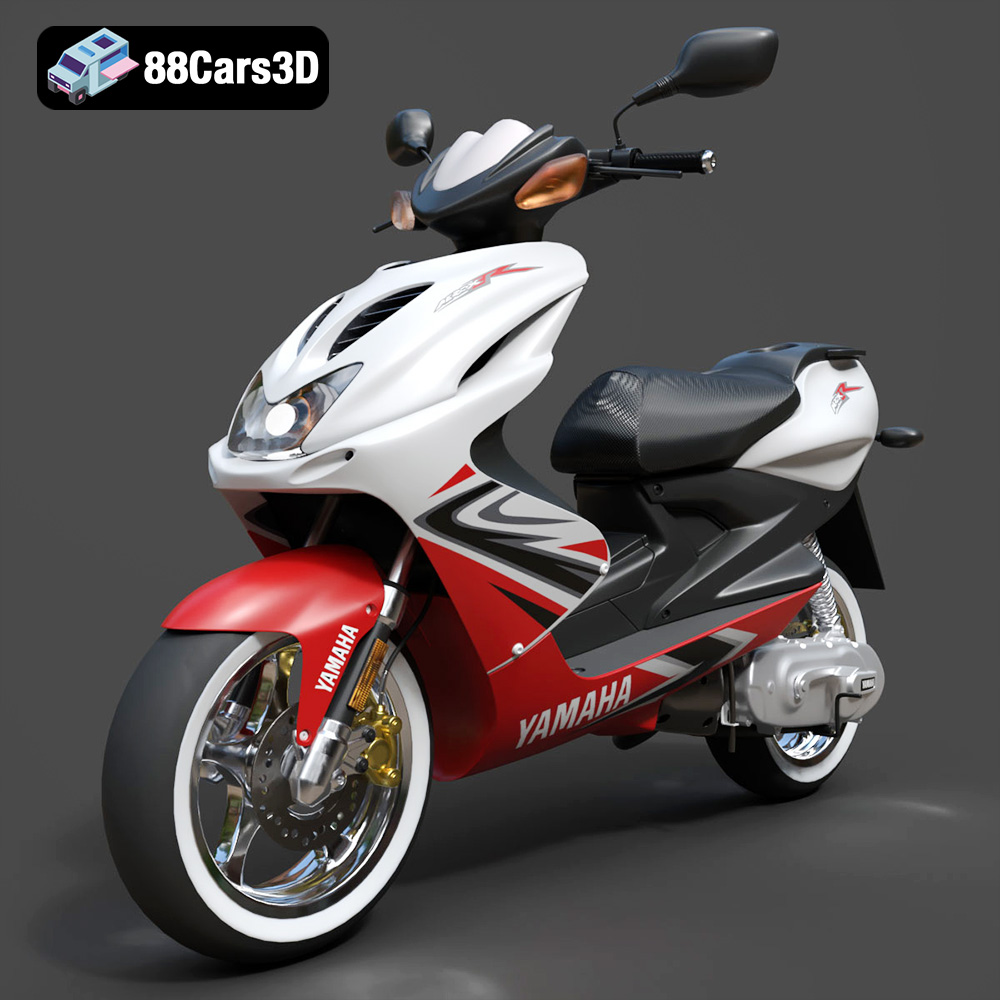
Yamaha Aerox R-002 2024 3D Model
Texture: Yes
Material: Yes
Download the Yamaha Aerox R-002 2024 3D Model featuring clean geometry, realistic detailing, and a fully modeled interior. Includes .blend, .fbx, .obj, .glb, .stl, .ply, .unreal, and .max formats for rendering, simulation, and game development.
Price: $19.99
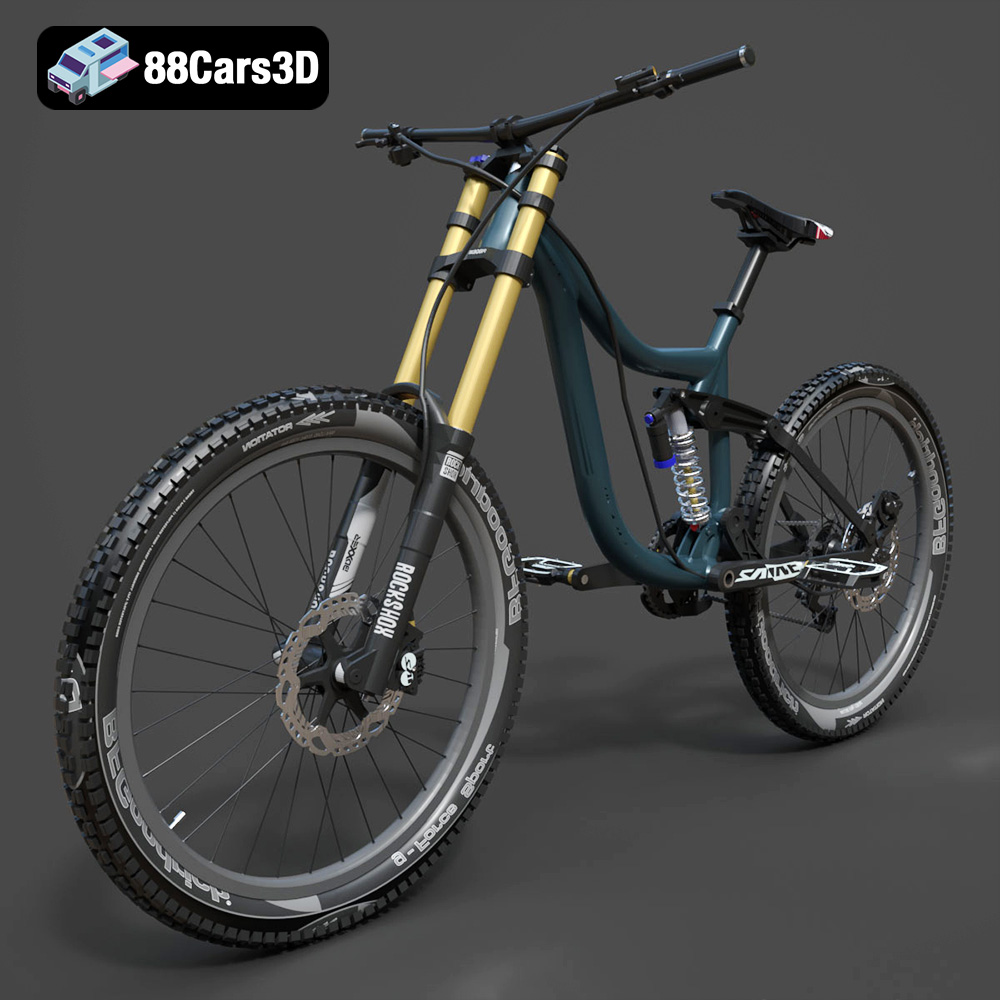
Mototsikly Downhill Bike-002 3D Model
Texture: Yes
Material: Yes
Download the Mototsikly Downhill Bike-002 3D Model featuring clean geometry, realistic detailing, and precise mechanical components. Includes .blend, .fbx, .obj, .glb, .stl, .ply, .unreal, and .max formats for rendering, simulation, and game development.
Price: $19.99
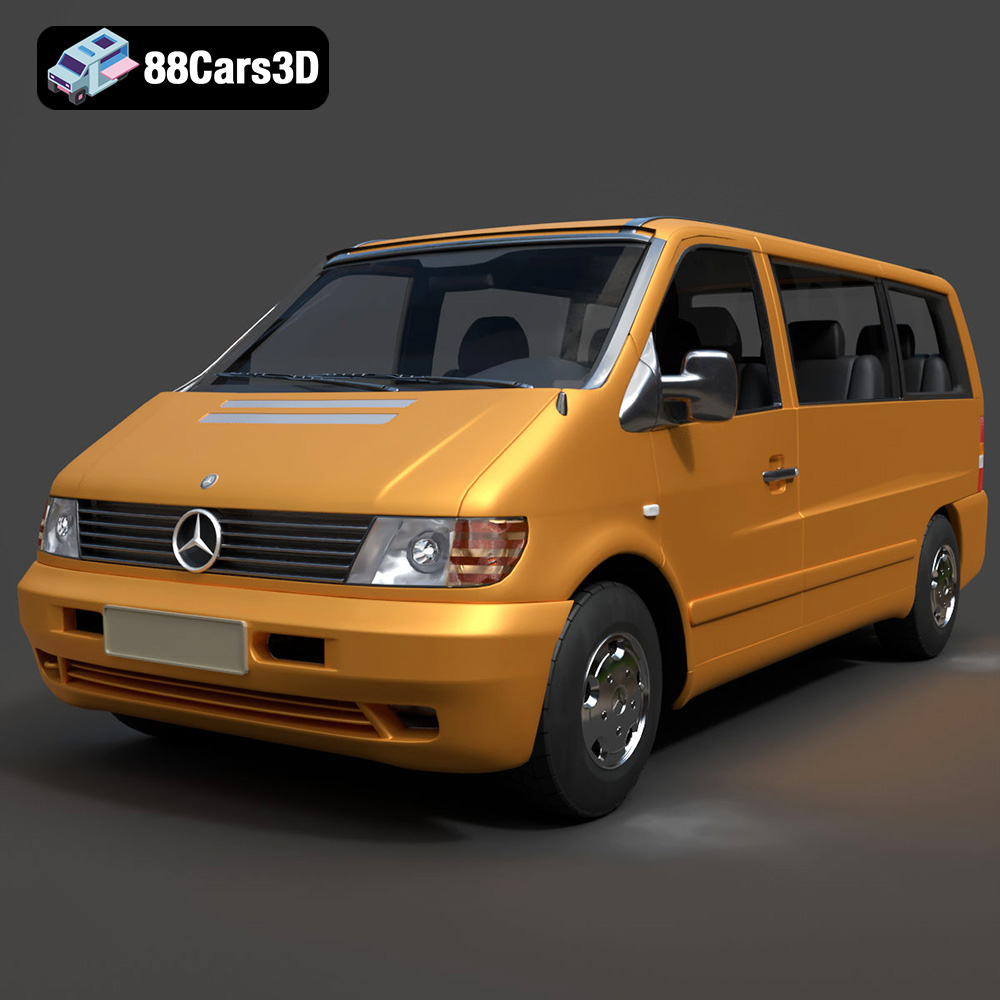
Mercedes-Benz Vito Passenger Van 3D Model
Texture: Yes
Material: Yes
Download the Mercedes-Benz Vito Passenger Van 3D Model featuring clean geometry, realistic detailing, and a fully modeled interior. Includes .blend, .fbx, .obj, .glb, .stl, .ply, .unreal, and .max formats for rendering, simulation, and game development.
Price: $19.99
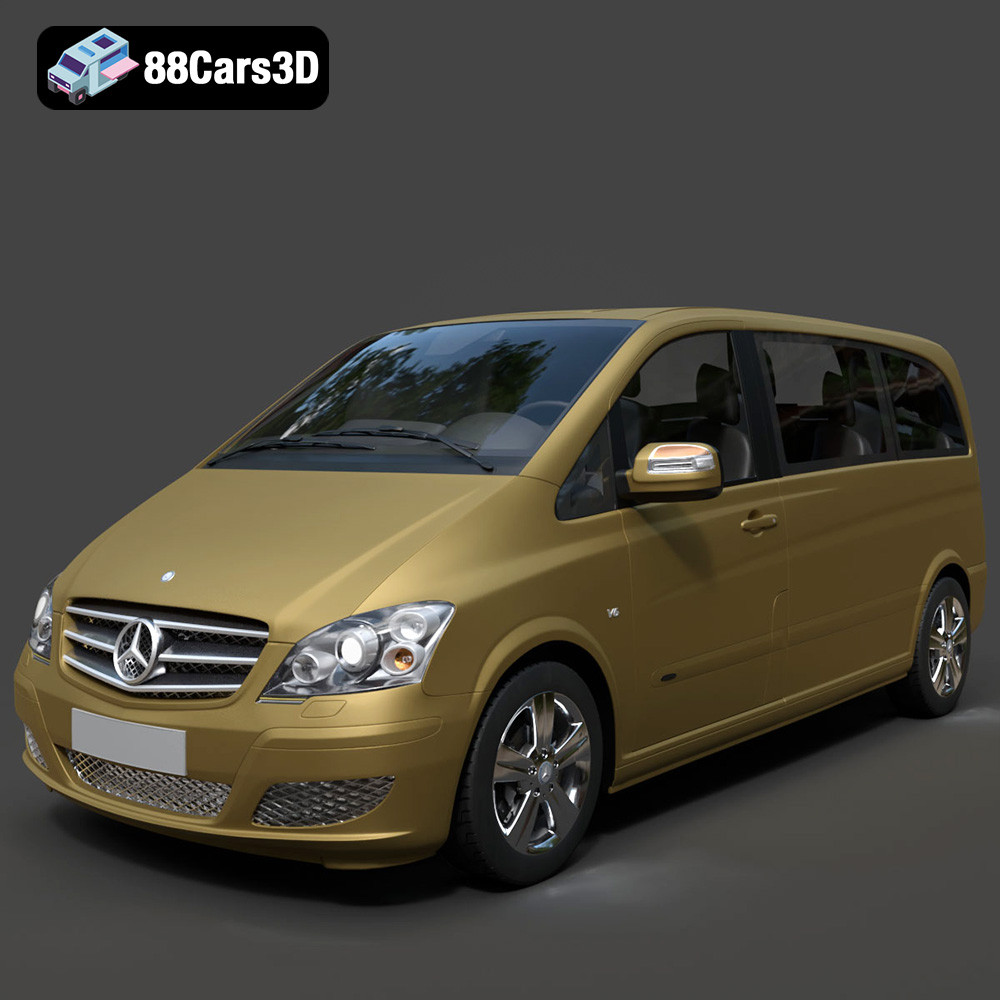
Mercedes-Benz Viano 2010 3D Model
Texture: Yes
Material: Yes
Download the Mercedes-Benz Viano 2010 3D Model featuring clean geometry, realistic detailing, and a fully modeled interior. Includes .blend, .fbx, .obj, .glb, .stl, .ply, .unreal, and .max formats for rendering, simulation, and game development.
Price: $19.99

Emt Avtobus 007 3D Model
Texture: Yes
Material: Yes
Download the Emt Avtobus 007 3D Model featuring clean geometry, realistic detailing, and a fully modeled interior. Includes .blend, .fbx, .obj, .glb, .stl, .ply, .unreal, and .max formats for rendering, simulation, and game development.
Price: $19.99
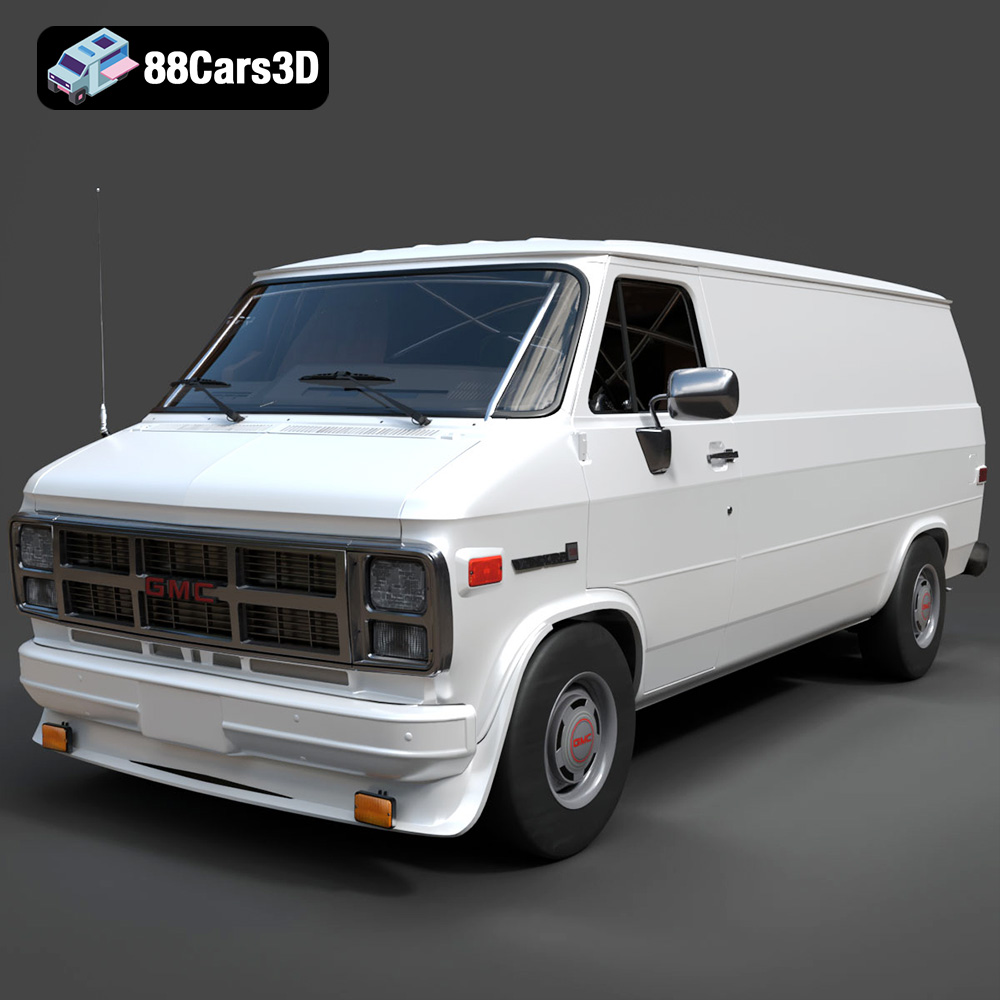
GMC Vandura G-1500 1983 3D Model
Texture: Yes
Material: Yes
Download the GMC Vandura G-1500 1983 3D Model featuring clean geometry, realistic detailing, and a fully modeled interior. Includes .blend, .fbx, .obj, .glb, .stl, .ply, .unreal, and .max formats for rendering, simulation, and game development.
Price: $19.99
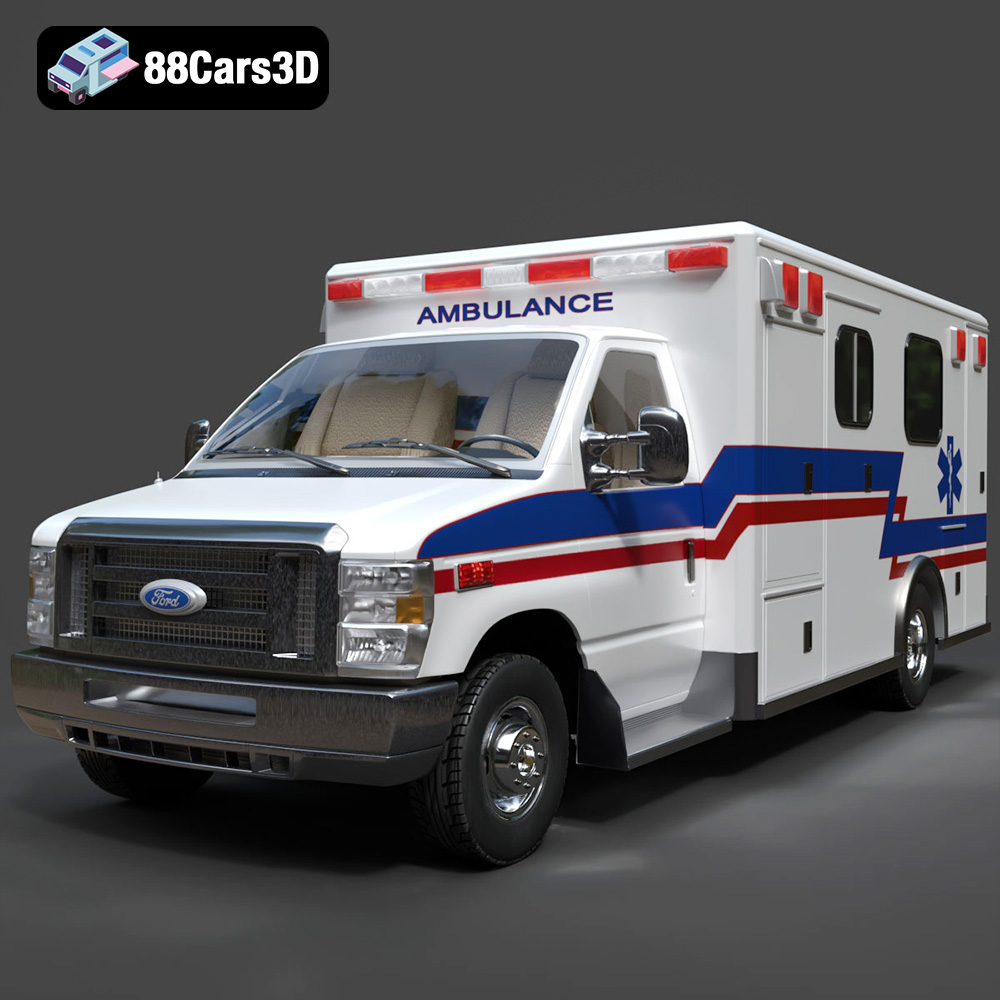
Ford E-450 Ambulance 3D Model
Texture: Yes
Material: Yes
Download the Ford E-450 Ambulance 3D Model featuring clean geometry, realistic detailing, and a fully modeled interior. Includes .blend, .fbx, .obj, .glb, .stl, .ply, .unreal, and .max formats for rendering, simulation, and game development.
Price: $19.99

Fiat Ducato SWB-001 3D Model
Texture: Yes
Material: Yes
Download the Fiat Ducato SWB-001 3D Model featuring clean geometry, realistic detailing, and a fully modeled interior. Includes .blend, .fbx, .obj, .glb, .stl, .ply, .unreal, and .max formats for rendering, simulation, and game development.
Price: $19.99
