

Mastering Unreal Engine’s Foliage System: Crafting Breathtaking Environments for Automotive Visualization
In the dynamic world of real-time rendering and virtual production, visual fidelity is paramount. While meticulously crafted 3D car models are undoubtedly the stars of any automotive visualization, their impact is profoundly amplified by the realism of their surrounding environments. Imagine a high-fidelity sports car showcased against a backdrop of barren, uninspired terrain – the magic is instantly lost. This is where Unreal Engine’s robust Foliage System becomes an indispensable tool. It empowers artists and developers to populate vast landscapes with lush, vibrant, and realistic vegetation, transforming a mere scene into an immersive experience.
This comprehensive guide will deep dive into the intricacies of Unreal Engine’s Foliage System, offering practical workflows, advanced techniques, and optimization strategies to help you create stunning natural environments. Whether you’re designing an open-world game, a photorealistic architectural visualization, or a cutting-edge automotive configurator, understanding how to effectively manage and render vegetation is crucial. We’ll explore everything from preparing your 3D assets to leveraging Unreal’s cutting-edge rendering features like Nanite and Lumen, ensuring your environments are as captivating as the vehicles you place within them. By the end of this article, you’ll be equipped with the knowledge to craft truly believable and performance-optimized natural settings, making your automotive showcases truly shine.
1. Foundations of Realistic Vegetation in Unreal Engine
Creating believable natural environments in Unreal Engine begins with a solid understanding of the principles behind realistic vegetation and the overall asset pipeline. Foliage isn’t just a static backdrop; it interacts with light, wind, and even the player, contributing significantly to the sense of immersion. For automotive visualization, placing high-quality car models from platforms like 88cars3d.com into an unconvincing environment can detract from the vehicle’s appeal. Therefore, the goal is always to achieve a synergy between your hero assets and their surroundings.
The journey starts with selecting and preparing high-quality 3D assets. While you can create your own, many marketplaces offer pre-made foliage packs. Look for models with clean topology, efficient UV layouts, and PBR (Physically Based Rendering) textures. Essential maps typically include Albedo (Base Color), Normal, Roughness, and an Alpha/Opacity map for transparent elements like leaves. Consider the context: is this a dense forest, a manicured garden, or sparse desert vegetation? This will inform your asset selection and density settings later on. Understanding the different types of foliage (trees, bushes, grass, ground cover) and their typical scales is also crucial for maintaining visual consistency.
1.1. Understanding Foliage Asset Requirements and PBR Principles
For foliage assets, clean geometry is paramount. Leaves are typically represented by planes with alpha-masked textures to save on polygon count. Branches might be more detailed, and trunks should have a good tessellation level, especially for close-up shots. A common guideline for individual foliage instances (e.g., a single grass clump or a small bush) might range from a few hundred polygons to several thousand for a complex tree. However, with technologies like Nanite, these constraints are becoming more flexible for static meshes, which we’ll discuss later.
PBR materials are fundamental for achieving realism. Each texture map plays a vital role:
* Base Color (Albedo): Represents the diffuse color without lighting information.
* Normal Map: Provides surface detail without adding geometry, crucial for bark textures and leaf veins.
* Roughness Map: Controls how light reflects off the surface. Wet leaves are typically smoother (lower roughness), while dry bark is rougher (higher roughness).
* Metallic Map: Generally not used for organic foliage, as plants are non-metallic.
* Specular Map: Replaced by Roughness in modern PBR workflows, but some older assets might still use it.
* Ambient Occlusion (AO) Map: Adds subtle self-shadowing details, enhancing depth.
* Opacity Map (Alpha): Essential for transparent parts of leaves and grass. Using masked materials for foliage is generally preferred over translucent for performance reasons.
1.2. The Role of LODs and Instancing for Performance
Even with high-quality assets, simply placing thousands of unique meshes will cripple performance. This is where Level of Detail (LOD) and instancing come into play. LODs are simplified versions of your mesh that are automatically swapped in based on the camera’s distance. A tree seen from afar needs far fewer polygons than one up close. A typical foliage asset might have 3-5 LODs, progressively reducing polygon count and texture resolution. For example, a tree’s LOD0 might have 30,000 polygons, while LOD4 might drop to 500, consisting mainly of a billboard plane.
Instancing is Unreal Engine’s way of rendering multiple identical meshes efficiently. Instead of treating each tree as a separate draw call, Unreal groups them into a single instanced static mesh component. This drastically reduces CPU overhead and improves rendering performance, making dense foliage possible. The Foliage Tool inherently leverages instancing, which is a major reason for its efficiency. Properly set up LODs ensure that these instances are rendered with the appropriate complexity, further optimizing performance across large environments.
2. Preparing Foliage Assets for Unreal Engine
Before you can paint vast forests or sprawling meadows, your individual foliage assets need meticulous preparation in a 3D modeling application and then proper setup within Unreal Engine. This involves optimizing geometry, creating robust material instances, and ensuring seamless integration with Unreal’s various systems, including its sophisticated wind and lighting models. A well-prepared asset library forms the backbone of any visually compelling and performant environment.
The goal during preparation is to strike a balance between visual fidelity and performance efficiency. While modern technologies allow for higher polygon counts, careful optimization remains crucial, especially for assets that will be instanced thousands of times. This section will guide you through the technical steps involved in getting your foliage assets ready for the Unreal Engine ecosystem, laying the groundwork for realistic environment creation.
2.1. Mesh Optimization and LOD Generation
High-fidelity 3D car models, such as those available on 88cars3d.com, demand equally detailed surroundings. However, dense foliage can quickly overwhelm even powerful systems if not optimized. Start by ensuring your source meshes are clean. Remove any unnecessary edges or faces. For trees, create separate meshes for the trunk and branches/leaves if possible, as this allows for more flexible material assignments and LOD strategies.
LOD generation is critical. You can create LODs manually in your 3D application or use Unreal Engine’s built-in Automatic LOD Generation. For organic assets like trees and bushes, manual LODs often yield better results, as you can specifically simplify elements like branches and leaf clusters. When generating LODs, aim for significant polygon reduction (e.g., 50% for each step) while maintaining recognizable silhouettes. For the lowest LODs, especially for distant trees, consider using billboard planes with baked textures to represent the entire tree. These “imposters” are incredibly efficient. When importing into Unreal, ensure your mesh has proper collision settings configured, typically using simple box or capsule collisions for foliage, or even no collision for purely cosmetic elements like grass.
2.2. Setting Up PBR Materials and Transparency for Foliage
Once your meshes are optimized, attention shifts to materials. In Unreal Engine’s Material Editor, create a master material for your foliage that leverages PBR textures. Key considerations include:
* **Shading Model:** Use “Default Lit.”
* **Blend Mode:** For leaves and grass, use “Masked.” This requires an Opacity Mask texture (often a grayscale version of your alpha channel) to define transparent and opaque areas. Masked materials are more performant than translucent materials for foliage as they don’t incur the same sorting and overdraw costs.
* **Two Sided Foliage:** Enable the “Two Sided Foliage” shading model for leaves to correctly calculate light interaction on both sides, simulating subsurface scattering more effectively without using a complex translucent material. This is found under the “Shading Model” dropdown.
* **Texture Samplers:** Connect your Base Color, Normal, Roughness, and Opacity Mask textures to their respective pins.
* **Subsurface Color:** For realistic leaf penetration, multiply your Base Color by a subtle green or yellow tint and connect it to the `Subsurface Color` input. This simulates light scattering through the leaf tissue.
* **Wind Integration:** Create a material function or directly implement logic within your master material to simulate wind. This typically involves using the `SpeedTreeWind` node (if using SpeedTree assets) or custom world position offset logic based on sine waves, `PerInstanceRandom`, and `Time` nodes to create a subtle sway. The strength of the wind can be controlled by material parameters.
3. Mastering the Unreal Engine Foliage Tool
The Unreal Engine Foliage Tool is the heart of creating expansive and believable natural environments. It allows artists to efficiently paint thousands of instances of static meshes onto terrain and other surfaces, leveraging instancing for optimal performance. Understanding its various modes, settings, and hidden capabilities is crucial for populating your scenes with lush vegetation that perfectly complements your hero automotive assets.
Far beyond simple brush strokes, the Foliage Tool offers granular control over distribution, scaling, rotation, and even interaction with existing geometry. Mastering this tool means achieving organic, natural-looking placements that avoid repetitive patterns, breathe life into your landscapes, and create the perfect backdrop for your high-quality vehicle renders or simulations.
3.1. Painting, Erasing, and Selecting Foliage
The Foliage Tool is accessed via the “Modes” dropdown in the Unreal Editor (Shift+7). Once activated, you’ll see the “Foliage” panel.
1. **Add Assets:** Drag your prepared Static Mesh assets (with their optimized LODs and materials) from the Content Browser into the “Foliage Types” list at the top of the panel. You can add multiple types of foliage (different trees, bushes, grass clumps).
2. **Painting:**
* Select the foliage type(s) you want to paint.
* Choose the “Paint” mode.
* Adjust the **Brush Size** to control the area of effect.
* **Paint Density** determines how many instances are placed per unit area. Start low and increase gradually.
* **Paint Color** and **Paint Randomness** allow you to tint instances and add slight variations.
* Left-click and drag on your landscape or static meshes to paint. Hold Shift for continuous painting.
3. **Erasing:** Switch to “Erase” mode and brush over existing foliage to remove it.
4. **Selecting:**
* “Select” mode allows you to pick individual instances or groups. You can use rectangle selection, lasso, or individual clicks.
* Once selected, you can move, rotate, scale, or delete instances. This is particularly useful for fine-tuning hero foliage elements or clearing areas for specific placements, such as car showrooms or roads.
3.2. Advanced Placement Settings and Collision
The true power of the Foliage Tool lies in its detailed settings, accessible by clicking on each foliage type in the “Foliage Types” list.
* **Placement:**
* **Z Offset:** Adjusts the vertical position of instances, useful for embedding roots slightly or raising grass above the ground.
* **Align to Normal:** Instances will rotate to match the surface normal, essential for placing foliage on sloped terrain.
* **Random Yaw:** Introduces random rotation around the Z-axis, vital for breaking up repetition.
* **Random Pitch:** Adds slight tilt, enhancing natural variation.
* **Scaling:** Define minimum and maximum scale values for random scaling, preventing uniform-looking plants.
* **Cull Distance:** Set the distance at which foliage instances are no longer rendered. This is a crucial optimization step. For grass, this might be 5000 units, for large trees, 20000 units or more.
* **Collision:**
* Foliage instances use the collision settings defined on their Static Mesh asset. For large trees, a simple box or capsule collision (set to `BlockAll` or `BlockAllDynamic`) is usually sufficient if players/vehicles need to interact. For grass and small bushes, `NoCollision` or `OverlapAll` is often preferred to save performance.
* Ensure your vehicle physics are interacting correctly with the environment. If your car models (e.g., from 88cars3d.com) are meant to drive through dense bushes, consider setting foliage collision to `Overlap` for a less jarring experience than `Block`.
3.3. Foliage on Static Meshes and Exclusion Volumes
While primarily used on landscapes, the Foliage Tool can also paint instances onto other static meshes. This is incredibly useful for adding moss to rocks, vines to buildings, or ground cover around complex terrain features not part of the main landscape. Simply ensure the static mesh has its “Affect Distance Field Lighting” and “Generate Mesh Distance Fields” properties enabled if you’re using DFAO.
For areas where you explicitly *don’t* want foliage – like roads, paths, or building footprints – you can use **Foliage Blocking Volumes**. Create a `Blocking Volume` (under the “Volumes” tab in the “Place Actors” panel), scale it to cover the exclusion zone, and in its details panel, set its `Brush Type` to “Foliage Blocking Volume.” This will prevent the Foliage Tool from painting within its bounds and can also remove existing foliage. This is particularly useful for ensuring clean car placements or test tracks without having to manually erase around them.
4. Advanced Foliage Material Creation and Interaction
Beyond basic PBR setup, advanced material techniques can elevate foliage realism dramatically. Implementing dynamic wind, realistic subsurface scattering, and interactive properties creates a living, breathing environment that responds to its surroundings and player actions. These sophisticated material setups, while requiring a deeper understanding of Unreal Engine’s Material Editor, are key to achieving cinematic quality for your automotive showcases and immersive game worlds.
This section delves into how to leverage the full power of Unreal’s material system to add that extra layer of polish and responsiveness to your vegetation. We’ll explore methods to simulate natural phenomena, making your foliage assets not just look real, but also feel dynamic and integrated into the scene.
4.1. Implementing Dynamic Wind Effects
Dynamic wind is crucial for believable foliage. Static plants instantly break immersion. Unreal Engine offers robust ways to simulate wind:
* **SpeedTree Wind Node:** If your foliage assets are from SpeedTree, Unreal’s `SpeedTreeWind` node (and associated `SpeedTree` component on the Static Mesh) is the most powerful and efficient option. It provides highly customizable wind strength, direction, turbulence, and rustling effects, driven by a global wind actor.
* **Custom World Position Offset (WPO):** For non-SpeedTree assets, you can create a custom wind effect using the Material Editor. This typically involves:
* Sampling `Time` and combining it with `Sine` or `Cos` waves.
* Multiplying this by `PerInstanceRandom` to ensure each instance sways uniquely, avoiding a synchronized, robotic look.
* Using a `VertexNormalWS` or `VertexColor` to control the intensity of the sway, preventing the base of the plant from moving too much. For example, painting red vertex color at the top of the leaves and green at the base allows you to mask the wind effect.
* Connecting the result to the `World Position Offset` input of your material.
* Expose parameters like `WindStrength` and `WindSpeed` to material instances, allowing for easy adjustments in your scene.
* **Global Wind Actor:** Add a `Wind Directional Source` actor to your scene. This actor influences materials that use the `SpeedTreeWind` node or access its properties (like `WindDirection` and `WindStrength`) through Blueprint or material parameters. This allows for consistent, scene-wide wind effects.
4.2. Subsurface Scattering for Realistic Leaves
Subsurface scattering (SSS) is the phenomenon where light penetrates a surface, scatters beneath it, and then exits at a different point. This is what makes leaves appear translucent and glow when backlit.
* **Two Sided Foliage Shading Model:** As mentioned, enabling the “Two Sided Foliage” shading model in your material is the primary way to achieve SSS for foliage in Unreal. It calculates a basic SSS effect on the backfaces of your geometry, making them appear softer and allowing some light to pass through.
* **Subsurface Color Input:** Connect a color to the `Subsurface Color` input (typically a green or yellow tint). This color will be mixed with the diffuse color when light scatters through the surface. Experiment with different shades to match your specific plant types.
* **Advanced SSS Techniques:** For extremely high-fidelity close-ups, you *could* use a more complex SSS profile, but this is usually reserved for character skin or very specific hero assets due to performance cost. For most foliage, the “Two Sided Foliage” shading model provides an excellent balance of realism and performance.
4.3. Interactive Foliage and Blueprint Integration
For truly immersive experiences, especially in games or interactive automotive showcases, foliage can react to player or vehicle presence.
* **Blueprint-driven Interaction:**
* Create a Blueprint Actor for your interactive foliage. This could be a static mesh with a custom material instance.
* Add a `Collision Volume` (e.g., `Sphere Collision` or `Box Collision`) set to `OverlapAllDynamic`.
* In the Event Graph, use `OnComponentBeginOverlap` and `OnComponentEndOverlap` events to detect when a player or vehicle enters/exits the volume.
* When overlapping, set a `Material Parameter` (e.g., `InteractionStrength`) on the foliage material instance.
* In the foliage material, use this `InteractionStrength` parameter to drive `World Position Offset` to simulate pushing the foliage aside. You can also use `Lerp` nodes to smooth the transition.
* You might also use a `Dynamic Material Instance` for the foliage, allowing you to modify its properties at runtime.
* **Niagara Particle Systems:** For dynamic effects like falling leaves in a gust of wind or rustling particles when brushed against, Niagara can be integrated. Create a Niagara system for leaves, define their spawn rate, velocity, and lifetime. Trigger this system via Blueprint when a vehicle or player interacts with a foliage cluster, providing an extra layer of realism. This can be fantastic for adding environmental storytelling around a parked car.
5. Optimizing Foliage for Real-Time Performance
While Unreal Engine excels at visual fidelity, dense foliage is notoriously demanding on system resources. Achieving a balance between stunning visuals and smooth real-time performance is crucial, especially when pairing detailed environments with high-polygon 3D car models from 88cars3d.com. Effective optimization strategies involve leveraging Unreal’s cutting-edge technologies like Nanite, meticulously managing Level of Detail (LODs), and implementing various culling techniques to reduce rendering overhead.
This section will provide an in-depth look at how to tackle performance bottlenecks associated with foliage, ensuring your automotive visualizations run smoothly without sacrificing the richness of your natural environments. We’ll cover both general best practices and specific Unreal Engine features designed to make foliage performance manageable across diverse hardware.
5.1. Nanite Virtualized Geometry for High-Density Meshes
Nanite, Unreal Engine 5’s virtualized geometry system, is a game-changer for high-fidelity assets, including dense foliage. Traditionally, high-polygon meshes were performance killers. Nanite allows you to import and render meshes with millions or even billions of polygons without significant performance drops.
* **Enabling Nanite:** For individual static meshes intended for foliage, simply enable “Nanite” in their details panel. Unreal will automatically convert the mesh.
* **Benefits for Foliage:**
* **Eliminates LODs (for geometry):** Nanite automatically streams and renders only the necessary detail, effectively making manual LODs for mesh geometry redundant. This simplifies asset pipelines significantly.
* **Reduced Draw Calls:** Nanite efficiently aggregates geometry, reducing the number of draw calls.
* **Massive Poly Counts:** You can now have incredibly detailed tree trunks, rocks, or complex ground cover meshes without worrying about poly budget.
* **Considerations:**
* **Masked Materials:** Nanite supports masked materials, but it does add some overhead compared to opaque. This is generally fine for leaves.
* **World Position Offset (WPO):** Nanite does not directly support WPO in the same way traditional meshes do. If your wind effects rely heavily on WPO, you might need to exclude those specific foliage types from Nanite or use alternative deformation methods like vertex animation or Niagara’s skeletal meshes with baked animations. However, for most distant foliage, basic wind WPO works reasonably well, or you might rely on SpeedTree’s native wind. For grass, WPO is often handled by not enabling Nanite on grass.
* **Overlap and Transparency:** While Nanite is revolutionary, it’s not a silver bullet for *all* performance issues. Overdraw from dense transparent/masked geometry (like overlapping leaves) can still be a bottleneck, even with Nanite.
5.2. Traditional LODs and Culling Distances
Even with Nanite, traditional LODs and aggressive culling remain vital for several reasons:
* **Non-Nanite Meshes:** Many smaller foliage elements (like grass) or older assets might not use Nanite. For these, meticulous LOD setup is paramount.
* **Material Complexity:** LODs can also reduce material complexity for distant objects.
* **Culling Distance:** This is the distance at which an object stops being rendered entirely. For foliage, this is a powerful optimization.
* In the Foliage Tool, each foliage type has a **Cull Distance** setting (Min and Max). Set these judiciously. For grass, a `Max Cull Distance` of 5000-10000 units might be appropriate. For large trees, 20000-50000 units.
* **Per-Instance Culling:** Unreal Engine automatically culls individual foliage instances that are outside the camera’s frustum or occluded by other geometry.
* **Occlusion Culling:** Ensure your scene has proper occlusion culling setup. This prevents objects entirely hidden behind others (like a tree behind a hill) from being rendered. Use `HLODs` (Hierarchical Level of Details) for very large open worlds to replace clusters of objects with simplified representations at extreme distances, further reducing draw calls.
5.3. Foliage Density, Draw Calls, and Overdraw Reduction
* **Density:** While it’s tempting to paint foliage everywhere, excessive density is a primary performance killer. Use different densities for different types of foliage: very dense for grass, moderate for bushes, sparse for large trees. Focus high density on areas where the player or vehicle will spend the most time, or where cinematic shots are framed.
* **Draw Calls:** Each unique object rendered generally incurs a draw call. The Foliage Tool uses instancing to minimize draw calls for individual instances of the same foliage type, but having too many *different* types of foliage can still increase them. Group similar assets and textures where possible.
* **Overdraw:** This occurs when multiple transparent or masked pixels are drawn on top of each other. Foliage, especially dense leaves and grass, is highly prone to overdraw.
* **Material Opacity:** Ensure your opacity masks are as tight as possible, only revealing the necessary parts of the leaf. Avoid large transparent areas on your texture planes.
* **Alpha Test:** Use `Masked` blend mode for foliage materials and keep your `Opacity Mask Clip Value` relatively high (e.g., 0.333) to aggressively clip transparent pixels.
* **Debug Visualization:** Use Unreal Engine’s `Buffer Visualization` (accessible via `Show -> Visualize` in the viewport) to view `Overdraw`. Areas with high overdraw will appear brighter red. Adjust density and clip values to reduce it. Optimizing overdraw is critical for smooth real-time performance, particularly in VR or AR automotive experiences.
6. Lighting and Shading Foliage for Visual Fidelity
The ultimate goal of realistic foliage is to create environments that feel natural and integrated. Achieving this hinges significantly on how light interacts with your vegetation. Unreal Engine provides a powerful suite of lighting tools, including the revolutionary Lumen global illumination and advanced ray tracing features, which can transform flat-looking plants into vibrant, lifelike components of your scene. For showcasing premium car models (e.g., from 88cars3d.com), the surrounding lighting quality must match the vehicle’s fidelity.
This section will guide you through the process of illuminating your foliage effectively, ensuring it casts realistic shadows, reflects light accurately, and contributes to the overall atmospheric mood of your automotive visualization or game environment. We’ll explore both traditional and cutting-edge lighting techniques within Unreal Engine.
6.1. Leveraging Lumen for Dynamic Global Illumination
Lumen, Unreal Engine’s real-time global illumination and reflections system, is a game-changer for realistic lighting, especially for foliage.
* **Dynamic GI:** Lumen accurately calculates how light bounces off surfaces, illuminating indirect areas and providing natural color bleeding. This means light will subtly bounce off the ground onto the undersides of leaves, and sunlight passing through a dense canopy will create soft, diffuse light on the forest floor.
* **Emissive Materials:** If you have any foliage with emissive elements (e.g., bioluminescent plants), Lumen will ensure they contribute to the scene’s global illumination.
* **Setting Up Lumen:** Ensure Lumen GI and Lumen Reflections are enabled in your Project Settings (`Rendering` section). Add a `Post Process Volume` to your scene and ensure it’s “Unbound,” then enable `Global Illumination` and `Reflections` and set their method to “Lumen.”
* **Mesh Distance Fields:** Lumen relies heavily on Mesh Distance Fields for its calculations. Ensure “Generate Mesh Distance Fields” is enabled in your Project Settings and for any static meshes that represent substantial geometry, including your primary foliage assets (trees, large bushes, rocks). Small grass meshes typically don’t need distance fields due to their minimal impact on global GI.
* **Performance:** Lumen can be performance-intensive, so balance quality settings (`Lumen Max Traces`, `Lumen Final Gather Quality`) with your target frame rate. For static foliage that doesn’t deform via World Position Offset, Nanite-enabled meshes work seamlessly with Lumen, providing highly detailed geometry for GI calculations.
6.2. Direct Lighting, Shadows, and Contact Shadows
The quality of direct lighting and shadows is fundamental.
* **Directional Light:** Your primary `Directional Light` (simulating the sun) is crucial. Ensure it has a high `Source Angle` for softer, more realistic shadows, or a small angle for sharp, hard shadows during midday.
* **Cascaded Shadow Maps (CSM):** For large outdoor scenes, CSMs are used to render shadows from the directional light across vast distances efficiently. Adjust the `Num Dynamic Shadow Cascades` and `Dynamic Shadow Distance Movable Light` settings on your Directional Light to balance shadow quality and performance. More cascades closer to the camera offer higher detail.
* **Virtual Shadow Maps (VSMs):** In Unreal Engine 5, VSMs are the recommended solution for high-quality, stable shadows across large, detailed scenes. Enable them in your project settings (`Rendering -> Shadow Map Method`). VSMs virtually eliminate shadow aliasing and provide consistent detail regardless of distance, which is a massive boon for dense foliage and detailed car models.
* **Contact Shadows:** Enable “Contact Shadows” on your Directional Light for extremely fine-grained shadowing in crevices and where objects are close to surfaces. This is excellent for giving leaves a greater sense of depth where they overlap or touch branches.
* **Skylight:** A `Skylight` captures the ambient light of your scene and applies it to objects, providing soft, diffuse indirect lighting. Ensure it’s set to `Movable` if your lighting is dynamic (e.g., time of day changes). Recapture the skylight frequently if you make significant changes to the environment or sky.
6.3. Achieving Atmospheric Effects with Fog and Volumetrics
Atmospheric effects like fog and volumetric clouds enhance realism and help ground foliage within the environment.
* **Exponential Height Fog:** Add an `Exponential Height Fog` actor to your scene. Adjust its `Fog Density`, `Fog Height Falloff`, and `Fog Inscattering Color` to create depth. Use `Volumetric Fog` for more realistic light scattering and light shafts. This makes light beams passing through tree canopies look incredibly dynamic.
* **Volumetric Clouds:** Unreal Engine 5’s `Volumetric Clouds` system (usually paired with an `HDRI Sky` or `Sky Atmosphere`) provides realistic, dynamic cloud formations that cast accurate shadows and influence the overall lighting of your scene. Clouds can dramatically alter the mood and intensity of light hitting your foliage, changing the look of your car visualization dynamically.
* **Particle Effects:** Supplement your foliage with subtle particle effects. Niagara systems for falling leaves, dust motes caught in sunbeams, or even faint mist can breathe incredible life into an otherwise static environment, completing the visual story around your premium automotive assets.
7. Real-World Applications and Best Practices
Having mastered the technical aspects of Unreal Engine’s Foliage System, it’s time to contextualize its application within the specific needs of automotive visualization, game development, and virtual production. The goal is not just to create beautiful vegetation but to integrate it seamlessly into environments that enhance the presentation of high-fidelity 3D car models, such as those sourced from 88cars3d.com, ensuring both visual excellence and optimal performance.
This section focuses on practical scenarios, offering best practices, workflow tips, and insights into how professionally crafted foliage contributes to compelling interactive experiences and cinematic renders in the automotive space.
7.1. Integrating Foliage into Automotive Configurator Environments
Automotive configurators demand dynamic environments where vehicles can be previewed in various settings. Foliage plays a crucial role in making these environments believable and appealing.
* **Modular Approach:** Create modular foliage packs tailored to different environment themes (e.g., urban park, mountain road, desert). This allows for quick swapping of environments within the configurator.
* **Performance First:** Since configurators often target a wide range of hardware, extreme optimization is key. Use aggressive LODs, strict cull distances, and focus on foliage density only in the immediate vicinity of the car’s potential spawn points.
* **Interactive Elements:** Consider subtle interactive foliage (e.g., grass gently swaying as the camera moves past) to enhance immersion. This can be driven by a small Blueprint script that reacts to camera position or a simple time-based wind material.
* **Blueprint for Environment Swapping:** Create a Blueprint that allows users to switch between different foliage “presets” or entire environmental setups, showcasing the car in varied contexts. This can involve hiding/showing foliage components or loading different sublevels.
* **Lighting baked vs. dynamic:** For configurators, consider using baked static lighting for some distant foliage elements to improve performance, while keeping crucial elements around the car dynamic. This hybrid approach helps keep frame rates high.
7.2. Virtual Production and LED Wall Workflows
In virtual production, where real-time environments are displayed on LED walls to serve as backgrounds for physical sets and vehicles, foliage becomes an essential component for photorealism.
* **Camera Tracking Integration:** Foliage must appear to have correct parallax and depth from the perspective of the camera tracking system. Ensure your world position offset for wind, if used, is subtle and doesn’t cause distracting artifacts on the LED wall.
* **High Fidelity for Foreground:** For foliage elements in the immediate foreground of the LED wall, visual fidelity needs to be extremely high. These might be rendered with fewer performance constraints, potentially leveraging Nanite more heavily and higher-resolution textures.
* **Seamless Blending:** The foliage in the virtual environment needs to blend seamlessly with any practical foliage on the physical set. This requires meticulous calibration of lighting, color, and density between the real and virtual elements.
* **Performance for Multiple Views:** Remember that LED walls often require rendering multiple camera frustums (e.g., frustum per LED panel) or a much wider frustum than a single screen. This increases the rendering load significantly, making foliage optimization even more critical. Aggressive culling, optimized materials, and efficient LODs are non-negotiable.
7.3. Automotive Game Environments and Cinematic Sequences
For games featuring driving mechanics or cinematic trailers, foliage defines the player’s experience and the mood of the scene.
* **Diverse Biomes:** For open-world driving games, create distinct biomes with unique foliage sets to provide visual variety and guide the player.
* **Physics Interaction:** Implement robust vehicle physics interaction with foliage. Tall grass might realistically bend, bushes could be pushed aside, and smaller trees might break upon collision (using Chaos physics and destructible meshes). This adds a layer of tactile feedback crucial for driving simulations.
* **Sequencer for Cinematics:** When creating cinematic sequences showcasing vehicles, Unreal Engine’s Sequencer tool can be used to animate foliage.
* **Wind Parameters:** Animate material parameters (e.g., `WindStrength`, `WindSpeed`) over time to create dramatic gusts or calm breezes.
* **Niagara Triggers:** Trigger Niagara particle systems (e.g., falling leaves, swirling dust) at specific points in a cinematic timeline to enhance visual storytelling around a car.
* **Foliage Removal:** For specific shots, use Blueprint or level streaming to temporarily remove dense foliage that might obstruct the view of the hero vehicle.
* **AR/VR Considerations:** For AR/VR automotive experiences, foliage optimization is paramount. High frame rates are essential to prevent motion sickness. This means prioritizing performance over absolute visual fidelity: lower poly counts, simpler materials, more aggressive culling, and baked lighting where possible. Avoid complex transparency and World Position Offset on VR/AR assets unless absolutely necessary and thoroughly optimized.
Conclusion
Crafting realistic and performance-optimized vegetation in Unreal Engine is an art form that significantly elevates the quality of any project, especially in the demanding field of automotive visualization. From the meticulous preparation of high-quality 3D assets to leveraging Unreal’s advanced rendering features like Nanite and Lumen, every step contributes to creating immersive and believable environments. The Foliage System, when mastered, transforms barren landscapes into vibrant ecosystems that perfectly complement and enhance the appeal of sophisticated 3D car models found on platforms like 88cars3d.com.
By understanding the nuances of material creation, implementing dynamic wind effects, and rigorously optimizing for performance through LODs, culling, and smart density management, you gain the power to build worlds that not only look stunning but also run smoothly across various applications, from interactive configurators to cinematic virtual productions. The journey of creating believable foliage is an iterative one, balancing artistic vision with technical constraints. Continue to experiment, learn from industry best practices, and refer to the extensive resources available on the official Unreal Engine documentation website at https://dev.epicgames.com/community/unreal-engine/learning. With these skills, you’re well-equipped to bring your automotive visions to life within richly detailed and dynamic natural settings, creating experiences that captivate and impress.
Featured 3D Car Models
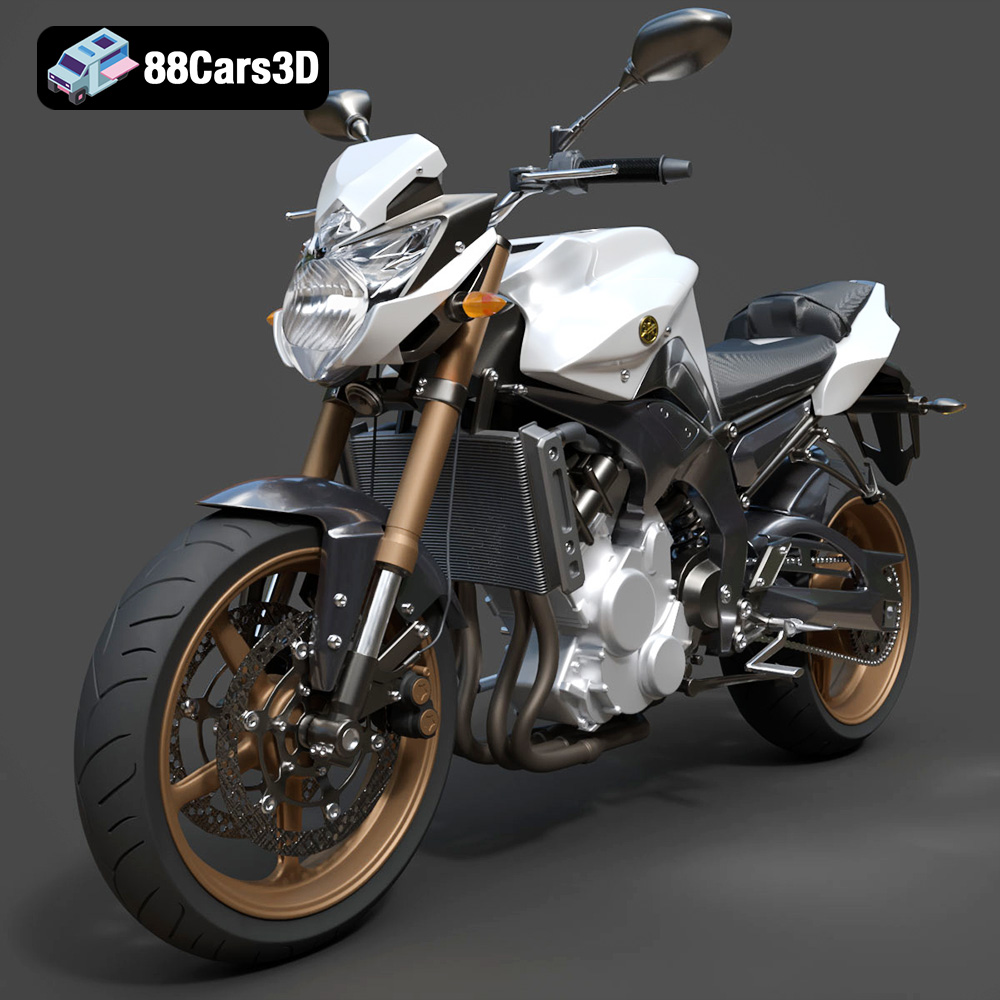
Yamaha FZ8 2011 3D Model
Texture: Yes
Material: Yes
Download the Yamaha FZ8 2011 3D Model featuring clean geometry, realistic detailing, and a fully modeled interior. Includes .blend, .fbx, .obj, .glb, .stl, .ply, .unreal, and .max formats for rendering, simulation, and game development.
Price: $19.99

Yamaha Stryker 2012 3D Model
Texture: Yes
Material: Yes
Download the Yamaha Stryker 2012 3D Model featuring clean geometry, realistic detailing, and a fully modeled interior. Includes .blend, .fbx, .obj, .glb, .stl, .ply, .unreal, and .max formats for rendering, simulation, and game development.
Price: $19.99
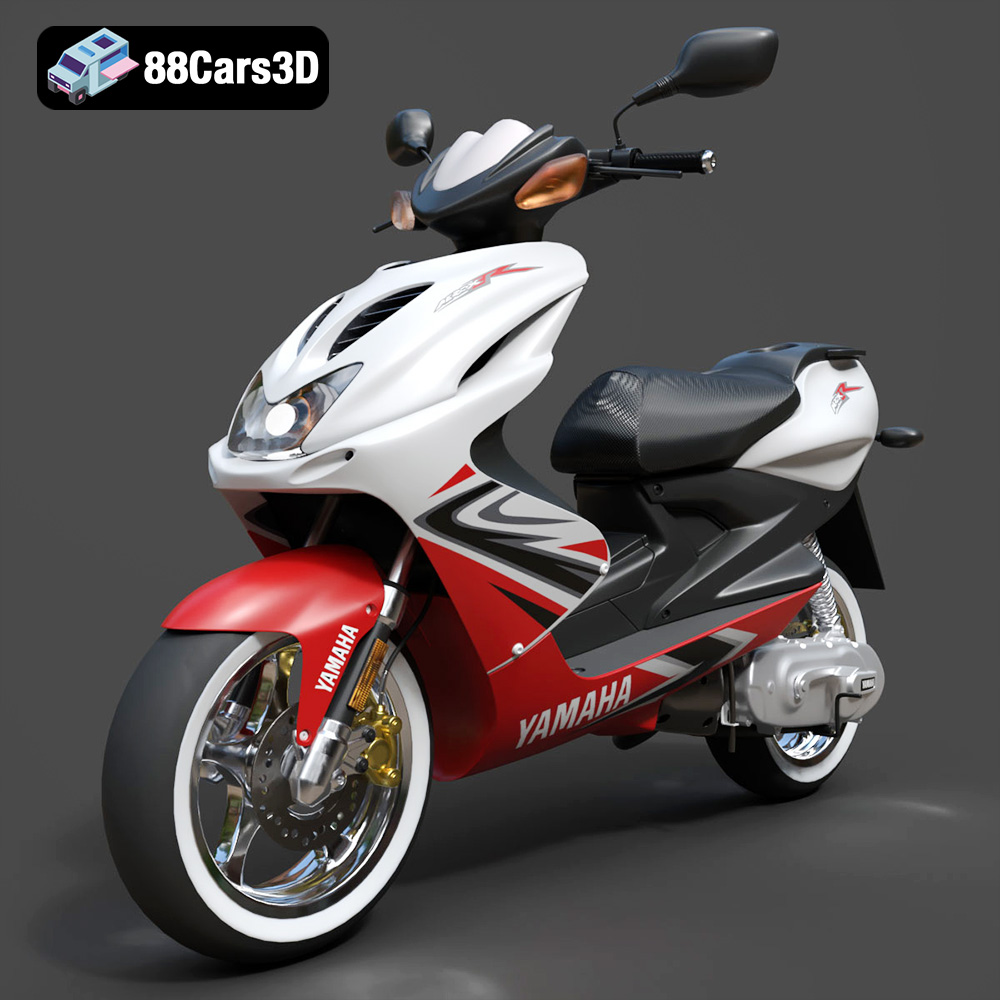
Yamaha Aerox R-002 2024 3D Model
Texture: Yes
Material: Yes
Download the Yamaha Aerox R-002 2024 3D Model featuring clean geometry, realistic detailing, and a fully modeled interior. Includes .blend, .fbx, .obj, .glb, .stl, .ply, .unreal, and .max formats for rendering, simulation, and game development.
Price: $19.99
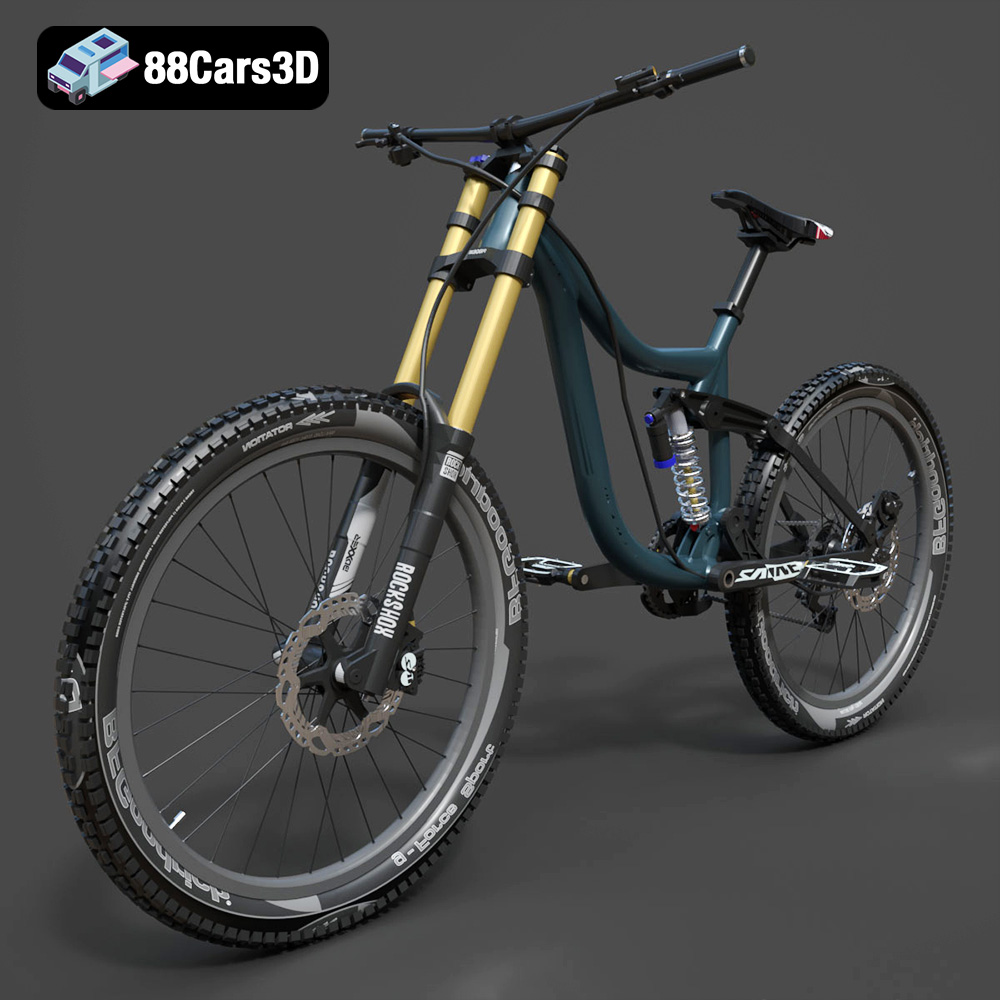
Mototsikly Downhill Bike-002 3D Model
Texture: Yes
Material: Yes
Download the Mototsikly Downhill Bike-002 3D Model featuring clean geometry, realistic detailing, and precise mechanical components. Includes .blend, .fbx, .obj, .glb, .stl, .ply, .unreal, and .max formats for rendering, simulation, and game development.
Price: $19.99
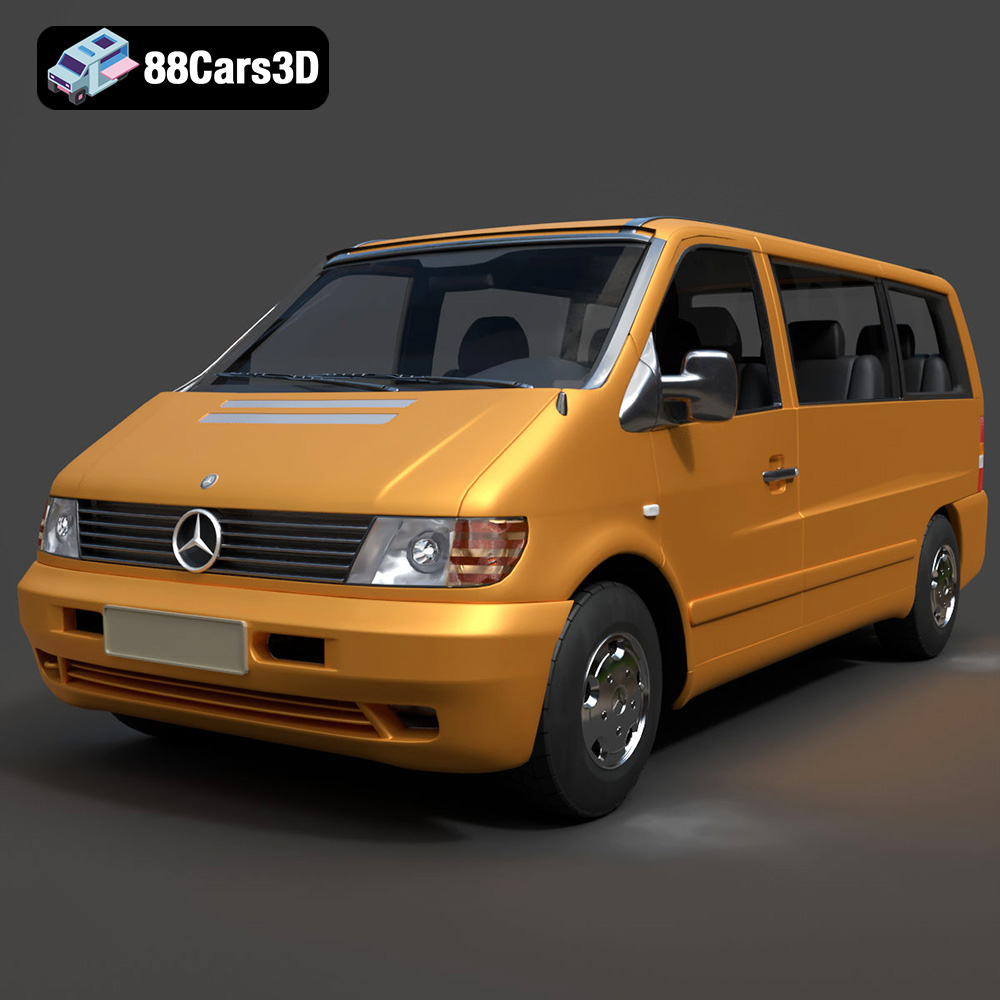
Mercedes-Benz Vito Passenger Van 3D Model
Texture: Yes
Material: Yes
Download the Mercedes-Benz Vito Passenger Van 3D Model featuring clean geometry, realistic detailing, and a fully modeled interior. Includes .blend, .fbx, .obj, .glb, .stl, .ply, .unreal, and .max formats for rendering, simulation, and game development.
Price: $19.99
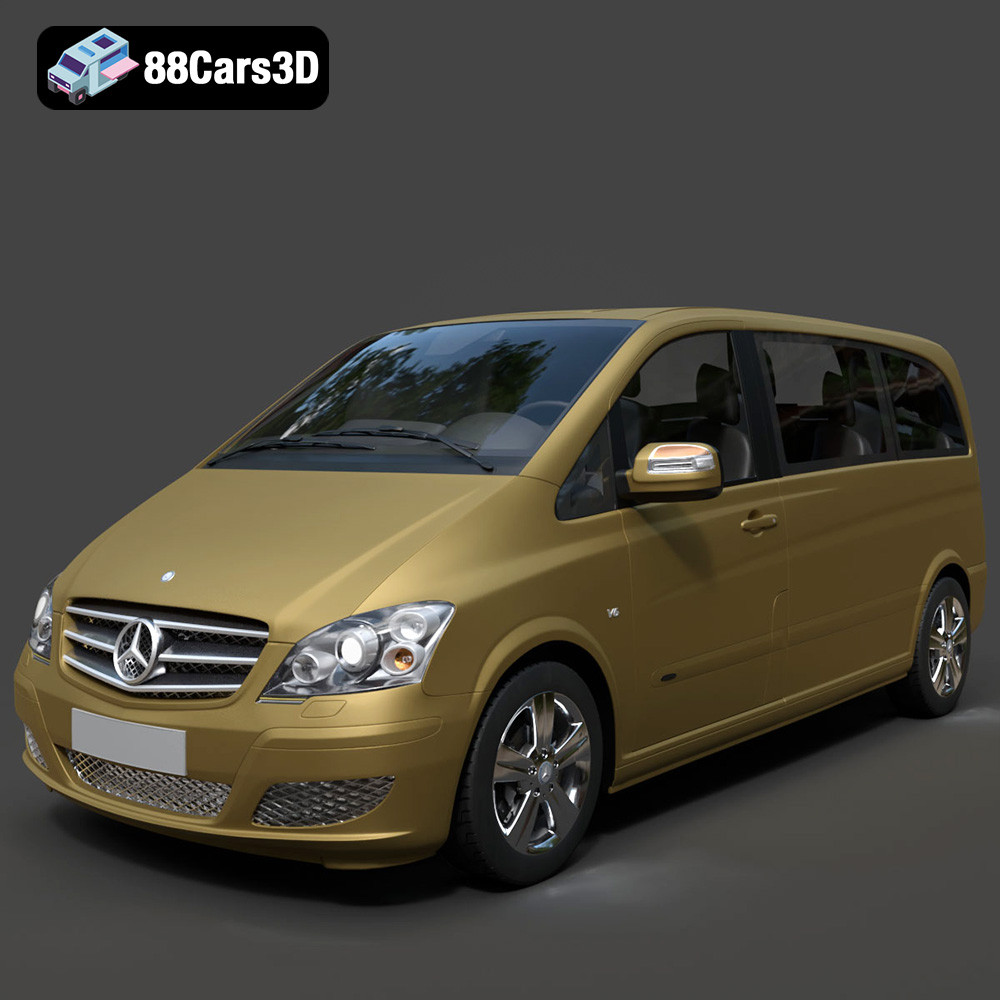
Mercedes-Benz Viano 2010 3D Model
Texture: Yes
Material: Yes
Download the Mercedes-Benz Viano 2010 3D Model featuring clean geometry, realistic detailing, and a fully modeled interior. Includes .blend, .fbx, .obj, .glb, .stl, .ply, .unreal, and .max formats for rendering, simulation, and game development.
Price: $19.99

Emt Avtobus 007 3D Model
Texture: Yes
Material: Yes
Download the Emt Avtobus 007 3D Model featuring clean geometry, realistic detailing, and a fully modeled interior. Includes .blend, .fbx, .obj, .glb, .stl, .ply, .unreal, and .max formats for rendering, simulation, and game development.
Price: $19.99
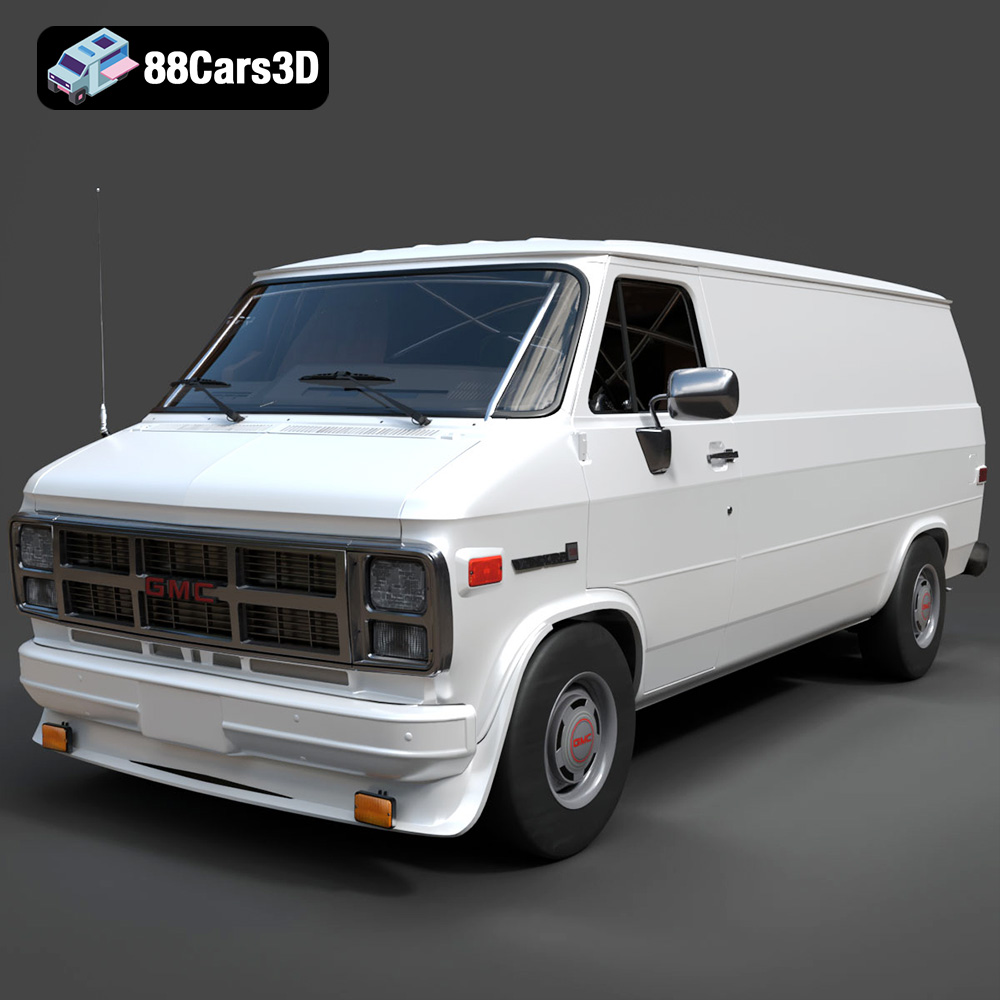
GMC Vandura G-1500 1983 3D Model
Texture: Yes
Material: Yes
Download the GMC Vandura G-1500 1983 3D Model featuring clean geometry, realistic detailing, and a fully modeled interior. Includes .blend, .fbx, .obj, .glb, .stl, .ply, .unreal, and .max formats for rendering, simulation, and game development.
Price: $19.99

Ford E-450 Ambulance 3D Model
Texture: Yes
Material: Yes
Download the Ford E-450 Ambulance 3D Model featuring clean geometry, realistic detailing, and a fully modeled interior. Includes .blend, .fbx, .obj, .glb, .stl, .ply, .unreal, and .max formats for rendering, simulation, and game development.
Price: $19.99

Fiat Ducato SWB-001 3D Model
Texture: Yes
Material: Yes
Download the Fiat Ducato SWB-001 3D Model featuring clean geometry, realistic detailing, and a fully modeled interior. Includes .blend, .fbx, .obj, .glb, .stl, .ply, .unreal, and .max formats for rendering, simulation, and game development.
Price: $19.99
