

“`html
Mastering the Art: Transforming Vehicle Models into Print-Ready STL Files for 3D Printing
The world of 3D printing has revolutionized hobbyism, prototyping, and even professional manufacturing. For automotive enthusiasts and model makers, the ability to bring their favorite cars to life in miniature form is an incredibly exciting prospect. While many platforms offer pre-made 3D printable car models in STL files, understanding the process of converting existing 3D models into this universally compatible format is a valuable skill. Whether you’re a seasoned 3D artist or a curious maker, this guide will walk you through the essential steps, from preparing your source model to ensuring a flawless 3D print. We’ll delve into the nuances of file formats, mesh topology, slicer settings, and crucial troubleshooting techniques, empowering you to create high-quality, print-ready STL files, perfect for platforms like 88cars3d.com.
This comprehensive article will cover:
- The fundamental characteristics of the STL file format and its importance in 3D printing.
- Best practices for preparing your 3D vehicle model for conversion, ensuring clean geometry and manifold integrity.
- Step-by-step workflows for converting various 3D file formats to STL using popular software.
- Essential mesh repair and optimization techniques to fix common issues that can plague 3D prints.
- Key considerations for setting up your slicer software for optimal results with vehicle models, including support structures and print orientation.
- Tips for post-processing your printed car models to achieve a professional finish.
By the end of this guide, you’ll have a solid understanding of how to take a digital vehicle model and transform it into a tangible, 3D printed reality, whether for personal enjoyment, as part of a collection, or for use in educational projects.
Understanding STL and Vehicle Model File Formats
The STL file format (Stereolithography or Standard Triangle Language) is the de facto standard for 3D printing. Its simplicity is its strength: it describes the surface geometry of a 3D object as a collection of connected triangles. Each triangle is defined by the coordinates of its three vertices and a normal vector, which indicates the outward-facing direction. This straightforward representation is easily interpreted by 3D printer slicing software, making it universally compatible. However, this simplicity also means that STL files do not store information about color, texture, or material properties, focusing solely on the shape.
Vehicle models, especially those created for rendering or animation, often originate in more complex file formats like OBJ, FBX, or native CAD formats (e.g., STEP, IGES). These formats can contain rich data beyond just geometry, including detailed material definitions, hierarchical object structures, and even animation data. While these formats offer greater flexibility in the design phase, they often require conversion to STL for 3D printing. The conversion process involves extracting the surface mesh information and ensuring it is represented accurately by a tessellated surface of triangles.
STL vs. Other Formats for Printing
When considering 3D printing, especially for intricate models like cars, the choice of file format is critical. While formats like OBJ and FBX can also be used by some slicers, STL remains the most universally supported. Unlike formats that might store object hierarchies or smoothing information, STL provides a raw, unambiguous representation of the surface. This is particularly important for ensuring that your slicing software can accurately interpret the model’s boundaries. For complex vehicle models with numerous parts, converting each component to its own STL file before potentially combining them in the slicer can sometimes simplify management and repair processes. However, for a single, solid vehicle model, a well-formed STL is the ultimate goal.
Mesh Topology and STL Limitations
The underlying structure of your 3D model, known as its mesh topology, significantly impacts the quality of the resulting STL file and, consequently, the 3D print. A “manifold” or “watertight” mesh is crucial for 3D printing. This means the surface is completely enclosed, with no holes, gaps, or internal faces. Imagine it like a balloon: it has a defined interior and exterior, and no stray surfaces are floating inside. Non-manifold geometry can cause errors during slicing, leading to failed prints or unexpected artifacts. Understanding that STL only represents surfaces and not volumes means that any internal structures or voids within your original model might not be preserved unless explicitly modeled as separate, watertight components or accounted for during the conversion process.
Preparing Your Vehicle Model for STL Conversion
The success of your 3D printable car model hinges on proper preparation before conversion to STL. This stage is arguably the most critical, as it lays the groundwork for a clean, error-free mesh. A common mistake is to assume that any 3D model can be directly exported to STL without scrutiny. For vehicle models, which often feature complex curves, thin details like spoilers and mirrors, and potentially separate components like wheels and chassis, meticulous preparation is essential. The goal is to create a model that is “watertight,” has appropriate wall thicknesses for printing, and avoids unnecessary geometric complexities that could lead to triangulation errors.
This involves a series of checks and potential modifications using 3D modeling software. Whether you’re using Blender, Maya, 3ds Max, or CAD software, the principles remain the same: clean up the mesh, ensure it’s manifold, and consider the practicalities of 3D printing. For instance, extremely thin elements that are common in automotive design, such as antenna masts or door handles, may need to be thickened or even omitted if they fall below the printable resolution of your chosen 3D printer and material. Similarly, internal cavities or overlapping geometry within a single object can cause significant problems.
Ensuring Manifold Geometry (Watertightness)
A manifold mesh is the cornerstone of a successful STL file for 3D printing. This means every edge in the mesh should be connected to exactly two faces. If an edge is connected to only one face, it creates a hole. If it’s connected to more than two, it indicates intersecting or overlapping geometry. Most 3D modeling software provides tools to detect and often fix these issues. In Blender, for instance, you can use the “3D-Print Toolbox” add-on to check for non-manifold edges, zero-area faces, and other errors. Identifying and filling holes, removing internal faces, and ensuring that all components of your vehicle model form a single, continuous boundary is paramount. Think of it as sealing every possible leak in a container before filling it with water.
Managing Wall Thickness and Details
For 3D printing, especially with FDM printers, objects need to have a minimum wall thickness to be structurally sound and printable. Details on a car model, such as panel gaps, emblems, or intricate grille designs, might be too thin in the source model. Before exporting to STL, you should assess these features. If a detail is thinner than, say, 0.8mm to 1.0mm (a common minimum for many FDM setups), it might not print reliably. You may need to thicken these elements, often using a “solidify” or “shell” modifier in your modeling software. Conversely, if you’re aiming for a highly detailed print on a resin printer, you can often get away with finer details, but you still need to ensure they have sufficient thickness to avoid breaking off during printing or post-processing. The goal is to balance aesthetic detail with the physical limitations of the printing process.
Detailing and Part Separation
Consider how your vehicle model is constructed. Is it a single monolithic object, or are there distinct parts like wheels, doors, or a removable roof? For 3D printing, it’s often beneficial to export these as separate STL files. This allows for easier printing with different materials or colors, facilitates easier support generation and removal, and simplifies post-processing and assembly. For example, printing wheels separately allows you to orient them for optimal detail and potentially print them with a different filament for contrast. If your source model is a single mesh, you might need to use tools like Meshmixer or Blender’s boolean operations to separate distinct components. Ensure that each separated part is also a watertight, manifold mesh.
Conversion Workflows and Software Tools
Once your vehicle model is meticulously prepared, the next step is to convert it into the STL file format. This process varies slightly depending on the software you use and the original format of your model. The key is to utilize the export functions within your chosen 3D modeling or CAD software and to understand the settings that influence the resulting STL’s quality. Popular choices range from professional CAD packages to free, open-source modeling software and dedicated mesh editing tools.
The goal during conversion is to create an STL file that accurately represents the prepared geometry while optimizing for 3D printing. This often involves controlling the level of tessellation – how finely the curves and surfaces are broken down into triangles. Too coarse, and your model will look faceted and blocky. Too fine, and the STL file can become excessively large, potentially causing issues with slicing software and increasing processing times. Finding the right balance is key to achieving smooth surfaces and manageable file sizes.
Exporting from Modeling Software (Blender, Maya, 3ds Max)
Most professional 3D modeling packages offer direct STL export options. In Blender, for example, you would go to `File > Export > Stl (.stl)`. When exporting, you’ll typically encounter settings related to scale and unit conversion. It’s crucial to ensure your model’s units in the software match the intended units for printing (e.g., millimeters). You’ll also often find options for exporting only selected objects and choosing between binary and ASCII STL formats. Binary STL files are generally smaller and preferred for 3D printing.
Crucially, look for settings that control the mesh resolution or “quality” during export. Sometimes this is implicit in the software’s scene units or export settings. If your software allows, exporting with a higher polygon count or finer subdivision can yield a smoother surface representation in the STL. However, if the original model is already very high-poly, you might consider decimation (reducing polygon count) *before* exporting to STL, if done carefully to preserve essential detail.
Using CAD Software (Fusion 360, SolidWorks)
CAD software, designed for precision engineering, often requires a specific workflow for STL export. Models in CAD are typically parametric and feature-based, not directly mesh-based like in polygonal modelers. When exporting to STL from software like Fusion 360 or SolidWorks, you are essentially performing a mesh conversion. You’ll usually find options to control the “resolution” or “quality” of the resulting mesh. Settings might include deviation from the original surface, angular tolerance, or edge length. Lower tolerances and angular deviations result in a finer mesh with more triangles, leading to smoother curves but larger files. For vehicle models, where smooth surfaces are important, investing time in tuning these settings is worthwhile. Ensure you select “High” or “Fine” quality when prompted, and always check the exported STL in a mesh viewer.
Mesh Editing and Repair Tools (Meshmixer, Netfabb)
Even after careful preparation and export, STL files can sometimes contain errors. This is where dedicated mesh editing and repair software like Autodesk Meshmixer or Autodesk Netfabb (which has both free and paid versions) become invaluable. These tools are specifically designed to analyze, repair, and optimize STL files for 3D printing. They can automatically detect and fix issues like holes, non-manifold geometry, inverted normals, and self-intersections. You can also use them to simplify complex meshes, thicken thin walls, hollowing models to save material, and even combine multiple STL files into a single print-ready object. For instance, using Meshmixer’s “Inspector” tool can quickly highlight problem areas, and its “Make Solid” feature can attempt to create a watertight mesh from problematic input. These tools are essential for ensuring your printable car models are truly print-ready.
Mesh Repair and Optimization for Printability
Converting a 3D vehicle model to an STL file is often just the first step. The raw STL output from modeling or CAD software can frequently contain imperfections that will translate into print failures or subpar results. This is where mesh repair and optimization become indispensable. These processes focus on ensuring the STL file represents a “watertight” and geometrically sound object that your 3D printer‘s slicing software can interpret correctly. Without proper repair, you might encounter issues like gaps in the layers, errors during slicing, or incomplete prints.
The goal is to achieve a clean, manifold mesh that accurately reflects the intended shape of your vehicle model, with appropriate considerations for the 3D printing process. This includes fixing topological errors, simplifying unnecessarily complex geometry, and ensuring details are robust enough to be printed. Investing time in this stage can save significant frustration and material waste down the line, ensuring that your downloaded models from places like 88cars3d.com or your own converted files produce excellent 3D prints.
Identifying and Fixing Common STL Errors
Common errors in STL files include:
- Holes: Gaps in the surface where faces are missing. These can be detected by tools like Meshmixer’s “Inspector” or Netfabb’s Analysis tools. Fixing often involves manually adding or bridging faces, or using automated “hole filling” functions.
- Non-Manifold Edges: Edges shared by more than two faces, or isolated edges. These indicate intersecting geometry or disconnected parts of the mesh.
- Inverted Normals: Faces that are pointing inwards instead of outwards. This can confuse slicers, leading them to interpret the inside as the outside. Recalculating normals is usually a straightforward fix in modeling software.
- Degenerate Faces: Triangles with zero area or collapsed vertices. These are often artifacts of complex modeling operations and can cause slicing errors.
- Self-Intersecting Faces: Triangles that pass through each other. This is a common issue in complex meshes and can be difficult to repair automatically.
Software like Meshmixer and Netfabb excel at identifying and often automatically repairing these issues. However, for complex problems, manual intervention in a 3D modeling package might be necessary.
Mesh Decimation and Simplification
High-polygon models, especially those originating from CAD or scanned data, can result in extremely large STL files. While more triangles can mean smoother curves, excessively dense meshes can overwhelm slicing software, slow down processing, and increase file sizes unnecessarily. Mesh decimation (or polygon reduction) is the process of reducing the number of triangles in a mesh while preserving its overall shape and essential details. Tools like Meshmixer, Blender (using the “Decimate” modifier), or specialized software offer decimation algorithms. For printable car models, you want to reduce the polygon count intelligently, ensuring that critical details like sharp edges, grille patterns, and panel lines are not lost. A good target might be an STL file with a few hundred thousand to a couple of million triangles, depending on the complexity and desired print resolution.
Scaling and Orientation for Printing
Once the mesh is clean and optimized, ensure the model is at the correct scale for your intended print. You can scale your model within the mesh repair software or, more commonly, within your slicer software. Double-check the units (e.g., if your model was designed in inches but you want to print in millimeters, ensure the scaling factor is applied correctly). Proper orientation on the print bed is also critical for minimizing the need for support structures, maximizing surface quality, and ensuring structural integrity. For car models, consider orienting them to:
- Minimize overhangs on visible surfaces (e.g., the roof, hood, spoilers).
- Place the most detailed side upwards if possible.
- Ensure a stable base for adhesion.
Often, printing a car model upright (wheels down) is the most intuitive, but sometimes orienting it on its side or even upside down can drastically reduce support requirements and improve the finish of critical areas.
Slicing Strategies for Detailed Car Models
The conversion to a print-ready STL file is only half the battle; the next crucial step is slicing. Slicing software (like Cura, PrusaSlicer, Simplify3D) translates your 3D model into layer-by-layer instructions (G-code) that your 3D printer can understand. For detailed vehicle models, the choice of slicing parameters can dramatically impact the quality, accuracy, and success of your print. This is where you fine-tune settings related to layer height, speed, temperature, infill, and, critically, support structures. The goal is to balance print time with achieving the fine details, smooth curves, and structural integrity expected of a high-quality 3D printable car model.
Understanding the capabilities of your specific 3D printer (FDM vs. resin) and material is key. While FDM printers offer versatility and larger build volumes, they can struggle with very fine details and overhangs. Resin printers excel at intricate details but often have smaller build volumes and require more post-processing. Your slicing strategy should leverage the strengths of your chosen technology while mitigating its weaknesses.
Layer Height: Resolution vs. Print Time
Layer height is one of the most significant factors affecting print quality and time. A smaller layer height (e.g., 0.1mm or less) results in finer detail resolution, smoother curves, and less visible layer lines, which is ideal for car models where smooth bodywork is essential. However, it also drastically increases print time. Conversely, a larger layer height (e.g., 0.2mm or 0.3mm) prints much faster but will produce more noticeable layer lines and less detail. For high-quality car models, consider using a layer height of 0.1mm to 0.15mm for the main body, perhaps even lower for smaller prints or on resin printers (e.g., 0.05mm or less). You can often utilize adaptive layer height features in slicers (like in Cura or PrusaSlicer) to use finer layers on detailed areas like curves and thicker layers on flatter, less critical sections to save time.
Support Structures: Generation and Removal
Vehicle models often feature complex overhangs and bridges – think of spoilers, wheel arches, undercarriage details, and windshield wipers. Support structures are essential to print these features without them collapsing. However, poorly generated or difficult-to-remove supports can mar the surface finish of your model.
- Tree/Organic Supports: Many slicers now offer “tree” or “organic” supports (e.g., in Cura 5.0+). These are often more efficient, use less material, and are easier to remove than traditional vertical supports because they branch out and contact the model only at specific points.
- Support Placement: Configure supports to print only where needed (“Touching Buildplate” vs. “Everywhere”). For car models, try to avoid placing supports directly on critical surfaces like the car body if possible. Orienting the model strategically can significantly reduce the need for internal supports.
- Support Settings: Fine-tune support density, pattern (e.g., grid, zigzag), interface layers, and Z-distance. A slightly larger Z-distance (the gap between the support and the model) makes removal easier but can lead to a rougher surface finish where the support touched. Experiment to find the best balance.
For resin printers, supports are even more critical and require careful placement to ensure successful lifts from the build plate without damaging delicate features.
Infill and Print Speed Optimization
For solid models like car bodies, the internal infill pattern and density primarily affect structural integrity and print time. For display models, a low infill density (5-15%) is usually sufficient, saving material and print time. Patterns like gyroid or cubic offer good strength-to-weight ratios. However, if you plan on using the model for functional purposes or if specific parts (like wheel hubs) need to be robust, you might increase infill density. Print speed is another critical parameter. While faster printing is tempting, extremely high speeds can lead to ringing artifacts, poor layer adhesion, and reduced detail accuracy, especially on complex curves. For detailed car models, it’s often best to print at moderate speeds (e.g., 40-60 mm/s for outer walls and 60-80 mm/s for inner walls and infill) and adjust retraction settings carefully to minimize stringing, particularly with filaments like PETG or ABS.
Post-Processing and Finishing Your 3D Printed Cars
Once your 3D printer has completed its work, the journey of your printable car model isn’t over. Post-processing is essential for achieving a professional, museum-quality finish, especially for highly detailed models. This stage involves removing support structures, smoothing surfaces, and applying paint and other finishing touches. The specific techniques you employ will depend on the printing technology used (FDM vs. resin), the material, and your desired outcome. Neglecting post-processing can leave your impressive 3D print looking unmistakably like it just came off the printer bed, rather than a finely crafted model.
For enthusiasts looking for high-quality models, marketplaces like 88cars3d.com provide meticulously prepared STL files that are designed to minimize post-processing effort. However, understanding these techniques will allow you to refine any 3D printed car model, whether downloaded or converted yourself, to its full potential.
Support Removal and Initial Cleanup
Carefully remove support structures using pliers, flush cutters, hobby knives, or specialized support removal tools. For FDM prints, supports can often be snapped or cut away. For resin prints, supports are usually thinner and require more delicate removal with flush cutters and a hobby knife, being careful not to damage the underlying model. After removing the bulk of the supports, use a hobby knife or small files to clean up any remaining nubs or rough areas where the supports touched the model. For FDM prints, sanding is often the next step to smooth out layer lines and support contact points.
Sanding and Surface Smoothing
Sanding is crucial for achieving smooth surfaces on FDM prints. Start with a coarser grit sandpaper (e.g., 150-220 grit) to remove major imperfections and layer lines, then progressively move to finer grits (e.g., 400, 800, 1200, and even higher). Wet sanding (using sandpaper with water or a lubricant) can produce smoother results and reduce dust. For resin prints, sanding is typically less necessary for layer lines but might be used to smooth out transitions or remove small imperfections. Alternatively, vapor smoothing (using solvents like acetone for ABS or specialized agents for other plastics) can chemically melt the surface layer, creating an incredibly smooth finish. However, this requires careful handling and ventilation.
For both FDM and resin prints, applying a filler primer is an excellent step. This spray-on primer fills in microscopic imperfections and further smooths the surface, making it ready for paint. Multiple light coats followed by sanding with very fine grit sandpaper (e.g., 800-1200 grit) can yield a glass-like finish.
Painting and Assembly
Painting is where your 3D printed car model truly comes alive. Use primer as a base coat for better paint adhesion. Acrylic paints are popular for their versatility and ease of use. Airbrushing can provide the smoothest, most professional finish for car bodies, allowing for thin, even coats. Hand-brushing is suitable for smaller details or if you don’t have an airbrush. Consider using clear coats (gloss, satin, or matte) to protect the paint job and achieve the desired final sheen. If your car model was printed in multiple parts (e.g., chassis, body, wheels), this is the stage for assembly. Use appropriate adhesives like super glue (cyanoacrylate) or specialized plastic cement. Ensure parts align correctly before the glue sets.
By carefully executing these post-processing steps, you can transform a raw 3D print into a stunningly realistic scale model, ready to be displayed or added to any collection. This attention to detail is what separates a good print from a great one.
Conclusion: Your Journey to Perfect Printable Cars
Transforming digital vehicle models into high-quality, tangible 3D prints is a rewarding process that blends technical skill with artistic vision. From understanding the fundamental nature of the STL file format and its role in 3D printing, to meticulously preparing your source geometry, and finally optimizing your slicer settings, each step plays a critical part. We’ve explored the importance of ensuring manifold meshes, managing wall thicknesses, and the power of mesh repair tools like Meshmixer and Netfabb. Furthermore, we’ve delved into the strategic choices available in slicing software – balancing layer height with print time, mastering support structures, and fine-tuning parameters for optimal results. The journey doesn’t end with the print itself; the post-processing stages of support removal, sanding, and painting are where a good print becomes truly exceptional.
Whether you are downloading print-ready STL files from specialized marketplaces like 88cars3d.com, which offers a curated selection of expertly prepared models, or converting your own designs, the principles discussed here will empower you. By applying these techniques, you can overcome common printing challenges, enhance the detail and finish of your printable car models, and achieve results that meet professional standards. Embrace the iterative nature of 3D printing – don’t be afraid to experiment with settings, learn from each print, and refine your workflow. The ability to bring intricate automotive designs to life in miniature form is more accessible than ever, and with this knowledge, you are well-equipped to embark on your own successful 3D printing projects.
Your next steps:
- Practice File Preparation: Take an existing 3D model (even a simple one) and practice checking/repairing its manifold integrity using software like Meshmixer.
- Experiment with Slicer Settings: Print a small, detailed section of a car model (like a wheel or spoiler) multiple times, varying layer height, support type, and speed to see the impact.
- Explore Post-Processing: Try different sanding grits and painting techniques on a test print to understand how they affect the final appearance.
Happy printing!
“`
Featured 3D Car Models
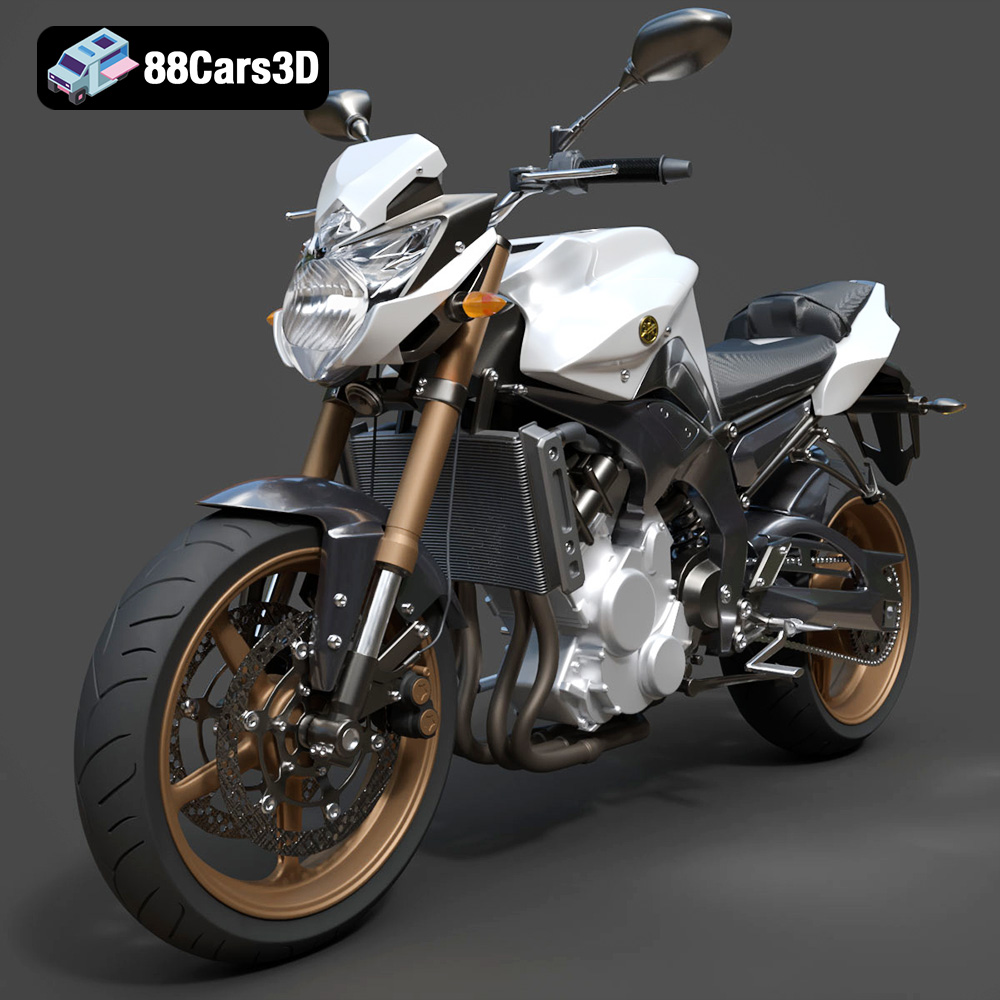
Yamaha FZ8 2011 3D Model
Texture: Yes
Material: Yes
Download the Yamaha FZ8 2011 3D Model featuring clean geometry, realistic detailing, and a fully modeled interior. Includes .blend, .fbx, .obj, .glb, .stl, .ply, .unreal, and .max formats for rendering, simulation, and game development.
Price: $19.99
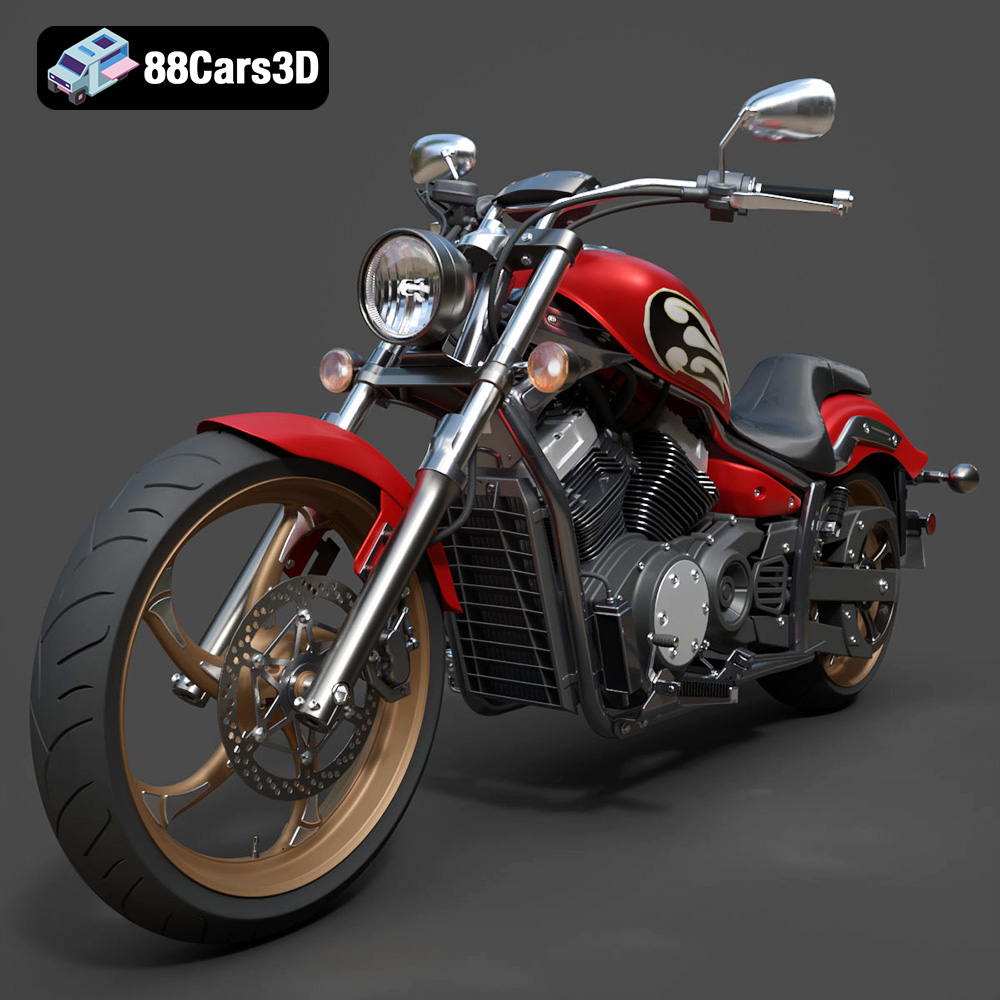
Yamaha Stryker 2012 3D Model
Texture: Yes
Material: Yes
Download the Yamaha Stryker 2012 3D Model featuring clean geometry, realistic detailing, and a fully modeled interior. Includes .blend, .fbx, .obj, .glb, .stl, .ply, .unreal, and .max formats for rendering, simulation, and game development.
Price: $19.99
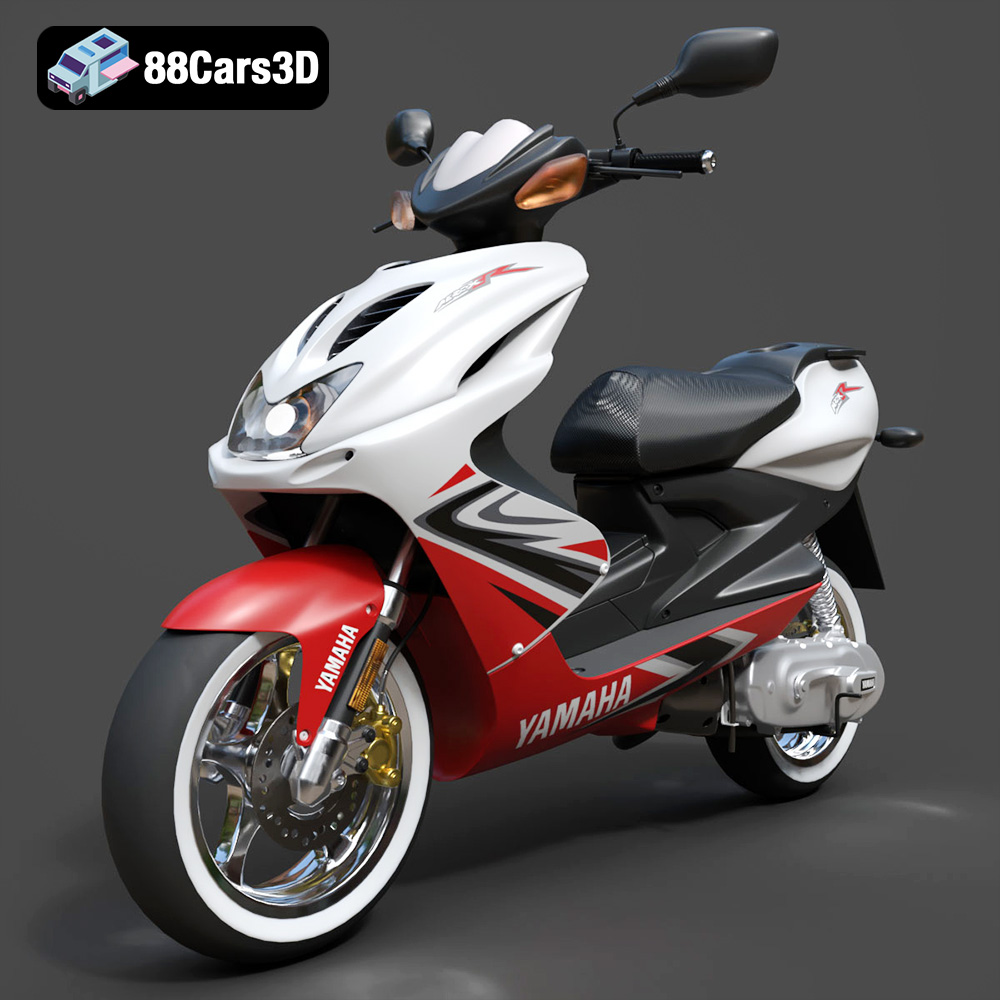
Yamaha Aerox R-002 2024 3D Model
Texture: Yes
Material: Yes
Download the Yamaha Aerox R-002 2024 3D Model featuring clean geometry, realistic detailing, and a fully modeled interior. Includes .blend, .fbx, .obj, .glb, .stl, .ply, .unreal, and .max formats for rendering, simulation, and game development.
Price: $19.99
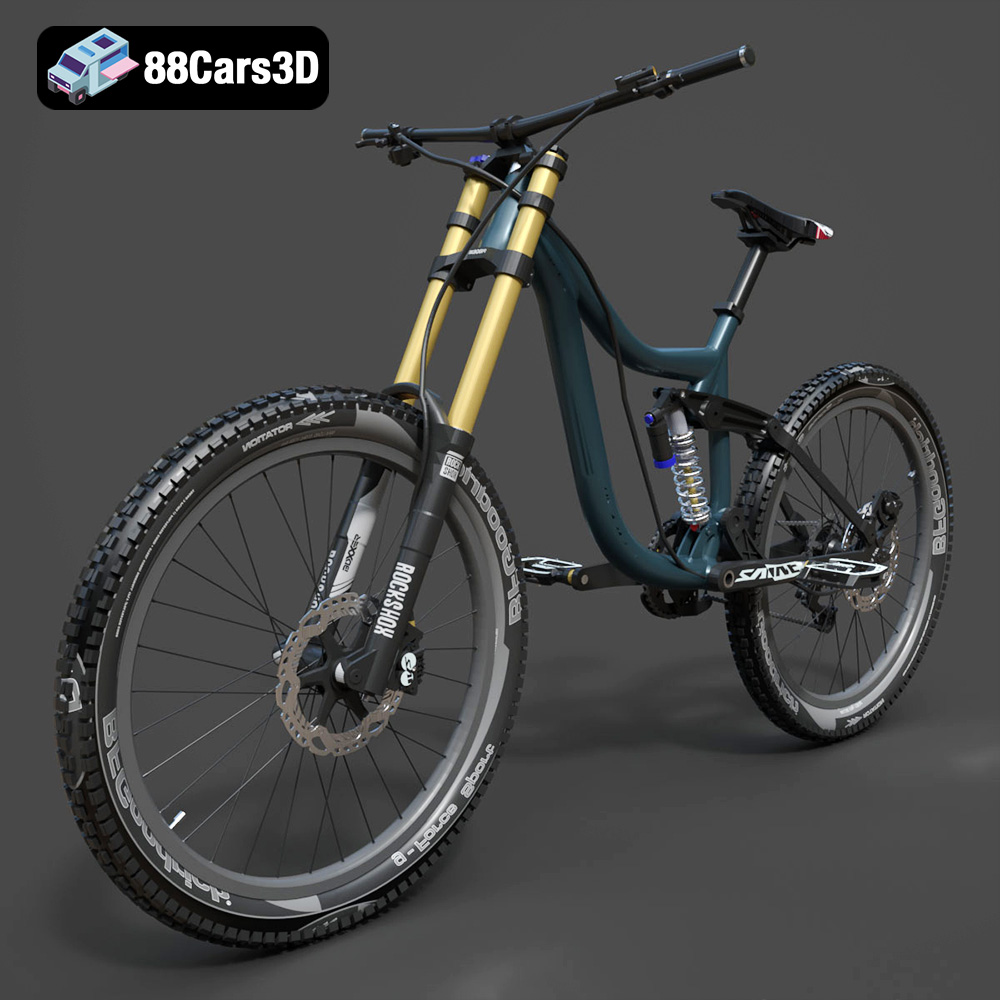
Mototsikly Downhill Bike-002 3D Model
Texture: Yes
Material: Yes
Download the Mototsikly Downhill Bike-002 3D Model featuring clean geometry, realistic detailing, and precise mechanical components. Includes .blend, .fbx, .obj, .glb, .stl, .ply, .unreal, and .max formats for rendering, simulation, and game development.
Price: $19.99
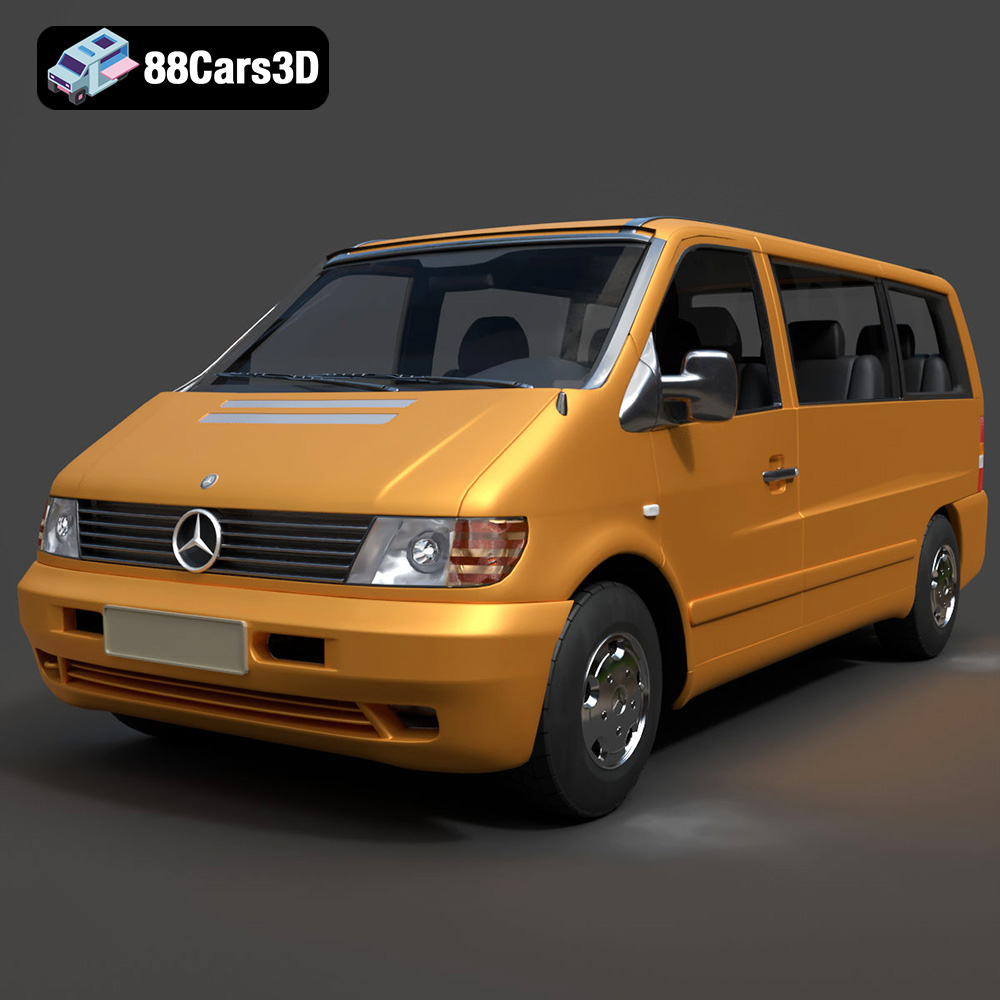
Mercedes-Benz Vito Passenger Van 3D Model
Texture: Yes
Material: Yes
Download the Mercedes-Benz Vito Passenger Van 3D Model featuring clean geometry, realistic detailing, and a fully modeled interior. Includes .blend, .fbx, .obj, .glb, .stl, .ply, .unreal, and .max formats for rendering, simulation, and game development.
Price: $19.99
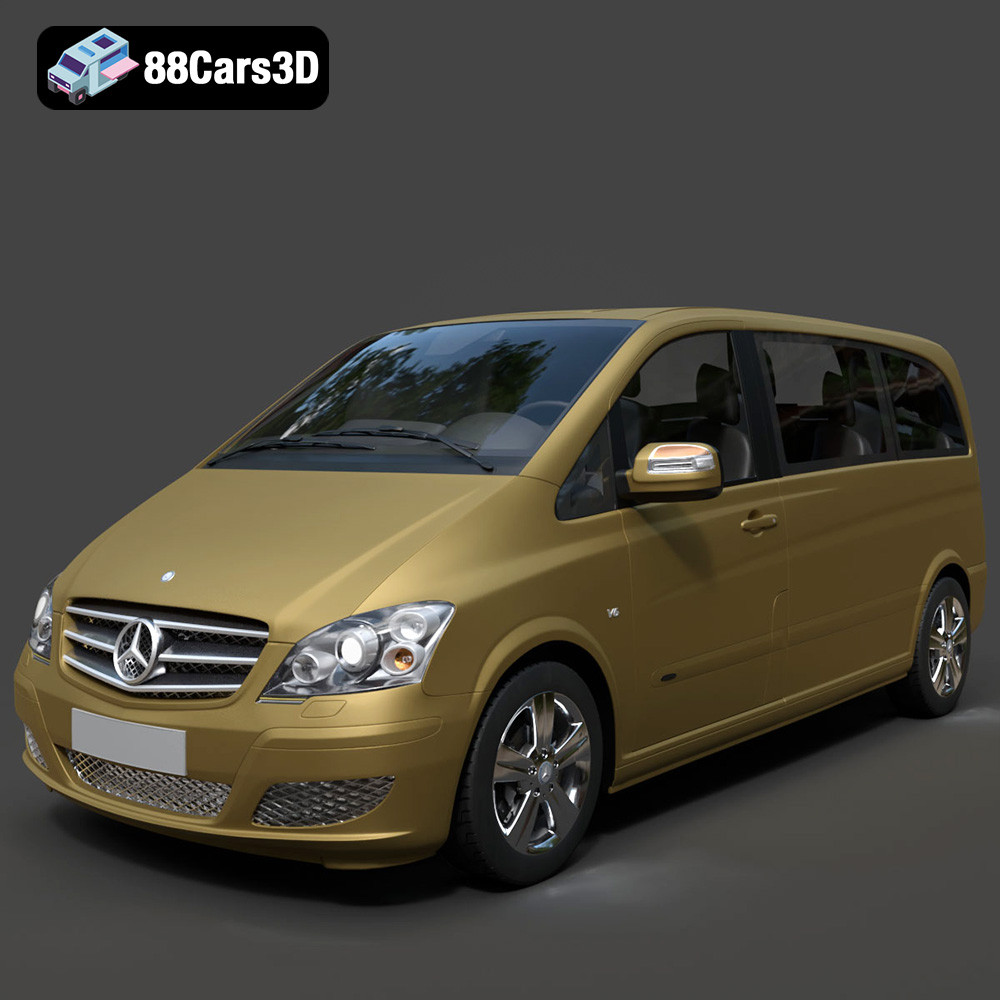
Mercedes-Benz Viano 2010 3D Model
Texture: Yes
Material: Yes
Download the Mercedes-Benz Viano 2010 3D Model featuring clean geometry, realistic detailing, and a fully modeled interior. Includes .blend, .fbx, .obj, .glb, .stl, .ply, .unreal, and .max formats for rendering, simulation, and game development.
Price: $19.99

Emt Avtobus 007 3D Model
Texture: Yes
Material: Yes
Download the Emt Avtobus 007 3D Model featuring clean geometry, realistic detailing, and a fully modeled interior. Includes .blend, .fbx, .obj, .glb, .stl, .ply, .unreal, and .max formats for rendering, simulation, and game development.
Price: $19.99
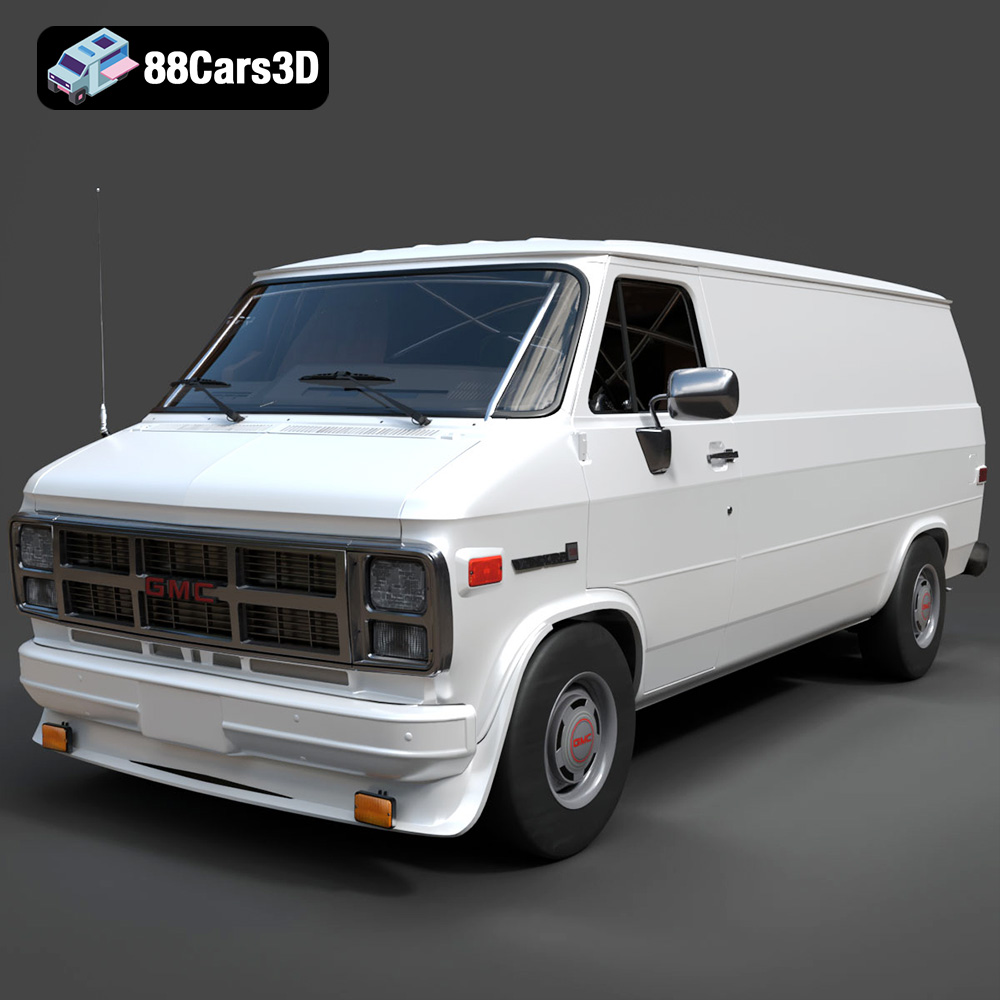
GMC Vandura G-1500 1983 3D Model
Texture: Yes
Material: Yes
Download the GMC Vandura G-1500 1983 3D Model featuring clean geometry, realistic detailing, and a fully modeled interior. Includes .blend, .fbx, .obj, .glb, .stl, .ply, .unreal, and .max formats for rendering, simulation, and game development.
Price: $19.99
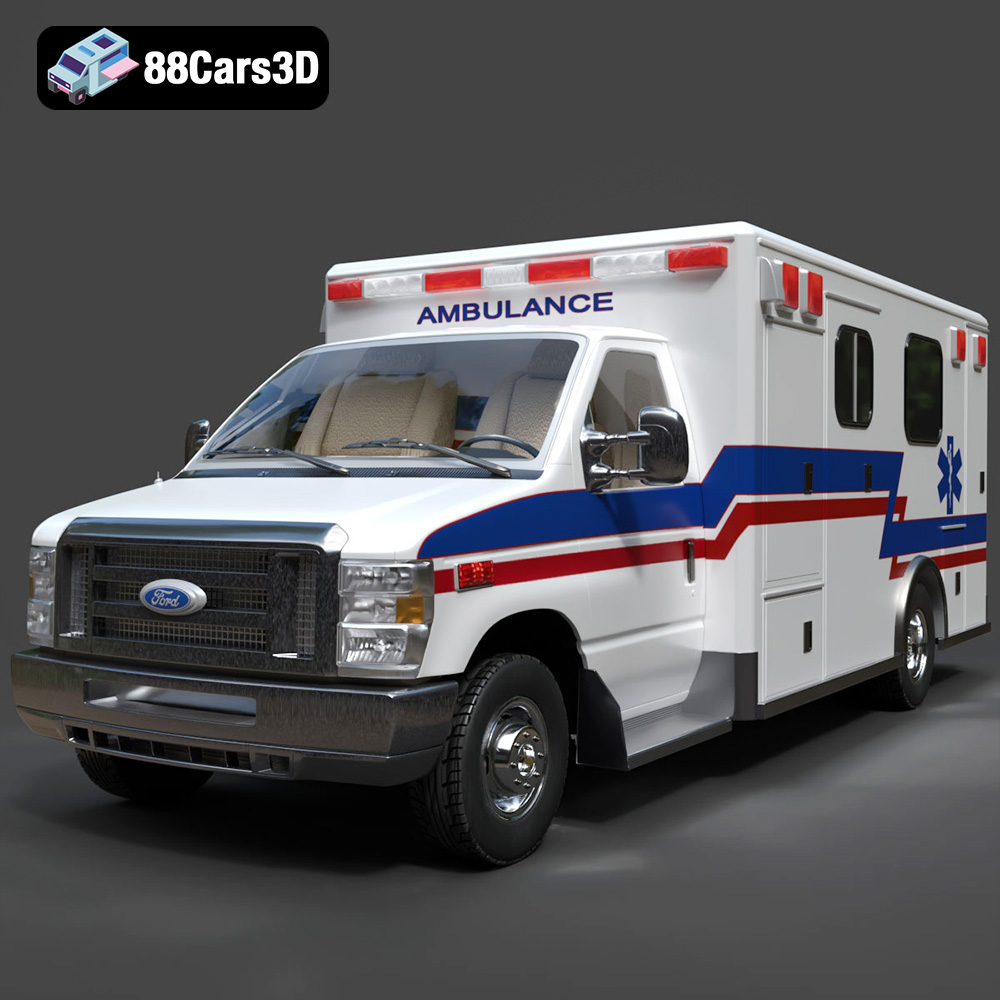
Ford E-450 Ambulance 3D Model
Texture: Yes
Material: Yes
Download the Ford E-450 Ambulance 3D Model featuring clean geometry, realistic detailing, and a fully modeled interior. Includes .blend, .fbx, .obj, .glb, .stl, .ply, .unreal, and .max formats for rendering, simulation, and game development.
Price: $19.99

Fiat Ducato SWB-001 3D Model
Texture: Yes
Material: Yes
Download the Fiat Ducato SWB-001 3D Model featuring clean geometry, realistic detailing, and a fully modeled interior. Includes .blend, .fbx, .obj, .glb, .stl, .ply, .unreal, and .max formats for rendering, simulation, and game development.
Price: $19.99
